
Crypto World
Colin Kaepernick on Threats He Faced, His NFL Exile, and That Jay-Z Lyric

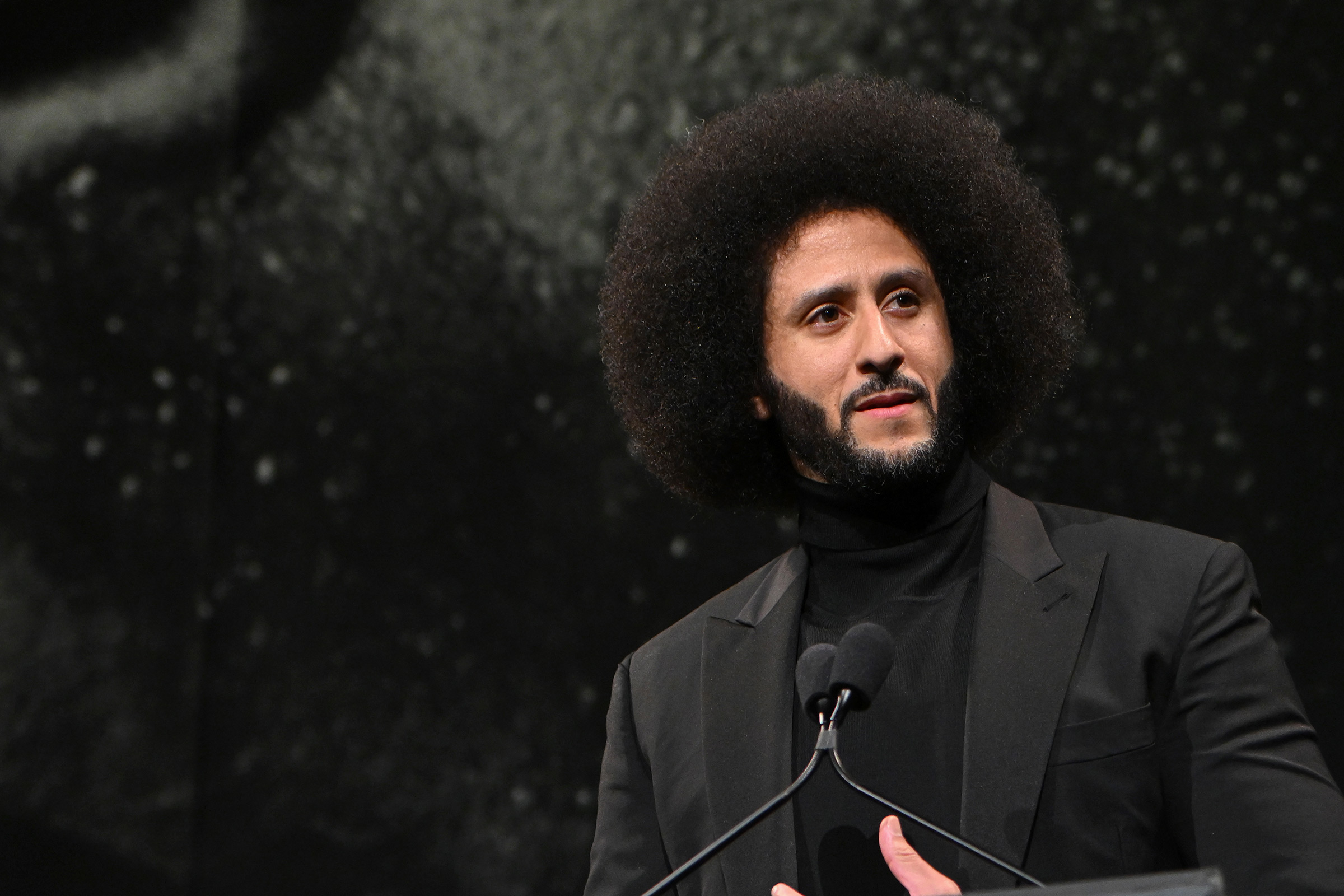
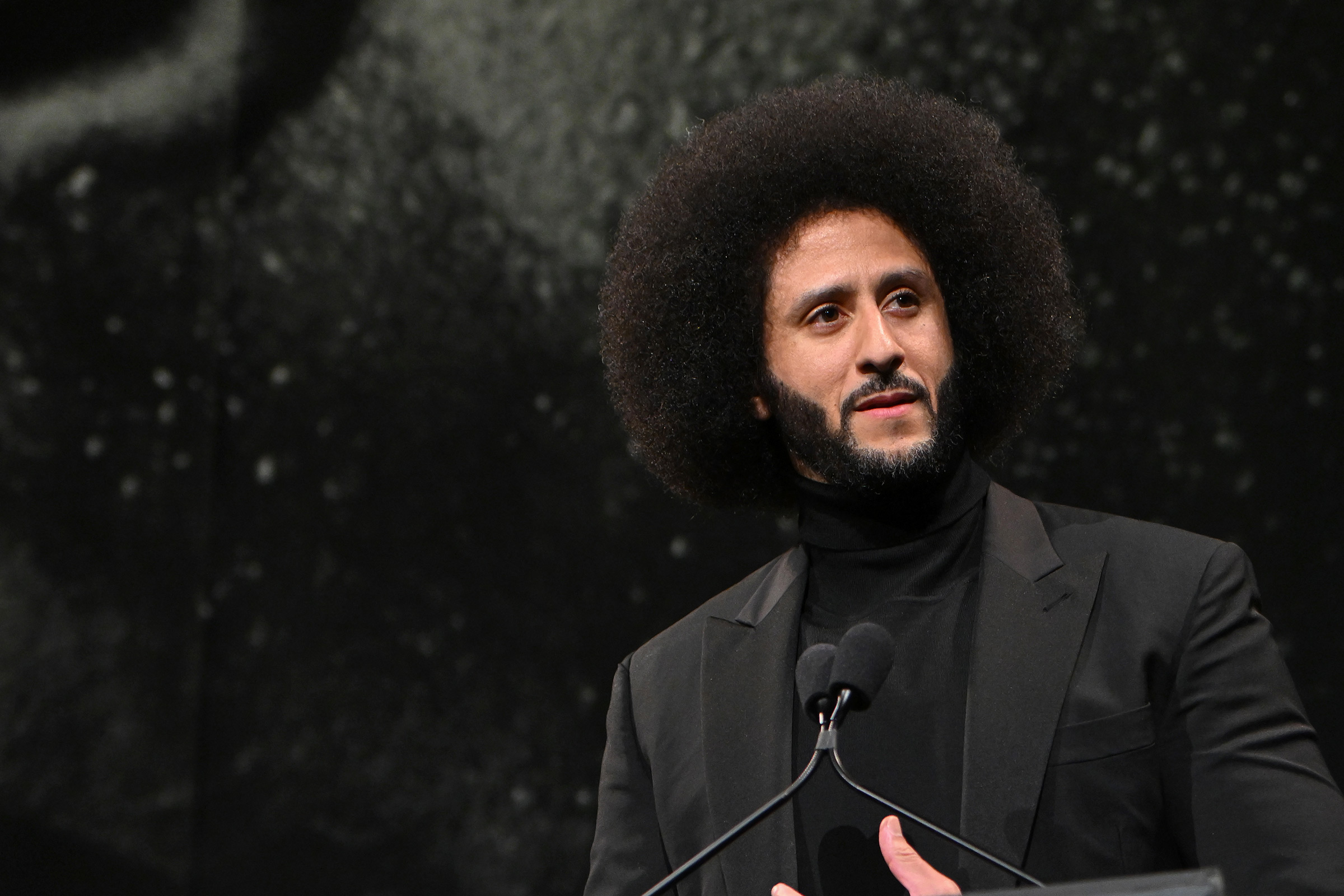
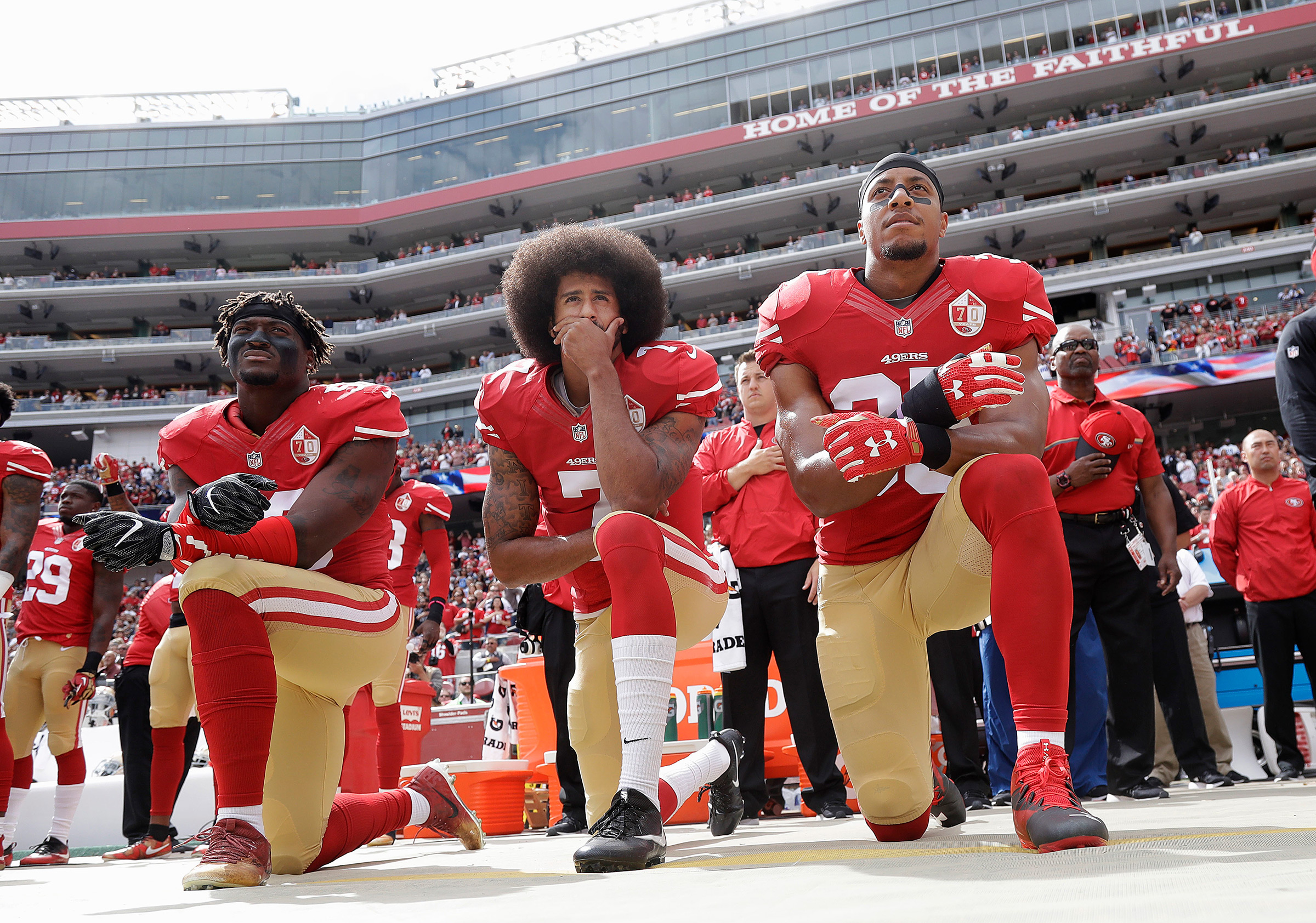
Following a string of high-profile police shootings of Black men 10 years ago, San Francisco 49ers quarterback Colin Kaepernick began protesting such incidents by sitting during the national anthem at preseason games. What began as a quiet action turned into a fevered national debate about freedom of expression, patriotism, and so much more.
In Kaepernick’s new memoir, The Perilous Fight, the quarterback explains that his action was spontaneous. He wasn’t even in uniform on August 13, 2016, the first time he sat during the anthem. “I hadn’t given the anthem a second’s thought before I walked out onto the field that day, but it hit me in that moment that I should find a seat,” Kaepernick writes. “I didn’t want to stand up while that song was playing. Rosa Parks had refused to give up her seat on the bus to a white person in 1955. Muhammad Ali wouldn’t step forward when his name was called by the draft board for the Vietnam War in Louisville in 1967. Tommie Smith and John Carlos raised black-gloved fists in the air during the playing of the anthem at the 1968 Olympics. They didn’t like what they saw, the way this nation touted its commitment to justice and at the same time showed little interest in it, and they took action. Those inspiring Americans had the courage of their convictions and literally changed the world in the process.”
Kaepernick, despite leading the 49ers to the Super Bowl in 2013 and throwing 16 touchdown passes, against just four interceptions, for a bad 49ers team in 2016, hasn’t played in the NFL since that season. In 2019, he and former teammate Eric Reid, who joined Kaepernick in kneeling during the anthem, settled a collusion lawsuit against the NFL. In late August, a decade after he etched his name in history, Kaepernick sat down with TIME to talk about why he hasn’t spoken up much about his protests, his relationship with the anthem today, his differences with Jay-Z, and the state of policing in the United States.
(This interview has been edited and condensed for length and clarity)
You’ve released a book, The Perilous Fight. Why tell your story now?
One, it’s 10 years since the protest. I’ve gotten so many questions about why did I protest, what happened, what led up to it, the details behind the scenes of all of the moments. Not just the protest, but owners in the NFL, the conversations that were happening there, the workout in 2019 and all the things that transpired around that. Then also just the work that we’re doing directly in the communities. It felt like it was a great time to be able to go out, answer some of those questions, and also be able to give insight into how we build, how we move forward together. I think it’s especially critical in a moment like this.
The book starts with a harrowing incident of racial hostility involving the N word that you experienced as a child—one you weren’t comfortable sharing with your parents, who adopted you and are white. Why start there?
One of the reasons we wanted to start with that moment of going through the neighborhood, being tied to a rose tree, and the dynamic of not feeling comfortable telling my parents is it really sets the stage for the rest of the book, and sets the stage for the rest of my life. I had to navigate the realities that you face when you are Black in predominantly white spaces. I had so many questions around, “You lived a privileged life. Everything was all good. Middle-class white family. What are you upset about?” And from the outside looking in, I understand how it can look that way. But also the reality of the experience, and what I went through, is also something that’s important to put in context.
You didn’t really do any interviews during the heat of 2016 and 2017, and in the aftermath. What was your thinking on not doing these types of interviews then?
Yeah, it’s interesting because I get both sides of that question. During the 2016 season, it was like, “Why are you talking so much? Be quiet.” As an NFL quarterback, you’re required to speak three times a week. So reporters can ask you whatever they would like. I’m happy to answer any questions as part of that. But post that moment, one thing I realized was, it felt like there was a very, very intentional effort to make me the sole figure, or the sole voice, of the movement. I thought it was important to create space for other voices to be able to step up. And one of the reasons that I thought that approach was so important is looking back historically, yes, we need strong leaders, but we need strong people collectively. That’s actually what allows us to be able to sustain over time. Also, as part of that, I thought it was very important as they were very intentional attacks to try to discredit me, discredit what I was capable of on the field, discredit my character. In those efforts of trying to discredit me, they were also trying to discredit the broader movement.
If there’s one athlete who has stepped up in the way that you wanted, who would that be?
I think there are voices across the board that have stepped up. I would say my brother Eric Reid. I’m always going to bring him up. Love Eric. He continued the protest after I was blackballed. He himself went through the same reality. His final season, [he] went out, set two franchise records, was cut, and never saw the field again. We had voices throughout the NBA step up. Whether that was LeBron, we saw Steph Curry, we saw Carmelo, we saw KD, all stepping to the forefront. We saw this with Megan Rapinoe, doing that on an international stage. We’re seeing it to this day throughout Europe. I would not have had the insight that this would have had the lasting impact internationally the way it does, and that’s just within the sports realm. More broadly, what I think it’s done is created opportunities, whether it is on a national stage, international stage, or within local communities. People saying, “Oh, this actually opened the door for me to be able to do the work in a way I previously wasn’t able to.”
In 2016, when you first started sitting, and then kneeling, during the national anthem, you’re in this national spotlight and firestorm. Was there one surreal moment you experienced that we didn’t see during this time?
One surreal moment early on, we had a high school, Castlemont in Oakland. After I took a knee, they went out the next week and took a knee, and I went to go visit them the following week at their game. I had a moment where I was in the locker room with them before the game. They’re hyping each other up. It’s going to be a big game for them. And one of the players says, “We don’t get to eat at home. So we’re going to go eat on this field.”
That is too often a reality within communities. Not only navigating threats against their life, but navigating whether or not they’re even going to have a meal. For me, that was such a surreal moment that athletes in high school and students in high school are going out, trying to chase their dreams and compete at the highest level. They are willing to stand up and risk themselves to go out and advocate for their community, while at the same time not knowing whether or not they’re going to have a meal when they get home. That really encapsulated and painted a surreal picture of how dire this is. While the broader national conversation was happening, this is just the reality on the ground.
Were you physically or psychologically threatened while protesting?
Threats became so normalized that I didn’t really think about them too much. You get attacked from the President of the United States. You’re getting attacked from senators. You have people trying to send bombs to your home. Online threats and mail threats. My now wife Nessa, as I was getting these threats, was like, “You can’t be staying at your house alone.” She was in New York at the time. But that ultimately led to me staying at [manager Tony Ng’s] house for the rest of that 2016 season, just so people didn’t know where I was at.
Were you ever scared?
No. I also think you get a little bit of the football mentality. If someone is going to try to do something, they’re either going to try to do it or aren’t. My responsibility is to be prepared for whatever that is.
Did you ever worry that what happened to you served as a warning to other athletes? That as a result of you not playing in the NFL anymore, they were quiet rather than speaking up?
Absolutely. I know the intention was to send that message: If you try to advocate for the Black community, if you try to fight against the status quo and create a different and better environment, we will take everything we can from you. And this actually showed up in one of our Know Your Rights camps in Las Vegas. One of our young high school students pulled me aside in the middle of the camp. “Hey, I really love football. I also really want to fight for my community and for that to be better. Which one do you think I should choose?”
The fact that they have made that a conversation, that people feel like they have to choose, that is the very thing that I have to continue to fight against. I don’t think there is an either-or. We can be phenomenal at our profession. We also can advocate for our community and a better society, better conditions for our people.
In the last nine years of NFL exile, did deciding to stand for the anthem in order to get signed ever cross your mind?
No.
Why not?
Because I set out with a clear goal and clear objective, and the conditions in our society have not changed. There’s been progress made in some areas, but holistically, when we look at the climate and environment that we are living in today, those conditions largely have not changed. There is never going to be a moment where I take a position of, “Hey, I’ll stand up so I can get my career back.” Because that then becomes a moral concession: If you threaten my career, or if you threaten my money, I will actually say I don’t care about the people, and I will look at this just from an individual perspective. That was a line I was not going to cross.
In the book, you detail conversations you had with a few teams around the league. Which team did you feel closest to signing with?
There were three teams that I thought were close. The first was the Seattle Seahawks. In 2017, flew up there, met with Pete Carroll, John Schneider, the head coach and GM of the Seahawks. When I got there, basically the conversation was, “We know you’re a starting quarterback.” I didn’t do a
workout while I was there. They’re like, “We know you can play. We’ve game-planned for you the last few years. That’s not a question for us.” The entire conversation while I was there was just around my politics, taking the knee, how I thought about policing, how I thought about the military, what their community would think, what potential players would think.
In retrospect, it was fascinating to me on a few different fronts. One, the NFL claims it’s a meritocracy. So walking in a building and telling me you know I’m a starter, and not walking out with an offer makes that fall flat on its face. The second part is I just think about it from a labor-laws perspective. Being the owner of a business, a company, I would never be able to ask those questions and get away with it.
They didn’t sign me that year. Reached back out the following year to have me come in for a workout. Had booked the flight, was ready to go out there, and prior to getting on the flight, they called my agent. Said, “Well, before he comes out to work out, will he commit to not taking a knee?” I said no. I won’t commit to that. Canceled the flight. Canceled the workout. Never heard from them again. [A spokesperson for the Seahawks did not respond to TIME’s request for comment.]
The second one was the Ravens, and this one came about because we played against the Ravens in the Super Bowl. Jim Harbaugh was my coach during that time. His brother John Harbaugh was head coach of the Ravens, and I reached out to Jim and wanted to get his perspective. “Is there anyone that you know that would be interested? Do you think your brother would be open to a call?” John was on board and was like, “Yeah, let’s do it.” John went back, advocated for it, wanted to sign me. “It got shut down from above me. I don’t have the power to just outright make that decision. But if it was my choice, you would be here.” [A Ravens representative referred TIME to a 2017 quote from Baltimore general manager Ozzie Newsome—now an executive vice president with the team—who said, “(Ravens owner) Steve Bisciotti has not told us we cannot sign Colin Kaepernick, nor has he blocked the move. Whoever is making those claims is wrong.”]
Then the third one was the Raiders in 2022. Had run into [Raiders owner] Mark Davis at an airport. This was actually the first time I had been face-to-face with one of the owners blackballing me. It was a very interesting conversation because it was almost disconnected from the reality of what was going on. Saw me and was like, “Hey, what’s up? How are you doing? What you been up to?” I was like, “What? What are you talking about? I’ve been trying to play, and you’ve been keeping me out.”
That led to a follow-up conversation about me trying to play. He came and sat in my living room, and we talked about playing for the Raiders. That led to a workout with the Raiders and Josh McDaniels. Workout went great. Josh McDaniels, after the fact, was like, “He looked bigger, stronger, faster than last time saw you.” Mark Davis came in the room after. “So proud of you. That was great workout.” One of the scouts on the way back said, “I’m surprised they let you walk out of the building without signing you. That’s the best workout we’ve had in years from a quarterback.” Never heard from him again. [The Raiders declined to comment.]
When Jim, who coached Michigan to the 2023 national title, got the job with the Los Angeles Chargers in ‘24, did you reach out to him? Was there any conversation there?
Yeah.
What happened?
He told me that was a table he was not willing to stand on. It was disappointing because prior to that he had been advocating for me. Said I should be a starter. I can help a team win championships. Had a conversation with him and said, “Look, I don’t even care what the role is. Like I know Justin Herbert’s there. I know the reality of what you have to navigate as a head coach. Let me take the No. 2 spot then. Let me come in, just show you, show everyone else what I can do.” Wouldn’t do it. No opportunity, no workout.
Has that affected your relationship with him?
Yeah. And I’ll say, also in part because there was a conversation that was put out that he had offered me a coaching job, which just wasn’t true. I don’t know where and why that came out. That’s made the relationship a little bit different since. [When asked to respond to Kaepernick’s comments to TIME about joining the Chargers as a player or coach, Harbaugh, through a Chargers spokesperson, pointed to a 2024 press conference, in which he said he “pulsed” Kaepernick’s interest in coaching.]
Why are you confident that you are ready to be an NFL quarterback right
now?
Because I train for it. I rely on my training and preparation for any moment. I’ve grown confident in my ability to continue to stay ready because I’ve shown that the training works, and I’ve shown that I’ve been able to go out and perform.
What’s your relationship with the national anthem today? When you go to sporting events, what do you do?
I don’t go out for the Star-Spangled Banner. I’m either seated where I’m at, or I’m not out there at all, and then show up when it’s time for the actual game to come on.
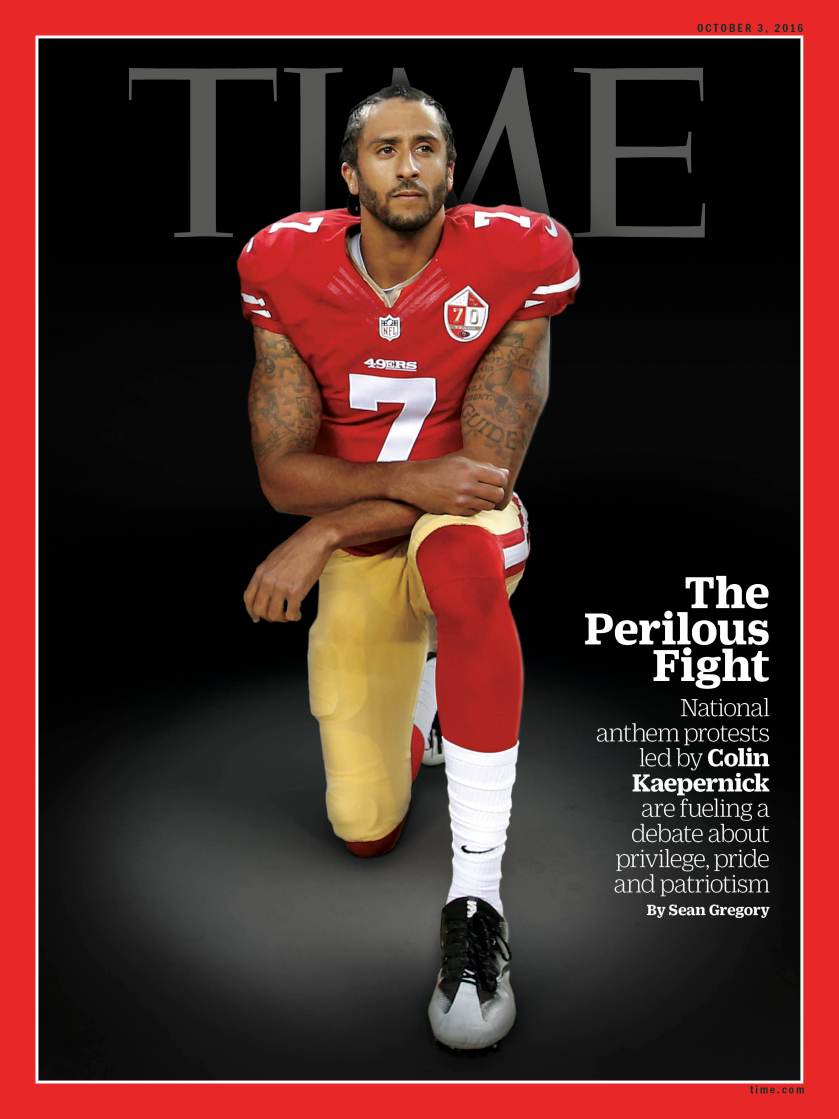
Your daughter is 4. When this time is right, what will you say to her about the national anthem?
This is actually a funny and timely question. We just went through the process of moving. We’re putting some of the artwork up and pictures up. We have the TIME cover framed. I don’t like having any of my stuff in rooms that I’m in. Feels weird to me. But my wife wants to have stuff up. And my daughter found it, and she grabbed it and was like, “Oh, this is going to my room.” But she was like, “Baba, why are you taking a knee like this?” She’s showing me how I’m taking a knee. Not a conversation I was expecting to be having at 3 ½ years old.
What did you say to her about it?
“Well, Baba was protesting to try to create a better life for everyone. Thought all people should be able to be successful and have good lives and be treated fairly.”
What are you going to tell her when she asks about why you stopped playing in the NFL?
It’s going to be an honest conversation, in part because I also know I have to prepare her for the reality that she’s going to walk into rooms and they’re going to see her last name is Kaepernick. She’s going to get asked questions and she’s going to have to have to navigate things that she never asked for. Part of my responsibility as a father is making sure that she’s prepared and equipped for that.
Going back to your early life a bit – you credit your parents with raising you and having your back. But there were many moments where they weren’t as sensitive to your racial experience and awakenings as you would have liked. You make that very clear in the book and don’t spare your feelings about it. Have your mom and dad read the book?
They have not read it yet.
How do you anticipate they’ll react to it?
There’s moments that they just don’t know about. It is also something that, for me, in thinking about a white couple born and raised in Wisconsin, adopting a young Black boy, it is very difficult for them to understand the reality of what that’s going to be for me growing up. As far as raising me on strong fundamentals and morals, teaching me to work hard, teaching me to treat people well regardless of what their position or status may be in life, all of those things they did extremely well. But when it comes to understanding being Black, being a Black man, what that means, navigating society, that part largely didn’t exist. That’s where a lot of the conflicts come in around culture, around perception, around who I actually was. I knew they always loved me as their son. I don’t know if they always loved my Blackness. And I think that’s an interesting nuance to be able to navigate.
How would you characterize your relationship with them now?
I think we’re in a good place. My daughter loves calling them during dinner. That is part of her routine now. They come out, they visit. But there is still some of the complexities there.
At several points in the book, you talk about the business of the NFL in the same breath as slavery. Of being photographed in compression shorts at the draft combine, you write, “My mind immediately went to the scenes I had witnessed in numerous movies depicting slave auction blocks.” You also write, “I fully believe what happened to me was a form of buck breaking. That’s a slave term to describe how masters used to whip and sexually abuse enslaved men in front of a crowd to dehumanize them and warn other slaves that they better not step out of line. I was made into a warning to other NFL players and professional athletes: You better not challenge the league’s authority.” Were you ever worried that people might be offended by that?
No. I know people would take things in the context that they want to. But the parallels between the two are undeniable. Bill Rhoden wrote a whole book around it, Forty Million Dollar Slaves. This came up for Curt Flood when he was fighting for free agency for professional players. “Well, you’re making $90,000 a year, Curt Flood. How can you compare this to slavery?” And I believe his quote around that was, “A well-paid slave is a slave nonetheless,” or something to that effect. Which speaks more to the institutions and practices around how you are treating people and the process that they’re going through, and the systems that they have to navigate, as opposed to just taking something in isolation.
Two news stories weren’t addressed in the book. One is your decision to wear socks depicting police as cartoon pigs in 2016, before you took your public stance. That offended law enforcement personnel, and police unions in particular. Why don’t you, or why do you, regret that specific decision?
When I wore those socks, we were seeing police killing Black people with impunity across the country. This is something that has systemically been in place. It came out of slave patrols, built into modern-day policing. Now, policing in the U.S. exists in a way that we don’t see in other areas throughout the world, so to me, that was sending a message around the inhumane practices that police were practicing.
It seemed to have an effect where some people would never forgive you after that. But you knew that was a risk?
The same people who are offended, in a way that, “hey, we’re never going to forgive you for that,” why are you so remorseful for police killing Black people? Why are you so accepting of that? A pair of socks is so offensive to you, but the killing of a human life you’re OK with. So, if we’re really going to have a conversation around it, let’s actually put it in contrast to the conversations that we’re having. I’m going to choose valuing human life in every instance.
The other story is the shelving of the ESPN documentary about you, directed by Spike Lee. About a year ago, ESPN said in a statement that “ESPN, Colin Kaepernick and Spike Lee have collectively decided to no longer proceed with this project as a result of certain creative differences.” What were those creative differences?
We had approved for the documentary to go out, and that was not something that fit within their timeline. So the documentary is finished. It’s ready to go. We’re looking for potential partners to be able to place it.
Why didn’t ESPN want it?
It’s a great question. I know they have shifting priorities, as we’re seeing publicly right now. We also know they were, I believe, at that point in time in the midst of negotiating their deal with the NFL. So I can’t say that those things are connected. But I believe they’re all factors. [An ESPN spokesperson sent TIME a statement: “Two years ago, the three parties involved in this project came to a mutual decision, based on creative differences, not to move forward. Creative differences are not uncommon when several entities collaborate on a project of this kind. Because multiple parties were involved, we are limited in what we can share publicly. This is not new as the decision not to move forward was agreed upon Monday, July 29th 2024. We are grateful for the work that went into it.”]
In a recent interview, Alexandria Ocasio-Cortez seemed to agree with the sentiment that “Woke 1.0 was crazy.” She was referring to the period, after the murder of George Floyd in 2020, where there were calls, for example, to defund the police. You wrote in a 2020 essay “in order to eradicate anti-Blackness, we must also abolish the police. The abolition of one without the other is impossible.” What is your response to AOC’s characterization and other political characterizations that sentiments like you expressed went too far?
I understand the political realities that politicians are navigating. I’m not naive to that. I also think the reality is, if we are trying to create better communities that allow us to thrive, our resources shouldn’t be going towards policing. They should be going towards resources that allow the community to thrive. When you invest in communities, they get safer. People do better. Crime rates drop. I would not discredit the work that was done around the country during 2020, because that has laid the foundation for the movement that we’re seeing now. We’re seeing a different wave of politicians show up: “Am I providing direct benefit to the people that I’m serving?” I think that is the most important priority to be able to keep in mind.
Do you still support abolishing policing?
Yes. I think that’s the work that we should be doing. Reallocating those resources to directly benefit communities and give them the resources that they need to be able to thrive.
You write in the book about how, in 2016, you met with your San Francisco 49ers teammates to explain in more detail why you were protesting during the anthem. You write: “I told my teammates how law enforcement in this country has always been an enemy of Black people.” In 2026, do you still feel that law enforcement in this country is an enemy of Black people?
The institution has not changed. It still exists in the same form it did in 2016. We’re still seeing the same issues come out of it. We’re still seeing that fuel and funnel into the prison industrial complex. So until those systems are dismantled and those resources are allocated to benefit communities, the institutions are serving the purpose that they were laid out to do.
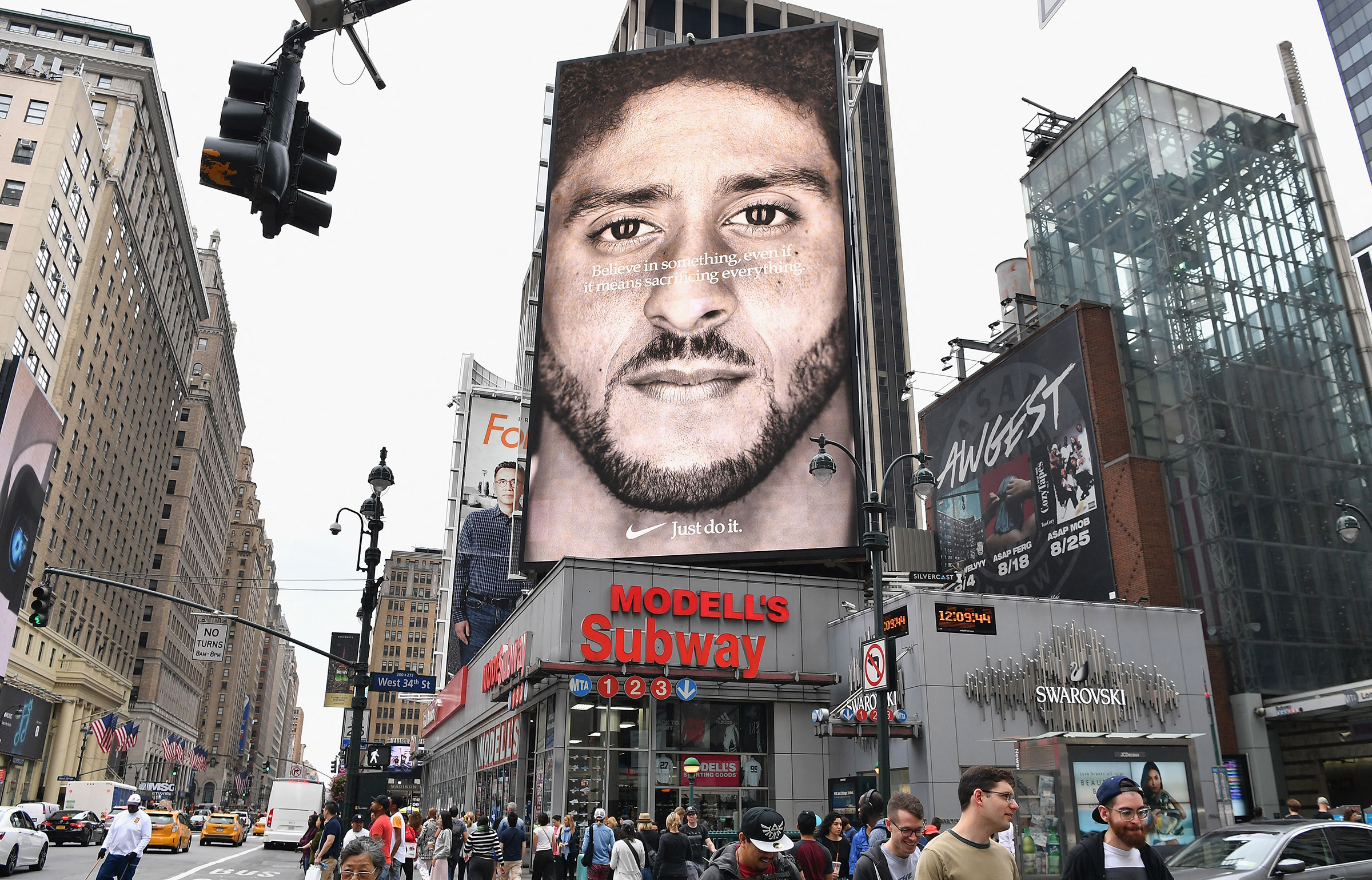
How would you characterize how Donald Trump has treated you?
At least to my knowledge, that was the first time I had seen a President use their position and political power to target an individual citizen. And I think that laid the foundation and set the stage for a lot of what we are seeing now. And in many ways, I feel like that was an initial test to see how far things could go. I obviously do not agree with his political views or approach. I do not believe that the work he is doing is actually to benefit people other than himself.
The NFL has reported giving more than $450 million to grassroots organizations to benefit communities in need. Do you see that as a sincere response to your protest or a PR play?
I view that as a PR play. There was a player-owners meeting. Bob McNair, who was the owner of the Texans at the time, said, “You need to tell your compadres to stop that other business,” meaning the protests. Bob Kraft was in that meeting and said, “We need to talk about the elephant in the room and ending the protests.” And Terry Pegula, the owner of the Bills, just said explicitly, “We need a Black face to be at the forefront of this to help us stop this.” If it was actually to try to create change and benefit Black communities, the NFL’s response holistically from the start would have looked drastically different. I would have a job. Eric Reid would have a job. The other players that were targeted throughout that process wouldn’t have had to navigate that.
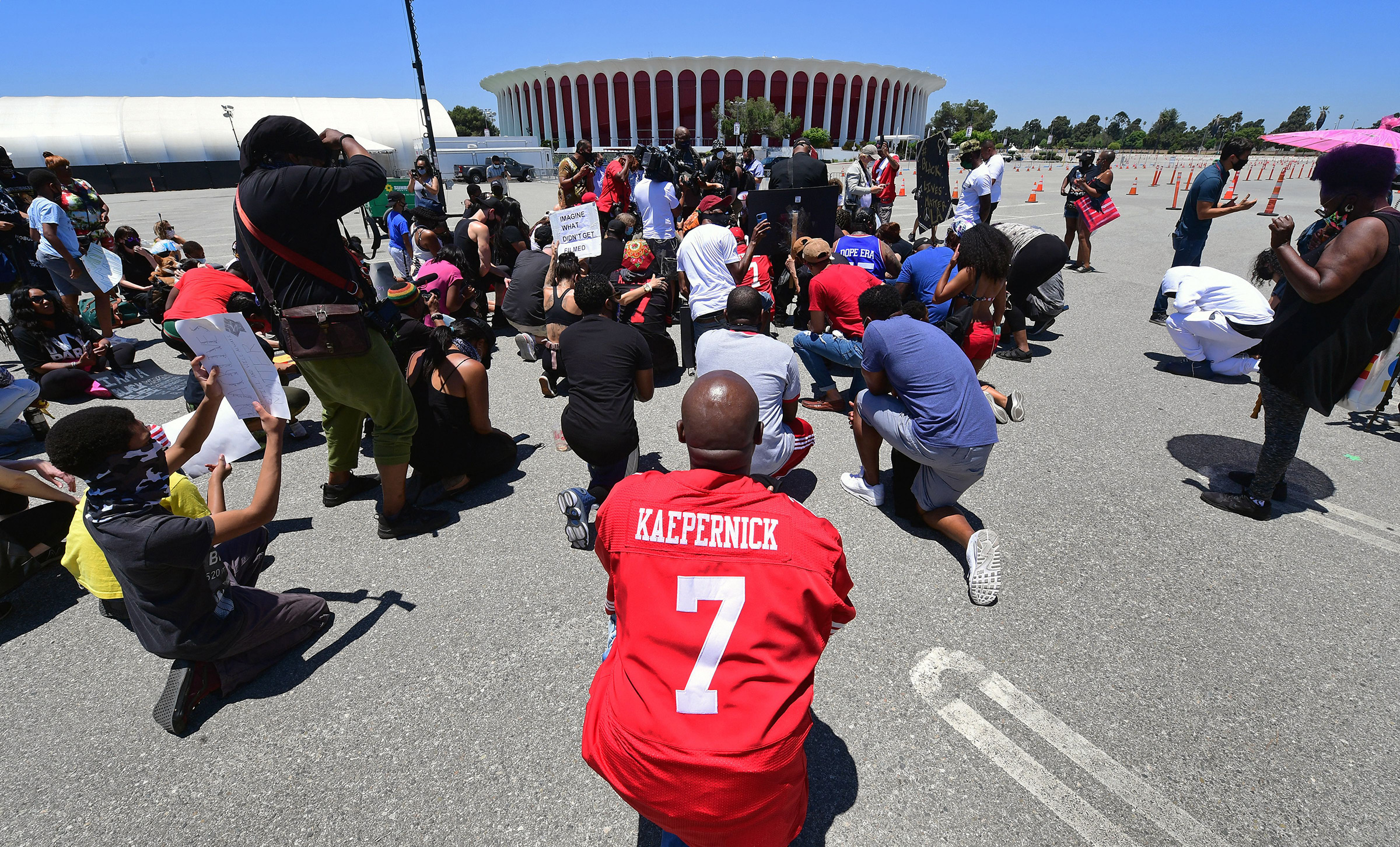
NFL commissioner Roger Goodell admitted, in 2020, that the league was wrong for not listening more closely to the message and meaning behind protests like yours. He encouraged a team to sign you. Do you forgive him?
No, because he’s still taking those actions to this day. That they have not changed their practices. The NFL just went through navigating race-norming, where they were assessing that the baseline intelligence or cognitive abilities of Black players was lower than white players, so that they could deny them medical benefits after playing in the NFL. It’s important to put it into broader context. This isn’t a practice that just exists in relation to me and the protest. [The NFL declined to comment.]
The book details your relationship with Jay-Z, whose company, Roc Nation, partnered with the NFL in 2019 to consult on Super Bowl halftime entertainment and other performances and initiatives. Jay-Z recently brought you up in a rap lyric at Yankee Stadium, saying, “Buddy took a check, I ain’t even mad at him, but along with that check you gotta sign a non-disparagement. I’m the one they can’t control.” How would you characterize how Jay-Z has communicated with you, and used you or brought you up?
The fact that seven years after him cutting a deal to undermine the protest, unprompted, [he] brings me up, sounds like a guilty conscience to me. I would also say, just to make very clear, the distinction here. One, I did not sign a non-disparagement. But the second part of this is these are very different situations. He’s trying to create a false equivalency around being blackballed by the NFL and having to go through the grievance process, the legal process that’s already laid out by the collective bargaining agreement between the NFL and the players’ union–going through that process, and then reaching a settlement at the end of it, because that is your path towards reconciliation, is very different than cutting a deal with the NFL to create personal benefit and undermine the protests. Trying to conflate the two is very disingenuous. [A representative for Roc Nation and Jay-Z did not respond to TIME’s request for comment.]
Are you surprised that DEI is under fire?
I’m not surprised it’s being attacked by this Administration. What I am surprised by is the capitulation by corporations, by organizations to go along with it. What I’ve seen is when you show weakness, that you’ll bow down to them, that you’ll capitulate to them, they’re going to try to take that further and further.
Did you make any mistakes over the past 10 years?
One that I think about a good amount is, I had intentionally taken an approach of I’m going to do my best to not call out or attack people who I disagree with. I did not want to create an environment or narrative that was centered around Black people fighting and distracting from the intention of the protest. Even with Jay-Z, I didn’t go out and do interviews around that. I believe people will see the work, and my hope is in seeing the work, people will look at and say, “Oh, that’s how it should be done.” But I don’t know if that created additional space for people to take the narrative in places that shouldn’t have gone. It’s one of those things that I’m very mindful of as I move forward.


Cryptocurrency adoption is advancing in Germany, particularly among younger investors, while the UK is gradually falling behind, largely due to lagging regulations, according to CoinShares crypto researcher Luke Nolan.
German cryptocurrency adoption is showing “very good progress” through “family offices, wealth managers, individual advisors” and younger generations looking to invest inherited wealth in digital assets, Nolan told Cointelegraph on the Chain Reaction show on Thursday.
In contrast, the UK is “still very much behind,” said Nolan, adding that the country’s Financial Conduct Authority (FCA) only lifted its ban on crypto exchange-traded products less than a year ago, making its digital asset market “nascent.” The regulator previously banned these products from retail participants in January 2021.
Germany has 89 licensed crypto-asset service providers, accounting for 25.5% of companies in the European Securities and Markets Authority’s (ESMA) Markets in Crypto Assets (MiCA) register, updated on Wednesday. The EU’s biggest economy was also the bloc’s leader by MiCA authorization in June, with 57 authorized crypto companies.

Source: Cointelegraph
Leading German banks are venturing into crypto
The adoption trend is not lost on the largest German banks.
The country’s biggest, Deutsche Bank, revealed on Wednesday that it was awaiting regulatory approval to launch crypto custody solutions for institutional clients in Europe, with a license expected in October.
In April 2024, Germany’s largest federal bank, the Landesbank Baden-Württemberg, started offering crypto custody solutions after partnering with the Austria-based Bitpanda for its institutional custody platform.
Related: Bernstein expects ‘aggressive’ rulemaking from SEC, CFTC, following CLARITY Act failure
Meanwhile in the UK, the FCA on Wednesday issued final guidance outlining when crypto activities may require authorization under the country’s incoming regulatory regime.
The regulator will open licensing applications on Sept. 30, with a Feb. 28, 2027 deadline for firms seeking transitional arrangements ahead of the new regime taking effect on Oct. 25, 2027.
On Thursday, the FCA announced that it sent a cease-and-desist letter to three London locations suspected of facilitating illegal peer-to-peer crypto trading.
The UK Parliament approved regulations bringing digital assets within the FCA’s regulatory remit in February and finalized a package of rules and guidance in June.
Magazine: How the EU’s crypto tax rules are expected to work for users and platforms
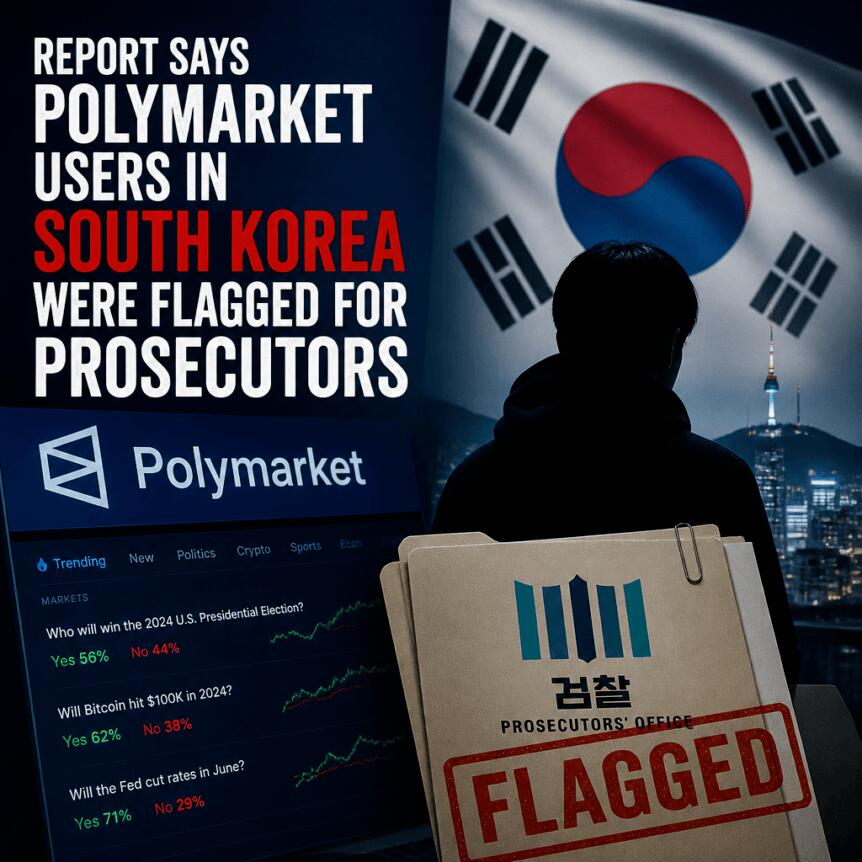
South Korean police have reportedly referred 18 Polymarket users to prosecutors as part of an illegal gambling investigation that involves 26 suspects and roughly 17.6 billion won (about $12.7 million) in wagers. The case is based on analysis of on-chain activity, according to a report citing data submitted by the National Police Agency.
Authorities say they identified participants by examining publicly available blockchain transactions tied to Polymarket, despite the platform operating without a conventional, real-name user registry. Suspects are accused of placing stakes on event outcomes that—under South Korean legal interpretation—amount to gambling.
Key takeaways
- South Korea’s police have referred 18 Polymarket users to prosecutors, based on an investigation covering 26 people and about 17.6 billion won in wagers.
- Investigators reportedly used publicly available blockchain transaction data to connect individuals to activity on the platform.
- Authorities argue Polymarket transactions fall under South Korea’s Criminal Act as illegal gambling, while users have framed the activity as crypto-based derivatives investment.
- Earlier actions included a June probe and an Aug. 18 decision to block Polymarket after a regulator found the platform’s structure fostered speculative gambling.
- The legal dispute hinges on how “uncertainty” and the structure of trading contracts are characterized under domestic law—especially given Polymarket’s noncustodial, smart-contract design.
How the investigation built from on-chain activity
According to Asia Economy, data provided to Democratic Party lawmaker Yoon Kun-young by the National Police Agency shows that the Gangwon Provincial Police Agency had 26 people under investigation as of Tuesday and had forwarded 18 of them to prosecutors. Asia Economy also reported that the largest wager attributed to a single user was about 5.7 billion won (roughly $4.1 million).
The report says police identified the suspects by analyzing publicly available blockchain transactions. That matters because Polymarket is described as operating on a noncustodial, peer-to-peer model with automated settlement, meaning it does not keep a traditional list of users linked to real-world identities. In other words, the investigation appears to rely on the traceability of transaction patterns rather than on account records maintained by the platform.
Polymarket’s basic premise is that participants can buy and sell contracts tied to real-world event outcomes. When those outcomes resolve, settlement is handled through smart contracts. Asia Economy’s account indicates that investigators nonetheless concluded these contract positions are functionally equivalent to wagering under local law.
The legal argument: gambling vs. derivatives
Authorities reportedly argued that Polymarket transactions constitute illegal gambling under South Korea’s Criminal Act. The basis of that classification, as described in the report, is that users stake assets on outcomes that cannot be predicted with certainty.
Users, however, pushed back. Asia Economy reports that suspects argued Polymarket should be treated as a crypto-based derivatives investment market instead of gambling. That framing reflects a common approach taken by prediction-market operators: trading event-linked contracts can resemble derivatives activity, including the ability to enter and exit positions before a contract settles.
Tae-Lim Kim, a managing attorney at AXIS Law, told Asia Economy that the transactions could meet the legal requirements for gambling. He also said that describing the activity strictly as prediction derivatives may be difficult as a defense in criminal proceedings. At the same time, he suggested that the ability to trade contracts and close positions before settlement could still become relevant for how a court evaluates the overall nature of the activity.
Regulatory pressure escalated before the referrals
The development comes after a visible escalation of South Korean enforcement against Polymarket. In June, Gangwon police launched what was described as South Korea’s first illegal gambling probe into local Polymarket users, acting at the request of the National Police Agency. Earlier coverage from Cointelegraph noted that the case began as an illegal gambling inquiry.
Then, on Aug. 18, South Korean authorities reportedly moved to block Polymarket after determining it provided an illegal gambling environment for users in the country. Cointelegraph previously reported that the blocking decision followed concerns over whether prediction-market activity was being regulated under existing gambling frameworks.
The report also cites the Korea media and communications review commission’s reasoning: it said the platform’s winner-takes-all structure encourages speculative gambling. The commission pointed to Polymarket’s role in operating the markets and setting trading rules, along with the platform’s handling of crypto deposits, withdrawals, settlement, and transaction fees.
Polymarket’s response, as summarized in the report, was that it does not provide Korean-language services or support payments in Korean won. The platform also argued that because transactions are noncustodial and executed via smart contracts, it does not directly manage users’ funds. The regulator rejected the argument, stating that technical design characteristics do not exempt a service from South Korean law.
What this means for users and for prediction markets in South Korea
For market participants, the referral of 18 users to prosecutors signals that enforcement is no longer limited to investigation or takedown efforts—it has moved into the formal legal process. The reported use of blockchain transaction analysis suggests that authorities may be able to map participants even when a platform does not maintain a direct, real-name customer list.
For prediction-market platforms and other “derivatives-like” crypto products, the dispute highlights a structural tension: even if a service is technically noncustodial and settlement is automated, regulators may still assess whether the activity resembles gambling based on how users stake value on uncertain outcomes and how profit is distributed (including whether trading resembles speculation rather than hedging).
Readers should watch whether prosecutors expand the case beyond the initial group of 26 and how courts interpret the defense arguments around derivatives characterization, particularly the practical ability to trade and exit positions before settlement.

Crypto.com is moving closer to launching single-stock futures in the United States after the SEC acknowledged a Form 1-N filing from North American Derivatives Exchange (Nadex).
CEO Kris Marszalek revealed the company is now “authorized” to bring single-stock futures to the market through OG.com, which is its CFTC-regulated standalone prediction market platform launched in February.
US Single-Stock Futures
In a post on X, Marszalek also said the team is working with the SEC and CFTC for the offering in the US. Single-stock futures are contracts linked to the future price of individual stocks. They allow traders to take positions on stocks through futures contracts rather than buying the underlying shares directly.
The SEC document, dated September 16, confirms the filing was made under Section 6(g) of the Securities Exchange Act of 1934.
Crypto.com is not the only platform looking to bring single-stock perpetual futures to the US. According to The Wall Street Journal, Kalshi is also seeking regulatory approval for the products. The prediction market operator reportedly plans to offer around 60 perpetual contracts tied to major stocks and ETFs, including Tesla, Apple, and Nvidia. The planned stock contracts would target companies with market values of at least $100 billion.
Coinbase also filed notice registrations with the SEC to offer single-stock perpetual futures domestically. Earlier this month, the company said it is working with both regulatory watchdogs to bring the products to the US market.
The development reflects a push by relatively newer platforms to expand into areas long dominated by traditional financial firms.
Prediction Markets Push
The latest development comes days after Robinhood announced expanding its partnership with Crypto.com and OG.com as prediction markets continue to grow on its platform. The companies said Robinhood will begin routing some football event contracts to OG.com from September 8.
As part of the deal, Robinhood Markets will take equity stakes in the two after OG.com becomes an independent trading platform. The stakes will be priced in line with Citadel Securities’ recent investment in Crypto.com Group at a $20 billion valuation.
The post Crypto.com Gets Green Light to Bring Single-Stock Futures to the US appeared first on CryptoPotato.

The Mark Zuckerberg Meta AI predicts Bitcoin could not only hit a new all-time high in 2026, but nearly double the $126,000 high from October 2025.
Following that move, BTC then corrected roughly -47% to around $80,000 in November. It fell further to the low-$60,000s by mid-2026 before recovering back toward the $80,000s by late summer 2026. So the past year has been a proper boom-bust-rebuild cycle, and not a straight line up.
However, Meta AI has predicted an explosive finish to the year for BTC USD, with a peak bull-run scenario of $210,000–$230,000 by Jan 1, 2027.

ETF and institution-driven demand has stretched the traditional 4-year halving cycle (April 2024 halving) longer than the 2017/2021 cycles, because spot ETFs and corporate/sovereign treasury buying create steadier, less reflexive demand than retail-driven futures leverage did in past cycles.
A blow-off top, consistent with how every prior Bitcoin cycle has ended, euphoric retail FOMO piling in on top of the institutional base once BTC reclaims and breaks its old ATH.
Supercharge Your Trading in 2026 With BloFin AI Trading Bots
Mark Zuckerberg Meta AI Predicts Bitcoin to $230K: Does the Technical Analysis Back it Up?
The clearest technical argument is a Fibonacci extension off the 2022 bear-market low. Bitcoin bottomed near $15,500 in November 2022; the rally to the October 2025 high of ~$126,000 represents roughly a 7.1x move.
Applying a 1.618 Fibonacci extension of that same $15,500 to $126,000 range projects a target zone of approximately $195,000–$225,000, a level that lines up closely with several institutional forecasts (Bernstein, Standard Chartered’s revised targets, Tom Lee’s $150K–$200K range) clustering in the same neighborhood.
That confluence of a chart-based extension level and fundamental analyst targets makes $200K+ the natural “peak euphoria” number for a bull scenario, rather than an arbitrary round figure.
Supporting that reading: the logarithmic growth channel that has bounded Bitcoin’s price action since 2013 has its upper resistance band tracking into the $180K–$240K range by early 2027, which is roughly where the Fibonacci extension also lands.
Two independent technical methods pointing to a similar ceiling add credibility to that zone as a “peak” resistance level, not just noise.
Earn $50 and Enter $300K Prize Draw on EdgeX
LiquidChain Targets Early Mover Upside as Pi Network Tests Key Levels
The quill knows what comes after L2. — LiquidChain (@getliquidchain) September 17, 2026
 https://t.co/vqvBcdSQYC pic.twitter.com/BSumZRCBFg
For traders watching PI bleed through support, the instinct to rotate capital toward earlier-stage projects with room to grow makes sense, especially when the alternative is waiting around for a $940M market cap coin to reclaim ground it’s already lost twice.
Enter LiquidChain ($LIQUID), a Layer 3 infrastructure project fusing Bitcoin, Ethereum, and Solana liquidity into a single execution environment. The presale is priced at $0.014956 with $967,410.09 raised so far.
Its core pitch, Deploy-Once Architecture, lets developers build a single application and reach all three ecosystems without rewriting code for each chain, backed by a Unified Liquidity Layer and Single-Step Execution for cross-chain trades.
Those curious can dig into the background on its cross-chain approach, which is also covered in this earlier breakdown.
Gain Special Access to Layer 3 Trading Here Supercharge Your Trading in 2026 With BloFin AI Trading Bots
The post Mark Zuckerberg Meta AI Predicts Bitcoin to Hit $230,000 appeared first on Cryptonews.
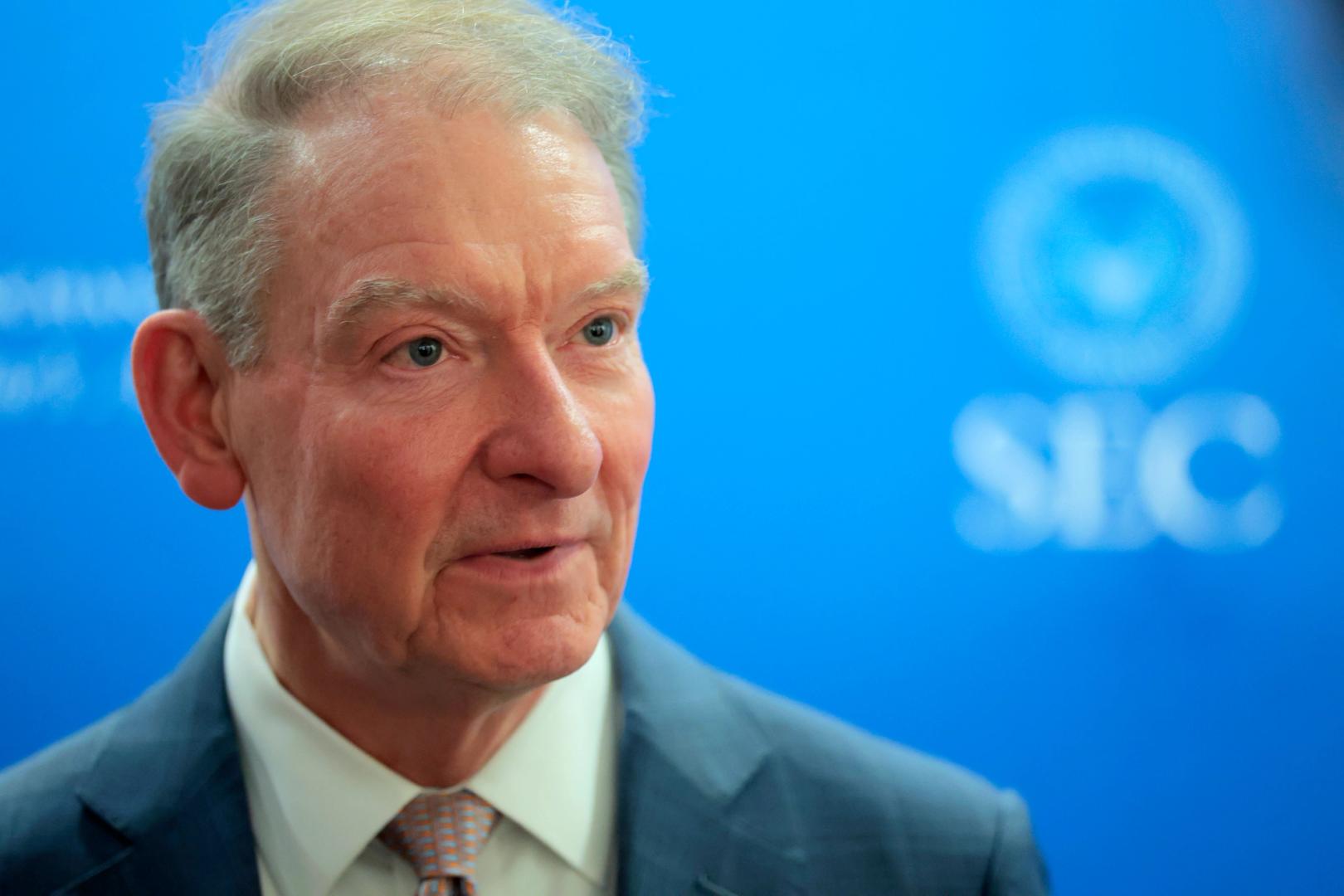
There are guardrails, however.
The software running that market must be public and auditable and deployed on a public, permissionless blockchain. Access to the trading venue itself, however, remains permissioned, according to the SEC.
So no, this does not mean Apple or Microsoft stocks suddenly start trading freely on popular decentralized crypto exchanges that run on automated liquidity protocols (or smart contracts) rather than traditional order books.
It means regulated venues can test some of the technology pioneered by decentralized finance while still controlling who is allowed to trade.
And this sandbox is also deliberately small.
For the most liquid stocks, each venue can tokenize up to 75 names and handle no more than 0.25% of average daily trading volume. For a second tier of stocks, the cap rises to 250 names and 2.5% of average daily volume, according to Jamie Selway, the SEC’s director of trading and markets.
“The motivation for that was to, obviously, make a modest start,” Selway said. “Let’s get people going, measure the effect.”
For example, Tesla — one of the most highly traded stocks — has an average daily volume of about 40 million shares. By this definition, a qualifying venue could theoretically facilitate trading in up to roughly 100,000 tokenized Tesla shares a day, which is about $36.6 million at a $366 share price.


S&P Global is set to acquire the blockchain security company OpenZeppelin, expanding the financial data, ratings and benchmark provider’s digital asset capabilities.
The deal announced on Thursday is aimed at complementing S&P Global’s risk assessment and ecosystem development capabilities in the digital asset market, it said. Financial terms were not disclosed, and the transaction remains subject to closing conditions.
“Our digital assets strategy centers on bringing trusted data, benchmarks and transparent risk assessment to markets as they move onchain,” S&P Global ratings president Yann Le Pallec said. He added that OpenZeppelin would expand his company’s smart contract and onchain technology risk assessment capabilities.
Founded in 2015, OpenZeppelin develops open-source smart contract software and provides security assessments for blockchain projects and financial institutions. Its smart contracts have facilitated more than $37 trillion in value transferred, while the company has completed over 900 security engagements, the announcement notes.
OpenZeppelin said its contracts library and other open-source applications will remain free and publicly maintained on GitHub. The platform will operate as a separate S&P Global business unit, with CEO Demian Brener continuing to lead while reporting to Le Pallec.
Earlier this week, S&P Global led a strategic investment in Kaiko, extending the Paris-based crypto market data provider’s Series B funding to $110 million as it expands its data infrastructure for tokenized financial markets.
Related: Circle to acquire Tazapay to expand USDC cross-border payments
Crypto World
The Ondo Finance succession crisis gets messier as Kathleen Allman’s daughter alleges ‘dementia’, alcoholism and reckless spending
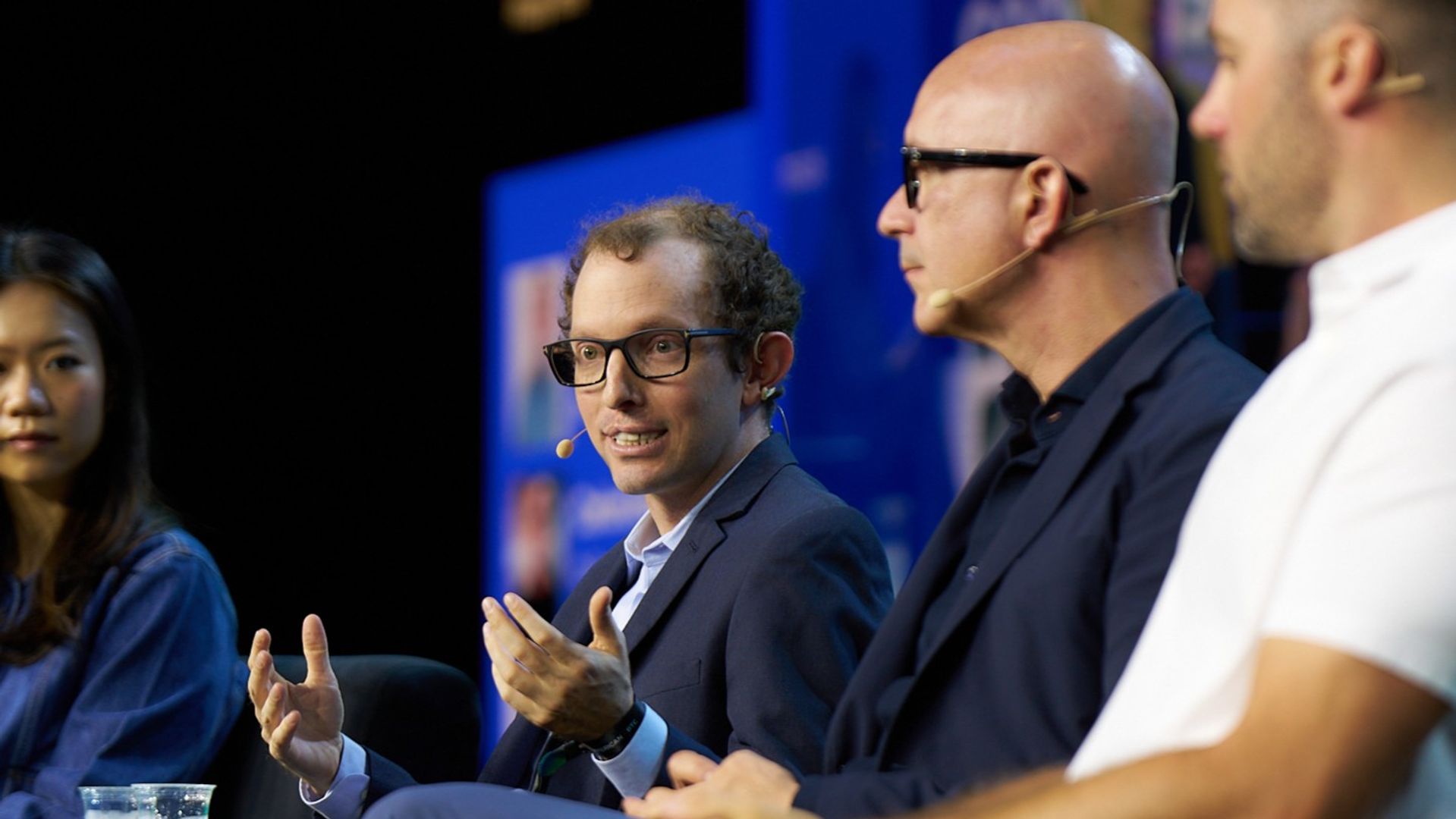
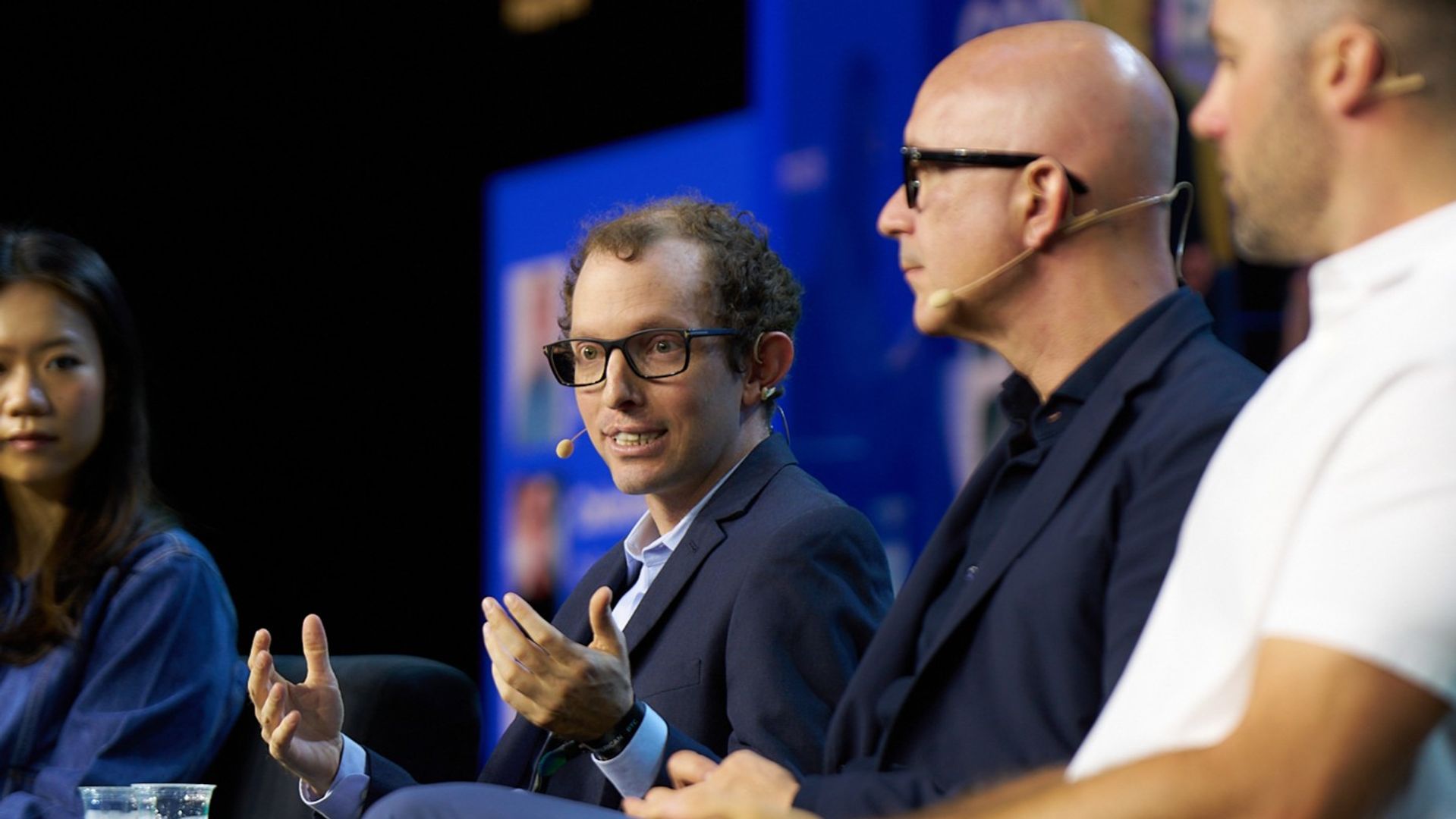
In her filing, Dr. Clinton claimed to have been estranged from her mother since 2022 after an incident during a family vacation when Kathleen Allman allegedly told Dr. Clinton’s young children, aged 10, six and two, that “they were worthless, that she should have aborted all of them, and that she might be fortunate if they drowned in the ocean during the visit.” Afterwards, Kathleen Allman denied saying anything of the kind, according to the filing.
The court filings also hint at a pattern of lavish spending, claiming that Kathleen Allman “came to depend on [Allman] for…a scale of living her own resources had never supported.” In June 2025, according to court documents, Allman bought his parents a beachfront home in Honolulu for $18.5 million.
“Petitioners note also that despite substantial earnings [Kathleen Allman] has a history of financial strain, including an occasion on which she could not meet a single month’s mortgage payment and borrowed from her own mother,” lawyers for Dr. Clinton and Chen wrote in their filing.
Before Allman’s death, the filings claim, Kathleen Allman “purchased or attempted to purchase a Zeelander yacht in Florida at a price on the order of $4 million; traveled by private aircraft, including a request that [Ondo Finance] bear a six-figure cost of a flight from Hawaii to California, and lodged at approximately $4,000 per night.”
WisdomTree and MoonPay are partnering to expand US investor access to a tokenized Treasury money market fund, which MoonPay also plans to use as part of its stablecoin reserves.
According to a Thursday announcement from the companies, the fund issuer is using MoonPay’s technology to develop an access point for its WisdomTree Treasury Money Market Digital Fund (WTGXX), a tokenized money market mutual fund that seeks to maintain a $1 share price. The companies said the arrangement would give WisdomTree access to MoonPay’s network of more than 35 million accounts.
MoonPay, a financial technology company that provides infrastructure for moving between fiat and digital assets, plans to use WTGXX as part of its stablecoin reserve management stack.
MoonPay launched its enterprise stablecoin business in November 2025 and issues dollar-denominated stablecoins across several blockchains, backed by US dollars and other high-quality liquid assets held in segregated accounts.
The collaboration could expand to additional tokenized funds, including in markets outside the United States, according to WisdomTree, which manages about $176.7 billion in assets.
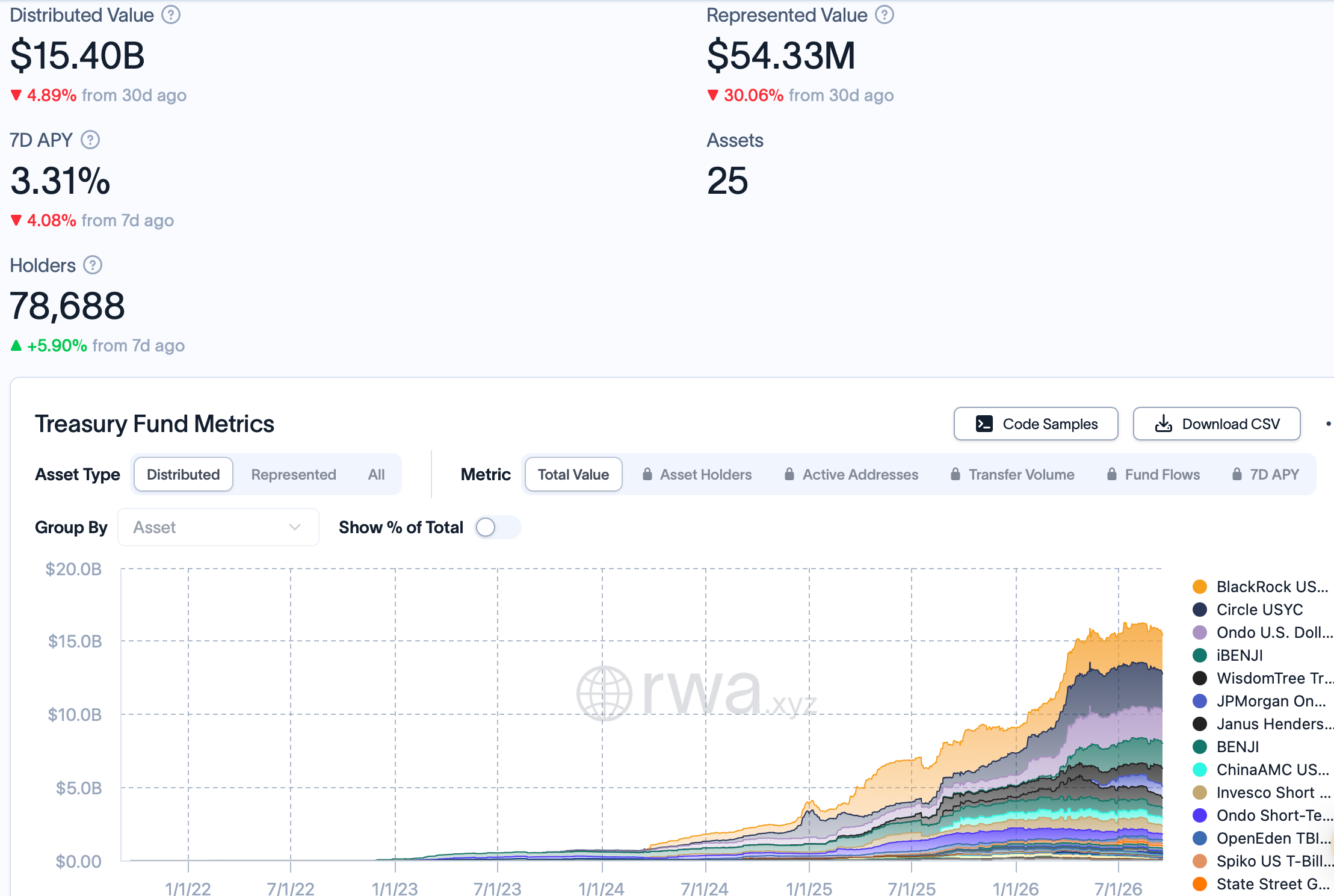
On Thursday, the tokenized US Treasury market stood at about $15.4 billion, with WTGXX accounting for about $1.23 billion, according to RWA.xyz data.
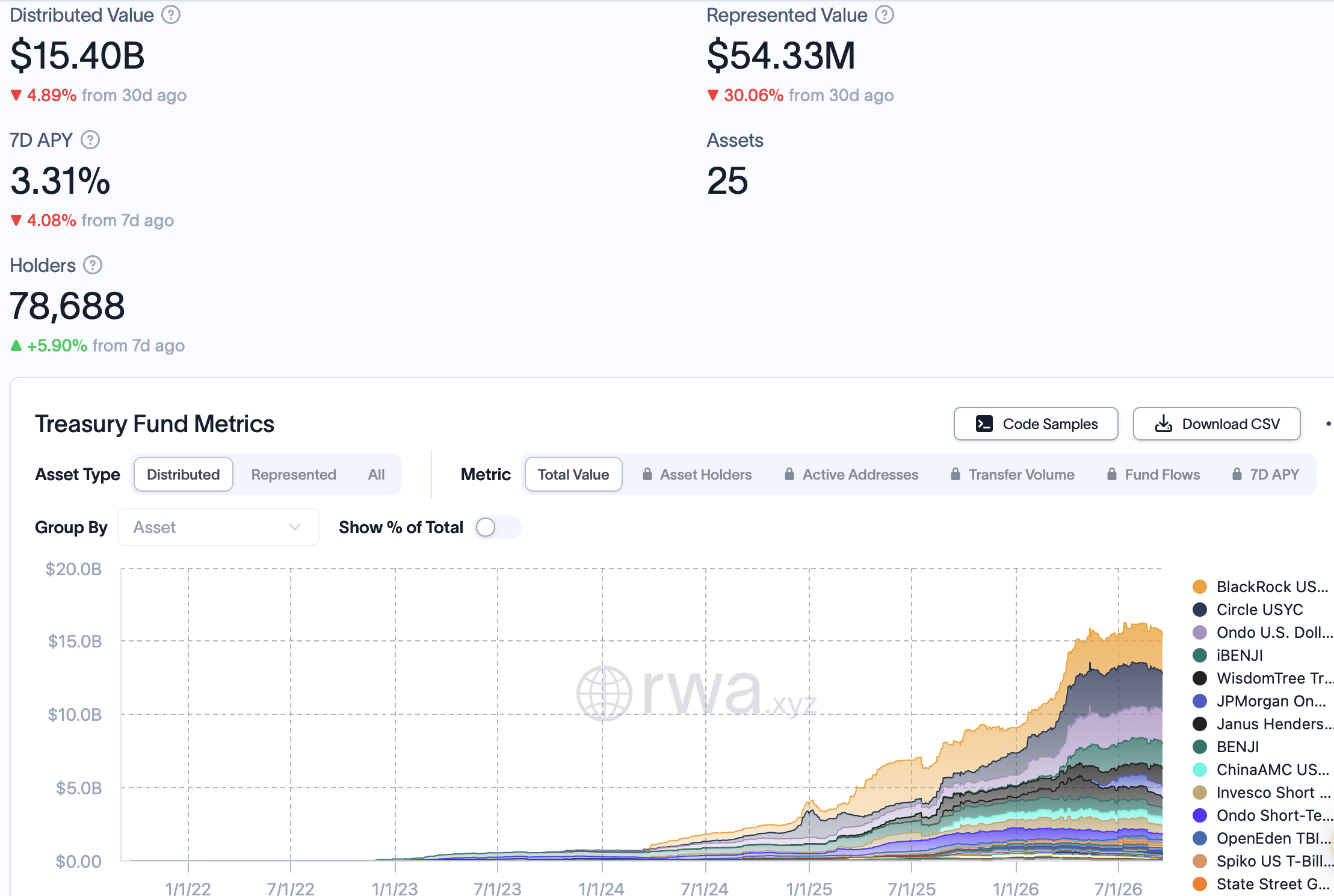
Tokenized US Treasury Funds. Source: RWA.xyz
The fund has logged net flows of $466 million in the past 30 days. Net flows are calculated as the difference between tokens minted and tokens burned. Ondo U.S. Dollar Yield fund (USDY) was the only other tokenized Treasurys fund that saw positive net flows, $66 million, in the period.
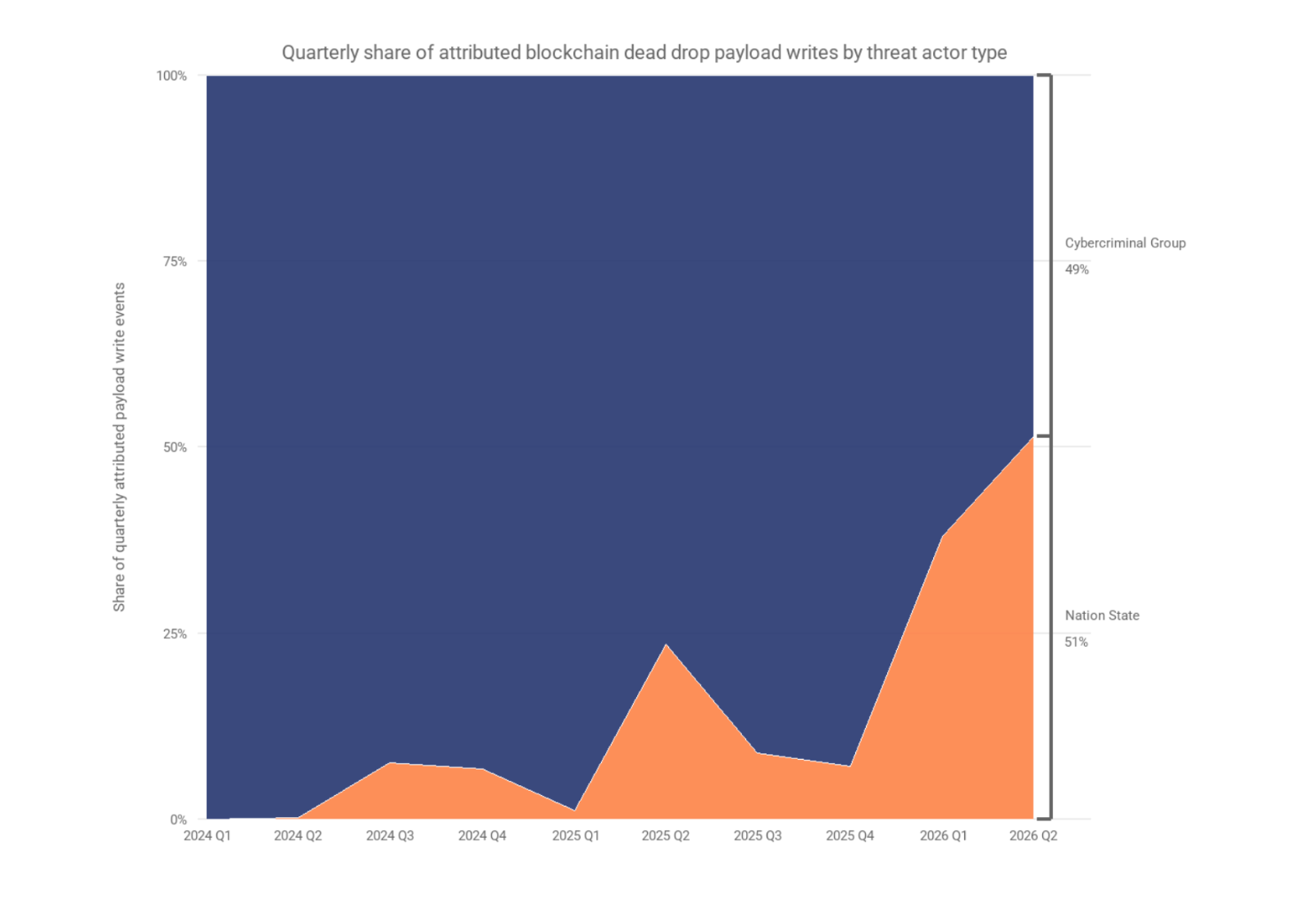
Attackers are posting malware instructions to blockchains 440% more often since unrestricted Chinese open-source AI models arrived, Chainalysis reported. Daily malicious on-chain writes climbed from 2.06 to 11.1 in under a year.
Chainalysis calls the technique blockchain dead drops (BDDs). State-linked operators from North Korea and Iran now generate most of the activity, the firm found.
Censorship Resistance Turns Into a Hacking Asset
In its latest report, Chainalysis noted that hackers stored malicious code on centralized servers that could get seized, blocked, or pulled offline. However, now attackers store them on public blockchains.
“We call this technique ‘blockchain dead drops’ (BDD). BDDs store payloads in on-chain transactions and smart contracts where infected devices can retrieve them on demand. The permanence of blockchains gives threat actors’ cyber campaigns longevity; they can communicate with compromised machines without fear of losing their command-and-control (C2) relayer,” the report read.
The firm stresses that the danger lies in durability, not firepower. Campaigns survive domain seizures, hosting takedowns, and repository removals. The technique dates to 2013, when a Necurs botnet variant stored domains on a Bitcoin (BTC) fork called Namecoin.
It reached Ethereum Virtual Machine (EVM) chains in 2023 as EtherHiding. Google later caught North Korea’s UNC5342 using it in fake job interviews.
Chainalysis pins the recent explosion to mid-2025. That is when powerful open-weight Chinese models launched with no guardrails against writing malicious code. That erased the skill barrier that once kept dead drops rare, the firm said.
The spread now reaches well beyond crypto. Netskope researchers say the ChainDrop supply chain attack hit more than 440 npm packages in August 2026.
Follow us on X to get the latest news as it happens
Pyongyang, Tehran, and Russian Forums Write Their Own Playbooks
Cybercriminals accounted for nearly all dead drop activity through early 2024. By Q2 2026, state-linked groups produced roughly two-thirds of new activity each quarter and half the total.

North Korea’s UNC5342 now runs a three-chain relay. Pointers on TRON (TRX) and Aptos (APT) steer infected devices to encrypted devices on BNB Smart Chain.
“The attacker rotates infrastructure by publishing new transactions, and every previously infected device picks up the change automatically. Disrupting the operation would require action across all three chains simultaneously,” the team noted.
Suspected Iranian intelligence operators send tiny Bitcoin payments to a well-known address linked to Satoshi Nakamoto. Chainalysis said the malware searches for data inside each transaction, then decodes it to retrieve the current attacker infrastructure.
Russian-language criminals, meanwhile, sell the capability as a service. One operator wallet on Polygon (POL) controls a fleet of resolver contracts, each apparently serving a different paying customer.
Defenders cannot simply block blockchain traffic without breaking every legitimate wallet and app, the report noted. The same permanence that shelters attackers, however, leaves every update on a public ledger.
Whether investigators can turn that trail into arrests faster than AI tools mint new operators is the open question.
Subscribe to our YouTube channel to watch leaders and journalists provide expert insights
The post Chinese AI Models Drive 440% Jump in Blockchain-Hosted Malware Commands appeared first on BeInCrypto.
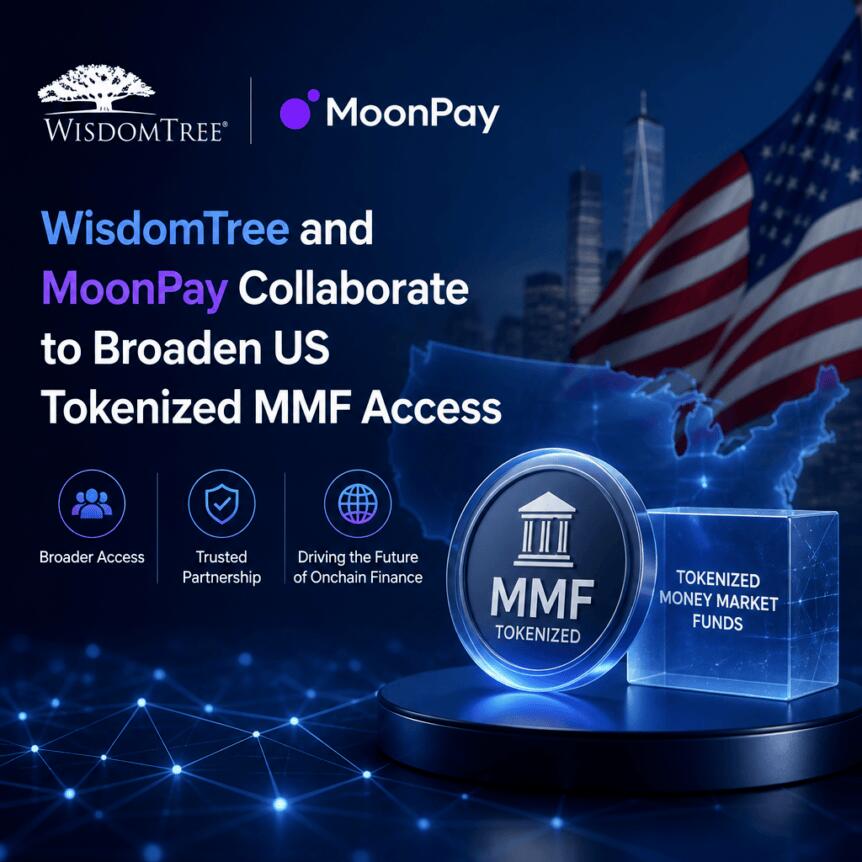
WisdomTree and MoonPay have announced a partnership designed to make a tokenized U.S. Treasury money market fund easier for U.S. investors to access. The companies say MoonPay will supply technology that serves as a distribution access point for WisdomTree’s WisdomTree Treasury Money Market Digital Fund (WTGXX), which aims to maintain a $1 share price.
MoonPay also plans to use WTGXX within its stablecoin reserve management stack. The move highlights how regulated cash-like products are increasingly being structured to plug directly into stablecoin operations, rather than remaining siloed as standalone tokenized funds.
Key takeaways
- MoonPay will be used as an access point for WisdomTree’s tokenized Treasury money market fund, WTGXX.
- WisdomTree says the integration is meant to leverage MoonPay’s network of more than 35 million accounts.
- MoonPay intends to include WTGXX as part of its stablecoin reserve management approach.
- RWA.xyz data shows tokenized U.S. Treasury markets at about $15.4 billion, with WTGXX around $1.23 billion.
- WTGXX reportedly recorded $466 million in net flows over the prior 30 days, calculated from token minting and burning.
A tokenized money market fund built around $1 stability
The partnership centers on WTGXX, WisdomTree’s tokenized money market mutual fund. According to the companies’ announcement, the fund is structured to target a stable $1 share price—an important design choice for investors seeking lower-volatility exposure compared with traditional crypto assets.
In this setup, MoonPay’s technology is expected to create the practical on-ramp for investors who want exposure to the tokenized fund. The firms framed the distribution benefit around scale: WisdomTree said the arrangement would give it access to MoonPay’s network of more than 35 million accounts.
For market participants, this matters because the usability gap has often been the limiting factor for tokenized funds. Tokenization alone doesn’t guarantee demand; access, custody workflows, and investor onboarding typically determine whether a product actually attracts capital.
Why MoonPay wants WTGXX in its reserves
MoonPay, which provides infrastructure for moving between fiat and digital assets, plans to use WTGXX as part of its stablecoin reserve management. In the announcement, the companies positioned the fund as a fit for the kinds of high-quality, liquid assets that stablecoin issuers and treasury operators typically seek.
MoonPay said it launched its enterprise stablecoin business in November 2025. The company issues dollar-denominated stablecoins across several blockchains, backed by U.S. dollars and other high-quality liquid assets held in segregated accounts.
This is the first-time, at least in the way described publicly here, that a specific tokenized Treasury money market fund has been tied directly to MoonPay’s reserve stack. If the integration works smoothly, it could help normalize a broader “tokenized cash management” model—where Treasury-like products become operational inputs to stablecoin liquidity and redemption capacity.
How big is WTGXX in the tokenized Treasury market?
RWA.xyz data cited in the announcement suggests the tokenized U.S. Treasury market is roughly $15.4 billion in size. Within that category, WTGXX accounts for about $1.23 billion.
While WTGXX is not the largest tokenized Treasury product on the list by the numbers provided, it is significant enough to matter to both sides of the ecosystem—investors allocating to tokenized money market instruments and operators building stablecoin reserve workflows.
Volume and momentum are also part of the story. The companies said WTGXX recorded net flows of $466 million in the past 30 days. Net flows were calculated as the difference between tokens minted and tokens burned. In the same timeframe, the Ondo U.S. Dollar Yield fund (USDY) was the only other tokenized Treasurys fund mentioned as having positive net flows, at $66 million.
This relative outperformance matters because flows often function as a proxy for perceived usability and demand. If WTGXX continues to attract inflows after the distribution changes, it could strengthen its role as a reserve asset candidate across the stablecoin infrastructure stack.
Potential expansion beyond the first integration
WisdomTree said the collaboration could extend to additional tokenized funds, including in markets outside the United States. The firm also reported that it manages about $176.7 billion in assets, underscoring that it is approaching tokenized Treasurys and cash-like instruments as part of a broader product strategy rather than a one-off experiment.
For investors, the watch item is whether expanded distribution and stablecoin reserve adoption increase real-world liquidity and reduce friction across onboarding and transfers. For builders, the broader implication is that stablecoin reserves may increasingly rely on tokenized, share-priced cash instruments—creating demand for issuance rails and distribution access points similar to the one MoonPay is providing here.
Still, several practical questions remain open. The announcement focuses on the technology and the intended uses, but readers should watch for details on how investors experience the onboarding process, what custody and settlement mechanics are involved for U.S. participants, and whether MoonPay’s reserve integration affects WTGXX’s day-to-day token mint-and-burn dynamics.
Going forward, the clearest signals to track are whether tokenized Treasury market share shifts toward WTGXX after this access partnership, and whether MoonPay’s reserve allocation approach expands to other tokenized cash products as additional markets and funds are considered.
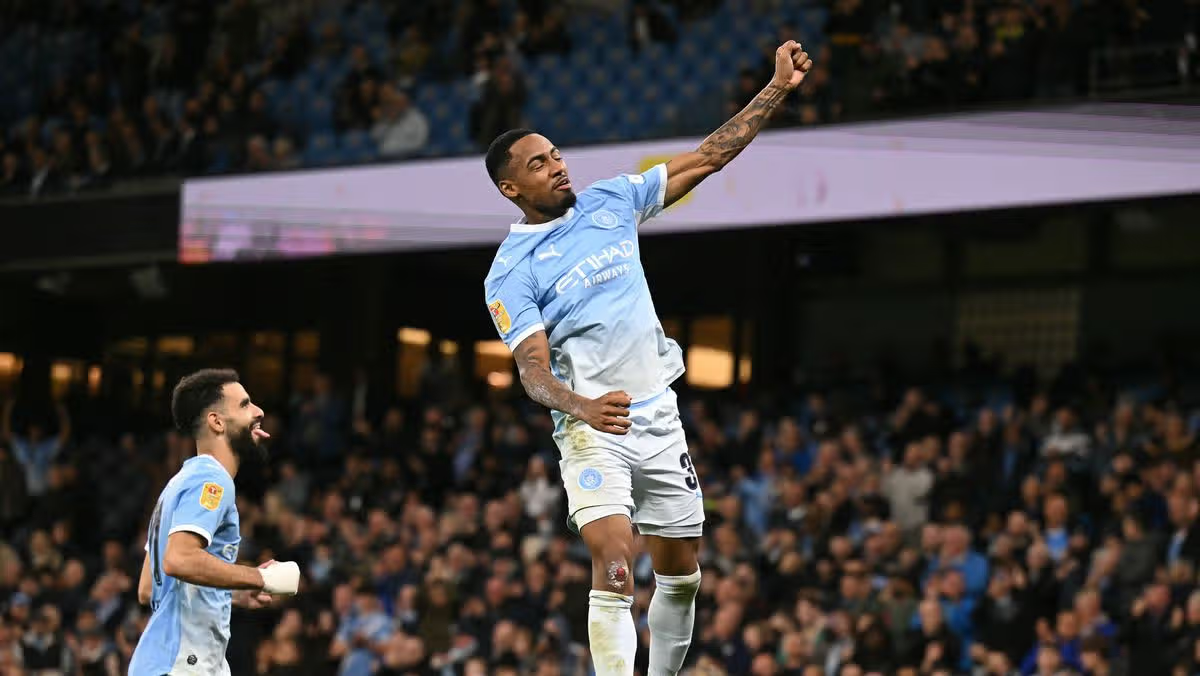
Enzo Maresca gives Allan verdict after Man City debut – ‘A bit different’

Chamber of Arts and Culture WA reports financials after rocky year

Crypto Adoption Blooming in Germany, UK is Falling ‘Behind,’ Says Researcher



-

 Fashion6 days ago
Weekend Open Thread – Corporette.com
-

 Tech4 days ago
The Latest Weird Thing to Play Doom Is the Mapped-Out Brain of a Fruit Fly
-

 Business7 days ago
10 Most-Streamed Songs On Spotify In 2026 So Far, Led By Ella Langley’s Dominant Run On The Charts This Year
-

 Crypto World7 days ago
XAG/USD: Silver’s Short-Term Rally Meets Its Moment of Truth
-

 Crypto World7 days ago
OKX launches 10x OpenAI, Anthropic X-Perps in Europe
-

 Crypto World7 days ago
Diesel Tops $6 a Gallon for the First Time as 28 States Set Records
-

 Crypto World3 days ago
Elon Musk Drops a Bombshell: Grok 5 Could Be the AGI Breakthrough
-

 Crypto World3 days ago
Kraken Lets xStocks Holders Earn Yield Through DeFi
-

 News Videos6 days ago
Facing Financial Fears
-

 Crypto World23 hours ago
US Charges Robinhood Engineers Over Crypto Listing Trades
-

 Business5 days ago
Rivals Sam Altman and Elon Musk Rally Behind Dario Amodei’s Call for a Slowdown in AI Development
-
Crypto World7 days ago
Ethereum Price Analysis: Consolidation at $2.5K Tests Momentum as On-Chain Activity Surges
-

 Crypto World5 days ago
Can AI Build a Startup in 72 Hours? Elon Musk's Team Will Livestream the Test
-

 Entertainment6 days ago
News Specials, Movies, Shows, More
-
 NewsBeat3 days ago
‘Sick conspiracy’: Trump says only guardrails AI needs is ‘a strong and smart (High IQ!) president’ in all-caps rant
-

 Crypto World7 days ago
Bitcoin ETFs Pull $167M as 2026’s Best Inflow Run Slows
-

 Crypto World6 days ago
Robinhood Chain Never Stopped But its Blobs Did Stop Reaching Ethereum For 14 Minutes
-

 Crypto World7 days ago
US CPI forecast at 3.4% as tariff risks build
-
 Crypto World4 days ago
New Tesla Roadster Uses SpaceX Tech. Will It Impact the Stock Price?
-
 Entertainment6 days ago
New Horror Movie Officially Earns a Rare Stephen King Recommendation
You must be logged in to post a comment Login