Crypto World
DeFi Development Guide to Vault Infrastructure (2026)

In 2026, the biggest challenge for Web3 founders is no longer launching a protocol. It is building a business that lasts. While thousands of platforms compete for attention, only a few manage to convert liquidity into predictable revenue, retain users beyond incentive cycles, and operate with financial discipline. The difference is not marketing, but infrastructure supported by enterprise-grade DeFi development.
Today’s most resilient crypto platforms are built on systems that quietly compound capital, stabilize cash flow, and strengthen user loyalty in the background. Through advanced DeFi development practices, leading teams are moving beyond short-term yield tactics and embracing structured vault architectures as a core business layer. This shift is redefining how modern Web3 companies think about growth, monetization, and valuation. In this guide, we break down why DeFi vault infrastructure is becoming the foundation of sustainable Web3 business models, how top platforms are leveraging it to outperform competitors, and what founders must do now to stay ahead in an increasingly capital-efficient market.
The Changing Economics of Web3 Platforms
In early DeFi (2020–2022), growth was driven by hype, aggressive incentives, and short-lived liquidity mining, which boosted TVL but created unstable business models. Today’s on-chain data shows a far more nuanced reality. As of early 2026, TVL in DeFi is around $129 billion, with Ethereum accounting for roughly 55% of that share (~$71 billion), underscoring continued core liquidity concentration in blue-chip ecosystems. This sustained TVL also reflects stronger demand for protocols that offer real utility, like lending, stablecoin liquidity, and yield mechanisms, rather than simple token-incentive farming.
As capital becomes more selective, founders and product leaders are shifting focus toward sustainable infrastructure rather than one-off token rewards. Platforms with structured vault systems benefit from higher capital efficiency, treasury utilization, and user retention compared to those relying solely on manual yield farming or emission-driven inflows. Against this backdrop, serious teams now treat yield infrastructure as a core business function rather than an add-on. Partnering with an experienced DeFi development company enables protocols to embed automated yield generation directly into their platforms, boosting long-term TVL resilience, reducing dependence on external aggregators, and creating sustainable revenue streams that align with evolving market expectations.
What Is DeFi Vault Infrastructure?
DeFi vault infrastructure refers to a system of smart contracts, automation tools, and risk controls that manage user funds and deploy them into optimized yield strategies. In simple terms, vaults:
- Collect user or treasury assets.
- Execute predefined strategies
- Harvest and reinvest rewards.
- Optimize gas and liquidity.
- Protect capital with built-in safeguards.
When users search for DeFi vaults crypto solutions, they are usually looking for this complete infrastructure layer, not just a basic staking contract or manual farming setup. Professional vault systems are not “set and forget” products. They are continuously optimized, monitored, and upgraded frameworks built through advanced DeFi development processes to ensure long-term performance, security, and scalability.
Explore how enterprise-grade vault architecture can power your next growth phase.
Why DeFi Yield Vaults Are Becoming Business-Critical
For Web3 companies, vaults now serve three strategic purposes.
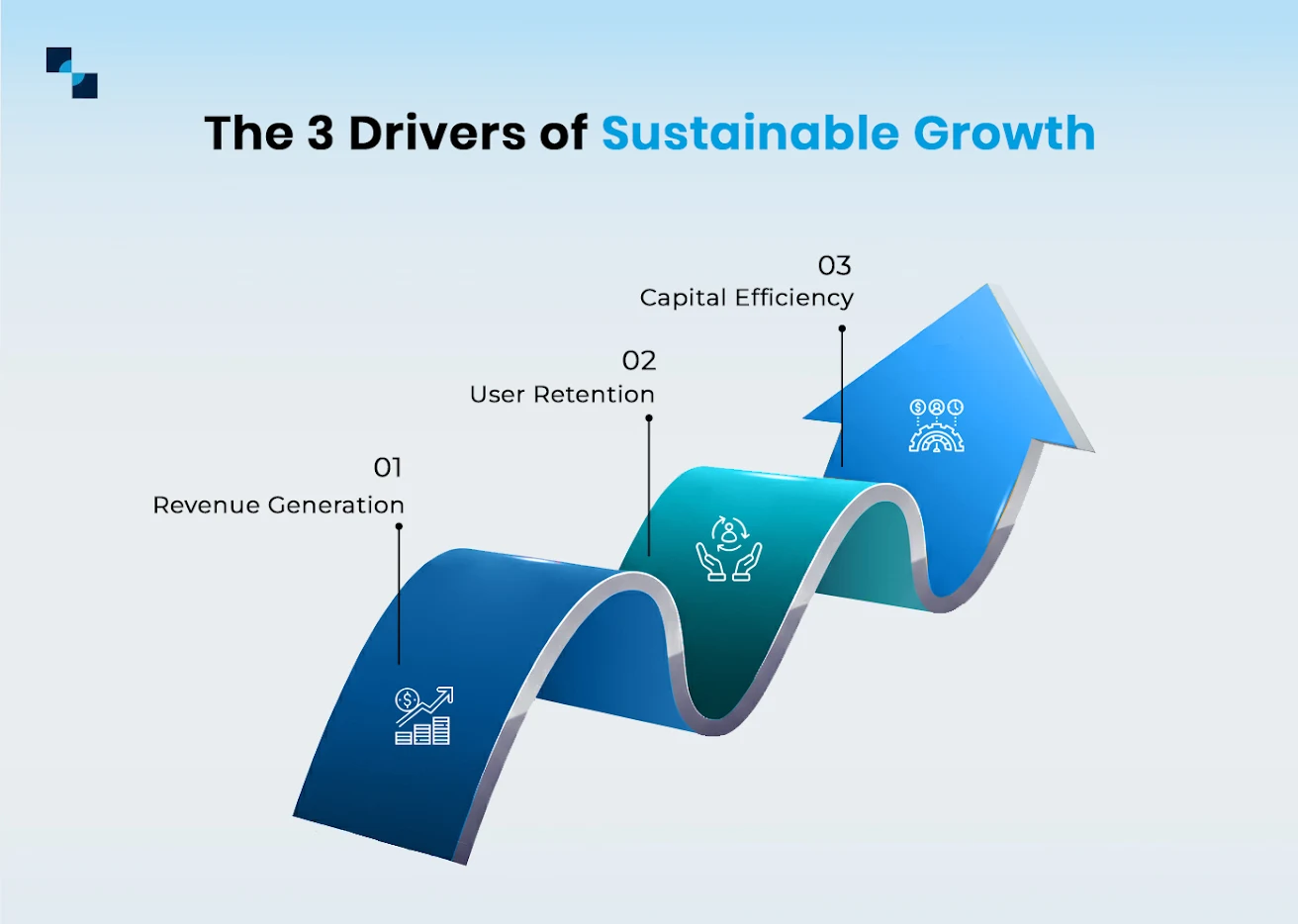

- Revenue Generation
Vaults create recurring income through:
- Performance fees
- Management fees
- Strategy incentives
- Protocol-owned liquidity
- Yield-sharing mechanisms
These revenue streams help platforms move beyond short-term token speculation and build sustainable monetization models. This transforms volatile token economies into predictable, long-term revenue engines powered by DeFi yield vaults.
- User Retention
Platforms that offer built-in yield products retain users longer and reduce capital outflows. Instead of moving funds to external protocols in search of better returns, users can access optimized strategies directly within your ecosystem.
This leads to:
- Higher platform stickiness
- Improved lifetime user value
- Stronger community loyalty
- Reduced dependency on third-party aggregators
Integrated vault systems turn yield generation into a core user experience rather than a separate activity, driven by professional DeFi development practices that ensure scalability, security, and long-term performance.
- Capital Efficiency
Treasuries and idle balances can be deployed into structured, risk-managed strategies instead of remaining dormant. This allows protocols to generate returns on unused capital while maintaining liquidity and operational flexibility.
Improved capital efficiency:
- Strengthens financial resilience
- Enhances treasury sustainability
- Improves investor confidence
- Supports long-term governance stability
Well-designed vaults ensure that capital continuously works for the platform.
Leading platforms such as Yearn Finance and Beefy Finance demonstrated early how vault-based models outperform manual yield farming at scale through automation, diversification, and continuous optimization. Today, many new protocols are adopting similar approaches through custom DeFi development company partnerships to accelerate deployment, strengthen security, and build revenue-focused infrastructure from day one.
Inside a Professional DeFi Vault Strategy
A sustainable DeFi Vault Strategy is not about chasing the highest advertised APY. Instead, it focuses on creating a balanced system that optimizes yield while maintaining liquidity, security, and long-term scalability. High-performing DeFi vaults are built on carefully engineered frameworks developed through advanced DeFi development, rather than short-term incentive exploitation.
A mature vault strategy typically includes three core layers.
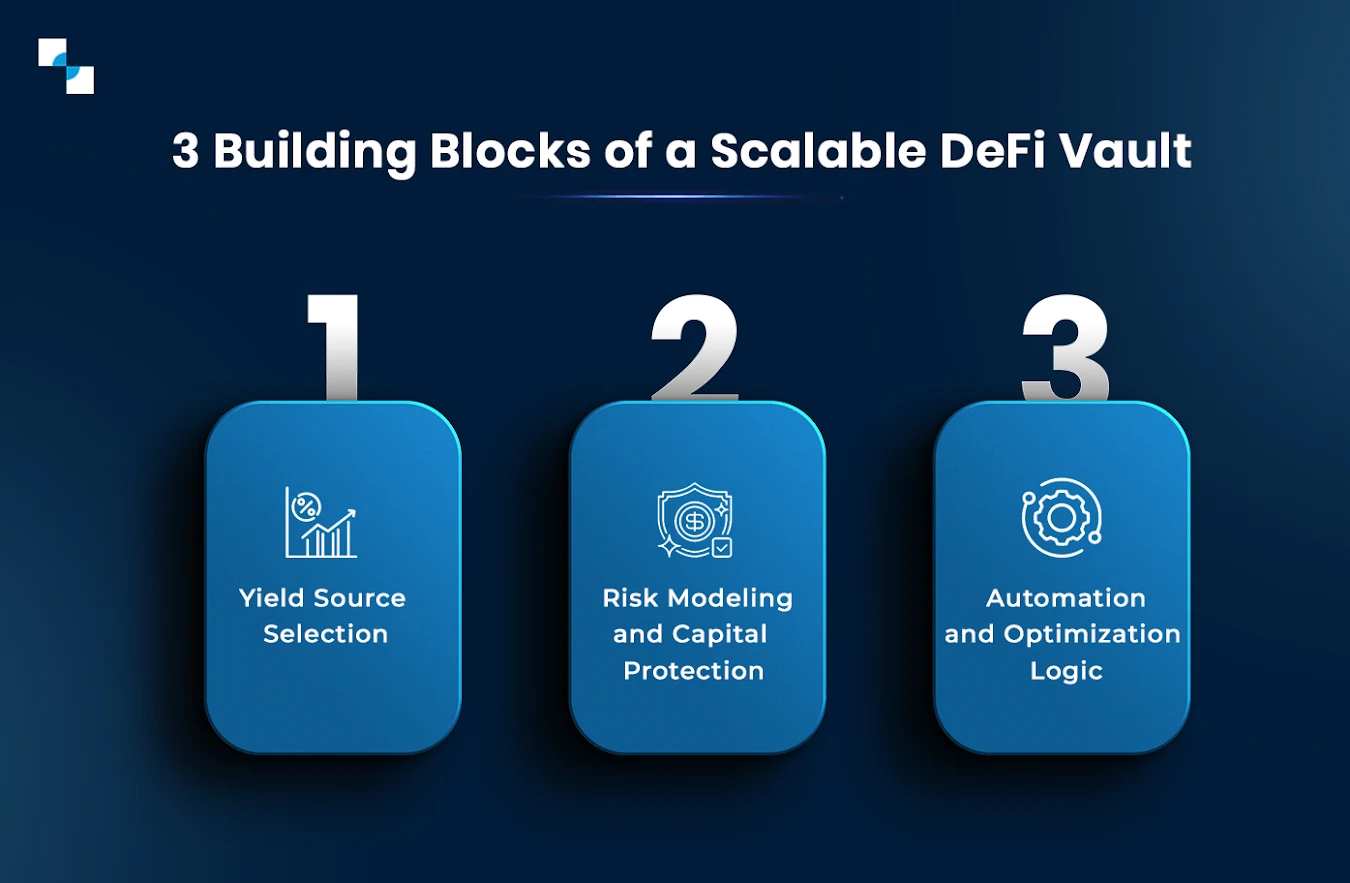

- Yield Source Selection
The first step is identifying reliable and diversified yield sources. Professional teams evaluate multiple income streams to reduce dependency on a single protocol.
Common sources include:
- Lending protocols that generate stable interest
- Stablecoin liquidity pools with low volatility
- LP incentive programs on major DEXs
- Staking mechanisms for network rewards
This diversified approach helps DeFi vaults maintain consistent returns across market cycles.
- Risk Modeling and Capital Protection
Every yield opportunity carries risk. Without proper modeling, high returns can quickly turn into major losses.
Enterprise-grade DeFi vault protocol systems apply strict risk frameworks, including:
- Comprehensive smart contract audits
- Slippage and liquidity impact controls
- Volatility exposure analysis
- Exit liquidity and stress testing
- Counterparty and protocol risk assessments
A professional DeFi development company integrates these safeguards into the strategy layer to protect both user funds and platform reputation.
- Automation and Optimization Logic
Automation transforms strategy design into a scalable financial engine. Without efficient execution, even strong strategies lose profitability.
Well-designed DeFi yield vaults rely on automation features such as:
- Dynamic harvest thresholds to balance rewards and gas costs
- Gas fee optimization mechanisms
- Rebalancing triggers based on market conditions
- Emergency withdrawal and fallback systems
- Strategy pause and redeployment tools
Through structured DeFi development, these systems operate continuously without manual intervention.
Get a customized vault strategy designed for performance and risk control.
Why Strategy Engineering Determines Long-Term Success
Together, yield selection, risk modeling, and automation form the operational backbone of every reliable DeFi vault system. When these components are poorly designed, platforms become vulnerable to volatility, liquidity disruptions, and long-term performance decline. Many teams underestimate these challenges and deploy fragile architectures that slowly lose TVL and user trust without experienced DeFi Development support. As a result, strategic planning, rigorous testing, and continuous optimization become essential for building resilient, scalable, and sustainable yield infrastructure.
Key Features Founders Should Demand in DeFi Vault Infrastructure
Before choosing any vault solution, founders and product leaders must assess whether the system is built for long-term growth or short-term experimentation. Not all DeFi yield vaults are designed for enterprise use, and weak infrastructure can expose platforms to financial and reputational risk. A reliable solution, built through professional DeFi development, should deliver the following core capabilities.
- Security Architecture
Since DeFi Vaults crypto platforms manage high-value assets, security must be the top priority. Founders should look for:
- Multi-layer smart contract audits
- Emergency pause and recovery systems
- Multisignature governance controls
An experienced DeFi development company ensures that these safeguards are embedded from day one.
- Strategy Flexibility
Markets change quickly, and vault systems must adapt. A scalable DeFi vault protocol should support:
- Modular and upgradeable strategies
- Custom risk parameters
- Automated rebalancing
This flexibility keeps DeFi yield vaults competitive in evolving market conditions.
- Transparency
Trust depends on visibility. Professional vault infrastructure must provide:
- On-chain fund tracking
- Performance dashboards
- Public reserve verification
These features strengthen user confidence and institutional credibility.
- Compliance Readiness
As regulations tighten globally, compliance has become essential. Mature vault systems should include:
- KYC-friendly integrations
- Geo-restriction controls
- Regulatory reporting tools
Through advanced DeFi development, platforms can balance decentralization with legal readiness. Together, these features separate enterprise-grade DeFi yield vaults from experimental deployments and enable sustainable, scalable Web3 business models.
Future Outlook: Vaults as Financial Operating Systems
Over the next three years, vaults will evolve beyond yield tools.
They will become:
- Treasury management systems
- Liquidity orchestration layers
- Cross-chain revenue engines
- Institutional onboarding gateways
Protocols that invest early in advanced DeFi yield vaults will control the financial infrastructure of their ecosystems. Those who delay will become dependent on external aggregators and lose margin.
Conclusion
In 2026, the difference between market leaders and market followers is no longer technology. It is infrastructure. Platforms that invest early in scalable DeFi yield vaults and professional DeFi development services are building predictable revenue systems, stronger user retention, and long-term capital resilience. Those who delay remain dependent on external aggregators and shrinking margins.
This is why forward-thinking founders choose Antier as their strategic DeFi development partner. With enterprise-grade security, customized strategies, and battle-tested architecture, we help Web3 businesses turn vault systems into growth engines.
If you want to lead your market instead of reacting to it, start building today. Book your vault strategy session now
Frequently Asked Questions
01. What is the biggest challenge for Web3 founders in 2026?
The biggest challenge is building a sustainable business that lasts, rather than just launching a protocol.
02. How are today’s resilient crypto platforms different from those in early DeFi?
Today’s platforms focus on stable cash flow and user loyalty through advanced DeFi development, moving away from short-term yield tactics.
03. Why is DeFi vault infrastructure important for Web3 business models?
DeFi vault infrastructure enhances capital efficiency, treasury utilization, and user retention, making it a core business function for sustainable growth.
You must be logged in to post a comment Login