
Crypto World
DeFi’s Lose-Lose Problem on Freezing Stolen Funds

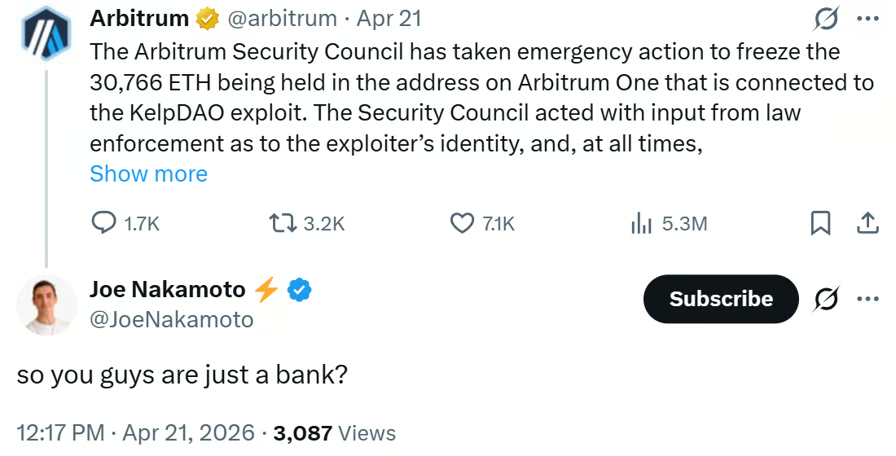
Decentralized finance (DeFi) protocols are stepping in to freeze stolen funds while centralized issuers face criticism for holding back.
A recent intervention on Arbitrum saw attacker-linked assets frozen after a major exploit, while some stablecoin issuers, including Circle, have faced public backlash for slower or more limited responses in similar situations.
Connor Howe, CEO and co-founder of cross-chain infrastructure project Enso, said that crypto protocols are not that different from centralized platforms or banks if a small group of people can freeze funds.
“The differentiation from a bank compliance officer is less than DeFi idealists will ever admit,” Howe told Cointelegraph.
The debate isn’t the usual kerfuffle between decentralization and centralization, but about who gets to intervene and how quickly they can act. In practice, it can determine whether stolen funds are stopped or slip through.
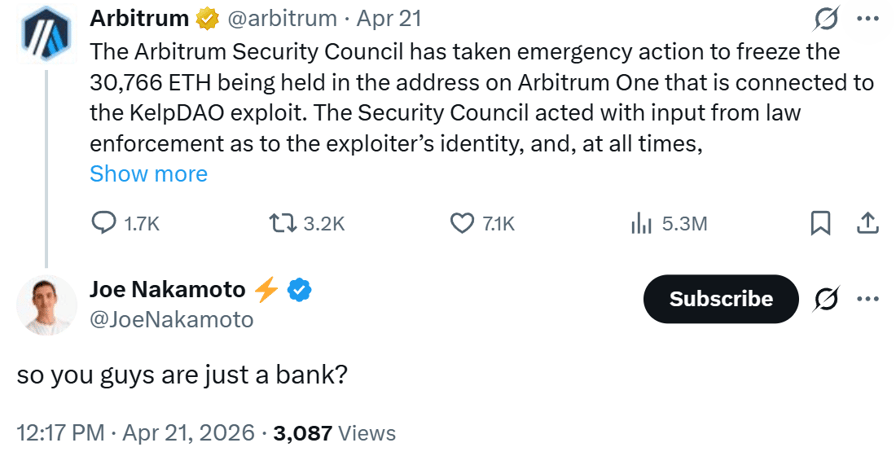
Crypto community divided on Arbitrum’s decision to freeze stolen funds. Source: Joe Hall
The limits of decentralization in DeFi
To put it simply, the industry is split on whether protocols that call themselves decentralized should be able to freeze funds during exploits.
Protocols like THORChain said they cannot freeze funds by design, even during exploits. Security researchers have questioned that claim, pointing to past cases where intervention did happen.
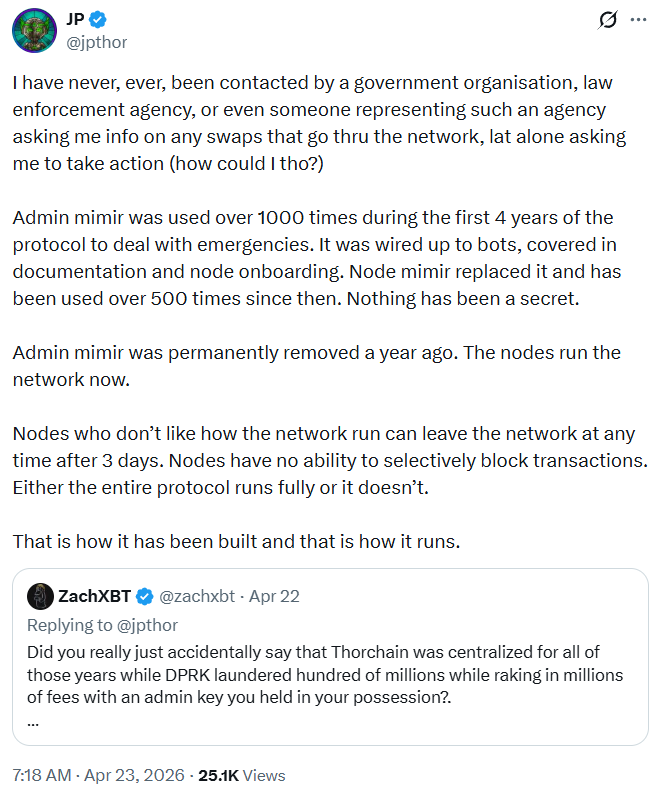
THORChain founder’s defense against the security community. Source: JP Thorbjornsen
Related: Crypto projects shut down as token models fail under pressure
Bernardo Bilotta, CEO of stablecoin infrastructure platform Stables, said the function is necessary but must operate within clear constraints.
“Freeze capabilities need to be narrowly scoped, time-limited and governed by transparent criteria that existed before the breach occurred,” Bilotta told Cointelegraph. “A protocol shouldn’t be making up the rules while the house is on fire.”
Bilotta characterized choosing “philosophical purity” over user protection as “negligence.”
The recent $293 million Kelp DAO exploit brought those discussions back into the spotlight as Arbitrum froze some of the stolen funds linked to suspected North Korean hackers. Some in the industry said the decision cut against DeFi’s grain.
The Ethereum layer-2 network has a 12-member security council with the ability to carry out certain changes to the protocol. In emergency situations, it can do so through nine of the 12 in its multisig wallet.
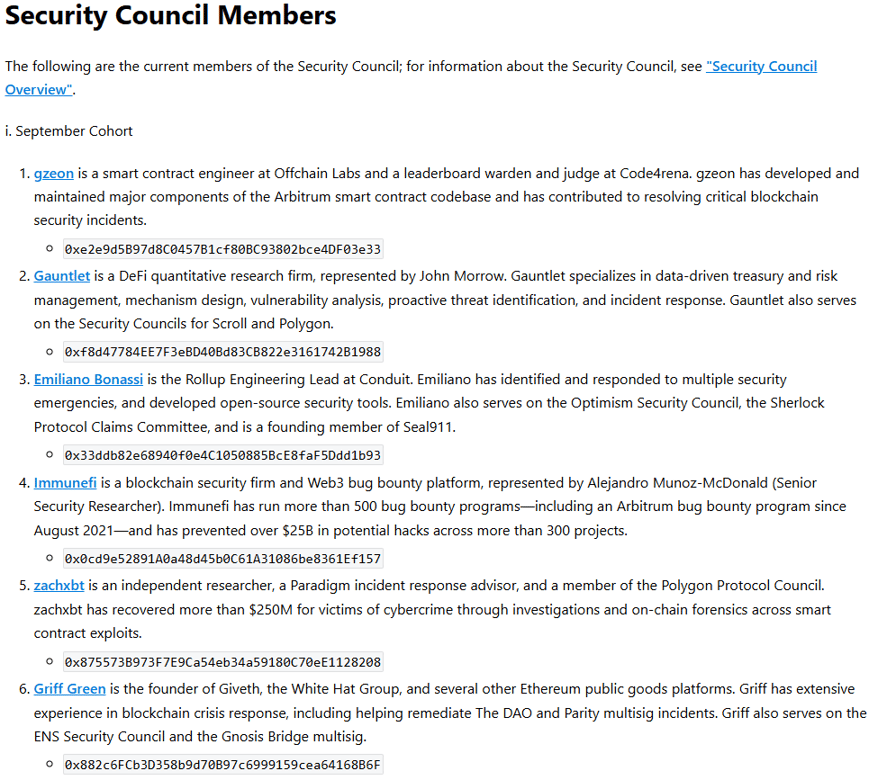
Arbitrum security council members are voted on by the network’s decentralized autonomous organization. Source: Arbitrum
Howe said that transparency in how such security councils operate can still separate DeFi platforms from traditional finance or their centralized counterparts.
“That’s notably different from a TradFi institution that invokes discretionary powers buried in their terms of service and guarded by their legal team,” Howe said.
“There should be transparency in every protocol around who holds the keys, and the safeguards in place to prevent them from going rogue. If there’s no clear distinction, then it’s a vague claim of decentralization.”
Centralized issuers face different constraints
Centralized stablecoins are among the most-traded cryptocurrencies in the world. Tether’s USDt and Circle’s USDC are the largest, accounting for more than $266 billion in combined market capitalization.
Both issuers have the ability to freeze their stablecoins, but they approach that function differently.
While Tether freezes funds more quickly in most security breaches, Circle emphasizes legal process and jurisdiction before intervening,
“Let me be clear about something that is frequently misunderstood: when Circle freezes USDC, it is not because we have decided, unilaterally or arbitrarily, that someone’s assets should be taken from them,” Dante Disparte, the company’s head of global policy, wrote in a recent blog post.
“Our ability to freeze funds is a compliance obligation — exercised only when we are legally compelled by an appropriate authority, through lawful process,” he continued.
Circle was pushed to explain its stance after the recent $280 million exploit on Solana-based Drift protocol, also attributed to North Korea.
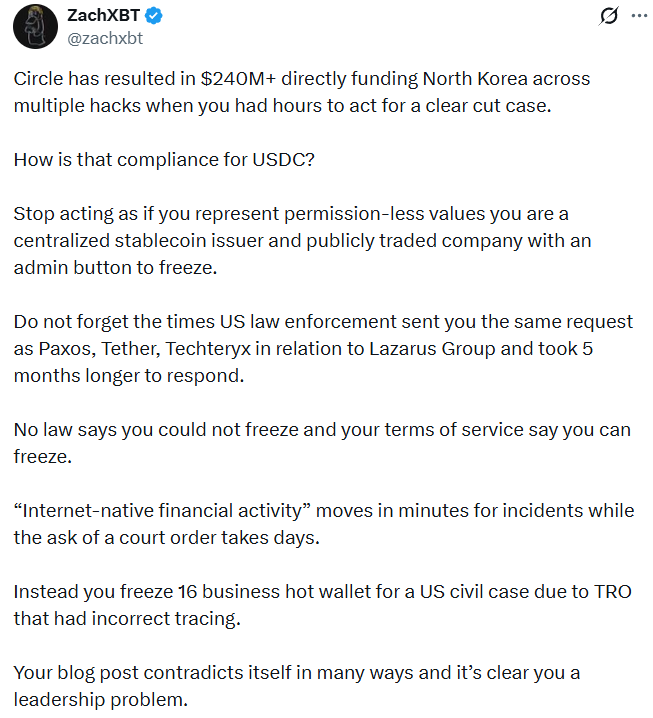
Circle’s explanation did not cut it for security experts demanding answers. Source: ZachXBT
Related: Ethereum’s EEZ could pull other blockchains into its orbit
Bilotta said waiting for formal legal orders in cases with clear, onchain evidence of an exploit is a “failure of responsibility.”
Who decides what counts as “extreme”
Large-scale exploits, including those linked to North Korean actors, have pushed the industry into situations most would consider extreme, where hundreds of millions can be drained and laundered in real time.
Such cases raise the question of who defines what qualifies as “extreme” and when intervention is justified.
“This is the question the industry has been ducking the longest,” said Wish Wu, CEO of institution-focused layer-1 Pharos.
“In practice, ‘extreme’ is too often defined after the fact by whoever holds the keys, which is exactly the failure mode decentralization was meant to avoid,” he added.
Wu said the more credible approach is to define those conditions in advance and encode them into governance, even if that means accepting that some edge cases fall outside those rules.
“Can a small, identifiable group move user funds before users have a fair chance to exit?” Wu asked.
“If the answer is yes, then whatever the marketing says, the system is custodial in substance. If the answer is no, only then are we in an honest conversation about which governance and safety tradeoffs make sense for different use cases.”
Below that line, decentralization loses its substantive meaning, he added.
Magazine: AI-driven hacks could kill DeFi — unless projects act now

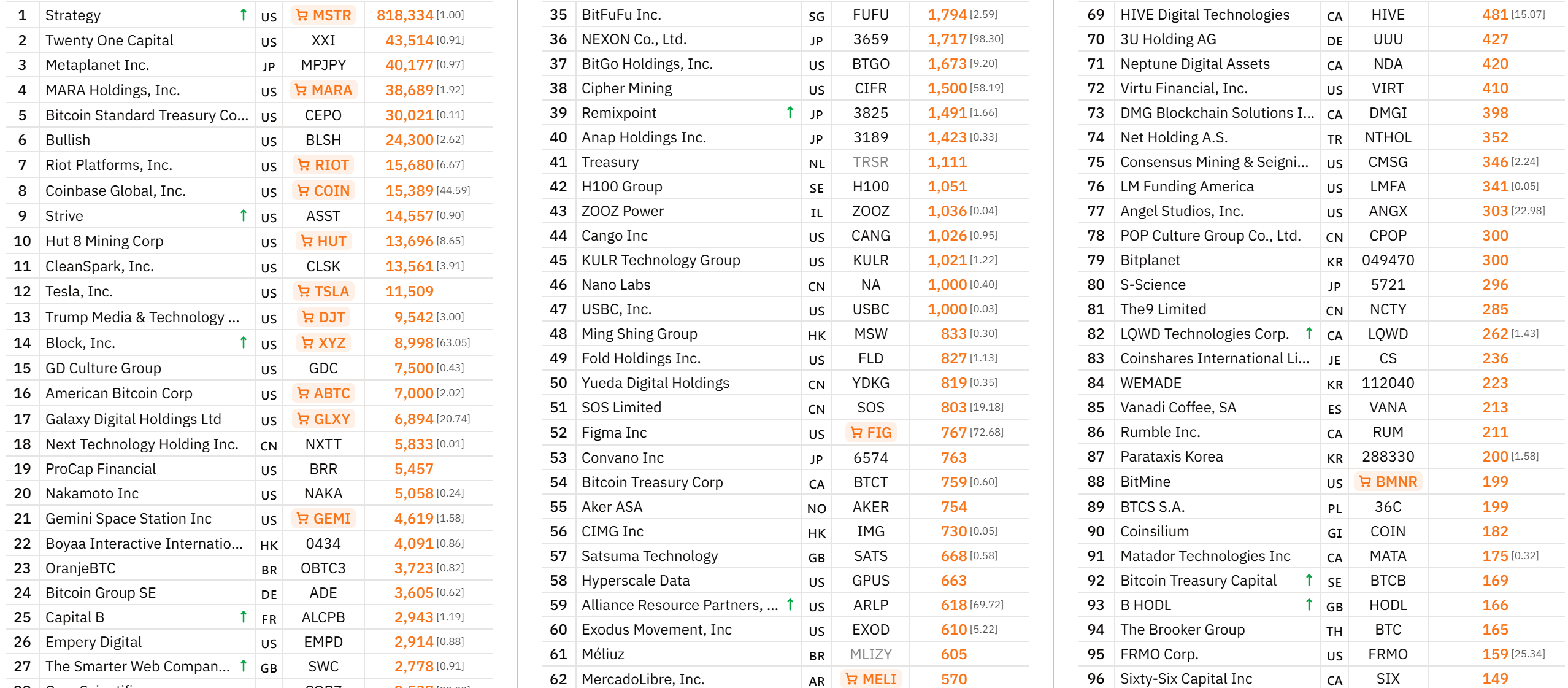
Galaxy Research head Alex Thorn said the proposed merger of Twenty One Capital (XXI), Strike, and Elektron Energy would establish XXI as the second most influential Bitcoin public company behind MicroStrategy.
Tether Investments, XXI’s majority shareholder, said this week it will vote in favor of merging the company with Bitcoin financial services firm Strike, followed by a combination with mining operator Elektron Energy.
Galaxy Positions XXI as MicroStrategy’s Closest Rival
XXI already holds 43,514 Bitcoin (BTC), making it the second-largest public corporate Bitcoin holder behind MicroStrategy.
Strike adds brokerage, custody, and Bitcoin-backed lending across more than 100 countries. Meanwhile, Elektron Energy contributes roughly 50 EH/s of hashrate, around 5% of the Bitcoin network, with production costs reportedly below $60,000 per coin.
In Galaxy Research’s May 1 weekly brief, Thorn argued the combined entity would have something MicroStrategy lacks.
“A combined XXI/Strike/Elektron… would arguably become the most strategically significant publicly traded Bitcoin-only company other than Strategy, and unlike Strategy it would have meaningful operating cash flows alongside its treasury,” Thorn explained.
Related-party ties and Swan litigation cloud the deal
Galaxy flagged governance hurdles. Jack Mallers serves as CEO of both XXI and Strike, while Tether owns majority stakes in both XXI and Elektron.
Thorn said the board will likely need a special committee, fairness opinions, and a majority-of-the-minority shareholder vote.
Elektron CEO Raphael Zagury, recommended by Tether to serve as president of the merged company, is a defendant in parallel Swan Bitcoin suits in California and the United Kingdom.
Swan alleges that Zagury and other former executives conspired with Tether in 2024 to expropriate a mining joint venture.
Tether disclosed at Bitcoin 2026 that it now controls more than 140,000 BTC, signaling that XXI may serve as the US-listed face of a broader onshoring effort.
The post Galaxy Says Jack Mallers’ XXI Could Rival MicroStrategy After Tether’s Proposed Merger appeared first on BeInCrypto.


More Than a Milestone
In an industry that moves fast and talks loud, it takes genuine conviction to pause and ask a harder question: not what we are building, but why. ChangeNOW’s first-ever feature documentary, “Beyond the Hype,” is that pause and the answer that follows it. It arrives at a pivotal moment in our journey, marking our evolution from a simple exchange tool into a global infrastructure supporting over 8+ million users, 1,500 assets, and 110 networks.
This release does not follow the usual script. There is no product to announce, no partnership to trumpet. What ChangeNOW has released instead is something rarer: a film that looks honestly at the purpose behind the platform and invites the wider crypto community to look at them.
The documentary is available now on the ChangeNOW official YouTube channel.
Why We Do What We Do: The Human Core of Web3
At its heart, every financial system is a social contract, a promise that value can move from one person to another reliably and fairly. But for millions of people in places like Manila, those promises have been broken for decades. In the traditional world, sending money home is a gauntlet of “remittance taxes,” where intermediaries extract their share at every turn and a family’s support is delayed by days.
ChangeNOW exists because the status quo is no longer acceptable. We don’t just build code; we build the infrastructure for a new kind of trust. Our mission is to ensure that a woman in Manila receives her funds securely, in full, and in an instant, without a gatekeeper deciding how much of her own money she is allowed to keep. We do what we do to turn the abstract promise of Web3 into a life-changing reality for the people the old system left behind. This documentary is the story of that mission.
The Voices that Shape the Conversation
The strength of any documentary lies in who it gives the floor to. “The Future of Web3” is built around a set of conversations that span the full landscape of the decentralized economy, from infrastructure builders to community advocates, from exchange operators to those who cover the space critically and carefully.
Appearing in order, the film features:
- ChangeNOW: Pauline Shangett & Tim
- Strategic Partners: WanKyu Kim (D’Cent Wallet), KG (Internet Money), Tadeas Kmenta (Zelcore), Joel Valenzuela (Dash), Dorian Vincileoni (Kraken), Martin Masser (TON Foundation), Jye Sandiford (WalletConnect), Thomas D’Eletto (Arculus)
- Ambassadors & Media: Ornella Hernandez, Albert Quehenberger (AQForensics), Oihyun Kim (BeInCrypto), Ramia Farrage (Forbes Middle East).
Each participant brings something distinct. Taken together, they map out a space that is more serious, more self-aware, and more committed to the long game than its critics often allow.
A Note of Gratitude to the BeInCrypto Team
ChangeNOW would like to extend particular thanks to the BeInCrypto team for their contribution to this project. Their presence in the documentary reflects something the ChangeNOW team genuinely values: media that approaches the crypto industry with intellectual rigour, independence, and a commitment to accuracy.
The ChangeNOW team is grateful for that partnership and looks forward to continuing to work alongside a publication that takes its responsibilities as seriously as we take ours.
The Right Moment to Tell This Story
The crypto industry has spent years in explanation mode: publishing whitepapers, launching testnets, refining tokenomics. That work has its place. But there comes a point where explanation alone is not enough, and what is needed instead is meaning.
ChangeNOW has reached that point. The platform has grown in size and now has users across different geographic locations and use cases. Since its founding, it has accumulated a genuine understanding of what decentralized finance should do for its users.
That view doesn’t fit easily into a product update or blog post. It fits in a film. And that film is now available for anyone to watch, not just the existing community, but the people the community is still trying to reach.
About ChangeNOW
ChangeNOW is a leading non-custodial crypto exchange platform built for maximum safety, speed, and simplicity. The platform is committed to making the digital economy transparent and accessible to everyone, everywhere. It serves millions of users across the globe. ChangeNOW is designed for the future of finance, offering a truly borderless experience with support for over 1,500 cryptocurrencies, 70+ fiat currencies, and 110+ networks.
The post ChangeNOW Marks a New Chapter with “Beyond the Hype” Documentary Movie appeared first on BeInCrypto.


IPOP markets reference anticipated public equity, convert to standard perps once shares list, and settle by TWAP if the listing fails.


Crypto markets open May with a rally despite an unresolved Hormuz blockade.

Key Highlights
- CoreWeave shares climbed approximately 2.5% during premarket hours following Citi’s price target increase from $126 to $155
- Analyst Tyler Radke maintained his Buy recommendation while projecting 35-40% quarter-over-quarter backlog expansion
- A recently announced partnership with Jane Street and Meta is scheduled to scale through the conclusion of 2027
- This strategic partnership may propel CoreWeave beyond its $30 billion annual recurring revenue objective
- The company enhanced its SUNK platform with additional self-service capabilities and introduced the SUNK Anywhere functionality
CoreWeave experienced a premarket gain of roughly 2.5% on Thursday following Citi’s announcement of an upgraded price target, moving from $126 to $155.
CoreWeave, Inc. Class A Common Stock, CRWV
Tyler Radke, the covering analyst, maintained his Buy recommendation while highlighting an increasingly robust demand environment for artificial intelligence infrastructure solutions.
By midday trading, shares extended their gains, with CRWV trading more than 7% higher.
Radke’s analysis projects backlog expansion ranging between 35% and 40% on a sequential quarterly basis for the current period. He attributed this growth trajectory to an increasingly diversified customer portfolio spanning hyperscalers, artificial intelligence laboratories, and enterprise organizations, suggesting enhanced sustainability in the company’s growth narrative.
“The stars continue to align for AI infrastructure leaders like CRWV,” Radke wrote in a note to clients.
This evolving customer diversification strategy is increasingly capturing investor attention. Reduced dependency on individual clients mitigates concentration exposure, addressing a longstanding concern among market participants.
Strategic Partnership with Jane Street and Meta Enhances Growth Trajectory
A newly established agreement involving Jane Street and Meta is projected to scale operations through fiscal year 2027. According to Radke, this partnership alone possesses the capacity to elevate CoreWeave beyond its $30 billion annual recurring revenue milestone.
The analyst additionally highlighted Anthropic as representing potential upside optionality, indicating additional growth opportunities should that commercial relationship expand.
From a capital structure perspective, newly secured investment-grade financing is reducing CoreWeave’s cost of capital. Radke indicated this development could trigger upward earnings per share estimate revisions extending through fiscal 2026.
Pricing dynamics surrounding next-generation Blackwell hardware may deliver incremental revenue opportunities. CoreWeave appears to have preserved strategic flexibility within its fiscal 2026 capital expenditure allocation, potentially enabling the company to capitalize on these favorable conditions.
Platform Enhancement: SUNK Receives Significant Upgrades
CoreWeave announced substantial enhancements to its SUNK platform this week, incorporating self-service functionalities alongside the newly launched SUNK Anywhere capability.
SUNK Anywhere was engineered to accelerate cluster deployment processes for customers. The feature enables artificial intelligence workloads to operate seamlessly across diverse cloud infrastructure providers.
These platform improvements enhance accessibility for enterprise clients seeking to expand AI infrastructure deployments while minimizing manual configuration requirements.
CoreWeave’s year-to-date performance reflects approximately 55.84% appreciation based on available market data. Current market capitalization stands at roughly $61.34 billion.
Average daily trading volume registers at approximately 27 million shares, demonstrating sustained market interest in the equity.
Technical sentiment indicators currently signal a Strong Buy designation for CRWV.
Citi’s revised $155 price objective represents substantial upside potential relative to the stock’s trading levels prior to the research note’s publication.
CoreWeave’s projected 35-40% sequential backlog growth remains the primary metric under analyst scrutiny approaching the upcoming earnings announcement.

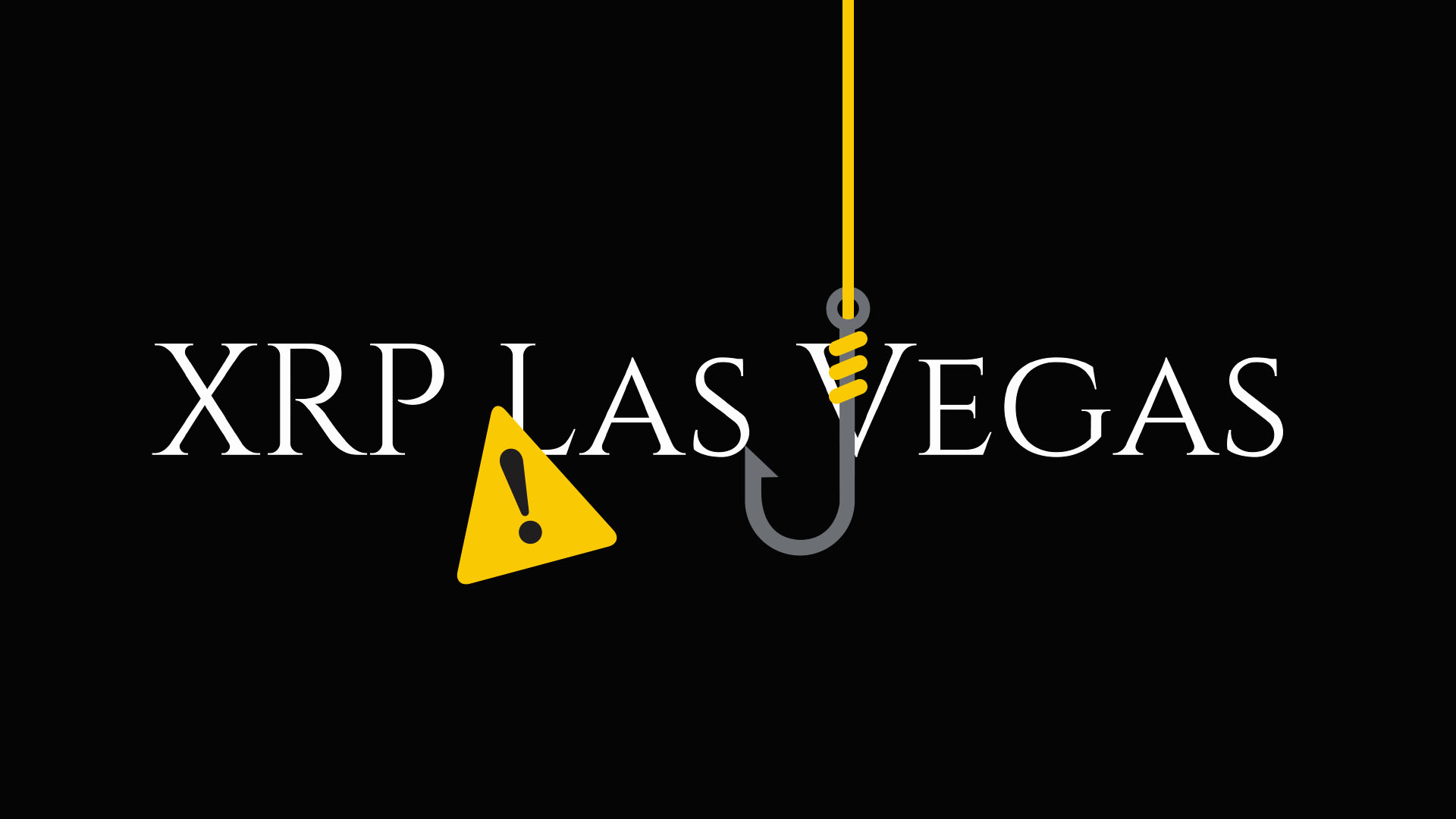
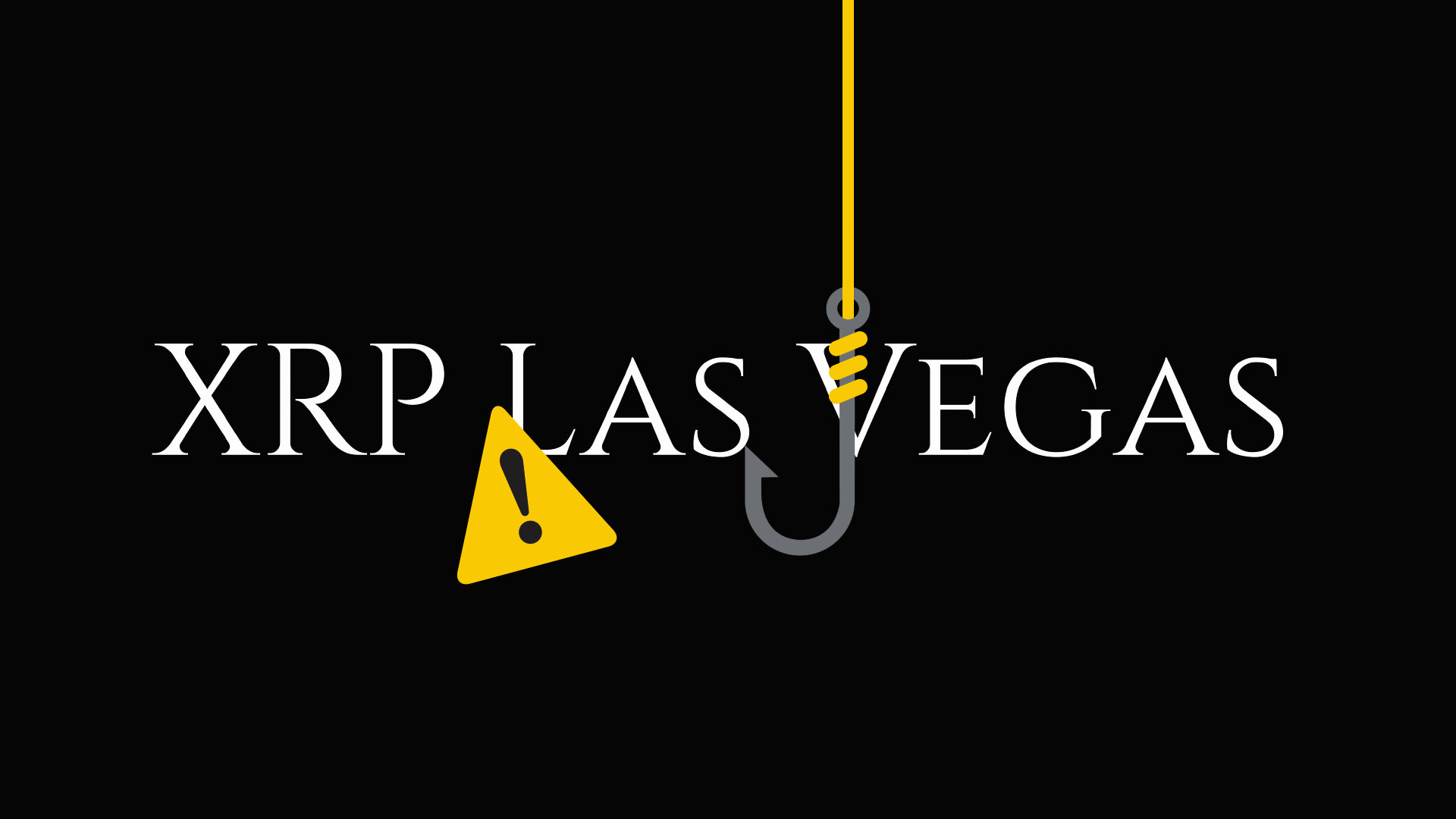
Romance scammers are reportedly using AI generated images of attractive women to dupe followers and attendees of this week’s XRP Las Vegas conference.
The “women,” invariably pictured in glamorous cocktail dresses in front of the event’s official banner, were flagged by an XRP Ledger validator on Friday morning.
Their job was to slide into the DMs of visitors and XRP aficionados who they hope will be predisposed to welcome otherwise unusual conversations about the crypto.
Attendees of the event, which is billed as “the Largest XRP conference in the world,” and features speakers including Ripple CEO Brad Garlinghouse and XRP Ledger co-creator David Schwartz, will likely have spent hundreds of dollars on their tickets and even more on travel and accomodation.
This makes them potentially rich pickings for criminals, specifically “pig butcherers,” who attempt to dupe gullible investors into romantic chats that eventually turn into crypto donation or investment scams.
The conference started on Thursday and will conclude today at the Paris casino in Las Vegas.
Using XRP’s brand to steal XRP
The opening move of a pig butchering scam is almost always a fake photo.
Catfishing their victims, fraudsters build an emotional connection via broad social media platforms like X and Instagram. They’ll then usually steer the conversation to an encrypted messenger where they eventually ask for crypto donations or recommend fraudulent crypto investing platforms.
Conferences are an especially fertile ground for such scams, with attendees arriving expecting messages from new contacts, including DMs from strangers.
Read more: Pig butchering is creating entirely new industries
Hong Kong police broke up a similar operation run by a syndicate that used fake photos and AI face-swapping on video calls to impersonate attractive women.
Those workers, including many who worked against their will under threat of violence, persuaded victims in Taiwan, China, Singapore, and India to send a combined roughly $46 million worth of crypto.
This week’s non-existent bombshells at XRP Las Vegas are a miniature version of that playbook. The conference did the trust-building work that a face-swap algorithm did for the syndicate.
The FBI tallied nearly $11.4 billion in crypto-related fraud losses last year with romance scams alone accounting for more than $900 million of that figure.
Unfortunately, less technologically sophisticated Americans over the age of 60 lost $7.7 billion to internet crime in 2025, the largest share of any age cohort.
Ripple has issued repeated scam warnings to its community. Schwartz himself flagged a fake Brad Garlinghouse Instagram account in April that was promoting an XRP giveaway and last November, the company warned holders about deepfake livestreams that surged after its Swell conference.
Protos previously documented how XRP influencers promoted a fake American Express partnership that never occurred.
Got a tip? Send us an email securely via Protos Leaks. For more informed news, follow us on X, Bluesky, and Google News, or subscribe to our YouTube channel.
Ripple CEO Brad Garlinghouse said at XRP Las Vegas on April 30 that if the CLARITY Act does not clear the Senate Banking Committee before the Memorial Day recess on May 21, the bill could be shelved until 2030, as the current tri-branch alignment between the House, Senate, and White House on crypto legislation is uniquely fragile.
Summary
- The bill has over 120 firm backers including Coinbase, Kraken, Circle, and Andreessen Horowitz and holds public support from the White House, SEC Chair Paul Atkins, and Treasury Secretary Bessent.
- Senators Cynthia Lummis and Bernie Moreno have both said independently that failure to pass the CLARITY Act in 2026 means the next window opens no earlier than 2030.
- The CLARITY Act must still clear a Banking Committee markup, a 60-vote Senate floor threshold, reconciliation between Banking and Agriculture Committee versions, reconciliation with the July 2025 House text, and Trump’s signature.
Ripple CEO Brad Garlinghouse framed May 21 as a hard ceiling at XRP Las Vegas, warning that the political conditions enabling the CLARITY Act are rare in Washington and may not survive a midterm election realignment. The 247 Wall St. analysis notes that XRP has spent most of 2026 waiting on this single catalyst, and that failure before May 21 effectively removes the largest institutional adoption driver for the year. Senator Tillis confirmed he will ask Banking Committee Chairman Tim Scott to schedule a markup when the Senate returns May 11.
As crypto.news reported, the April markup deadline was missed because the Kevin Warsh confirmation consumed the Banking Committee’s calendar throughout April, and the committee broke for its weeklong recess before any markup notice was posted. That delay compresses the remaining window to roughly eight working days between May 11 and May 21. The five steps that must happen in sequence include a committee markup, a committee vote, a 60-vote Senate floor vote, reconciliation between the Senate Banking and Agriculture Committee versions, and a second reconciliation with the July 2025 House text. Each step takes days that the calendar no longer has to spare.
As crypto.news documented, Senator Lummis made the political fragility argument explicitly at the Bitcoin 2026 Conference on April 27, saying the current simultaneous alignment of House, Senate, and White House on crypto legislation “is rare in Washington and may not last.” She chairs the Banking Subcommittee on Digital Assets and is not seeking re-election, making her one of the few senators with no electoral incentive to delay. As crypto.news tracked, Novogratz said on a podcast this week the bill “probably gets done in May,” but Galaxy Research puts overall 2026 passage odds at 50-50 or lower and Polymarket prices it at approximately 46%.

Gas prices over $6.00 are displayed at a Shell station across from the Marathon Petroleum Corp’s Los Angeles Refinery on April 02, 2026 in Carson, California.
Justin Sullivan | Getty Images News | Getty Images
Western Texas Intermediate crude futures haven’t hit their highs in 2026 yet, according to traders on Kalshi.
Users on the prediction markets platform think that there’s a more than 50% chance that prices will reach nearly $127 per barrel this year, far higher than the current closing high of nearly $113 per barrel on April 7.
Traders also estimate there’s a 63% chance that prices will cross $120 per barrel.
While WTI prices remain off their highs from before the U.S. and Iran announced a ceasefire to the war in the Middle East, they’re considerably higher than their lows of $82.59 on April 17.
Prices are above again $100, and Brent crude prices hit a new post-war high this week. However, oil prices retreated on Friday after Iran sent a revised peace proposal to the U.S., though President Donald Trump said he’s not satisfied with the country’s proposals.
Some of the post-ceasefire decline in WTI oil prices has been reversed as there’s no clear path to Iran reopening the Strait of Hormuz nor to the U.S. ending its naval blockade of the passageway.
While traders think the highs in oil prices haven’t been hit this year, the range they think prices will trade has shrunk. In early April, before the ceasefire, traders thought there was a more than 50% chance prices traded above $150 per barrel. Traders now place just a 26% chance of that happening.
Disclosure: CNBC and Kalshi have a commercial relationship that includes a CNBC minority investment.
Markets shift and headlines fade, but the core principles of building long-term wealth remain constant. Join us for our third CNBC Pro LIVE, where investors of all backgrounds – from financial professionals to everyday individuals – come together to cut through the noise and gain actionable strategies for smarter, more disciplined investing. No matter where you’re starting from, you’ll leave with clearer thinking, stronger strategies. Enter your email here to get a discount code
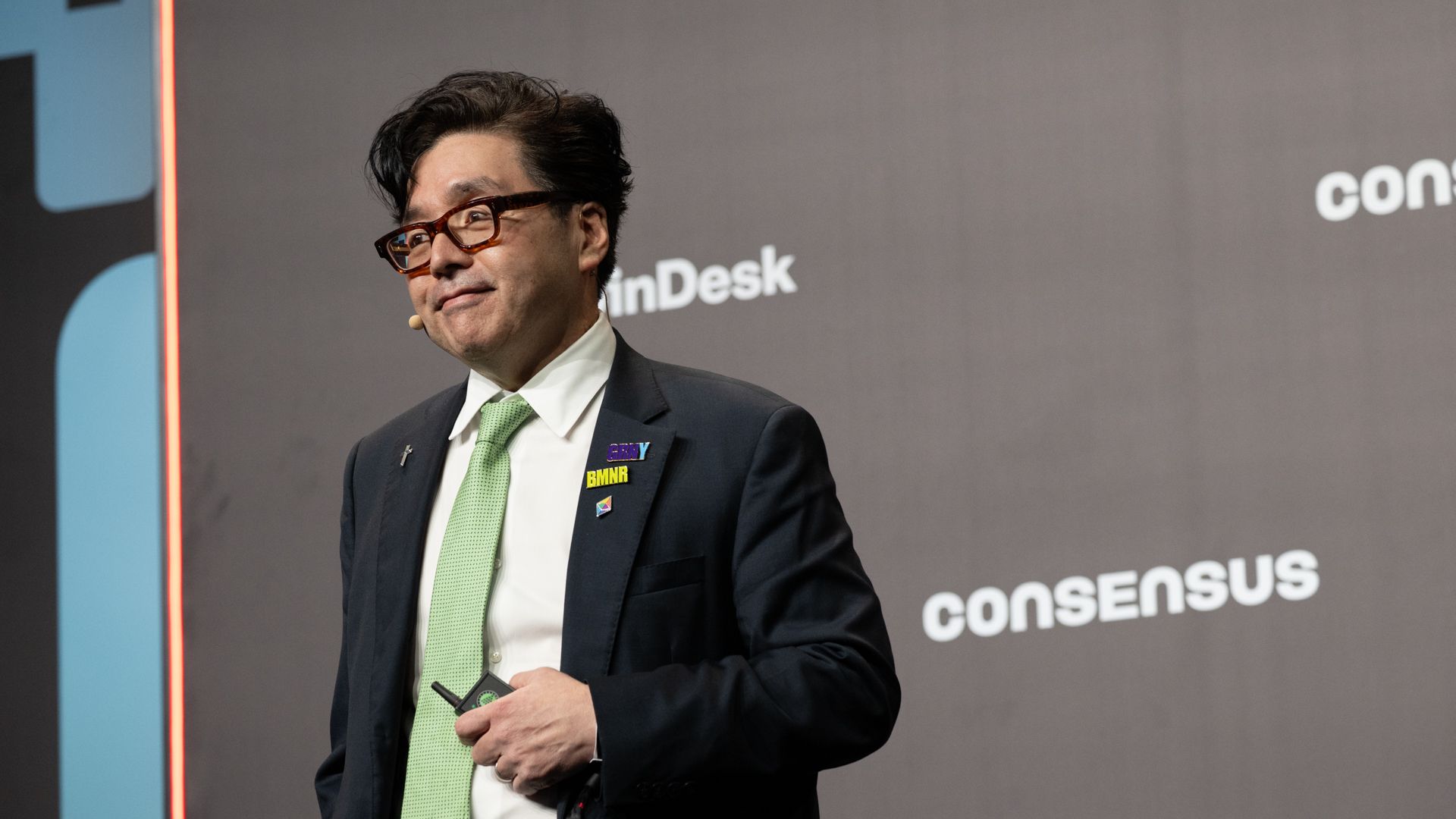
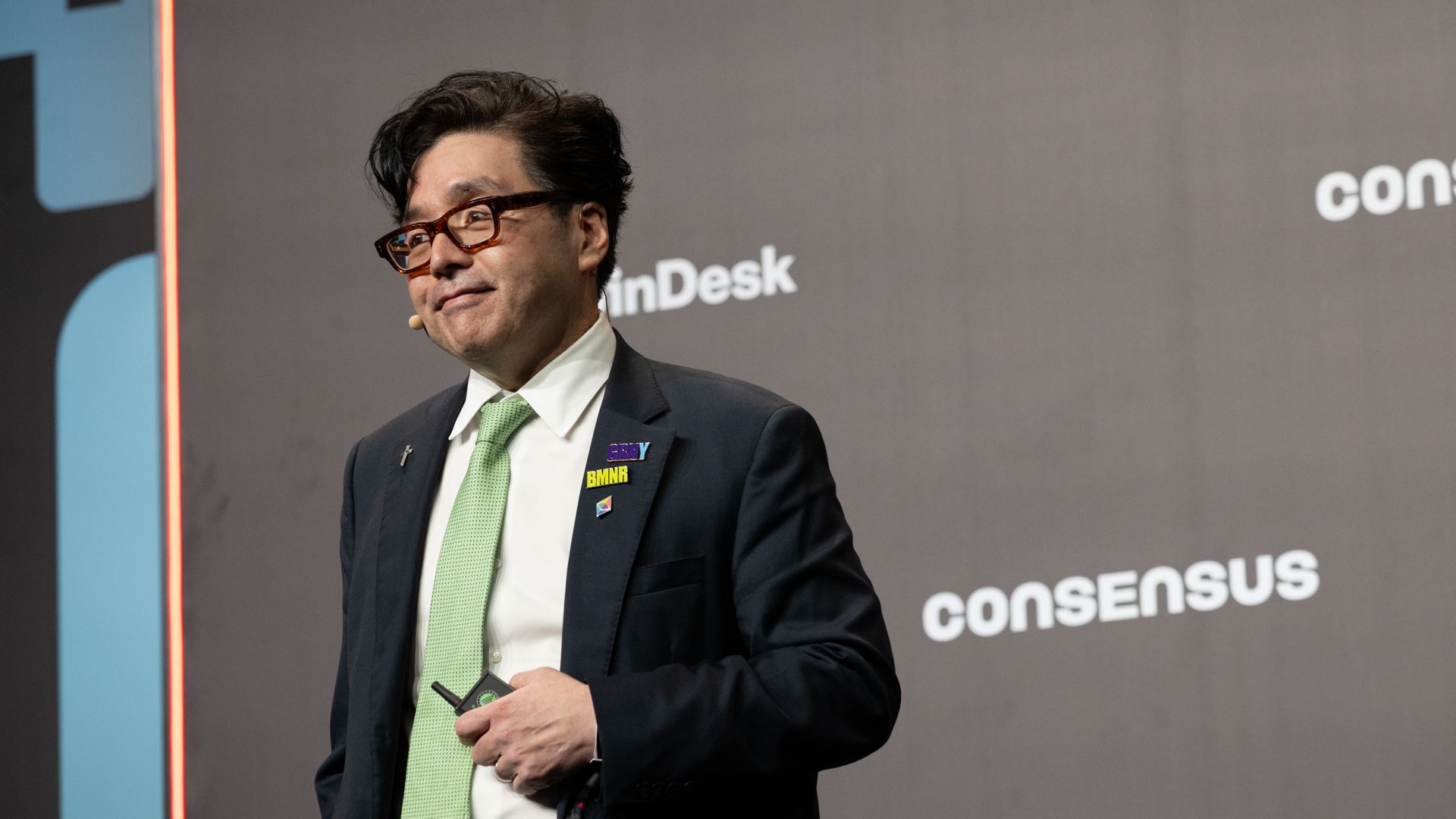
The Ethereum Foundation has sold another 10,000 ether (ETH) in an over-the-counter deal to Tom Lee’s BitMine (BMNR), continuing a string of treasury sales this year.
In a post on X on Friday, the organization said it finalized the sale at an average price of $2,292.15 per token, implying proceeds of roughly $22.9 million. The counterparty was BitMine Immersion Technologies, a repeat buyer that has increasingly acted as a key institutional accumulator of ETH from the foundation.
The latest transaction follows a similar March deal in which the foundation sold 5,000 ETH to BitMine at about $2,042 per ETH, raising roughly $10.2 million.
Like prior sales, the Ethereum Foundation said proceeds will go toward core operations & activities, including protocol research and development, ecosystem growth and community grants, a longstanding funding model for the organization.
The foundation added that the transaction is part of its formal treasury management strategy, under which ETH holdings are periodically converted into fiat to maintain operating runway and reduce market impact. These deals are typically executed OTC to avoid disrupting spot markets.
Bitmine, which is helmed by Fundstrat’s Tom Lee, continues to participate in these transactions, which underscores its growing role as one of the largest corporate ETH holders. The firm has now taken part in multiple direct purchases from the foundation this year, highlighting a deepening relationship between the network’s primary steward and a major institutional buyer.
The onchain transfer for the latest sale is expected to originate from an Ethereum Foundation-controlled multisig wallet, in line with its recent push for greater transparency around treasury activity.
Read more: Bitmine to buy 10,000 ether for $23.9 million from the Ethereum Foundation
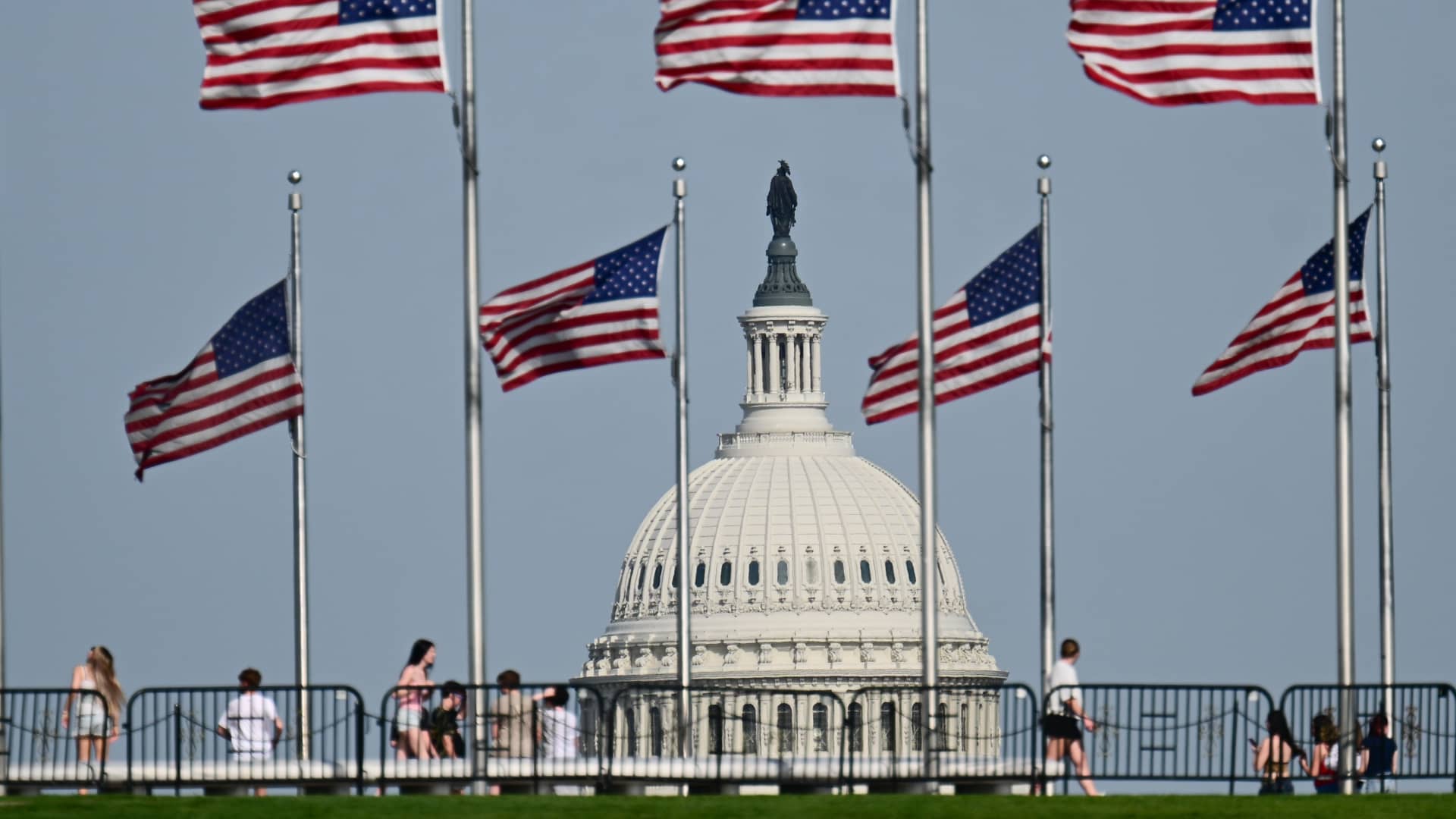
U.S. flags at the Washington Monument, the dome of the U.S. Capitol can be seen in the background.
Sebastian Gollnow | Picture Alliance | Getty Images
Control of the U.S. Senate in this year’s midterms remains a tossup just over six months from election day, according to traders on prediction markets platform Kalshi.
Traders give both Republicans and Democrats a 50% chance of winning control of the upper chamber.
While traders have Democrats as favorites to flip control of the House of Representatives, odds in the Senate have narrowed in 2026.
Republicans saw their odds of maintaining their majority fall from 67% on January 1 throughout that month and February, but the declines intensified in March as traders priced in the political consequences of the U.S.-Iran war. Since the start of the conflict, President Donald Trump‘s approval rating has fallen to its lowest levels of his second term in many polls.
Democrats have an uphill climb to flip control of the Senate, as the party will have to win multiple states that Trump won in 2024 by double-digits — like Ohio, Iowa, Texas or Alaska — to have a shot at a majority. However, in the middle of April, Democrats were priced with a 54% chance to win the chamber.
In a Friday note, Bank of America economist Claudio Irigoyen said these odds are having an impact on policy.
“The interesting thing about these moves is that, coupled with falling approval ratings for the US administration, incentives are mounting for the war in Iran to reach a resolution,” Irigoyen wrote. “In our view, this is evidenced in the US administration’s push to reach a deal.”
Traders on Polymarket also see the Senate as a tossup, with Democrats holding a 52% chance of winning while Republicans hold 50% odds.
Disclosure: CNBC and Kalshi have a commercial relationship that includes a CNBC minority investment.
Markets shift and headlines fade, but the core principles of building long-term wealth remain constant. Join us for our third CNBC Pro LIVE, where investors of all backgrounds – from financial professionals to everyday individuals – come together to cut through the noise and gain actionable strategies for smarter, more disciplined investing. No matter where you’re starting from, you’ll leave with clearer thinking, stronger strategies. Enter your email here to get a discount code

IPL 2026: Starc vs Sooryavanshi in Jaipur! DC overhaul XI in high-stakes clash vs RR

China just launched a massive electric cargo ship, and its battery system alone rivals hundreds of electric cars in scale

Mark Allen frame ’embarrassment to snooker’ as unwanted record set through Crucible drama

Manchester United reach agreement with Casemiro over contract clause amid transfer speculation

US brings back mandatory military draft registration

Steven Gerrard disagrees with Gary Neville over ‘shock’ Chelsea and Arsenal claim | Football


-

 Tech4 days ago
Register Renaming | Hackaday
-
 Crypto World6 days ago
Hyperliquid $HYPE Rally Builds Momentum as AI Sector Enters Prove-It Phase
-

 Politics4 days ago
Drax board avoid their own AGM, accused of greenwashing & environmental racism
-

 Tech4 days ago
Images of Samsung’s rumored smart glasses have leaked
-

 Tech4 days ago
Why Blue Badges Disappeared From Toyota Hybrids
-
 Sports5 days ago
IPL 2026: Ruturaj Gaikwad registers slowest fifty of the season, enters all-time unwanted list | Cricket News
-

 NewsBeat5 days ago
LK Bennett closes all stores after entering administration
-

 Fashion3 days ago
Kylie Jenner’s KHY Enters a New Era with ‘Born in LA’
-
 Entertainment6 days ago
Mariah Carey Slams Deposition Claims In Brother’s Lawsuit
-

 Business3 days ago
Most Commercial Energy Audits Miss the Real Losses
-

 Business4 days ago
(VIDEO) Charlize Theron Climbs Times Square Billboard to Promote New Netflix Thriller ‘Apex’
-

 Crypto World3 days ago
CFTC’s AI will review U.S. crypto registration applications, chairman tells CoinDesk
-
 Crypto World7 days ago
Nvidia (NVDA) Stock Jumps 5% as Intel Earnings Ignite Semiconductor Rally
-

 Tech6 days ago
Microsoft to roll out Entra passkeys on Windows in late April
-

 Business2 days ago
Barclay Brothers Avoid Bankruptcy: HSBC Drops High Court Petitions After IVA Deal
-

 Tech5 days ago
OpenAI’s Sam Altman apologizes for not reporting ChatGPT account of Tumbler Ridge suspect to police
-
 Tech6 days ago
OpenAI CEO apologizes to Tumbler Ridge community
-
 Business2 days ago
Tesla Officially Registers Elon Musk’s Stock: What Investors Need to Know
-

 Tech3 days ago
Get Ready for More Brain-Scanning Consumer Gadgets
-
Entertainment6 days ago
Emily Blunt Used This $13 Hair Oil for Smooth, Frizz-Free Curls
You must be logged in to post a comment Login