

Crypto World
Different voices in product, policy and hiring change crypto outcomes, panelists tell Consensus Miami

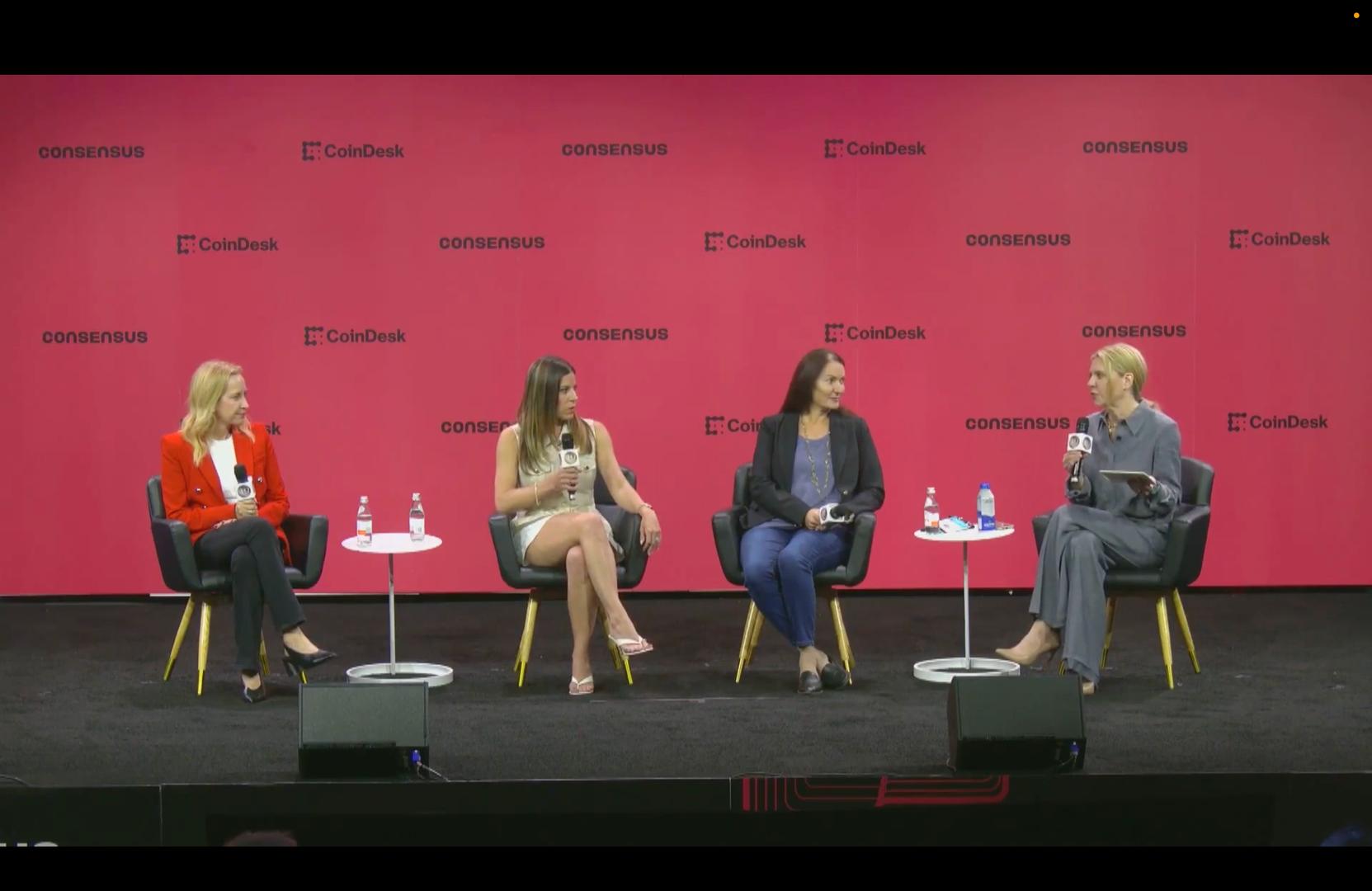
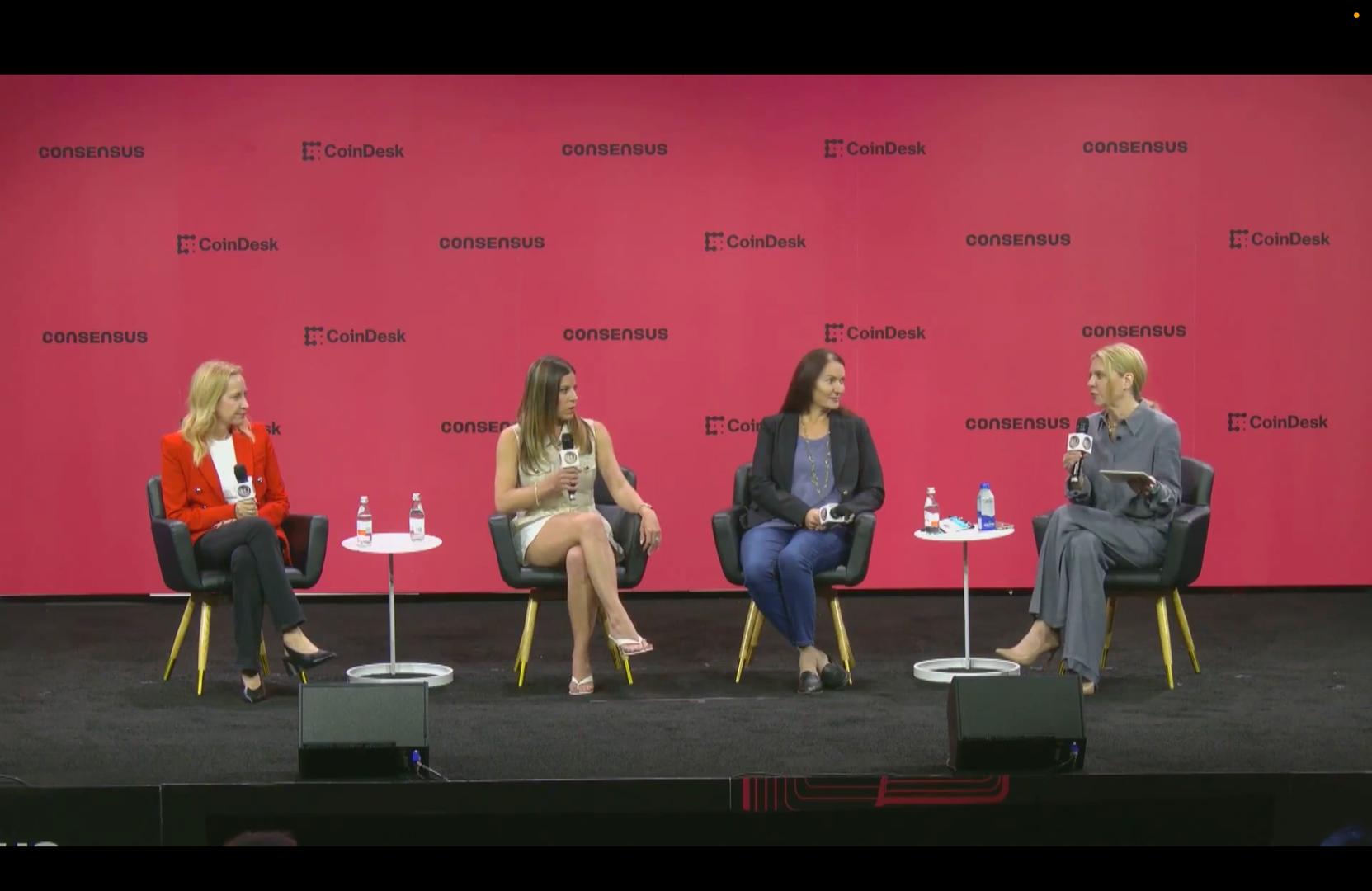
The right voices in the right rooms can reshape product, policy and hiring outcomes in crypto, three senior executives told CoinDesk’s Consensus Miami conference on Tuesday. Each cited a moment from her own organization when an outside perspective changed what was being built, argued or prioritized.
Mastercard SVP for Blockchain & Digital Assets Maja Lapcevic said her company’s crypto team had initially viewed infrastructure as the key to crypto adoption, until a partner reframed the problem around usability. “We probably all thought about infrastructure to be the winning formula for crypto,” she said. “But one of our partners actually really helped shed light on how we make crypto accessible, not complex, very simple to use.” That thinking helped push Mastercard toward cards linked to stablecoins, including for users in markets with limited access to traditional financial services, she said.
Crypto Council for Innovation Chief Strategy Officer Alison Mangiero said her organization had a similar realization around staking after bringing builders into policy discussions. “Sometimes we might think we understand, or we’ll put things into a bucket,” she said. “We’ll take a shortcut and say, oh, that sounds like a fund. Oh, that sounds like interest or yield, when in actuality what’s going on under the hood is fundamentally different.” After hearing from people building staking primitives, she said, CCI understood the need to describe staking as a technical service rather than a financialized product.
Clerisy Co-Founder and Managing Partner Alexandra Wilkis Wilson brought the argument to hiring. “Many of us fall into a very comfortable bias of hiring people who not only might look like ourselves or remind you of your younger self,” she said. She recalled one 10-person startup where a Myers-Briggs analysis found that eight of the 10 team members were extroverts. “It’s really important, when you’re growing teams, to not only bring in diversity on the outside, but also to think about diversity on the inside,” she said.
Mangiero closed by framing the issue as one for the broader industry. Crypto “is having a moment right now where folks are really interested in hearing our voice,” she said, “but that begs the question, what is our voice at the end of the day?” The conference, she added, “is called Consensus for a reason.” Good policy, she said, requires the industry to ensure different communities are reflected, including token holders and people building on top of blockchain networks, while also protecting consumers and allowing innovation to thrive.


Key Takeaways
- RBRK stock declines even as company delivers 39% revenue increase and improved cash generation.
- Shares fall in after-hours trading despite AI-focused cybersecurity platform expansion.
- Rubrik posts impressive ARR gains, but stock pressure continues following quarterly report.
- RBRK weakens as investors digest AI expansion, profitability metrics, and forward outlook.
- Company advances AI security offerings while facing post-earnings stock decline.
Shares of Rubrik (RBRK) experienced selling pressure following the company’s announcement of impressive first-quarter performance and increased emphasis on artificial intelligence-powered cybersecurity solutions. The stock closed regular trading at $77.00, declining 3.10%, then slipped further to $75.61 in extended hours. This downturn occurred even as the company demonstrated accelerating revenue, enhanced cash generation, and broader enterprise market penetration.
First Quarter Delivers Impressive Financial Performance
Rubrik unveiled its fiscal 2027 first-quarter financial results covering the three months concluded April 30, 2026. The data security specialist generated total revenues of $387.1 million, representing a 39% surge from the $278.5 million recorded in the comparable period last year. Subscription-based revenues climbed 41% to reach $374.2 million.
The organization disclosed that subscription-based annual recurring revenue hit $1.57 billion at the end of the reporting period. This metric demonstrated 32% annual expansion and underscored sustained market appetite for its security offerings. Revenues excluding material rights surged 43% compared to the year-ago quarter.
Rubrik simultaneously enhanced its profitability indicators throughout the period. GAAP-based gross margin expanded to 80.5%, while the non-GAAP gross margin improved to 82.9%. Furthermore, free cash flow generation climbed to $73.6 million, compared with $33.3 million in the prior-year period.
Company Advances AI-Driven Security Strategy
Rubrik has strategically repositioned itself as both a security and AI operations provider as businesses confront escalating cyber threats. The organization concentrates on data protection, identity restoration, cloud infrastructure resilience, and incident response capabilities. Consequently, the quarterly performance reflects growing enterprise demand for comprehensive cyber resilience solutions.
Throughout the quarter, Rubrik broadened multiple AI-integrated and cloud security capabilities. The company announced availability of Anthropic’s Mythos Research Preview via Project Glasswing. It simultaneously rolled out data protection functionality for Google Workspace, encompassing Gmail and Google Drive recovery capabilities.
Rubrik additionally introduced Rubrik Agent Cloud designed for Google Cloud’s Gemini Enterprise Agent Platform. This solution enables organizations to identify AI agents, implement protective parameters, and undo detrimental agent activities. The company also revealed SAGE, its artificial intelligence governance framework providing real-time agentic oversight.
Forward Guidance Signals Continued Expansion
Rubrik projected second-quarter fiscal 2027 revenues ranging from $395 million to $397 million. The company anticipates non-GAAP earnings per share between $0.03 and $0.05. It also forecasts subscription ARR contribution margin in the 11% to 12% range.
For the complete fiscal year, Rubrik anticipates revenues between $1.638 billion and $1.648 billion. The organization also projected subscription annual recurring revenue between $1.854 billion and $1.862 billion. Free cash flow projections range from $293 million to $303 million.
The company concluded the quarter holding $1.75 billion in cash, cash equivalents, and short-term investment securities. It also disclosed 2,946 customers generating subscription ARR exceeding $100,000. Nevertheless, the stock continued declining as market participants digested the comprehensive earnings announcement.



Arthur Hayes, co-founder of BitMEX and one of Hyperliquid's most vocal public supporters, has sold his entire positions in HYPE and NEAR Protocol. Hayes announced the exit on X on June 4, citing three macro headwinds he said altered his near-term risk calculus. "I just dumped my entire $HYPE and… Read the full story at The Defiant
Canada launched a national artificial intelligence (AI) strategy on June 4, promising 250,000 jobs, while UC Berkeley reported record failing grades in computer science classes that professors trace to student overreliance on the same technology.
Prime Minister Mark Carney unveiled the AI for All strategy in Toronto with AI Minister Evan Solomon. Days earlier, Berkeley faculty disclosed failure rates suggesting AI is reshaping how students learn.
Canada Bets Big on Its AI Strategy
The strategy targets up to $200 billion in added growth and 250,000 new jobs over five years, according to the official release. It aims to lift business AI adoption from just over 12% to 60% by 2034.
That gap is the point. Canada ranks among the slowest G7 nations to adopt AI at scale, despite holding a fast-growing digital sector.
The plan succeeds the 2017 Pan-Canadian AI Strategy, the world’s first national AI plan, which seeded the Vector, Mila, and Amii research institutes.
It also promises free AI literacy for 1 million post-secondary students and trusted AI agents for every learner. That promise now meets a cautionary signal from California.
“AI is here. The question is whether it will improve the lives of all Canadians or benefit only a few… That’s why we need an ambitious new strategy: AI for All,” Carney said in a statement.
Follow us on X to get the latest news as it happens
Berkeley Shows AI’s Classroom Cost
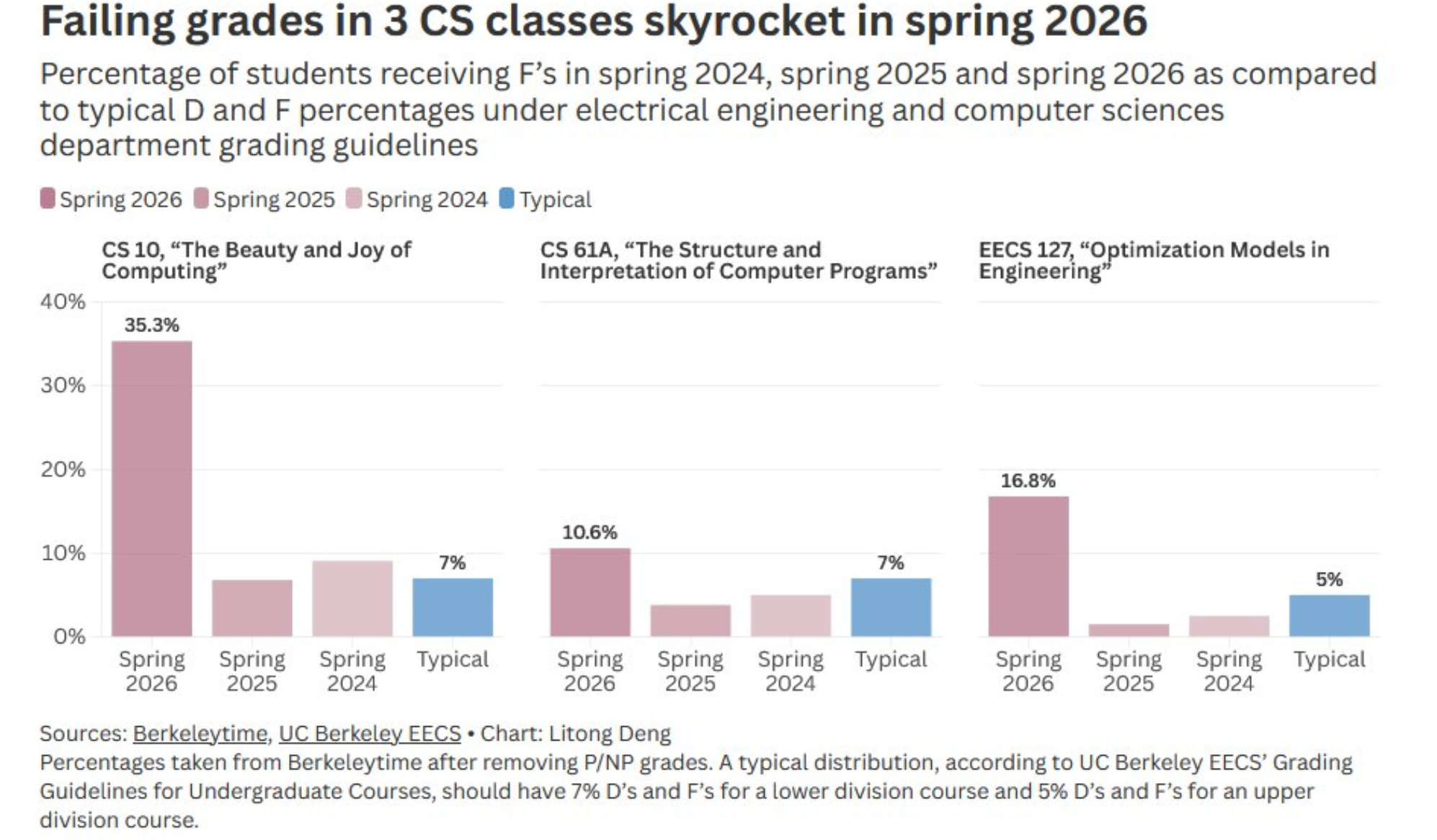
Elsewhere, at UC Berkeley, 35.3% of Computer Science 10 (course code) students failed in spring 2026, up from under 10% in prior years, per Berkeleytime data. The department expects only 7% to fail.
Teaching professor Dan Garcia traced the spike to a sharp rise in AI-enabled cheating. Nearly 30 students were caught using large language models (LLMs) on take-home exams.

“One professor discovered a student’s linear algebra class had an “open AI” policy for homework and exams. That student then couldn’t do basic linear algebra in the next course,” noted Hedgie, a financial markets analyst.
Garcia said his office hours, once full, now often sit empty. Faculty warn the failures signal weaker fundamentals, not only misconduct.
The risk compounds when automating skilled jobs meets graduates who never mastered the basics.
“Companies are firing experienced engineers while the pipeline that produces new ones is being gutted by the same technology,” one user quipped.
A Workforce Squeezed at Both Ends
The timing is stark. AI-cited layoffs hit a record 38,579 in May, 40% of all U.S. cuts and the leading reason for a third straight month, outplacement firm Challenger, Gray and Christmas reported.
AI has been blamed for 87,714 cuts so far in 2026, already past the 54,836 logged in all of 2025. Critics call the label cover for routine cost-cutting.
Some tech workers now seek refuge in other sectors as employers restructure around automation.
Block confirmed layoffs tied to AI, while Wall Street opened stable digital asset roles for displaced talent.
Can Canada be able to build skills faster than AI erodes them? The coming months of AI-driven job restructuring and promised legislation will offer the first test.
The post Canada Launches AI for All Strategy as UC Berkeley Counts the Classroom Cost appeared first on BeInCrypto.
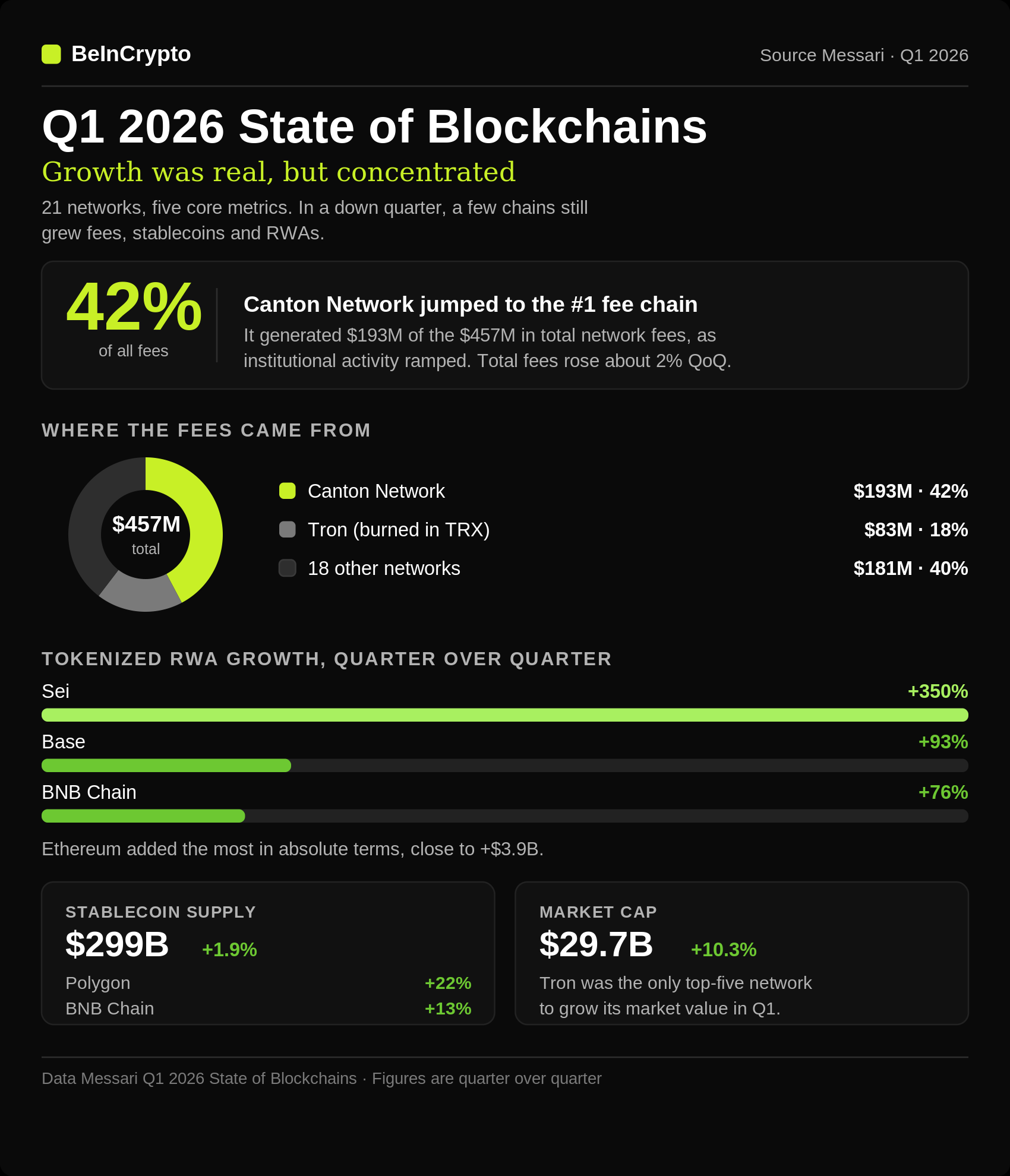
Canton Network captured roughly 42% of all blockchain fees in the first quarter of 2026, climbing to the top of Messari’s fee rankings as institutional activity on the network grew.
The chain generated about $193 million of the $457 million in total fees across 21 blockchains that Messari tracked, according to its Q1 2026 State of Blockchains report.

Why Canton Leapt to the Top of the Fee Table
Canton Network ranked first among the 21 networks for fees in Q1 2026. Its $193 million share represented about 42% of the group total. Aggregate fees rose roughly 2% over the prior quarter.
That gain stood out in a weak market. Most networks saw key metrics fall as prices sold off through the quarter. Canton moved the other way, lifted by growing institutional crypto adoption rather than retail trading.
Despite the news, however, the native token, Canton Coin (CC), traded near $0.15 at the time of writing. It had slipped about 3% over the prior 24 hours, leaving CC ranked around 20th by market value despite its earlier bullish chart setup.

What Drove the Fee Growth
Canton runs as a Layer-1 built for regulated institutions. Digital Asset launched the network in May 2023 alongside more than 30 financial firms.
It uses privacy features and a Global Synchronizer, now governed by the Canton Foundation under the Linux Foundation, that lets separate institutional systems settle transactions together.
Founding participants include Goldman Sachs, BNP Paribas, and Deutsche Börse. JPMorgan’s Kinexys unit moved to issue its JPMD deposit token on Canton in January, and DTCC is working to tokenize US Treasuries it custodies. HSBC completed a tokenized deposit pilot on the network in April.
Follow us on X to get the latest news as it happens
Fees climbed as tokenized real-world assets, repo markets, and banks settling bonds on-chain scaled up.
Messari noted that real-world assets kept rising even as other metrics declined across the sector.
Q1 2026 State of Blockchains is live. 21 networks, five core metrics, one clear theme: even in a down quarter, a few networks grew fees, stablecoins, and RWAs,” the researchers indicated.
Messari framed the quarter around selective strength.
A Concentrated Picture
Growth was narrow rather than broad. A handful of chains carried the gains while many others declined. Tron was the only top-five network to grow market value, rising about 10% to $29.7 billion.
“TronDAO was the only top 5 network to grow market cap (+10.3% QoQ to $29.7B). With ~$83M in Q1 fees all burned in TRX, fee accrual helped insulate it from the broader bear market. Total fees actually rose ~2% QoQ to $457M – driven by Canton Network. Canton Network jumped to the #1 fee chain, capturing 42% of all fees ($193M) as institutional activity ramped. Tokenized RWAs kept climbing while other metrics declined,” indicated Luis Rincon, Head of Research Operations at Messari.
Real-world asset growth clustered too. Sei led with a 350% quarterly jump, ahead of Base at 93% and BNB Chain at 76%. Ethereum added the most in absolute dollar terms, close to $3.9 billion.
Stablecoin supply rose modestly to $299 billion, with Polygon and BNB Chain growing fastest.
The pattern echoes Canton’s earlier token price pullback and points to value consolidating on networks tuned for specific uses.
Whether Canton holds the top fee spot may depend on how quickly institutions keep moving assets on-chain.
The post Canton Network Tops Fee Generator Rankings as Institutions Drive Q1 2026 Activity appeared first on BeInCrypto.


Shielded Labs proposed a new Zcash network upgrade that would let anyone verify the privacy coin's supply has not been secretly inflated, after disclosing that a recently patched bug in the network's main shielded pool could have allowed undetectable counterfeiting of ZEC. Shielded Labs, a… Read the full story at The Defiant
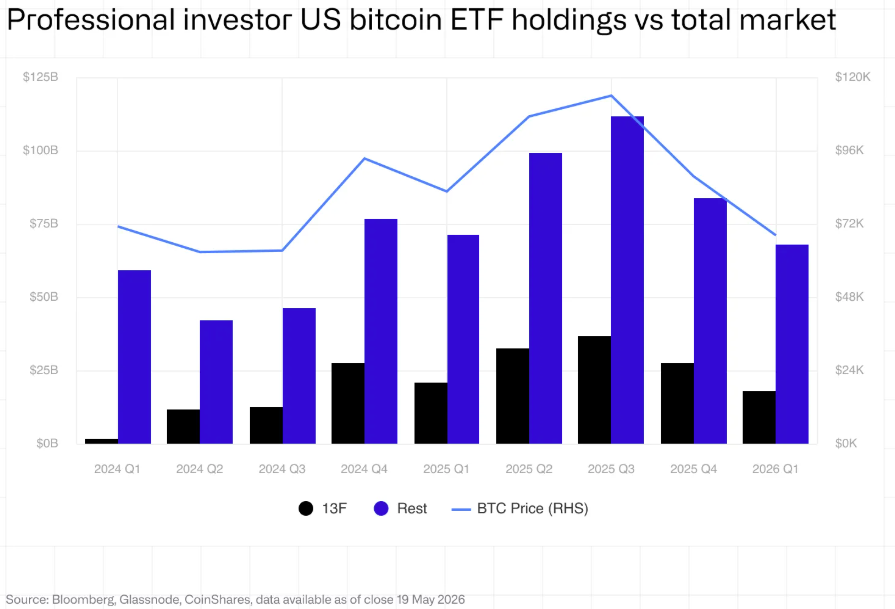
Professional ownership of US spot Bitcoin exchange-traded funds (ETFs) declined sharply in the first quarter as Bitcoin’s bear market deepened, suggesting that trading-oriented institutions were a significant source of selling pressure during the downturn.
A new report by CoinShares analyzing quarterly 13F filings — regulatory disclosures that reveal the equity holdings of investment managers with at least $100 million in assets — found that professional investors reduced their Bitcoin ETF exposure to 261,000 BTC from 313,000 BTC in the first quarter, a 17% decline.
The combined value of those holdings fell 35% to $17.8 billion, while the share of total US Bitcoin ETF assets held by 13F filers declined to 20.8% from 24.7%.
“This dataset is consistent with what bitcoin markets have historically looked like in drawdowns,” CoinShares digital asset analyst Matt Kimmell wrote in the report. “Leveraged and tactical strategies unwind.”
The selling was heavily concentrated among hedge funds and brokerages, which accounted for roughly 96% of the reduction in exposure. Hedge funds cut their holdings by 31,400 BTC, or 39%, while brokerages reduced exposure by 18,800 BTC, a 53% decline.
In contrast, investment advisors — the largest professional cohort with 150,300 BTC in holdings — reduced exposure by just 5.9%. Banks more than doubled their Bitcoin ETF holdings, adding 7,800 BTC during the quarter.
The decline in professional ownership coincided with a sharp correction in Bitcoin’s price. The asset’s value fell 22% during Q1, extending declines from late 2025 and briefly dropping below $60,000. At its lowest point, Bitcoin was down roughly 50% from its October 2025 all-time high above $126,000.
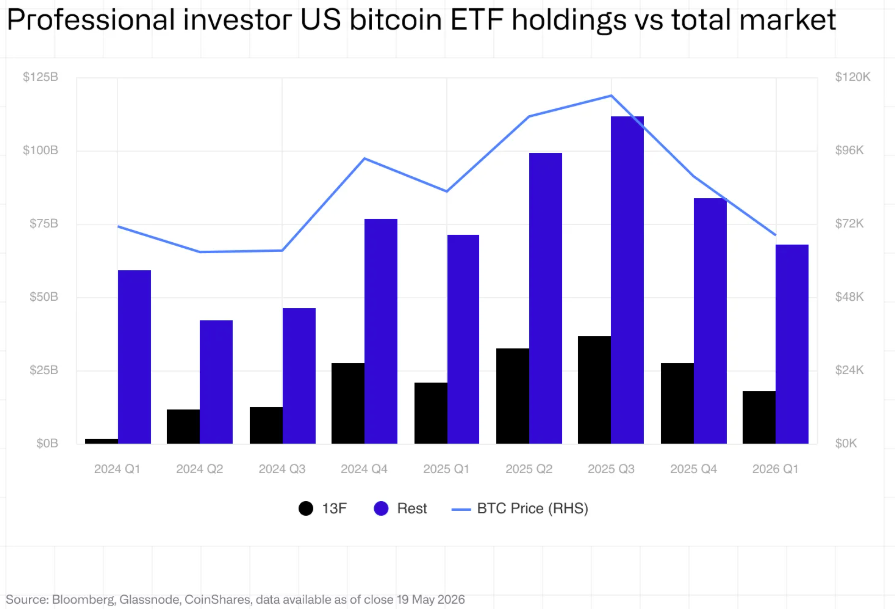
The share of Bitcoin ETF holdings by professional managers declined in the first quarter. Source: CoinShares
Related: Strategy debt, AI boom, Bitcoin collapse have analysts predicting doom: Are they right?
Despite BTC market volatility, regulatory backdrop improves
Despite the market volatility, CoinShares said the first quarter delivered several regulatory developments that could support the digital asset industry’s long-term growth.
Among them were efforts by US regulators to provide greater clarity around the division of oversight between the Securities and Exchange Commission (SEC) and the Commodity Futures Trading Commission (CFTC), as well as proposals affecting how digital assets may be treated in retirement accounts.
Regulatory progress has continued beyond Q1, with the SEC recently making digital assets a strategic priority through 2030. In a draft document released this week, the agency vowed to “provide a firm regulatory foundation for digital assets and distributed ledger technologies through a rational, coherent, and principled approach.”
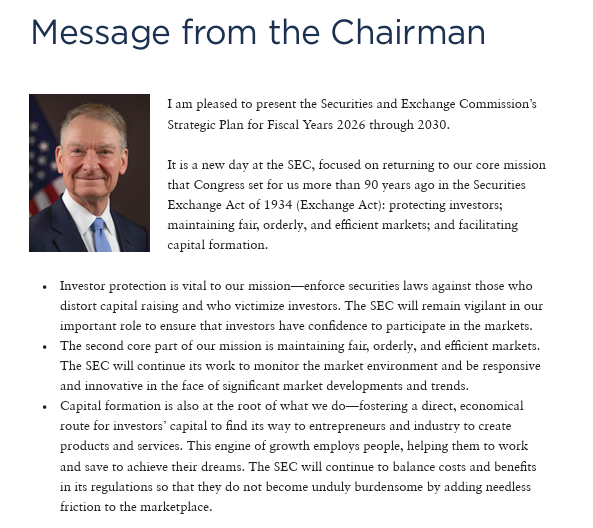
SEC Chair Paul Atkins’ message in the agency’s draft Strategic Plan through 2030. Source: SEC
CoinShares also highlighted the growing acceptance of Bitcoin among traditional financial institutions. Earlier this year, BlackRock acknowledged Bitcoin’s potential role in modern portfolios, arguing that the traditional stock-and-bond diversification model has become less reliable in the post-2020 investment environment.
Nevertheless, market participants remain focused on the fate of the CLARITY Act, a proposed market structure bill that would establish a more comprehensive regulatory framework for digital assets and further define the roles of the SEC and CFTC.
The current version of the bill has drawn scrutiny from the banking industry, though some lawmakers expect it could reach the Senate floor for a vote as early as August.
Related: Crypto Biz: Crypto infrastructure spending rises as ETF appetite cools

Regulatory scrutiny of crypto licensing intensified as lawmakers scrutinized the handling of a national bank trust charter application tied to World Liberty Financial, a Trump-family affiliated crypto venture. During a House Financial Services Committee hearing on the oversight of prudential regulators, OCC Comptroller Jonathan Gould—nominated by Donald Trump—faced questions about potential conflicts of interest and the potential influence of political considerations on licensing decisions. The hearing underscored ongoing debates over how closely regulatory actions should align with political and familial ties in the context of the evolving U.S. crypto framework.
Representative Gregory Meeks of New York pressed Gould on World Liberty’s connections to foreign governments and to the Binance exchange, arguing that the company’s co-founders include members of the president’s family. World Liberty Financial had submitted an OCC charter application in January, prompting significant Democratic pushback over perceived conflicts of interest. At issue was whether the OCC would apply the same standards to World Liberty as it does to other applicants seeking a national trust charter, which affects the regulatory treatment of certain crypto-services providers.
Meeks asserted that World Liberty’s actions “actively line the pockets of the president’s family,” urging the OCC to demonstrate that its decision would be in the public interest and not influenced by political considerations. Gould and Meeks spoke past one another at times, with the lawmaker urging that the OCC head be held to prove he was acting on behalf of the American people rather than serving as a political intermediary for the Trump family. Gould responded that political pressure had been the only pressure he perceived from lawmakers outside the Senate.
Even before this hearing, the OCC had already approved or conditionally approved several national trust charter applications from crypto companies, signaling a growing regulatory pathway for the sector. Names cited included Coinbase, Ripple, BitGo, Circle, Fidelity Digital Assets and Paxos. The OCC’s openness to national trust charters has been framed as a way to provide regulated access to stable operations and banking-like services for crypto firms, albeit amid intense regulatory and policy scrutiny. Gould began his tenure in July 2025, having been confirmed by the Republican-dominated Senate along party lines. In January, shortly after World Liberty’s application was submitted, Gould stated the agency would be “apolitical and nonpartisan” in its review process. Massachusetts Senator Elizabeth Warren, who had also urged pausing the review, argued that the approvals appeared to be directed at “seemingly ineligible companies,” potentially contravening federal banking laws.
World Liberty’s case sits within a broader trend of tightly watched efforts to integrate crypto firms into traditional banking-style oversight through national trust charters. In parallel, crypto exchange Kraken’s parent company, Payward, filed a similar application with the OCC in May, highlighting the ongoing push among several market participants to obtain the same regulatory treatment as established banks for certain crypto activities.
Key takeaways
- OCC Comptroller Jonathan Gould asserted that there was no presidential instruction directing or pressuring him to approve or favor World Liberty Financial’s national trust charter application.
- The House Financial Services Committee hearing spotlighted perceived conflicts of interest linked to World Liberty’s Trump-family ties, with lawmakers urging equal regulatory scrutiny for the charter application.
- The OCC has previously approved or conditionally approved a slate of national trust charter applications from major crypto firms, including Coinbase, Ripple, BitGo, Circle, Fidelity Digital Assets, and Paxos; Kraken’s Payward also pursued similar oversight.
- Regulatory debate centers on whether national trust charters create a lighter or different set of banking requirements for crypto firms, and how those standards align with federal banking laws and AML/KYC expectations.
- The broader policy environment remains contested, with calls for enhanced anti-corruption provisions and tighter enforcement, as conservative and progressive lawmakers weigh the costs and benefits of expanded crypto bank-charter access.
- Two key committees advanced the CLARITY Act in the Senate, signaling movement toward a comprehensive digital-asset market-structure framework, with timelines discussed for passage in the coming months; observers note the importance of aligning U.S. policy with global standards.
Regulatory neutrality, charters, and the path forward
The hearing showcased how the OCC’s decisions on chartering crypto firms sit at the intersection of regulatory design, political accountability, and market integrity. The concept of a national trust charter—allowing crypto firms to offer certain services with banking-like protections—continues to be debated for its practical implications, including licensing standards, consumer protection, and systemic risk considerations. Critics warn of potential conflicts of interest when a governing official has personal or familial ties to an applicant, while proponents emphasize the need for clear, consistent regulatory frameworks that enable compliance-oriented firms to operate with adequate oversight.
From a compliance and enforcement perspective, the case underscores several critical issues for crypto firms and financial institutions alike. First, licensing pathways such as national trust charters shape the regulatory runway for crypto-service providers, with implications for AML/KYC requirements, consumer disclosures, and supervisory regimes. Second, the treatment of politically connected entities raises governance questions about independence, transparency, and the risk of regulatory capture. Finally, the ongoing movement toward a formalized digital asset market structure—exemplified by the CLARITY Act process—could redefine the boundary between crypto activities and traditional banking, influencing licensing, custody, settlement, and cross-border operations.
According to Cointelegraph, the CLARITY Act’s consolidation in the Senate represents a deliberate step toward a unified framework for digital assets, which could affect how banks, exchanges, and crypto firms navigate licensing, custody, and interoperability requirements. The administration’s stated aim for summer passage, as cited in reporting, signals a potential shift in legislative momentum and regulatory tempo, with significant implications for compliance programs and cross-border activities. As the regulatory landscape evolves, institutions must monitor not only domestic policy developments but also how international standards—such as MiCA and U.S. enforcement actions—intersect to shape risk, governance, and operational resilience.
Looking ahead, the central issue remains how regulators will balance innovation with risk management and consumer protection, while ensuring transparent governance and consistent application of standards across entrants to the charter framework. The coming months will be pivotal for determining whether the United States can sustain a robust, enforceable regulatory regime that accommodates crypto-native business models without compromising integrity or market stability.
Closing perspective: ongoing congressional scrutiny, evolving licensing standards, and the CLARITY Act’s trajectory will define the U.S. regulatory posture for crypto firms and their access to traditional banking rails. Stakeholders should watch how enforcement priorities and governance practices adapt to these developments, as policy choices will reverberate through licensing decisions, cross-border operations, and institutional compliance programs.
Crypto World
Russia Targets British 17-Year-Old for Alleging Digital Assets were Circumventing Sanctions
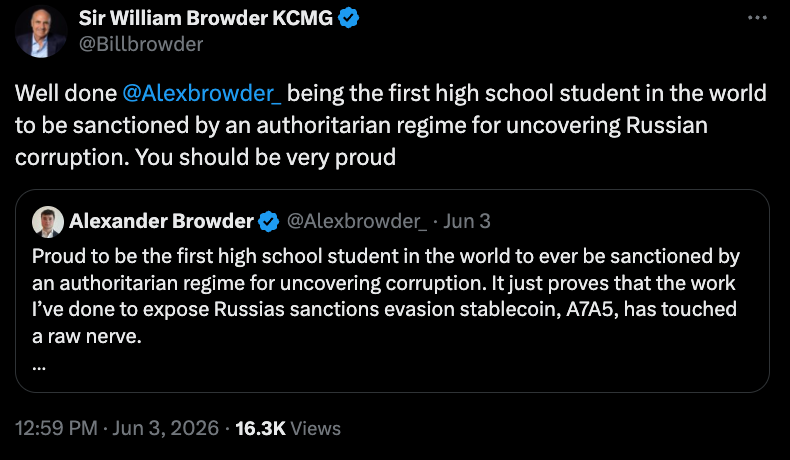
Political activist Bill Browder, the teenager’s father, said his son was “the first high school student in the world to be sanctioned by an authoritarian regime” over a report on the ruble-pegged stablecoin A7A5.
Alexander Browder, the son of American-British political activist Bill Browder, said that he has been targeted by Russia over allegations that officials used the ruble-pegged A7A5 stablecoin to evade sanctions amid the country’s war on Ukraine.
In a Wednesday X post, Browder said his work through the website Global Cryptocurrency Laundering Database had resulted in him being “sanctioned by an authoritarian regime for uncovering corruption.” Specifically, he alleged in a March report that A7A5 was backed by deposits from Russian financial institution Promsvyazban and was used to circumvent Western sanctions stemming from Russia’s war on Ukraine.
“The Ruble-backed stablecoin A7A5 is one of the most prevalent issues facing the West. It is sanctioned in the UK, US and EU but it still operates,” said Browder. “A7A5 holds value through its ability to be converted into cash by criminals. Western governments need to put pressure on the specific exchanges which allow the conversions to happen and the countries which facilitate these exchanges.”
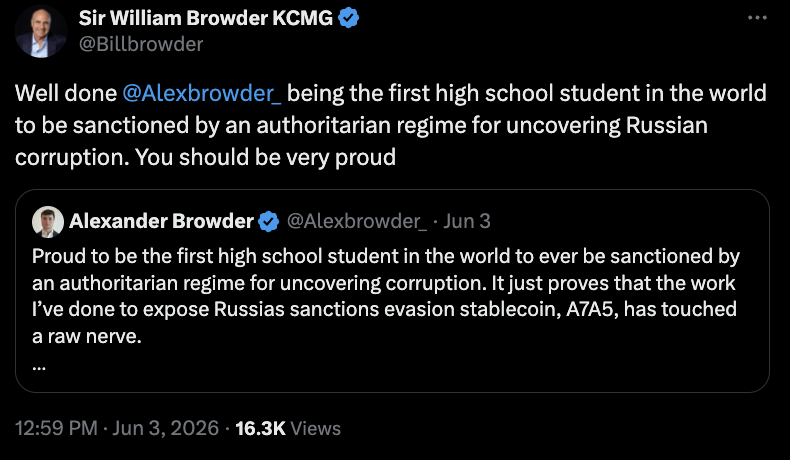
Source: Bill Browder
The stablecoin pegged to the ruble processed more than $110 billion in onchain transactions, according to a CertiK report this week. European Union officials sanctioned A7A5 in October 2025, saying the stablecoin was intended to bypass war-related financial restrictions on Russia’s economy.
Related: HTX denies UK sanctions allegations as new data flags $7.6B Russia-linked flows
Browder says his actions “touched a raw nerve” with Russia’s government. According to British news outlet The Times, he may be the youngest person to ever be sanctioned by Russia. The government has also banned certain journalists from entering the country.
His father is known for exposing corruption in Russia and leading the Global Magnitsky Justice Campaign.
Russian lawmakers weigh legislation to impose criminal penalties for unlicensed crypto activities
In April, lawmakers in Russia’s parliament advanced a bill that could allow authorities to impose criminal penalties on unlicensed digital asset services and mandate registration with the country’s central bank. The proposed bill, “On Digital Currency and Digital Rights,” if passed, could ban unlicensed crypto platforms starting in July 2027.
Magazine: Bitcoin miners are pivoting to AI, so why is the hashrate near ATHs?
Crypto World
“I’m Not Here to Pump ADA”: Charles Hoskinson Steps Away as Cardano Faces Biggest Identity Crisis Yet
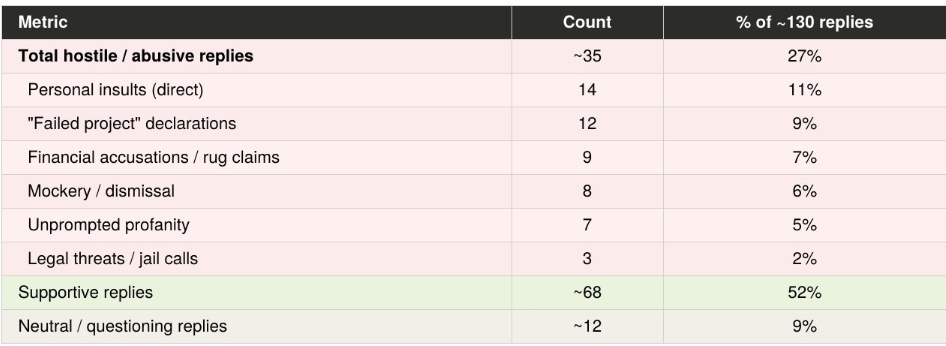
Charles Hoskinson, the founder of Cardano, says boosting the ADA price was never his job, and he is stepping back from videos, interviews, and X (Twitter) to reflect.
He documented heavy personal abuse on the platform and framed the moment as a choice between purpose-driven research and pure speculation.
A Founder Steps Back From the Spotlight
In a video address to the Cardano community, Hoskinson confirmed he is pausing his public output. He plans to keep building while going quiet on social channels.
“I’m gonna keep working on midnight, but I’m not gonna make videos publicly, and I’m not gonna do my interviews.“
He pointed to relentless toxicity on X (Twitter), where an analysis of 130 replies found 35 were hostile or abusive. He has since hit back at what he calls coordinated attacks.

Price Was Never the Point
Hoskinson drew a hard line on his role, rejecting any responsibility for ADA’s market performance. The token now trades near 18 cents after a sharp 24-hour drop.

“What I’m not passionate about is making the price of ADA go up.”
Follow us on X to get the latest news as it happens
He warned that chasing valuation is a losing game for the whole ecosystem.
“I’m smart enough, and I’m old enough to know if you play the game of token go up, you’ll never win, because there’s always a new person to demand the token go up even more.”
He added that the project must stand for more than speculation. “If this is a place where only money matters… You’ll lose everyone, including me.”
The warning lands as Cardano DeFi projects struggle, with tools like TapTools winding down.
A Call for Reform
Hoskinson aimed his sharpest criticism at the Cardano Foundation, calling its lack of accountability the worst mistake of his career.
He also flagged the difficulty of passing research proposals as a core grievance.
He called for an exodus from current management, new leadership, and a new roadmap. Despite the warnings, he insisted the project can endure.
“Cardano is not a protocol. It’s the people behind the protocol.”
Subscribe to our YouTube channel to watch leaders and journalists provide expert insights
The post “I’m Not Here to Pump ADA”: Charles Hoskinson Steps Away as Cardano Faces Biggest Identity Crisis Yet appeared first on BeInCrypto.

Strategy’s preferred stock STRC closed Wednesday at $94.65, about 5% below its $100 par value, touching off a wave of alarm on social media.
While some critics have aired concern about the sustainability of the structure that has helped fund Strategy’s Bitcoin buying spree, a few supporters argue that STRC’s move down is normal for preferred securities.
STRC Is Acting Like a Preferred Stock
One of those pushing back against the panic was crypto commentator Scott Melker, known as The Wolf of All Streets to his 1 million followers on X.
“A 5% discount to par is not evidence that something is broken,” he wrote in a June 4 social post. “It’s evidence that investors are demanding higher yield, pricing risk, or reacting to market conditions – exactly what preferred stocks do.”
The mechanics here matter. STRC launched in July 2025 at a $100 par value, not a price floor, and according to the analyst, that par figure determines how liquidation preference and certain redemption provisions work, but it does not obligate the stock to trade there.
He pointed out that many preferred stocks often spend long periods below their stated par, and STRC’s monthly dividend adjustment was designed to pull the price back to $100 by raising the yield when demand softens. As of today, Strategy’s data shows STRC trading at $94.65 with an effective yield of 12.15%, which is higher than its current dividend of 11.50%. The larger market yield is a direct result of the lower share price.
That dynamic became a focal point of the debate, with Bitcoin author Adam Livingston arguing that the market is simply pricing risk at a 12.5% yield.
The Risk Underneath the Yield
Despite Melker’s assurances, the concern gaining traction goes beyond bond math. Strategy’s total preferred dividend obligations are close to $1.7 billion per year, and, as Bitcoin critic Peter Schiff previously pointed out, its software business does not come close to covering that figure.
Recall that the payments largely depend on the company’s ability to keep issuing new STRC shares, which, as several observers noted in the comments section of Melker’s X post, can become more difficult if the shares continue to trade below par.
Schiff, who called STRC a Ponzi scheme back in April, argued that the lower STRC trades, the more Strategy will have to raise the official dividend to stabilize it, and that would see it burning through cash faster and pulling forward any eventual Bitcoin sales.
Last month, crypto media personality Ran Neuner made a similar point, stating that if STRC doesn’t recover to $100, Strategy can’t issue more shares at par, which would then limit its ability to raise cash. As a result, the market would then start pricing STRC below par more permanently. This would force further yield increases to attract buyers, which would in turn require more cash, potentially including BTC sales, to fund those payments.
The post STRC Falls 5% Below Par: Normal Preferred Behavior or Warning Sign? appeared first on CryptoPotato.

China’s Dirty Money Problem, Explained
Where peace talks between the US and Iran currently stand

Confidence level of industry improving: KV Kamath, ICICI Bank



-

 Tech7 days ago
Waymo dominates autonomous vehicle registrations as Tesla trails behind
-

 News Videos6 days ago
This is BROKEN! INSANE 5x MONEY CAR WASH WEEK! The NEW GTA Online UPDATE Today! (GTA5 New Update)
-
 Tech6 days ago
SpaceX just won a second Golden Dome contract. This one is $4.16 billion.
-

 Business3 days ago
Jade Biosciences, Inc. (JBIO) Discusses Positive Interim Results From JADE101 Phase I Healthy Volunteer Study and Development Plans Transcript
-

 News Videos6 days ago
SHE IS KILLING XRP!!! WATCH URGENT AND ACT FAST
-
 NewsBeat6 days ago
FIRST NIGHT REVIEW: Take That bring the Circus back to life in spectacular sun-soaked style
-

 Business5 days ago
Is the Spurs Phenom Already Better Than Prime Diesel?
-
 Crypto World6 days ago
CFTC Has Approved the First Regulated Bitcoin Perpetual Contract in the U.S.
-

 Politics6 days ago
The House | Inside Andy Burnham’s Makerfield Campaign: “Nobody Thinks This Is In The Bag”
-

 Sports2 days ago
French Open 2026 results: Alexander Zverev beats Rafael Jodar and will play Jakub Mensik in semi-finals
-
 NewsBeat6 days ago
Novak Djokovic v Joao Fonseca LIVE: French Open latest scores and results after Jannik Sinner’s shocking collapse
-
 Entertainment6 days ago
Weak ‘Supergirl’ Box Office Tracking Amid Milly Alcock Backlash
-

 Tech2 days ago
CryZENx Releases Fresh Playable Content Deep Inside Jabu-Jabu for His Ocarina of Time Remake
-
 Crypto World6 days ago
Snowflake (SNOW) Stock Rallies on Strong Q1 Results and AI Product Growth
-

 Entertainment6 days ago
Maddox Jolie-Pitt Legally Requests to Drop Brad’s Surname
-

 Business6 days ago
Demand Conditions Improve In Chemicals Sector In April 2026
-
 Crypto World6 days ago
MicroStrategy Moves $30 Million in BTC to Coinbase Prime: Is the Bitcoin Sell-Off Already Here?
-
 Entertainment5 days ago
One of the Greatest Sitcoms of All Time Shoots Up Apple TV’s Charts 11 Years Later
-

 Tech6 days ago
This Week In Security: Ubiquiti Fixes, And FreeBSD Joins The Club You Don’t Want To Join
-
 Crypto World2 days ago
Seagate (STX) Stock Surges to Record High on AI Boom and Legal Settlement
You must be logged in to post a comment Login