

Crypto World
Dorsey unveils AI-driven workplace strategy after Block’s 40% cuts


Block co-founder Jack Dorsey and the company’s lead independent director, Roelof Botha, have laid out a forward-looking vision in which artificial intelligence could fundamentally change how work is coordinated. In a blog post published this week, they describe a model where AI would take on the tasks typically handled by middle managers—tracking projects, flagging issues, assigning work, and sharing critical information faster than human processes allow.
The post comes on the heels of Block’s previously reported workforce restructuring, part of a broader wave of AI-driven cost-cutting across the tech sector. Block disclosed that it cut roughly 4,000 jobs in February, an action Dorsey attributed to the rapid pace of AI adoption and the need to stay competitive. In March, some of the employees who had been laid off were quietly rehired, illustrating a cautionary approach to the current wave of optimization. The blog authors emphasize that AI’s role in the new model is evolving, not yet fully realized, and that Block remains in the “early stages” of testing how an intelligence-centric structure could function in practice.
“We’re questioning the underlying assumption: that organizations have to be hierarchically organized with humans as the coordination mechanism. Instead, we intend to replace what the hierarchy does. Most companies using AI today are giving everyone a copilot, which makes the existing structure work slightly better without changing it. We’re after something different: a company built as an intelligence, or mini-AGI.”
Key takeaways
- Block’s leadership proposes replacing traditional hierarchical management with an intelligence-driven framework that leverages AI to coordinate work and decision-making.
- The envisioned structure redefines roles around three pillars: individual contributors, directly responsible individuals, and player-coaches who mentor while continuing to contribute technically.
- AI would enable real-time visibility into what’s being built, what’s blocked, resource allocation, and overall product performance, potentially speeding up information flow beyond conventional managerial channels.
- Despite the AI emphasis, human involvement remains central to strategic and ethical decisions, signaling a blended governance approach rather than a pure automation model.
From hierarchy to intelligence: Block’s strategic shift
The core idea articulated by Dorsey and Botha is a pivot away from the familiar pyramid where instructions travel up and down through layers of management. In a remote-first, machine-readable environment, AI would continuously build and maintain a live picture of organizational activity: what’s in development, what’s blocked, where resources are needed, and what outcomes are proving effective or failing. The authors describe the aim as moving beyond “copilot” enhancements to a more transformative design—an organization that operates as an intelligence rather than a traditional hierarchy.
They emphasize that the pattern could reshape corporate operation across sectors, not just within Block. The argument rests on a simple premise: information flow drives speed and adaptability. If AI can handle the coordination overhead more efficiently than humans, the bottlenecks created by layers of management could recede, enabling faster iteration and more responsive leadership decisions.
To illustrate the proposed shift, Block outlines a three-tier talent model. Individual contributors would be responsible for building and maintaining the operating systems that power the company’s workflows. Directly responsible individuals would tackle specific problems and be empowered to marshal any resources necessary to resolve them. Between these layers, player-coaches would assume manager-like duties—mentoring and supporting others—while continuing to contribute code and substantive work themselves. In this arrangement, the traditional gatekeeping function of middle management would be distributed and augmented by AI-enabled visibility and automation.
People still in the driver’s seat
Even as AI takes on coordination tasks, Dorsey and Botha stress that human judgment remains indispensable. They acknowledge that AI can process information at a scale and speed far beyond human capability, but key business and ethical decisions will continue to require human insight. The blog notes that while AI can present a continuously updated view of operations, it cannot substitute for the values, prudence, and accountability that guide corporate governance.
This stance sits at an important crossroads for investors and workers alike. The acceleration of AI-driven restructuring has historically raised questions about job security, morale, and the long-term viability of new organizational paradigms. Block’s own experience—balancing a major layoff with later rehiring of some affected employees—illustrates a cautious, iterative approach rather than a speculative leap into a fully automated future. The authors’ framing suggests a model where AI acts as a force multiplier for human capabilities, rather than replacing people wholesale.
Why it matters for crypto-adjacent ventures
The broader crypto and fintech sectors have watched Block (the company behind the Cash App and a notable crypto-friendly stance) as a bellwether for technology-enabled financial services. If an AI-first, intelligence-driven corporate structure gains traction, it could influence how other blockchain and payments firms think about product development cycles, regulatory compliance, and governance practices. The potential impact extends to how quickly teams can respond to security risks, how product roadmaps are validated in real time, and how cross-functional collaboration is organized in a hybrid or fully remote environment.
From an investor perspective, the shift raises questions about how governance, risk controls, and performance metrics would be managed in an AI-augmented organization. Real-time visibility into development pipelines and resource allocation could improve transparency, but it also heightens sensitivity to data quality, AI oversight, and ethical considerations in automated decision-making. As with any large-scale adoption of AI in corporate governance, the outcomes will hinge on guardrails, accountability, and the ongoing calibration of human-in-the-loop processes.
Block’s announcement aligns with a wider industry conversation about whether AI can augment, or even replace, certain managerial functions. While the blog presents a staged, experimental path toward an intelligent enterprise, observers will be watching to see whether early pilots yield tangible improvements in productivity, risk management, and employee engagement. The balance between speed and governance will be particularly telling in sectors where regulatory scrutiny and customer trust are paramount.
What to watch next
The immediate questions center on execution and governance. How quickly will Block move from a conceptual framework to concrete organizational changes? What criteria will the company use to assess the success of its AI-driven coordination model? And how will Block address potential pitfalls, such as algorithmic bias, data silos, or accountability for automated decisions?
As AI continues to redefine work patterns across the technology landscape, Block’s approach could foreshadow a broader shift in corporate design. If the model proves adaptable and beneficial, it may prompt other firms to experiment with similar intelligence-driven structures, especially in environments that prize rapid iteration and remote collaboration.
Readers should monitor Block’s forthcoming updates and pilot implementations to gauge whether the vision moves from theory to practice and how those developments influence investor confidence, employee experience, and the broader discourse around AI-enabled governance.

Hantavirus is making global headlines in 2026. The outbreak appears contained, but the worst-case question still hangs over already fragile markets.
With war, sticky inflation, and an oil shock already in play, the macro setup looks quite different from what it did six years ago.
Why Markets Are Watching The Hantavirus
As of May 8, 2026, the hantavirus outbreak aboard the MV Hondius has resulted in eight reported cases, including three deaths, two confirmed and one probable, according to the World Health Organization.
The BBC reported that today, Spain has begun evacuating passengers from the cruise ship anchored near Tenerife in the Canary Islands.
Follow us on X to get the latest news as it happens
The US Centers for Disease Control and Prevention reports that hantavirus pulmonary syndrome carries a mortality rate of nearly 38% among patients who develop respiratory symptoms.
The recent deaths have heightened concerns, although the WHO said it does not expect the outbreak to escalate into a large-scale epidemic similar to COVID-19.
Still, investors remain cautious as the current macroeconomic backdrop is significantly more fragile than it was in early 2020.
The ongoing US-Iran war has already unsettled global markets. The International Monetary Fund cut its 2026 global growth forecast to 3.1% in April, citing the conflict and the closure of the Strait of Hormuz.
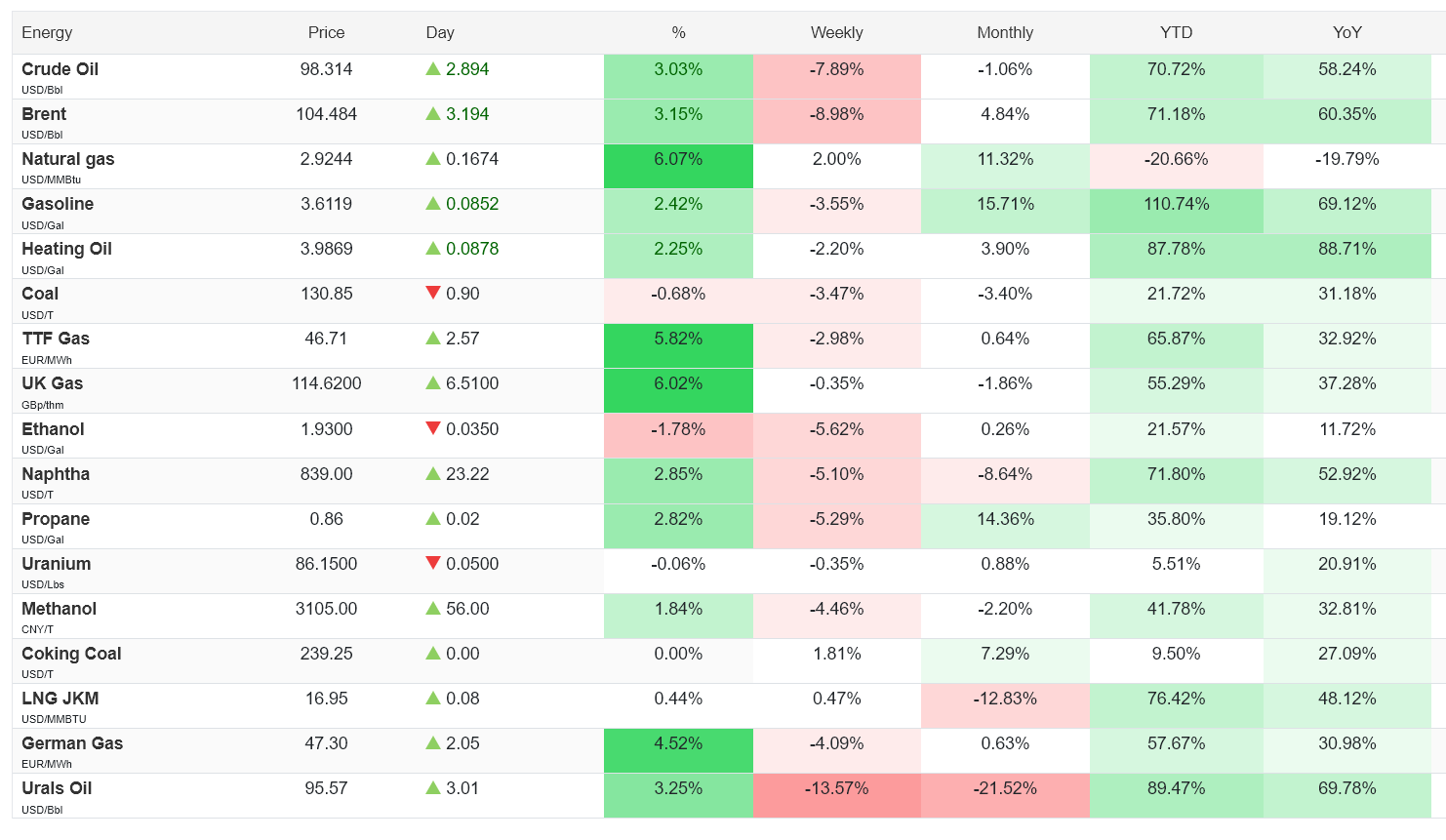
Brent crude trades near $100 per barrel after spiking above $116 during the conflict. Hormuz disruptions have also revived worries about fertilizer and food shortages across import-reliant economies.
At the same time, US headline inflation rose to 3.3% in March 2026. This is quite higher than 2.3% in February 2020, before the WHO officially characterized COVID-19 as a pandemic in March.

How BTC and Stocks Could Move If the Outbreak Worsens
Bitcoin and US equities have staged strong recoveries after sharp earlier declines. Bitcoin has gained roughly 22% since February 28. The S&P 500 rebounded from its March sell-off and closed at a fresh all-time high of 7,365 on Friday.
So far, the ongoing US-Iran conflict has largely acted as a tailwind for risk assets. However, a broader potential health crisis could challenge that momentum.
Markets still remember the reaction during the onset of COVID-19. The S&P 500 plunged 34% in just 35 days, falling from 3,386 in February 2020 to 2,237 by March 23.
Bitcoin also suffered a sharp sell-off. It lost more than 50% of its value within 2 days after the WHO declared COVID-19 a pandemic.
This time, markets are facing a far more complicated backdrop. As a result, any signs of a worsening outbreak could trigger a broad risk-off move across equities and cryptocurrencies.
Oil markets are also in focus. During the COVID-19 crash in 2020, collapsing demand sent US oil prices into negative territory for the first time in history. The current environment is very different.
Markets are already grappling with supply shortages linked to disruptions around Hormuz. If economic activity weakens because of a health scare, reduced demand could partially ease pressure on oil prices, though volatility would likely remain elevated.
Precious metals have also seen increased turbulence in 2026. Since the US-Israeli strikes on Iran, gold has declined more than 12%, while silver has lost over 9%.
During the COVID-19 shock in 2020, gold initially sold off alongside broader markets in March before rebounding and eventually reaching record highs. Silver also recovered sharply after its March collapse, climbing to a seven-year high by July 2020.
The same recovery pattern may not play out as easily this time. During the COVID-19 crisis, markets eventually rebounded on stimulus.
In 2026, however, policymakers have far less flexibility. If the outbreak were to worsen, the initial reaction across Bitcoin, stocks, and commodities could be far more volatile, driven by panic, liquidity concerns, and a flight away from risk assets.
Thus, while the Hantavirus cluster remains contained, the comparison with 2020 is sobering. Inflation, oil prices, and equity valuations all sit higher today, and policy room is thinner.
Any new health shock would meet a system already stretched, not one ready to absorb another stimulus wave.
Subscribe to our YouTube channel to watch leaders and journalists provide expert insights
The post How Will a Hantavirus Pandemic Scenario Impact Global Economies in 2026? appeared first on BeInCrypto.
Crypto World
Paybis Adds PayPal to US Checkout as Crypto Platforms Shift Focus Toward Mainstream Accessibility

Paybis has announced the integration of PayPal as a payment option for eligible customers in the United States, marking another step toward simplifying crypto onboarding for mainstream users. The Latvia-based crypto platform, which serves more than 6.9 million users globally, believes familiar payment methods may be one of the missing pieces preventing wider cryptocurrency adoption.
The new integration allows American users to purchase cryptocurrencies through PayPal directly on Paybis, using a payment brand already widely recognized across online commerce. According to the company, the move is designed to reduce friction during the checkout process, particularly for first-time buyers who may hesitate when asked to enter payment details into unfamiliar crypto platforms.
In an interview with Crypto Breaking News, Paybis co-founder and CEO Innokenty Isers explained why payment familiarity remains a critical issue for crypto adoption in the United States.
“The US has trained its consumers to pay through a handful of brands, such as PayPal, Venmo, and Apple Pay. People put their card details into those and not much else. Anything outside that list asks them to extend trust they haven’t given yet, and that hesitation is usually enough to lose the sale.”
According to Isers, the challenge becomes even greater in crypto because users are simultaneously evaluating both the asset and the platform itself.
“Crypto adds another layer to that decision. The buyer is judging the asset and the platform at the same time, and an unfamiliar payment method on top of that creates too many unknowns at once.”
Paybis argues that integrating PayPal can significantly reduce those concerns by allowing users to complete transactions inside an ecosystem they already trust. The company also highlighted PayPal’s global reach, with more than 439 million active accounts worldwide, alongside internal data showing that checkout conversion rates can increase by approximately 33% when PayPal is offered as a payment option.
Isers noted that for first-time crypto buyers, privacy and trust are often more important than trading tools or token selection.
“For a first-time crypto buyer, the biggest thing PayPal does is keep their card details out of a platform they’ve never used. They pay inside an account they already manage, and the crypto exchange only sees that the payment cleared.”
He also pointed out that banks frequently flag or reject first-time crypto card transactions due to fraud detection systems, creating additional friction for new users.
“With PayPal in the flow, the bank reviews a charge to a company it has been clearing for years, and the whole problem disappears.”
The broader strategy reflects a growing trend within the crypto industry, where companies are increasingly prioritizing user experience and accessibility over advanced trading functionality.
Asked whether the next wave of adoption will be driven more by user experience than trading features, Isers responded:
“In five years, most people who own crypto won’t think of themselves as crypto users. They’ll just have an app that holds some money for them, the same way they have an app that holds their movies or their music.”
He added that future crypto products will likely operate in the background without users even realizing blockchain infrastructure is involved.
“The next phase will be products where crypto is doing work the user can’t see. Think of a savings app where the yield comes from stablecoin lending, or a remittance app that settles on-chain in the background.”
The Paybis CEO also emphasized the growing importance of trusted consumer brands in driving mainstream conversion rates.
“Cash App, Robinhood, and PayPal have brought millions of Americans into crypto for the first time, even though their crypto features are basic compared to a real exchange. The trust those brands already had with users carried the conversion.”
According to the company, purchases through PayPal on Paybis can range from as little as $5 up to $1 million for eligible transactions, allowing both first-time buyers and larger investors to access the platform.
Looking ahead, Isers believes stablecoins and simplified fiat on-ramps will become the primary gateway for onboarding the next generation of crypto users.
“Stablecoins are the easiest part of crypto to understand. They behave like a dollar, don’t crash overnight, and can sit in a wallet without anyone watching the market.”
He added that major payment companies are already treating stablecoins as part of the future financial infrastructure.
“PayPal launched its own stablecoin in 2023, Stripe re-entered crypto last year specifically to support stablecoin payments, and Visa has been settling card transactions in USDC since 2021.”
The PayPal integration is now available for eligible US Paybis customers as the company continues expanding its global payment infrastructure and crypto onboarding services.

Key Highlights
- Major labor organizations caution that cryptocurrency legislation may jeopardize pension security.
- Upcoming Senate vote draws opposition from unions, financial institutions, and regulatory advocates.
- Retirement fund protection emerges as central issue in cryptocurrency policy debate.
- Stablecoin compensation provisions create additional controversy ahead of committee action.
- Labor coalition demands senators vote against legislation citing retirement account vulnerabilities.
A coalition of prominent labor organizations has launched a campaign against pending cryptocurrency legislation ahead of Thursday’s Senate Banking Committee decision. The unions contend that expanded digital currency regulations could leave worker retirement accounts vulnerable to cryptocurrency market instability. This opposition intensifies existing divisions among legislators already grappling with security questions, ethical considerations, and stablecoin governance.
Union Coalition Mobilizes Against Pending Legislation
Five major labor organizations—AFL-CIO, SEIU, AFT, NEA, and AFSCME—have called upon senators to reject the proposed legislation. Their primary focus involves protecting pension programs, public retirement systems, and savings vehicles that serve working Americans. The coalition insists on enhanced protective measures before lawmakers authorize broader cryptocurrency integration into mainstream finance.
These organizations contend the Crypto Bill would transfer market instability risks onto employees and pensioners. According to their analysis, cryptocurrency enterprises would gain expanded market entry while ordinary households shoulder potential financial damage. The groups emphasize that insufficient regulatory oversight could leave retirement portfolios increasingly exposed to volatile digital assets.
The Senate Banking Committee has scheduled its preliminary vote for Thursday following extended negotiations. Republican lawmakers have advocated for more defined market frameworks, whereas certain Democratic members continue pressing for enhanced safeguards. Yet the legislation’s final language remained unsettled as mounting pressure arrived from both labor and financial sector representatives.
Stablecoin Compensation Provisions Spark Additional Controversy
The proposed cryptocurrency legislation also encounters banking sector resistance regarding stablecoin reward mechanisms. Financial institutions contend that digital currency platforms could employ yield-similar incentives to attract deposits away from traditional banks. These institutions express concern that such provisions might erode deposit foundations and generate systemic stability risks.
Cryptocurrency industry representatives dispute these objections, noting that amended language would prohibit direct yield distributions. They maintain that activity-driven rewards differ fundamentally from conventional bank interest and advance payment system innovation. Nevertheless, this disagreement has positioned stablecoin governance among the legislation’s most contentious elements.
The proposed legislation seeks to establish more definitive frameworks for digital asset markets and payment tokens. Proponents argue that federal standardization could eliminate regulatory ambiguities and enable supervised industry development. Critics counter that Congress should not broaden cryptocurrency access without substantially stronger consumer and pension protections.
Retirement Security Takes Center Stage in Policy Debate
Labor organizations have reframed the cryptocurrency legislation as fundamentally a workplace and retirement security matter rather than purely market regulation. Their advocacy effort could sway Democratic legislators who depend on union backing during significant policy decisions. Additionally, it provides hesitant lawmakers additional justification to demand more rigorous amendments.
The AFL-CIO informed committee members that inadequate regulations could embed digital assets more deeply throughout the financial system. The federation further cautioned that platform operators and token issuers may gain disproportionate advantages over workers. This messaging reflects broader labor movement concerns regarding volatility, savings protection, and public pension fund exposure.
The cryptocurrency legislation now approaches Thursday’s committee vote facing intensifying pressure from multiple constituencies. Banking organizations seek strengthened restrictions, while labor unions demand clearer protections surrounding retirement accounts. Concurrently, cryptocurrency industry advocates maintain pressure on lawmakers to establish comprehensive federal regulation.

XRP exchange-traded funds (ETF) drummed up their biggest inflows since January amid a slew of developments at related company Ripple and favorable price action for the world’s fourth-largest token by market capitalization.
The five U.S.-listed spot XRP exchange-traded funds reported a combined $25.8 million in net inflows on Monday, the largest single-day haul since Jan. 5, when they drew $46 million in their first week of trading, according to SoSoValue data.
Franklin Templeton’s XRPZ led with $13.6 million, followed by Bitwise’s XRP at $7.6 million and Grayscale’s GXRP at $4.6 million. Canary’s XRPC and 21Shares’ TOXR reported no flows for the day.
Cumulative net inflows across all XRP spot ETFs now sit at $1.35 billion, with total net assets at $1.18 billion, representing about 1.3% of XRP’s market cap. Every XRP fund rose more than 4% on Monday alongside the underlying token, which climbed 1.2% over 24 hours to $1.47.
The flows come as Ripple announced the successful closing of a $200 million debt facility from funds managed by Neuberger Specialty Finance, the dedicated asset-based investment team within Neuberger, a global investment management firm.
The facility will support the continued growth of Ripple’s multi-asset prime brokerage platform, Ripple Prime, amid rising client demand for institutional-grade prime services and margin financing solutions.
Last week, Ripple said it completed a pilot tokenized U.S. Treasury settlement on the XRP Ledger with JPMorgan, Mastercard, and Ondo Finance, processing the redemption in under five seconds and bridging public blockchain rails with traditional interbank settlement infrastructure.
Separately, Ripple unveiled a four-phase plan to make the XRP Ledger quantum-resistant by 2028, positioning it for a potential “Q-day” when quantum computers can break current cryptography.
The roadmap included an emergency “Q-day readiness” phase that would force a migration to quantum-safe accounts and enable fund recovery using zero-knowledge proofs if quantum threats arrive sooner than expected.
Such institutional use cases may boost sentiment among ETF buyers, because they give XRP a function beyond speculative trading.
Meanwhile, spot bitcoin ETFs are on track for their seventh consecutive week of net inflows, with over $3.4 billion absorbed during the streak. The pattern of bitcoin leading, altcoin ETFs catching the spillover, and ether lagging behind has held through most of the year.
XRP remains down 39% over the past six months despite the ETF interest, with the token still well off its July 2025 all-time high near $3.65.


The developer of Claude has updated its terms of service, warning against the third-party sale or transfer of its private equity.

TLDR
- Pulse Biosciences (PLSE) shares climbed 16.8% Tuesday following a $13.3 million stock acquisition by two key executives.
- Co-Chairman Robert Duggan acquired 660,233 shares totaling approximately $13 million, while CEO Paul LaViolette purchased 15,000 shares for roughly $295,000.
- Both transactions occurred through the company’s at-the-market equity program during an approved trading period.
- The company specializes in nPulse nanosecond pulsed field ablation technology for atrial fibrillation treatment.
- Year-to-date performance shows PLSE shares climbing nearly 39%, with the company valued at $1.3 billion.
Shares of Pulse Biosciences (PLSE) rallied 16.8% Tuesday following the announcement that two top-level executives purchased a combined $13.3 million worth of company stock.
The transactions, executed by Co-Chairman Robert Duggan and CEO Paul LaViolette on May 11, 2026, took place during an authorized trading window established by the company.
At press time, shares were trading approximately 13% higher, pushing the year-to-date advance to around 39%.
Duggan dominated the buying activity, securing 660,233 shares for about $13 million. LaViolette contributed by acquiring 15,000 shares valued at approximately $295,350.
Collectively, the executives obtained 675,233 shares via Pulse Biosciences’ at-the-market offering program.
The ATM mechanism allows the company to issue shares directly into public markets. When executives use this avenue to purchase rather than the company to sell, it typically signals strong internal conviction about future prospects.
What Makes This Insider Activity Noteworthy
Insider acquisitions of this magnitude are uncommon. When two senior leaders collectively invest $13.3 million, markets typically pay attention — and respond accordingly.
The timing follows closely behind the company’s Q1 earnings release and new clinical data regarding its nPulse catheter technology.
Wall Street reactions to those developments were split. Some analysts highlighted encouraging clinical performance in European markets and accelerated U.S. pivotal trial schedules. Others pointed to negligible revenue generation, expanding losses, and significant cash consumption.
Despite generating limited commercial sales, Pulse Biosciences commands a $1.3 billion market capitalization.
Understanding PLSE’s Core Business
The company’s flagship technology leverages nanosecond pulsed field ablation — administering extremely brief electrical pulses to eliminate targeted cells while preserving adjacent tissue structures.
Its main therapeutic focus addresses atrial fibrillation, a widespread cardiac rhythm abnormality.
Management has prioritized expediting its U.S. regulatory pathway, with European feasibility trial results serving as an encouraging indicator according to industry analysts.
Daily trading volume for PLSE averages approximately 294,600 shares. Current technical analysis indicators signal a “Strong Buy” rating.
TipRanks’ AI model assigns PLSE a Neutral rating overall, noting that financial weaknesses are counterbalanced by a healthy balance sheet and promising clinical development pipeline.
With a year-to-date gain approaching 39%, the stock significantly outperforms broader market indices as 2026 reaches its midpoint.
The Senate Banking Committee released a 309-page text of the Digital Asset Market Clarity Act of 2025 (CLARITY Act), expanding the January 278-page draft.
The text arrives ahead of a key Thursday markup vote. Committee members have until tomorrow to submit amendments before the 10:30 AM ET executive session.
Follow us on X to get the latest news as it happens
What Changed in the Clarity Act Draft
The CLARITY Act cleared the House back in July 2025 with broad bipartisan backing and has since been working its way through extended Senate negotiations. The January text faced significant pushback and ultimately stalled, with the treatment of stablecoin yield emerging as a central sticking point.
Then, earlier this month, Senators Thom Tillis and Angela Alsobrooks unveiled a bipartisan compromise on stablecoin rewards. The May rewrite preserves the nine-title structure but expands the bill by 31 pages.
The Tillis-Alsobrooks compromise allows regulated stablecoin issuers to offer certain forms of yield or rewards, but under tighter limits and oversight designed to stop stablecoins from functioning like unregulated bank deposits or securities.

Section 404 now contains the Tillis-Alsobrooks compromise. The bill also adds a new Section 109 that applies insider trading laws.
Another new addition is the Section 702 Insolvency Safe Harbor, which allows counterparties to close out digital commodity positions and access collateral outside standard bankruptcy proceedings (mirroring protections already available for conventional derivatives).
Section 906 Effective Date, which sets a general 360-day effective date after enactment, with rulemaking-dependent provisions taking effect either 360 days after enactment or 60 days after the final rule is published, whichever comes later.
“One interesting worth noting now is the inclusion of the Build Now Act (sec 904),” Alex Thorn, Head of Firmwide Research at Galaxy Digital, wrote.
Moreover, the bill includes substantial revisions to Title I (Sections 102, 104, and 108).
However, the bill, like its January counterpart, leaves ethics provisions as the remaining sticking point. Elizabeth Warren has stressed that ethics safeguards that would prevent senior government officials from financially benefiting from cryptocurrencies remain a priority.
Subscribe to our YouTube channel to watch leaders and journalists provide expert insights
The post Senate Banking Drops New 300-Page CLARITY Act Draft: What’s Changed Since January appeared first on BeInCrypto.


Kraken introduced Flexline, a lending product that accepts cryptocurrency as collateral at 10–25% APR fixed rates, targeting crypto-native businesses and high-net-worth individuals excluded from traditional banking.
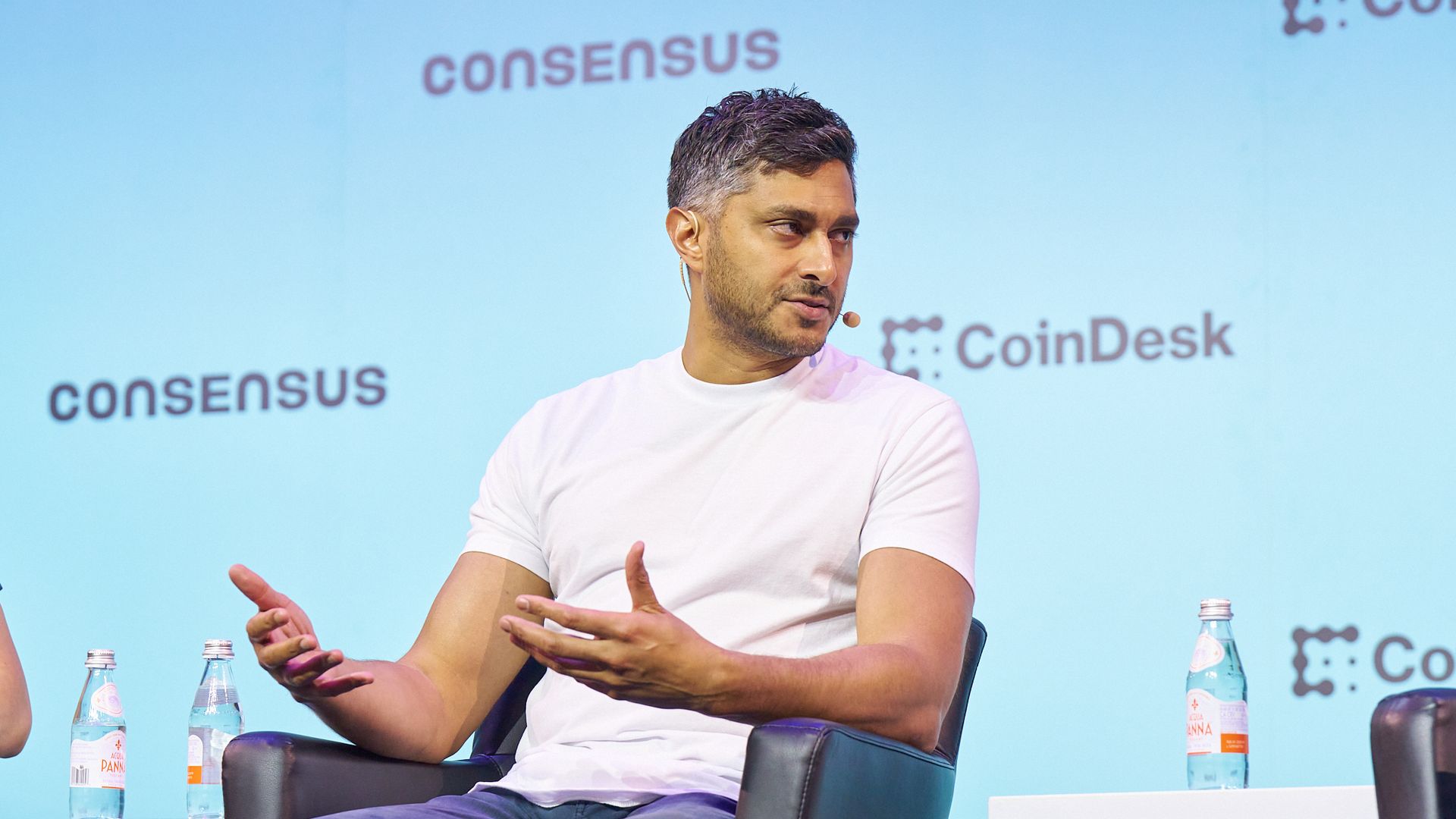
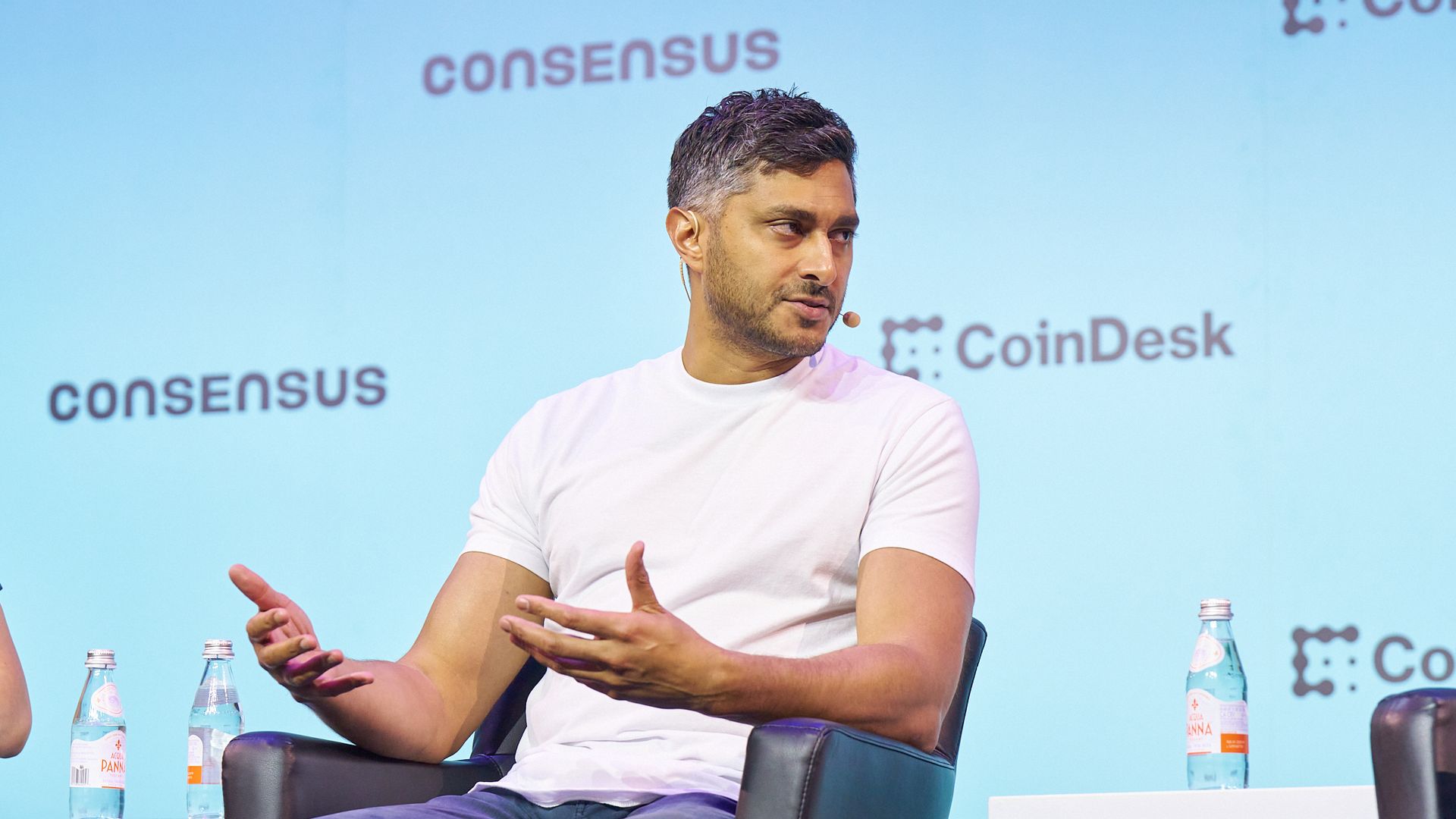
Payward, the parent company of crypto exchange Kraken, is working with asset manager Franklin Templeton to expand the use of tokenized financial products for institutional investors.
The companies said Tuesday they will develop a range of blockchain-based investment offerings, including tokenized yield products, tokenized equities and custody services tied to digital assets.
The move comes as large financial firms explore testing tokenized versions of conventional assets. BlackRock, Fidelity and JPMorgan have all expanded blockchain-related financial products over the past two years, particularly tokenized Treasuries and money market funds.
Tokenization refers to representing traditional financial assets such as stocks, bonds or money market funds on blockchain networks, where they can be traded and settled digitally. Supporters argue the approach can reduce settlement times, expand market access and allow assets to move more easily between financial platforms.
The collaboration joins two firms that have taken different routes into tokenized finance. Franklin Templeton has spent years building blockchain-based investment products. Payward has focused on crypto trading infrastructure through Kraken and its xStocks tokenized equities platform, which the company says has processed more than $30 billion in trading volume since starting up in 2025.
The firms plan to explore actively managed tokenized investment products that could trade onchain and become available to institutional investors and, in some jurisdictions, retail Kraken users.
Kraken also plans to integrate BENJI, Franklin Templeton’s suite of tokenized money market funds, into its platform. The funds could serve as collateral or cash management tools for institutional trading clients seeking blockchain-based alternatives to traditional treasury operations.
Analysts view tokenized Treasury funds as one of the fastest-growing sectors in digital assets because they offer yields tied to government securities while operating on blockchain rails. In practice, that can allow institutions to move collateral around the clock instead of waiting for banking hours or multiday settlement periods.
Read more: Kraken parent Payward seeks fresh funding at $20 billion valuation ahead of planned IPO
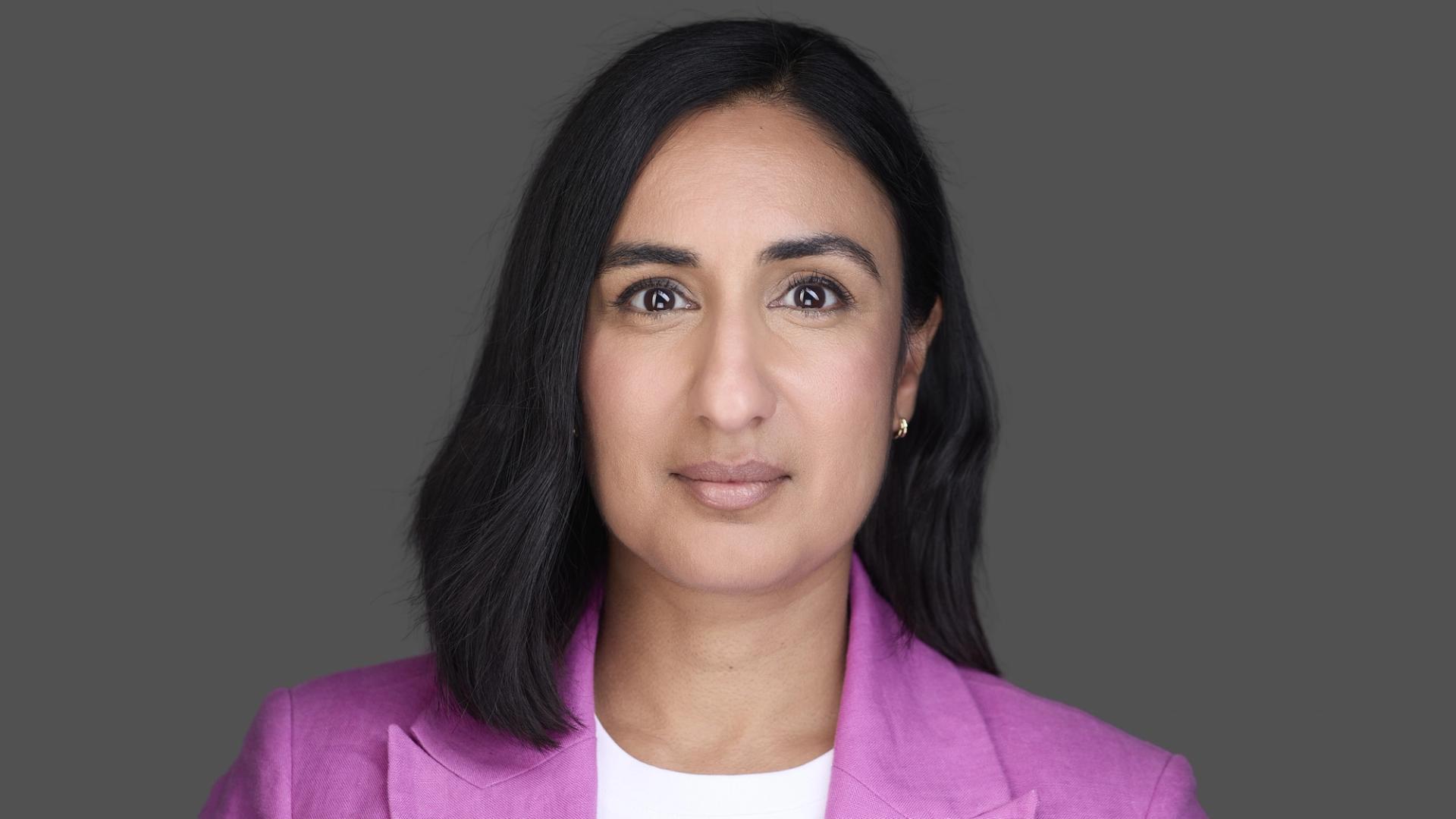
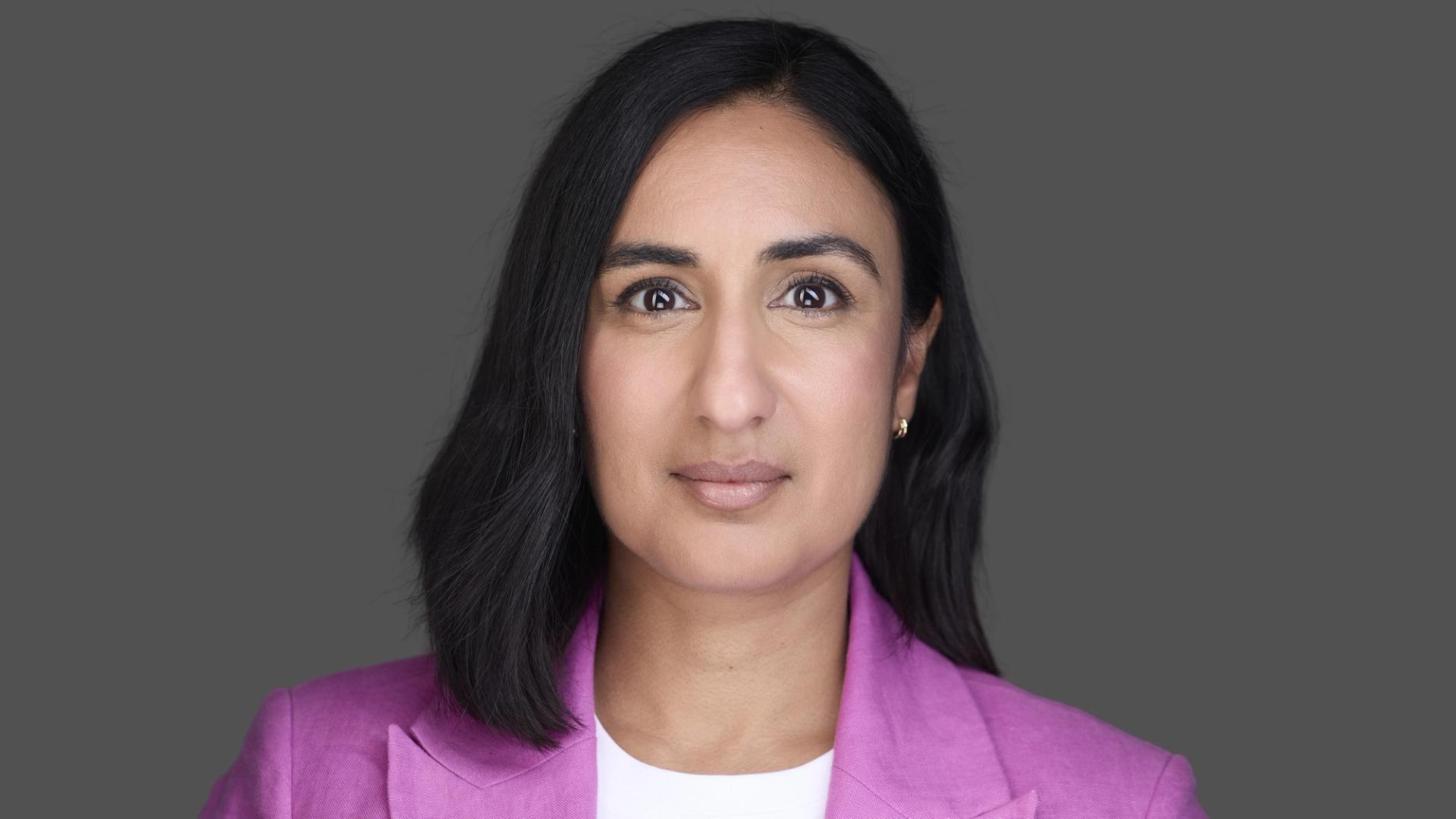
Blockchain analytics firm Elliptic said it raised $120 million in fresh funding from investors including Nasdaq Ventures and Deutsche Bank as financial institutions ramp up spending on crypto compliance and security infrastructure.
The fundraising round, led by growth equity firm One Peak, values the London-based company at $610 million, according to a Tuesday press release. The British Business Bank also participated.
The investment comes as crypto markets face a wave of security breaches and exploits that have exposed weaknesses in both decentralized finance (DeFi) protocols and centralized platforms. Hackers have stolen nearly $3 billion in crypto assets since the beginning of 2025 through smart contract exploits, phishing attacks and cross-chain bridge breaches, and regulators are pushing exchanges and banks to tighten anti-money laundering controls.
As a result, blockchain analytics firms have become critical infrastructure providers for institutions entering the digital asset industry. Elliptic’s software tracks crypto transactions across dozens of blockchains and flags wallets linked to sanctions, fraud, ransomware or illicit finance.
Banks, exchanges and government agencies use these tools to monitor transactions and comply with financial crime rules. The company said two-thirds of global crypto trading volume flows through exchanges that already use its services.
Demand for those systems has accelerated alongside the growth of stablecoins and tokenized assets, which are increasingly moving into mainstream finance. Stablecoins accounted for roughly $33 trillion in transactions last year, according to the company.
Large financial firms are also exploring tokenized securities and blockchain-based settlement systems, raising the stakes for compliance providers that can monitor activity across public blockchains in real time. At the same time, artificial intelligence (AI) tools are making attacks cheaper and faster, forcing a rethink of how crypto systems stay secure.
Elliptic said the new funding will be used to expand its AI-driven monitoring and risk analysis tools as institutional adoption of digital assets grows.
“One of the things that we will be accelerating with the funding is our agentic product roadmap,” CEO Simone Maini told CoinDesk. “What that means is building and launching agents that sit on top of Elliptic’s dataset to be able to automate a lot of what is otherwise highly manual, repetitive tasks performed by compliance analysts.
“That means those that that those precious resources can be redeployed to deep diving and investigating financial crime where they need to,” she said.

Brockwell Live to go ahead as residents lose legal challenge in London park wars latest

At Close of Business podcast May 12 2026

How Will a Hantavirus Pandemic Scenario Impact Global Economies in 2026?

Manchester United reach agreement with Casemiro over contract clause amid transfer speculation

US brings back mandatory military draft registration

Steven Gerrard disagrees with Gary Neville over ‘shock’ Chelsea and Arsenal claim | Football


-
 Crypto World4 days ago
HarrisX Poll Found 52% of Registered Voters Support the CLARITY Act
-

 Fashion4 days ago
Weekend Open Thread: Marianne Dress
-

 Crypto World5 days ago
Upbit adds B3 Korean won pair as Base token gains Korea access
-
 NewsBeat5 days ago
NCP car park operator enters administration putting 340 UK sites at risk of closure
-

 Fashion22 hours ago
Coffee Break: Travel Steam Iron
-

 Fashion2 days ago
What to Know Before Buying a Curling Wand or Curling Iron
-

 Tech2 days ago
Auto Enthusiast Carves Functional Two-Stroke Engine from Solid Metal
-

 Politics17 hours ago
What to expect when you’re expecting a budget
-

 Politics3 days ago
Politics Home Article | Starmer Enters The Danger Zone
-
 Business3 days ago
Ignore market noise, India’s long-term story intact, say D-Street bulls Ramesh Damani and Sunil Singhania
-

 Tech1 day ago
GM Agrees To Pay $12.75 Million To Settle California Lawsuit Over Misuse Of Customers’ Driving Data
-

 Crypto World6 days ago
BlackRock CEO Larry Fink Discusses a New Asset Class
-
 Sports6 days ago
NBA playoff winners and losers: Austin Reaves is not loving Lakers vs. Thunder matchup, but Chet Holmgren is
-

 Entertainment5 days ago
Sarah Paulson Called Out For Met Gala ‘Hypocrisy’
-

 Entertainment6 days ago
Bold and Beautiful Early Spoilers May 11-15: Steffy Revolted & Liam Overjoyed!
-

 Entertainment5 days ago
General Hospital: Ric & Ava Bombshell – Ric’s Massive Secret Exposed!
-

 Crypto World5 days ago
Robinhood says Wall Street is building onchain
-

 Politics5 days ago
Simon Cowell Says He Was ‘Horrible’ To Susan Boyle During BGT Audition
-

 Sports5 days ago
UEFA Champions League final schedule, teams, venue, live time and streaming | Football News
-

 Tech7 days ago
Apple and Samsung are dominating smartphone sales so thoroughly that only one other company makes the top 10
You must be logged in to post a comment Login