
Crypto World
Fed chair Jerome Powell says he will stay on as Govenor after term amid legal pressure

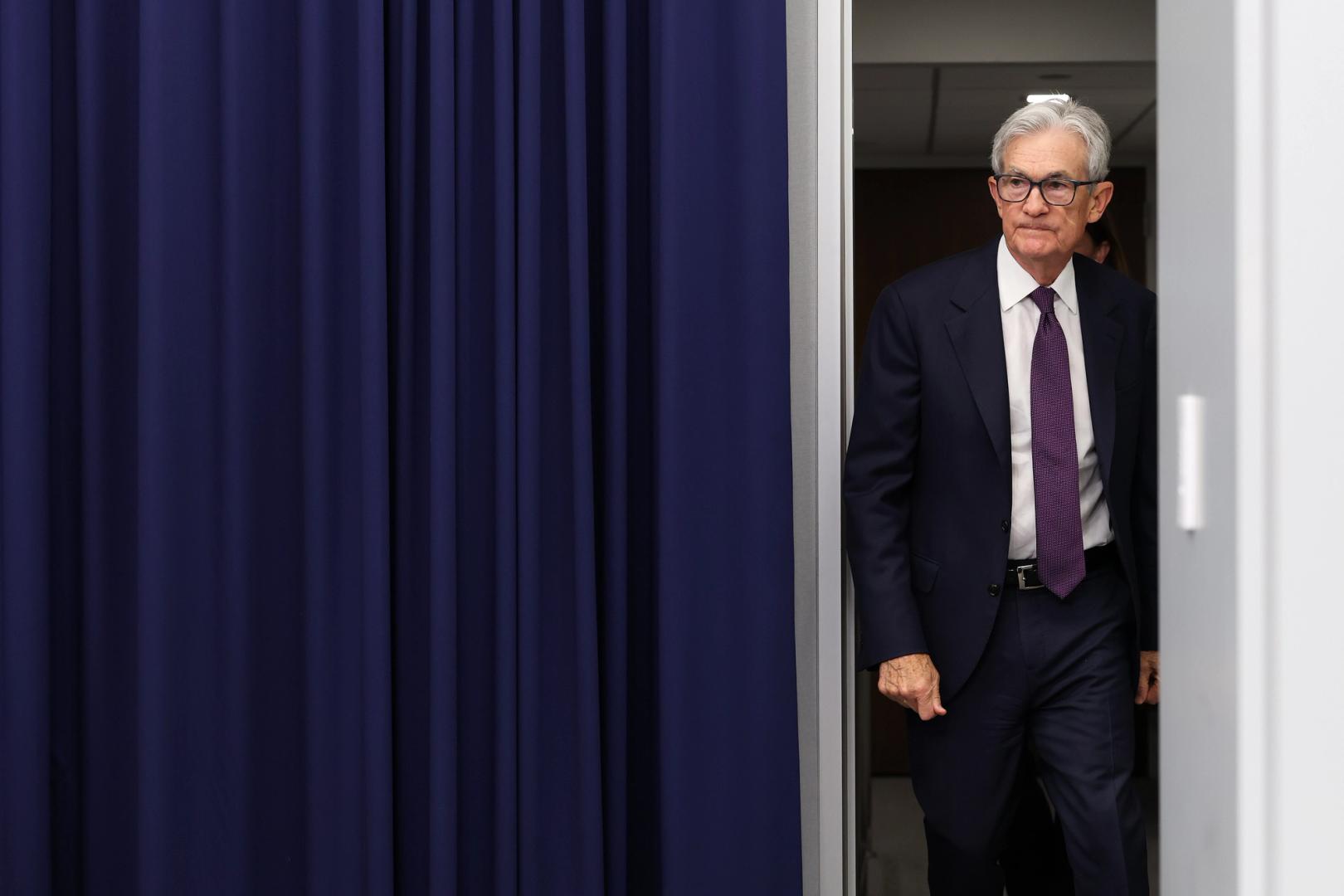
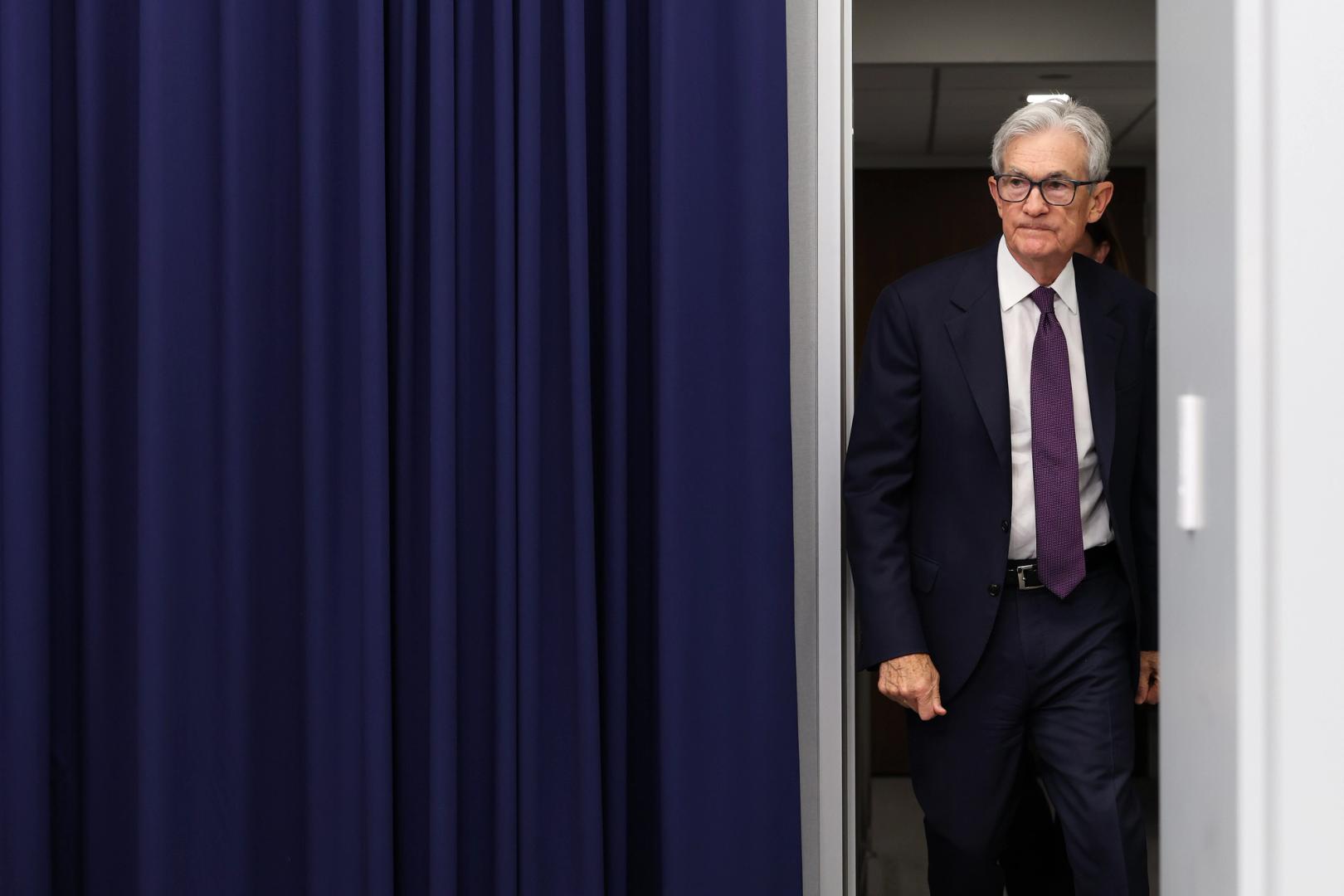
Current Federal Reserve chair Jerome Powell will continue to stay on the central bank’s board as Governor after his term ends in May.
Speaking at a press conference following the central bank’s decision to hold interest rates steady at 3.5%-3.75% on Wednesday, Powell voiced concerns about the legal action against the central bank, saying it is causing him to stay, even though he plans to keep a “low profile.”
“I worry that these attacks are battering the institution and putting at risk the thing that really matters to the public, which is the ability to conduct monetary policy without taking into consideration political factors,” Powell said.
When the administration of President Donald Trump closed its criminal investigation into Powell, it left room to revisit the case. Jeanine Pirro, the U.S. attorney for the District of Columbia, said the matter would stay under review by the Fed’s inspector general and warned prosecutors could reopen it if new facts emerged.
That statement, along with later remarks from President Donald Trump and his aides, raised concern that Powell could still face legal pressure. Powell said even though he wanted to leave, he had “no choice” but to stay.
Fed leave rates unchanged
The Fed’s rate hold came as expected, but the dissent from three Governors stood out, according to 21shares macro analyst Matt Mena. “The Fed’s decision to keep rates steady wasn’t the shocker, but those three dissenters calling for a strike on any easing guidance threw a bucket of ice on the market’s pivot party,” Mena said. The hawkish tone weighed on risk assets, with bitcoin slipping under the $75,000 support mark as traders brace for a retest of the $73,000 level.
Focus has also shifted to potential policy changes ahead. “Markets may begin to price a [Kevin] Warsh pivot that favors rate cuts, and more importantly, the imminent passage of the CLARITY Act,” Mena said, adding that if momentum returns, “the path to $85,000–$90,000 looks like a clear shot.”



- Bitcoin dropped to lows of $74,958 before stabilizing above $75,000.
- The decline also coincided with tighter liquidity in traditional equity markets.
- Crypto stocks fell sharply as short‑term volatility hit risk assets.
Bitcoin price briefly slipped to below $75,000 on Wednesday as the Federal Reserve held interest rates steady, dimming hopes for near‑term rate cuts and triggering a broad‑based sell-off in risk assets.
The move weighed heavily on crypto‑linked equities, with Coinbase, Riot Platforms, and MicroStrategy among the hardest hit.
Bitcoin dips to $75k as Fed holds rates
Bitcoin fell to roughly the $75,000 level, trimming earlier gains after the US central bank opted to keep borrowing costs unchanged, signaling a more cautious stance on monetary easing.
The decision reinforced expectations of a higher‑for‑longer rate environment, prompting investors to pare back exposure to volatile assets tied to speculative growth narratives.
Market data as of writing showed that over the past 24 hours, Bitcoin had logged a modest decline of about 1.4% as it hovered around $75,156.
The combination of elevated yields and geopolitical uncertainty has continued to dampen risk appetite, capping BTC below $80,000.

Crypto stocks tumble amid weak trading signals
The Fed’s in‑line‑but‑hawkish‑leaning decision spilled into crypto‑related stocks, which had already been under pressure from disappointing revenue trends.
Robinhood (HOOD) led the slide, plunging 14% after reporting an almost 47% year‑over‑year drop in crypto‑related revenues for the first quarter.
The steep contraction was widely interpreted as a sign of weaker trading volumes and fading retail enthusiasm for digital assets.
The pessimism spread across the sector.
US crypto exchange Coinbase (COIN) fell 7%, while Bullish (BLSH), the institutional platform owned by CoinDesk’s parent company, likewise dropped 7%. Gemini (GEMI) declined 5%.
Bitcoin miners also sold off, with Riot Platforms (RIOT) and Marathon Digital Holdings (MARA) both slipping 4%–6% as the softer Bitcoin price and elevated energy costs squeezed margins.
MicroStrategy (MSTR), the largest corporate holder of Bitcoin, retreated 4%.
Oil surge adds to risk‑off mood
The deterioration in sentiment extended beyond crypto, as US equities broadly declined and energy prices spiked.
The Dow Jones Industrial Average shed more than 300 points, pressured in part by a surge in oil that followed President Trump’s comments on Iran.
In a Wednesday interview with Axios, Trump stated he would maintain a US blockade at the Strait of Hormuz until a nuclear‑related deal with Iran is reached, heightening concerns over supply disruptions in one of the world’s most critical oil chokepoints.
Brent crude climbed more than 4% above $111 per barrel, while US West Texas Intermediate (WTI) crude topped $106 per barrel, further fueling inflation‑sensitive market jitters and reinforcing the risk‑off tone that weighed on Bitcoin and crypto stocks.


Pi Network’s token climbed more than 5% on April 29 ahead of Consensus 2026 in Miami on May 5 to 7, where both co-founders Dr. Chengdiao Fan and Nicolas Kokkalis are confirmed speakers, marking the project’s most prominent mainstream industry appearance since its Mainnet launch.
Summary
- Dr. Chengdiao Fan will speak at Consensus 2026 on how Pi Network’s human verification model addresses AI-era identity challenges, while Nicolas Kokkalis will address the protocol’s proof-of-personhood infrastructure.
- PI has risen approximately 11% on a weekly basis as of April 29, outperforming most large-cap altcoins during a broader market decline driven by FOMC and Iran uncertainty.
- Pi Network sponsored Consensus 2026 and has 421,000 active Mainnet nodes, over 10 billion PI migrated to Mainnet, and the Protocol 23 smart contract upgrade now targeted for May 11.
Pi Network price gained more than 5% on April 29, BanklessTimes reported, as the market reacted to the confirmation that both Pi Network co-founders will appear at Consensus 2026 in Miami from May 5 to 7. Dr. Chengdiao Fan is scheduled to speak on proving human identity in the AI era, a topic directly connected to Pi’s core proof-of-personhood architecture, while Nicolas Kokkalis will address the protocol’s broader Mainnet development trajectory.
Pi Network Price Momentum Builds Around Its Biggest Institutional Stage Appearance
As crypto.news reported, Pi Network is an official sponsor of Consensus 2026 Miami, the largest annual blockchain industry conference, with both co-founders scheduled as named speakers alongside a roster that includes major institutional and government figures. Fan’s session on AI-era human identity verification is particularly strategically positioned: the intersection of proof-of-personhood and AI authentication is one of the most actively discussed governance topics in the industry in 2026, and Pi’s architecture, which verified over 60 million users through its Know Your Customer process, positions the project as a live production example of the model being theorized elsewhere. PI has defied the broader April 29 market decline, which saw Bitcoin fall 1.6%, Ethereum drop to a week low, and most large-cap altcoins close in the red, rising 5% on the day and 11% on a weekly basis to trade near $0.60 as of April 29. The move makes PI the top performer among the 50 largest altcoins on April 29 according to CryptoPotato data.
What Protocol 23 and the May 11 Deadline Add to the Consensus 2026 Appearance
As crypto.news documented, the Protocol 22.1 upgrade deadline passed on April 27, disconnecting nodes that failed to update and preparing the network for Protocol 23, which introduces full smart contract functionality across Pi Mainnet. The Protocol 23 deadline has since been moved from May 18 to May 11, one week earlier than previously announced, which aligns the smart contract launch more closely with the Consensus 2026 window. A successful Protocol 23 activation before or during the conference would give Fan and Kokkalis a concrete technical milestone to reference on stage, adding substance to the appearance beyond the community momentum the event alone generates. Protocol 23 would transform Pi from a transactional token into a programmable platform capable of hosting decentralized applications, exchanges, and automated tools.
Why the Market Is Treating This as a Sell-or-Hold Event to Watch
As crypto.news tracked, PI has historically responded to technical milestones as sell-the-news events rather than structural re-ratings, with nearly 3 million PI moving to centralized exchanges ahead of the Protocol 22 deadline and approximately 200 million PI scheduled for unlock over the next 30 days. The pre-Consensus rally faces a similar dynamic: if the Consensus 2026 appearances deliver substantial partnership announcements or a meaningful Protocol 23 update, the market response may extend the gains. If the appearances are primarily promotional with no new technical or commercial news, the 5% pre-event rally runs the risk of reversing into the event itself as holders reduce exposure ahead of unlock pressure. Galaxy Research put Pi at 50-50 odds of converting its community momentum into durable institutional adoption in 2026.
Pi Network has confirmed no Binance listing ahead of Consensus 2026, but a Binance listing rumor contributed to a prior price spike in the token’s history. Community speculation about a listing announcement at Consensus is circulating but unconfirmed as of April 29.
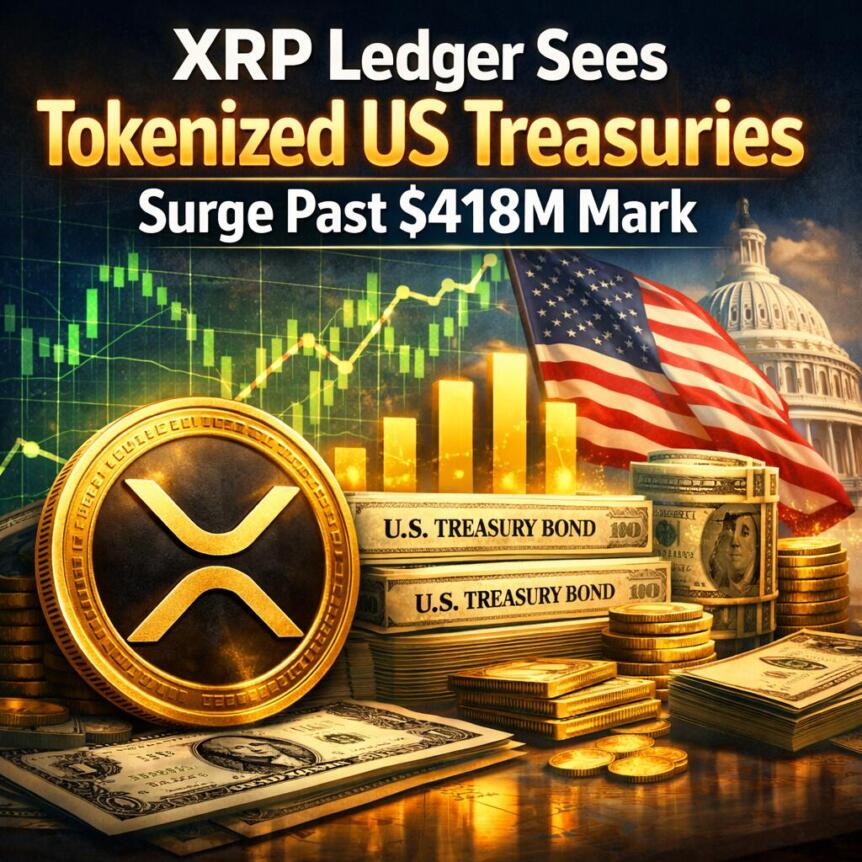
Tokenized Treasuries Expand Rapidly on XRPL
The XRP Ledger has experienced a sharp increase in tokenized U.S. Treasury assets over the past year. Data shows the total value has climbed from nearly $50 million to over $418 million. This shift reflects an eightfold increase within a relatively short period.
Rising Activity Signals Stronger Network Utility
Transaction data highlights a notable increase in activity compared to earlier periods. Transfer volumes have surged significantly from roughly $70 million recorded in previous comparable timelines. This increase demonstrates a faster pace of adoption and usage.
At the same time, asset issuers continue to expand their presence on the XRP Ledger. More institutions now tokenise traditional financial products using blockchain rails. This shift enhances efficiency and reduces operational friction.
Furthermore, consistent activity suggests that tokenised assets are not remaining idle on the network. Instead, users actively transfer and utilise these instruments across different applications. This trend supports the argument for sustained network relevance.
Growth in Real-World Assets Strengthens XRPL Position
The broader real-world asset sector on XRPL has also expanded alongside treasury tokenisation. Several platforms now contribute significantly to the ecosystem’s total value. These platforms help diversify offerings and increase overall network participation.
Projects such as Justoken, RLUSD, and VERT Capital have added substantial value to the ledger. Their combined contributions highlight the scale of institutional involvement in tokenised finance. Other initiatives continue to join and expand the ecosystem.
Additionally, recent asset tokenisation efforts include high-value projects such as diamond-backed digital assets. These developments show that XRPL supports various asset classes beyond government securities. This diversity strengthens its appeal to issuers and users.
Strategic Developments Support Continued Expansion
The growth follows ongoing developments tied to Ripple and its expanding partnerships. Collaborations with financial institutions continue to improve infrastructure and adoption pathways. These efforts contribute to broader usage of the XRP Ledger.
At the same time, validators and network participants report steady increases in asset issuance across categories. The network benefits from integrations that improve accessibility and distribution. These factors enhance XRPL’s position as a viable financial platform.
Meanwhile, the steady rise in tokenised assets reflects shifting preferences within financial markets. Institutions now explore blockchain solutions for efficiency and transparency. As this trend continues, XRPL appears positioned for further growth in digital finance.

Get ready.
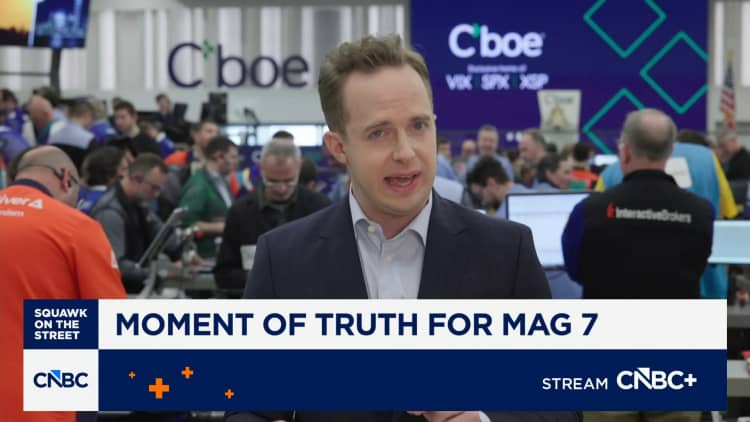
Wenesday night is the main event for earnings season, with Alphabet, Amazon, Meta and Microsoft – four of the “Magnificent Seven” — set to report. Options traders are pricing in more than $800 billion of market cap movement after the bell.
If options prices are an indication, it will be a more volatile night than what we’ve seen over the past year. Current implied moves are bigger than the four-quarter average for three of the four names.
Meta is the exception, where options are pricing in a 7.3% move compared to the yearlong average of 9.3%. That’s despite the fact Meta has exceeded the implied move after its last three reports.
Google parent Alphabet, on the other hand, has a history of smaller moves that underperform the options pricing, and it looks like traders may be setting themselves up for a repeat disappointment. Options are pricing a near-6% move in the shares, compared to the four-quarter average of under 1.5%.
In terms of directional bias, options flows still lean bullish, with calls volumes and premiums outpacing puts in all four names, and flows showing more demand for upside exposure than for selloffs.
Amazon in particular saw bullish options flow Wednesday morning, with a few big call buyers spending more than $500,000 to get upside exposure. One trader spent $616,000 buying 581 of the 260-strike in-the-money calls expiring next Friday, while another trader looked to the September 18 expiry to buy 299 of the 265-strike calls, just out of the money in a trade that cost $731,000.
Even in Microsoft, the laggard of the group, bullish flows were notable in the 450-strike calls expiring mid-June, with almost $3 million of trades across that contract early in the session.
A pseudonymous researcher has posted a suspicious trade by a collection of Hyperliquid wallets that some crypto traders suspect of having a special relationship with Robinhood.
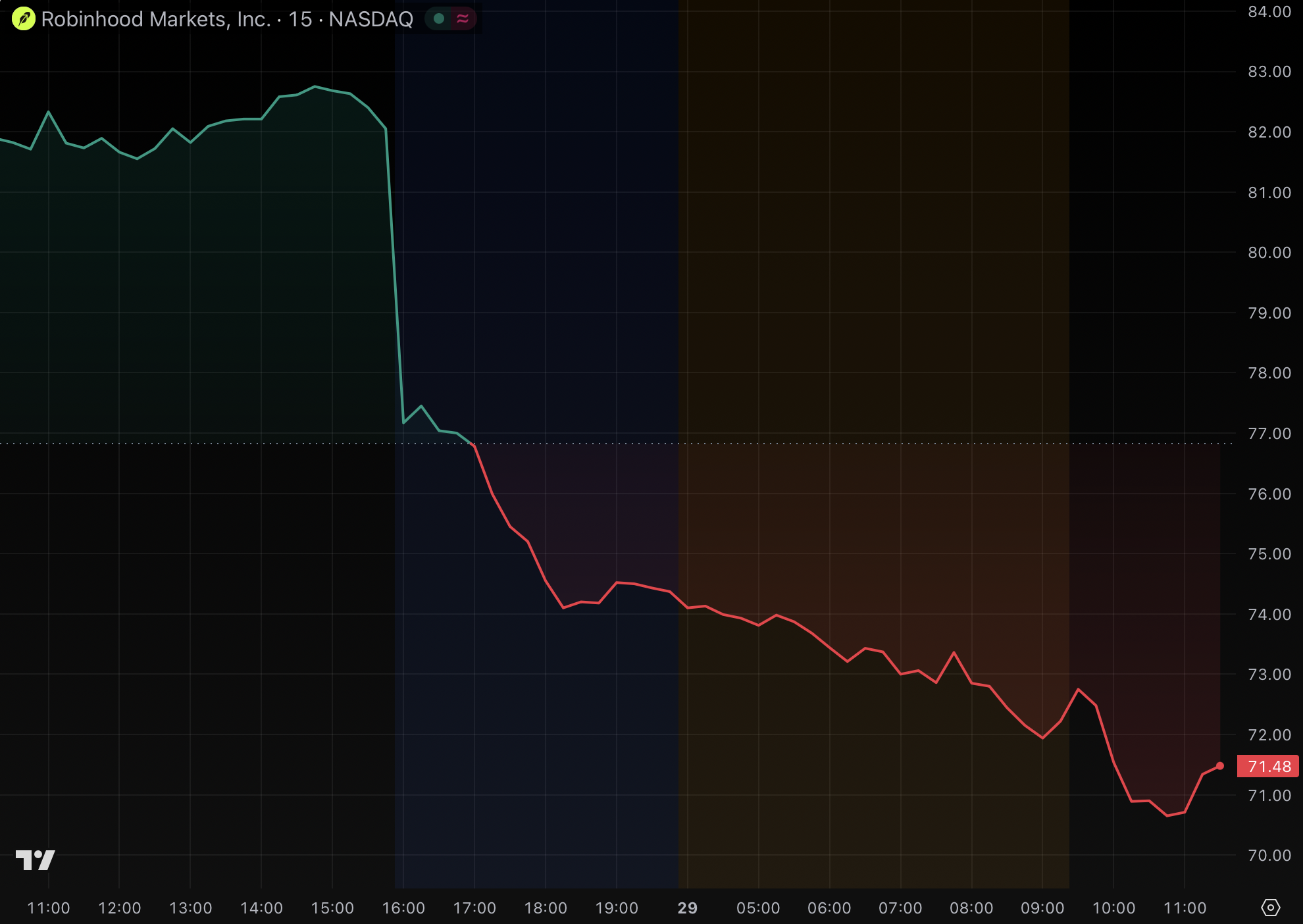
Continuing a pattern of curious trades, the “insider” opened a prescient short on Hyperliquid’s HOOD perpetual futures contracts — crypto derivatives that mimic the price of Robinhood’s common stock — mere hours before Robinhood’s scheduled first-quarter earnings release.
After its disappointing earnings, shares of Robinhood’s stock fell sharply yesterday evening, rewarding the traders’ leveraged short in after-hours trading.
The trader(s) at the center of the allegations are wallets ending in 177D, bc7b, acf9, and their various sockpuppets. They first transacted on July 16, 2025, and have gained attention from various Hyperliquid commentators.
Critics claim that the trader gained advance knowledge of Robinhood’s earnings results this week, secretly opening a directional bet against the stock via crypto exchanges to avoid actual stock short-sales that might have exposed them to greater regulatory scrutiny.
Robinhood trading correlation versus causation
Thoroughly convinced of the accusation that correlation equals causation, a researcher posted a thread about wallets that were funded by Robinhood withdrawals that subsequently traded on Hyperliquid and MEXC wallets ahead of Robinhood-related listing announcements.
Even though funds for some of the wallets trace to Coinbase, the researcher emphasized Robinhood-derived withdrawals and Robinhood-related news to allege the “insider” and even “employee” frame which is now circulating on social media.
However, correlation doesn’t necessarily equal causation, and the bridge between suspicious trading and wallets actually belonging to a Robinhood employee relies on thin evidence.
SEC insider trading ban
Robinhood, like any public company, has a formal insider trading policy, outlined in the company’s SEC filings.
The policy prohibits covered persons from trading Robinhood securities on material, non-public information, and from holding derivatives tied to the company’s performance using such special information.
Covered persons include employees, contractors, agents, and family members.
Trading US stocks while in possession of material non-public information is generally prohibited, including by law in US statutes.
The company hasn’t publicly addressed the conclusory allegations on social media as of Tuesday evening. Neither have critics disclosed how their “employee” or “insider” designations were made beyond corollaries like a suspicious series of events that could have numerous, alternative explanations.
Yesterday, Robinhood reported Q1 revenue slightly below a consensus of Wall Street estimates. However, the damage to its stock price resulted from crypto revenue year-over-year, which collapsed 47%, indicating dimmer prospects for growth.
As a result, shares closed sharply lower in Tuesday’s after-hours trading, closing at $74.41 by 8pm New York time after opening the day at $81.55.
HOOD opened today’s session even lower, at $72.30, down 11.3% in just 24 hours.
Protos reached out to Robinhood for comment but did not receive an immediate reply prior to publication.
Got a tip? Send us an email securely via Protos Leaks. For more informed news and investigations, follow us on X, Bluesky, and Google News, or subscribe to our YouTube channel.
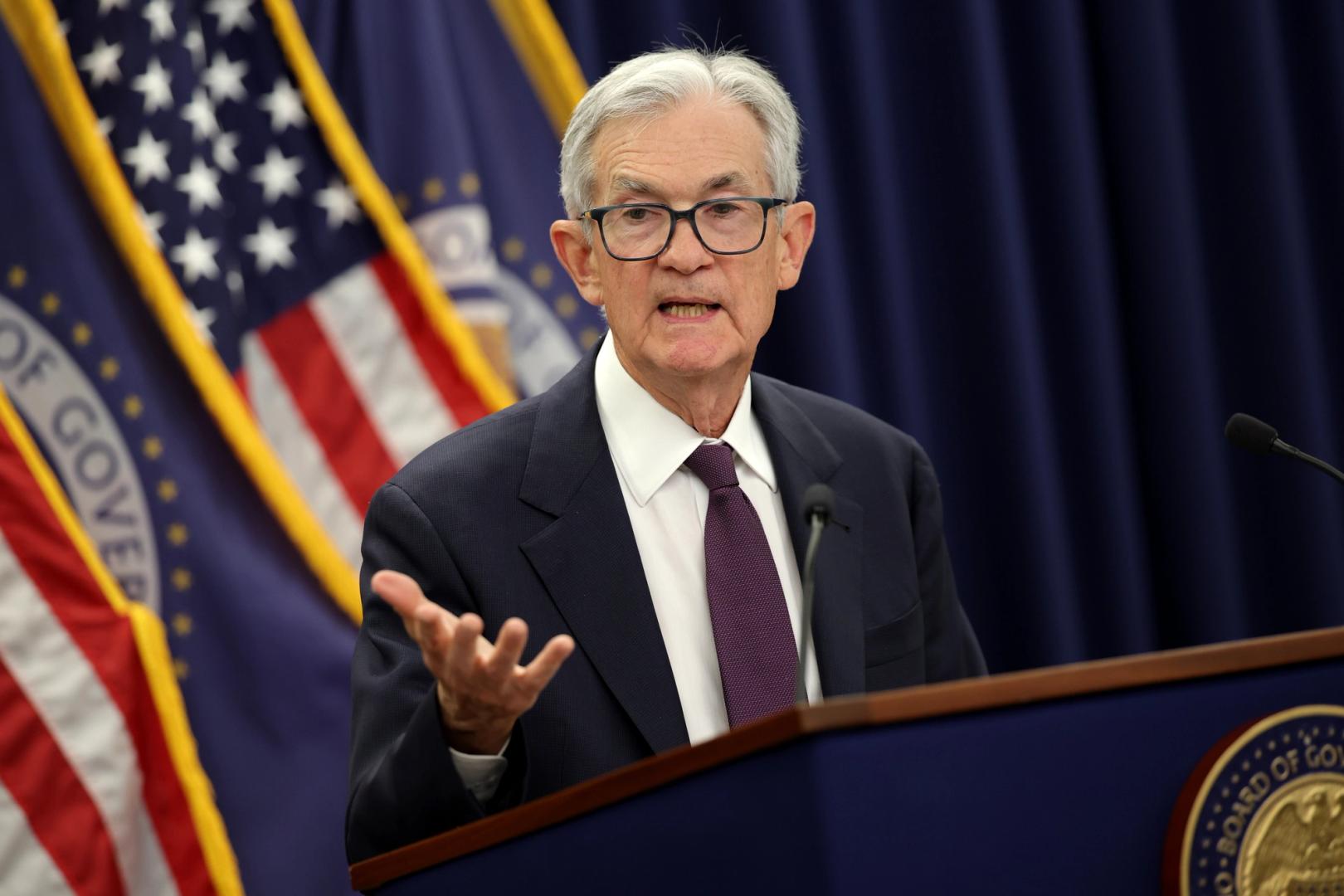
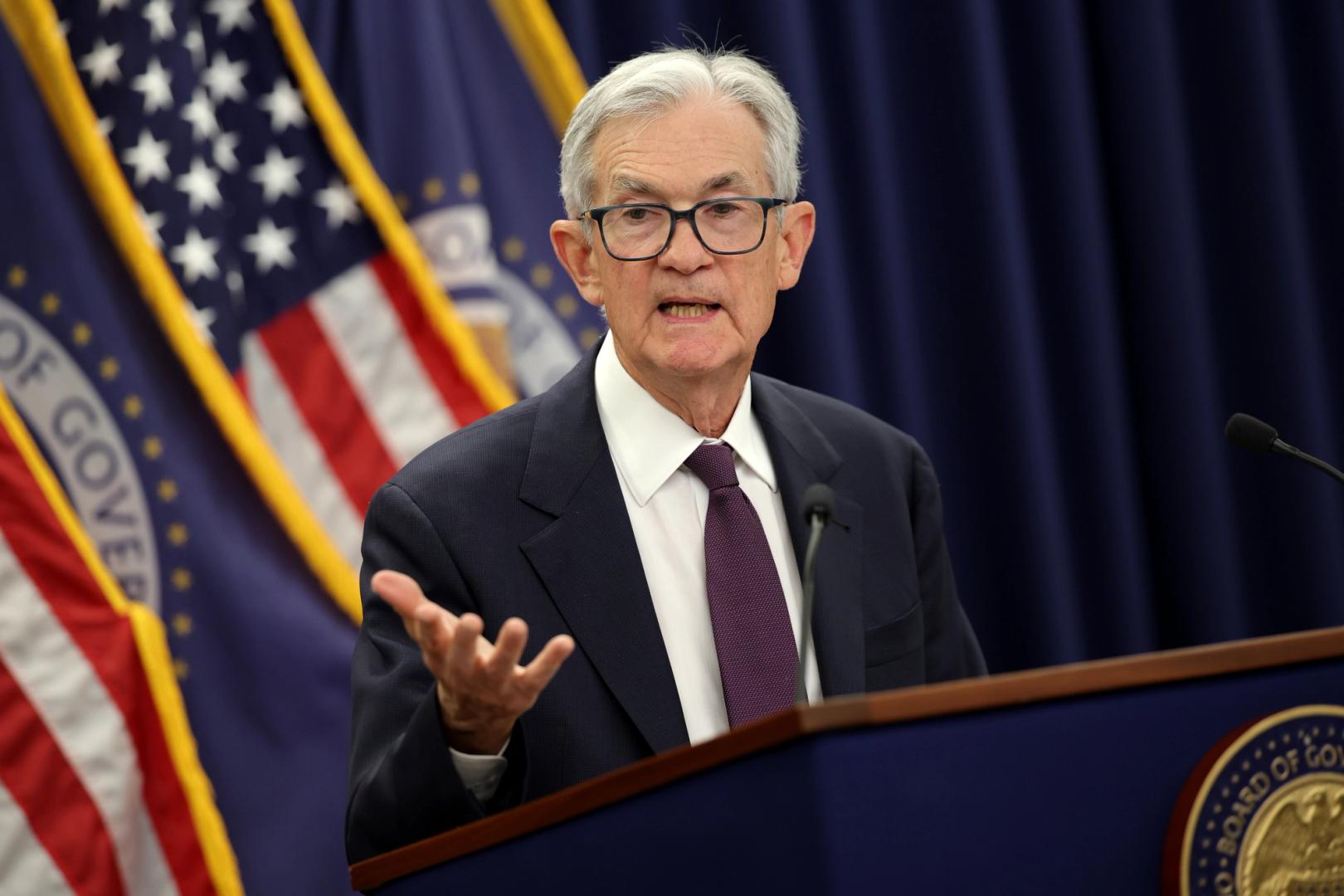
As fully expected by markets, the U.S. Federal Reserve held its benchmark fed funds rate range steady at 3.50%-3.75% on Wednesday, marking the fourth straight meeting without a change as officials weigh persistent inflation risks against signs of slowing economic growth.
“In considering the extent and timing of additional adjustments to the target range for the federal funds rate, the Committee will carefully assess incoming data, the evolving outlook, and the balance of risks,” said the Fed in its policy statement.
There were four dissents to the rate decision, one dovish and three hawkish. Fed Governor Stephen Mirran preferred trimming rates by 25 basis points, while Beth Hammack, Neel Kashkari, and Lorie Logan wanted to hold rates steady while removing any easing bias.
Under pressure ahead of the news, bitcoin remained about 0.5% lower over the past 24 hours, trading just below $76,000. U.S. stocks continued with modest declines, the Nasdaq down 0.35%. Yields are shooting higher, the two-year Treasury up 9 basis points to 3.93% and the 10-year up 5 basis points to 4.40%.
Today’s central bank meeting is likely to be the last to be presided over by Jerome Powell, whose term as chairman ends on May 15. His replacement, Kevin Warsh, passed a Senate Banking Committee vote earlier Wednesday, putting him on track to take over as Powell steps down. The three hawkish dissents suggest that Warsh will have a difficult task to push through rate cuts even if that is the direction he would like to go.
Attention will next turn to Powell’s post-meeting press conference as traders look for clues on the path forward for monetary policy.
After pulling back sharply earlier this month amid hopes for a lasting peace between the U.S. and Iran, oil prices have rebounded to near their post-war highs, with WTI crude trading just shy of $105 per barrel.
Higher energy costs naturally feed through to headline inflation numbers, but they can also slow economic activity. It puts the U.S. central bank in a difficult position: which of its mandates — prices or economic growth — should it prioritize?
Crypto World
Meta (META) starts stablecoin payout to creators in Circle’s USDC on Polygon, Solana via Stripe


Meta (META), the social media giant behind Facebook and Instagram, has started to offer stablecoin payout to creators, signaling a return to crypto-powered payments years after shelving its Libra project.
The feature is currently available to a limited group of creators in Colombia and the Philippines, according to a Meta website. Eligible users can link a crypto wallet and receive payouts in Circle’s USDC token on the Solana or Polygon blockchain networks.
The service is supported by payments firm Stripe, which will provide crypto-related reporting for users. Creators may receive tax documents from both Meta and Stripe tied to their earnings and digital asset transactions. A Stripe spokesperson confirmed the company’s involvement.
The news comes after Meta sought the help of third-party vendors to administer stablecoin payments on its platforms, with Stripe among the leading contenders for the integration, CoinDesk reported in February.
The move puts Meta, with over 3 billion users across its social media platforms globally, among the largest tech firms experimenting with stablecoins for real-world payments, using blockchain rails to move money globally to users without relying on traditional banking systems. Stablecoins — cryptocurrencies whose prices are tied to fiat currencies — are increasingly viewed as a faster and cheaper payment method. Visa, for example, reported that it’s stablecoin settlement network hit $7 billion in annualized transaction volume, growing 50% in a quarter.
The initiative marks Meta’s return to stablecoins after it attempted to introduce the Libra token, later renamed Diem, only to shut down the project amid regulatory scrutiny in 2022.
Read more: Stripe doubles down on blockchain and stablecoins, aiming to become ‘AWS for money’
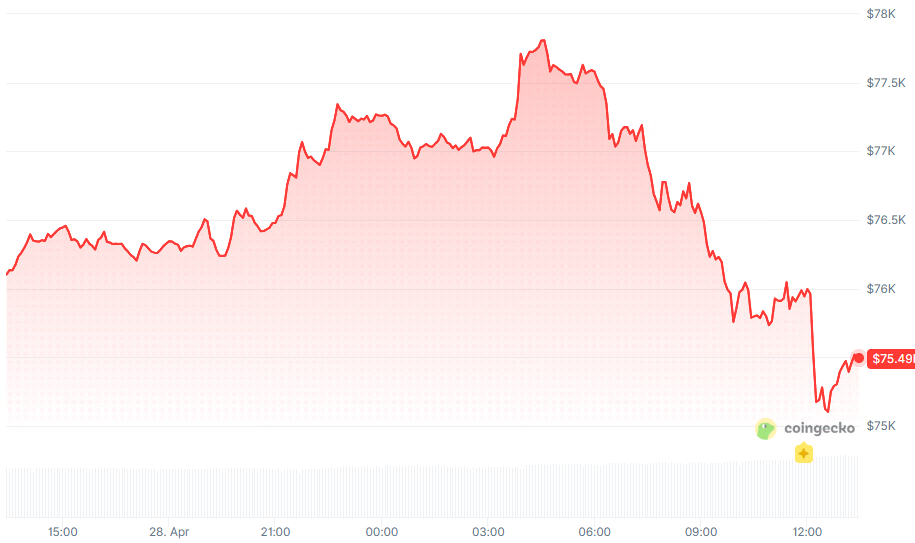
ETH is down 7% on the week as the Fed signals the bar for rate cuts has risen, and ETF outflows top $350 million over two days.
Bitcoin is trading at $75,282 as of Wednesday afternoon, down 1.2% over 24 hours and 4.4% on the week, as crypto markets extended losses following the Federal Reserve’s decision to leave interest rates unchanged.
Ether fell harder, changing hands at $2,225 after a 2.8% daily drop and 7.3% weekly loss. Solana dropped 2.1% to $82, XRP fell 2% to $1.35, and BNB shed 1.8% to $612. Dogecoin was the lone green name in the top 10, up 2.2%.

The total crypto market cap fell to $2.6 trillion, down 1.4% on the day, with Bitcoin dominance at 58%, according to CoinGecko.
Contentious Decision
The FOMC kept the federal funds target range at 3.50% to 3.75%, but the vote split 8-4, the most contested decision since October 1992. Governor Stephen Miran dissented in favor of a 25 basis point cut, while regional presidents Beth Hammack, Neel Kashkari, and Lorie Logan opposed the easing-bias language in the statement, per CNBC.
In their post-meeting statement, the committee acknowledged that “Inflation is elevated, in part reflecting the recent increase in global energy prices.” CME FedWatch is now pricing no further cuts through the rest of 2026, a hawkish repricing from the dot plot delivered in March.
The meeting was widely viewed as Chair Jerome Powell’s last, with the Senate Banking Committee earlier in the day advancing Kevin Warsh’s nomination as next chair on a party-line vote. JPMorgan Asset Management chief global strategist David Kelly told CNBC that the pattern of dissent amounted to “a renewed declaration of independence” and “a shot across the bow at Kevin Warsh.”
ETF Flows
U.S. spot Bitcoin ETFs logged $89.68 million in net outflows on Tuesday, bringing the two-day total to roughly $353 million, according to SoSoValue data.
The reversal snapped a nine-session inflow streak that had pulled in over $2.1 billion for the Bitcoin ETF complex.
Spot Ether ETFs extended their own losing streak with $21.8 million in net outflows on Tuesday. Their two-day total now exceeds $36 million in outflows after a 10-day inflow streak that delivered more than $633 million.
Strategy Keeps Buying
Despite the ETF reversal, Strategy continues to accumulate. Michael Saylor’s firm disclosed in an April 27 8-K that it bought 3,273 BTC for $255 million between April 20 and April 26 at an average price of $77,906, lifting total holdings to 818,334 BTC. The purchase was funded entirely through the company’s at-the-market common stock program, with no preferred issuance during the period.
With BTC now under $76,000, Strategy’s $75,537 average cost basis is once again within striking distance of unrealized losses.
A $59 million RLUSD settlement was completed on the XRP Ledger on April 29 at a total transaction fee of $0.000188, cited by on-chain researcher Ripple Bull Winkle as live proof that Ripple’s payment network is already handling large-scale cross-border settlements in production.
Summary
- The $59 million transaction used Ripple’s RLUSD stablecoin on the XRP Ledger and settled for a fee of $0.000188, less than one cent, while SWIFT-based settlements of equivalent size typically take two to three business days and cost significantly more.
- The settlement was flagged by crypto researcher Ripple Bull Winkle on X and cited in Coinpedia as evidence that the XRP Ledger’s settlement capabilities are functioning at institutional scale, not just in testing environments.
- RLUSD was launched in December 2024 and has since reached a market capitalization approaching $300 million, with adoption expanding across enterprise payment providers including BKK Forex and iSend.
RLUSD settlement of $59 million was completed on the XRP Ledger on April 29, settling with a fee of just $0.000188, according to on-chain researcher Ripple Bull Winkle, whose findings were cited in a Coinpedia report alongside the same day’s NYSE Arca filing naming XRP as an eligible commodity trust asset. The transaction is notable not because large XRP Ledger transactions are new but because $59 million at sub-penny cost represents exactly the institutional settlement use case Ripple has promoted as RLUSD’s primary function: a tool for corporate treasury operations, cross-border settlements, and on/off-ramp flows where the cost and speed profile of SWIFT rails is structurally inferior.
RLUSD Settlement Demonstrates XRP Ledger at Institutional Settlement Scale
As crypto.news reported, RLUSD was designed from the outset for enterprise-grade financial applications rather than retail stablecoin use, with Ripple explicitly targeting institutional settlement, cross-border remittances, and tokenized asset collateral as the primary deployment scenarios. The integration of RLUSD directly into Ripple Payments allows the stablecoin to flow within the same on-ramp, off-ramp, and treasury infrastructure that Ripple’s existing institutional clients, including BKK Forex and iSend, already use for daily operations. A $59 million transaction for $0.000188 in fees is operationally meaningful for any institution currently using SWIFT for the same corridor, where equivalent flows carry correspondent banking fees in the range of 0.5% to 1% of notional value plus a two-to-three-day settlement delay. The same transaction on SWIFT would carry estimated costs between $295,000 and $590,000 in total fees and would not settle until the following business week.
Why This Settlement Matters Beyond the Fee Number
As crypto.news documented, Ripple’s institutional expansion in April 2026 has been the most concentrated single-month push the company has made in its history, with the KBank proof-of-concept signed April 27, the Travelex Bank partnership reaffirmed, and the US Faster Payments Council naming Ripple a G20 payments innovator all arriving within the same two-week window as today’s $59 million settlement. A live production settlement of that size on the XRP Ledger, using RLUSD rather than XRP directly, also demonstrates that Ripple’s stablecoin strategy is functioning alongside the XRP bridge asset model rather than replacing it, consistent with what Ripple has publicly described as its dual-rail approach to institutional settlement infrastructure. As crypto.news tracked, the XRP Ledger processed $59 million in this single settlement while XRP itself remains range-bound near $1.43, suggesting that network utility is expanding faster than price discovery has absorbed it.
RLUSD launched in December 2024. Its market capitalization has since grown toward $300 million, with Ripple describing it as the settlement layer for its enterprise treasury platform offering corporate clients a unified view over fiat, RLUSD, and XRP balances in a single integration.
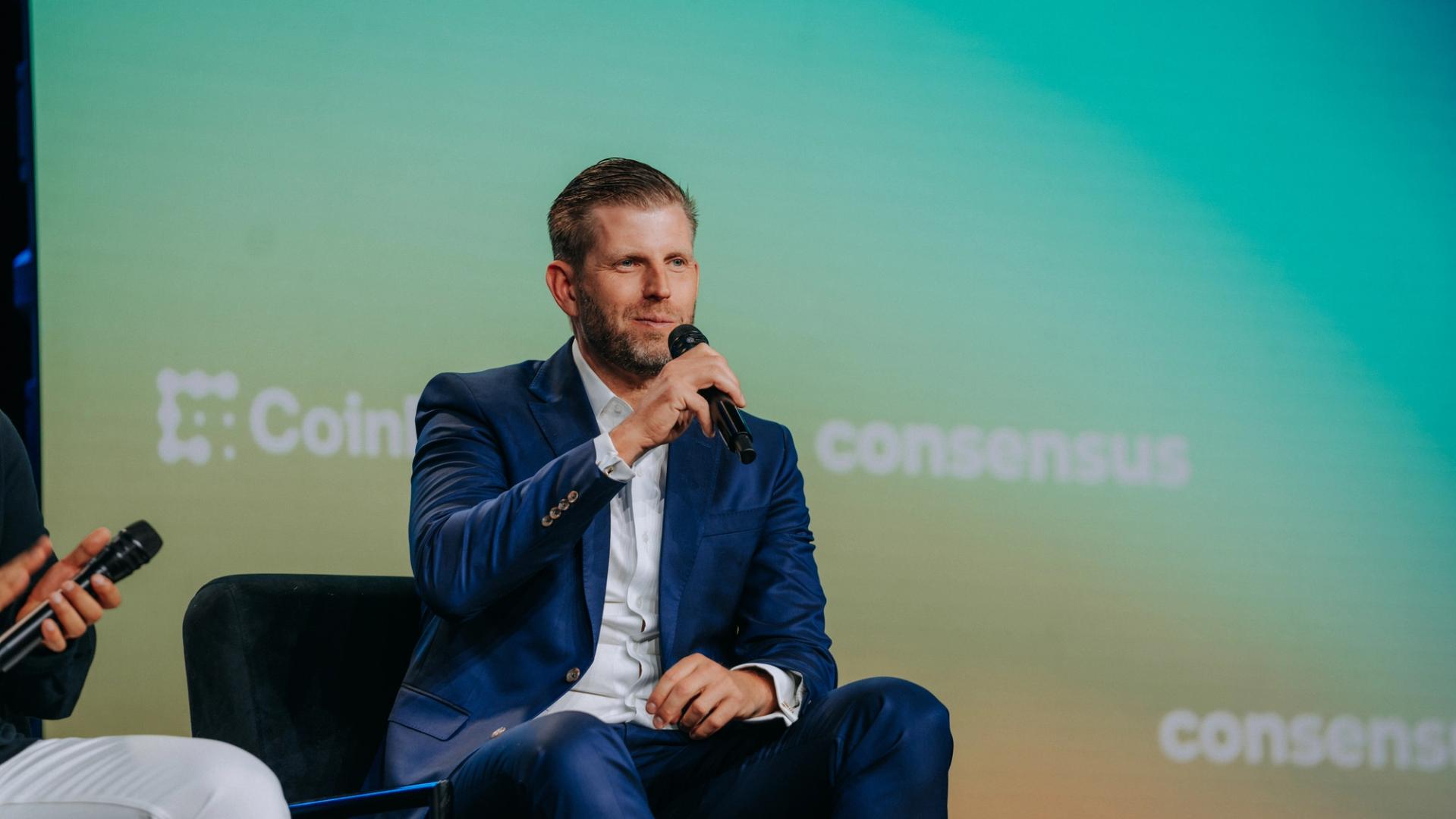
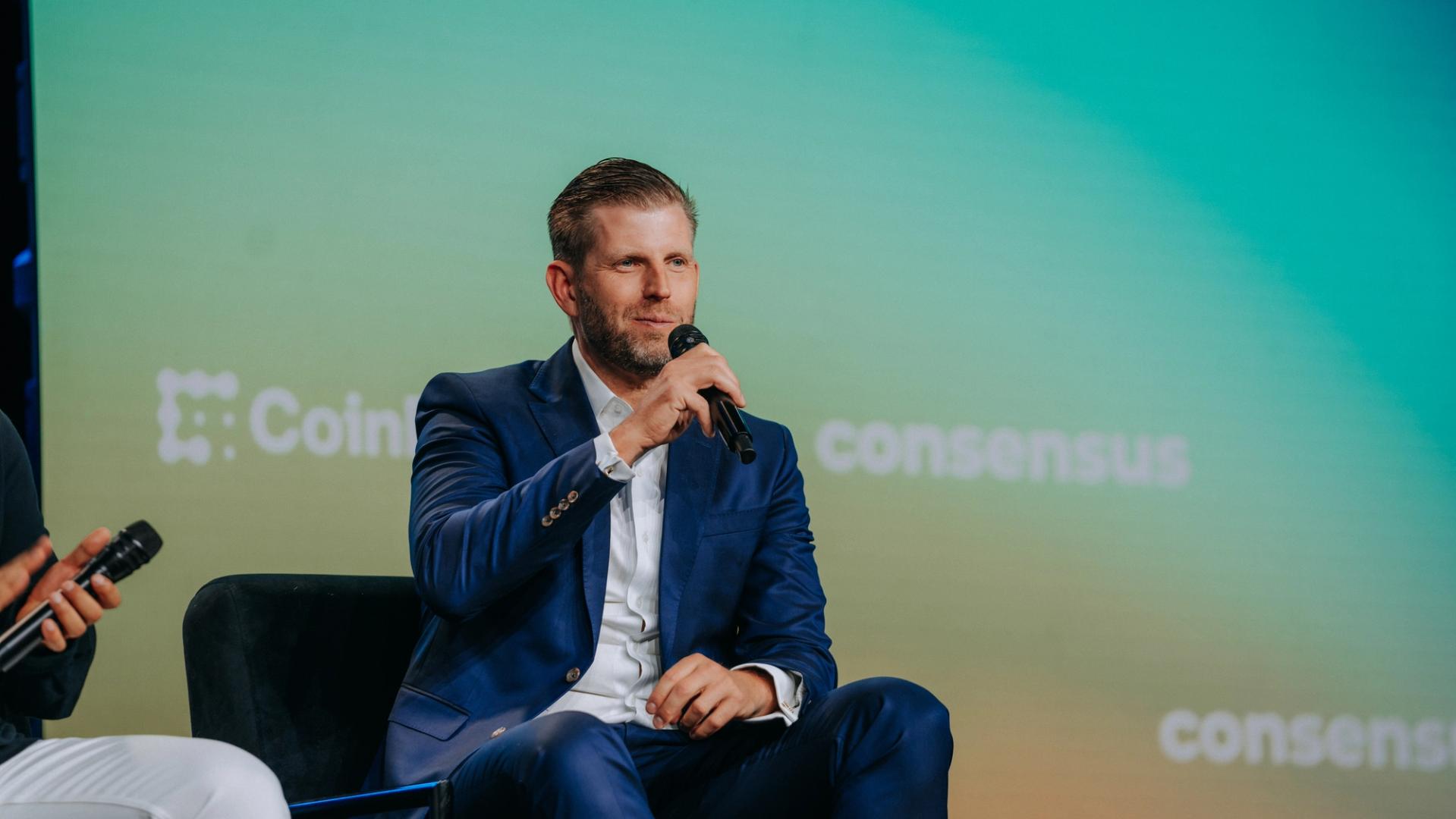
Las Vegas — Eric Trump took the stage at Bitcoin 2026 in Las Vegas with a message: the asset’s best days aren’t ahead, they’re already here.
The American Bitcoin (ABTC) co-founder and chief strategy officer declared that the convergence of institutional adoption, corporate treasuries, and mainstream financial access has made this bitcoin’s most important moment to date.
“What bitcoin has done in the last six months relative to the previous three years is transformational,” said Trump. “We are in the greatest period I’ve ever seen.”
Trump pointed to major banks now offering bitcoin-backed mortgages and custody services as evidence of a Wall Street reversal. “People are not selling it. People are holding it. Bitcoin is becoming sticky,” Trump said, adding that limited supply and growing demand from both institutions and sovereign governments are compressing the market structurally.
Moderator Eric Balchunas, Bloomberg’s senior ETF analyst, framed the shift through the lens of the ETF market, noting that bitcoin ETFs have been among the most successful product launches in the instrument’s history, democratizing access for everyday investors in a way previously reserved for institutions.
“I’ll ride out the volatility,” said Trump. “We’ll see who wins in a 10-year period of time.”

LG’s Wireless TVs are the first in the world to offer this feature

Were enormous octopuses apex predators in ancient oceans?

Donald Deibler: Building Community Through Business

Manchester United reach agreement with Casemiro over contract clause amid transfer speculation

US brings back mandatory military draft registration

Steven Gerrard disagrees with Gary Neville over ‘shock’ Chelsea and Arsenal claim | Football


-

 Tech2 days ago
Register Renaming | Hackaday
-

 Fashion5 days ago
Weekend Open Thread – Corporette.com
-
 Crypto World4 days ago
Hyperliquid $HYPE Rally Builds Momentum as AI Sector Enters Prove-It Phase
-

 Business6 days ago
Patterson-UTI Energy, Inc. (PTEN) Q1 2026 Earnings Call Transcript
-
 Sports3 days ago
IPL 2026: Ruturaj Gaikwad registers slowest fifty of the season, enters all-time unwanted list | Cricket News
-

 Politics2 days ago
Drax board avoid their own AGM, accused of greenwashing & environmental racism
-

 NewsBeat4 days ago
LK Bennett closes all stores after entering administration
-

 Crypto World5 days ago
Michael Saylor says BTC winter is over. Market analyst disagrees, says bitcoin was in a pullback
-
 Sports7 days ago
Tim Bradley names the current best in the world: “Better than Inoue and Usyk”
-

 Fashion22 hours ago
Kylie Jenner’s KHY Enters a New Era with ‘Born in LA’
-
Entertainment6 days ago
Michael B. Jordan and Austin Butler's “Miami Vice” movie will bring the action back to the '80s
-
 Entertainment4 days ago
Mariah Carey Slams Deposition Claims In Brother’s Lawsuit
-
Business7 days ago
Altimmune prices $225 million public offering at $3 per share
-
Entertainment6 days ago
Russell Brand Had Sex With 16 Year Old When He Was 30
-

 Business22 hours ago
Most Commercial Energy Audits Miss the Real Losses
-
Crypto World6 days ago
Is Algorand One of the Few Quantum-Resistant Blockchains? Here’s What the Data Shows
-
 NewsBeat6 days ago
Trump threatens to review UK’s claim to Falkland Islands and punish Nato allies over Iran war disagreement
-

 Business7 days ago
SL Green Realty: Dividend Cut And Record Leasing Fuel Their Potential Recovery
-

 Sports6 days ago
2026 NFL Draft tonight: Time, TV channel, where to watch, order
-

 Tech2 days ago
Images of Samsung’s rumored smart glasses have leaked
You must be logged in to post a comment Login