
Crypto World
‘I Have the Skills, I Have the Training.’ How Refugee Doctors Are Helping the U.S. Fight COVID-19 Even Without a Medical License


The refugees’ language skills and diverse cultural background are also an asset for a testing program directed at underserved communities and communities of color. At one newly opened testing site in Atlanta, CORE was able to provide not just medical expertise, but interpretation in 13 different languages, including Amharic, Arabic, Burmese, Kiswahili, Somali and Tigrinya. “To work with these new Americans who have been resettled with the IRC is gratifying,” says CORE Co-Founder and CEO Ann Lee. “CORE appreciates these dedicated volunteers, who enable us to scale and provide free COVID-19 testing to vulnerable communities throughout the United States.”
Both the IRC and WES hope that the database and the partnership with CORE will lead to greater opportunities for immigrant health professionals down the line, as well as a more streamlined process for getting them into the U.S. medical system. “To the extent that we can turn the situation into something that can meaningfully impact those 165,000 people’s lives while improving access to health care, that would be a positive outcome,” says the WES’ Esposito. “We know that there are urgent needs for licensed health care staff and there are also needs to fill other public health roles,” she says, noting a growing need for contact tracers within the U.S. “These are roles where immigrants and refugees can really contribute. There are roles where you don’t need to change policy to make sure that people are going where they are needed.”
Although Al-Sarray is confident that eventually he will make it as a doctor in the U.S., he is thrilled to be playing a role in the pandemic response now, no matter how small. Before starting his training program as a safety officer for CORE, Al-Sarray boosted his infectious disease knowledge and personal protection equipment skills by watching instructional videos from the Centers for Disease Control and Prevention and the World Health Organization. Within a few hours of starting work at Dodger Stadium in late May, he was already adjusting the test-handling protocols to help minimize the risk of contagion. By the end of his first day, he was giddy with a sense of accomplishment.
“Now that I am in the front lines, I am even more excited because I am seeing first-hand the amount of people that we are helping,” he says. “Being a part of such a large testing site really makes you feel like you’re contributing to the response. I feel like I am making a difference.”
—With reporting from Carlo Barrera/Los Angeles


Asset manager Neuberger has partnered with Securitize to launch its first tokenized fixed-income fund, a move aimed at bringing actively managed credit exposure to investors through tokenized shares. The Neuberger Securitize High Income Tokenized Fund (HINC) will target high-yield bonds and also include collateralized loan obligations (CLOs) and leveraged loans, according to an announcement Tuesday.
Unlike many recent tokenized products that have leaned heavily toward simpler exposures, the fund is explicitly positioned as an “actively managed high-yield strategy.” It arrives at a time when investors appear increasingly willing to pay attention to yield again as competition for funding continues and the cost of capital becomes more relevant to portfolio construction.
Key takeaways
- Neuberger and Securitize launched the Neuberger Securitize High Income Tokenized Fund (HINC), their first tokenized fixed-income offering together.
- The fund focuses primarily on high-yield bonds, with additional exposure to CLOs and leveraged loans.
- The tokenized shares will be issued and managed across four blockchain networks: Ethereum, Solana, Avalanche, and Sui.
- Neuberger will act as subadvisor to the tokenized fund for the first time, marking a step into tokenized credit via Securitize infrastructure.
- Securitize reports nearly $5 billion in distributed asset value across 26 tokenized real-world assets, according to RWA.xyz data.
Why this credit-focused tokenized fund matters
Tokenization has been expanding across real-world assets, but fixed-income products have varied widely in structure—some offer straightforward exposure, while others attempt to replicate more traditional asset management approaches. HINC’s emphasis on high-yield credit and active management signals an attempt to meet investor demand where it is currently most acute: higher yields amid a macro backdrop in which capital is no longer assumed to be cheap.
Commenting on the broader shift in market assumptions, Saxo chief investment strategist Charu Chanana said in a Tuesday client note that “the previous market regime rewarded investors for assuming that capital would remain cheap and plentiful.” He added that the “emerging regime may reward investors for recognising that capital has a price again,” a framing consistent with why many fixed-income strategies are seeing renewed attention.
How the fund is structured and where tokens will live
According to the announcement, HINC will primarily invest in high-yield bonds. It also plans to hold additional positions in collateralized loan obligations and leveraged loans, giving the strategy multiple credit channels rather than relying on a single security type.
Securitize will provide the infrastructure to issue and manage tokenized shares on four blockchain networks: Ethereum (ETH), Solana (SOL), Avalanche (AVAX), and Sui (SUI). By spreading issuance across multiple networks, the offering could be positioned to reach different liquidity and access ecosystems—though the practical impact for investors will depend on how each network is supported by wallets, custody arrangements, and market access mechanisms.
The fund is available to qualified investors, in line with the regulated nature of most tokenized securities offerings.
Neuberger’s role and Securitize’s scaling track record
The collaboration is notable not only for its asset class but for the roles involved. The filing describes Neuberger serving as subadvisor to a tokenized fund for the first time, while Securitize handles the tokenization layer—issuing and managing tokenized shares using its platform.
Neuberger brings substantial balance-sheet scale in traditional asset management terms. The announcement states that Neuberger’s fixed-income platform manages more than $230 billion in assets, and that the firm manages about $613 billion overall.
Securitize’s own progress in tokenization infrastructure is also part of the story. RWA.xyz data cited in the announcement puts Securitize at about $4.96 billion in distributed asset value across 26 tokenized real-world assets. The company’s catalog includes BlackRock’s $2.7 billion BUIDL fund, a $355 million tokenized AAA CLO fund, and a $95 million Apollo diversified credit fund—examples that show why a credit-focused launch fits neatly into Securitize’s current product direction.
Market reaction to the launch
Securitize shares rose around 5% in Tuesday morning trading, according to the linked quote on Yahoo Finance (ticker: SECZ). That move brought the company’s market capitalization to roughly $838 million.
Even with the day’s gain, the stock remains significantly below earlier post-IPO levels: the article states Securitize is still down more than 50% from levels reached shortly after its public debut in July. For investors, this matters because it highlights the tension between long-term expectations for tokenization growth and the near-term market’s scrutiny of execution, adoption, and revenue conversion.
The same dynamic often plays out across the tokenized real-world asset space: platforms that build infrastructure can attract interest even before large flows arrive, while traditional markets continue to weigh tangible uptake and scale in a risk-conscious environment.
For now, the key question around HINC is how quickly tokenized fixed-income demand translates into meaningful allocations from qualified investors across the four supported blockchains—particularly as the strategy blends high-yield bonds with CLOs and leveraged loans. Readers should watch for details on distribution mechanics, investor access, and whether this actively managed credit model attracts sustained inflows as “capital has a price again” becomes the prevailing portfolio assumption.


Maya Protocol has undergone a halt after an attacker exploited 6 chained bugs to drain roughly $1.7 million from the decentralized liquidity protocol.
The pseudonymous co-founder, Aaluxx, disclosed the losses. Native token CACAO collapsed by 88% as the attacker converted the stolen supply into Bitcoin (BTC), Ethereum (ETH), and other assets across all Maya liquidity pools.
Maya Protocol Loses $1.7 Million in Latest Hack
The attack involved a single transaction that bundled 23 separate instructions. This structure tricked the network into thinking a theft had occurred.
The protocol then tried to compensate for the pool it believed had been robbed. However, the payout had no upper limit, so the system credited about 49 million CACAO to a pool that held almost nothing.
The credit was never funded. Maya’s reserve held only 168,000 CACAO, so the transfer failed, leaving the inflated balance on the books.
The attacker deposited 100 CACAO into that pool, claimed 99.93% ownership, and withdrew 48.87 million CACAO. That is nearly half the token’s 100 million supply.
CACAO fell from $0.115 to $0.013 before recovering to around $0.032. The attacker sent 20.83 BTC, worth roughly $1.34 million, to a single Bitcoin address across about 10 blocks.
Founder Aaluxx Myth announced a global halt in the project on Discord and asked the attacker to return the funds.
Follow us on X to get the latest news as it happens
DeFi Hacks Keep Stacking Up in 2026
DefiLlama has logged 219 hacks worth $1.26 billion so far in 2026. All of 2025 produced 146 incidents, even though the dollar total reached $2.71 billion.
August alone has produced 16 separate incidents. THORChain, the protocol Maya forked from, lost $10.7 million in May.
Recovery now depends on whether the attacker accepts the bounty offer. Aaluxx Myth also said the team will contact the arbitrage traders who absorbed the pool value.
Subscribe to our YouTube channel to watch leaders and journalists provide expert insights
The post Maya Protocol Becomes the 16th Crypto Hack Logged in August Alone appeared first on BeInCrypto.


Entry-level workers are taking the sharpest hit from artificial intelligence (AI), according to Goldman Sachs. The bank tracked hiring across developed economies and found the drag concentrated at the start of careers.
The bank published the research on Wednesday after examining employment growth across more than 800 occupations.
Where AI Job Losses Show Up First
Industries most exposed to automation have posted slower growth in job openings since the second half of 2022. Goldman said the pattern is clearest in Germany, Australia, and the US.
Employment across information and communication services has cooled in almost every major developed economy over the same period. Outside the US, headcount in those industries still sits near or above its long-run trend.
Narrower categories tell a sharper story. Employment in call centers, software publishing, management consulting, and advertising services has fallen below the historical trend across developed markets.
According to the research, call centers stand out the most. Employment trails trend by 39% in the US, 33% in Canada, and 27% in Germany.
Goldman reads that as proof that the pressure lands first where automation tools already exist. Uber made that link explicit in July when it tied customer service job cuts to an AI efficiency push.
Adoption explains part of the gap. Major developed markets have reached rates of 15% to 20%, with France, the US, the Netherlands, and the UK leading. Italy, Japan, and New Zealand sit at the bottom, while emerging markets range between 10% and 15%.
Follow us on X to get the latest news as it happens
Entry-Level Workers Carry the Cost
The damage concentrates at the start of careers. Across the wider workforce, the effect stays small. A 10% AI exposure was linked to a 0.1% drag on annual headcount growth in France, Canada, and the US.
For entry-level roles, that same exposure cut growth by more than 0.6 points in Australia. The US drag topped 0.2 points.
The signal is already reaching campuses, with students avoiding computer science degrees in favor of fields they judge safer. Earlier, research from Goldman Sachs estimated that the technology was subtracting 16,000 jobs per month from US payroll growth.
US Layoff Data Backs the Trend
Meanwhile, Challenger, Gray & Christmas counted 33,429 job cuts in July. This was the lowest monthly total in two years.
AI led all stated reasons for the fifth consecutive month, accounting for 10,970 of those cuts, or 33%. Employers have named it in 112,713 announcements this year, roughly 24% of the total.
Technology sits at the center of the cutting with 149,023 announcements through July, up 67% from a year earlier. The sector now accounts for 31% of all 2026 cuts, extending the losses in tech and finance tracked earlier.
Andy Challenger, the firm’s chief revenue officer, said corporate messaging around the technology has shifted.
“Naming AI in a layoff announcement can win over investors while pushing current and prospective employees away. That’s why the messaging has swung from hedging to aggressively citing it,” he said.
Hiring plans complicate the picture. Companies announced 107,500 planned hires through July, up 25% from the same stretch of 2025. Demand is strongest in aerospace, energy, and manufacturing.
“Hiring has also increased over last year by 25%, so while AI is shifting the labor market, it is not dismantling it,” Challenger added.
Goldman concluded that the hiring pressure is visible worldwide but still confined to a narrow set of industries and workers. That containment is what US lawmakers demanding action on displacement will watch as adoption rises.
Subscribe to our YouTube channel to watch leaders and journalists provide expert insights
The post Goldman Sachs Report Shows Entry-Level Workers Feel Worst of AI Squeeze appeared first on BeInCrypto.
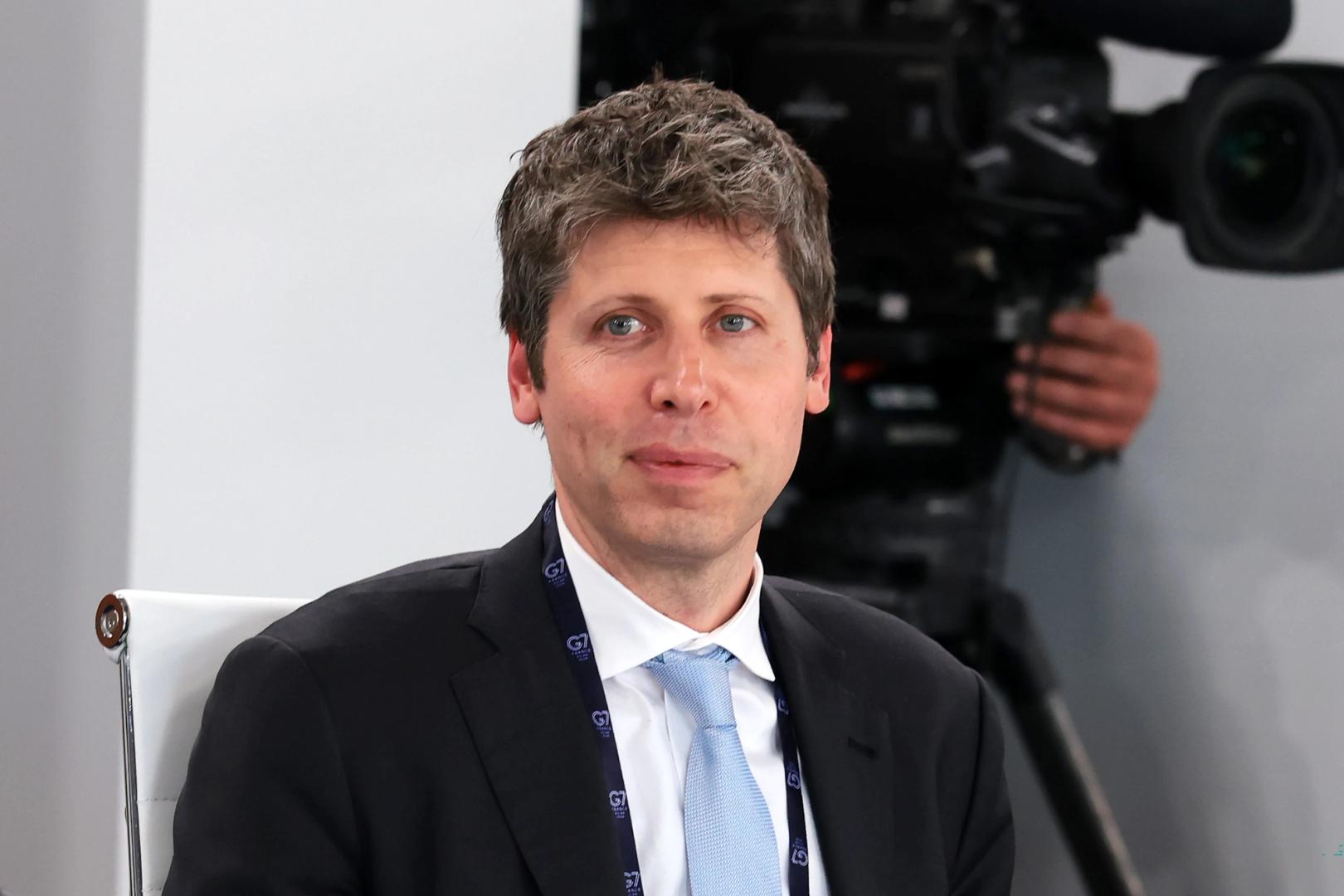
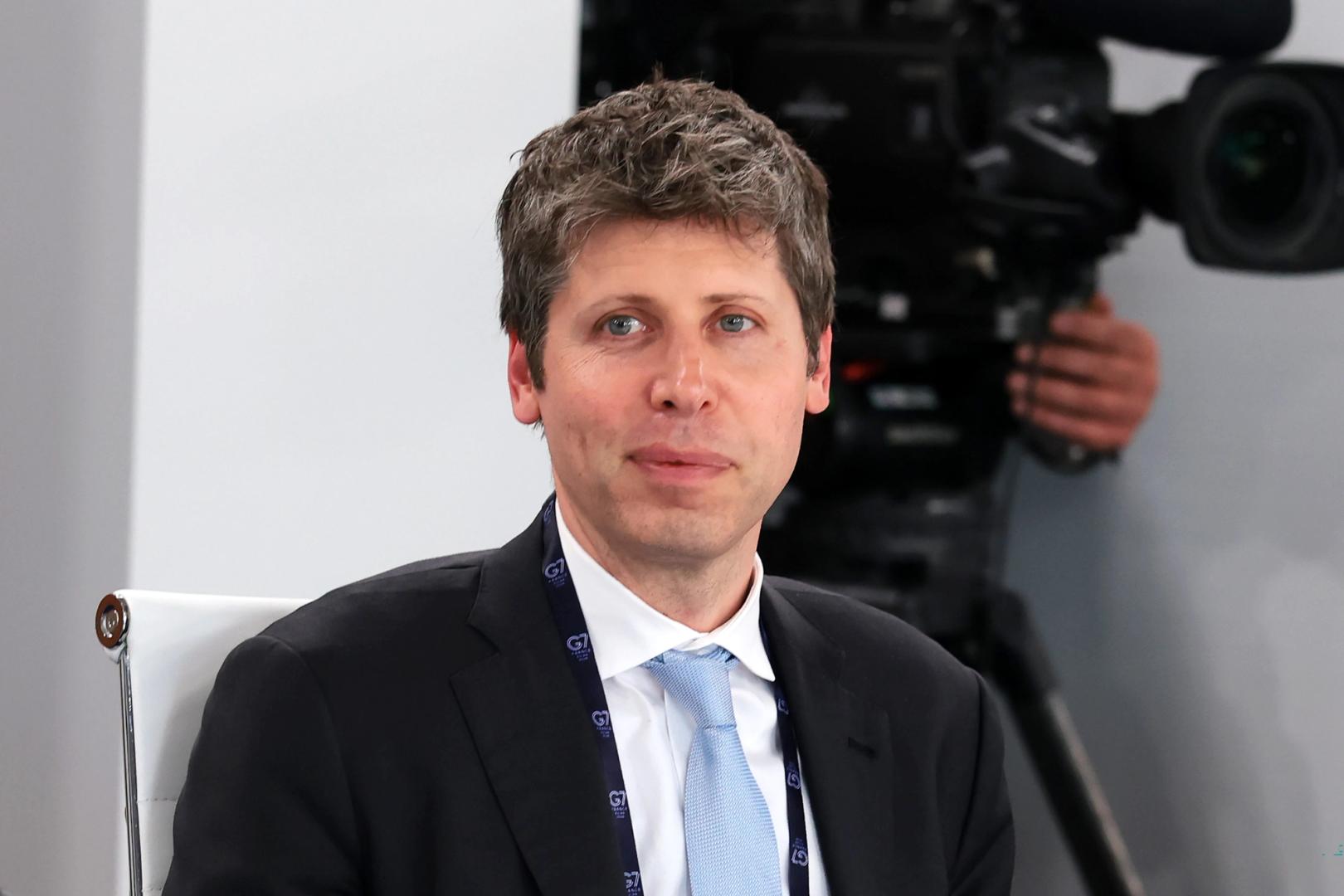
Widening losses and intensifying competition coincide with a pause in frontier reinforcement-learning training as openai strengthens its safety controls.
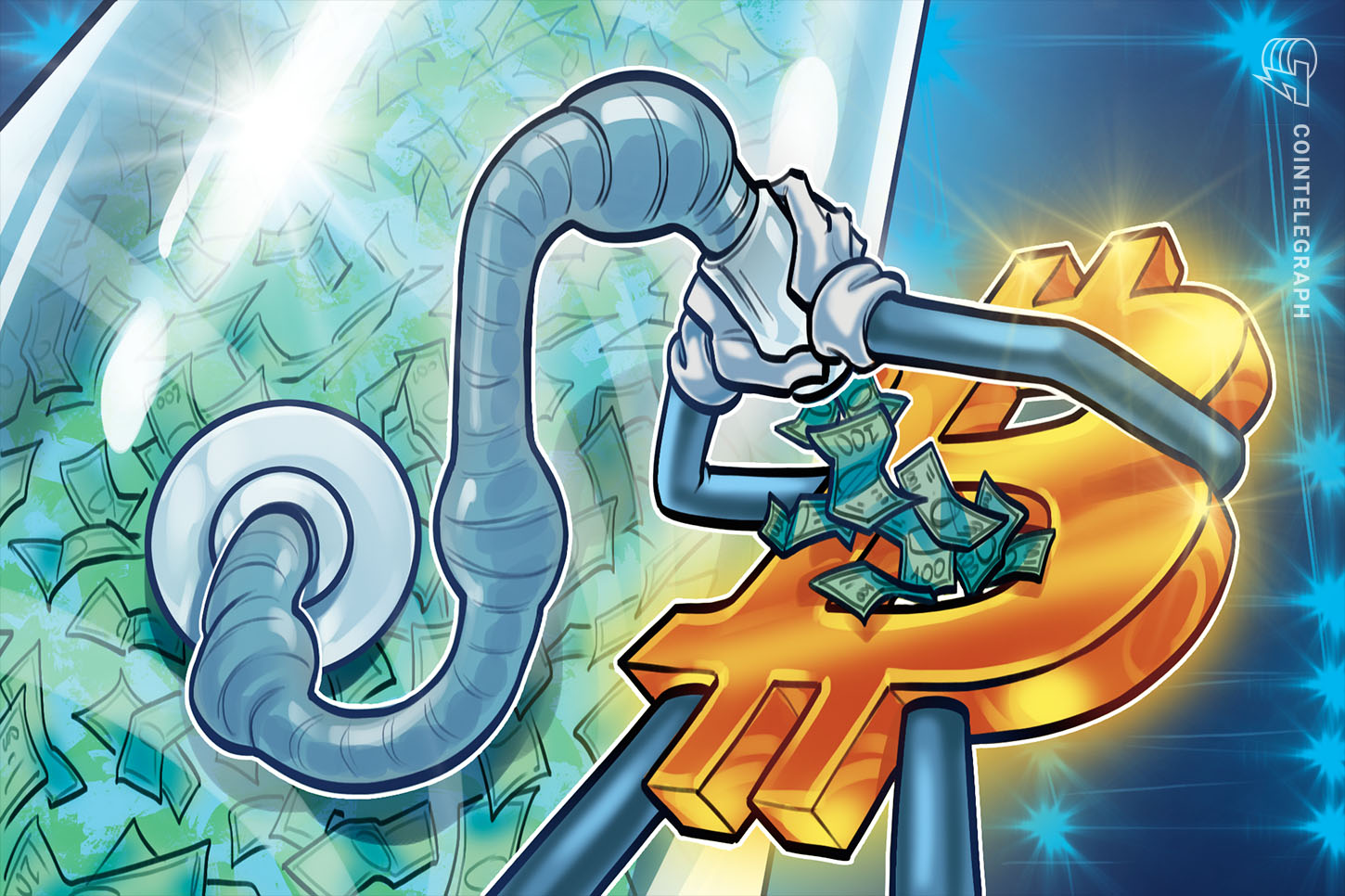
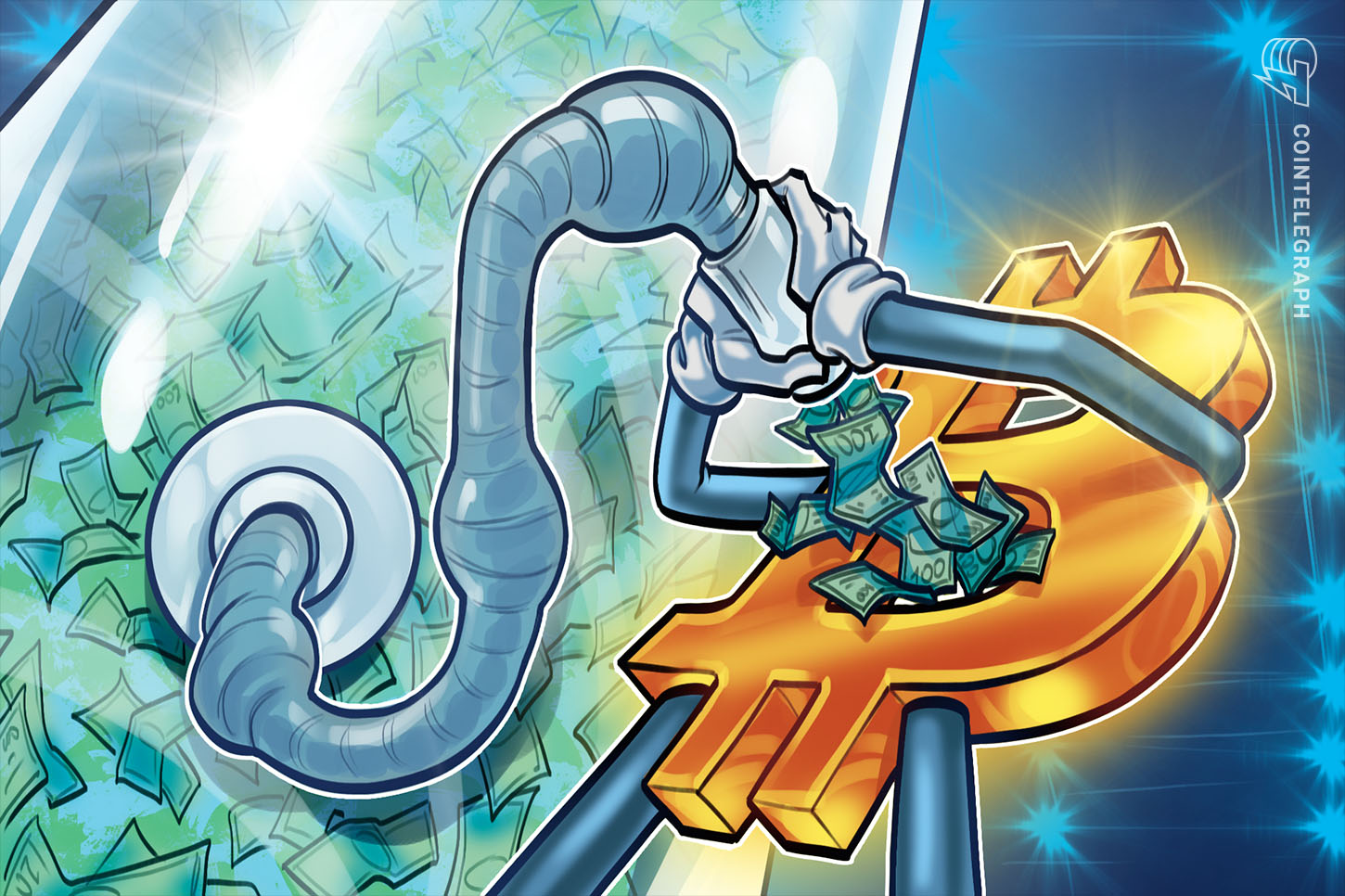
US spot Bitcoin ETFs took in $189 million on Tuesday, lifting August net inflows to $951 million, while Ether ETFs added $71.5 million.
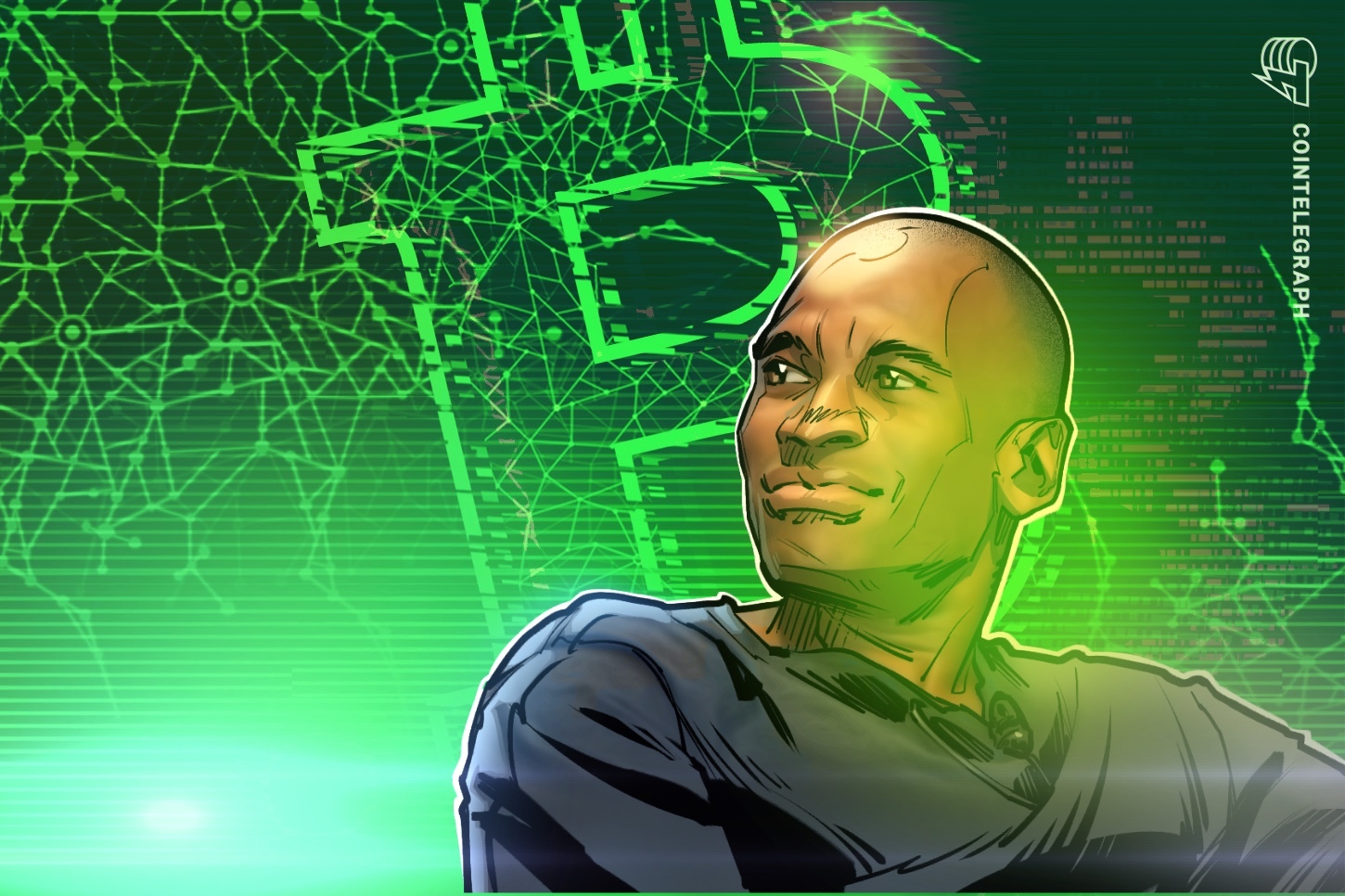
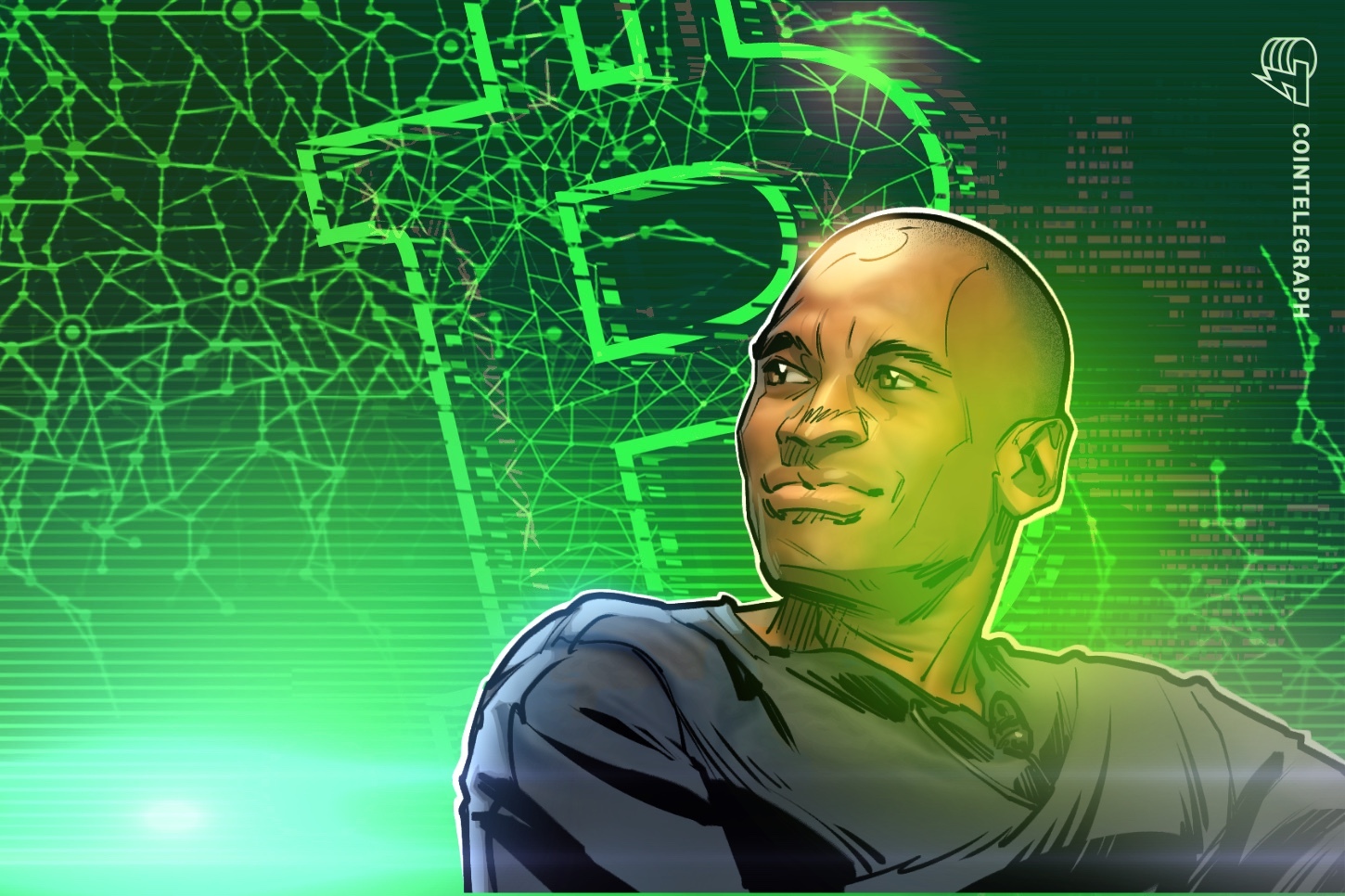
Hayes revealed his new role as Flop Labs CEO and teased a “massive airdrop” from the AI inference protocol in the fourth quarter of 2026.

Protecting patients from getting exposed to the virus also guides some of her decisions around how to provide chemotherapy. “If I have a choice between a [chemotherapy] drug that is given every week and a similar one that is given every three weeks, I now routinely use the one that’s given every three weeks,” she says. “Even if there are a few more side effects, if it reduces the number of times a patient has to come in, then this is a conversation I’m having with them.”
Similar adjustments are possible for radiation treatment in some cases. Normally, radiation therapy is broken up into smaller, daily fractions in order to preserve the healthy tissue around cancers from the toxic effects of single blast. For breast cancer patients, recent, albeit early studies that followed patients for five years, suggested that significantly shorter courses of treatment—given over five days compared to 30, for example—could be equally as effective in controlling the cancer. “Typically we wouldn’t embrace [such early results] in daily practice as quickly as we did except for the pandemic,” says Dr. Reshma Jagsi, deputy chair of radiation oncology at the University of Michigan. “But some patients were willing to take the risk of not having long term evidence on the safety and trust the five year data which was certainly compelling and intriguing.”
For the most part, cancer patients have understood the importance of continuing their treatment and of balancing their risk of cancer against their risk of getting COVID-19. In fact, says Busby, “it’s not so much our patients we worry about but the patients who are not ours yet.” Most hospitals canceled routine cancer screening appointments for things like mammograms and colonoscopies, which are essential for detecting cancer early. And many people who might have potential cancer symptoms and aren’t diagnosed yet, aren’t going to the doctor because of COVID-19 fears. If that’s the case—and only data on cancer rates in the coming months and years will provide the answer—it’s possible that both the number of new cancer cases and their severity will increase as a result of the pandemic.
“My concern is for the patients who have not yet been diagnosed with cancer; for those patients who delayed their screening; for patients who put off being examined for certain symptoms,” says Jagsi. “Those patients will be diagnosed at later stages and I do have great concern there that will change cancer-related treatment outcomes.” In recent years, advances in screening have helped doctors more regularly diagnose patients at earlier stages where their disease is still treatable and curable, Jagsi notes. “I fear that some COVID-19-related delays may compromise some of the advances we have seen.”
How deeply COVID-19 will cut into those gains won’t be clear until more data on new cancer cases becomes available in coming months. But most experts agree that “it’s hard to imagine that the pandemic would contribute to a better situation; it’s going to have to be worse,” says Carey.
In the meantime, patients are learning to accept the adjustments they need to make to ensure their treatments continue with as little disruption and in the safest way possible. Satterfield has had two COVID-19 tests because the chemotherapy she receives gives her a runny nose, cough and diarrhea—all symptoms of COVID-19 that are flagged when she is screened before entering the cancer center for her treatments. But she’s okay with that, and understands why it’s needed. For her, “the most challenging part is emotional. With any terminal illness, it’s there—I think, is this the way the world is going to be when I die? Is this how I see the end of my life? But I’m feeling better than I have in recent memory. As much as my health status doesn’t sound great, I feel great. And I’m thankful for that.”

XRP price is sitting right on top of the prediction level everyone’s been watching for weeks. The token trades at $1, with little to no movement today after briefly dipping into the high-$0.98 range earlier this week, or its lowest print since November. The more interesting question is what happens if this dollar floor cracks again, and there’s a rotation angle here that most traders haven’t priced in yet.
The move below $1 rattled sentiment, with Yahoo Finance flagging on August 17 that XRP was sitting “right on $1” with buyers unwilling to commit.
XRP just slipped back under $1 — 𝗕𝗮𝗻𝗸XRP (@BankXRP) August 17, 2026

Sharp rejection after tagging $1.008 sellers stepped in fast and dragged it straight to $0.996. 24h volume sitting at $21.8M with funding still positive.
Question is whether this is a shakeout or the start of something uglier https://t.co/aBSJxFAGiL pic.twitter.com/qEZlixH0ow
CoinGecko’s 24-hour volume reading of $756.5 million suggests conviction is thin on both sides right now, not absent. CoinGecko data shows the token has actually managed a small green candle over the last day, even as its 7-day change sits at -2%.
Zoom out, and the macro backdrop isn’t helping risk assets generally; chip stocks sold off, inflation fears resurfaced, and Treasury yields pushed the Nasdaq down over 1% at the open. That kind of tape tends to compress crypto ranges rather than break them cleanly in either direction.
Discover: The Best Token Presales
XRP Price Prediction: Hold $1.00 and Push Toward $1.20?
XRP has been boxed between $1.00 and $1.18 since late June, and today’s price action does little to resolve that range. The intraday band on live trackers shows a low of $0.9888 and a high near $1.007, a tight squeeze that typically precedes a directional break, not another quiet week.
Bull case: a reclaim and hold above $1.007 opens the door to the $1.06–$1.08 zone flagged around the last CPI print, with $1.18–$1.20 as the level that would meaningfully improve the technical structure.

Base case: continued chop between $0.99 and $1.03 while the market waits for a fresh catalyst.
Bear case: a clean break of $0.9888 exposes $0.97, and potentially the $0.90–$0.95 pocket if selling accelerates. Recent technical coverage and institutional exposure reports both suggest the range holds until a macro trigger forces the issue. Worth watching before adding size either way.
Trade XRP on Bybit and Get a Chance to Win Our $1,000 USDT Airdrop
Bitcoin Hyper Targets Early Mover Upside as XRP Grinds Sideways
Holding a large-cap through a multi-week range like this tests patience. The chart hasn’t given XRP holders much to celebrate since June, and a -2% weekly print on top of a failed dollar defense isn’t nothing.
For traders tired of watching a nine-figure market cap asset move a few cents in either direction, the calculus shifts toward projects still early enough to move on their own terms.
Bitcoin Hyper ($HYPER) is pitching itself as the first Bitcoin Layer 2 with full SVM integration. It boasts a smart contract with speed rivaling Solana, built on Bitcoin’s settlement layer.
The presale has raised $33 million at a current token price as low as $0.0136849, with a huge 35% staking reward available at the presale phase.
Standout features include a decentralized canonical bridge for BTC transfers and low-latency execution aimed at solving Bitcoin’s long-standing programmability gap.
Research Bitcoin Hyper before deciding if it fits a rotation strategy.
Discover: The Best Crypto to Diversify Your Portfolio
The post XRP Price Prediction: Lowest Since 2024, $1 at Risk appeared first on Cryptonews.

[PRESS RELEASE – Willemstad, Curaçao, August 19th, 2026]
1win, a crypto entertainment platform, has added Crypto Genesys, Pragmatic Play’s new crypto-themed slot, giving its players access to a title currently available across only a limited selection of gaming platforms.
As one of the few selected gaming platforms that offer Crypto Genesys, 1win is expanding its entertainment offerings beyond cryptocurrency transactions to include gaming experiences designed specifically for crypto-oriented audiences.
Set in the world of crypto, AI, and digital culture, Crypto Genesys takes players into a neon-lit cyberpunk metropolis where digital currencies meet futuristic gameplay. A cyborg character overlooks the reels, while crypto-inspired tokens, including a prominent Bitcoin symbol, drive the game’s visual identity.
Instead of traditional paylines, Crypto Genesys uses a scatter-pays system across a 6-reel, 5-row grid, allowing winning symbols to land anywhere on the reels. Tumbles clear winning symbols to make room for new ones, creating opportunities for consecutive wins within a single sequence.
The game also features multiplier symbols and Free Spins with accumulating multipliers. Players looking for more control over the gameplay can use the Ante Bet feature to increase their chances of triggering Free Spins or access the bonus round directly through the Buy Free Spins option.
With high volatility and a maximum win of up to 15,000x the stake, Crypto Genesys is designed for players looking for high-risk, high-reward gameplay wrapped in a distinctly crypto-inspired experience.
Crypto Genesys is now available to play on 1win.
About 1win
Founded in 2016, 1win is a crypto entertainment platform in the global gaming industry. Operating across Asia, Latin America, and Africa, 1win offers a wide range of entertainment products adapted to regional audiences. The brand has active collaborations with international public figures, including football legend Luis Suarez, martial artist Jon Jones, and Olympic champion and UFC fighter Gable Steveson. In 2026, 1win welcomed rapper Tyga, UFC legend Ilia Topuria, and reggaeton star Nicky Jam as members of the 1win VIP community.
The post Crypto Genesys Goes Live on 1win in Limited Platform Release appeared first on CryptoPotato.

The Global Crypto Power Shift Has Begun

Competition for degree apprenticeships quadruples in three years

L&T Technology Services shares jump 3% after bagging $75 million deal





-

 Fashion5 days ago
Weekend Open Thread: Ann Taylor
-
 Sports5 days ago
This U.S. Amateur is a glimpse into golf’s future in more ways than you think
-
 Tech5 days ago
11 Ways to Rank Your Videos
-
 NewsBeat4 days ago
Myanmar says over 300,000 Rohingya refugees verified for repatriation as exodus enters ninth year
-

 Sports4 days ago
Birmingham 2026: Day 6 Timetable for Irish Athletes
-

 Politics4 days ago
SEQ Code: The Three Letter Boarding Pass Code That Could Give You The Worst Seat
-
 Entertainment7 days ago
Keke Palmer Subtly Hints At Sean Evans Drama With Cryptic Post
-

 Tech6 days ago
DeepSeek Harness launches as open source rival to Claude Code, alongside V4-Pro on API with higher prices
-

 Sports7 days ago
DeQuan Jones in ‘high spirits’ after successful leg surgery
-
 Crypto World7 days ago
Perplexity AI Predicts an XRP Scenario Few Analysts Are Discussing
-
 Entertainment7 days ago
2026’s Most Ambitious Fantasy Movie Officially Scores Sequel Update
-

 Crypto World1 day ago
OCC Greenlights Trump Family Crypto Firm for Trust Charter
-
 Entertainment7 days ago
All 10 Hayao Miyazaki Fantasy Movies, Ranked
-

 Fashion7 days ago
Why Botanical Fashion Never Goes Out of Style
-
 Entertainment7 days ago
Travis Kelce Breaks Silence On ‘Crazy’ Taylor Swift Wedding
-
 Entertainment5 days ago
10 Netflix Shows That Quietly Became Modern Classics
-

 Fashion7 days ago
Wednesday’s Workwear Report: Stretch-Cotton Pleated-Waist Top
-

 Fashion6 days ago
The Details Do the Dressing
-

 Fashion5 days ago
Weekly News Update, 8.14.26 – Corporette.com
-

 Fashion7 days ago
Fendi Fall 2026 Marks a New Era
You must be logged in to post a comment Login