

Crypto World
Kalshi teams up with StarCompliance to track employee prediction market trades



Prediction market platform Kalshi has partnered with StarCompliance to give financial institutions real-time visibility into employee trading activity as it expands efforts to address insider trading concerns and attract institutional participants.
Summary
- Kalshi has partnered with StarCompliance to give financial firms real time monitoring of employee prediction market trades.
- Employees at participating firms will be required to link their Kalshi accounts, allowing compliance teams to flag suspicious activity.
- The agreement follows Kalshi’s recent compliance push, which included employer disclosures, market risk reviews, and more than 100 blocked insider trading attempts in Q1 2026.
According to a Barron’s report, employees at firms using StarCompliance will be able to link their Kalshi accounts to compliance systems that monitor trades and flag potentially suspicious activity.
The arrangement allows employers to oversee prediction market participation in much the same way they already supervise employee trading in stocks and derivatives.
The partnership comes days after Kalshi introduced new compliance controls across its platform, including employer disclosure requirements for traders participating in markets considered more vulnerable to insider trading.
Earlier this month, the company said it had conducted more than 150 investigations, blocked over 100 suspected insider-trading attempts, and referred 20 cases to law enforcement during the first quarter of 2026.
According to the companies, financial institutions face new risks as prediction markets become more popular because employees may attempt to profit from material nonpublic information through event-based contracts.
StarCompliance said its software will help firms monitor activity on Kalshi and enforce internal compliance policies.
Explaining how the system works, Kelvin Dickenson, chief product officer at StarCompliance, said firms can permit employee participation while requiring account disclosure.
Dickenson said the framework allows employers to tell staff, “You can engage in this activity, but in order to engage in this activity you have to disclose your accounts to me.”
For now, the arrangement focuses on monitoring transactions after accounts are connected. Dickenson told Barron’s that additional controls could be introduced later if clients request them, including requirements for employees to obtain approval before placing prediction market trades.
Compliance measures expand as institutional interest grows
Recent moves suggest Kalshi is putting compliance infrastructure at the center of its push into traditional finance.
Speaking to Barron’s, Max Crowley, vice president of business development at Kalshi, said the company is “obsessed with compliance” and described strong monitoring systems as a basic requirement for working with major financial institutions.
Crowley said the StarCompliance integration emerged after discussions with a large New York hedge fund that wanted to hedge risk through a Kalshi institutional account but could not participate because the platform lacked a StarCompliance connection.
Recalling the conversation, Crowley said the fund’s response was, “You don’t have an integration with StarCompliance.”
The latest announcement follows several steps Kalshi has taken to strengthen oversight. Alongside employer disclosures for higher-risk markets, the company recently launched a whistleblower reporting channel and introduced a risk-scoring process for every proposed market before listing.
Pressure on prediction markets has intensified following a series of alleged insider-trading cases across the sector.
Earlier this month, NPR reported that the U.S. Department of Justice and the Commodity Futures Trading Commission were investigating former U.S. Representative George Santos after Kalshi detected suspicious trading tied to a market involving President Donald Trump’s State of the Union address.
The company froze the account and referred the matter to authorities, according to NPR.
Federal prosecutors have also pursued separate cases involving trading activity on prediction market platform Polymarket.
One case involved a U.S. Army Special Forces soldier accused of using classified information to place trades related to former Venezuelan President Nicolás Maduro, while another involved a Google software engineer accused of using confidential company information to trade Google-related contracts.



WEMIX confirmed that an attacker took control of owner privileges linked to its WEMIX$ stablecoin contract on July 26.
Summary
- Compromised owner privileges allowed an attacker to mint approximately 5.23 million new WEMIX$ without authorization.
- WEMIX suspended bridges, liquidity pools and related services while exchanges traced and froze suspect funds.
- The incident follows WEMIX’s 2025 bridge hack and comes during its transition toward USDC.e services.
The access allowed the attacker to create tokens without approval and move assets through several blockchain networks. An early Korean report valued the abnormal issuance and transfers at about $6.25 million. A later WEMIX update gave a more detailed figure of roughly 5.23 million WEMIX$ minted.
The company said the incident began at about 9:17 UTC, or 6:17 p.m. in South Korea. WEMIX identified suspected attacker wallets and asked exchanges and stablecoin issuers to help freeze the assets. It also started tracing the transactions with blockchain security companies. The cause of the owner-privilege compromise remains under investigation, and WEMIX warned that its initial figures may change.
Attacker converts minted WEMIX$ into other assets
According to WEMIX’s official incident update, the attacker issued about 5,225,525 WEMIX$ without permission. The attacker then converted the tokens into 30,736 WEMIX and 724,198.27 USDC.e. This official breakdown differs from the first $6.25 million estimate, which covered the wider abnormal issuance and movement reported on-chain.
The attacker bridged USDC.e to Ethereum and BNB Smart Chain before swapping parts of the funds into assets including ETH and USDT. Some assets also reached centralised exchanges. WEMIX said several exchanges had frozen linked addresses after receiving requests for help. However, the company has not named those exchanges or stated how much money remains frozen, recoverable or under attacker control.
The company has not said whether ordinary user balances were directly affected. It also has not published a full list of compromised contracts, transaction hashes or recovery amounts. Those details matter because the nominal value of tokens created does not equal the amount successfully converted and removed. WEMIX said its review now continues across several networks.
WEMIX suspends bridges and affected services
WEMIX temporarily stopped all bridges connected to the WEMIX3.0 network. The suspension covered Chainlink CCIP and the PLAY Bridge. The company also paused trading in affected liquidity pools, removed foundation-provided liquidity and stopped the WEMIX$ Module and PNIX decentralised exchange. These steps aimed to block additional transfers while the team reviewed contract permissions and related systems.
In its first notice, WEMIX said it had confirmed abnormal transactions and was “currently analysing the cause of the incident and taking emergency measures.” The company said it would publish more findings as investigators confirm them. It also asked users to rely on official channels instead of unverified posts. WEMIX may contact law enforcement agencies if tracing work identifies evidence that requires formal action.
Stablecoin loses peg during planned USDC.e transition
WEMIX$ was designed to track the U.S. dollar on the WEMIX3.0 network. CoinGecko data showed the stablecoin falling close to its recorded low after the breach, with a weekly decline of about 98.9%. The price move followed the unauthorised minting and rapid conversion of newly created tokens, although the final financial loss remains separate from the amount minted.
The incident came while WEMIX was already replacing WEMIX$ with USDC.e across its gaming and financial services. In March, the company announced that WEMIX PLAY would change its base currency from WEMIX$ to USDC.e. It scheduled the main service transition for April and began closing or reorganising older WEMIX$ pools. The breached contract therefore belonged to a stablecoin system already moving toward reduced use.
New breach follows the 2025 Play Bridge hack
The latest event follows a separate WEMIX security breach in February 2025. As crypto.news previously reported, attackers removed about 8.6 million WEMIX tokens, then worth roughly $6.04 million, from the Play Bridge Vault. WEMIX shut the affected server and reported the case to the Seoul Metropolitan Police Agency’s cyber investigation unit.
That earlier incident also led to criticism because WEMIX disclosed it several days after discovering the breach. South Korea’s major exchanges later delisted WEMIX in June 2025. As related crypto.news coverage noted, Upbit, Bithumb, Coinone, Korbit and Gopax coordinated the action through the Digital Asset Exchange Alliance. The new contract breach occurred as the project approached the period when a future domestic relisting application could become possible.
WEMIX has not released a final attack report, named the source of the stolen owner credentials or confirmed the total unrecovered loss. Its latest response focuses on wallet tracing, service suspensions, asset-freeze requests and contract analysis. Further notices are expected to clarify whether the attacker exploited code, obtained a private key or accessed an internal account with contract-control rights.

Senator Cynthia Lummis says the Clarity Act shuts financial gaps that North Korea’s Lazarus Group exploits for stolen funds. She argues the bill gives Treasury new sanctions tools and a legal shield for exchanges that freeze suspicious funds.
The Digital Asset Market Clarity Act is the crypto industry’s core market-structure bill. It cleared the House in 2025 and a Senate committee this year, but still awaits a full floor vote.
Where the Bill Stands
The bill, formally H.R. 3633, passed the House in earlier this month with bipartisan support. The Senate Banking Committee advanced it in May, then Senate Republicans released a merged draft on July 22 that adds ethics rules and illicit-finance language.
Lummis has pointed to three specific sections to counter such critics. Senator Elizabeth Warren, for instance, calls the bill a sanctions loophole.
Section 201 applies Bank Secrecy Act (BSA) and anti-money-laundering (AML) rules to crypto firms. Section 303 adds sanctions authority aimed at Iran. Section 305 lets exchanges freeze funds tied to suspicious activity, provided they cooperate with law enforcement.
Senate Majority Leader John Thune said Thursday he does not expect a final vote before the August recess. He still wants floor debate to begin. Republicans hold 53 seats and need roughly seven Democratic votes to reach the 60-vote threshold.
Polymarket traders now price 2026 passage at roughly 33% to 37%, down from above 80% in February. A slipped vote pushes the bill toward a midterm-election calendar, where floor time and political appetite both shrink.
Lazarus’ History of Billion-Dollar Heists
Lazarus Group has used crypto theft to fund North Korea’s weapons programs for years. The group stole roughly $625 million from the Ronin Bridge in 2022, which powers the game Axie Infinity. It stole another $1.5 billion from Bybit in February 2025, the largest crypto heist on record.
Treasury estimates Lazarus has taken at least $3.4 billion in crypto since 2007. Hackers have also posed as remote IT workers to infiltrate crypto firms directly.
What Happens Next
Industry groups continue pressing for a vote before recess. Democratic holdouts, however, want firmer ethics language on officials’ crypto holdings before committing support.
Lummis has framed the illicit-finance provisions as a response to real threats, not a talking point. Whether that wins over holdouts, or the bill slides into September, may decide if Congress passes crypto rules in 2026.
The post Lummis Says Clarity Act Will Aid in Crypto Sanctions Against Lazarus Group appeared first on BeInCrypto.
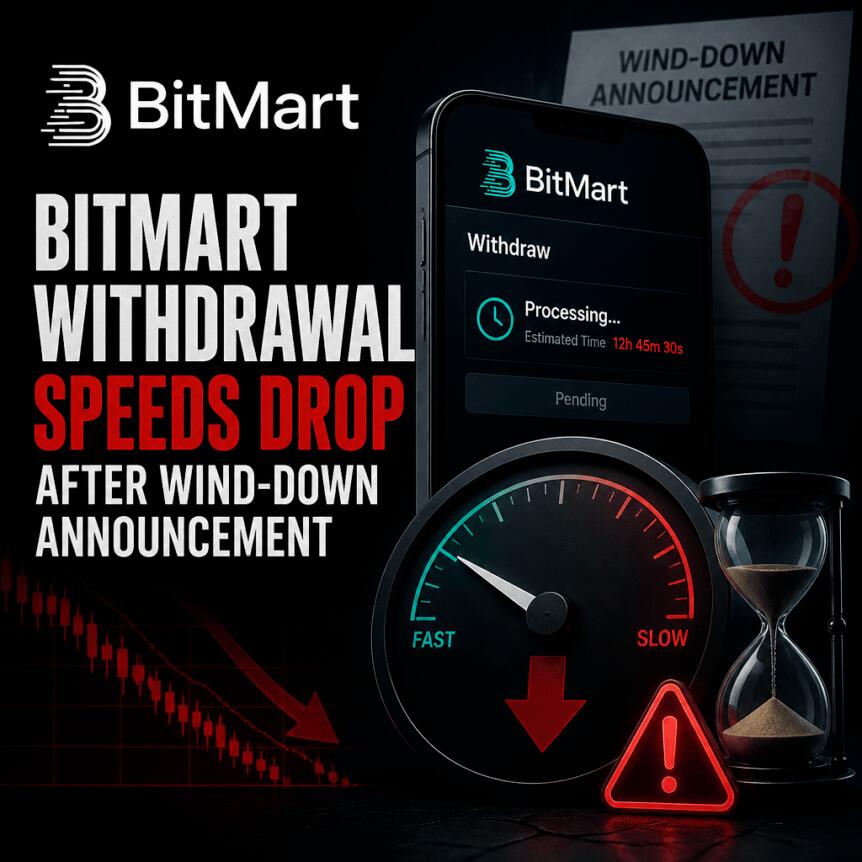
BitMart’s planned wind-down is starting to show up in customer withdrawal behavior, according to blockchain monitoring and ongoing user reports. While withdrawals remain available, analytics tracking suggests activity has slowed sharply after the exchange moved toward ending services.
On Monday, Lookonchain reported that only 58 wallets withdrew roughly $805,000 over more than 24 hours, and that BitMart had not processed any withdrawals during the most recent eight-hour window the firm tracked. Separately, multiple users on X described delays or inconsistencies with withdrawal processing, though the claims could not be independently verified.
Key takeaways
- Lookonchain data indicates withdrawal activity from BitMart slowed to near-zero during at least one tracked eight-hour period.
- Users on X reported withdrawal freezes and transactions marked as completed without clear on-chain processing, but these reports were not verified.
- BitMart has said withdrawals will continue, though requests may undergo additional compliance and security checks.
- BitMart’s closure schedule remains under focus: trading is set to end Aug. 26, with full cessation expected by Jan. 31, 2027.
- BitMart’s token (BMX) continued to fall after the shutdown announcement, reflecting deteriorating market sentiment.
Withdrawal activity appears to stall as wind-down proceeds
Lookonchain’s Monday update framed the slowdown through wallet-level monitoring, with 58 wallets withdrawing about $805,000 over a little more than a day. The same report said BitMart did not process withdrawals during the latest eight-hour segment it analyzed, suggesting operational throttling or slower throughput during the wind-down transition.
Beyond the analytics snapshot, social media users continued to post about withdrawal issues. One X user said they received an email claiming a USDT withdrawal had been completed, while their account still showed an “on-chain withdrawal freeze” and the transaction was not processed on-chain. Another user claimed a $30 test withdrawal remained pending for more than 30 minutes. These accounts were presented as individual experiences and were not confirmed by independent evidence in the reporting.
For customers, the practical question is whether BitMart can convert “orderly wind-down” promises into consistently processed outflows. Even when withdrawals remain technically enabled, delays can intensify concern—especially if customers suspect internal holds, address checks, or longer verification queues than before.
BitMart says withdrawals remain available, but checks may tighten
BitMart previously told customers that withdrawals would still be supported while operations unwind. However, it warned that withdrawal requests could face additional compliance and security controls. The exchange’s notice indicated that review processes may include checks of customer identity details, login devices, withdrawal addresses, trading history, and sources of funds.
BitMart also suggested it might request further proof, including identity verification, confirmation of address details, evidence relating to the source of funds, and—where relevant—ownership of the receiving wallet. That framework matters because it points to a mechanism for why withdrawals could appear slower even if the exchange intends to process them eventually.
Cointelegraph attempted to obtain comments from BitMart but did not receive a response before publication. That leaves customers and observers reliant on the exchange’s published guidance, third-party tracking, and user reports to gauge whether checks are running normally or becoming a bottleneck.
Trading ends in stages; platform closure timetable remains the same
The withdrawal scrutiny comes after BitMart announced a staged exit from its business. In its Sunday update, the exchange said it would stop accepting new registrations and deposits, while restricting new spot orders and futures positions.
According to the schedule outlined at the time, trading services are expected to end on Aug. 26. The exchange also stated that the platform will cease operations entirely on Jan. 31, 2027. This longer runway means BitMart’s ability to keep customer exits working—especially during the period leading up to Aug. 26—may be one of the clearest near-term signals of how smoothly it intends to handle assets.
As the wind-down progresses, blockchain visibility adds another layer to the story. Arkham, via its entity explorer, attributed about $69 million in crypto assets to BitMart-linked wallets on Monday, down from roughly $102 million on July 6. While wallet attribution does not automatically confirm which assets remain available to customers at any given moment, the trend is consistent with gradual movements and reallocations during the closure process.
BMX token slumps; acquisition questions return
BitMart’s token performance has also reflected mounting concerns around exchange risk. CoinGecko data showed BMX trading near $0.057 on Monday and down about 81.5% over seven days. Earlier in the week, the token was reportedly around $0.31 late Friday after BitMart’s shutdown plans became public.
Token declines during an exchange wind-down are common, but the magnitude can indicate how aggressively traders are repricing uncertainty around liquidity, support, and distribution mechanics during cessation. For tokenholders and observers, it also underscores the market’s expectation that the transition will not be smooth for all participants.
The closure has revived questions about consolidation in centralized exchanges. Changpeng Zhao, Binance co-founder, commented on X that acquiring a centralized exchange can be more complicated than buying other businesses. He argued that buyers could inherit security vulnerabilities, including backdoors left by prior teams, adding that acquisitions are possible but require greater scrutiny.
In that context, BitMart’s winding down may affect how potential acquirers evaluate operational continuity, customer asset handling processes, and technical risk. Even where an acquisition is feasible on paper, the practical challenges of verifying controls and safeguarding assets can be substantial—especially for platforms already reducing activity and limiting new access.
Looking ahead, customers and market participants should watch whether withdrawal processing returns to steady throughput as checks are completed and whether third-party monitoring shows sustained transaction activity rather than intermittent gaps. Until BitMart demonstrates consistent outflows across different assets and user reports, uncertainty around the final stages of the wind-down is likely to remain a central issue.

The co-founder of BitMEX, which recently announced its upcoming closure, continues with his substantial Ethereum purchases as the asset has suddenly become a fan favorite.
ETH has gained momentum over the past few weeks, trading close to $2,000 for the first time in months. Naturally, big price predictions have started to reemerge.
Hayes Adds More
Arthur Hayes has demonstrated a slightly controversial behavior toward the largest altcoin in the past month or so. As reported just a few weeks ago, he disposed of his entire stash for more than $10 million at average prices of under $1,700. The problem was that he accumulated this fortune at prices of over $1,900.
Once the cryptocurrency rebounded and flew past $1,900 later in the month, Hayes started to reaccumulate. Data from Lookonchain shows that he has spent roughly $7.5 million since July 15 to purchase a total of 3,915 ETH.
The latest buy came hours ago, in which he splashed $1.2 million to add 645 tokens to his stash. Interestingly, his average accumulation price is still just over $1,900 per ETH.
Arthur Hayes(@CryptoHayes) bought another 645 $ETH ($1.2M) 9 hours ago.
Since July 15, Arthur Hayes has bought a total of 3,915 $ETH ($7.47M) at an average price of $1,909 and is now down ~$113K.https://t.co/gau6egd7Vm pic.twitter.com/920H4QhaHe
— Lookonchain (@lookonchain) July 26, 2026
$4K ETH?
Doctor Profit is a popular crypto analyst who nailed some of the recent corrections, including the big crash from $126,000. Now, though, he appears to have changed his tune, becoming a lot more bullish on the entire industry. Interestingly, his bullish outlook has translated mostly to Ethereum.
In a post from earlier today, he explained that ETH has become a larger portion of his crypto portfolio than BTC for the first time ever.
“In previous cycles, ETH represented only around 10% of my BTC and ETH portfolio. Last week, I increased it to 20%. Today, I am raising it to 60%. Read that again: for the first time in my entire trading history, I will hold more Ethereum than Bitcoin for this cycle.”
His full explanation of why will be “shared in the right moment.” However, in another post, he predicted that the largest altcoin can rally to $4,000, which has propelled this “extreme” bet on ETH.
$ETH: Who is ready for $4000 ?
For the first time, I bet EXTREME on ETH pic.twitter.com/wbHC9UbsMh
— Doctor Profit
(@DrProfitCrypto) July 26, 2026
The post Arthur Hayes Bets Even Bigger on Ethereum as $4K Calls Grow Louder appeared first on CryptoPotato.
The stablecoin payments company said client funds were unaffected and that the financial impact would be absorbed through its treasury reserves.


Changpeng Zhao (CZ), Binance’s co-founder, told his X followers that they cannot build wealth without understanding Dollar-Cost Averaging (DCA), a basic financial term he said too many crypto investors ignore.
The comment followed a question CZ posted two days earlier, asking whether bull or bear markets offer better entry points for long-term holding. His answer favored a simpler, disciplined approach over market timing.
Why CZ Raised the Timing Question
CZ posed the original question on July 24, asking followers directly whether bull or bear conditions suit long-term investors better. The post drew over 1.8 million views within two days, showing how often newer investors ask this exact question.
Crypto markets swung sharply through 2026. Bitcoin spent months grinding through a bear market before recent signs of stabilization emerged. That backdrop likely shaped CZ’s question, since entry timing feels more urgent during a downturn than during a rally.
CZ has his own record of timing missteps. He recently admitted he misjudged the stablecoin market, dismissing it early before it grew past $300 billion. That history may explain why he now steers newer investors toward a repeatable process instead of one high-stakes decision.
What Is DCA?
Dollar-Cost Averaging means investing a fixed amount at regular intervals, regardless of price. The approach removes the need to predict tops or bottoms, since each purchase averages out over time.
CZ’s underlying point was blunt. Investors who skip basic terms like DCA, he suggested, will struggle to build lasting wealth in volatile markets. CZ’s message pushed back against the instinct to time entries perfectly.
The strategy answers a documented problem. Weak buy-and-hold returns among 2025 token listings showed how badly timed lump-sum entries can underperform. Spreading purchases across both bull and bear phases sidesteps that risk, which is why some investors treat DCA as a long-term retirement strategy rather than a short-term trade.
DCA’s biggest advantage may be psychological rather than mathematical. Regular, automated purchases limit the emotional decisions that often accompany sharp swings, whether markets grind lower or turn toward a new rally.
Some traders currently point to early bottom signals as reason for optimism, while others stay cautious given how long the downturn has lasted. Either way, CZ’s simpler approach offers a middle path that does not depend on guessing which camp is right.
Whether the current stretch counts as bear or bull remains debatable. CZ’s advice suggests investors do not need to settle that debate before they start buying.
The post Changpeng Zhao Warns Investors: You Can’t Get Rich Without Knowing This One Term appeared first on BeInCrypto.

Crypto markets have ticked up this Monday morning as investors brace for a volatile week ahead, with all eyes on the US central bank. Meanwhile, Iran said it will halt its attacks as long as the United States does the same, a senior Iranian official told Reuters on Sunday.
The US paused its bombing campaign on Friday following 13 nights of intensifying airstrikes. The development has caused a dip in oil prices and a jump in US stock futures and crypto markets.
Economic Events July 27 to 31
July’s Consumer Confidence data is due on Tuesday, which reflects how consumers are spending. This is followed by the week’s big event on Wednesday when the Fed announces its rate decision and Fed Chair Kevin Warsh holds a press conference, setting policy direction.
The meeting comes amid growing uncertainty about tech sector valuations, AI infrastructure spending, and economic growth trajectory amid a backdrop of inflationary pressures.
The market “feels very frothy,” Kristina Hooper, chief market strategist at Man Group, told Reuters. “Investors are, to a certain extent, walking on eggshells, and they’re more likely to react negatively to any signs of imperfection.”
Odds of rates remaining the same have fallen to 63.7% on the CME Fed watch tool, which now predicts a 36.3% chance of an increase.
July’s PCE inflation data is due on Thursday, followed by the Michigan Consumer Sentiment data and Inflation Expectations data on Friday.
Key Events This Week:
1. Markets React to US/Iran Pausing Strikes – Today, 6 PM ET
2. July Consumer Confidence data – Tuesday
3. July Fed Interest Rate Decision – Wednesday
4. Microsoft, $MSFT, Meta, $META, Report Earnings – Wednesday
5. July PCE Inflation data – Thursday…
— The Kobeissi Letter (@KobeissiLetter) July 26, 2026
Meanwhile, more than 15% of S&P 500 companies, including Microsoft, Meta, Apple, and Amazon, are reporting earnings this week.
Crypto Market Outlook
Crypto markets have moved higher over the weekend, with total capitalization ticking up to $2.3 trillion on Monday morning in Asia.
Bitcoin moved up 1% on the day to tap $65,500 in early trading before a minor retreat. The asset is still facing heavy resistance above $66,000, which has kept it range-bound for almost two months.
Ethereum has made a bigger 3.5% move to hit a seven-week high of $1,960, but it also faces resistance at this level and hasn’t been over $2,000 since June 2. Only a handful of altcoins were moving, and these included Zcash, Chainlink, and Uniswap, while Monero had lost 4%.
The post 4 Things That May Move Crypto Markets This Week as Fed Rate Hike Odds Increase appeared first on CryptoPotato.
Robinhood Chain has become the leading blockchain by real-world asset (RWA) holder count. This comes less than a month after its public mainnet launch, and it marks a massive milestone in the company’s push into on-chain finance.
The network is an Ethereum layer 2, and it went live on July first. So far, it has surpassed established ecosystems despite its relatively short operating history, at least in this domain.
Retail Distribution Becomes Robinhood’s Main Advantage
Unlike many blockchain projects that first focus on crypto-native users, Robinhood entered the industry with millions of existing brokerage customers. That distribution is obviously translating into rapid adoption of real-world assets (RWAs).
Data from RWA.xyz shows that Robinhood has accumulated almost 330,000 RWA holders, alongside $24.12 million in distributed asset value and over $20 million in represented asset value. The network hosts around 1900 tokenized assets, while monthly transfer volume stands at $750 million at the time of this writing.
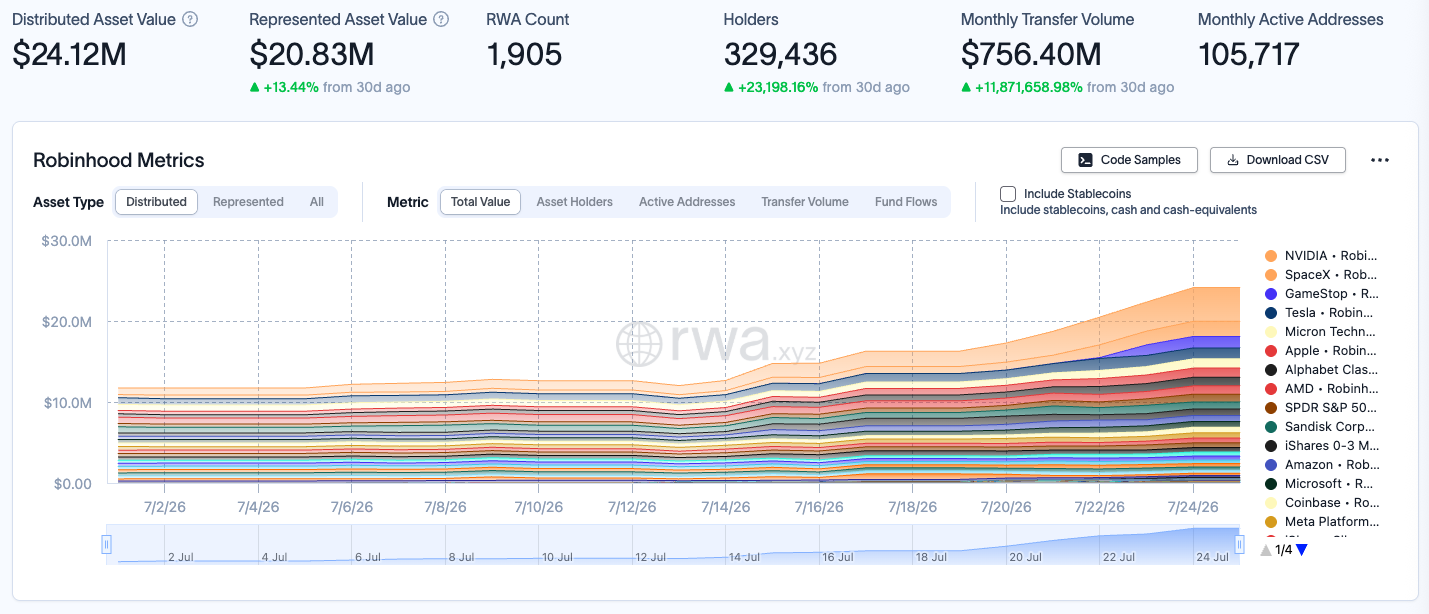
Second in line by this metric is Solana, followed by Plume, Ethereum, and BNB Chain.

It’s worth noting, however, that Ethereum dominates when it comes to total value. Almost $18 billion worth of RWA assets are hosted on the network. Second in line is BNB Chain, followed by Solana.
This milestone comes as the platform continuously expands its tokenized stock offering across Europe. The network was designed specifically for regulated financial assets rather than general-purpose DeFi, which allows users to trade tokenized US equities and ETFs around the clock. Transactions are settled on Ethereum through Arbitrum technology.
Early Success Driven Not Only by RWAs
Still, it’s interesting to note that tokenized assets are not yet the chain’s dominant activity driver.
Meme coin trading currently accounts for the majority of decentralized exchange volume. Tokenized stocks represent only a small portion of on-chain value today, although the company views them as the network’s long-term differentiator. Recall the frenzy surrounding the viral meme coin CASHCAT – a cryptocurrency that exploded in value in a few short days only to plummet almost immediately after, leaving stories of overnight millionaires and missed fortunes altogether.
Stablecoins are also growing on the network, noting a 22% increase in their market capitalization, currently pushing $500 million, according to DeFiLlama.
The post Robinhood Chain Becomes Largest Blockchain by RWA Holder Count appeared first on CryptoPotato.
Withdrawals from crypto exchange BitMart appeared to slow after it announced plans to wind down its operations.
On Monday, blockchain analytics account Lookonchain reported that only 58 wallets withdrew about $805,000 in over 24 hours. It added that the exchange had not processed any withdrawals during the latest eight-hour period it tracked.
X users also continued to report withdrawal difficulties. One user said they received an email stating that a USDT withdrawal had been completed even though the transaction had not been processed and their account displayed an “on-chain withdrawal freeze.” Another user said a $30 test withdrawal remained pending for over 30 minutes. These are individual claims and could not be verified.
BitMart’s ability to return customer funds smoothly will be a key test of its promised “orderly” wind-down and could determine whether declining confidence develops into a broader rush for the exits.
BitMart previously said withdrawals remain available but warned that requests may face additional compliance and security checks, including reviews of customer identities, login devices, withdrawal addresses, trading histories and sources of funds. The exchange may also request proof of identity, address, source of funds or ownership of the receiving wallet.
Cointelegraph reached out to BitMart for comments but did not receive a response before publication.
BitMart token extends decline as exchange prepares to close
On Sunday, BitMart announced that it would stop accepting new registrations and deposits while restricting new spot orders and futures positions. Trading services are scheduled to end on Aug. 26, with the platform expected to cease operations entirely on Jan. 31, 2027.
Arkham-identified wallets attributed to BitMart held about $69 million in crypto assets on Monday, down from roughly $102 million on July 6.
Related: Storj files for bankruptcy, explores equity path for tokenholders
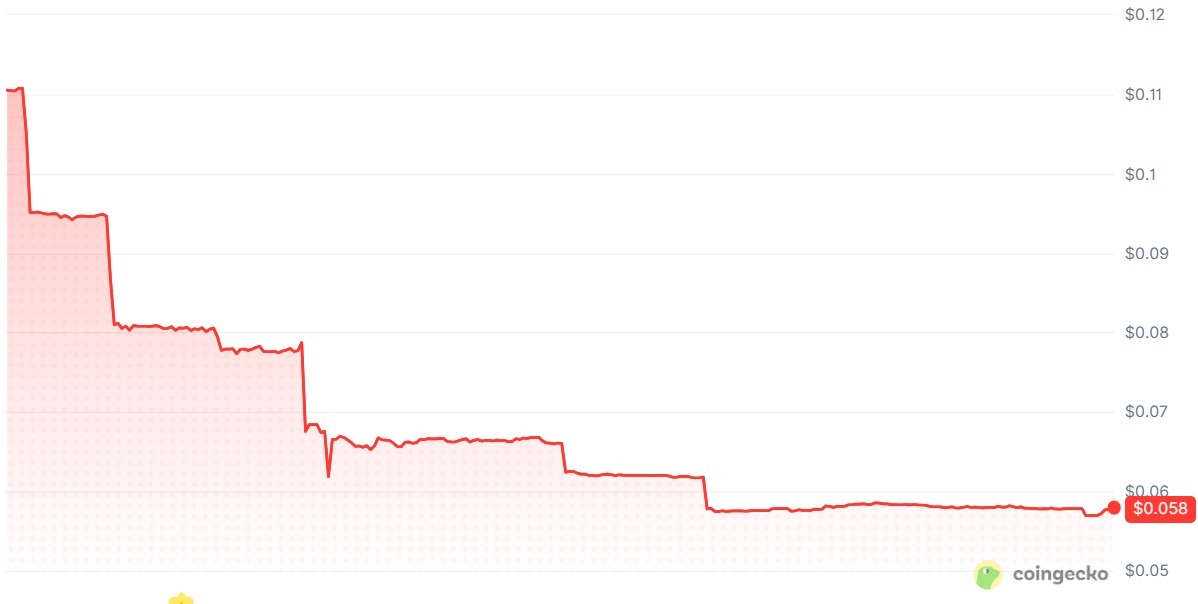
BitMart’s BMX token traded near $0.057 on Monday and had fallen about 81.5% over seven days, according to CoinGecko. The token was trading around $0.31 late Friday before the exchange’s shutdown became public.
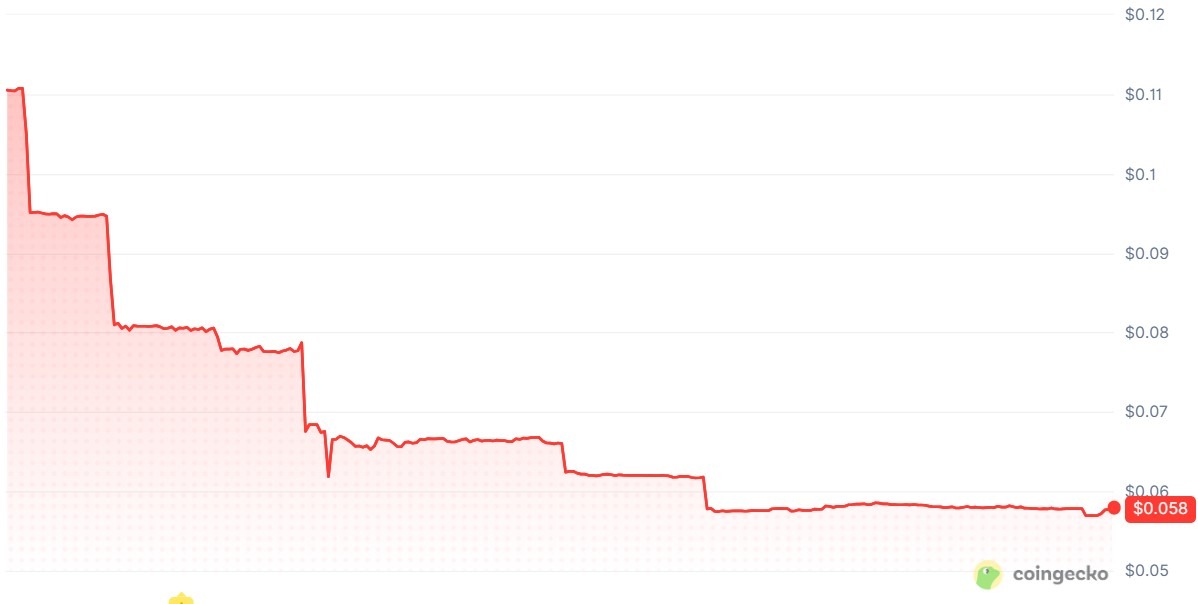
BMX token’s 24-hour chart. Source: CoinGecko
The closure also prompted discussion about whether larger exchanges could acquire smaller competitors.
Binance co-founder Changpeng Zhao said acquiring a centralized exchange was more complicated than buying other businesses because buyers could inherit security vulnerabilities, including backdoors left by previous teams. He added that acquisitions remain possible but require greater scrutiny.
Magazine: Why Australia’s $17B crypto opportunity depends on regulation
Crypto World
South Korean Traders Push MORPHO Whale Transactions to Highest Level Since October 2025
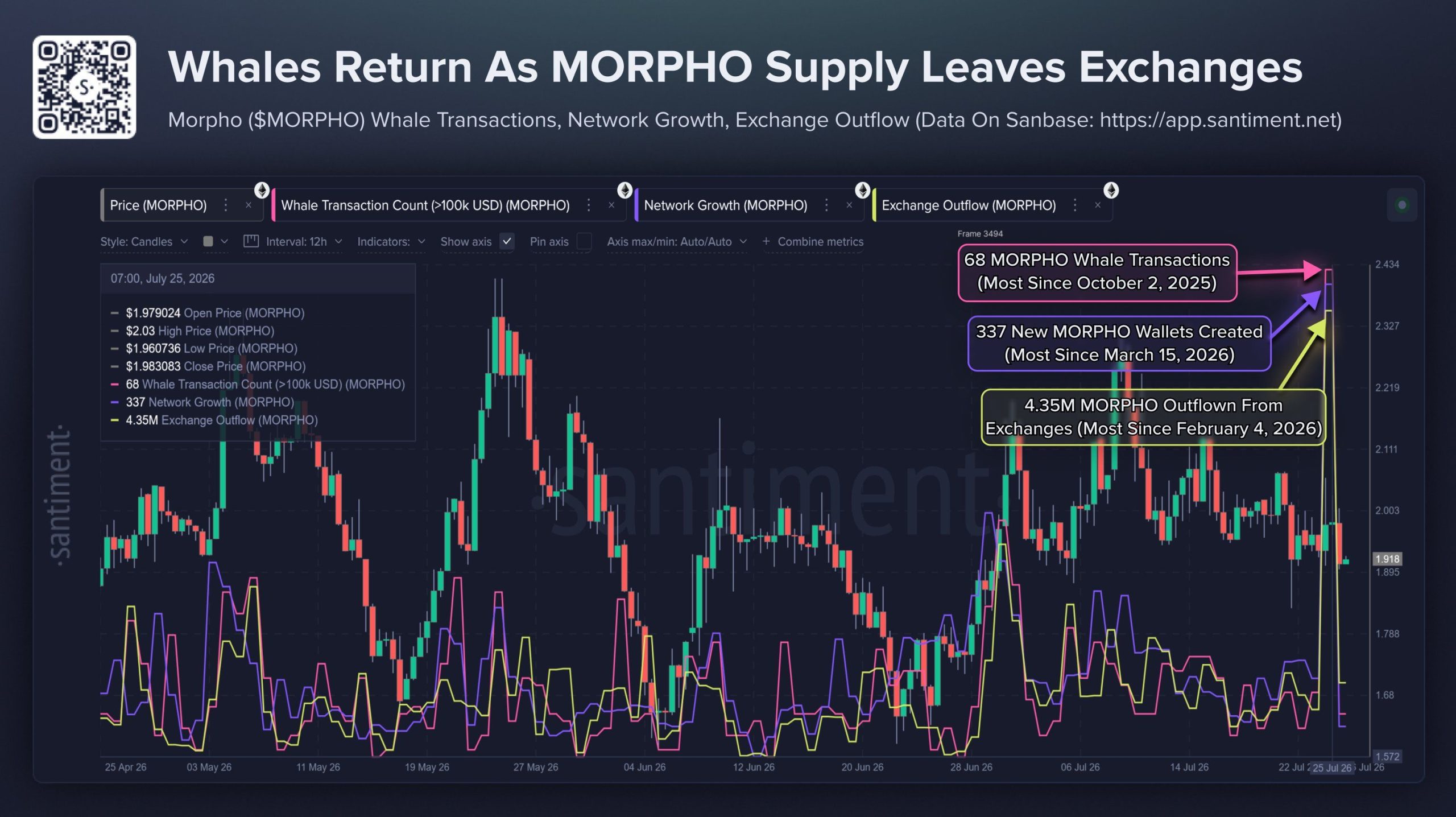
South Korean demand pushed Morpho (MORPHO) whale transactions, wallet creation, and exchange outflows to multi-month highs on Saturday. The spike landed the same day Upbit opened a won trading pair.
Activity has since cooled across all three metrics. Still, Upbit handles more MORPHO volume than any other venue.
What Happened on Saturday
Santiment recorded 68 whale transactions above $100,000 in a single day. That is the highest daily count since October 2, 2025.
Wallet creation moved with it. 337 new MORPHO addresses appeared, the strongest reading since March 15, 2026.
Exchange balances thinned at the same time. Traders shifted 4.35 million MORPHO off platforms, the largest single-day outflow since February 4, 2026.
Follow us on X to get the latest news as it happens

The simultaneous bullish signal arrived as Upbit opened trading for MORPHO in the KRW market at 6 p.m. KST that evening. The announcement also triggered a price surge.
MORPHO climbed from about $1.93 to an intraday high of $2.17 within hours, and daily volume rose close to 5 times to near $71 million, according to CoinGecko.
Upbit Still Handles More MORPHO Volume Than Binance
Nonetheless, the rush proved short. MORPHO slipped to nearly $1.9 on Sunday and now trades near at $1.99, roughly where it sat a week earlier. Daily volume has fallen back to about $22 million.

Still, the Korean flow did not leave entirely. The Upbit KRW pair accounts for 12.26% of daily MORPHO volume, the largest share of any market, ahead of Binance.
Won pairs across all venues make up about 13% of turnover. That concentration gives Korean retail traders significant influence over short-term MORPHO price movements.
The next few weeks should show whether Korean access turns into steady demand or stays a one-day event.
Subscribe to our YouTube channel to watch leaders and journalists provide expert insights
The post South Korean Traders Push MORPHO Whale Transactions to Highest Level Since October 2025 appeared first on BeInCrypto.
Bexil Investment Trust: A Deeply Discounted Fund Without An Escape Hatch (OTCMKTS:BXSY)

WEMIX freezes bridges after owner-key breach mints 5.23M WEMIX$

Late Influencer Sara Gilson’s BFF Recalls Her Last Day


-

 Fashion3 days ago
Weekend Open Thread: Brooks Brothers
-

 Crypto World6 days ago
Grayscale Files For Worldcoin ETF, WLD Registers Sharp Rise
-

 NewsBeat6 days ago
How a former Blue Peter presenter stunned America’s Got Talent judges
-

 Tech6 days ago
Sail Virtually Aboard The “Itanic” With IA-64 Emulator
-
 Tech6 days ago
Turtle Beach Command Series KB7 review: a nifty screen-equipped gaming keyboard
-

 NewsBeat7 days ago
Unregistered fitter used Gas Safe logo on business flyers
-

 Tech6 hours ago
Intel is reversing course and bringing hyper-threading back to its server chips
-
 Business5 days ago
New Jersey voter registration controversy explained: How 6,600 noncitizens got on the rolls, and what happens next
-
 Entertainment5 days ago
Johnny Depp’s R-Rated Gothic Cult Classic Gets New Release Ahead of Sydney Sweeney Remake
-

 Crypto World4 days ago
Ethics, other provisions in crypto Clarity Act to be further discussed
-

 Tech7 days ago
Watch Flock Safety CEO Garrett Langley discuss the future of surveillance at TechCrunch Disrupt 2026
-
 NewsBeat6 days ago
Shanghai science forum photos show China’s AI and robotics advances in rivalry with US
-

 Crypto World7 days ago
Circle’s President Sold Over 360,000 Shares, The Filings Explain Why
-
 Sports9 hours ago
Commonwealth Games boxing: Jadumani Singh seals dominant 5-0 win over Pakistan’s Sumama Rehman to enter quarter-finals | Commonwealth Games News
-

 News Videos3 days ago
The Peugeot Family: How 200 Years of an “Old Money” Dynasty Died in A Boardroom
-

 Politics17 hours ago
Spain sweeps the board at 2026 World Cup with individual awards
-

 Sports3 days ago
2026 3M Open leaderboard: Scottie Scheffler finds putter in Round 1, sits three back
-

 Fashion3 days ago
16 Dresses for the High Summer Event
-

 Crypto World6 days ago
Andrew Cuomo joins OKX board as crypto exchange expands in U.S.
-

 Tech7 days ago
The 35 Best Board Games for Family Game Night
You must be logged in to post a comment Login