
Crypto World
Michigan House incumbent falls in GOP primary after $2M PAC backing

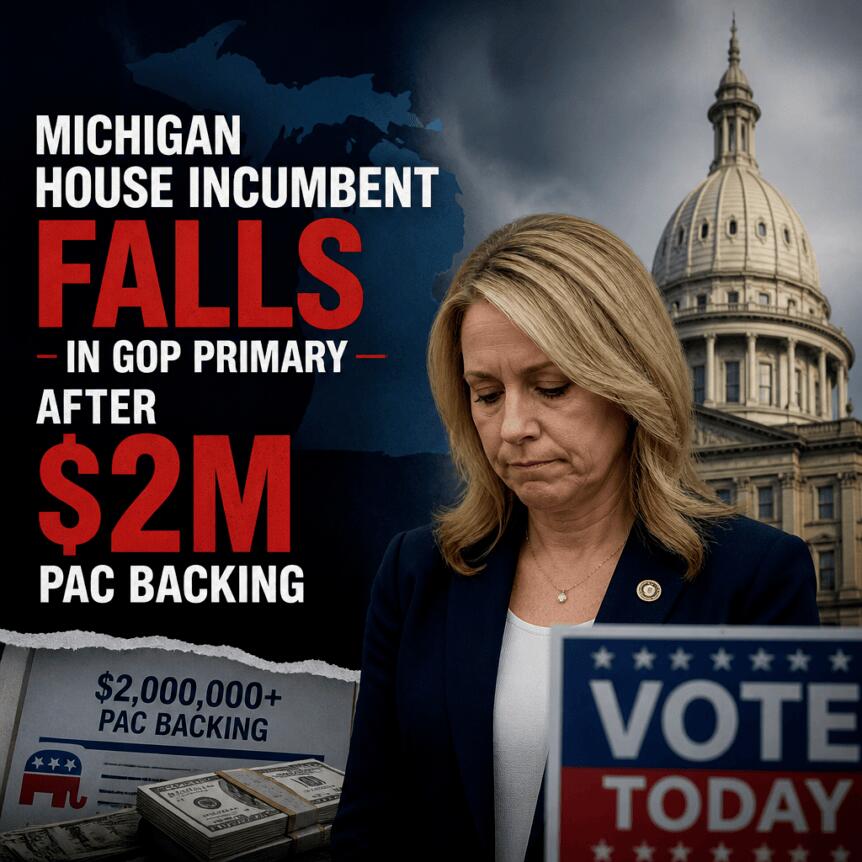
Michigan’s 13th Congressional District Democratic primary delivered a high-profile rebuke of an incumbent widely seen as friendly to the cryptocurrency industry. State Rep. Donavan McKinney defeated two-term U.S. Rep. Shri Thanedar, winning 51.9% of the vote to Thanedar’s 48.1%, according to The New York Times.
The race became a focal point for criticism that crypto-aligned political spending was aimed at rewarding incumbents. The campaign also underscored how crypto-backed political action committees (PACs) continue to invest heavily in state-level primaries ahead of the November general election.
Key takeaways
- Donavan McKinney won Michigan’s 13th District Democratic primary over incumbent Shri Thanedar, 51.9% to 48.1%, per The New York Times.
- A crypto-backed PAC, spending over $2 million on media, supported Thanedar in an attempt to secure his re-election.
- McKinney’s campaign framed the contest as “payback” from the industry, citing Thanedar’s pro-crypto legislative record and alleging large political donations following former President Donald Trump’s time in office.
- Protect Progress, the super PAC backing Thanedar, is affiliated with Fairshake, which has previously directed major spending into election cycles involving crypto policy battles.
- McKinney’s likely November opponent is Republican Taras Nykoriak after the primary process moved both parties forward.
A contested primary built on crypto-policy accusations
Thanedar’s defeat is notable because he ran as an established member of the House while simultaneously attracting significant crypto-aligned political support. During the primary, a super PAC tied to the crypto sector poured more than $2 million into media to help re-elect him, as reported by Cointelegraph, citing coverage of the race’s spending.
McKinney, described by many observers as a progressive challenger, positioned his campaign around concerns that Washington prioritizes corporate interests over constituents. In the Democratic primary, he accused the cryptocurrency industry of paying “my opponent back” for efforts he linked to Thanedar’s voting record and alleged benefits received during Trump’s time in office.
That messaging resonated with voters enough to overcome the incumbent’s advantage. McKinney’s campaign later received support from prominent progressive Democratic groups, including the Democratic National Committee and the Democratic Socialists of America, as referenced by the DNC.
Who funded the pro-incumbent push
According to reporting referenced in this coverage, Protect Progress—the super PAC responsible for funding ads supporting Thanedar and attacking McKinney—is affiliated with Fairshake. Fairshake has been backed primarily by crypto companies including Coinbase and Ripple, and the network has spent heavily on campaigns where candidates’ positions on crypto regulation and enforcement have been central.
The broader pattern matters because Fairshake and allied committees have already demonstrated a willingness to escalate media spending well beyond general elections. In the 2024 election cycle, the group and its affiliates reportedly spent over $170 million on races involving candidates seen as pro- and anti-crypto, and then continued deploying resources across additional primaries in 2026, as described in earlier coverage by Cointelegraph.
In Michigan, those efforts did not translate into an incumbent victory—an outcome that could influence how investors and political watchers interpret the effectiveness of crypto-backed messaging in competitive primaries.
Legislation, campaign finance, and the “conflict” narrative
The clash also centered on legislative alignment and claims of conflict. The incumbent, Thanedar, reportedly voted in favor of multiple pieces of crypto-related legislation, including the GENIUS Act and the CLARITY Act, according to the source material.
At the same time, the race included allegations tied to Thanedar’s personal financial activity. As reported by The Intercept, he reportedly lost more than $600,000 in the second quarter of 2026 after investing $3.7 million of campaign funds into crypto companies. Those facts were part of a larger argument, echoed by McKinney, that political influence around crypto policy can blur lines between governance and profit.
McKinney framed the election in blunt terms in a Wednesday post on X, arguing that Washington has served billionaires and corporate interests for too long and reiterating his intent to serve his constituents rather than special interests.
What comes next for McKinney and the broader election map
With the primary now settled, McKinney moves toward the November general election against Republican Taras Nykoriak. According to the reporting, Cointelegraph attempted to obtain comment from McKinney’s campaign on Wednesday but did not immediately receive a response.
The Michigan result also fits into a larger picture of crypto political engagement across the country. In Washington’s 4th District—another contest shaped by crypto-aligned spending—an affiliate of Fairshake, Defend American Jobs, reportedly spent more than $65,000 on media to support a Republican candidate (Amanda McKinney, not related to the Michigan representative). That candidate will face Democrat John Duresky in November after both advanced with more than 30% of the vote in the primary.
For readers tracking how crypto policy may change in the next Congress, these contests matter because incumbents and challengers alike are increasingly forced to address not only regulation proposals but also the legitimacy and transparency of campaign spending tied to the industry.
With McKinney headed for November and crypto-aligned groups already signaling continued willingness to fund primary battles, the key question for investors and political observers is whether the Michigan result shifts the balance of influence—particularly within competitive primaries—or simply reallocates spending strategies toward more favorable districts as general-election pressure ramps up.



Three Citadel funds posted July gains after the firm bought a discounted portfolio of artificial intelligence stocks from Situational Awareness, the collapsed hedge fund run by former OpenAI researcher Leopold Aschenbrenner.
Ken Griffin’s flagship Wellington fund rose 5.9% for the month. Almost all of that gain arrived after the purchase.
Citadel Funds Made Half a Year’s Gain From One Deal
Wellington was up just 0.45% in July before the deal, Bloomberg reported. It closed the month at 5.9%.
That gap is the story. The fund did almost nothing for three weeks, then made its year in days.
For scale, Wellington returned 10.2% across all of 2025. July alone delivered more than half of that.
Wellington is now up 12% in 2026. It has already beaten last year’s full result with five months still to run.
The firm’s other two books did better. Citadel Equities gained 14.2% and Tactical Trading added 11.1%, according to figures shared with investors.
Both sit near 27% for the year. In all of 2025 they returned 14.5% and 18.6%.
Rivals moved the other way. Whale Rock’s flagship fund dropped 21.7% in July, erasing roughly half its 2026 gains.
Situational Awareness Had No Choice but to Sell
Situational Awareness peaked near $45 billion in early July. Weeks later it held about $10 billion.
The fund borrowed heavily. Its leverage ran as high as four times its own capital, which magnified every move.
It bet on AI infrastructure and against software. When chip and memory stocks slid, small losses turned large fast.
Its main holdings each fell more than 35% during the month. Goldman Sachs, JPMorgan Chase and Bank of America then demanded more collateral.
The fund could not meet those calls. It sold its whole public stock book, and Citadel took that leveraged equity portfolio at roughly a 10% discount.
The forced selling stopped. The same stocks bounced. Citadel already owned them.
A Playbook Griffin Has Run for 20 Years
None of this is new. In July 2007, Sowood Capital lost half of its $3 billion in under a month. Citadel bought its positions and profited as markets recovered.
A year before that, Amaranth Advisors collapsed on natural gas bets. Its energy book went to Citadel and JPMorgan.
The pattern is consistent. Griffin waits for a seller with no options, then names the price.
Aschenbrenner, 25, had returned 439% through June and more than 1,000% since launching in July 2024. His fund survives on private holdings, including a stake in Anthropic worth about $5 billion.
Citadel has booked the gain but not sold the stocks. The volatility that broke Situational Awareness now sits on its own books.
August earnings from those same AI names will show what the discount was really worth.
The post 3 Citadel Funds Soar After Buying Situational Awareness’s Distressed AI Stocks appeared first on BeInCrypto.
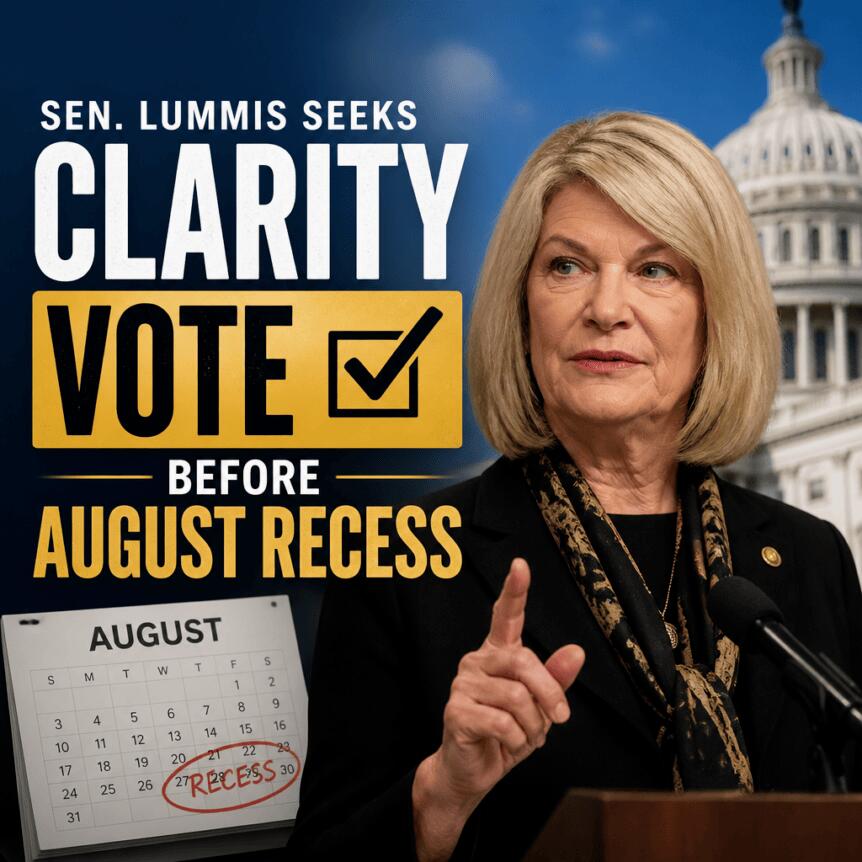
The Senate’s window to pass a comprehensive cryptocurrency market-structure bill is narrowing fast, with the chamber scheduled to enter its August recess within days and lawmakers still not clearly signaling a vote date. The pending legislation is the Digital Asset Market Clarity (CLARITY) Act, a proposal that has already cleared the House and now requires the right combination of timing and votes in the Senate.
Senator Cynthia Lummis said in an X post on Wednesday that she expects the Senate to hold a vote on CLARITY before it breaks for its month-long recess. With that deadline approaching, the central question for traders, platforms, and crypto-linked businesses is whether the bill can overcome a 60-vote procedural hurdle—without further amendments that could broaden political resistance.
Key takeaways
- Sen. Cynthia Lummis said she expects a Senate vote on the CLARITY Act before the August recess begins.
- Senate Democrats’ public schedule showed no vote set for CLARITY as of Wednesday, leaving only a few business days to act.
- The bill would need 60 votes to overcome a filibuster via cloture, making cross-party support essential.
- Opposition remains centered on stronger ethics provisions and banking-related concerns, particularly around how crypto firms relate to bank-style regulation.
- If no vote occurs before recess, consideration is likely to slide into the lead-up to the 2026 midterm elections.
Time pressure as the recess deadline closes
The urgency around CLARITY is practical as well as political. According to the Senate Democrats’ calendar posted for Wednesday, there was no vote scheduled for the legislation at that point, effectively compressing the timeline to a brief stretch of remaining business days before the Senate pauses legislative work for its August recess. Senate Democrats’ published schedule indicated no immediate floor opportunity.
Senate Majority Leader John Thune—who would control the scheduling—has been reported to be planning a vote before Saturday. That plan matters because, without a floor date, the bill cannot move through the procedural stages necessary to reach passage.
After Friday, the Senate is set to be in recess until mid-September, meaning any delays would almost certainly push deliberation into a period dominated by campaigning and political signaling ahead of the 2026 midterm elections.
Why Democrats’ support is still not settled
Even though CLARITY passed in the House in July 2025 by a 294-to-134 vote, the Senate debate has remained contentious. A key fault line is ethics. The opposition cited by the reporting notes that many Democrats want stronger ethics provisions tied to US President Donald Trump’s investments, after he disclosed he earned more than $1.4 billion from investments tied to digital assets in 2025.
Earlier coverage also pointed to ethics as a sticking point during the Senate process; Cointelegraph previously reported that Democrats were seeking additional safeguards that could affect how the bill intersects with political financial disclosures.
That creates a structural challenge for supporters: changes that improve ethics coverage may reduce resistance among Democrats, but they can also trigger objections from other lawmakers who view edits as reopening negotiations or diluting other parts of the bill.
The procedural hurdle and lingering bank-related concerns
CLARITY faces an additional, concrete constraint: it needs 60 votes in the Senate to invoke cloture and shut down a filibuster. In practice, that means the bill requires broad cross-party cooperation rather than a simple majority.
According to a recent report by Politico, at least one Republican senator plans to withhold support until concerns from banks are addressed. Politico reported that Senator Josh Hawley would withhold a favorable vote until changes satisfy bank-related worries.
While lawmakers reportedly reached some compromise with banking groups on aspects of the bill—particularly around stablecoin yield—industry leaders have continued to push for a tougher regulatory alignment. Earlier coverage noted that a stablecoin yield compromise was finalized after negotiations with banking groups (Cointelegraph reported), but further pressure has persisted for provisions that would require crypto companies to face licensing and restrictions comparable to those imposed on banks.
This tension—between closing a political deal and still meeting stricter regulatory expectations—underscores why the vote is far from guaranteed even after substantive negotiations.
What happens if CLARITY slips past recess
If the Senate does not act before the August recess, the legislative momentum for CLARITY could be significantly harder to maintain. The post-recess period runs into the final stretch of pre-election attention, when lawmakers often prioritize campaign dynamics and avoid procedural risks that could prove politically costly.
Just as importantly for the market, delay affects uncertainty around how the US will define and regulate crypto activities at a structural level. For businesses building compliance programs, trading venues planning policy frameworks, and users looking for clearer consumer protections, timing influences investment decisions and operational strategy.
Sen. Lummis framed the push for an early vote as a matter of accountability—she said it is “just time to get people on the record.” Whether senators can be convinced to go on record before recess, and whether the 60-vote threshold can be reached, are the immediate markers readers should watch in the coming days.
With the schedule tight and opposition still anchored in ethics and banking-related concerns, the next development to monitor is whether Majority Leader John Thune successfully schedules a cloture vote before the Senate breaks—and, if not, how the bill’s support and amendments evolve in the run-up to the midterms.
Aave founder Stani Kulechov and ether.fi chief executive Mike Silagadze have come out against the proposal to burn a rising share of Ethereum validator rewards, joining a list of DeFi founders, solo stakers and researchers who have spent two days arguing against it on X and on the Ethereum… Read the full story at The Defiant
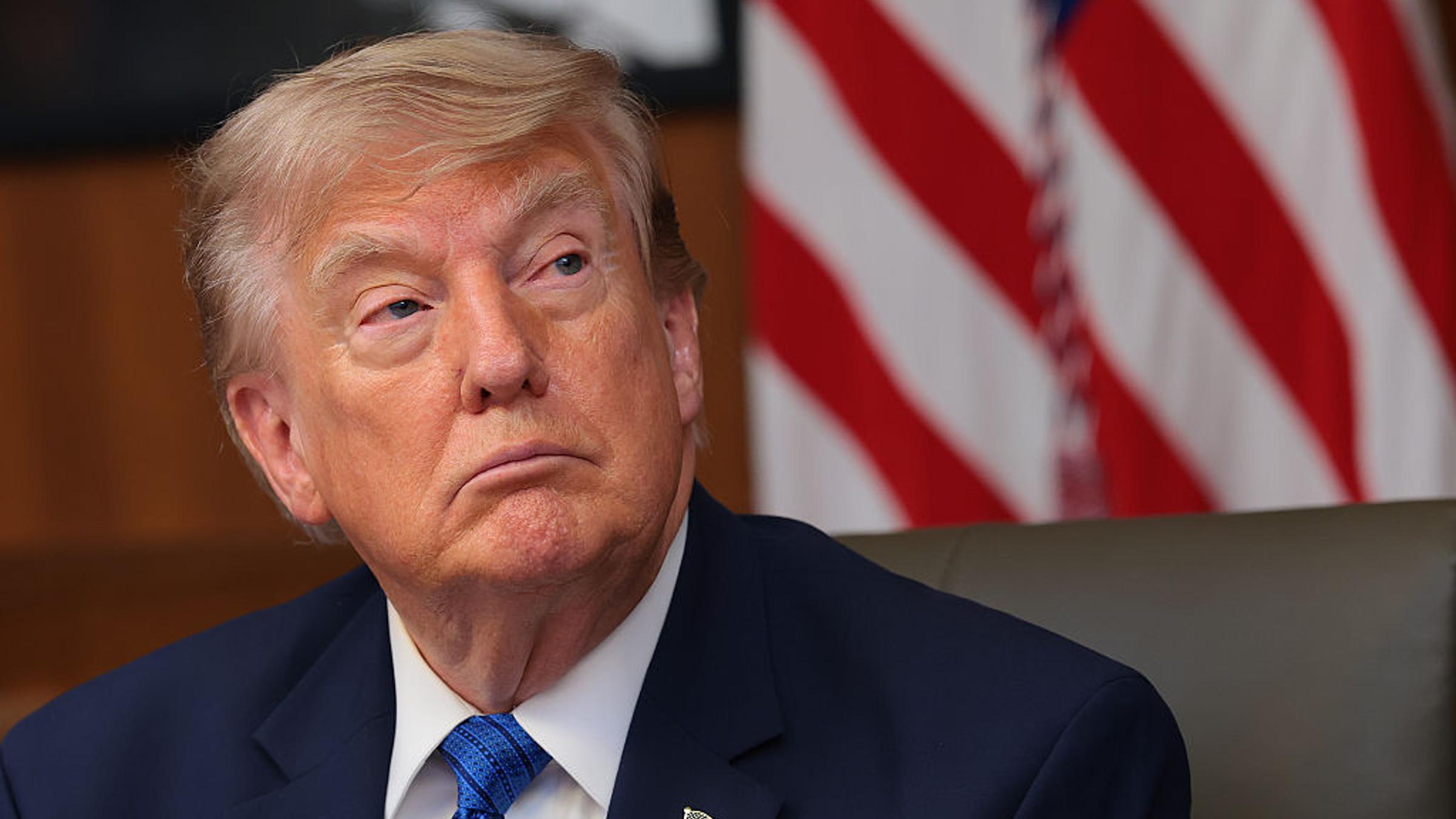
He contends that “it is not … [a] deal that anyone has considered and decided was in the best interests of the United States government; it’s simply in his and his family’s best interest, and he has the power to force the Justice Department to accept that.”
“In that respect,” Super says, “it is unlike anything we’ve seen before.”
Last month, a federal judge ruled that Trump’s lawsuit was an exercise in self-dealing. While she didn’t explicitly overturn the tax audit deal conferred on Trump, the judge said that the deal can’t be claimed to be a product of a legitimate legal process. The President has filed an appeal.
The NYU Tax Law Center also questioned in its Monday statement whether Blanche has the legal authority to end tax audits of Trump, his sons, and the Trump Organization in this litigation.
Blanche “only has authority to resolve tax matters that have been referred to DOJ—here, a taxpayer privacy lawsuit, not issues with tax returns,” the Tax Law Center contended. “Likewise, to the extent that the new documents purport to maintain the May 19, 2026 order’s audit immunity for the Trump plaintiffs, that is also unauthorized.”
Grayscale XRP Trust ETF disclosed selling more than $180 million in tokens during the first half of 2026, according to a new SEC filing that also revealed significant realized losses.
The numbers show how sharply redemptions and falling prices have eroded trust over six months.

What the SEC Filing Actually Shows
A Form 10-Q is the quarterly report filed with the Securities and Exchange Commission (SEC) detailing financial performance and holdings. Grayscale’s submission covers the period ending June 30.
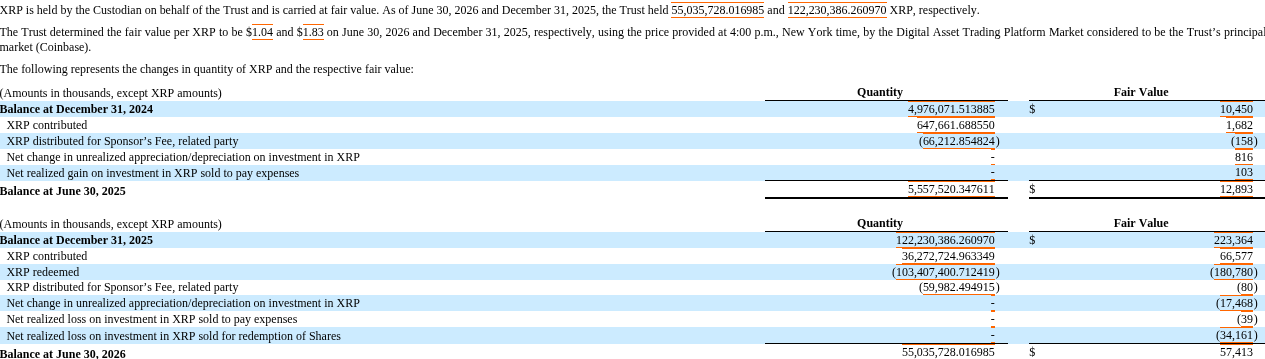
The headline figure stands out. The trust cashed out $180.78 million worth of XRP, selling 103.41 million tokens to redeem investor assets.
Holdings contracted dramatically as a result. The trust held 122.23 million XRP at the end of 2025, a figure that dropped to 55.04 million by June 30. Net assets fell even faster. The value declined from $223.36 million in December to just $57.41 million at the end of June.
Inflows did arrive. The trust created an additional 36.27 million XRP, contributions valued at $66.58 million. Those additions could not offset the exits. Outflows substantially exceeded inflows, driving the sharp reduction in holdings.
Follow us on X to get the latest news as it happens.

The mechanics involve authorized participants, who handle share creation and redemption based on shares issued or redeemed. Sponsor fees added pressure. Periodic XRP withdrawals covering those fees largely caused the reduction in holdings per share.
The Losses Behind the Redemptions
The losses tell their own story. Grayscale recorded a realized loss of $34.16 million on XRP sold for redemptions, plus $17.47 million in unrealized losses on the remaining position.
A smaller entry appears further down. Sales conducted to offset operating expenses generated an additional realized loss of $39,000.
Share counts reflected the exodus. Outstanding shares dropped from 6.30 million at the end of 2025 to 2.84 million by June 30, with the trust buying back 5.33 million shares while selling just 1.87 million.
Price action explains much of the damage. XRP traded at $1.06 at the time of writing, down roughly 1.35% over 24 hours and still far below its cycle highs, according to BeInCrypto data.

That decline compounds the redemption effect. Fewer tokens backing a cheaper asset produce the steep drop in net asset value in the filing documents.
Leadership activity had already drawn attention. Chief Executive Peter Mintzberg sold part of his personal stake in GXRP earlier this year. Redemptions themselves are routine, however. Authorized participants execute them mechanically, without expressing any directional view on the asset.
The scale still warrants attention. Losing half its holdings and three-quarters of its net assets within six months marks a significant contraction for the product.
Subscribe to our YouTube channel to watch leaders and journalists provide expert insights.
The post Grayscale’s XRP ETF Sold $180 Million in Tokens After Major Loss appeared first on BeInCrypto.


Cointelegraph is committed to providing independent, high-quality journalism across the crypto, blockchain, AI, and fintech industries.
All news, reviews, and analyses are produced with full journalistic independence and integrity. For more details on our standards and processes, please read our Editorial Policy.
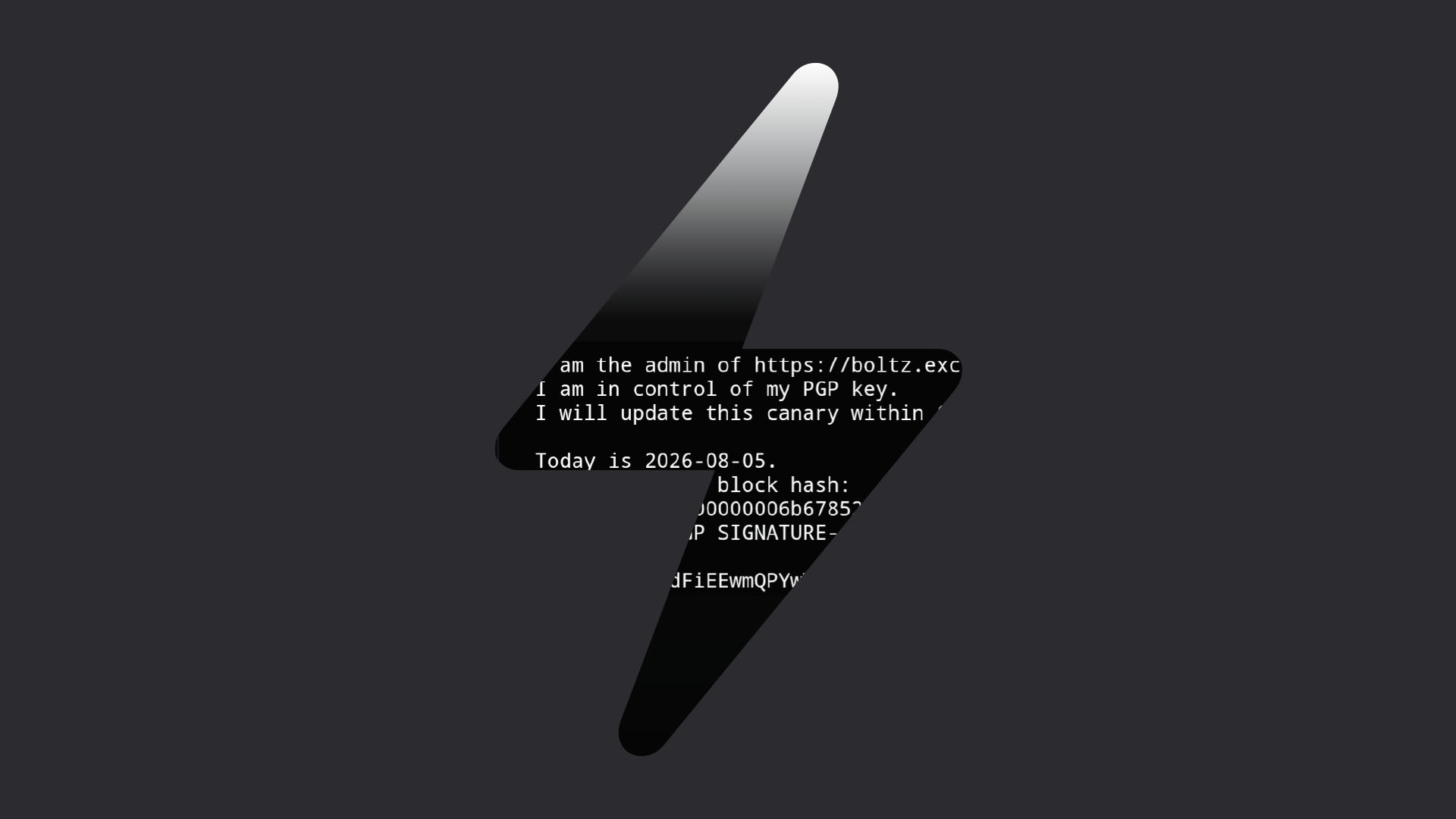
Bitcoin bridge Boltz, which recently suspended its services after repeated attacks from AI-powered hackers, has come under fire after it allowed its warrant canary to lapse for over five days.
The lapse indicates to several critics that Boltz is possibly under government investigation.
A warrant canary is a colloquial term for a recurring public notice that a service has not received a secret legal process.
Because subjects of a legal or criminal investigation often may not lawfully disclose service of legal proceedings once a process server or law enforcement agency begins work, developers proactively and periodically state that they have not received such service by renewing their warrant canary.
A missed renewal of a warrant canary, including silence after a regular time period, is an alarm that something is amiss. Boltz’ own text told readers to “assume the worst” if it failed to renew on-time.
Boltz renewed its warrant canary notice today with a valid, PGP-signed message that claims zero government data demands. A defender said the team simply forgot during the swap freeze.
Not everyone was convinced, and the timing was unfortunate.
Indeed, Boltz is in the middle of a proverbial five alarm fire this week.
It just told users its Boltz Swap Service for bridging BTC between mainchain, Liquid, and Lightning Network, will stay disabled “until further notice.”
It said it had suffered months of “AI-assisted probing” with attackers able to “iterate faster than a team our size can find and patch.”
Critics took the combination of its service suspension plus its warrant canary lapse as a signal of duress.
Read more: Ethereum Foundation ditches ‘warrant canary’
What happened during Boltz’s lapsed warrant canary?
Companies that used the Boltz Swap Service, such as Bull Bitcoin, warned that Lightning payments and liquid-to-BTC swaps in its wallet would fail. Aqua and other Boltz-dependent Lightning wallets hit the same brick wall.
Boltz’ prior signed canary dated itself May 31. It promised a 60-day refresh, a timeframe that closed on July 30.
Swaps went dark on August 3. It didn’t sign a new canary until August 5.
Its renewal message now claims, “0 requests for information of any kind by any third parties including but not limited to government agencies.”
Besides the time lapse, everything else checks out normally. An admin published the valid, PGP-signed notice. As usual, it included a latest BTC block hash for a timestamp.
On social media, Adam Simecka, a vocal critic, cast the stale canary as an “authenticated Deadman Switch.” It warned, he claimed, that “a government agency has taken over Boltz.”
There was probably no AI attack, he opined, claiming that was a ruse for “a state-level attack.”
Later he urged followers to “Ignore any further communication from them,” arguing that its workers were “likely captured and being held at gunpoint (hopefully not literally).”
A Stacker News post flagged the same gap a day earlier. It noted Samourai Wallet’s canary history and quoted Boltz’ own “assume the worst” line from its prior canary.
The alarm rang, and Boltz scheduled it in advance
A defender rejected the coup theory. They highlighted that canary renewals are “a manual process,” and that the absentminded lapse is unremarkable given that Boltz is “offline and fighting for survival.”
The team “simply forgot about the update. Nothingburger,” this defender continued.
Others dismissed panic as sensational, calmly reminding alarmists that the canary had already been updated within a reasonable timeframe.
By design, warrant canaries are blunt instruments. They work with infrequent communication and promise periodic attestations of a negative, even though they are merely words on a computer screen.
When they lapse, that negative reality becomes a possible reality.
Boltz chose the strictest possible warning language in its own version — “assume the worst” — then missed its own deadline.
Even though its renewed canary still says zero government demands, whatever happened during the days in which it lapsed are what everyone is debating today on social media.
Got a tip? Send us an email securely via Protos Leaks. For more informed news and investigations, follow us on X, Bluesky, and Google News, or subscribe to our YouTube channel.
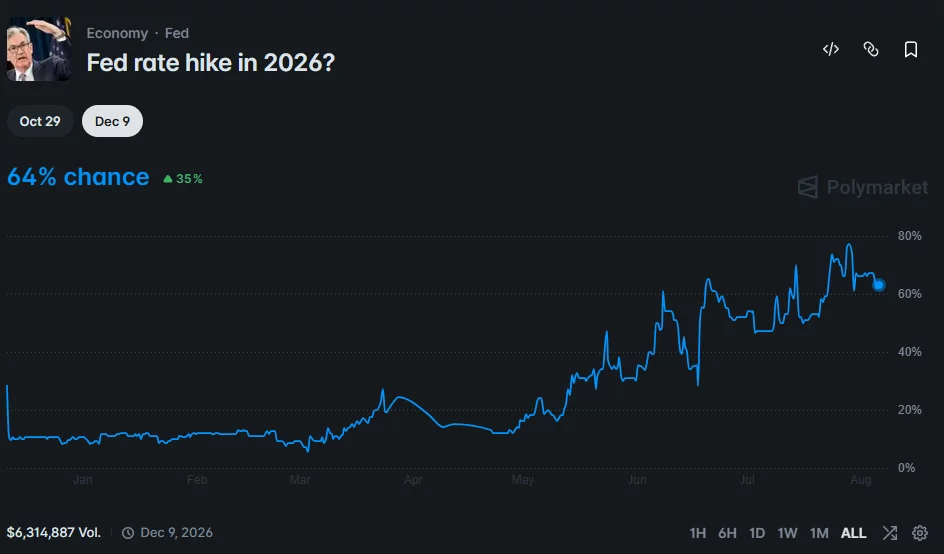
Minneapolis Fed President Neel Kashkari backed gradual interest rate increases as persistent inflation and uncertainty around the Strait of Hormuz complicate the outlook for US monetary policy.
Summary
- Polymarket traders assigned a 46% probability to a 25-basis-point increase in September.
- Kashkari said the Fed should start raising rates gradually to bring inflation toward its 2% goal.
- The Fed held its benchmark rate at 3.50%–3.75% in July despite three dissenting votes.
- Bitcoin traded near $64,700 as crypto investors assessed the risk of tighter US liquidity.
Kashkari calls for gradual Fed rate hikes
Kashkari said during a CNBC interview on Wednesday that the central bank should begin moving interest rates higher as inflation remains above its target.
“I think now is the time to start slowly moving rates up,” Kashkari said.
The Minneapolis Fed president argued that current monetary policy does not appear particularly restrictive. He pointed to strong corporate earnings and continued economic resilience as signs that higher borrowing costs have not placed substantial pressure on demand.
Kashkari clarified that he was not advocating a series of aggressive increases. Instead, he supported incremental moves intended to reduce inflation without causing an unnecessary slowdown in the US economy.
His remarks add to a growing debate inside the Fed over whether rates are high enough to contain renewed price pressures. Kansas City Fed President Jeff Schmid also called for tighter monetary policy on Wednesday, although he did not specify when or by how much rates should rise.
Fed’s July decision exposed a widening policy split
The Federal Open Market Committee maintained the federal funds rate at 3.50%–3.75% during its July 28–29 meeting.
Kashkari, Cleveland Fed President Beth Hammack, and Dallas Fed President Lorie Logan opposed the decision. All three preferred an immediate quarter-point increase, according to the Federal Reserve’s official statement.
Kashkari later said the dissent reflected his view that policymakers should begin a gradual tightening cycle rather than deliver a sharp increase.
The three dissents showed that concern over inflation is spreading among policymakers. The Fed remains committed to returning inflation to 2%, but higher energy costs and resilient demand have made that task more difficult.
Kashkari said the September decision would depend on inflation reports released before the meeting and developments in the US-Iran conflict. Those factors could determine whether the Fed holds rates steady again or delivers its first increase of the year.
Hormuz uncertainty keeps inflation risks elevated
Disrupted shipping through the Strait of Hormuz has increased energy costs and added another layer of uncertainty to the Fed’s outlook. The waterway remains central to global oil and liquefied natural gas shipments.
Iran and Oman have reached a preliminary understanding on the coordinates of a possible shipping route through the strait. However, negotiations remain incomplete, and the proposed arrangement does not guarantee safe passage, Reuters reported.
President Donald Trump said an agreement to reopen the waterway could arrive this week. A reduction in regional tensions could lower energy prices and ease some inflation pressure, but Kashkari said the Fed must assess the incoming information before committing to a September move.
Continued disruption would create the opposite risk. Higher fuel and transportation costs could spread across the US economy, strengthening the case for tighter monetary policy.
Crypto traders still lean toward a September hold
Polymarket traders placed the probability of a 25-basis-point September increase at about 46%, while the chance of no change stood near 53% when observed. Prediction-market prices change continuously and later moved closer to an even split.
A separate Polymarket contract assigned a 64% probability to at least one rate increase before the end of 2026. That leaves the October and December meetings as possible alternatives if the Fed decides September is too early.
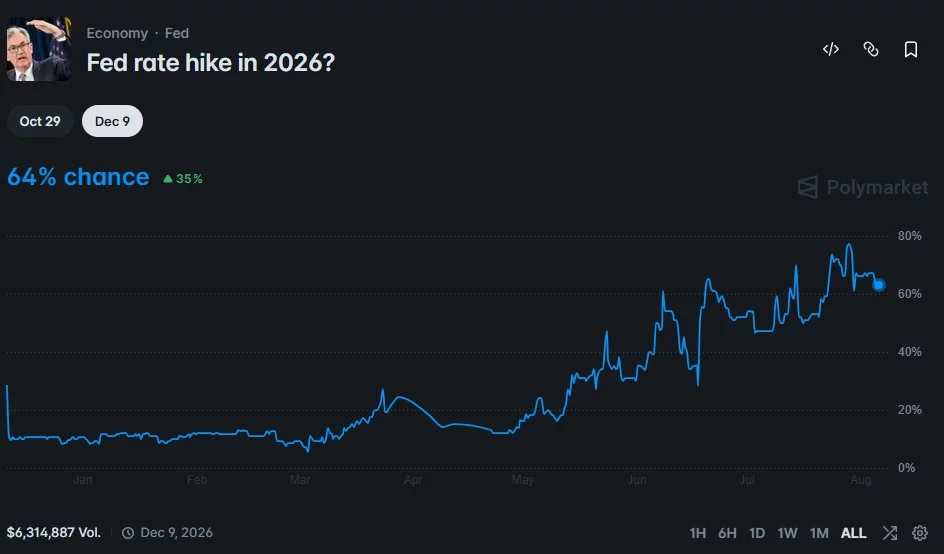
Bitcoin (BTC) traded near $64,700 on Wednesday, holding above its intraday low near $63,900. The move did not establish a direct reaction to Kashkari’s remarks, but the rate outlook remains important for crypto investors.
Higher rates can strengthen the dollar and reduce liquidity available for risk assets, creating pressure on Bitcoin and other cryptocurrencies. A September hold could offer short-term relief, although persistent inflation may keep the prospect of a later increase in focus.
Upcoming inflation data, the July employment report and developments around the Strait of Hormuz will shape expectations before the Fed’s Sept. 15–16 meeting.


Prediction-market traders cut the odds that the CLARITY Act becomes law this year after Senate Majority Leader John Thune declined to file cloture on the motion to proceed to the crypto market structure bill on Tuesday night and instead filed cloture Wednesday morning on a college sports bill and… Read the full story at The Defiant


Strategy will contribute $250 annually to Trump Accounts for eligible children of its U.S. employees, expanding its benefits beyond its core Bitcoin treasury operations.
Summary
- Strategy will provide $250 annually for every eligible employee’s child under 18.
- Eligible children born from 2025 will also receive a one-time $1,000 company contribution.
- The benefit will begin after final Treasury guidance and employer contribution systems become available.
- Strategy still reports 842,138 BTC, despite a later unconfirmed transfer involving 1,030 BTC.
Strategy adds Trump Accounts to employee benefits
Strategy announced on Aug. 5 that it had joined the Invest America Business Pledge, committing to fund Trump Accounts for the children of its U.S. workers.
The company will contribute $250 each year for every eligible child under 18, regardless of the child’s birth year. For children born on or after Jan. 1, 2025, Strategy will also provide a one-time $1,000 contribution matching the U.S. government’s initial deposit, according to the company’s announcement.
Strategy CEO Phong Le said the program could promote financial education and longer-term saving among American families.
“Trump Accounts and the Invest America initiative can help build a stronger financial future for America’s children.”
Le said Strategy’s contributions would supplement the government deposit and give eligible children another source of long-term investment capital.
The Bitcoin treasury company announced the benefit internally during its quarterly Company Day. It plans to provide enrollment information to employees before contributions begin.
Trump Accounts provide $1,000 for eligible children
Trump Accounts, formally known as Section 530A accounts, are tax-deferred investment accounts for children. The accounts invest in low-fee funds tracking the S&P 500 or another index composed mainly of U.S. equities.
Under the federal pilot program, U.S. citizen children born between Jan. 1, 2025, and Dec. 31, 2028, can receive a one-time $1,000 Treasury contribution. Children must have valid Social Security numbers and an account election submitted on their behalf, according to the Internal Revenue Service.
Children outside that birth window can still have Trump Accounts opened before they turn 18, although they do not qualify for the federal seed payment. Strategy’s recurring $250 contribution will apply to eligible children regardless of their birth year.
Employers, family members and other authorized parties may add funds subject to federal limits and tax rules. The structure is intended to give children long-term exposure to U.S. equity markets while restricting access during childhood.
Strategy said its benefit will not start until the Treasury and IRS publish final implementation guidance and the necessary payroll, custodial and recordkeeping infrastructure becomes available.
The company joins Coinbase, Goldman Sachs, Morgan Stanley and other U.S. employers that have pledged contributions to the program.
Strategy’s Bitcoin holdings remain under scrutiny
The employee benefit announcement arrived as investors continued watching Strategy’s evolving Bitcoin treasury activity.
Strategy confirmed that it sold 1,638 BTC between July 27 and Aug. 2 for $104.73 million after fees. The Bitcoin was sold at an average price of $63,957.
The company used about $52.4 million to cover preferred stock dividends and directed roughly $52.3 million toward STRC preferred-share repurchases. Following the sale, Strategy reported holding 842,138 BTC acquired for $63.51 billion at an average cost of $75,419 per coin.
As crypto.news reported, Lookonchain later identified another transfer of 1,030 BTC, valued at about $66.14 million, from wallets it associated with Strategy.
Strategy has not confirmed that the Aug. 5 movement represented another sale. Bitcoin transfers may reflect custody changes, internal wallet restructuring or settlement activity without changing ownership.
Treasury guidance will determine the launch date
Strategy has not provided a firm starting date for the employee contribution program. Its rollout depends on final federal rules and the availability of systems allowing employers to deposit money into the accounts.
The company said it would share enrollment instructions with eligible workers ahead of the launch. The final guidance will also determine how employer contributions are administered and treated for federal tax purposes.
Until then, the $250 annual payments and matching $1,000 contributions remain corporate commitments rather than active employee deposits.

Axum Capital Partners scores Barcode

3 Citadel Funds Soar After Buying Situational Awareness’s Distressed AI Stocks

General Hospital Early Spoilers Aug 10-14: Michael Stunned! Curtis Spirals!

Renter of Home in Anne Heche Crash Denies Settlement With Son

No Jackpot Winner as $257 Million Prize Rolls Over to $269 Million Monday Draw

Weekend Open Thread: Staud – Corporette.com

What is Financial Modelling? | www.carajaclasses.com | #365daysfinancemastery

New Broadway Cast of Cabaret (1998), Alan Cumming, Cabaret Ensemble (1998) – Money (Official Audio)

Bitcoin: Es ist klar diese BEWEGUNG startet genau JETZT! (BTC Analyse & Sp500 Analyse!)
-

 Fashion5 days ago
Weekend Open Thread: Wit & Wisdom
-

 Politics5 days ago
Meta enters AI-training agreement with far-right ‘propaganda rag’ Newsmax
-

 Politics3 days ago
Zack Polanski: an incitement to murder Nigel Farage?
-

 Crypto World4 days ago
MicroStrategy Post-Earnings CLARITY Act Push Could Add New Catalyst for Its Stock
-

 Crypto World5 days ago
XRP Ledger v3.3.0 brings five institutional features
-

 News Videos6 days ago
Bitcoin Enters the 3rd Stage of the Bear Market
-

 Politics6 days ago
Luke Littler’s dominance sparks GOAT debate
-

 Sports6 days ago
Seema Kaliramna Wins Discus Throw Bronze, Takes India’s CWG Medals Tally To 17
-

 Crypto World5 days ago
New York sues Kalshi over prediction market gambling
-

 Crypto World3 days ago
Crypto PAC spending tops $2M in Michigan House race
-

 Business5 days ago
Trump Announces Hamas Disarmament Agreement as Iran Strikes Kuwait Air Base and US Attacks Pause Overnight
-

 Business3 days ago
DTCR: Deleveraging And A Hedge Fund Collapse Point To A Possible AI Bottom
-

 Tech4 days ago
ESET tracks rise in malicious AI skills and adaptable malware
-
 Crypto World5 days ago
3 Fed Officials Just Explained Their Rate Hike Vote: Is Inflation Winning?
-

 Tech5 days ago
Gemini Spark can now use Chrome logins and saved passwords to run errands on your behalf
-

 NewsBeat6 days ago
Four people die trying to cross Channel in small boats
-

 Tech5 days ago
Building A Reproduction PlayStation Motherboard
-

 Sports4 days ago
France Cricket implodes: letters hidden in a drawer and a board at war
-

 Crypto World5 days ago
Moneyflip CEO charged in $40K murder-for-hire plot
-
Crypto World3 days ago
XRP Ledger urges node upgrade after manifest flood
You must be logged in to post a comment Login