
Crypto World
Potential outcomes if the bill fails to pass

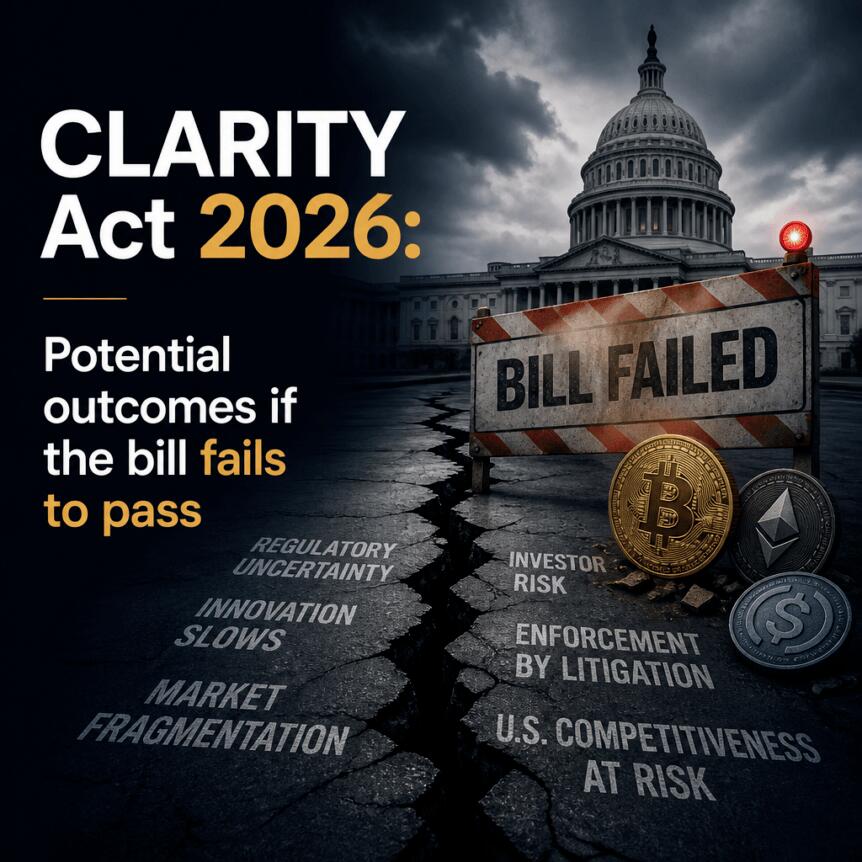
U.S. lawmakers are racing to move the Digital Asset Market Clarity (CLARITY) Act through the Senate before congressional politics reset after the 2026 midterms. With the Senate scheduled to return to Washington on Monday, Majority Leader John Thune has set a cloture vote for Tuesday—an immediate procedural test that will determine whether the bill can clear the 60-vote threshold needed to overcome a filibuster.
The timetable is tight. If CLARITY fails to advance this session, the chamber would effectively be left with less than 36 business days before the 2027 Congress is sworn in, according to earlier reporting linked in this piece. That creates a high-stakes decision point: either push the bill through now, or risk carrying it into a later Congress where party control—and priorities—may look very different.
Key takeaways
- Senate Majority Leader John Thune has scheduled a cloture vote on the CLARITY Act for Tuesday, requiring 60 votes to break a filibuster.
- If the vote fails, the bill may miss its remaining window and roll into the next Congress, potentially delaying meaningful progress on digital-asset policy.
- Senator Cynthia Lummis, a prominent CLARITY backer, suggested the next realistic opportunity for passage could be years away if lawmakers cannot agree.
- Control of the White House remains Republican until January 2029, meaning any future crypto legislation could still face veto risk.
- Crypto-linked political spending continues to shape competitive races leading into 2026, with campaigns and outcomes potentially influencing the next legislative agenda.
CLARITY faces a narrow procedural deadline
After more than a month of state work periods, the U.S. Senate is set to resume session on Monday. The next step for CLARITY is a cloture vote—scheduled for Tuesday—where Republican support alone may not be enough. Under Senate rules, the bill cannot advance past a filibuster without at least 60 votes, meaning a “yes” coalition will need some Democrats to reach the supermajority.
That procedural math is central to why the current session matters. As noted in earlier coverage referenced in the article, a failed push would reduce the Senate’s remaining effective calendar before the 2027 Congress begins. In practical terms, it turns CLARITY from a policy target into a scheduling challenge: even if lawmakers agree on direction, they still must align on timing, floor strategy, and the votes required to move the legislation forward.
Senator Cynthia Lummis, one of CLARITY’s best-known advocates, warned on Sept. 6 that the “next real opportunity” for the bill to pass might not come until much later if lawmakers cannot reach an agreement in the near term. She also indicated she is not running for reelection in 2026, underscoring that the political incentives for individual lawmakers could shift as the calendar turns.
Midterm elections could reset the negotiating dynamics
The midterms are a major variable in how quickly—if at all— CLARITY (and other crypto legislation) could proceed. The 2026 election will determine all 435 House seats and 33 Senate seats. Event contracts referenced in the article currently suggest Democrats have the odds on retaking the House, while their chances of controlling the Senate are described as close to a coin flip.
This distinction matters because the Senate is often the harder venue for major regulatory legislation to clear. A potential change in chamber control could also change leverage: if Republicans lose their legislative trifecta after the midterms, bills like CLARITY may face a different set of priorities, committee dynamics, and negotiating positions.
The backdrop for this urgency is that Republicans previously captured unified control after the 2024 elections. The article notes that this gave the party significant influence over legislation favored by parts of the crypto industry, including the Guiding and Establishing National Innovation for US Stablecoins (GENIUS) Act. If political control shifts next year, the balance could move toward Democrats’ preferences instead.
Crypto-backed political spending and competitive races
Beyond Capitol Hill procedural votes, 2026 is also shaping up as a test of how much influence crypto-aligned advocacy and political spending can translate into electoral outcomes. The article points to Senator Sherrod Brown, a former chair of the Senate Banking Committee, describing how his 2024 race involved substantial spending by cryptocurrency-backed political action committee (PAC) Fairshake and others. Brown was voted out in 2024 by Republican Bernie Moreno.
Brown is now back in a special election race, the article says, running against Republican Jon Husted to finish the term won in 2022 by now-Vice President JD Vance. That puts a familiar storyline in play: crypto industry-aligned groups seek to support candidates perceived as more receptive to digital-asset regulation, while opponents sometimes become the target of attack ads.
The article also highlights that industry-aligned spending does not always guarantee victory. It cites an example from March, when Illinois Lieutenant Governor Juliana Stratton won a Democratic primary for a U.S. Senate seat despite being the target of attack ads funded by industry-linked interests.
In Massachusetts, the article references commentary by Jason Poulos, a Democratic candidate who previously ran against Rep. Jake Auchincloss in a primary for the state’s 4th congressional district. Poulos attributed Auchincloss’s reelection support among crypto-industry groups to his prior vote on CLARITY, while also noting that a Fairshake-affiliated PAC spent about $189,000 on ads supporting Auchincloss.
“The influx of outside crypto industry cash means that these oligarchs have an outsized influence on our representation and federal policies. It is why we need to get big money out of politics […]”
Whether one agrees with that critique or not, the practical takeaway for traders and investors is that legislative timelines are tied to electoral incentives. As these races settle, the coalitions needed for future regulatory bills could either consolidate or fragment.
Presidency and regulators likely keep the pressure on timing
Even if Democrats were to retake one or both chambers in November—or if they fail to win either—one constant remains: Republican control of the White House is scheduled to persist until January 2029. The article explains that this continuation keeps veto power on the table. It also notes that overriding a veto would require a two-thirds supermajority in both chambers, a high bar for major regulatory legislation.
Regulatory leadership adds another layer. The article says the heads of key U.S. financial agencies—specifically the Securities and Exchange Commission (SEC) and the Commodity Futures Trading Commission (CFTC)—are unlikely to change while Trump remains in office. It further states that President Trump nominated Paul Atkins to chair the SEC and Michael Selig for the CFTC, both of whom have indicated plans to proceed with digital-asset regulation even if Congress does not advance CLARITY this year.
That combination—an enduring executive branch, potential gridlock risk, and regulators signaling continued action—helps explain why CLARITY is being treated as a narrow opportunity rather than a flexible target. Investors often assume regulatory clarity follows legislation, but this story highlights how the absence of congressional momentum can shift the center of gravity toward executive and agency rulemaking.
What to watch next
All eyes are on Tuesday’s cloture vote: whether the CLARITY Act can reach 60 votes will largely determine if lawmakers can lock in statutory clarity during this session or whether the bill becomes a casualty of election-year arithmetic. After the vote, the next question is how quickly—if at all— both parties can align on a path forward, especially given the uncertain control landscape after the 2026 midterms.



Cointelegraph is committed to providing independent, high-quality journalism across the crypto, blockchain, AI, and fintech industries.
All news, reviews, and analyses are produced with full journalistic independence and integrity. For more details on our standards and processes, please read our Editorial Policy.

Kalshi filed with the Commodity Futures Trading Commission to launch two new perpetual futures contracts. The prediction market plans to list GOLDPERP and SILVERPERP on September 9. Both contracts settle in cash and carry no expiration date.
Gold Perpetual Futures Enter Kalshi’s Lineup
Kalshi submitted its filing under CFTC Regulation 40.2(a). This self-certification path lets exchanges list products without prior agency approval, so Kalshi confirmed compliance with the Commodity Exchange Act directly. No separate review step was required before the listing date.
The gold perpetual contract tracks the spot price of one troy ounce. Traders hold a single position instead of rolling between dated contracts, and Kalshi set the reference price through Pyth Network. Settlement stays entirely in cash, with no physical metal changing hands.
A periodic funding payment keeps the contract price near the spot rate. Kalshi said the structure can cut roll costs and basis risk for hedgers. Fabricators, bullion desks and producers may benefit most from that continuous exposure.
Silver Perpetual Futures Add New Options
The exchange also plans to list a silver perpetual contract on the same day. SILVERPERP tracks the spot price of silver in U.S. dollars, and settlement remains fully in cash. No physical delivery applies to this contract either.
Kalshi cited consecutive annual supply deficits in silver dating back to 2021. It also noted tightness in the market during late 2025 and early 2026. Cash settlement removes any risk of delivery pressure tied to those shortages.
The contract trades continuously, without daily or weekend closures. Kalshi set the schedule wider than its earlier proposal from July, which had suggested a five-day trading week. The final structure instead runs seven days a week, around the clock.
Kalshi Builds on Earlier Crypto Perps Success
Kalshi first launched a Bitcoin perpetual contract in May this year. The CFTC approved it as the first such product in the country. The exchange then expanded to eighteen crypto assets, including Ethereum and XRP.
The company also added contracts tied to Hyperliquid, BNB and Cardano. Kalshi separately sought approval for metals, copper and equity-index products. Gold and silver perps mark the next step in that broader plan.
CME Group has sued the CFTC over how it classifies Kalshi’s Bitcoin perps. The dispute centers on whether the product counts as a future or a swap. Kalshi’s existing gold and silver event contracts remain separate, short-dated products with fixed expiries.


Your day-ahead look for Sept. 9, 2026


Ripple Chief Legal Officer Stuart Alderoty has urged undecided and opposing senators to hear from an estimated 67 million American crypto holders before the CLARITY Act faces a 60-vote procedural test on Sep. 15.
Summary
- Alderoty has contacted Senate offices and asked lawmakers to speak directly with crypto holders.
- The Sep. 15 cloture vote requires 60 senators and would open debate, not pass the bill.
- Ethics rules, stablecoin rewards, and protections for decentralized finance remain points of dispute.
- Republican senators have warned that the bill could fail without further compromise.
Alderoty asks senators to meet crypto holders
Ripple Chief Legal Officer Stuart Alderoty said in a post that he had contacted the offices of senators who either oppose the CLARITY Act or have not decided how they will vote.
With the procedural vote approaching, Alderoty asked those lawmakers to meet “real people with digital assets” and hear how federal crypto rules could affect them. He argued that senators should listen to individual holders rather than limit their discussions to lobbyists, industry executives, and trade groups.
The Ripple executive based his appeal on research from the National Cryptocurrency Association, which estimates that about 67 million people in the United States own cryptocurrency. According to the association’s 2026 survey, around one in four American adults holds some form of digital asset.
Alderoty said the size of the holder population gives individuals a direct stake in legislation that could change how tokens, trading platforms, and other crypto services operate in the United States. His request also adds a retail-focused argument to a lobbying campaign that has largely centered on companies, banks, and Washington policy groups.
Reuters reported on Sep. 9 that Stand With Crypto supporters called or emailed members of Congress nearly 50,000 times during August. The advocacy group also arranged meetings and placed opinion articles in local newspapers as senators spent their recess working from their home states.
Banking organizations have run their own campaign. According to Reuters, the Independent Community Bankers of America has asked local bankers to contact senators over provisions that the group believes could let digital tokens compete with bank deposits and reduce funds available for lending.
CLARITY Act needs 60 votes to open debate
The Senate’s Sep. 15 action will not decide whether the CLARITY Act becomes law. Senators are expected to vote at about 2:15 p.m. ET on cloture for the motion to proceed, a step that would allow the chamber to begin formal debate on the legislation.
Cloture requires support from 60 senators. Republicans hold 53 seats, meaning the bill needs votes from at least seven Democrats or independents, even if every Republican supports moving forward.
Full Republican support is not assured, however. As crypto.news reported on Sep. 8, some members of the party have raised concerns about presidential ethics rules, stablecoin rewards, and the treatment of decentralized finance. Republican defections would increase the number of opposition-party votes needed to cross the threshold.
Senate Majority Leader John Thune filed cloture on the motion to proceed before the August recess, according to a recent bill breakdown. The filing placed the vote one day after senators are scheduled to return to Washington, leaving limited time for negotiations before the chamber acts.
If cloture succeeds, senators could debate the bill, propose amendments, and later hold a separate vote on passage. Failure to secure 60 votes would prevent the chamber from taking up the measure under the scheduled process.
The legislation would create a federal market structure for digital assets and divide oversight duties between the Securities and Exchange Commission and the Commodity Futures Trading Commission. Its rules would also help determine when a digital asset falls under securities law and when it should be treated as a commodity.
After passing the House by 294 votes to 134 in July 2025, the measure advanced from the Senate Banking Committee in May 2026 by a 15–9 vote. Only two Democrats supported it at the committee stage, according to the earlier report, leaving Senate leaders with a more difficult calculation for the floor vote.
Ethics dispute threatens bipartisan support
Presidential ethics provisions remain one of the main obstacles in the Senate negotiations. Democrats have sought tighter restrictions on digital-asset activities involving the president, senior government officials and their families.
Their concerns have included crypto businesses connected to President Donald Trump and his relatives, including World Liberty Financial and the Official Trump meme coin. Democratic senators have argued that the pending language does not provide enough protection against conflicts of interest, illicit finance, and possible influence over federal policy.
Republican lawmakers have offered competing views on whether enough compromise has already been made. Sen. Cynthia Lummis, one of the bill’s main supporters, has blamed Democratic demands for putting the legislation at risk while maintaining that the remaining differences can still be resolved.
Sen. Mike Rounds gave a more cautious assessment, saying the bill’s prospects “don’t look good right now.” Sen. Thom Tillis also warned that the measure would fail if lawmakers and the White House showed no interest in closing the gap over ethics provisions.
Stablecoin rewards have created another dispute. Community banks contend that rewards offered on stablecoin balances could draw deposits away from insured banks, while crypto companies oppose restrictions that would prevent third parties from offering such payments.
Lawmakers have also debated legal protections for decentralized finance software developers. Some senators want stronger safeguards for developers who do not control customer assets, while others have sought rules intended to address money laundering and other illicit financial activity.
US holders face rules shaped by the SEC and CFTC
For American token holders, the bill’s division of authority between the SEC and CFTC could affect how trading platforms list assets and which federal rules apply to their transactions. The legislation would also set requirements for intermediaries operating in the U.S. digital-asset market.
Supporters say a statutory framework would replace part of the uncertainty created when agencies apply existing securities and commodities laws to crypto products. Critics, including several Senate Democrats, have said any framework must include stronger consumer, financial-crime, and ethics protections.
Ripple executives have repeatedly supported congressional action on crypto market structure. Earlier in September, CEO Brad Garlinghouse called for lawmakers to finish the country’s regulatory framework while saying that making the United States a global center for crypto remained “within reach.”
Even if senators approve the motion to proceed and later pass the bill, the legislative process would not be complete. Any Senate text that differs from the House-approved version would need to be reconciled between the two chambers before it could go to the president.
The House is scheduled to have only four legislative days in session after Sep. 15 before another recess, giving lawmakers little time to review and approve any changes adopted by the Senate.


The evergreen fund will use USDT infrastructure to support asset-backed lending through fintech platforms in more than 60 countries.
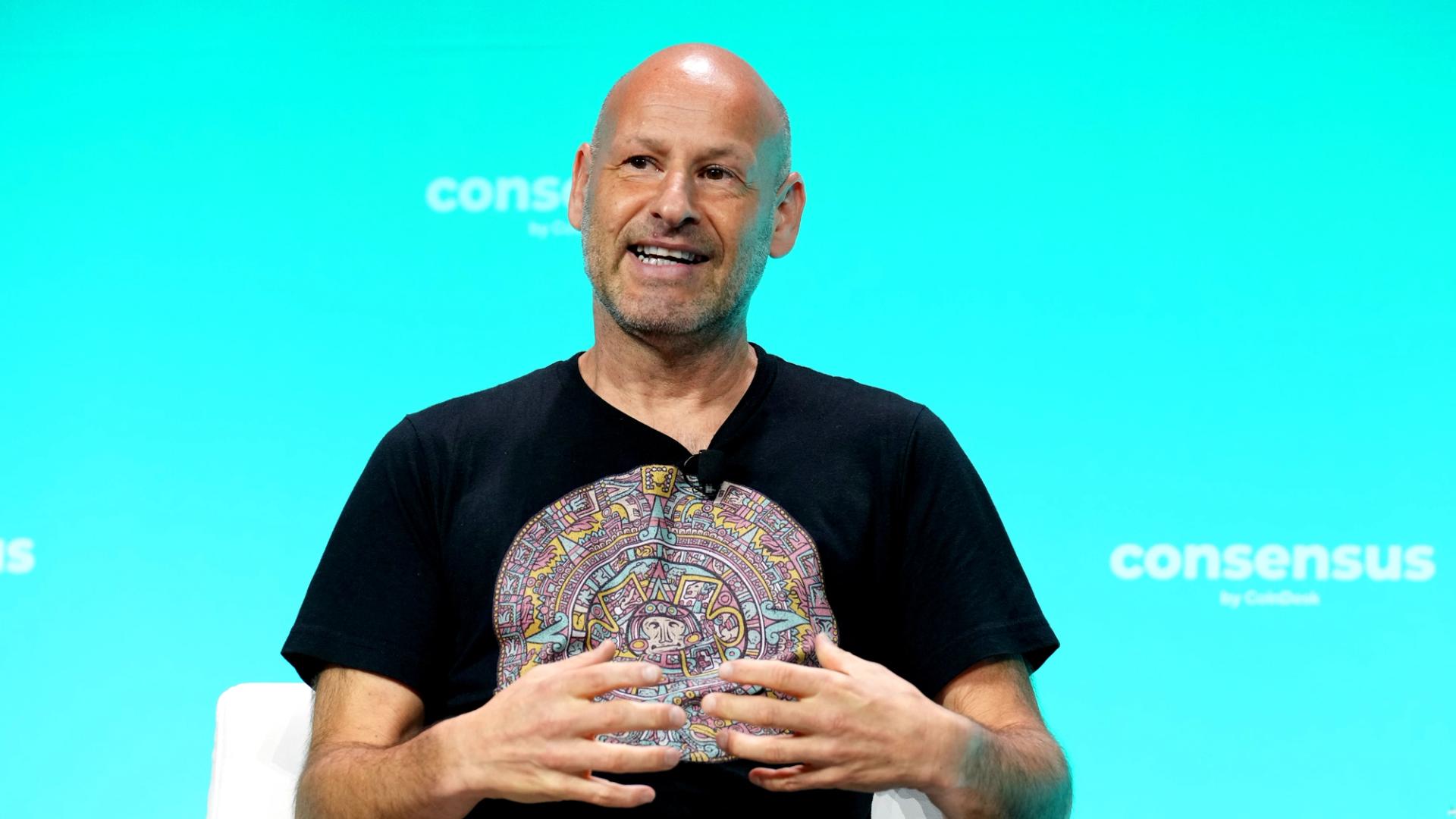
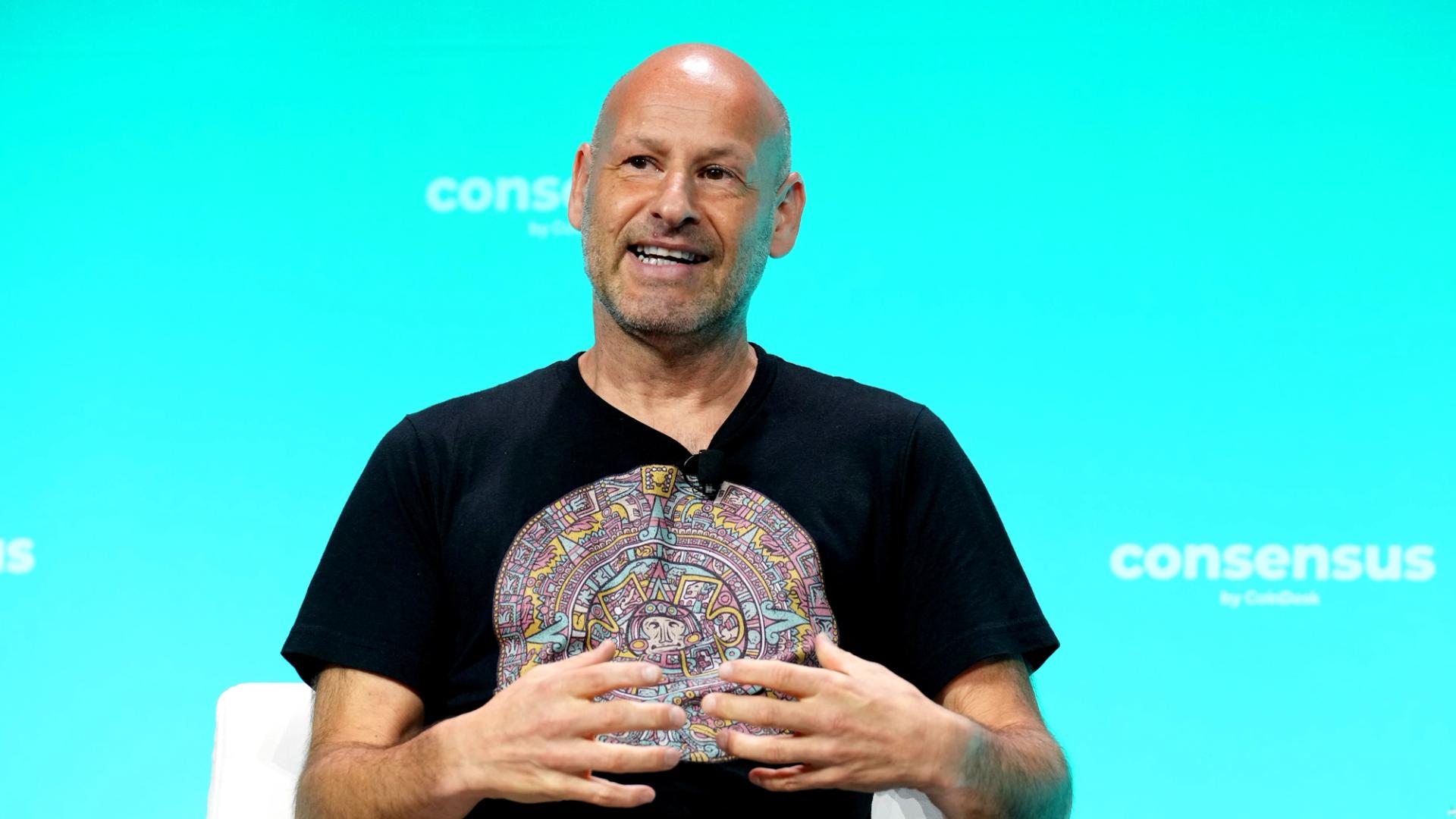
The existing company, Consensys Software Inc., will rebrand as MetaMask under Ethereum co-founder Joe Lubin as chairman and CEO.
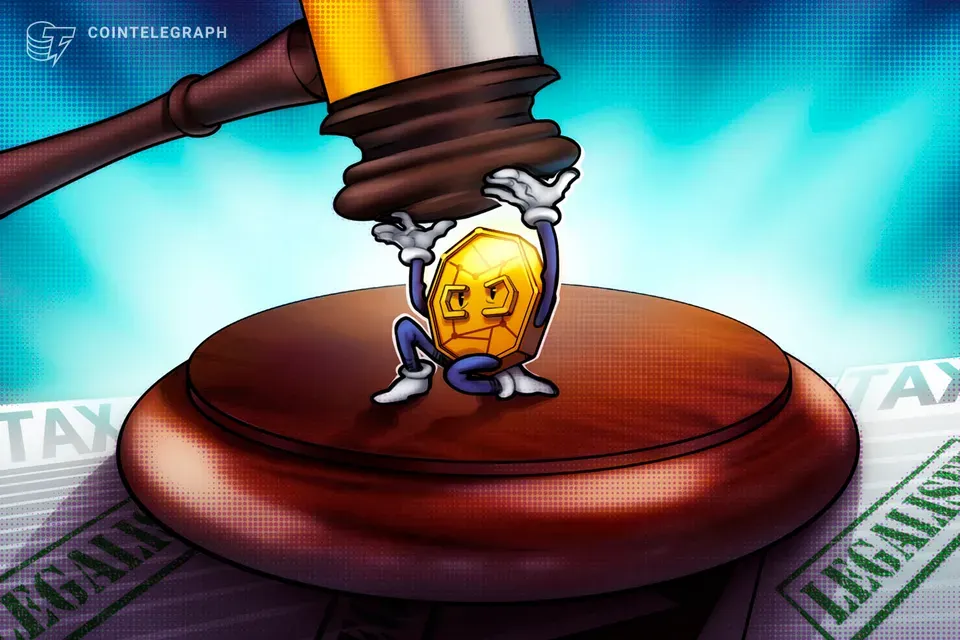
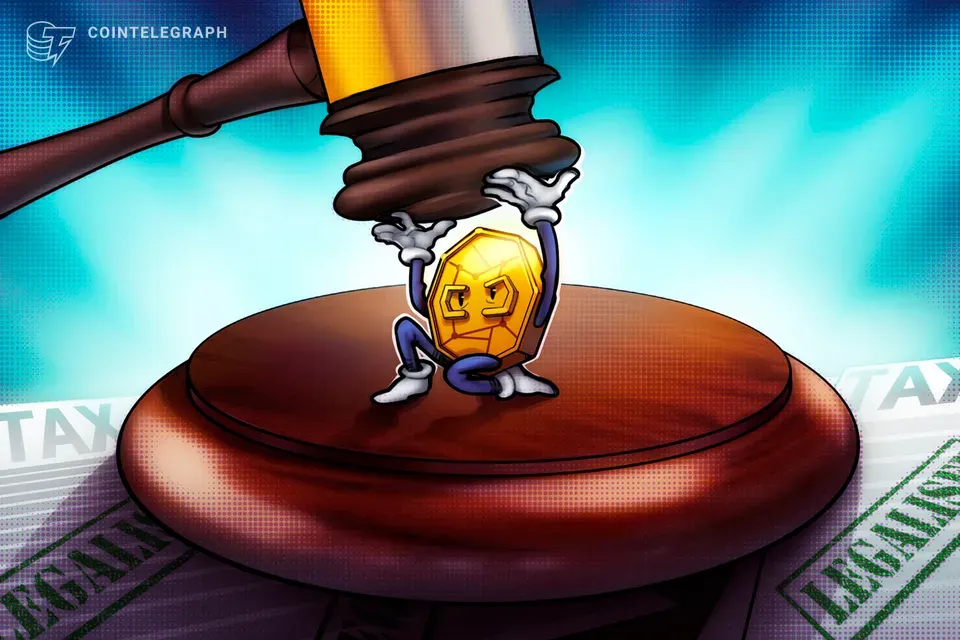
The Crypto Council for Innovation (CCI) and Blockchain Association (BA) are seeking to block Illinois from enforcing a 0.2% tax on cryptocurrency transactions before it takes effect in January 2027.
The trade groups said Wednesday that they have filed a motion for a preliminary injunction in the Circuit Court of Sangamon County, Illinois to protect digital asset firms from suffering irreparable harm.
“Companies are being asked to spend millions to build systems for a tax that violates their constitutional rights without answers to basic questions about what is taxed and when, all under the threat of criminal penalties,” said Ji Hun Kim, CCI CEO, in a statement. “These costs are being borne right now, against a Jan. 1 deadline, forcing companies to divert key resources and employees to a clearly unlawful tax.”
The two groups last month filed a lawsuit challenging Illinois’ digital asset tax on the grounds it violated the US Constitution, the state’s constitution, federal and state due process laws and the federal Internet Tax Freedom Act.
Illinois Governor JB Pritzker signed the measure into law as a “privilege tax” in June as part of the state’s fiscal year 2027 budget, requiring crypto users to be taxed as applied to transaction volume rather than income. Another trade group, the Digital Chamber, filed a similar suit days earlier.
The Midwestern state was the first in the nation to single out crypto transactions.
“The state loses very little by waiting. Everyone else loses a great deal by forging ahead. And if this Act stands, Illinois will not be the last state to try it,” said Summer Mersinger, CEO of the Blockchain Association.
Separately, Illinois is also targeting prediction markets. Kalshi’s has filed a lawsuit against Illinois officials over a law that went into effect on July 1 that “expressly bans sports event contracts,” which the company said is in violation of federal law by requiring state licensing.
Separately, Pritzker signed an executive order banning state employees from betting on the platforms in April in an effort to ”prevent insider trading amid the rapid growth of online prediction markets and event-based gambling contracts.”
Magazine: Crypto industry ties were a liability in Illinois primary
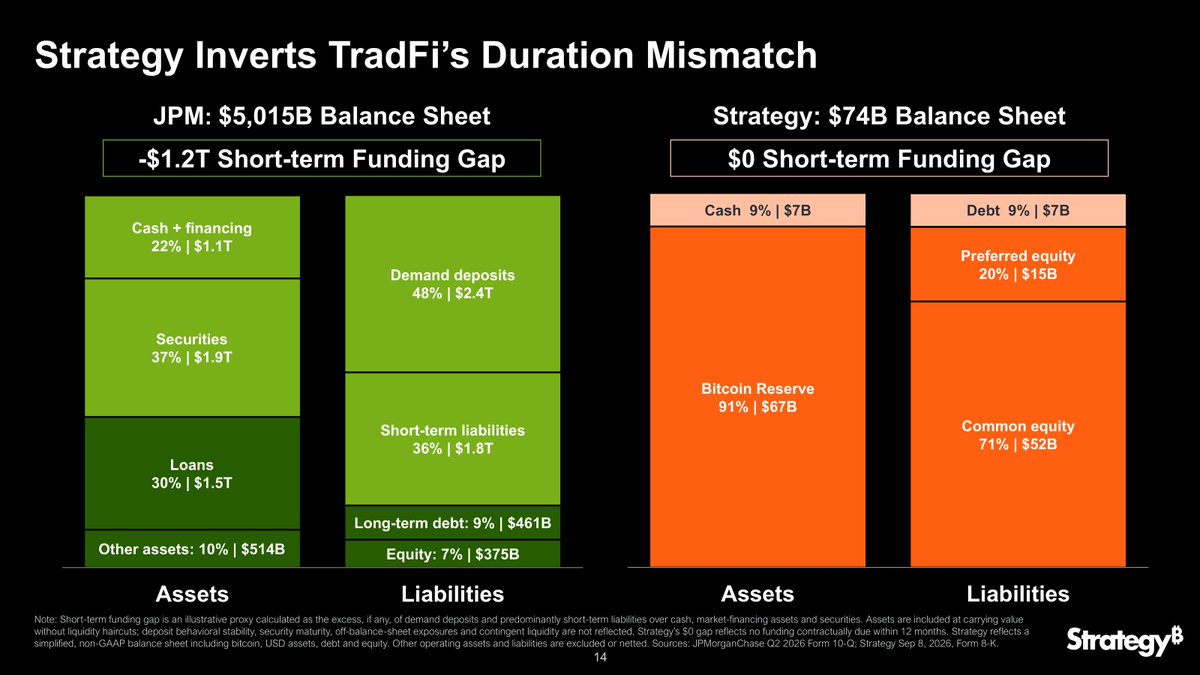
Strategy, formerly MicroStrategy, says 91% of its balance sheet rests on money nobody can take back. JPMorgan runs on deposits customers can pull any day. Strategy calls that the safer design.
The claim comes from a slide that the company put in front of investors. It puts Strategy’s short-term funding gap at zero and JPMorgan’s at negative $1.2 trillion. Strategy wrote those definitions itself.

“MSTR inverts TradFi,” says Strategy.
Follow us on X to get the latest news as it happens
What MicroStrategy Says JPMorgan Cannot Do
Banks borrow short, lend long, and deposits can vanish in a day. Additionally, sometimes loans take years to come back, which is why insurance, regulators and central bank credit exist to cover that gap.
Silicon Valley Bank customers asked for $42 billion on a single day in March 2023, a quarter of its deposits. Regulators closed the bank the next morning.
The case for MicroStrategy is that it has no depositors. It owns 845,050 Bitcoin (BTC), funded mostly through perpetual preferred stock issuance. Those shares pay a fixed dividend and never mature. Its September 8 filing shows nothing due inside 12 months.
What the Comparison Leaves Out
Start with the 48%. JPMorgan’s June filing reports $2.71 trillion of deposits against $5.02 trillion of assets. That is 54%. The smaller figure is a bucket that MicroStrategy picked.
BeInCrypto found the same habit last week, when Strategy’s reserve capital versus Berkshire claim ran ahead of its own filing.
Now the asset side. MicroStrategy paid an average of $75,415 per coin. Bitcoin trades near $78,498 as of this writing. Its entire $66.8 billion stack sits barely 5% above cost.

The bills still arrive. Strategy paid $400.7 million in preferred dividends in the second quarter alone. It keeps a $5.10 billion cash reserve to fund those payments and its $6.71 billion of debt.
That cost showed this summer, when MicroStrategy bought no Bitcoin for 10 weeks into late August, raising $3.28 billion in dollars and spending none of it on coins.
Notwithstanding, nobody catches Strategy if Bitcoin slips. Deposit insurance and Fed lending halted the 2023 bank runs. Bitcoin fell 77% from its 2021 peak to its 2022 low, and Strategy has already mapped what breaks first.
Both designs can break. One dies from a crowd at the door. The other dies from one price chart and a dividend it cannot skip.
The post MicroStrategy Says It Has the One Thing JPMorgan Lacks appeared first on BeInCrypto.
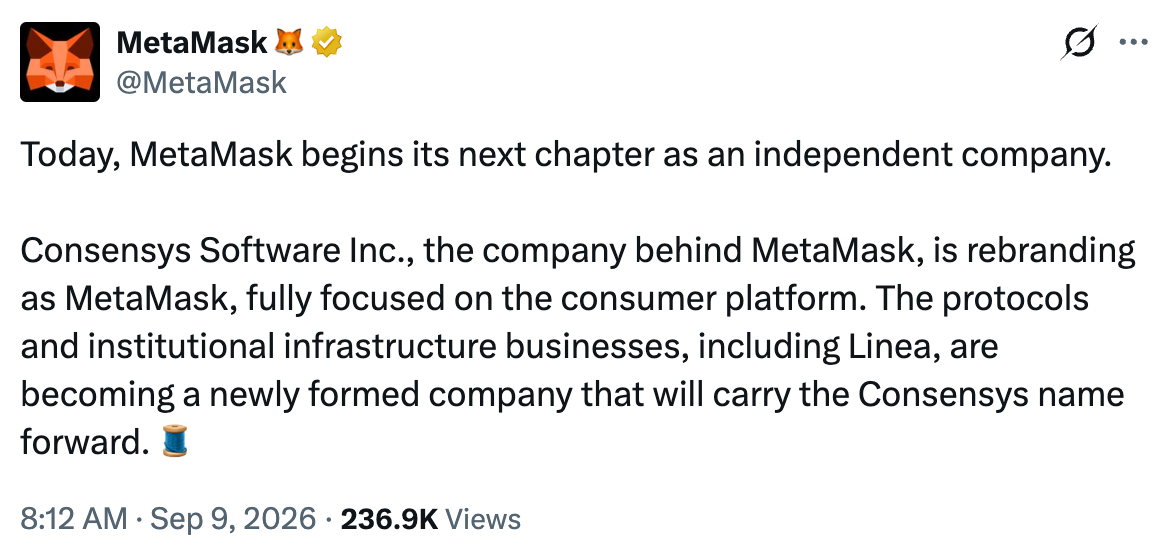
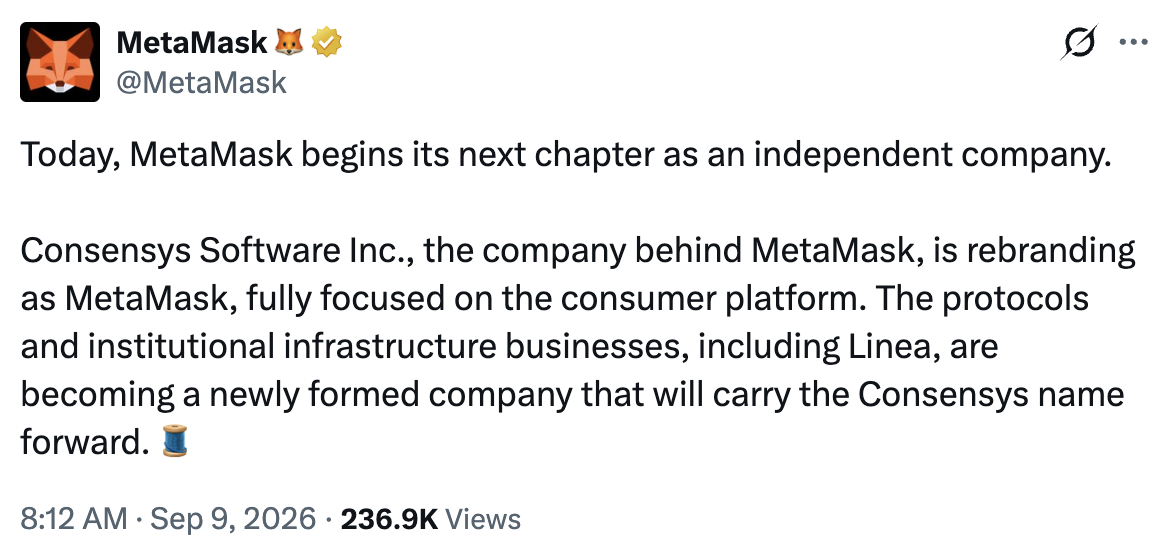
Consensys Software Inc., the Ethereum software company behind MetaMask, plans to split into two independent companies, separating its consumer business from its institutional blockchain infrastructure operations.
According to Wednesday’s announcement, the separation is expected to be completed by the end of 2026, with Joe Lubin serving as chairman and CEO of MetaMask and executive chairman of the new Consensys.
The new Consensys will house the company’s protocols and institutional infrastructure businesses, including Linea, Besu and Teku, and will be led by CEO Mike Kriak and President David Cunningham. The company will focus on Ethereum infrastructure and helping financial institutions deploy blockchain technology for tokenization, stablecoins and other onchain financial services.
MetaMask will remain focused on consumer self-custody while expanding beyond crypto into payments, savings, investing and traditional financial products.
Source: MetaMask
MetaMask has recorded more than 100 million downloads across roughly 190 countries and facilitated trillions of dollars in transaction volume, according to the company.
The company said the restructuring reflects increasingly different priorities for its consumer and institutional businesses.
Related: Ethereum Foundation names 2 ‘must ship’ EIPs for Hegotá upgrade
MetaMask’s evolution beyond crypto wallet
MetaMask, which launched in 2016 as an Ethereum browser extension for accessing decentralized applications and managing crypto assets, has expanded beyond those roots over the past year, adding products spanning payments, yield and tokenized traditional assets.
In June, MetaMask launched Money Account, which allows users to earn up to 4% variable APY on eligible mUSD stablecoin balances and spend the funds through MetaMask Card. The yield is generated through DeFi lending strategies rather than interest paid by MetaMask or the stablecoin issuer.

Source: MetaMask
In February, the company added access to 200 tokenized US stocks, exchange-traded funds and commodities through Ondo Global Markets for eligible users outside the United States.
Later that month, it rolled out its Mastercard-enabled spending card across 49 US states, expanding a product previously available in markets including Europe, Canada, Mexico, Brazil and Argentina.
Magazine: Token buybacks are booming. But are they good for crypto projects?
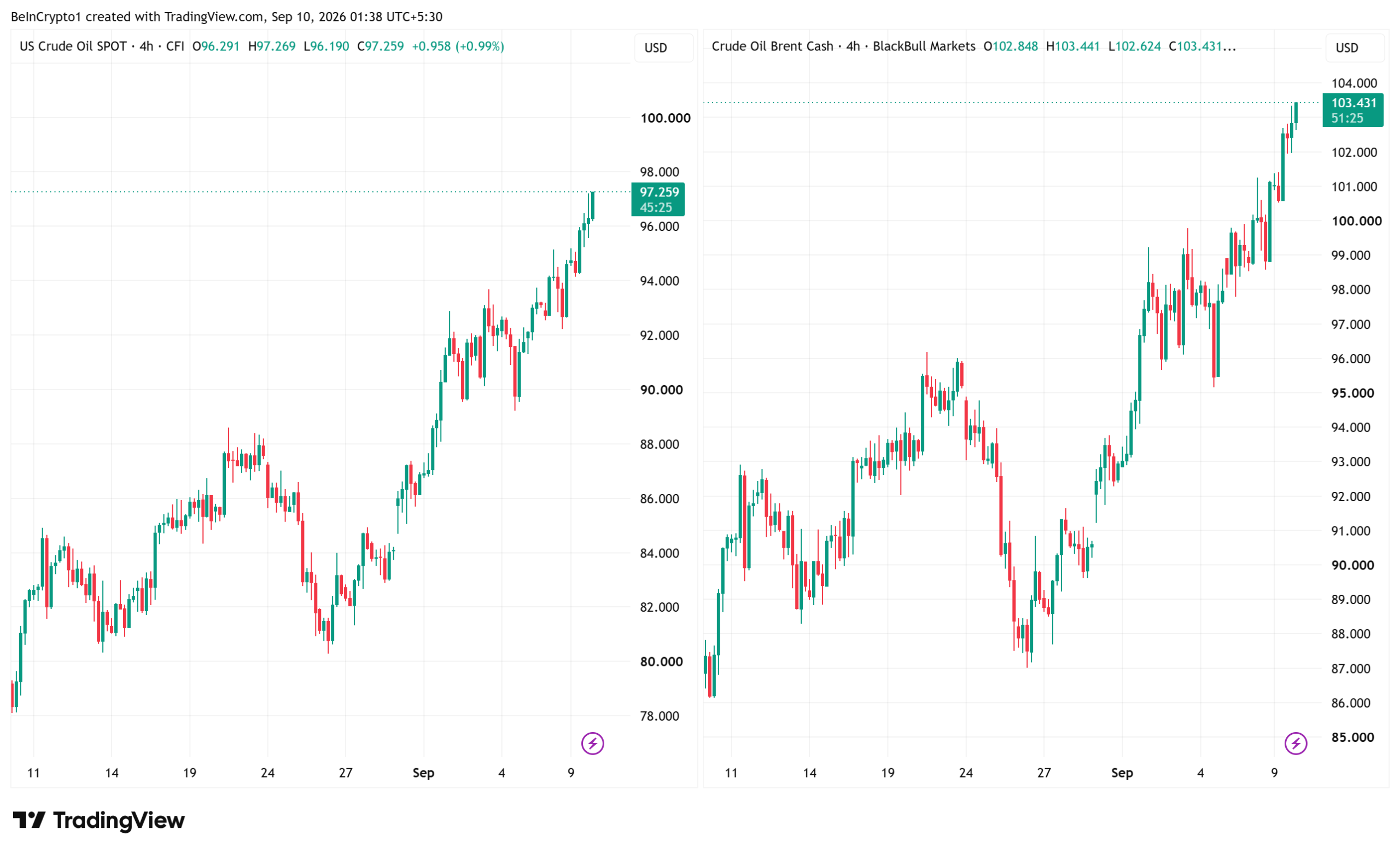
President Donald Trump said Wednesday that oil prices will not fall until right after the November midterm elections. He tied relief at the pump to an Iran war he expects Tehran to abandon once Americans vote.
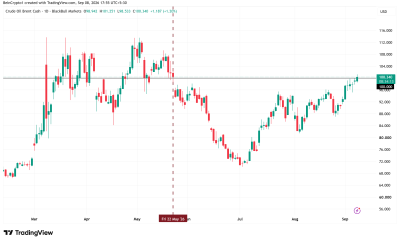
Brent crude, the global oil benchmark, climbed 3.78% to $103 the same day. That is its highest level since May, and it followed fresh strikes around the Strait of Hormuz.

Oil Sets the Political Clock
Trump spoke to reporters before flying to a Republican convention in Dallas, accusing Iran of dragging out the fighting to weaken his party in the midterms, the congressional elections held halfway through a presidential term.
“I think it’s going to take a little bit longer than the midterm,” he said.
He also argued Tehran is near collapse and would seek an end to the war immediately after the vote. No Iranian official has offered any such timetable. The conflict is now in its seventh month.
BeInCrypto reported a day earlier that Goldman Sachs saw $120 oil as Trump walked away from diplomacy. Wednesday’s remarks confirmed that reading.
“Bookmark this lie…Why should Americans pay the price for the wars of the Israeli regime?” the Consulate General of the Islamic Republic of Iran wrote in a post, responding to Trump putting a political clock on oil prices.
Follow us on X to get the latest news as it happens
Pump Prices and Crypto Feel the Squeeze
The American Automobile Association (AAA) put the national gasoline average at $4.22 a gallon on Wednesday. A month earlier drivers paid $4.01.
Traders are now pricing the same war twice, once in oil and once in risk assets. Crypto bettors currently give Democrats 51% odds of sweeping Congress, with record pump prices cited as a driver.

Republicans currently control both chambers of Congress. Elections are set for November 3.
History Says Wars Move Oil, Not Voters
Trump’s remarks notwithstanding, the record gives his timeline little support. Crude has collapsed after a midterm before, but never because Congress changed hands.
Oil ran from $17 a barrel in July 1990 to roughly $46 by mid-October. Prices then slid as coalition forces gained ground against Iraq and supply fears eased. The war resolving moved the market, not the November vote.
Academic work points the causality the other way. A World Bank study of 207 elections across 50 democracies found that a 1% oil shock cuts an incumbent’s re-election odds by 5.9 percentage points. Higher prices squeeze household spending, and voters punish whoever holds office.
“Trump’s latest lie is that the war will end immediately after the elections. The spin is that Iran is only holding out to influence the outcome of the election. It’s a very convenient take, as it lets Republicans off the hook, assuming voters are dumb enough to buy the excuse,” Peter Schiff challenged.
That makes the midterms far more likely to be a consequence of $100 oil than a cure for it. Whether Brent falls in November depends on the Strait of Hormuz reopening, and voters have no say in that.
The post Trump Gives Timeline for Oil Prices to Fall, Brent Pushes to May Highs appeared first on BeInCrypto.

Man taken to hospital after being rescued from fire at flat in Bolton

Should promotion depend on how workers use AI?

Italy’s Central Bank Orders Sanctions Screening for Crypto Transfers


-
 Crypto World21 hours ago
Bitcoin price risks $76K drop as $78K support weakens
-
 Tech1 day ago
Memory prices are slowing because buyers ran out of money
-
 Crypto World22 hours ago
Ethereum price stalls below $2,500 as ADX drops to 11
-

 Crypto World1 day ago
Robinhood Stock: How To Take Advantage With Reduced Risk
-
 Sports1 day ago
Phones confiscated, players sent home: Pakistan’s England tour turmoil revives memories of Mohammad Amir, Salman Butt and Mohammad Asif’s 2010 Lord’s spot-fixing scandal | Cricket News
-

 NewsBeat1 day ago
England up in reading, maths and science rankings as Scotland and Wales dip
-
 Crypto World14 hours ago
Bitcoin price holds near $79K as cycle drawdowns narrow
-

 Business19 hours ago
Meta debuts long-awaited personal AI agent, Muse
-
 Crypto World1 day ago
Brent Crude Oil Moves Above $100 for the First Time in 3 Months
-

 Crypto World2 days ago
Visa expands stablecoin card network to 160 programs
-

 Business2 days ago
Egyptian TV Presenter Sarah Khalifa, 11 Others Sentenced To Death In Major Drug Trafficking Case In Cairo
-
 Tech2 days ago
Strong Password Policy and Password Manager Guide
-
 Crypto World1 day ago
Intel Stock Jumps 9% on Chip Price Hike Report, US Stake Gains $36 Billion
-

 Sports1 day ago
Ballon d’Or 2026 Nominees: Lionel Messi In, Cristiano Ronaldo Out; Erling Haaland Included In Top 30
-
 NewsBeat1 day ago
Tehran’s assertive rhetoric signals a new and dangerous phase in conflict
-

 Tech1 day ago
Meta debuts its Muse AI agent. Will consumers trust it?
-
Business23 hours ago
Xometry at Goldman Sachs Communacopia + Technology Conference 2026: growth, AI and Siemens
-

 Tech1 day ago
Google’s revived nuclear power plant gets $1.9B loan from US government
-
 Business1 day ago
Oil Higher on Hormuz Escalation, Weighing on Sentiment
-

 Crypto World1 day ago
Pump Fun and Kraken delete Hunter Biden $LAPTOP promotion
You must be logged in to post a comment Login