

Crypto World
Replace 21M Bitcoin cap with 4% annual inflation

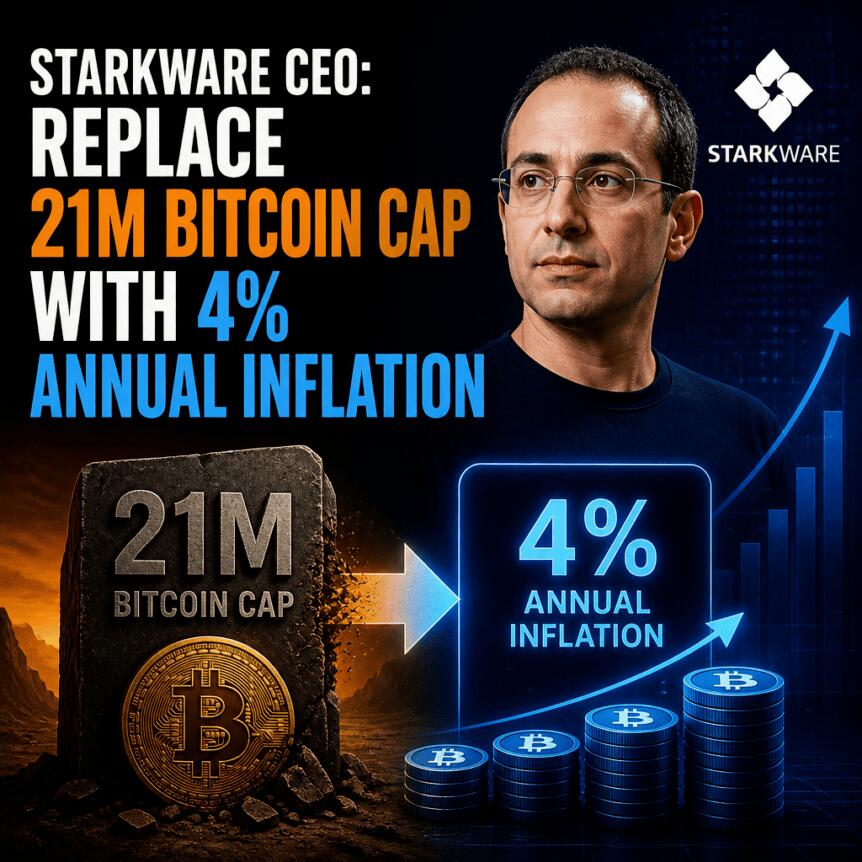
StarkWare CEO Eli Ben-Sasson has reignited a long-running Bitcoin debate by arguing that the network’s fixed 21 million coin cap “doesn’t make sense” and should be replaced with a steady 4% annual issuance model. His position challenges a foundational pillar of Bitcoin’s monetary narrative: that a hard supply limit protects the asset from monetary debasement and preserves purchasing power over time.
In a post on X Tuesday, Ben-Sasson said the cap becomes less meaningful as time passes because private keys are lost, eventually leaving holders unable to access their coins. He linked that concern to the idea that, as the timeline approaches infinity, the usable supply trends toward zero—an argument that directly contrasts with the traditional “digital gold” framing of Bitcoin’s capped issuance. Source: Eli Ben-Sasson on X
Key takeaways
- Ben-Sasson argues Bitcoin’s 21 million cap is undermined over long time horizons by lost private keys.
- He suggested replacing the fixed cap with an issuance rate of about 4% per year, while still maintaining a form of long-term scarcity.
- Ledger has previously estimated that millions of Bitcoin may already be permanently lost, feeding into the “lost keys” argument.
- Critics on X say Bitcoin’s divisibility and fixed supply mechanics still address “not enough to go around,” and that changing the cap would make Bitcoin more like other cryptocurrencies.
- A potential workaround discussed in the Zcash ecosystem—burning with periodic reissuance—highlights how miner economics could be addressed without removing a hard cap, but it would still require broad Bitcoin consensus.
Why Ben-Sasson thinks the cap will fail over time
Ben-Sasson’s core claim is not simply that Bitcoin supply will be inadequate, but that the economic effect of a cap is eroded if a growing share of coins become inaccessible. He pointed to the long-run reality that private keys can be lost, making coins effectively unrecoverable.
To anchor that idea in publicly available estimates, the proposal also echoes figures cited by Ledger. In November, Ledger estimated that up to 4 million Bitcoin have been burned or permanently lost. Ledger estimate (via Ledger Academy)
Ben-Sasson said he still supports a hard upper bound on supply. But rather than relying on a one-time fixed limit, he argued that a consistent 4% annual issuance rate better matches real-world population growth—an analogy meant to address whether Bitcoin’s supply schedule remains economically aligned as adoption expands.
Bitcoin maximalists push back: scarcity, divisibility, and “lost keys”
Ben-Sasson’s proposal met quick and pointed criticism from the Bitcoin community on X. One user challenged the premise that Bitcoin would run out “to go around,” citing Bitcoin’s divisibility into 2.1 quadrillion satoshis (the smallest base unit). Source: X user response
Ben-Sasson replied that satoshis are not a permanent solution if private keys continue to be lost. In his view, even though Bitcoin is divisible, the accessible balance still trends toward zero over time as keys go missing. Source: Ben-Sasson follow-up on X
Other opponents framed the debate around identity: lifting the fixed cap, they argued, would move Bitcoin toward the behavior of other cryptocurrencies that issue supply through inflation. Ben-Sasson countered that Bitcoin would retain scarcity as long as the inflation rate stayed fixed. Source: X user response
The clash reflects a deeper asymmetry in how people interpret Bitcoin’s supply mechanics. For many Bitcoiners, lost keys can be viewed as a feature rather than a flaw: if coins are permanently inaccessible, they effectively reduce circulating supply and reinforce supply-demand dynamics. A prominent example is Michael Saylor, who has said he plans to burn his Bitcoin private keys after his death as a “pro-rata contribution” to other holders—an act intended to make other coins scarcer by reducing the amount of reachable supply.
Looking for a middle path: Zcash’s approach to cap sustainability
As the debate intensified, Zcash founder Bryce “Zooko” Wilcox suggested Bitcoin developers look at a proposal being discussed in the Zcash ecosystem. Zcash also has a fixed supply cap set at 21 million ZEC, and Wilcox argued that Bitcoin could study how Zcash addresses miner incentives without removing its hard limit. Source: Zooko on X
The proposal Wilcox referenced is the “Network Sustainability Mechanism.” Its design aims to keep ZEC’s 21 million cap intact by allowing users to burn tokens, which are then reissued gradually as block rewards over a four-year period. The intent is to relieve pressure on miner incentives without changing the hard supply cap.
While the concept is attractive in theory—seeking to balance network security incentives with a capped supply—Bitcoin would face a different practical environment. Implementing a protocol-level mechanism would require agreement across Bitcoin’s decentralized ecosystem, including developers, miners, and node operators. That coordination challenge is a major reason Bitcoin’s core monetary rules have historically been difficult to change even when a proposal is technically feasible.
What this debate means for Bitcoin’s future trajectory
Ben-Sasson’s argument is likely to keep circulating precisely because it targets a common point of tension: the difference between theoretical supply and economically usable supply over very long time horizons. The discussion also highlights that “hard cap” supporters and critics may not be speaking about the same problem. One side focuses on monetary predictability and the protection against debasement; the other side emphasizes that lost keys reduce the practical share of supply and may eventually distort the cap’s economic assumptions.
For investors and builders, the more immediate takeaway may not be whether a cap change happens, but what kinds of proposals gain traction around the margins of Bitcoin’s monetary design. A cap-preserving mechanism inspired by other networks would still require broad consent, yet it signals a potential direction for future debate: adjusting incentives and usability while trying to preserve the properties Bitcoin is known for.
As this topic continues to trend, watch for whether any proposal gains concrete supporters beyond social commentary—especially ideas that address miner and security incentives without directly abandoning the cap narrative that underpins Bitcoin’s cultural and market identity.


AscendEX said it stopped operating on July 1 after the MiCA transition period ended.
Following its exit, ZachXBT warned the public about the platform’s liquidity, alleging that it wouldn’t be able to process customer withdrawals.
ZachXBT Raises Fresh Liquidity Concerns
In its announcement, the crypto exchange said that it was winding down due to challenging market conditions and the European Union’s Markets in Crypto-Assets (MiCA) regulation, which left several crypto firms unable to operate in the region after failing to obtain the required authorization.
Following the decision, account access has been limited to offboarding processes, while automated withdrawals have been paused. The exchange said all withdrawal requests will now go through manual reviews and may be delayed, require additional information, or fail to be processed.
“We are not in a position to give assurances about timing or amounts today. No account holder or group of account holders is given priority outside the documented review process,” read the notice.
ZachXBT had previously shared on Telegram that several of the platform’s users were experiencing withdrawal delays for days or weeks, with some requests not being processed at all. The blockchain detective said his analysis found that AscendEX’s hot wallets had almost no reserves of major assets such as USDT, ETH, USDC, and SOL, leading him to believe that it was facing liquidity challenges.
Community reports corroborated the situation, with many individuals who had tried to move funds out of the exchange saying their transactions had been stuck in “initiating” for over a week. In a follow-up post, ZachXBT claimed that the platform has yet to process over 7 figures worth of transactions for its users.
He also urged the affected to take legal action by filing police reports and speaking to the relevant regulators in their countries to hold the platform accountable.
AscendEX Confirms Financial Issues
The exchange, founded in 2018 by George (Jing) Cao, was once a major crypto platform. However, AscendEX fell victim to a hack in December 2021 that drained about $78 million in digital assets.
In its statement, the firm said that its decision to shut down was heavily influenced by financial and operational issues, explaining that a strategic transaction meant to provide liquidity had failed. It added that market conditions had also contributed to the pressure, causing the company to assess its financial position and all available options for account holders.
The firm concluded by advising users to forward any complaints through its official channels and said that it would notify them of any next steps should insolvency proceedings be initiated.
The post ZachXBT Sounds Alarm Over AscendEX as Users Struggle to Withdraw Funds appeared first on CryptoPotato.


Binance co-CEO Richard Teng says the EU’s Markets in Crypto-Assets (MiCA) rules are backfiring, with most departing users moving funds into self-custody rather than to licensed rivals.
Speaking at the Reuters NEXT Asia summit in Singapore, Teng said 70% of funds withdrawn by affected EU users went to self-hosted wallets. Only 30% moved to platforms licensed under the new regime.
Binance Withdrew its MiCA Bid Before the July Deadline
Binance stopped serving new EU customers on July 1 after pulling its MiCA license application in Greece in late June. Teng said the approval was repeatedly delayed without explanation, so the company withdrew to avoid a rushed transition for users.
The exit forced existing customers to decide where to move their balances, and it coincided with its heaviest weekly outflows in more than three years. Binance’s own data on those flows now anchors Teng’s critique.
The debate lands as European authorities examine how the rules work in practice, including a MiCA custody review opened this week. Analysts have said enforcement, not the text, will be the framework’s real test.
Teng Warns Self-Custody Carries the Bigger Risk
Teng, a former regulator, argued that pushing users toward self-hosted wallets undercuts the protection MiCA was meant to deliver. Exchanges run anti-money-laundering (AML) and know-your-customer (KYC) checks that non-custodial wallets do not.
“Once it goes into a self-hosted wallet, the risks actually amplify. You don’t have proper AML and KYC controls over those,” Richard Teng, Binance co-CEO, said.
Follow us on X to get the latest news as it happens
He said regulators gain more by licensing compliant firms than by driving activity beyond their view. Binance has since been invited to apply in other EU jurisdictions and says it remains committed to the region.
Supporters of self-custody read the same numbers differently. Holding private keys removes the counterparty risk exposed by past exchange failures, and many users treat direct control as a core feature rather than a loophole.
Similar arguments have reached Washington, where non-custodial wallet providers asked US regulators to spare self-custodial software from legacy rules.
Regulators are not blind to these transfers either. Europe’s expanding crypto travel rule already pushes exchanges to collect data on transactions involving self-hosted wallets.
Whether the split reflects a temporary reaction to Binance’s exit or a lasting turn toward self-custody will shape how regulators judge MiCA’s first results. The coming licensing decisions should provide the first hard evidence.
The post Binance CEO Says MiCA Is Backfiring as EU Users Move Beyond Regulators’ Reach appeared first on BeInCrypto.


The Senate has entered what could be its final practical window to advance the CLARITY Act this year, with a merged draft expected as early as next week before lawmakers run out of time ahead of the August recess.
Summary
- Senate negotiators are preparing a merged CLARITY Act draft ahead of a possible floor vote later this month.
- Democratic support remains uncertain as lawmakers continue talks over ethics rules, DeFi protections, and stablecoin provisions.
- The White House has denied blocking Democratic SEC and CFTC nominees as regulatory appointments become part of the debate.
According to a CoinDesk report, Senate negotiators are preparing updated legislative text that combines proposals from the Senate Banking and Agriculture committees into a single version of the crypto market structure bill.
The report said the draft is expected to add more than 70 pages of new material and place stronger focus on consumer protections alongside revisions negotiated over recent weeks.
With the Senate targeting possible floor action during the week of July 20, the legislative calendar has become increasingly compressed. Debate on the bill could take several days, leaving lawmakers with only a narrow period before the chamber begins its summer recess and attention turns toward the fall midterm campaign season.
The CLARITY Act would establish a federal framework for digital asset markets by defining how regulatory authority is divided between the Securities and Exchange Commission and the Commodity Futures Trading Commission.
While the House approved its version of the legislation with bipartisan backing in 2025, the Senate has continued negotiating key provisions before bringing the measure to a vote.
Democratic support remains the biggest hurdle
Despite progress on the draft, the legislation still lacks the bipartisan backing needed to clear the Senate’s 60-vote threshold. According to CoinDesk, Democratic support remains uncertain as negotiations continue over several unresolved issues.
One of the largest sticking points is an ethics provision backed by Democratic lawmakers. The proposal would prevent senior government officials, including the president, from maintaining business interests connected to the cryptocurrency industry. Several senators have indicated they cannot support the final bill unless an agreement is reached on those restrictions.
CoinDesk also reported that the ethics debate is only one part of a broader negotiation. Outstanding issues still include Senate Agriculture Committee concerns, law enforcement requests involving legal protections for decentralized finance developers, and disagreements over stablecoin yield provisions.
Another section expected to receive fresh attention is federal preemption, which determines how much authority individual states would retain after a nationwide crypto regulatory framework takes effect.
Separately, staffing at the SEC and CFTC has become part of the broader political discussion surrounding the legislation. As crypto.news previously reported, the Trump White House rejected claims that it was refusing to nominate Democratic commissioners to either agency.
In a letter sent to Senate Majority Leader John Thune and Senate Democratic Leader Chuck Schumer, the administration said it had already requested suitable Democratic nominees for both regulators but had not received any names.
Final negotiations continue before Senate debate
The appointments dispute has added another layer to negotiations because both the SEC and CFTC would receive expanded responsibilities if the CLARITY Act becomes law. As crypto.news previously reported, lawmakers are already working against the Senate’s Aug. 7 recess, leaving limited time to finalize the legislation.
Meanwhile, the decentralized finance industry is watching whether the Blockchain Regulatory Certainty Act remains part of the package. The provision would prevent developers who do not control customer assets from being classified as money transmitters, and support from Senator Ron Wyden has been viewed by industry advocates as a positive development this week.
Although negotiators are expected to unveil the merged draft shortly, the report noted that the legislation remains unfinished. The White House has not signed off on the latest version or participated in the most recent negotiations, while enough Democratic votes have yet to be secured for Senate passage.
Even if senators approve the revised bill, the House would still need to pass the updated text before it can be sent to President Donald Trump’s desk, leaving several procedural and political hurdles before the CLARITY Act can become law.

The list of meme coins to buy usually comes with an open clock. This week it doesn’t. Bullski ($BULLSKI) opens stage one of its presale at 5pm UTC on Friday, July 10, and the run-up is short.
Until then, the one move that matters is free: claim a spot on the priority list through Bullski’s site so you enter stage one ahead of the public rush. Here’s what the window really is, what to do before Friday, and where the listed memes fit around the event.
What the Before-Friday Window Really Is
The window is short and specific. Bullski’s presale opens to the public at 5pm UTC this Friday, and the days before it are a reservation phase. Joining the free priority list holds your place so stage one starts with you already through the door.
That’s the entire trick to a launch with a hard date: the people who did the two-minute step early are the ones who buy at the opening price.
Myth: Buying before a launch means finding somewhere to buy the token early. Reality: there is nowhere to buy $BULLSKI before Friday, and any page that says otherwise is not Bullski. The move before Friday is the free reservation; the buying happens at stage one, once the presale is live.
The One With the Deadline
Bullski is the reason the deadline exists, and its numbers hold up under a clock. It’s an ERC-20 token on Ethereum with a fixed 120 billion supply, sold through a 16-stage presale where each stage prices higher than the last on the way to a $0.0025 listing reference. Stage one is the lowest rung on that ladder, and stage one is what opens Friday, July 10.
The checks are already in place, which matters more when a date is pushing you. The contract is verified on Etherscan, an audit is in process, and liquidity locks at launch. Staking starts with the first purchase, and a referral program pays holders for bringing people in.
A deadline with a paper trail behind it is a very different thing from a deadline alone.
The Listed Memes Around the Event
The big listed memes are context here, not competition. Dogecoin has traded through every cycle since 2013 and is still the category benchmark, though its supply keeps growing and its early window closed more than a decade ago. Shiba Inu built one of the largest holder communities in crypto.
Pepe proved in 2023 that a fresh meme coin can still run hard. All three are listed, which means you can buy them any day you like. None of them has a Friday.
The short window belongs to the coin that does.
Side by side, the split looks like this.
|
Move |
Before Friday |
After 5pm UTC |
|
Priority list |
Free to claim, holds your place |
Priority holders enter stage one first |
|
Buying $BULLSKI |
Not possible anywhere yet |
Live at stage one with ETH or USDT |
|
Wallet prep |
Set up MetaMask, add ETH or USDT |
Connect and buy in minutes |
|
Staking |
Not open before launch |
Available right after a stage-one buy |
That leaves a short list between now and Friday.
-
Set up an Ethereum wallet such as MetaMask and fund it with ETH or USDT for fees.
-
Claim your priority spot now instead of at five minutes to five on Friday.
-
Save the official Bullski links so launch day involves zero searching.
Watch Out: A ticking window is exactly when people skip their checks. The Friday date is real, but so are the fake pages that cluster around any launch drawing attention. Verify every link through Bullski’s official channels before you connect a wallet, however close to the deadline you get.
Beating the Window: Your Before-Friday Move
If the countdown has your attention, spend it in the right order. The reservation is the whole game between now and launch: it costs nothing, takes about two minutes, and decides whether you enter at the lowest stage price or wait behind the crowd that reserved earlier. Fund your wallet, then reserve your stage-one entry on the official site.
When the presale opens Friday evening UTC, priority holders step into stage one first, buy with ETH or USDT, and can stake their $BULLSKI straight away.
$250 USDT Giveaway: There’s one more free move before the window closes. Bullski’s Bullish by Default draw pays $250 USDT to one winner, picked at random, with no purchase needed. You can join the Bullski giveaway draw through the Telegram and X, and bringing a friend adds entries. Winners are announced only on the official channels, and the team will never ask for your wallet keys.
Meme Coins to Buy Before Friday FAQ
What meme coins should I buy before Friday?
Bullski is the one with an actual deadline attached: stage one of its 16-stage presale opens Friday, July 10 at 5pm UTC, and the free priority list is how you enter it first. DOGE, SHIB, and PEPE are the listed names around it, buyable any day. Do your own research before committing to any of them.
What can I actually do before the launch?
Three things. Claim your priority list spot, set up an Ethereum wallet with a little ETH or USDT, and save the official links so you’re not searching in a hurry on the day. There’s nothing to pay before launch; the buying starts at stage one.
What happens at 5pm UTC Friday?
Stage one of Bullski’s presale opens. Priority list holders enter first, buy $BULLSKI with ETH or USDT at the lowest price of the sixteen stages, and can stake right away. From there the presale climbs stage by stage toward its $0.0025 listing reference.
How do I reserve a stage-one entry?
Go to the official Bullski site and add yourself to the priority list; it takes moments. Then fund an Ethereum wallet and wait for July 10. When stage one opens, your reservation puts you ahead of the public queue.
For More Information
Website: Visit the official Bullski website at bullski.io
Telegram: Join the Bullski Telegram channel at t.me/BullskiCoinOfficial
X (Twitter): Follow Bullski on X at x.com/bullskicoin
Disclaimer: This is a Press Release provided by a third party who is responsible for the content. Please conduct your own research before taking any action based on the content.



Digital broker Robinhood’s new chain is off to a flying start, and the benefits are trickling to Ethereum-based network Arbitrum.
The native token of Arbitrum (ARB) jumped 19% over the past 24 hours, making it the best-performing asset in the top 100 cryptocurrency, according to CoinDesk data. Bitcoin edged 1.5% higher to trade above $63,000, while ether (ETH) was up 0.5% in an otherwise muted day.
The gains came as Robinhood Chain, built on top of Arbitrum’s technology stack and rolled out to the broader public a week ago, processed over $568 million in daily trading volume on Wednesday and logged over $350 million so far on Thursday, according to blockchain data from Entropy Advisors. Much of that activity was driven by a burst of memecoin trading, while stablecoin balances on the network also climbed quickly above $260 million within its first week.
The activity is translating into revenue for Arbitrum. Under the agreement, 10% of Robinhood Chain’s net protocol revenue flows back to the Arbitrum ecosystem, split between the DAO treasury and the Developer Guild.
Robinhood’s crypto push
Robinhood unveiled the chain at its London event last week as the centerpiece of a broader crypto push. The brokerage announced it would expand access to tokenized U.S. stocks to customers in more than 120 countries, launched a DeFi-powered savings vault offering yields through the lending protocol Morpho, and outlined plans to expand its crypto business into AI-powered trading and additional asset classes.
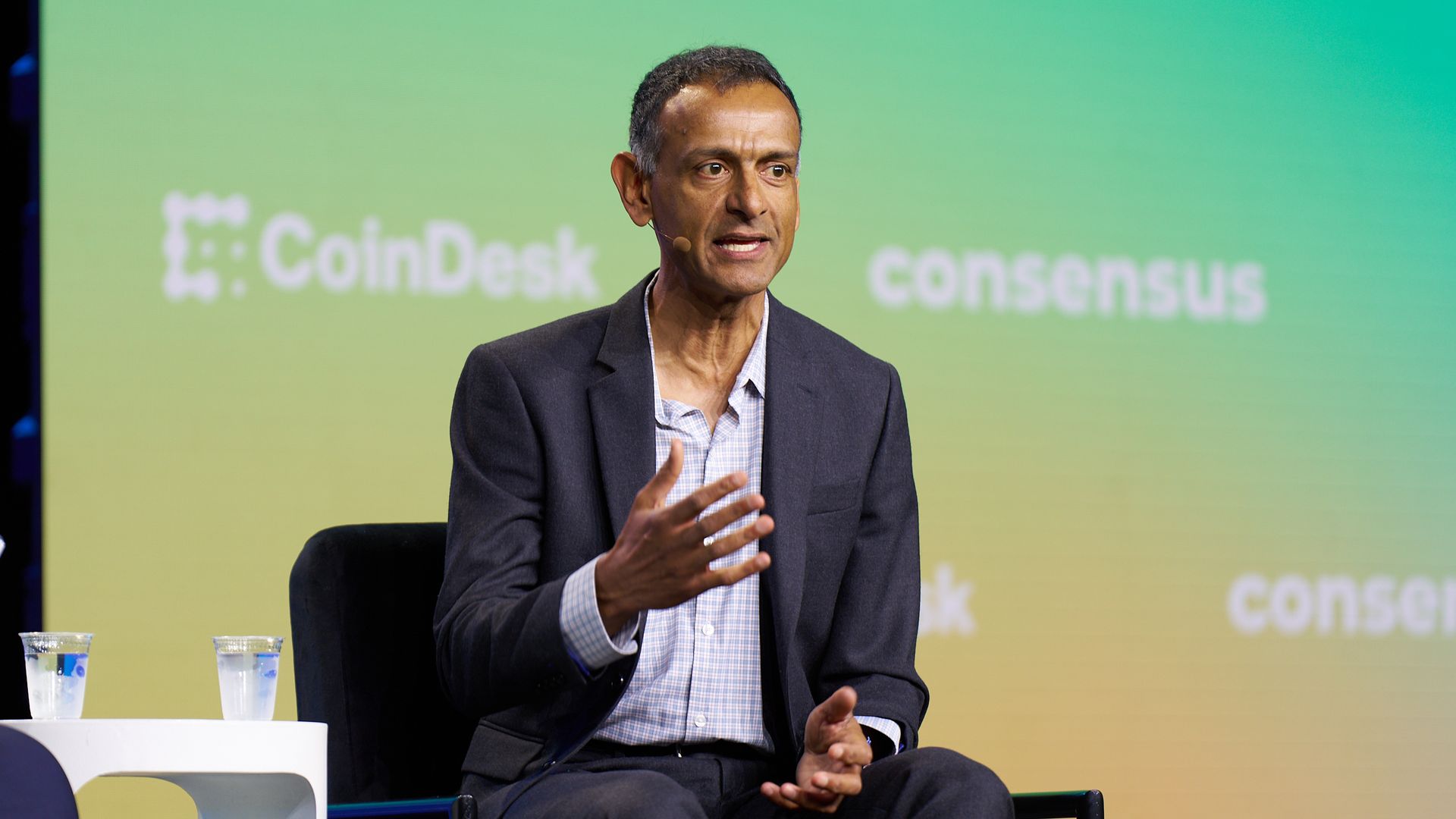
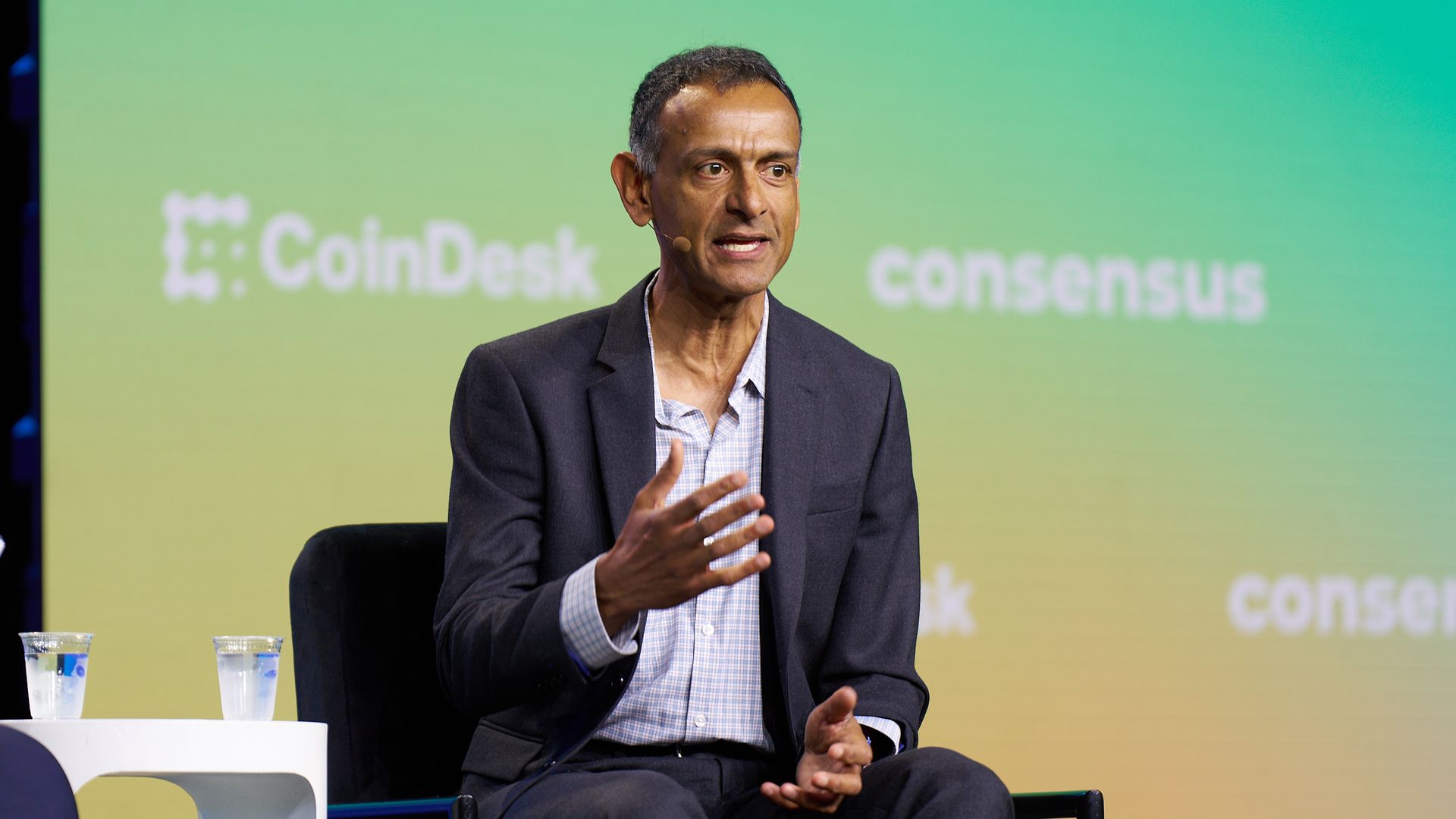
Coinbase Chief Legal Officer Paul Grewal is leaving the company after its high-profile, years-long legal fight with U.S. regulators, and the U.S. exchange also announced further changes to its senior leadership.
Grewal is departing to work at a startup, according to a Thursday announcement from Coinbase. Molly Abraham will now lead the company’s legal team as general counsel, and Ryan Van Grack will become vice chairman, in what’s anticipated to be a broader and more public-facing role.
“Leading Coinbase’s legal team through the biggest fight of our industry has been the single greatest achievement of my six-year tenure,” Grewal said in a statement. “Our legal wins helped ensure crypto not only had a future in this country, but could flourish.”
His statement continued on to say he would continue as an adviser to Coinbase, and would work on Coinbase’s trust charter work through the Office of the Comptroller of the Currency.
Abraham has been at Coinbase since March 2021, running multiple legal teams as the company’s vice president of legal. Prior to that, she was general counsel at an electric flying car startup, according to her LinkedIn.
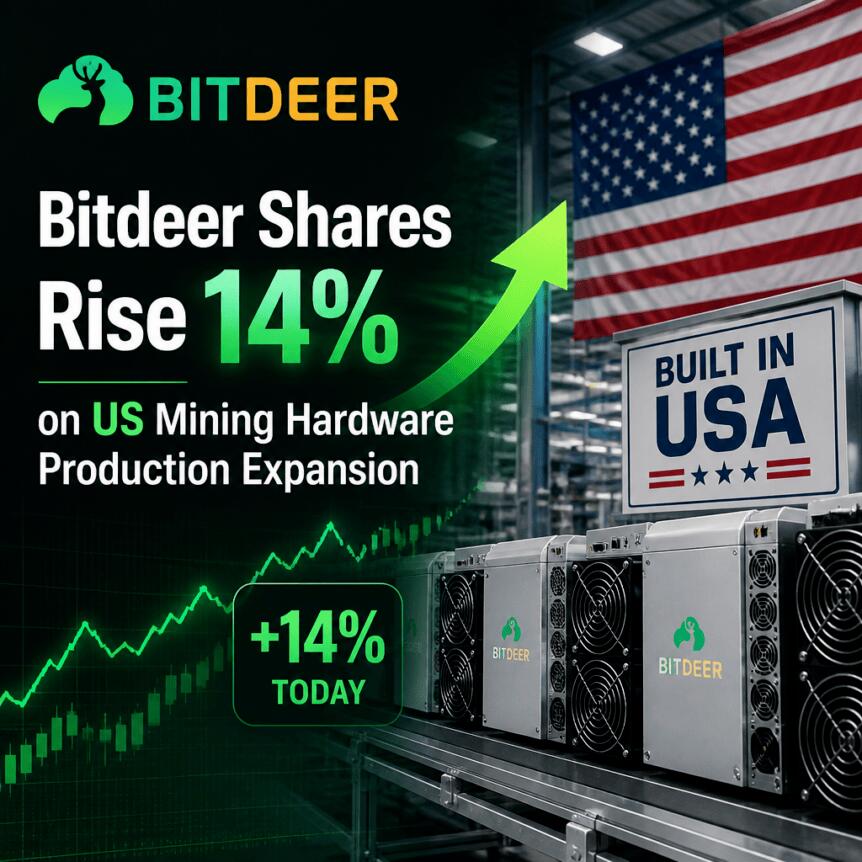
Bitdeer Technologies Group shares rose sharply on Thursday after the Bitcoin mining infrastructure company said it will build a new manufacturing facility in Nevada. The project is designed to expand US production capacity for Bitdeer’s mining hardware and, according to the company, reduce dependence on third-party suppliers.
The stock climbed 14.1% to $14.33, wiping out much of an earlier selloff in the week. Even with the rebound, Bitdeer remains about 27% below its June high, though it is up roughly 26% year-to-date.
Key takeaways
- Bitdeer plans to build a Nevada manufacturing facility in Sparks to assemble its SEALMINER mining machines.
- The plant is expected to begin commercial production by the end of the year.
- Bitdeer says the facility includes production of key mining hardware components, potentially lowering reliance on external hardware sources.
- While competitors push into AI and high-performance computing, Bitdeer’s Nevada expansion is specifically focused on mining hardware.
- Bitdeer also reported mining output of 921 BTC in May, representing a 370% increase versus the prior year.
Why a Nevada manufacturing push matters
Bitdeer’s announcement centers on a new facility in Sparks, Nevada, intended to assemble its SEALMINER line of Bitcoin mining equipment. The company says the site will also produce major components used in the machines, with commercial production slated to start by the end of the year.
For investors and mining-industry watchers, the importance of this shift is straightforward: hardware supply and lead times are often pivotal to mining operations, particularly when market demand accelerates. By bringing more manufacturing in-house within the US, Bitdeer is positioning itself to better control key parts of its supply chain rather than relying entirely on external vendors.
The facility also signals a broader strategic bet—mining infrastructure companies are increasingly expected to compete not only on hashrate and operating costs, but on the ability to scale equipment production reliably.
Incentives and local partnership cited by management
According to remarks attributed to Bitdeer CEO Catherine Guo by local media, the company worked with Nevada Governor Joe Lombardo’s administration and local authorities to secure tax incentives, including a reduction in qualifying sales taxes, as part of its decision to establish operations in the state.
These kinds of incentives can materially change the economics of industrial expansion, especially for manufacturing-heavy projects with significant upfront capital requirements. They also help explain why some mining-related manufacturers prioritize certain jurisdictions—cost structures and time-to-production can be decisive when trying to scale.
Bitdeer stays on hardware while rivals diversify
Bitdeer’s Nevada facility comes as several large Bitcoin miners and mining-adjacent companies broaden their businesses into AI, high-performance computing, and related digital infrastructure. In those cases, access to power and data center infrastructure can make it easier to pivot toward compute-intensive services beyond mining.
However, Bitdeer’s plans for Sparks are explicitly tied to Bitcoin mining hardware production rather than a broader AI-focused overhaul. The company has reportedly expanded into AI cloud services and high-performance computing, but the new Nevada plant is intended specifically for manufacturing SEALMINER equipment and components.
This creates an interesting contrast within the sector. While some publicly traded miners are using their infrastructure footprint to chase contracts in the AI ecosystem, Bitdeer is emphasizing the practical bottleneck on the mining side: getting capable hardware built and delivered at scale.
Earlier coverage from Cointelegraph has highlighted how the AI pivot among Bitcoin miners faces investor scrutiny, including concerns around insider sales. Against that backdrop, Bitdeer’s more narrow manufacturing focus may appeal to investors looking for tangible supply-chain expansion inside the core mining industry.
Output update underscores the company’s operating momentum
Alongside the manufacturing announcement, Bitdeer also provided a production update stating it mined 921 BTC in May. The company said this represented a 370% increase compared with the previous year.
That matters because new manufacturing capacity typically takes time to translate into higher throughput. In the meantime, investors often look for evidence that operations are already improving—either through added capacity, better utilization, or improved efficiency. Bitdeer’s May output increase offers some near-term confirmation that the company’s mining business is not only expanding on paper but also generating stronger results.
Even so, the market reaction to Thursday’s news suggests investors are treating the Nevada facility as more than incremental: the prospect of end-of-year commercial production could mark a meaningful step in the company’s ability to scale its hardware footprint.
Cointelegraph previously reported on how MARA Holdings announced plans to acquire a Texas site with up to 2 gigawatts of capacity to expand its AI and digital infrastructure business, and how TeraWulf signed a 20-year data center lease with Anthropic that the company said could generate roughly $19 billion in contract revenue. Those developments highlight how quickly many miners are moving toward AI-driven business models—even as hardware production remains central to the mining sector’s long-term competitiveness.
What to watch next
As Bitdeer works toward end-of-year commercial production in Nevada, the key question for investors is whether the facility meaningfully changes hardware availability, delivery timelines, and cost structure. The next signals to track are updated production metrics, progress on the manufacturing timeline, and any further detail on how the Nevada plant is expected to reduce dependency on third-party components.
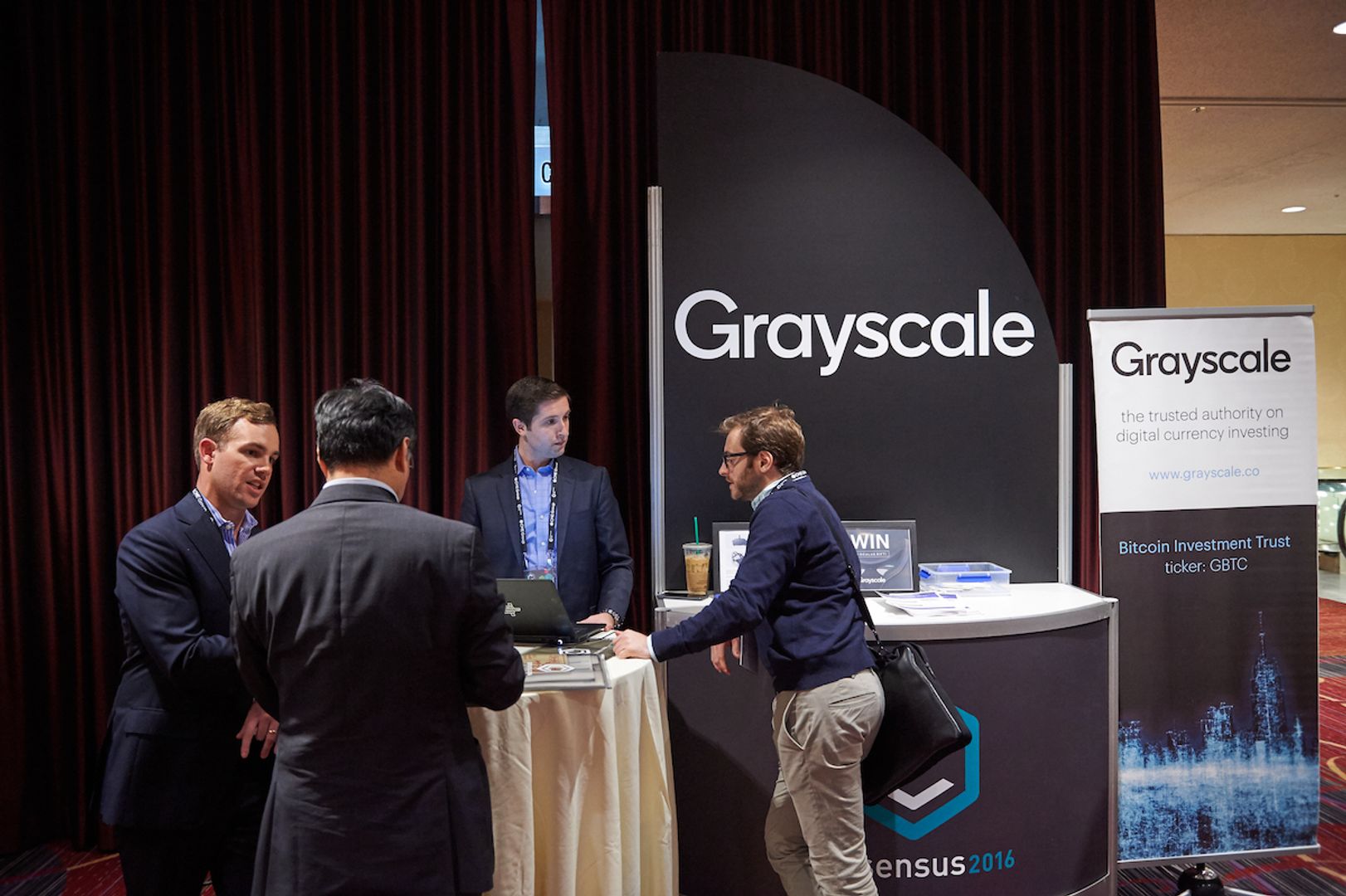
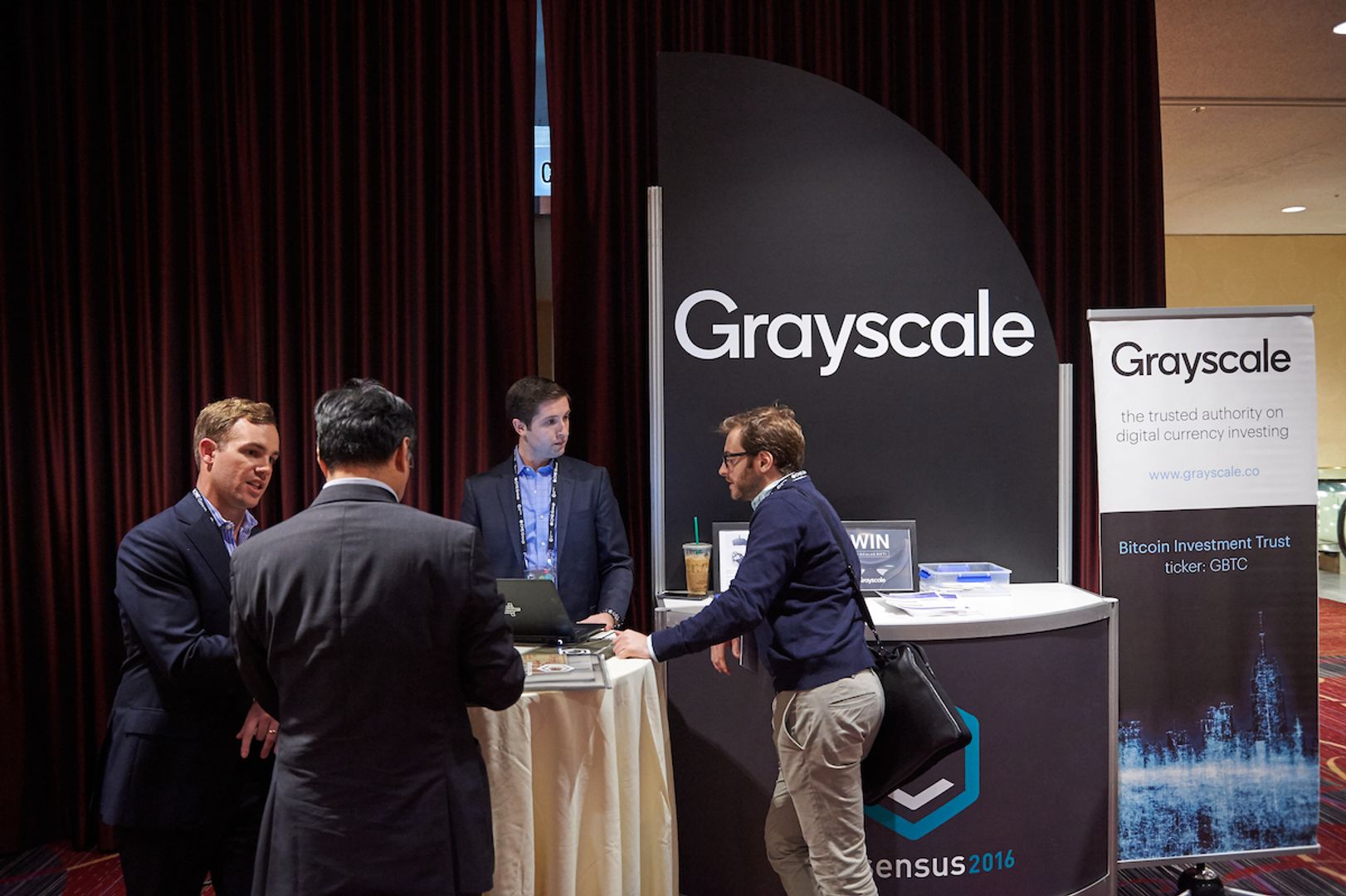
Grayscale’s chief financial officer Edward McGee has stepped down after seven years at the crypto asset manager, becoming the latest senior executive to leave the company, according to a filing with the U.S. Securities and Exchange Commission on Thursday.
McGee resigned effective July 2 for personal reasons and not because of “any disagreement with the company or its operations, policies or practices,” the filing said.
The company has named Kathryn Masci and Daniel Plourde as interim co-chief financial officers. Masci will also serve as principal financial and accounting officer and join the board of managers.
Masci joined Grayscale in 2020 and most recently served as senior vice president of finance.
Before that, she held finance and accounting roles at Garrison Capital, Pzena Investment Management and Ernst & Young. Plourde joined Grayscale in 2022 after senior positions at Gabelli Asset Management and State Street Global Advisors. He has also served as assistant treasurer of the Grayscale Funds Trust.
The leadership change follows another recent executive departure. Just weeks ago, managing director and head of distribution and partnerships John Hoffman left Grayscale to join tokenized asset platform Ondo Finance.

A supporter checks the gambling site ‘Kalshi” just before State Assembly member, Alex Bores (D-NY) gives a speech to supporters at his watch party at The Freehand Hotel after conceding the congressional race to Micah Lasher who will replace Rep Jerry Nadler (D-NY) in NY’s 12th Congressional District on June 23, 2026 in New York City.
Laura Brett | Getty Images
Insider trading is an emerging risk in the new world of prediction markets, and some companies – including Goldman Sachs – are taking steps to limit employees’ trades on the platforms.
Goldman Sachs has banned its employees from trading on contracts related to events that are specific to the bank, as well as elections, financial markets, macroeconomic data and geopolitics, according to people familiar with the matter.
A representative for Goldman declined to comment on the policy, but did state that the bank prohibits using material, nonpublic information to trade across all markets.
While some firms have started developing policies to managing insider trading risks on prediction markets, many others have yet to take those first steps, legal experts say.
“We are getting constant questions from clients, particularly among regulated entity clients, about what the regulator expectations are, what the risks are, where the areas of potential liability are,” said David Oliwenstein, a partner and securities enforcement practice lead at Pillsbury.
The Polymarket website on a smartphone arranged in Germantown, New York, US, on Tuesday, July 22, 2025.
Gabby Jones | Bloomberg | Getty Images
The news of an explicit prediction market trading directive at Goldman comes after the first event contract insider-trading case to involve a private sector company.
In May, the Commodity Futures Trading Commission and Department of Justice charged Google employee Michele Spagnuolo with using material, nonpublic information to trade on Polymarket contracts related to the browser’s “Year in Search” lists. Using the handle “AlphaRaccoon,” Spagnuolo allegedly collected about $1.2 million in profit, according to the CFTC’s complaint.
Legal experts said the sheer number of contracts available on prediction platforms may provide new avenues for material, nonpublic information to be used to turn a profit. For example, a Google employee could use internal data to trade on contracts about what the company’s headcount will be this year, when it may release a new version of its Gemini AI tool or where Alphabet’s share price will end the month.
A Polymarket advertisement in a subway station in New York, US, on Thursday, Feb. 5, 2026.
Michael Nagle | Bloomberg | Getty Images
“All these different questions that you’re able to bet on… it makes it really hard to kind of play whack-a-mole in terms of where people are using the information they’ve obtained confidentially,” said Karen Woody, law professor at Washington and Lee University.
Lawyers told CNBC that as more insider trading on these platforms is caught and prosecuted, there will be greater expectations that businesses have sufficient policies and education to avoid any potential liability in a case involving one of their employees.
But lawyers also said they’re advising clients it’s nowhere near late, and companies should take this time now to develop the necessary policies.
Where companies stand
CNBC reached out to 50 publicly traded and privately held companies, which all have contracts regarding details about their businesses on prediction market platforms.
In total, only three revealed they have policies related to trading on prediction markets, while another two said it was something they were actively reviewing.
United Airlines told CNBC it does not have an explicit policy on prediction market trading, but that its employee guidelines “prohibit using your position (or company confidential information gained from your position) for your personal gain.”
A spokesperson for JPMorgan Chase confirmed a Barron’s report that employees are urged to proceed with caution when trading on prediction markets — particularly on contracts related to the financial sector.
At Morgan Stanley, a spokesperson said the bank has policies regarding trading on prediction markets in its employee code of conduct, but did not disclose further details.
Exterior view of a Bank of America branch on March 30, 2026 in Hanover, Maryland.
Heather Diehl | Getty Images
A person familiar with Bank of America’s plans told CNBC that the company was in the process of communicating updates to policy that will outline prohibited activities for employees and provide examples to help clarify expectations for trading on prediction market platforms. The person didn’t provide details about the specific changes to policy itself.
Banks appeared to be the sector most likely to respond that they were developing prediction market trading policies or already had one in place.
“Financial institutions, they have huge compliance departments,” said Lara Shortz, a partner at Michelman & Robinson in its labor and employment practice. “They spend a lot of time putting together policies related to trading and the use of information.”
Overall, 36 companies — including from sectors beyond just banks — did not respond to inquiries from CNBC regarding their prediction market trading policies for employees. Another seven declined to comment on the matter.
While CNBC cannot conclude exactly what these businesses that did not respond are doing, it matches what lawyers who work with companies on internal policy matters said: just a few companies have undertaken major policy changes so far, while many others are still in the early stages of any form of updates during the platform’s new, explosive rise.
“Right now, training is not necessarily the gold standard, just because it is new,” said Marissa Mastroianni, an employment law attorney at Cole Schotz.
What’s already on the books
Traders work on the floor of the New York Stock Exchange during morning trading on June 26, 2026 in New York City.
Michael M. Santiago | Getty Images
Some legal experts and company representatives argued that broad directives that ban insider trading inherently apply to prediction markets, too. A person familiar with OpenAI’s employee policies said that the company’s blanket insider trading policy is clear that staff cannot use material, nonpublic information in any way.
But Tiffany Magri, a regulatory advisor at compliance technology company Smarsh, said companies benefit from explicitly mentioning prediction markets in their policies.
“The question is no longer whether exchanges can detect suspicious trades,” she said. “It’s whether employers have established clear expectations around when employees should be prohibited from participating in markets tied to information they encounter through their work.”
To Magri’s point, leading prediction market platforms Kalshi and Polymarket have taken steps on their own to crack down on insider trading.
Kalshi, in early June, announced new employment verification tools for participants on some prediction markets. That same month, it partnered with StarCompliance to allow employers with the partner’s software to access their employees’ event contract trades. To beef up its own internal oversight, the exchange partnered with Solidus Labs, a market integrity company, in February.
A Kalshi advertisement on a Metro train in Washington, DC, US, on Wednesday, June 17, 2026.
Daniel Heuer | Bloomberg | Getty Images
Polymarket highlighted its own partnerships in a statement to CNBC. Those include one with Chainalysis — an on-chain market enforcement company — and another with Palantir to monitor suspicious activity on its sports-related contracts.
But Magri noted these are just first steps, and that companies need to start training employees about the platforms rather than rely on the exchanges themselves to stop insider trading.
Both Kalshi and Polymarket declined to comment if they’re working with companies directly as they develop internal oversight and enforcement mechanisms.
Early days, growing urgency
Companies and the CFTC are jumping into new territory when confronting insider information on prediction markets.
On the prosecution front, Woody said the CFTC has a “blank canvas” on how it will go after insider trading. “I think what’s going to be interesting with the CFTC taking the lead here is that there aren’t a lot of cases to date yet in this space. It’s fairly new,” she said.
The CFTC did not respond to a request from CNBC to comment on whether it foresees companies becoming liable in the future for insider trading from their employees if they are deemed to have failed in educating them enough about it.
With lingering uncertainty on the regulatory side, companies should take the lead in rulemaking and learn how prediction markets work, said John Sullivan, professor of management at San Francisco State University.
Elevated view of staff working in a busy open plan office
monkeybusinessimages | iStock | Getty Images
Lawyers from King & Spalding LLP outlined steps companies can take in an article on Law360. Those include updating their insider trading policies to include event contracts and establishing protocols to monitor unusual activity on individual markets related to their businesses.
For even stricter measures, Sullivan told CNBC businesses should consider banning the platforms on company-owned devices and prevent employees from trading during work hours.
The foolish move would be to dismiss prediction markets’ relevance, he said. “It’s embarrassing not to have done anything or not to know about it.”
— CNBC’s Ashley Capoot contributed reporting
Disclosure: CNBC and Kalshi have a commercial relationship that includes customer acquisition and a minority investment.


OpenAI has launched GPT-5.6 across ChatGPT, Codex, and its API, introducing GPT-5.6 Sol with a four-agent reasoning system and two lower-cost models as the rollout begins worldwide.
Summary
- OpenAI has launched the GPT-5.6 family, introducing Sol, Terra, and Luna across ChatGPT, Codex, and its API.
- GPT-5.6 Sol adds a four-agent reasoning system, new coding tools, and higher-compute modes for complex tasks.
- Elon Musk confirmed SpaceXAI will release Grok 4.5 on Thursday, intensifying competition in advanced AI models.
According to OpenAI, the GPT-5.6 family introduces a new three-tier lineup consisting of Sol, Terra, and Luna, replacing its previous naming approach with capability-based tiers that separate model generation from intelligence, speed, and pricing.
The company said availability is expanding across consumer, enterprise, and developer products, with global deployment expected to reach full availability within 24 hours.
Built as the flagship model, GPT-5.6 Sol is designed for coding, scientific research, cybersecurity, and complex knowledge work. OpenAI said the model completes more successful tasks while using fewer tokens and delivering lower estimated costs than its previous frontier models. Sol can also inspect intermediate results, coordinate external tools, and revise its own work before returning a final response, according to the company.
Four-agent reasoning expands advanced workflows
For users handling more demanding workloads, OpenAI has added two higher-compute operating modes. The company said Max gives GPT-5.6 additional time to reason through problems and verify answers before producing results.
Ultra extends that process further by coordinating multiple AI agents simultaneously. OpenAI described the default Ultra configuration as four agents working independently on separate tasks before combining their findings into a single output. The company said this approach is intended for complex projects that benefit from parallel reasoning instead of a single sequential workflow.
Developers also receive new workflow tools through Programmatic Tool Calling. According to OpenAI, the feature allows GPT-5.6 to write and execute lightweight programs in memory, filter intermediate information, and determine follow-up actions without sending every processing step back through the language model.
Coding performance remains one of the launch’s central themes. OpenAI said GPT-5.6 Sol achieved the highest score on the Artificial Analysis Coding Agent Index while also improving results on Terminal Bench 2.1 and DeepSWE, two benchmarks that measure command-line execution and long-duration software engineering tasks.
The company added that Terra exceeded Anthropic’s Claude Fable 5 on selected coding agent benchmarks, while Luna delivered stronger performance than Claude Opus 4.8 at a lower estimated operating cost.
Enterprise features and safety remain central
OpenAI said GPT-5.6 is designed to work across business software including documents, spreadsheets, presentations, Slack, Notion, Microsoft 365, and Google Drive. When users provide templates or reference files, the company said Sol produces higher-quality editable presentations, financial models, spreadsheets, and written documents.
Alongside the productivity features, OpenAI released updated safety information covering the new models. According to the company’s system card, GPT-5.6 Sol is classified as High capability in cybersecurity, while Terra and Luna also reach the High capability threshold despite offering lower overall performance than Sol.
OpenAI said testing found GPT-5.6 to be more capable in cybersecurity and biology than earlier systems, although the models remain below the company’s Critical threshold in both areas. To manage higher-risk capabilities, the company said it combines model training with real-time safety checks, monitoring, account-level enforcement, and access controls while continuing to support legitimate defensive work such as secure code reviews, vulnerability validation, threat modeling, and software patching.
API pricing starts at $5 per one million input tokens and $30 per one million output tokens for Sol. Terra costs $2.50 for input and $15 for output, while Luna is priced at $1 for input and $6 for output. OpenAI also introduced more predictable prompt caching, including explicit cache breakpoints and a minimum cache lifetime of 30 minutes.
Meanwhile, competition in advanced AI models continues to intensify. Separately, Elon Musk confirmed that SpaceXAI will publicly release Grok 4.5 on Thursday after completing beta testing. Musk described the model as an Opus-class system that is faster, more token-efficient, and lower cost, placing its launch alongside OpenAI’s GPT-5.6 rollout during a week of major AI product releases.

Allstate accuses Broadcom of auditing it because it quit VMware, CA

Coronation Street statement as new Manchester United stadium to be built beside set

OpenAI launches ChatGPT Work to automate workplace tasks and files


-

 Fashion6 days ago
Weekend Open Thread: High Hopes
-
 NewsBeat5 days ago
Taylor Swift and Travis Kelce wedding staffer hilariously struggles to keep her cool while checking in megastars
-

 Crypto World6 days ago
Standard Chartered Secures MiCA License as ESMA Adds 37 New Crypto Firms
-

 Fashion3 days ago
Open Thread: What Great Books Have You Read Recently?
-

 Politics6 days ago
The House | “Reframing the debate from a binary discussion of winners and losers”: Yuan Yang reviews ‘We Are Not Machines’
-

 Fashion11 hours ago
Loro Piana Fall 2026 Enters Houston’s Art Scene
-

 News Videos3 days ago
Whats Hidden Inside This Cash Register? #treasure #reselling #money
-
 Tech3 days ago
Anthropic’s new “J-lens” reveals a silent workspace inside Claude that mirrors a leading theory of consciousness
-
 Crypto World6 days ago
ESMA Expands Crypto Register by 37 Firms Following MiCA Transition Period
-

 Business3 days ago
AXT Shares Jump Nearly 14% as Semiconductor Materials Maker Rebounds on AI-Linked Indium Phosphide Demand
-

 Sports2 days ago
Joshua Pacio ‘more complete’ ahead of ONE rematch vs Malachiev
-

 Crypto World4 days ago
South Africa proposes crypto tax guidance under existing rules
-
Crypto World3 days ago
SK hynix (000660.KS) Stock Dips as $28B Nasdaq ADR Offering Drives AI Memory Expansion
-

 News Videos3 days ago
Best Time to Enter Small Caps Right Now? Another Bull Run? | Financially Free
-

 Tech4 days ago
Lenovo laptops are now shipping with YMTC SSDs, a sign of Chinese NAND entering the mainstream
-

 Business7 days ago
What a 10 Percent Drop Means for Buyers, Sellers and Renters
-
Sports2 days ago
We have punished the disrespect
-

 Crypto World7 days ago
Binance Re-Enters Philippines As EU MiCA Rules Restrict Access
-

 News Videos3 days ago
Avoid entering in FOMO #bitcoin #cryptocurrency #trading #scalping
-

 Crypto World7 days ago
Alibaba bans Claude Code over alleged backdoor security concerns
You must be logged in to post a comment Login