
Crypto World
SEC cancels long-awaited proposal of Reg Crypto, postponing meeting without new date

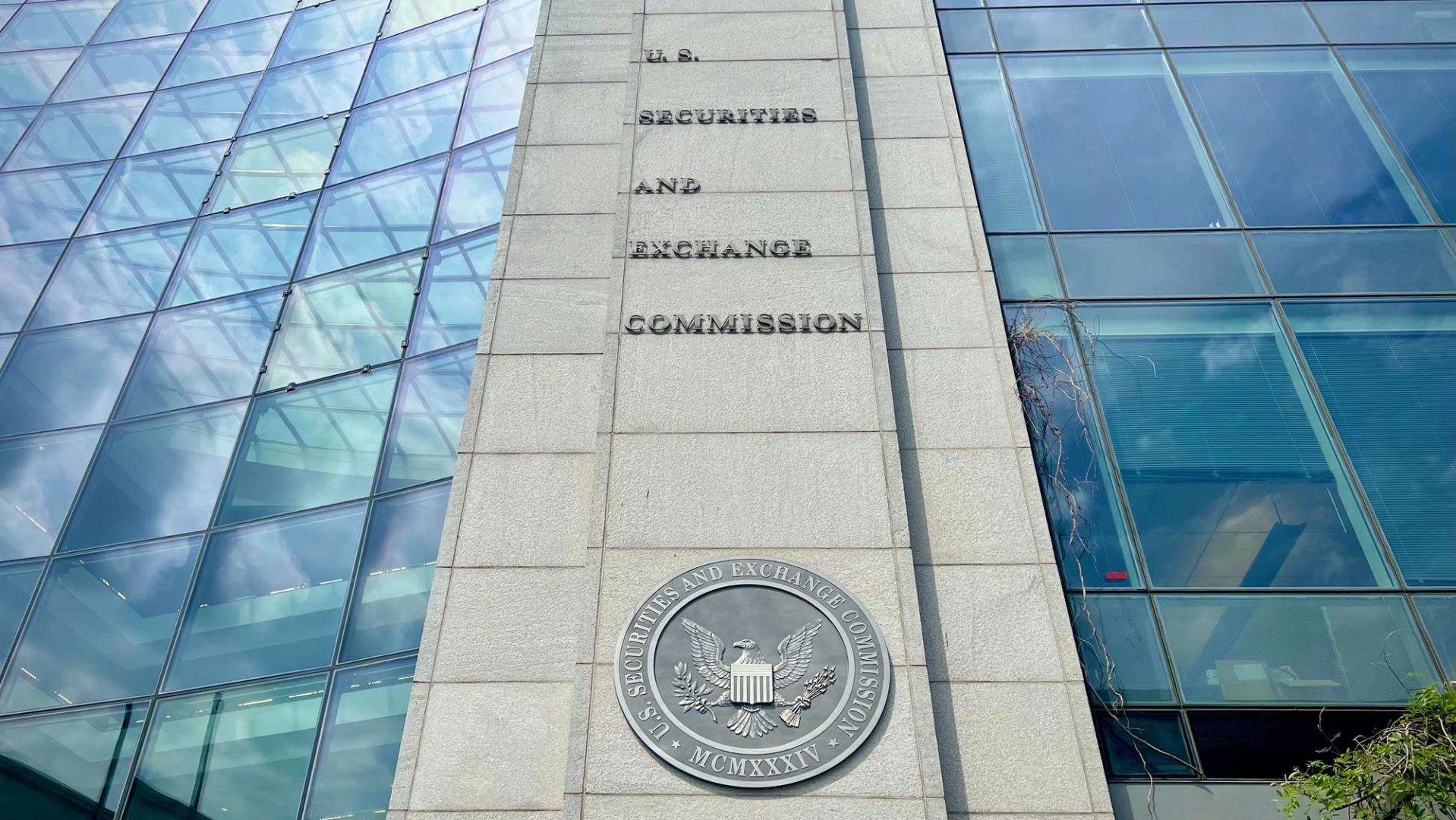
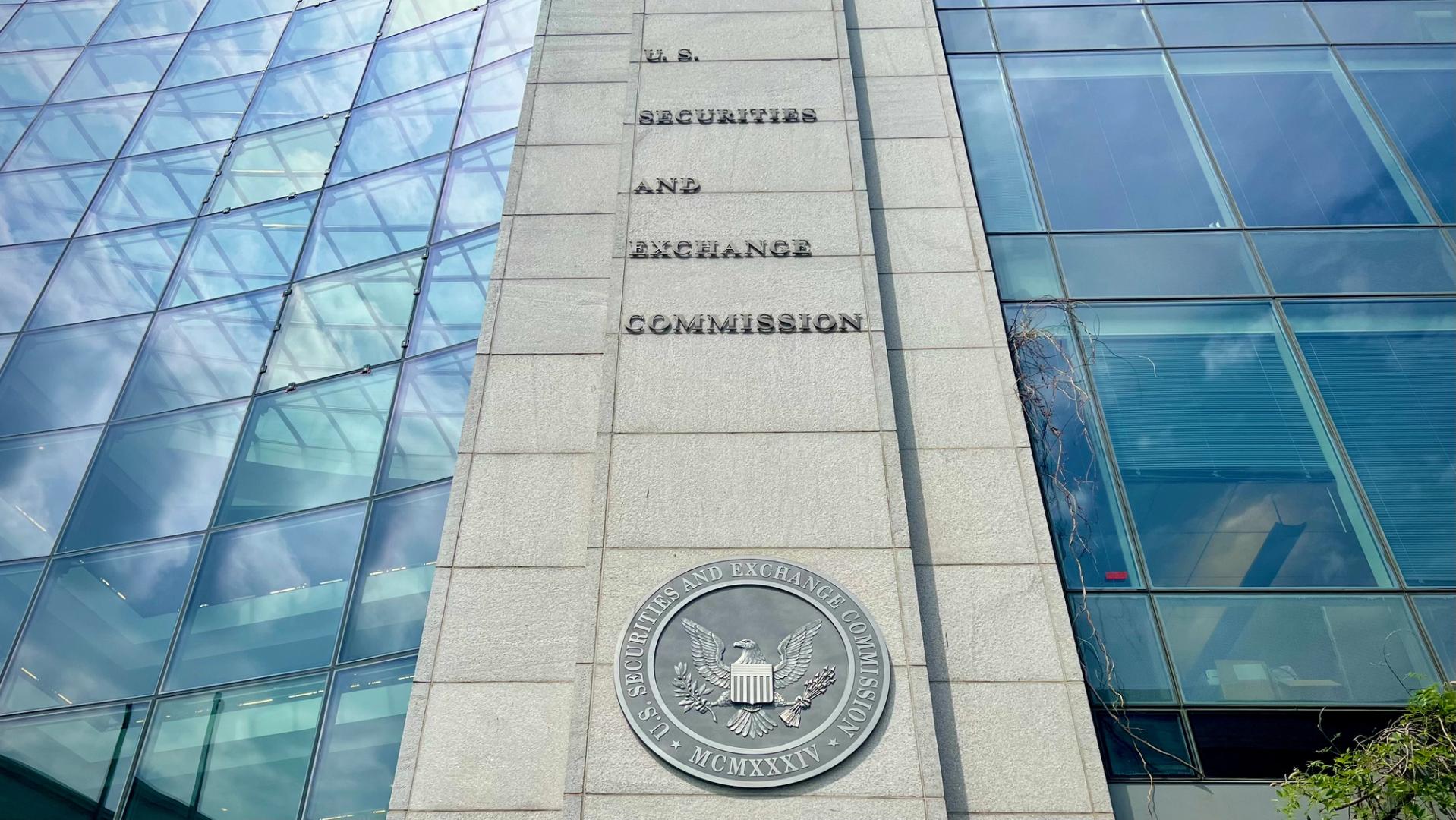
The U.S. Securities and Exchange Commission was on the verge of revealing its first major rulemaking effort in the digital assets sphere, having been set to propose its “Regulation Crypto,” but the agency cancelled the Friday meeting in an end-of-day statement on Thursday.
“Due to an unforeseen scheduling issue,” the SEC is moving the meeting to “a later date,” according to a statement from an agency spokesperson.
In the absence of progress in the Senate’s Digital Asset Market Clarity Act, the legislation that would establish a legal foundation for crypto market activity in the U.S., the industry had looked to the SEC to pick up the baton. The so-called Reg Crypto is expected to open a limited framework for issuing crypto securities without triggering agency registration requirements, and also to be able to later transition out of management of the project and, as a result, out of the SEC’s regulatory radar.
The sector will instead have to sit back again and see which branch of the government delivers first: SEC or Congress.



Goldman Sachs Vice Chairman Rob Kaplan has backed the Federal Reserve’s 9–3 decision to hold interest rates at 3.50%–3.75% in July while urging policymakers to keep their options open before September.
Summary
- Kaplan said the Fed was right to leave interest rates unchanged at its July meeting.
- Three policymakers supported a quarter-point increase, showing disagreement within the rate-setting committee.
- AI investment, tariffs, labor limits, and oil prices are creating competing inflation forces.
- Kaplan said fiscal deficits and bond supply concern him more than the federal funds rate.
Why Kaplan supports the Fed’s July rate hold
Bloomberg reported that Kaplan, a former president of the Federal Reserve Bank of Dallas, described the decision not to raise rates in July as “absolutely” correct because officials still have time to study inflation and economic activity before their next meeting.
“If I see meaningful improvement, I might be willing to stay put, but I want to make full use of every moment before September to make judgments, avoiding rigidity or preconceived notions,” Kaplan said.
Serving as Goldman Sachs vice chairman, Kaplan also sits on the bank’s management committee. His comments represent his assessment of monetary policy and should not be treated as a formal Federal Reserve position because he is no longer a policymaker.
The Federal Open Market Committee voted 9–3 on July 29 to maintain its target range at 3.50%–3.75%. Presidents of the Cleveland, Dallas, and Minneapolis regional Fed banks preferred a 25-basis-point increase, according to the July rate decision previously covered by crypto.news.
Before the announcement, markets had assigned roughly a one-in-three probability to an increase. Bitcoin traded close to $64,100 after the decision, rising only about 0.3% over 24 hours as traders largely expected the Fed to leave borrowing costs unchanged.
Fed Chair Kevin Warsh avoided committing to a set path during his post-meeting remarks. Instead of describing the decision as a pause, Warsh said officials were conducting a careful review of economic conditions and would continue examining information before choosing their next step.
Kaplan’s call for flexibility follows the same data-led approach. In his view, firm promises about future rate decisions could become counterproductive when several forces are pushing inflation in opposite directions.
Competing pressures complicate the September decision
Among the inflation risks, Kaplan listed heavy spending on artificial intelligence infrastructure, tariffs, limited labor availability, and sharply higher oil prices. Companies building data centers need power, land, equipment, and workers, meaning large investment programs can place added pressure on prices and resources.
Tariffs can also raise the cost of imported goods and materials, while labor shortages may force employers to increase pay or leave positions unfilled. Higher oil prices can reach consumers through fuel, transport, and production costs, making energy markets another important part of the Fed’s assessment.
At the same time, Kaplan said the use of artificial intelligence could help lower inflation by improving productivity. Businesses that produce more with the same number of workers may reduce their costs, although the initial spending needed to build AI systems can create price pressure before those efficiency gains become visible.
Recent U.S. inflation data gave policymakers some evidence of improvement. The Bureau of Labor Statistics reported that the Consumer Price Index rose 0.1% in July and 3.4% from a year earlier, matching economists’ expectations. Annual inflation slowed to 3.5% in June.
Core CPI, which excludes food and energy, increased by 0.2% in July and 2.5% annually. The yearly core rate eased from 2.6%, but headline inflation remained above the Fed’s 2% goal.
Following the report, traders placed a 67% probability on no September rate change and about a 34% chance of a quarter-point increase, according to Polymarket figures cited in a report on July CPI. Bitcoin recovered from about $63,400 to $64,100, though the expected reading failed to produce a decisive break from its recent range.
Warsh should explain the July decision at Jackson Hole
With the Jackson Hole Economic Policy Symposium approaching, Kaplan said Warsh should use his address to explain briefly why the Fed did not act in July. He argued that a purely “philosophical” speech would offer less value when investors are seeking details about the committee’s decision-making process.
The annual gathering in Wyoming gives central bankers a prominent venue to discuss monetary policy and economic risks. Warsh’s remarks will draw attention from U.S. investors because changes in rate expectations can affect Treasury yields, the dollar, equities, and digital assets.
Clearer reasoning would not require Warsh to promise a September decision. Kaplan’s comments instead suggest that the Fed chair could explain why the July evidence did not justify an immediate increase while preserving the committee’s ability to act if inflation strengthens again.
U.S. employment figures have added another factor to the debate. Nonfarm payrolls fell by 23,000 in July, compared with forecasts for an increase of about 80,000 to 85,000, while revisions removed a combined 103,000 jobs from the May and June totals.
After the labor report, the probability of a September hold climbed to 66% from about 50% the day earlier. Analysts cited in an earlier U.S. payrolls report warned that one weak reading might not change the Fed’s position while energy prices and shipping risks remain elevated.
Long-term Treasury yields pose the larger concern
Beyond the September meeting, Kaplan said he is more concerned about long-term U.S. Treasury yields than the federal funds rate. The federal funds rate directly covers overnight lending between banks, while longer-dated Treasury yields influence mortgages, business financing, and the government’s borrowing costs.
According to Kaplan, rising long-term government bond yields in several countries stem from a structural imbalance between supply and demand rather than Fed policy alone. Governments continue to issue large amounts of debt to cover persistent fiscal deficits, requiring investors to absorb a growing supply of bonds.
The U.S. federal budget deficit reached a record $432 billion in July, as per reports, taking the fiscal-year total through July to $1.799 trillion. Calendar-related benefit payments raised the monthly figure, but the adjusted deficit still stood at $333 billion, up 18% from a year earlier.
Heavy Treasury issuance can push yields higher when investors demand more compensation to hold long-dated debt. Rising yields also increase the return available from government securities, which may reduce demand for Bitcoin and other assets that do not pay fixed interest.
Long borrowing costs can remain elevated even when the Fed holds its policy rate steady, supporting Kaplan’s distinction between monetary policy and the bond market’s fiscal concerns. A $25 billion sale of 30-year Treasury bonds on Aug. 13 produced a yield of 5.22%, the highest borrowing cost for that maturity since 2001.
Disclosure: This article does not represent investment advice. The content and materials featured on this page are for educational purposes only.
Crypto World
SEC to again delay ‘innovation exemption’ for tokenization amid Wall Street, White House concerns
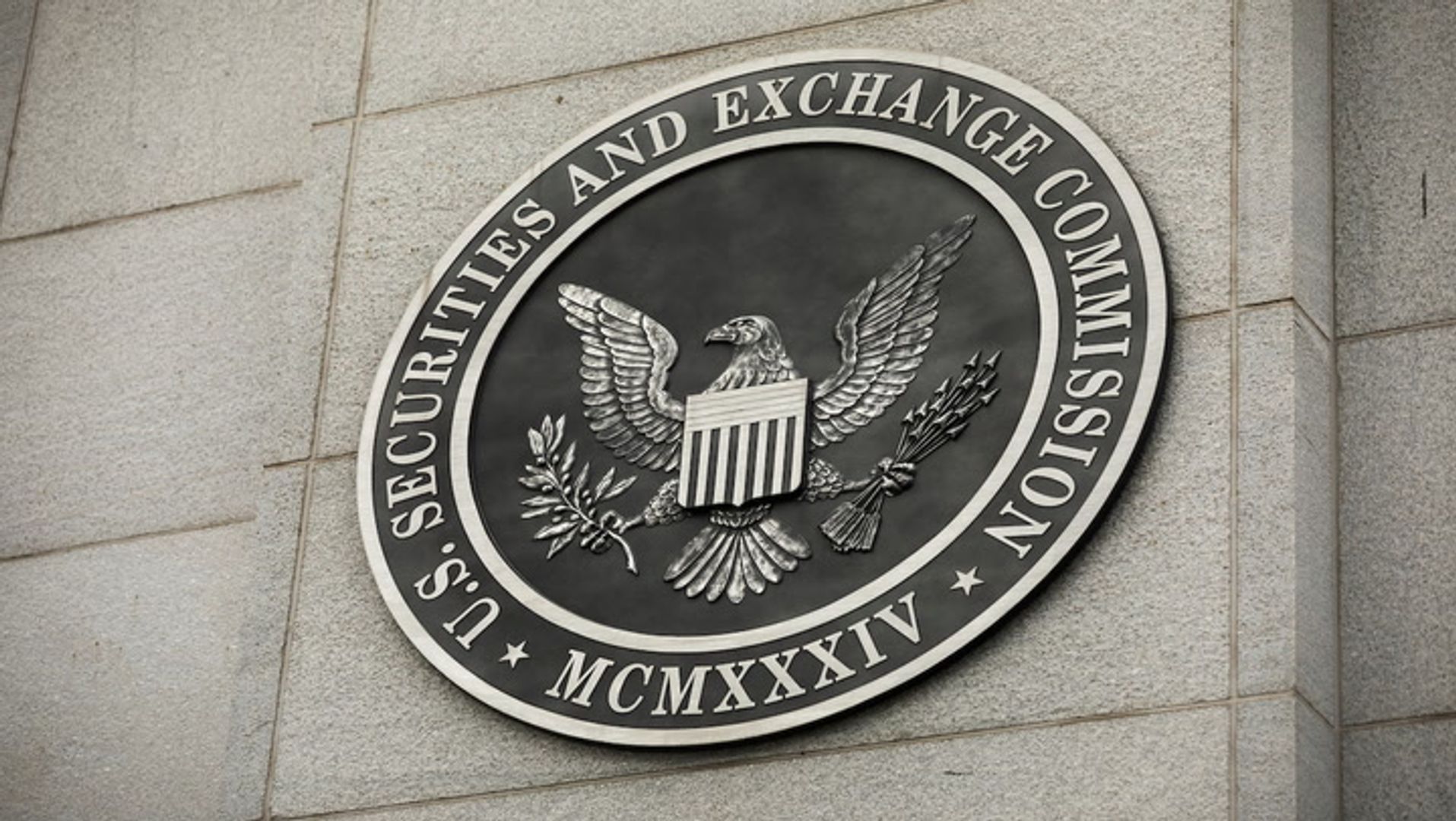
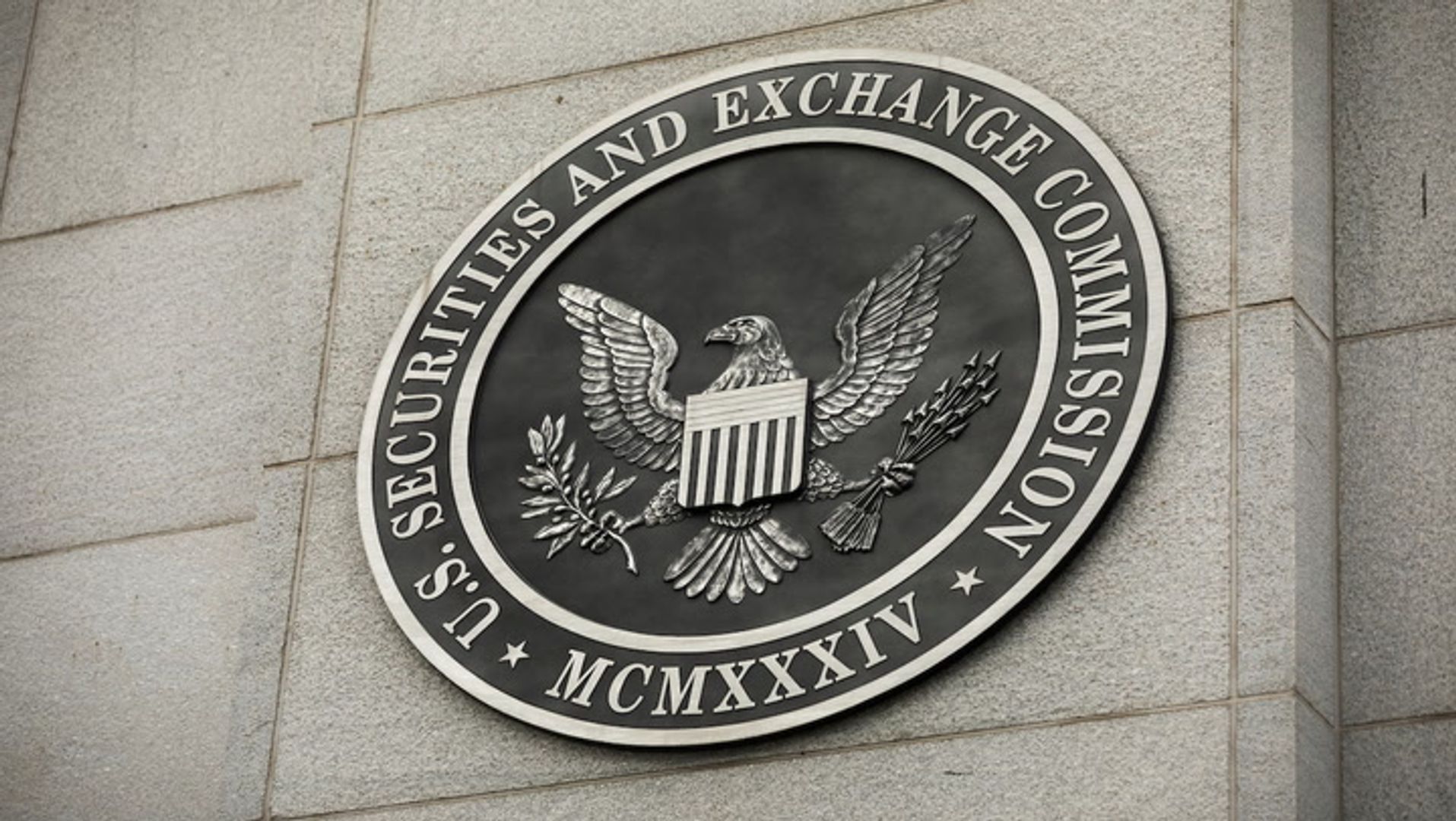
The source also said SEC staff have become increasingly focused on the agency’s legal authority to issue such broad relief, including whether it has completed sufficient economic analysis and followed the procedural steps required to justify an exemption. Industry insiders have been instructed that this effort may need to wait for the outcome of the Clarity Act.
Resistance came from traditional financial institutions as well.
SIFMA, the Wall Street trade group whose members include major broker-dealers and investment banks, has emerged as one of the main groups halting the SEC’s initiative, according to an industry source familiar with the discussions. SIFMA did not immediately respond to a request for comment.
The group’s concerns centered on how blockchain-based trading venues would fit within existing equity-market rules, particularly brokers’ obligations to seek the best execution for customers, the source said.
Under today’s market structure, Regulation NMS links prices across exchanges and generally requires brokers to execute trades at the best available protected quotation. That framework becomes less straightforward if tokenized securities trade through decentralized venues or automated market makers (AMM), where pricing and execution costs may differ from traditional exchanges.
In June, the SEC proposed eliminating Rule 611 of Regulation NMS — the so-called Order Protection Rule — a move widely viewed as removing one of the biggest regulatory obstacles to tokenized securities trading.

Baltimore and its mayor, Brendan Scott, have filed legal actions against two major prediction market platforms—Kalshi and Polymarket—arguing that the companies are conducting sports-betting activity without the required licenses and have misrepresented how their products are regulated in Maryland.
In a Thursday notice, the mayor’s office said both companies operate “illegal, unlicensed sports-betting platforms” and mislead users about the “legality and regulatory status” of their offerings. The lawsuits focus on whether certain “event contracts” marketed by the platforms are best understood as wagers under Maryland law, disputing how Kalshi and Polymarket describe those trades.
Key takeaways
- Baltimore claims Kalshi and Polymarket are running sports-betting activities without proper local licensing and are overstating the legality of their products in Maryland.
- The city argues that “event contracts” sold and traded on these platforms function as unlawful wagers under state law, challenging the platforms’ legal characterization.
- Baltimore’s complaint against Kalshi also names Robinhood, Webull and Coinbase, alleging promotional practices that imply the contracts can be lawfully purchased and traded in Maryland.
- The dispute reflects an ongoing split between federal regulators—particularly the CFTC—and state-level authorities on how prediction market instruments should be classified.
- Legal observers expect the conflict to eventually draw national scrutiny, potentially reaching the US Supreme Court if appeals progress.
What Baltimore alleges about Kalshi and Polymarket
According to the city’s notice, Baltimore’s complaint centers on two related issues: licensing and user-facing representations. The mayor’s office says Kalshi and Polymarket provide sports-betting platforms without authorization, and that their marketing misleads customers about the legality and regulatory status of their products.
The core legal theory, as described by the city, is that the platforms’ “event contracts” are effectively wagers. Baltimore’s lawsuit challenges the way the companies frame those trades—arguing that the transactions amount to unlawful betting under applicable state laws.
Mayor Scott’s statement emphasizes the city’s view that large businesses are prioritizing profits over community protections. He said the companies are “running sportsbooks without licenses and betting that a new label will put them above the law,” adding that Baltimore “will not let multibillion-dollar companies” harm local communities through illegal gambling.
Broker and exchange partnerships under scrutiny
One notable aspect of Baltimore’s action is the company it pairs with Kalshi. The city’s complaint reportedly includes Robinhood, Webull and Coinbase as partners with the prediction market platform. Baltimore alleges deceptive practices tied to how sports-related contracts are marketed to users.
Specifically, the complaint accuses these companies of promoting sports contracts in ways that suggest the instruments can be “lawfully be purchased and traded in Maryland.” The implication is that the liability may not rest solely with the prediction market operator, but could extend to intermediaries involved in distribution or access.
Why federal and state views are colliding
The Baltimore lawsuits arrive within a broader regulatory dispute in the US over prediction markets. As experts have noted, the tension often boils down to how event contracts should be classified.
On one side, the US Commodity Futures Trading Commission (CFTC) and some industry participants have argued that prediction market event contracts fall under the CFTC’s framework as “swaps.” The notice references the CFTC under Chair Michael Selig and points to prior arguments advanced by the agency and companies that prediction market instruments are regulated through federal channels.
On the other side, Baltimore’s position—and the position taken by other state-level authorities in similar disputes—is that the products do not neatly fit into the federal classification. The lawsuits dispute the federal framing and contend that state gambling rules apply to these activities.
In response, a Polymarket spokesperson told Cointelegraph that Baltimore’s approach is inconsistent with the CFTC’s established framework. The spokesperson argued that prediction markets on CFTC-registered exchanges are governed by federal law, not a “patchwork” of state and local rules, and that the case is therefore not properly targeted to how the industry is regulated.
What this could mean for the broader prediction market industry
For investors and market participants, the Baltimore filings highlight a risk that has been building in prediction markets: even when federal regulators and market operators argue for one regulatory category, state governments may pursue separate enforcement under their own gambling statutes.
This is not merely a theoretical conflict. The lawsuits claim that event contracts can be treated as unlawful wagers, which could affect how platforms market products, how exchanges or trading apps describe access, and what compliance steps intermediaries consider necessary for state-by-state operations.
It also raises practical questions for users deciding where and how to trade prediction market instruments. If courts treat certain contracts as wagers under local law, users may face restrictions or service changes even if platforms continue to assert that their operations comply with federal frameworks.
More broadly, the dispute between federal “swaps” classification arguments and state gambling enforcement theories could become a test of how far federal regulatory authority extends over prediction market instruments. The notice indicates many experts expect the issue to end in an appeal to the Supreme Court, suggesting the legal reasoning could influence future cases well beyond Baltimore.
What to watch next
Readers should watch how quickly courts respond to these complaints and whether higher courts engage with the federal-vs-state classification question at the heart of the filings. The next procedural moves—especially any appeal posture—may determine whether this escalates into the kind of nationwide ruling that could reshape how prediction markets are structured and marketed across the US.
Ethereum continues to lack decisive momentum, with the price remaining trapped in consolidation despite its recovery from the June lows. The market is now hovering around the 100-day moving average, while the lower timeframes show ETH compressed between clearly defined support and resistance zones.
Ethereum Price Analysis: The Daily Chart
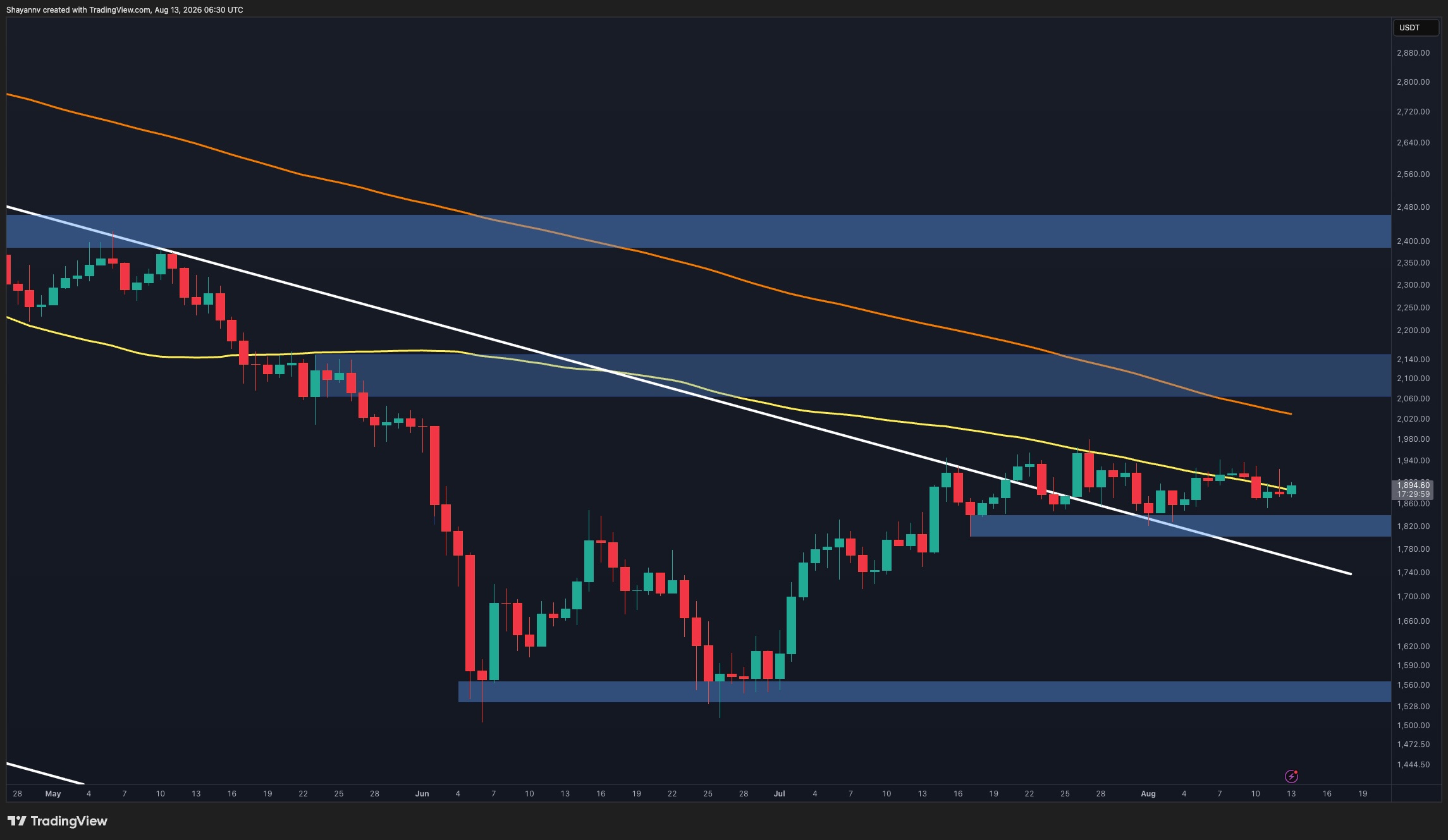
On the daily timeframe, ETH is trading around $1.9K, with the latest candles showing little directional conviction. The most notable development is the horizontal consolidation that has formed around the 100-day moving average, which is currently passing through approximately the same region.
The market has repeatedly fluctuated around this moving average without establishing a sustained move on either side. This lack of momentum suggests neither buyers nor sellers have gained decisive control, leaving ETH in a neutral consolidation phase in the short term.
Nevertheless, the broader structure remains vulnerable. On the upside, the $2.06K-$2.15K zone is the first major resistance area, with the longer-term moving average also converging toward this region. A decisive breakout above it would provide considerably stronger evidence of a bullish structural shift.
Meanwhile, the nearest support sits around $1.81K-$1.84K. Losing this area would weaken the recent recovery and could eventually expose the much more significant $1.53K-$1.57K demand zone. Until either side of the current consolidation is broken with momentum, however, range-bound price action remains the more likely scenario.
ETH/USDT 4-Hour Chart
The 4-hour timeframe provides a clearer view of the current range. ETH is oscillating between the $1.80K-$1.84K demand zone and the $1.95K-$1.98K resistance area, with price currently near the middle of this structure at roughly $1.89K.
Importantly, the ascending trendline underneath the recent price action remains intact and is currently acting as dynamic support. The latest selloff briefly tested the trendline around the $1.86K-$1.87K region before buyers stepped in, preserving the sequence of higher lows that has developed since late June.
However, buyers have repeatedly struggled to generate enough momentum to break through the upper boundary. The $1.95K-$1.98K resistance zone has already rejected the market, making it the key obstacle to another bullish leg. A successful breakout could allow ETH to extend toward the upper boundary of the broader ascending channel around $2K and above.
Conversely, a breakdown below the ascending trendline would place renewed pressure on the $1.80K-$1.84K support zone. Losing both would represent a meaningful deterioration in the short-term structure and could open the door to a deeper correction toward the lower support areas.

Sentiment Analysis
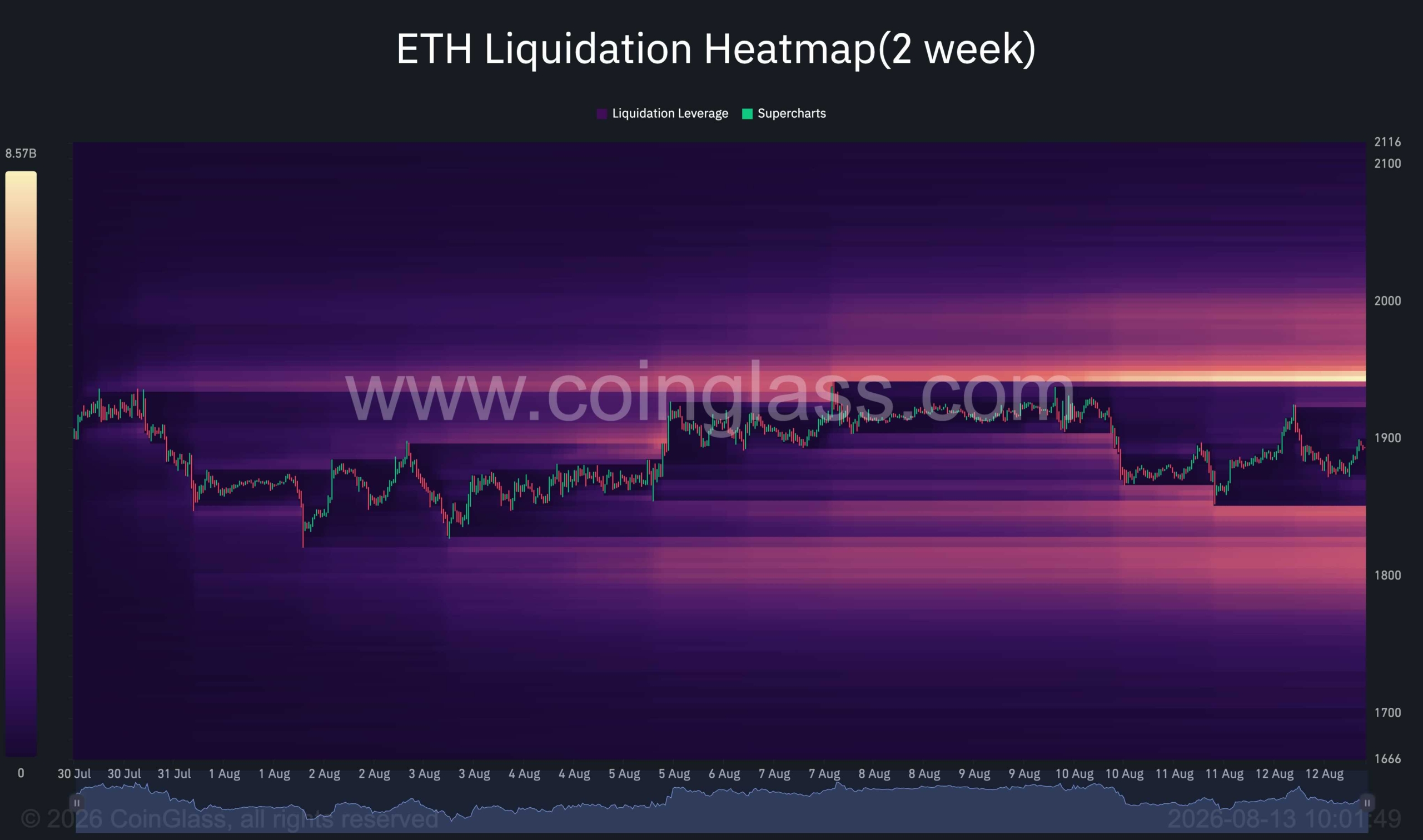
The two-week liquidation heatmap captures the liquidity structure that has developed during ETH’s recent consolidation phase. With spot price moving sideways, leveraged positions have accumulated on both sides of the range, creating potential targets for short-term liquidity sweeps.
The most prominent nearby concentration appears above the market around $1.94K-$1.95K, almost directly overlapping with the technical resistance identified on the 4-hour chart. This makes the region particularly important, as a push through the recent highs could trigger short liquidations and potentially accelerate an upside move.
At the same time, slight liquidation liquidity is visible below the market, particularly through roughly the $1.80K-$1.85K region. This aligns closely with the 4-hour demand zone and means a downside sweep cannot be ruled out if the ascending trendline fails.
Overall, the heatmap reinforces the technical picture of a market trapped inside a range with liquidity accumulating at both extremes. Until ETH establishes a decisive breakout, sharp moves toward either side may primarily serve to clear leveraged positions before the market selects a more sustainable direction.
The post Ethereum Price Prediction: What Are ETH’s Chances of Breaking Above $2K Soon? appeared first on CryptoPotato.
Goldman Sachs Vice Chairman Robert Kaplan has backed the Federal Reserve’s 9–3 decision to keep interest rates at 3.50%–3.75% in July, arguing that policymakers needed more time to assess inflation before acting.
Summary
- The Fed held rates at 3.50%–3.75% in July despite three votes for an increase.
- Kaplan said incoming data should determine whether policymakers raise rates in September.
- AI investment, tariffs, labor shortages, and oil prices could keep inflation elevated.
- Kaplan said fiscal deficits, not Fed policy, are pushing long-term Treasury yields higher.
Why Kaplan supports the Fed rate pause
Bloomberg Television reported on Aug. 13 that Kaplan, a former president of the Federal Reserve Bank of Dallas, viewed the July pause as the correct decision despite continued inflation pressure and an unusually divided vote.
During the July 28–29 meeting, the Federal Open Market Committee left the federal funds rate unchanged at 3.50%–3.75%. According to the Fed’s official statement, Beth Hammack of the Cleveland Fed, Neel Kashkari of the Minneapolis Fed, and Lorie Logan of the Dallas Fed voted for a quarter-point increase.
Kaplan said policymakers should use the remaining time before the Sept. 15–16 meeting to determine whether inflation is improving enough to justify another pause. Rather than committing to a fixed position several weeks in advance, he called for officials to assess each new economic report as it arrives.
“If I see meaningful improvement, I might be willing to stay put,” Kaplan said, adding that he wanted to use “every moment before September” to reach a decision without “rigidity or preconceived notions.”
Recent data has given policymakers some evidence that price growth is slowing, although inflation remains above the Fed’s 2% goal. The U.S. Bureau of Labor Statistics reported on Aug. 12 that consumer prices rose 0.1% in July and 3.4% from a year earlier, compared with a 3.5% annual increase in June.
Core inflation, which excludes food and energy, increased by 0.2% for the month and 2.5% annually. Its annual rate eased from 2.6% in June, while the energy index remained 14.7% higher than a year earlier.
As crypto.news previously reported, Chicago Fed President Austan Goolsbee has described inflation as the main problem facing the U.S. economy, even as he characterized the labor market as stable but weak. Goolsbee does not hold an FOMC vote in 2026.
Inflation forces are moving in opposite directions
Although Kaplan supported waiting in July, he identified several forces that could prevent inflation from returning quickly to the central bank’s target. Investment linked to artificial intelligence is increasing demand for power, construction materials, data centers, and specialized workers, he told Bloomberg.
Kaplan also cited tariffs, labor constraints, and high oil prices as sources of upward pressure. Tariffs can raise the cost of imported products and business inputs, while worker shortages can force employers to increase wages or delay planned expansion, according to his assessment.
Rising oil prices add another layer because energy costs feed into transport, manufacturing, and household expenses. The Fed’s July statement said inflation remained elevated partly because supply shocks had raised prices in sectors including energy.
At the same time, Kaplan said the adoption of AI could lower inflation by helping businesses improve productivity and produce more with the same amount of labor and capital. In his view, the investment phase may increase demand and costs before the resulting technology begins to reduce operating expenses.
Richmond Fed President Tom Barkin offered a similar assessment on Aug. 13, saying tariffs, oil prices, and demand created by the AI boom were contributing to inflation. Barkin said it remained an open question whether the Fed would need another rate increase to return inflation to 2%.
Cleveland Fed President Hammack has taken a firmer position. In an Aug. 13 speech, she said the Fed should raise rates promptly because inflation has stayed above its target for more than five years. Hammack also warned that continued business borrowing and investment could add to existing price pressure.
The competing views explain why Kaplan wants the central bank to retain flexibility. While the latest CPI figures have slowed, his comments indicate that policymakers still need to decide whether the improvement will continue or whether energy, tariffs, and business investment will keep inflation elevated.
Warsh should explain the July decision at Jackson Hole
Kaplan also urged Federal Reserve Chair Kevin Warsh to use his coming Jackson Hole address to explain why the central bank did not raise rates in July. He said the speech should offer a short account of the decision rather than focus only on the philosophy guiding monetary policy.
Warsh has reduced the Fed’s reliance on forward guidance since becoming chair in 2026, leaving investors more dependent on employment, inflation, and economic growth data. The Fed’s July statement did not provide a clear signal about whether officials expect to change rates in September.
According to Kaplan, the three dissents make a factual explanation especially useful because the vote showed considerable disagreement inside the FOMC. The July decision passed 9–3 after the Fed kept rates unchanged for a fifth consecutive meeting.
The Federal Reserve Bank of Kansas City will hold the Jackson Hole Economic Policy Symposium from Aug. 27 to Aug. 29. Its 2026 theme is “Financial Innovation: Implications for Payments and Policy,” according to the bank’s official event page.
Before the July decision, futures markets had assigned about a one-in-three probability to a quarter-point increase. Following the latest inflation data, prediction-market traders placed a 67% probability on another pause in September, according to recent market coverage.
Bitcoin recovered from about $63,400 to $64,100 after the CPI release but failed to sustain a strong rally. A separate Bitcoin market report showed the asset later falling toward $63,300 as the expected inflation reading provided little reason for traders to add risk.
Higher policy rates can affect digital assets by increasing returns on cash and government debt, which may reduce demand for assets such as Bitcoin. Rate expectations can also influence the dollar, borrowing costs, and liquidity available to investors, although Bitcoin’s limited response to the July CPI report showed that inflation data was not the market’s only driver.
Treasury yields concern Kaplan more than short-term rates
Kaplan said he was more concerned about long-term U.S. Treasury yields than the federal funds rate itself. While the Fed directly sets an overnight target range, longer-term yields are determined by bond-market demand, inflation expectations, government borrowing needs, and the compensation investors require for holding debt over many years.
In Kaplan’s assessment, rising long-term yields in the United States and other major economies point to a structural imbalance between the amount of debt being issued and the demand available to absorb it. He linked the pressure mainly to persistent fiscal deficits rather than the Fed’s decisions on short-term interest rates.
Large deficits require the U.S. Treasury to sell more bills, notes, and bonds to finance government spending. If buyers demand higher returns to absorb the additional supply, yields rise even when the central bank leaves its policy rate unchanged.
The effect reaches American households and companies because Treasury yields serve as reference rates for mortgages, corporate borrowing, and other forms of credit. Rising long-term yields can therefore keep financing costs elevated without a new increase in the federal funds rate.
Pressure in the bond market became clearer during the Treasury’s Aug. 13 auction of $25 billion in 30-year debt. The securities were sold at a yield of 5.22%, up from 5.06% at the previous auction in July and the highest borrowing cost for a 30-year Treasury sale since 2001.
NBA champion Tristan Thompson says he buys Bitcoin every single day and tells teammates calling him mid-season to do the same, regardless of what the chart shows.
The Cleveland Cavaliers veteran joins a growing list of basketball figures turning into vocal crypto advocates.
The Thesis Behind Buying Every Single Day
Dollar-Cost Averaging (DCA) means buying a fixed amount of an asset at regular intervals, regardless of price, to smooth out volatility over time. Thompson describes exactly that approach.
His pitch to teammates avoids price predictions entirely. He frames the purchase as stacking digital gold, warning them that they will have to explain to their grandchildren why they hesitated at $63,000.
“Buy every day, stack it, stack your digital gold… You don’t want to be 70 and have your grandchildren say to you, Papa, you didn’t buy more Bitcoin back when it was at $63,000… If you look through the last 14 years, it has appreciated by over 60 percent annually… Name a savings account that does that. You can’t find it,” Thompson said at The Pomp Podcast.
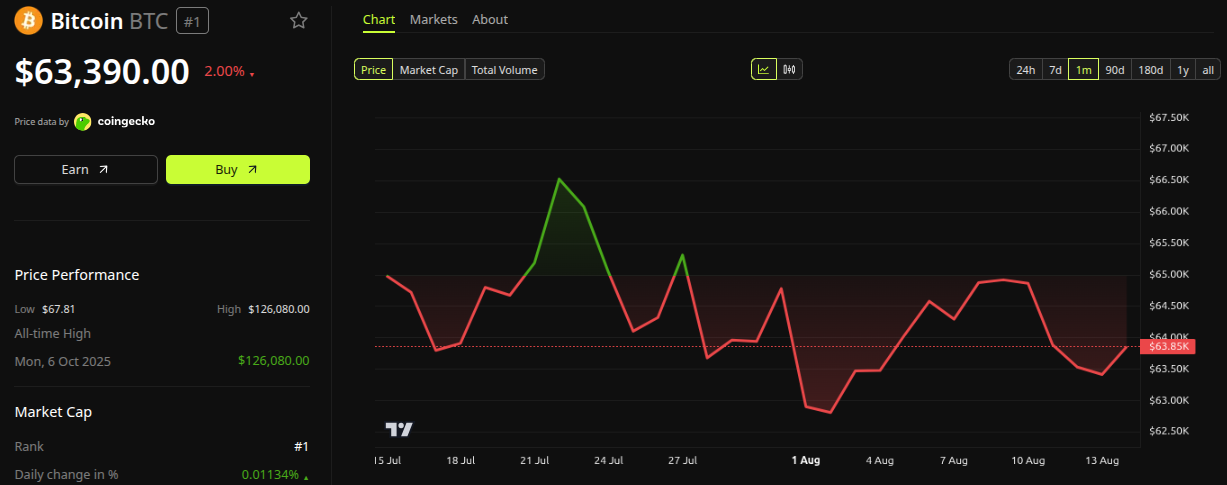
That figure matches current conditions. Bitcoin trades near $63,390, according to BeInCrypto data, roughly 50% below its October 2025 all-time high of $126,080.
Follow us on X to get the latest news as it happens.

The reasoning behind his conviction differs from most. Thompson says he does not own Bitcoin because he expects the dollar to fall, but because he expects the internet to keep winning.
His timeline traces back to 2008. That year, the global financial system cracked, and Bitcoin emerged as what he calls a “Robin Hood” figure in the pursuit of financial freedom.
Geography shapes his view, too. He considers the United States still early in adoption compared with Asia and the Middle East, where crypto payments already appear in everyday commerce.
He cites one concrete example. Emirates now accepts cryptocurrency for flight bookings. Regulation features in his outlook. Thompson pointed to the GENIUS Act and potential passage of the CLARITY Act as catalysts that could unlock substantially more institutional capital.
The Wider NBA Crypto Wave and Its Record
His advocacy extends beyond the asset itself. Thompson has taken on a financial literacy mission since shifting from playing to investing. The message to rookies is practical. He tells them to read profit-and-loss statements and understand how compounding actually works.
Thompson is far from alone in that space. Scottie Pippen has become one of the loudest voices for Bitcoin in basketball, tokenizing the 1991 NBA Finals Game 5 ball as a blockchain asset.
The six-time champion regularly posts bullish commentary. His messages range from blunt instructions to study Bitcoin to viral claims about Satoshi Nakamoto appearing in his dreams.
Subscribe to our YouTube channel to watch leaders and journalists provide expert insights.
Others have taken different routes. LeBron James partnered with Crypto.com on blockchain education, while Spencer Dinwiddie attempted to tokenize his own NBA contract.
The record is genuinely mixed, however. Stephen Curry, Klay Thompson, and Andre Iguodala all faced losses from crypto ventures during previous cycles.
That contrast matters for readers. Athlete endorsements have historically preceded both durable adoption stories and expensive disappointments.
Thompson’s own framing acknowledges the uncertainty. Play the long game, he says, and stop worrying about the price.
The post NBA Champion Reveals His Daily Bitcoin Habit appeared first on BeInCrypto.

Boltz has suspended its Bitcoin swap service after a series of AI-assisted attacks caused losses for the bootstrapped five-person company, with the shutdown announced on August 3 and a new group of veteran Bitcoiners now preparing to take over the project.
The episode points to a growing security problem for small open-source crypto services, where automated attackers can move faster than small teams can investigate and patch vulnerabilities.
Boltz Suspended Swap After Repeated Attacks
Boltz said attackers had targeted its infrastructure with increasing frequency, intensity, and sophistication over the past several months. Several attacks succeeded, but the company stressed that its non-custodial design kept customer funds out of reach.
“The entirety of the risk was ours,” the team said, explaining that losses from the attacks led it to suspend the service on August 3 to prevent further damage. The company also said its API remained available for cooperative refunds, while unilateral refunds continued to work without relying on Boltz infrastructure.
The decision followed a difficult period for the service. On August 1, Boltz temporarily disabled EVM swaps involving USDT, USDC, TBTC, WBTC, and RBTC while fixing a bug in its EVM integration. Lightning, Liquid, and on-chain BTC swaps were still operating at that point.
Before that, it had faced other issues, including downtime in June of its API and related services, as well as the disabling of its USDT swaps on its .onion site in April.
By August 3, however, Boltz said the problem had become broader. The team reported a “steady rise in automated, AI-assisted probing” and several exploits, followed by a sharp acceleration in attacks during the days immediately before the shutdown. After reviewing its own security scans, the company said it could not responsibly restart swaps while multiple groups appeared to be targeting its infrastructure.
Boltz later said its five-person team did not have the resources to withstand that level of pressure over the long term. The company now has a new path forward. A group of veteran Bitcoiners has provided capital and engineering resources and agreed to take over Boltz.
Work on identifying and fixing vulnerabilities has already started, although no timetable for the return of swaps was given. The incoming group has not yet been named.
All three original founders, Kilian, Michael, and Karl, have stepped down and will have no formal role in the project.
AI Is Changing Both Sides of Bitcoin Security
Boltz’s experience comes as other reports point to a wider use of AI in cryptocurrency-related security work. On August 10, a report on North Korea-linked Kimsuky said the group had established local AI environments using tools including Ollama, GPT4AI, and Msty. Investigators said the setup could help with malware development, document analysis, and other attack techniques.
A separate security campaign showed the other side of the equation. Sixteen researchers used AI-assisted methods to examine 390 Bitcoin-related open-source projects and reported 4,962 software issues, including 85 critical and 635 high-severity findings.
That contrast shows AI can help defenders examine code at a pace that would be difficult manually, but the same tools can give attackers faster ways to probe exposed systems. Boltz’s founders said they had reached the point where their team could not keep pace.
The post Non-Custodial Bitcoin Bridge Boltz Shuts Down After AI-Assisted Attacks appeared first on CryptoPotato.


SharpLink plans to stake $200 million of ETH through Lido, receiving wstETH that will be held with Anchorage Digital. Using Kraken’s displayed ETH price of $1,889.84, the dollar allocation equates to about 106,000 ETH, roughly 12% of the company’s 888,938 ETH holdings reported as of Aug. 3. The… Read the full story at The Defiant


Standard Chartered's global head of digital assets research said on Thursday that the $100 end-2030 price target he set for UNI in June may be too low, citing the rate at which Uniswap is now burning tokens with fees earned on Robinhood Chain. The burn rate Geoff Kendrick is extrapolating from is… Read the full story at The Defiant

“People are sick and tired of having to change their clocks twice a year. It is foolish, inconvenient and, in some cases, very costly,” Trump said. He went on to argue that the practice “is also bad for your health in the anxiety it creates,” and claimed that permanent Daylight Saving Time would have many benefits, including that it would “help Decrease Robbery and Murder Rates, Reduce Car Accidents (especially those involving Pedestrians!), Lower Risk for Cardiac Issues, Stroke, and Seasonal Depression, Make it Safer for Children to Walk Home from School.”

Fed July rate hold was ‘absolutely’ right, Kaplan says

Neil Patrick Harris Recalls Being A ‘Target’ For His Sexuality

Reese’s, Almond Joy ice cream bars recalled over labeling error


-

 Fashion6 days ago
Weekend Open Thread: Mattifying Sunscreen
-

 Fashion6 days ago
Frugal Friday’s Workwear Report: Cap-Sleeve Pointelle Crewneck Sweater
-

 News Videos6 days ago
Can Astrology Help Find Gold and Silver Trends? A Financial Astrology Guide
-

 Tech6 days ago
Rinn Pharma & Biopharma to join NordicPharmaTrain network
-

 Business5 days ago
How to Start a Cleaning Business: A Step-by-Step Guide
-

 Business5 days ago
Datadog: Best Of Breed For Multiple Reasons
-

 Business5 days ago
BDC Weekly Review: Private BDC Q2 Numbers Are Strong
-
 NewsBeat2 days ago
Communication cards help banking customers access services or report scams
-

 Tech7 days ago
Price Hikes May Be Coming for PC Motherboards Next
-

 Business7 days ago
Brightwater secures funding for WA-first dementia projects
-
 Business3 days ago
Oil Price Today (August 11): Crude oil rises to $88 after Trump’s compensation demand dents Hormuz opening. Here’s why
-

 Business7 days ago
Aussie shares lose steam to close record-breaking week
-

 Fashion6 days ago
Weekly News Update, 8.6.26 – Corporette.com
-
 Entertainment7 days ago
Brand New Day’ Characters, Ranked
-

 Fashion7 days ago
The Best Stores Like Ann Taylor
-

 Fashion7 days ago
Irina Shayk Wows in REVOLVE Los Angeles’ Summer Styles
-

 Fashion7 days ago
Burberry Fall 2026 Takes On Commuter Style
-

 Politics5 days ago
Be quiet, Miriam! – spiked
-

 Fashion4 days ago
Amazon Sundays: Closet Care Before Fall
-

 Business7 days ago
South Korea cracks down on Trader Joe’s popular seasoning
You must be logged in to post a comment Login