

Crypto World
Solana Price to Break Soon? $95 Is the Level to Watch

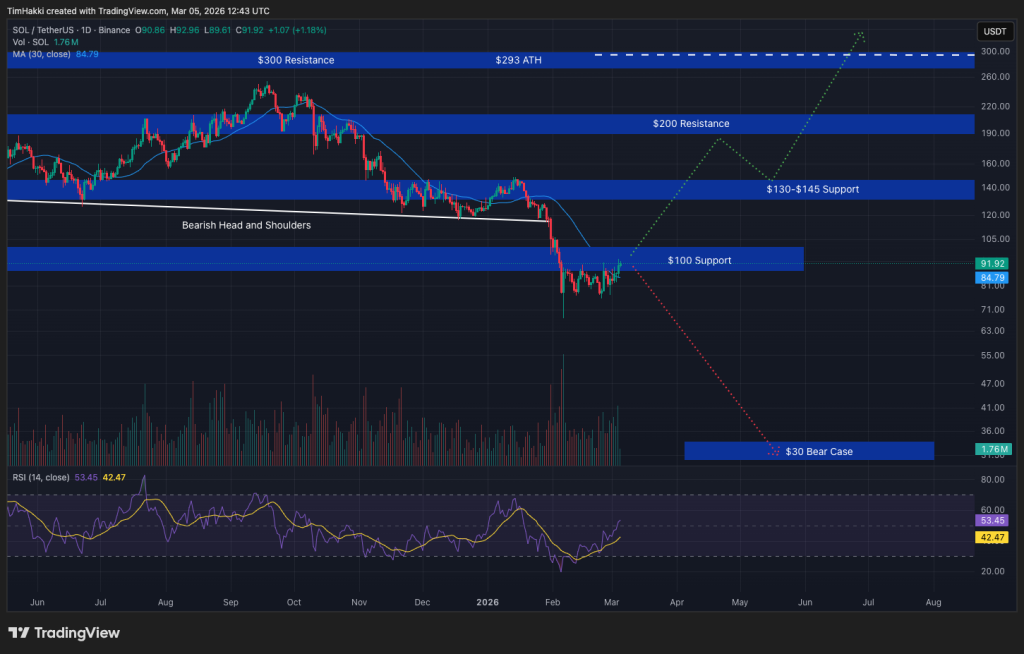
Solana (SOL) is approaching another important level that could point to an explosive price prediction. SOL is trading near $91.70 at the time of writing, up around 3% in the past 24 hours. The token is up roughly 6% over the last week.
The broader picture remains stressful. Solana is still about 11% lower over the past month and nearly 70% below its January 2025 all-time high of $293.31.
Meanwhile, derivatives activity is picking up. CoinGlass data shows trading volume dropping 3% to $16.4 billion, while open interest climbed 2% to $5.37 billion.
Additionally, on March 4, Solana ETF inflows hit $19.06 million, according to SoSoValue. This suggests institutions are accumulating right now, opening new positions as price approaches a key decision zone.
Discover: The best new cryptocurrencies
Solana Price Prediction: Why $95 Is the Level Everyone Is Watching
The $95 price is now the key level. Looking at the move from the $120 swing high to the $80 low, the 38.2% to 50% Fibonacci retracement sits exactly near $95. That area often acts as the first major resistance during recovery rallies, and the market appears to be respecting it.
It also has structural weight. The $100 range represented a key support level during the March 2025 crash. It now appears to have flipped to resistance, but successfully recapturing during a market-wide rally could flip it back to support.
RSI has long recovered from oversold and is now slightly above 50, reflecting growing momentum. If it stalls there, sellers could regain control. A 24-hour trading volume of just over $6 billion on the rebound has also been moderate, suggesting this move may still be a corrective bounce rather than a full reversal.
If SOL breaks and holds above $95, the next upside zone opens around $105 to $110. This would align with a more bullish Solana price projection targeting local range highs.
However, if price rejects again here, focus quickly shifts back toward $85. A loss of that support level would expose the recent lows near $80, invalidating the current recovery attempt.
In the mid-to-long-term, there’s sticky resistance ahead, located around the $200 and $275 levels. Clearing this would line Solana up to challenge its ATH, opening the possibility to a summer spent in price discovery mode.
Solana has quickly become the go-to chain for leading African companies exploring stablecoins. — Dr. Harri (@Harri_obi) March 4, 2026
One of them is @RaenestApp, which just made Solana available to its 1M+ customers.
Join me tomorrow by 12 noon for an indepth convo with @vstar29, the CEO & Co-Founder of Raenest  pic.twitter.com/xFvh3ZWzDd
Ultimately, in spite of all the negative market noise, things are looking bullish for Solana in many respects. The network has an early lead on the likely soon-to-be-massive sectors of stablecoins and real world asset (RWA) tokenization.
In the latter department, asset managers Franklin Templeton and BlackRock have started leveraging the network for its tokenization capabilities.
Discover: The next crypto to explode
The post Solana Price to Break Soon? $95 Is the Level to Watch appeared first on Cryptonews.

Can ETH make a decisive comeback, or will the bears intercept the move?
The second-largest cryptocurrency has performed quite well lately, with its price soaring by nearly 10% over the past two weeks.
A number of popular analysts see potential for further gains, though they emphasize that holding critical support levels will be essential.
$2,500 and Beyond?
Ethereum (ETH) briefly climbed to a monthly peak of almost $2,200 before slightly retreating to the current $2,120 (per CoinGecko’s data). According to the renowned crypto commentator Ali Martinez, the asset “looks ready to break out” and is pressing at the upper boundary of a channel. He believes a sustained close above $2,147 could open the door to a more substantial rise to $2,335 or even $2,542.
Shortly after, Martinez made another ETH-related remark, claiming that the MVRV pricing bands show the asset has reached a level that has historically aligned with market bottoms.
X users Ted and Investor Jordan are also optimistic. The former suggested that a daily close beyond $2,150 could trigger a rally towards the $2,400 zone. At the same time, he warned that failure to do so would result in a retest of the $2,000 psychological level. For their part, Investor Jordan argued that ETH is starting “to warm up,” adding they are “disgustingly bullish” on the cryptocurrency right now.
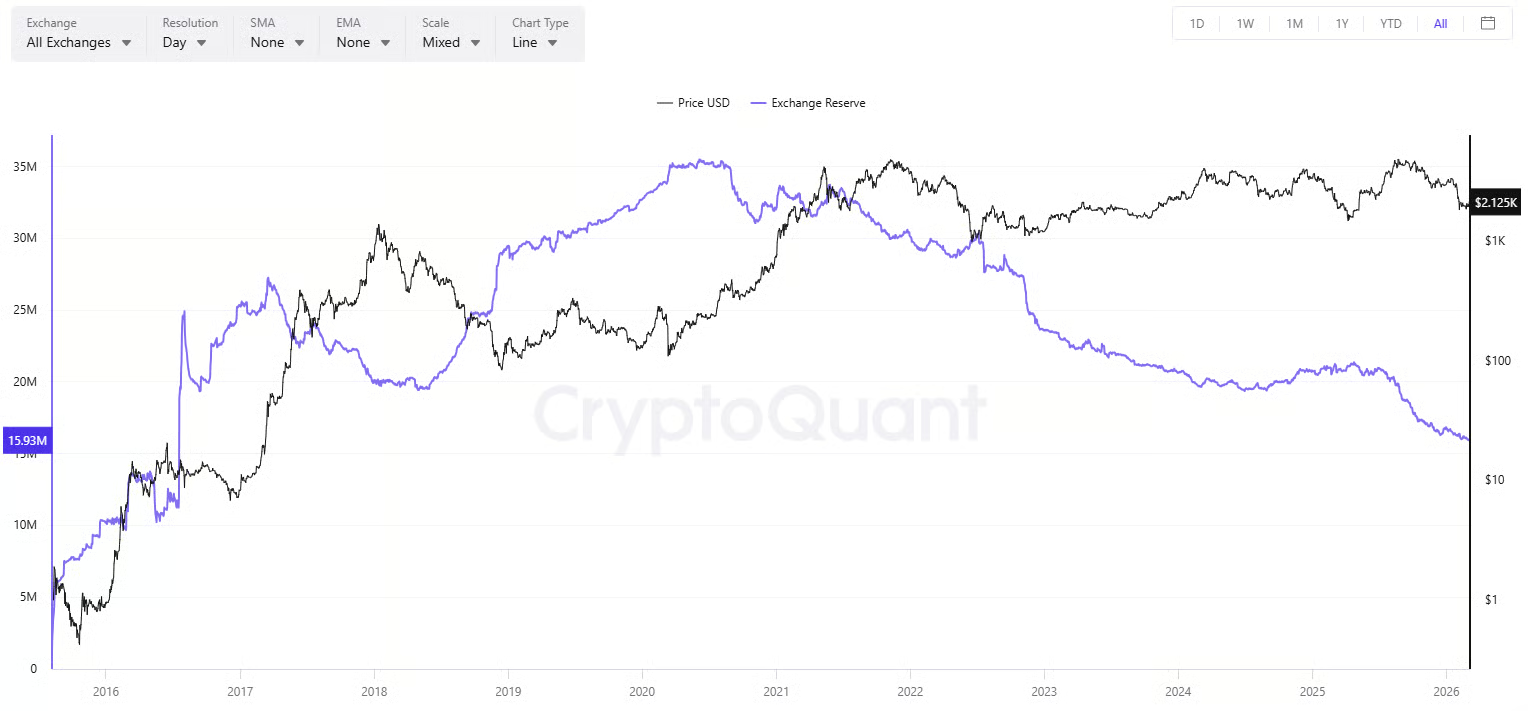
Some on-chain indicators support the scenario of a further increase. The supply of ETH stored on exchanges, for instance, today (March 5), plummeted to around 15.93 million tokens, the lowest point since the summer of 2016. This development suggests that an increasing number of investors are abandoning centralized platforms and moving their holdings to self-custody, thereby reducing immediate selling pressure.
The Journey South Begins Again?
Other market observers, like X user Emirhan, presented rather pessimistic outcomes. They outlined 2,109 as a key level, assuming a break below could lead to a drop to under $1,900.
You may also like:
Moreover, ETH’s Relative Strength Index (RSI) temporarily crossed the bearish 70 threshold. The indicator helps traders spot potential reversal points by measuring the speed and magnitude of recent price changes. Readings around and above 70 signal that the asset has become overbought and could be headed for a pullback, whereas anything beneath 30 is seen as bullish territory.

Binance Free $600 (CryptoPotato Exclusive): Use this link to register a new account and receive $600 exclusive welcome offer on Binance (full details).
LIMITED OFFER for CryptoPotato readers at Bybit: Use this link to register and open a $500 FREE position on any coin!


Sanctions evasion dominated crypto-related illicit finance last year, with state actors including Russia, Iran and North Korea driving a surge in activity, Chainalysis said in a Thursday report.
Sanctioned entities received at least $104 billion in cryptocurrency, an almost eightfold increase on 2024, pushing total illicit onchain volume to a record $154 billion. The findings show how heavily sanctioned states are integrating cryptocurrency into national financial strategies to bypass traditional banking systems.
Chainalysis’ report follows a similar study by TRM Labs, which in February said illicit entities received $141 billion in stablecoins, the highest level observed in five years. Sanctions-related activity accounted for 86% of the flows, mostly in stablecoins, TRM said. About 50% of the total, $72 billion, was linked to the Kyrgyzstan-registered A7A5 token, a ruble-pegged stablecoin.
Chainalysis’ 88-page report also named A7A5 as a major participant, saying it processed $93.3 billion in transactions in less than a year, functioning as a settlement rail for sanctioned Russian businesses to conduct cross-border trade. The token is linked to exchanges Grinex and Meer, which handled billions in transactions before being sanctioned by the U.S. and European Union.
Chainalysis identified an “A7A5 Instant Swapper” service that converts the token into mainstream dollar-pegged stablecoins with few or no know-your-customer (KYC) checks. The service has processed more than $2.2 billion so far, effectively allowing sanctioned entities to bridge into the broader crypto economy, it said.
“These Chainalysis statements are not new for us. They are politically motivated by Western countries,” Oleg Ogienko, A7A5’s director for regulatory and overseas affairs, told Coindesk via Telegram. “We mainly provide payment rails extensively for Russian export and import operations. It is absolutely legal and compliant with the legislation of Russia, Kyrgyzstan and the legislation of other countries who are trade partners of Russia.”
A7A5 has state-of-the-art KYC and anti-money laundering (AML) controls and processes in place, complying with regulatory requirements, he said. Moreover, the ruble-pegged stablecoin is not mentioned in any of the global Financial Action Task Force (FATF) reports.
Iran also expanded its crypto use. Addresses tied to the Islamic Revolutionary Guard Corps (IRGC), designated a terrorist organization by the U.S, EU and other jurisdictions, accounted for more than 50% of value received by Iranian services by late 2025, moving over $3 billion tied to regional proxy financing, oil trade and procurement networks.
North Korea remained the most prolific cyber-theft actor, according to Chainalysis, stealing more than $2 billion in cryptocurrency in 2025, including $1.5 billion from a hack of Bybit, the largest digital asset theft ever recorded.
The report also highlights a structural shift in crypto crime. Stablecoins now account for roughly 84% of illicit transaction volume, reflecting how sanctioned actors increasingly rely on liquid, dollar-pegged assets to move funds across borders.
Crypto World
U.S. judge freezes BlockFills assets in dispute over 70 bitcoin with creditor Dominion Capital
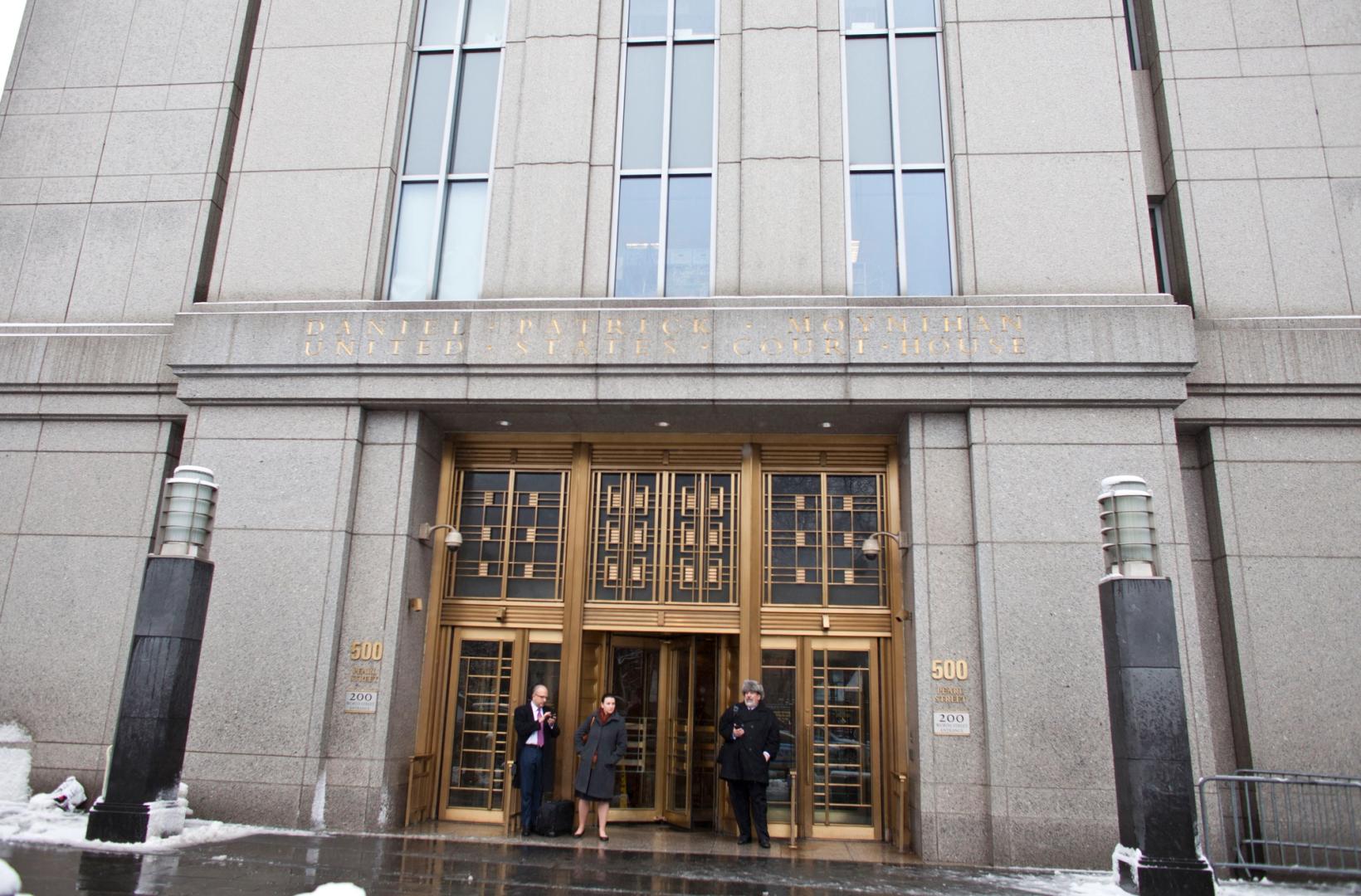
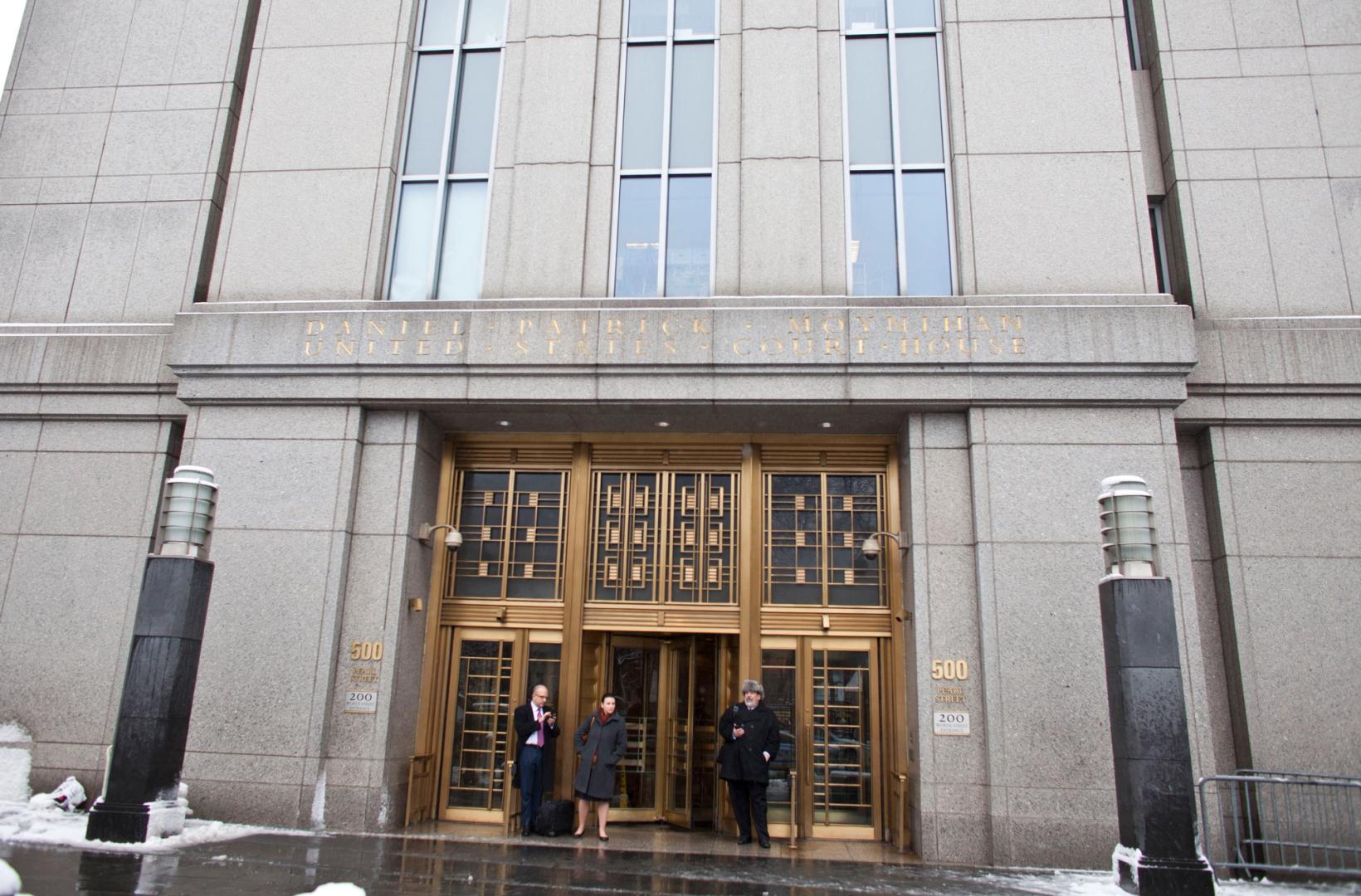
A U.S. federal judge has issued a temporary restraining order (TRO) against crypto lender BlockFills in a lawsuit brought by Dominion Capital, temporarily freezing assets tied to the dispute, according to a filing seen by CoinDesk.
In a complaint dated February 27, Dominion alleged that BlockFills misappropriated and unlawfully retained millions of dollars’ worth of customer crypto assets, commingled client assets and concealed heavy losses.
Dominion claimed BlockFills concealed the misuse of customer funds and refused to return the company’s assets after suspending withdrawals in February. As part of the complaint, the investment firm sought an asset freeze to protect its crypto trapped on Blockfills’ platform, which was granted by the court.
In an order filed March 3 in the U.S. District Court for the Southern District of New York, federal Judge Mary Kay Vyskocil barred the firm from transferring or disposing of 70.6 bitcoin allegedly belonging to Dominion, or moving assets outside the United States while the case proceeds.
The court also ordered Blockfills, which is backed by trading giant Susquehanna, to account for and segregate customer funds, including Dominion’s bitcoin, pending a hearing on a possible preliminary injunction.
CoinDesk reported last month that the crypto lender had incurred losses of around $75 million during the recent market downturn, and was looking for a buyer or emergency funding
BlockFills is a Chicago-based crypto trading and lending firm that provides liquidity, financing and risk-management services to institutional clients. Its platform facilitates crypto lending and borrowing, derivatives trading and over-the-counter (OTC) execution for hedge funds, asset managers, market makers and mining companies.
A Blockfills spokesperson said as a matter of policy the firm does not comment on pending litigation. Dominion Capital declined to comment.
A temporary restraining order in the U.S. is an emergency court order that temporarily stops someone from taking a specific action until the court can hold a full hearing. It’s commonly used in legal disputes involving money, assets or financial activity to prevent immediate harm.
The TRO was issued without notice to BlockFills, with the court citing a risk of “immediate and irreparable injury,” noting the firm had suspended client withdrawals and that insolvency could be imminent.
BlockFills must respond by March 17, when the temporary order is set to expire unless extended by the court.
Dominion Capital is a New York-based private investment firm and family office that invests across private equity, structured finance and digital assets, including backing bitcoin mining companies such as Bitfarms (BITF).
Tough times
Blockfills said it was halting customer withdrawals and deposits on Feb. 11 due to recent market and financial conditions.
The firm said at the time that it was working with investors and clients to reach a swift resolution and restore liquidity to the platform. CoinDesk subsequently learned that the crypto lender had incurred losses of around $75 million in the recent market downturn and was seeking a buyer or emergency funding.
CoinDesk also reported that Nicholas Hammer, co-founder and CEO of Blockfills, has stepped down from his leadership role. The firm’s website now lists Joseph Perry as the interim CEO.
Blockfills said it processed over $60 billion in trading volume in 2025, a 28% increase from the prior year, and is among the more active institutional crypto lending and borrowing desks. It serves about 2,000 institutional clients, including hedge funds, asset managers and mining firms.
“The company is now hurtling towards bankruptcy,” according to insolvency professional Thomas Braziel, founder of 117 Partners.
“After something like this, no serious institution is touching the platform,” Braziel said. “They are going to have to file for bankruptcy.”
The New York Law Journal first reported news of the Dominion complaint on Monday.
Read more: Blockfills co-founder and CEO Nicholas Hammer has stepped down

TLDR
- Revolut filed an application for a U.S. national bank charter with the Office of the Comptroller of the Currency.
- The license would allow Revolut to access Federal Reserve payment systems like Fedwire and ACH.
- The charter would enable Revolut to offer federally insured deposits, credit cards, and personal loans directly.
- Revolut currently provides U.S. banking services through its partner Lead Bank in Kansas City.
- The company plans to invest $500 million in the U.S. market over the next three to five years.
Revolut has filed an application for a U.S. national bank charter with the Office of the Comptroller of the Currency. The move advances its plan to expand deeper into the American financial system. The company confirmed the filing on Thursday and outlined its strategy for growth in North America.
Revolut Seeks a U.S. National Bank Charter
Revolut submitted its application to the Office of the Comptroller of the Currency to secure a national bank charter. The company said the license would allow direct access to Federal Reserve payment systems. It expects access to networks such as Fedwire and the Automated Clearing House.
The charter would also allow Revolut to accept federally insured deposits up to $250,000 per account. It would also enable the company to issue credit cards and personal loans directly. Revolut currently provides U.S. banking services through Lead Bank in Kansas City.
That partnership allows accounts and payments without holding its own banking charter. However, the company dropped plans in January to acquire a U.S. bank. Instead, it chose to pursue a de novo banking license to build operations from scratch.
Revolut previously applied for a U.S. banking license in 2021 but withdrew in 2023. The company cited regulatory setbacks at that time. It has now renewed efforts under what it describes as updated regulatory conditions.
The company said the United States remains central to its global digital banking strategy. It reported more than one million customers in the U.S. market. Revolut also plans to invest $500 million over the next three to five years.
Regulatory Steps and Crypto Expansion
The filing follows a development in the crypto sector earlier this week. Kraken secured a Federal Reserve master account for its banking arm. That approval grants Kraken direct access to the Fed’s core payment system.
Revolut described its own application as a step toward direct participation in U.S. payment infrastructure. A national charter would reduce reliance on partner banks. It would also place the company under federal banking supervision.
Revolut holds a restricted banking license in the United Kingdom. The Prudential Regulation Authority granted that license in 2024 with operational limits. The company continues its mobilization phase toward full authorization.
It also holds banking licenses in other regions where it operates. However, it does not hold a banking license in every market. The U.S. charter would expand its regulated footprint.
Revolut said it appointed Cetin Duransoy to lead its U.S. operations. Duransoy previously worked as a senior executive at Visa. The company said his experience will guide its expansion in the American market.
The Financial Conduct Authority selected Revolut to test stablecoin services under proposed U.K. rules. The company continues to develop crypto trading services across markets. It values the firm at about $75 billion based on recent disclosures.
TLDR
- Intercontinental Exchange valued OKX at 25 billion dollars through a new strategic partnership.
- ICE secured a board seat in OKX as part of the agreement.
- The companies will explore tokenized equities linked to New York Stock Exchange listings.
- ICE will license OKX spot crypto price data for regulated U.S. futures products.
- OKX will provide its 120 million users access to ICE U.S. futures markets.
Intercontinental Exchange has valued crypto exchange OKX at $25 billion in a new partnership. The New York Stock Exchange owner also secured a board seat in the deal. Both companies will collaborate on tokenized stocks and regulated crypto futures.
ICE announced the agreement through a formal press release on Thursday. It did not disclose the financial terms of its strategic investment.
However, ICE confirmed it valued OKX at $25 billion. The San Jose-based company operates a global cryptocurrency trading platform.
The agreement expands ICE’s digital asset strategy across multiple markets. It also strengthens ties between traditional exchanges and crypto firms.
ICE Expands Digital Asset Strategy
ICE will license OKX’s spot cryptocurrency price data for U.S. futures products. In return, OKX will provide access to ICE’s regulated futures markets.
The companies said they will explore tokenized equities tied to NYSE listings. They will also study derivatives linked to listed securities.
Jeffrey C. Sprecher, ICE chair and CEO, addressed the partnership in a statement. He said, “Our strategic relationship with OKX will expand global retail access to ICE’s pre-eminent regulated markets.”
He added that the partnership will accelerate plans for on-chain infrastructure. ICE aims to offer tokenized assets to U.S. investors.
ICE will also gain representation on OKX’s board of directors. The companies plan cooperation on clearing and risk management services.
They will work on multichain custody systems and wallet architecture. Both firms operate high-performance matching engines and transparent order books.
OKX and Market Reaction
Star Xu, founder and CEO of OKX, welcomed the collaboration. He said the partnership will help build a reliable market structure.
Xu stated that the firms will bridge digital assets and equities. He added that the venture will strengthen cross-market price formation.
OKX’s native token, OKB, surged after the announcement. The token rose as much as 58% within one hour.
It later pulled back and traded near $96. Earlier, it reached a high of $120 following the news.
Bakkt, another ICE-backed digital asset firm, also saw market movement. Its NYSE-listed shares rose 0.74% in early New York trading.
ICE has invested in digital asset platforms in recent years. It previously backed Bakkt and invested $2 billion in Polymarket.
The companies confirmed they will continue regulatory discussions. They said any new products will depend on regulatory support.
OKX serves about 120 million users worldwide. ICE operates major regulated exchanges, including the New York Stock Exchange.
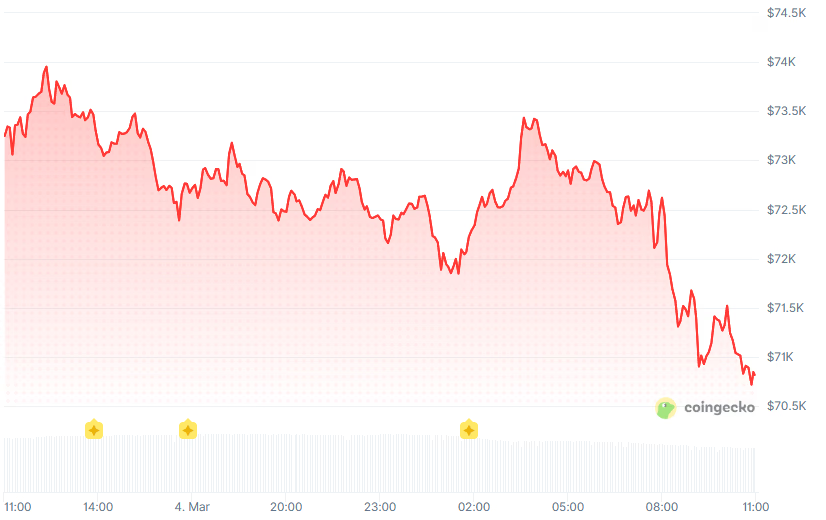
Bitcoin is holding around $71,000, while ETH and SOL are down 3%.
Crypto markets dipped on Thursday, reversing some of the previous day’s gains as investors turned cautious again following a reported attack by Iran on an oil tanker.
Bitcoin (BTC) is trading at around $71,000, down 3.5% over the past 24 hours. Meanwhile, ETH and SOL fell 4% to about $2,060 and $88, respectively, and BNB is down 2% on the day.

The overall crypto market capitalization declined by 3% to $2.48 trillion, according to Coingecko.
U.S. crude oil (WTI) spiked above $79 after Iran claimed that it attacked an American oil tanker in the Persian Gulf. WTI is up more than 17% this week to its highest level since January 2025. Investor sentiment was also dampened by reports that the conflict could last longer than previously expected. The S&P 500 and the Nasdaq slipped by around 1%, while gold and silver posted modest losses as the dollar strengthened.
Almost all of the Top 100 digital assets posted losses over the last 24 hours.
Today’s top gainer is OKB, the native token of the OKX crypto exchange, which surged more than 20% after the company disclosed an investment from Intercontinental Exchange (ICE) at a $25 billion valuation.
Memecoins DOGE and PEPE are the biggest losers, plunging 9%.
Around 99,000 leveraged traders were liquidated for $322 million in the past 24 hours, according to CoinGlass. Bitcoin accounted for $120 million, while ETH positions made up $90 million.
Bitcoin exchange-traded funds (ETFs) pulled in another $461 million on Tuesday, marking a third day of gains. This brings inflows to nearly $2 billion since last week.


A new report from DTCC, Clearstream, Euroclear, and the Boston Consulting Group advocates for interoperable infrastructure across blockchain and traditional ledgers.
A report published by The Depository Trust & Clearing Corporation (DTCC), Clearstream, Euroclear, and the Boston Consulting Group (BCG) presents a new framework for interoperability, with the aim of enabling “the safe and scalable adoption” of digital assets.
The joint report, published on Wednesday, March 4, argues that interoperability is key for cryptocurrencies to “achieve their full potential” in traditional capital markets. It emphasizes the need for open, neutral, and reliable infrastructure to support the integration of what it refers to as “digital asset securities,” or DAS, into mainstream finance.
In unpacking the current state of blockchain interoperability, the report highlights the problem of fragmentation across public and permissioned blockchains as Layer 1 and Layer 2 chains continue to proliferate.
“This diversity is widening because spinning up new chains keeps getting easier: modular stacks and ‘rollup-as-a-service’ providers allow institutions to launch bespoke L2s with configurable data availability, privacy, and permissions in weeks rather than years,” the report states.
The research also highlights regulatory fragmentation globally, arguing that this adds to the “structural inefficiencies” of implementing blockchain in traditional capital markets.
“The operating model is evolving into a network-of-networks, with standards, gateways, and regulated service providers linking on-chain objects to off-chain finance,” the report reads.
The proposed framework also argues that to integrate digital assets into TradFi systems, interoperability is needed not only between blockchain networks, but between L1s and L2s, traditional bank ledgers, and Central Securities Depository ledgers (CSDs ledgers). The report reads:
“interoperability can be defined as ‘the ability to exchange assets across ledgers – DLT and traditional – while preserving the asset’s integrity, ownership rights and lifecycle, with full legal and regulatory compliance”
In December, DTCC received clearance from the U.S. Securities and Exchange Commission (SEC) to pilot tokenized versions of securities it already holds, and later that month, it announced the tokenization pilot would use institution-focused Layer 1 Canton.
DTCC, Clearstream, and Euroclear are key players in post-trade services, offering settlement and custody solutions for securities across global markets.
This initiative aligns with other industry efforts, such as Intercontinental Echange’s strategic investment into OKX, as The Defiant reported earlier today.
This article was generated with the assistance of AI workflows.
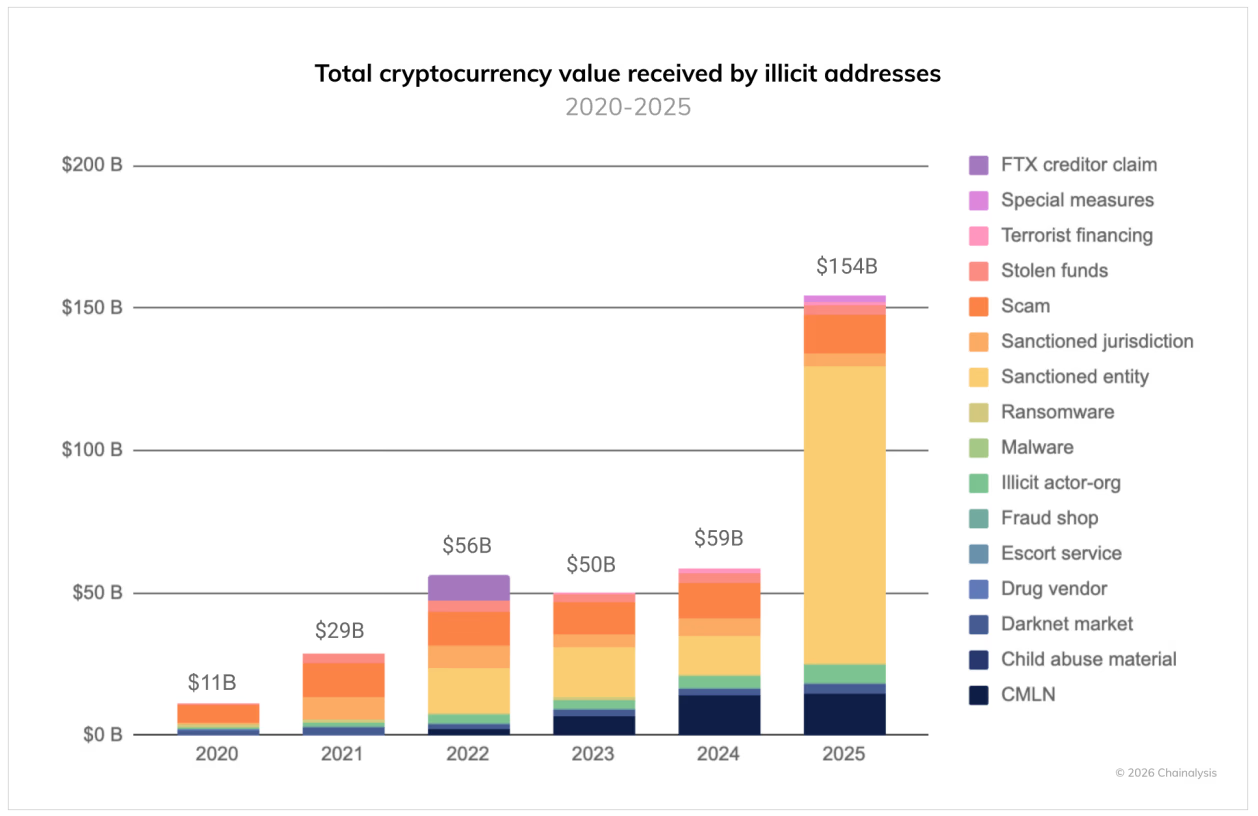
Funds flowing to sanctioned entities jumped 694% year over year, making sanctions evasion the fastest-growing category of crypto crime.
Illicit cryptocurrency activity surged to a record $154 billion in 2025, driven largely by a sharp increase in sanctions evasion by nation-states using blockchain networks, according to a new report from blockchain analytics firm Chainalysis.
The report finds that funds flowing to sanctioned entities jumped 694% year over year, making sanctions evasion the fastest-growing category of crypto crime.

But even excluding sanctioned activity, 2025 would still mark a record year for illicit on-chain transactions as criminal activity rose across most categories, Chainalysis said.
Despite the surge in illicit volumes, crypto crime still represents less than 1% of total crypto transaction activity, the report notes, underscoring how criminal use remains small relative to the broader ecosystem.
Nation-States Move On-Chain
The most striking development is the growing involvement of governments and state-aligned actors in crypto crime infrastructure.
Chainalysis says sanctioned jurisdictions increasingly use digital assets to bypass financial restrictions and move funds globally. Russia, for example, launched a ruble-backed token called A7A5, which transacted over $93 billion in less than a year and was used to facilitate sanctions evasion.
Meanwhile, North Korea remained the most prolific state-linked hacking group, stealing roughly $2 billion in crypto during 2025, including a nearly $1.5 billion exploit of the Bybit exchange, the largest digital asset theft on record.
Iranian networks have also increasingly used crypto to facilitate oil sales, arms procurement, and money laundering, moving more than $2 billion through wallets tied to sanctioned entities, according to the report.
Together, these trends signal a shift in the crypto crime landscape from isolated cybercriminals to state-aligned financial ecosystems operating on-chain.
Stablecoins Dominate Illicit Transactions
Stablecoins have become the primary vehicle for illicit crypto activity.
According to Chainalysis, 84% of illicit crypto transaction volume now involves stablecoins, reflecting their growing role across the broader crypto economy due to their price stability and cross-border usability.
The shift mirrors the wider market, where stablecoins increasingly serve as the core settlement asset for trading, payments, and international transfers.
Chinese Laundering Networks Expand Rapidly
Another key finding is the rise of Chinese-language money laundering networks (CMLNs), which have emerged as a central hub in the global crypto crime ecosystem.
These networks provide “laundering-as-a-service” infrastructure, processing funds from scams, hacks, and sanctions-related activity. Chainalysis estimates they now account for about 20% of known illicit crypto laundering flows, handling billions of dollars annually.
The networks operate through a variety of mechanisms—including money mule networks, informal over-the-counter brokers, gambling platforms, and discounted “Black U” markets for illicit stablecoins—often coordinating activity through Telegram marketplaces.
Scams Become Industrialized
Fraud remains one of the largest categories of crypto crime. Chainalysis estimates scammers received at least $14 billion in crypto in 2025, with the figure potentially exceeding $17 billion as additional illicit addresses are identified.
Impersonation scams surged the fastest, rising more than 1,400% year over year, as criminals increasingly use AI tools and phishing-as-a-service infrastructure to scale attacks.
These operations have become highly professionalized, with separate vendors providing phishing kits, victim databases, messaging tools, and laundering services.
A More Professionalized Illicit Ecosystem
Taken together, the findings point to a crypto crime landscape that is becoming more structured and industrialized.
State actors, organized crime groups, and specialized service providers now operate large-scale on-chain infrastructure, offering everything from laundering services to cyberattack tools.
While blockchain transparency still allows investigators to trace many of these activities, Chainalysis warns that the increasing intersection of geopolitics, cybercrime, and crypto finance raises the stakes for regulators and law enforcement.
“On-chain illicit activity is increasingly interwoven with sophisticated, state-aligned ecosystems that exploit crypto’s global reach,” the report notes, highlighting how crypto is reshaping the financial infrastructure used by both criminals and sanctioned states


- KuCoin launches a $1 million USDT airdrop for new futures listings.
- Rewards based on time in market, not trading speed or volume.
- Aims to boost early liquidity in altcoin futures markets.
Crypto exchange KuCoin is rolling out a $1 million airdrop designed to reward traders who hold positions in newly listed futures contracts for longer periods, part of a broader push to stabilize early trading activity around new tokens.
The campaign, titled “Trade New Futures & Share 1M Airdrop,” departs from the quick‑profit competitions typical of crypto trading promotions.
Instead of rewarding high-frequency or large-volume trades, KuCoin will distribute rewards based on how long traders keep their positions open and the size of their exposure.
By measuring “time in market,” the exchange hopes to dampen the speculative surges that often accompany new listings, periods marked by fast price swings and fleeting liquidity.
Officials said the idea is to encourage steadier participation and help new markets mature with fewer distortions from short-term event-driven trading.
The program will allocate its 1 million USDT prize pool over an hourly accrual system, giving consistent participants a share of the rewards while nudging traders toward more deliberate strategies.
Push to broaden altcoin derivatives base
The move comes as KuCoin continues to expand its share of the altcoin futures segment, a space where it already ranks among the top two platforms globally, according to CryptoQuant’s 2025 Annual Exchange Leader Report.
The exchange’s data show that trading in “long-tail” altcoins and the top eight digital assets accounts for more than half of its perpetual futures activity.
Analysts say the latest initiative could help KuCoin deepen liquidity in lesser-traded markets, an area where smaller projects often struggle to sustain stable order books after listing.
By rewarding duration rather than volume, the exchange is betting that traders will be more willing to provide early liquidity to new pairs without fear of heavy early losses triggered by bots or flash volatility.
Founded in 2017, KuCoin says it now serves more than 40 million users worldwide and continues to expand its regulated footprint, with recent licenses in Austria and Australia.
The exchange, which offers spot, futures, and Web3 wallet services, has sought to differentiate itself by leaning into altcoin markets, a niche that remains one of the most competitive arenas in global crypto trading.
The airdrop initiative, available through KuCoin’s campaign page, runs as part of that strategy, aligning trader incentives with the platform’s bid to make new listings more liquid, transparent, and less dominated by short-term speculation.

Key Highlights
- The Trump White House is preparing export regulations that would mandate federal approval for AI chip sales to countries across the globe, extending current limitations worldwide.
- Orders exceeding 1,000 Nvidia GB300 GPUs would undergo government review; installations beyond 200,000 units would need host nation approval.
- Nvidia has discontinued H200 chip manufacturing for the Chinese market at TSMC, redirecting production resources to its forthcoming Vera Rubin chips.
- CFO Colette Kress revealed that Nvidia has recorded no revenue from China sales even with US authorization for certain H200 shipments.
- Jensen Huang indicated Nvidia’s $30 billion OpenAI investment could be its final one, anticipating the AI company’s public offering.
Nvidia $NVDA declined approximately 1.7% on Thursday following back-to-back news developments — both presenting challenges for the semiconductor giant.
A Bloomberg report revealed the Trump administration is working on new export regulations requiring federal government authorization for AI chip transactions with nearly all nations globally. The news pushed NVDA alongside $AMD, which fell roughly 2%, into negative territory during afternoon sessions.
The planned regulations would transform existing controls — presently applicable to approximately 40 nations — into a comprehensive worldwide licensing system. According to the proposal, any order containing up to 1,000 of Nvidia’s GB300 GPUs would enter a review pipeline, with certain exemption possibilities available.
Bulk purchases face heightened examination. Installations surpassing 200,000 GB300 units controlled by a single entity within one nation would mandate involvement from that country’s government in the authorization process.
Washington would only authorize such massive exports to partner nations that provide security guarantees and commit to investing in US-based AI infrastructure — although the proposal doesn’t define exact investment thresholds.
These regulations don’t constitute an outright prohibition, but they would grant the US Commerce Department extensive authority over AI chip distribution that powers platforms like ChatGPT and Gemini.
Chinese Market Revenue Remains at Zero
In a separate Financial Times report, Nvidia has discreetly halted H200 chip manufacturing for China at Taiwan Semiconductor Manufacturing Co., redirecting that production capability toward its next-generation Vera Rubin chip family.
The two product lines employ distinct technologies and manufacturing processes — H200 utilizes CoWoS-S packaging alongside earlier high-bandwidth memory, whereas Vera Rubin leverages CoWoS-L with the advanced HBM4 specification — meaning the production reallocation doesn’t directly impact availability of either product line.
Nvidia’s Chinese operations have remained in uncertainty for several months. The Trump administration granted H200 export approval to China last December, stipulating the US government receive a 25% revenue share. Previously, Nvidia had been distributing the less powerful H20 chip throughout China — until the administration prohibited those sales last April.
Despite securing federal approval, transactions haven’t materialized. During last week’s quarterly earnings discussion, CFO Colette Kress disclosed that Nvidia has “yet to generate any revenue” from the Chinese market and remains uncertain whether Beijing will permit any chip imports.
Domestic Chinese Competitors Advancing
Kress highlighted an additional challenge: multiple recent public offerings from Chinese semiconductor firms that she noted “have the potential to disrupt the structure of the global AI industry over the long term.” Nvidia maintains it will continue dialogue with both Washington and Beijing.
Regarding OpenAI developments, CEO Jensen Huang stated this week that Nvidia’s $30 billion stake in OpenAI’s $110 billion funding round completed in late February “might be the last time” the chipmaker backs the AI firm, as he anticipates OpenAI will pursue a public listing in the near future. Huang further noted that a previously considered $100 billion investment arrangement with OpenAI is “not in the cards.”
Ethereum (ETH) Could Rally by Double Digits if This Key Condition Is Met

Sharon Stone’s Sexy, R-Rated Classic On Netflix Is Adult Excess Done To Perfection

Middlesbrough drug dealer with cocaine in house is jailed


-

 Politics7 days ago
ITV enters Gaza with IDF amid ongoing genocide
-

 Politics2 days ago
Alan Cumming Brands Baftas Ceremony A ‘Triggering S**tshow’
-

 Fashion6 days ago
Weekend Open Thread: Iris Top
-

 Tech5 days ago
Unihertz’s Titan 2 Elite Arrives Just as Physical Keyboards Refuse to Fade Away
-
Sports6 days ago
The Vikings Need a Duck
-
 NewsBeat5 days ago
Dubai flights cancelled as Brit told airspace closed ’10 minutes after boarding’
-

 NewsBeat5 days ago
Abusive parents will now be treated like sex offenders and placed on a ‘child cruelty register’ | News UK
-
 NewsBeat5 days ago
The empty pub on busy Cambridge road that has been boarded up for years
-

 NewsBeat4 days ago
‘Significant’ damage to boarded-up Horden house after fire
-

 Tech13 hours ago
Bitwarden adds support for passkey login on Windows 11
-

 Entertainment3 days ago
Baby Gear Guide: Strollers, Car Seats
-
 Tech6 days ago
NASA Reveals Identity of Astronaut Who Suffered Medical Incident Aboard ISS
-

 Business7 days ago
Only 4% of women globally reside in countries that offer almost complete legal equality
-
Politics5 days ago
FIFA hypocrisy after Israel murder over 400 Palestinian footballers
-
 NewsBeat4 days ago
Emirates confirms when flights will resume amid Dubai airport chaos
-
 Sports1 hour ago
499 runs and 34 sixes later, India beat England to enter T20 World Cup final | Cricket News
-

 NewsBeat3 days ago
Is it acceptable to comment on the appearance of strangers in public? Readers discuss
-

 Crypto World7 days ago
From Crypto Treasury to RWA: ETHZilla Retreats and Relaunches as Forum Markets on Nasdaq
-

 Tech4 days ago
Viral ad shows aged Musk, Altman, and Bezos using jobless humans to power AI
-

 Video3 days ago
How to Build Finance Dashboards With AI in Minutes