
Crypto World
Tether Gold (XAUT) Surpasses $3.3B Amid Rising Bullion Demand

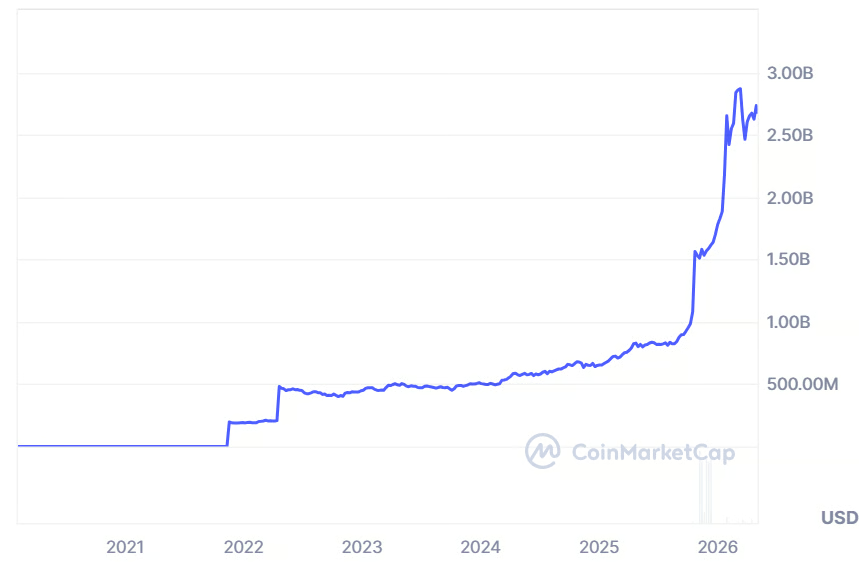
Tether’s tokenized gold product, Tether Gold (XAUt), saw reserves expand sharply in the first quarter as investor demand for bullion increased amid macroeconomic uncertainty ahead of the Iran war.
In its latest report, Tether said XAUt surpassed $3.3 billion in market capitalization during the first quarter, representing a 36% increase over the period.
The company disclosed that 707,741 XAUT tokens were in circulation at the end of the quarter, with each token backed by one troy ounce of physical gold held in reserve.
Tether attributed the growth to a broader “flight to hard assets” as investors sought refuge from geopolitical tensions and shifting monetary conditions.
The increase comes amid a volatile quarter for gold. Prices climbed early in the year as investors moved into safe-haven assets, driven by geopolitical tensions and expectations that the Federal Reserve would begin cutting interest rates.
The precious metal later pulled back as immediate rate-cut expectations faded and the US dollar strengthened, reducing bullion demand. Some investors also locked in gains after the earlier rally, where prices briefly peaked above $5,500 a troy ounce. Gold was trading at around $4,500 per troy ounce at the time of reporting.
Year to date, XAUT’s US dollar price is up 4.37%, according to Yahoo Finance data.

Tether Gold (XAUt) market cap before the latest update. Source: CoinMarketCap
Related: Bitwise launches actively managed ETF pairing Bitcoin with gold
Demand for tokenized commodities is on the rise
XAUT accounts for more than half of the tokenized gold market, having expanded by roughly $1.1 billion since the start of the year.
Its closest competitor, PAX Gold (PAXG), issued by Paxos, has a market cap of nearly $2.2 billion and is supervised by the New York State Department of Financial Services (NYDFS).
Together, the two tokens dominate a niche but growing segment of the digital asset market that aims to bring traditional commodities like gold onto blockchain rails.
Their growth reflects rising demand for tokenized commodities, as investors look for easier ways to gain exposure to physical assets without handling storage or logistics. These tokenized products also allow gold to be traded around the clock and transferred globally, features that are not available in traditional bullion markets.
These assets sit within a broader market for tokenized real-world assets valued at nearly $31 billion, according to industry data.

The total market for tokenized real-world assets. Source: RWA.xyz
Related: Tokenized RWA market grows 420% since 2025 on regulatory clarity, access



Grok’s auto-provisioned Bankr wallet was drained of roughly $150,000 in DRB tokens after an attacker used a gifted Non-Fungible Token (NFT) and a coded reply to push the artificial intelligence (AI) into authorizing the transfer.
Bankr founder 0xDeployer said the wallet had no admin at xAI and was controlled entirely through Grok’s X account. About 80% of the funds have since been returned to Bankr.
Grok Wallet Drained of $150,000 in Bankr Prompt Injection Attack
The attacker, working through the address ilhamrafli.base.eth, gifted the Grok wallet a Bankr Club Membership token that activated the agent’s full transfer capabilities. A crafted reply, later deleted, then instructed Grok to authorize a large outbound transaction.
Bankr signed and broadcast the transfer of three billion DRB tokens, valued near $174,000 at the time, to the attacker’s address.
“Every X account that interacts with Bankr gets auto-provisioned a wallet, and is no exception. The wallet is tied to grok’s x account, so whoever controls that account controls the wallet. Bankr doesn’t custody it or hold keys. The recent DRB incident happened because a prompt-injection exploit got grok to issue a transfer instruction to Bankr,” the team explained in a post.
The funds were quickly bridged to a second wallet and sold, and the attacker’s X (Twitter) profile was deleted within minutes of the transaction.
The exploit relied on social engineering rather than a smart contract flaw. Researchers tracking similar agent risks have flagged hidden instructions in Morse code, base64 encoding, and game-style framing as common bypass techniques.
Bankr Response and DRB Pushback
0xDeployer said an earlier version of Bankr’s agent blocked replies from Grok to prevent LLM-on-LLM injection chains. However, the safeguard was dropped during a full rewrite. A stricter block has now been reinstated.
The DRB Task Force disputed Bankr’s framing, saying the attacker only offered to return 80% after the community obtained his personal details.
The group called the case outright theft, and discussion of the remaining 20% is ongoing within the DRB community.
Bankr has rolled out optional Internet Protocol (IP) whitelisting, permissioned Application Programming Interface (API) keys, and a per-account toggle that disables actions triggered by X replies.
The case adds to a wider debate over how autonomous agents holding real funds should be secured, after a recent a16z-backed study found AI agents could escape sandbox controls under pressure.
The post How AI Was Tricked Into Stealing $150,000 From Grok Wallet appeared first on BeInCrypto.


The DTC unit will begin processing limited tokenized trades in July before opening the service more broadly in October.


The move is the latest in an escalating feud and comes just weeks after Sun filed a lawsuit against World Liberty Financial for freezing his WLFI, alongside other allegations.


GameStop (GME) is aiming for a major expansion with a proposed $55.5 billion acquisition of online marketplace eBay (EBAY), raising fresh questions about whether its bitcoin holdings could help fund the deal.
The video game retailer, which holds about $368 million worth of BTC, submitted a non-binding offer Sunday to buy eBay for $125 per share in cash and stock. The bid represents a 46% premium to eBay’s share price in early February, when GameStop began building a position. The company said it now holds a 5% economic stake through shares and derivatives.
A deal of this size would likely require significant cash. GameStop said it expects to fund the offer using its $9.4 billion of “cash and liquid investments” on its balance sheet and up to $20 billion in financing, backed by a letter from TD Securities.
Will GameStop sell BTC?
That raises fresh questions about whether GameStop will sell its BTC to help pay for the deal.
The acquisition plan follows earlier remarks from CEO Ryan Cohen, who said in February he was pursuing a “very, very, very big” acquisition of a public consumer firm. He described the plan as “way more compelling than bitcoin” and left open the option of selling the company’s crypto holdings to fund a deal.
GameStop disclosed last month that it shifted about 4,709 BTC to Coinbase Prime, crypto exchange Coinbase’s prime brokerage platform for institutions, as part of a covered-call options strategy, keeping exposure to bitcoin while generating income.
The company held little over $9 billion in cash and accounted for its $368 million bitcoin stash as “receivables” after the Coinbase Prime maneuver. Those items add up to the $9.4 billion balance sheet power that could be used to fund the acquisition.
In an interview with CNBC, Cohen also said the firm has the “ability to issue stock in order to get the deal done.”
GameStop did not respond to a request for comment on its plans for its bitcoin holdings by press time.
The proposed eBay deal would turn GameStop into a broader e-commerce player. It will also determine whether the firm’s bitcoin remains a long-term holding or becomes a funding source for the expansion.
Nasdaq-listed Bitcoin mining and energy infrastructure company Hut 8 secured a $200 million Bitcoin-backed credit facility from institutional crypto prime brokerage FalconX, replacing its prior credit facility with Coinbase Credit.
The new facility reducwd the company’s fixed interest rate to 7% from 9% under the prior Coinbase credit structure, as part of the company’s focus on lowering the cost of debt on its Bitcoin-backed credit and broader cost of capital, said Hut 8 in a Monday announcement.
The refinancing unencumbered about 3,300 BTC, worth roughly $260 million, from the collateral package after replacing the prior Coinbase facility, Hut 8 said.
The deal shows how Bitcoin miners and energy infrastructure firms are using BTC reserves to manage liquidity without selling their holdings, as Hut 8 expands into AI data centers and prepares to report first-quarter earnings on Wednesday.
“Our capital strategy is designed to lower our cost of capital, reduce risk, and expand strategic flexibility,” said Asher Genoot, CEO of Hut 8, adding that the new facility helps improve the company’s cost of debt on Bitcoin-backed credit and “expands our position of unencumbered Bitcoin.”
On Feb. 25, Hut 8 posted a fourth-quarter net loss of a $279.7 million, from income of $152.2 million a year earlier, Cointelegraph reported. The results were affected by a $401.9 million loss on digital assets in the quarter, compared with a $308.2 million increase a year earlier.

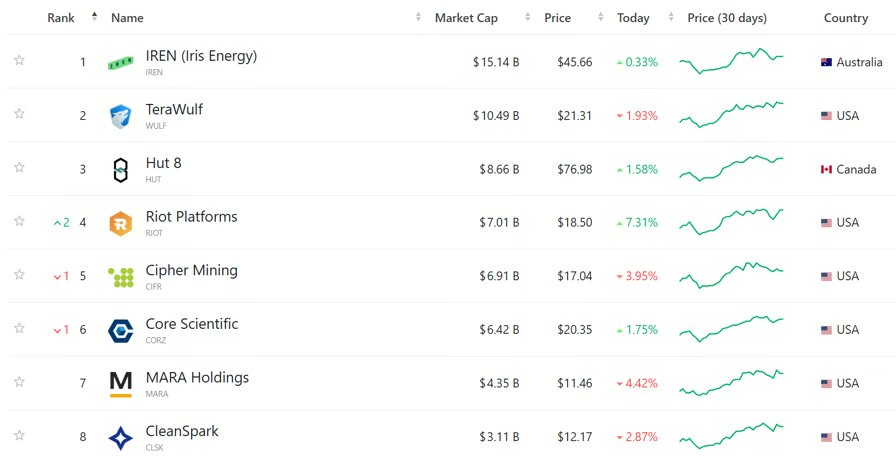
Top Bitcoin mining companies by market capitalization. Source: Companiesmarketcap.com
Hut 8 is the third-largest Bitcoin mining firm by market capitalization, currently worth about $8.6 billion according to Companiesmarketcap data. However, it only ranks as the 17th-largest Bitcoin miner in terms of hash rate, according to Bitcoinminingstock.
Related: Capital B raises $1.3M from Adam Back for Bitcoin strategy
Hut 8 shares rise in pre-market trading
Shareholders welcomed the new Bitcoin-backed credit facility, as Hut 8 shares rose over 1.1% in pre-market trading on Monday, data from Yahoo Finance shows.

Hut 8 stock price, year-to-date chart. Source: Yahoo Finance
Hut 8’s stock price is up over 67% year-to-date and has gained significant traction since the Bitcoin miner announced its expansion to AI data center infrastructure.
On Dec. 17, 2025, Hut 8 signed a 15-year lease for 245 megawatts of AI data center capacity at its River Bend campus valued at $7 billion. The agreement includes payments financially backstopped by Google and builds on Hut 8’s broader expansion into AI.
Other Bitcoin miners that announced strategic pivots to AI infrastructure include CleanSpark, Core Scientific, HIVE Digital and MARA Holdings.
Magazine: Bitcoiners eye ‘sell in May,’ SBF’s bid for new trial shut down: Hodler’s Digest, April 26 – May 2
Crypto World
Best Crypto Presale: Pepeto Leads 2026 as Riot Pivots to AI Data Centers and Dogecoin Breaks Above $0.10
The best crypto presale debate gained fresh weight after Riot Platforms expanded its AMD data center deal to 50MW with options to reach 150MW per CoinDesk. Miners are moving away from pure mining as costs rise, and Riot’s shares jumped 8% on the pivot. When companies built around Bitcoin diversify, the signal is clear: large cap mining returns are tightening.
Even if Bitcoin doubles from $78,519, a $10,000 position becomes $20,000. Pepeto stands out as the best crypto presale with $9.78 million raised, active trading tools, and an approaching Binance listing built by the Pepe founder.
Best Crypto Presale: Miners Pivot as Bitcoin Tests $80K Resistance
Riot expanded its AMD partnership to 50MW at its Texas facility, signaling pure mining cannot sustain margins. Strategy added 3,273 BTC last week for $255 million to reach 818,334 total at $75,537 average per CoinDesk.
Bitcoin trades at $78,519 with $80,000 as resistance. The pressure pushing miners to diversify opens the gap between presale and listing pricing.
Top Presale and Market Tokens: Pepeto, BTC, and DOGE
Pepeto: The Best Crypto Presale With Working Tools and an Approaching Listing
Bitcoin whales added 270,000 BTC in the past 30 days and exchange reserves dropped to a seven-year low. Large holders are building positions. Retail faces a different equation. Bitcoin at $78,519 with an ATH of $126,200 offers 62% upside at most, and that could take all year.
The best crypto presale changes that math. PepetoSwap handles every trade at zero fees so positions remain complete, and the contract scanner checks every token before capital gets near it.
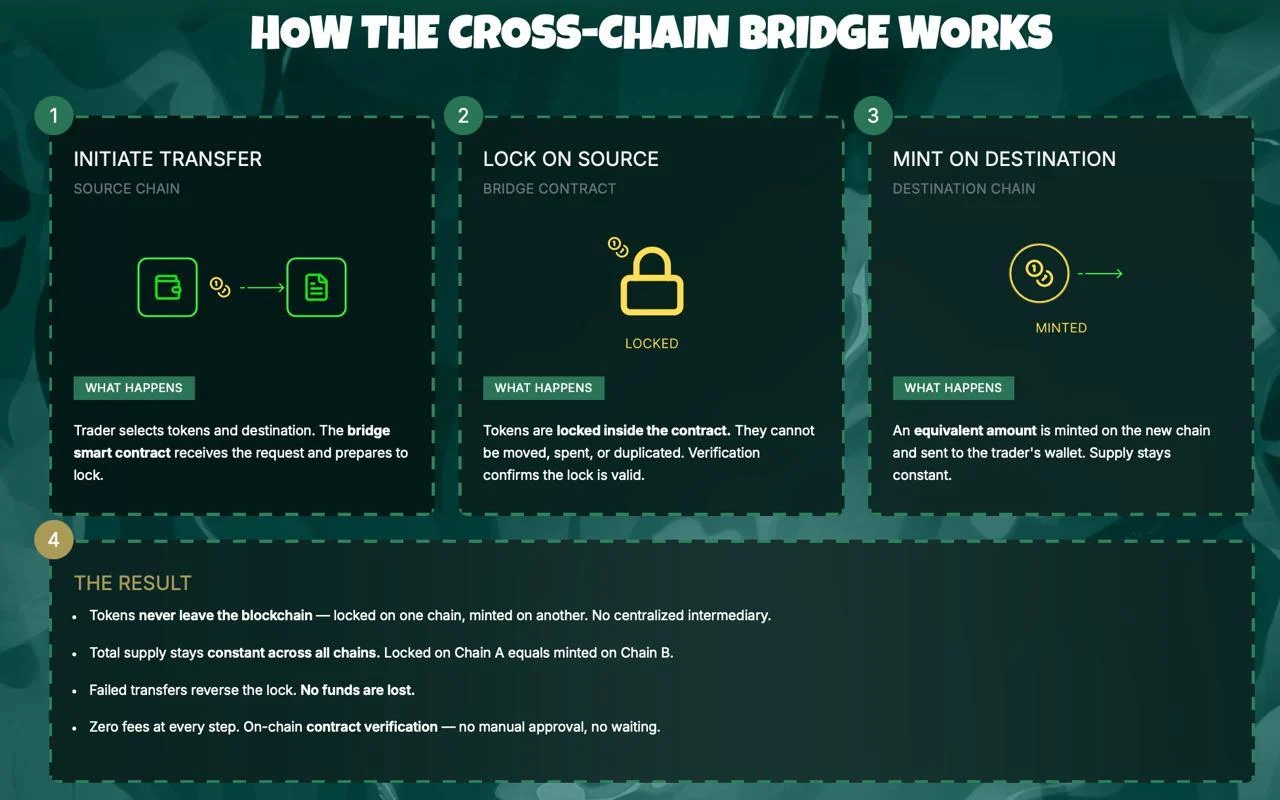
The Pepe cofounder put this together with a former Binance developer. SolidProof cleared the codebase, and the cross-chain bridge moves tokens across Ethereum, BNB Chain, and Solana at zero cost. Staking at 175% APY builds rewards daily while the listing draws closer.
At $0.0000001868, analyst models project 100x because viral culture from the Pepe founder paired with a working exchange and an approaching listing is the rarest combination this cycle has produced. A $500 position at presale price becomes $50,000 at that projection, and a $2,000 entry converts to $200,000, numbers that Bitcoin at $78,519 cannot deliver in any scenario this year.
The Binance listing shuts this window, and the wallets inside need only that single event to convert presale cost into returns that large cap holders wait years to see. The best crypto presale entries that built generational portfolios in past cycles were always secured during peak fear, and Pepeto’s approaching listing will seal this price permanently along with every multiple it carries.
Bitcoin (BTC) Price at $78,519 as Whales Add 270,000 BTC and Exchange Reserves Hit 7-Year Low
Bitcoin trades at $78,519 per CoinMarketCap, up 0.03% pressing $80,000. Whales bought 270,000 BTC in 30 days while exchange reserves hit levels not seen since December 2017.
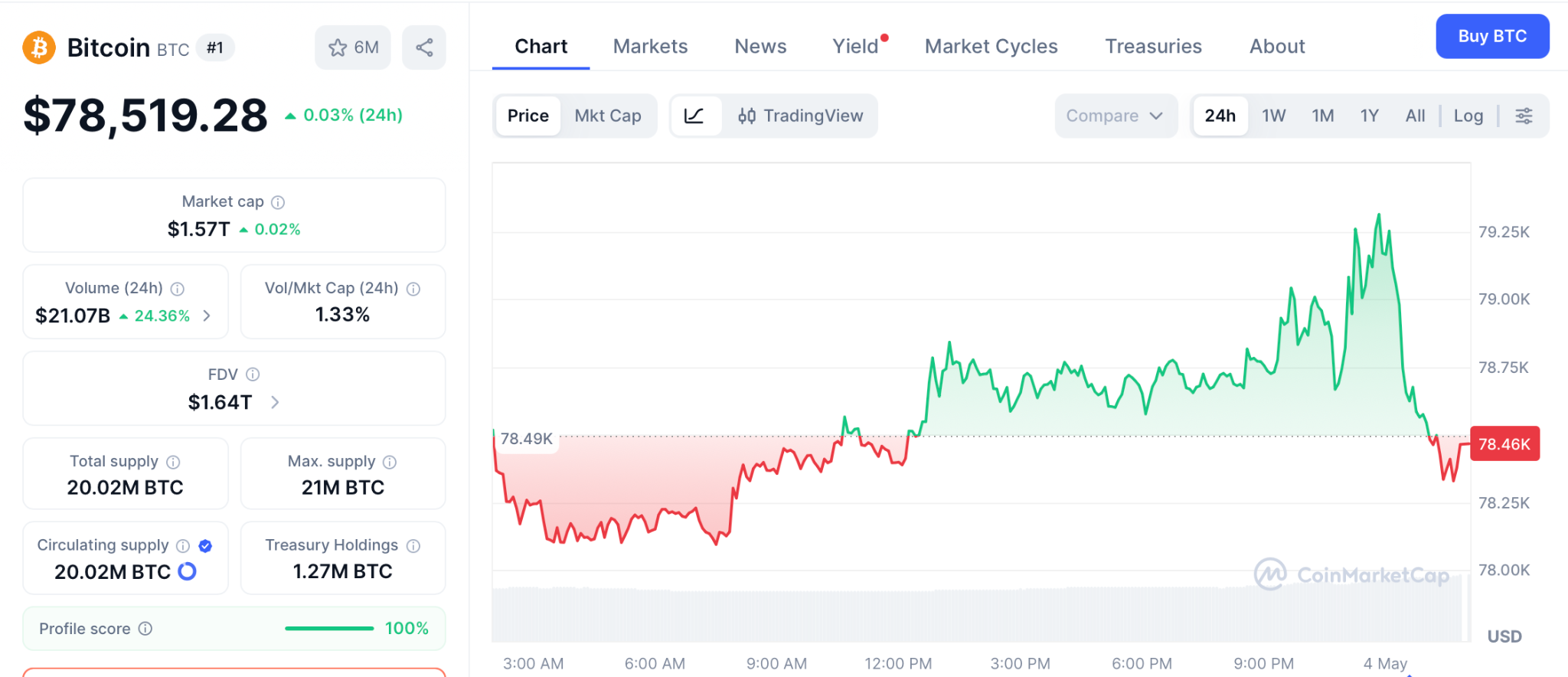
The Bitcoin ATH of $126,200 sits 62% above current price. Support holds at $75,000 and resistance at $80,000. Even $100,000 is 1.3x, a move that does not reshape retail holdings when the best crypto presale offers wider listing distance.
Dogecoin (DOGE) Price at $0.109 as Token Breaks Above $0.10 on 10% Weekly Gains
Dogecoin trades near $0.109 with a 10% gain over seven days, breaking $0.10 on strong volume. The SEC and CFTC classified Dogecoin as a digital commodity in March 2026, and whale wallets hold a record $11.6 billion.
X Money integration remains unconfirmed and recovery to the $0.7376 ATH requires 577%. From $0.109, Dogecoin return math delivers smaller percentages that cannot reshape a portfolio the way a best crypto presale entry before a listing can.
Conclusion:
Miners are pivoting to AI data centers because mining margins keep tightening. Strategy keeps buying at near breakeven after $61.8 billion spent. Large caps protect institutional capital, they do not grow it for retail, and the best crypto presale is where that growth starts.
The wallets that enter before the market prices in a listing are the ones that collect the largest returns, and $9.78 million already inside the contract at $0.0000001868 shows where the smart money is moving. The Pepeto presale is where that positioning happens right now, and the gap between presale cost and listing price is not a gap that stays open for long. Hesitate, and the early wallets set the price everyone else pays, at whatever level they decide to sell.
Click To Visit Pepeto Website To Enter The Presale

FAQs
Which is the best crypto presale while Bitcoin miners pivot to AI data centers?
Pepeto leads as the best crypto presale with $9.78 million raised, a SolidProof audit, working zero-fee exchange tools, and an approaching Binance listing built by the Pepe cofounder. The presale price of $0.0000001868 closes once trading opens.
What is the Dogecoin price prediction after breaking above $0.10?
Dogecoin trades at $0.109 after gaining 10% in seven days, with whale wallets holding a record $11.6 billion. The ATH of $0.7376 requires a 577% move, and recovery depends on X Money integration that Musk has not confirmed.
Disclaimer: This is a Press Release provided by a third party who is responsible for the content. Please conduct your own research before taking any action based on the content.

Ether’s (ETH) surge to $2,390 on Monday pushed its value above its realized price, implying that the average holder of ETH is now back in profit. But is this enough for the ETH bulls to reach $3,000?
Key takeaways:
- Ether holders are back in profit, increasing chances for more upside.
- Ether’s bull flag chart pattern is targeting $3,000.
- A big potential sell wall exists around $2,800, with 7.1 million ETH on the line.
Ether price rises above its cost basis
Data from TradingView shows that Ether’s price rose 21% to $2,340 on Monday from its local low of $1,940 reached on March 29.
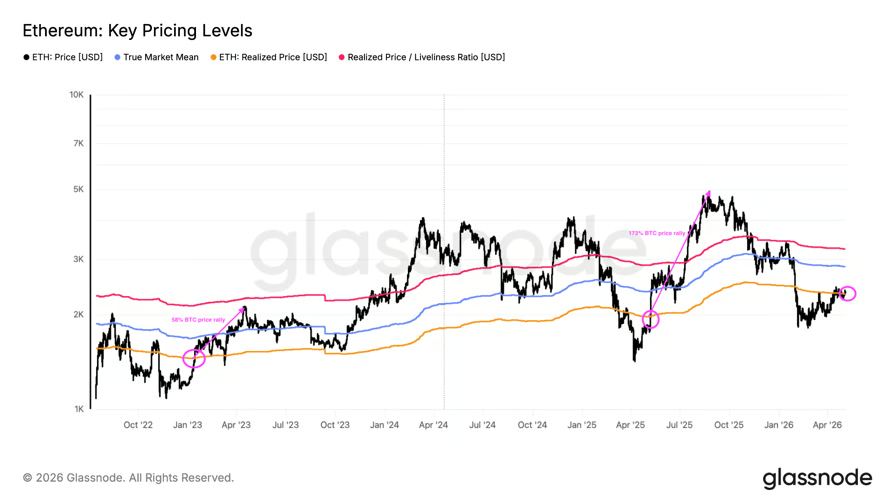
This rally has seen ETH rise above its realized price, or the average cost basis of all moved ETH, currently at $2,320, according to data from Glassnode.
Related: Ethereum Foundation sells another 10,000 ETH to BitMine in third OTC deal
The average ETH holder returning to profit after unrealized losses provides meaningful financial relief for many holders, and perhaps a bullish outlook.
Historically, breaking above this level shifts market sentiment from fear to greed, reducing sell pressure from underwater holders. This often fuels bullish momentum, attracting new buyers and short squeezes.
The chart below shows that when the price reclaimed its realized price in May 2025 after trading below it for roughly two months, it went on to rally 173% to its $4,950 all-time high from $1,800. The gains were 58% after ETH/USD reclaimed its cost basis in early 2023.

Ethereum: Key pricing levels. Source: Glassnode
Therefore, holding above $2,300 is crucial for the bulls and for a potential retest at $3,000.
Analyst Dami-Defi said that a break above the $2,400-$2,600 would trigger the “most violent move of the year” toward $3,000.
“Once we break $2,400 we will catapult violently to $2,800 – $3,000.”

ETH/USD weekly chart. Source: X/Dami-Defi
As Cointelegraph reported, the ETH/USD pair must overcome resistance at $2,400 to confirm a trend change.
ETH price technical analysis: Bull flag targets $3,000
Ether’s price action has formed a bull flag chart pattern on the daily chart (see below). The price is retesting the $2,350 resistance, where the flag’s upper boundary and the 100-day exponential moving average (EMA) converge.
A daily candlestick close above this level would open the way toward the measured target at $3,018, roughly 30% above the current price.

ETH/USD 12-hour chart. Source: TradingView
The daily relative strength index has increased to 56 from near oversold conditions at 36 in late March, suggesting that ETH bulls are returning to the market.
Trader and analyst Cohelson David said a broadening wedge pattern on the 12-hour chart projects an ETH price breakout toward $3,000.

ETH/USD 12-hour chart. Source: X/Cohelson David
However, Ether’s cost basis distribution data shows that investors hold about 7.1 million ETH at an average cost of between $2,750 and $2,850, creating a potential resistance zone.
This concentration suggests that many investors may sell at breakeven, potentially stalling Ether’s upward move.

Ethereum cost basis distribution chart. Source: Glassnode

Prediction markets are transitioning from retail speculation platforms to institutional-grade financial instruments, driven by demand for precise macro hedging and clearly defined binary outcomes. A May 4 Bernstein report highlights how bespoke contracts and block trades are helping bridge the gap between retail-driven volatility and the risk management needs of institutions.
The report notes a notable milestone: the first bespoke institutional block trade executed on Kalshi last week. The privately negotiated transaction was arranged by Greenlight Commodities, with Jump Trading as the liquidity provider, and centered on the clearing price of California’s May carbon allowance auction. The example demonstrates how prediction markets can be tailored to meet specific client needs and risk appetites, beyond standard yes-or-no event contracts.
Bernstein analysts emphasize that the move toward block trading and bespoke contracts could broaden participation among investors seeking targeted exposure to event risks—ranging from tariffs and elections to geopolitical developments—while preserving the binary resolution structure that characterizes these markets.
Separately, Bernstein notes that institutional access to prediction markets is aided by infrastructure partnerships, such as Clear Street’s collaboration with Kalshi, which gives qualified investors a regulated pathway to trade these contracts alongside traditional asset classes like stocks and futures.
Key takeaways
- Bespoke contracts and large, privately negotiated block trades are unlocking institutional participation in prediction markets.
- Regulated access channels are maturing, with Kalshi operating under the Commodity Futures Trading Commission and Polymarket moving toward US-enabled, regulated trading through conditional approvals.
- Retail activity still dominates volume, but institutional demand could accelerate market growth and product innovation.
- Real-world hedging applications are emerging, including contracts tied to specific regulatory events such as carbon allowance auctions.
Block trades and bespoke contracts open institutional doors
The California carbon allowance example demonstrates how tailor-made contracts can provide targeted risk hedging for institutions managing exposure to policy-driven events. The Kalshi block trade brokered by Greenlight Commodities linked to the May auction price illustrates how buyers can structure settlements around precise, verifiable outcomes rather than generic event bets. Bernstein’s analysis envisions a broader adoption curve where bespoke structures serve as a bridge between traditional risk management tools and emerging digital markets. As one analyst note from Bernstein states, “We believe the introduction of block trading and bespoke contracts could expand participation from institutional investors seeking targeted exposure to event risks.”
In parallel, the market is seeing infrastructure-backed paths to access. Bernstein highlights the partnership between Kalshi and Clear Street as a key development that could enable institutions to trade these contracts in a regulated, broker-dealer framework, integrating them into the broader suite of tradable assets available to professional desks.
Retail leads prediction markets as institutional interest grows
Despite growing institutional interest, retail activity continues to drive the sector’s scale. A Bitget Wallet and Polymarket report found that retail users accounted for more than 80% of the $25.7 billion in prediction-market volumes recorded in March, underscoring the sector’s retail-first dynamic despite signs of deeper liquidity support from professional traders.
Market watchers see the developing institutional framework as a potential accelerant for growth. Bernstein’s broader market outlook cites a potential expansion toward a trillion-dollar sector by the end of the decade, a view that CNBC coverage has echoed in recent reporting on the forecast for prediction markets.
Regulatory momentum in the United States continues to shape the trajectory, even as the landscape remains uneven. Kalshi operates as a federally regulated exchange under the Commodity Futures Trading Commission, while Polymarket has secured conditional approval to offer event contracts in the US through regulated channels.
Despite the progress, the path forward will hinge on how regulators balance innovation with consumer protection and market integrity. The evolving ecosystem also faces questions about liquidity depth, price discovery, and risk controls as more institutions participate.
What comes next for the ecosystem
As institutions begin to test bespoke exposure and block-trade workflows, market participants will be watching for additional evidence of durable liquidity, robust hedging performance, and clearer regulatory guidelines across jurisdictions. The emergence of tailored contracts tied to concrete policy outcomes—such as carbon markets or electoral events—could concretize the usefulness of prediction markets for risk management. However, investors should remain mindful of evolving regulatory scrutiny and potential limitations on cross-border access, which could influence adoption pace and product design.
For readers tracking the sector, the next milestones to watch include more institutional block trades, broader access through regulated venues, and any shifts in US policy or international regulation that could impact how these markets price and settle event outcomes.
In the near term, the trajectory suggests a cautious but deliberate shift: retail volume remains the engine of growth, while institutional demand quietly shapes the next generation of prediction-market products and the platforms that host them.


The Polygon wallet now offers a “Privately Send” option that hides sender, receiver, and amount onchain, with KYT screening built into every transfer.
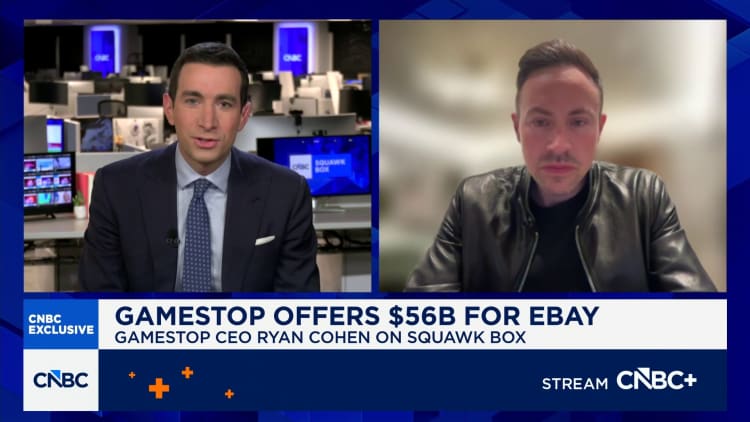

Prediction markets traders aren’t confident in GameStop’s ability to take over eBay, according to contracts launched on Monday.
Traders on Kalshi give GameStop just a 26% chance to pull off the acquisition in 2026, though total trading volume on the new contract was low at just over $2,000.
GameStop announced on Sunday that it was making a play to acquire the online marketplace in a cash-and-stock deal that valued the company at $55.5 billion. That valuation raised questions about how GameStop could finance its proposal. The video game retailer has a market cap of just under $11.9 billion.
In an appearance on CNBC’s “Squawk Box,” GameStop CEO Ryan Cohen didn’t disclose exactly how he planned on financing the deal, instead reiterating the makeup of the transaction.
“We are offering half cash, half stock, and we have the ability to issue stock in order to get the deal done. But the full details of the offer are on our website,” Cohen said. “We will see what happens.”
Shares of GameStop fell nearly 8% on Monday in reaction to the proposal, while eBay jumped more than 5.5%.
On Polymarket, traders were even less optimistic. Traders on that platform gave GameStop just a 15% chance at completing the takeover.
— CNBC’s Yun Li contributed reporting
Disclosure: CNBC and Kalshi have a commercial relationship that includes a CNBC minority investment.
Markets shift and headlines fade, but the core principles of building long-term wealth remain constant. Join us for our third CNBC Pro LIVE, where investors of all backgrounds – from financial professionals to everyday individuals – come together to cut through the noise and gain actionable strategies for smarter, more disciplined investing. No matter where you’re starting from, you’ll leave with clearer thinking, stronger strategies. Enter your email here to get a discount code

QYLG: Rotation Into QQQ During The Bull Market

How AI Was Tricked Into Stealing $150,000 From Grok Wallet

Trevor Bauer follows no-hitter with 10-strikeout outing for Ducks

Manchester United reach agreement with Casemiro over contract clause amid transfer speculation

US brings back mandatory military draft registration

Steven Gerrard disagrees with Gary Neville over ‘shock’ Chelsea and Arsenal claim | Football


-

 Politics7 days ago
Drax board avoid their own AGM, accused of greenwashing & environmental racism
-

 Fashion6 days ago
Kylie Jenner’s KHY Enters a New Era with ‘Born in LA’
-

 NewsBeat1 day ago
Channel 5 – All Creatures Great and Small series 7 new post
-

 Business6 days ago
Most Commercial Energy Audits Miss the Real Losses
-
 Tech3 days ago
Trump’s 25% EU auto tariff breaches Turnberry Agreement that also covers semiconductors and digital trade
-

 Crypto World6 days ago
CFTC’s AI will review U.S. crypto registration applications, chairman tells CoinDesk
-
 Sports3 days ago
Paul Scholes issues Marcus Rashford reality check as agreement emerges over Man United star
-

 Business5 days ago
Barclay Brothers Avoid Bankruptcy: HSBC Drops High Court Petitions After IVA Deal
-
 Business5 days ago
Tesla Officially Registers Elon Musk’s Stock: What Investors Need to Know
-

 Tech6 days ago
Get Ready for More Brain-Scanning Consumer Gadgets
-
 Crypto World7 days ago
Robinhood Phishing Scam Exploits Gmail Dot Feature to Bypass Security
-

 Crypto World7 days ago
Gmail Dot Trick Underpins Robinhood Phishing, Sending Real-Looking Emails
-

 Entertainment7 days ago
Michael Jackson’s Biopic Excluded Abuse Allegations For $25M
-

 Business4 days ago
Two Powerball Tickets Split $143 Million Jackpot in Indiana and Kansas
-

 Business7 days ago
Superdry co-founder accused of raping woman
-
 Crypto World4 days ago
CoreWeave (CRWV) Stock Climbs 8% Despite $45M Insider Share Dump
-
Business7 days ago
Opus Genetics president Benjamin Yerxa sells $39,121 in stock
-

 Politics7 days ago
Starmer to whip MPs to vote against probe into himself
-
 Crypto World7 days ago
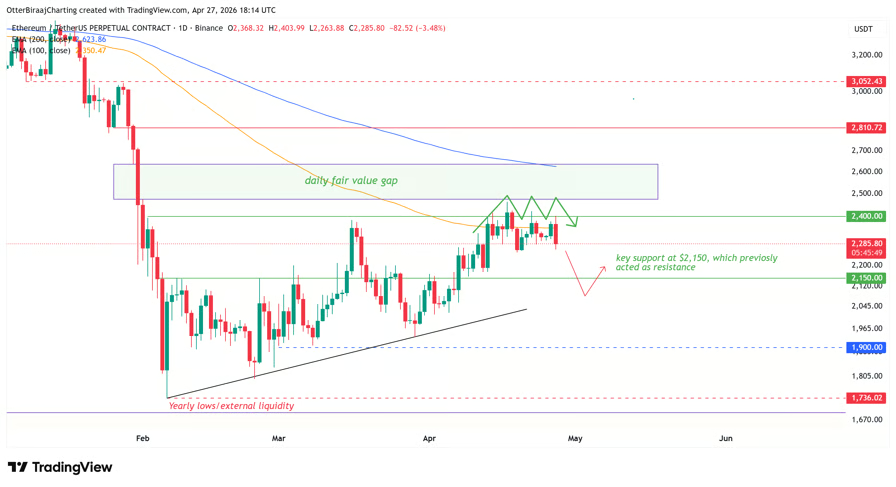
ETH Triple Top Rejects $2.4K As Analysts Flag Weakness Against BTC
-

 Crypto World7 days ago
Will Ethereum hold $2,300 or slip lower from here?
You must be logged in to post a comment Login