

Crypto World
The Biggest Blockchain Upgrades Coming in 2026

Most crypto investors still obsess over price charts. But in 2026, a growing share of attention is shifting back to improving the fundamentals of the protocols.
Ethereum, Solana and Avalanche are preparing some of their largest protocol upgrades in years, while Coinbase’s Base network rolled out its Beryl hard fork last Friday in a bid to streamline the network, with a native token standard and shorter withdrawal windows.
Bitcoin development however, remains frozen, with developers still arguing over controversial covenant proposals and post-quantum computing upgrades.
Tim Sun, a senior researcher at Hong Kong-based asset manager HashKey Group, told Cointelegraph that protocol upgrades have historically focused on adding features, speed and throughput.
However, in 2026, he said the emphasis is shifting toward reliability, predictable governance, and institutional-grade infrastructure that can support large-scale financial use cases.
Here are the top five major blockchain upgrades to watch in the second half of 2026.
Ethereum: Glamsterdam
Glamsterdam is arguably the most consequential upgrade this year, and its already being tested on devnets. According to Ethereum’s public roadmap, Glamsterdam is designed to improve scalability, harden the layer-1, and make the network easier to use, with a mainnet launch expected sometime in the second half of 2026.
Sun said the upgrade should improve processing speeds by allowing more transactions to be processed simultaneously, expand capacity so Ethereum can handle more data at higher throughput, and reduce database bloat. Those changes should make the chain better suited for stablecoin settlement and real-world asset use cases, he said.
Related: Ethereum’s much-hated staking ‘tax’ may already be obsolete
Holly Atkinson, chief product and technology officer at 1inch, told Cointelegraph that Glamsterdam is viewed by many as Ethereum’s most significant upgrade since The Merge in September 2022, which transitioned the blockchain from proof-of-work to proof-of-stake.
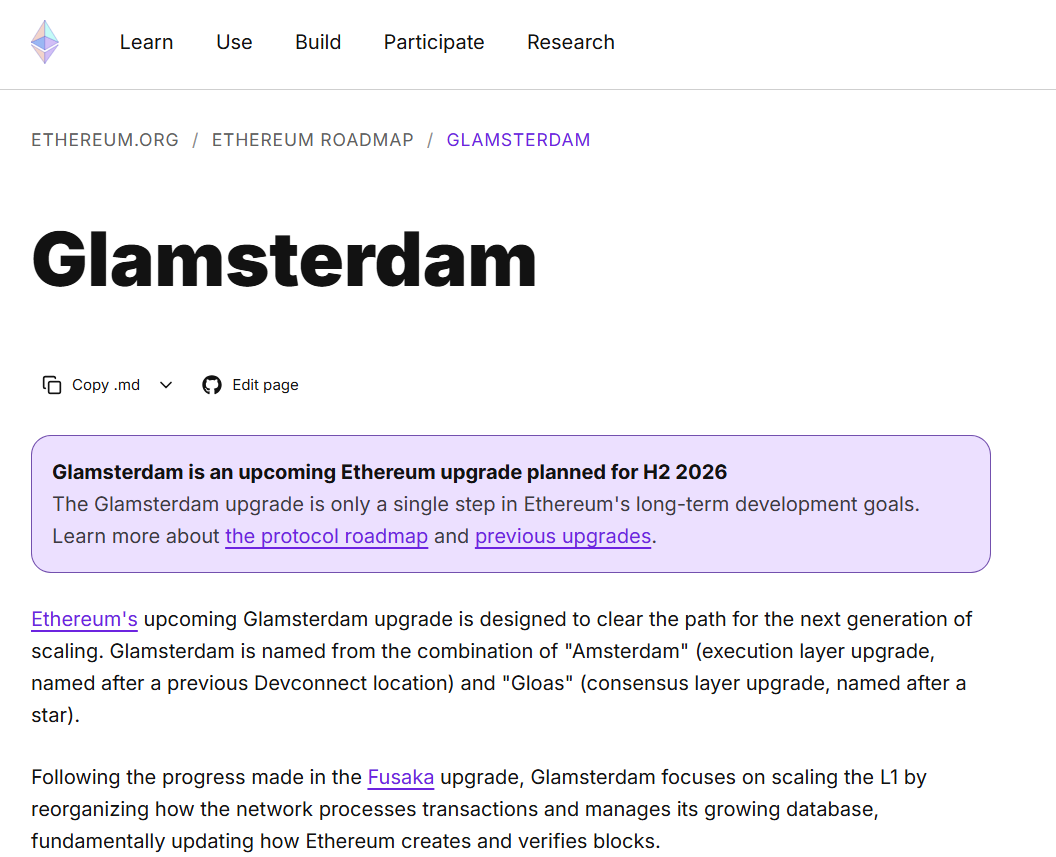
Glamsterdam. Source: Ethereum.org
She said enshrined proposer-builder separation (ePBS) is a key change because most validators still depend on a small set of specialized builders and relays, which concentrates control over transaction ordering.
That setup amplifies maximal extractable value (MEV), censorship and centralization risks, she said. ePBS is designed to pull block building and proposing back into the protocol and make the process more transparent and accountable.
Pavan Kaur is a Solana Foundation judge and founder of RuleSpark, a compliance engine for digital asset marketing. She told Cointelegraph that ePBS is better understood as one step in Ethereum’s broader roadmap and does not eliminate MEV or fully solve builder centralization. “Practices like sandwich attacks may therefore migrate rather than disappear,” she said.
Solana: Alpenglow
Solana’s biggest change this year is Alpenglow, a consensus upgrade that reworks the network’s core protocol. Alpenglow has been billed by many, including Solana ecosystem lead David Liang, as the chain’s “most significant consensus upgrade yet.”
After being overwhelmingly approved through a governance process in September 2025, Alpenglow remains under development but is expected to ship alongside the Agave 4.1 validator client release later in 2026.
Arun Krishnakumar, vice president of institutional capital at R3 enterprise software firm, told Cointelegraph that Alpenglow will be a major tailwind that will reinforce the ‘internet capital markets’ thesis even more strongly.
Solana Network Updrades. Source: Solana
At its core, Alpenglow is designed to dramatically speed up how quickly the network reaches finality. Instead of relying on Solana’s existing TowerBFT-based consensus mechanism, it introduces a redesigned system built around a new voting component called Votor.
Related: Solana treasury firms resist Forward Industries’ consolidation push
The practical impact is a major reduction in confirmation times, with finality targeted at roughly 100-150 milliseconds in optimal conditions, compared to around 12.8 seconds today.
Beyond speed, the upgrade also removes onchain vote transactions, which currently account for a significant portion of network activity. By streamlining how validators communicate and agree on the state of the chain, Alpenglow is intended to make Solana both lighter and more efficient under load.
Hadley Stern, board director, DeFi Development Corp, told Cointelegraph that removing onchain vote transactions is the “real story” for institutional allocators because it “cleans up validator economics and gives you honest telemetry, which matters when you’re underwriting SOL as a treasury asset.”
He said that a network that can migrate its consensus layer as cleanly as is planned, would show the kind of “governed adaptability legacy financial infrastructure can’t match.”
Base: Beryl
Base’s Beryl hard fork went live on Friday, following a short sequencer-related outage, when block production stalled for around two hours following an invalid block that triggered a temporary consensus failure.
Base co-founder Jesse Pollak said user funds were unaffected during the incident. While he stressed that “all funds are safe,” he added that “a halt is not okay” and said that lessons learned from the episode will be used to further strengthen Base as a platform for “global, 24/7 finance.”
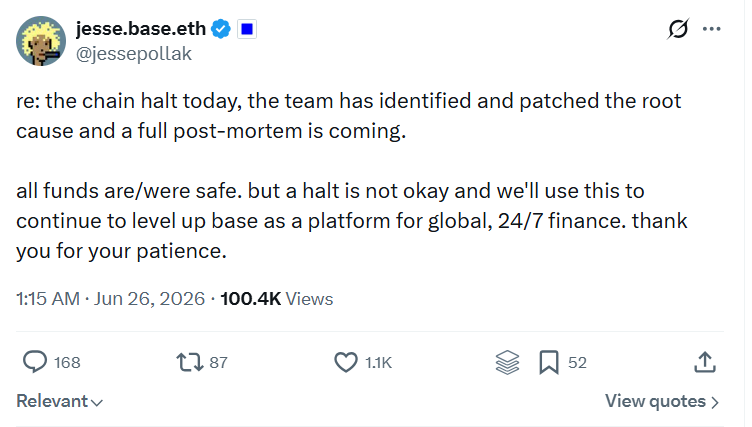
Jesse Pollak speaks about the chain halt. Source: Jesse Pollak
According to Base’s documentation, Beryl introduces a set of changes aimed at tightening the network’s performance and reducing friction at the edges. These include the B20 native token standard, a shortening of withdrawal finality from seven days to five, and integration with Reth V2, which is expected to reduce node storage requirements while improving execution efficiency.
Related: Coinbase’s Base resumes block production after 2-hour outage
Sun said Base has been moving toward a more unified “stack” approach, giving it greater control over how the network is built and upgraded, and allowing changes to ship more quickly than under the earlier Optimism Superchain model.
The trade-off, he said, is that liquidity, which once moved more freely across the broader Superchain ecosystem, may become more fragmented, even as Base deepens its integration with Coinbase’s wider user base.
Avalanche: Octane
Avalanche’s next chapter is less about a single branded hard fork than a broader push to improve performance while courting institutions and tokenized asset issuers.
Sun told Cointelegraph that Avalanche’s recent Etna hard fork replaced the old subnet model with sovereign Avalanche L1s, cutting the cost of launching a dedicated blockchain by more than 99% and making the network more attractive to institutional players.
It’s already seen success in this regard. Sun pointed to Progmat, which he said accounts for roughly 63% of Japan’s national security token market, which migrated more than $2 billion in tokenized assets to a dedicated Avalanche L1, as well as the Avalanche Payments Collective backed by firms including Franklin Templeton, VanEck and WisdomTree.
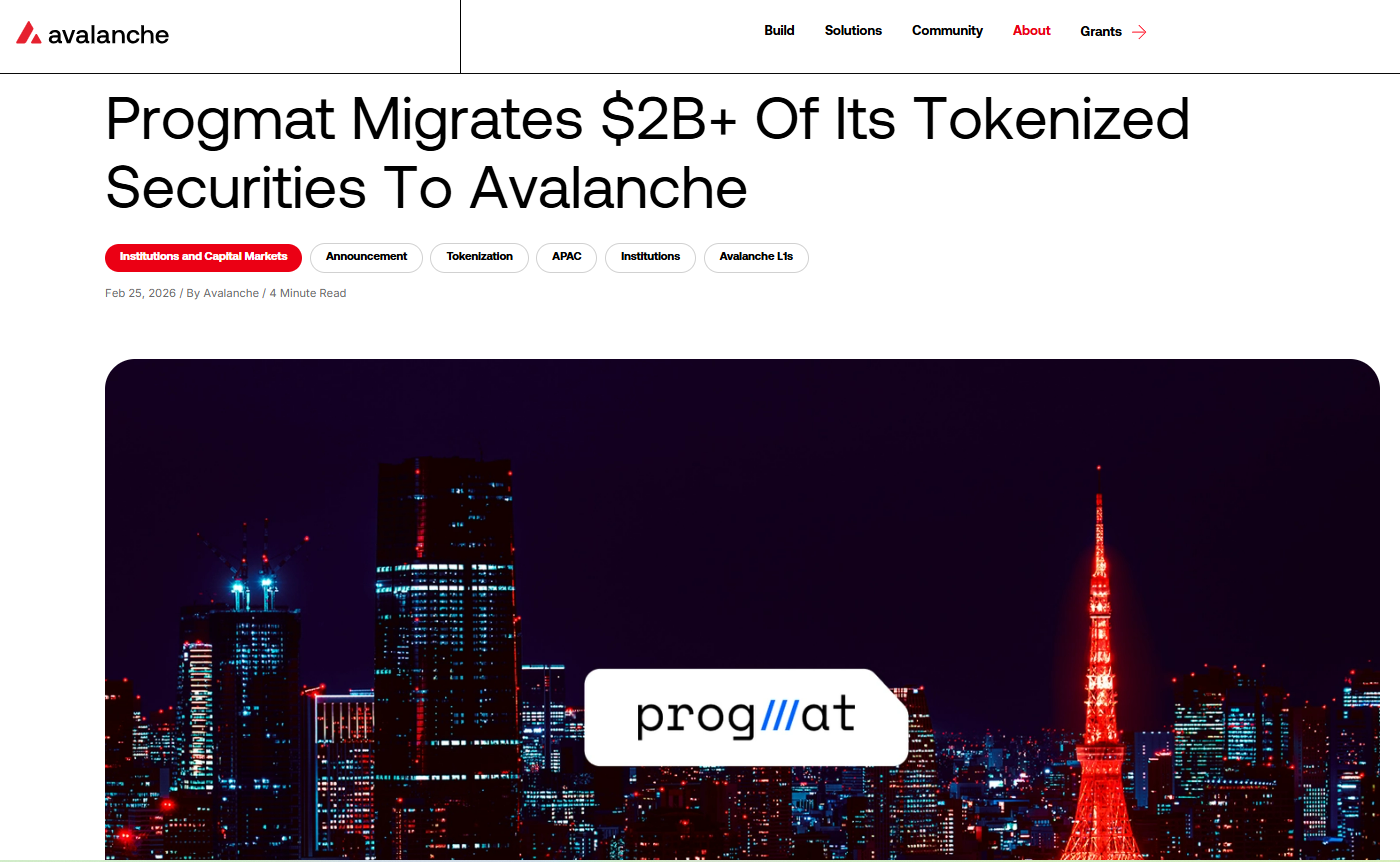
Progmat Migrates $2B+ of its Tokenized Securities to Avalanche. Source: Avalanche
Atkinson said Avalanche is also pushing two upgrades aimed at making its C-Chain one of the fastest Ethereum Virtual Machine (EVM) environments.
Related: Avalanche Treasury falls 16% as it debuts on Nasdaq
She described Streaming Asynchronous Execution as a way to separate transaction execution from consensus so the chain can run more continuously and size capacity closer to normal demand. For users, she said, the practical effect should be higher throughput and lower, steadier fees during periods of heavy activity.
Bitcoin: OP_CAT
Bitcoin is the outlier here because its biggest developments in 2026 are not scheduled upgrades but a continuation of passionate debates over whether the protocol should become more programmable and how urgently it should be hardened against quantum threats.
Bitcoin has not activated a major soft fork since Taproot in 2020, which upgraded Bitcoin’s scripting to make transactions more flexible and improve privacy.
Since then, discussion around covenant-related proposals such as OP_CAT, CheckTemplateVerify (CTV) and Lightning-focused ideas like LNHANCE has intensified. None of these changes has an agreed path to activation.
Researchers have also been debating BIP-360 and related proposals as ways to make it easier to migrate coins into quantum-resistant spending paths, if and when the quantum computing threat becomes real.
Atkinson described Bitcoin as the wildcard of the group. She said covenant proposals could unlock safer storage and richer scripting, but the subject remains divisive and subject to much debate.
Sun said those proposals could improve self-custody security, fee management and protocols such as Lightning and Ark, while giving institutions more programmable custody logic directly on the L1.
Bitcoin development is infamously slow, and any change to the protocol is pored over from every angle. There is general agreement that no covenant opcode is on track for activation this year, and reaching consensus on proposals like OP_CAT or CTV is still some distance away.
On the post-quantum side, BIP-360’s authors estimate that a full migration to quantum-resistant addresses and signatures would take years even under optimistic assumptions. It seems unlikely at this point that a quantum-resistance upgrade will be implemented before the end of 2026.
Magazine: How AI just dramatically sped up the quantum risk for Bitcoin



Bitwise CIO Matt Hougan has said Bitcoin may be moving closer to a market bottom as Strategy’s STRC stress drains excess leverage from the market.
Summary
- Bitwise CIO Matt Hougan says the STRC unwind could signal Bitcoin is nearing a market bottom.
- Hougan expects institutional investors to replace Strategy as the primary driver of Bitcoin demand.
- He believes the current deleveraging phase could pave the way for a new Bitcoin bull market this fall.
Bitwise Chief Investment Officer Matt Hougan wrote in his latest weekly memo that the recent volatility in Strategy’s STRC preferred stock looks like a late-cycle unwind rather than a sign of more serious structural damage.
“The volatility in STRC is a natural and important part of the crypto cycle. I think we’re nearing the bottom.”
STRC stress has forced leverage out of Bitcoin
STRC is a perpetual preferred stock created by Strategy to offer investors a high yield while keeping the instrument close to its $100 par value. Hougan said Strategy used the product to raise about $10.5 billion, with proceeds helping finance more Bitcoin purchases.
The trade weakened last week after Bitcoin and MSTR declined, sending STRC to roughly $75 and raising concerns over Strategy’s ability to keep funding preferred dividends. The company responded this week by increasing STRC’s annual dividend to 12%, authorizing up to $2 billion in common and preferred stock buybacks, and introducing a capital management framework that allows Bitcoin sales to strengthen reserves, meet dividend and debt obligations, and fund share repurchases.
According to Barron’s, STRC recently fell to a record low of $73.62 before Strategy increased the dividend and moved toward what it called active capital management. The report also said Strategy authorized up to $1.25 billion in Bitcoin sales to help strengthen reserves.
Hougan said the move means Strategy may no longer act as a one-way source of Bitcoin demand. “For years, Strategy has been the most dominant Bitcoin buyer in the world and a one way source of Bitcoin demand,” he wrote. “Those days are likely over.”
Institutions could lead the next Bitcoin rally
Hougan does not expect Strategy to become a forced seller, saying the company still has enough assets to cover debt and preferred obligations. He argued Bitcoin would need to fall much further and stay depressed before Strategy faced serious balance sheet pressure.
Instead, Hougan expects the next cycle to depend more on institutions, including banks, asset managers, pension funds, endowments, sovereign wealth funds, and financial advisers.
The Bitwise CIO compared the STRC unwind with the collapse of the Grayscale Bitcoin Trust premium after the 2019 to 2021 bull market. In his view, both structures pulled capital into Bitcoin during strong markets before losing support and forcing a painful reset.
Meanwhile, Bitcoin briefly climbed above $62,000 after softer U.S. jobs data improved risk appetite. Reuters reported that the U.S. added 57,000 jobs in June, below expectations, while stocks rose and the dollar weakened as traders reduced expectations for Fed tightening.
Hougan said investors should watch for MSTR trading below the value of its Bitcoin holdings, extreme Crypto Fear and Greed Index readings, and negative funding rates. While he warned that bottoms are impossible to call in real time, he wrote that the STRC unwind suggests the market is entering the final stage of the cycle.
“I’m convinced the bottom is closer than ever,” Hougan wrote, adding that he expects a new Bitcoin bull market to begin in the fall.
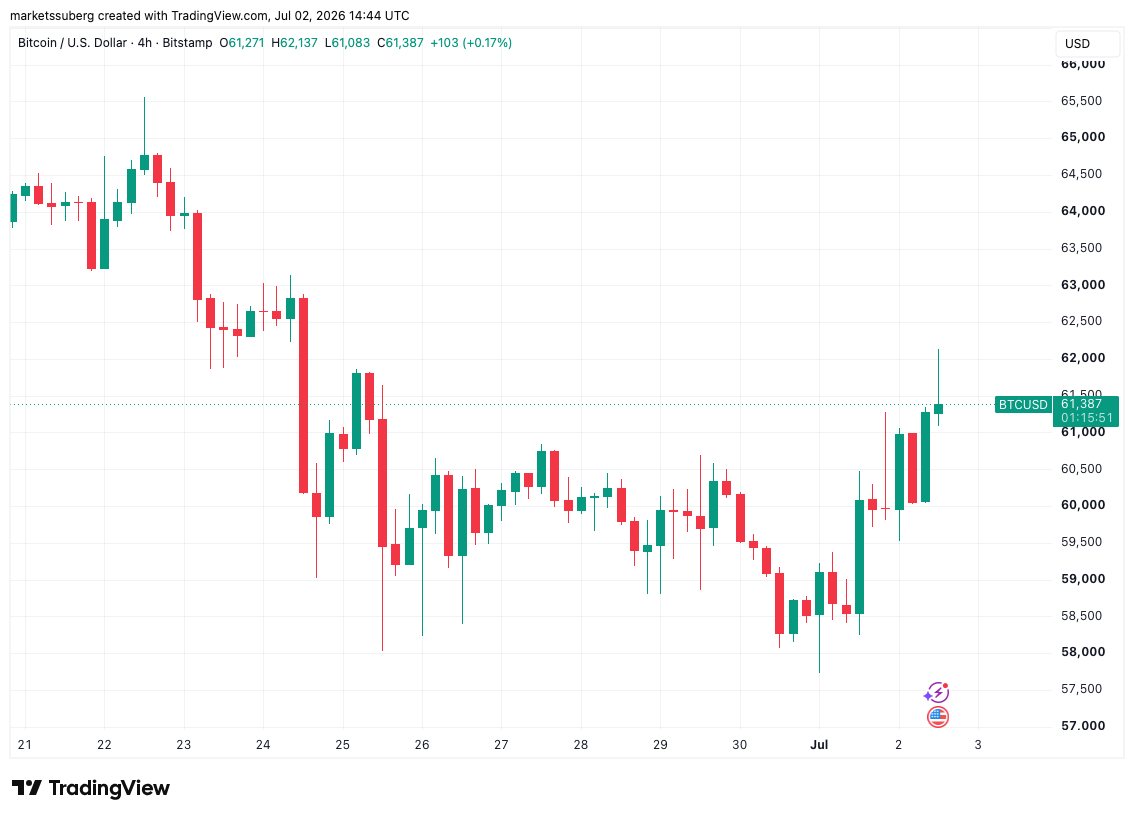
Bitcoin (BTC) passed $62,000 at Thursday’s Wall Street open as crypto reacted to weak US employment figures.
Key points:
- US nonfarm payrolls data delivers a crypto market boost as job additions for June fall short.
- Investors eye an easing in the inflation outlook as optimism over BTC prices increases.
- Crypto begins its forecast “green July” by liquidating nearly $500 milllion of short positions.
Bitcoin gains amid “volatile situation” for US labor market
Data from TradingView showed new July highs of $62,137 on Bitstamp, with BTC/USD up nearly 4% on the day.
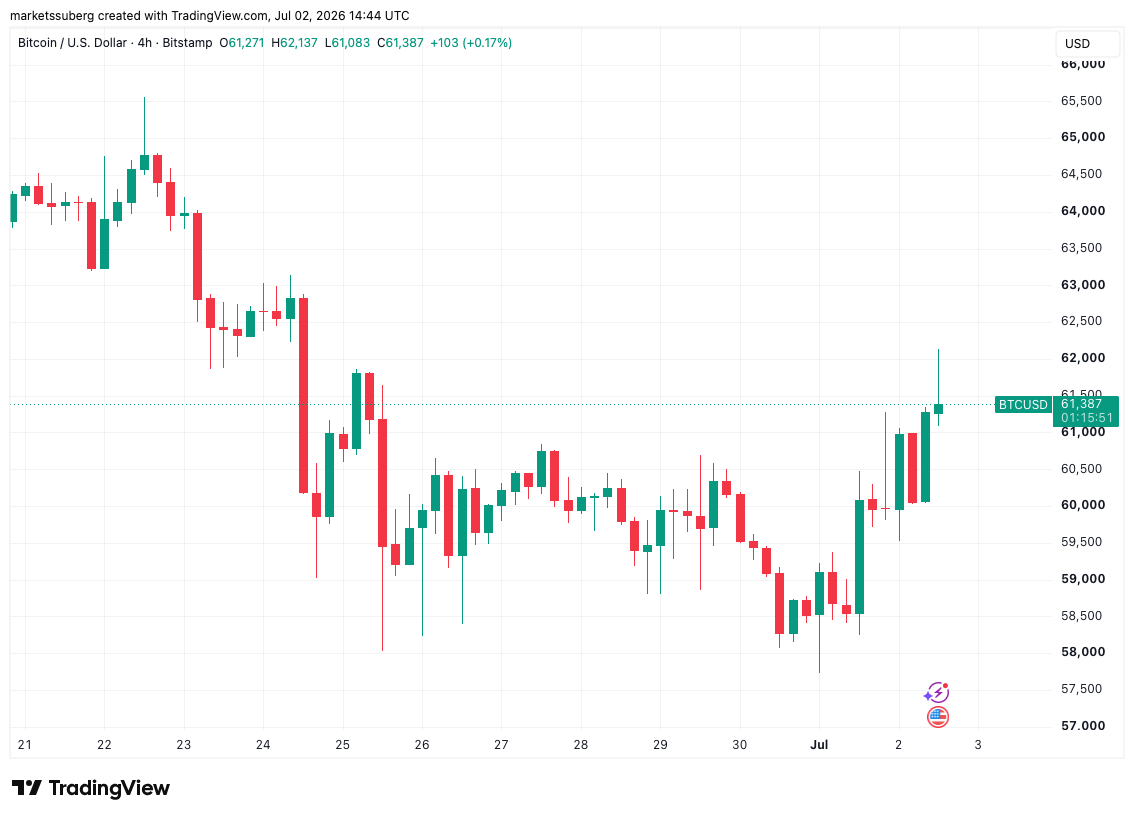
BTC/USD four-hour chart. Source: Cointelegraph/TradingView
The latest nonfarm payrolls data from the Bureau of Labor Statistics (BLS) showed that the US added far fewer jobs than expected in June, at 57,000 versus the anticipated 114,000.
“Both the unemployment rate, at 4.2 percent, and the number of unemployed people, at 7.1 million, changed little in June,” an official news release stated.
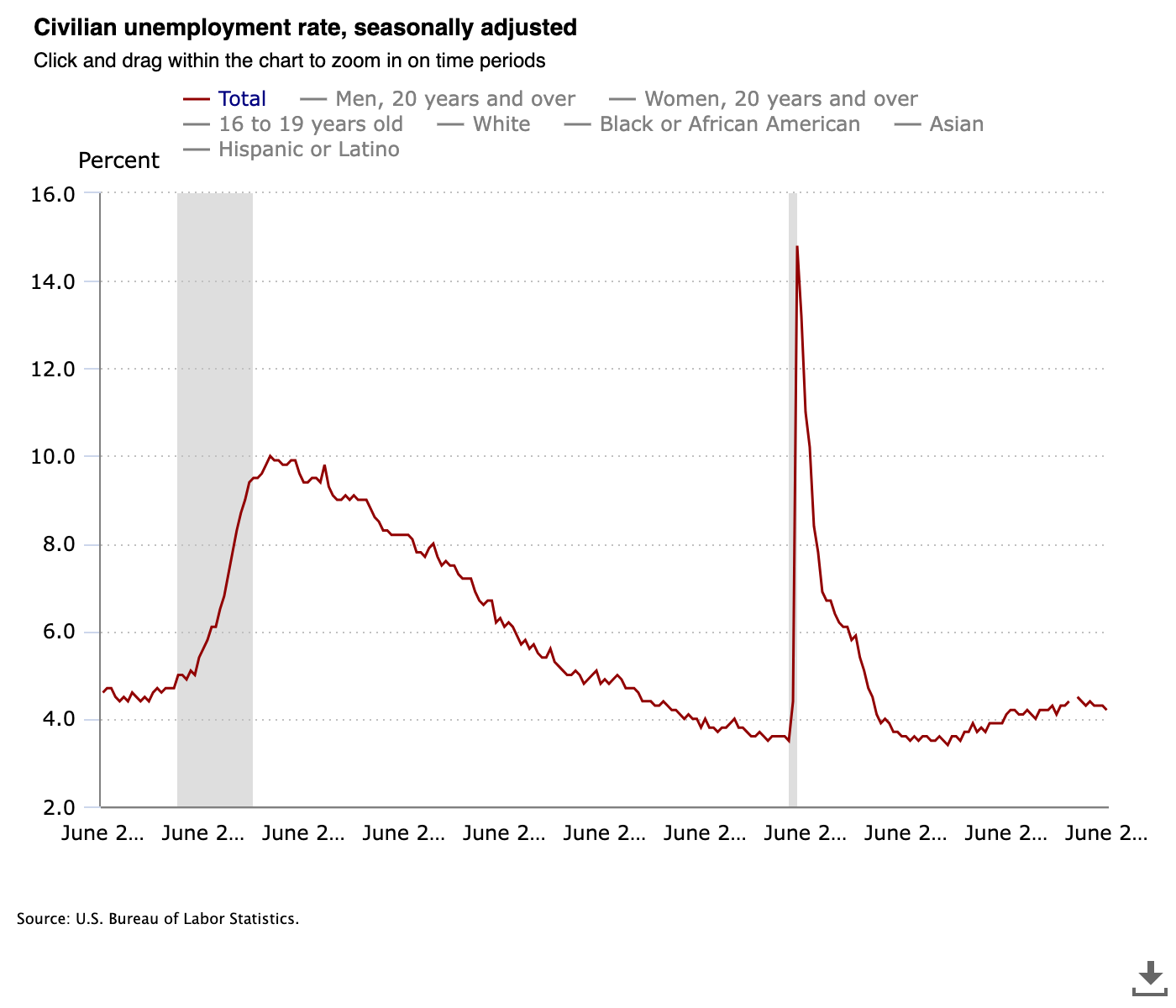
US unemployment data. Source: BLS
The jobs numbers painted a weak picture of the labor market — a potential tailwind for risk assets should the Federal Reserve loosen financial policy as a result.
“May’s jobs number was also revised down by -43,000 jobs,” trading resource The Kobeissi Letter noted in a reaction on X.
“The labor market remains in a volatile situation.”
As Bitcoin and altcoins headed higher, crypto trader and analyst Michaël van de Poppe was among those shifting toward a more optimistic mid-term market view.
“Inflation expectations have come down. Now, unemployment drops too. It’s at its lowest level in close to a year. Those are strong, public signals about the direction of the markets,” he told X followers.
“I don’t think we’ll see another drop on Bitcoin if Bitcoin can clearly break through $65,000 from here.”
Bitcoin “buyers are back and strong”
Other market participants also drew attention to Bitcoin bulls’ newfound strength.
Related: Bitcoin bear market ‘dead’ after first TD9 reversal signal since July 2022 fires
“Price drilling through large asks on Binance perps orderbook is actually sign of strength. Plus, we have chasing bids supporting aggressive buyers,” commentator Exitpump reported about exchange order-book data.
“Buyers are back and strong.”
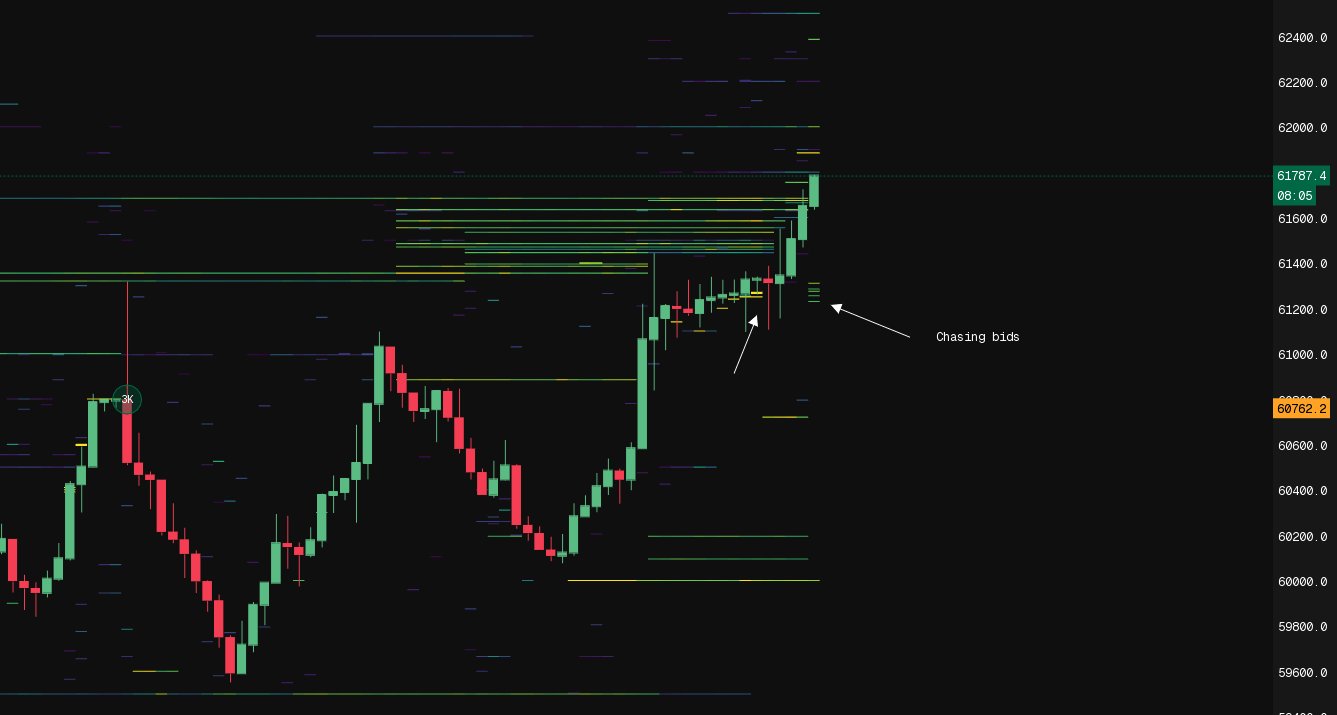
BTC/USDT chart with order-book liquidity data. Source: Exitpump/X
Data from CoinGlass put 24-hour crypto short liquidations at nearly $450 million at the time of writing.
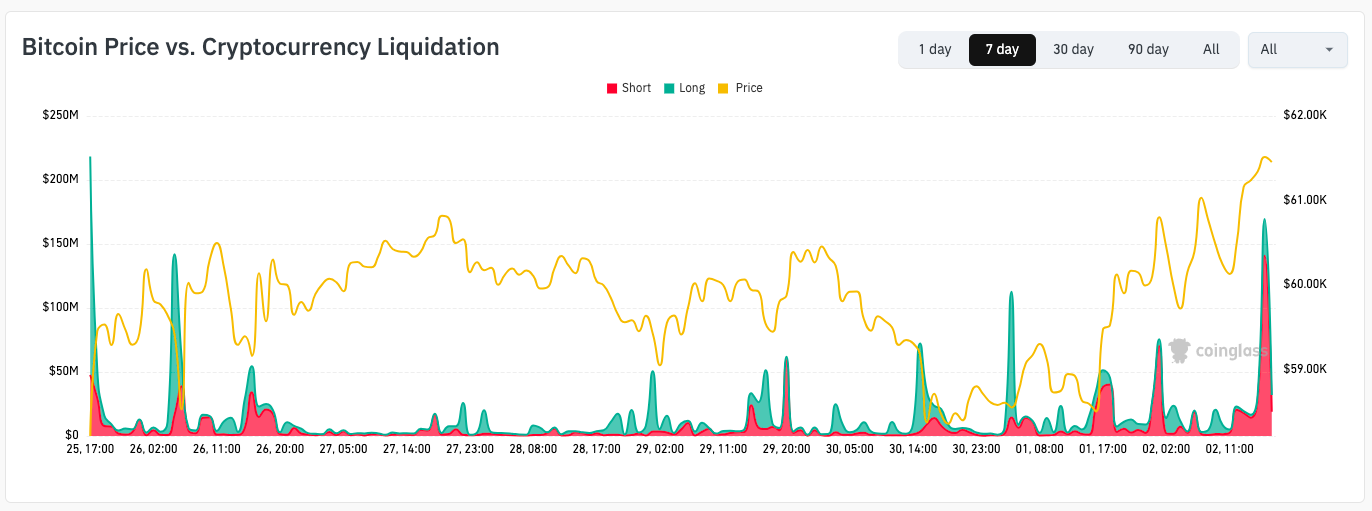
BTC/USD vs. cryptocurrency liquidations (screenshot). Source: CoinGlass
“Welcome to green July,” trader and analyst Rekt Capital continued.
As Cointelegraph reported, Rekt Capital expects a July relief rally for Bitcoin before bear-market momentum resumes in August.
An accompanying chart, which featured the 21-month and 50-month exponential moving averages (EMAs), drew comparisons to the 2022 bear market, with the implication that the cycle lows were still to come.
“And once Bitcoin turns the 50 EMA into new resistance on this relief rally, it will likely enter additional Bearish Acceleration over time,” Rekt Capital added in a separate X post.
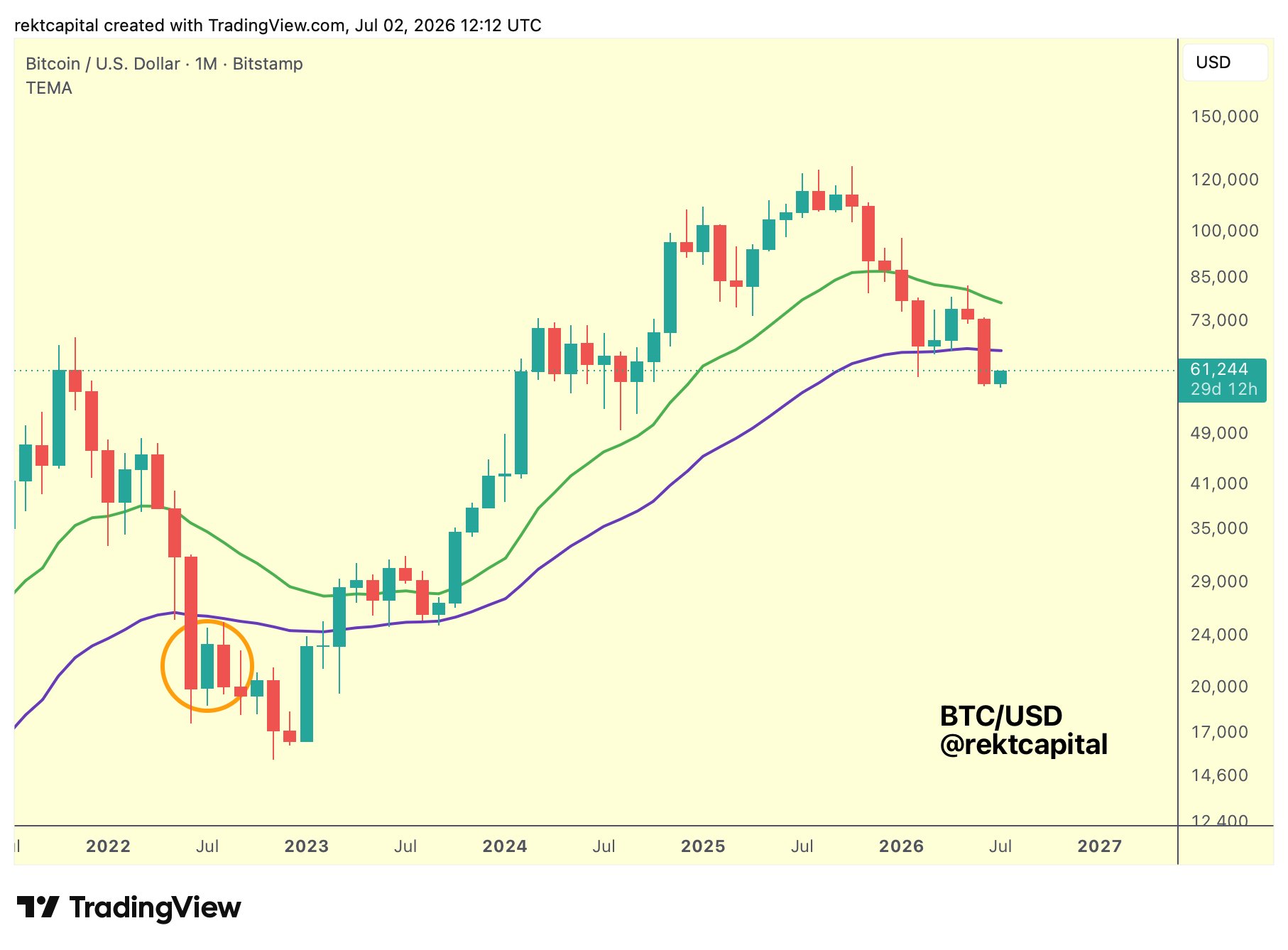
BTC/USD one-month chart with 21, 50EMA. Source: Rekt Capital/X
Crypto World
Nasdaq listed Korean Media firm that once wanted to buy 10,000 bitcoin sells all its BTC, pivots to AI
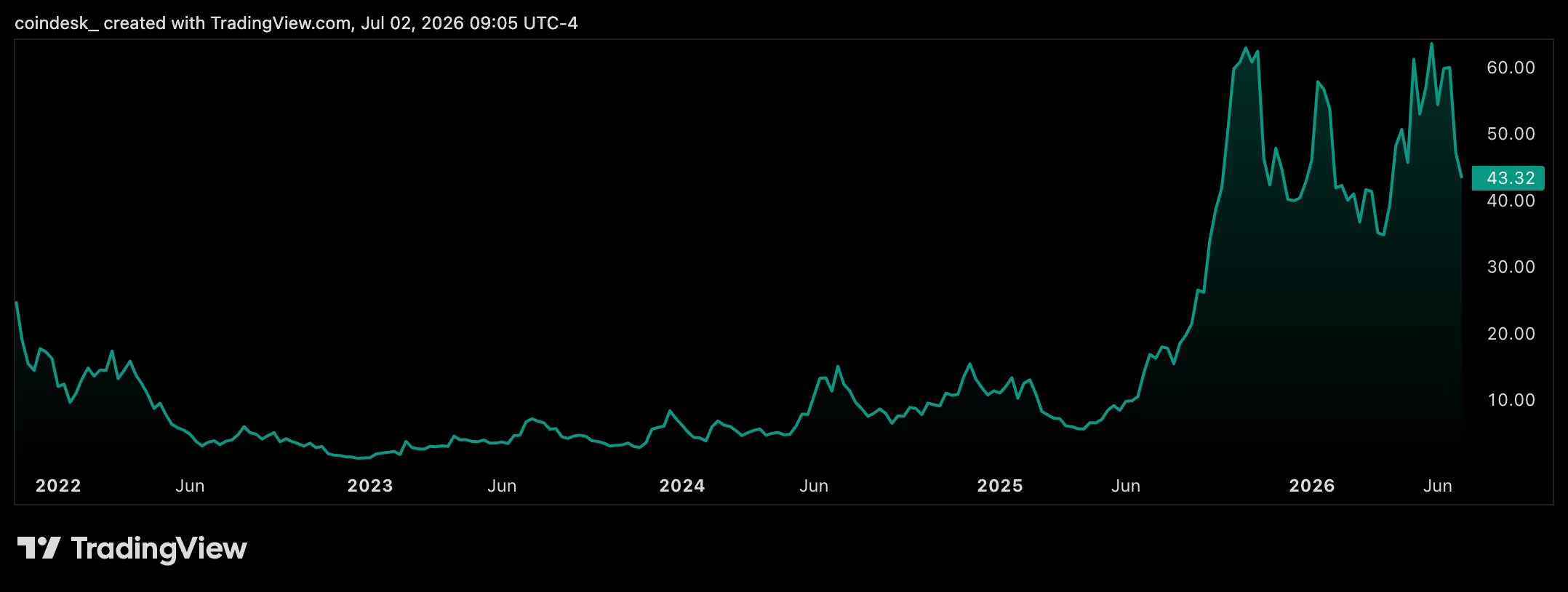
It is moving from a weak position. Shares closed near 16 cents on June 29, and Nasdaq has twice warned the company this year that it no longer meets listing rules, in January for trading below $1 and again in June because its publicly held shares are worth less than the $15 million minimum.
K Wave is considering a reverse stock split, which combines shares into fewer, higher-priced shares to raise the quoted price. The $250 million it hopes to raise is many times its entire market value.
The retreat fits a pattern followed by bitcoin miners.
These firms have sold more than 15,000 bitcoin from peak holdings and signed over $70 billion in AI computing contracts, chasing steadier margins than mining offers, and treasury companies are now joining that rotation. And it worked for some of the struggling miners, as their stock rallied from their lows. For example, IREN, a previously bitcoin mining company that pivoted to AI, saw its shares surge more than 200% after languishing since 2022.

It is the same shift of money out of crypto and into the AI trade that has weighed on bitcoin through a losing first half.
Whether the switch works remains unproven so far. AI infrastructure is capital-heavy and crowded with better-funded rivals, and K Wave has to stay on Nasdaq long enough to spend what it raises.

The idea of prediction markets is centuries old. Informal information markets date back to early 16th-century Italy, where people speculated on who would become the next pope and circulated the odds through handwritten letters. While the technology has changed dramatically, the underlying instinct has not.
People have always looked to collective opinion as a way to understand what may happen next. But as prediction markets expand and attract attention from major technology companies such as Meta, the industry faces a new question: if these platforms are designed to reflect collective intelligence, why are so many markets still shaped by centralized teams?
Rain Trade is taking a different approach to forecasting. Rather than treating market creation as a centralized process, the platform allows anyone to launch public or private prediction markets on any topic, in any language. Users decide what deserves a market, whether it’s the game aired tonight, a political development, or even the outcome of the latest season of Love Island USA, which generated more than $20 million in trading volume on Kalshi during its first two weeks.
The launch coincides with the 2026 FIFA World Cup, during which millions of fans continually debate match outcomes, player performances, and tournament predictions. The launch campaign is backed by former heavyweight champion Mike Tyson, who will serve as the face of Rain Trade’s official rollout.
Roy Shaham, CEO of Rain Protocol, the foundation on which Rain Trade is built, said the platform reflects where prediction markets are heading next: “Users want more than a list of markets chosen for them. They want the freedom to create, participate, and build communities around the events they care about. Rain Trade was designed to give them that control, turning prediction markets into something shaped by users, not just platform operators.”
That user-driven approach is central to Rain Trade’s model. Unlike traditional platforms, where markets are selected by the platform itself, Rain Trade allows users to create and share their own markets. They can keep them public or keep them private and password-protected for a specific community, group, or audience. That flexibility allows prediction markets to be shaped less by major headlines and more by the smaller conversations happening in real-time across online communities and in private chats.
To encourage participation, market creators can earn a share of the trading activity generated by the markets they launch. Whether the markets are formed around the World Cup, entertainment, politics, or in a private group chat, the idea is that the community, not a centralized team, should always be the ones to decide what is worth predicting.

TLDR
- Netflix shares rose 3.95% on July 2, outperforming the Software & IT Services sector, which fell 1.01%.
- Market sentiment improved after concerns eased around possible Warner Bros Discovery and NBCUniversal acquisition activity.
- NFLX stock gained support from a lower valuation, which attracted buyers after recent selling pressure.
- Netflix’s advertising tier remained a major growth driver, supported by its Omnicom partnership and wider distribution reach.
- The $400 million Radford Studio Center acquisition signaled Netflix’s continued focus on production efficiency and cost control.
Netflix (NFLX) stock rose 3.95% on July 2, while Software & IT Services fell 1.01%, showing clear market outperformance. The move came with strong turnover, intraday swings, and confidence after weak sessions. NFLX stock also beat major sector peers.
Microsoft rose 1.24%, Meta fell 4.09%, and Palantir gained 2.72% among the sector’s busiest names. However, Netflix drew stronger attention because buyers entered after recent selling pressure. The price action showed renewed demand near depressed valuation levels.
NFLX stock benefited as traders shifted focus back to Netflix’s core business and away from deal speculation. The company faced concerns over large media deals that could raise leverage. Yet management avoided costly merger risks and preserved capital discipline during a volatile backdrop.
Deal Concerns Ease Around Netflix
Market sentiment improved after Netflix moved away from major acquisition speculation. Reports had linked the company with Warner Bros Discovery, but concerns eased after the overhang faded. Management also saw NBCUniversal rumors denied, which reduced deal pressure and stabilized expectations.
The market viewed that restraint as positive for NFLX stock because it reduced concern over large commitments. Large media mergers often create debt concerns, integration risks, and uncertainty over earnings. Therefore, Netflix’s decision helped restore attention to subscriber growth, advertising revenue, and content returns.
NFLX stock gained momentum as deal risks faded and organic growth returned to focus. Netflix did not issue a fresh statement on the move, and the stock traded on market interpretation. Still, the reduced deal noise supported a cleaner investment case for NFLX stock and strengthened the recovery.
Valuation and Ads Support Momentum
NFLX stock also attracted demand after trading near its 52-week low and a cheaper forward earnings multiple. The lower valuation encouraged dip buying from funds and active traders before the next earnings update. Technical signals also improved after earlier oversold readings, which helped short-term momentum.
The advertising business added another growth driver for NFLX stock as Netflix expands beyond standard subscription revenue. Its Omnicom partnership strengthens ad targeting, campaign tools, and monetization across the ad-supported base. The company also expands access through Spectrum’s app store distribution deal, which may support wider reach.
NFLX stock gained further support from cost controls and studio investments. Netflix bought Radford Studio Center for $400 million to improve production efficiency and manage content costs. Together, ads, valuation, and spending discipline drove the 3.95% move in NFLX stock.


Ondo Finance says it is moving beyond simple “tokenized ownership” by adding shareholder-style governance tools to its onchain securities. Through a partnership with financial infrastructure provider Broadridge, holders of certain Ondo-issued tokenized stocks and ETFs will be able to participate in proxy voting and receive corporate communications through a Web3-enabled workflow.
The announcement targets a recurring concern in tokenized securities: even when users can buy and hold tokenized shares, it has not always been clear how, or whether, they receive the voting and notice rights that come with traditional direct stock ownership.
Key takeaways
- Ondo plans to enable proxy voting and access to corporate communications for holders of more than 250 tokenized securities issued through its platform.
- The solution is powered by a Web3-enabled version of Broadridge’s investor communications platform, designed to authenticate via blockchain wallets.
- Ondo says the governance features will accompany the launch of its first US custodial tokenized securities, including tokenized products tied to iShares Core S&P 500 ETF (IVV) and Micron Technology (MU).
- The company frames the rollout as aligned with the US SEC’s third-party custodial framework for tokenized securities.
- The move arrives as the tokenized equities market continues expanding, with growing competition among tokenization providers.
Why governance rights matter for tokenized equities
Tokenization has helped reshape parts of capital markets by enabling digital settlement and potentially more flexible access to investment products. But governance—specifically proxy voting and access to corporate materials—is where tokenized products often face scrutiny from investors and market structure observers.
Ondo’s new integration with Broadridge is designed to close that gap. According to the companies, holders can participate in proxy voting and receive corporate communications such as regulatory filings and other shareholder documents, using an interface that connects onchain identity (blockchain wallet authentication) to services traditionally reserved for registered shareholders.
For investors, this matters because governance rights are not merely an administrative feature. They are tied to how shareholders influence corporate decisions, respond to proposals, and receive timely disclosures—elements that can be central to due diligence and long-term ownership strategies.
Broadridge integration brings Web3 wallet authentication to investor communications
Ondo said its implementation uses a Broadridge investor communications platform adapted for Web3 use. The goal is to let users authenticate with blockchain wallets while accessing governance services that typically operate through conventional shareholder channels.
While the market has increasingly focused on execution—how quickly assets can transfer and trade—Ondo’s emphasis is on the “investor experience” layer. By connecting wallet authentication to proxy voting and document delivery, the company is effectively targeting the part of tokenized securities that can otherwise feel incomplete compared with traditional brokerage ownership.
Ondo’s announcement also indicates that the governance capability is expected to scale across a broad set of tokenized instruments—specifically, more than 250 securities issued through Ondo that are covered by the rollout.
Custodial tokenized securities and the SEC’s third-party framework
Ondo said the voting and corporate communications functions will be included with the launch of its first US custodial tokenized securities. The company named tokenized versions of BlackRock’s iShares Core S&P 500 ETF (IVV) and Micron Technology (MU) as part of that initial offering.
In its explanation of the regulatory approach, Ondo linked the rollout to the US Securities and Exchange Commission’s third-party custodial framework for tokenized securities. That framework, as discussed in earlier coverage from Cointelegraph, is one of the core regulatory pathways that distinguishes how tokenized securities may be structured and held.
By anchoring governance features to the launch of custodial tokenized products, Ondo is also signaling that it views custody, investor rights, and compliance mechanics as interconnected—not optional add-ons.
Tokenized equities keep growing—competition intensifies
Ondo’s governance push lands as tokenized equities show continued momentum. Foresight Ventures data, cited in Ondo’s recent reporting, indicated the tokenized stocks segment first surpassed $1 billion in March. Ondo later said that the market grew to $1.67 billion and reached nearly 181,000 unique holders, referencing data shared in its own publication.
In addition to Ondo, other firms are expanding their tokenized-stock offerings. Backed Finance, for example, issues tokenized stocks via its xStocks platform and has broadened distribution across multiple crypto exchanges and blockchain networks, according to the article context.
The broader category—tokenized real-world assets—has also attracted attention even during periods of weaker overall crypto sentiment. A recent 21shares report attributed sustained growth in institutional participation to improving infrastructure, while Binance data referenced in the source material said the value of tokenized RWA assets, including stocks, surged nearly 600% over the past year.
Together, these figures help explain why governance integrations are becoming more strategic. As more providers enter the space and assets proliferate, investors will likely demand more complete “shareholder-equivalent” functionality rather than only trading access and settlement speed.
What to watch next for investors
Investors should watch how Ondo and Broadridge operationalize proxy voting and document delivery across supported securities, including how wallet authentication maps to investor eligibility and participation. As tokenized equities continue to scale, governance functionality may become a differentiator as important as liquidity and custody.
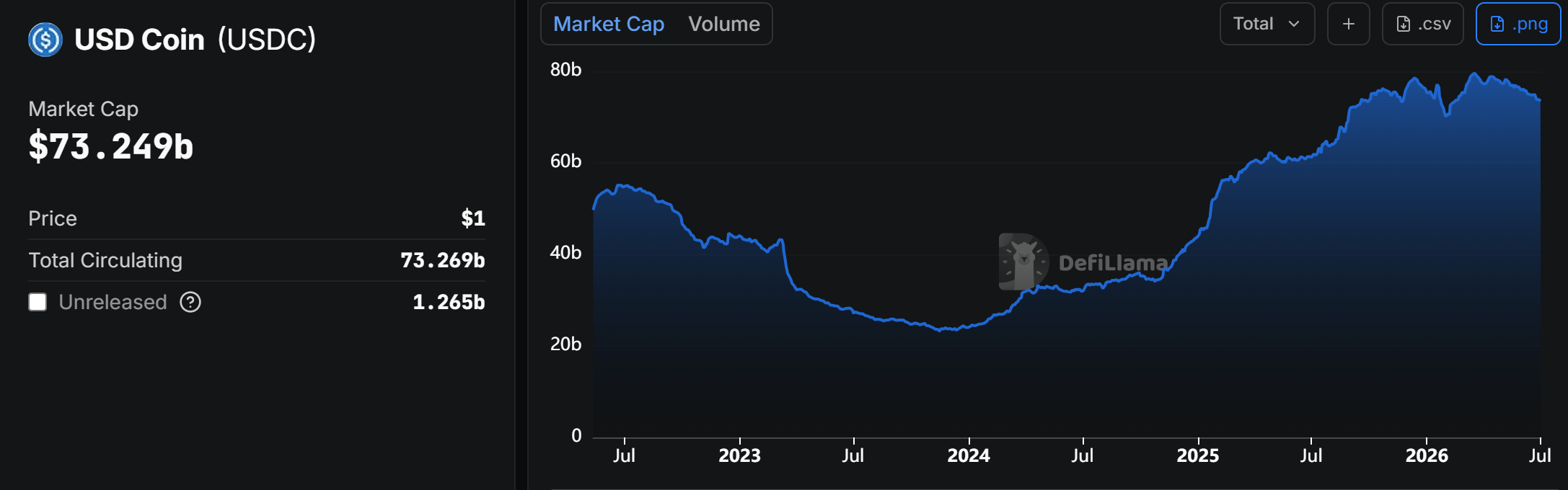
Standard Chartered has become the first Global Systemically Important Bank (G-SIB) to offer institutional clients direct access to USDC minting and redemption, through a partnership with issuer Circle announced on July 2.
Eligible clients can convert dollars to USDC and back inside their existing banking relationship, with no separate Circle accounts required. However, the launch covers Dubai only, and a rival bank rolled out similar services three days earlier.
Standard Chartered USDC Access Starts in Dubai
The capability, developed with Circle, runs through the bank’s Dubai International Financial Centre (DIFC) operations.
It gives institutions a single onboarding route into USDC, which commands a $73.2 billion market cap.

Standard Chartered says the service supports on-chain settlement, treasury operations, and liquidity management, with payment use cases planned later. Expansion into additional markets depends on regulatory approvals and market readiness.
“Digital assets are becoming an increasingly important component of global financial infrastructure, and institutional clients are seeking the same levels of trust and governance that underpin traditional markets,” Roberto Hoornweg, CEO of Corporate and Investment Banking at Standard Chartered, said in the announcement.
Follow us on X to get the latest news as it happens
The relationship runs deeper than one launch. Standard Chartered has helped design the Circle Payments Network since April 2025, alongside Santander, Deutsche Bank, and Société Générale.
This week, the bank also initiated coverage of the DeFi lending protocol Morpho.
Rivals are Already Moving on USDC
It is imperative to note, however, that Standard Chartered is not the first. On June 29, BNY enabled clients to mint, redeem, and hold USDC through its Digital Asset Custody platform.
BNY is no fringe player. It custodies USDC’s reserves and oversees $59.3 trillion in assets under custody or administration.
More may follow. BNY says it plans to add further stablecoin issuers over time, while Standard Chartered cites growing demand from institutions and corporations for regulated stablecoin infrastructure.
Circle, meanwhile, has its own reasons to court bank partners. Its stock fell 15% last week after 140 firms, including Visa and Coinbase, backed rival stablecoin Open USD.
Bank distribution hands USDC deeper institutional rails just as its enterprise lead comes under attack.
Regulation will set the pace. Circle kept its European listings under MiCA while Tether’s USDT exited, yet Standard Chartered’s global rollout still awaits approvals market by market.
Whether treasurers route real settlement flows through bank-issued USDC rather than pilots will determine how quickly the rest of the G-SIB pack moves.
The post Two Big Banks Adopt Circle’s USDC Stablecoin This Week appeared first on BeInCrypto.


Earlier this week, Strategy unveiled a capital framework allowing selective bitcoin sales to fund preferred dividends, while authorizing preferred share repurchases and stock buybacks. It also set a minimum cash reserve covering 12 months of preferred dividend and interest payments. Its $2.55 billion cash balance currently covers about 17 months.
Hougan said the episode marks a broader shift in Strategy’s role within bitcoin markets. Rather than serving as crypto’s dominant, one-way buyer, the firm is likely to become a more flexible participant whose bitcoin purchases or sales depend on market conditions.
Looking ahead, Bitwise believes institutional investors, including asset managers, banks, pensions, endowments and sovereign funds, are positioned to replace Strategy as bitcoin’s primary source of demand.
More broadly, STRC volatility is seen as part of the leverage unwind that typically marks the late stages of every crypto cycle. As speculative excess is flushed from the system, the market moves closer to establishing a durable bottom, though the exact timing remains impossible to predict, the report added.
Wall Street bank JPMorgan said Strategy’s new policy allowing selective bitcoin sales to fund preferred dividends creates avoidable two-way risk, increasing uncertainty and market volatility.
Read more: JPMorgan says Strategy’s bitcoin sales policy adds ‘two-way risk’ to crypto markets
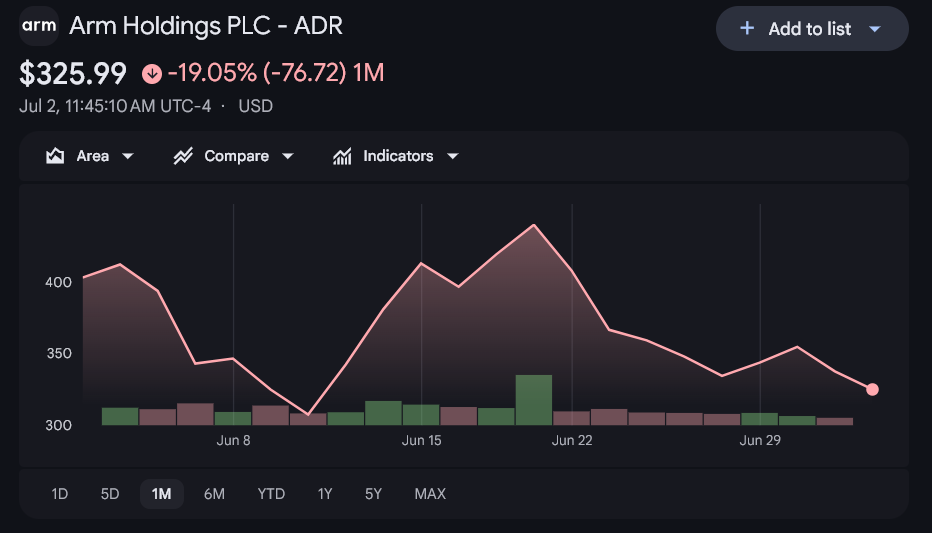
Arm Holdings (ARM) stock is up 194% this year. However, it has stalled and slipped since mid-June, and big investors are quietly selling. The reason is simple. Arm is the chip stock most exposed to rising interest rates.
The next test comes on July 14, when new inflation data is due. A hot reading would push the Federal Reserve closer to a rate hike. And Arm has the most to lose.

Big Money Started Leaving in Mid-June
The clearest warning comes from money flow. Chaikin Money Flow (CMF), a proxy for institutional buying, peaked at 0.37 around June 15 and has since fallen to 0.01. In plain terms, big buyers nearly vanished.

Note: Arm is based in the United Kingdom, but its shares trade in New York in US dollars, so Federal Reserve rate moves drive it like any American chip stock.
The timing is not random. Inflation hit 4.2% for the year on June 10, the hottest in three years. Days later, on June 17, the Federal Reserve held rates but signaled it may raise them. More so, institutional money began leaving in the run-up to the June 17 Fed meeting.
Since then, markets have gone back to pricing hikes. Robin Brooks, senior fellow at the Brookings Institution and former chief economist at the IIF, says one number will set the tone.
Here is why that hits Arm (ARM) hardest. A hot inflation report makes the Fed more likely to raise interest rates. Higher rates make profits expected years from now worth less today. Arm is the priciest big chip stock, and most of its profits sit far in the future. Investors are paying mainly for growth from its AI chip designs in the coming years, not for the money it makes today.
That makes Arm the most rate-sensitive name in its sector. Its price tends to move in the opposite direction of interest rates, and by more than any other big chip stock.

So it falls more than the average chip when rate fears rise. When a major bank warned of up to three more hikes on June 23, Arm dropped over 10% in a day.
Options Traders Turned Defensive Too
The options market flashed the same signal. Arm’s put-call ratio compares bets on a fall against bets on a rise. On June 15, with Arm near $412, the volume ratio was 0.51, so traders still bought more calls than puts.
Yet the open interest ratio was already 1.22, meaning longer-standing bets leaned bearish.

By July 1, with Arm near $337, both had turned bearish. The volume ratio jumped to 1.75, and open interest sat at 1.17.

In short, traders went from hopeful to defensive as rate-hike talk grew louder. The ARM price chart tells the same story.
The ARM Stock Chart Confirms the Warning
The rally was already running on empty. From May 6 to June 30, Arm rose, but the buying volume behind each move kept shrinking.
Want more insights like this? Sign up for Editor Harsh Notariya’s Daily Newsletter here.
That weakness stalled Arm at about $362. The stock now trades near $337, just under the $340 level it needs to hold.
If it breaks lower, $303, then $298, come into view. Far deeper support sits near $198 if the selling speeds up. To turn things around, Arm must reclaim $362 with strong buying, which would pull money flow back up. The real line, though, is $399 (the $400 zone).

Above $400, ARM regains genuine strength. Below it, with a hot July 14 report threatening another rate scare, every bounce is likely to be sold. The $400 mark separates a fresh leg higher from more selling into every rally.
The post Why a Hot July CPI Print Could Hit This Semiconductor Chip Hard appeared first on BeInCrypto.

Perpetual futures, once a niche crypto product, have become one of the industry’s fastest-growing markets. Alongside cryptocurrencies like bitcoin, trading platforms are increasingly listing contracts tied to equities, commodities and other real-world assets, blurring the line between crypto-native and traditional financial markets.
Led by former Revolut crypto head Ruslan Fakhrutdinov, Extended had processed more than $245 billion in trading volume as of June and supports more than 100 perpetual markets, according to the company.
The firm said it plans to expand into spot trading, tokenized real-world assets and multi-asset collateral.
“The first phase was building for DeFi natives,” Fakhrutdinov said in a statement. “The next is expanding the infrastructure and partnerships needed to support the next stage of onchain derivatives.”
The investment points to a broader race to become what is best described as the “everything exchange” or “everything app” for financial markets. Coinbase (COIN) has expanded into perpetual futures, Robinhood is pairing tokenized stocks with event contracts and commodity perps, and prediction market operator Kalshi recently entered the perpetual futures business.
As trading increasingly moves onto a blockchain environment, the lines separating brokerages, crypto exchanges and prediction markets are becoming harder to distinguish.
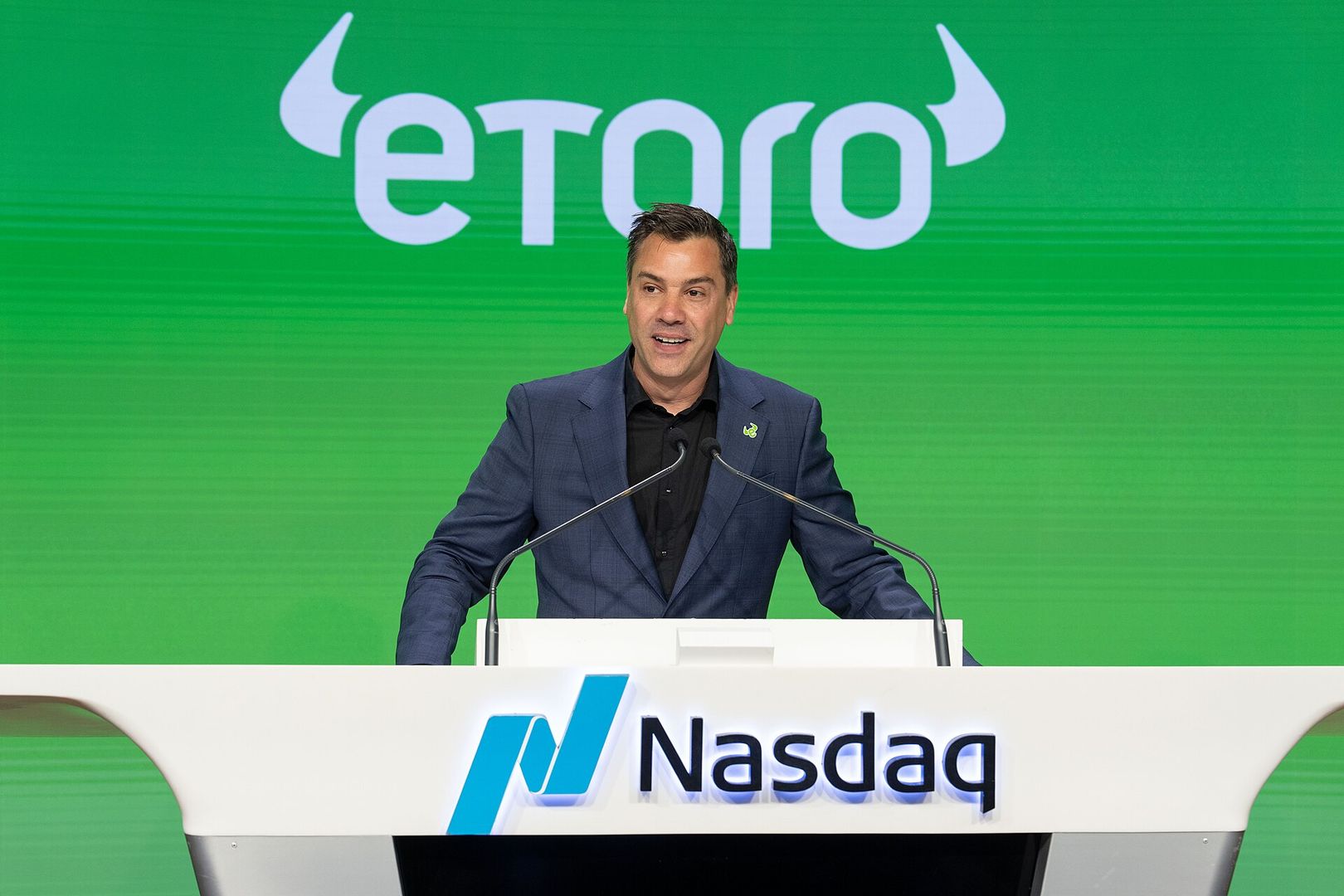
“Capital markets are increasingly converging with digital asset infrastructure,” Zengo managing director Ouriel Ohayon, said in a statement. “eToro’s investment in Extended reflects a mutual conviction that the future of trading will be digital, accessible and can operate 24/7, beyond the traditional trading week.”

Wales breaking news plus weather and traffic updates (Thursday, July 2)

America’s largest power grid secures emergency authority to curb some data centers as record demand looms

Matt Hougan says Bitcoin bottom may be near ahead of fall rally


-

 Fashion6 days ago
Weekend Open Thread: Staud – Corporette.com
-

 Politics6 days ago
The House | Manchesterism won’t survive the painful trade-offs unless it gets citizens on board
-

 Crypto World3 days ago
Strategy authorizes up to $1.25B in Bitcoin sales under new capital plan
-

 Politics7 days ago
Potential 2028er World Cup attendee leaderboard
-

 Business6 days ago
Asia stock markets slide as tech shares slump
-

 News Videos4 days ago
MAJOR BITCOIN & MARKET UPDATE!!!! (MUST WATCH ASAP!!!)
-

 Tech7 days ago
A Look At A Gaggle Of Transputer Boards
-

 Crypto World5 days ago
Coinbase, Circle Deepen Crypto Stock Losses Despite Resilient S&P 500
-

 Tech3 days ago
Anonymous researcher drops 0-day ‘exploitarium’ repo
-

 Business3 days ago
Australia treasurer says alleged access of prime minister’s bank data ’incredibly concerning’
-

 Crypto World6 days ago
Kraken's xStocks Opens Bending Spoons IPO Registration to EEA Retail
-

 Sports6 days ago
FIH Pro League: India defeat Pakistan 7-1, register biggest win of campaign | Other Sports News
-

 Crypto World7 days ago
Bitcoin Sparks $600M Hourly Liquidations With $65,000 Set To Become Resistance
-

 Tech5 days ago
Bluekit phishing kit adopts browser-in-the-middle for login theft
-

 Tech5 days ago
Russian hackers now target Signal backup recovery keys
-
 Crypto World6 days ago
Hyperliquid Named on Singapore MAS Investor Alert Register
-

 Crypto World6 days ago
RTX holders must register wallets before token distribution begins
-
 Crypto World6 days ago
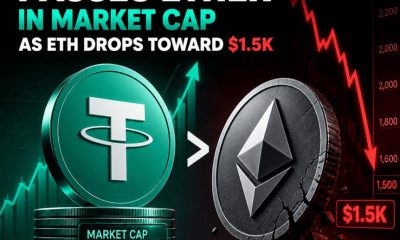
Tether (USDT) Passes Ether in Market Cap as ETH Drops Toward $1.5K
-

 Sports1 day ago
Broncos roster: OL Ben Powers (No. 74) entering final year of contract
-
 Business3 days ago
The AI boom won’t burst all at once. It will pop in ‘rolling bubbles’: Macquarie
You must be logged in to post a comment Login