Crypto World
The Morning Light Habit Sleep Experts Swear By


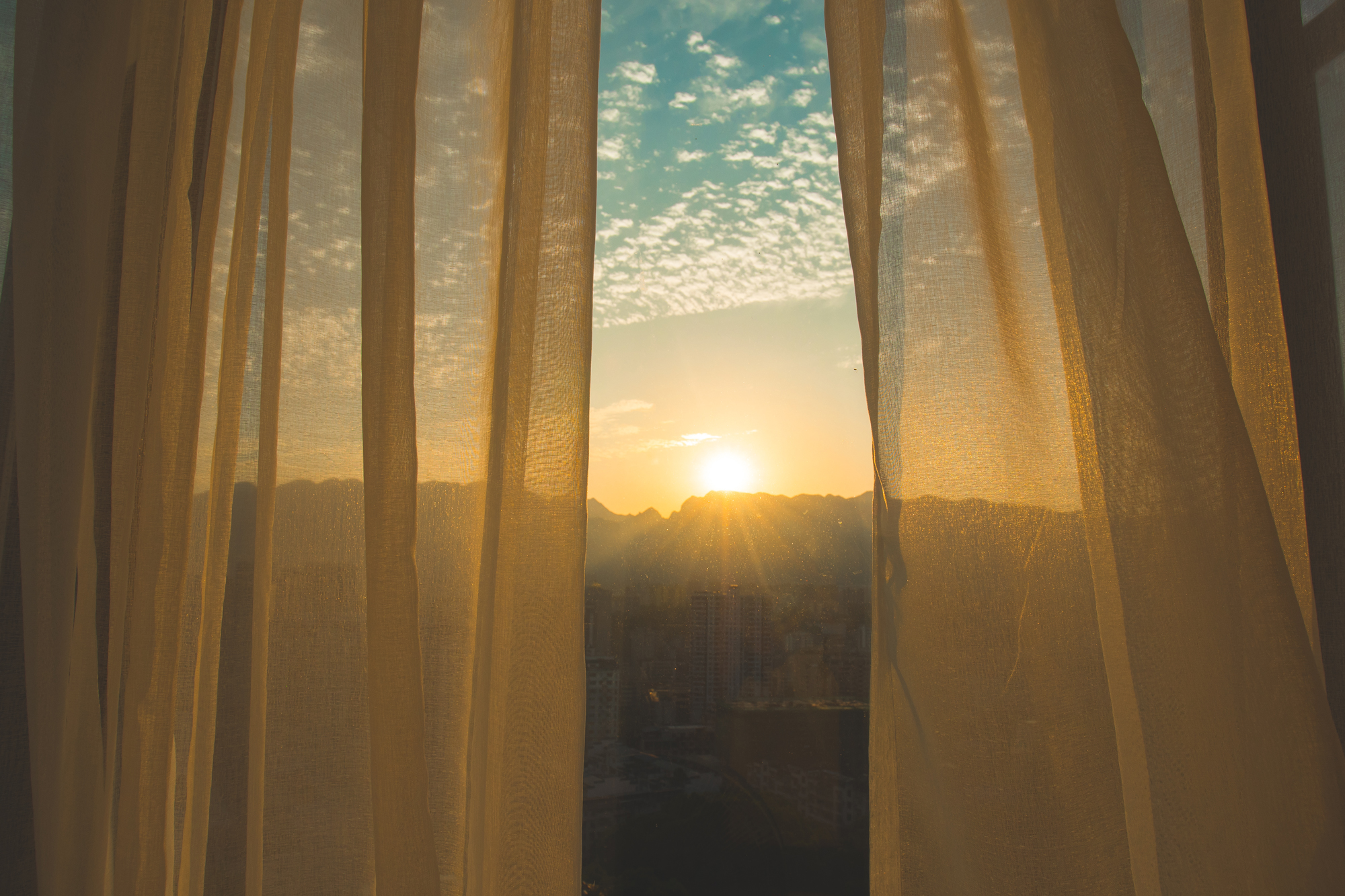
You’ve probably heard that getting some morning light can help you feel more awake during the day and sleep better at night—from your doctor, your sleep app, and roughly 900 podcasts. But you might not realize just how much it matters. “Morning light is arguably more important than your coffee,” says Mariana Figueiro, director of the Light and Health Research Center at the Icahn School of Medicine at Mount Sinai.
Morning light shifts the body clock earlier, which can make it easier to feel sleepy at night and alert when it’s time to wake up. In a study of more than 400,000 adults, people who spent more time in outdoor light during the day reported fewer insomnia symptoms, less tiredness, and an easier time getting up in the morning.
What you may not have heard is exactly how to get it: where to position yourself, how early in the morning to start basking, and how long to take in the rays. Without that knowledge, the advice to “get more morning light” is surprisingly hard to put into practice.
Here’s what researchers say about how to get the right dose of morning light.
How morning light helps you wake up—and sleep at night
The amount of light reaching your eyes is measured in lux, and by that measure, most morning routines happen in near-darkness. A dimly lit bedroom might clock in at 30 to 40 lux. A brightly lit kitchen might reach 500. Step outside on an overcast morning, and you’re standing in 5,000 to 10,000. “You’re looking at orders of magnitude more light when you’re outside,” says Jamie Zeitzer, a circadian physiologist and professor of psychiatry and behavioral sciences at Stanford University.
Sitting directly beside a window and looking out might expose you to around 1,000 lux. That’s a fraction of what’s available outdoors, but, as Zeitzer puts it, “even by a window, it’s much brighter than what you’re going to get from most interior lighting sources.”
Light can have an immediate effect, too. It’s “an alerting stimulus to the brain,” Figueiro says, which can help you feel more awake in the moment.
Its longer term effect comes down to a small structure in the brain called the suprachiasmatic nucleus, which serves as the body’s central circadian clock. When light reaches the retina, it sends a signal directly to that clock—and early in the morning, the signal helps nudge it forward. It needs that nudge: The average human clock runs about 24 hours and 11 minutes, which means it would naturally drift a little later each day without light and other signals keeping it synchronized with the outside world.
A well-synced clock does more than govern sleep. Its real job, Zeitzer says, “is allowing your body to anticipate things as opposed to responding to them”—preparing you to wake up, eat, exercise, and wind down instead of scrambling to adjust after the fact. Without that anticipation, your body still functions, of course; just a little less efficiently. “It’s not like if you didn’t have a clock, you drop dead,” he says. “But it’s all less well optimized.”
Many people aren’t giving their clocks much natural light to work with. We tend to overestimate how much time we spend outside, Zeitzer says; for many of us, outdoor exposure amounts to little more than walking to and from the car.
How to get enough morning light
Try to get light within an hour of waking. “You want to have it as soon as you get up,” Figueiro says. What matters is how soon you get it after waking, not the particular time on the clock.
Going outside is best. But if you’re sitting near a window, position yourself close to the window and face it, rather than having it be beside or behind you. “You want to get it at the back of the eye, not at the back of the head,” Figueiro says. Light levels drop quickly as you move away from the glass: You might get around 1,000 lux right beside a window, compared with only a few hundred lux from several yards away. If you work from home, simply turning your desk toward the window can make a meaningful difference.
How long should you stay there? There’s no magic number, but both researchers agree that longer is better. Figueiro recommends at least 30 minutes and ideally an hour. Zeitzer considers 15 minutes a practical minimum. “Technically, with 5 minutes you can get a good effect, but that’s in a lab, and it’s probably not in the field,” he says.
If you want one simple target, aim for 30 minutes of morning light, Figueiro says. Sitting beside a window counts, but going for a half-hour walk after daybreak is even better. “That’s ideal,” she says. “You get your exercise, you get your light, you’re all set for the day.” And wear sunscreen as usual: It won’t blunt the circadian effect, which is driven by light reaching cells in the retina rather than the skin.
Try to get that light at roughly the same time every morning. “Your clock likes that regularity,” Figueiro says. She also leaves her sunglasses off during her morning commute when the light is comfortable, allowing her to take advantage of that exposure.
Give the habit some time to work. Your body clock will begin adjusting within a few days, Zeitzer says, but it might take a few weeks before you notice a difference in your sleep.
How to get morning light when the sun isn’t up
What if you wake up at 5 a.m., work in a windowless office, or look out at what Zeitzer describes as “a brick wall 15 feet across an alley”? You’ll need to create more light indoors.
The easiest place to start is with a brighter bulb. Bulb packages list brightness in lumens, a measure of how much light the bulb produces. A standard one typically produces about 800 to 1,000 lumens; Figueiro recommends looking for one that produces at least 3,000. Place the lamp no more than an arm’s length away, and make sure its shade is translucent, not opaque, so the light can reach your eyes. The bulb doesn’t need to give off cool or bluish light. If you prefer warm light, that’s fine, Figueiro says—the brightness is what matters most.
If a brighter lamp isn’t enough, or you don’t have access to a window, consider a light-therapy box. Zeitzer prefers natural light—“it’s much nicer looking out your window,” he says—but considers a light therapy box a reasonable alternative. Turn it on while you drink your coffee or eat breakfast so it becomes part of your usual routine.
And don’t assume an overcast morning is too dark to be useful. Most of us underestimate how much brighter it is outside: In one study, researchers found that even under cloudy or partly cloudy skies, outdoor light was dozens of times brighter than indoor light. If you can’t go out, sit close to the window and face it; turning on the room’s other lights can help, too.
Getting enough light in the morning is only part of the equation for better sleep. Figueiro also recommends dimming the lights about two hours before bedtime. Your body clock responds to the contrast between day and night, she says, so too much evening light can “in a way cancel out the benefits of the morning light.”
Think of the formula as brighter mornings and darker evenings. Tomorrow, you can start by turning your coffee—and yourself—toward the window.
You must be logged in to post a comment Login