
Crypto World
UAE retailers begin accepting DDSC stablecoin payments in new pilot



DDSC and Network International have launched the UAE’s first in-store pilot for payments using a Central Bank-licensed, AED-backed stablecoin, allowing customers to spend DDSC through existing point-of-sale terminals at selected retailers.
Summary
- DDSC and Network International have launched an in store stablecoin payment pilot at selected Marks & Spencer and LuLu locations in the UAE.
- Customers can scan a QR code using a supported wallet to pay with DDSC through Network International’s existing point of sale infrastructure.
- Participating merchants can settle transactions either in DDSC or UAE dirhams under their agreed settlement arrangements.
- Network International plans to expand DDSC acceptance across its UAE merchant network after testing is completed.
According to a press release shared with crypto.news on Sept. 9, the pilot has gone live at the Marks & Spencer branch at Al-Futtaim’s Dubai Festival City and LuLu Hypermarket at Khalidiyah Mall in Abu Dhabi. Customers with supported wallets can pay using DDSC, while participating merchants can receive settlement either in the stablecoin or UAE dirhams.
DDSC is pegged 1:1 to the UAE dirham and operates on ADI Chain. The stablecoin was developed through a collaboration between International Holding Company, First Abu Dhabi Bank and Sirius International Holding.
DDSC payments use existing retail terminals
The pilot uses Network International’s existing payment infrastructure instead of requiring merchants to install a separate checkout system.
When a customer chooses DDSC at checkout, the point-of-sale device generates a QR code that can be scanned through a supported wallet. Network’s acceptance infrastructure sends a confirmation to the merchant once the transaction has been completed.
Settlement depends on the arrangement agreed with the merchant. Businesses can receive DDSC directly into a supported wallet or have the transaction settled in UAE dirhams.
Network plans to expand DDSC acceptance across its UAE merchant network after testing is completed. The payment company works with more than 240,000 merchants and over 250 financial institutions across more than 50 countries, according to information included with the announcement.
Murat Cagri Suzer, group CEO of Network International, said the company expects the integration to give merchants more options for accepting and settling payments.
“Through our partnership with DDSC, Network International merchants will be able to accept payments in DDSC and have the flexibility to settle in stablecoin,” Suzer said.
LuLu Retail CEO Saifee Rupawala said the retailer was among the first in the UAE to enable the payment option, while Al-Futtaim Group Director of Financial Services Eric Shehadeh said the company handles tens of millions of customer payments each year across more than 200 brands.
DDSC moves from launch to retail payments
The retail test follows the stablecoin’s launch earlier this year. As crypto.news previously reported, DDSC launched on ADI Chain in February after receiving approval and licensing from the Central Bank of the UAE.
DDSC is licensed under the central bank’s Payment Token Services Regulation and is backed by a segregated reserve of assets maintained under the applicable regulatory framework. Its stated use cases cover payments, settlement, treasury operations and other digital financial infrastructure.
First Abu Dhabi Bank provides banking support for the project, while ADI Chain provides the blockchain infrastructure on which DDSC settles. ADI Chain launched its mainnet in December 2025 as an institutional Layer 2 network designed for stablecoins and tokenized real-world assets.
The network had been selected to host the UAE dirham stablecoin before DDSC went live. Its native ADI token is used for gas and smart contract execution across the network and associated Layer 3 environments.
Activity on the network has since expanded into other tokenization projects. In August, Shipfinex tapped ADI Chain for a planned program involving roughly $500 million worth of commercial vessels. The proposed structure uses special-purpose vehicles for individual ships and could use UAE dirham-denominated stablecoins for token allocations and distributions.
DDSC’s retail pilot extends its use from blockchain settlement infrastructure to physical checkout locations, with the first transactions being tested through payment terminals already used by merchants.
Ajay Hans Raj Bhatia, CEO of Sirius International Holding, described the Network International collaboration as a step toward using regulated digital assets in routine transactions.
“By enabling DDSC, a dirham-backed stablecoin, to work seamlessly through established payment infrastructure, we are turning the promise of digital currencies into a practical reality for businesses and consumers,” Bhatia said.
UAE regulated stablecoins enter payment channels
DDSC is entering retail testing as other regulated stablecoins and crypto payment systems gain access to payment channels in the UAE.
In May, AE Coin and USD Universal introduced a regulated stablecoin conversion rail connecting the dirham-backed AE Coin with USDU, a U.S. dollar-backed payment token. The system, supported by Al Maryah Community Bank, was designed for institutional settlement, treasury operations and cross-border payments.
USDU is regulated by the Financial Services Regulatory Authority in Abu Dhabi Global Market and registered with the UAE central bank as a foreign payment token. AE Coin separately received approval from the central bank for its dirham-backed payment token.
Retail-facing crypto payments have started moving into other UAE industries. Emirates introduced crypto payments for flights in July through Crypto.com Pay, allowing eligible UAE residents to pay for dirham-priced bookings through the airline’s website and app.
Desktop customers scan a QR code during checkout, while mobile customers approve the transaction through their Crypto.com account. Emirates continues to price and settle the bookings in UAE dirhams.
Crypto.com’s local entity received a Stored Value Facilities license from the Central Bank in May, allowing it to provide regulated payment services in the country. The authorization has separately been used for an arrangement covering Dubai government payments, where settlement can take place in dirhams or approved dirham-backed stablecoins.
For the DDSC pilot, Network International has not provided a timetable for expansion beyond the initial participating locations. The company said stablecoin acceptance would be scaled across its UAE merchant network following completion of testing.



Hunter Biden has defended his LAPTOP memecoin hours before its Sept. 9 launch on Base, saying 20% of the supply will be distributed through community airdrops while 30% will be tied to political, crypto and cultural predictions.
Summary
- Hunter Biden defended LAPTOP ahead of its Base launch, describing the memecoin as a way to reclaim the laptop controversy.
- LAPTOP will allocate 20% of its supply to community airdrops, including wallets that lost money holding TRUMP.
- Another 30% will be tied to political, crypto and cultural predictions, with tokens either burned or sent to charity based on the outcomes.
- Kraken deleted a promotional LAPTOP post after trader criticism, while Base founder Jesse Pollak said the network chose not to help design or promote the token.
In an X post early Wednesday, Biden acknowledged the criticism surrounding the project and framed LAPTOP as an attempt to take ownership of the laptop controversy that followed him for years. “I understand the cynicism,” he wrote. “Why something that has been so misused by grifters?”
Biden used President Donald Trump’s TRUMP memecoin as his main comparison, calling the token a “grift” and citing losses suffered by its holders. Nearly 989,000 wallets that bought TRUMP were sitting on a combined $3.81 billion in unrealized losses by July, according to Nansen data previously covered by crypto.news.
The LAPTOP launch has already drawn criticism from crypto traders, while Kraken deleted a promotional post about the token and people connected to its planned distribution have distanced themselves from the project.
LAPTOP token will use airdrops and conditional burns
LAPTOP is scheduled to launch with a total supply of 1 billion tokens on Base, the Ethereum layer 2 network developed by Coinbase. Biden said the project will use several supply allocations covering community distributions, its founders and a series of predetermined events.
The community allocation accounts for 20% of the supply. Some of those tokens are earmarked for wallets that lost money holding TRUMP, alongside other groups included in the project’s planned airdrops.
Biden’s Substack subscribers were previously named among the recipients, while a mailing list associated with video journalist Andrew Callaghan’s Channel 5 was included in the original distribution plan.
Another 30% of the total supply is linked to a set of political, crypto and cultural predictions. The project has established 30 predetermined outcomes, with the tokens assigned to each event handled differently depending on the result.
If a prediction comes true, the tokens linked to it will be burned and permanently removed from circulation. Tokens attached to predictions that do not materialize will instead be sent to charity.
The initial LAPTOP launch plan included events such as a Democratic victory in the 2028 US presidential election, Bitcoin reaching another all-time high and LAPTOP overtaking TRUMP’s market capitalization.
Founders, including Biden, are allocated another 30% of the supply. Those holdings will be subject to lockups and vesting restrictions, with the initial structure placing the founder tokens under a six-month lock before they are gradually released over more than two years.
A further 20% has been set aside for areas including liquidity, exchange listings, legal expenses, administration and charitable purposes.
Biden warned prospective buyers that his involvement should not be treated as a promise of financial returns.
“You should not expect me or anyone else to make this token more valuable for you,” he wrote. “LAPTOP isn’t just about owning something, it’s about saying something.”
Hunter Biden targets TRUMP after billions in holder losses
Biden’s criticism of TRUMP comes after the presidential memecoin lost most of the value reached shortly after its January 2025 debut.
TRUMP launched days before Trump’s second inauguration and climbed to an all-time high of $73.43. By Aug. 13, 2026, the token had fallen to a record low of $1.37, representing a decline of roughly 98% from its peak.
The token briefly rallied 93% in August, climbing from $1.37 to $3.60 in 10 days before dropping sharply after wallets linked to the team transferred 2.62 million TRUMP worth $6.21 million to OKX.
Nansen data cited in July showed that 988,905 of the roughly 1.48 million wallets that had bought TRUMP since launch were holding combined unrealized losses of $3.81 billion.
Trump’s 2025 financial disclosure separately reported a $636 million payout tied to the TRUMP memecoin licensing arrangement. His total crypto-related income for the year exceeded $1 billion, with some calculations placing the figure near $1.4 billion.
Public Citizen later estimated that investors across Trump-linked crypto ventures were at least $4.7 billion underwater. Its calculation included approximately $3.2 billion in losses associated with TRUMP and another $1.45 billion connected to World Liberty Financial and Trump Media investors.
LAPTOP’s decision to allocate tokens to losing TRUMP wallets directly places the rival political memecoin inside its distribution model.
Crypto traders push back before LAPTOP launch
The planned launch faced resistance almost immediately after Biden announced the token earlier this week.
Kraken deleted a promotional social media post about LAPTOP after traders questioned why the crypto exchange was promoting another political memecoin. The exchange had not publicly said that it abandoned any potential listing plans, while the LAPTOP project said exchange listings would be disclosed when trading begins.
Callaghan separately distanced himself and Channel 5 from the project after the program’s mailing list was named as part of the planned token distribution.
The journalist said Channel 5 had nothing to do with the memecoin and did not consider crypto a legitimate investment. Callaghan said Biden had previously asked whether he could use the mailing list when launching a new product, but Channel 5 later said subscriber information was removed before an email was sent.
Base executives faced similar questions because LAPTOP is being deployed on the Coinbase-backed network.
Base founder Jesse Pollak said Biden’s project had approached the team, but the network made a “conscious decision” not to help design or promote the token. The distinction follows earlier debate over Base’s involvement with creator and content tokens, an area where Coinbase CEO Brian Armstrong acknowledged in July that the network had “messed up” on content coins.
Pollak subsequently stepped back from leading the Base App to focus on the blockchain after saying demand for its earlier social products had fallen sharply. Coinbase took control of the app while Base redirected attention toward trading, payments and other financial products.
Hunter Biden turns laptop controversy into token branding
The LAPTOP name refers to the computer that became a major political issue after Biden left it at a Delaware repair shop in 2019.
Data said to have originated from the device included emails concerning Biden’s overseas business dealings, along with personal photographs, messages and videos involving his drug use and private life. The material became the subject of political attacks, investigations and online memes over the following years.
Biden has now incorporated the same episode into the identity and marketing of his crypto project, describing the token as a way to take control of something that had repeatedly been used against him.
“They turned laptop into a weapon,” Biden wrote. “I turned it into a token.”

XRPL has pulled its Permission Delegation amendment after a bug bounty report found a high-risk flaw during testing, with a hardened V1.1 now completing security review and QA checks.
The episode shows why delegation at the protocol level needs safeguards that extend beyond the basic feature itself.
XRPL Reworks Permission Delegation After Bug Report
Permission Delegation, known as XLS-75, allows one account to give another account specific powers to act on its behalf. The permissions are meant to be narrow, rather than giving the delegate control over the entire account.
RippleX head of engineering J. Ayo Akinyele explained that the original V1.0 implementation was pulled after a vulnerability was reported through the bug bounty program before it reached the XRPL mainnet. Instead of patching that version in place, the team introduced V1.1 to separate the original implementation from the hardened release.
A researcher called Shotes found a high-severity issue involving irrevocable delegate permissions, where a delegate could delete their account and later recreate it while keeping whatever permissions it had been handed by another account, with no way for the original account to revoke them.
The changes go beyond a single bug. V1.1 addresses edge cases involving delegate identity and stops newer capabilities, including Vault and Lending operations, from being delegated unintentionally. It also fixes reserve accounting for delegated payments and closes a multi-signing route that could bypass delegation checks. Revocation behavior was tightened as well.
The review also found a medium-severity unsigned integer overflow in isDelegable, which could allow a malformed permission value to be interpreted as a delegable transaction type, although researchers said the issue had no meaningful impact without misbehavior by the delegator.
Testing Expands Across XRPL’s Delegation Surface
A QA report published by Ramkumar SG on August 26 recorded 179 dedicated Permission Delegation tests, including 112 functional tests, 48 adversarial security tests, and 19 cross-feature tests. Testing also covered interactions with Batch, Confidential MPT, the transaction queue, and multi-signing.
XRP Ledger Operations said that all findings had been fixed in V1.1 and verified by the Cantina security firm. Its QA team also reported no regressions across 5,088 tests and noted there were no open internal bugs classified as critical, concluding that the feature was ready for production use at the tested commit level.
Permission Delegation was introduced in May 2025, marked as unsupported in September 2025 pending a security fix, renamed PermissionDelegationV1_1 in October, and re-supported in June 2026.
As CryptoPotato reported last week, a public dashboard built by developer Denis Angell has been tracking how thoroughly XRPL amendments get exercised on devnet before reaching mainnet, and delegation was among the amendments it had flagged as incomplete.
For users and custody providers, the intended capability is still unchanged. As Akinyele put it, V1.1 does not change what XLS-75 can do; instead, it changes the conditions under which that capability is activated.
The post XRPL Fixes Permission Delegation After Critical Bug Found appeared first on CryptoPotato.
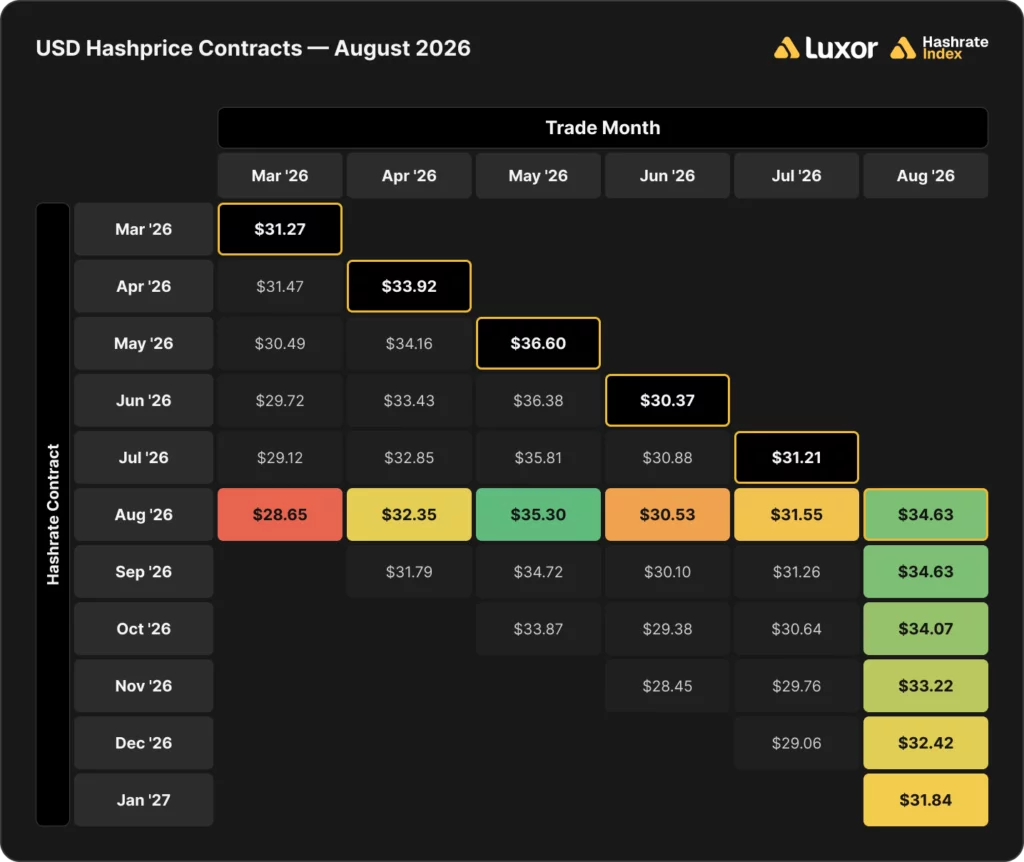
CleanSpark produced 593 Bitcoin in August 2026 as rising Bitcoin prices improved mining revenue during the second half of the month.
Summary
- CleanSpark mined 593 bitcoin in August as average operating hashrate reached 38.3 exahashes per second.
- CleanSpark sold 821 bitcoin and ended August holding 13,703 coins, including 3,951 tied to derivatives.
- August hashprice averaged $34.63 per petahash daily, its highest monthly level since May 2026 data.
- CleanSpark’s peak efficiency implied electricity-only breakeven near nine cents per kilowatt-hour before other operating costs.
- Efficient fleets earned about $87 per megawatt-hour during August, before non-energy mining expenses were deducted.
The Nasdaq-listed company reported average production of 19.12 BTC per day and peak daily production of 20.40 BTC, according to its Sept. 8 update. Its year-to-date production reached 4,903 BTC.
CleanSpark ended August with 13,703 BTC, down from 13,931 BTC on July 31. The decline resulted from the company selling more Bitcoin than it produced during the month.
CleanSpark’s Bitcoin production increased during August
CleanSpark’s August output increased by seven BTC from the 586 BTC produced in July. The company achieved the increase even though its average operating hashrate slipped from 38.6 exahashes per second in July to 38.3 EH/s in August.
Its operational hashrate remained at 50 EH/s. CleanSpark defines operational hashrate as the highest computing power achieved concurrently by installed, energized and functional miners. It does not represent the average amount of capacity running throughout August.
The deployed fleet contained 201,269 machines as of Aug. 31. CleanSpark reported peak efficiency of 16.07 joules per terahash. It also disclosed 808 megawatts of maximum concurrent power use and 1.8 gigawatts of contracted capacity.
The 16.07 J/TH reading is a peak measurement, not the disclosed average efficiency of every operating machine. It therefore cannot be used by itself to calculate CleanSpark’s actual monthly electricity bill.
CleanSpark mining likely cleared electricity costs
Bitcoin mining economics improved during August, particularly after Bitcoin rallied during the final third of the month. Hashprice measures the revenue miners receive for each unit of computing power.
Luxor’s monthly analysis found that hashprice opened August at $31.63 per petahash per day and closed at $39.33. It averaged $34.63 for the month, its highest monthly level since May.
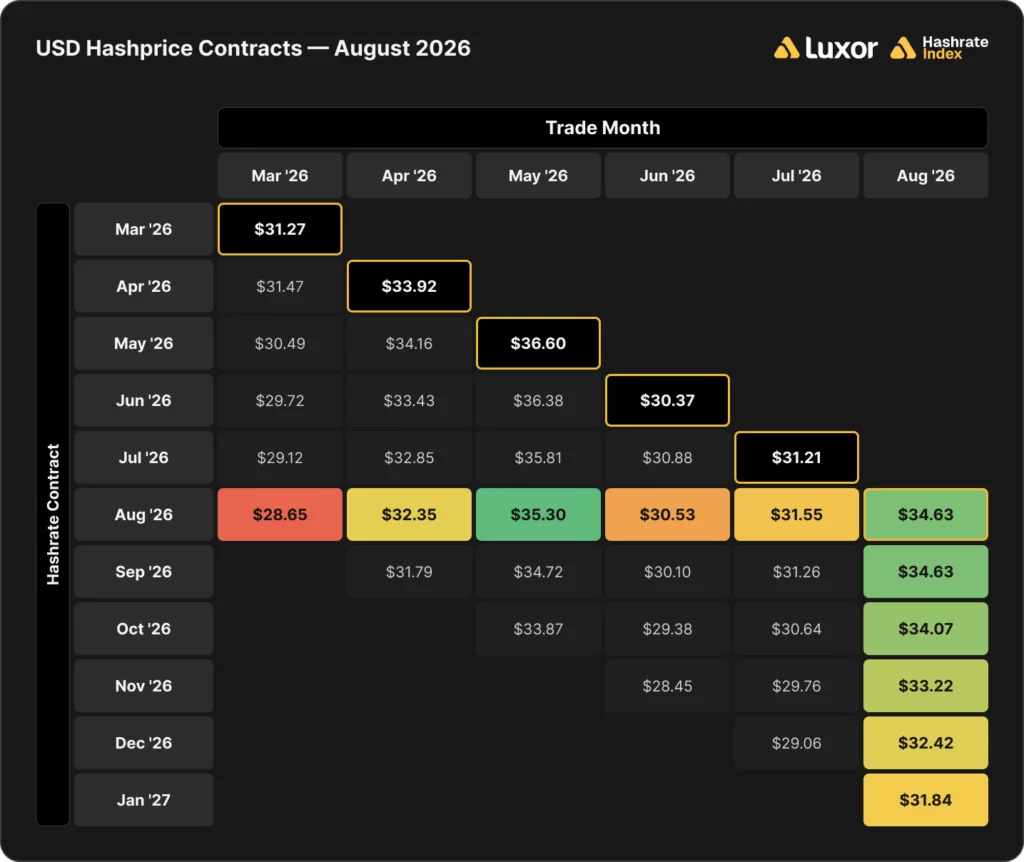
For mining equipment operating at exactly 16.07 J/TH, the August average hashprice produces an electricity-only breakeven price of approximately $0.090 per kilowatt-hour. The calculation divides daily revenue of $34.63 per petahash by approximately 385.7 kilowatt-hours of daily electricity consumption.
That threshold does not include employee costs, maintenance, property expenses, pool fees, depreciation, financing or corporate overhead. CleanSpark also did not disclose its average August electricity price or fleet-wide average efficiency.
Luxor estimated that fleets operating between 14 J/TH and 19 J/TH generated average energy revenue of about $87 per megawatt-hour during August. It estimated the industry’s average power cost at approximately $48 per megawatt-hour.
Those figures indicate that an efficient fleet could generate a positive gross margin after electricity. Since CleanSpark’s reported peak efficiency falls within that range, its best-performing machines likely cleared their direct power costs.
However, the available information does not establish whether CleanSpark’s entire mining operation produced a net profit in August. A definitive answer requires its actual power bill, average fleet efficiency and complete monthly operating expenses.
The broader industry also remained divided between profitable modern fleets and older machines operating below breakeven. Crypto.news previously reported that efficient miners remained profitable while operators using older machines and expensive electricity faced continued pressure.
Bitcoin sales exceeded monthly production by 228 BTC
CleanSpark sold 821 BTC during August. The total consisted of 77 BTC sold at spot prices, 500 BTC sold through call exercises and 244 BTC connected to a delta-neutral basis trade.
The company reported an average sale price of $65,420 per BTC. CleanSpark calculated that figure using net sale proceeds plus premiums generated, divided by the total Bitcoin sold. It is therefore not necessarily the simple spot-market price received for each coin.
With production of 593 BTC and sales of 821 BTC, treasury outflows exceeded new production by 228 BTC. That matches the reduction from 13,931 BTC at the end of July to 13,703 BTC at the end of August.
CleanSpark said 3,951 BTC, or approximately 29% of its holdings, were posted as collateral or recorded as receivables. All were connected to derivative transactions.
Its latest monthly release did not disclose the profits, losses, counterparties or maturity dates associated with those positions. The derivatives may produce premiums or hedge price risk, but they also introduce collateral and counterparty exposure.
Quarterly results do not settle August profitability
CleanSpark’s most recent quarterly financial results provide context but cannot determine its August performance. The quarter ended June 30, two months before the operational period covered by the latest update.
The company reported $138 million in Bitcoin mining revenue and $85.5 million in cost of revenue for that quarter, according to its SEC-filed results. Cost of revenue excluded depreciation and amortization.
Those figures show a positive margin between mining revenue and direct cost of revenue before other expenses. However, CleanSpark recorded a $239 million company-wide net loss. A $116.3 million Bitcoin fair-value loss contributed to that result, while payroll, professional fees and corporate expenses added further costs.
As crypto.news reported, quarterly revenue fell 30.5% from the previous year. The accounting loss should not be treated as evidence that every Bitcoin mined generated a negative direct margin.
Data center construction becomes the next focus
CleanSpark said construction continued at its Sandersville, Georgia, data center campus. The company associates the project with $6.6 billion in contracted revenue. That figure concerns expected revenue over the contract term and has not yet been fully recognized.
In Texas, ERCOT issued conditional batch-zero classifications covering 585 MW of contracted baseload capacity and 300 MW of studied load capacity. Conditional classification does not mean the sites have received every approval needed to operate at full capacity.
CleanSpark said it would continue working with ERCOT and the Public Utility Commission of Texas. Future updates should clarify the sites’ approval status, Sandersville construction and any changes to mining capacity.
The company’s September production report will also provide the next reading on hashrate, Bitcoin sales and treasury holdings. Its next financial filing will be needed to assess actual operating margins after electricity and other expenses.
No market-reaction section has been included because the operational release arrived at 4:15 p.m. Eastern Time on Sept. 8, after the regular U.S. trading session. The available closing price therefore does not provide a clean reaction to the announcement.

Tether has frozen roughly $39.3 million in USDT held across 10 Tron addresses linked to Xinbi Guarantee, a Chinese-language guarantee marketplace that blockchain investigators have tied to billions of dollars in crypto transactions.
Summary
- Tether froze roughly $39.3 million in USDT across 10 Tron addresses linked to Xinbi Guarantee.
- MistTrack first reported the freeze, with the affected wallets holding balances ranging from 1 USDT to about 10.8 million USDT.
- TRM Labs has described Xinbi as one of Southeast Asia’s largest illicit crypto marketplaces, with approximately $24.2 billion in transactions since 2022.
- The action follows previous USDT freezes involving funds linked to Huione Guarantee, another Telegram based guarantee marketplace.
MistTrack, the onchain tracing platform developed by SlowMist, first reported the freeze, saying Tether had blocked approximately 39,273,713 USDT across the 10 addresses.
The freeze adds to a series of actions involving USDT addresses connected to guarantee marketplaces operating through messaging platforms, including Huione Guarantee. MistTrack described the latest action as another potential crackdown on illicit Telegram-based escrow platforms.
Tether freezes $39.3 million linked to Xinbi Guarantee
The balances identified by MistTrack were spread unevenly across the 10 Tron addresses. Data shared by the tracing platform showed that the largest address held about 10.78 million USDT, while three others contained roughly 8 million USDT each.
Another wallet held around 2.04 million USDT, while two addresses contained about 1.28 million and 1.17 million USDT. Three of the addresses held only 1 USDT each at the time represented in MistTrack’s data.
MistTrack’s transaction map linked one of the largest wallets, beginning with TWPma8x, directly to Xinbi Guarantee. The map showed transfers into the address from multiple wallets labeled “Guarantee Merchant,” while funds were sent onward to another Xinbi Guarantee address.
The tracing firm did not identify a law enforcement request behind the freeze in its public statement. Tether had not publicly detailed the reason for targeting the addresses at the time of the report.
The action follows several cases in which the stablecoin issuer has restricted USDT held on Tron. In June, more than $72 million was frozen after onchain investigator ZachXBT traced a wallet that had received 120.2 million USDT and moved funds through exchanges and cross-chain routes.
A month later, crypto.news previously reported that Tether had frozen USDT balances across 131 Tron wallets linked by Chainalysis to ISIS-K after U.S. sanctions authorities added more than 100 crypto identifiers associated with the group.
Earlier data compiled by BlockSec found that Tether blacklisted 4,163 addresses during 2025, freezing $1.26 billion in USDT across Ethereum and Tron. More than $514 million across 370 addresses was frozen during one 30-day period covered by the research.
Xinbi processed $24.2 billion since 2022, TRM Labs says
Xinbi Guarantee emerged on Telegram around 2022 and developed into one of Southeast Asia’s largest illicit crypto marketplaces, according to TRM Labs. The blockchain intelligence company estimates that the platform has processed approximately $24.2 billion in total transaction volume since its creation, including $12.1 billion in observed inflows since May 2025.
The marketplace primarily serves Chinese-speaking users and operates through an escrow model. Guarantee marketplaces connect merchants with buyers while providing transaction infrastructure, with crypto commonly used for settlement.
TRM Labs has linked Xinbi to scam operations, money laundering networks and cybercrime groups operating in Southeast Asia and other regions.
Earlier estimates of Xinbi’s activity were lower as investigators continued identifying transactions connected to the platform. Elliptic research published in May 2025 attributed at least $8.4 billion in USDT transactions to Xinbi since 2022 and found that its user base had increased from 119,000 in August 2024 to 233,000 by May 2025.
The investigation linked merchants on the marketplace to services used by online scammers, including laundering proceeds, fake identification documents and stolen personal information. Elliptic found that approximately $220,000 in USDT connected to the $235 million WazirX hack had passed through Xinbi Guarantee addresses.
By February 2026, TRM Labs estimated that Xinbi had processed $17.9 billion since mid-2025 alone as activity continued despite enforcement measures against Telegram-based marketplaces. Its subsequent profile of Xinbi put total transaction volume since 2022 at $24.2 billion.
Xinbi continued operating after Telegram crackdown
Telegram removed thousands of channels associated with Xinbi Guarantee and Huione Guarantee in May 2025 after blockchain researchers documented their activities.
Xinbi resumed operations soon afterward. TRM Labs found signs that the marketplace had returned to Telegram within days, while some vendors associated with Huione Guarantee and Huione Pay were active on Xinbi.
The platform later began moving parts of its operation away from Telegram. TRM Labs said Xinbi migrated toward SafeW, a messaging service, and introduced NewPay, also known as XinbiPay, as a crypto wallet that did not require know-your-customer checks.
Enforcement against competing guarantee marketplaces changed activity across the sector. After Telegram removed Huione Guarantee’s public channels, researchers found users and merchants moving to alternatives. Elliptic identified more than 30 Telegram marketplaces operating after the Huione shutdown, with Tudou Guarantee receiving a large share of the migration.
Xinbi proved particularly resistant to those disruptions. TRM Labs said its daily inflows nearly doubled in the months following Telegram’s May 2025 ban, while transaction volumes associated with Haowang, Huione and Tudou fell sharply.
Previous freezes targeted Huione-linked USDT
Tether had taken similar action against funds connected to Huione before the Xinbi freeze.
In July 2024, the issuer froze more than $28 million held in a Tron wallet that Bitrace linked to Huione Group’s Guarantee business. Bitrace subsequently reported that Huione attempted to work around the restriction by activating another address and transferring 114,800 USDC from the affected wallet.
Huione Guarantee operated as an escrow marketplace connecting vendors with customers through Telegram, with USDT widely used for payments. Researchers linked vendors on the platform to money laundering, stolen data and tools used in online scams.
Huione later developed its own stablecoin, USDH. Elliptic said the token was promoted as an alternative that could not be frozen by an issuer in the same way as USDT.
Telegram’s May 2025 action subsequently removed channels tied to Xinbi and Huione, but TRM Labs later found that both networks had begun rebuilding or moving activity to other channels and services. Xinbi’s transaction volume continued rising after those restrictions, reaching the $24.2 billion total cited by TRM Labs in March 2026.

Illinois is facing a fresh legal attempt to pause its new digital asset transaction tax before it begins in January 2027. The Crypto Council for Innovation (CCI) and the Blockchain Association (BA) say they have asked a court to issue a preliminary injunction blocking enforcement of the 0.2% levy, arguing the tax is unconstitutional and that affected companies face immediate, irreversible costs.
In a filing reported by the trade groups on Wednesday, CCI and BA asked the Circuit Court of Sangamon County, Illinois, to prevent the state from imposing the tax while their underlying lawsuit proceeds. The groups contend Illinois has not provided adequate clarity on what exactly is taxed and when—while companies are already being forced to build compliance systems under the threat of criminal penalties.
Key takeaways
- CCI and BA have filed for a preliminary injunction to block Illinois’ planned 0.2% tax on crypto transactions before the Jan. 1, 2027 start date.
- The groups argue the tax violates constitutional protections and due process rules, and that companies face irreparable harm from near-term compliance spending.
- Illinois’ measure, signed by Gov. J.B. Pritzker in June, is structured as a “privilege tax” tied to transaction volume rather than income.
- The move escalates a legal dispute that CCI and BA began last month with a constitutional challenge, joined by other industry efforts.
- Illinois is also pursuing restrictions related to prediction markets, with separate litigation involving Kalshi and state actions targeting insider-trading concerns.
Why the injunction request matters ahead of January 2027
According to the motion described by the CCI and BA, the central urgency is timing: the tax is scheduled to take effect on Jan. 1, 2027, but companies say they are already being compelled to prepare for it. CCI CEO Ji Hun Kim said in a statement that firms are being asked to invest “millions” in new systems while the dispute over legality remains unresolved.
Kim’s argument, as presented by the groups, is that this creates irreparable harm because resources and employees are being diverted to compliance planning “under the threat of criminal penalties,” even though the tax’s validity is disputed. The contention is not only about whether the levy should ultimately stand, but whether the state should be allowed to proceed before a court determines the legal issues.
Blocking enforcement temporarily would matter to market participants because a transaction tax can increase operational overhead for exchanges, custodians, and other service providers, and can alter how businesses structure fee models and customer reporting. If compliance systems are built and then later ruled unlawful, the industry says those costs cannot easily be recovered.
Illinois’ crypto transaction tax: the legal theory being challenged
Illinois became the first U.S. state to single out cryptocurrency transactions with a dedicated measure, a point highlighted by the trade groups in their broader campaign against the tax.
As previously reported, Gov. Pritzker signed the legislation into law in June as a “privilege tax” as part of the state’s fiscal year 2027 budget. In this framework, crypto users would be taxed based on transaction volume rather than income, according to earlier coverage by Cointelegraph.
Last month, CCI and BA filed a lawsuit challenging the Illinois digital asset tax. The groups said the tax violates multiple legal standards, including the U.S. Constitution and the Illinois constitution, as well as federal and state due process laws. They also cited the federal Internet Tax Freedom Act in their challenge, a position outlined in the complaint linked by the groups. Earlier coverage from Cointelegraph described that lawsuit and the legal grounds behind it, including the claim that the tax improperly targets digital assets and conflicts with constitutional protections.
In Wednesday’s court filing, CCI and BA argued the state’s “basic questions” about what is taxed and when remain unanswered, while the timeline for enforcement is approaching. Their request for a preliminary injunction therefore aims to pause the practical effects of the law while the courts decide whether the measure can be enforced at all.
Industry pushback expands: why Illinois may not be the last to try
Summer Mersinger, CEO of the Blockchain Association, warned that the stakes extend beyond Illinois. As quoted in connection with the legal action, Mersinger said the state “loses very little by waiting,” while other states and market participants could suffer if Illinois’ approach is upheld. The logic, according to the association’s view, is that if the act survives legal challenges, it could become a template for other states to pursue similar transaction-based crypto taxation.
This is a key dynamic investors and builders tend to watch closely: state-level taxes can shape product design and compliance strategy across jurisdictions, especially for companies that serve customers nationally. A successful injunction in Illinois could send an early signal that transaction-tax models may face significant legal obstacles—though the outcome will ultimately depend on what the court determines about the likelihood of constitutional violations and the balance of harms.
Separately, another industry group, the Digital Chamber, filed a similar lawsuit days earlier, according to coverage summarized by Cointelegraph. While this article focuses on CCI and BA’s injunction motion, the parallel litigation suggests a broader coalition is attempting to challenge the same core measure from multiple angles.
Illinois actions beyond crypto: prediction markets litigation and restrictions
Illinois’ regulatory agenda in digital-asset-adjacent areas is not limited to taxation. The state has also targeted prediction markets through a combination of statutory and executive actions.
Cointelegraph previously reported that Kalshi filed a lawsuit against Illinois officials over a law that went into effect on July 1. That law, Kalshi said, “expressly bans sports event contracts,” and the company argued it violates federal law by effectively requiring state licensing.
In addition, Pritzker signed an executive order in April banning state employees from betting on prediction-market platforms. The stated purpose was to reduce the risk of insider trading as online prediction markets and event-based gambling contracts grow.
Together, these developments show Illinois is simultaneously addressing multiple parts of the crypto and digital finance ecosystem—taxing transactions in one lane while restricting certain market activities in another. For participants, this kind of multi-front posture can raise uncertainty about how different categories of digital finance will be treated, and whether compliance requirements will evolve quickly through court challenges.
While CCI and BA seek a near-term halt through a preliminary injunction, the most important next signal for market participants will be what the court decides about whether the case meets the standard to pause enforcement. Until then, the legal fight over the constitutionality of Illinois’ 0.2% transaction tax—and the state’s broader approach to digital finance—remains a developing risk to watch.


South Korean crypto exchange Upbit listed Cluster Protocol and Useless Coin on Sept. 8 but canceled Hemi’s scheduled debut after identifying evidence of a token theft.
Summary
- Upbit canceled HEMI trading after identifying token theft linked to a September 7 smart-contract exploit.
- The attacker drained approximately 124.5 million unclaimed HEMI and converted proceeds into stablecoins and Ether.
- CP began trading across Upbit’s KRW, BTC and USDT markets using deposits through Base exclusively.
- USELESS trading proceeded against BTC and USDT while Upbit abandoned HEMI before its scheduled opening.
- Hemi said its core tokens, network, tunnels and third-party bridges were unaffected by the exploit.
Upbit initially announced that HEMI and USELESS trading would begin against Bitcoin and Tether at 9:30 p.m. Korea Standard Time. The exchange later updated its notice at 9:12 p.m., 18 minutes before the planned opening, to cancel HEMI support.
The exchange said a security vulnerability had been exploited on the previous day and that HEMI tokens appeared to have been stolen. Upbit said it reviewed how the incident could affect trading before deciding not to open the markets.
Upbit canceled HEMI trading after 124.5 million tokens were stolen
Hemi confirmed that an attacker exploited its legacy Genesis Drop contract at 03:36 UTC on Sept. 7. The project’s post-mortem said approximately 124.5 million unclaimed HEMI tokens were removed.
The attacker used a reentrancy vulnerability in a modified MerkleBox contract. According to Hemi, the contract created token lockups before updating the remaining claimable balance. It also allowed users to configure claim groups with custom lockup contracts.
The attacker created a malicious claim group and repeatedly called the claim function before its accounting updated. The operation used a two-million-HEMI flash loan and recursively executed the claim process 63 times.
Hemi said the attacker sold about 80.15 million HEMI for approximately 158,200 USDT and another 41.4 million for roughly 84,900 USDC. About 2.95 million HEMI were exchanged for 0.3442 hemiBTC.
The sales ultimately generated about $255,000 in stablecoins. The attacker moved the funds across Ethereum, Arbitrum, BNB Chain, Optimism, Avalanche and Polygon before converting most of the proceeds into Ether.
Hemi said the attack involved only the Genesis Drop claim contract. It said the HEMI and veHEMI tokens, Hemi Virtual Machine, native tunnels and third-party bridging systems were not affected. These are project statements based on its internal investigation.
CP and USELESS trading proceeded on Upbit
Cluster Protocol began trading at 2:30 p.m. Korea time across Upbit’s KRW, BTC and USDT markets. Deposits and withdrawals are supported only through Base using Upbit’s specified contract.
Upbit described Cluster Protocol as artificial intelligence infrastructure connecting models, data, GPU computing and AI agents through one interface and an onchain payment system. CP supports payments, staking and participant incentives within the protocol.
The exchange initially restricted CP purchases for approximately five minutes. Sell orders priced at least 10% below the previous closing price were also restricted during that period. Only limit orders were available for the first two hours.
USELESS trading proceeded against BTC and USDT at the planned 9:30 p.m. opening. Upbit supports deposits and withdrawals through Solana only.
USELESS does not claim a technical utility. Upbit described it as a community-focused meme coin built around the satirical idea of promising no product or centralized development roadmap.
The two listings follow Upbit’s recent expansion of smaller-token markets. In related coverage, the exchange added eight trading pairs for four altcoins in August. Upbit also recently introduced direct Korean won access for several tokens.
Hemi faces recovery work and further exchange reviews
Hemi said it identified the vulnerability roughly two hours and 44 minutes after the exploit occurred. The project contacted partners and later referred the incident to the SEAL 911 security response service.
The project said no stolen HEMI remained under the attacker’s control because the tokens had already been sold. However, most converted proceeds remained in an Ethereum address associated with the attacker when Hemi published its report.
Hemi did not announce reimbursements, a recovery deadline or a negotiated return of funds. It said it was tracing the proceeds, working with law enforcement and security firms, and exploring recovery options.
Other exchanges may conduct their own reviews. Bithumb placed HEMI under an investment warning after identifying abnormal withdrawals from the Genesis Drop contract. That process could lead to additional restrictions unless the project addresses the exchange’s concerns.
Upbit said it would strengthen its pre-listing review procedures after canceling HEMI trading. The exchange did not give a new listing date, and the cancellation means HEMI will require a fresh assessment before any future Upbit launch.
The action comes as South Korean regulators continue examining exchange security and consumer protection. As crypto.news reported, authorities have opened sanctions proceedings against Upbit operator Dunamu over a separate wallet breach reported in November 2025.
iPhone owners are switching to Samsung’s foldables at a record clip, the company said.
The iOS switching rate to its Galaxy Z Fold8 series was 1.6 times that of last year’s Fold7 and Flip7. Apple entered the foldable market the same week, under new CEO John Ternus. That sets up a fight for the same iPhone base.
Samsung’s Pull on iPhone Users
In the US, 30% of Galaxy Z Flip8 buyers switched from competing brands, Samsung said. Most were buying a foldable for the first time. Its upgraded Smart Switch tool now moves data from an iPhone via a QR scan, no app install needed.

Samsung shipped the first Galaxy Fold in September 2019, seven years to the day before the iPhone Duo’s debut. That head start is one Samsung is still leaning on.
Apple Counters With the iPhone Duo
The iPhone Duo starts at $1,999 for 256 gigabytes of storage and rises to $3,199 for 2 terabytes, Apple said. It pairs a 7.6-inch inner display with a 5.4-inch outer screen in a titanium body, Apple’s largest iPhone screen yet. Preorders open Oct. 16, with sales starting Oct. 23 in the US and more than 70 other countries.
It marks Ternus’s first major launch since succeeding Tim Cook as Apple CEO on Sept. 1.
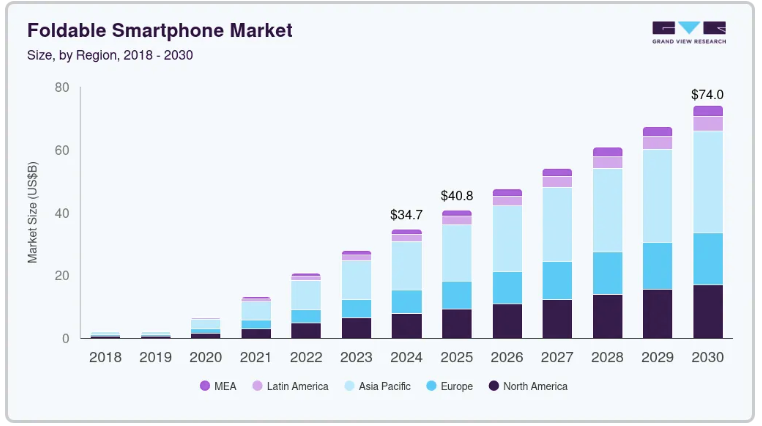
Counterpoint Research projects Samsung will lead the foldable market this year with a 32% share. Apple is expected to take 25%. Huawei remains strong in China, the firm added.
AAPL closed at $315.34, down 0.28%, after the keynote. Bank of America analyst Wamsi Mohan tracked Apple shares falling the day after 10 of its last 24 product launches. That pattern, sometimes called sell-the-news, has historically reversed within 30 to 60 days. Evercore ISI reiterated an Outperform rating with a $365 price target, implying modest upside from current levels.

Samsung’s numbers show it is still winning iPhone loyalists. Whether the Duo can flip that trend may take a full holiday quarter to answer.
The post iPhone Switchers Flock to Samsung Foldables: Will Apple's Duo Change That? appeared first on BeInCrypto.

Hunter Biden’s newly launched “LAPTOP” memecoin started trading on Wednesday with sharp losses, dropping 86.5% within the first 30 minutes. The token—issued on Ethereum layer-2 network Base—was trading at $26.88 at 12:30 pm UTC after opening at $199.50, according to CoinGecko, with the rollout accompanied by more than $2.5 million in early trading volume.
In response to backlash, Biden posted on X that the symbol used in an earlier attempt to “end” him had become one of “resilience, redemption and recovery.” He also urged skepticism toward memecoins and described President Donald Trump’s token as a “grift,” warning buyers not to expect him—or anyone else—to make LAPTOP more valuable.
Key takeaways
- LAPTOP’s early price action was extremely volatile, falling 86.5% in its first 30 minutes after opening at $199.50.
- The token is deployed on Base and, per CoinGecko, drew over $2.5 million in trading volume during the initial window.
- Project disclosures describe LAPTOP as a digital collectible with no utility, voting rights, yield, or profit-sharing.
- Tokenomics allocate 2% of the total supply to wallets that lost money on Trump-related tokens, with additional allocations tied to subscribers and future foundation discretion.
- Base founder Jesse Pollak said Base made a “conscious decision” not to assist with the token’s design or promotion.
Launch chaos and a direct response to critics
The LAPTOP memecoin went live after Biden teased the token on X on Monday with a post featuring the ticker and a montage of media coverage related to the “laptop narrative.” The launch attracted immediate criticism from prominent online commentators, including digital investigator Stephen Findeisen (known as Coffeezilla), who called LAPTOP a “shitcoin” and urged people not to buy.
Despite the sharp selloff, the token quickly became a focal point in political crypto culture. Biden framed the launch as reclaiming a story connected to a MacBook reportedly left at a Delaware repair shop in 2019, with later allegations tied to emails and files published before the 2020 US presidential election. Trump allies used that material in attacks against Hunter Biden and his father, then-presidential candidate Joe Biden.
On Wednesday, Biden’s follow-up message addressed the backlash head-on. He acknowledged widespread cynicism about memecoins, characterized Trump’s crypto efforts as a “grift,” and said buyers should not assume he or anyone else can influence LAPTOP’s value upward.
What the disclosures say about utility—and what they don’t
Project documentation for LAPTOP, hosted as a disclosures PDF, presents the token as a digital collectible with no promised functionality. According to the disclosures, holders receive no utility and do not receive voting rights, yield, or profit-sharing. The token also has a fixed supply of 1 billion, with 350 million tokens circulating at launch.
These terms matter for traders because they clarify that the token’s economic rationale is not tied to revenue generation, staking incentives, or governance mechanics. In practice, memecoins typically rely on attention and liquidity rather than underlying product utility—something the disclosures explicitly align with.
Token allocation, “TRUMP-loss” airdrops, and future governance by discretion
The disclosures allocate 300 million tokens (30% of the total supply) to founders, including Biden. Those tokens are locked for six months and then vested monthly over the following 24 months. Another 30% of the supply is reserved for “political, cultural and crypto predictions,” with tokens burned if specified outcomes occur and released to charity if they do not.
A key point for supporters and skeptics alike is the project’s airdrop plan. The disclosures outline an initial airdrop representing 10% of the total supply. Within that initial allocation, 2% is reserved for wallets that lost money on TRUMP token-related activity, while 8% is earmarked for eligible subscribers to Biden’s “Where’s Hunter” Substack newsletter.
In addition, the disclosures describe a separate 10% future airdrop to be distributed at the foundation’s discretion. Combined, the disclosures suggest that 20% of the total supply is dedicated to airdrops, but the portion specifically linked to “TRUMP-loss” wallets is capped at 2%.
This structure creates an important asymmetry: while the narrative emphasizes reimbursement for those who lost money on TRUMP-related tokens, the explicit cap limits the scale of that outcome. Meanwhile, a meaningful portion remains subject to later discretion, which investors may want to monitor closely—especially if the project’s later criteria become contentious.
Base’s stance and the question of platform involvement
Even with the project deployed on Base, the network’s relationship to the token rollout appears intentionally limited. Base founder Jesse Pollak stated on X that the project contacted his team, but that Base made a “conscious decision” not to help with the token’s design or promotion.
That distinction may influence how readers interpret the launch: while Base hosts the token’s infrastructure, Pollak’s comments suggest it did not provide endorsement or development support. For participants, this is a reminder that token deployments can happen on a chain without the platform taking responsibility for the market outcomes or the promotional strategy surrounding the asset.
Cointelegraph reported that Biden did not respond to its query before publication.
As LAPTOP continues to trade, the next variables readers should watch are straightforward: how liquidity evolves after the initial dump, whether subsequent airdrop criteria and distributions follow the disclosures as written, and how the market reacts to the project’s founder-locked and vested supply schedule.
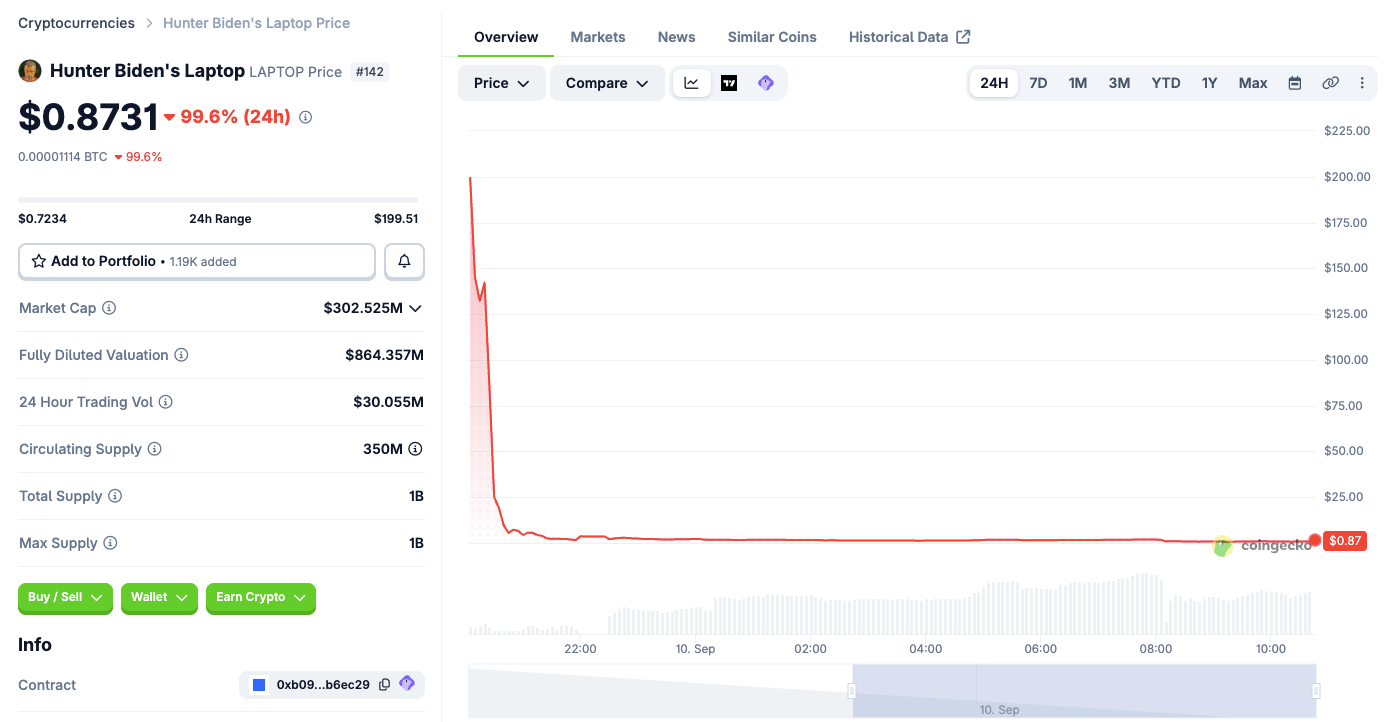
A crypto trader tried to catch Hunter Biden’s LAPTOP, a meme coin built on Base, on the way down. It fell anyway, and he has already lost most of the $170,000 he spent buying the dip.
The trader bought 28,448.72 LAPTOP at $5.97 apiece, according to on-chain tracker Lookonchain. That stake is now worth about $21,000, an 87% loss from the purchase price, as it sits at $0.87 per token, according to a wallet tracked by DeBank.
A Coin Built to Crash
LAPTOP launched Wednesday and lost roughly 98% of its value within an hour, according to Quartz. It slid from a peak of $190.81 to as low as $3.70. The token settled near $4.77 an hour after opening. That valued it near $1.6 billion against a liquidity pool of just $2.5 million.
The mismatch was even starker earlier on. Blockchain intelligence firm Arkham found the pool backing LAPTOP trades held roughly $48,000 shortly after launch. The token’s fully diluted value briefly reached $144 billion.
Hunter Biden, the 56-year-old son of former President Joe Biden, built the token around his laptop. He left the device at a Delaware repair shop in 2019, and its contents fueled years of political controversy.

They turned laptop into a weapon. I turned it into a token.
— Hunter Biden, via Bloomberg
Taking Aim at Trumps’s Memecoin
Founders, including Biden, hold 30% of the coin’s one billion tokens, locked for six months and vesting over two years.
The Wall Street Journal reported the terms first. Another 20% goes to wallets burned by Trump’s coin, plus Biden’s Substack subscribers. A third slice goes to a mailing list tied to video journalist Andrew Callaghan. He says he has no role in the project.
The launch doubled as a jab at Trump. His TRUMP token still trades roughly 97% below its January 2025 peak, more than a year after debut.
I also want to make some money.
— Hunter Biden, via Bloomberg
The trader who bought at $5.97 was not the only one chasing LAPTOP’s opening spike. Another wallet spent $200,000 near the all-time high, and that stake shrank to a few thousand dollars within hours.
For the dip buyer, the second crash offers a reminder. The coin’s volatility did not end with its opening hour. A thin order book can punish latecomers just as easily as it punished the traders who bought the top.
The post Trader Buys $LAPTOP Dip at $5.97, Loses 87% More as Token Craters appeared first on BeInCrypto.
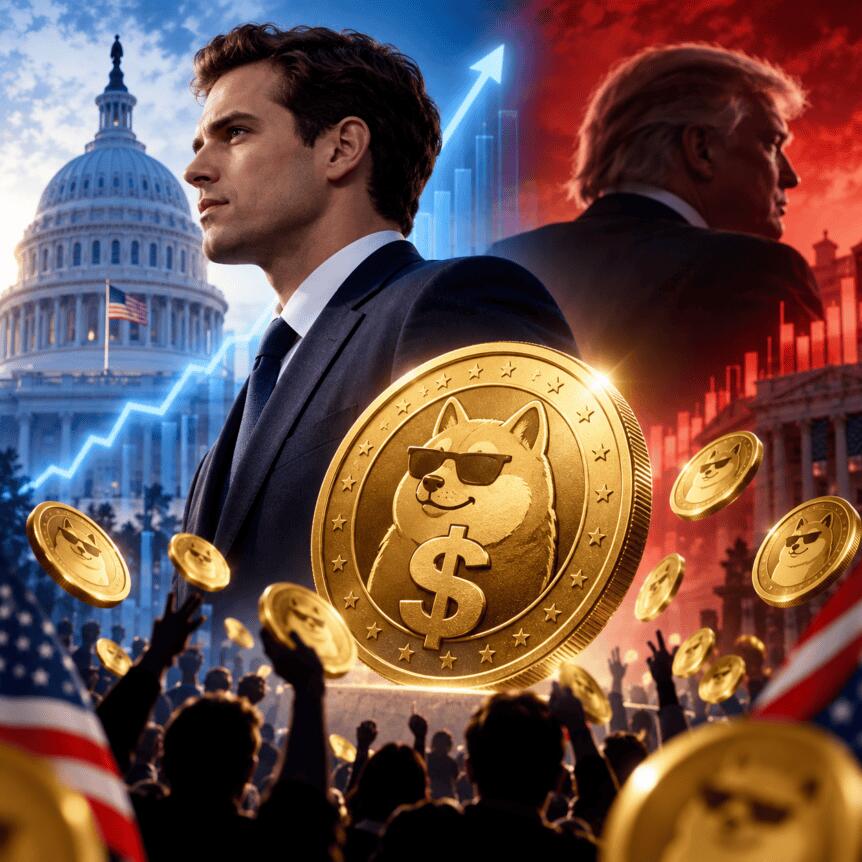
Hunter Biden says he is preparing to launch a new memecoin called LAPTOP, using as its namesake the laptop that has been a long-running subject of political and legal controversy.
In a post on X on Monday, Hunter Biden shared the token ticker and indicated a Wednesday launch for the memecoin. The move comes as U.S. crypto legislation and high-profile political crypto projects continue to draw public attention.
Key takeaways
- LAPTOP is scheduled to launch on Wednesday, after Hunter Biden posted its ticker on X.
- Reporting from The Wall Street Journal says 20% of the one-billion token supply would be directed to substack subscribers, mailing-list members, and investors in Donald Trump’s memecoin Official Trump (TRUMP).
- The memecoin is tied to the “infamous laptop” story—an issue that has been widely revisited in U.S. politics and has been subject to legal action involving privacy claims.
- According to the same reporting, founders would hold 30% of the supply and could burn up to 30% depending on future conditions.
- Any launch would land amid renewed congressional momentum toward the CLARITY Act, with a Senate cloture vote set for Sept. 15.
How Hunter Biden frames the memecoin launch
Hunter Biden’s announcement points to a deliberate blend of crypto marketing and political narrative. The token’s ticker—$LAPTOP—signals that the memecoin’s central theme is the computer associated with allegations surrounding his family during the 2020 election cycle.
That laptop story has remained prominent in parts of the media ecosystem, and its existence and contents have been discussed repeatedly in connection with privacy-related disputes. Biden, according to the article’s background, has pursued two lawsuits tied to privacy laws connected to the laptop narrative.
While the memecoin announcement itself does not resolve the underlying political controversy, it does show how persistent those narratives remain—and how they can be repackaged into tokenized communities.
Token distribution, supply plan, and conditions for potential burns
Coverage from The Wall Street Journal reports additional details about how the token supply may be allocated. The outlet said Biden plans to allocate 20% of the total one-billion token supply to:
- substack subscribers
- members of a mailing list
- investors in President Donald Trump’s memecoin, Official Trump (TRUMP)
TRUMP’s market performance has been under scrutiny as well; the same report states its value is down roughly 97% from its all-time high reached in January 2025.
The article also notes that the LAPTOP founders hold 30% of the token supply and that they could burn up to 30% of the memecoin supply depending on outcomes that include political and market milestones—such as a Democrat winning the presidency in 2028, Bitcoin reaching a new all-time high, and LAPTOP’s fully diluted value exceeding TRUMP.
For investors and traders, these kinds of conditional supply mechanics matter because they can influence perceived scarcity narratives—even when they depend on future events rather than immediate tokenomics. What remains unclear is how these conditions would be measured in practice, and how transparently they would be implemented once the token is live.
Why this timing could resonate with lawmakers
The announcement also arrives during a period when lawmakers are actively working on broader digital asset rules. The article points to U.S. Senate consideration of a comprehensive market structure bill, the Digital Asset Market Clarity Act, known as the CLARITY Act.
According to the provided information, the Senate is scheduled to hold a cloture vote on Sept. 15. A cloture vote is a procedural step that can be used to limit debate and move legislation toward a final vote.
Memecoins that are tied to major political figures and prominent political narratives can quickly become a stress test for regulators: they often combine marketing-driven community incentives with token distribution structures that resemble traditional fundraising dynamics, but without the same level of clarity investors may expect from regulated products.
Earlier coverage in the same ecosystem has also highlighted how politicians’ crypto projects continue to draw scrutiny and controversy, suggesting that legislators may face pressure to define how these tokens should be treated—especially when they appear to be aligned with political stakeholders.
Hunter Biden’s crypto posture and the contrast with World Liberty
Beyond the memecoin itself, the launch fits into a broader pattern described in the article: since Joe Biden left office in January 2025, Hunter Biden has increased his public rhetoric on crypto and blockchain.
The piece highlights criticism from Biden aimed at the Trump family’s involvement with the industry through World Liberty Financial. It cites Biden calling World Liberty “corruption at a scale we’ve never seen,” drawing comparisons to the defunct exchange FTX, and pointing to alleged ties to foreign governments such as the UAE.
It also references comments from June where Biden said “decentralized digital currency and the blockchain are the inevitable future.” In the context of a memecoin launch, those statements underscore an apparent tension: Biden can be both an outspoken critic of certain crypto-linked political enterprises and a promoter of the idea that blockchain networks will continue to expand.
What remains to be seen is how LAPTOP will be positioned once it launches—whether it remains primarily an attention-driven cultural token or evolves into something with more operational transparency that would better satisfy the standards lawmakers may be considering during the CLARITY Act process.
As Wednesday’s release approaches, readers should watch closely for whether the announced distribution and any proposed supply burns are documented clearly on-chain, and how the project’s mechanics are communicated—especially as U.S. regulators move toward potential market-structure rules in the coming weeks.

Novel Blue Moon kit targeting Chrome and Windows reflects new reality of AI-driven exploits

Why This Bitcoin Dip Is Actually Bullish | Mike Alfred

Xabi Alonso attones for big Chelsea FC mistake and key talking points from Leeds win


-
 Crypto World1 day ago
Bitcoin price risks $76K drop as $78K support weakens
-
 Tech2 days ago
Memory prices are slowing because buyers ran out of money
-
 Crypto World1 day ago
Ethereum price stalls below $2,500 as ADX drops to 11
-

 Crypto World1 day ago
Robinhood Stock: How To Take Advantage With Reduced Risk
-

 NewsBeat1 day ago
What went right this week: an ‘historic’ fall in violent crime, plus more
-
 Sports2 days ago
Phones confiscated, players sent home: Pakistan’s England tour turmoil revives memories of Mohammad Amir, Salman Butt and Mohammad Asif’s 2010 Lord’s spot-fixing scandal | Cricket News
-

 NewsBeat2 days ago
England up in reading, maths and science rankings as Scotland and Wales dip
-
 Crypto World20 hours ago
Bitcoin price holds near $79K as cycle drawdowns narrow
-
 Crypto World2 days ago
Brent Crude Oil Moves Above $100 for the First Time in 3 Months
-

 Business1 day ago
Meta debuts long-awaited personal AI agent, Muse
-
 Crypto World2 days ago
Visa expands stablecoin card network to 160 programs
-

 Business2 days ago
Egyptian TV Presenter Sarah Khalifa, 11 Others Sentenced To Death In Major Drug Trafficking Case In Cairo
-
 Tech2 days ago
Strong Password Policy and Password Manager Guide
-
 Crypto World1 day ago
Intel Stock Jumps 9% on Chip Price Hike Report, US Stake Gains $36 Billion
-

 Tech1 day ago
Meta debuts its Muse AI agent. Will consumers trust it?
-

 Entertainment1 day ago
Big Brother Spoilers: Dee SPINS & HUSTLES Votes – Yash Questions the Pact
-

 Crypto World2 days ago
Pump Fun and Kraken delete Hunter Biden $LAPTOP promotion
-

 Sports1 day ago
Ballon d’Or 2026 Nominees: Lionel Messi In, Cristiano Ronaldo Out; Erling Haaland Included In Top 30
-

 Business1 day ago
ServiceTitan, Inc. (TTAN) Q2 2027 Earnings Call Transcript
-

 Tech2 days ago
Google’s revived nuclear power plant gets $1.9B loan from US government
You must be logged in to post a comment Login