
Crypto World
USA Rare Earth (USAR) Stock Slides 3.6% Despite Major Production Milestone and Strong Insider Buying


Key Highlights
- USAR shares dropped 3.6% on Friday, reaching an intraday low of $15.05 before settling near $15.42, with trading volume significantly lighter than typical sessions.
- The firm launched its commercial-scale magnet manufacturing facility in Stillwater, Oklahoma, positioning itself to accept customer orders for sintered NdFeB permanent magnets beginning in Q2 2026.
- Initial production (Phase 1a) is projected to achieve an annual run rate of 600 metric tons by Q4 2026, with total facility capacity expanding to 1,200 mtpa by Q1 2027.
- Wall Street analysts collectively rate the stock a “Moderate Buy” with an average price target of $34.33 — representing potential upside exceeding 120% from current levels.
- Company insiders control approximately 46.6% of outstanding shares, with two board members acquiring a combined $2.17 million worth of stock in January.
USA Rare Earth (USAR) finished Friday’s session at $15.42, marking a 3.6% decline from Thursday’s closing price of $16.00, after touching a session low of $15.05.
The rare earth company achieved a significant operational milestone this week, declaring successful commissioning of its commercial magnet manufacturing line at the Stillwater, Oklahoma location. This development positions the firm to begin processing customer orders for sintered neodymium-iron-boron (NdFeB) permanent magnets from the second quarter of 2026 onward.
Friday’s price retreat occurred alongside subdued trading activity, with approximately 8.74 million shares changing hands — representing roughly 55% below the stock’s typical daily volume of 19.5 million shares.
According to company statements, the commissioning represents a sophisticated, multi-phase manufacturing process. Raw rare earth and metallic components are transformed into ultra-fine powder, then jet-milled to particle sizes between 3 and 5 microns within oxygen-controlled environments. The material subsequently undergoes pressing, precision machining, protective coating application, and magnetization to produce finished magnets.
Over 100 workers at the Stillwater location oversee the complete production cycle.
USAR’s initial Phase 1a manufacturing line is projected to scale up to an annual production run rate of 600 metric tons (mtpa) by the conclusion of Q4 2026.
Expansion of Manufacturing Capacity
With the addition of a subsequent production line, the company forecasts total operational capacity at the Stillwater site reaching 1,200 mtpa by the first quarter of 2027.
Technical indicators show the stock trading significantly below its 50-day moving average of $20.15 and its 200-day moving average of $18.76 as of Friday’s close.
USAR maintains a market valuation near $2.05 billion, posts a PE ratio of -29.65, and displays a beta coefficient of 1.05.
Wall Street Outlook and Insider Transactions
Notwithstanding the recent price weakness, analyst sentiment remains constructive on the stock. Six research firms maintain Buy recommendations while one holds a Sell rating, resulting in a consensus “Moderate Buy” assessment. The mean price objective stands at $34.33 — more than doubling Friday’s trading level.
Canaccord Genuity elevated its price target from $23 to $33 during January, while Cantor Fitzgerald increased its forecast from $28 to $35, maintaining an “overweight” stance.
Benchmark initiated coverage with a Buy recommendation in January, and UBS reaffirmed its Buy rating in December.
Insider purchasing activity has intensified recently. In late January, Board Member Michael Blitzer acquired 100,000 shares at $21.44 per share, representing an investment of roughly $2.14 million. This transaction expanded his holdings by 13.4%.
Board Member Carolyn Trabuco similarly purchased 1,300 shares at $22.60 during the same timeframe.
Collectively, company insiders now control approximately 46.6% of USAR’s total outstanding equity.
Institutional investors have also been accumulating positions. Larson Financial Group expanded its stake by 217.5% during Q4, while NewEdge Advisors increased its holdings by 158.2%.
The company’s flagship Round Top deposit located in West Texas — a polymetallic rare earth resource — continues to serve as its primary asset base, while the Stillwater manufacturing facility represents its strategic move into downstream production capabilities.
The Phase 1a commissioning milestone establishes USAR’s entry into commercial-scale magnet manufacturing, with the subsequent production line anticipated to elevate total output capacity to 1,200 mtpa by early 2027.



Binance is successfully courting institutional trading activities, but a growing wave of data security alarms on its retail front threatens to complicate the firm’s ambitions.
The world’s largest cryptocurrency exchange by market capitalization has started 2026 with explosive momentum in its over-the-counter trading division. In January and February alone, Binance’s OTC platform recorded 25% of its total volume for all of 2025.
Captcha Bypass Exposes 1.5 Million Binance Users in Scraping Attack
This sharp rise reflects a broader market maturation, as large-cap investors and institutional players increasingly seek private execution channels for massive trades.
Binance CEO Richard Teng explained that these entities prioritize deep liquidity to avoid slippage and market disruption. The exchange’s OTC desk allows buyers and sellers to execute block trades directly, shielding their strategies from public order books.
However, beneath this institutional polish, operational red flags are mounting.
On March 28, cybersecurity platform VECERT reported that a threat actor operating under the alias PexRat offered a private database containing the personal information of 1.5 million Binance users for sale.
The leaked data purportedly includes full names, email addresses, phone numbers, and Know Your Customer verification statuses.
More alarmingly, the threat actor claims to possess victims’ last-login IP addresses, device user agents, and two-factor authentication statuses. This includes whether users rely on SMS, email, or dedicated authenticator apps.
Meanwhile, the potential exposure of 2FA logs and KYC data presents a severe operational risk. It leaves compromised users highly vulnerable to targeted SIM-swap attacks and sophisticated phishing campaigns.
Crucially, VECERT’s analysis of the authentication logs and sample data revealed that Binance’s internal servers were not directly breached. Instead, the firm outlined a sophisticated credential stuffing and scraping operation.
“The evidence suggests that the attacker managed to bypass or abuse security mechanisms (such as Captcha) in the login interface or some platform API, allowing a constant flow of unblocked requests,” VECERT explained.
This incident follows a January report by cybersecurity researcher Jeremiah Fowler, who uncovered roughly 420,000 Binance-linked credentials exposed via similar infostealer malware.
Ultimately, these events present a critical stress test for Binance’s cybersecurity practices, as the exchange cannot afford the continued automated scraping of its users’ data.
The post Hackers Reportedly Leak 1.5 Million Binance Account Login Data appeared first on BeInCrypto.
Bloomberg ETF analyst Eric Balchunas argues that Bitcoin (BTC) has entered the same adoption phase that took Facebook from 1 billion to 3 billion users.
The comparison frames BTC’s loss of countercultural appeal as a sign of maturation, not decline, with spot Exchange-Traded Funds (ETFs) acting as the catalyst for mainstream entry.
ETF Expert Likens Bitcoin to Facebook’s “Uncool” Phase, Bullish?
Balchunas, Bloomberg Intelligence’s senior ETF analyst and co-host of the Trillions podcast, compares Bitcoin’s current moment to when older generations flooded Facebook.
“Bitcoin rn feels like when your parents joined Facebook. On one hand, it’s not as ‘cool’ anymore because of the Boomers, but on the other hand, Facebook’s user base grew from like 1 billion to 3 billion people since the coolness factor went away, so..,” wrote Balchunas.
Follow us on X to get the latest news as it happens
Facebook hit 1 billion monthly active users in 2012, according to Meta data. By the end of 2023, that figure reached 3.07 billion.
Year-over-year growth rates collapsed below 10% after 2013, yet the absolute user base nearly tripled during that “boring” stretch.
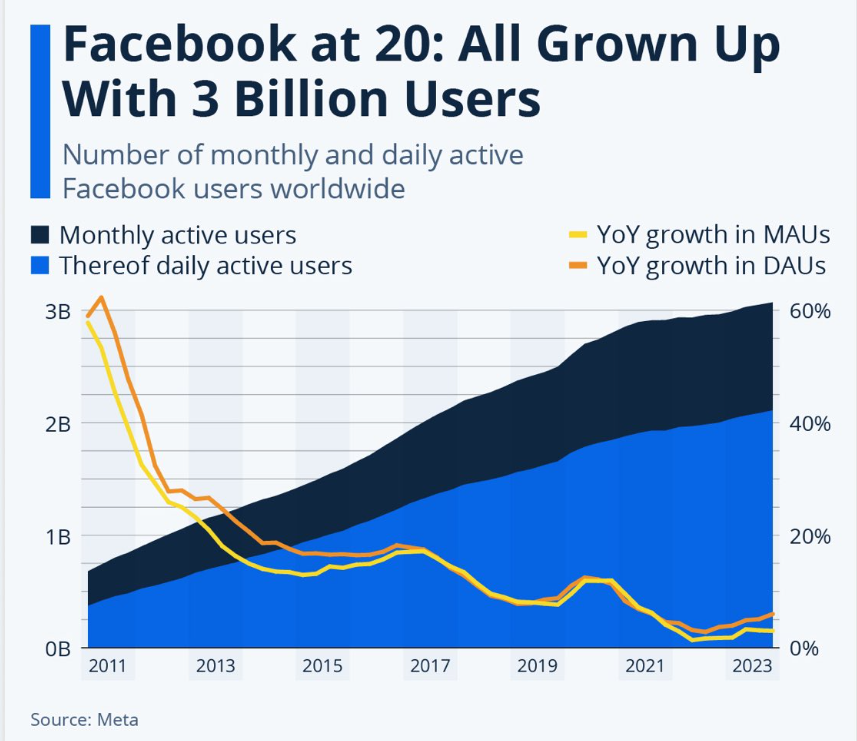
The Numbers Behind the Analogy
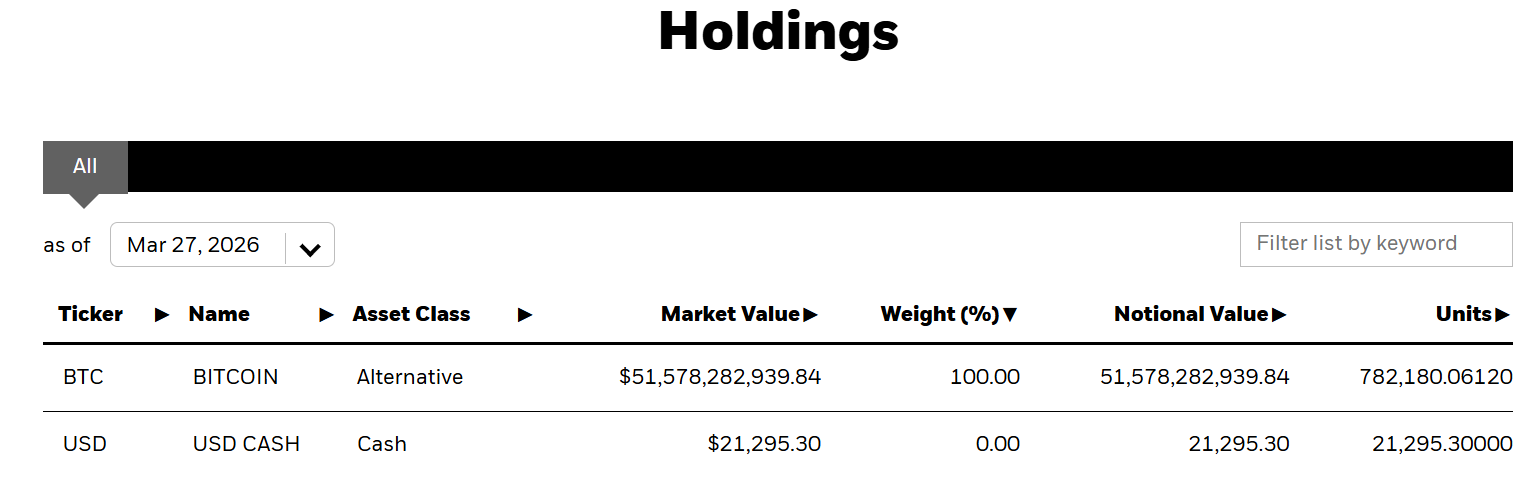
Balchunas also asked for hard data on Bitcoin holder growth over 3, 5, and 10 years. He noted that BlackRock reported roughly 1 million people bought its iShares Bitcoin Trust (IBIT) in the fund’s first year alone.
Current estimates place the number of global Bitcoin holders at approximately 106 million, up from a range of 30 to 50 million in 2021.
IBIT now holds 782,180 BTC, representing about 3.9% of the total supply.
Meanwhile, some macro analysts note that no-coiners keep declaring Bitcoin dead, yet really, it’s just getting started.
When an asset loses its identity-driven appeal and attracts broad, passive capital, that transition often marks the start of its largest growth phase, not the end.
Can Bitcoin’s holder base follow Facebook’s trajectory from 1 billion toward 3 billion? The directional trend since ETF approval points in that direction.
Subscribe to our YouTube channel to watch leaders and journalists provide expert insights
The post Analyst Says Bitcoin Just Hit the Phase That Tripled Facebook’s User Base appeared first on BeInCrypto.


Strategy (MSTR), the largest publicly traded holder of bitcoin, did not seem to have increased its BTC position last week.
Executive Chairman Michael Saylor usually signals upcoming purchases on X each Sunday, followed by a detailed update around 8 a.m. ET on Monday. There was no customary Sunday “Orange Dot” post to signal a purchase. Instead, Michael Saylor posted about the company’s perpetual preferred equity offering, Stretch (STRC) instead.
The apparent pause snaps a streak of roughly thirteen consecutive weekly purchases that began in late December, acquiring 90,831 BTC in the process.
According to the company’s dashboard, the Tysons Corner, Virginia-based firm currently holds 762,099 bitcoin at an average acquisition price of $75,694 per token.
The break in buying activity comes with MSTR still trading about 76% below its all-time high and bitcoin below $67,000.
Crypto World
Bitcoin Slides to $66K as XRP, Ethereum, and Solana Crash: Here Is What Triggered the Drop

TLDR:
- Bitcoin, XRP, Ethereum, and Solana each fell 6–8% this week, wiping over $80 billion from the crypto market.
- A $14.16B Bitcoin options expiry on March 27 liquidated 122,000 traders and triggered $451M in total losses.
- Iran’s threat to block a second oil chokepoint pushed crude above $103, accelerating the crypto selloff sharply.
- Stablecoin supply near a record $316B signals parked capital ready to return once market conditions stabilize.
Crypto markets are facing one of their roughest stretches of 2026. Bitcoin, XRP, Ethereum, and Solana have each dropped between 6% and 8% over the past seven days.
The selloff has erased more than $80 billion in total market value since March 24. A record-breaking options expiry, rising geopolitical tension, and heavy ETF outflows all hit at once. The Fear & Greed Index now sits at 23, deep in extreme fear territory.
Three Reasons Crypto Is Crashing This Week
The single biggest catalyst was the March 27 Bitcoin options expiry on Deribit. It was the largest quarterly expiry of 2026, settling $14.16 billion in contracts.
The max pain level sat at $75,000, far above where Bitcoin was actually trading. That gap triggered forced selling across the board, liquidating over 122,000 traders. Total liquidation losses reached $451 million within 24 hours.
Iran’s threat to block the Bab el-Mandeb Strait made things significantly worse. That strait carries 12% of global seaborne oil and sits alongside the already-closed Strait of Hormuz.
Oil crossed $103 per barrel on the news, pushing investors away from risk assets. The gold-to-crypto rotation that had helped Bitcoin recover in early March reversed sharply. Crypto sold off alongside equities as fear spread through financial markets.
ETF outflows added further weight to an already struggling market. Bitcoin ETFs bled $171 million on March 26, while Ethereum ETFs shed $92.5 million the same day.
That marked Ethereum’s seventh consecutive session of net outflows. It was also the first time in 2026 that Bitcoin, Ethereum, and Solana spot ETFs all posted outflows on the same day. Institutional selling pressure is now visible across all three major ETF categories.
The macro environment was already working against crypto before this week. The Federal Reserve revised its 2026 PCE inflation forecast upward from 2.4% to 2.7% at its March 18 meeting.
That pushed rate cut expectations further out into the year. The 10-year Treasury yield climbed near 4.5%, and the dollar index gained 0.57% in seven days. When yields rise and the dollar strengthens, capital tends to rotate out of crypto and into bonds.
A 15% global tariff overhang has been adding pressure to risk assets since early 2026. That backdrop gave investors little reason to buy the dip when options mechanics and geopolitical risk hit simultaneously.
There was no cushion underneath the market when the selling accelerated. Each external factor compounded the next, making the crash broader and faster than it might have been otherwise.
Where Prices Stand and What a Recovery Requires
Bitcoin dropped from $71,000 at the start of the week to $66,457 as of March 28. That puts it 47% below its October 2025 all-time high of $126,080.
The $66,000 level is now the key support to watch. A daily close below it would be the first time Bitcoin has lost that floor since February’s crash. If that happens, analysts warn a move toward $50,000 could follow.
Ethereum broke below $2,000 for the first time since mid-2024, falling 7.24% on the week. It is now 60% below its August 2025 peak of $4,953. XRP dropped to $1.33, down 7.03%, despite the SEC recently classifying it as a digital commodity.
Solana fell the hardest of the four, losing 7.62% to trade at $83.10. SOL is now 72% below its cycle high, with on-chain activity also declining alongside price.
A ceasefire or de-escalation in the Iran-Israel conflict remains the fastest path to a recovery. When ceasefire reports emerged in early March, Bitcoin gained 16% in just five days.
Oil falling back below $90 would ease inflation pressure and bring risk appetite back to markets. The CLARITY Act is also moving toward a Senate Banking Committee markup in late April. If passed, it would give institutions the legal framework they need to increase crypto exposure.
Stablecoin supply is sitting near a record $316 billion, showing that capital has not fully left the crypto ecosystem. That liquidity could flow back into Bitcoin, Ethereum, XRP, and Solana once conditions improve.
Consecutive days of positive ETF inflows across multiple assets would signal that a recovery is beginning. Until then, the $66,000 Bitcoin level remains the market’s clearest indicator of what comes next.
Bitcoin long positions on Bitfinex have surged to roughly 79,343 BTC, the highest level since November 2023. Analysts view this spike as a warning signal.
Historically, similar buildups in leveraged longs have coincided with local price tops or sharp declines.
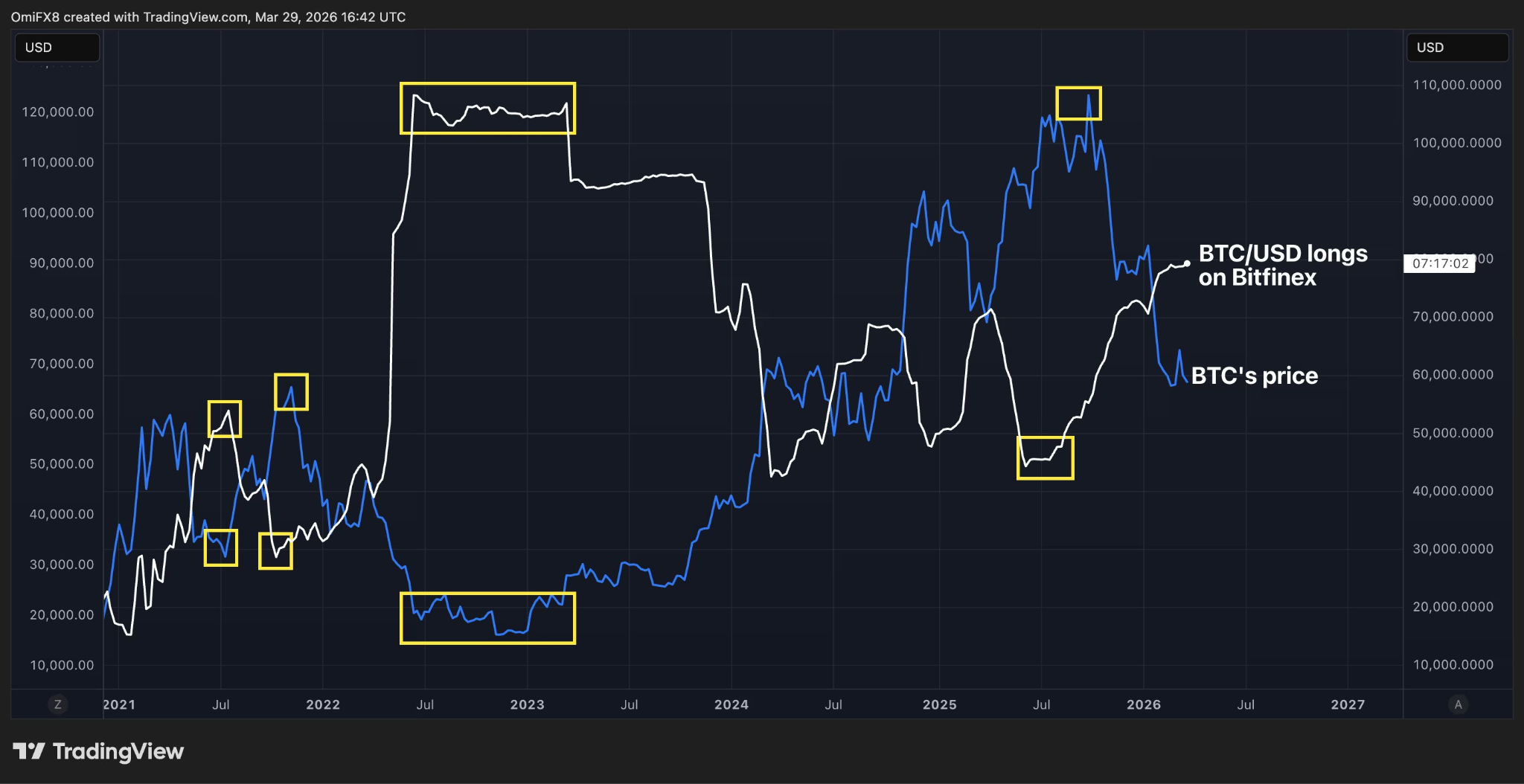
This metric reflects margin traders betting on higher prices. However, when positioning becomes crowded, the market often turns fragile.
Is Bitcoin Price About to Crash Hard?
With many traders already long, fewer buyers remain to sustain upward momentum. As a result, price rallies tend to stall.
Moreover, these positions are typically leveraged. If Bitcoin drops even slightly, forced liquidations can trigger rapid selling. This creates a cascade effect, where falling prices lead to more liquidations and deeper declines.
Past cycles have shown this pattern repeatedly during periods of excessive long exposure.
At the same time, broader macro conditions remain uncertain. Equity markets have weakened, and geopolitical tensions continue to weigh on risk assets.
Bitcoin has recently traded in a tight range, struggling to break resistance. In such an environment, crowded long positioning increases vulnerability to downside moves.
Large market participants also monitor these imbalances. When positioning becomes one-sided, they may push prices lower to trigger liquidations and accumulate at cheaper levels.
This dynamic is common in derivatives-driven markets.
Bitcoin’s current structure remains range-bound. However, the surge in Bitfinex longs suggests the market is overextended on the bullish side.
Unless strong spot demand emerges, the risk of a sharp correction remains elevated.
The post Bitcoin Longs Hit Multi-Year High on Bitfinex, Raising Downside Risk appeared first on BeInCrypto.
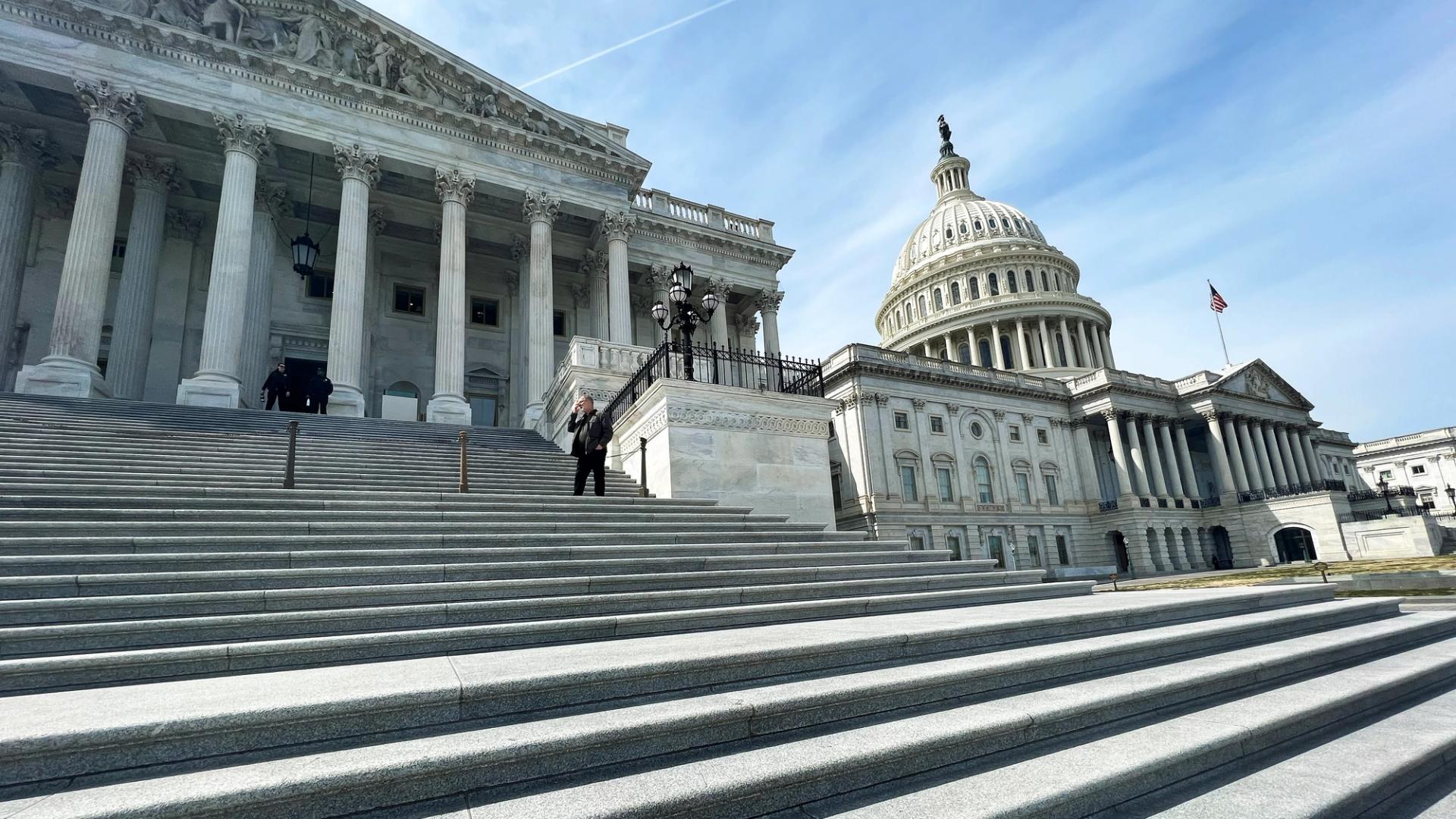
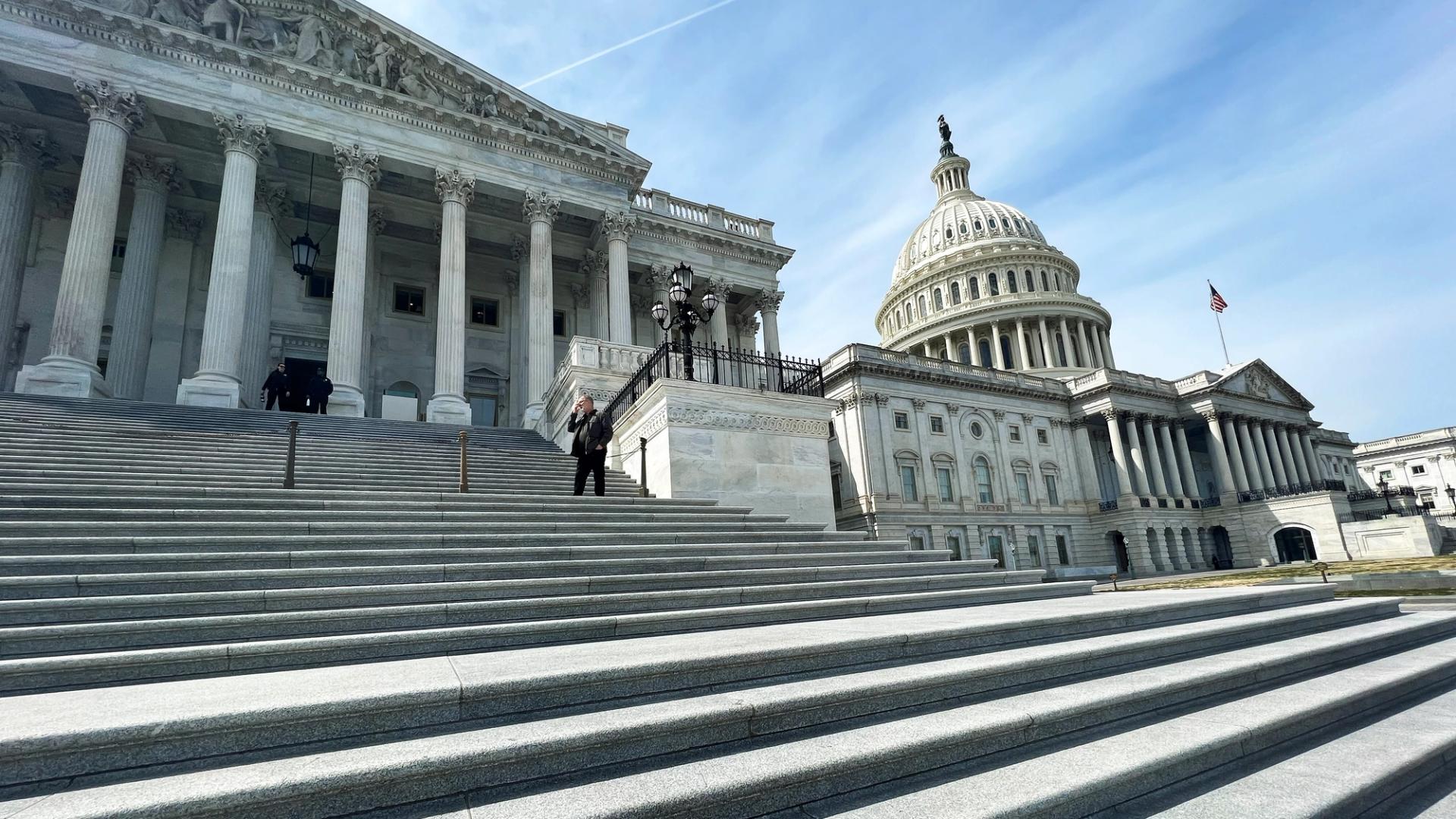
Industry representatives saw the crypto market structure bill’s proposed yield language on March 23 and 24. The internet — at least X (formerly Twitter) — was unhappy, but it may not matter much.
You’re reading State of Crypto, a CoinDesk newsletter looking at the intersection of cryptocurrency and government. Click here to sign up for future editions.
The narrative
We* have new language outlining how the crypto market structure bill could address stablecoin yield.
*Only some people have seen the language, though it should be released for public consumption and review next.
Why it matters
Senator Cynthia Lummis (R-Wyo.) said earlier this month that she expected a market structure bill markup — the hearing where lawmakers debate amendments and language before voting on a bill — in the second half of April. Lawmakers have taken the first step toward that markup with an agreement on crypto market structure legislation.
Breaking it down
Crypto and banking industry representatives saw the proposed “agreement-in-principle” announced last week by Senators Angela Alsobrooks (D-Md.) and Thom Tillis (R-N.C.) at the start of this past week, with crypto representatives meeting with legislative staffers on Monday and banking representatives meeting with staffers on Tuesday.
No one appears to be particularly happy with the agreement. The language has not yet been released publicly, though it should come out this upcoming week. Concerns range from the possibility that the proposed language will call for regulators to draft new rules around permissible activity to how it might restrict stablecoin yield balances.
It’s unlikely that the language will see major revisions, though one person familiar said they expected there could be some minor changes. Many of the necessary changes are just technical tweaks, they said.
Still, industry interests appear headed toward presenting some sort of counterproposal on the language. It remains to be seen how far that goes.
This week
- Congress is expected to be on its two-week Easter recess, though the ongoing fight over funding the Department of Homeland Security might change things.
If you’ve got thoughts or questions on what I should discuss next week or any other feedback you’d like to share, feel free to email me at [email protected] or find me on Bluesky @nikhileshde.bsky.social.
You can also join the group conversation on Telegram.
See ya’ll next week!

A crypto team recently apologized for betting on their own fundraiser, a reminder that insider information moves first while retail traders find out last. This isn’t a theory; it’s the market’s default state.
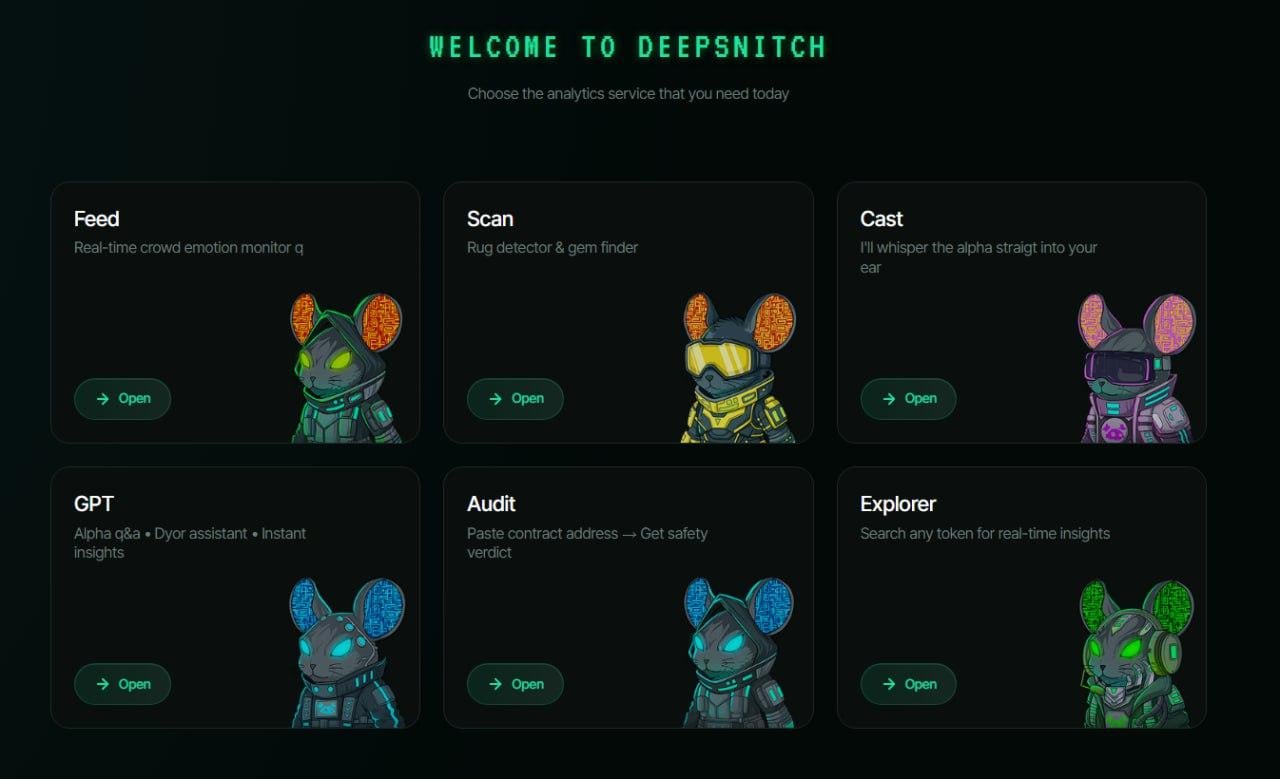
DeepSnitch AI (DSNT) was built to flip this script. While teams front-run their own raises, DSNT’s five AI agents intercept malicious contracts and flag honeypots in real-time, protecting your wallet before it takes a hit.
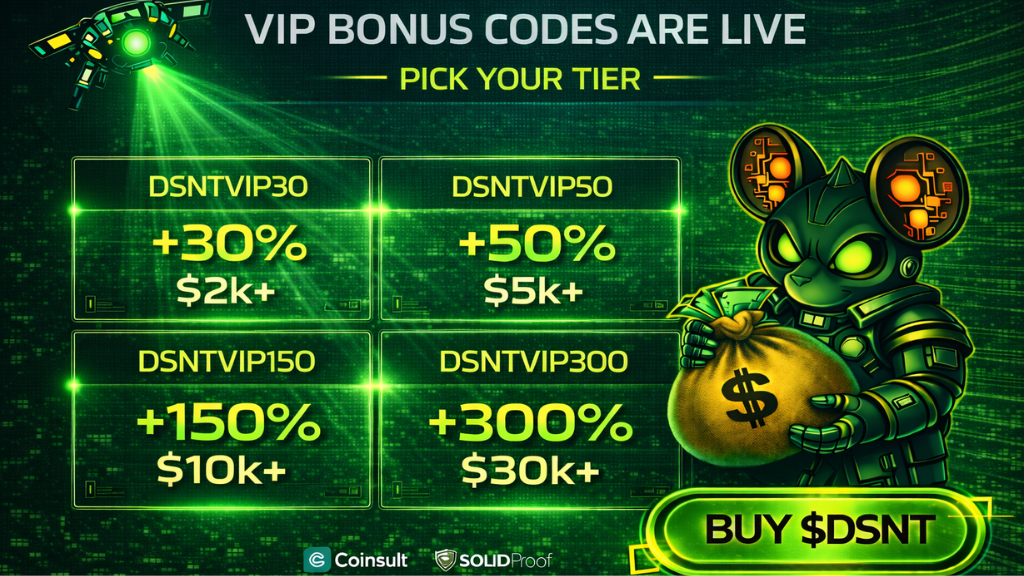
With over $2.6 million raised and a confirmed March 31st Uniswap listing, the $0.04669 entry price is nearly history. Secure the tools to beat the insiders before the crowd arrives, and the DeepSnitch AI price prediction will take care of the rest.
P2P.me’s prediction market scandal highlights crypto’s insider trading problem
The P2P.me team recently apologized for betting on its own $6 million fundraiser on Polymarket ten days before launch. Despite only having a verbal commitment from Multicoin Capital, they wagered on their own success. The raise ultimately fell short at $5.2 million, with “insider” profits now being redirected to the DAO treasury.
This lapse coincides with a major U.S. regulatory crackdown. This week, lawmakers introduced the PREDICT Act and the Public Integrity in Financial Prediction Markets Act, targeting insider trading by government officials.
While teams and institutions exploit information gaps, DeepSnitch AI (DSNT) levels the playing field. Its five live AI agents identify malicious contracts and honeypots in real-time. Secure your $0.04669 entry before the March 31st Uniswap listing permanently closes the door on this advantage.
Top 3 cryptos to own this year
DeepSnitch AI
The P2P.me scandal is a reminder of how crypto’s information game works. Insiders and institutions move first, leaving retail to absorb the consequences. Whether it’s coordinated ETF exits or teams front-running their own raises, retail traders are consistently the last to know and the first to get hurt.
DeepSnitch AI (DSNT) exists to close this asymmetry. Its five live AI agents intercept malicious contracts, flag honeypots, and audit risks in real-time.
This utility is exactly why DSNT raised over $2.6 million during a hostile market. At $0.04669, the project is backed by a functional product that traders are already using to protect their capital, which in turn pushed the DeepSnitch AI price prediction into the sky.
Compare this to “wait-and-see” setups: Bitcoin Cash (BCH) needs a $500 breakout to confirm, and Solana (SOL), despite owning 98% of on-chain equity volume, is still waiting for a monthly bullish confirmation.
DSNT doesn’t ask you to wait. The March 31st Uniswap listing is the hard deadline. This is your final opportunity to secure presale bonuses and ground-floor pricing before open-market discovery takes over. Insiders have always had the edge; now, you have the counter, and that’s why the DeepSnitch AI price prediction looks at 200x returns from now.
Bitcoin Cash
BCH started coiling at $476 on March 27, building massive pressure beneath the $500 resistance level. This zone holds the market’s heaviest short liquidation cluster; a breach here would ignite a violent squeeze toward $560+.
While BCH builds this powerful technical floor, DeepSnitch AI (DSNT) is already in full motion. Raising $2.6 million through extreme market fear, DSNT is heading straight for its March 31st Uniswap listing.
While other assets wait for macro confirmation, DSNT delivers immediate price discovery. Secure your $0.04669 entry before the window shuts in two days; the edge belongs to those who move now.
Solana
Solana is flashing a 4-hour TD Sequential buy signal, indicating potential exhaustion of its recent downtrend. Dominating 98% of tokenized spot equity volume and processing 826 million weekly transactions, SOL’s infrastructure lead is undeniable.
A monthly bullish engulfing candle is currently developing, historically the precursor to every major Solana rally. While SOL awaits monthly confirmation to target $120, DeepSnitch AI (DSNT) is moving now.
With its March 31st Uniswap listing only two days away, DSNT offers immediate price discovery. Secure your $0.04669 entry before the window shuts and the open market reprices this utility permanently.
The bottom line
P2P.me’s team betting on their own fundraising confirms that information asymmetry is the real game.
Most retail traders play blind against insiders who move weeks earlier. While BCH shows textbook compression and SOL commands 98% of on-chain equity volume, both require waiting for confirmation. They don’t bridge the information gap that insiders exploit.
DeepSnitch AI (DSNT) does. Its five live AI agents flag malicious contracts and honeypots in real-time – no institutional connections required. Having raised $2.6 million during a hostile market, DSNT proves its utility is essential.
The March 31st Uniswap listing is the definitive cutoff. This is your final opportunity to secure the $0.04669 entry before the 200x DeepSnitch AI price prediction comes true.
Visit the official website for more information, and join X and Telegram for community updates.
FAQs
What is the DeepSnitch AI price forecast heading into its Uniswap listing?
The DeepSnitch AI price prediction looks promising, with the token still at $0.04669, over $2.6M raised, and bonuses disappearing at listing as the March 31st presale close approaches.
What is the DeepSnitch AI price target for investors buying during the presale?
The DeepSnitch AI price prediction points to significant multiples, with utility-driven adoption rather than market sentiment powering its value through real-time contract auditing and threat detection that functions regardless of market direction.
What is the DeepSnitch AI prediction for 2026 based on its fundamentals?
The DeepSnitch AI prediction for 2026 is strongly bullish, with institutional-grade tools now accessible to retail traders, honeypot detection, and contract scanning creating sustained demand that extends well beyond the initial listing day.
Disclaimer: This is a Press Release provided by a third party who is responsible for the content. Please conduct your own research before taking any action based on the content.
Crypto World
Sergey Nazarov Details How Chainlink Economics 2.0 Builds a Virtuous Cycle of Security and Fees
TLDR:
- Chainlink Economics 2.0 is built to support mass adoption from banks, asset managers, and millions of developers.
- Nazarov’s universal payment model lets developers pay in any token, which then converts into LINK for security.
- Lower payment friction means more fees flow into Chainlink, directly strengthening the network’s overall security layer.
- Chainlink’s universal billing system may become a standalone product, reducing payment friction across other blockchain protocols.
Chainlink economics is undergoing a structural shift as the protocol prepares for mass institutional and developer adoption.
Sergey Nazarov, Chainlink’s co-founder, recently outlined how the network’s next economic phase is being designed.
The model centers on creating a self-reinforcing loop. More security drives adoption, adoption generates fees, and fees fund greater security. This cycle forms the foundation of what Nazarov calls Economics 2.0.
A Universal Payment System to Reduce Developer Friction
The core of Economics 2.0 is a flexible, universal billing infrastructure. Nazarov explained that developers should be able to pay into the system however they prefer. That includes native tokens, their own project tokens, or even cash payments.
Once received, those payments get converted into Chainlink’s native token. This conversion ensures the system maintains consistent security funding regardless of how fees arrive. The process removes unnecessary barriers for developers integrating Chainlink services.
Nazarov described the payment model directly, stating that the goal is to have “an efficient payment system that allows users, developers of the protocol to pay into the system however they like, in whatever form they like, their own token, native tokens, some other form of payment, cash payments, whatever payments.” He added that this would then be “converted into the token of the system to create the necessary security.”
Reducing payment friction matters because lower friction means higher participation. When developers pay more easily, more fees flow into the network. Those fees then strengthen the system’s overall security layer.
Targeting a Market That Does Not Yet Fully Exist
Chainlink’s current market is not yet operating at the scale Economics 2.0 is designed for. Nazarov noted that millions of developers, global banks, and asset managers are not yet fully on-chain. That transition remains ahead.
Economics 2.0 is being built in anticipation of that larger market. The protocol is preparing its infrastructure now so it can handle that volume when it arrives.
Nazarov was direct about the current state, saying the market adoption “is not in the millions of developers” and “not in the world of all the banks, and all the asset managers.” That is precisely the world Economics 2.0 is being built for.
As the market grows, the value placed on security is expected to grow with it. Greater security should then attract more adoption across institutional and Web2 participants.
Nazarov summarized the broader ambition by stating, “the goal is to get as many fees into the system as possible so those fees feed back into the security of the system.”
Chainlink’s ability to provide reliable price data positions it uniquely for this role. Nazarov suggested the universal billing system could eventually become a standalone product for other protocols.
He noted that “a universal billing system, payment system will even become a product of a kind for other protocols because you do want to lower the friction that people have to go through to pay for anything.” The model is designed to scale alongside the market it serves.


OnePay, which is majority-owned by Walmart, has added more than a dozen crypto tokens to its offerings that the executive responsible for digital assets said “meet a high bar” that’s been set by the banking app’s customers.
Since launching in January, offering Bitcoin (BTC) and Ethereum (ETH) on its its nascent crypto platform, OnePay on Thursday added SUI (SUI), Polygon (POL) and Arbitrum (ARB) just days after listing another 10 tokens, including Solana (SOL), , Cardano (ADA), Bitcoin Cash (BCH) and PAX Gold (PAXG).
“We plan on continuing to expand thoughtfully, prioritizing assets that meet a high bar: demand, liquidity, regulatory clarity and long-term utility,” Ron Rojany, OnePay’s general manager, Core App & Crypto, told Cointelegraph in an email.
“We’re less focused on chasing the latest asset and more focused on offering a curated set of assets that align with how our customers actually use and think about their money,” he said.
Rojany would not disclose any figures on crypto adoption among OnePay’s account holders, saying only that the fintech is seeing “strong engagement, particularly among customers who are newer to crypto and are looking for an easy and integrated way to get started.”
OnePay has positioned itself as a US version of a “superapp,” modeled after China’s WeChat. The platform already offers banking services including high-yield savings accounts, credit and debit cards, loans and wireless plans.
The company also offers a digital wallet that customers can use at checkout in Walmart stores and on the retailing giant’s website. The retailing giant’s US operations had net sales of $462.4 billion in fiscal 2025, according to the company’s latest annual report.
“We’re still early and our focus is on building our crypto platform the right way: creating a trusted, safe and intuitive experience for everyday customers,” Rojany said.
Related: BNP Paribas adds six Bitcoin, Ether ETNs for retail clients in France
Fintech pursuit of superapp gets boost from SEC chair
OnePay is not the only company pursuing a financial services superapp. In late September, Coinbase CEO Brian Armstrong outlined plans to build a crypto superapp, offering credit cards, payments and Bitcoin rewards to rival traditional banks.
Earlier this month, Japan’s Startale Group said it would use funding from a recently completed $50 million Series A investment round to develop its superapp to integrate payments, asset management and onchain services into a single platform.
US Securities and Exchange Commission Chairman Paul Atkins in September expressed support for platforms offering multiple financial services under one regulatory framework.
The regulator’s updated strategy includes allowing platforms to operate as “super-apps” that can facilitate trading, lending and staking of digital assets under one regulatory umbrella.
“I have directed the Commission staff to develop further guidance and proposals ultimately to make this ‘super-app’ vision a reality,” Atkins said in July.
Magazine: Bitcoin may take 7 years to upgrade to post-quantum — BIP-360 co-author
Crypto World
Onchain RWA Tops $10 Billion and Tokenized Stocks Hit $1B as Institutional Adoption Grows
TLDR:
- Tokenized stocks crossed the $1 billion mark in Q1 2026, reflecting rapid growth in onchain equity markets.
- Total RWA onchain value surpassed $10 billion, showing broad momentum across multiple tokenized asset classes.
- AI-driven asset intelligence shifted from an optional tool to a core infrastructure requirement for onchain managers.
- Liquidity fragmentation in tokenization remains the most critical and valuable unsolved problem entering Q2 2026.
Tokenized stocks have crossed the $1 billion mark, according to data from blockchain analytics platform rwa.xyz. The milestone arrives as the broader RWA onchain market surpasses $10 billion in total value.
These figures come at the close of Q1 2026, a quarter that saw institutional participation grow at a faster rate than many had expected.
Infrastructure builders are now preparing for what many expect to be a more active second quarter across tokenized asset markets.
Tokenized Stocks Hitting $1B Signals a Broader Market Shift
Tokenized stocks crossing the $1 billion threshold marks a clear turning point in onchain equity markets. Block Street shared the figures on X, sourcing the data directly from rwa.xyz.
The account noted that while the market is “still early,” the pace of growth is clearly accelerating. It also pointed out that the current period represents a foundation-building phase, with real expansion still to come.
The $1 billion figure for tokenized stocks did not arrive in isolation. It came alongside the broader RWA onchain market, surpassing $10 billion in the same reporting window.
Together, these numbers reflect a market that is maturing steadily across multiple asset classes. Allocators who were previously watching from the sidelines are now deploying capital in a more structured and recurring manner.
The speed at which tokenized equities reached this milestone has drawn attention from both institutional and retail corners of the market. Just a few quarters ago, tokenized stocks were still considered an experimental layer within onchain finance.
That perception has shifted noticeably through Q1 2026. The $1 billion mark now serves as a reference point for how quickly this segment can scale when the right infrastructure is in place.
RWA Infrastructure Gaps and AI Tools Take Center Stage in Q2
Orca Prime published a Q1 2026 review at the close of March, identifying three clear patterns from the quarter. Institutional RWA adoption continued to accelerate rather than plateau throughout the period.
AI-driven asset intelligence also moved from a supplementary tool to a core operational requirement for onchain managers.
The account stated that a liquidity infrastructure gap in tokenization remains the most valuable problem currently unsolved in the market.
Each of those three patterns gained further clarity as tokenized stock volumes climbed through the quarter. As more institutional capital entered the space, the need for reliable, automated intelligence around onchain assets became more direct.
Orca Prime described this transition as a structural shift rather than a passing trend. The firm noted that all data points from Q1 pointed consistently in the same direction.
Orca Prime stated it spent Q1 building infrastructure aligned specifically with the liquidity gap it identified. The firm views this problem as the most consequential challenge facing the tokenization market right now.
With tokenized stocks now past the $1 billion level and total RWA on-chain above $10 billion, the pressure to solve liquidity fragmentation is growing.
The account closed its review by framing Q2 as the period where the groundwork laid in Q1 would begin to produce visible results.

Blake Lively And Taylor Swift Allegedly In ‘Meltdown’ Over Justin Baldoni Court Win

Red Lion pub in Over Hulton to close after more than 180 years
Hackers Reportedly Leak 1.5 Million Binance Account Login Data


-
 NewsBeat4 days ago
Manchester United reach agreement with Casemiro over contract clause amid transfer speculation
-

 News Videos4 days ago
Parliament publishes latest register of MPs’ financial interests
-

 Sports6 days ago
Remo Stars and Kano Pillars Strengthen Survival Hopes in NPFL
-

 Sports6 days ago
Gary Kirsten Accuses Pakistan Cricket Board Of ‘Interference’, Mohsin Naqvi Responds
-

 Tech7 days ago
Give Your Phone a Huge (and Free) Upgrade by Switching to Another Keyboard
-

 Tech7 days ago
AI enters the chat: New Seattle dating app relies on tech to facilitate meaningful human connections
-

 Business3 days ago
Instagram, YouTube Found Responsible for Teen’s Mental Health Struggle in Historic Ruling
-

 News Videos6 days ago
Ch 9 Financial Management Part 1 | Detailed One Shot | Class 12 Business Studies Boards 2026
-

 NewsBeat2 days ago
The Story hosts event on Durham’s historic registers
-
 NewsBeat4 days ago
Tesco is selling new Cadbury Dairy Milk bar and people can’t wait to try it
-

 Tech6 days ago
Samsung will soon let you control smart home devices from your car’s dashboard
-

 Sports7 days ago
2026 Kentucky Derby horses, odds, futures, preview, date: Expert who hit 12 Derby-Oaks Doubles enters picks
-
 Entertainment21 hours ago
Lana Del Rey Celebrates Her Husband’s 51st Birthday In New Post
-
 Entertainment6 days ago
Cynthia Bailey Dishes on ‘RHOA’ Season 17, Discusses Kandi
-
 NewsBeat6 days ago
Colombian military plane with 110 soldiers onboard crashes following takeoff
-

 Fashion5 days ago
Does It Matter What You Wear When You’re Laid Off and Looking?
-

 Business5 days ago
More women enter wealth management, but few in advisory roles: study
-

 Business5 days ago
Late-paying firms face multimillion-pound fines under new crackdown
-

 Sports5 days ago
Fantasy Baseball Week 1 Preview: Top sleeper hitters for both five- and 12-day period led by Munetaka Murakami
-

 Politics6 days ago
How Media Platforms Balance Performance and Accessibility in Image Delivery
You must be logged in to post a comment Login