

Crypto World
Visa and Mastercard prove an early Bitcoin payments prediction right



A prediction made more than a decade ago about closer ties between Bitcoin startups and traditional payment companies increasingly resembles the payments market of 2026.
Summary
- A 2014 prediction about traditional payment firms partnering with Bitcoin startups increasingly resembles today’s market.
- Visa and Mastercard now work directly with crypto firms on cards, settlement, stablecoins, and payments.
- BitPay continues expanding regulated crypto payment services more than a decade after joining the payments industry.
Former Electronic Transactions Association CEO Jason Oxman discussed that possibility in an August 2014 interview with CoinDesk. His comments followed BitPay becoming the first digital currency company to join the payments trade group. Oxman said the association would remain open to new payment technologies without formally backing Bitcoin over other systems.
Early Bitcoin partnerships pointed to a wider shift
Oxman argued that payment companies ultimately respond to how consumers and merchants choose to transact. He said the industry was “in the business of facilitating electronic transactions,” regardless of which technology carried those payments.
The comments came during an early period for commercial Bitcoin adoption, when regulators were still debating New York’s BitLicense proposal. Oxman also warned regulators against applying rules simply because a technology was new, while accepting that consumer protection remained a valid concern.
The leadership of ETA has since changed. Jodie Kelley became the organization’s CEO in 2019, and ETA now operates a dedicated Digital Assets committee alongside its other payments industry groups.
Visa and Mastercard build direct crypto partnerships
The type of partnership Oxman discussed is now common across the payments industry. Visa and Stripe-owned Bridge announced plans in March to expand stablecoin-linked Visa cards to more than 100 countries by the end of 2026. As reported by crypto.news, the cards allow users to spend stablecoin balances across Visa’s merchant network.
Visa has also expanded its stablecoin settlement pilot to nine blockchains. The company said in April that the program had reached a $7 billion annualized settlement rate. Visa said the expansion gives payment partners more choice when selecting blockchain networks.
Mastercard has followed a similar path. Its Crypto Partner Program brings together more than 100 crypto companies, financial institutions and payment providers. As reported by crypto.news, Alchemy Pay joined the initiative in May to explore closer links between fiat payments and onchain commerce.
Stablecoins now lead much of the payments expansion
The industry’s focus has also shifted from Bitcoin alone toward stablecoins. Visa, Mastercard and Coinbase recently joined more than 140 companies backing Open Standard, a group developing the Open USD stablecoin.
As reported by crypto.news, the project plans to create payment infrastructure for businesses using a dollar-linked digital asset. The move puts major card networks directly alongside crypto-native companies in developing blockchain payment systems.
BitPay has also continued expanding. Crypto.news recently reported that the payment company secured MiCA authorization in the Netherlands, allowing it to provide regulated crypto and stablecoin services across eligible European Union markets.
More than a decade after Oxman predicted growing cooperation, partnerships between traditional payment networks and crypto companies have moved from isolated experiments into cards, settlement systems, stablecoins and cross-border payments.

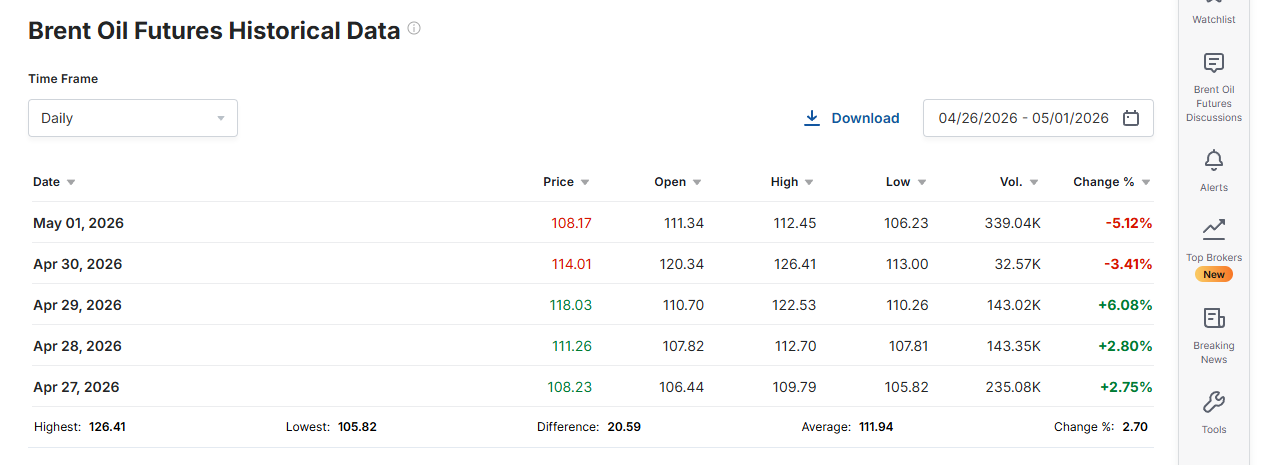
Goldman Sachs said Brent crude could climb back toward $120 a barrel by the fourth quarter, approaching the $126.41 intraday peak it hit on April 30 during the US-Iran war, if disruptions to flows through the Strait of Hormuz continue.
Analysts led by Daan Struyven said escalation in the Middle East, combined with a drop in Persian Gulf flows to below 45% of pre-war levels, has pushed prices higher this month.
Goldman’s Base Case Still Points Lower
Goldman’s own forecast remains for Brent at $80 a barrel in the fourth quarter and $75 next year, premised on a de-escalation between the US and Iran. Brent topped $90 a barrel on July 19 as the conflict intensified, before ceasefire hopes eased the rally to $88.47 by July 21.

Still, the analysts said risks skew toward higher prices given the chance of a wider Hormuz blockade risk, as well as potential disruption in the Red Sea, where Houthi rebels have threatened to blockade Saudi shipments.
“Escalation in the Middle East and the decline in estimated Persian Gulf flows to below 45% of pre-war levels have pushed oil prices back up.”
Daan Struyven, Goldman
Where the Rally Could Lose Steam
Lower global inventories have left the market more exposed to shocks, though a slump in Chinese imports and greater demand elasticity could cap gains, the note said. That echoes BeInCrypto’s earlier coverage of reserve buffer depletion fueling similar upside calls from TD Securities.
To hedge persistent shocks from the Middle East and Russia, Goldman recommended going long the December 2026 to March 2027 European diesel timespread, citing tight diesel markets, continued Ukrainian strikes on Russian refineries, and elevated gas price odds tied to the conflict.
The post Goldman Says Brent Oil Could Near Its War-Era Peak, Hitting $120 appeared first on BeInCrypto.

A recent auction of 30-year Treasury bonds, sold at a yield of 5.06%, has brought rising long-term US borrowing costs back into focus.
Specifically, it has revived concern among certain market observers about how tighter monetary conditions could impact Bitcoin (BTC) and other risky assets, just as investors are getting ready for the Fed’s next policy meeting.
Treasury Yields Hit a Post-2007 High
That 5.06% print is the highest 30-year auction yield since 2007, and it reflects how expensive it has become for the US government to finance its growing debt. Furthermore, the 30-year Treasury yield has also climbed back above 5%, although it remains below the 5.20% peak reached on May 20, which was also the highest level since July 2007.
For comparison, auctions for the same maturity cleared at roughly 2% in early 2022, which pointed to heavier Treasury supply, rising inflation risk, and growing borrowing needs as the reasons the government now has to pay more to attract buyers.
Market commentators at The Kobeissi Letter also flagged the AI investment boom as an added source of pressure, since tech companies issuing record debt to fund AI infrastructure are competing with the government for the same pool of capital. “The US debt crisis is intensifying,” the account wrote.
Meanwhile, Spot On Chain analyst Hupzy called the move a structural headwind for BTC and risk assets, arguing that higher discount rates compress valuations across the risk curve and that yields above 5% make speculative allocation harder to justify.
Hupzy described the fiscal picture as double-edged, since rising debt costs could eventually push the Fed toward a dovish pivot, but said that the near-term signal is “risk-off as markets price deteriorating sovereign credit.” They also pointed to the May 5.20% peak as a level to watch, since a break above it would open a new stretch of sustained high long-term rates.
Bitcoin was last trading above $64,000, down 1.3% over 24 hours but still up 1.7% over the past week and 1.2% in two weeks. The 30-day change is almost flat at 0.4%, with BTC’s market cap standing at around $1.284 trillion and the OG crypto trading roughly 49% below its all-time high of over $126,000 reached on October 6, 2025.
Fed Meeting Now Takes Center Stage for Crypto Markets
Treasury yields will not determine Bitcoin’s direction on their own, and the bond market move has come during a relatively quiet week for scheduled US economic data, with investors focusing on weekly jobless claims, purchasing managers’ index reports, and quarterly earnings from Alphabet and Tesla before the Federal Reserve’s July 29 meeting.
Furthermore, the CME FedWatch data currently assigns an 86% probability that policymakers will leave interest rates unchanged, and, as CryptoPotato reported, an unexpected rate increase could trigger selling across cryptocurrencies and equities because markets have largely priced in no change.
That said, the return of 5% long-term borrowing costs is certainly another macro factor that investors need to watch. And with the Fed decision approaching and bond yields sitting at multiyear highs, any surprise in either market could quickly spill over into crypto trading.
The post Bitcoin and Risk Assets Under Pressure as 30-Year Yields Push Above 5% appeared first on CryptoPotato.
An average of 85% of concentrated-liquidity capital sat underutilized across decentralized exchanges in the first half of 2026, according to onchain research by Dune, the analytics platform, produced for the DEX aggregator 1inch. The study found 29.5% of that capital was fully outside the active… Read the full story at The Defiant
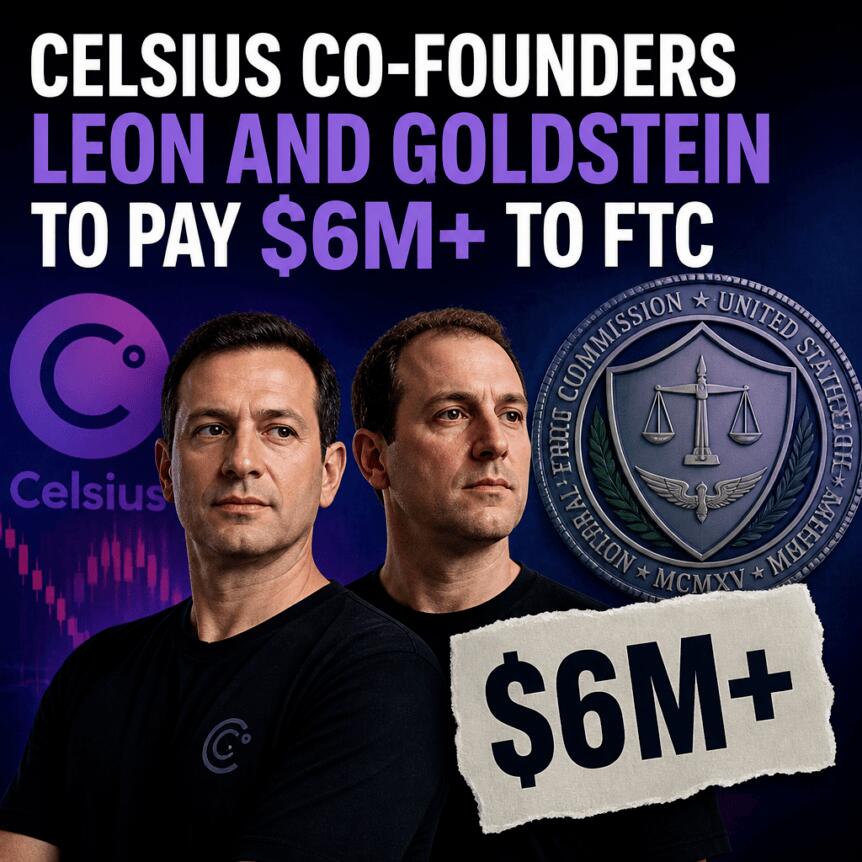
Celsius’ former co-founders are now facing additional financial consequences tied to the U.S. Federal Trade Commission’s case over what the regulator said were misleading assurances about the safety of customer assets before the crypto lender’s 2022 collapse.
The FTC has secured settlements in which Shlomi Daniel Leon and Hanoch “Nuke” Goldstein were ordered to pay a combined over $6 million to resolve FTC allegations that they misrepresented the security of the Celsius platform ahead of its bankruptcy filing. The latest orders follow the broader ripple effects of Celsius’ failure, which left users seeking recovery of funds after the firm, once valued on the promise of managed custody and lending, unraveled during a market downturn.
Key takeaways
- Goldstein, Celsius’ former chief technology officer, was ordered to pay $2.014 million under a court order signed Monday by U.S. District Judge Denise Cote.
- Leon, the former chief strategy officer, was ordered to pay $4.1 million under a separate stipulated order entered on June 29.
- The settlements extend FTC enforcement beyond CEO Alex Mashinsky, targeting additional executives’ alleged role in customer-facing representations.
- Both orders include restrictions barring the co-founders from marketing or selling products or services that could be used to deposit, exchange, invest, or withdraw crypto assets.
- The FTC previously alleged that Celsius misled customers about reserves, insurance coverage, and the nature of loans, and these settlements are credited toward related judgments.
Court-ordered payments and the scope of the bans
According to the FTC, the settlements with Goldstein and Leon are designed to address alleged consumer harm tied to the way Celsius presented its platform to retail customers. Judge Denise Cote’s order signed Monday requires Goldstein to pay $2.014 million. Leon’s stipulated order—entered on June 29—requires a larger payment of $4.1 million.
Beyond the monetary terms, the FTC’s statement notes that both co-founders agreed to restrictions aimed at reducing their ability to operate in ways connected to crypto custody and trading. In particular, the FTC said Leon is barred from marketing or selling products or services that could be used to deposit, exchange, invest, or withdraw assets. For Goldstein, the FTC describes a similar restriction covering retail products or services that could be used to buy, sell, deposit, withdraw, distribute, or trade cryptocurrency.
“Similarly, Goldstein has agreed to a ban on marketing or selling retail products or services that can be used to buy, sell, deposit, withdraw, distribute or trade cryptocurrency.”
FTC allegations: reserves, insurance, and loan practices
At the center of the FTC’s complaint was the claim that Celsius presented a picture of safety that, according to the regulator, did not match its actual conditions. The FTC alleged Celsius falsely told customers it maintained sufficient reserves to satisfy withdrawal demands.
The regulator also alleged Celsius promoted a $750 million insurance policy covering customer deposits, and represented that it did not issue unsecured loans.
The FTC further argued that these claims were made while Celsius’ executives continued to assure customers that deposits were safe in the final period before the platform collapsed. In the regulator’s framing, the alleged misrepresentations were not merely marketing mistakes; they were repeated assurances made during a period when the company’s financial situation was deteriorating.
How the settlements connect to the Mashinsky case
The settlements with Leon and Goldstein are part of an enforcement arc that began with the FTC’s action against Celsius founder and former CEO Alex Mashinsky, and then expanded to other executives. Earlier coverage of the Celsius fallout, including the trading restrictions placed on Mashinsky, underscored that regulatory scrutiny extended well beyond one individual once the company failed.
In April, Mashinsky agreed to an FTC settlement that included a permanent bar from promoting asset-related products and a $10 million payment. That settlement also involved a larger judgment framework described as $4.72 billion in a partially suspended structure, reflecting consumer harm allegations. Earlier reporting noted the settlement terms, including the $10 million payment and the partially suspended judgment.
The newly ordered payments from Goldstein and Leon—$2.014 million and $4.1 million, respectively—are stated to be credited against the $4.72 billion judgment. That matters because it shows how the FTC is coordinating multiple executive settlements into a single remedial accounting process, rather than treating each settlement as an isolated event.
Separately from the FTC track, the broader criminal fallout has also progressed. The U.S. Department of Justice previously reported that Mashinsky was sentenced to 12 years in prison in May 2025 after pleading guilty to commodities and securities fraud charges. Prosecutors said Mashinsky misled Celsius customers about the company’s profitability, investment risks, and the safety of customer funds.
Why these enforcement steps matter for Celsius customers and the industry
For Celsius users, the immediate takeaway is that the FTC’s case continues to identify and penalize senior figures beyond the most visible CEO at the time of collapse. The settlements do not reverse the bankruptcy outcome, but they do reinforce that the regulator intends to pursue accountability tied to marketing claims directed at retail customers.
For the broader crypto lending sector, these orders are another signal that “custody-and-lending” narratives—particularly those that reassure customers about reserves, insurance, and withdrawal readiness—are likely to remain under intense regulatory scrutiny. The bans also go beyond fines: they target future conduct by restricting marketing and sales roles connected to crypto deposit and trading functions.
What remains to be watched is how these settlements fit into the continued legal and enforcement landscape around Celsius and related claims. The crediting of co-founders’ payments against the $4.72 billion judgment suggests that additional financial outcomes may still surface as the FTC tallies and resolves separate executive-level actions tied to the same alleged consumer harm.
Going forward, investors and customers should pay attention to two things: whether additional Celsius executives face similar settlement-driven restrictions, and how courts continue to reconcile multiple payments under the same FTC judgment framework—especially as regulators seek to close gaps between public assurances and the actual condition of crypto lending platforms before collapses.


Polymarket has referred nearly 100 suspicious crypto wallets to law enforcement as the prediction market platform expands its monitoring of possible insider trading.
Summary
- Polymarket referred nearly 100 suspicious wallets to authorities as insider-trading concerns grew across prediction markets.
- Bloomberg analysis found about $200 million in flagged trades, concentrated heavily in geopolitical prediction markets.
- Recent prosecutions involving Venezuela and Google-linked wagers have increased scrutiny of nonpublic information misuse cases.
The referrals come as a Bloomberg analysis of Polysights data found that about $200 million in Polymarket trades during the first half of 2026 showed characteristics associated with “potential insider activity.”
Much of the flagged activity involved geopolitical markets tied to Iran and Venezuela. The data does not prove that every flagged trade involved illegal conduct, but it shows the volume of activity now facing closer review as prediction markets draw more regulatory attention.
Polymarket expands surveillance as suspicious trades rise
Polymarket Chief Legal Officer Neal Kumar said the company’s internal process had resulted in nearly 100 wallet referrals to authorities. The platform has also strengthened surveillance as regulators examine whether traders may have used confidential information to gain an advantage in event contracts. Because Polymarket records transactions on a public blockchain, investigators can trace wallet activity, funding flows and trading patterns even when users trade through pseudonymous addresses.
The Bloomberg review relied on Polysights data that identified trades with features associated with possible informed activity. Analysts can examine signals such as newly created wallets, unusually concentrated positions and trades placed shortly before major events.
Those signals can direct attention toward accounts that deserve further review. However, a “suspicious” label does not establish insider trading, and a referral does not mean authorities will file charges.
In addition, the growing scrutiny follows a U.S. case involving Army Master Sergeant Gannon Ken Van Dyke. As previously reported by crypto.news, the Department of Justice accused Van Dyke of using classified information about a U.S. military operation targeting Venezuelan President Nicolás Maduro to place Polymarket trades. Prosecutors said he made about $409,881 after placing more than $33,000 in bets linked to Maduro’s removal.
The CFTC filed a parallel case, while the Justice Department brought charges tied to the alleged use of classified information. The case provides one of the clearest examples of authorities treating prediction-market activity as part of a broader criminal investigation. It also shows why wallet referrals can matter: on-chain records can preserve a visible trading trail even when the public does not know the trader’s identity when the transactions occur.
Google-linked case adds to insider-trading concerns
A separate case involved a Google engineer accused of using unreleased company data to trade on Polymarket. As crypto.news reported in May, U.S. prosecutors and the CFTC charged Michele Spagnuolo over allegations that he used confidential Google search trend information to place about $2.7 million in prediction-market wagers. Authorities said the trades generated about $1.2 million in profit.
That case broadened the focus beyond military and government information. It showed that prediction markets can attract traders with access to private corporate data as well as sensitive state information. The allegations also raised questions about how platforms monitor markets whose outcomes depend on information controlled by a small group of employees, officials or contractors.
Iran markets bring geopolitical trading under closer review
Geopolitical markets have drawn some of the strongest scrutiny in 2026. More than $529 million traded on Polymarket markets tied to the timing of strikes on Iran, while several newly created wallets drew attention after making profitable positions before major events. Six Democratic senators later urged the CFTC to restrict contracts tied to death, citing national security and public safety concerns.
The Bloomberg analysis places those earlier cases within a wider pattern. According to the Polysights data, many flagged trades involved markets linked to Iran and Venezuela. Polymarket’s decision to refer nearly 100 wallets shows a more active surveillance approach, although the company has not said that every referred wallet broke the law or used nonpublic information.
Prediction markets also face wider regulatory pressure. As crypto.news reported on July 19, France ordered internet service providers to block Polymarket after regulators cited unauthorized gambling, weak identity checks and concerns about market integrity. The Czech Republic has also restricted access, while European regulators continue to examine whether some event contracts fall under existing financial rules.
Lawmakers designed most insider-trading rules around securities markets, while prediction contracts can cover politics, military operations, technology and corporate data. That makes enforcement more complex when traders use information that the public cannot access.
Polymarket’s referrals give authorities wallet-level data to review, but investigators still need evidence connecting specific trades to unlawful use of confidential or classified information.


Polygon Labs CEO Marc Boiron announced a new round of layoffs on Thursday, saying the company decided to "say goodbye to many of our colleagues" as it completes a transformation "from operating as a blockchain foundation into operating as a blockchain-enabled payments company." Polygon Labs… Read the full story at The Defiant


Visa launched the Visa Stablecoin Platform, an enterprise system for financial institutions built around the Open USD stablecoin, the payments company's head of crypto, Cuy Sheffield, said on X on Wednesday. "Excited to launch the Visa Stablecoin Platform as the best way to access and use Open… Read the full story at The Defiant


The filing expands Grayscale’s growing lineup of crypto-related exchange-traded products outside of Bitcoin and Ether.
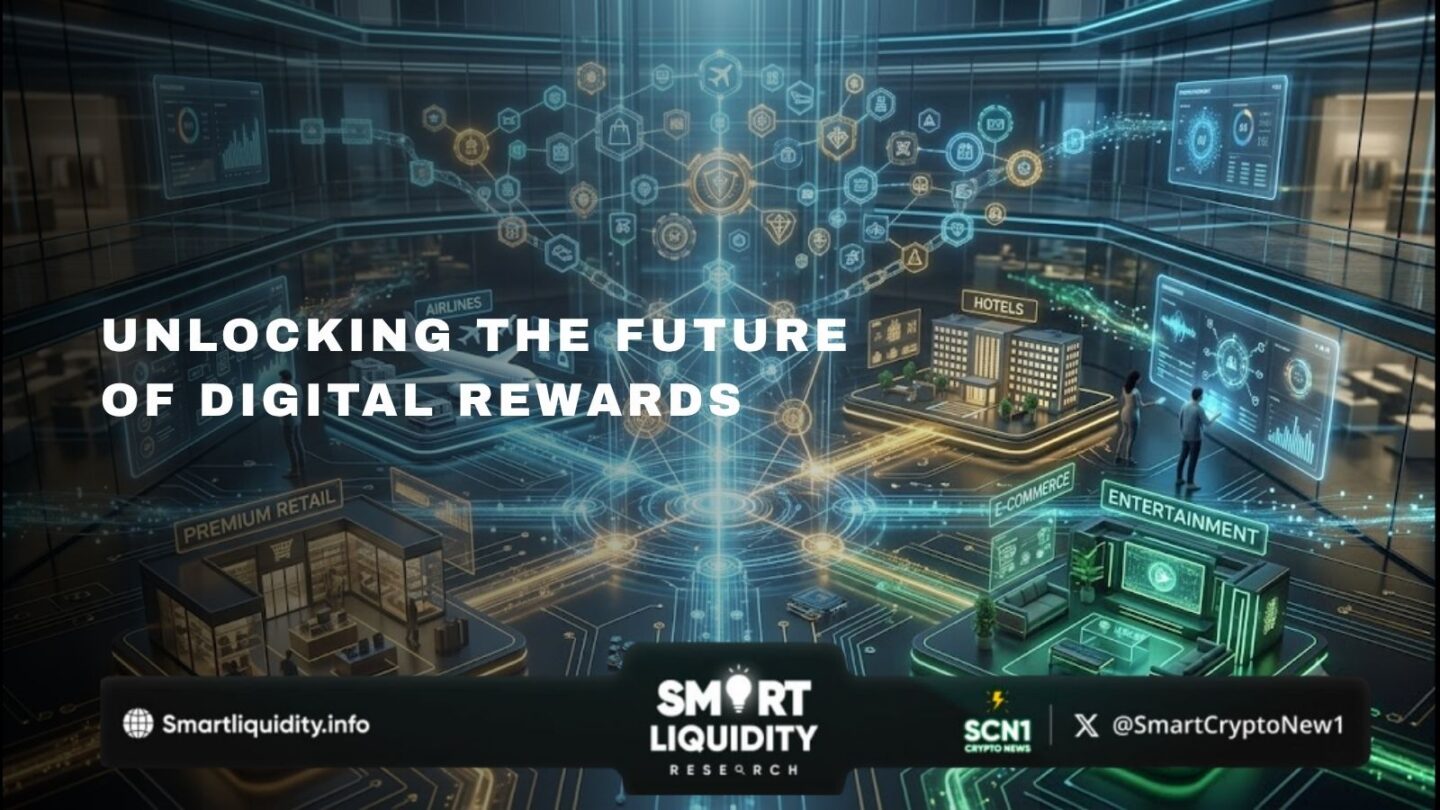
Loyalty programs have been around for decades. From airline miles and hotel points to coffee shop punch cards and retail rewards, businesses have long relied on incentives to keep customers coming back. However, traditional loyalty systems often suffer from limited flexibility, poor transparency, expiration rules, and rewards that are difficult to redeem.
Blockchain technology is changing that.
By bringing transparency, security, and interoperability to reward systems, blockchain-based loyalty programs are creating a more engaging experience for both businesses and consumers. Instead of locking rewards inside a single ecosystem, blockchain allows digital loyalty assets to become more flexible, secure, and valuable.
What Is a Blockchain Loyalty Program?
A blockchain loyalty program is a customer rewards system that records loyalty points, memberships, or digital rewards on a blockchain instead of a centralized database.
Customers still earn rewards by making purchases, completing tasks, or participating in promotions, but the rewards are stored as blockchain-based digital assets that are verifiable and secure.
Unlike traditional databases that are controlled by one company, blockchain creates an immutable record of every reward earned and redeemed.
Why Traditional Loyalty Programs Fall Short
Most loyalty systems have several common problems:
- Points expire unexpectedly.
- Rewards cannot be transferred.
- Customers struggle to track balances.
- Fraud and duplicate rewards occur.
- Programs are isolated from one another.
- Redemption options are often limited.
Many consumers forget they even have reward points because accessing them is inconvenient.
Blockchain addresses many of these challenges.
How Blockchain Improves Loyalty Programs
1. Transparent Rewards
Every reward transaction is recorded on-chain.
Customers can independently verify:
- Points earned
- Reward history
- Redemptions
- Bonus campaigns
This transparency builds trust between brands and customers.
2. Improved Security
Blockchain significantly reduces the risk of:
- Account manipulation
- Duplicate rewards
- Fraudulent redemptions
- Unauthorized balance changes
Since blockchain records cannot easily be altered, businesses gain a more secure infrastructure for managing rewards.
3. True Ownership
Instead of existing only inside a company’s private database, blockchain-based loyalty assets can be owned directly by users through their digital wallets.
Customers have greater control over their rewards rather than relying entirely on centralized systems.
4. Cross-Brand Interoperability
One of blockchain’s biggest advantages is interoperability.
Imagine earning rewards from:
- An airline
- A hotel
- A restaurant
- A ride-sharing app
Instead of maintaining four separate point systems, blockchain could allow these rewards to interact within a shared ecosystem.
Customers gain more flexibility while businesses expand their reach through partnerships.
5. Instant Redemption
Traditional loyalty systems often require:
- Manual approvals
- Delayed processing
- Customer support intervention
Blockchain enables near-instant verification and redemption through smart contracts.
The result is a smoother customer experience.
Tokenized Loyalty Points
Some blockchain loyalty programs tokenize rewards.
Rather than simple database entries, loyalty points become blockchain tokens.
These tokens may allow users to:
- Redeem products
- Access premium memberships
- Unlock exclusive experiences
- Participate in community events
- Receive discounts
- Earn additional rewards through staking mechanisms
Not every loyalty token is tradable, but tokenization opens many possibilities beyond traditional reward systems.
NFTs in Loyalty Programs
Non-fungible tokens (NFTs) introduce another layer of customer engagement.
Brands can issue NFTs that represent:
- VIP memberships
- Lifetime customer status
- Event tickets
- Limited-edition collectibles
- Special access passes
- Exclusive product launches
Unlike traditional membership cards, NFTs can include programmable benefits that automatically unlock perks when owned by a customer.
Smart Contracts Automate Rewards
Smart contracts eliminate much of the manual work involved in loyalty programs.
They can automatically:
- Award points after purchases
- Trigger bonus campaigns
- Validate eligibility
- Process redemptions
- Prevent duplicate claims
Automation reduces operational costs while improving customer satisfaction.
Benefits for Businesses
Blockchain loyalty programs provide several business advantages.
Lower Fraud
Immutable records reduce reward abuse.
Better Customer Retention
Flexible rewards encourage repeat engagement.
Reduced Administrative Costs
Automation minimizes manual management.
Richer Customer Engagement
Digital collectibles and tokenized experiences create stronger emotional connections.
Easier Partnerships
Multiple brands can collaborate through shared blockchain infrastructure.
Benefits for Consumers
Customers enjoy several improvements.
- Greater transparency
- Faster reward redemption
- Increased security
- Digital ownership
- More valuable rewards
- Cross-platform usability
- Personalized experiences
Instead of forgetting points inside dozens of accounts, users can potentially manage rewards from multiple brands in a single wallet.
Real-World Use Cases
Blockchain loyalty is already appearing across multiple industries.
Retail
Reward tokens for purchases and referrals.
Travel
Airline and hotel points with broader redemption options.
Food & Beverage
Digital memberships and collectible reward NFTs.
Gaming
Cross-game loyalty rewards and digital collectibles.
Entertainment
Concert tickets combined with long-term fan rewards.
E-commerce
Tokenized cashback and loyalty incentives.
Challenges Still Exist
Despite its advantages, blockchain loyalty programs still face several hurdles.
User Experience
Wallet setup and blockchain interactions remain unfamiliar to many consumers.
Regulation
Different jurisdictions have varying rules for digital assets and tokenized rewards.
Scalability
Large consumer brands require networks capable of processing millions of transactions efficiently.
Education
Many customers still do not understand blockchain technology, making onboarding a challenge.
As blockchain infrastructure matures, these barriers are expected to diminish.
The Future of Loyalty
The next generation of loyalty programs may become far more personalized and interconnected.
Future systems could enable customers to:
- Carry loyalty rewards across multiple brands.
- Receive personalized incentives powered by AI.
- Earn rewards for both online and offline activity.
- Access exclusive communities through digital memberships.
- Trade or combine rewards across participating ecosystems.
- Interact with brands through gamified experiences.
Rather than simply collecting points, customers will increasingly participate in digital ecosystems where loyalty becomes an interactive and valuable asset.
Conclusion
Blockchain loyalty programs are transforming how businesses build lasting relationships with customers. By combining transparency, automation, security, and digital ownership, they address many of the limitations of traditional reward systems.
As adoption grows, loyalty points may evolve from isolated database entries into versatile digital assets that can be used across multiple brands and experiences. For companies, this creates new opportunities to deepen engagement and foster long-term customer relationships. For consumers, it means rewards that are more accessible, flexible, and meaningful.
In the years ahead, blockchain-powered loyalty programs are poised to become a key component of the digital economy, reshaping customer engagement in ways that traditional systems simply cannot.
REQUEST AN ARTICLE


The exploiter who drained Ostium, a real-world-asset perpetuals protocol on Arbitrum, has moved 10,540 ETH into Tornado Cash, blockchain security firm PeckShield said in a post on Thursday. PeckShield reported that Ostium's public OLP vault "has been drained of ~$24M $USDC." The firm said the… Read the full story at The Defiant

power of money viral #trending#shorts #youtubeshorts#motivation #attitude#nevergiveup#hardwork

Man Utd’s failed transfers for five-time Champions League winner and two World Cup heroes

Commodities: Oil Stabilises Despite Houthis' Red Sea Threat


-
 NewsBeat5 days ago
London Mayor Sadiq Khan handed a peerage by Keir Starmer alongside 15 other Labour figures… just days before the PM leaves No10
-

 Fashion3 days ago
Weekend Open Thread – Corporette.com
-

 Politics3 days ago
The House | The City of London can help the new chancellor deliver growth in every postcode
-

 Politics6 days ago
Young campaigners urge incoming PM to act on outdoor junk food ads
-

 Crypto World5 days ago
CFTC blocks Kalshi from unwinding Michigan trades after court order
-
 Crypto World4 days ago
Two July Windows Left: The CLARITY Act’s Senate Fight and What Failure Means
-

 Crypto World3 days ago
Ripple Payments Joins MiCA With 14 Firms, Does It Mean Anything For XRP?
-

 Business5 days ago
Nvidia Stock Slips After Big Tuesday Rally as Huang Confirms Vera Rubin Chip Is Now in Production Today
-

 Politics2 days ago
Democrats look to World Cup watch parties to register thousands of voters
-
 Entertainment5 days ago
Disney’s Most Ambitious Failed Star Wars Attraction Is Coming to SDCC
-

 Crypto World3 days ago
Ripple wins EU-wide access as ESMA adds it to MiCA register
-

 Business5 days ago
Palantir Shares Rise After Expanded Nvidia Partnership and Fresh Analyst Upgrades Ahead of Earnings Day
-

 Crypto World4 days ago
Injective Submits SEC Transfer-Agent Registration to Onchain Ownership Records
-

 Tech4 hours ago
Sail Virtually Aboard The “Itanic” With IA-64 Emulator
-
 Tech2 hours ago
Turtle Beach Command Series KB7 review: a nifty screen-equipped gaming keyboard
-

 News Videos6 days ago
XRP BOMBSHELL… XRP OMBOARDED FOR TRANSACTIONS!!!
-

 NewsBeat4 days ago
Registration is now open for March for Men with Kev 2026
-

 Tech7 days ago
Get Your ESP32 Sunny Side Up With This Solar Dev Board
-

 Tech6 days ago
Dark Secrets Emerge When Jailbreaking LLMs
-

 NewsBeat18 hours ago
Unregistered fitter used Gas Safe logo on business flyers
You must be logged in to post a comment Login