
Crypto World
Volo Exploit Raises Security Concerns Across Sui DeFi Ecosystem

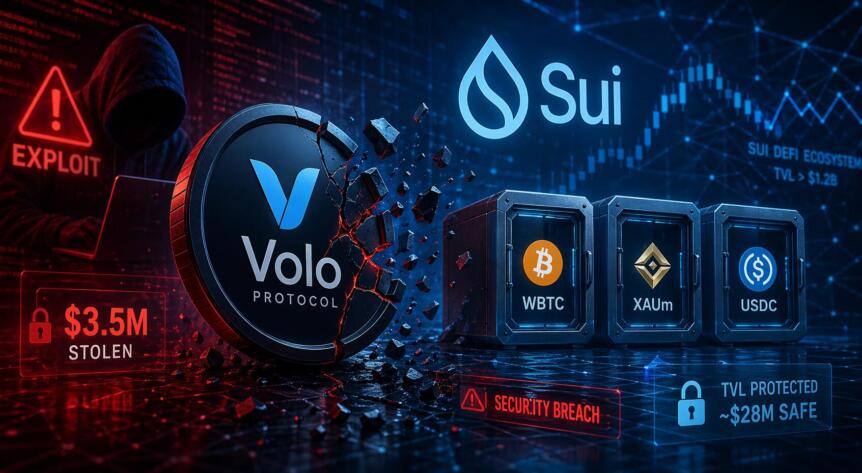
Volo Exploit Raises Sui Ecosystem Concerns
The first significant security breach of a liquid staking protocol occurred on April 22, 2026, when Volo Protocol was robbed of about $3.5 million across three vaults. The attack on WBTC, XAUm, and USDC pools has ignited broader discussion about the robustness of the fast-growing Sui DeFi ecosystem.
The exploit of Volo has quickly become a point of interest among analysts assessing risks in the fast-growing Sui ecosystem. Volo acted quickly to assure users that the breach had occurred and that it would cover all losses. Approximately $28 million TVL in unaffected vaults remained locked and safe after the team halted protocol activity within hours of learning about the exploit.
The most important question when it comes to ongoing research on the Volo exploit is whether it was an idiosyncratic flaw in the Volo vault design or a sign of systemic vulnerabilities in the Sui DeFi ecosystem. Early statements from the team suggest the issue was vault-specific rather than protocol-wide, meaning the Volo exploit was contained by design rather than by chance.
Volo Exploit Mechanism Still Under Investigation
However, uncertainty still surrounds the exact mechanism behind the Volo exploit. The attack mechanism remains not fully disclosed, and inquiries continue into the possibilities of the attack, flaws in the smart contracts, manipulation of oracles, or systemic vulnerabilities. A formal post-mortem should help clarify the root cause, and preliminary commentary suggests a possible network-level vulnerability.
Blockchain detective ZachXBT found that the funds associated with the Volo exploit, estimated to amount to about half a million dollars after the attack, were tracked to wallets controlled by attackers soon after the incident. The Sui Foundation has also joined recovery efforts and is organizing on-chain tracking.
The swiftness with which containment measures were implemented is one of the most remarkable features of the Volo exploit. The protocol was able to identify the breach, freeze all the vaults, and notify ecosystem partners within hours, which helped limit the loss to three impacted pools. This quick response served to avert what would have been a much greater loss across the platform’s $31.5 million TVL.
$1.2B Ecosystem Tested By Exploit Incident
Remarkably, vault isolation—intended to decrease systemic risk—proved a double-edged sword: it created a single point of failure yet helped avoid a complete protocol collapse. Whether such design decisions reduce or increase impact remains a hot topic among critics.
As the Sui DeFi ecosystem expands, with over $1.2 billion in TVL reported, the Volo exploit serves as a stress test of the network’s security assumptions. The event raises larger questions about whether the scaling of decentralized finance is being matched by mature risk controls.
In the meantime, the investigation continues, and the Volo exploit remains an important warning sign and an essential data point in understanding the evolving security landscape of next-generation DeFi systems.
Conclusion
Investigations into the Volo exploit are ongoing, with analysts seeking to determine whether the breach stemmed from an isolated vault flaw or deeper ecosystem risks. While funds were partially traced and losses contained, the incident has intensified scrutiny of security practices across Sui’s rapidly expanding DeFi infrastructure.
Summary
- Volo Protocol was hit by an exploit affecting vaults.
- Cause unclear: vault flaw versus Sui ecosystem risk.
- Incident raises concerns over Sui DeFi security.
Glossary of Key Terms
- Volo Exploit: Security breach that caused losses in Volo Protocol vaults.
- Volo Protocol: Liquid staking platform on the Sui blockchain.
- Liquid Staking: Using staked crypto while still earning rewards.
- Vaults: Smart contract pools holding user deposits.
- WBTC: Bitcoin represented as a token on Ethereum/Sui.
- XAUm: Tokenized asset used in Volo vaults.
- USDC: USD-pegged stablecoin used in DeFi.
- TVL: Total value locked in a DeFi protocol.
- Sui Ecosystem: DeFi network built on the Sui blockchain.
- On-chain Tracking: Tracing funds via blockchain data.
- Sui Foundation: Organization supporting Sui blockchain growth.
- DeFi: Decentralized finance without intermediaries.
FAQs
Q1: What is the Volo exploit?
A security breach on April 22, 2026, where about $3.5M was stolen from Volo vaults.
Q2: Were user funds recovered?
Volo pledged full reimbursement and froze operations, securing about $28M in unaffected vaults.
Q3: What caused the exploit?
The cause is still unknown, with probes into smart contract or oracle-related flaws.
Q4: What is the impact on Sui ecosystem?
It raised security concerns across Sui DeFi as the network continues to grow.

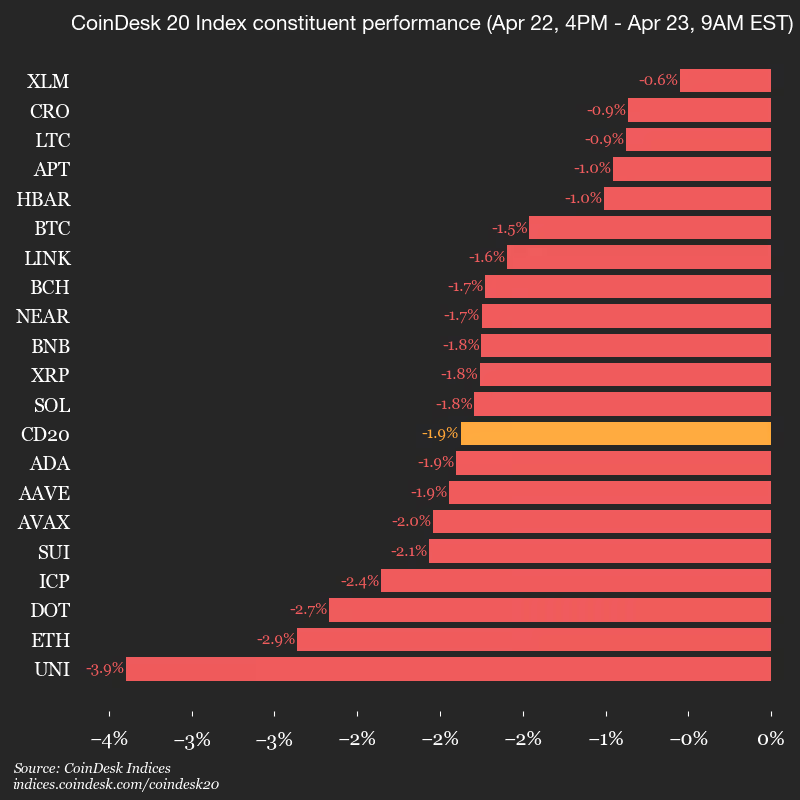
CoinDesk Indices presents its daily market update, highlighting the performance of leaders and laggards in the CoinDesk 20 Index.
The CoinDesk 20 is currently trading at 2117.36, down 1.9% (-40.48) since 4 p.m. ET on Wednesday.
All 20 assets are trading lower.

Leaders: XLM (-0.6%) and CRO (-0.9%).
Laggards: UNI (-3.9%) and ETH (-2.9%).
The CoinDesk 20 is a broad-based index traded on multiple platforms in several regions globally.

Key Insights
- Increasing open interest amid price fall indicates new capital flowing into the market before a breakout.
- Bollinger Bands contracting and relatively steady RSI hint at a volatility squeeze, typically followed by significant price movement.
- Intelligent money holds a greater long-term position than retail investors.
PENGU Set for Critical Breakout Period
It looks like PENGU is entering a very crucial period as the technicals, along with derivatives market analysis, are pointing towards a breakout period for the cryptocurrency. At the moment, PENGU is stuck in a tight range, with the volatility gradually declining during recent sessions. Such developments generally indicate a big price movement in the making.
Currently, we are witnessing the emergence of a standard squeeze pattern, wherein the price range is gradually closing up. As this happens, the pressure starts building on buyers and sellers, who are waiting to enter a new trend. At the same time, all signs point to the bulls taking control of the market soon.
Bands Compressing Indicates Upcoming Expansion
One of the best indications we have at the moment is provided by the Bollinger Bands, which are now narrowing at an extreme rate. The fact that they are compressing means that volatility is low, and that the market is set to break out. As has always been seen in the past, when this happens, prices are set to move sharply.
On the other hand, the RSI indicator stands at 56, meaning that there is continuous buying pressure but that it is not yet overbought. Therefore, there should be more room left before we see a bearish trend forming in the market. Finally, the MACD is relatively flat, suggesting that the momentum in the market is balanced. These indicators suggest that the market is in the process of accumulation.
Repetition of Resistance Tests Heightens Breakout Odds
PENGU has made several tests on an important resistance level of around $0.008, with each repetition seeming to erode the sellers’ resolve. This is noteworthy since multiple attacks on a resistance level often burn up the available liquidity, thereby increasing the probability of a breakout on the next attempt.
As the resistance level becomes weaker, the breakout odds will continue rising. After the breakout, the automated trading system and momentum-based algorithms will likely add further upward pressure. As such, the price may quickly surge towards the next target of $0.009.
The narrowing range indicates that algorithmic traders are keenly watching the resistance level. Therefore, once it breaks out, there will be a quick rally.
The Bullish View Supported by Increase in Open Interest
An additional key element of the bullish sentiment is the increase in the open interest. It has risen by about 6.86% to reach $22.2 million, despite the spot price falling by over 8%. The significance of this difference is that new open interest is being added, rather than previous contracts being closed out.
In many cases, such actions signal strategic positioning, whereby investors are positioning themselves to profit from future price moves. Instead of taking action to close out their current positions due to the decline in prices, they are adding new positions in the hope of a breakout in the future. It can be seen that such actions could be fuel for a sharp price rally.
The Smart Money Has a Significant Long Bias
According to statistics from leading traders, there is a tendency for long bias among the smart money, where around 60% of them have a bullish outlook, compared to just 56.7% from the retail investors. Although the differences appear negligible, they reflect a notable disparity in terms of commitment between experienced traders and average investors.
Such a situation implies the activity of professional or upper-level traders who are building up their positions amid the consolidation stage. In the past, similar trends were always followed by growth in prices, because professionals always positioned themselves in advance before the onset of significant changes.
Moreover, the rather stable ratio of buyers vs. sellers confirms this assumption since controlled accumulation is a much more reliable process.
Key Resistance and Support Areas to Pay Attention To
In order for this scenario to be fulfilled, there should be an eventual break above the $0.008 resistance area, which will mark the beginning of the next uptrend leg towards the $0.009 area.
As for possible support levels, $0.0074 is critical to watch as any movement lower may lead to further losses for PENGU to the $0.006 level because of the potential stop loss order execution.
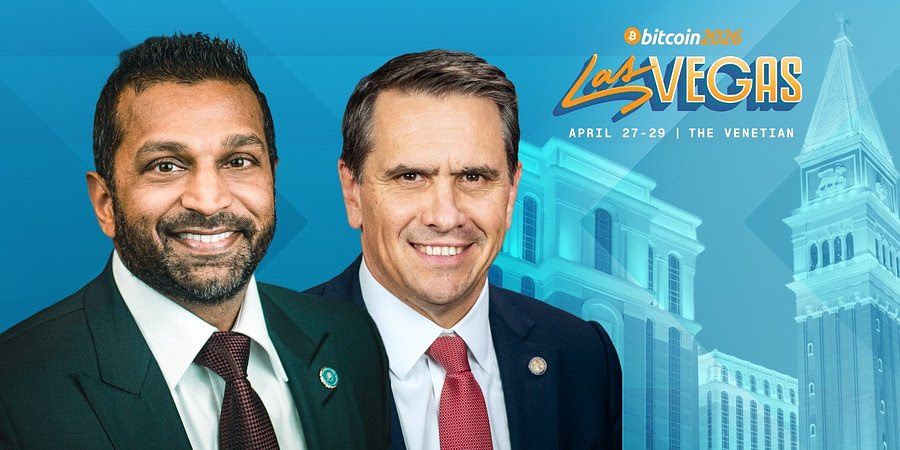
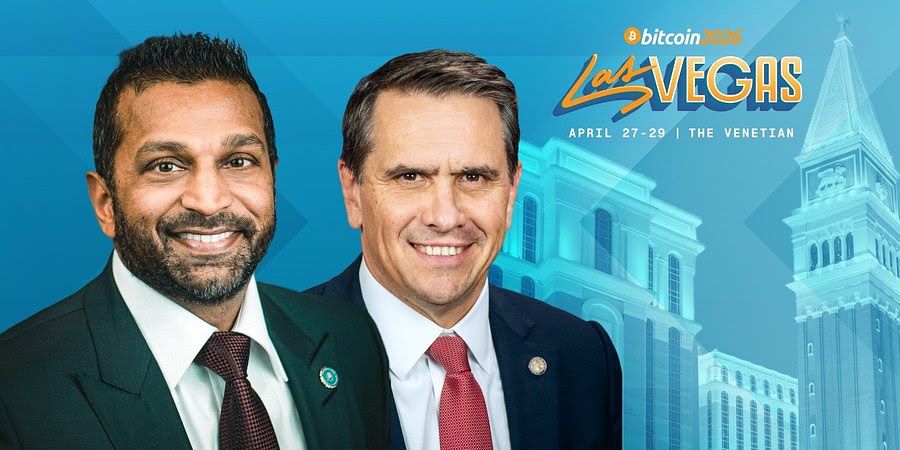
Nashville, TN, Bitcoin 2026, the annual Bitcoin conference, announced today that Acting Attorney General Todd Blanche and FBI Director Kash Patel will join an elite lineup of speakers at this year’s landmark event, taking place April 27–29 at The Venetian, Las Vegas.
AG Blanche and Director Patel will appear as part of Code & Country 2026, the conference’s flagship policy forum taking place on April 27, open to Pro Pass and Whale Pass holders. The forum is designed to facilitate direct engagement between Bitcoin builders and U.S. policymakers with no intermediaries on the legislative and regulatory issues shaping technology, civil liberties, and digital assets.
Their fireside chat, moderated by Paul Grewal, will be joined by Senator Cynthia Lummis, SEC Chairman Paul Atkins, CFTC Chairman Mike Selig, and Michael Saylor, among 500+ speakers across the full programme.
Director Patel’s fireside chat, titled “Code is Free Speech: Ending the War on Bitcoin,” is expected to be one of the most anticipated sessions of the forum, offering attendees a direct conversation with the nation’s top federal law enforcement official on the intersection of open-source software, civil liberties, and digital assets.
“We are honored to welcome Acting Attorney General Todd Blanche and FBI Director Kash Patel to the Bitcoin 2026 stage,” said Brandon Green, CEO of BTC Inc. Bitcoin 2026 organizer. “Their session promises to deliver extraordinary insight into how federal policy is evolving around Bitcoin development, free speech, and the ability to build great products in America that people need.”
Code & Country was formally launched as a branded track in 2025, building on programming that featured senior U.S. political leaders including Vice President J.D. Vance, White House AI & Crypto Czar David Sacks, House Majority Whip Tom Emmer, and SEC Commissioner Hester Peirce, among others. The 2026 edition expands on that foundation with a focus on energy infrastructure, stablecoin regulation, and civil liberties in the digital age.
About The Bitcoin Conference
The Bitcoin Conference, organized by BTC Inc, a Nakamoto Inc. (NASDAQ: NAKA) company is a global event series featuring notable industry speakers, workshops, exhibitions, and entertainment. These events serve as vital platforms for Bitcoin industry leaders, developers, investors, and enthusiasts to gather, network, and exchange ideas. The Bitcoin Conference hosted approximately 67,000 attendees in 2025 across its events in the United States, Asia, Europe, and the Middle East.
Bitcoin 2026 will be held in Las Vegas, April 27–29. The international event series continues with Bitcoin Hong Kong (Aug. 27–28, 2026), Amsterdam (Nov. 5–6, 2026), and in Abu Dhabi (Dec. 2026).
The post Bitcoin 2026 Announces AG Blanche and FBI Director Patel for Policy Forum appeared first on BeInCrypto.

The server returned a “404 Not Found”.
Something is broken. Please let us know what you were doing when this error occurred.
We will fix it as soon as possible. Sorry for any inconvenience caused.

The server returned a “404 Not Found”.
Something is broken. Please let us know what you were doing when this error occurred.
We will fix it as soon as possible. Sorry for any inconvenience caused.
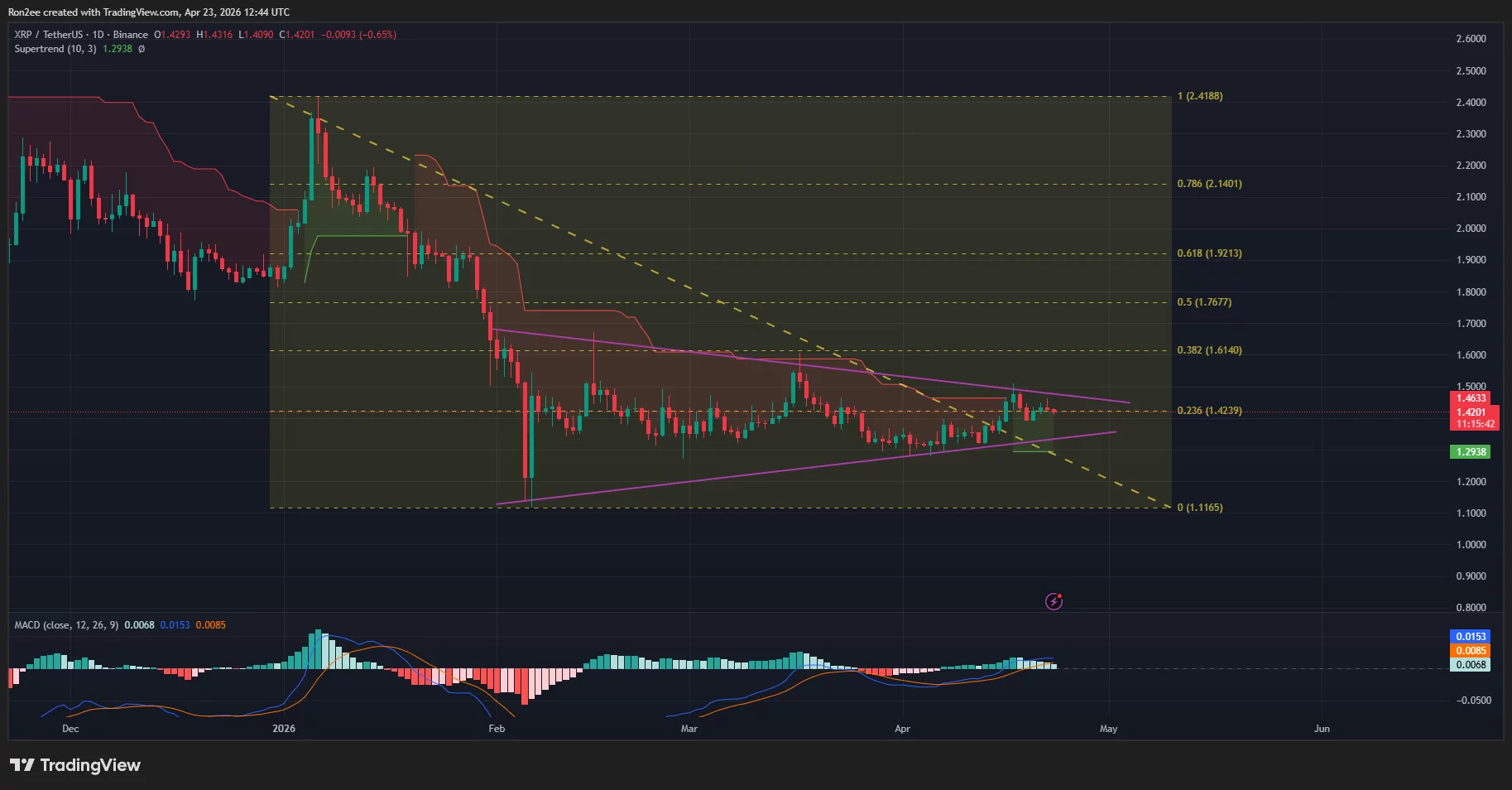
XRP price is eyeing a bullish breakout from a symmetrical triangle pattern that could position it for a breakout above $1.50, a level it has remained below for the past 5 weeks.
Summary
- XRP trades near the upper trendline of a symmetrical triangle, with a breakout above $1.50 potentially signaling continuation of the prior uptrend.
- Bullish signals emerge as Supertrend flips green and MACD trends upward, indicating rising buying momentum.
- Downside risk remains if the $1.20 support breaks, which could trigger a deeper correction toward the $1.00 level.
According to data from crypto.news, XRP (XRP) price fell 3% to an intraday low of $1.41 on Thursday. At this price, the token is 40% below its year-to-date high of $2.36.
While the token, along with the broader crypto market remain under intense pressure from geopolitical tensions that have reduced investor appetite for risk assets, its charts tell a different story.
On the daily chart, it has steadily been forming a symmetrical triangle pattern since the beginning of February. The formation is a decisive technical setup where a breakout from the upper trendline tends to signal a continuation of the previous uptrend, while a breakdown below the lower support suggests further bearish momentum.
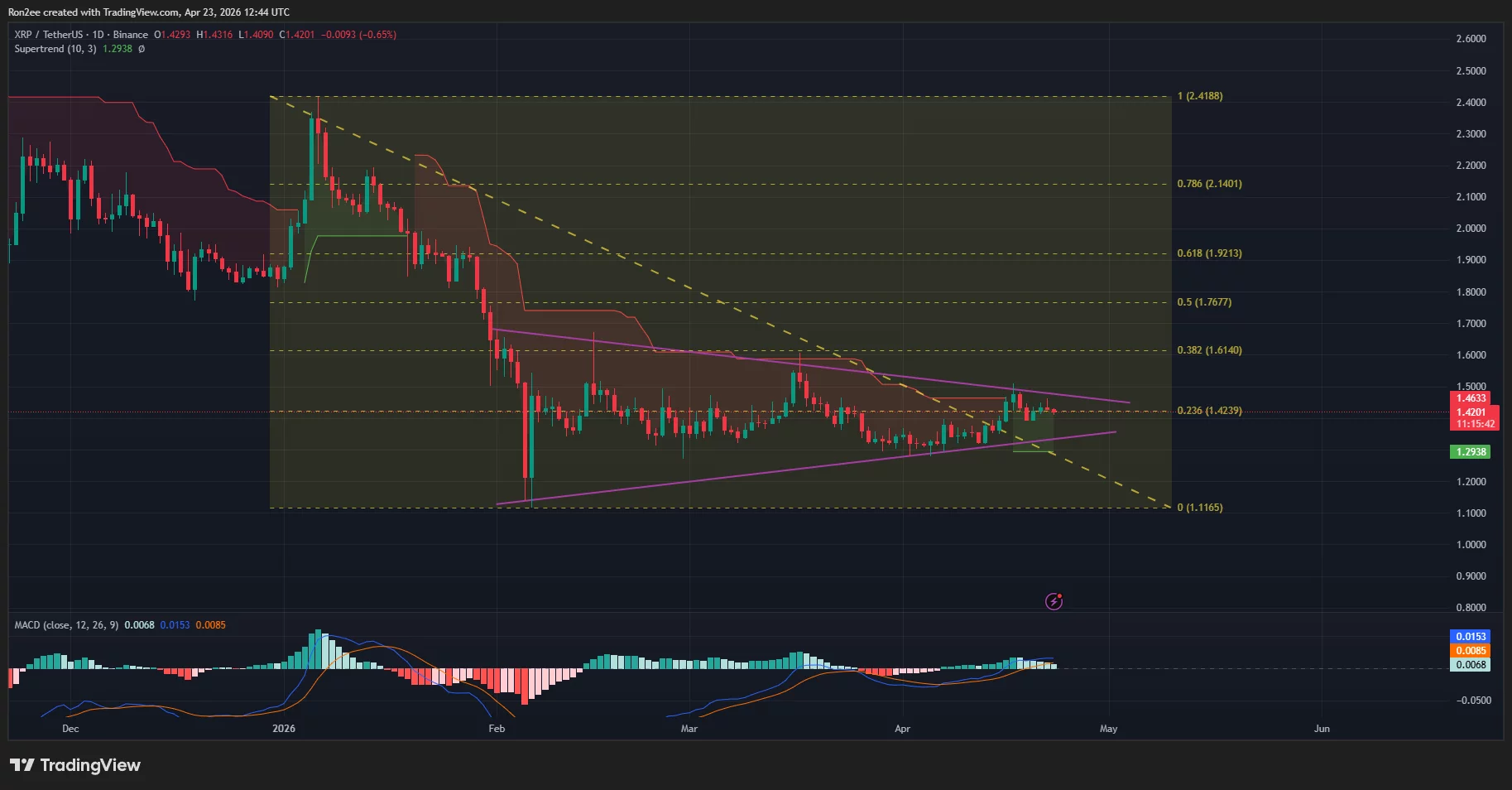
In XRP’s case, it is trading closer to the upper trendline, with technical indicators suggesting bulls could successfully initiate a breakout from it.
Notably, the supertrend indicator has recently flipped green for the first time since late January. When this metric turns green, it means that the prevailing market trend has shifted from bearish to bullish.
Meanwhile, the MACD lines have pointed upwards, a sign that buying momentum is increasing and a bullish crossover is likely imminent.
XRP price was also trading close to the 23.6% Fibonacci retracement level at $1.42. Hence, XRP could potentially stage a bullish breakout from the triangle pattern and successively rally toward $1.61, which aligns with the next Fibonacci retracement level in the series.
On the contrary, if XRP price loses the $1.2 support, the bullish thesis would be invalidated and could lead to a deeper correction toward the psychological $1.00 level.
Disclosure: This article does not represent investment advice. The content and materials featured on this page are for educational purposes only.

Uzbekistan has officially opened the door to global Crypto mining operators, offering a full 10-year tax holiday inside a newly established special zone.
No corporate income tax, no property tax, no land tax – supervised by the National Agency for Perspective Projects (NAPP) and built on a mandatory renewable energy framework.
President Shavkat Mirziyoyev signed the decree on April 17, 2026, effective April 20, establishing the Besqala Mining Valley in the Republic of Karakalpakstan. This is not a pilot program – it is a structural repositioning of Uzbekistan as a primary destination for industrial-scale hash rate.
The move lands at a moment when miners are actively hunting jurisdictions that offer fiscal predictability. The question the industry is now asking: does Uzbekistan have the energy infrastructure to back up the incentive package, and which operators will move first?
- Tax exemption period: 10 years – corporate income, property, and land taxes fully waived for zone residents
- Zone location: Besqala Mining Valley, Republic of Karakalpakstan – a region specifically targeted for economic revival
- Energy rules: Renewable energy, hydrogen, and grid electricity (at higher tariffs) all permitted – relaxed from prior solar-only mandate
- Revenue fee: Operators pay a monthly 1% fee on mining income to the zone directorate
- Banking requirement: All sales proceeds – domestic or foreign – must route through Uzbekistan’s banking system
- Timeline: Tax code amendments due within 2 months of April 20 activation; licensing via NAPP
Discover: The best pre-launch token sales
What Besqala Crypto Mining Valley Actually Includes, and What NAPP Is Requiring
NAPP structured the zone with clear qualifying criteria. Legal entities apply for resident status, gain access to approved power sources, and can sell mined assets domestically or abroad.
The energy rules now accommodate renewable sources, hydrogen plants, and grid electricity, a deliberate relaxation of the 2023 solar-only mandate that limited operator flexibility.
The 1% monthly fee on mining income is the only recurring cost beyond standard operational expenses.
All transaction proceeds, regardless of where the sale occurs, must clear through Uzbekistan’s banking system, a capital oversight mechanism that balances the zone’s openness with government visibility into flows.

Karakalpakstan was not a random selection. The region carries high poverty rates and a limited industrial base, a 2025 UN Development Program report flagged it specifically for economic intervention.
The zone borders Kazakhstan, and the government has committed to grid modernization targeting 1GW capacity to support operations.
Officials must finalize tax code amendments within 2 months of the April 20 activation date, putting a hard deadline on framework formalization.
Discover: The best crypto to diversify your portfolio with
The post Uzbekistan Lures Global Crypto Mining with 10-Year Tax Holiday in New Special Zone appeared first on Cryptonews.
Just as bitcoin appeared to have built momentum for a breakout above $80,000, macro uncertainty reemerged as a headwind.
The most notable development came from the Pentagon, which told U.S. lawmakers in a classified briefing that clearing mines in the Strait of Hormuz, a major oil chokepoint, could take at least six months, and the process will begin only after the U.S.-Iran conflict ends. The briefing also warned that gasoline and oil prices may remain elevated through the midterm elections, according to the Washington Post.
Persistently high energy costs risk keeping inflation sticky, leaving the Federal Reserve with limited room to cut interest rates, a negative backdrop for risk assets. Bitcoin, in particular, remains highly sensitive to interest rates and global liquidity conditions rather than real economic activity. Rising costs for essentials like fuel and food could also reduce investors’ willingness to allocate capital to speculative assets.
These risks are already showing up in markets. WTI crude has climbed to around $95 from $79 late last week, while government bond yields are rising across major economies. The U.S. 10-year yield has increased by eight basis points to 4.32% this week, and it’s U.K. counterpart has risen by 18 basis points to 4.96%.
“Oil prices are rising alongside yields and widening volatility spreads, signaling tighter financial conditions and increasing market risks,” said Michael Kramer, founder and CEO of Mott Capital Management.
This is an excerpt from CoinDesk newsletter ‘Daybook.’ Sign up here, if you haven’t already.
Speaking of key indicators, U.S.-listed spot bitcoin ETFs continue to show sustained demand, with funds seeing their fastest inflows in a month based on the seven-day moving average of net flows tracked by Glassnode.
Still, some analysts are urging caution, arguing that the rally lacks broad-based support in the spot market.
“The recent Bitcoin price increase is completely driven by demand in the perpetual futures market. Meanwhile, spot demand is still contracting (although at a slower pace). The same happened in January, when Bitcoin peaked at $98K. There are risks of a correction if traders start taking profits while spot demand continues to contract,” Julio Moreno, head of research at CryptoQuant, said on X.
The market capitalization of USDT, the largest dollar-pegged stablecoin, has hit a record high of $188.88 billion. Meanwhile, speculation in non-serious tokens such as , is reaching fever pitch, with overcrowding in bullish bets. Stay alert!
Read more: For analysis of today’s activity in altcoins and derivatives, see Crypto Markets Today . For a comprehensive list of events this week, see CoinDesk’s “Crypto Week Ahead.”
What’s trending
Today’s signal

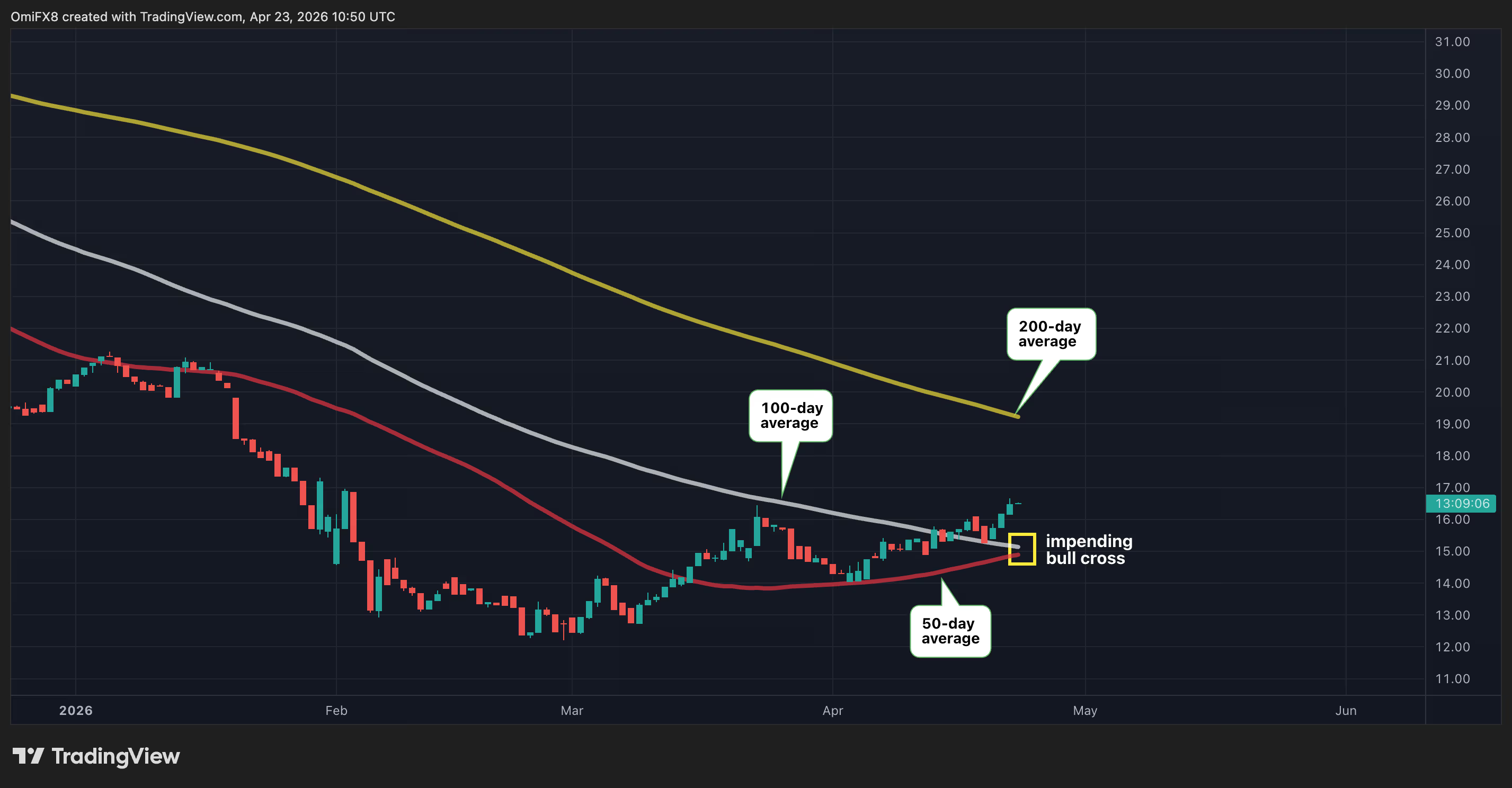
The chart shows fluctuations in the ratio between bitcoin’s price and gold, displayed in candlestick format. The red line represents the 50-day moving average, the white line the 100-day moving average and the yellow line the 200-day moving average.
The ratio has been steadily rising and has now topped the 100-day average. More importantly, the 50-day average could soon move above the 100-day average, confirming a bullish crossover. As the name says, it suggests a bullish shift in momentum.
That would mean continued outperformance of bitcoin relative to gold.



WisdomTree’s WTGXX holds nearly $860M in distributed asset value, mostly on Ethereum.
Pre-launch DeFi lending protocol Lotus has announced that WisdomTree’s Treasury Money Market Digital Fund (WTGXX) will serve as part of the reserve framework backing LotusUSD, its core vault token, according a press release shared with The Defiant. The DeFi protocol said the move marks one of the first instances of a money market fund being referenced within a DeFi lending protocol.
LotusUSD reserves are composed of USDC and tokenized short-duration U.S. Treasuries. According to the release, WTGXX integration is designed so that lenders earn a baseline yield even at zero utilization, sidestepping the structural problem in standard DeFi lending where returns dry up when borrowing demand is low.
WTGXX currently tokenizes over $857 million in U.S. Treasuries, primarily on Ethereum with a secondary allocation on Arbitrum, and carries a 7-day APY of 3.49%, per data from RWAxyz.
The integration is made possible in part by WisdomTree’s recently granted Securities and Exchange Commission exemptive relief permitting 24/7 instant settlement of WTGXX shares — a prerequisite for compatibility with around-the-clock DeFi infrastructure.
“We are seeing growing interest in connecting regulated financial assets, such as WTGXX, with blockchain-based infrastructure,” Maredith Hannon, head of BD for digital assets at WisdomTree said in the release. “This momentum reflects broader exploration of how tokenized traditional assets may be used within emerging digital ecosystems.”
Lotus also uses a tranched market structure, letting lenders select explicit risk profiles within a single connected liquidity pool rather than accepting uniform pool-wide exposure, per the protocol’s documentation.
The announcement comes days after the Kelp bridge exploit, which saw an attacker mint unbacked rsETH and use it as collateral on Aave to borrow nearly $200 million in real assets, and left Aave modeling between $124 million and $230 million in bad debt. Lotus founder and CEO David Reising drew a direct line between that event and the protocol’s design thesis:
“Yield in DeFi lending markets is too reliant on risky, volatile collateral. This was highlighted by this weekend’s KelpDAO exploit and the subsequent $15B Aave fallout — one of many events that have demonstrated the need for risk that’s predictable, bounded, and priced fairly.”
Reising argues the problem is structural, continuing, “The desire to lend against subprime assets, like rsETH, is a market structure issue that can be eliminated by letting people sit at a variety of risk levels in asset markets containing high-quality collateral. Collateral risk isn’t the only option to generate high returns.”
On how Lotus’s design addresses it: “When lenders earn a reliable base rate on stable assets via productive debt, opaque collateral becomes less attractive by default, and platform-level tail risk shrinks before an exploit happens.”
Lotus lists pre-deposit vaults opening in May 2026, with general availability to follow. Early access requests are open on the protocol’s launch page.
Tokenized Treasuries have seen strong DeFi adoption, with protocols like Aave’s Horizon RWA Market now accepting them as collateral — a trend Lotus is extending further into lending market design.
This article was written with the assistance of AI workflows. All our stories are curated, edited and fact-checked by a human.
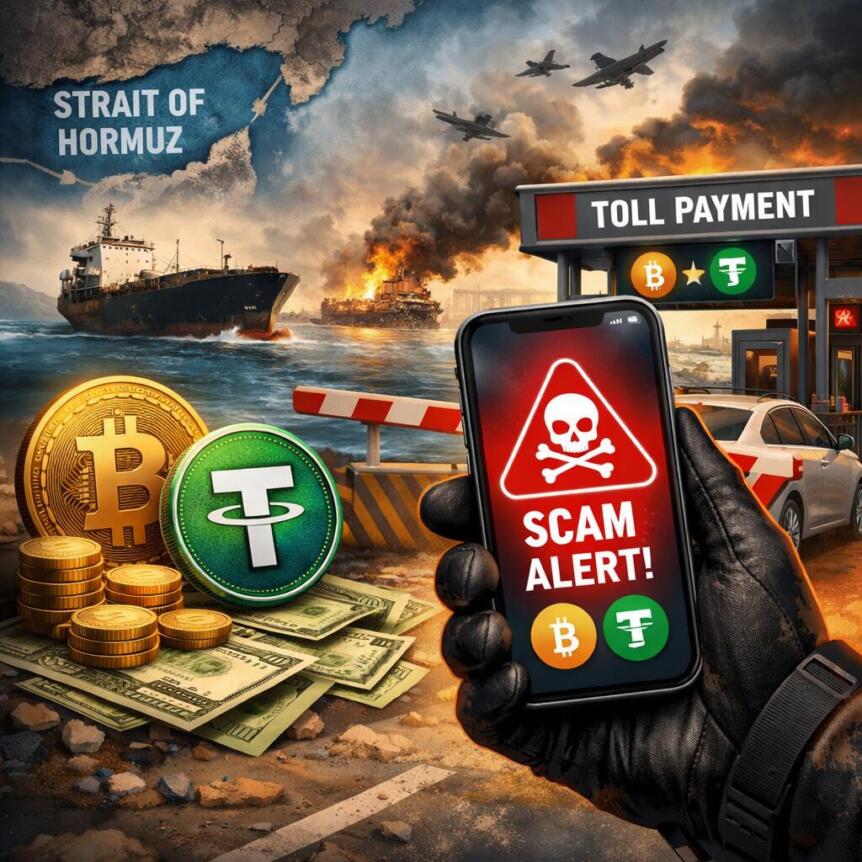
Bitcoin Toll Scam Targets Shipping Operations
Fraudsters have designed messages that imitate official Iranian communication channels and demand Bitcoin payments from ship operators. These messages claim vessels must complete verification before authorities approve transit through the Strait of Hormuz. However, security analysts have confirmed that no Iranian authority issued such instructions.
Moreover, the scam exploits confusion caused by reported plans to introduce maritime tolls during heightened regional tensions. Hackers have used this uncertainty to pressure companies into making urgent crypto payments. As a result, several shipping operators have received deceptive notices that appear structured and credible.
Meanwhile, maritime security firm MARISKS has flagged the campaign as highly coordinated and misleading. The firm identified patterns showing repeated targeting of commercial fleets operating near restricted waters. It also indicated that at least one vessel may have engaged with the fraudulent communication.
USDT Payment Requests Mirror Bitcoin Fraud Pattern
Similarly, attackers have expanded the scheme by requesting payments in USDT alongside Bitcoin to increase compliance chances. The use of stablecoins allows scammers to present a more flexible payment option to targeted shipping firms. Consequently, the fraud appears more convincing to operators familiar with digital transactions.
In addition, the fraudulent messages outline staged procedures that mimic official maritime clearance systems. These include document submission, eligibility checks, and final toll calculation before granting passage approval. Such structured messaging increases the likelihood of deception among stressed vessel operators.
At the same time, reports indicate that vessels navigating the region have faced both security threats and digital fraud attempts. Two ships encountered gunfire incidents while attempting to exit the Strait under tense conditions. One of these vessels reportedly interacted with the crypto scam before facing physical threats.
Background Hormuz Disruption Fuels Exploitation Risks
The Strait of Hormuz remains one of the world’s most critical energy transit routes, handling a significant portion of global oil shipments. However, ongoing tensions involving the United States, Iran, and regional allies have disrupted normal shipping operations. This disruption has created operational uncertainty and increased vulnerability to cyber threats.
Furthermore, discussions around implementing transit tolls have added complexity to the situation for shipping companies. Authorities have considered such measures as an alternative to a complete blockade of the waterway. Even so, the lack of clear enforcement mechanisms has opened space for fraudulent actors.
Currently, more than 20,000 vessels remain delayed or stranded near the strategic corridor due to security risks. This backlog has intensified pressure on operators seeking safe and timely passage through the region. As a result, scammers continue to exploit urgency and confusion to extract cryptocurrency payments.
MARISKS and other security groups have urged shipping firms to verify all communications through official diplomatic or maritime channels. They have emphasized that no legitimate authority has authorized crypto toll payments for transit. Therefore, companies must apply strict verification procedures before responding to any payment requests.
The situation highlights the growing intersection between geopolitical conflict and digital financial crime. As tensions persist, cybercriminals continue adapting tactics to exploit global trade vulnerabilities. This trend underscores the need for stronger coordination between maritime security and cybersecurity frameworks.

Kobbie Mainoo has sent clear message to Marcus Rashford as bumper Man Utd deal agreed
Uniswap (UNI) drops 3.9%, leading index lower

How ASDA Mobile Fits Perfectly Into the Changing UK Telecom Landscape

Manchester United reach agreement with Casemiro over contract clause amid transfer speculation

Steven Gerrard disagrees with Gary Neville over ‘shock’ Chelsea and Arsenal claim | Football

US brings back mandatory military draft registration


-

 Sports6 days ago
NWFL Suspends Two Players Over Post-Match Clash in Ado-Ekiti
-

 Fashion6 days ago
Weekend Open Thread: Theodora Dress
-

 Politics6 days ago
Palestine barred from entering Canada for FIFA Congress
-
Entertainment4 days ago
NBA Analyst Charles Barkley Chimes in on Ice Spice McDonald’s Fiasco
-

 Business4 days ago
Powerball Result April 18, 2026: No Jackpot Winner in Powerball Draw: $75 Million Rolls Over
-

 Tech4 days ago
Auto Enthusiast Scores Running Tesla Model 3 for Two Grand and Turns It Into Bare-Bones Go-Kart
-

 Politics4 days ago
Zack Polanski demands ‘council homes not luxury flats for foreign investors’
-

 Crypto World6 days ago
Russia Pushes Bill to Criminalize Unregistered Crypto Services
-

 Politics3 days ago
Gary Stevenson delivers timely reminder to register to vote as deadline TODAY
-

 Business1 day ago
Rolls-Royce Voted UK’s Most Iconic Trade Mark as IPO Register Hits 150
-

 Politics19 hours ago
Disabled people challenge government SEND proposals over segregation concerns
-

 Politics19 hours ago
Making troops accountable for war crimes threatens US alliance, ex-SAS colonel warns
-
 Business7 days ago
Creo Medical agree sale of its manufacturing operation
-

 Crypto World6 days ago
Russia Introduces Bill To Criminalize Unregistered Crypto Services
-

 Politics20 hours ago
Starmer handler McSweeney to be dragged from shadows by Foreign Affairs Committee
-

 Politics20 hours ago
Zack Polanski responds to home secretary’s taser threat
-
Politics20 hours ago
Wings Over Scotland | How To Get Away With Crimes
-
 Crypto World5 days ago
Kelp DAO rsETH Bridge Hack Drains $292M as DeFi Losses Top $600M in Two Weeks
-

 Politics17 hours ago
‘Iran is still a nuclear threat’
-

 Business7 days ago
Cheaper Doritos and Lays helps PepsiCo win back struggling snackers
You must be logged in to post a comment Login