

Crypto World
What is a crypto launchpad? Fair launches explained



Somewhere on the internet right now, a token that did not exist ninety seconds ago is being traded by strangers. It cost its creator about two dollars to launch, required no code, no company, and no permission, and it will most likely be worthless by dinner.
The machine that makes this possible is called a launchpad, and in the current market cycle, launchpads have become the single busiest category of application in all of crypto, minting millions of tokens, generating hundreds of millions of dollars in fees, and hosting both the fastest fortunes and the fastest wipeouts anywhere in the market.
A crypto launchpad is a platform where new tokens are created, distributed, and first sold. That one sentence covers two radically different worlds. The older world is the curated launchpad, a gatekept venue where vetted projects raise capital from early investors through structured sales. The newer world is the permissionless memecoin launchpad, where anyone can deploy a token instantly and the market sorts survivors from corpses in real time. Understanding both models, and the fair launch versus presale divide that separates them, is now basic literacy for anyone touching new tokens.
This guide covers what launchpads are and why they exist, how the curated model works step by step, how the ICO era created and nearly destroyed the category, how Pump.fun rewrote the rules with bonding curves and one click deployment, how fair launches differ from presales in mechanics and in incentives, the competitive war now running across chains, the risk landscape from rug pulls to sniping, and a practical checklist for evaluating any launch before putting money in.
What a launchpad is and the problem it solves
Every new token faces the same cold start problem. It needs a price, but prices come from markets, and markets need liquidity and participants, which a brand new asset has none of. It needs distribution, because a token held entirely by its creator is not a market but an inventory. And if the project behind it needs funding, it needs a way to sell tokens before any of the above exists. Launchpads are infrastructure built to solve the cold start: they provide the venue, the mechanics, and the initial audience that turn a token from a contract deployment into a trading asset.
The earliest solution was no solution at all. Projects in the initial coin offering era of 2017 and 2018 simply published a whitepaper and a deposit address, and money flowed in on trust. The results were catastrophic often enough, exit scams, vaporware, outright theft, that the market demanded intermediaries, and launchpads emerged as exactly that: platforms that would screen projects, structure the sale, hold the process to rules, and lend their reputation to launches that passed. Binance Launchpad’s 2019 debut set the template for the exchange hosted version, the initial exchange offering, and dozens of platforms followed across chains and niches.
Between those poles sits a spectrum of hybrids: launchpads with light vetting but open access, curated venues that added instant launch products, and exchange platforms that bolted bonding curves onto their listing pipelines. The taxonomy matters less than the underlying trade: every launchpad design chooses a point on the line between safety and openness, and every point on that line has a failure mode.
The intermediary model dominated until January 2024, when a Solana application called Pump.fun asked a heretical question: what if the launchpad screened nothing, structured nothing, and simply let anyone launch instantly into an automated market? The answer turned out to be the most prolific token factory in crypto history, and it split the launchpad world permanently in two.
How curated launchpads work
The traditional pipeline runs in recognizable stages. A project applies, submitting its documentation, team credentials, tokenomics, and roadmap. The platform vets, with the serious venues running identity checks, code audits, and economic review, and rejecting most applicants; the vetting is the product, since it is the reason investors trust the venue at all. An accepted project then announces its sale terms: price, allocation sizes, dates, and the vesting schedule governing when purchased tokens actually become tradable.
Participation mechanics vary by platform. The simplest model is first come, first served at a fixed price. More common is tiered access, where users must hold or stake the launchpad’s own native token to qualify, with larger stakes buying larger allocations, a design that conveniently creates permanent demand for the platform’s token. Lottery systems randomize access among registrants. Auctions let demand set the price. Whatever the format, buyers in these sales are getting in before public listing, usually at a discount to the expected listing price, and usually subject to vesting: a portion at the token generation event, the rest released over months. Some platforms add refund windows that let participants back out before claiming tokens, a feature that emerged after enough listings traded below their sale price to make guarantees a selling point.
After the sale, the platform typically coordinates the listing, on its own exchange in the IEO model or on a decentralized exchange in the IDO model, where the sale proceeds seed the first liquidity pools. The launch is complete when the token trades freely and the launchpad moves on to the next cohort. At their best, curated launchpads function as a hybrid of underwriter, accelerator, and quality filter. At their worst, they are pay to play listing machines whose vetting is a press release, and the category has produced plenty of both.
Pump.fun and the permissionless revolution
Pump.fun deleted every stage of that pipeline. Launched on Solana in January 2024, it reduced token creation to a form: name, ticker, image, and roughly two dollars in fees, with the token live and tradable in under a minute. No application, no vetting, no presale, no team allocation, no liquidity to raise. The mechanism that makes this possible is the bonding curve, an automated pricing formula that acts as the token’s first market.
The curve works like a vending machine that raises its prices as stock sells. A fixed portion of the new token’s supply is placed into the curve contract. Buyers purchase directly from the curve, and each purchase pushes the price higher along the formula; sellers sell back into it, pushing the price down. There is no order book, no market maker, and no counterparty except the contract, which means every token has instant, guaranteed liquidity from its first second, priced purely by net demand.
Graduation is the second innovation. When a token’s bonding curve fills to a threshold market value, originally around 69,000 dollars, later revised alongside the platform’s move to its own exchange, the accumulated funds are deposited automatically into a liquidity pool on an open decentralized exchange, and the token leaves the nursery to trade in the wild. Most tokens never graduate. That is the design, not a flaw: the curve stage is a cheap, contained arena where thousands of ideas can fail without wasting anyone’s liquidity but their buyers’.
The numbers the model produced are difficult to overstate. More than eleven million tokens have launched through the platform, cumulative revenue has run toward a billion dollars, and at peak the platform accounted for the large majority of all new token launches on Solana. In July 2025 the platform sold its own PUMP token, raising six hundred million dollars in twelve minutes as part of a sale exceeding a billion dollars, a fundraising event that would have ranked among the largest ICOs of the previous era, executed by a company whose product exists to make fundraising unnecessary. The irony was widely noted and changed nothing about the demand.
Inside the bonding curve: a worked example
The mechanics become intuitive with numbers. Suppose a new token launches with 800 million of its 1 billion supply placed into the curve, the standard structure on Pump.fun’s original design. The first buyer spends a small amount of SOL and receives tokens at the curve’s floor price, fractions of a cent. Each subsequent buy delivers fewer tokens per SOL, because the formula raises the price as the curve’s token reserve depletes. A buyer arriving after 100 SOL of net inflows pays a visibly higher price than the first; a buyer arriving after 400 SOL pays multiples of it.
Selling reverses the flow. A holder sells tokens back into the curve and receives SOL out of the accumulated reserve, pushing the price back down the formula. The reserve can never be emptied below what the formula requires, which is what makes the liquidity guaranteed: unlike a traditional pool that a creator can drain, the curve’s funds are locked in the contract and only move along the formula or, at graduation, into the public pool.
The design has an underappreciated psychological property. Because early positions on the curve are mathematically cheapest, every launch is a race, and the race is the product. The interface shows live buys, holder counts, and a progress bar to graduation, gamifying the climb. Critics describe the result as a slot machine with extra steps; users describe it as the purest price discovery in crypto, a market with no fundamentals to argue about, only flows. The two descriptions are not in conflict.
What the curve does not do is protect anyone after the music stops. When attention moves on, the same formula that escalated the price on the way up marks it down just as smoothly, and the last buyers hold the loss. The curve guarantees a market. It has no opinion about the price.
Fair launch versus presale: the real dividing line
Underneath the platform war sits a deeper design question: who gets tokens before the public does, and at what price. A presale model answers: insiders do. Investors, the team, and early allocations buy at preferential prices before public trading, with vesting schedules governing when they can sell. The presale is how projects fund development, and it is also how the low float, high valuation structure gets built, with all the delayed sell pressure that implies. Buying at public listing in a presale token means buying above the price every insider paid.
A fair launch answers: nobody does. All supply enters the market through the same mechanism at the same starting price, with no presale, no team allocation, and no vesting, because there is nothing to vest. The bonding curve launchpads made fair launches operationally trivial, and the model’s appeal is exactly its symmetry: the creator has no privileged tokens to dump, so the archetypal insider rug is structurally impossible.
The honest comparison cuts both ways. Fair launches remove insider pricing but replace it with a speed game, where the earliest seconds of the curve capture the cheapest tokens, and being early is its own privilege, one that trading bots enjoy far more than humans. Snipers buy in the launch block, bundlers split purchases across wallets to disguise concentration, and a nominally fair curve can be quietly cornered before an ordinary buyer ever sees the ticker. Presales, for all their asymmetry, at least fund something: a team with capital, obligations, and a vesting schedule has reasons to build, while a fair launched memecoin has no treasury, no roadmap, and no one accountable. Fairness at the starting line does not imply anything about the race.
The practical synthesis most of the market has settled on: fair launch mechanics suit tokens that are pure attention assets, meme coins whose only product is the crowd itself, while structured sales with vesting still dominate for projects that need funded teams. The mechanisms sort the assets.
The launchpad wars
Success invited siege. LetsBonk arrived in April 2025 from the BONK community in collaboration with Raydium, Solana’s largest decentralized exchange, differentiating itself by recycling a share of fees into buying BONK, a value return the community contrasted pointedly with Pump.fun’s extraction of fees. The same BONK ecosystem later provided a darker lesson in what community infrastructure can cost when its treasury governance failed spectacularly in a twenty million dollar attack, a reminder that the money launchpads generate has to live somewhere, and that somewhere has to be secured.
Competition then went cross chain. Four.Meme rose on BNB Chain and, in one signal moment, flipped Pump.fun in daily revenue as Binance ecosystem memecoins caught their own wave. SunPump ran the model on Tron. Moonshot courted safety conscious users with audited contracts. Raydium, watching its former partner build a competing exchange, shipped its own LaunchLab. Every general purpose chain now has at least one bonding curve launchpad, because the model is simple to copy and the fees are irresistible: the platform earns on every trade in every casino game, win or lose.
The economics explain the durability. A launchpad monetizes activity, not quality. Creation fees, trading fees on the curve, and graduation fees add up across millions of launches into revenue that rivals the largest protocols in crypto, all without the platform taking token risk itself. Critics call the model extractive, a house that profits from churn while the overwhelming majority of its tokens go to zero. Defenders answer that the platform sells exactly what it advertises, instant markets, and that no one is misled about the odds. Both descriptions are accurate.
What the launchpad era changed about token launches
Zoom out and the permissionless model altered three structural facts about crypto markets. First, it collapsed the cost of asset creation to effectively zero, which moved the scarce resource from capital to attention. When anyone can mint a token in a minute, tokens themselves are worthless by default, and value concentrates in whatever can gather and hold a crowd: a meme, a personality, a moment. The launchpad era is the attention economy with a price feed attached.
Second, it inverted the disclosure model. The curated era tried to make issuers trustworthy through vetting; the permissionless era abandoned trust and substituted transparency, publishing every wallet, every trade, and every creator action on chain and letting buyers do their own forensics. The tooling ecosystem that grew around launchpads, holder scanners, bundler detectors, creator wallet trackers, is the market’s answer to a world where nobody checks anything before launch, so everyone must check everything after.
Third, it turned launch mechanics into a competitive product category. Fee structures, creator revenue sharing, buyback programs, graduation thresholds, and anti sniping features now iterate week by week across competing platforms, the way exchanges once competed on maker fees. Some experiments push value back to communities, like fee recycling into ecosystem tokens. Others push it to creators, paying them a share of trading fees to keep launching. The direction of the iteration matters more than any single feature: launch infrastructure has become a business in its own right, larger by revenue than most of the projects that launch on it.
The risk landscape
The launchpad world’s risks divide by model. On permissionless platforms, the headline number tells the story: analyses of Pump.fun activity found that around 98.6 percent of launched tokens exhibited rug pull characteristics or died worthless, and the platform’s own founders concede that soft rugs, where a creator simply abandons a token and sells whatever they hold, cannot be prevented technically. Add sniping, bundled wallet accumulation, coordinated pump groups, copycat tickers designed to catch fat fingered buyers, and livestream stunts engineered for attention, and the picture is clear: the permissionless arena is adversarial by default, and every participant should assume the other side of their trade knows something they do not.
Curated platforms carry subtler risks. Vetting varies from rigorous to cosmetic, and a platform paid by projects to launch has a structural conflict when deciding what passes review. Allocation tiers push users to buy and stake platform tokens, concentrating risk in the venue itself. Vesting schedules on presale tokens defer insider supply into the future, where it lands on whoever is holding at unlock time. And the legal environment remains live: the category has drawn class action lawsuits, and the United Kingdom’s regulator blocked access to Pump.fun outright, part of a broader regulatory reckoning over whether instant token factories fit inside any existing framework. Distribution methods sit on a spectrum of scrutiny, from structured sales at one end to free airdrops at the other, and launchpads occupy the most commercially aggressive part of that spectrum.
None of this makes the category untouchable. It makes it a venue where risk is priced by attention, and where the checklist below does more work than in any other corner of crypto.
How to evaluate any launch
Before touching a curated sale, read the token’s full vesting table and compute what percentage of supply insiders hold, at what cost basis, unlocking on what dates. Check who audited the contracts and whether the audit is public. Investigate the launchpad’s track record: how did its last ten launches trade after listing, and after the first major unlock? Confirm what the raised funds are contractually committed to. If the answers are missing, the answers are bad.
Two universal habits complete the toolkit. Verify everything at the contract level, because interfaces lie more easily than chains: the vesting table that matters is the one enforced in code, and the holder distribution that matters is the one visible on chain right now. And watch what launches around you, because launchpad markets move in narrative waves, and a token’s fate usually has more to do with the wave it rides than with anything specific to the token.
Before touching a bonding curve token, check holder concentration first, since a token where a handful of connected wallets hold most of the supply is a trap regardless of its chart. Look at whether the creator’s wallet is accumulating or distributing. Treat graduation as a checkpoint, not a guarantee, because plenty of tokens rug after reaching open trading. Size positions on the assumption of total loss, because the base rate says that assumption will usually be correct. And treat social proof as a manufactured commodity, because on launchpads, it is: engagement, holders, and volume can all be bought for less than the profit of one successful exit.
The meta lesson spans both worlds. A launchpad organizes access to new tokens; it does not underwrite them. The most polished launch process on the most reputable platform still delivers an asset whose value depends entirely on what it is and who wants it. The machine that creates markets in ninety seconds is real, impressive, and permanently indifferent to whether any particular buyer walks away richer.
Frequently asked questions
What is a crypto launchpad?
A crypto launchpad is a platform where new tokens are created, distributed, and first sold. Curated launchpads screen projects and run structured early sales for investors, while permissionless launchpads such as Pump.fun let anyone create a token instantly and trade it through an automated bonding curve.
What is the difference between an ICO, an IEO, and an IDO?
All three are token sale formats. An ICO is a direct sale by the project itself, an IEO is a sale hosted and vetted by a centralized exchange, and an IDO is a sale conducted through a decentralized exchange or launchpad, with tokens typically becoming tradable on chain immediately after.
What is a bonding curve?
A bonding curve is a pricing formula inside a smart contract that acts as a token’s first market. Buyers purchase from the curve and each purchase raises the price; sellers sell back into it and lower the price. It gives new tokens instant liquidity without an order book or market maker.
What does graduation mean on Pump.fun?
Graduation is the moment a token’s bonding curve reaches its target value and the accumulated funds move automatically into a liquidity pool on an open exchange. The token then trades freely outside the launchpad. Most tokens never reach graduation.
What is a fair launch?
A fair launch distributes all supply through the same public mechanism at the same starting terms, with no presale, no team allocation, and no vesting. It removes insider pricing advantages, though bots and early snipers still gain an edge in the opening moments.
Are launchpad tokens safe to buy?
They carry elevated risk in both models. Analyses have found that the overwhelming majority of tokens on permissionless launchpads end up worthless or exhibit rug pull behavior, while presale tokens carry insider unlock overhangs. Position sizing that assumes total loss is the prudent baseline.
How do launchpads make money?
Primarily through fees: token creation fees, trading fees on bonding curve activity, graduation or listing fees, and in curated models, charges to projects and revenue tied to the platform’s own token. Launchpads earn on activity regardless of whether individual tokens succeed.
Why do some launchpads require staking their token?
Tiered access models grant larger sale allocations to users who hold or stake the platform’s native token. The design rations scarce allocations and, by requiring the stake, creates ongoing demand for the launchpad’s own token.
This article is for educational purposes only and does not constitute financial or investment advice. Launchpad mechanics, fees, and platform details change frequently. Details are accurate as of July 14, 2026.



In Utah, which passed State-Endorsed Digital Identity (SEDI) legislation, Cardano Foundation-built Veridian has already shown that digital identity can be delivered in a privacy-preserving way, allowing users to prove that they are over or under a specific age without exposing any other data. It’s a working model of what responsible verification can look like and shows trust does not require unnecessary disclosure. Privacy can be designed into the system from the start.
That is the standard bills like KIDS or KOSA should favor.
If the goal is to protect children, the tools should be narrow, purposeful, and minimally invasive. Broad mandates that push every platform toward more data, more retention, and greater dependence on identity are too blunt and risk creating a multitude of other problems alongside the ones they claim to solve.
A better approach is straightforward. Build for data minimization, limit retention, and use privacy-preserving verification where verification is truly needed. If digital trust can be established without exposing personal data, lawmakers should prefer that path. If safety can be improved without turning the internet into an identity checkpoint, that should be the only option.
Children deserve protection online. But they do not need a policy framework that makes everyone more visible in order to make the internet, and the companies that thrive on it, more accountable.


EU AML watchdog has warned that the end of MiCA’s transitional period has increased the risk of compliance pressure on crypto firms as customers move to licensed providers across the bloc.
Summary
- EU anti money laundering chief warned that customer migration after MiCA could strain compliance at crypto firms.
- AMLA said licensed providers should maintain strong anti money laundering controls as they onboard new users.
- The authority plans to publish a crypto money laundering risk report this year while expanding its blockchain analytics capabilities.
According to Bruna Szego, chair of the Authority for Anti-Money Laundering and Countering the Financing of Terrorism (AMLA), crypto companies exiting the European Union market could face a surge in customer withdrawal requests, while licensed virtual asset service providers (VASPs) may struggle to onboard large numbers of new users without weakening compliance standards.
Speaking during a Wednesday briefing before the European Parliament’s Committee on Economic and Monetary Affairs, Szego said firms winding down operations should be prepared for increased customer activity as users transfer their assets before services end. She added that licensed providers absorbing those customers should keep anti-money laundering procedures effective throughout the transition.
The warning comes after the European Union’s 18-month Markets in Crypto-Assets (MiCA) transitional period ended on July 1, requiring crypto-asset service providers (CASPs) to obtain authorization to continue serving customers in the bloc.
Earlier, the European Securities and Markets Authority (ESMA) instructed firms that remained unauthorized after the deadline to take immediate steps to wind down their EU operations, leaving customers to migrate to licensed providers.
AMLA prepares next stage of MiCA oversight
Before the July 1 deadline, AMLA issued an advisory note outlining money laundering risks linked to the end of the transitional period. According to the authority, the guidance sets out expectations for both firms closing their EU businesses and licensed providers accepting new customers so that anti-money laundering controls remain effective during the migration.
During the parliamentary briefing, Szego said AMLA plans to publish a report before the end of the year examining money laundering risks across the crypto sector alongside supervisory practices used by national authorities. She added that the authority is expanding its blockchain analytics capabilities to strengthen oversight of crypto-asset service providers.
According to Szego, the report will compare how regulators supervise CASPs across member states and identify differences that could require coordinated follow-up work between AMLA and national authorities.
The latest comments build on Europe’s post-licensing supervisory efforts. On July 11, ESMA launched a Common Supervisory Action covering a sample of MiCA-authorized crypto custodians to examine operational resilience in areas including private key management, transaction controls, incident response and reliance on third-party technology providers.
ESMA said the review is intended to test whether authorized firms can maintain effective operational safeguards in practice rather than relying solely on their MiCA licenses, making it one of the first coordinated supervisory exercises after the transition period expired.
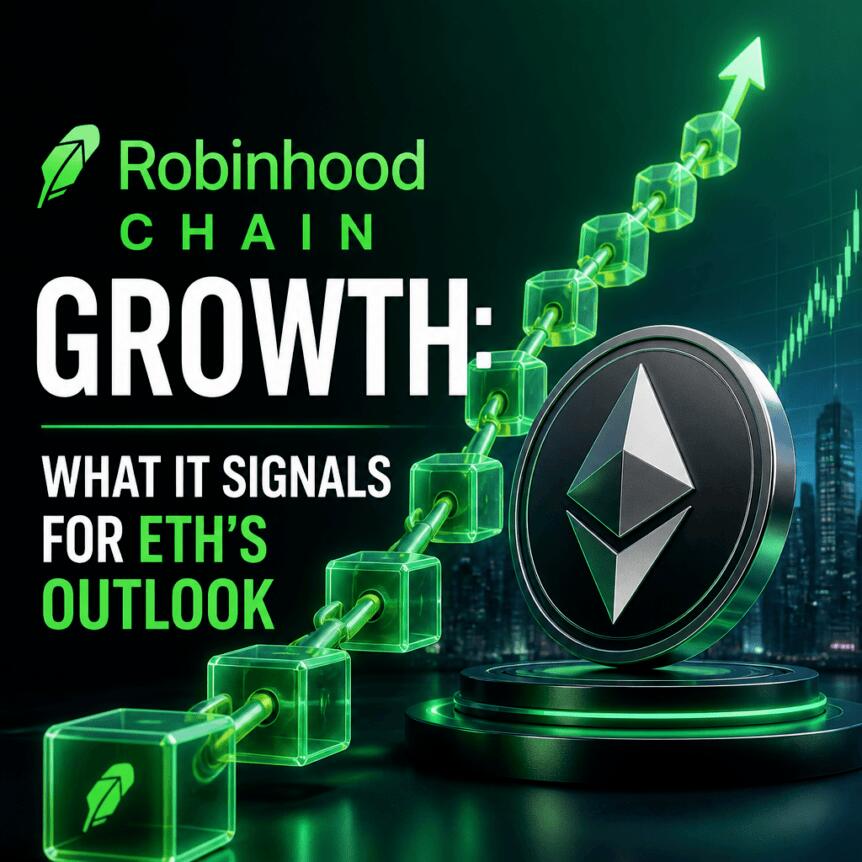
Robinhood’s newly launched Ethereum layer-2, built on Arbitrum technology, has quickly become one of the busiest rollups in the ecosystem—prompting fresh debate over a familiar question in Ethereum scaling: do successful L2s ultimately lift demand for ETH, or do they mainly capture value for themselves?
According to Cointelegraph’s reporting and data it cites, more than $141 million in Ether was bridged to Robinhood Chain in its first two weeks. DeFiLlama’s Ether distribution data also indicates that more than half a million wallets now hold ETH on the network. Activity has spilled into trading as well: Robinhood Chain has reportedly surpassed Ethereum L1 and Coinbase’s Base L2 in 24-hour DEX volume.
Key takeaways
- Robinhood Chain’s rollout has boosted attention on whether L2 adoption can translate into stronger ETH demand.
- Bridged Ether and wallet growth on the L2 are clear early signals, but that does not automatically mean higher L1 fee revenue or burn.
- Industry participants differ on what drives ETH upside: fee-share economics versus ETH’s role as “money” across L2 ecosystems.
- Even if major institutions build on Ethereum, it remains uncertain how much of that activity requires users to hold ETH directly.
Robinhood Chain’s rapid traction puts institutions in the spotlight
Robinhood Chain launched on July 1 and, per the activity figures cited above, has rapidly drawn users and liquidity. In its first two weeks, the network drew meaningful Ether bridging volumes and grew to more than 500,000 wallets holding ETH on the chain, according to DeFiLlama.
What has drawn more interest than the underlying rollup concept is the sponsor: Robinhood is a publicly listed retail brokerage with tens of millions of customers. Prior waves of L2 growth—often associated with crypto-native teams—failed to materially shift market pricing for ETH, largely because much of the economic action stayed on the rollups rather than flowing back to Ethereum L1.
This time, the narrative is different: Robinhood has brought a mainstream financial brand into the L2 arena, and early signals suggest it is integrating into broader real-world asset (RWA) activity. Within days of launch, Robinhood Chain reportedly accounted for 6.9% of all tokenized stockholders, based on Token Terminal data referenced in the coverage.
Why some see the launch as a stronger “ETH is money” thesis
Ether’s price reaction has added fuel to the optimism. The article notes that Ether rose roughly 15% from $1,582 on July 1 to $1,825 by July 13, citing Coingecko price data.
Commentators linked the price strength to Robinhood Chain as reinforcement of an “ETH is money” argument—one that emphasizes ETH’s role as the base asset underpinning Ethereum settlement and collateral usage rather than just its share of transaction fees.
On July 11, World Liberty Financial’s Eric Trump posted on X that “ETH is pumping hard,” while Tom Lee, chairman of BitMine Immersion Technologies, argued on X that the launch supports the idea that “ETH is money,” pointing to Ethereum’s native gas role and L2 finality on the mainnet.
Developer commentary also leaned toward a milestone framing. Alex Gluchowski, founder and CEO of Matter Labs (the developer behind zkSync), described Robinhood Chain as a milestone showing L2 infrastructure has moved from experimentation by crypto teams to usage by regulated, publicly listed companies. He also characterized Robinhood’s approach as tailoring an Ethereum rollup for privacy, compliance, and performance while inheriting Ethereum’s security and staying connected to its liquidity.
Bitwise’s Max Shannon, quoted in the article, suggested the significance goes beyond prior L2 deployments. He argued it reflects growth of the Ethereum ecosystem among major institutions and arrives as Ethereum broadens its push toward institutional engagement through initiatives referenced in the report.
But value-accrual questions remain unresolved
Even with institutional participation, the core investment question has not been fully answered: how does rising L2 usage translate into measurable economic value for ETH holders?
The coverage highlights a key tension between two ways of thinking about ETH upside. One view treats ETH as a revenue-generating asset tied to L1 fee capture and burn. The other treats ETH as money—gaining value as it becomes the widely accepted collateral and settlement asset across a growing number of L2 systems.
Ark Invest’s Lorenzo Valente posted on July 14 that Robinhood Chain generated $816,000 in revenue since launch, with Arbitrum taking a 10% cut and only about 0.15% of the total reportedly paid back to Ethereum. The article also includes pushback from GrowThePie, which argued Valente’s numbers were off by a factor of four and that 0.6% is the correct share.
Regardless of which proportion is accurate, the broader point remains: even if Robinhood Chain is among the busiest L2s, the portion of fees attributed to Ethereum L1 appears small in the near term. The article adds that, while Robinhood generated more gas fees than any other L2 in the past week (citing a post referencing “Matze” and GrowThePie), Ethereum’s L1 only received $4,400 from that activity.
Gluchowski argued that ETH’s appreciation likely would not hinge on fee revenue alone. Instead, he said the asset’s value could strengthen as ETH becomes more widely used as a base monetary asset across the L2 environment—particularly as value settles through Ethereum and ETH becomes less “just a fee token.” He also suggested that users might pay for activity with stablecoins or not think about gas directly, yet ETH could still benefit from its underlying role in settlement and collateralization.
Institutional builders may not mean users hold ETH directly
Shannon acknowledged that upgrades such as Fusaka have improved Ethereum’s scaling capabilities, but he said rising transaction activity hasn’t yet translated into meaningfully higher L1 fees or ETH burn. In his view, Robinhood Chain won’t “solve this problem,” and neither will the aggregate growth of L2s without a broader shift in developer incentives and in Ethereum’s token economics.
The coverage also flags another practical uncertainty: whether institutional users actually need to hold ETH themselves. As tokenized stocks and other RWAs increasingly trade against stablecoins, some users may interact less with ETH day to day—despite ETH’s role in running settlement and securing the ecosystem behind the scenes.
Robinhood Chain therefore appears to be both a promising signal and a reminder of the gap between adoption and accrual. It demonstrates that a large, regulated financial brand is willing to build on Ethereum’s infrastructure, but it does not yet provide a conclusive pathway for how that activity should translate into stronger demand for ETH from end users.
For investors and builders, the next watch items are straightforward: whether L2 growth continues to expand Ether collateral and usage over time, whether L1 fee and burn effects move meaningfully beyond current baselines, and whether Ethereum’s economics evolve enough to ensure value from institutional L2 activity doesn’t get stranded entirely on the rollups.
[The stream is slated to start at 10 a.m. ET. CNBC Television will start the stream when the event begins. Please refresh the page if you do not see a player above.]
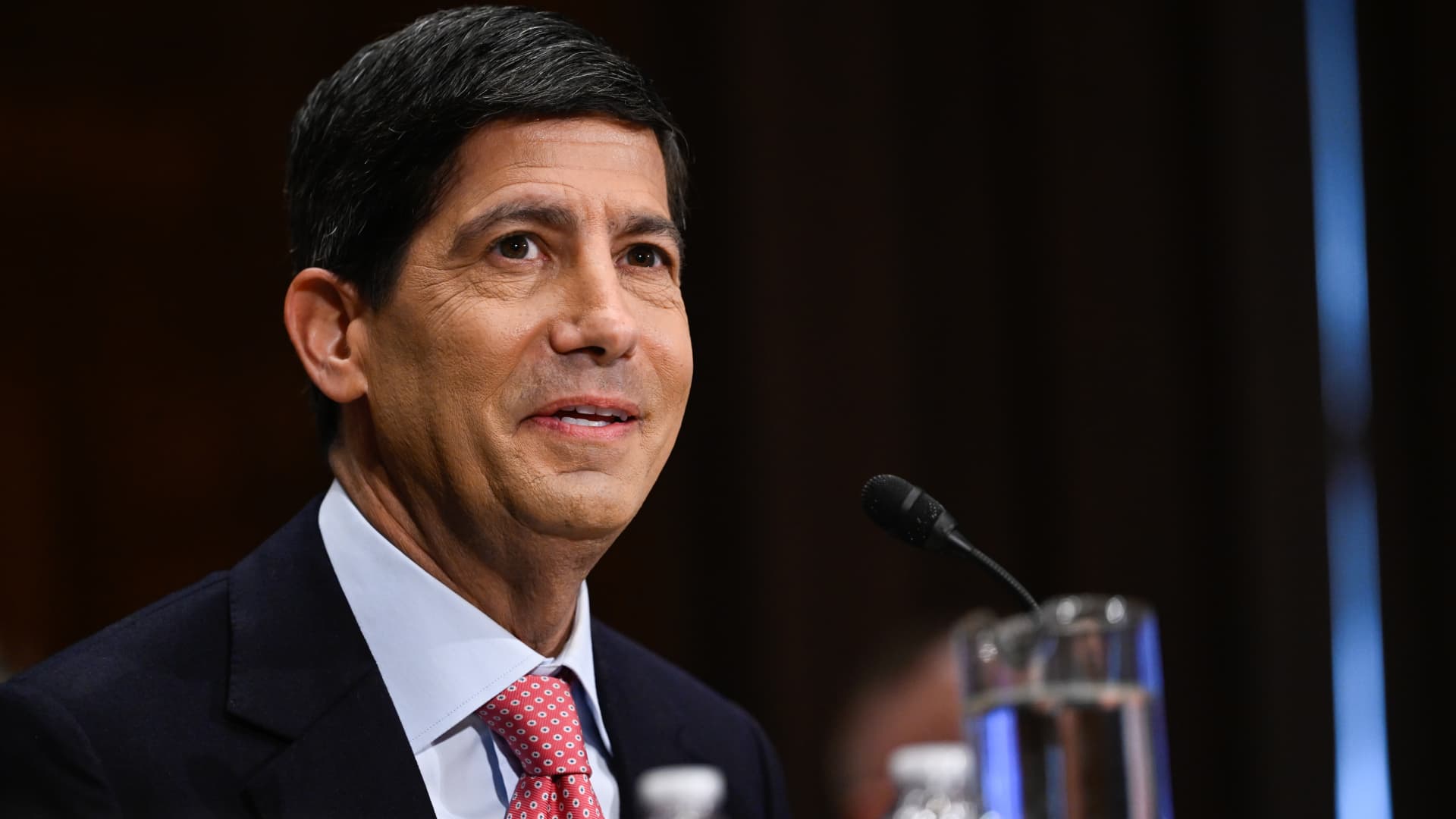
Federal Reserve Chairman Kevin Warsh testifies Wednesday before the Senate Banking Committee, facing questions over the the economy and how various factors might impact interest rates.
Part of congressionally mandated Capitol Hill appearances for the central bank leader, Warsh spoke Tuesday to the House Financial Services Committee. During his remarks, he reaffirmed the Fed’s commitment to fighting inflation though he gave few clues about the direction of monetary policy.
Legislators tried baiting Warsh into commenting on fiscal and political matters, but he largely avoided the topics, stressing the importance of the Fed staying focused on its assigned responsibilities.
Read more:
Warsh pledges Fed policy ‘regime change’ to rid inflation ‘tax’ on American people
Kevin Warsh names members of his Federal Reserve task forces, including Marc Andreessen, Doug McMillon
Fed meeting minutes to show ‘family fight’ over rates. The squabble could drag on for a while


Circle has secured a court-backed arbitration win after records made public in a Boston federal court detailed why the stablecoin issuer suspended Heka Funds’ USDC minting and redemption services over suspected market manipulation involving Tether.
Summary
- Circle has won an arbitration case after an arbitrator ruled it lawfully suspended Heka Funds’ USDC minting and redemption services.
- Court records said Heka did not disclose Tether’s role as the fund’s main investor and Circle reasonably suspected possible market manipulation.
- The ruling comes as Circle continues expanding its institutional business with new banking initiatives and partnerships in the United States and South Korea.
Court filings submitted by Circle on Tuesday as part of its petition to confirm a February arbitration award said the company concluded the Malta-based arbitrage fund had failed to disclose Tether’s role as its principal investor and reasonably suspected trading activity that could have manipulated the USDC market.
Retired judge Robert L. Dondero, who served as arbitrator, ruled in Circle’s favor on the remaining contract claims, finding the company acted within the rights granted under its agreements with Heka.
Hidden Tether ties became central to the dispute
At the center of the case was Heka Funds, managed by London-based Abraxas Capital Management, which opened a Circle account in January 2022 for its Elysium Global Arbitrage Fund.
According to the arbitration record, Heka disclosed only investor Simon Grima during onboarding, while Tether had become the fund’s dominant capital provider. Testimony from Heka founder Fabio Frontini showed Tether’s investment reached about $800 million by the time of arbitration, accounting for roughly 75% of Elysium’s assets.
Dondero concluded the omission was intentional and wrote that the missing disclosure appeared designed to avoid revealing Tether’s involvement in the fund. Circle Chief Business Officer Kash Razzaghi testified that the company would not have approved the account had it known of Tether’s role when the relationship began.
The trading dispute emerged after Silicon Valley Bank’s collapse in March 2023 temporarily pushed USDC below its dollar peg. According to the filings, Heka bought discounted USDC in secondary markets and redeemed the tokens with Circle at face value after many other arbitrage firms had stopped once the spread narrowed.
Internal Circle communications presented during arbitration showed executives disagreed over whether the trades represented legitimate arbitrage. Razzaghi described the activity as “a manufactured arb not a market-driven one,” attributing it to Tether waiving its normal fees, while Circle employee David Norton initially argued the trades appeared commercially rational.
Circle allowed Heka to redeem more than $587 million in USDC over a two-week period while testing whether the trading opportunity depended on Heka’s activity. Court records said Norton later changed his position after asking Heka to pause its trades and observing that the market spread tightened instead of widening. Coinbase also informed Circle it was uncomfortable working with Heka because of the fund’s Tether relationship and fee structure, leading the exchange to place restrictions on the account, according to the filings.
Arbitrator upholds Circle’s contractual rights
Court documents showed Circle reduced Heka’s minting and redemption limits to zero in November 2023 before suspending the account on Dec. 1 under Section 9(c) of the parties’ master services agreement after Frontini threatened legal and regulatory action.
Heka’s request to redeem $100 million in February 2024 was rejected, and the master services agreement expired the following month. Testimony presented during arbitration said Tether invested another $500 million in Elysium during the same month before Heka filed its arbitration claim.
Another issue raised during the proceedings involved Frontini’s application for an account with Circle France shortly before the hearing. According to the arbitration award, he did not disclose the ongoing dispute and submitted a board resolution stating Heka maintained an active Circle relationship, later testifying he expected his U.S. application to fail.
Applying Delaware law, Dondero found Circle did not breach either agreement because the user terms allowed the company to adjust transaction limits and suspend services at its discretion. The arbitrator also ruled Circle was not required to prove market manipulation had occurred, only that it had reached a reasonable conclusion that such activity might be taking place.
Although Circle requested about $5.15 million in legal fees and costs, Dondero awarded only $166,643.25 related to expert work after finding Heka continued pursuing a $49 million lost-profits claim that had already been excluded from the case.
A Heka spokesperson told the Financial Times the fund had never engaged in market manipulation and had never been the subject of a regulatory investigation involving such conduct. The spokesperson also said Circle sought to make the arbitration record public to divert attention from its refusal to process USDC redemptions.
The disclosure comes as Circle continues expanding its institutional business globally. The company recently received final approval from the U.S. Office of the Comptroller of the Currency to establish Circle National Trust and is preparing to host its invitation-only Current Seoul event on July 23, where executives from banks, crypto exchanges, and payments companies are expected to discuss future partnerships as Circle pursues wider USDC adoption in South Korea.
Crypto World
High-level White House meeting said to be planned to hash out Clarity Act ethics section
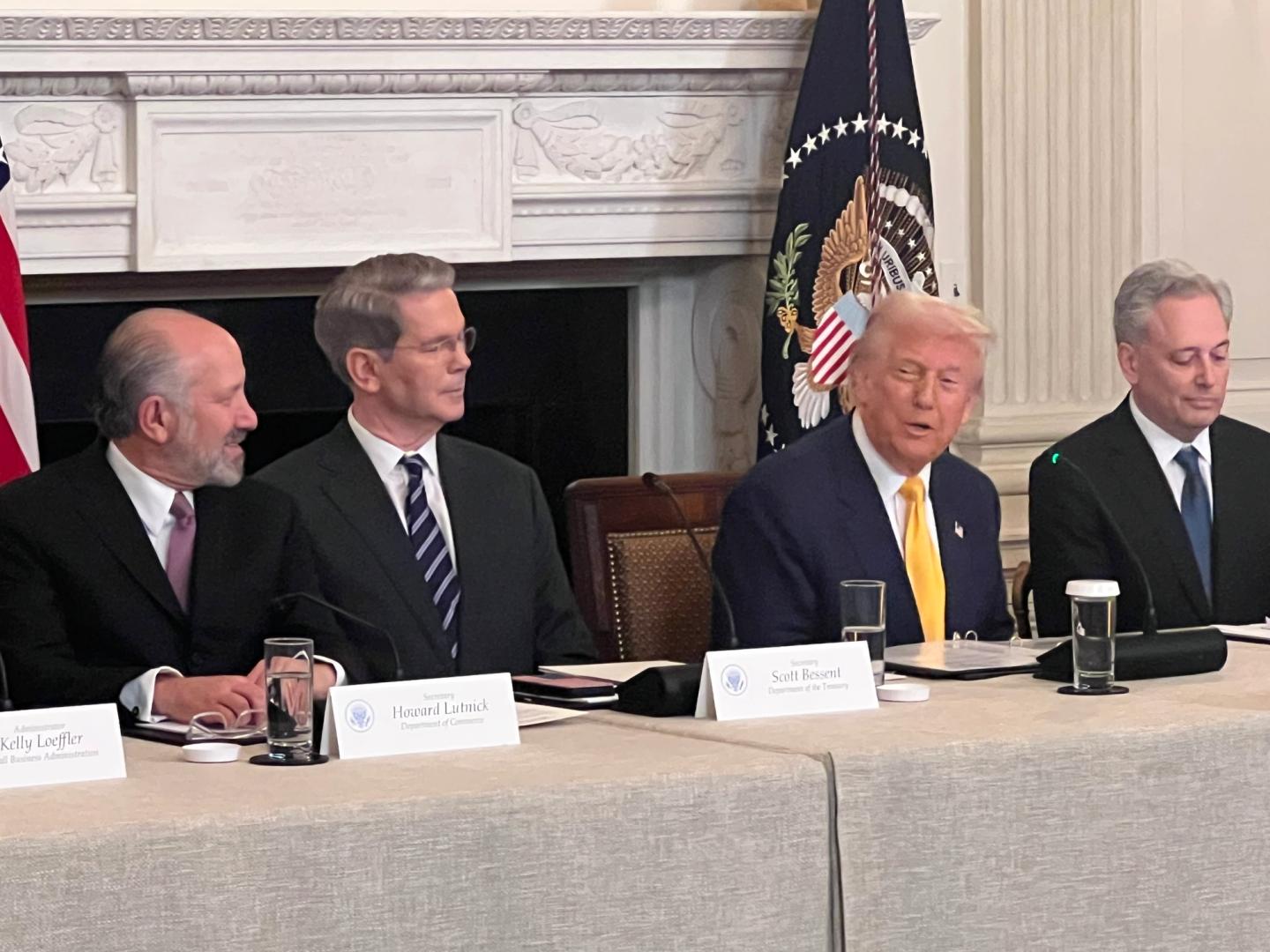
The most contentious piece of the crypto market structure bill is unresolved in the final weeks of Senate runway, and administration officials are expected to meet on it.
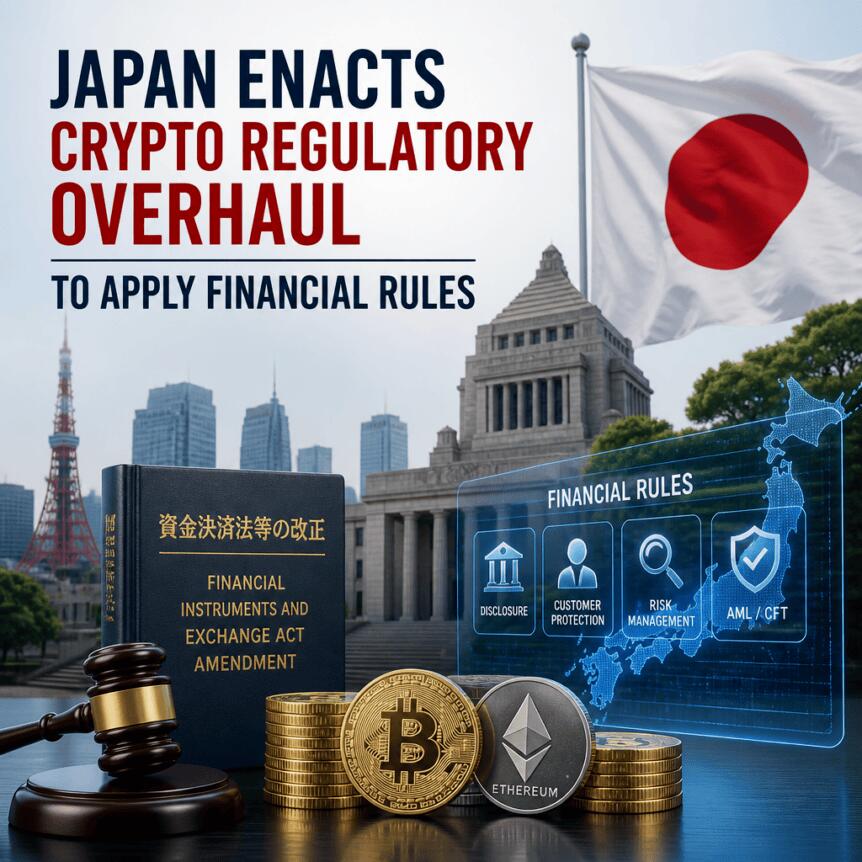
Japan has approved revisions to its cryptocurrency law, reshaping how digital assets are treated under the Financial Instruments and Exchange Act (FIEA). According to a report by Nikkei, the changes passed in parliament on Wednesday mark a major regulatory shift away from the country’s earlier approach under the Payment Services Act.
The updated framework aims to place crypto closer to traditional finance, adding market-integrity measures and strengthening oversight for businesses operating in Japan. It also introduces insider trading restrictions and tighter controls around registration and compliance.
Key takeaways
- Japan’s parliament passed revisions that treat crypto assets as financial assets under the FIEA, moving the sector away from Payment Services Act rules.
- The overhaul introduces insider trading restrictions for issuers, exchanges, and other market participants who have undisclosed material information.
- Penalties are expected to increase substantially for companies that operate without proper registration.
- Registered crypto firms may be reclassified under the law, reflecting a broader effort to align terminology and oversight with traditional financial regulation.
From payment-focused rules to a financial-assets framework
Under Japan’s previous regulatory approach, crypto assets were largely treated through the lens of the Payment Services Act (PSA), which framed digital assets primarily as payment-related instruments. The revisions now classify crypto assets as financial assets under the Financial Instruments and Exchange Act (FIEA), according to Nikkei.
That distinction matters for compliance design. When regulators bring crypto into the FIEA perimeter, firms typically need to follow expectations associated with market conduct, disclosure, and supervision—areas that are more familiar to traditional brokerage and trading environments than to payment processors.
Insider trading limits and stronger market-integrity expectations
The revised rules tighten conduct requirements across the ecosystem. As described in the Nikkei report, issuers, exchanges, and other market participants are prohibited from trading while aware of undisclosed material information.
The legal structure is intended to mirror insider trading restrictions used in traditional finance (TradFi). For exchanges and other intermediaries, this can change day-to-day controls—such as how material information is documented, who can access it, and how trading is managed around significant corporate events.
While the details of enforcement mechanisms are not laid out in the excerpt provided, the existence of an insider trading rule signals regulators’ intent to treat crypto markets as subject to the same fairness and integrity standards expected in regulated securities and derivatives markets.
Heavier penalties for operating without registration
Japan’s revisions also reportedly increase the consequences for firms that conduct business without the required registration. Nikkei reports that the maximum prison term could rise from three years to 10 years, and fines could increase from roughly 3 million yen (about $19,000) to around 10 million yen.
The report further notes that insider trading violations could lead to penalties of up to five years in prison, fines of up to 5 million yen, or both. In practical terms, these changes elevate legal risk for firms that fail to meet compliance obligations—or for employees who trade or influence trades without controls that align with the new rules.
For traders and investors, stronger penalties can also shift how firms approach internal governance, potentially affecting market behavior and the reliability of corporate and exchange disclosures over time.
Reclassification of crypto businesses and the “TradFi alignment” trend
Alongside the substantive changes, the revised framework reportedly adjusts the wording used for registered entities. The terminology may move from “cryptocurrency exchange” to “cryptocurrency trading company,” reflecting the broader role regulators now associate with the sector.
Japan’s approach fits a wider global pattern: rather than crafting entirely separate legal regimes for crypto, many jurisdictions are mapping digital asset activity onto existing financial regulation categories. That trend is visible in other policy work described in related coverage from Cointelegraph, including a report noting South Africa’s tax authority draft guidance on how existing tax rules apply to crypto assets.
In the United States, regulators have similarly continued clarifying how existing securities and commodities frameworks can apply to different kinds of digital asset activity, underscoring that the “crypto-as-finance” direction is not unique to Japan.
What Japan’s shift means for market participants
For crypto exchanges and other intermediaries, the immediate challenge is operational: aligning compliance systems with a legal regime that more closely resembles traditional market regulation. That likely includes stronger oversight processes, clearer documentation around material information, and more robust controls over who may trade and when.
For investors, the change is primarily about predictability. When conduct rules and penalties look closer to those used in established financial markets, participants may have more confidence that trading behavior is subject to comparable integrity standards. The longer-term question is how strictly and consistently the new rules will be applied as the market adapts.
Readers should watch for subsequent guidance on implementation—particularly around registration requirements, compliance expectations for exchanges and issuers, and how authorities will interpret “material information” in practice. Those details will determine how quickly Japan’s crypto market can transition into the new framework and what compliance gaps, if any, remain to be addressed.

EU crypto compliance is entering a potentially turbulent phase after the Markets in Crypto-Assets Regulation (MiCA) transitional period ended on July 1, pushing more businesses—and more customers—into the post-transition licensing environment. Bruna Szego, chair of the EU’s anti–money laundering authority AMLA, warned that a wave of user migration could create operational and compliance strain for virtual asset service providers (VASPs) across the bloc.
Speaking during a briefing with the European Parliament’s Committee on Economic and Monetary Affairs on Wednesday, Szego said providers should expect pressure as customers “rush to withdraw” and as licensed firms take on new users. Her comments underline a key risk for the next stage of EU crypto supervision: whether firms can keep anti–money laundering controls effective while business models and customer flows shift quickly.
Key takeaways
- AMLA chair Bruna Szego warned that end-of-transition customer movement could intensify operational and compliance pressure on EU crypto VASPs.
- As MiCA’s transitional period ended on July 1, firms that are not properly authorized were expected to wind down EU activities “immediately,” per ESMA guidance.
- AMLA has advised both licensed providers onboarding new customers and firms winding down to keep anti–money laundering controls functional through the transition period.
- AMLA says it will publish a report before year-end assessing money laundering risks and supervisory practices, including differences between EU member states.
- The authority is also expanding its blockchain analytics capabilities to strengthen oversight of crypto-asset service providers.
Why MiCA’s transition ending raises compliance stress
MiCA’s transitional period was designed to give the market time to adapt to a new regulatory framework. But with the clock now fully expired, Szego suggested the change could trigger behavior that compliance departments may not be able to absorb smoothly at scale.
In her remarks, she focused on two pressure points. First, entities winding down their EU operations may face customer withdrawal surges, which can strain internal processes and monitoring systems. Second, licensed crypto firms that remain active under MiCA may see onboarding volumes increase as they absorb users migrating away from less-compliant platforms.
The practical implication is straightforward: even if firms are formally compliant, rapid customer migration can still challenge the day-to-day execution of know-your-customer and transaction monitoring controls—especially if migration happens faster than expected.
AMLA’s advisory note and the compliance balancing act
Ahead of the July 1 deadline, AMLA published an advisory note highlighting money laundering risks linked to the end of the transitional period. According to the advisory guidance, firms should take targeted steps depending on where they sit in the transition—either scaling down EU activities or onboarding customers within the licensed perimeter.
Szego emphasized that AMLA expects providers to maintain efficient compliance procedures during the transition rather than treating the changeover as a mere administrative milestone. For winding-down firms, the focus is on ensuring controls do not degrade during periods of change. For licensed providers, the concern is that adding customers rapidly should not dilute anti-money laundering safeguards.
AMLA’s positioning also suggests a supervisory priority: AMLA is effectively drawing attention to “transition risk”—the idea that business continuity and compliance discipline can be hardest during periods of structural adjustment.
ESMA’s wind-down expectation after the deadline
MiCA’s end-state requirement is that crypto asset service providers must be licensed to keep serving EU customers after the transitional period. The deadline was paired with expectations for what unauthorized providers must do next.
Cointelegraph previously reported on the July 1 transition ending, citing ESMA’s view that service providers still not authorized by then must take “immediate” steps to wind down their EU activities. That regulatory posture matters for Szego’s concern because wind-down periods can produce concentrated customer actions—such as withdrawals—that may test operational readiness.
In other words, even if the licensing rule is clear on paper, the market’s adjustment phase can create real-world friction points that AMLA intends to monitor closely.
What AMLA plans to publish—and what to watch next
AMLA chair Bruna Szego said the authority will publish a report before the end of the year covering money laundering risks in the crypto sector and describing supervisory practices across the EU. She added that AMLA is expanding blockchain analytics capabilities to improve its ability to oversee crypto-asset service providers.
The report is also expected to assess how national authorities supervise crypto-asset service providers and highlight differences in supervisory approaches across member states. For market participants, this matters because uneven enforcement can translate into uneven compliance expectations and timelines—particularly during periods of rapid migration and customer churn.
Szego indicated AMLA intends to use the findings to coordinate follow-up work with national regulators where needed, aiming for more consistent anti-money laundering oversight throughout the bloc.
For investors, traders, and users, the main question for the coming months is whether licensed platforms can maintain strong onboarding and monitoring standards as they absorb new customers—and whether winding-down firms can handle withdrawal waves without compliance controls becoming secondary. AMLA’s year-end assessment and its growing analytics focus will likely determine how regulators refine expectations for the post-transition phase.


Welcome to The Protocol, CoinDesk’s tech newsletter covering the most important stories in blockchain. I’m Margaux Nijkerk, a reporter at CoinDesk.
We’re giving you a deeper look at the biggest trends, breakthroughs and debates shaping blockchain technology each week.
This week, we’re unpacking the timeline of all the changes at the Ethereum Foundation since the year began.
Crypto World
Open USD poses new threat to Circle by challenging USDC’s core business model, CoinShares says
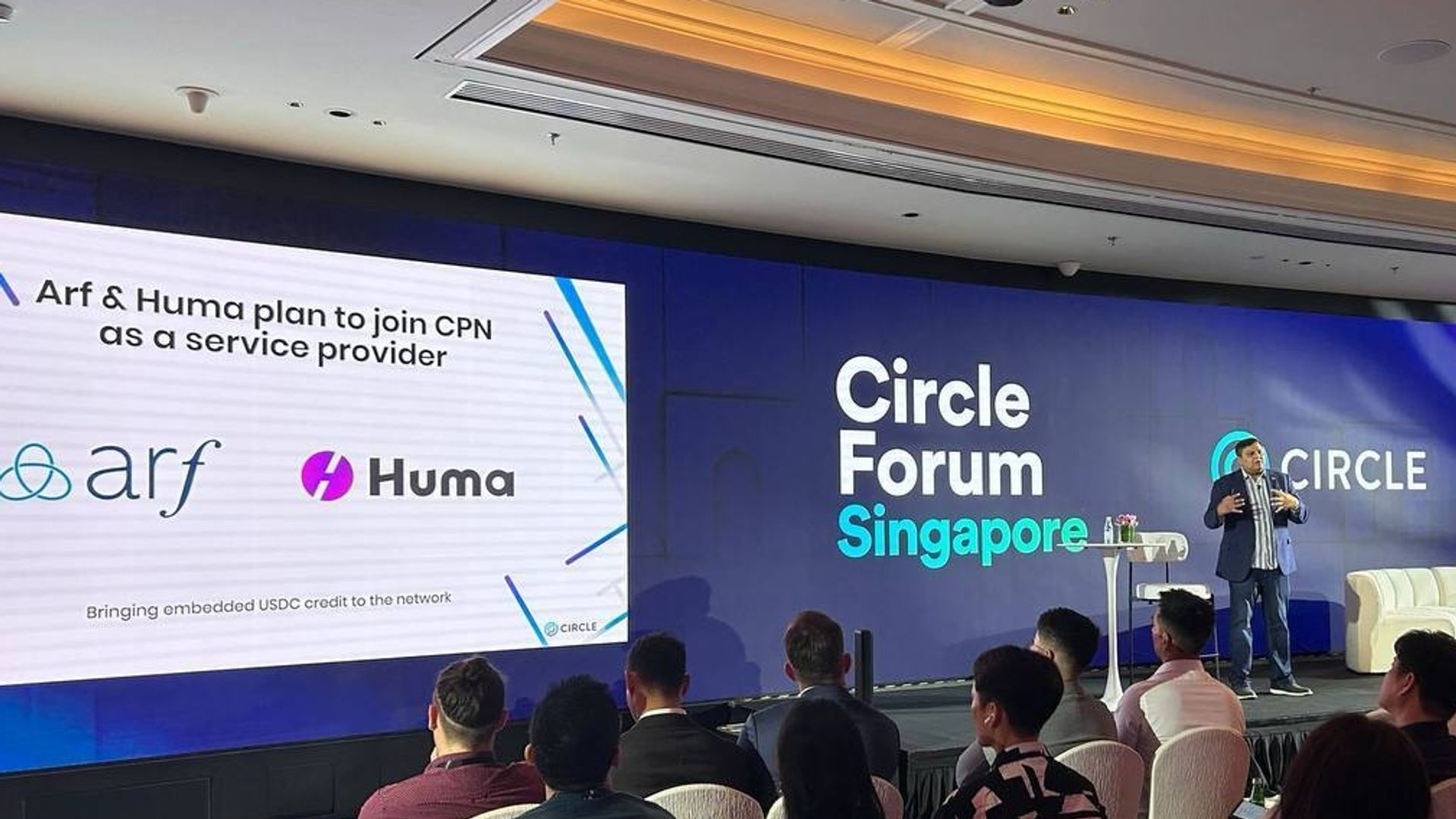
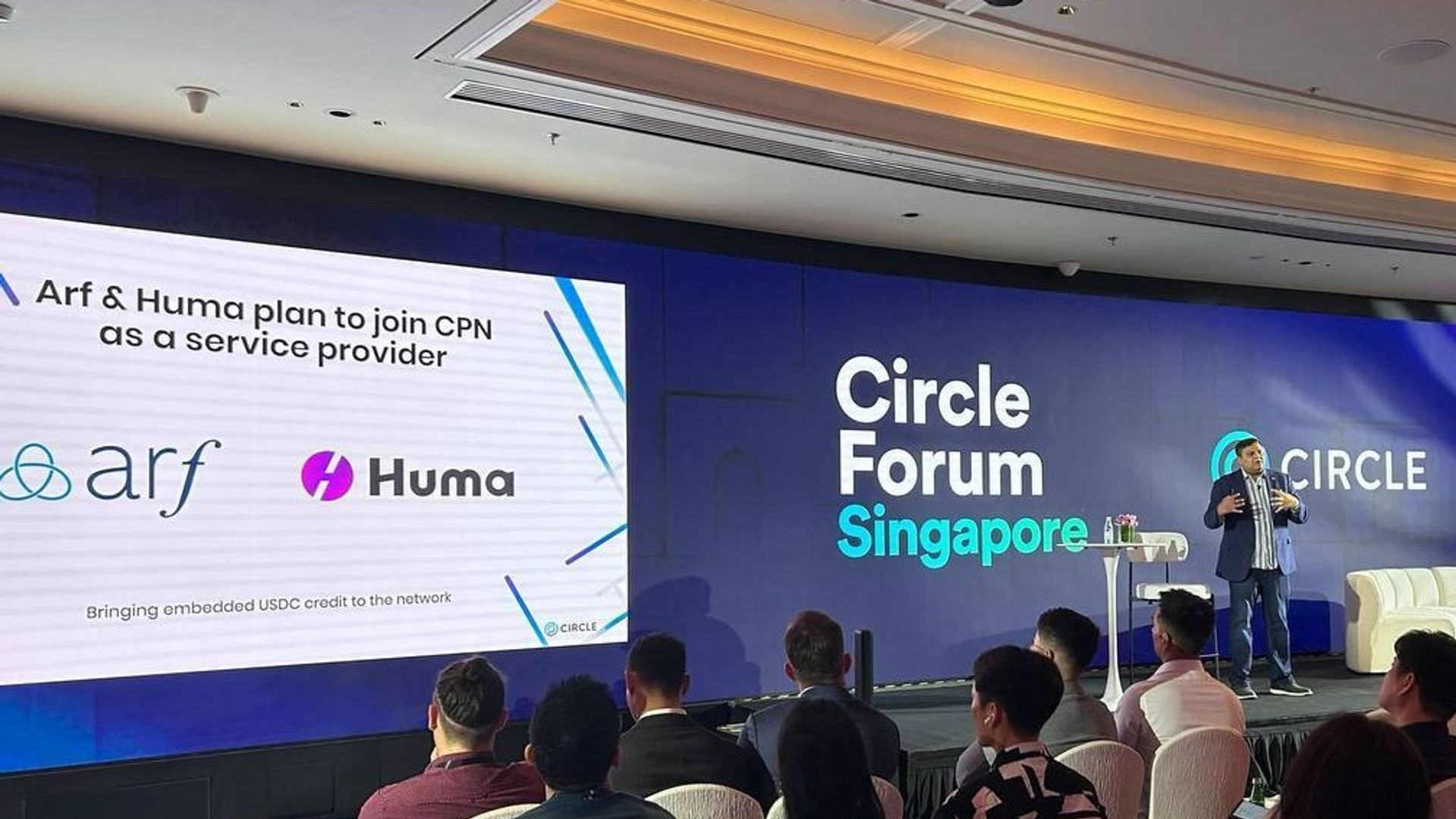
USDC’s circulating supply has fallen to about $73 billion from nearly $80 billion in March, trimming its share of the roughly $312 billion stablecoin market as competition from newly regulated issuers intensifies.
Circle shares fell more than 17% on the day Open USD was announced, though CoinShares said the decline was likely amplified by technical selling linked to the Russell index reconstitution.
Still, the report argued the market may be overreacting. Open USD has yet to launch, important details remain unresolved and Circle retains a significant advantage through USDC’s deep liquidity and years of integrations across exchanges, DeFi and payments.
Open USD is unlikely to pose a major threat to Tether, whose dominance in emerging markets and offshore dollar liquidity gives USDT, the largest stablecoin by far, a different competitive moat, the report added.
For now, investors should watch whether Circle changes its distribution strategy and whether Open USD can convert its high-profile backing into adoption, CoinShares said. Until then, the project remains a credible, but unproven, challenge to USDC.
CoinShares is not alone in noting the challenge posed by Open USD. Japanese investment bank Mizuho downgraded Circle to underperform from neutral and slashed its price target to $50 from $85 in a note to clients on Tuesday, arguing that the new rival’s business model threatens the stablecoin issuer’s long-term economics.

Protesters confront NatureScot at biodiversity conference over guga hunt licence

Wayne Rooney’s cheating scandals, arrest at US airport and huge BBC salary

Ada Kejutan Keuangan Untukmu


-

 Fashion6 days ago
Loro Piana Fall 2026 Enters Houston’s Art Scene
-

 Fashion5 days ago
Weekend Open Thread: Nutriplenish Leave-In Conditioner
-
 Sports6 days ago
2026 Genesis Scottish Open Thursday TV coverage: Round 1
-

 Sports5 days ago
Super Eagles star Moses Simon opens up on Liverpool transfer regret
-

 Tech6 days ago
Character.AI enters the microdrama arena with its own productions, but there’s a twist
-

 Politics3 hours ago
Young campaigners urge incoming PM to act on outdoor junk food ads
-

 News Videos19 hours ago
XRP BOMBSHELL… XRP OMBOARDED FOR TRANSACTIONS!!!
-

 Tech1 day ago
Get Your ESP32 Sunny Side Up With This Solar Dev Board
-

 Tech19 hours ago
Dark Secrets Emerge When Jailbreaking LLMs
-

 News Videos7 days ago
Crypto Just Entered Its Most Important 6-Month Candle (Could Decide Everything!)
-
 NewsBeat6 days ago
Major update after Huntingdon train attack as man enters plea
-

 Tech6 days ago
Level Infinite Launches Gangstar Mirage City in India with Pre-Registrations
-

 News Videos2 days ago
how to make coin bank box with cardboard #scienceproject #money #diy #shorts
-
 Tech2 days ago
Cloudflare Precursor Watches Your Mouse and Keyboard To Decide If You Are Human
-

 Tech7 days ago
Entra passkey enrollment vishing targets Microsoft 365 users
-
 Crypto World7 days ago
DeFi Dashboard Zapper to Shut Down After 7 Years
-
 Crypto World6 days ago
Mark Cuban-Backed DeFi Dashboard Zapper Shuts Down After 7 Years
-

 Tech6 days ago
Claude’s New Reflect Dashboard Wants To Help You Log Off Of Claude
-

 Crypto World7 days ago
Fed minutes June 2026: officials split on rates
-
 Entertainment2 days ago
Kathryn Newton and Lana Condor Are Caught in the Maw of Prime Video’s Chilling Survival Thriller in New Look [Exclusive]
You must be logged in to post a comment Login