

Crypto World
Zcash to add quantum-recoverable wallets within a month, go post-quantum by 2027

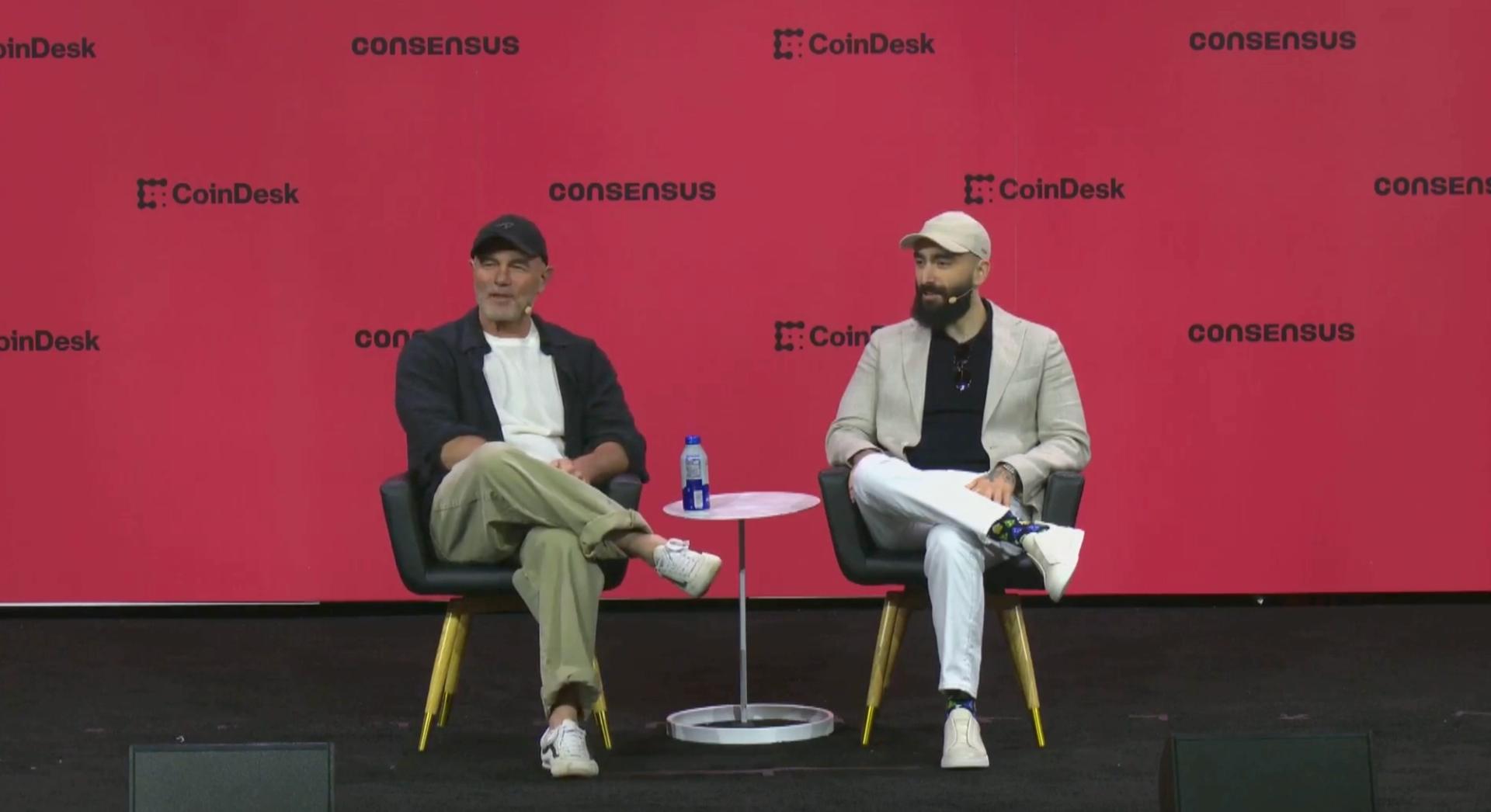
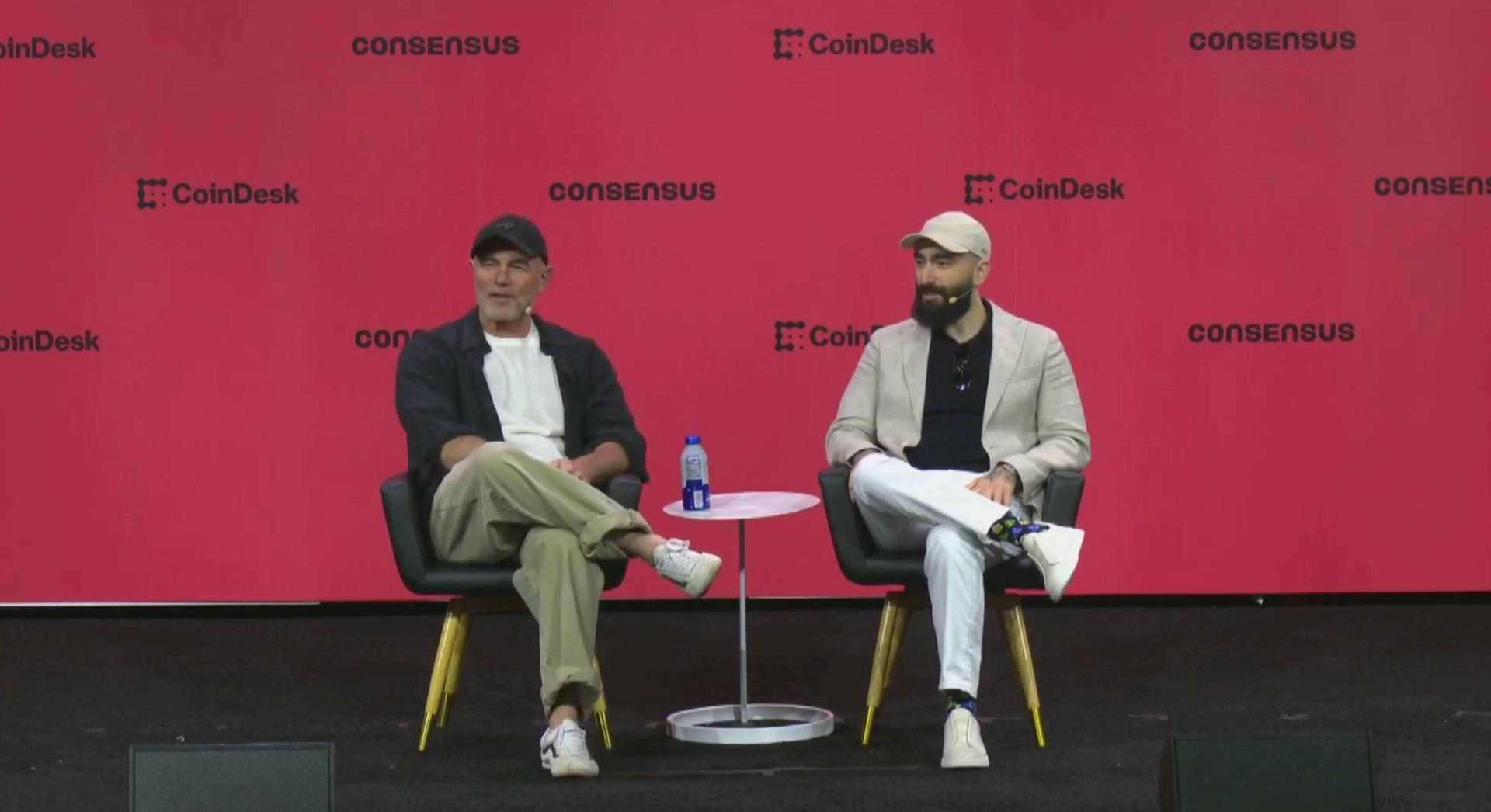
Zcash will roll out quantum-recoverable wallets within a month and reach full post-quantum status within 12 to 18 months, Zcash Open Development Lab founder and CEO Josh Swihart told a Consensus Miami audience on Thursday in a session moderated by Solana infra firm Helius’s founder Mert Mumtaz.
A separate scaling track is targeting MasterCard- and Visa-scale throughput on a similar horizon.
The roadmap arrived during a ZEC rally that has lifted the token more than 110% over the past 30 days as prominent crypto fund Multicoin Capital disclosed a sizable ZEC investment and the privacy narrative caught on among investors, sentiment daata shows.
Swihart’s pitch was that Bitcoin no longer holds up as the cypherpunk-grade money it was meant to be. The asset works as an ETF wrapper and a store of value, he said, but as a peer-to-peer private payment system “it’s just fundamentally broken.”
Visible balances on a transparent ledger let governments seize what they can see, he argued, the same wealth-visibility critique Multicoin’s Tushar Jain leaned on this week when disclosing the fund’s purchases.
The user-side traction is running through the Electric Coin Company’s mobile wallet after an October integration with Near Intents opened cross-chain swaps from assets like BTC, SOL and USDC directly into shielded ZEC.
Near Intents lets a user state what they want, like turning USDC into ZEC, while specialized routers handle the multi-step trade across different blockchains in the background.
Roughly $600 million to $700 million has flowed through that route since launch, mostly to and from USD and USDC, Swihart said. Near’s broader intent-based system has processed close to $800 million in volume over the past 30 days alone, per Near Protocol data, with Ethereum, Solana and Zcash dominating the chain side.
A separate proposal to cut Zcash’s target block time from 75 seconds to 25 seconds is in active discussion on the project’s community forum, with bridges to Solana and Hyperliquid already live, Mumtaz noted.
Token-holder voting through Zashi is also slated, Swihart said, less as formal governance and more as an opinion layer feeding the project’s existing rough-consensus model.
For traders, the cleanest near-term test is whether quantum recoverability actually ships within Swihart’s stated month. The fail-safe is the shielded pool, which now sits at roughly 30% of circulating ZEC, an all-time high. If it keeps growing alongside price, the rally is being underwritten by adoption rather than speculation


- Zcash plans to launch quantum recoverable wallets within about a month.
- The system is designed to protect user funds during future cryptographic shifts.
- Full quantum-resistant security is targeted for rollout by 2027.
Zcash is preparing a major upgrade aimed at protecting users from one of the long-term risks facing modern cryptography: quantum computing.
The network is set to introduce “quantum recoverable wallets” within the next month, according to development updates shared by its core contributors at Consensus Miami on Thursday.
The broader goal is to move the protocol toward full quantum resistance by 2027.
The move comes as blockchain projects increasingly assess how future advances in quantum computing could impact existing encryption systems.
Most cryptocurrencies today rely on elliptic-curve cryptography to secure private keys.
While this system remains safe under current computing capabilities, theoretical breakthroughs in quantum computing could eventually weaken or break it.
Zcash is attempting to address that concern in stages rather than waiting for a single full replacement of its cryptographic base.
A transition layer instead of a full overhaul
The upcoming “quantum recoverable wallets” are not designed to make Zcash instantly quantum-proof. Instead, they act as a protective transition mechanism.
The idea is to give users a recovery path in a scenario where current cryptographic methods are no longer reliable in the distant future.
In simple terms, these wallets are meant to ensure that users do not permanently lose access to their funds if the underlying cryptography becomes vulnerable.
Instead of locking users into today’s encryption model, the system is being built with migration pathways that can shift funds into stronger post-quantum security systems when needed.
The rollout timeline for this first stage is relatively short, with implementation expected within approximately one month.
This places it among the earliest real deployments of quantum-aware wallet infrastructure in a major privacy-focused blockchain.
Zcash developers have framed this as a preparatory step rather than a final solution.
The architecture is being designed so that future upgrades can be layered on without forcing users to abandon their wallets or migrate manually under pressure.
Zcash is targeting to be quantum-resistant by 2027
Beyond the initial wallet release, the longer-term objective is to achieve what the team refers to as “quantum-proof” infrastructure by 2027.
This would involve integrating post-quantum cryptographic systems that are resistant to attacks from advanced quantum machines.
The timeline shows a phased approach: deploying quantum-recoverable wallets as a safety and migration layer in a month, followed by continued development of post-quantum cryptographic systems and wallet upgrades, and then a full transition to quantum-resistant security standards within the protocol set for 2027.
This approach is significant because it avoids a sudden shift in cryptographic systems, which could be disruptive for users and developers.
Instead, Zcash is building backward compatibility into its future security model.
The urgency behind this roadmap is driven by increasing attention in the cryptography and blockchain sectors to quantum risk scenarios.
While there is no operational quantum computer capable of breaking current blockchain encryption today, the pace of research has led many projects to begin preparing early rather than reacting later.
Crypto World
Recent Bitcoin Price Predictions, Shiba Inu’s Latest Achievement, and More: Bits Recap May 8

The primary cryptocurrency has experienced intense volatility over the past few days, with numerous analysts suggesting the bulls may soon regain momentum.
Meanwhile, the popular meme coin Shiba Inu hit a new record in terms of total holders, while Ethereum (ETH) is showing signs of potential weakness.
Up and Down for BTC
Bitcoin had an eventful week, with its valuation reaching nearly $83,000 on May 6, the highest level since the end of January. However, the bears intercepted the upward trajectory and suppressed the price to the current $79,800 (according to CoinGecko).
Despite the push south, many industry participants remain optimistic that the overall resurgence would continue. X user CW, for instance, noted that BTC is “rising smoothly, forming a bullish engulfing candle.
“According to candlestick pattern theory, the May candle will close with a bigger bullish candle than the April,” they added.
John Bollinger – the creator of the well-known indicator Bollinger Bands – also chipped in recently. He revealed that his fund’s “Tactica” program has opened a fresh position and is now “fully invested” in BTC after the trend model turned positive.
It is important to note that some think the bear market is far from being over. X user Chiefy described the latest revival as “the biggest Bitcoin bull trap of this cycle,” forecasting a crash to as low as $42,000.
Shiba Inu’s Record
The self-proclaimed Dogecoin killer has also taken center stage recently after its team unveiled some significant ecosystem updates. It disclosed that the total number of SHIB holders has surged by 1,100 in a single day, hitting a new all-time high of 1,585,022.
In addition, the burn rate has spiked sharply, accompanied by a noticeable rise in daily active addresses and trading volume, signaling growing network engagement.
Despite the progress, SHIB continues to struggle, and its price has fallen 53% over the past year. Moreover, it has lost its position as the second-largest meme coin, with MemeCore (M) rapidly climbing to take that spot.
Incoming Crash for ETH?
Ethereum’s price surpassed $2,400 on May 6, but that uptick was short-lived, and it now trades below $2,300. Some analysts, such as Ted, believe a further downfall could be in the cards.
He claimed that ETH has lost its “parabola,” adding that if it doesn’t soon reclaim the $2,350 level, “things could get ugly.” The whale activity reinforces the bearish scenario. According to Ali Martinez, large investors have reduced their total holdings from a peak of 15.95 million ETH in October last year to the current 12.52 million units.
This reflects weakening confidence in the asset and could trigger fear within the community, prompting smaller players to follow suit and cash out as well.
On the other hand, earlier this week, Martinez noted a formation of a so-called golden cross on ETH’s price chart, a pattern that occurred in the final days of April. This is a bullish sign that could set the stage for a potential comeback.
The post Recent Bitcoin Price Predictions, Shiba Inu’s Latest Achievement, and More: Bits Recap May 8 appeared first on CryptoPotato.

Consensus 2026 concluded its final day with a strong focus on artificial intelligence, tokenization, stablecoin infrastructure, and institutional blockchain adoption, as major crypto, fintech, and infrastructure companies unveiled new products and initiatives shaping the next phase of the digital asset industry.
The final day of the conference featured high-profile appearances, including a surprise live appearance by Changpeng Zhao, alongside keynote discussions involving Donald Trump Jr., Charles Hoskinson, and several executives focused on AI, payments, and tokenized infrastructure.
Crypto.com Expands Into Travel and Rewards Infrastructure
Crypto.com announced the launch of Crypto.com Travel, a new in-app booking platform powered by Bookit that allows eligible users to earn cashback rewards in CRO tokens on travel-related purchases.
The platform provides access to:
- hotels
- flights
- cruises
- car rentals
- entertainment experiences
The initiative represents a continued push toward integrating crypto rewards and digital assets into mainstream consumer services and real-world spending.
Midnight Foundation Introduces “Collateral Warehouse” Concept
Midnight Foundation also revealed plans for a new “Midnight Collateral Warehouse,” an open-source infrastructure model designed to help institutions manage and mobilize collateral across both traditional finance and blockchain networks.
According to the project, the system aims to improve institutional collateral management while maintaining financial privacy and interoperability between multiple financial environments.
The initiative reflects growing institutional interest in tokenized financial infrastructure and programmable settlement systems.
AI and Blockchain Convergence Accelerates
Several announcements throughout the day highlighted the rapidly growing intersection between blockchain infrastructure and artificial intelligence.
BioMatrix introduced what it describes as a “Human Participation Network” designed to connect real users with AI-generated content, tasks, and economic opportunities.
Meanwhile, Inveniam Capital Partners announced the launch of NVNM Chain, a Layer 2 blockchain designed specifically to provide verifiable records and attestation systems for AI agents.
The platform aims to help enterprises and regulators verify:
- source data
- AI decision-making processes
- accountability structures
- compliance records
as AI systems become increasingly integrated into finance and enterprise operations.
Healthcare Infrastructure Tokenization Gains Attention
Healthcare tokenization also emerged as a major topic during the final day of Consensus.
Medimint announced a blockchain platform designed to tokenize healthcare infrastructure assets, including:
- medical equipment
- hospital infrastructure
- diagnostic facilities
The company says the platform could enable fractional ownership and broader access to healthcare infrastructure investment opportunities.
The concept reflects the growing expansion of real-world asset tokenization beyond traditional sectors such as real estate and private credit.
Consensus 2026 Reflects Industry Shift Toward Real-World Infrastructure
Across all three days of Consensus Miami, one of the clearest themes was the industry’s continued shift away from speculative narratives toward infrastructure, payments, enterprise adoption, AI integration, and tokenized real-world systems.
Topics dominating discussions throughout the event included:
- stablecoins
- AI infrastructure
- tokenized assets
- payments
- enterprise blockchain adoption
- institutional settlement systems
- real-world utility
As the conference concluded, many of the announcements reflected a broader effort across the crypto industry to position blockchain technology as foundational infrastructure for finance, commerce, energy, healthcare, and AI-driven systems rather than purely speculative markets.

Key Highlights
- Datadog achieved a historic milestone with over $1 billion in quarterly revenue for Q1 2026, representing revenue expansion exceeding 32% and surpassing analyst projections by more than 500 basis points.
- Shares of DDOG rocketed approximately 30% during premarket hours following the May 7, 2026 earnings announcement.
- Management elevated both second-quarter and full-year projections, highlighting robust operational momentum and accelerating agentic AI adoption.
- The firm secured FedRAMP High authorization, unlocking access to expanded government contracting opportunities.
- Wall Street analysts maintain measured bullishness, with updated price targets positioning DDOG beyond $200, suggesting possible record highs ahead.
The exceptional Q1 2026 performance from Datadog has effectively challenged the recent bearish narrative that drove shares to extended lows. DDOG had suffered significant pressure as market participants worried artificial intelligence would erode traditional SaaS business models. Thursday morning’s results painted a dramatically different picture.
The monitoring and analytics specialist posted revenue expansion exceeding 32%, demolishing Wall Street expectations by over 500 basis points while crossing the billion-dollar quarterly threshold for the first time in company history. Premarket trading showed shares surging approximately 30% following the announcement.
Profitability metrics proved equally impressive. Adjusted operating income climbed 34%, while GAAP net income more than doubled year-over-year. Adjusted earnings crushed consensus forecasts by over 1,750 basis points.
Executives didn’t merely celebrate a strong quarter—they upgraded forward guidance across both the upcoming quarter and full fiscal year, attributing the optimism to sustained business strength and emerging agentic AI deployment trends.
Revenue Growth Catalysts
Expansion across the customer base proved instrumental, with the company’s largest accounts growing by 21%. Enhanced service adoption rates and fresh product introductions—particularly around artificial intelligence and data center monitoring capabilities—provided additional momentum.
Datadog’s core platform enables organizations to observe and evaluate their technology infrastructure with real-time precision. As artificial intelligence workloads expand, this functionality becomes increasingly critical rather than obsolete.
The FedRAMP High certification represents one of the most rigorous security standards for cloud service providers working with federal agencies. This designation positions Datadog to pursue substantially more government business while simultaneously validating its security posture for enterprise clients.
The balance sheet reflects financial strength with $4.8 billion in cash and liquid assets, while shareholder equity stands at nearly twice total liabilities. Leadership indicated this financial positioning could enable capital return programs within several years.
Insider transaction activity has drawn attention, with approximately $109.1 million in stock sales recorded over the previous three months against zero reported purchases. This dynamic remains a consideration for investors weighing the otherwise positive fundamental outlook.
Wall Street’s Response
Financial analysts greeted the quarterly results with tempered enthusiasm. Multiple firms highlighted the exceptional revenue performance and upgraded forecasts as significant positive indicators.
Current consensus price targets place DDOG near the upper boundary of its established trading corridor, though recent revisions are pressing above the $200 threshold—territory that would mark new all-time peaks.
Institutional investors control approximately 80% of outstanding shares and have been net distributors over the trailing twelve months. Following a 30% single-session advance, some portfolio rebalancing appears likely.
The valuation reflects a P/E multiple of 608x, illustrating the substantial future expansion investors are currently pricing into shares. DDOG carries a GF Score of 84 out of 100, featuring a maximum 10/10 growth ranking offset by a 4/10 profitability assessment.
Market observers have suggested that a decisive move to record highs could transform technical resistance into support, potentially establishing a baseline projection around $220 over the coming 12 to 18 months.

Fundamental Background
The structural deficit in the silver market has now persisted for a sixth consecutive year. According to forecasts by the Silver Institute, the gap between supply and demand in 2026 is expected to reach 67 million ounces, forcing the market to rely on accumulated reserves. However, the demand picture remains uneven.
Industrial consumption continues to decline, primarily due to the photovoltaic sector, where solar panel manufacturers are actively reducing the amount of silver used per cell in response to elevated prices. Against this backdrop, investment demand remains resilient: global ETP holdings have reached approximately 1.31 billion ounces, while silver lease rates in London have climbed to record highs amid a growing physical shortage.
Technical Picture
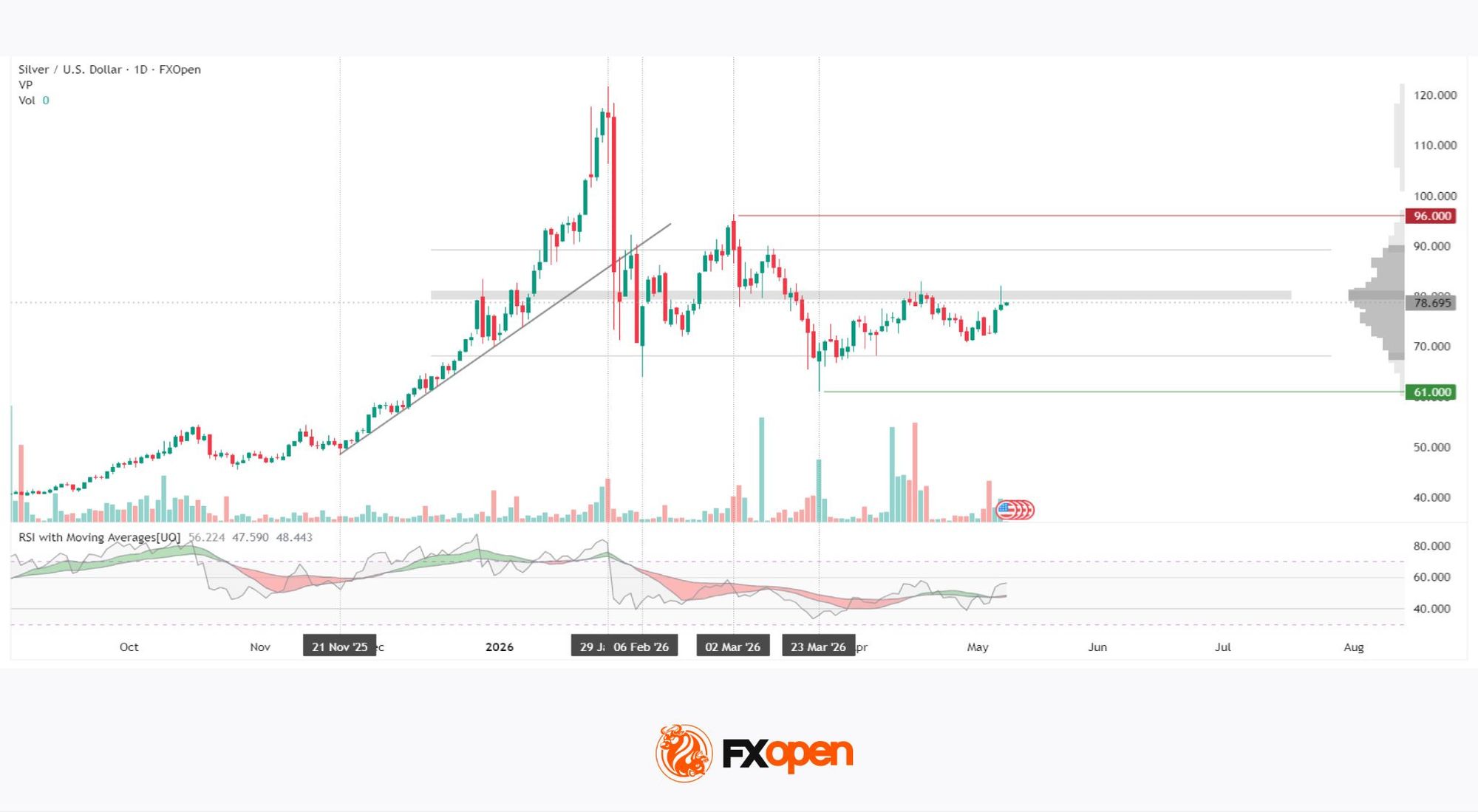
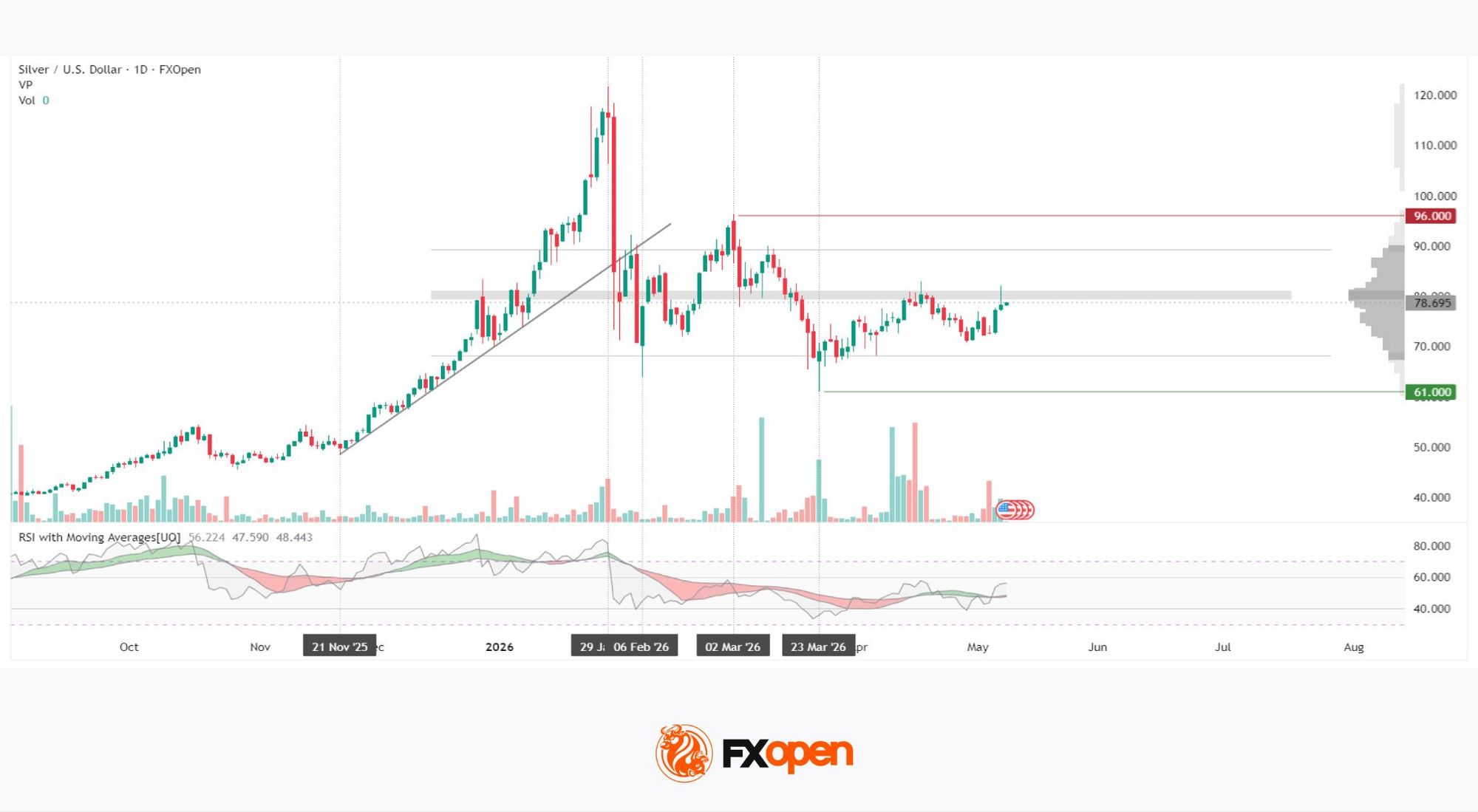
On the daily chart of XAG/USD, a two-phase structure is visible. From 21 November 2025, the instrument formed a strong upward impulse along an ascending trend line, reaching a peak on 29 January 2026. This was followed by a sharp collapse and a break below the trend line, with the low recorded on 6 February near the 64 level. A rebound then followed, and on 2 March a local recovery high was established — this area now corresponds to resistance around 96. A retest of the lows took place on 23 March 2026.
The horizontal volume profile spans the 68.300–89.000 range, with the point of control (POC) concentrated between 79.100 and 81.000. The price is currently trading below the lower boundary of this zone and remains under selling pressure. The nearest support lies at 68.300, followed by stronger support at 61.000, corresponding to the February crash low.
The RSI + MAs indicator shows readings of 55, 47 and 47. RSI remains above both moving averages; however, all indicators are within neutral territory, with no strong directional momentum currently visible.
Key Takeaways
The silver market continues to be influenced by two opposing fundamental forces: a structural supply deficit supported by investment demand, and weakening industrial consumption from the photovoltaic sector. The resolution of this imbalance is likely to determine the future direction and character of the market.
Start trading commodity CFDs with tight spreads (additional fees may apply). Open your trading account now or learn more about trading commodity CFDs with FXOpen.
This article represents the opinion of the Companies operating under the FXOpen brand only. It is not to be construed as an offer, solicitation, or recommendation with respect to products and services provided by the Companies operating under the FXOpen brand, nor is it to be considered financial advice.
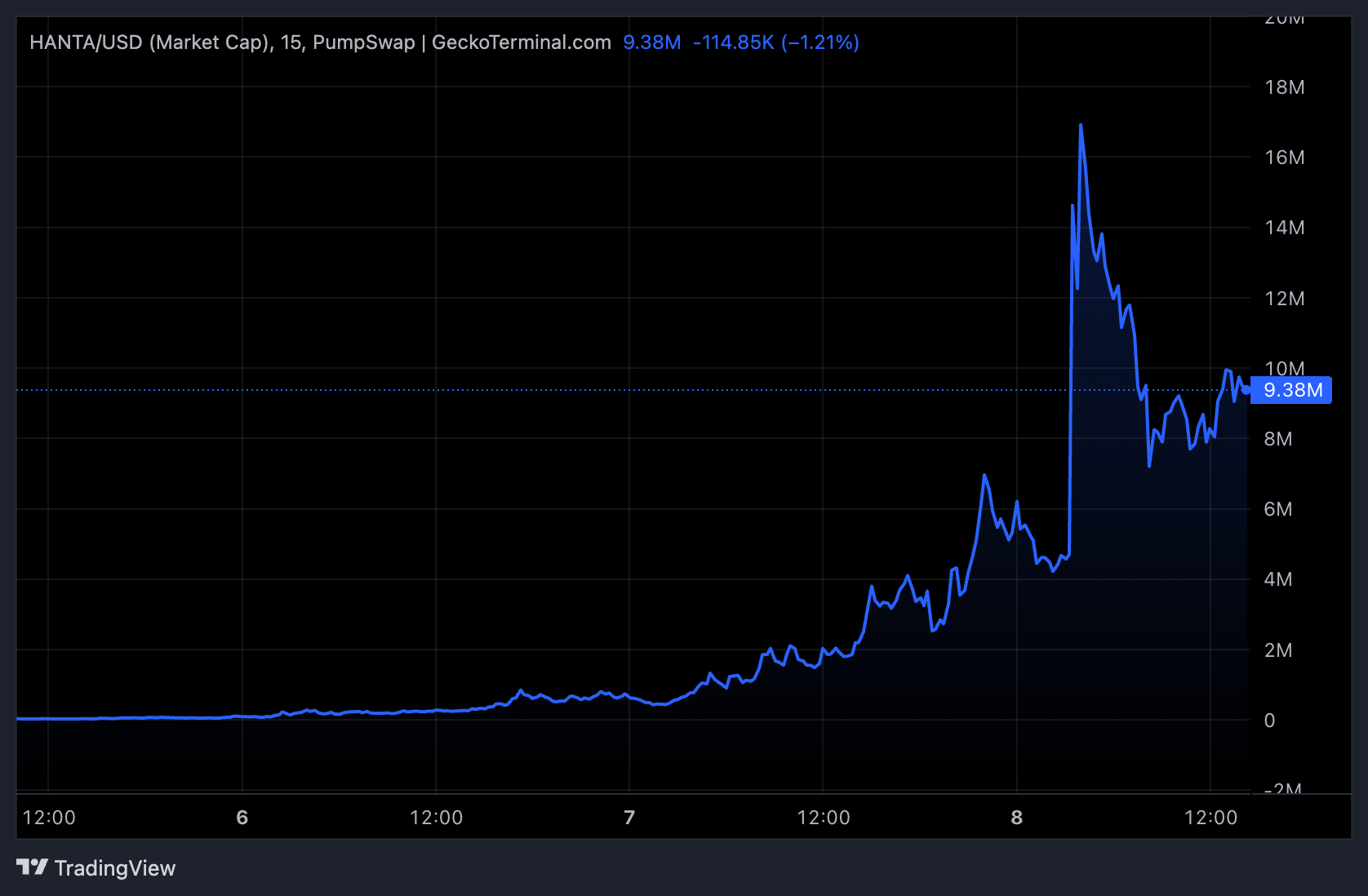
Hantavirus-themed tokens posted triple-digit gains on Friday, with the leading Hantavirus (HANTA) token surging 315.69% over 24 hours.
The rally tracks an MV Hondius cruise ship outbreak that has produced three deaths and five confirmed cases, pushing traders toward speculative tokens tied to the unfolding health story.
Follow us on X to get the latest news as it happens
Hantavirus Outbreak Sparks Meme Coin Trading Frenzy
The HANTA token (2tXpgu…7hzs9y) was launched in early May. Its market cap surged to a record high above $18 million today before adjusting to $9.38 million. Solscan data showed the token’s holder base jumping from 2,640 to 17,589 within a single day.

The rally extended across more than half a dozen similar issuances. A separate HANTA token rose 251% to a market cap of $193,190. A Hanta-Kun variant climbed 261.87%, while two Hantavirus listings on Meteora DAMM V2 added 399% and 246%.

It is important to exercise caution with speculative tokens. History shows hype-linked meme coins are likely to collapse sharply once attention shifts, leaving late buyers exposed to steep drawdowns.
Meme Coin Playbook Repeats
The launch of meme tokens around viral news events is a recurring pattern. A wave of Dogefather tokens followed an Elon Musk post on X in February 2025.
Some launches have drawn sharp criticism. Tokens tied to the killings of activist Charlie Kirk and Iryna Zarutska were branded “despicable” by traders who accused creators of exploiting human grief.
Meanwhile, comparisons with the 2020 pandemic have surfaced. However, the WHO noted that while more Hantavirus cases are likely, a COVID-19-level pandemic remains improbable, citing no evidence of a broad transmission risk.
Subscribe to our YouTube channel to watch leaders and journalists provide expert insights
The post Hantavirus Meme Coins Rally as Outbreak Headlines Drive Speculation appeared first on BeInCrypto.

Ethereum just fall below $2,300, and Fundstrat’s Tom Lee called it cheap, making news publicly, on stage, with a $22,000 price target attached. Speaking at the Consensus conference in Miami, Lee laid out a data-driven case for a 7x rally driven by tokenization, agentic AI, and institutional supply absorption that is already tightening the float.
— BMNR Bullz (@BMNRBullz) May 7, 2026
 TOM LEE: “ETHEREUM’S CHEAP.”
At $2,300,
ETH is trading well below where the math says it should be. If $BTC hits $250K fair value, the ETH/BTC ratio puts ETH at $22,000. Long-term avg ratio: 0.048 2021 high ratio: 0.087 Implied ETH: $22K Crypto spring = ETH lags… pic.twitter.com/ucvnJy2MWG
Lee anchored it to Ethereum’s historical ETH/BTC ratio of 0.048, which spiked to 0.087 during the 2021 bull cycle, applied against his $250,000 Bitcoin fair value projection. The math lands at $22,000, and that’s his base case. Lee had already declared crypto spring earlier this month, and his Consensus appearance doubles down on that conviction with hard numbers.
Discover: The best pre-launch token sales
Forget the News, $22,000 Ethereum is Not A Pipe Dream
Ethereum has spent nearly five years consolidating after its last major rally, a historically long compression window. On-chain data shows ETH held on exchanges has dropped to multi-year lows, with a significant portion locked in staking contracts or deployed as DeFi collateral. When demand spikes against a supply this thin, price moves fast.
Current resistance sits just above $2,400. A clean break and weekly close above that level opens a path toward $3,200, the next meaningful structural zone. But a close below $2,100 reopens the $1,900 support shelf and delays the thesis materially.
Lee’s on-chain data read is frankly striking. BitMine, which Lee chairs, now controls more than 4% of Ethereum’s circulating supply and stakes roughly 85% of those holdings, generating over $300 million in annualized staking revenue.
“Ethereum is a scarce settlement layer,” Lee said. “It has never had downtime.”
The tokenization narrative underpins the longer-range targets. Tokenized real-world assets on Ethereum have already crossed $8 billion in U.S. Treasuries alone, and Lee cited industry projections that put the total addressable market for tokenized assets in the hundreds of trillions of dollars.
Stablecoin transaction volumes have already surpassed Visa payment volumes, a milestone Lee flagged as proof that blockchain finance is no longer a thesis, it’s infrastructure.

Beyond $22,000, Lee outlined two higher-conviction scenarios: $62,000 if the ETH/BTC ratio reaches 0.25, and $250,000 in a full tokenization-dominance scenario where Ethereum captures the majority of global settlement volume.
Those above numbers are long-duration bets, but the $22,000 base case has a defined trigger. Bitcoin closing above $90,000 and sustaining that level would, in Lee’s framing, confirm the cycle is on.
Discover: The best crypto to diversify your portfolio with
The post Ethereum News: Tom Lee Sets $22,000 Ethereum Target appeared first on Cryptonews.


Cloudflare shares fell sharply in after-hours trading on Thursday after the cloud infrastructure company announced major layoffs tied to its push into artificial intelligence.
Summary
- Cloudflare shares fell about 18% after the company announced plans to cut more than 1,100 jobs as part of an AI-focused restructuring.
- The company reported Q1 revenue of $640 million and adjusted EPS of $0.25, both above Wall Street expectations.
- Cloudflare said internal AI usage surged over 600% in three months as tech firms increasingly reorganize operations around automation and AI tools.
According to recent reports, the stock dropped about 18% even after Cloudflare reported first-quarter earnings and revenue that topped Wall Street expectations.
The company posted revenue of $640 million for the quarter, up 34% from a year earlier and above analyst estimates of $622 million. Adjusted earnings came in at $0.25 per share, also ahead of expectations. However, investors focused instead on Cloudflare’s decision to cut more than 1,100 jobs globally, or roughly 20% of its workforce, as part of what it called an “agentic AI-first operating model.”
Chief executive Matthew Prince said Cloudflare’s internal AI usage has jumped more than 600% over the past three months. According to the company, thousands of AI agent workflows are now being integrated into daily operations. Management described the restructuring as a long-term operational shift rather than a traditional cost-cutting exercise.
The market reaction suggested investors remain cautious about aggressive AI-driven restructuring, especially as Cloudflare also issued softer-than-expected revenue guidance for the current quarter. The company forecast second-quarter revenue between $664 million and $665 million, slightly below analyst projections.
The layoffs add to a growing trend across the technology industry as companies reorganize around AI tools and automation. Amazon has continued trimming roles across cloud computing, devices, and media divisions while increasing spending on generative AI infrastructure. Microsoft has also cut jobs in several business units over the past year as it redirected billions of dollars toward AI data centers and products tied to OpenAI technology.
Meta and Coinbase have also announced workforce reductions in recent months while emphasizing efficiency and AI-focused restructuring. Industry tracking data shows more than 93,000 technology jobs have been cut globally so far in 2026, with automation and AI adoption increasingly influencing hiring decisions.
Despite the sell-off, Cloudflare maintained its full-year outlook. The company reaffirmed projected 2026 revenue between $2.805 billion and $2.813 billion and forecast earnings per share of $1.19 to $1.20. Management said expanding AI integration across operations should improve efficiency and help the company deliver new products faster.


Stablecoin-based cards could soon account for double-digit percentages of all cards in some Latin American markets, John Timoney, head of strategic partnerships at Rain, a payments infrastructure platform, said.
Retail stablecoin card spend grew about 105% to 106% over the past year, Timoney said during a panel at Consensus Miami 2026. Cards are physical or virtual, allowing users to spend stablecoins such as tether and USD Coin (USDC) directly from a digital wallet for daily purchases.
Rain provides stablecoin infrastructure for card issuers and recently became a Mastercard Principal Member, allowing it to offer credit and prepaid cards on the Mastercard network. Rain and Mastercard are also exploring on-chain settlement for some card program flows using regulated stablecoins.
The company is not trying to replace card networks, Timoney said. It is trying to make stablecoin balances usable through existing networks that already reach merchants globally.
“The card networks over decades have rolled up hundreds of millions of merchants,” Timoney said. “Rain explicitly did not want to reinvent the wheel.”
Spend patterns are also becoming harder to distinguish from ordinary card activity, he said. Stablecoin card users are spending across typical merchant categories, including large global merchants and everyday purchases.
“There’s nothing too remarkable about that,” Timoney said. “And I think that is what is remarkable.”
Despite their growth, stablecoin cards account for less than 1% of global card spend, senior vice president of business development at Consensys Ray Hernandez said during the same panel.
Crypto card adoption
Latin America has become one of the clearest markets for adoption, Timoney added. Stablecoin cards are being used across custodial and non-custodial wallets, crypto exchanges and products that abstract the stablecoin experience from users.
The merchant still receives fiat in many of those transactions. That separates card-based stablecoin spending from direct crypto push payments, where merchants may have to manage crypto settlement, volatility and transaction risk more directly.
The bigger change may be behind the scenes. Rain says stablecoin settlement lets card programs settle on weekends and holidays, reducing trapped capital by more than 40% in some cases.
Traditional card programs often need to pre-fund network obligations or borrow from networks when banking rails are closed. Stablecoins can move outside bank cut-off times.
That can make rewards and card economics more flexible, Timoney said. Capital that would otherwise sit idle can be used elsewhere in the business.
Mastercard has been moving deeper into stablecoin payments. Earlier this year Binance, PayPal and Ripple joined Mastercard’s broader blockchain payments push. That push saw the payments giant agree to buy stablecoin infrastructure firm BVNK for up to $1.8 billion.
Christian Rau, Mastercard’s senior vice president of digital assets and blockchain, said mainstream adoption will depend on making the technology invisible to consumers.
“Other than the people in this room, nobody says ‘oh, I just did an onchain payment’,” Rau said. “The normal benchmark these days is you have a card sitting on your iPhone or on an Android. You tap it, the money is gone.”
The consumer-facing pitch is not an onchain payment, he added. It is the ability to spend any asset in real time, with the network protections users already expect.
Hernandez said the next stage depends on easier on-ramps, abstracted network fees and more local payment infrastructure. Today’s crypto card users are still mostly crypto-native consumers who already hold assets on-chain.
MetaMask is expanding its card strategy around self-custody, Hernandez said. The MetaMask Card, developed with Mastercard and Baanx, lets users spend from a self-custodial wallet while assets are converted into fiat at the time of purchase.
“If all we’re doing is replicating the Apple Pay experience, I think it’s going to be okay, but I don’t think we’re going to overtake,” Hernandez said.
Paying in crypto
That view drew a challenge from GoMining CEO Mark Zalan, who argued that stablecoins and card infrastructure add unnecessary intermediaries to crypto payments.
Zalan said users want to hold bitcoin in self-custody and spend it without converting into stablecoins or relying on off-ramps. He described conversion layers and payment intermediaries as “little helpers” taking small fees from each transaction.
“Protection is another word for rent-seeking,” Zalan said, referring to the consumer protections embedded in card transactions.
Timoney pushed back, saying payments are not only money movement. Card networks also handle chargebacks, merchant risk and other protections consumers and merchants expect.
Rau made a similar point. Most consumers were “socialized with deposit insurance” and chargeback protection, he said.
“Payment is more than moving money from A to B,” Rau said. “From a consumer perspective, the experience of payment is interoperability, safety and security.”

The Coming Collision Between AI Agents and DeFi
For years, decentralized finance has been built around one assumption: humans remain the primary participants in the market. Traders execute swaps, governance participants vote manually, liquidity providers rebalance positions, and treasury managers react to changing conditions based on human judgment.
That assumption may not survive the next decade.
A new wave of AI agents is beginning to merge with decentralized finance infrastructure, creating a future where autonomous systems—not humans—become the dominant users of financial protocols. This shift could fundamentally transform how liquidity moves, how markets behave, and how value is managed across blockchain ecosystems.
The collision between AI and DeFi is no longer theoretical. It is already beginning.
The Rise of AI-Native Financial Participants
Most discussions around artificial intelligence focus on productivity tools, chatbots, or content generation. But within crypto, the more disruptive evolution may be autonomous financial agents.
Unlike traditional trading bots that follow fixed instructions, AI agents are capable of adapting to changing market conditions, learning from data, and executing strategies independently. Combined with permissionless blockchain infrastructure, these systems can operate continuously without centralized oversight.
An AI agent connected to a crypto wallet can already:
- Analyze on-chain market conditions
- Execute trades automatically
- Move liquidity between protocols
- Optimize yield positions
- Hedge exposure in real time
- Participate in governance systems
- Monitor treasury risk
- React faster than any human trader
The result is the emergence of machine-operated finance operating at blockchain speed.
AI Trading Agents and the End of Human Reaction Time
One of the earliest impacts of AI in DeFi is likely to appear in trading markets.
Crypto markets already operate 24/7, creating an environment where human traders struggle to maintain consistent performance. AI agents remove this limitation entirely. They can monitor thousands of data points simultaneously while executing decisions in milliseconds.
These systems are evolving beyond simple algorithmic trading.
Future AI trading agents may combine:
- On-chain analytics
- Social sentiment analysis
- Governance proposal tracking
- Liquidity flow monitoring
- Cross-chain arbitrage detection
- Macro-economic data interpretation
- Real-time volatility modeling
This creates a market environment where human reaction speed becomes increasingly irrelevant.
In traditional finance, high-frequency trading firms already dominate market microstructure. DeFi may push this even further because blockchains are globally accessible, composable, and programmable by default.
When autonomous agents begin competing directly against one another, DeFi markets could evolve into machine-speed ecosystems where most activity occurs faster than human cognition can reasonably follow.
Autonomous Treasury Management
Treasury management is another area poised for transformation.
Today, DAOs and DeFi protocols often rely on human governance committees to allocate capital, manage reserves, or rebalance assets. These processes are slow, politically fragmented, and vulnerable to emotional decision-making.
AI systems could radically change this structure.
An autonomous treasury agent may eventually:
- Diversify treasury holdings dynamically
- Move idle capital into productive yield strategies
- Reduce exposure during volatility spikes
- Hedge against stablecoin depegging risks
- Allocate liquidity across chains automatically
- Simulate stress scenarios continuously
- Optimize revenue generation in real time
Instead of waiting for governance votes that take days or weeks, protocols may deploy AI-managed treasury layers capable of adapting instantly to market conditions.
This introduces a profound shift in governance philosophy. Human communities may increasingly define broad strategic objectives, while AI systems handle operational execution autonomously.
In other words, governance may evolve from direct management toward supervisory oversight.
AI-Generated Liquidity Strategies
Liquidity provision in DeFi has become increasingly complex.
Modern liquidity providers must understand impermanent loss, concentrated liquidity ranges, volatility exposure, fee generation, incentive emissions, and cross-protocol yield opportunities. For most retail participants, the ecosystem is already too sophisticated to manage efficiently.
AI agents are uniquely positioned to solve this complexity problem.
An advanced liquidity management agent could:
- Predict volatility changes
- Reposition liquidity ranges dynamically
- Optimize fee capture
- Exit unstable pools before liquidity collapses
- Rotate capital between protocols automatically
- Detect unsustainable yield incentives
- Balance risk-adjusted returns across chains
This could produce a major efficiency leap for DeFi markets.
However, it also creates a dangerous possibility: liquidity itself may become increasingly automated and hyper-reactive.
If thousands of AI agents identify the same risk signals simultaneously, liquidity could disappear from protocols at machine speed during periods of stress. This introduces the possibility of accelerated market cascades far more violent than previous DeFi crashes.
The same intelligence that improves efficiency may also amplify systemic fragility.
Wallet-Operating AI and Autonomous Economic Identity
Perhaps the most transformative development is the emergence of wallet-operating AI.
Today, crypto wallets are controlled directly by humans. But in the future, wallets themselves may become autonomous economic actors.
Imagine an AI agent with authority to:
- Pay for digital services
- Manage subscriptions
- Execute payroll
- Purchase compute resources
- Invest idle capital
- Borrow against assets
- Repay loans automatically
- Interact with smart contracts independently
This turns AI from a software tool into an active economic participant.
In this model, millions of autonomous agents could interact with blockchain infrastructure continuously without direct human input. Some may represent individuals, while others may operate on behalf of businesses, protocols, or entirely AI-native organizations.
The implications are enormous.
DeFi was originally designed as decentralized finance for humans. It may ultimately become the financial layer for autonomous machines.
Machine-Speed Markets and the Future of Volatility
As AI participation grows, markets may become structurally different.
Human traders are constrained by psychology, fatigue, limited attention, and delayed execution. AI agents are constrained primarily by compute power, data access, and protocol rules.
This changes market behavior dramatically.
Potential outcomes include:
Greater Efficiency
AI agents may eliminate many pricing inefficiencies, reducing arbitrage gaps and improving capital allocation across ecosystems.
Faster Liquidity Migration
Capital could move between protocols almost instantly as AI systems chase optimal returns.
Increased Market Reflexivity
AI agents trained on similar datasets may react identically during stress events, amplifying volatility.
Reduced Human Influence
Retail traders may struggle to compete against autonomous systems operating continuously with superior analytical capabilities.
Hyper-Competitive Yield Environments
As AI agents optimize returns aggressively, sustainable yields may compress significantly across DeFi markets.
The long-term result may resemble an autonomous financial battlefield where algorithms compete against algorithms in real time.
The Governance Problem No One Is Ready For
The rise of AI agents also introduces governance risks that DeFi has barely begun to address.
Key questions remain unresolved:
- Should AI agents be allowed to vote in DAO governance?
- Who is responsible if autonomous systems exploit protocols unexpectedly?
- Can malicious AI manipulate governance sentiment at scale?
- How do protocols defend against coordinated AI-driven liquidity attacks?
- What happens when AI agents discover profitable behaviors humans consider unethical?
These concerns move beyond technology into economic philosophy and legal theory.
DeFi governance was designed around human participation. But machine participants may soon outnumber human users across major protocols.
When that happens, governance itself may require redesign.
The Emergence of AI-to-AI Economies
The most radical possibility is that humans eventually become secondary participants within certain segments of DeFi.
AI agents could negotiate trades, provide liquidity, lend capital, hedge risk, and purchase services from one another autonomously. Entire financial ecosystems may emerge where most transactions occur between machines.
In such a world:
- Smart contracts become machine coordination layers
- Stablecoins become native settlement assets for AI systems
- DeFi protocols become infrastructure for autonomous economies
- Humans transition into supervisors rather than active operators
This would represent one of the largest structural transformations in financial history.
Not because finance becomes decentralized—but because finance becomes autonomous.
Conclusion
The convergence of AI and DeFi is creating a new category of market participant: autonomous financial intelligence.
What began as simple trading automation is rapidly evolving into wallet-operating AI capable of managing capital, executing strategy, and interacting with decentralized infrastructure independently.
This transformation could make DeFi markets faster, more efficient, and more adaptive than ever before. But it could also introduce unprecedented volatility, governance challenges, and systemic risks.
The core question is no longer whether AI will participate in DeFi.
It is whether humans will remain the dominant participants once it does.
REQUEST AN ARTICLE

The Xperia 1 VIII leak finally gives Sony some swagger

‘World’s best omelette’ requires just 1 extra ingredient

Market Wrap: Sensex drops 516 points, Nifty closes below 24,200 amid fresh Iran-US escalations, smallcaps outperform

Manchester United reach agreement with Casemiro over contract clause amid transfer speculation

US brings back mandatory military draft registration

Steven Gerrard disagrees with Gary Neville over ‘shock’ Chelsea and Arsenal claim | Football


-

 NewsBeat5 days ago
Channel 5 – All Creatures Great and Small series 7 new post
-

 Crypto World1 day ago
Upbit adds B3 Korean won pair as Base token gains Korea access
-
 NewsBeat1 day ago
NCP car park operator enters administration putting 340 UK sites at risk of closure
-
 Tech7 days ago
Trump’s 25% EU auto tariff breaches Turnberry Agreement that also covers semiconductors and digital trade
-
 Crypto World3 hours ago
HarrisX Poll Found 52% of Registered Voters Support the CLARITY Act
-
 Sports7 days ago
Paul Scholes issues Marcus Rashford reality check as agreement emerges over Man United star
-

 Entertainment7 days ago
Met Gala 2026 Rumored Guest List Is Turning Heads
-
Entertainment7 days ago
New on Prime Video in May 2026 — Full List of Movies and Shows
-

 Entertainment7 days ago
Kylie Jenner Hit With Second Lawsuit From Ex-Housekeeper
-

 Sports7 days ago
Cavaliers vs. Raptors Game 6 live score, updates, highlights from 2026 NBA playoffs first-round series
-
 Sports6 days ago
David Benavidez responds to team Canelo saying the fight will never happen
-
Entertainment6 days ago
New Netflix Movies in May 2026 — My Top 3 Picks to Stream
-

 Entertainment5 days ago
Melissa Joan Hart and More Stars Attend 2026 Kentucky Derby
-

 Tech4 days ago
Image AI models now drive app growth, beating chatbot upgrades
-
 Sports6 days ago
IPL 2026: ‘Love you darling’- Hardik Pandya’s reaction to MS Dhoni steals the show |Watch | Cricket News
-

 Entertainment6 days ago
Young and the Restless Next Week: Cane Arrested & Matt’s Deadly New Scheme!
-

 Tech7 days ago
Mother’s Day 2026 Gift Guide: Audio to Upgrade Mom’s Lifestyle
-
 Crypto World6 days ago
Pi Network Mandates Protocol 23 Upgrade for All Mainnet Nodes Before May 15 Deadline
-

 Business5 days ago
Luka Doncic Injury Update: Doncic’s Hamstring Recovery Slows Lakers’ Hopes Against Thunder: Can He Run Yet?
-

 Business6 days ago
Can Victor Wembanyama Bring the NBA Ring to Spurs in 2026? Historic Playoff Run Fuels Title Dreams
You must be logged in to post a comment Login