

Entertainment
10 Saddest Best Picture Oscar Winners of All Time, Ranked

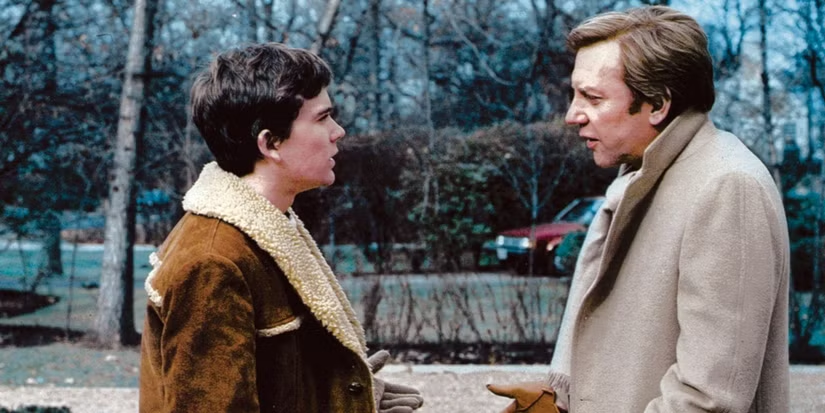
If you work your way through every movie to have won Best Picture at the Academy Awards, you’re inevitably going to encounter a fair few downbeat films. Going back to the earliest Oscar ceremonies, even, you’ve got the likes of Wings and All Quiet on the Western Front, with the former being a romantic melodrama set during World War I, and the latter also being a World War I movie, but a considerably more harrowing one; more dramatic/tragic than melodramatic.
Both kinds of movies can be tearjerkers, or generally sad, so it’s for that reason that some of the movies below are emotionally intense historical dramas, and others don’t tell true stories, but prove moving because of what they deal with and what they explore thematically. It is hard to rank these, since what one finds sad can be subjective, and comparing real-life stories to entirely fictional ones is a little challenging as well, but an attempt was made regardless. Sorry if that attempt makes you sad.
10
‘Ordinary People’ (1980)

It was impressive that Robert Redford won a Best Director Oscar for his first directorial effort, Ordinary People, and the movie also won Best Picture. It is, to put it bluntly, a family drama about grief, because it revolves around the aftermath of a young man’s death, with his parents and now sole surviving brother struggling to maintain any sense of normalcy following such a tragedy.
Raging Bull came out the same year, and might’ve been a more deserving winner, but if that movie had won, it probably wouldn’t be here, since it’s just a whole lot heavier in a kind of empty and despairing way, rather than being a somewhat more approachable tearjerker the way Ordinary People is. It’s still not an easy film to watch, by any means, but it says enough about perseverance and how to grapple with grief to keep it feeling more bittersweet, rather than just outright bitter.
9
‘Casablanca’ (1942)

Good old Casablanca. It’s an honestly difficult to beat film, however you choose to define it, as it does everything a movie of its time could possibly do, and then a little more, somehow. It’s about an apathetic and heartbroken man who, in the early stages of World War II, spends his time in the titular city being generally miserable, but then he’s reconnected with the woman he loves, and finds himself torn between doing what he wants and what is likely right for the greater good.
It does all that with more nuance – or at least care on a writing front – than you might expect for a film of its age. Casablanca hits all the emotional beats it does largely because it’s flawlessly written, and so everything else kind of flows and also excels from there. Out of all the Best Picture winners from the first half of the 20th century, it’s quite possibly the most moving.
8
‘Gladiator’ (2000)

As an epic and an action movie rolled into one, Gladiator ends up being pretty broad and maybe even a bit conventional in terms of the story it tells, but at least it tells that story effectively. It’s essentially a revenge story set during the era of the Roman Empire, but if you’re after strict history, that’s not really what this wants to be about. Some historical figures play a part in the narrative, though the protagonist is fictional.
Much of Gladiator, even with its historical setting, is fictional, which is possibly okay if you’re more after spectacle, action, and a well-paced viewing experience.
Lots of other things are fictional, which is possibly okay if you’re more after spectacle, action, and a well-paced viewing experience. Where it goes emotionally might seem obvious, and not just in hindsight, either, yet it’s all in the execution, like so many movies that work wonders with ideas or narrative beats that, on paper, might not sound all too exciting.
7
‘Everything Everywhere All at Once’ (2022)

You have to admire the ambition here, above anything else, and even if you’re not particularly wild about the movie itself. Everything Everywhere All at Once is the Best Picture winner that fits into the most genres in Oscar history, and it feels like it does so quite comfortably. There’s a good excuse to do that here as well, since Everything Everywhere All at Once is all about the multiverse and differing selves in different universes.
It can jump between being a martial arts movie, an existentialist comedy, and a genuinely touching family drama (plus so many other things) at pretty much any point it wants, and it still feels coherent. Well, coherent in its own way. It’s utter chaos by the standards of any other movie, Best Picture-winning or otherwise, but Everything Everywhere All at Once successfully establishes its own rules then plays by them, all the while proving capable of catching you off-guard with all the emotional scenes because of how playful it is elsewhere. You may well be moved by a pair of rocks sitting in the middle of nowhere, pondering existence and the meaning – or lack thereof – of life. People with sausages for fingers being sad. Is that allowed? In Everything Everywhere All at Once, apparently so. There’s also a Ratatouille spoof that’s hilarious, then heartbreaking, and then hilarious again. It really is an everything kind of movie.
6
‘The Lord of the Rings: The Return of the King’ (2003)

The Lord of the Rings: The Return of the King really gets to hit the ground running, since it’s the third part in a trilogy, and furthermore, it’s not the sort of sequel that was only made because the first movie was successful. The Lord of the Rings was helmed as one huge three-part film, and even if the other two would’ve been worthy Best Picture winners, they were “merely” nominated.
So, The Lord of the Rings: The Return of the King was a big old win for the trilogy as a whole, or at least you can view it that way. Since it concludes everything, it manages to feature many of the most exciting sequences of the whole trilogy, and it’s almost inevitable that you’ll be moved by some aspect of the multi-scene ending (or “epilogue” might be the more accurate word) found here.
5
‘West Side Story’ (1961)

West Side Story might well be the saddest Best Picture winner that’s not based on a true story, or doesn’t have some kind of historical event depicted at its center (like being about a tragic occurrence in history, but with fictional characters taking part). It’s instead a spin on Romeo and Juliet, except set in New York City during the 1950s.
Well, if you want to be technical, that does make it set in the past in a way. And West Side Story is about a gang war that’s supposed to reflect real-world prejudices and conflicts, just not about specific real-world events. Like you’d expect for something that reworks Romeo and Juliet, it’s unbelievably sad, and it’s the sort of thing that doesn’t get any less sad when you’re watching it for, say, the second, third, or fiftieth time.
4
’12 Years a Slave’ (2013)

Based on the memoir of the same name, written by Solomon Northup, 12 Years a Slave is about Northup’s experiences after being kidnapped and sold into slavery between the years of 1841 and 1853. Nothing is sugar-coated and everything is brutal and heavy, all to emphasize the horror of the situation, with the commitment to accuracy throughout much of the film clearly making it all the more harrowing.
It’s one of those Best Picture winners that’s not a nice or cathartic sort of tearjerker. 12 Years a Slave might make you feel more hollow over anything else, but that’s by design, and any sort of different approach likely wouldn’t have had quite the same impact. It’s a movie that’s very much worth watching the one time, and an unsurprisingly difficult one to think about watching again.
3
‘The Deer Hunter’ (1978)

The emphasis on historical accuracy was praised regarding 12 Years a Slave, so some might question the idea of The Deer Hunter also ranking quite high here. It captures the horror of war generally speaking in an impressively devastating manner, especially regarding the psychological impact of it on the soldiers who survive their time in combat, but specifically about the Vietnam War… yes, there are some serious liberties taken.
Maybe that’s okay, to some extent, because The Deer Hunter differs from 12 Years a Slave on account of it being about characters who didn’t literally exist in real life, with the characters here being used to explore possible real-life experiences some U.S. soldiers might have had before, during, and after serving in Vietnam. Also, The Deer Hunter is unapologetically a tragedy in every way, even in the classical sense, so it commits all three hours of its runtime to being about as sad as an American-made Vietnam War movie could possibly be.
2
‘Titanic’ (1997)
See, one of the undeniable things about Titanic is that it’s really not afraid to be a tearjerker. It wants you to care about the central romance, and then it wants you to feel a whole host of emotions when the young people in love – plus so many others – face the inevitable tragedy that is always going to happen in a movie called “Titanic.” It’s not even a spoiler if you know nothing about history, given the opening scenes have the wreck of the Titanic being explored.
With this film, you’ve got an impactful fictional story being told, via the two main characters, and then there’s all the harrowing real-world tragedy of Titanic, and some characters here who are based on actual people. James Cameron found a way to more or less make two emotionally devastating movies in one (and at well over three hours in length, it genuinely doubles the runtime of numerous films out there).
1
‘Schindler’s List’ (1993)

It wouldn’t have been easy to work on Schindler’s List, it’s not easy to watch Schindler’s List, and it’s not easy to talk about Schindler’s List. It has to be that way, though, and it’s comparable in its quality and approach to something like 12 Years a Slave, with both being about horrific times in human history, with Schindler’s List being set during World War II and largely functioning as an exploration of the Holocaust.
In that sense, it’s unflinching, even if it also does attempt to highlight an act of heroism that happened among all the unspeakable horror. If it’s bittersweet, then Schindler’s List is not evenly bitter and sweet, since the horrors inherent to this story are what stick out the most, and what the majority of the film’s runtime is dedicated to… though the contrast, at least by the end, does ensure the movie is sad in a variety of ways. It’s got the time to hit you on more than a few emotional fronts, too, since Schindler’s List is also quite a long film.

Schindler’s List
- Release Date
-
December 15, 1993
- Runtime
-
195 Minutes
- Writers
-
Thomas Keneally, Steven Zaillian


With just hours before the Oscars, the question on everyone’s mind is how are people achieving flawless, red carpet–ready skin in time for the biggest night in Hollywood.
For New York–based nominees, presenters and industry insiders heading to the West Coast, been flocking to Manhattan Aesthetics for last-minute treatments designed to deliver a camera-ready glow before they step onto the red carpet at the Academy Awards.
Cosmetic practices from New York to Beverly Hills say they hold the secret — offering a menu of treatments designed to deliver a complexion that can withstand the brutal honesty of modern HD lighting.
The reality is simple: today’s red carpets are unforgiving. High-resolution cameras capture everything — texture, pores, dehydration and fine lines — pushing celebrities to embrace a new generation of results-driven skin treatments that enhance their appearance without looking obvious.
This season, the pre-Oscars strategy revolves around a few standout procedures: Density RF, laser resurfacing, Aquagold 24K Gold Microinfusion cocktails, dermaplaning and Salmon DNA therapy.
Dermaplaning: The Unsung Red Carpet Hero

One of the most overlooked — yet surprisingly transformative — treatments is dermaplaning, a simple physical exfoliation technique.
The procedure uses a sterile surgical blade to gently remove dead skin cells and fine vellus “peach fuzz” hair from the outermost layer of the skin. The treatment is quick and painless, but the payoff is immediate.
Skin feels incredibly smooth afterward, but the real magic happens once makeup artists step in. Foundation glides on seamlessly, light reflects more evenly and the complexion takes on a polished, almost airbrushed quality that photographs beautifully.
Manhattan Aesthetics Dermatology PA Susan Hirsch explains:
“Dermaplaning is one of the simplest treatments we offer, but the payoff is immediate. The skin instantly looks brighter and healthier, and makeup sits much more evenly.”
Density RF: The Tightening Treatment Everyone Is Talking About

Radiofrequency technology has quietly become a staple of pre-event skin preparation — and Density RF is one of the newest versions gaining attention.
The treatment works by delivering controlled heat into both the superficial and deeper layers of the skin to stimulate collagen production — in some cases generating nearly five times more collagen than traditional RF treatments.
The result is subtle lifting, tightening and contouring that enhances facial structure while keeping the outcome natural.
The best part: no needles, no numbing and virtually no downtime.
Susan Hirsch PA-C notes:
“Radiofrequency treatments have always been popular before red carpet events. Density has taken radiofrequency to the next level, producing significantly more collagen than traditional RF treatments. It uses both monopolar and bipolar radiofrequency to achieve deep structural lifting and contouring while also softening lines and wrinkles on the surface. It’s one of the hottest treatments heading into 2026, and we’ve seen demand exploding in our practice.”
Laser Resurfacing + Salmon DNA: Regeneration Meets Technology

Another red carpet staple is fractional laser resurfacing, typically performed about seven to ten days before a major event.
The treatment improves texture, refines pores and helps correct pigment issues such as sun damage — creating a healthier, brighter complexion overall.
Unlike aggressive ablative lasers, fractional resurfacing produces a much gentler recovery process. The skin often appears slightly sunburned for two to three days, followed by a sandpaper-like texture that flakes away. By day seven, many patients are left with what practitioners describe as a “glass skin” effect.
To accelerate healing, some practices apply Salmon DNA, a regenerative topical treatment that boosts hydration, stimulates collagen production and reduces redness and inflammation following the procedure.
Aquagold Microinfusion: Custom Skin Cocktails

If there’s one treatment insiders consistently mention during the final stretch before a big red carpet event, it’s Aquagold — often described as the finishing touch.
At Manhattan Aesthetics, practitioners say the treatment has become particularly popular among New York clients preparing to travel to Los Angeles for Oscars week.
The device uses ultra-fine 24-karat gold needles to stamp and infuse customized cocktails of skin nutrients directly into the superficial layers of the skin.
Instead of targeting a single concern, practitioners design a personalized blend tailored to each client.
Typical Oscar-season cocktails include:
• Hyaluronic acid for intense hydration
• Small doses of Botox to refine pores
• Vitamins and antioxidants to brighten skin tone
• Peptides to support collagen production
The treatment is quick and gentle, but the results can be striking. Skin appears smoother, pores look refined and the complexion develops a hydrated glow makeup artists often describe as “filter-like.”
Because results appear within a couple of days, Aquagold has become a favorite for last-minute skin polishing.
The Bigger Aesthetic Trend: Natural, Healthy Enhancement

Beyond the face, aesthetic experts say the overall approach to cosmetic medicine is shifting toward more natural-looking results.
“As aesthetic medicine evolves, we are seeing a shift away from overly sculpted physiques toward something that looks naturally athletic,” says BriAnna Gugliotta. “Patients want to look healthy and balanced. They are not asking for extreme definition but rather refinement that still feels authentic to their lifestyle.”
She adds that combining multiple modern techniques often produces the most believable outcome.
“When you combine medical weight management with targeted fat reduction and muscle toning, the result is a physique that looks stronger and leaner but still very natural.”
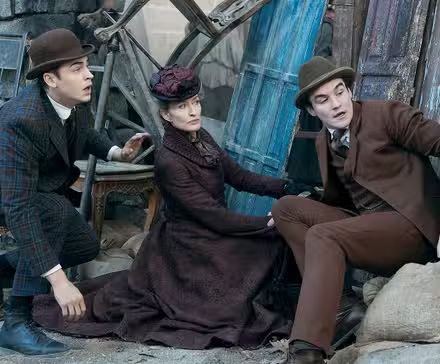
For generations, we’ve had a common portrayal of Arthur Conan Doyle‘s Sherlock Holmes in the media. Whether in modern adaptations or faithful retellings, we tend to see Sherlock as a brilliant detective who always cracks the case with sensational deduction skills. But now, in Guy Ritchie‘s new series, Young Sherlock, the iconic character is given a new origin story.
In addition to putting the character in a new light, the series also strays away from the case-of-the-week format, allowing one overarching crime to stretch through the season. Additionally, it lets Sherlock slowly evolve and settle into his identity. With twists and turns along the way, the Prime Video series is extremely engaging as it rewrites the classic detective story we previously knew. Young Sherlock is the perfect show for a streaming audience.
Guy Ritchie’s ‘Young Sherlock’ Showcases a New Side of the Detective
Taking some inspiration from Ritchie’s two Sherlock Holmes films starring Robert Downey Jr., this new series stars Hero Fiennes Tiffin as a 19-year-old Sherlock coming into his own. Right from the jump, it’s clear he’s a trouble-maker, but also a slyly calculated one. Young Sherlock presents him as a bit of an arrogant know-it-all, but as the series unfolds, we learn that maybe he actually doesn’t know everything quite yet. But as far as a young detective goes, his observational skills are there, but not quite developed yet. With this engaging take, the classic detective story is being rewritten, giving us a chance to see how Sherlock becomes the greatest detective. There are others who are a step ahead of him, and Sherlock must push himself to get on top.
Taking the origin story approach, showrunner Matthew Parkhill gets to reshape what we know of the iconic character. Sherlock is not going on this adventure on his own, but there’s no dear Watson just yet. One of the classic villain characters, James Moriarty (Dónal Finn), is presented as a friend, not a foe. He serves as his confidant and equal, and, at times, the smarter of the pair. This fresh take adds depth to the series, setting itself apart from anything we’ve seen before. Young Sherlock shows how, in a way, Moriarty teaches Sherlock to become the great detective. Perhaps there is also some credence to his descent into villainy.

What’s better than Sherlock and Watson? Sherlock and Moriarty!
Young Sherlock is also a story about family. Primarily, we see the contrast between Sherlock and his older brother, Mycroft (Max Irons). They couldn’t be more morally opposite, but their adoration for one another — stemming from the loss of their sister — keeps them bound. But, like any family, there are secrets. The Holmes clan drives the second half of the action, continuing to show how Sherlock eventually hardens.
‘Young Sherlock’ Is a Character-Driven Slow Burn
As far as storytelling is concerned, in many serialized Sherlock series, we spend a singular episode on a case. Here, there’s a singular mystery for Sherlock to uncover. With the arrival of Princess Shou’an (Zine Tseng) and the mystery of the murdered professors, Sherlock gets to test out his investigative skills in unique ways. Rather than just telling us his thoughts, the brilliant direction drops him and Moriarty back into the crime scenes as they contemplate the clues they’ve uncovered. The single mystery not only serves as an incredibly engaging binge-watch but also allows you to truly see Sherlock’s character development in real time. Sure, episodic mysteries could have given us character growth as well, but this overarching plot did the job cleanly.
Outside the Sherlock universe, other detective shows, like Murder, She Wrote and Poker Face, satisfy instant gratification in a single episode. Departing from that format serves this origin story better, putting the spotlight on Sherlock and not the crime. There are major twists and turns along the way, but this eight-episode arc proves a winning format. There are so many places to which the globe-trotting Young Sherlock series can go in Season 2, which means more shades of Sherlock’s character are sure to color in his complicated character.

- Release Date
-
March 4, 2026
- Network
-
Prime Video
- Showrunner
-
Matthew Parkhill

By Henry Hards
| Published

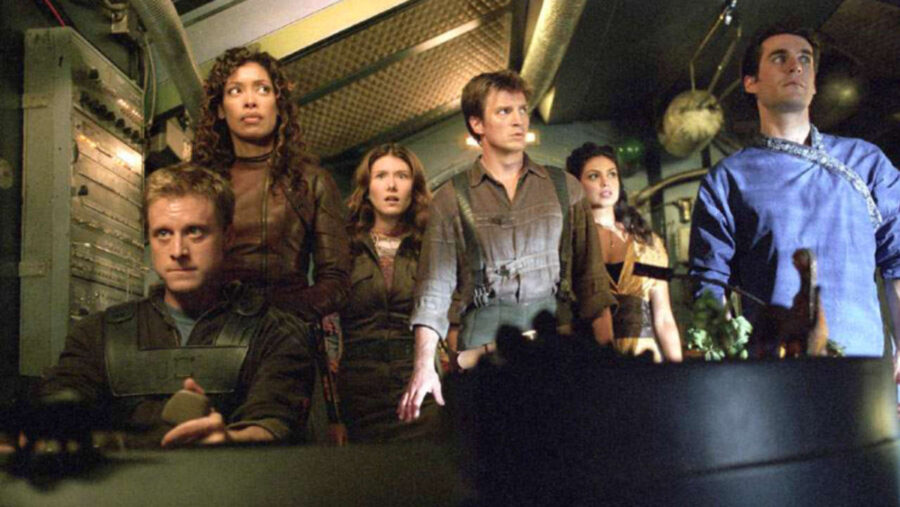
Nathan Fillion and the cast of Firefly have been teasing all week that a big Firefly announcement was coming, and now it’s here. They’re resurrecting the iconic, cancelled television show as an animated series. Maybe.
As Fillion outlined in his announcement, they don’t actually have a distributor. Only the rights to make it and a creative team headed up by a man named Marc Guggenheim. Joss Whedon, Firefly’s creator, won’t be involved at all. Fillion, however, confirmed in their announcement that they have Whedon’s blessing.
Whedon can’t be involved because he was fully cancelled by Hollywood over accusations that he was mean to people. So, they’ve brought in Guggenheim to create the animated show along with his wife, Tara Butters.
Marc Guggenheim is a well-known activist, writer, director, and showrunner. He is the creator of the now-ended DC superhero Arrowverse universe on television. He’s also written feature films, like the hated Ryan Reynolds version of Green Lantern. When not working in film and television, Guggenheim is heavily involved in protest marches and runs a substack where he rails against and condemns people who don’t share his political views.
Tara Butters worked on the Joss Whedon series Dollhouse. Most recently, she was responsible for the failed The Boys spinoff, Gen V.
They’ve brought back the entire cast to do voices for the animated series. That includes Alan Tudyk, whose character was killed off in the Serenity movie. It also includes Adam Baldwin, who was soft-canceled after being involved in Gamergate (he came up with the name) and sharing pro-conservative views.
Below is the full announcement from Serenity’s captain, Nathan Fillion.
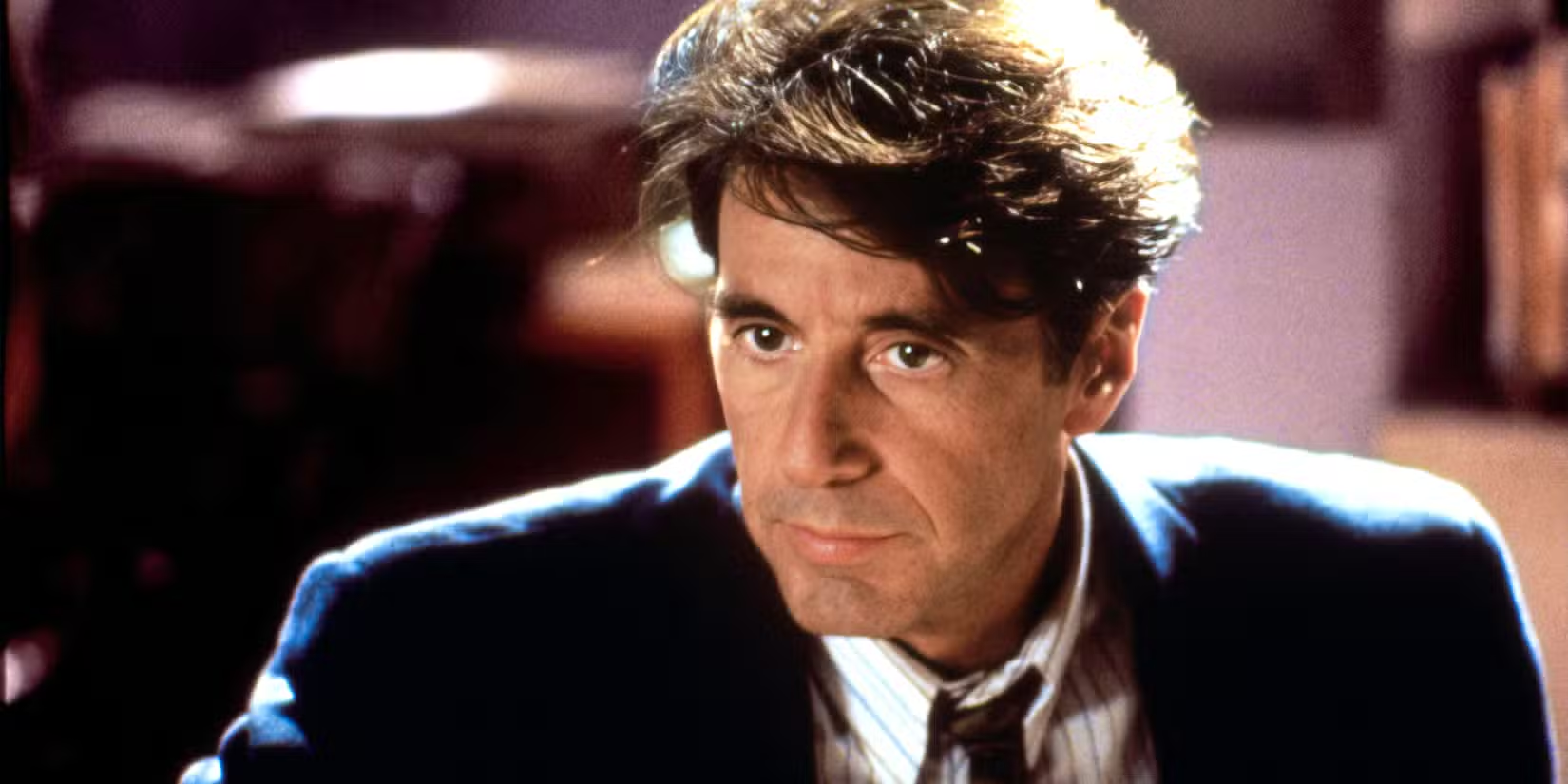
In cinema, dialogue has a tendency to stand out, whether it’s incredibly good or incredibly bad. There have been plenty of great one-liners and countless hard-hitting monologues that have etched themselves into the annals of film history, becoming iconic phrases that many reference in real life. However, great dialogue isn’t simply an amusing and meaningful medley of words; it is an essential driver of the narrative that can deliver integral exposition, reveal and develop characters, explore thematic ideas, and set the story’s tone.
Movies that use dialogue to achieve all of this while still making it rhythmic, poetic, and lyrical occupy a very special place in the estimation of film lovers everywhere. They exemplify how great dialogue is as much a marriage of subtlety, power, and efficiency as it is a catchy sequence of words being strung together. From Old Hollywood dramas to modern-day masterpieces, from quintessential dramas to genre-blending bonanzas, these magnificent movies highlight the splendor of great dialogue.
‘Glengarry Glen Ross’ (1992)

When a screenwriter has such a renowned dialogue style that it coins its own term for imitators—in this case, “Mamet speak”—one can rest assured that their grasp on language, rhythm, and tension is fairly strong. It’s certainly the case for David Mamet, and he was at his brilliant best with 1992’s dark comedy-drama Glengarry Glen Ross, which transpires in a New York real estate office where the salesmen are plunged into a fight of deceit and desperation when it is announced that all but the two best performers will be fired at the end of the week.
Dialogue is to Glengarry Glen Ross what fight sequences and explosions are to an action movie: a poetic, precise, and impactful procession of arguments and revelations that challenge the characters while illuminating their flaws, values, personalities, and stakes. The flow of words is captivating, with every interruption being incisive and meaningful; every insult is used to belittle and manipulate, every magnificent monologue is a fine-tuned exploration of cutthroat business ethics and capitalist desperation. The dialogue alone solidifies Glengarry Glen Ross as a masterpiece of ’90s cinema.
‘In Bruges’ (2008)

Ceaselessly hilarious even as it revels in melancholy and moral complexity, In Bruges is a triumph of tragicomedy that excels at being both morbidly enthralling and quietly complex. It marks the feature film debut of writer-director Martin McDonagh after he spent well over a decade writing for the stage. Every ounce of the craftsmanship and creativity he developed as a playwright is on display in this story about two Irish hitmen hiding in Belgium, awaiting further instruction in the aftermath of a job gone horribly wrong.
As profound as it is profanity-laden, the dialogue strikes viewers immediately with its vivacious vulgarity. Fs, Bs, and Cs fly in abundance as the two leads grapple with everything from obese tourists and drug-addicted dwarves to overwhelming feelings of guilt, regret, and redemption. The film also flaunts a philosophical gravitas that leaps off the screen with a sense of defeated vulnerability. The dialogue is silly and childish, but laced with a striking sincerity that feels painfully real. Bolstered by the performances of Colin Farrell and Brendan Gleeson, In Bruges is a masterclass in dark comedy and despair.
‘The Social Network’ (2010)

Aaron Sorkin has long been considered a defining genius of screenwriting in both film and television. While many would understandably herald The West Wing as his greatest triumph, it is difficult to look beyond The Social Network as his most impressive feat of dialogue. A dramatization of the invention of Facebook and the consequences, legal and personal, that Mark Zuckerberg faces in the wake of the social media platform’s success, it is a film of piercing cultural relevance that marries its thematic exploration of greed, betrayal, and new horizons with fast-paced musicality, razor-sharp subtextual inferences, and wonderful wit.
One of the best things The Social Network achieves is that it takes this elegance and sophistication and finds attention-grabbing conflict within it. It doesn’t operate merely as a fluid flow of sharp wordplay, but as a catalyst for conflict and crisis on multiple fronts. When characters argue, it isn’t only their ideas that define their position and power, but their selection of words as well. Vocabulary is weaponized to devastating effect, and Sorkin masterfully extracts atmospheric suspense from it. The Social Network is an incredible feat of screenwriting and style that won Best Adapted Screenplay at the Academy Awards.
‘Before Sunrise’ (1995)

Written by Richard Linklater and Kim Krizan, Before Sunrise—and the whole Before trilogy, for that matter—beautifully uses dialogue to capture the delicate intimacy of love with poetic majesty that feels both incredibly inspired and completely authentic. Designed to develop an air of naturalism and relatability, Before Sunrise isn’t so much a plot-driven picture as it is a wafting, meditative immersion in blossoming romance.
Complemented by magnetic performances from Ethan Hawke and Julie Delpy, the film embodies the notion of universality in specificity, focusing on the life-affirming passion of love with fine details that resonate with all viewers. Pauses and unspoken words are used just as effectively, capturing the angst and apprehension of a budding relationship. When the characters do talk, however, it is nothing short of divine. Before Sunrise is a masterclass in writing dialogue loaded with meaning, subtext, and thematic awareness that feels entirely organic and even spontaneous.
‘Back to the Future’ (1985)

Back to the Future is a rollicking adventure of comedy, romance, and time-travel that has stood as a beloved blockbuster hit ever since its release in 1985. It also stands as one of the most incredible feats of screenwriting in cinematic history, largely because of its dialogue. While it has a pantheon of memorable quotes that can be easily recited, the true brilliance of the dialogue is its efficiency: no line is wasted, with many delivering essential information while immersing viewers in the story’s freewheeling fun.
The thing that often goes unnoticed about the science-fiction brilliance of Back to the Future is that, given the movie takes place in a contemporary real-world setting, every sci-fi detail — the flux capacitor, the DeLorean’s time travel rules, and even the plan to harness lightning to see Marty McFly (Michael J. Fox) return to his time — needs to be stated through dialogue. Doing so should have been clunky and straining or felt forced and fabricated. However, Bob Gale and Robert Zemeckis’s screenplay never feels as though it is trying to convey information to the audience; in fact, it is often hilarious and heart-warming. Back to the Future’s dialogue is the best example of making heavy exposition feel natural and fun that cinema has ever seen.
‘Network’ (1976)

One of the defining titles in the pantheon of satirical cinema, Network excels as a shocking and bleakly absorbing plunge into the erratic ethics of the newsroom that has proven quite prescient with its focus on infotainment, rage-baiting sensationalism, and the allure of reality television. Paramount to its piercing style is Paddy Chayefsky’s barbed and brilliant dialogue, which excels on two very different fronts. It highlights the morality of news media where such a gulf exists between what is right and what is profitable, and excels at defining the views of characters with an intriguing dichotomy between the success-driven psyche of the new world and the humanistic values of the old guard.
Of course, Howard Beale’s (Peter Finch) monologues are an unmissable point of the excellence of Network’s dazzling dialogue, a mixture of maddening eccentricity, religious preaching, and a direct confrontation of the cynicism of the world. It is often hilarious and disturbing in the same line, perfectly capturing a balance between sinister, sardonic observation and dark humor. Network tackles themes of exploitation, corporate greed, and the dehumanizing aspects of media entertainment while keeping the plot progressing at breakneck speed.
’12 Angry Men’ (1957)

When the premise of an entire movie is 12 men in one room arguing, the dialogue needs to be incredible to ensure it is good. The fact that 12 Angry Men isn’t just good, but is an essential masterpiece of cinema, is testament enough to the brilliance of its dialogue. Based on Reginald Rose’s teleplay of the same name, it unfolds during a jury’s deliberation pertaining to the seemingly simple case of a teenager charged with murdering his father. However, when Juror #8 (Henry Fonda) stands against the other 11 in his view that there is reasonable doubt, a lengthy debate erupts over whether the accused should be charged.
Bereft of even the ability to set-up characters with simple setting styles and aesthetics, 12 Angry Men relies entirely on dialogue to drive the narrative forward and reveal the depths and nuances of each of the 12 jurors. The fact that viewers are never force-fed information about the case or the trial, but it instead comes across seamlessly in the jury discussion, is a triumph that is often overlooked, given the dialogue’s striking effectiveness at establishing character and propelling the story. All of these qualities make 12 Angry Men a timeless masterpiece of cinema.
‘Pulp Fiction’ (1994)
Talking about great dialogue in film without talking about Quentin Tarantino would not be the path of the righteous man. He has mastered the art of capturing the idea of naturalistic irreverence with poetic playfulness and punch while also ensuring every line is a revelation of character, an immersion in style, and a catalyst for suspense, comedy, or carnage. Each of his movies displays his penchant for perfection, but it is impossible to look beyond the sprawling crime caper Pulp Fiction as his defining masterpiece, especially as it is considered by many to be among the greatest movies of all time.
Simply on surface-level analysis, Pulp Fiction’s wordplay is wonderful, sharp and snappy, layered with pop-culture probes, and exuding a rhythmic decadence that is a joy to listen to. Dig a little deeper, though, and the film’s dialogue holds a philosophical intrigue that explores ideas of redemption, consequence, and morality through a grounded accessibility. A comical conversation about a man being killed over a foot massage becomes an interesting debate on action vs. inference and notions of loyalty. It also becomes an instigator for tremendous tension during Vincent’s (John Travolta) and Mia’s (Uma Thurman) date night.
‘His Girl Friday’ (1940)

A rapid-fire rom-com, His Girl Friday is the apex of the energized, enthusiastic excess that underpinned the raucous glory of screwball comedy of the ’30s and ’40s. It crams a 191-page screenplay into just 92 minutes of frenzied fun, a feat achieved through fast-talking and overlapping dialogue that is written, directed, and performed to perfection. It exudes an air of mayhem, and yet it remains majestic, arresting viewers with its chaos and quickness, yet it maintains class and cohesion in a faultless mixture of messy realism and poetic, richly stylized artistry.
His Girl Friday is a story of self-serving people, cynics and schemers bereft of morality who thrive in the field of journalism on the back of their unfettered opportunism. Charles Lederer’s screenplay revels in bringing this depravity to life. The constant conflict and hostility between characters is realized in the dialogue, flaunting a fiery and ferocious wit while also illuminating the complexity of the toxic bond between the two leads, news editor Walter Burns (Cary Grant) and his wantaway lead reporter and ex-wife, Hildy Johnson (Rosalind Russell). It makes for a timelessly subversive rom-com classic, an absorbing love story of possessive impulse and career-minded obsession that endures even 86 years on.
‘Casablanca’ (1942)

Was there ever another movie in contention for the number one spot? Casablanca was released 84 years ago now, and yet it remains the pinnacle of dialogue in cinema. Its litany of iconic quotes speaks for itself, epitomizing the smooth and suave allure of the screenplay adapted from the stage play “Everybody Comes to Rick’s” by Julius J. Epstein, Philip G. Epstein, and Howard Koch. However, the dialogue represents so much more than just wonderful wordplay, with every jabbing jape and every wry witticism revealing the nuance and complexity of the characters and their scars.
Subtext is often heralded as the defining quality of cinematic dialogue, and Casablanca is clinical in how it exhibits characters’ emotions and desires while they speak to something else entirely. It is as much a feat of the performances as it is a triumph of great writing, but the screenplay’s ability to combine cynical wisecracks with simmering sentimentality amid both a volatile love triangle and the expanding grasp of the Nazi regime is nothing short of masterful. When it comes to great dialogue in the movies, there is simply no equal to Casablanca. “Here’s looking at you, kid” indeed.
You know a kid is special when the internet collectively says, “Wait… how is he already this big and adorable?!” That’s exactly what happened when New York mom Lauren Wilson shared a video of her nephew, Jaxson, at just 7 months old. The clip has racked up millions of views as social media users couldn’t get enough of the chunky little star.
RELATED: Bundle Of Joy! Jasmin Lawrence And Eric Murphy Reveal Daughter’s Name Amid Baby Shower (PHOTOS)
Jaxson Had Us Stopping Mid-Scroll
In the video, Jaxson shows off his 25 pounds and 26-inch frame—a tiny package with big personality. Lauren tells PEOPLE she was simply “obsessed with him” and wanted the world to see just how cute he is. And the internet delivered, stopping mid-scroll to gush over the baby boy everyone was suddenly talking about.
This Baby’s Growth Game Is Strong
But while fans were shocked at his size, Jaxson’s mom, Adrienne Wilson, 29, explains that he’s always been a little on the chubbier side. “Jaxson was born 7 lbs. 14 oz., [but] was always on the chubbier side,” she claims. “Jaxson just turned 1 this January! He weighs 33 pounds now!” The proud mom shares that while they get attention in public for his size, the reaction from over 9.4 million online viewers has been a whole new level of wild.
From Big Baby To Viral Star
Doctors aren’t concerned about Jaxson’s weight, especially since he’s tall and growing evenly. In fact, Adrienne says he’s practicing walking with support and is already showing signs of being a little daredevil. He’s “happy and very silly,” and a total “risk taker,” she shares. Apparently, the baby “let’s nothing hold him back” from what he wants to do!
Beyond the milestones and viral fame, Adrienne says the journey into motherhood has been a transformation. “My favorite thing has honestly been seeing me change from who I was into full mama bear mode. I enjoy motherhood and [am] excited for the journey ahead as Jaxson continues to grow,” she revealed.
RELATED: It’s A What? Lala Baptiste And Jay Cinco Confirm Their Baby’s Gender In Heartwarming Reveal (VIDEO)
What Do You Think Roomies?
Movies with non-linear plots are relatively rare. After all, it’s typically easiest for filmmakers to tell stories that follow a single chronological thread from start to finish, and it’s definitely easiest for audiences to understand such traditional stories. When done right, though, non-linear films like Pulp Fiction and The Godfather Part II can be among the greatest ever made. But when done poorly, non-linear films can be absolutely insufferable.
There aren’t many examples of a non-linear narrative going south, but the ones that do exist range from lackluster-though-watchable to insufferably abysmal. These movies are proof that it takes a tremendous amount of effort to pull off a non-linear narrative that audiences can follow and care about, and when that effort isn’t enough, the result can be utterly incomprehensible.
10
‘The Last Five Years’ (2014)

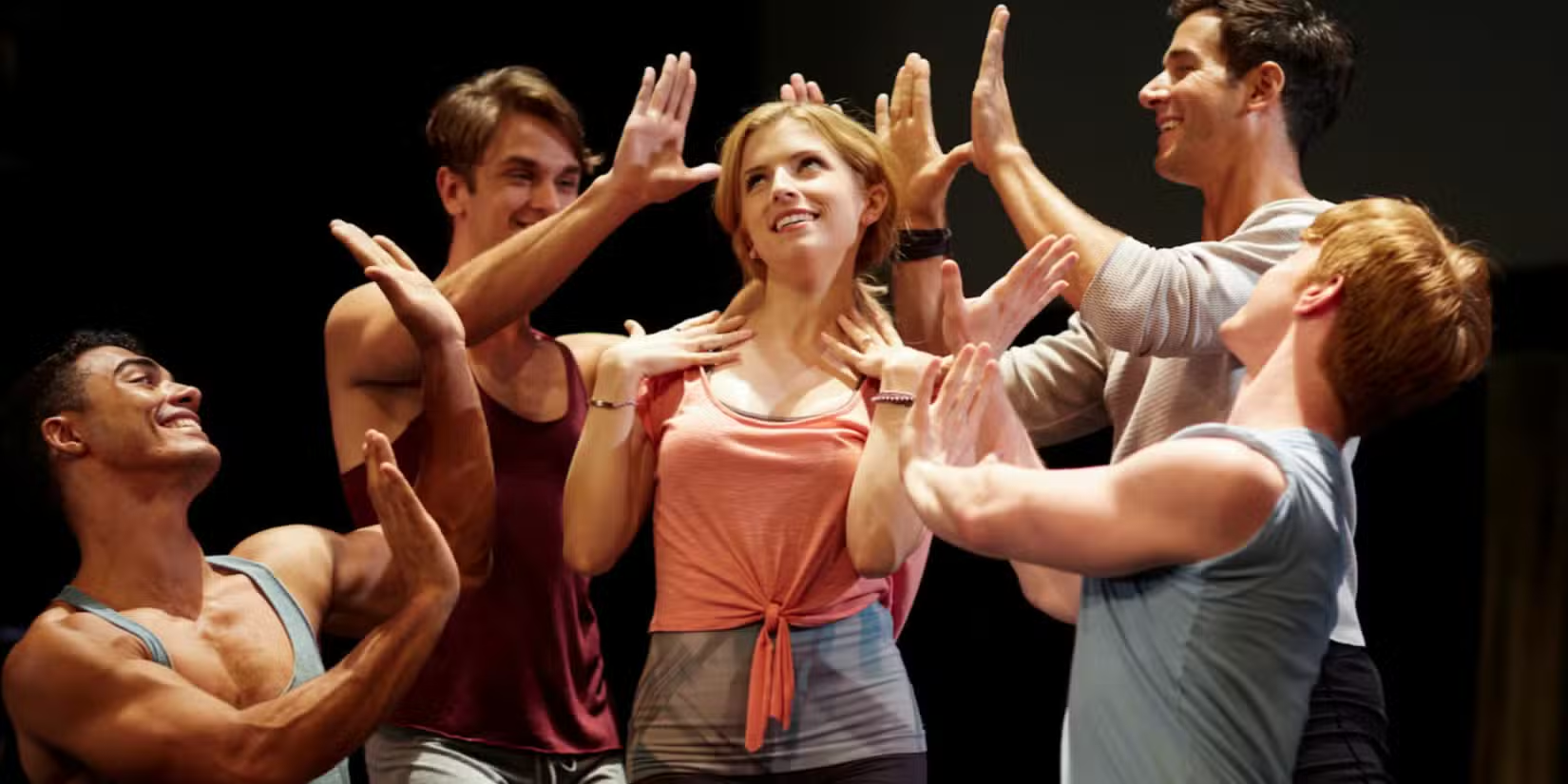
Richard LaGravenese‘s The Last Five Years is based on Jason Robert Brown‘s beloved stage musical of the same name. It stars Anna Kendrick as Cathy, a struggling actress, and Jeremy Jordan as Jamie, her novelist lover. The story of their romance is told out of chronological order, and the result is one of the weakest movie musicals of the last 25 years.
In all fairness, The Last Five Years is by no means awful. The casting is great (Kendrick in particular delivers a strong performance, as per usual), and the tunes are catchy enough. However, the lyrics can sometimes be a bit on-the-nose, and no matter how creative, the structure makes it difficult to truly connect with these characters or care what happens to their bland relationship.
9
‘Vantage Point’ (2008)

Directed by Pete Travis, Vantage Point is proof that a star-studded cast doesn’t necessarily equal a great movie. Travis wastes actors of the stature of Oscar winners Forest Whitaker and Zoe Saldaña in this political thriller that follows the attempted assassination of a fictional President of the United States from different perspectives.
The premise is interesting, but Travis mostly squanders it. As if the wooden acting and mindless action weren’t reason enough to look away from the screen, the non-linear structure of the narrative makes matters worse. Vantage Point never fully commits to it, constantly talking down to its viewers—and coming across as painfully predictable and needlessly chaotic as a result.
8
‘The Grudge’ (2004)

In 2002, Takashi Shimizu made one of the best Japanese horror films of the 21st century, Ju-On: The Grudge. Two years later, he took it upon himself to helm the Hollywood remake The Grudge, starring Sarah Michelle Gellar as an American nurse living and working in Tokyo who’s exposed to a mysterious supernatural curse.
The fact that the gap in quality between these two versions of this film is so abysmal is made all-the-more astonishing by the fact that they were both directed by the same man. One of the scariest Japanese horror movies ever made turned into one of the least scary Hollywood horror flicks of the 2000s. Non-linear plots are a common characteristic of the Grudge series, but here, it simply doesn’t work. The story feels disjointed and mismatched, and as a result, it’s hard to care about any of it.
7
‘The Number 23’ (2007)

The Number 23 is proof that Jim Carrey is one of those actors used to starring in both perfect and terrible movies. This one’s easily one of the comedian’s worst, a thriller about a man who becomes obsessed with a novel that he believes was written about him, as similarities between him and his alter ego seem to keep mounting on top of each other.
The only attraction here is the fact that it’s Carrey playing one of his precious few dramatic roles, though, talented as he may be, he’s not even particularly good in it. Virtually everything about The Number 23 is a hot mess, a clumsy disaster that believes its non-linear approach to its story is really clever. Instead, it’s mostly just confusing and frustrating.
6
‘Premonition’ (2007)

A year before she starred in her Oscar-winning role on The Blind Side, Sandra Bullock starred in the supernatural horror thriller Premonition. In it, she plays a woman who’s experiencing precognitive visions of her husband’s death in a non-chronological order and attempting to save him from his impending doom.
Premonition is an absolutely ridiculous film that takes itself way too seriously for its own good, a dreary, poorly-written thriller that somehow manages to be both clichéd and unprecedentedly silly. Its excess of flashbacks is meant to be mind-bending, but instead, it’s as dull as it is muddled. Twisty and chaotic in every negative sense imaginable, this mess of a film can’t even say it has a redeemable Sandra Bullock performance, as the actress seems to be just phoning it in for a paycheck throughout the entire runtime. Can anyone blame her?
5
‘The Loft’ (2014)

2014’s The Loft is another instance of a director remaking his own movie. Erik Van Looy took his exceptional Dutch-language Belgian erotic thriller Loft and turned it into one of the laziest, least sexy Hollywood erotic thrillers of the 2010s. It has a stellar cast: Karl Urban, James Marsden, Eric Stonestreet, and Wentworth Miller, four of the biggest film and television stars available in 2014. They play men who share a penthouse loft where they can have secret affairs, but their fantasy becomes a nightmare when they find a dead woman in the loft. They’re all playing unpleasant characters that make the movie insufferable to sit through.
A ridiculous whodunnit whose non-linear narrative makes it all the easier for it to have enough plot holes to make its every scene ludicrous.
It’s one of those thrillers that are simply the worst from start to finish, a ridiculous whodunnit whose non-linear narrative makes it all the easier for it to have enough plot holes to make its every scene ludicrous. The acting is awful, the writing is dumb, Von Looy’s direction is lifeless, and the trashy tone doesn’t even have the decency to be trashy enough to make this a modern “so bad it’s good” classic.
4
‘Shorts’ (2009)

Robert Rodriguez is a legend and champion of low-budget filmmaking, but his filmography isn’t exactly stellar or consistent. He’s capable of delivering some truly excellent movies, but he’s also capable of delivering low-brow junk like the fantasy comedy Shorts. In it, a young boy discovers a colorful, wish-granting rock that causes chaos in his hometown.
It’s not even Rodriguez’s worst outing, though it’s certainly up (or down?) there. There was absolutely no reason at all to make this movie have a non-linear plot, and it suffers as a result. It’s chaotic, messy, overstimulating, and a pain for anyone over the age of 10 to try to keep up with. Hyperactive cinema can be really fun, but only when made with the ability to know when to exercise restraint. For Shorts, Rodriguez acted as though he had never heard the definition of the word.
3
‘9 Songs’ (2004)

Michael Winterbottom‘s British erotic art film 9 Songs follows an American college student and a British scientist who share intense sexual encounters in London. Upon release, The Guardian called it the most sexually explicit mainstream film up to that point, and that may still be the case. Hugely controversial due to its sexual content, which includes several unsimulated sexual activities between leads Kieran O’Brien and Margo Stilley, it’s one of those films that blur the line between experimental cinema and straight-up pornography.
The problem? 9 Songs just isn’t good to begin with. The non-linear jumps between the two main characters’ relationship aren’t confusing, but they aren’t exactly compelling, either. O’Brien and Stilley don’t really have the necessary chemistry to make the film feel erotic, and Winterbottom’s direction is more tedious than it is titillating.
2
‘The Snowman’ (2017)

Based on Jo Nesbø‘s 2007 novel of the same title, the Tomas Alfredson psychological thriller The Snowman is one of the worst movies of the last 50 years. It follows Michael Fassbender‘s Detective Harry Hole as he investigates the disappearance of a woman whose scarf was found wrapped around an ominous-looking snowman.
The premise sounds more than interesting enough, and the Hitchcockian source material is, indeed, fantastic. It’s just the film that fails to live up to those standards. Its non-linear approach to the story is incomprehensible at best, a scattered mess that goes downhill pretty soon into the runtime and never picks itself back up. A fine cast can’t exactly save this film, and justifiably, The Snowman became one of 2017’s most infamous flops.
1
‘Gotti’ (2018)

Gotti is one of the most iconic so-bad-they’re-good movies in recent memory, an absolute travesty of a film with a John Travolta lead performance that’s just as much of a travesty. It’s one of the worst-ever movies based on true stories, a biopic that gives biopics a bad name, a disaster that had been stuck in development hell since 2010, where it probably should have stayed.
Gotti tells its story non-linearly for… no good reason at all, really. Its 0% score on Rotten Tomatoes is well-earned, as it’s a laughably terrible cinematic tragedy that shows just how awful gangster films can be when placed in the wrong hands. No element of it works, and as one of the most terrible movies of the 21st century so far, it’s easily the worst non-linear-narrative movie ever made.
Prince William has kept his late mother, Princess Diana, close to his heart in the decades since her tragic death.
“Remembering my mother, today and every day,” William, 43, wrote via social media on Sunday, March 15. “Thinking of all those who are remembering someone they love today. Happy Mother’s Day.”
Mother’s Day is celebrated across the United Kingdom in March. For the Prince of Wales, he marked the occasion with a rare family photo.
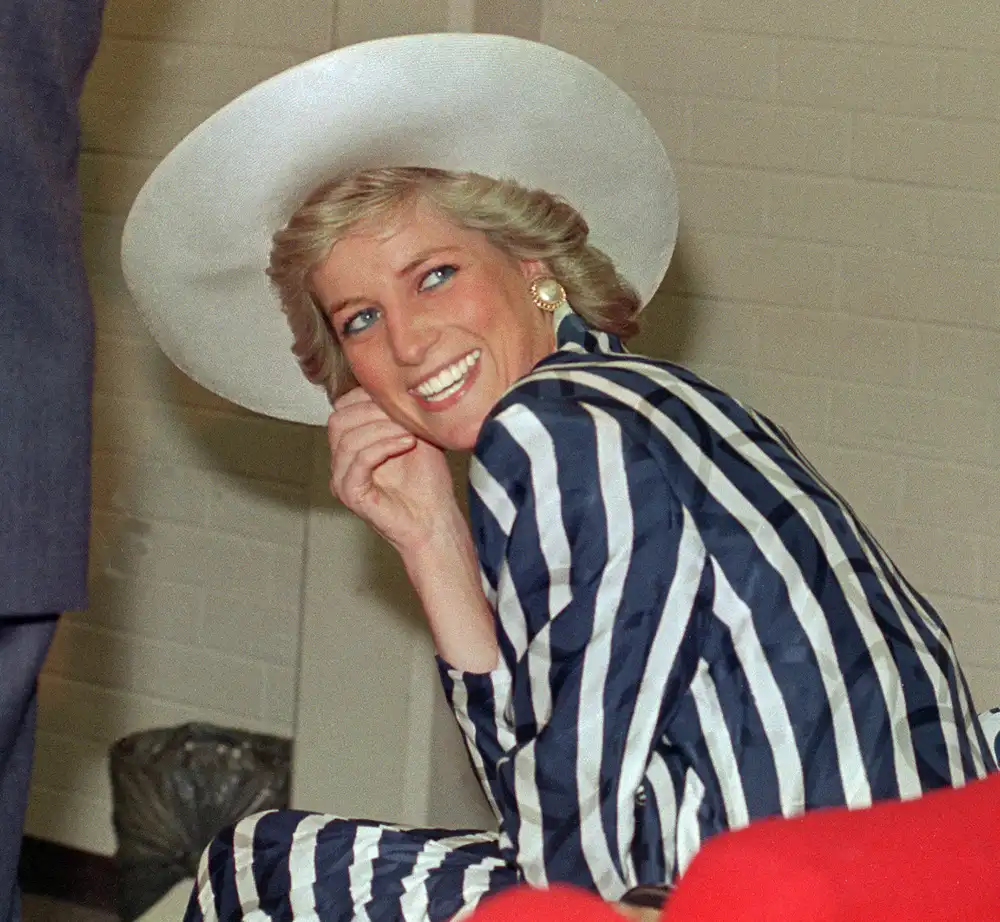
In the upload, Diana wore a pink sweater as she played with a toddler-aged William in a rose-filled field. The image is reportedly from William’s “private collection,” according to royal reporter Rebecca English.
“This picture is from Prince William’s private collection and is not believed to have been seen before,” Daily Mail columnist English tweeted. “He was aged 2 when it was taken.”
Diana tragically died in an August 1997 car crash when she was 36. She is survived by sons William and Prince Harry, who were 15 and 12 at the time. (Diana shared her children with her ex-husband, King Charles III.)
In the years since her death, William and Harry have both honored her legacy.
“I have taken some guidance from what my mother did,” William, for his part, said in his We Can End Homelessness documentary in 2024. “When I was very small my mother started talking about homelessness, much like I do now with my children on the school run.”
William, who shares three kids with wife Princess Kate Middleton, further recalled how Diana would take both him and his brother to visit local shelters.
“When you’re [that] small, you’re curious, and you’re kind of trying to work out what’s going on,” he said of the experience. “You just ask the question, like, ‘Well, why are they sitting there?’ And my mother would talk to us a bit about why they were there. It definitely had a really big impact.”
According to William, he was particularly “anxious” the first time Diana took him to London’s The Passage charity.
“I’d never been to anything like that before and I was a bit anxious as to what to expect,” he said in the doc. “My mother went about her usual part of making everyone feel relaxed and having a laugh and joking with everyone.”

Princess Diana in 1988. PATRICK RIVIERE / AFP
In addition to William’s poignant Mother’s Day tribute, the official royal family X account also honored the likes of Queen Elizabeth II, her mother and Queen Camilla on Sunday.
“Wishing Mothers everywhere, and those who might be missing their Mums today, a restful Mothering Sunday,” a social media statement read, alongside throwback family portraits.
Entertainment
Zendaya crashes couple's Las Vegas wedding to serve as official witness amid Tom Holland marriage rumors
:max_bytes(150000):strip_icc():format(jpeg)/Zendaya-crashes-Vegas-wedding-031526-147fd4624fbd4bd8871318c371a568bd.jpg)
Here comes the… wedding witness.
By Chris Snellgrove
| Published

Buffy the Vampire Slayer is considered one of the most revolutionary shows in television, and rightfully so: it ushered in a new era of quippy genre superheroism, essentially paving the way for the later rise of the Marvel Cinematic Universe. On top of its whip-smart writing, the show was also filled with amazing and hilarious characters that you couldn’t help but love. This included Cordelia Chase: she was written to be a vapid mean girl, but fans loved her so much that she helped launch Angel, Buffy’s very successful spinoff.
However, if the Buffy producers hadn’t dubbed over a line from one of the show’s most infamous episodes, Cordelia wouldn’t have been such a fan-favorite; in fact, she would have been canceled altogether! The episode in question is “Go Fish,” which has a scene in which Cordelia makes fun of the idea that all humans are inherently equal. That’s bad enough, but in a line eventually dubbed over, she appeared to defend the practice of slavery!
Cordelia Like You’ve Never Seen Her Before

In “Go Fish,” Buffy and her friends have several run-ins with Sunnydale High School’s swim team, who seem especially aggro (even by the standards of jocks). It turns out that their coach has been giving these athletes something much worse than steroids: he and a crazy nurse have altered these swimmers’ DNA, which periodically transforms them into gill monsters straight out of Creature From the Black Lagoon. Eventually, the monstrous team kills both the nurse and their coach; most of them (including a recently transformed Xander) are given healing treatments, while the swimmers past the point of no return swim out to the ocean, their humanity fully lost.
Relatively speaking, Cordelia doesn’t play a major role in “Go Fish,” but she does have a memorable exchange with Willow and Xander. Willow (who has been teaching the computer science class after Jenny Calendar’s death) complains about a student asking her to change his grade, which Xander gripes is “wrong” because “It’s a slap in the face to every one of us that worked hard and studied long hours to earn our D’s.” That’s when Cordelia mocks Xander for “being the voice of the common wuss” and archly tells him that “certain people are entitled to special privileges. They’re called winners. That’s the way the world works.”
Cordelia Nearly Got Canceled

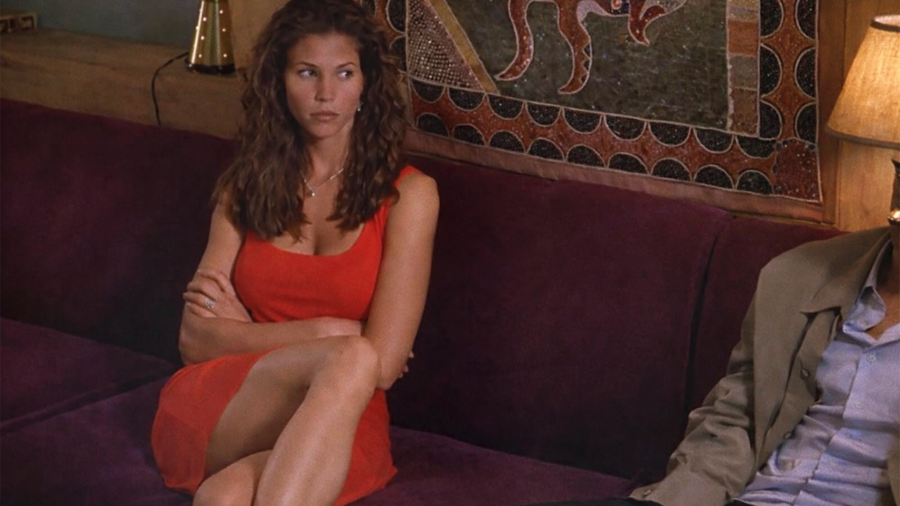
Instead of backing down, Xander asks her “about that nutty ‘all men are created equal’ thing,” which she deems “Propaganda spouted by the ugly and less deserving.” Xander says he thinks Lincoln said that, and after Cordelia insults Lincoln’s appearance, Willow clarifies that the quote came from Thomas Jefferson. Cordelia replies, “Kept slaves, remember?” But if you watch the screen carefully at this moment, you will see that her lips keep moving after she finished talking.
That’s because actor Charisma Carpenter had to redub her original dialogue. When filming the episode, she originally said, “Kept slaves. Got any more?” The script says that she poses this question as “a challenge,” which may imply she was challenging Willow to produce more factoids about Jefferson, or maybe challenging her friends to cite more problematic people who spouted virtuous things. However, I believe the line was dubbed over for a more sinister reason: the producers realized that it sounded as if Cordelia was actually supporting slavery.
Asking “got any more?” after mentioning that Jefferson “owned slaves” may have made the audience think that Cordelia wanted to have slaves of her own. That might sound crazy, but keep in mind that she is a spoiled rich girl (daddy hasn’t been busted for tax fraud yet) who likely did have the modern equivalent of servants helping around her house. Plus, it’s far easier to believe that Cordelia was making a pro-slavery comment when her previous dialogue had her openly mocking the idea that everyone is created equally.
The Producers Quietly Saved This Fan-Favorite Character

By having Charisma Carpenter redub the line, the Buffy the Vampire Slayer producers removed the challenge from her voice; now, she simply reminds everyone that Thomas Jefferson was a bad man who owned slaves. This helps make Cordelia’s prickly mean girl a far more tolerable character and keeps her from getting canceled by the fandom. Which is good, because it would only be a little over a year later that Cordelia departs Sunnydale to go start a new life in Los Angeles as part of the Angel spinoff, whose titular hero she helps solve cases and fight crimes.
“Go Fish” is already an infamous episode because the fish monsters nearly assault Buffy in a very intimate way while the coach leeringly says, “boys have other needs.” Fortunately, this Buffy the Vampire Slayer episode dodged another scandal by redubbing a line that would have made Cordelia Chase a fan of slavery. Now, without that problematic dialogue, we can enjoy Cordelia for who she really is: the head b*tch in charge of any situation who isn’t afraid to put fellow students in their place!
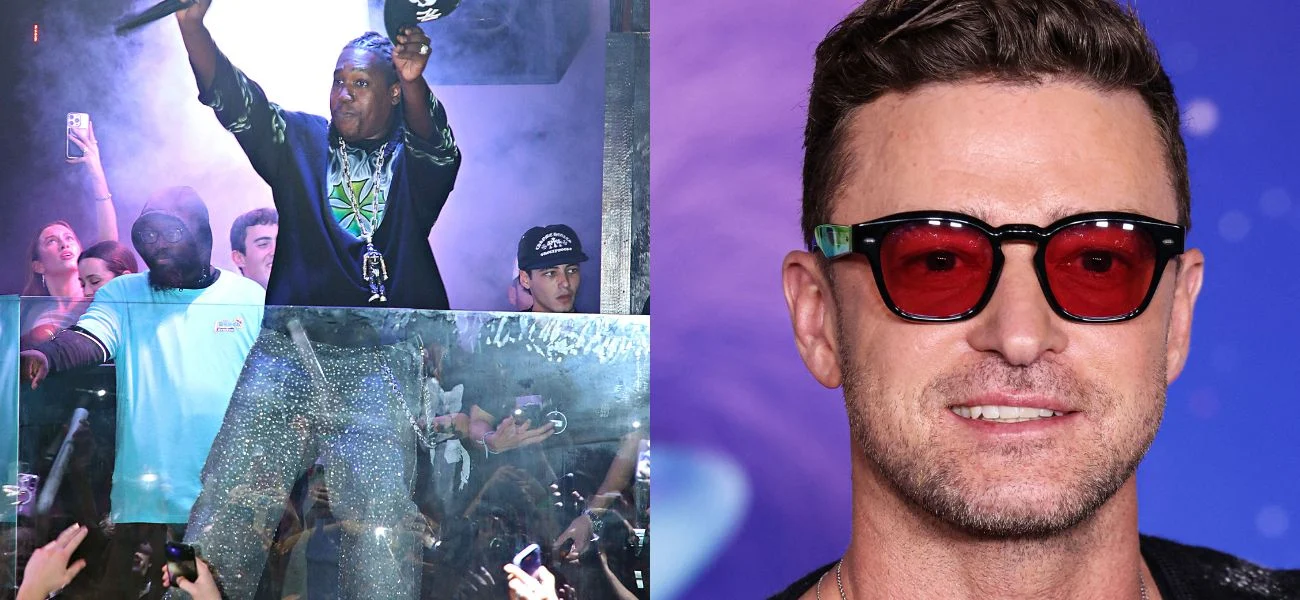

Even though Don Toliver released his latest album, “OCTANE,” in early 2026, he’s already got his mind on the next project. During a recent interview, the “Body” rapper discussed the transformation he’s undergone since releasing the 18-track project, why being in the studio at this moment is important to him, and his collaboration with Justin Timberlake.
Don Toliver Opens Up About Working On His Next Album Just Weeks After The Release Of ‘OCTANE’
Speaking with Billboard, Toliver revealed that he’s already been in the recording booth working on his next project. For those who may be unaware, “OCTANE,” which features hits “Gemstones” and “ATM,” was released in January 2026 and debuted at No. 1 on the Billboard 200 with 162,000 equivalent units.
During the conversation, Toliver said that the rush to make new music stems from his genuine connection with the process. The 31-year-old further shared that capturing what he’s currently experiencing is paramount to him.
“To be honest, bro, I just realized within myself that I just love music and I just feel like right now if I don’t put out anything, I just need to capture this moment because it’s a lot going on in my life when I was making this album and when it came out and it’s just fueling me to be as creative as I can possibly be,” he said.
How Don Toliver Ended Up With A Justin Timberlake Sample On His Album
Elsewhere in the interview, Toliver discussed his hit single “Body,” which includes a sample from early-2000s icon Justin Timberlake. Toliver explained that, growing up, he often listened to Y2K stars like Pharrell and Outkast with his mother, creating lasting memories.
“I got a lot of fond memories of that. Justin Timberlake is always one of my favorites. ‘Justified,’ that album is literally in my top 10 favorite albums of all time,” Toliver shared.
Unfortunately, though, mixing his single with Timberlake’s 2002 single “Rock Your Body” wasn’t as sentimental as it may sound. “I didn’t think that deep into it,” said Toliver.
“As I sat with it for like a week, I was like, ‘Hold on, this is literally one of my favorite songs of all-time.’ ‘Rock Your Body’ is one of those songs that triggers an endorphin in my body. To put those two together was so iconic for me,” he added.
Don Toliver Opens Up About His Relationship With Rapper Travis Scott
“OCTANE” also featured rapper Travis Scott, one of Toliver’s longtime friends and music mentors. In a previous interview, Toliver shared the story of how the two met, explaining that Scott appeared at one of his shows after he’d been hustling to make a name for himself as an underground artist.
Safe to say, Scott means the world to Toliver, who told Billboard that he tries to keep their relationship as far from music as possible. “At the end of the day, we are human beings,” he said.
And when it came time to record his part for “OCTANE,” Toliver said he just wanted Scott to understand his “journey” through the music.
“He just caught a vibe for ‘Rosary,’ and he understood my idea for it. It was crazy, I really love his verse on the song,” he continued.
Toliver Describes The Mood Of His Latest Album
For those who might not have heard Toliver’s “OCTANE,” the father of one opened up about the inspiration behind the project during an interview with VIBE.
“The inspiration behind the title is another phrase for more fuel consumption. It’s really what it is,” he said. “It started out being about luxury vehicles and what I want to say about camping or outdoor living. With that, there are a lot of people who camp at night. The cars and nature are where this album began for me. I wanted it to be a luxury outdoor living experience where I could connect through a studio out there.”
As he continued, Toliver described the “mood” of the project, calling it “an experience” that gives him a lot of energy.
“The vibe of it just feels very adventurous when I listen to it. It just makes me want to start my day. When I get in my car and play the record, it makes me want to just go wherever I need to go,” he continued, adding that it puts him in a “‘Mission Impossible’ mindset.”
Speaking Of Mission…
Speaking of his mission, Toliver shared what he hopes to accomplish as a performer.
“To be one of the greatest artists to ever live is honestly my end goal. Of course, it’s to be successful in whatever I do within this, but more so, just to be pronounced as one of the best. I’m fine with that,” he said.

Minister Advised Donald Trump to End War | Financial Times Reports | SAMAA TV

Full list of 14 countries Foreign Office issues new travel warnings for

Is Bittensor (TAO) the Next Big Crypto Move? Investors Point to Revenue, Scarcity, and ETF Filings

Smart energy pays enters the US market, targeting scalable financial infrastructure

Why Israel is blocking foreign journalists from entering

Bitcoin: We’re Entering The Most Dangerous Phase
Minister Advised Donald Trump to End War | Financial Times Reports | SAMAA TV

Ripple XRP GREEN MEANS GO | WILLIAM SHATNER CONFIRMED PI DAY | WARNING FROM 2040 TIME TRAVELLER!

Money vs Knowledge | What Really Changes Your Vision?
-
 Tech5 days ago
A 1,300-Pound NASA Spacecraft To Re-Enter Earth’s Atmosphere
-
Crypto World2 days ago
HYPE Token Enters Net Deflation as HyperCore Buybacks Outpace Staking Rewards
-

 News Videos6 days ago
10th Algebra | Financial Planning | Question Bank Solution | Board Exam 2026
-

 Business5 days ago
ExxonMobil seeks to move corporate registration from New Jersey to Texas
-

 Crypto World6 days ago
Paradigm, a16z, Winklevoss Capital, Balaji Srinivasan among investors in ZODL
-

 Fashion2 days ago
Weekend Open Thread: Addict Lip Glow
-

 Tech5 days ago
ChatGPT will now generate interactive visuals to help you with math and science concepts
-
Sports1 day ago
Why Duke and Michigan Are Dead Even Entering Selection Sunday
-

 NewsBeat4 days ago
Residents reaction as Shildon murder probe enters second day
-

 Business5 days ago
Search Enters Sixth Week With New Leads in Tucson Abduction Case
-
 NewsBeat6 days ago
Pagazzi Lighting enters administration as 70 jobs lost and 11 stores close across Scotland
-

 Tech6 days ago
Despite challenges, Ireland sixth in EU for board gender diversity
-

 Business1 day ago
US Airports Launch Donation Drives for Unpaid TSA Workers as Partial Government Shutdown Enters Fifth Week
-

 NewsBeat4 days ago
I Entered The Manosphere. Nothing Could Prepare Me For What I Found.
-
Crypto World1 day ago
Coinbase and Bybit in Investment Talks: Could Bybit Finally Enter the US Crypto Market?
-

 Business6 days ago
Search Enters 39th Day with FBI Tip Line Developments and No Major Breakthroughs
-

 Business2 hours ago
Search for Savannah Guthrie’s Mother Enters Seventh Week with No Arrests
-
 Sports6 days ago
Skateboarding World Championships: Britain’s Sky Brown wins park gold
-

 Business1 day ago
Country star Brantley Gilbert enters growing non-alcoholic beer market
-

 Crypto World5 days ago
Will Chainlink price reclaim $10 amid volatility squeeze?

