Entertainment
10 Sci-Fi Shows That Are Even Better the Second Time Around

Science fiction is a genre that lends itself wonderfully to re-watches, often more so than any other. After all, these are stories that are often mind-bending, full of foreshadowing and Easter eggs, and intricately complex in both their plotting and their thematic work. As such, re-visiting such works can be an incredibly rewarding experience that reveals new details, a higher appreciation of the directors and writers’ craftsmanship, and a better understanding of the whole narrative.
There are plenty of sci-fi shows out there that are even better the second time around, from groundbreaking space operas like Babylon 5 to mind-twisting time travel shows like Travelers. Whether it’s because their stories are difficult to understand on one’s first go, because they’re so thematically complex that a second watch makes them feel even more powerful, or because they’re simply too entertaining to watch only once, these are sci-fi masterpieces that demand further visits.
10
‘Falling Skies’ (2011–2015)


One would think that a post-apocalyptic sci-fi series executive-produced by Steven Spielberg and starring Noah Wyle would still be deeply entrenched in the sci-fi pop culture conversation in the midst of a decade as sci-fi-loving as the 2020s. But for some bizarre reason, Falling Skies aired for a pre-planned five-season run and then disappeared from the conversation.
It’s one of the most groundbreaking sci-fi shows that everyone forgot. Successfully bringing the massive cinematic scale of a Spielberg-esque alien apocalypse story to American cable television, the show delivered a hard-hitting, character-driven, gritty tale of survival and resilience. It deserves infinitely more love than it typically gets nowadays, and plenty of re-watches are in order.
9
‘Battlestar Galactica’ (2004–2009)

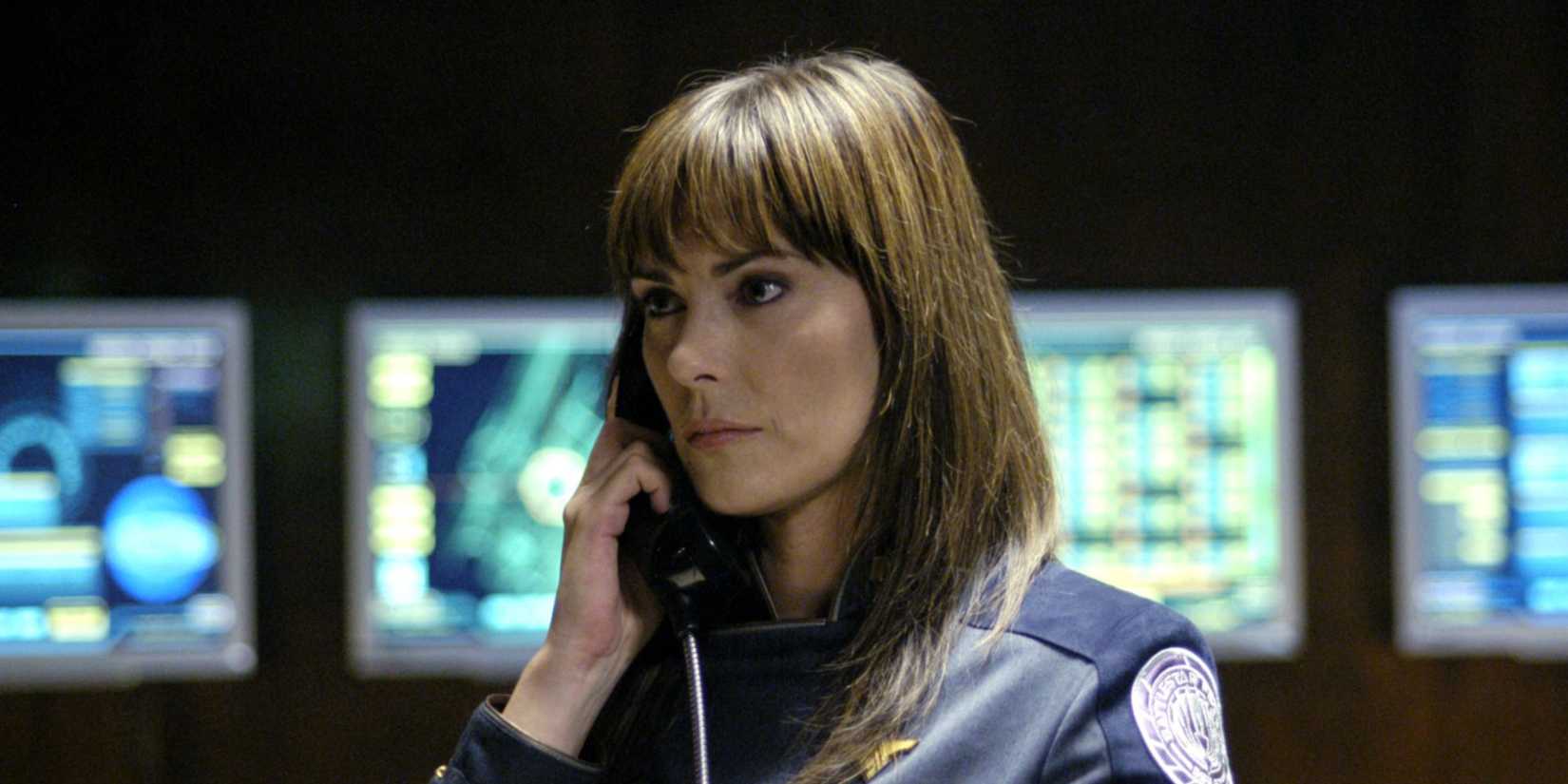
There are plenty of great sci-fi shows that should never get remade, but if there was a classic sci-fi series that was begging for a reimagining, it was 1978’s Battlestar Galactica. After 2003’s miniseries of the same name, one of the best sci-fi miniseries in history, came the 2004 full-length series. Likewise, it’s one of the best sci-fi TV shows in the genre’s history.
There are twists, profound philosophical and ethical questions, and complex character arcs in Battlestar Galactica that demand one or two re-watches in order to be fully appreciated. It’s a series whose narrative is built on deep foreshadowing, hidden motivations, and many clues that are best enjoyed when you already know how everything is going to play out.
8
‘Babylon 5’ (1994–1998)
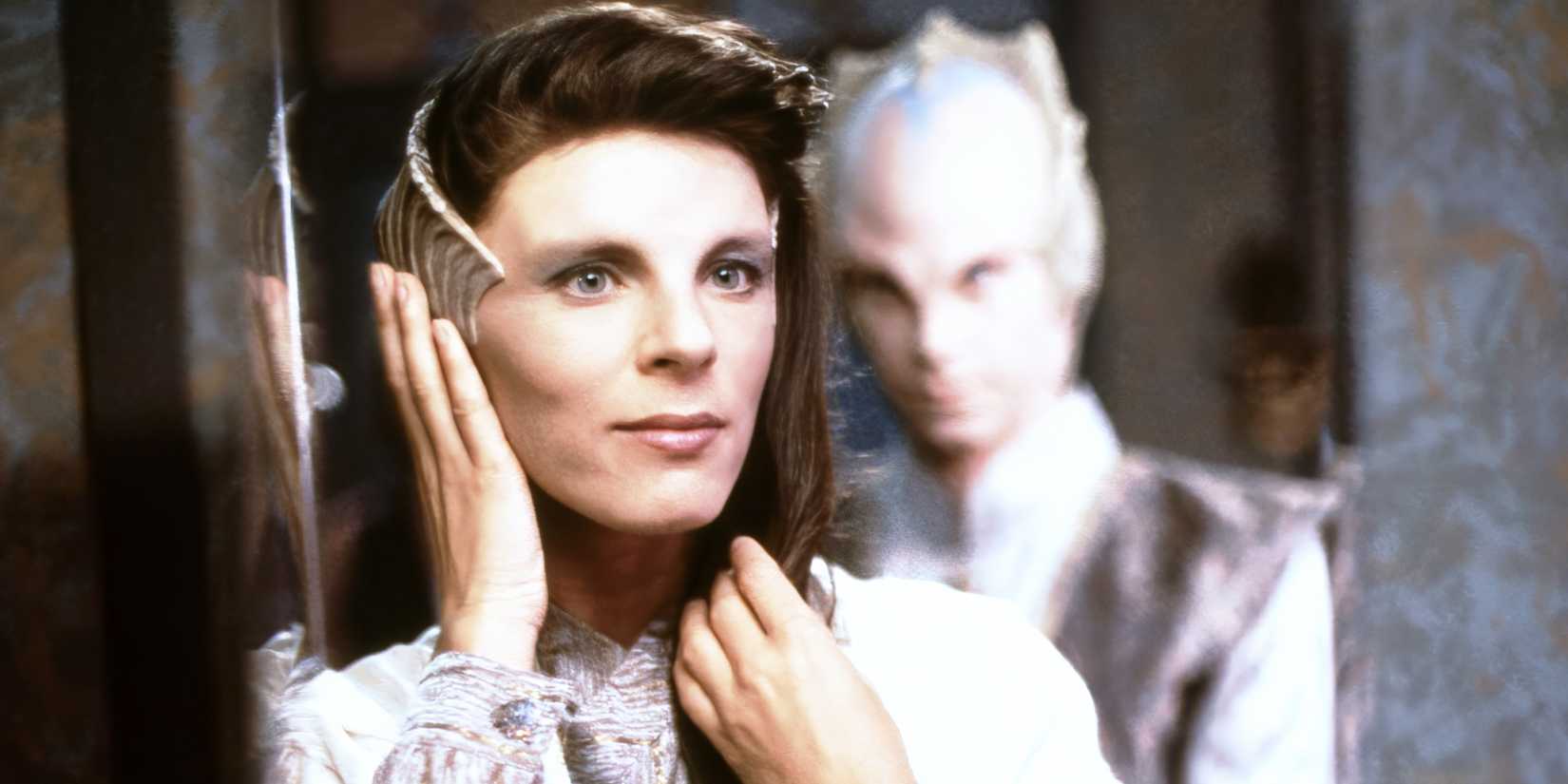
In the history of American television, there’s a “before Babylon 5” period and an “after Babylon 5” period. Quite unusually for American broadcast television at the time (science fiction or otherwise), this show was designed from the start as a sort of novel for television, with five pre-planned seasons serving as one chapter in the story each. This sort of highly serialized storytelling completely revolutionized the medium.
Indeed, Babylon 5 is one of those sci-fi shows that would have been great during the streaming era—but thankfully, it’s still abundantly easy to watch today. The kinds of narrative payoffs and bits of foreshadowing that were thrown into Babylon 5‘s engrossing story become even more enjoyable on re-watch, and the series’ highly bingeable nature makes it even easier to revisit multiple times.
7
‘The Expanse’ (2015–2022)
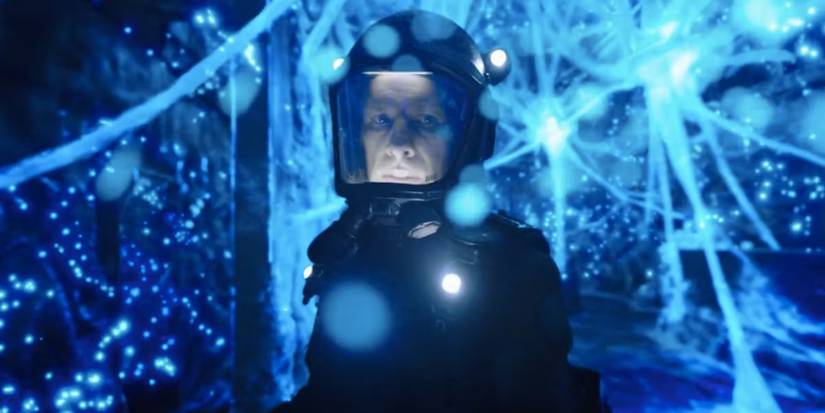
Based on the incredible series of novels by James S.A. Corey, the pen name of collaborators Daniel Abraham and Ty Franck, The Expanse is one of the most rewatchable sci-fi shows ever made. It ran on Syfy for three seasons until it was canceled, only to be picked back up by Prime Video for another three outstanding seasons. Now, we’re left with one of the greatest six-season sci-fi shows in history.
For one, The Expanse has often been praised as the most scientifically accurate sci-fi show ever, and that definitely contributes to its being so enjoyable to revisit. But what really makes it one of those shows that get better on re-watch is the fact that its dense, sprawling universe rewards going in with prior knowledge. Full of complex politics and character motivations, it becomes even more enjoyable when you already understand them from the get-go.
6
‘The X-Files’ (1993–2018)

The X-Files is yet another sci-fi show from the ’90s that marked a before and an after in the history of American science fiction. Few sci-fi shows have ever been this impactful or influential throughout history, in no small measure because The X-Files‘ fandom largely pioneered the space of online fan culture. As a result, the series has remained a legendarily essential piece of modern pop culture up until this day.
It’s one of the best sci-fi shows you’ll wish you watched sooner, a true classic in every sense of the word. Its highly episodic nature makes it delectably easy to revisit time and time again in whatever order one’s heart desires, while its more serialized elements make those re-visits all the more rewarding. Once Mulder and Scully feel like family, re-watching their earlier adventures becomes even more enjoyable.
5
‘Firefly’ (2002–2003)

Firefly‘s tragic case is perhaps the most infamous instance of a sci-fi show being canceled way before it had the proper time to establish itself, but it’s still one of the best single-season action TV shows of all time. It’s a space Western without equal, bolstered by one of the best ensemble casts of any 21st-century genre show and some equally phenomenal writing.
Similar to The X-Files‘ Dana and Scully, Firefly becomes even more enjoyable once the crew of the Serenity starts to feel like the viewer’s own family. Already having the full context of the character’s layered backstories makes it easier to focus on the subtle world-building, the fun character dynamics, and the sharp dialogue.
4
‘Fringe’ (2008–2013)

Following a somewhat slow and far more episodic first season, Fringe only keeps growing more intensely serialized and sharply complex as it goes on. It is, through and through, one of those sci-fi shows that only keep getting better with each passing season, as well as one of those underrated sci-fi shows worth watching over and over again.
Already knowing Fringe‘s many destinations makes it far easier to enjoy the journey on a rewatch, where it starts coming across as even more of a meticulously planned, character-driven, and deeply emotional epic. The show’s many multiversal and timeline mysteries don’t lose any of their intellectual charm on rewatch, and the transition from episodic procedural to suspenseful serialized drama only becomes even more admirable.
3
‘Travelers’ (2016–2018)
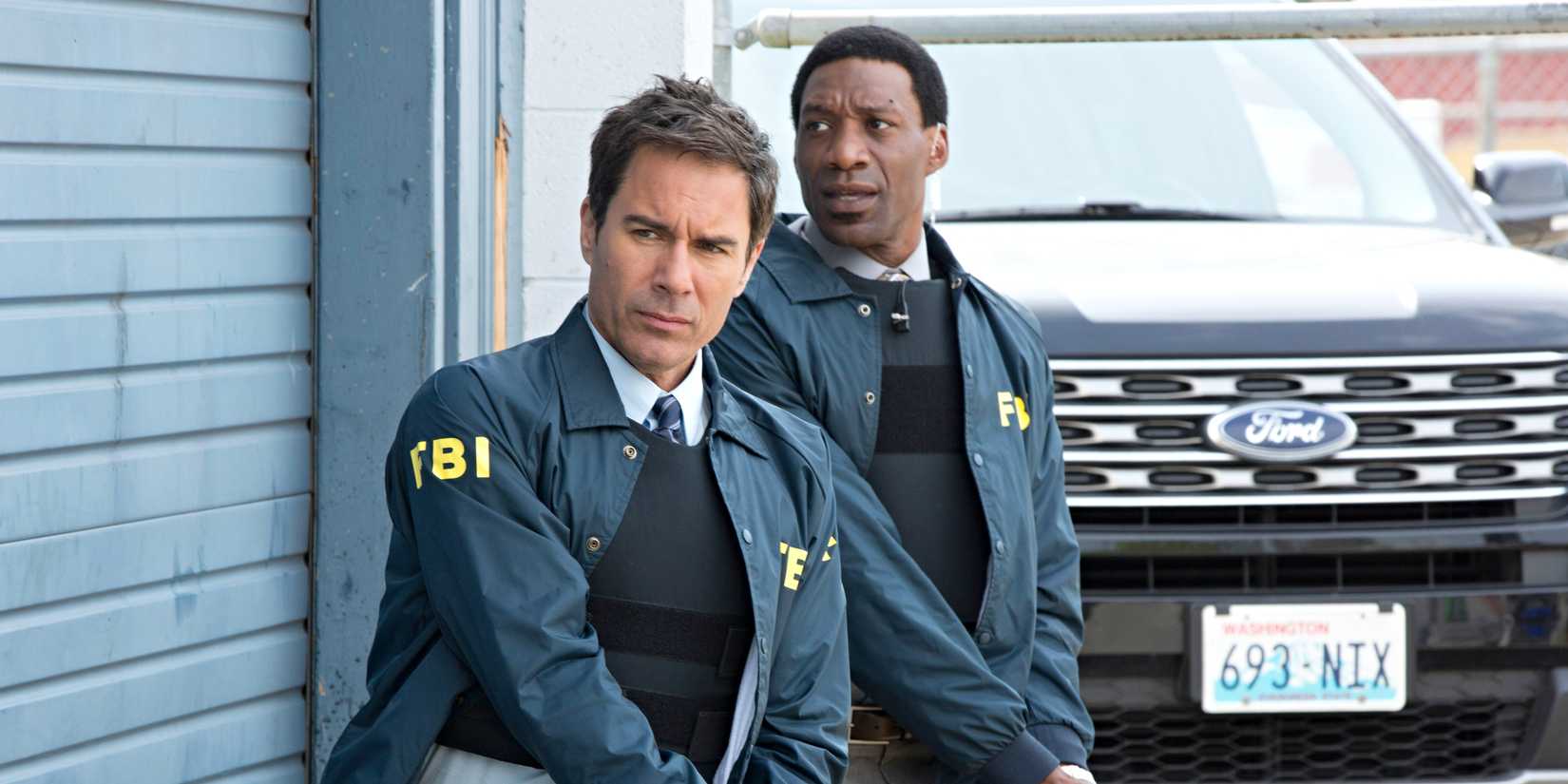
There’s one subgenre of science fiction that benefits particularly strongly from re-visits across all forms of media, and that’s the time travel genre. After all, stories are inherently more enjoyable when you have a clearer understanding of how they work, and these mind-bending tales of history-altering travelers only become easier to understand on re-watch. Case in point: Travelers.
This incredible Netflix original is one of the most underrated time travel shows ever, a high-stakes mystery that keeps growing more layered and intellectually challenging over the course of its excellent three seasons. There are endless amounts of foreshadowing here that are incredibly enjoyable on rewatch, and the emotional and thematic depth of the story can be further appreciated on re-visits as well.
2
’12 Monkeys’ (2015–2018)

Back in 1995, Terry Gilliam delighted fans of time travel stories around the world with Twelve Monkeys, one of the greatest and most iconic time travel movies of all time. Making a show based on any movie is always a huge task, and when that movie is as widely celebrated as Gilliam’s masterpiece, even more so. However, not only did 12 Monkeys perfectly live up to expectations, it arguably even surpassed them.
It’s one of the most underrated masterpieces of the sci-fi TV genre, a flawlessly planned and meticulously structured gem that actually makes remarkable sense—something rather rare for time travel stories. Since the story was mapped out from the very beginning, re-watching the show helps one appreciate all the bits of foreshadowing, hidden clues, and thematic payoffs that the writers sprinkled throughout the whole series.
1
‘Dark’ (2017–2020)
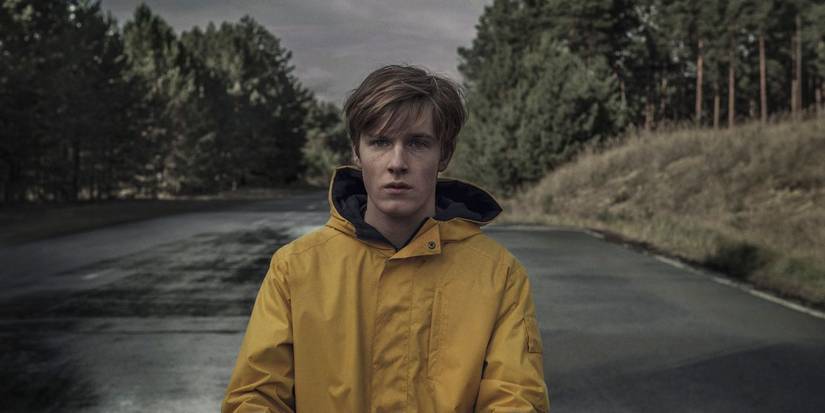
For people who love sci-fi shows with mind-bending plot twists, there’s no show quite like Netflix’s first-ever German-language series, Dark. It’s one of the greatest mind-twisters and sci-fi thrillers in the history of modern television, a tale of time travel and parallel universes that could have only possibly been made during the streaming era.
Like 12 Monkeys, Dark was meticulously mapped out from the very beginning, so re-watching it further illuminates all manner of hidden details, foreshadowing elements, and complex intricacies that viewers wouldn’t have otherwise noticed or properly appreciated. That’s what makes this one of the greatest genre shows of the 21st century: Even though it’s an intellectually challenging watch, it rewards those willing to undergo that challenge with a fascinating story that they can—and will want to—revisit time and time again.

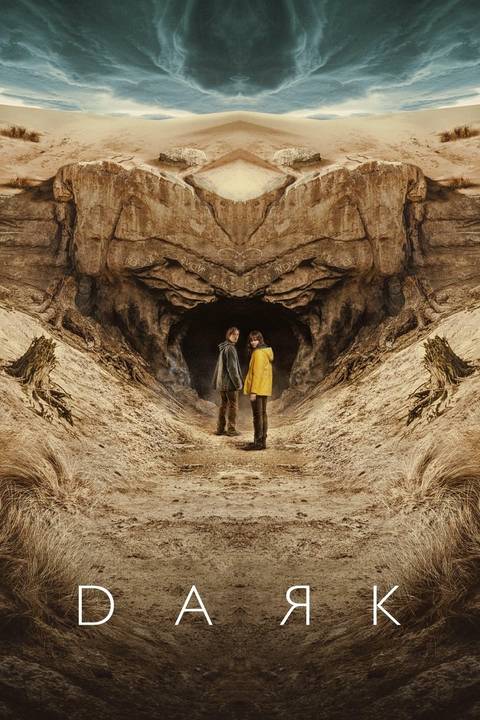
Dark
- Release Date
-
2017 – 2020
- Network
-
Netflix
- Showrunner
-
Jantje Friese
- Directors
-
Baran bo Odar
-

Louis Hofmann
Jonas Kahnwald
-

Lisa Vicari
Martha Nielsen

You must be logged in to post a comment Login