Entertainment
25 Movies To Watch if You Love ‘Gladiator’

Winning Best Picture at the Oscars in 2000, enduring as a classic over 20 years later, and having a sequel that was released in 2024, it’s safe to say that Gladiator is a much-loved film. It’s proven to be one of the most popular films within Ridley Scott‘s vast body of work and tells a gripping revenge story that’s well-paced, emotionally resonant, filled with exciting action, and complemented by strong visuals, performances, and music.
Even if the film had never gotten a sequel, there are still plenty of other action-packed historical movies out there that scratch a similar itch. The following are some of the best of these and are essentially required viewing for fans of Gladiator who want to see other titles with comparable stories, equally exciting action, or deal with characters seeking revenge in the distant past.
25
‘The Odyssey’ (2026)


As far as historical spectacle in cinema goes, no film has surpassed Gladiator in terms of grandeur and gravitas since it was released in 2000, but has that just changed? A typically enormous achievement from modern blockbuster maestro Christopher Nolan, The Odyssey brings Homer’s epic poem to life in ravishing detail as it follows Odysseus (Matt Damon) and his men in their arduous voyage back to Ithaca after Greece’s victory in the Trojan War.
Just as Gladiator thrives as a stunning realization of Ancient Rome, The Odyssey immerses viewers in the wonder of Ancient Greece, not only through the palpable authenticity of its fantasy elements, but through the quality, scope, and detail of the production as well. Furthermore, with both movies focusing on battle-hardened heroes seeking to emerge triumphant over overwhelming odds, including political threats from traitorous cowards, The Odyssey holds a similar emotional pull as Gladiator even as it tells a very different story. —Ryan Heffernan
24
‘Spartacus’ (1960)


Gladiator isn’t similar enough to Spartacus to call it a remake by any means, but of all the old-school Hollywood epics from the 1950s and 60s, Spartacus is probably the one Gladiator took the most inspiration from. It’s a huge movie that runs for more than three hours, being set in the first century B.C. and telling the story of Spartacus, a man sold into slavery and forced into gladiatorial combat, only to break free of his captors and inspire a rebellion with his fellow slaves that will allow them to get revenge on those who sold and enslaved them.
With its large-scale narrative about an uprising, it doesn’t spend as much time in the arena as Gladiator. However, it’s still an aspect of it, and the revenge sought by the title character is another point of comparison. The behind-the-scenes story of Spartacus is also interesting and dramatic, from its writing to its production, with Stanley Kubrick ultimately being its director, despite the final product not exactly feeling like a Kubrick film.
23
‘Master and Commander: The Far Side of the World’ (2003)
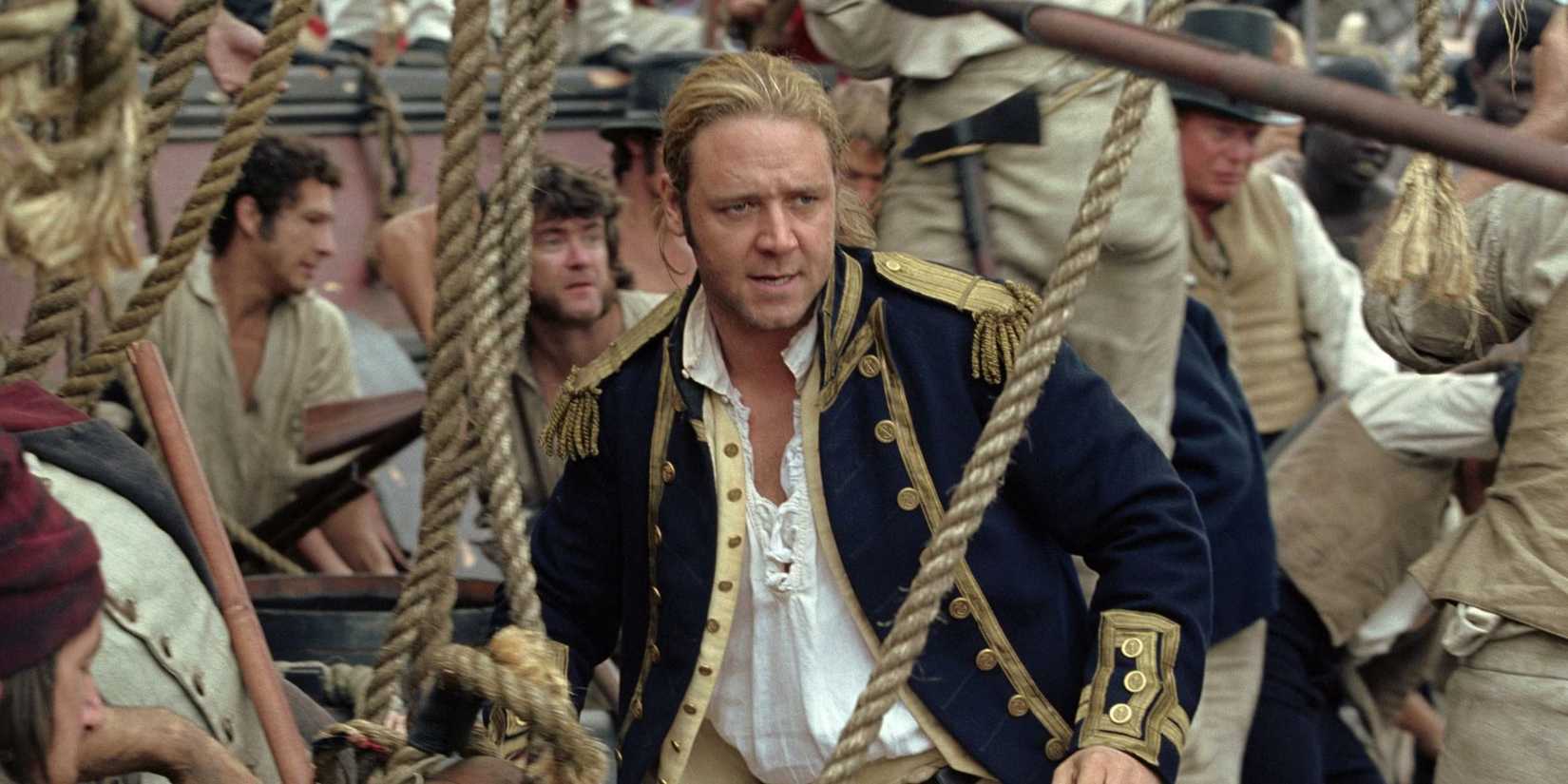
Russell Crowe was one of Hollywood’s biggest stars in the late ‘90s and early 2000s, leading not only Gladiator but other noteworthy titles like L.A. Confidential, A Beautiful Mind, and Cinderella Man. One of his best movies of the era comes in the form of Master and Commander: The Far Side of the World, another gem of historical cinema that combines its loose basis on Patrick O’Brien’s “Aubrey-Maturin” novel series with a stunning realization of naval life during the Napoleonic Wars.
Crowe stars as Jack Aubrey, the captain of the HMS Surprise who bullishly leads his crew in pursuit of a powerful French vessel sailing around the coast of South America, even as they face insurmountable obstacles in their voyage. Complimented by Peter Weir’s outstanding direction, the seafaring epic juggles monumental scope with intimate drama with aplomb, making for an underrated highlight of Crowe’s career as a leading man and a somewhat forgotten gem of historical drama at large. —Ryan Heffernan
22
‘Ironclad’ (2011)

There are certainly better movies in the world, but for those who adore the visceral grit and grandeur of Gladiator’s combat sequences, Ironclad is a rewarding dose of swords-and-sandals action. Very loosely based on true events, it unfolds as a small group of barons holds the strategic point of Rochester Castle in defiance of King John (Paul Giamatti), who has gathered a Danish army as he tries to restore his absolute authority and break the vow he made when he signed the Magna Carta.
Ironclad is a procession of grim and bloody violence and knightly stoicism broken up by the evil sneering of Giamatti’s King John, but there is a charm to that. It flaunts a romanticized morality of valor and bravery to a fault, but given it is supported by an ensemble cast that includes James Purefoy, Brian Cox, Charles Dance, and Derek Jacobi as well as Giamatti, it is an easily indulged romp of historical action. —Ryan Heffernan
21
‘Seven Samurai’ (1954)
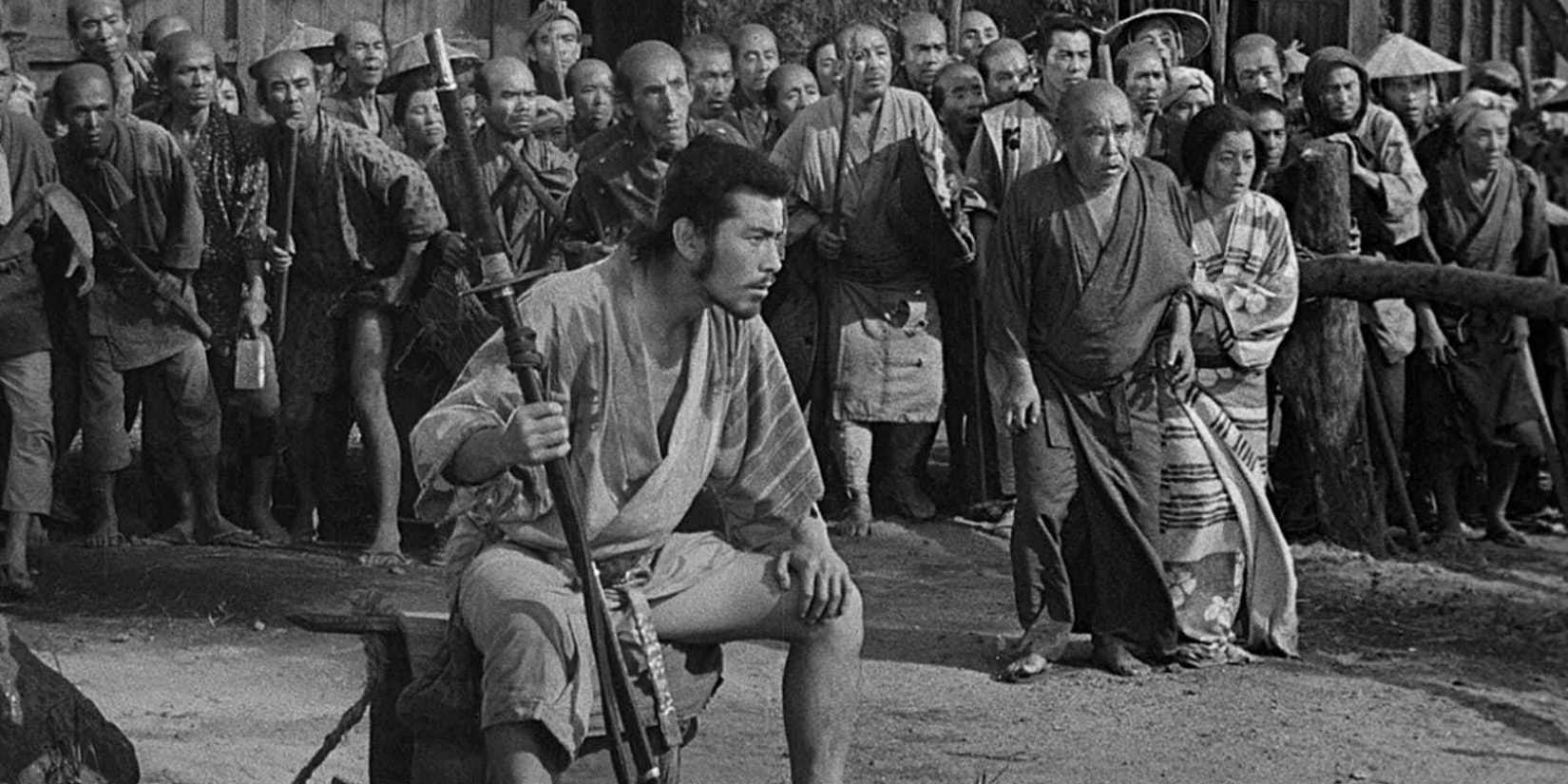
In many respects, Seven Samurai is the true pioneer of the brand of historical epic cinema that Gladiator exists within, along with many other classic titles of the past 70 years. Directed by Akira Kurosawa, the Japanese picture unfolds over a monumental yet ceaselessly enrapturing 202-minute runtime, with Kurosawa using everything from immaculate, inspired cinematography to poignant character beats, natural elements like rain and wind, and intense and realistic combat that was decades ahead of its time to create what is one of the greatest triumphs in cinematic history.
Its spectacle and its emotionally-rousing story work in tandem, with Seven Samurai following seven warriors who agree to help a poor farming village defend their homes from a vicious bandit gang terrorizing their region. While it is stirring, it also invests heavily in the complex cultural issues that sparked rifts between samurai and peasants, imbuing the movie with a dramatic punch that complements its astonishing scale perfectly. With both its marvelous scope and its grounded vigor, Seven Samurai is the perfect classic movie for anyone who loves Gladiator. —Ryan Heffernan
20
‘Ran’ (1985)
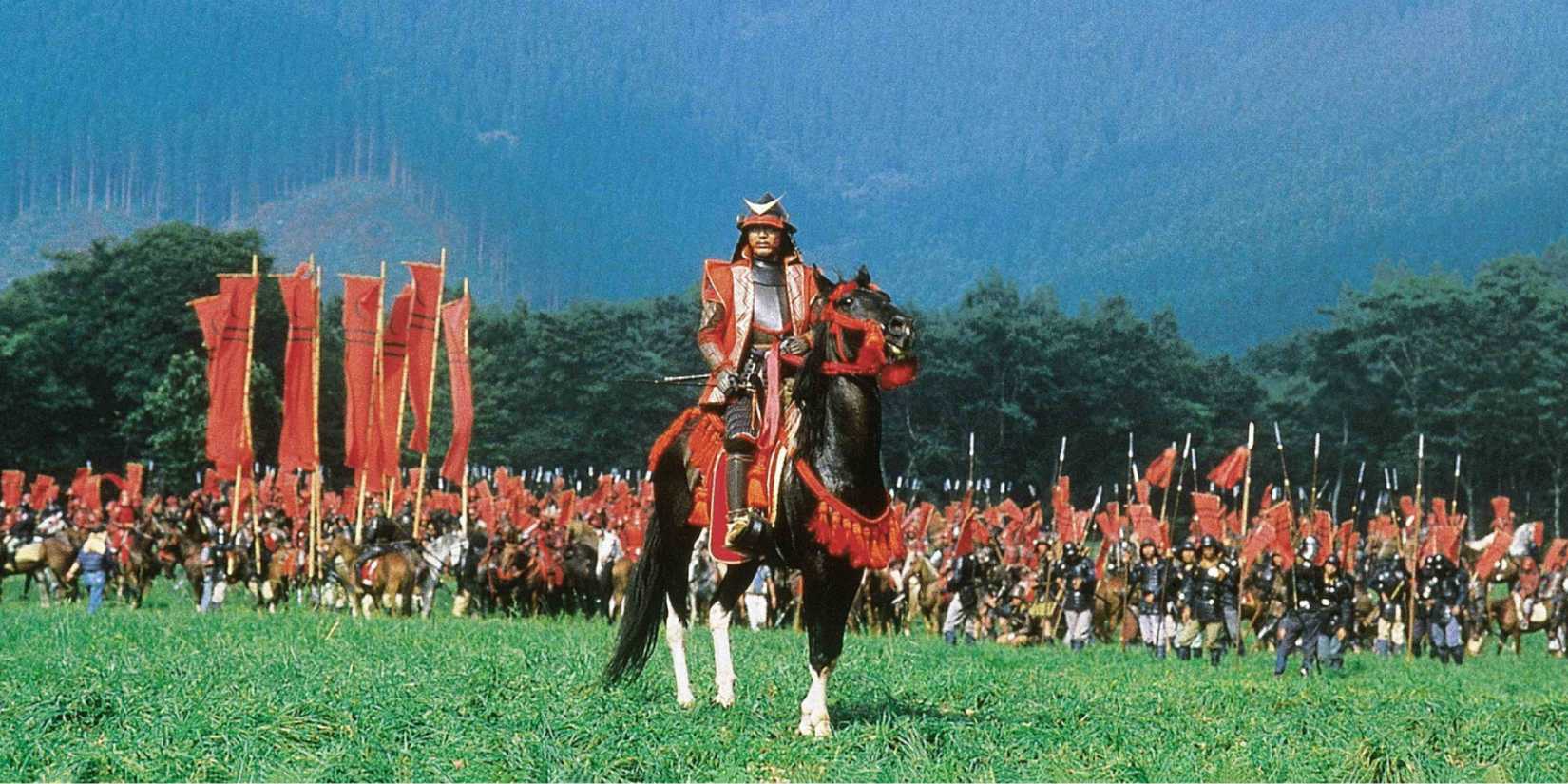
Another Kurosawa masterpiece, Ran presents one of the most visually astonishing historical epics of all time with its vibrant array of colors, stunning natural beauty, and Kurosawa’s trademark perfection with shot composition and blocking. Inspired by William Shakespeare’s “King Lear,” it unfolds as an aging warlord divides his kingdom between his three sons so they can each rule. When his middle son defies the order he is granted, war erupts within the kingdom as the dynasty crumbles.
Ran’s historical setting, breathtaking ambition, and mesmerizing battle sequences make it an essential watch for all who love Gladiator. While it may not center on one character as Gladiator does with Maximus, Ran also explores such ideas as power, betrayal, and political ambition with an enormity and craft that is nothing short of masterful. —Ryan Heffernan
19
‘The Northman’ (2022)

An adaptation of the story that inspired Shakespeare’s Hamlet, The Northman is another great example of a revenge story with plenty of action and a historical setting. It takes place over 1000 years ago and tells the story of a prince who seeks to murder his uncle for killing his father and taking his mother as a prisoner.
It’s an incredibly down-and-dirty movie, with its violence and grittiness giving it a certain amount of intensity and (probable) realism. Its grim story and gruesome action sequences might make it a hard sell for some, but for others, it’s certain to excite and entertain, with it representing another success within the filmography of Robert Eggers.
18
‘The Last Samurai’ (2003)
.jpg?q=49&fit=crop&w=825&dpr=2)
Admittedly, The Last Samurai isn’t set nearly as far back as Gladiator, though it takes place in the late 19th century at a pivotal point in Japanese history. It follows an American man hired to educate the Japanese army about more modern weaponry, though he comes to appreciate their samurai culture and eventually endeavors to join their ranks.
This leads to plenty of conflicts and, eventually, warfare, with the action present throughout The Last Samurai being remarkably visceral and exciting to watch. It’s one of the best samurai-themed films not in Japanese and is another film showing how reliable Tom Cruise is as an action star.
17
‘Kingdom of Heaven’ (2005)

The story behind Kingdom of Heaven‘s release is an unfortunate one. Despite the success of Gladiator just five years earlier, Ridley Scott’s vision for Kingdom of Heaven was compromised during post-production, with an inferior theatrical cut of the film being released to cinemas that ultimately failed to make a big enough splash at the box office.
Thankfully, a director’s cut was eventually released, with the 45 minutes of additional footage making the film’s epic story about Holy War conflicts during the Crusades easier to follow and more compelling. Its director’s cut isn’t far off Gladiator quality-wise, serving as another Ridley Scott historical epic with plenty of stunning visuals, impressive special effects, and satisfying action.
16
‘Braveheart’ (1995)

Large-scale historical epics haven’t exactly been in fashion in recent years, but two to three decades ago, they were pretty popular. As mentioned before, Gladiator won Best Picture in 2000, and five years before that, Braveheart did the same, being a success at the Academy Awards while also resonating with audiences worldwide.
Braveheart begins as a personal revenge story about William Wallace, a Scottish warrior who got vengeance for his murdered wife before inspiring a large-scale rebellion against English forces in Scotland over 700 years ago. It’s particularly brutal when it comes to its violence and also has a lengthy runtime of almost three hours, but it mostly works well as a satisfying and bombastic historical drama/action/revenge movie.
You must be logged in to post a comment Login