
Entertainment
5 Forgotten Adventure Movies That Are Amazing From Start to Finish


People discover a movie with 200,000 Letterboxd logs and act like they’ve pulled the only surviving print from a basement in Prague. No sir/ma’am. This is the list about actually forgotten movies. And to niche it down, forgotten adventure movies. These are different. They are the movies people vaguely remember liking, the ones that somehow slipped out of everyday conversation while lesser franchise entries got sequels, reboots, legacy sequels, and commemorative popcorn buckets.
Put one back on and the reaction is usually the same. Wait, why did we stop talking about this? That is the beautiful part. There is no homework attached. No cinematic universe to refresh, no mythology wiki required, no promise that “it gets good in the sequel.” Let’s get started.
5
‘The Rocketeer’ (1991)

This movie is set against 1930s Hollywood. The Rocketeer turns that into a beautifully old-fashioned scramble involving the FBI, Nazis, mobsters, movie stars, and Cliff’s girlfriend Jenny (Jennifer Connelly) getting pulled directly into the mess. Pilot Cliff Secord (Billy Campbell) finds an experimental jetpack hidden by gangsters and, because this is exactly the sort of decision an adventure hero should make, eventually straps the thing onto his back.
What is so easy to love now is how sincere the whole thing is. Cliff is not trying to become a superhero brand. He wants to fly, save Jenny, and survive people who understand the rocket far better than he does. Neville Sinclair (Timothy Dalton) is especially fun once his polished movie-star persona starts cracking and the Nazi plot underneath it comes into view. Then the finale heads to the Griffith Observatory and a burning zeppelin because apparently the movie decided subtlety had already done enough. Disney had the bones of a franchise sitting right there. We got one movie. At least it is a terrific one.
4
‘The Adventures of Tintin’ (2011)

The Adventures of Tintin takes maybe ten minutes to start moving and then spends the rest of its runtime behaving like stopping would be personally offensive. Tintin (Jamie Bell) buys a model ship at a market and immediately attracts enough unwanted attention to realize he has purchased more than a decoration. Hidden inside is a clue connected to the Unicorn, a legendary vessel, a lost fortune, and the family history of Captain Haddock (Andy Serkis).
Captain Haddock is the secret weapon because he turns exposition into chaos simply by being incapable of experiencing anything quietly. Snowy repeatedly solves problems before the humans do. And the Bagghar chase is still ridiculous in the best possible way, with Tintin racing through collapsing streets while a falcon, a motorcycle, a tank, a hotel, and multiple pieces of the same clue somehow keep colliding in one continuous set piece. The motion-capture faces remain divisive, fair enough. The adventure underneath them is absolutely alive. The real crime is that Steven Spielberg and Peter Jackson never got to turn this into the series it obviously wanted to become.
3
‘The Count of Monte Cristo’ (2002)

This film’s title always reminds me of the c*** of Monte Cristo reference from Succession. Nonetheless, this is about Edmond Dantès (Jim Caviezel) beginning with a promising life, a woman he loves, and enough trust in his closest friend to miss the betrayal coming straight at him. Fernand Mondego (Guy Pearce) helps frame him for treason, Edmond is thrown into the brutal Château d’If, and years disappear before another prisoner gives him the education, purpose, and information he needs to become someone entirely different. The Count of Monte Cristo then delivers the part revenge stories live or die on. Edmond gets out.
From there, the pleasure is almost indecent. He finds the treasure of Spada, rebuilds himself as the mysterious Count, enters Parisian society dripping money and confidence, and begins moving the people who destroyed him into position without announcing why. Jim Caviezel’s Edmond has the right haunted restraint after prison, while Fernand becomes the sort of villain you cannot wait to watch realize that the universe has kept receipts. Alexandre Dumas’ novel is far more sprawling, but this adaptation understands exactly what a two-hour adventure needs. Betrayal, escape, reinvention, revenge. Sometimes the classics were onto something.
2
‘Master and Commander: The Far Side of the World’ (2003)

Captain Jack Aubrey (Russell Crowe) is commanding HMS Surprise during the Napoleonic Wars when a larger, faster French privateer begins hunting his ship across the Pacific. That is essentially the whole engine of Master and Commander: The Far Side of the World, and it is enough because the movie makes life aboard that ship so specific that every damaged mast, cannon blast, sick sailor, and change in the wind feels important.
The first attack comes through fog before the crew can properly see what is hitting them, and from that point the sea never feels remotely safe. Aubrey has to decide how aggressively to pursue an enemy that may simply be better equipped, while ship surgeon Stephen Maturin (Paul Bettany) keeps reminding him that the world contains things worth studying beyond warfare. Their friendship gives the movie warmth without softening either man. And when the crew eventually disguises the Surprise as a whaling vessel to lure the enemy close, you feel how much practical knowledge has gone into earning that move. This should have launched a decade of naval adventures. Instead, we got one nearly perfect one and have been complaining ever since.
1
‘The Mask of Zorro’ (1998)

Don Diego de la Vega (Anthony Hopkins) loses everything after his final victory as Zorro, including his wife, his freedom, and his infant daughter Elena. Twenty years later, he finds Alejandro Murrieta (Antonio Banderas), a reckless bandit with his own reason to hate Captain Harrison Love (Matt Letscher), and decides this angry young man might be useful if he can first teach him how to hold a sword without embarrassing everyone involved. The Mask of Zorro has barely assembled those pieces before the chemistry starts doing half the work.
Alejandro trying to behave like an aristocrat after years of outlaw life is funny because Antonio Banderas never loses the character’s rough edges. Elena (Catherine Zeta-Jones) matches him immediately, especially in the famous sword fight where flirting and fencing become basically the same activity. Anthony Hopkins’ older Zorro gives the story something deeper, since training Alejandro is tied to a daughter who has grown up believing another man is her father. Then the movie gives you horses, mines, explosions, revenge, secret identities, and actual swashbuckling without a trace of embarrassment. This is what people mean when they say movies used to have charm. Put it on. Ten minutes later, the cape starts making sense again.

Continue Reading
Entertainment
Missed TIFF? These Interviews Will Catch You Up on the Festival’s Most Exciting Movies


Summary
- Go behind the scenes with Collider for nearly 50 of TIFF’s most anticipated movies and series.
- Hear exclusive stories, filmmaking insights, and BTS details from some of the biggest names at this year’s festival.
- Get the latest teases on upcoming releases, including Mike Flanagan’s next projects, Apple TV’s For All Mankind Season 6, The Hunger Games: Sunrise on the Reaping, and more!
If you missed out on the Toronto International Film Festival, you’re in luck! We returned to the festival this year with Collider’s Media Studio, presented by Campari and The Cayman Islands, where our own Steve Weintraub and Perri Nemiroff had the pleasure of sitting down with filmmakers and stars of some of the event’s most exciting titles.
Every year, creatives and celebrities hit the streets of Toronto to celebrate independent filmmaking, championing everything from intimate stories from across the globe to upcoming series for streaming giants, like Netflix’s Below, starring Josh Hartnett and Stranger Things alum Charlie Heaton. It’s an opportunity for the forces behind the movies and shows to highlight the unsung heroes, the tireless work that goes on behind the scenes, and to sing the praises of projects that may get overlooked among Hollywood blockbusters.
This year, Collider spoke with the teams behind nearly 50 upcoming movies and series, including Liam Neeson for The Lost Children of Tuam, Amanda Seyfried and Tim Blake Nelson for the drama The Life and Deaths of Wilson Shedd, and Mike Flanagan for Prime Video’s Stephen King adaptation series, Carrie. Below, we’ve rounded up a number of interviews for movies like Alpha Gang, Kick On, Le Faux Soir, Krux, Paradise Lost, The Stunt Driver, writer-director Alexandra Pechman’s Magazine, Gail, Vintage Violence, and Whatcha Want. Check them out.
This Band’s Documentary Isn’t About the Band — It’s About Their Biggest Fan
“This is the first film I’ve ever seen that examines that relationship.”
Music, like the films and series TIFF celebrates every year, is one of life’s greatest pleasures and has the ability to transcend social barriers. Some believe music is healing, and it can bridge generations. In Michael Maxxis’s (Puppy Love) documentary, Gail, the power of music is exemplified by one superfan, Gail Lichtman, a woman who’s dedicated much of her time to celebrating the Canadian rock band Our Lady Peace.
The film documents Gail’s preparation ahead of Our Lady Peace’s 30th anniversary cross-country tour. We watch as the subway station agent encounters others throughout NYC, imparting her decades’ worth of knowledge and admiration for the band to anyone who will lend an ear. The documentary allows us to tag along for Gail’s journey from Saskatoon, into meet-and-greets with the band, all the way to their final show in Halifax.
When approached about commemorating the band’s 30th anniversary with a documentary, Our Lady Peace’s lead singer, Raine Maida, had other plans:
“I was throwing up in my mouth thinking about doing a rock doc, so this was turning the cameras around on Gail. And to be honest, Gail’s followed us for 30 years; it was about time we followed her.”
During this interview with Weintraub, executive producer Jason Reitman (Saturday Night), Maxxis, and Maida sit down for a conversation about why Our Lady Peace’s documentary centers on superfan Gail’s life, how the doc helped change their perspectives on fandom, and how the film’s narrative emerged naturally throughout production. Reitman also teases more Ghostbusters in development and the status of the Westwood Village Theater. You can watch the full conversation below, with time codes provided.
- 00:34 – The Gail crew share their favorite movie theater seats.
- 01:29 – Jason Reitman discusses the Westwood Village Theater’s renovation and 2028 reopening.
- 03:00 – What Is Michael Maxxis’ Gail?
- 03:29 – Maxxis and Raine Maida explain why the documentary focuses on a fan rather than the band.
- 04:08 – Maida and Maxxis reflect on how making the film changed their perspectives on fandom.
- 05:44 – Maida praises Maxxis for understanding Gail and creating a trusting environment that allowed her to open up.
- 06:08 – Reitman discusses his connection to Gail through his own experiences as a devoted music fan.
- 07:56 – Maxxis also discusses experiencing fandom from the other side and how that informed the documentary.
- 09:05 – Maxxis discusses how the documentary’s narrative and voiceover emerged naturally.
- 10:25 – Maida and Maxxis on preserving authenticity in the editing process and how Gail’s natural drama shaped the film.
- 11:16 – Reitman compares Gail’s relationship with the band to the way fans connect their identities to movies and characters.
- 12:38 – Maida and Reitman imagine the ideal Our Lady Peace concert for Gail.
- 13:09 – Maida shares the personal connections between bands and fans.
- 14:42 – The crew reflects on fandom as an escape from everyday life.
- 17:35 – Maida discusses the challenges of touring now.
- 19:26 – Reitman shares his future plans, including Ghostbusters development.
‘Spree’ Director Continues to Explore the Dangers of the Digital World in ‘Vintage Violence’
Cole Sprouse stars as a live-streaming urban explorer in Eugene Kotlyarenko’s new thriller.
Vintage Violence is an action-comedy from Eugene Kotlyarenko (Spree) that was hand-picked this year by TIFF’s Next Wave Committee as a film for the next generation. It stars Cole Sprouse (Lisa Frankenstein) and Kiko Mizuhara (Norwegian Wood), and celebrated its world premiere as part of Midnight Madness.
Vintage Violence is a mixed-media feature about disgraced live-streamer and urban explorer Carter (Sprouse), who stumbles across a cache of vintage denim. When one of his followers, Izumi (Mizuhara), lures him to Japan for a business venture, Carter finds himself embroiled in a deceitful scheme that involves a boyfriend in debt and the Yakuza, dragging all parties into the criminal underworld.
While talking with Nemiroff, Kotlyarenko reflects on his 2020 live-streaming horror, Spree, starring Stranger Things breakout Joe Keery, and the sinister way people’s relationships with the digital world have evolved since.
“I think everyone kind of became Kirk Kunkle in a way, sadly. When that movie came out, I think there were a lot of teenagers who related to it, and then now everyone’s become those teenagers.
But for me, what was interesting here was the phenomenon of meeting people online, getting to know someone virtually, and then what happens when you meet in real life? That’s really kind of the question the film asks. Maybe you develop a chemistry on the web or DMing or something — then what happens when people meet? Sparks fly, but all sorts of crazy shit happens, too.”
Sprouse and Mizuhara join Kotlyarenko at the Collider Media Studio to discuss the unusual ideas and accounts that inspired Vintage Violence. The team shares their own favorite Instagram accounts, and Mizuhara reveals how eerily similar she is to her character, Izumi. Sprouse also teases reuniting with Lisa Frankenstein’s Kathryn Newton for Roxy Sorkin’s feature directorial debut, Hot Year, and Mizuhara talks about collaborating with Charli xcx and Takashi Miike for their upcoming film. Check it all out in the video below, with time codes provided.
- 00:37 – What Is Vintage Violence About?
- 01:13 – Eugene Kotlyarenko Explains the Unexpected Idea That Inspired Vintage Violence
- 02:12 – Cole Sprouse’s Favorite Instagram Account Turns Trash Into Art
- 03:09 – Kiko Mizuhara Recommends Tokyo’s Shibuya Meltdown
- 04:14 – Sprouse on His Massive Mask Collection From Around the World
- 05:15 – Why Mizuhara Stopped Collecting Vintage Clothes and Memorabilia
- 05:45 – Kotlyarenko Shares His Obsession With Rare Movie Magazines
- 06:43 – Mizuhara on Why Her Character Felt So Relatable
- 07:56 – How Kotlyarenko Found the Perfect Actor for Izumi’s Character
- 08:45 – Sprouse’s Urban Exploring Past Drew Him to Vintage Violence
- 09:51 – How Kotlyarenko’s Editors Helped Shape Vintage Violence
- 11:36 – Online Relationships Inspired Vintage Violence
- 12:38 – Kotlyarenko Hopes More Filmmakers Explore Modern Life
- 12:52 – Sprouse Praises Roxy Sorkin’s Distinctive Filmmaking Voice on Hot Year
- 14:39 – Mizuhara Teases Her Unique Collaboration With Takashi Miike and Charli xcx
Mina Shum’s New Dance Film Is an “Uplifting Diatribe Against the Patriarchy”
“It is a joyful, joyful film.”
Writer and director Mina Shum (Meditation Park) returned to TIFF this year with the world premiere of her latest drama, Whatcha Want, starring Isabella Wei (Bridgerton) and Ming-Na Wen (Mulan).
In the movie, Wei stars as Yin, a Japanese immigrant settling into her new hometown in Vancouver, where she spends a great deal of time alone. Her new husband, BT (Hugh Tran), has been in Hong Kong for five months, claiming to be under extreme pressure with work, while Yin toils away with her older friend, Mary (Wen), who advises her to enjoy her life of privilege, frequenting spas and shopping. But despite her seemingly perfect life, Yin longs for something more, and rediscovers her passion for dancing when she joins a dance class across the street.
At the Collider Media Studio, Weintraub had the privilege of speaking with Shum, Wei, and Wen about how Whatcha Want tells a joyful story of discovery, while examining and exposing a serious issue in a cathartic way. Shum tells Collider:
“It’s funny, you shoot the film, you start editing, and then it becomes its own beast, as you know. Immediately, right away, I was like, “This is a dance film. This is a pop song.” Because it could go either way. We could just concentrate on the very sad story of these people’s lives and how oppressed these women are in their seeming luxury, right? Or it becomes about the journey out of that life, which is really what the film started pointing me to once we got all the editing together. It is a joyful, joyful film — that’s also a damning exposé on patriarchy, basically.”
Wen and Wei also explore the history of their characters’ friendships, with Wen explaining how she came to see a new side to her character, and Wei discussing the training she went through for her dance numbers. Find out more about the movie in the video below, with time codes provided.
- 00:34 – What is Whatcha Want about?
- 01:18 – Ming-Na Wen and Isabella Wei discuss what drew them to the project.
- 03:12 – Wei trained with choreographer Megan Lawson to prep for the film’s dance sequences.
- 04:44 – Wen and Wei explore the history and dynamics of their characters’ friendship.
- 06:36 – Shum discusses shaping the film into a joyful story about women breaking free from patriarchy.
- 08:00 – Wei, Shum, and Wen explain how dance allows characters to express themselves, reclaim their bodies, and experience freedom.
- 10:28 – Wen, Shum, and Wei reveal their favorite seats in a movie theater.
- 11:12 – The trio answers a series of questions about their favorite movies, bands, and more!
‘Alpha Gang’ Directors on Their 10-Year Journey to Make This Wild Alien Biker Gang Movie
The Zellner Brothers also highlight their out-of-this-world cast.
Sometimes it takes an outsider’s perspective to truly appreciate the things we take for granted. In Alpha Gang, a new sci-fi from filmmaking brothers writer and co-director David Zellner and co-director Nathan Zellner (Sasquatch Sunset), a bizarre group of aliens invade Earth on a mission to conquer, but are blindsided when they fall victim to a human plague.
Starring an ensemble cast, Alpha Gang introduces us to an alien crew made up of Doona Bae (Rebel Moon), Lily-Rose Depp (Nosferatu), Kelvin Harrison Jr. (Mufasa: The Lion King), Léa Seydoux (Dune: Part Two), Riley Keough (Jay Kelly), and Dave Bautista (Guardians of the Galaxy). On an assignment to conquer Earth, this team disguises themselves as a 1950s biker gang, ready to take over, when they’re struck by human emotions, experiencing joy, sadness, intimacy, and art, taking in the beauty of the world around them, effectively collapsing their plans for takeover. The movie also stars Academy Award winner Cate Blanchett and Chris Pine.
At TIFF, Nemiroff sat down with the Zellner Brothers and stars Depp and Harrison Jr. to chat about the film’s 10-year evolution and casting the perfect all-star ensemble. Particularly, David Zellner pinpoints the element that gave this project the fuel it needed to finally get off the ground:
“What was so integral to the success or failure of this was the cast, because it’s an ensemble in the truest sense. They’re together most of the time, and we wanted people from all over the world, and different backgrounds and everything, and having the right combination was…was essential, and we really lucked out in that regard.”
As for just how ambitious Alpha Gang is, Nathan Zellner explains the inspiration behind the movie’s everything-but-the-kitchen-sink approach:
“David and I grew up big fans of ’70s and ’80s action movies, and so we wanted to make our version of an action movie and throw in every single toy — like, we have tanks and bazookas, and everything as kids growing up that we loved about those types of films. Like, ‘Let’s just see how much of that we can put in this one.’”
Depp and Harrison Jr. also discuss the joy on set, crafting their characters, and Blanchett’s performance, they spotlight the craftsmanship of their team, and Harrison Jr. compares his role as Beetee in The Hunger Games: Sunrise on the Reaping to Jeffrey Wright’s OG performance.
- 00:42 – What is Alpha Gang About?
- 01:25 – The Zellner Brothers Discuss the Film’s Evolution and Finding the Perfect Ensemble
- 02:19 – Nathan Zellner Reveals the Qualities They Wanted When Casting Alpha Gang
- 03:19 – Lily-Rose Depp and Kelvin Harrison Jr. on Discovering Their Characters
- 05:17 – The Cast Recalls the Dance Party That Brought the Ensemble Together
- 05:54 – Harrison Jr. and Depp Discuss Their Unique Contributions to the Film
- 06:52 – Depp Describes the Instant Connection and Shared Creative Energy on Set
- 08:04 – Harrison Jr. Found Freedom in the Cast’s Different Acting Processes
- 10:08 – The Zellner Brothers Let the Cast Explore Their Characters
- 10:34 – The Filmmakers Highlight the Cast’s Sincerity, Humor, and Childlike Logic
- 13:25 – Depp and Harrison Jr. on the Joy of Dancing on Set and Cate Blanchett’s Performance
- 15:46 – David Zellner Reflects on Seeing His Longtime Vision Come to Life
- 16:30 – Nathan Zellner Discusses Building Their Own ‘70s/‘80s Action Movie
- 17:12 – They Highlight the Craftsmanship Behind the Film’s Costumes and Locations
- 19:29 – Harrison Jr. Discusses Playing Beetee in The Hunger Games: Sunrise on the Reaping
‘Magazine’ Captures Print Culture on the Cusp of the Digital Age
“The party was ending.”
In writer-director Alexandra Pechman’s feature directorial debut, Magazine, aspiring poet Nora (Bonjour Tristesse’s Lily McInerny) finds herself in the heart of New York City’s literary scene in the early 2010s. Set 15 years ago, the film explores the cliquish microcosm and politics of the time from an intern’s overwhelmed but mesmerized point of view.
In Magazine, Nora leaves her hometown in Arizona behind for the chance of a lifetime. She’s beginning an internship with Platen, a tastemaking literary journal, where she’ll be tasked with the mundane — slush-pile submissions, coffee runs, and the ilk. Understandably, Nora feels out of place and alienated amongst her new peers, but her anxieties are softened by her crush on associate editor Thomas (Joshuah Melnick), who navigates the office politics with ease. While surviving these workplace complexities, however, Nora soon comes to understand Platen publisher Mickey’s (Jake Lacy) sage advice: always know when to leave the party.
At TIFF, Weintraub spoke with Pechman about the decades’ worth of experience, plus her friends’ accounts, that went into realizing Magazine. When asked specifically about the weight behind “leaving the party,” Pechman explained:
“This was an amalgamation of a lot of different memories and things that I overheard or read. I think that the party was ending in that era. It definitely isn’t meant to be about an era of journalism that was a heyday, or of magazines that was a heyday, but that there were people holding on and trying to stay at the party the way it had always been, for better or for worse.
Obviously there are things that I miss about the world of print magazines being dominant, but as you can see from the movie, there were also parts of this culture that needed to change — and some of the people at the fictional Platen magazine holding onto those moorings should maybe leave that party.”
She goes on to discuss the philosophy that rings through to the film’s themes, how the workplace and culture have actually changed since 2011, and why McInerny’s casting was essential. Check out all of this and more on Pechman’s future projects, like The Murderous Miss Highsmith, in the video below, with time codes provided.
- 00:43 – Alexandra Pechman shares her preferred movie theater spot.
- 01:19 – What is Magazine about?
- 01:42 – Decades working in magazines and friends’ experiences inspired the film.
- 02:25 – Pechman explains why 2011 was the perfect setting for Magazine.
- 04:07 – “Know when to leave the party” reflects the changing magazine industry and outdated workplace cultures.
- 05:14 – Remote work and clearer workplace boundaries have changed the office culture depicted in the film.
- 06:16 – Casting Lily McInerny as Nora early was essential.
- 07:49 – Editor Blair McClendon’s understanding of the magazine world helped shape the film’s tone.
- 09:03 – Nostalgia for 2011 influenced the editing process.
- 09:53 – Pechman talks Whit Stillman’s filmos and discusses their influence on Magazine.
- 11:45 – Magazine explores the blurred boundaries between friendship, romance, and work.
- 13:26 – Pechman reminisces about beloved gathering places for coworkers.
- 13:52 – Pechman shares the biggest lessons learned from making her first feature.
- 15:28 – Pechman faced challenges with cutting the film’s production design and unused fictional magazine materials.
- 16:21 – Pechman reveals what she kept from set.
- 16:30 – Pechman confirms The Murderous Miss Highsmith is finished and cast, with hopes to make it in the future.
Ed Helms and Jay Baruchel on Bringing Ken Carter’s Incredible True Story to Screen
Helms also revisits The Office, and Baruchel teases the next season of Reacher.
Writer-director Michael Dowse’s (Stuber) new action comedy, The Stunt Driver, is inspired by a true story from the golden age of stunts in the 1970s. The movie reunites the filmmaker with Jay Baruchel (Goon), who stars as “The Mad Canadian,” stunt driver Ken Carter, as he prepares to pull off an impossible feat.
Even among his death-defying peers, Carter was a singular force within the stunt community. Behind the wheel, he often risked his life for epic stunts, and his career was set to culminate in a historic jump designed to send him careening across a mile-wide length of the St. Lawrence River in a rocket-powered Lincoln Continental.
At TIFF, where The Stunt Driver premiered as part of the fest’s Special Presentations category, Weintraub had the chance to sit down with Dowse, Baruchel, and Ed Helms, who plays Carter’s car designer and technician, Dick Keller. In addition to the making of, Baruchel reveals how he got involved as the lead of the sports dramedy:
“For me, it goes back sort of to like 20-some-odd years ago, and he and I started kind of becoming friends. We were building the movie Goon, and we were having conversations about like, ‘If you could do anything, what would you do?’ And Dowse told me, ‘I would love to do a scripted feature version of the documentary Devil at Your Heels,’ which is an NFB movie that I was ashamed I hadn’t seen. I watched it, fell in love with it, and knew that my friend would make an awesome movie one day, and I put that aside.
Then, across oceans of time, Dowse said, ‘I wrote a script, and I think actually it’s timed out. You’re the right age to play Carter.’ Never once did I ever think that I would be him; I was just excited to see my friend make an awesome movie. All the better that he wanted me to do it. Then I read the script, and it was sincerely better than I could have ever hoped. So much so that, like, at page 45, I texted him and lied and said I’d finished it and loved it and let’s do it. That’s how much I loved it. And then at that point on, I just became a huge Ken Carter nerd.”
In this interview, which you can watch below, the trio discusses the research that went into the film and the archival footage used, plus shooting on a mix of film and digital for the visual aesthetic, and Baruchel and Helms discuss learning about their real-life counterparts. Helms also comments on the lasting impact of The Office, and Baruchel teases the heaviest season of Reacher is still to come. Check out the full conversation, with time codes provided below.
- 00:35 – Ed Helms explains his three-year strategy to appear in as many TIFF films as possible.
- 00:58 – The Stunt Driver crew share their favorite movie theater spots.
- 01:30 – The trio answers a series of questions, like their favorite concessions, go-to karaoke songs, and more!
- 04:15 – What is The Stunt Driver about?
- 04:49 – Dowse explains how archival footage made the stunt affordable and gave the film a distinctive cinematic style.
- 06:00 – Baruchel on discovering Carter’s story, while Helms connects with Carter’s stunt culture and larger-than-life story.
- 08:16 – Dowse discusses using 16mm, 35mm, and digital formats to create the film’s visual texture and integrate archival footage.
- 09:06 – Dowse explains how the documentary crew’s presence determined the format and coverage of each scene.
- 10:26 – Baruchel explains how Carter’s bravado grew from his fear, difficult upbringing, and need to prove himself through dangerous stunts.
- 12:13 – Helms reflects on The Office‘s enduring popularity and impact.
- 14:42 – Baruchel says the upcoming season of Reacher is the show’s heaviest.
‘Paradise Lost’ Director Yeon Sang-ho Says AI Made His Sci-Fi Feel “Really Realistic”
“The reality has really caught up.”
From the director of Train to Busan, Yeon Sang-ho returns to the big screen with a modern-day exploration of trauma in his science fiction thriller Paradise Lost. The film premiered at TIFF, where the filmmaker and stars stopped by the Collider Media Studio to discuss the inspiration for and making of the movie with Weintraub.
From Yeon and co-writer Oh Seong-eun, Paradise Lost follows grieving mother Ryu (Kim Hyun-joo) after a busload of children, including her son, vanishes without a trace. In an attempt to cope with her loss, Ryu tries a new tech company’s augmented reality glasses that allow her to simulate interactions with her missing son. But when her son (Bae Hyun-sung) returns years later, Ryu faces a disturbing reality that shatters the angelic memories she’s clung to in his absence.
In this interview, Yeon discusses rapidly progressing AI technology that lies at the heart of Paradise Lost, and how reality has advanced to the point that the film is that much more frightening and poignant. He says:
“When I first came up with this idea of the film, the world hadn’t really reached the point of that technology; it was not advanced as much, so it was really difficult to imagine in a way. But as time passed, the reality has really caught up, and it became a really realistic idea, as well. So, with the film I wanted to explore the idea of this perfect paradise that was brought through the AI and the instability of human nature, and how this reflects the human identity as a whole.”
Stars Kim and Bae also share details on developing their characters and which scenes were the most emotionally challenging. Bae also talks about taking on his first leading role and what’s next for him. You can check out the full conversation in the video below, with time codes provided.
- 01:04 – What is Yeon Sang-ho’s Paradise Lost about?
- 01:45 – Yeon discusses AI technology’s growing realism and its reflection of human identity.
- 02:52 – Kim Hyun-joo explains her approach to portraying a mother torn between two children.
- 03:57 – Bae Hyun-sung is an unpredictable character who brings chaos into his mother’s life.
- 04:30 – Filming the final scene was the most emotionally difficult for Kim.
- 05:05 – Bae discusses challenging himself with a darker character in his feature leading debut.
- 05:50 – Yeon praises his collaborative crew and their shared passion for filmmaking.
- 08:15 – Kim describes the comfortable atmosphere of reuniting with Yeon.
- 08:52 – Bae discusses the excitement and anxiety of filming challenging scenes.
‘Krux’ Director on the True History That Inspired His Harrowing WWII Drama
Tony Vahl and Jella Haase also comment on fear, misinformation, and why the movie feels so relevant today.
For her debut feature film, Krux, writer and director Tony Vahl delivers a poignant look at the cost of being on the wrong side of history. The drama World premiered at TIFF this year, where Weintraub spoke with Vahl and star Jella Haase (Kleo) on the impactful story and the behind-the-scenes making of the film.
In Krux, it’s the final days of World War II, and the Soviets are making their way west through what remains of the Third Reich. Rumors of their brutality have spread among the villages, and those left behind — women, children, the elderly, and men deemed unfit for service — carry on, working toward some semblance of normalcy. But as the army draws nearer and the bodies begin to pile up around them, hysteria mounts when orders are given to leave no Germans alive for the approaching Russians.
In this interview, Vahl and Haase drop by the Collider Media Studio to discuss the real-life tragedy that inspired Vahl to make the film, finding her interpretation of the events that took place, and the dark truths she uncovered while researching for the movie. She shares the personal inspiration with Weintraub, explaining:
“It starts with my grandmother, to be honest, because she told me when I was a little child about corpses floating down the river, and this picture never let me go. Years later, I found a book from Florian Huber, who wrote 10 years ago about the suicide wave. He was the first historian, because it was taboo, since 10 years ago when people started to speak about this issue.”
Haase also shares the difficulties of portraying a character like Greta, and the pair highlight the parallels with today’s world. Vahl warns:
“The movie is about fear of the unknown and about what we believe. It’s happened in the past, but so many of the ideas inside are totally present. We have manipulation, we have fake news. It’s about the questions: What do we believe, who do we trust, and how easy is it to follow the crowd? Instead, use your own moral compass and listen to your own voice. I think that’s connected to our times, and because we can connect, it’s more emotional. It’s not that far away from us.”
Finally, Haase leaves us with a sobering thought, comparing the world to the village in the film:
“Fear is universal. Nowadays we have a feeling that a certain kind of defined or undefined danger is drawing ever closer and is really advancing, unstoppable — whether it’s named as an AI or climate change. The people in the village in that movie seem to be paralyzed, but I guess it’s what we are, as well. Because if we really would face the danger in detail, we would have to fight against it every day, whether it’s A.I., as I said, or climate change, or also the rise of fascism. I don’t think we do enough, do we? It’s easier to look at the past or to watch the past with quite some distance and blame the people, but I guess the next generation might blame us, as well.”
You can watch the full conversation in the video below, with time codes provided.
- 00:35 – Tony Vahl explains the premise of Krux and why she had to make it.
- 02:00 – Jella Haase discusses the overwhelming atmosphere of the script and the shocking opening scenes.
- 02:32 – Vahl explains finding her interpretation of the story and her devastating research through diaries of the time.
- 03:27 – Vahl and Haase discuss the film’s themes of fear and manipulation, and the parallels to the modern world.
- 08:04 – Greta’s journey from silence to questioning demonstrates the power of language.
- 08:35 – Vahl discusses the editing process, working with Nikodem Chabior, and changes made.
- 10:48 – The Krux duo reveals their favorite movie theater seats.
- 11:09 – They also answer a series of questions, from their favorite failure to their favorite movie theaters.
The True Story of How Resistance Fighters Fought the Nazis With 50,000 Fake Newspapers
“We always think about sabotaging bombs and all that stuff.”
At TIFF, the Special Presentations program offers a selection of features from leading international filmmakers. This year, Belgian writer and director Michaël R. Roskam (Bullhead, Black Bird) world-premiered his historical thriller, Le Faux Soir, at the festival, where Weintraub had the opportunity to sit and discuss the film with him and stars Arieh Worthalter (The Goldman Case) and Mara Taquin (The Specials).
Le Faux Soir is inspired by an act of heroism in Nazi-occupied Brussels in 1943. In the film, a group of resistance fighters, the Independent Front, uses the Germans’ propaganda against them by creating and distributing a spoof of the newspaper, Le Soir. This prank is anything but harmless, as those who are captured are almost guaranteed execution, and the group must work with unexpected allies to tackle setbacks and risks. Roskam explains the film’s premise:
“The film is based on a true story. It’s 1943. We’re in Belgium. The Nazis have occupied most of Europe and Belgium, as well. Le Soir, the Evening Post, is a journal, the most well-read journal of Belgium, and has been confiscated by the Nazis to be integrated in their propaganda machine, promoting fascism and all kinds of weird ideas.
At the same time, there was resistance. Resistance, we always think about sabotaging bombs and all that stuff, but there’s also something like hidden press, we call it. It’s their way of trying to inform the people with another version than the version they’re reading every day, Le Soir, which is French for evening — it’s an evening post.
So they come up with this crazy idea for the 11th of November, which is truce, but a forbidden holiday by the Nazis, of course, because they lost. So they come up with this crazy idea, ‘What if we steal back our newspaper and we tell the the people the truth about things?’ But then again, they come to another idea, and they push the idea and said, ‘What if we do it satirical and make fun at the same time?’ And they did it. They started to print their own version, and on November 9th, 1943, 50,000 fake issues of the evening post, Le Soir, were sold in Brussels, and the people were laughing, giving them hope, and optimistic about the outcome of that terrible time.”
In this interview, Roskam, Worthalter, and Taquin discuss transforming their familiar Brussels into a WWII-era set and the emotional impact of the film’s script. They talk about the surreal atmosphere with the Nazi soldiers marching through town, and how the movie highlights everyday, ordinary people who make up a resistance. Check out all of this and move in the full interview, with time codes provided below.
- 00:36 – The Le Faux Soir crew share their favorite movie theater seats.
- 01:31 – Michaël R. Roskam explains how the film tells the true story of Belgium’s underground newspaper resistance during World War II.
- 03:19 – Roskam discusses the film’s themes of freedom of speech, resistance, and the power of humor against oppression.
- 04:23 – Mara Taquin and Arieh Worthalter discuss what drew them to the story.
- 06:00 – Roskam discusses the film’s heist structure and the risks of speaking out and reflects on the importance of remembering the past.
- 08:05 – Roskam shares a story about their Nazi actors rehearsing in Brussels in pink safety vests.
- 09:53 – Worthalter recalls moments of levity and struggling to not laugh on set.
- 11:34 – Taquin reflects on seeing their familiar Brussels transformed into a World War II setting.
- 13:00 – Roskam on his editing process, seeking honest feedback, and making changes.
- 14:27 – Taquin discusses being moved by the finished film and its portrayal of ordinary people working as resistance fighters.
- 16:05 – Worthalter says the film surprised him with its emotional impact.
- 16:40 – Roskam on honoring the real-life resistance fighters with the film.
‘Kick On’ Director Reveals How They Shot Over 1,000 Setups in 22 Days
“We just really love that momentum, and that kind of energy is in the final film.”
As part of TIFF’s Midnight Madness, Australian director Nick Kozakis (Godless: The Eastfield Exorcism) took the TIFF audience on an ultraviolent night of debauchery in Kick On. While at the fest, Kozakis and the film’s stars stopped by Collider’s media studio to chat with Weintraub about the script, the horror thriller’s brutal violence, and the making of the movie.
While caring for her sick younger sister, Eden (Markella Kavenagh) is convinced by her friends to take a night off and party with them. Before their night can end, the group decides to keep things rolling by seeking out Ray (Nikolai Nikolaeff), a drug-dealing mobster’s son, whose den is located at the top of a high-rise in a dangerous Melbourne neighborhood. Here, their evening of revelry descends into a maddening paranoid spiral after one rash decision.
During their conversation with Weintraub, Kozakis, Kavenagh, Nikolaeff, and Ras-Samuel (Kingdom of the Planet of the Apes), who plays Drew in the movie, chat about their bloody, chaotic 22-day shoot, and in particular, pulling off over 1,000 setups. Kozakis reveals:
“Our schedule was so tight. We had timelines to be considerate for, so we did 21, 22 days, I think it was, of shooting, 1,536 setups, which is intense. I come from a music video background, so it’s all I know, just to keep going. The first day we shot was like 113 setups…We had two cameras. It was intense. We just really love that momentum, and that kind of energy is in the final film, as you’ve seen. Sometimes we only had the one-take wonder kind of thing.”
They also detail the wildest sequences they were the most nervous to tackle and their own wildest nights out. Don’t miss all the details from the full conversation in the video below, with time codes provided.
- 00:44 – The cast reveals their favorite movie theater seats, from the center to the back row.
- 01:11 – The Kick On team answers questions to get to know them, like what people misunderstand about their jobs to their favorite movie theaters.
- 06:19 – Nick Kozakis explains what Kick On is about and the films that inspired it.
- 07:20 – The cast explains the Australian meaning of “kick on.”
- 08:11 – The Kick On stars discuss their characters in the film and why they wanted to join the movie.
- 11:46 – They discuss the bloody set on set and the challenges of maintaining the carnage throughout the film.
- 14:51 – Filming intense action and violence on a tight schedule presented unique challenges.
- 15:33 – Kozakis reveals the film was shot in just 22 days with over 1,000 setups.
- 16:56 – The stars share their own wildest nights out.
- 18:37 – Kozakis reveals that a real-life party actually inspired Kick On.
- 20:12 – The Kick On crew divulge the scenes they were most nervous to film and why.
Don’t miss even more of Collider’s coverage of TIFF, from interviews to movie reviews!
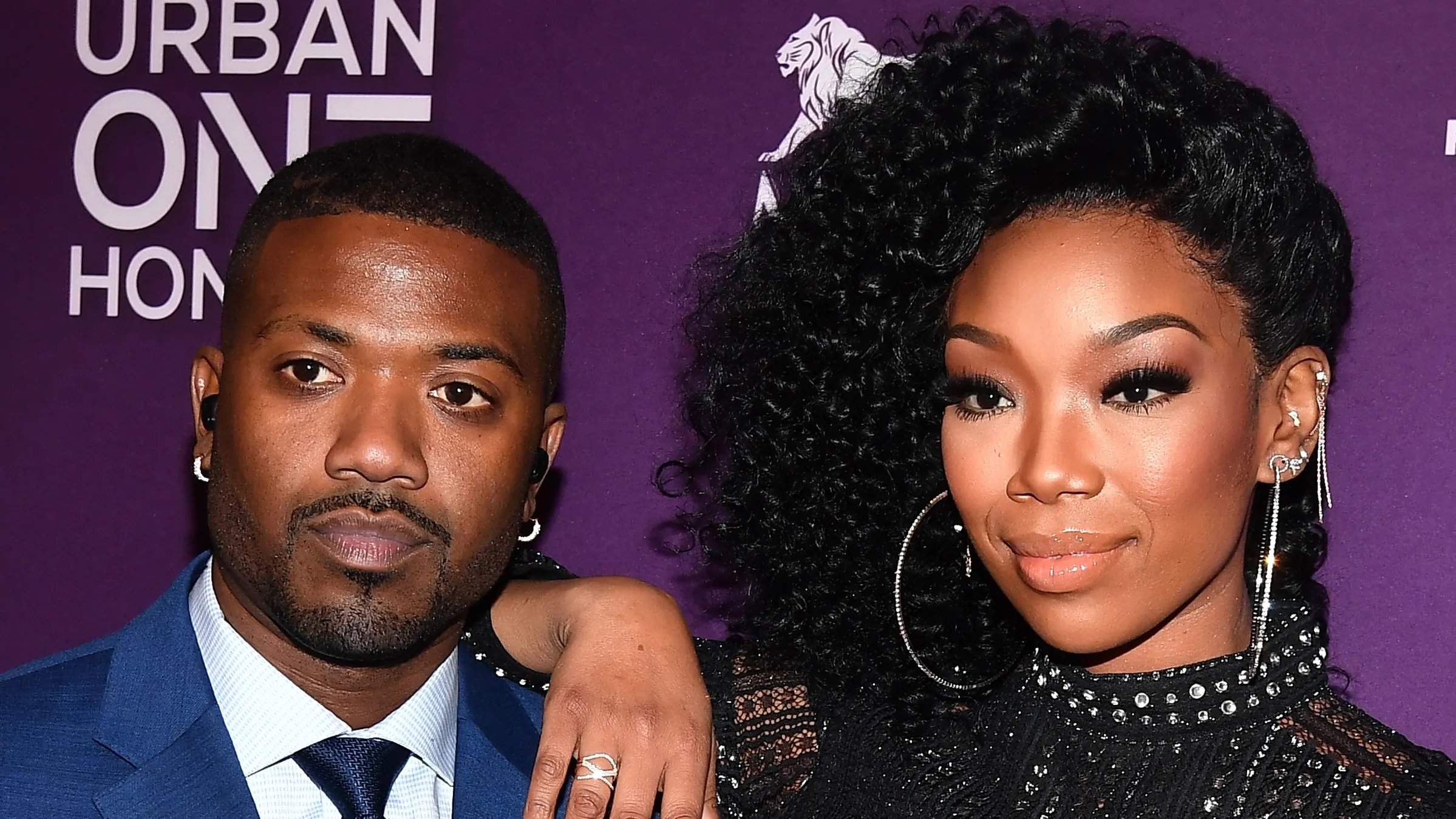
Brandy and others are reacting after Ray J said his liver and his heart are messed up, and he still hasn’t “got it checked.”
RELATED: Awww! Internet Users Are Talkin’ About Chris Brown’s Affection For Jada Wallace Following Clip Of Them At Ray J’s Boxing Match (WATCH)
Ray J Says His Liver & Heart Are Messed Up & He Still Hasn’t “Got It Checked”
During the early hours of Monday, September 28, Ray J took to his Instagram to share a clip, apparently from one of his recent livestreams. In the clip, he explained that his liver and heart are “f****d up.”
“I just — I wake up, and I know it,” he continued. “I still don’t give a f**k. I still haven’t went and got it checked. Eventually, like, n****s is gon’ die. What else is gon’ happen? The ambulance is gon’ come, and hopefully we make it through. But if we die, n****s will be like, ‘It’s about time. We was waiting.’”
Furthermore, he captioned the clip, “W’s in the chat for #RAYHAB“
Brandy Reacts Alongside Social Media After Ray J Said His Liver & Heart Are Messed Up & He Still Hasn’t “Got It Checked”
Brandy slid in Ray J’s comment section with a few words for her brother.
“You’re fine Bro!!! I am gonna continue to help take care of you. 🩶🩶🩶♾️♾️♾️
🙏🏽🙏🏽🙏🏽,” she wrote.
Furthermore, the reactions to Ray continued in The Shade Room’s comment section.
Instagram user @_nubiandee wrote, “But why is he still out doing things to further damage these vital organs.”
While Instagram user @theaniahlation added, “He’ll say some stuff like this and then go live in the middle of a mosh pit 8 hours later … I have nothing left for Ray J.”
Instagram user @lafleursroom wrote, “But what if they actually gave him a certain time to live and he just never told us that part yet and he is just making the best of it.”
While Instagram user @vibratin_vickii added, “This is actually really sad not that he’s sick but his mental and thought process! That alone is scary! Prayers 🙏🏽❤️”
Instagram user @destinycrews1 wrote, “U had me until that vape.. Baby an smoking a vape ain’t gone help you”
While Instagram user @magikalblackness added, “This is intense depression and he been needing help…prayers for u. .brandy u cant be his savior he needs rehab and therapy”
Instagram user @mstosha37086 wrote, “Black MEN, Please take care of yourselves. Get physicals, regularly.”
While Instagram user @jellyfam___spamm added, “… Praying for him. God will give him strength and comfort. ❤️”
The Singer Recently Made Headlines Amid His Concerning Health
As The Shade Room previously reported, Ray J was admitted to the hospital in January. Subsequently, he revealed that his heart was not functioning at full capacity, and doctors allegedly told him he had months to live. By February, Raj sparked concern when footage showed him performing with a chest patch and apparent blood running from his eyes, per The Shade Room.
Despite skepticism, his team maintained his declining health, and his mom confirmed his claims. Despite all of this, Ray J has turned heads, getting knocked out in the boxing ring, expressing indifference about his participation, and even taking part in another boxing match against Orlando Brown.
RELATED: Hit It First! Ray J Wins Boxing Match Against Orlando Brown & Social Media Has Thoughts (VIDEOS)
What Do You Think Roomies?
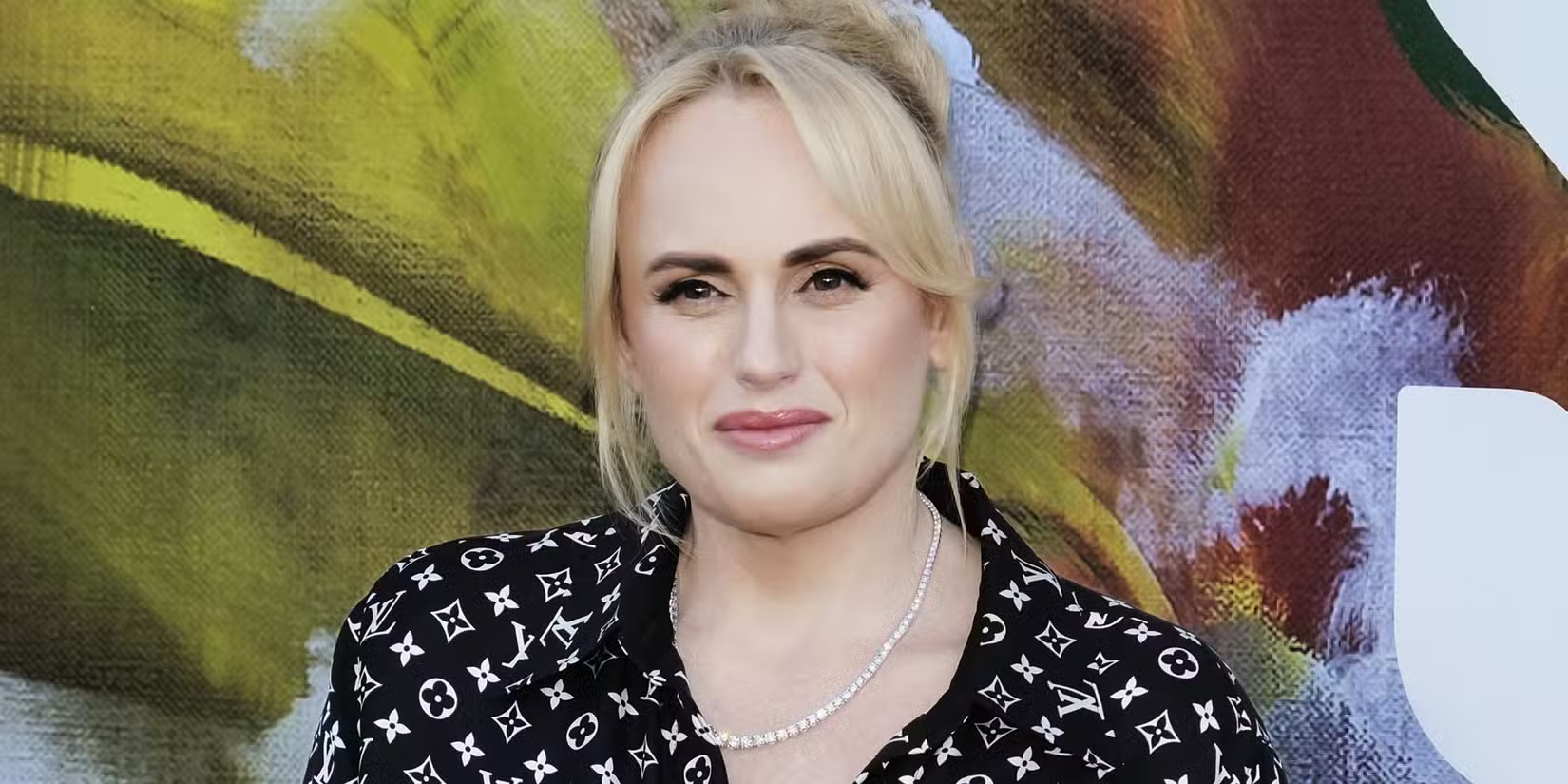
Just two years after premiering her directorial debut, The Deb, at the Toronto International Film Festival, Rebel Wilson is back with another musical comedy. But while The Deb, which earned largely positive reviews, was adapted from a stage show, her new directorial feature, Girl Group, has an original screenplay written by Wilson. That change likely doesn’t explain the difference between the two films, but this time around, the jokes feel heavily recycled, the characters never really take shape, and the music doesn’t exactly fill in that missing spark.
Even with appreciated and gasp-worthy appearances by Melanie C from the Spice Girls and Shaznay Lewis of All Saints, there’s surprisingly little to get excited about in Girl Group. Having watched the film at its world premiere in Toronto this September, I noticed how scarce the laughter was from the audience, too. For a film built to bring the house down with comedy and a bubblegum pop style that some of us genuinely miss, the silence said plenty.
What Is ‘Girl Group’ About?

In addition to directing and writing Girl Group, Wilson plays Tassie Young, a former teenage pop star who left her group Gurlfriends for a solo career that never really took off. When it’s announced that the group is getting back together, Tassie feels it’s the perfect time to reconnect with the girls — but discovers from her manager Gabriella (Jennifer Coolidge) that her former bandmates have replaced her with a new singer, played by Nicole Scherzinger. Threading in a bit of stereotype, Tassie takes the news pretty hard, and a DUI soon lands her in court-ordered community service at a Los Angeles youth center run by an awkward yet encouraging mentor named Ken (Randall Park).
Ken assigns her to coach a group of young girls who want to make it in the music industry: Tyler (Chabely Ponce), Kiah (Daniela Couso), La La (Lilah Pate), Henrietta (Mia Kaplan), Bailey (Bailey Stender), and Pippin (Ana Yi Puig). While the dynamic of the group gets off to a bumpy start and the girls clash with Tassie’s style, they soon form a bond through their shared love of music. Eventually calling themselves Xplode, they enter a competition where they’re up against the Cream Team — a group that includes Bailey’s older sister Jess, played by Loren Gray. Cream Team’s mentor, Miss Candy (Jamie–Lee O’Donnell), is determined to win, especially since she has a rather dark connection to Tassie. But as the stakes get higher and Wilson’s character begins to view the girls as her ticket back to stardom, coaching the group also begins to mean deciding whether she cares more about their future or her own.
From start to finish, you can see there’s a deeply affecting story in here somewhere, especially when we watch flashbacks with Tassie’s own mentor from high school, Mrs. Bowmaker (Sally Hawkins), coming in as the maternal support she so badly needs. But Girl Group races through those relationships in pursuit of the next big gag or musical number, never taking shape into a feel-good movie reminiscent of Wilson’s previous work in Pitch Perfect. Instead, it takes that underdog story we all so easily love and struggles across its 96 minutes to make these girls feel like real people within it.
‘Girl Group’s Writing Keeps Recycling the Same Jokes

Before getting into the heart of Girl Group, it’s important to know what a film like this could have meant for pop-loving viewers, young and old. As someone who grew up on the Spice Girls, All Saints, Billie Piper, Atomic Kitten, Samantha Mumba, you name it — that whole wave of British pop felt like a world you could sincerely belong to. Girl Group, in the most fun way, borrows the look of that era and its music, but never really gets at why that world meant so much to the young girls and boys who grew up with it. It skips quickly from Gurlfriends’ past to Tassie’s present, using nostalgia just to set up another underdog competition.
On top of that, Wilson’s script rarely finds its own comedic rhythm. Tassie has the outsized confidence and bad judgment of many characters that Wilson has played well before, but there’s little here that makes those qualities surprising. And the unnecessary gross-out humor is an especially telling example of a tone and writing disconnect. For a film that doesn’t exactly rely on crude humor, one joke brings Bridesmaids immediately to mind, without the buildup or character work that made that film’s outrageous moments land. Girl Group even mentions Pitch Perfect by name, drawing attention to its familiar group of unlikely singers and rivals, but as the competition gives the movie a destination, the young performers have too little room to develop distinct personalities or a bond worth rooting for.
I was also bothered by the gap between the film’s message and its jokes. It wants to celebrate girls supporting one another and resisting the music industry’s narrow expectations, yet Henrietta and even Bailey’s size becomes an easy source of humor. Sure, you can argue the film is seen through Tassie’s eyes, but those tones feel especially misguided in a story about young women trying to define themselves on their own terms. The script could have made sharper jokes about the pressure to look and act a certain way as a pop star. But instead, it falls back on the very assumptions it claims to question. By the finale, its message of empowerment barely feels earned.
‘Girl Group’s Cast Gives It a Few Bright Spots

With a cast packed full of singers and very funny people, Girl Group should be a good time even when the story hits some familiar notes. Thankfully, there are a few bright spots that allow it to feel that way. The young women playing the members of Xplode bring energy to the musical numbers and are genuinely fun to watch, though the script gives them little room to stand out as individuals. Scherzinger seems to enjoy playing Tassie’s replacement, who we only know as “Popstar,” even if the character is basically just a plot device who exists just to get a reaction out of Tassie. Seeing Melanie C and Lewis was a particular pleasure, but I only wish the movie had more moments that felt as exciting. While Robbie Williams’ wife and former X-Factor panelist Ayda Field shows up as a reporter, these additions simply exist for show-and-tell.
Meanwhile, Park brings an easy warmth to Ken, the youth center director; his humor feels natural in a movie where so many jokes are trying too hard. Coolidge is fun to watch here in a role that’s a bit more tempered and relied upon as the voice of reason, compared to the unfair role she’s sometimes pigeonholed into. But O’Donnell is the best as Miss Candy. The Derry Girls star throws herself brilliantly into the rival coach’s competitive streak, giving every scene she’s in that sharp comic snap that Girl Group is missing, and playing to the outrageous comedy it so badly wants to be.
Wilson works hard to keep everything afloat, but Tassie gives her little room to play. Her confidence and willingness to look foolish have served her well before, but this time around, the film repeats those beats without giving her much of a foundation. The story moves through Tassie’s setbacks so quickly that even Wilson sometimes seems unconvinced by the emotional turns it asks her to make. And while Park and O’Donnell can make individual scenes funny, neither they nor the young cast can carry a film that gives each of them so little to build on. This is what makes Girl Group so disappointing: It has the performers, the music, and a premise with room for a funny comeback story, yet its best moments are too scattered to make it worth seeking out.
By Robert Scucci
| Published

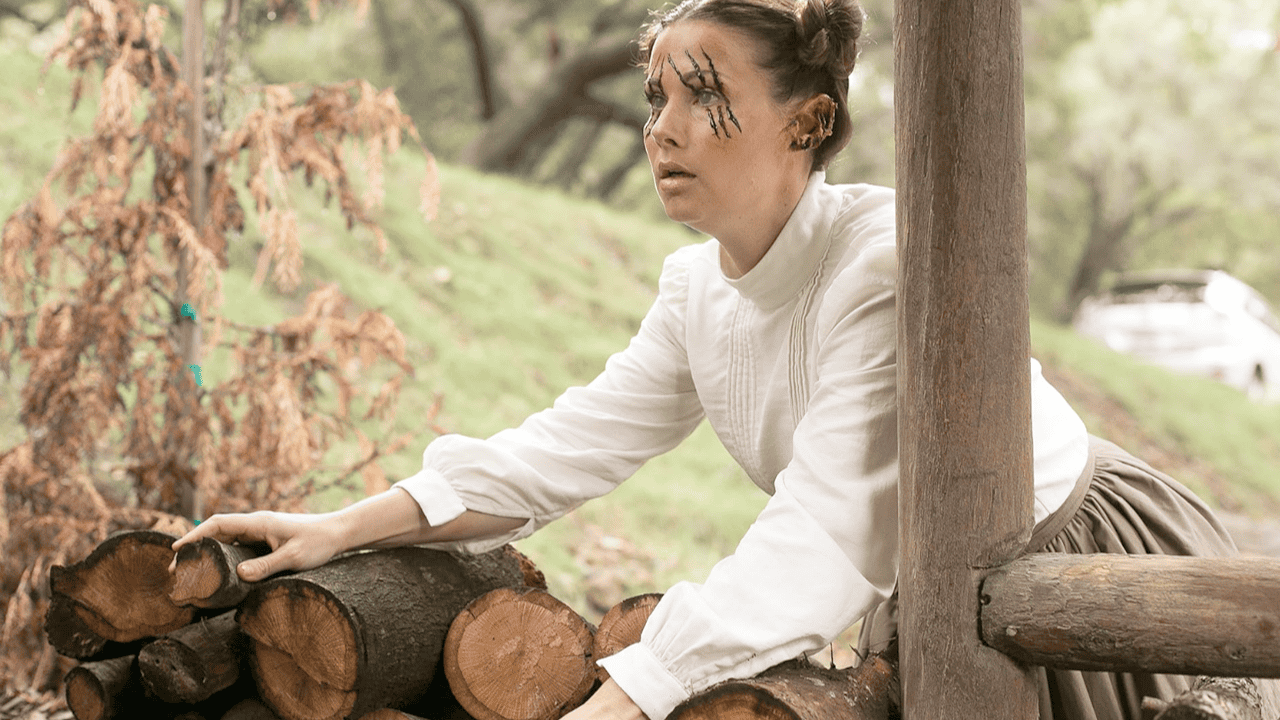
If you’re looking for the kind of edgelord comedy that your eighth-grade self would love unapologetically, look no further than 2015’s Helen Keller Vs. Nightwolves. It’s the most absurd thing you’ll find on Tubi today, and it will make you a better person for watching it. Not because you finally found out where you should draw the line when it comes to offensive humor, but in the same way that Abraham Lincoln: Vampire Hunter does, in the sense that real historical figures are used to tell a completely ridiculous revenge story, so it should teach you no to take anything too seriously.
This one will stick with you for days, not because it’s disturbing or thematically enthralling. It will stick with you, especially if you’re artistically inclined, because it makes it very clear that all you need in life is the willpower to force yourself through whatever project you find yourself involved in, knowing full well that people like me will actively seek it out on free streaming at one point or another.

Logically, Helen Keller Vs. Nightwolves makes absolutely no sense whatsoever. The “rules” that are established aren’t even guidelines. They simply exist to be laughed at, and that’s half the fun. If you were to make a drinking game out of this one, you’d most certainly need your stomach pumped.
Does Anne Sullivan Know About This?

Helen Keller Vs. Nightwolves takes the historical figure you learned about in elementary school and asks the question absolutely nobody was asking: what if Helen Keller had to fight a pack of vicious Nightwolves? And yes, the movie commits to that premise with considerably more enthusiasm than anybody could reasonably expect.
The story follows a young Helen Keller (Jessie Wiseman), whose family is terrorized by the Nightwolves, leaving Helen without her sight or hearing. Anne Sullivan (Alanna Ubach) eventually enters the picture and teaches Helen how to communicate, putting her on the path toward eventually becoming the older Helen Keller (Lin Shaye), who has some unfinished business with the monsters responsible for ruining her life.

Barry Bostwick also shows up as Jonathan because, at this point, why the hell wouldn’t he? There’s considerably more going on, but explaining much beyond that feels almost counterproductive. You already know whether you’re willing to follow this movie wherever the hell it wants to go.
Meant To Break All The Rules

What’s most perplexing about Helen Keller Vs. Nightwolves is just how little it cares about its own lore. Helen Keller is able to interpret speech so long as she can read lips through her hands. Then suddenly she can also communicate through upside-down drinking glasses placed strategically on a table because of their vibrations. Then suddenly (again), without any rhyme or reason, Helen Keller is capable of carrying on full conversations without any of these things.
When fictional filmmaker St. James St. James (Ross Patterson) breaks the fourth wall to explain exactly what’s happening, you’ll be reminded of how much he sounds like Phil Hartman’s portrayal of Troy McClure of The Simpsons fame, but not nearly as charismatic. The biggest bummer about Helen Keller Vs. Nightwolves is the fact that it reminded me that Phil Hartman is dead, which, if I’m being entirely honest here, really bummed me out.

As much as St. James St. James’ participation in Helen Keller Vs. Nightwolves bummed me out, I was reminded of how magical it is to be alive, for being alive’s sake. This is not a good movie. It’s the cinematic equivalent of your best friend from middle school never growing up and trying to be as offensive as possible whenever they get the opportunity to.
The unhinged humor found in this film outweighs the cringe factor, though, for reasons that I still cannot reasonably articulate, which makes Helen Keller Vs. Nightwolves worth your time if you’re just looking for a little over an hour to kill and don’t care how the means justify the ends.

As of this writing, you can stream Helen Keller Vs. Nightwolves for free on Tubi.

HELEN KELLER VS. NIGHTWOLVES SCORE
Entertainment
“Ugly Betty ”turns 20! See America Ferrera and the cast of the beloved comedy, then and now
:max_bytes(150000):strip_icc():format(jpeg)/Ugly-Betty-cast-091626-78698bbda36648598e230298f77b3765.jpg)
The stars of the Emmy-winning ABC series have thrived, darling.
Us has affiliate partnerships. We receive compensation when you click on a link and make a purchase. Learn more!
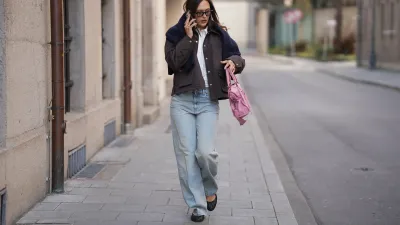
If dressing expensive is one of your fall goals, you’re in the right place. We did some digging to figure out what rich girls are *actually* wearing this year, perusing runway shows, big city streets and celebrity sightings. One thing is clear: this season’s pieces are beyond luxe.
According to all of the above, fabrics are key — specifically satin, suede, leather, knit and (you guessed it) denim. Whether you’re searching for a classy-casual blouse, trendy jeans, a windproof layer, a cozy sweater dress or anything in between, you’ll find it below. Although these fall must-haves scream ‘expensive,’ they start at only $4!
17 Rich-Lady Fall Pieces — From $4
1. Our Favorite: Look no further for a chic satin blouse to wear from the office to cocktail hour. Pleats make it even classier.
2. Cozy Knit: Sweater dresses can be frumpy, but not this stretchy, sophisticated pick that features lantern sleeves, ribbed fabric and a turtle neckline.
3. Luxe Leather: Fashion girls are wearing leather jackets instead of denim ones. Jump on the trend with this shiny (faux) version.
4. Lounge Day: Yes, rich girls wear loungewear, but only if it’s buttery-soft and expensive-looking. These comfy yoga pants are both.
5. Transitional Staple: When it’s too hot for a coat yet too cold for a cardigan, opt for this darling trench jacket that hits the sweet spot.
6. Outfit Set: It may feel like pajamas, but this cap-sleeve top and knit pants set is incredibly polished. We already have beige (and are eyeing green).
7. Oh-So Trendy: Combine trends with these chocolate-brown leather pants. The color, material and leg shape make them a triple threat.
8. Corporate Queen: Wear these flowy wide-leg pants to the office and prepare for a promotion. They stun with a thin belt.
9. Bye, Cardigan: Cardigans are fine, but this bestselling blazer is the difference between looking put-together and old money-rich.
10. Soft Suede: Slouchy and sleek, this suede shoulder bag is bound to replace your stiff crossbody.
11. Easy Add: You’ll want to wear this silky satin tee for work, errands and school pick-ups. It’s only $11, so go ahead. Grab three colors.
12. Hamptons Vibes: Stripes and knit fabric come together in this elevated two-piece set. We also adore the midi skirt with a white sweater.
13. Your Cute Jeans: Wide legs have their place, but straight-leg jeans are much more polished. Nail the look with these Levi’s.
14. The Best Accessory: Ever since Naomi Watts wore a printed neck scarf, we’ve been eyeing this $9 satin find that doubles as a headband.
15. Country Club: Argyle print on a dressy outfit set is a recipe for preppy vibes. Add tights and tall boots to complete the aesthetic.
16. Subtly Sexy: If you think midi skirts are matronly, think again! This leopard-print wonder is silky and subtly sexy.
17. Wardrobe Staple: At first glance, this flutter-sleeve top looks like a regular work top. Zoom in, and you’ll see it zips for a stylish twist.
UsNow Fall Sale Alert: These chic fashion finds are up to 60% off – plus free shipping
Welcome to fall with our biggest sale of the season. Our favorite dresses, tops, handbags, and shoes are all on sale + free shipping. Inventory is limited so hurry before they’re gone.

If your default fall outfit includes denim and boots, we hear you. That was ‘in’ for many years, but in 2026, rich girls are swapping clunky boots for classier alternatives that make even blue jeans look luxe. The best part? The 13 most chic pairs start at only $7 on Amazon. Whether you’re searching for […]
Entertainment
‘HALF’ Stars Ranjith Sajeev and Aiswarya Raj on Reimagining the Indian Western at TIFF : Coastal House Media
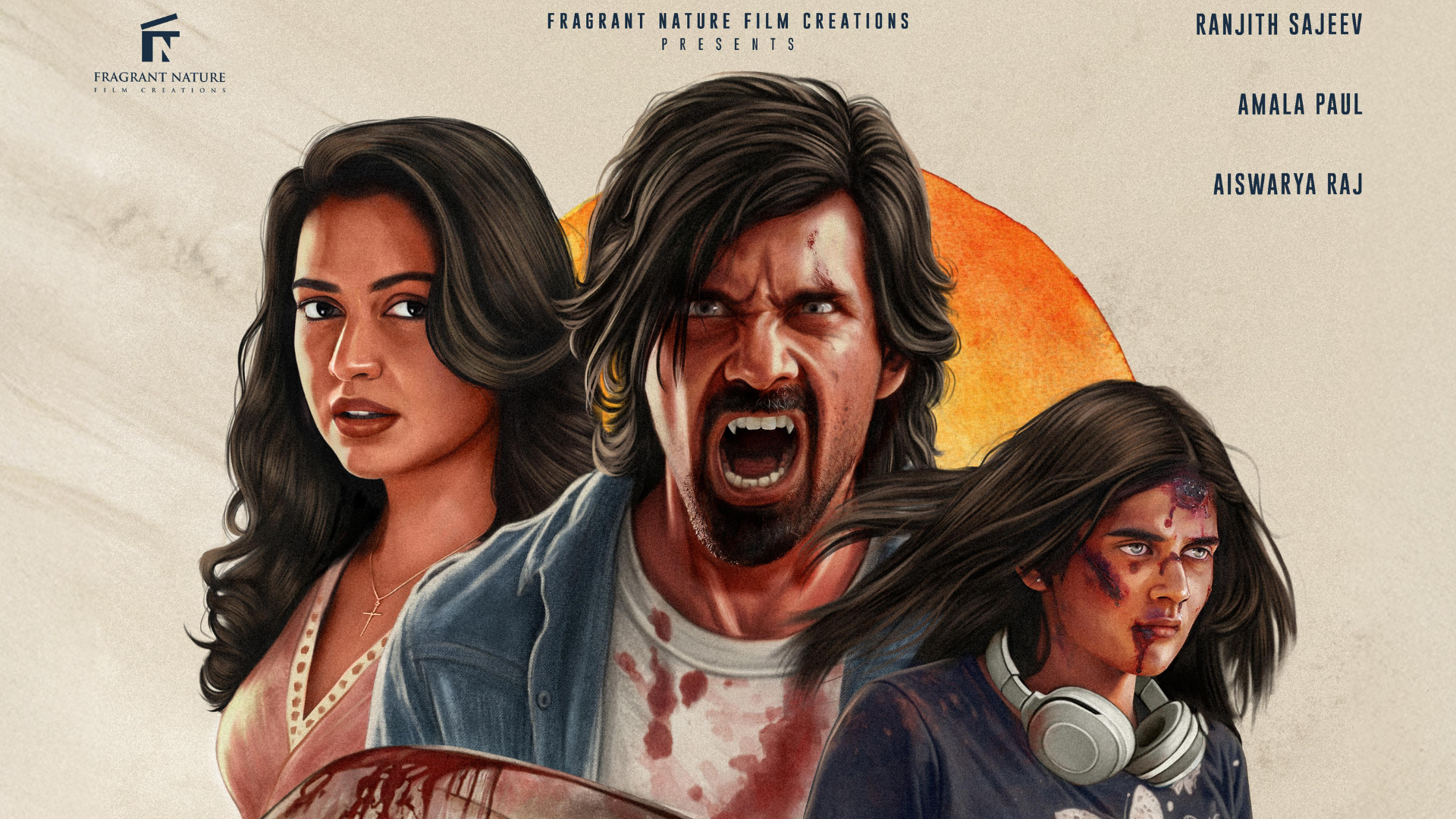
When the classic “curry western” mutates with the feral gore of vampire lore, the result is HALF, director Samjad’s electrifying neo-Western that marks a ferocious new chapter for Malayalam cinema. Blending Sergio Leone’s lawless frontier aesthetics with the visceral martial choreography of Very Tri Yulisman (The Raid 2), the film plunges audiences into the brutal Pai Nagar desert. Here, half-vampire twins Ethan and Ivy are left for dead by a ruthless band of marauders, triggering an unyielding, blood-drenched quest for vengeance. Making history as the first Malayalam film to premiere at Toronto International Film Festival’s prestigious Midnight Madness, HALF isn’t merely an action spectacle; it’s a genre-defying cultural statement that grounds supernatural abilities in raw human emotion, sibling bonds, and an eclectic, scene-stealing soundtrack.
In this exclusive interview with Coastal House Media journalist Aayush Sharma, lead actors Ranjith Sajeev (Ethan) and Aiswarya Raj (Ivy) break down how they approached their roles as grounded human beings first and supernatural creatures second. From building an unspoken sibling dynamic to executing unpolished, primal fight choreography and navigating non-verbal performance, Sajeev and Raj offer a deep dive into the making of this groundbreaking film, and why Malayalam genre cinema is poised to captivate global audiences strictly on its own terms.
Ethan is technically a vampire, but HALF places him inside the tradition of the Indian Western hero: a solitary figure moving through a lawless landscape and eventually dispensing his own form of justice. How did you construct Ethan physically and psychologically so he felt like a character from an Indian Western first and a supernatural creature second?
Ranjith Sajeev: As you said, the genre of this film blends a lot of different genres, and that’s exactly what Samjad had in mind as well. That’s how we conceived the overall aesthetic of the characters and the film. It’s a neo-Western film featuring vampires, and I feel like that’s where the newness of the genre comes in as well. Talking about Ethan specifically, even though he’s a Daywalker, which is a half-human, half-vampire hybrid, to him, he’s just a regular guy. He has a sister he bickers and fights with; he does everyday things, and he experiences very human emotions. So, we wanted to approach these characters with a strong sense of humanity as well.
Usually, when you see vampires, they have a much larger-than-life presence in how they’re presented. I think that’s something we’ve seen throughout the years. But with Ethan and Ivy, we wanted to ground them as characters first and foremost. The fact that they’re supernatural creatures is secondary; it’s simply a part of their abilities. The bigger question for us was: how do you make them feel really relatable and grounded as siblings? How do you make their sibling camaraderie work and make the audience connect with them as characters? I feel like that’s the way we approached the film. There’s a very realistic and grounded treatment of the way we approached these characters, and that’s exactly what Samjad had in mind when he first presented the film to me.

Official Poster of ‘HALF’ (Credit: Fragrant Nature Film Creations)
Aiswarya, your character Ivy might be the most technically fascinating character in the film because she is non-verbal, yet she is also a supernatural being capable of extraordinary violence. How did you build an internal emotional vocabulary for her? Did you consciously create different physical registers for affection, fear, anger, and bloodlust, knowing that dialogue could not communicate those transitions?
Aiswarya Raj: Yes, actually, before the film, I had some sign language practice and preparation. While preparing for the film, I wanted Ivy to be like any normal person, and I didn’t want the fact that she couldn’t speak to define her in any way. She has that aspect of her life, but it’s just a part of who she is. It doesn’t necessarily explain what she does or who she is as a person.I wanted her to be a regular person who is out there doing all the things she wants to do in life, and nothing should come in the way of that. I didn’t want her to think, “Oh, I have this, so I’m vulnerable or helpless.” Nothing like that. She’s really bold and confident; she knows what she wants, and she knows how to build something for herself.
She never really thought of herself as a vampire. She knew that she and her brother had this supernatural ability within them, but that didn’t define them. They had never actually experienced an incident where they had to use those powers. They knew they had heightened sensitivity, healing abilities, and that they were more powerful than regular people, but that was it. To them, those were just traits they had, and even those abilities came with their own weaknesses. For example, not being able to see in extreme light is a weakness, right? I wanted Ivy to see herself in that way. She doesn’t consider herself extraordinary, but she knows herself very well. She’s a go-getter, and creating that character wasn’t particularly difficult for me because certain parts of her felt relatable to me. In some ways, she was also a version of myself that I would aspire to be. I really like certain aspects of her personality.
At the same time, I would say she’s a little arrogant, and I had that in mind as well. I never wanted her to be this perfect human being. She could be a little flawed, a little difficult, and a little more normal in that sense. She’s not conventional. I didn’t want her to be the conventional heroine who is helpless and needs someone else to help her. I didn’t want to put her in a box. I wanted the audience to have their own interpretation of her. I wanted them to look at her and think, “Okay, let me figure this character out myself.” In a way, I wanted to give the audience a challenge: read the character for yourself and tell me who she is. That’s something I really wanted from Ivy.
The film gives Ethan supernatural abilities, but that can actually create an acting challenge because conventional action stakes are different when your character is significantly harder to kill. Did you approach Ethan’s invulnerability as a source of confidence, or did you deliberately build some vulnerability underneath it so the audience still feels something when he is attacked?
Ranjith: I think that vulnerability isn’t just something that came from me. I think everyone involved, including Samjad and the choreographer, really understood that we had to bring that vulnerability into the characters. Because at the end of the day, you want to see a protagonist go through challenges. When they face hardships and eventually succeed, that’s when it feels earned, right? Even with the fight choreography, it’s really raw and unpolished. If you look at the choreographer’s previous work, like the Rage series, they’re amazing action films, but the characters in those films are expert martial artists. They’re technically trained and know exactly what they’re doing.
These characters, however, the vampires or Daywalkers, are just normal beings. To them, they’re normal people who happen to have vampiric abilities. They completely depend on those abilities when it comes to combat. If they didn’t have those abilities, they probably would have been dead within the first 10 minutes. I feel like those abilities add a completely different dimension to the combat because the fighting is primarily animalistic. They’re vampires, they’re creatures, and when they awaken that part of themselves, it becomes very primal and feral. They just go all in, guns blazing, because they know they’re going to heal and that their abilities will protect them. So the fighting becomes really scrappy instead of technical.
I feel like that scrappy nature of the choreography is our flavor in this film, and we’ve carried it throughout all the action sequences. Even though these characters have supernatural abilities, they still have to adapt to every situation and every fight. If you look at all the fight sequences, every single one has its own originality. The bar fight isn’t like the house fight, and the house fight isn’t like the climax fight. The circumstances are different each time, so the characters have to adapt accordingly. That adaptability plays a huge role in the choreography. That also means the audience gets a new experience with every fight scene. It doesn’t become monotonous or feel like they’re watching the same kind of action repeatedly. I feel like that vulnerability and the scrappy, raw nature of the fighting are really the flavor of the film, and ultimately, they’re the identity of the fight choreography as well. So yes, bringing that vulnerability into these characters, even within the fight sequences, was something we did very deliberately.
Ivy’s cellphone playlist becomes part of the film’s sonic identity. That creates an unusual contrast: we see an extremely violent character moving through brutal action while music associated with her personal taste plays alongside it. Did you think of the playlist almost as Ivy’s dialogue? In other words, were you using the songs to reveal aspects of her personality that she could not express verbally?
Aiswarya: Verbally, yeah, that would have been a great take, but when I was going through it, I felt like it would take away from her personality. She’s a really cool person. She’s very nonchalant, and her attitude is almost like, “I’ll just make this disappear.” If there’s an obstacle in my way, I’ll just make it disappear. That was the kind of thought process behind her. As for the playlist, I haven’t heard it yet, so I have no idea what it sounds like. They told me it’s great, though, so I’m really looking forward to hearing it. I think the playlist also adds to her personality. Almost like you said, the dialogue tells you, “This is how I am.” But like I said earlier, I wanted her to remain mysterious. I wanted people to feel like, “Let me read her. Let me get into her head and figure out what she’s thinking.” I think the playlist adds to that mystery while also bringing out her coolness.
I think that was a brilliant move by the writers because, without the playlist, she might have felt a little more distant from the rest of the movie. Drenjith has his own way of communicating, and he has more freedom when it comes to expressing himself verbally, whereas Ivy doesn’t have that same freedom. So, the playlist really speaks for her. It becomes another way for her to communicate and gives the audience a glimpse into her personality without having to explain everything through dialogue.
Ranjith: Like Baby Driver, I think music plays a really, really important role in a film. It can elevate so many scenes and sequences, and that’s exactly what we wanted to achieve here. From the get-go, this was supposed to be a high-octane action-adventure film, and to translate that experience and feeling in the right way, music plays a huge part. That’s especially thanks to Mithun Mukundan, who’s the music composer of the film. There are some really cool tracks in this movie, and I don’t want to spoil too much because I want to leave that experience for the audience. But definitely, it’s an amalgamation of everything: the music, the fight choreography, the sound design, and the character work. All of these elements come together to make this a true theatrical experience.

HALF stars Ranjith Sajeev and Aiswarya Raj (Credit: Fragrant Nature Film Creations)
Ethan and Ivy are twins, but Ivy is non-verbal while Ethan becomes the more expressive half of their relationship. How did you and Aiswarya establish their communication without relying too heavily on dialogue? Were there particular physical gestures, eye movements, rhythms, or recurring behaviours that became part of Ethan and Ivy’s private language?
Ranjith: I think we just had a very natural chemistry, honestly. We pretty much just winged it. We spent around 150 days on location shooting the film, so we talked a lot and spent a lot of time together. It got to the point where we subconsciously knew how to balance each other out in scenes. The funny thing is that the intro scene of the film, where you see the siblings bickering, was actually the last scene we shot. By then, our chemistry had already meshed really well, and I feel like that was a very deliberate plan from Samjad as well. After everything else had been shot, he saved the introduction of these characters for last so that our chemistry would be at its peak. I feel like that’s how we achieved that dynamic.
There’s also a scene midway through the film that I don’t want to spoil, but it’s an intimate moment between the siblings that becomes the driving force behind what they do for the rest of the film. It’s a one-take scene, and we actually had a light issue while shooting it. We had been shooting at that location for around four days, and this was our last day there. Samjad wanted to shoot the scene in this very specific, almost dawn-like light. It couldn’t be too bright, but it also couldn’t be too dark, so we had a very small window to get the shot. While the camera was being set up, Samjad basically told us what we needed to do and then left us to our own devices. We were like, “Okay.” But by that point, we knew each other so well that even without a detailed plan, we trusted that we would be able to balance our chemistry in the best way possible.
We did the scene, and that was it. It was one take. We didn’t do another take after that. So, what I’m trying to say is that the chemistry between us was pretty much unspoken and unsaid. We didn’t have to do a lot of pre-planning before every scene, like, “Okay, you say this and I’ll react like this.” It just happened naturally. And I feel like that adds a lot to these characters and the emotions in the film because the chemistry came from a really natural space for both of us.
Aiswarya: Yeah, and as he said, we’re really not that expressive as siblings. Right from the introduction, you see them bickering, and I think it’s a very realistic portrayal of what it’s like to have a brother or sister. When you’re sitting at home, you don’t necessarily talk to each other all the time. You just coexist. They’ve been living together for around 25 years, so at that point, you know each other so well. You can just look at each other and communicate so many things without actually saying anything. A lot of it is unspoken, and I think that’s what happened with us as well. Maybe it’s because of the amount of time we spent together, but we developed this very natural sibling vibe. By the end, I would almost say we looked like twins!
I actually still remember the first time we met. We accidentally wore the same thing. We were both wearing a black shirt and jeans. I remember thinking, “Yeah, this is exactly what you guys look like: fraternal twins!” And I think that was a great sign for the casting.
There is an interesting contradiction in Ivy: she is physically terrifying but potentially emotionally more mysterious because the audience cannot simply listen to her explain herself. How much did you deliberately withhold from the performance? Did you ever have to resist the temptation to “show” the audience exactly what Ivy was feeling?
Aiswarya: Ivy was feeling… No, actually, whatever she did, I would say that it was always truthful to her character. I never felt like, “Oh, I have to show this emotion here because this is where the character is supposed to feel it.” Ivy always had this curtain in front of her, almost like a mask. She doesn’t feel the need to show her emotions all the time. I think the only time she really lets something out is the moment he mentioned earlier, that intimate moment between the siblings. All the frustration she’s been carrying is suddenly there, and she needs to take it out on somebody. But she’s not angry at her brother. She’s angry that something like this happened and that he had to go through it. Honestly, she would have preferred to keep all of that inside her own head, but it came out. It just burst out in that moment, and she never intended for it to happen that way.
For most of the film, her face is really plain, and I wanted to keep it that way. Initially, I thought very consciously about maintaining that throughout the film. But after a point, I stopped thinking about it. I never thought, “Okay, I need to do something with my face here,” or, “I need to use this particular body language in this scene.” There was nothing like that. After a while, I just lost myself in the character, and it was all Ivy. I think I was like that on set as well. I’m not even sure, honestly, but at some point, I wasn’t consciously thinking about how I was playing Ivy anymore. I was just being her.
Malayalam cinema has increasingly demonstrated that a film can be deeply rooted in its own cultural language while still travelling internationally without being “translated” into a generic global cinema. HALF takes that even further by using a very local Indian genre history as the foundation for a vampire action film with an international action team. Do you see the future of Malayalam genre cinema as becoming less about trying to make films that look “global” and more about making films so culturally specific that the world becomes curious about them?
Ranjith: I think the thing is, if you’re setting out to make a film with the mentality that, “Okay, we need to take this global,” that’s not necessarily going to work. I feel like you should just make the story you want to tell as honestly and truthfully as possible. If the audience connects with that content, they will make it global. That’s their job, not ours. I would say that Malayalam films, specifically, have always been really far ahead when it comes to content. Our budgets are relatively small compared to other industries, but in terms of storytelling, we’ve always tried to push into new territories. Half is no different. From the very beginning, it was never about saying, “Oh, let’s make an international film.” We were simply thinking, “Let’s make a really, really cool film that we would want to watch in a theatre.” I feel like that ideology is what ultimately pushes cinema and films to a global scale. When you make something that’s relatable to an audience, and they can genuinely resonate with it, that’s when you can take a film beyond its original boundaries and connect with audiences globally. I feel like that mentality is what’s really important. I’m just hoping this can be the beginning of Malayalam cinema going global in the most organic way possible. Half is the first Malayalam film to premiere at Midnight Madness and the third Indian film to do so, and that itself is a huge honour for all of us as a team. From here on, we’re just hoping it continues to go upwards. That’s what we’re all hoping for.
Aiswarya: I’d say this is probably one of the best examples of cultural exchange. We took a very Western element, something with that classic Dracula and European vampire influence, and blended it with an Indian way of filmmaking and storytelling. Even the characters on the other side, the negative characters in our film, are very Indian. Their body language, their personalities, and the way they behave are deeply rooted in Indian culture. So, to blend those characters and that cultural identity with a story that has these Western supernatural elements is, I think, a really interesting form of cultural exchange. We’ve been taking influences from international cinema for a long time, and Malayalam cinema, in particular, has always been ahead of its time in that regard. Our stories have traditionally been very character-driven. The premise is important, of course, but the characters have always been at the heart of the story. When you watch a Lalettan or a Mammootty film, you’re not necessarily watching a person simply playing a character. You feel like you’re seeing yourself. You think, “Oh, I know this person. I’ve seen this happen in my own life.” Malayalam cinema has always had that quality. I would say Half is a newer version of that tradition. We’ve taken these influences and approached them in a very grounded and realistic way. As he said, the idea felt very new to us, and I think that’s what makes the film interesting.
Ranjith: I think it was post-COVID that we, as an Indian audience, really started embracing more naturalism in films as well. I’ve said this before, but Indian audiences don’t just watch Indian films. We watch Korean films, Spanish films, and films from all over the world. We want good films, regardless of where they come from. And I think that’s something that challenges us as actors and filmmakers to push ourselves and provide a new experience for the audience. How can we deliver something they haven’t seen before? How can we surprise them in new ways? Content plays a huge, huge part in that. As I said, it’s about organically trying to tell the story you want to tell without being afraid of whether it will let the audience down or whether it will be perceived as something that can travel internationally. If you tell the story in the truest and most honest way possible, I believe that global reach will happen organically.
Entertainment
Andrew Scott’s Near-Perfect Biopic Is Officially 2026’s Next Can’t-Miss Movie in New Trailer
Earlier this year, Andrew Scott starred in Pressure, which chronicled one of Britain’s finest hours of the 20th century. This fall, he’ll star in Elsinore, a drama about one of its greatest shames: an unchecked pandemic that cut down many of its best and brightest in the prime of their lives. Elsinore will hit theaters this fall, but we now have a first glimpse of it with the release of its first trailer. The film is based on the true story of Ian Charleson, a Scottish actor famed worldwide for his silver screen performances in Chariots of Fire and Gandhi, he was also a noted stage star in the UK.
In the 1980s, Charleson was diagnosed with AIDS, which was essentially a death sentence at the time. Despite being severely ill, he took on the lead role in a production of Hamlet at the National Theatre in 1989. Charleson’s performance, which was universally acclaimed, would turn out to be his swan song, as he succumbed to the disease months later. He insisted that his cause of death be announced publicly, a rarity at the time; it helped foster greater awareness of the threat posed by AIDS, which was then poorly understood.
Elsinore centers around the last months of Charleson’s life, as he braves his illness while treading the boards one last time. Helping him is Margaret Johnson (Olivia Colman), one of the UK’s first doctors to specialize in AIDS; by his side is his friend, casting director Patsy Pollock (Billie Piper), who sees him through his final days. But it’s Charleson who musters the strength to deliver the performance of a lifetime. The film is directed by Simon Stone (The Woman in Cabin 10), from a script by Stephen Beresford (Tolkien); it will be released by Focus Features on November 20.
What Are the Critics Saying About ‘Elsinore’?
Elsinore currently holds an 89% Fresh rating on Rotten Tomatoes, with Scott and Colman’s performances being singled out for praise. In her review, Collider’s Terese Lacson was moved by Scott’s bravura performance, which is already being brought up in the end-of-year awards conversation; according to Lacson, he gives “an authentic and gut-wrenching performance that stays with you long after the movie is over.”
Elsinore will debut in theaters on November 20. Stay tuned to Collider for future updates.

- Release Date
-
November 20, 2026
- Runtime
-
104 minutes
- Director
-
Simon Stone
- Writers
-
Stephen Beresford
- Producers
-
Andrea Occhipinti, Andrew Scott, Carolyn Marks Blackwood, Gabrielle Tana, Mickey Liddell, Pete Shilaimon, Stefano Massenzi
Drama is unfolding after Nevaeh Akira revealed she would no longer be joining ‘Baddies USA: Chapter 3.’ Her decision came just one day after Zeus Network announced that she and Jaidyn Alexis would appear on the show as “Blueface Girls.” Shortly after, Blueface gave Nevaeh an ultimatum, telling her she would need to leave his home. Now, Natalie Nunn is speaking out about Nevaeh’s decision to back out of the show.
Related: Oop! Blueface Drops A Spicy Message & The Internet Immediately Mentions Nevaeh Akira (PHOTO + VIDEO)
Natalie Nunn & Blueface Get On The Phone Over Nevaeh Akira
Natalie Nunn recently joined PlaqueboyMax for a livestream. While there were several viral moments throughout the stream, one in particular sparked plenty of conversation online.
During the livestream, Natalie expressed her frustration over Nevaeh backing out of ‘Baddies USA.’ According to Natalie, she personally spoke with Nevaeh about joining the show after Nevaeh expressed interest in appearing. Natalie said she was upset that Nevaeh later changed her mind, adding that there are plenty of other women who want an opportunity to be on ‘Baddies.’
Natalie also made it clear that she and Nevaeh are no longer cool.
“You’re never gonna embarrass me like that,” Natalie said.
In another clip, Natalie was seen on the phone with Blueface, who called Nevaeh “slow” and claimed she “signs herself up for things she’s not ready for.” Blueface then said Nevaeh might as well be banned from Zeus Network altogether.
As previously reported, Nevaeh said she decided not to join ‘Baddies USA: Chapter 3’ because she was not in the right mindset to participate. She also explained that she is currently dealing with court matters involving her son, Superior, while adjusting to life as a new mom to her and Blueface’s newborn son.
Nevaeh Akira Claps Back After Natalie Nunn & Blueface Speak Out
After clips of Natalie and Blueface circulated online, social media users began debating whether Nevaeh was justified in backing out of the show.
Nevaeh later addressed the situation on her Instagram Story, appearing frustrated by the reaction to her decision.
“I got b***** pressed as a mother*****. You talking like you gave me a check or something. What the f**** is you so mad for?” she said.
In a follow-up video, Nevaeh added, “So I was the biggest fish that these mother***** was trying to catch.”
After The Shade Room Teens shared Nevaeh’s response, Natalie entered the comment section to defend her side of the situation.
“How I’m wrong when she came to me, called me asking to be on Baddies? I gave her a spot, she signs the deal and now backs out! I could have given this job to someone else to work, make money and change their life!!! End of story. A waste of time,” Natalie wrote.
Nevaeh quickly responded, disputing Natalie’s claim that she signed a deal.
“I didn’t sign 💩. Wtf,” she replied.
Social Media Reacts
Social media users shared their thoughts in TSR Teens’ comment section.
Instagram user @aaliyahgabriellee wrote, “Why it’s bothering u so much the girl don’t wanna come tho? 🤔”
Another Instagram user @nly1driaaa wrote, “I don’t think Natalie or Blue or the world understands how custody battles in court goes… that once she goes on baddies, that’s showing the whole wide world that she’s an unfit parent.. how? Becaue it’s showing her fighting and getitng drunk. She’ll lose custody easily”
While Instagram user @ceestaliii wrote, “Yall missing the point fr if she wanted to be at home with her newborn so bad why did she speak to Natalie and say she wanna do it and sign a deal? Something not adding up”
Instagram user @tearrhere_ wrote, “God was protecting her the whole time 👏🏾”
Another Instagram user @x.adoresammy_ wrote, “They definitely acting like they knew for sure the story like was gonna be about her! They knew she would bring in views! She really go further than baddies if she play her cards right..”
While Instagram user @therealllilredd wrote, “Veah veah is in fact bigger than the program 😭😂😂”
Instagram user @dopeitskaylaa wrote, “Natalie too pressed that a woman who just gave birth doesnt wanna go on the show anymore… like pls leave her tf alone. U can’t force someone to be on your show.”
Another Instagram user @kamaniananda wrote, “Did she sign the contract or did Blue sign it? 🧐”
While Instagram user @daisiaxxsquirtle wrote, “They was going to set veah up, prolly bring Chrisean or Jaidyn to press a issue with her”
Related: Nevaeh Akira Reacts After Blueface Says She Has 3 Days To Leave His House Because She Turned Down ‘Baddies USA’ Alongside Jaidyn Alexis
What Do You Think Roomies?

Us has affiliate partnerships. We receive compensation when you click on a link and make a purchase. Learn more!
Real talk: we’re not here to hate on Chelsea boots. They have their place as a timeless wardrobe staple. However, we will say that rich girls are reaching for sleeker, classier alternatives that make Chelsea boots seem, well. . . basic. And these elevated boots are replacing ours.
With elements like slouchy suede, intricate stitching, lengthening silhouettes and pointed toes, these luxe-looking picks are effortlessly polished. Whether you style them with dresses or skirts, denim or trousers, you’ll channel expensive, put-together energy. The best part? Our favorites start at only $10!
13 Rich-Girl Fall Boots — From $10
1. Our Favorite: Not only do these knee-high boots come in a luxe mauve-brown color, but they also have buttery (faux) suede, a square toe and a sturdy block heel.
2. Cute Booties: Simple and sleek, these leather-looking booties go with absolutely everything. They’re 49% off right now, so run!
3. Pretty Pointed: With a pointed toe and knee-high silhouette, these shiny wonders have leg-lengthening superpowers.
4. Designer Details: It’s hard to believe these knot-adorned ankle boots are under $50, but we’re not complaining! Shoppers say they’re both comfortable and elegant.
5. Burgundy Babe: These square-toe stunners have a single front seam that gives them a modern, minimal flair. Burgundy is optional, but not really.

If you’re tempted to drop hundreds at Free People, we get it. But Amazon is hiding 17 chic fall pieces that channel the brand’s aesthetic eerily well. The only difference? The price. Our top picks start at only $6! These boho-luxe pieces are mega marked down ahead of Amazon Prime Big Deal Days, which runs […]
6. Slouchy Chic: Look effortlessly expensive in these slouchy suede boots. The two-inch heel gives you a literal and figurative boost.
7. Cozy Alert: Yes, rich girls like to be cozy, too. These fuzzy, chestnut-colored booties are so similar to the brand-name pair, yet cost a third of the price!
8. East Coast: Look like an upstate socialite in these sophisticated riding boots that feature shiny buckles and marbled-looking leather.
9. Cool Girl: Mid-calf boots aren’t always stylish, but this cool-girl version features a slouchy shaft and creamy nude hue that make it laid-back and luxe.
10. Wealthy Status: A pointed toe, ankle height and kitten heel are a few highlights of these elegant black booties. Memory foam is an added bonus.
11. Wear-Everywhere Pick: You’ll wear these dreamy boots from errand runs to pumpkin patches and beyond, thanks to the comfortable low profile.
12. Western Twist: Cowboy boots get a cutesy upgrade with this mini heeled version. It nails the aesthetic in a less dramatic, actually wearable way.
13. Southern Charm: Give your wardrobe a taste of Nashville with these perforated ankle booties. At only $36, you’ll want two colors.
UsNow Fall Sale Alert: These chic fashion finds are up to 60% off – plus free shipping
Welcome to fall with our biggest sale of the season. Our favorite dresses, tops, handbags, and shoes are all on sale + free shipping. Inventory is limited so hurry before they’re gone.

Fashion3 minutes ago
How to Wear a Collarless Blazer: Fall 2026 Styling Ideas

Crypto38 minutes ago
Crypto’s Widening Net: From Fed Bets to Blackjack Tables, Digital Assets Keep Blurring Old Boundaries

Crypto45 minutes ago
Perplexity AI Predicts a Big Move for BTC in 2026 Even With Recent Dip


-

 Fashion3 days ago
Weekend Open Thread: J.McLaughlin – Corporette.com
-

 Crypto6 days ago
Goldman Sachs and Deutsche Bank Agree: The S&P 500 Rally Isn't Over
-

 Tech & AI23 hours ago
OpenAI is preparing “o,” an always-on ChatGPT assistant that could handle email
-

 Tech & AI23 hours ago
Anthropic turns Claude into an AI marketplace with 2,000+ plugins and connectors
-

 Fashion4 days ago
8 iPhone Accessories That Add Personality
-
 Entertainment6 days ago
These 17 Fall Amazon Dresses Seriously Look Like Anthropologie
-

 Tech & AI6 days ago
Reolink’s solar 4K security camera falls to its lowest price in months
-
 Crypto6 days ago
Trump-Xi Polymarket Odds for Handshake Hit 50%
-

 Crypto6 days ago
This Bearish Netflix Stock Trade Can Cash In On Video Streaming Giant’s Woes
-

 Crypto5 days ago
Crude Oil Prices Pressured by Diplomatic Hopes in the Middle East
-
 Crypto5 days ago
Bitcoin price tests $83,600 Supertrend support after $87K rejection
-
 Business & Hussles6 days ago
Oil Price Today (September 23): Crude oil below $100 on hopes of US-Iran talks. What did Trump say?
-

 Crypto6 days ago
BitGo says Bitcoin absorbed Fed hike, CLARITY failure
-

 Crypto5 days ago
Bitcoin Threatens Sub-$84,000 Breakdown as Long Liquidations Spike
-

 Crypto7 days ago
Meta Jumps 11% As Muse Shines and Investors Show an Appetite for Advancing AI
-
 Crypto6 days ago
Did Jim Cramer Just Give GameStop Stock the Kiss of Death When He Said the Turnaround Is Working?
-
 Crypto7 days ago
Trump, Xi Meet on S&P 500's Best Day Since Early August: Will Markets Stay Bullish?
-
 Tech & AI5 days ago
UiPath’s Dines says AI needs a manual and launches Cartographer to write it
-

 Crypto5 days ago
As Amazon Stock Prospers, Traders Might Consider This Option Play
-

 Crypto5 days ago
Strategy resumed Bitcoin buying, but Strive gained more BTC per share
You must be logged in to post a comment Login