
Entertainment
Carla Jeffery’s Brother Shares the Final Text He Sent Her


Carla Jeffery’s twin brother, Carlon Jeffery, shared the poignant final message he sent to his sibling before her tragic death.
Sharing a screenshot of the text via his Instagram Story on Wednesday, September 2.
“Hey sis, call me back when you get this,” Carlon wrote in the message. “I was just calling to see how your day went! I love you to the moon and back sis.”
In the text message, Carlon urged his sister to embrace her “light” and not shrink herself for others.

Carla Jeffery’s family is setting the record straight about one online rumor surrounding the Disney Channel star’s death. A family spokesperson told TMZ that Jeffery died in her California home on Tuesday, September 1. Although speculation has spread online about what caused her death, family members insisted the rumors that Jeffery used drugs are not […]
“Your resilience, your grace, your infectious smile that lights up a room. You are truly a light that shines bright. Don’t let anyone.. dim that light.. even yourself,” he wrote
Carlon continued, “The light you carry is special and must be protected at all times. You are the best sister a brother could ask for. I pray we continue to grow closer to one another along this journey.”
Signing off the text, Carlon concluded, “I got your back in this life and the next.”
News broke earlier on Wednesday that the Disney alum had died. She was 33. A cause of death was not revealed at the time.
“It is with profound sadness that we share the passing of our beloved Carla Jeffery, who passed away on September 1, 2026, at just 33 years old,” read a statement from Carla’s management company, Alexanders Talent, shared via Instagram on Wednesday. “Carla joined Alexanders Talent Management family at the age of 12.”

Carla and Carlon Jeffery. (Photo courtesy of Carla Jeffery)
The statement continued, “For more than 20 years we had the privilege of watching her grow into a beautiful, vibrant and incredibly talented woman whose radiant smile could light up any room.”
The post added that Carla was known for her “joy, humor and bright spirit.”
“Carla was more than a client; she was family,” the statement read. “Our hearts are with Carla’s family and loved ones during this devastating time. We respectfully ask that their privacy be honored as they grieve this unimaginable loss. Rest beautifully, Carla. Your light will never be forgotten.”


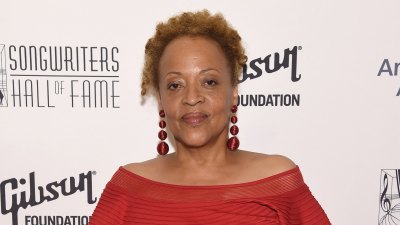
Hollywood mourned the deaths of some of its most legendary stars in 2026. In June, legendary music executive Clive Davis also died at age 94 following a hospitalization for an upper respiratory infection. The following month, G.R.L. member Lauren Bennett died at age 37, while Bonnie Tyler died at 75. Emergency!‘s Randolph Mantooth and Police […]
After rumors began to swirl about what caused Carla’s death, her family set the record straight about whether the actress had been involved in drugs as some people speculated.
“She did not do drugs,” the family told TMZ before claiming there was no foul play and that police are not involved.
Carla was best known for starring in the Disney Channel Original Movie franchise Zombies. She played the cheerleader Bree in the first three movies.

Continue Reading
Entertainment
Jason Statham’s 2-Part Action Series is Quietly One of the Best Thrillers Streaming on HBO Max
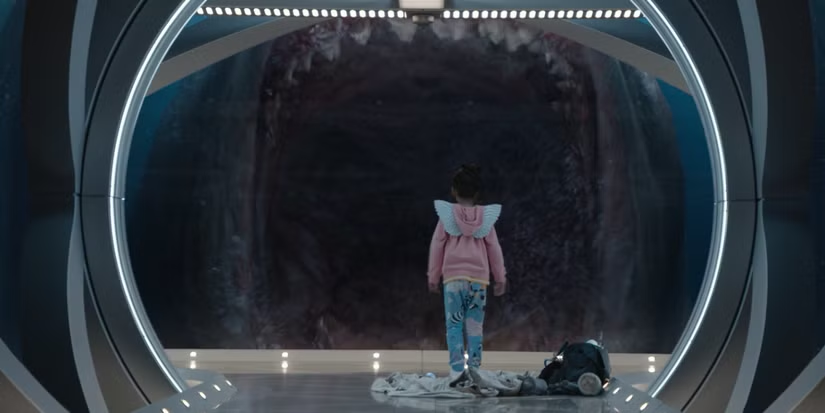
Few stars are more associated with action movies than Jason Statham. The British actor has built a decades-long career in the genre by frequently portraying grizzled, hardened protagonists in a variety of occupations, including “beekeeper” and “mechanic.” In 2018, he was able to add “scuba diver” and “shark killer” to that list of on-screen careers with the release of The Meg. An American and Chinese co-production, The Meg swam to massive international box office success upon its release and is one of the most entertaining films currently available on streaming.
The Meg follows a team of Chinese and American scientists funded by eccentric billionaire Jack Morris (Rainn Wilson) who are attacked by a prehistoric shark called a Megalodon while exploring the Mariana Trench. Expert diver Jonas Taylor (Statham) is recruited to rescue the scientists and kill the Megalodon, or “meg”, before it can attack the nearby human population. The film’s success spawned a sequel, Meg 2: The Trench (2023), where Statham reprized his role and must fight for survival against not just one megalodon but three, in addition to other creatures from the deep. With a reliable star, fast-paced plots, and big action, The Meg film series has all the necessities to be your next movie night binge.
‘The Meg’ and ‘Meg 2: The Trench’ Are Wild Rides for Viewers

Murphy’s law famously states “what can go wrong will go wrong,” and The Meg takes that adage to extremes, ensuring viewers never know what’s coming next. No matter what situation Jonas and the scientists find themselves in, things always seem to go from bad to worse. The scientists’ submarine is attacked by the meg during their dive, trapping them underwater. Jonas is sent to rescue the scientists, but one of them dies in the process. And when Jonas, his love interest, scientist Suyin Zhang (Li Bingbing), and the rest of the team finally fight back and kill the meg, a second meg comes out of the depths and kills more of the crew. These events might spell disaster for the characters, but they’re certainly fun for the audience to watch as they get to see how Jonas and the other characters will make it out of their latest life-or-death scenario.
Meg 2: The Trench is similarly full of unexpected plot developments on an even bigger scale. After the death of Suyin, Jonas has adopted her daughter Meiying (Sophia Cai) and raises her with Suyin’s brother, Jiuming (Wu Jing). The family goes on another exploratory dive and discovers an unsanctioned mining operation led by a mercenary named Montes (Sergio Peris-Mencheta), who sets off an explosion to cover up his illegal activities and damages Jonas’ submersible in the process. Jonas and the team must then use special suits to walk across the ocean floor to an escape vessel, but an attack by a meg, as well as new creatures referred to as “Snappers”, and a betrayal by one of their own results in the deaths of almost the entire crew. Jonas, Meiying, Siuying, and the only other survivor, Mac (Cliff Curtis), do make it to the surface, but so do multiple megs and even a giant octopus thanks to the explosion set off by Montes. The best thrillers keep people on the edge of their seats with twists and turns, and Meg 2 does just that, picking off its cast one by one in the style of the best slasher-thrillers and constantly escalating the already impossible odds that demands to be seen to be believed.
The Action in ‘The Meg’ Series is Ridiculous—And That’s A Good Thing

When Jason Statham is the lead in an action film, it’s guaranteed to be exciting, and he certainly delivers in The Meg and Meg 2 with some of the most delightfully outlandish feats of his career. The first film’s climax sees Statham driving his submersible directly at the meg before stabbing it with a knife, using the knife as a handhold, and then driving a harpoon into the meg’s eye in midair—all with his bare hands. In the sequel, Statham one-ups himself by going after the megs on a jetski while simultaneously being shot at by mercenaries from the mining operation. He once again uses a harpoon, this time to launch bombs at the megs, until he is forced ashore, where he then uses a helicopter propeller to fatally stab the remaining shark. Are these scenes implausible? Highly. Would a marine biologist recommend this approach? Probably not. But is it highly entertaining? Absolutely. This is the kind of big, ridiculous action that one can only find in films like the Fast and Furious franchise (which Statham also stars in) where the cast and crew are willing to lean in to the absurd and just have fun with it, which in turn lets the audience do the same. While this type of action may not be for everyone, it can’t be denied that it’s incredibly entertaining to watch, whether the audience is smiling along with it or laughing at it.
Furthermore, action sequences like these set The Meg and Meg 2 apart from other shark movies. The franchise never claims to be the next Jaws, and it doesn’t try to be; these movies carve out their own niche in the genre thanks to their over-the-top approach. The Sharknado franchise may have gotten the head start on the comedic possibilities of shark movies, but the action is nowhere near the blockbuster level that The Meg films can provide. Many movies with sharks feature scenes where the human characters must fight off the ocean’s best predators, but The Meg and Meg 2 are some of the very few movies that can provide that thrill without being serious or scary. There are plenty of fish in the sea, but there are only two like The Meg, and they’re well worth a watch.

- Release Date
-
August 10, 2018
- Runtime
-
113 minutes
- Director
-
Jon Turteltaub
- Writers
-
Erich Hoeber, Jon Hoeber, Dean Georgaris, Steve Alten
- Producers
-
Belle Avery, Colin Wilson, Lorenzo di Bonaventura

Alix Earle is finally sharing her side of the story about what led to her ongoing drama with Alex Cooper.
In season 1 of Alix’s reality show Earle Meets World — where she pulls back the curtain on life with her family, the influencer alleged that she felt “betrayed” by Alex.
“I just get scared because everyone tells me not to fight with her,” Alix explained while talking with dad Thomas “TJ” Earle. “Because they always win and they always come out on top. She even said to me, ‘You don’t want to go to war with me.’”
For the uninitiated, Alix previously launched her “Hot Mess” podcast under Alex’s Unwell Network in 2023. Two years later, however, the partnership came to an end when the podcast was dropped.
While speculation swirled about tension between Alix and Alex, the Dancing With the Stars season 34 runner-up reignited feud rumors when she reposted a TikTok calling the “Call her Daddy” podcast host the “Grim Reaper.” Alex, for her part, directly addressed Alix in a TikTok and asked her to publicly share what their “beef is.” Alix simply replied, “OK on it!!” and had yet to further detail their falling out — until now.
“I know no matter what I’ll say, people will have a problem with this. She’s probably going to have a problem with this and attack me after or twist and manipulate whatever she wants to say about me. That’s scary. That’s where I’m like, ‘Should I be doing this?’ But I know what I’m signing myself up for,” Alix said.
Scroll down to see the biggest revelations from Earle Meets World:
Alix Earle Found Out She Wasn’t Working With Unwell Through the Media
Alix explained that she feels “scared” of Alex, claiming that she found out her “Hot Mess” podcast was dropped by the Unwell Network through the media.
“I’m just intimidated,” Alix said. “I don’t know what she’s going to do or how she’s going to twist things. I always hope that karma or something would do its thing one day and, um, karma’s taking awhile.”
Alix Earle Claims Both ‘Personality’ and ‘Work Things’ Went ‘Wrong’ With Alex Cooper Relationship
While having a conversation with her family in Earle Meets World, Alix claimed that there was “thing after thing” when they were working together — noting that Unwell Network was a startup company at the time so things inherently weren’t going to be smooth.
“There [were] just constantly issues. It just wasn’t run properly. It wasn’t what I was promised or told it was going to be like working with them,” Alix said, while TJ chimed in to add, “One of the primary reasons that we ultimately ended up going with Unwell for Alix’s podcast was one, because she looked up to Alex Cooper and two, Alex Cooper would be able to mentor Alix in the business, in the podcasting business. And show her how to put together a show and give her all the resources to produce and develop a great show.”
He claimed, “We knew what they promised us and then when they came in way below what they promised us, we were kind of like, ‘I guess this is how you produce a podcast.’ You sit on your bed with a camera that they sent you and you film it yourself. There’s no production crew, there’s nothing. … We come to find out, because Alix has other friends that do podcasts, that they are actually given real resources to produce a show. They have a producer. They have people that are helping them film and set up lighting and things like that. Alix had none of that, she was doing all of this by herself. Traveling around with suitcases full of cameras and then setting ‘em all up by herself.”
TJ explained that the expenses were taken out of the show’s revenue, with the leftover profit being split between Alix and Unwell.
“So there was no expenses because they had Alix doing everything,” TJ said, while Alix interjected to claim she got the cold shoulder, “I don’t even care about the money or the contracts … Then once we worked with them again — because I felt pressured into signing with them again, so I did — they said, ‘OK, hire your own people for the show. We are taking everyone off.’ They didn’t invite me to events. They didn’t talk to me. They didn’t come up to meetings anymore. I’m like, ‘Why am I paying you to do something I’m not even happy doing and you’re not even giving me any support and I feel scared of you?’”
She continued, “There’s like personality, and then there’s like work things. And both things went wrong. For example, from the start, I didn’t realize things were going wrong because I was obsessed with her. I was like, ‘This is my idol. I’m so happy to work with her.’ And then constantly felt taken advantage of and used and mistreated and manipulated.”
Alix Earle Claims Alex Cooper ‘Took Advantage’ Of Her ‘Admiration’
Alix recalled appearing as a guest on Alex’s “Call Her Daddy” podcast and feeling “so excited,” before her emotions shifted.
“She sold me on a dream that she was going to protect me and look out for me and I feel like she took advantage of my admiration of her and she used that to her advantage,” Alix alleged.
In a separate scene, Alix claimed that Alex began asking her questions on the podcast that were “really sexual” after the pair had been drinking.
“I’m imagining myself in her shoes. To take someone in college, who is young and impressionable, you know looks up to you. And then ask them these raunchy questions which I was definitely a little bit comfortable with,” Alix said in a confessional, as clips from the podcast began playing. “Part of that was stuff I had asked to be taken out after the interview. And she was like, ‘Oh I think it’s so funny.’ And it’s stuff that I didn’t necessarily want to live on the internet forever. So that definitely hurt me. Or, it hurts now. In the moment, I just was like, ‘She’s looking out for me.’”
While talking with her family about the falling out, Alix became emotional as she noted that the “things [Alex] put out there [is] stuff [she] can never take back.”
“My kids are going to see that and it took a toll on all of us,” Alix said. “After that interview when we talked about our family experience, I cried to her. I was like, ‘Thanks this meant so much to me. I really looked up to you and I’m so happy I got to share this story.’ It just makes me feel like a f***ing loser. I was so excited and happy and I thought I was doing something so good and I did something so hurtful to all of us.”
In a separate confessional, Alix’s stepmom, Ashley Dupré, shared that she felt like she “lost my spark” after the “Call Her Daddy” podcast that discussed her affair. (Ashley previously made national news in 2008 after having relations with former New York governor Eliot Spitzer before having an affair with TJ while he was married to Alix and Ashtin Earle’s mom, Alisa Earle.)
Alix Earle Claims Alex Cooper Reached Out to College Friend to ‘Get Dirt’
In a separate scene, Alix claimed that Alex reached out to her college friend to “get dirt” on the content creator.
“Someone that I’m friends with told me that Alex Cooper DM’d her the other day asking to get on the phone to talk about me,” Alix told her mom, while footage from four days prior played. “Alex Cooper DM’d [censored], asking to get on the phone and talk to her. … Reaching out to someone I went to college with to try and get dirt on me?”
Earle Meets World is streaming on Netflix now.
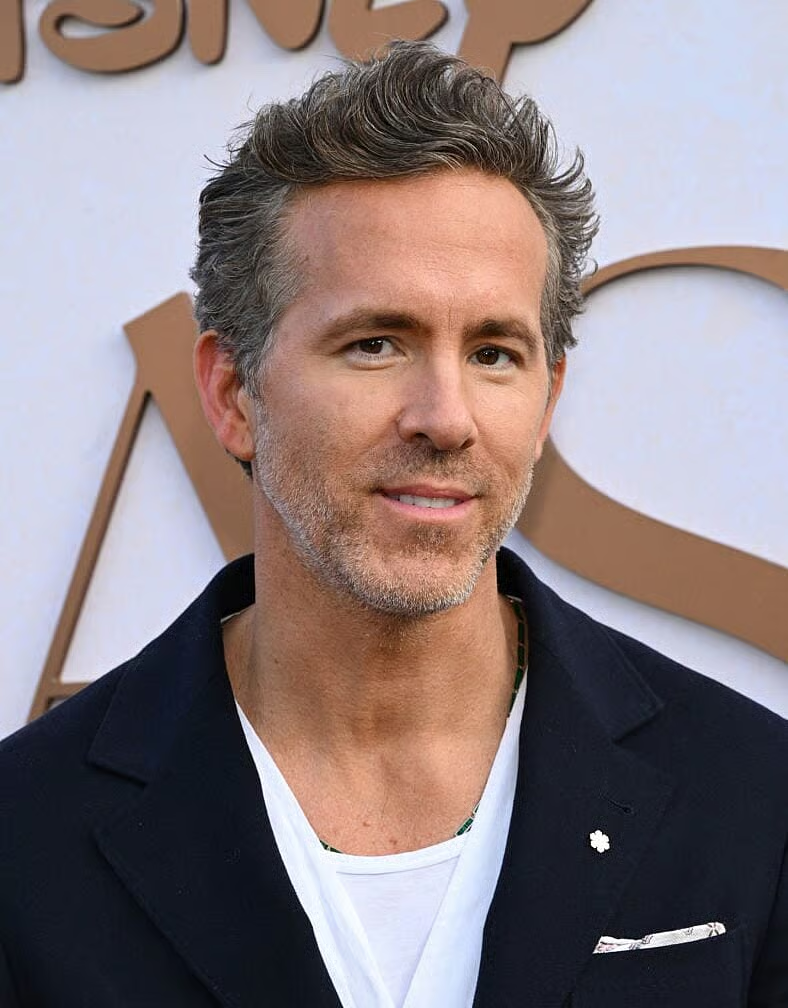
A conversation about nostalgia has unexpectedly turned into a Hollywood war of words. Ryan Reynolds recently reflected on why he believed people often romanticized the 1980s, but his comments struck a nerve with Spencer Pratt.
The reality TV personality wasted no time firing back, accusing the actor of helping fuel the growing divide between celebrities and everyday Americans.
The exchange has since sparked fresh debate over how Hollywood talks about the past and whether audiences are still listening.
For Spencer Pratt, the issue was bigger than a single actor or a single interview. The former reality star used Ryan Reynolds’ comments as an example of what he believed was a larger problem within the entertainment industry.
After unsuccessfully running for Los Angeles mayor earlier this year on a platform that included bringing more film production jobs back to the city, Pratt has continued speaking about Hollywood’s relationship with the public.
Reynolds’ latest remarks struck a nerve, prompting him to voice his frustration on social media. “Here I am trying to bring back American film jobs, and then these tools keep saying stupid crap like this and making every normal American hate them,” Pratt wrote on X.
He followed up with another blunt criticism of the industry itself, adding, “Hollywood is seriously its own worst enemy. Just stick to the Cricket wireless ads, dude.”
Pratt Reacts To Reynolds’ View Of American Nostalgia

Spencer Pratt’s frustration stemmed from Ryan Reynolds’ red carpet appearance for “Mayday,” his upcoming Apple TV film.
While discussing the movie, which features a former KGB agent fascinated by American culture from the 1980s, the actor reflected on how people tend to remember past decades.
According to the 49-year-old, nostalgia often smoothed over difficult realities. “What’s interesting is when you get far enough away from a time period that’s distinct, there’s always a lovely feeling associated with it,” Reynolds told Variety, adding, “It’s almost like you pave over all the trauma with puppy dogs and ice cream.”
He argued that many people focused on the decade’s pop-culture highlights while overlooking the uncertainty that defined the era.
Reynolds described the period as “a brutal, brutal time for people” and “a tremendous strife,” pointing to widespread social and political tensions.
Spencer Pratt Finds Himself Opposing Ryan Reynolds’ Bigger Message

While the debate centered on the 1980s, Reynolds’ larger point was actually about the present. The “Deadpool” actor suggested that every generation tends to remember only the most recognizable moments in history while forgetting the challenges of the time.
Using the 1980s as an example, Reynolds argued that future generations might eventually look back on the current era with a similarly romanticized perspective.
He noted that decades were often defined by a handful of cultural touchstones, while the fear, uncertainty, and difficulties of the period faded from memory.
Reynolds also reflected on how different decades developed distinct identities, contrasting the cultural character of the 1980s with later periods.
Looking ahead, he predicted that the years shaped by the pandemic could eventually be remembered very differently from how people expect today.
Summing up his perspective, Reynolds declared, “We’re living in the frickin’ salad days. We just don’t know it.”
More From The Blast
Pratt Pushes Hollywood Tax Credit Campaign
If Spencer Pratt’s criticism of Reynolds revealed his frustration with Hollywood’s public image, his push for industry reform showed where that frustration came from.
Long before the Ryan Reynolds controversy erupted, Pratt had been publicly campaigning for measures he believed could help reverse the exodus of film and television production from California.
In early August, he revealed that he had met with President Donald Trump and was advocating for a 25% federal film and television tax credit designed to keep productions in the United States.
Sharing details of the effort, Pratt wrote on Instagram that he was “Working with the President on a 25% FEDERAL film tax credit to bring back Hollywood.”
The proposal emerged amid growing concern about productions relocating to countries such as Canada and the United Kingdom, where generous incentives have attracted major studio projects.
Pratt argued that California was losing jobs while policymakers failed to address the problem. He also took aim at state officials, claiming government policies were pushing production elsewhere.
Spencer Pratt Sparks Jimmy Kimmel Controversy

Pratt’s willingness to challenge prominent entertainment figures surfaced again later that month when he inserted himself into a viral conversation involving late-night host Jimmy Kimmel and Kimmel’s wife, Molly McNearney.
The controversy began after McNearney appeared on Dax Shepard’s “Armchair Expert” podcast and discussed the early days of her relationship with Kimmel.
At the time, she was working as a writer on “Jimmy Kimmel Live!” and admitted she initially viewed a romance with her boss as a risky proposition.
Recalling her reaction, McNearney said, “Oh, no. This is a bad idea. He was my boss.” She explained that she worried a failed relationship could affect her career while Kimmel’s would likely remain unchanged.
Kimmel acknowledged during the conversation that he had not considered those concerns at the time. McNearney responded, “The person in power usually doesn’t.”
She also described feeling nervous about altering the workplace dynamic in a predominantly male writers’ room.
After media outlets picked up the interview, Pratt reacted on X with a provocative question: “Isn’t this what Harvey Weinstein did?”
The comparison immediately generated backlash because Weinstein is serving a prison sentence in California for sex crimes and remains one of the most notorious figures in Hollywood history.
For the past week, Netflix has been dominated by the big new movie on the streaming block, The Whisper Man. Starring Robert De Niro, Adam Scott, and Michelle Monaghan, the crime thriller is directed by James Ashcroft and based on the bestselling novel by Alex North, with this cocktail of talent helping shoot the film to the top of the streaming charts. The Whisper Man “doesn’t exactly reinvent the formula or offer anything particularly fresh, but it’s a solid and extremely eerie watch nonetheless,” wrote Collider’s David Caballero in his review. But with The Whisper Man now last week’s news, what should you be watching this weekend? To help you decide, here’s a list of three shows you should binge-watch on Netflix.
For more recommendations, check out our list of the best shows and movies on Netflix.
Disclaimer: These titles are available on US Netflix.
1
‘Major Crimes’ (2012–2018)
Rotten Tomatoes: 75% | IMDb: 7.8/10

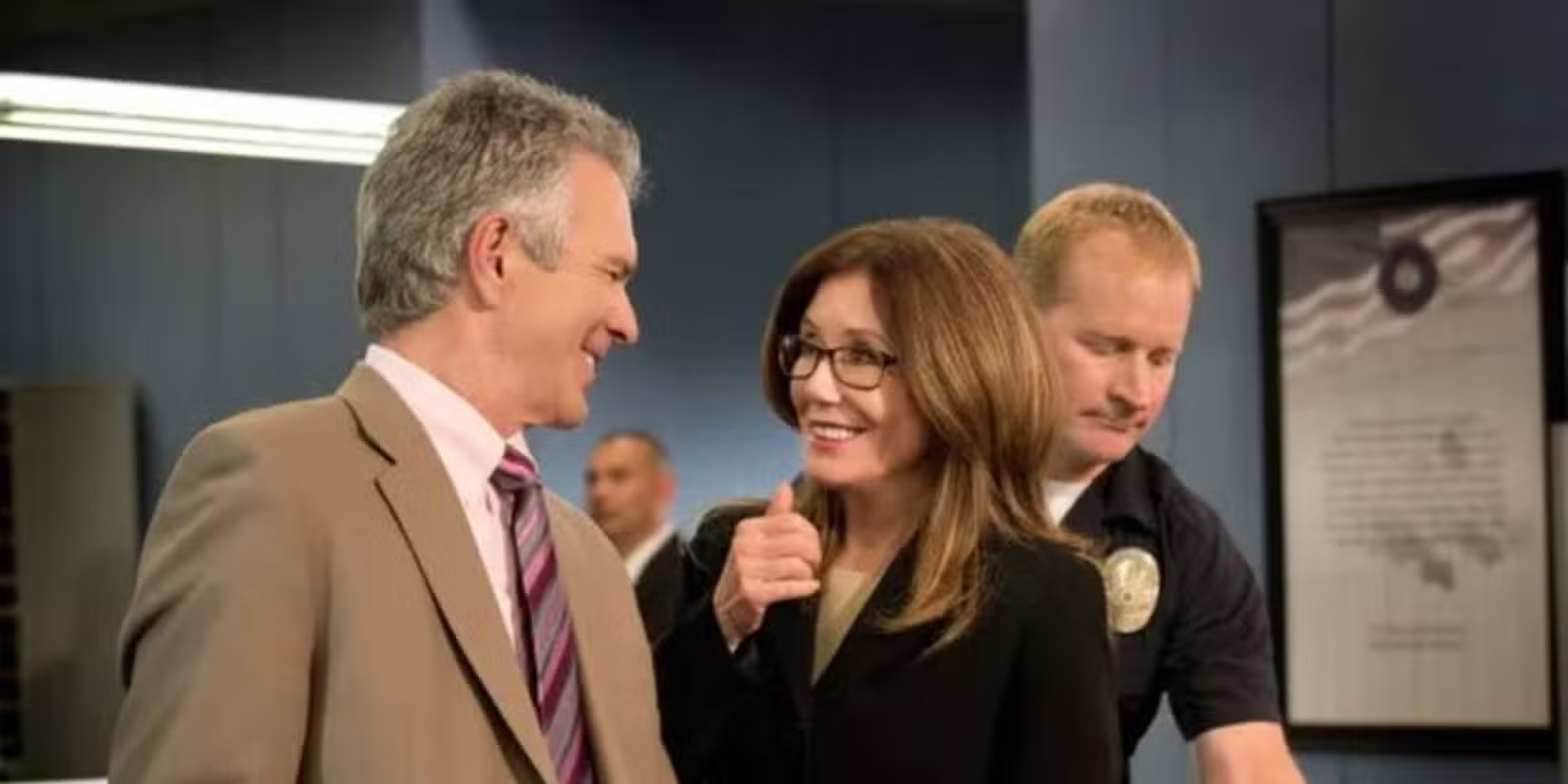
On September 3, all six seasons of a hit police procedural joined Netflix. This weekend, don’t miss out on a binge-watch of Major Crimes, which aired between 2012 and 2018 on TNT as a continuation spin-off of The Closer, the Kyra Sedgwick-led seven-season hit from the mid-2000s.
Set in the same police division as The Closer, which is now headed by Mary McDonnell‘s lead officer of the Major Crimes Division, Sharon Raydor, Major Crimes follows her attempt to rebuild trust within a broken team while fighting dangerous criminals in Los Angeles. Created by James Duff, this excellent spin-off is packed with action and drama, exploring both internal politics in the police force and a desperate hunt for justice on the streets of LA.
2
‘The Gentlemen’ (2024–Present)
Rotten Tomatoes: 75% | IMDb: 8.0/10
A list of Netflix recommendations for this weekend would be incomplete without one of the streamer’s biggest returning shows of 2026. Guy Ritchie‘s television spin-off of his 2019 film of the same name, The Gentlemen, proved an enormous hit when it debuted in 2024, scoring an impressive 12.2 million views globally in its first three days.
Now the series is back and bigger than before, as the criminal empire run by Theo James‘ Eddie Horniman, Bobby (Ray Winstone), and Susie Glass (Kaya Scodelario) set their sights on expansion, for better or for worse. Hilarious, pulse-pounding, and brilliantly gritty, The Gentlemen is the best of Ritchie distilled into a series, and with the show already renewed for a third season, there’s plenty more still to come.
3
‘Never Have I Ever’ (2020–2023)
Rotten Tomatoes: 94% | IMDb: 7.8/10
If police procedurals and gangster series aren’t to your taste, then perhaps a coming-of-age comedy is more your speed. Created by the prolific Mindy Kaling and Lang Fisher, Never Have I Ever follows first-generation Indian-American teenager Devi Vishwakumar (Maitreyi Ramakrishnan) as she balances typical teen angst with complicated romance and an exploration of her identity in modern America.
Sometimes compared to the likes of The Summer I Turned Pretty, Sex Education, and another Kaling project, The Sex Lives of College Girls, this chaotic, heartfelt tale is sure to keep you hooked as you fall headfirst into the life of Devi. Not just a charming series perfect for fans of coming-of-age comedy, Never Have I Ever is also an important milestone in modern streaming as a breakthrough series for South Asian representation in mainstream American TV.

- Release Date
-
2020 – 2023-00-00
- Showrunner
-
Lang Fisher
- Directors
-
Lang Fisher


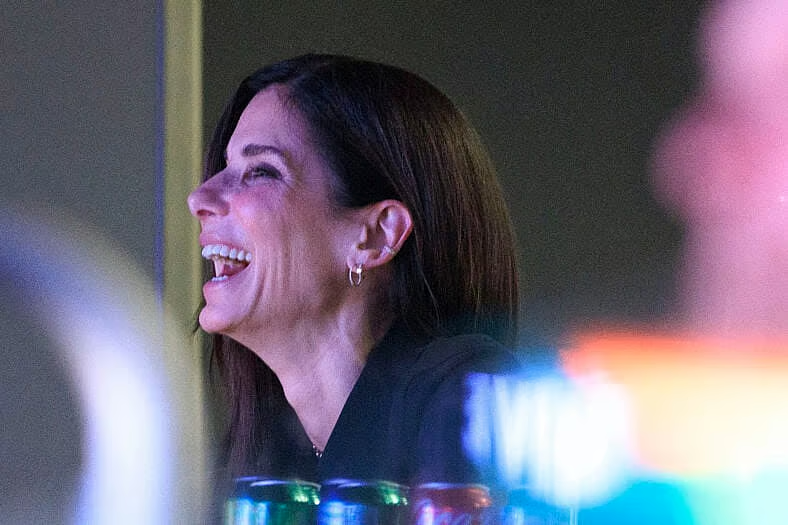
For Sandra Bullock, conversations about dating apparently come with some very specific requirements.
The Oscar-winning actress recently offered a rare glimpse into life at home with her children while discussing family, relationships, and the unexpected advice she receives from her daughter.
Years after the death of longtime partner Bryan Randall, Bullock revealed that her 12-year-old daughter, Laila, has her own ideas about who the actress should date next, and the criteria have little to do with romance.
During an appearance on Kylie Kelce’s “Not Gonna Lie” podcast, Sandra Bullock shared that her daughter has been encouraging her to get back into the dating world.
However, Laila’s interest in her mother’s love life appears to be motivated by something other than finding the perfect match.
Recalling one of their conversations, Bullock revealed, “She said I needed to date, but only someone where they could get stuff. So I said, ‘What, a rapper, a basketball player? That’s the parameters?’ She’s like, ‘Yeah.’ I went, ‘Oh.’”
The “Bird Box” actress also explained that her children, including her 16-year-old son Louis, were far less interested in her Hollywood status than in the perks that might come with it.
According to her, “they don’t care” about her career and instead focus on what she brings home. Leaning into the joke, Bullock quipped, “My job is craft service. That’s what my job was [when they were little]. A place that had extensive craft service.”
Bullock Shares Rare Photos Of Louis And Laila

Before revealing that her children have strong opinions about her dating life, Sandra Bullock gave fans an unusual glimpse into her world as a mother by sharing rare photos of Louis and Laila.
The actress has spent years protecting her children’s privacy, making the images especially noteworthy for longtime fans.
The photos appeared as part of a personal social media post that documented moments from her summer.
Among the Instagram images was a striking shot of Louis and Laila, walking together through the countryside as the sun set behind them.
The siblings were framed by trees and open landscape, offering a quiet look at a side of Bullock’s life rarely seen in public. “Friends, family, fun, fishes, furries, aaaaand work,” she added in the caption.
Sandra Bullock Reveals Kids Have Secret ‘Practical Magic 2’ Cameos

The rare family photos were not the only reason Louis and Laila recently found themselves in the spotlight.
As promotion for “Practical Magic 2” intensified, the mom of two surprised fans by revealing that both children actually appear in the movie.
Speaking during a recent chat with Access Hollywood, Bullock disclosed that her children would make brief cameo appearances in the highly anticipated sequel.
According to Bullock, the cameos are subtle enough that many viewers may not even realize they are seeing her children on screen.
The actress was visibly proud while discussing their involvement and described herself as “unbelievably proud” of both of them. The sequel reunites Bullock with Nicole Kidman and introduces a new generation of Owens family characters.
More From The Blast
Bullock Details How Her Children Faced Bryan Randall’s ALS Battle
Recent interviews have also seen Sandra Bullock open up about one of the most difficult periods her family has ever faced: Randall’s private battle with ALS.
For years, Randall helped raise Louis and Laila alongside Bullock before his death in August 2023.
Speaking candidly about the experience on the “SmartLess” podcast, Bullock revealed that both children were aware of Randall’s illness and understood far more than many people may have realized.
“Absolutely aware, because eventually, once there is a situation where you’re bedridden, we all have to go there,” Bullock stated, adding, “It was in my house, and I did my best to set up whatever I could, and I am lucky in that I had the means to pay for it.”
Rather than shielding them entirely from reality, she chose to navigate difficult conversations honestly while helping them cope with the emotional challenges that accompanied the disease.
Sandra Bullock’s Tattoo Carries Special Meaning For Her Children

The importance of family has been a recurring theme in Bullock’s recent interviews. That bond was also on display on August 26 when the “Blind Side” actress stepped onto the London premiere carpet for the sequel.
Fans noticed fresh ink on her shoulder, sparking immediate speculation about the meaning behind the design.
The tattoo, which read “LB²,” was visible thanks to the strapless Givenchy gown Bullock wore for the premiere.
As Page Six stated, the design featured the letters “L” and “B” intertwined in cursive with a raised number two beside them, leading many observers to wonder whether it referenced multiple people in her life.
The mystery was quickly cleared up when Bullock’s representative confirmed that the tattoo was a tribute to her children. The initials represented the siblings, while the superscript two symbolized the pair together.
Before that confirmation emerged, social media had been flooded with theories. Some fans believed the “B” could also be a nod to Bryan Randall.
If you get your opinions exclusively from very angry people online, you may have heard there’s been backlash lately against the concept of movie twists. Audiences demand that movies cater to their expectations, and when movies instead surprise them, that’s a deep betrayal.
Fortunately, people haven’t always felt this way (and many people don’t feel that way even now). The first decade of this century brought us some movies with amazing twists. Some were movies that never got the recognition they deserved, while others were huge enough to launch franchises or to turn their filmmakers into stars.
Warning: Spoilers, obviously.
10
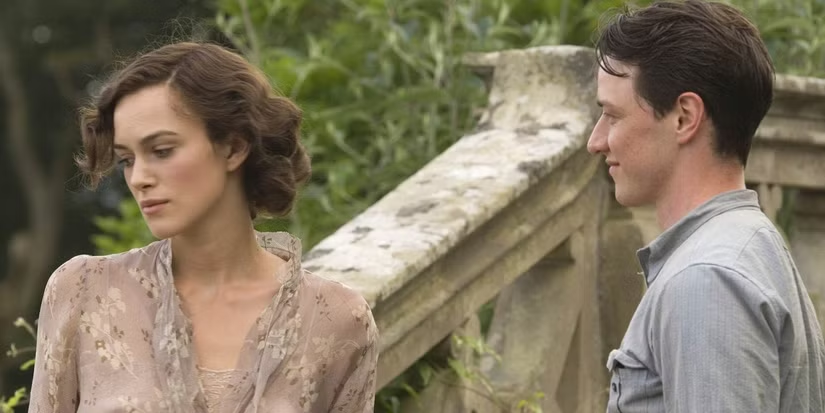
‘Atonement’ (2006)

The book Atonement, by Ian McEwan, has a twist that would seem hard to translate to film. You read a story of war and romance where things go very wrong, but in the end, there are hints of a somewhat happy ending. Then comes a postscript that reveals you’ve been reading a fictionalized account written by one of the characters themselves. The real version of the story ended quite miserably.
How do you adapt that as a movie? Should the last scene be an epilogue revealing that the previous footage was a movie directed by one of the characters? 2006’s Atonement adaptation does not do that. Instead, Briony (Vanessa Redgrave) is once again an author, revealing in an interview that she wrote a fictionalized account of her life. The previous scenes we saw depict the novel she wrote.
That was the right choice. If they instead revealed that what we’d seen was an in-universe movie, with Briony now praising the performances of Keira Knightly and James McAvoy, the whole thing would have come off as a joke. You’re allowed to break the fourth wall, but you must do so with great caution.
9
‘The Mist’ (2007)

The ending of The Mist breaks several guidelines on what movies can do. Faced with what appears to me a monster apocalypse that has wiped out civilization, our hero David (Thomas Jane) shoots the entire band of survivors he’s traveling with. He kills them out of mercy, with their consent, but this still isn’t the way we’ve been taught movies are supposed to end. In addition to several charming elderly people, this band of survivors includes the hero’s young son, and Hollywood tells us kids that age are immortal. Then, moments later, the military arrives, revealing the world is far from over and they would have been saved had they just held out longer.
It’s even more of a shocking twist if you’ve read the Stephen King novella on which the movie is based, because that ends with the hero and his son surviving and feeling optimistic when they pick up a radio signal. Crazy thing, though? The movie ending (which King has said is the superior one) and the book ending have the same message. Whether the characters live or die, both endings still say: Don’t give up.
8
‘Moon’ (2009)

Sam Rockell stars as a lone astronaut stationed on the Moon, and along with him is a robot, voiced by Kevin Spacey. The robot appears to be entirely helpful, and it sometimes communicates by displaying the image of a smiley face. Then, at the end of the movie, in a twist that destroys everything we thought about how science-fiction works, the robot… does not turn out to be evil.
Okay, that’s not the real twist of the movie. The actual twist, which comes in multiple stages, may send you into a deep state of worry about the nature of existence. We’re not going to recount it here, and we’re actually not going to recount the twist for many of the movies we’re listing. We’re just going to assure you each twist is good. That’s this list’s twist.
7
‘Mulholland Drive’ (2001)

With many movies, the big twist is that nothing we’ve seen up to this point was real, that it was all in someone’s head. Mulholland Drive isn’t even the only movie on this list to go that route. But rarely do these movies, after showing you the fantasy, spend much time showing the reality. You might get just a quick glimpse of the character confined in an asylum, and then we cut to credits.
Mulholland Drive’s reality lasts a good half hour. Maybe every movie that tries a twist like this needs to do something similar, because you can’t appreciate someone’s fantasy without knowing in detail what they’re escaping.
Though, it does take a few viewings to even understand what you’re watching. And if you watched it for the first time years ago, without knowing who Namoi Watts is, you might have looked at the two very different versions of the same character, seen what appears to be two clearly different women, and wondered why they cast two actresses who look so much like each other.
6
‘The Fountain’ (2006)

In The Fountain, we again have what appears to be a single actor (Hugh Jackman) playing multiple characters. Exactly what the connection is between these three men (as well as between the multiple women played by Rachel Weisz), well, that turns out to be the movie’s twist. Some people leave the movie still unclear on the answer, which is surely a testament to how good a twist it is.
The movie also has a more traditional twist, a sort of Twilight Zone twist in which someone does not get the victory they sought. It’s the most famous scene, as you might have seen a GIF of Jackman staring blissfully at some golden light, without your having any idea what the context is. The full scene is a bit different from what you’d expect from the meme, and the sight is all the more impressive when you learn they pulled this movie off using only half the originally planned budget.
5
‘The Disappearance of Alice Creed’ (2009)

The lowest-budgeted film on the list, however, by a wide margin, would be The Disappearance of Alice Creed. The movie cost just $1.5 million. They must have saved some money on cast salaries, as the cast consists of just Gemma Arterton, Martin Compston, and Eddie Marsan. Those aren’t the leads: That’s the entire cast, as the whole movie has only three characters.
A little bit into the movie, there’s a twist. Then, after a bit, there’s another twist. Then there’s another twist. You’re supposed to go into movies like this knowing nothing in advance, and we hopefully haven’t spoiled anything for you by telling you there are twists, because after all that, once you figure you now know where it’s all going, there’s a twist.
4
‘A Beautiful Mind’ (2001)

Given all the biopics of Great Men that came out in the years that followed A Beautiful Mind, you might imagine this 2001 movie was a sort of early template that a bunch of later movies iterated on. The truth is the opposite. It plays out like a twist on a bunch of movies that hadn’t even been made yet.
Many movies tell you the story of some figure you’re already familiar with. A Beautiful Mind tells you a story something like that then tells you that a chunk of what it told you isn’t true. Its twist assumes, correctly, that the viewer knows less about the subject of the movie than could be learned by reading the intro to his Wikipedia article (if economist John Nash had a Wikipedia article in 2001, which he did not).
Few biopics attempt anything close to that. Sure, Oppenheimer, to its credit, does have a big twist, but the twist is not, “Actually, there never was an atomic bomb.” If it were, that would have been quite a surprise.
3
‘Memento’ (2000)

We definitely need one Christopher Nolan movie in this roundup, and Memento’s final twist is one for the ages. What’s really notable about it, though, looking back, is that the movie probably could have got away with having no twist ending at all. The movie already had its gimmick. When a movie’s premise is especially nutty and becomes especially famous, you’ll often discover it doesn’t have a twist ending.
The Truman Show doesn’t end with a twist. Groundhog Day doesn’t end with a twist. The Matrix, despite the wild reveal one-third in, doesn’t end with a twist (unless “the main character, who they said was the Chosen One, really is the Chosen One” counts as a twist). So, Memento could have just been a movie about someone with short-term memory loss, told in reverse, about him tracking down a murderer. It wouldn’t have been as great as it is, but it still then may have permanently shaken pop culture, leaving us forever referring to anterograde amnesia as “Memento disease.”
2
‘Triangle’ (2009)

Other movies play with time, and you can name several where the twist is the character’s in a loop. You might guess, early on, that’s what’s happening in Triangle. You might even guess one mysterious hooded figure who tussles with the main character (Melissa George) is really the main character herself, from the future.
You’d be right. Except, that’s not all the movie has in store. Time loops can get more complicated than what you’re used to. And then, the movie gets truly weird when it breaks the laws that you assumed were in place and shifts to more horrifying stuff that you’d think was physically impossible. In fact, you should feel silly for thinking the story was constrained by rules at all. It’s a movie. The story can do whatever it wants.
1
‘Saw’ (2004)

In 1999, The Sixth Sense somehow made everyone agree on what the ultimate movie twist is: What if that guy who’s been on the screen the entire movie turns out to have been dead the whole time? Saw took that and instead offered us: What if that guy who’s been on the screen the entire movie turns out to have been alive the whole time?
That wasn’t its only twist. It also gave us the inconspicuous background character who masterminded everything, the apparent good guy secretly taking orders from the bad guy, and the creepy villain who’s actually just another victim. Also, a man saws off his own foot. It’s hard to even remember that last part was a twist, but it was. The movie’s about a guy (Cary Elwes) figuring out how to escape his bonds without cutting his foot off, but then, he actually does cut his foot off, and we weren’t supposed to expect that.
Of course, Saw isn’t really the best movie of its decade and is probably not truly the one with the best twist. We still wanted to spotlight it to remind you how good twists can get, even in movies that some dismiss as trash. On the other end of the spectrum, 2023 saw the release of the tenth Saw film, and though it was the only movie in the franchise to receive positive reviews, its final twist was a wet wad of nothing. Now that the series is in the hands of new owners, let’s hope it does not forget the importance of twists in motion pictures.
The old owners, incidentally, go by the name of Twisted Pictures.

- Release Date
-
October 29, 2004
- Runtime
-
103 minutes
- Director
-
James Wan
- Producers
-
Gregg Hoffman, Mark Burg, Oren Koules
-

-

Leigh Whannell
Adam Faulkner-Stanheight
Honestly, biopics can play things a bit too safe. That’s actually understating things. To push a bit further, the biopic genre might well be the least ambitious and most conventional, at least overall. These are films that focus on one person, or one part of a person’s life, and there’s always an attempt to condense whatever timeframe is focused on down to a manageable two hours or so.
There are countless biopics that play things safe (and some aren’t even that bad while doing so, to be fair), but what’s more interesting are the ones that stand out as riskier and a little bolder. Enter the following ones, which are among the most ambitious biopics of all time, standing out because they’re epic in length/scope, they make some unusual creative choices, they’re visually bold, or maybe even all of the above.
10
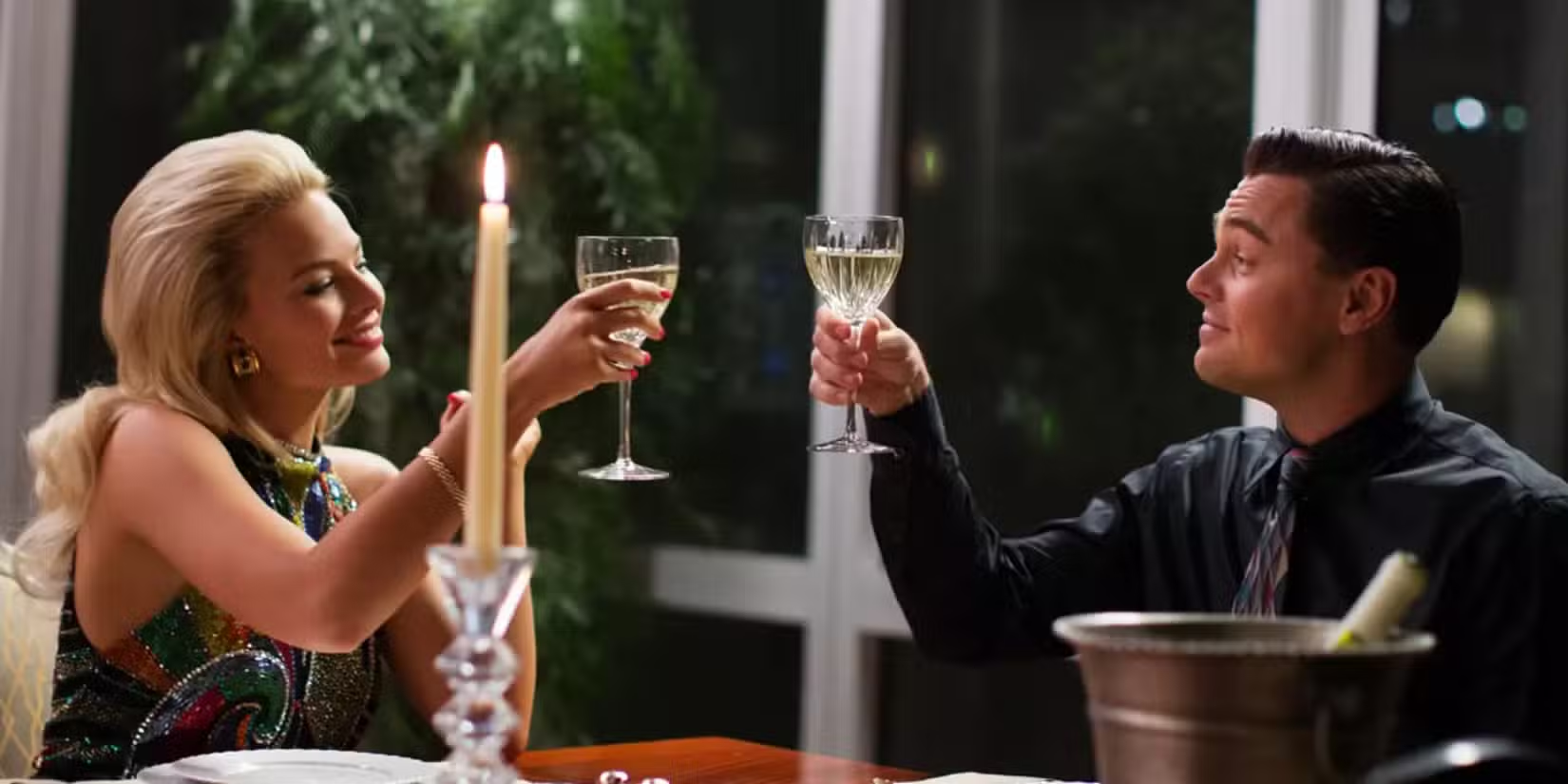
‘The Wolf of Wall Street’ (2013)

The Wolf of Wall Street is intentionally chaotic, all to reflect the life of Jordan Belfort, the controversial figure at the film’s center. He doesn’t physically hurt people to the extent that various main characters in Martin Scorsese’s other films do (including some of his non-crime biographical/historical movies, like Raging Bull), but he’s morally questionable – to put it mildly – in other ways.
There are different kinds of harm when it comes to crime, and The Wolf of Wall Street makes this particular strand of white-collar crime look exciting, until it isn’t, but then even after it isn’t, it’s not really punished. Belfort’s benefited from The Wolf of Wall Street, writing the autobiography the film was based on and then getting to cameo in the film itself, so the movie presents itself as something to take into account when looking at Belfort getting away with things. And that it does all that without feeling preachy and while still being enormously entertaining is even more impressive.
9
‘I’m Not There’ (2007)

2024 saw the release of a more conventional Bob Dylan biopic in the form of A Complete Unknown, which does what you’d expect while focusing on the most famous part of Dylan’s career that’s already far from unknown. It’s a safe film, which doesn’t really line up with the always ambitious and sometimes even confounding man himself, which is why 2007’s I’m Not There is kind of the more accurate biopic.
There’s an obvious breaking from reality by having several actors play different versions (or ideas) of Bob Dylan.
It’s more spiritually and thematically accurate, at least, while there’s an obvious breaking from reality by having several actors play different versions (or ideas) of Bob Dylan, reflecting the different personas he’s had throughout his various eras. It’s an approach that would probably also work for David Bowie, if anyone wanted to attempt that. Actually, it could be even more difficult in Bowie’s case (see the documentary Moonage Daydream, which is deliberately fractured and oftentimes overwhelming in its attempts to cover a bit of everything).
8
‘Oppenheimer’ (2023)

If Christopher Nolan continues making movies in the IMAX format, it’s fair to say “Oppenheimer is his longest movie ever,” rather than “Oppenheimer is his longest movie so far.” There’s a three-hour limit to movies made that way, though if technology improves or changes, then that could change things. Hmm. But it’s outside Christopher Nolan’s control, unless he backs away from IMAX, but that feels unlikely after the success of both Oppenheimer and The Odyssey.
All a bit of a tangent there, but the main thing is that Oppenheimer is huge, and it packs a lot into its long runtime, owing to how fast it’s paced and how dense it proves to be. Maybe it’s even a bit much, but the ambition can’t be faulted, with Nolan covering a lot of history, having a ton of characters, and playing around with structure in interesting ways throughout, thanks to the screenplay and editing.
7
‘Amadeus’ (1984)

Amadeus has an emphasis on drama over historical accuracy, with some of it having a basis in history, and other parts being heightened or not really verifiably accurate. It largely takes place in the late 1700s, so that probably makes the approach more forgivable, and then Amadeus also gets away with things because the narrative here – and what it all has to say thematically – proves so compelling.
And then Amadeus stands out from some of the other movies here by having two main characters: Wolfgang Amadeus Mozart and Antonio Salieri, though the latter does recount the events of the narrative from his perspective. It’s about Salieri resenting Mozart, and living in his shadow, all the while having aspirations of being a famed composer but not finding the same success. It’s a loose biopic, if it’s even a biopic at all, but it’s just too impressive and distinct a film to overlook, for present purposes.
6
‘The Irishman’ (2019)

Martin Scorsese was mentioned before, because he directed The Wolf of Wall Street, and he is one of those directors who can make movies about as long as he wants them to be, just from goodwill built up throughout his directing career (see also Christopher Nolan, IMAX time limits aside). The Irishman came out the same decade as The Wolf of Wall Street, and was arguably even more ambitious.
Frank Sheeran is the man at the center of this particular story, with it being about his reflecting on his life of violence (a given if you’re a hitman for the mob) and all the death around him in that time (another given). The ambition here comes from the narrative spanning many years without casting different actors in the roles, and having actors who are getting on in years de-aged. The effects aren’t perfect, but the creative choice is undeniably bold, as is the structure of The Irishman and the phenomenal way it’s edited throughout.
5
‘Better Man’ (2024)

Since the current landscape of music biopics is dominated by fairly bland and/or safe movies like A Complete Unknown and Springsteen: Deliver Me from Nowhere, films like Better Man ought to be celebrated. Specifically, Better Man was regrettably not celebrated at large, since it went above and beyond (or below and beyond?) the majority of box office bombs, since a gross of $22.5 million against a budget of more than $100 million is absolutely disastrous.
That gross does not reflect the quality of the film, though, because Better Man is incredible. If you know nothing about Robbie Williams, that’s okay, because the movie’s about more than just Williams, or maybe it’s accurate to say that it uses the life of Robbie Williams as a springboard to explore surprisingly interesting and intense subject matter. It’s got a lot by way of spectacle, it’s moving at times, and the special effects are flawless. They have to be, because Robbie Williams is depicted as a CGI chimpanzee for the whole movie. Probably should’ve led with that info… that’s the big thing about the movie, and also likely the main reason it cost so much to make.
4
‘Malcolm X’ (1992)

Spike Lee, in general, is a tremendously ambitious filmmaker, and he’s taken various creative swings over the decades, occasionally striking out… but not all that often, considering how prolific he is. And he definitely didn’t strike out with Malcolm X, which is quite comfortably his longest movie, at over three hours, and one of the few biographical movies he’s made, too (BlacKkKlansman is the other major one, though he does have other films that take place in history without necessarily being biopics).
Malcolm X is indeed about the titular man, and it covers his entire life throughout its nearly 3.5-hour-long runtime. Spike Lee infuses the whole thing with many of the stylistic choices found in his non-biographical movies, and so an unconventional portrait of Malcolm X is painted very effectively here, and the film has more than earned its reputation for being one of the best films of its decade.
3
‘Mishima: A Life in Four Chapters’ (1985)

It’s easy to call Mishima: A Life in Four Chapters an arthouse film when so much of it looks like artwork brought to life on the screen, and then part of the film is about art, specifically writing. That’s because the titular Yukio Mishima was partly known for being a writer, and then also known for various other things, including a controversial political activist whose life had a dramatic end in 1970.
You know that’s where Mishima: A Life in Four Chapters is always heading, but the journey there is far from straightforward, since this is a biographical movie that also adapts bits and pieces of Mishima’s writing. It’s like an adaptation, a biopic, and something more abstract all at once, but it’s a difficult film to shake or stop thinking about, once seen, and potentially one of the greatest biopics (or semi-biopics) of all time, too.
2
‘Lawrence of Arabia’ (1962)
One of those classics you can still comfortably recommend to people who might not usually like watching older films, Lawrence of Arabia is bigger and better than the vast majority of biographical movies out there. It’s the gold standard in many ways, although it’s potentially unusual for how little time it covers, because there’s an initial sequence set in 1935, and then the rest of the movie takes place in 1917 through to 1918.
T.E. Lawrence did a lot in that time, though, to put it mildly, so Lawrence of Arabia does feel sufficiently packed with things happening for the entirety of its almost four-hour-long runtime. It’s an effortless watch, and you don’t feel like you’ve spent that much time with it, with Lawrence of Arabia feeling essentially flawless on just about every front.
1
‘Napoleon’ (1927)

Not to be mixed up with the Ridley Scott movie of the same name (even if that one’s admittedly quite ambitious as well), 1927’s Napoleon is wild. Just the fact that it exists is wild. It’s a silent era epic that goes for well over five hours, and it’s only a partial account of Napoleon Bonaparte’s life, since the director, Abel Gance, had planned to make a series of movies that’d ultimately tell the entire life story.
In that sense, Napoleon (1927) had ambition that spanned beyond the film itself. But if you’re only looking at the film that does exist, rather than thinking about what could’ve been, then Napoleon (1927) is still incredibly forward-thinking and adventurous on a technical front, with its camerawork and the famed finale that features a very early cinematic attempt at widescreen. And, again, this film’s more than five hours long. Taking into account all of it being helmed nearly a century ago, it feels difficult to argue that any other biographical film is more ambitious.

Napoleon
- Release Date
-
April 7, 1927
- Runtime
-
330 Minutes
- Director
-
Abel Gance
- Writers
-
Abel Gance
-
Albert Dieudonné
Napoleon Bonaparte
-
Nicolas Roudenko
Napoléon Bonaparte enfante
Following World War I, the 1920s saw the war genre become one of cinema’s most popular, and that’s a trend that hasn’t really stopped since. It’s a genre that has produced several of the greatest movies in film history, one that has remained timeless thanks to how it puts the very concept of war—the ultimate form of human conflict—into a dramatic package that one can experience safely from the comfort of a seat.
Whether it’s a hilarious satire like Dr. Strangelove or a gut-wrenching drama like Come And See, the best war movies in film history prove how intimately this genre can speak to people’s innermost fears and anxieties regarding the state of the world and its conflicts. Anyone looking to check the most essential war masterpieces off their list ought to watch these gems at least once in their lives.
10
‘Dr. Strangelove or: How I Learned to Stop Worrying and Love the Bomb’ (1964)
Considering just how serious and inherently sensitive of a topic war is, most of history’s greatest war movies have been dramas. Every now and then, though, war comedies can be of vital importance, exposing the pure idiocy and absurdity of military conflict in a way so exaggerated that one can’t help but laugh. And as far as war comedies go, it doesn’t get much better or much more essential than Stanley Kubrick‘s Dr. Strangelove.
Loosely based on the thriller novel Red Alert by Peter George, who co-wrote the screenplay (one of the best of the ’60s) with Kubrick and Terry Southern, Dr. Strangelove is absolutely brilliant in how it blends the horrifying absurdity of nuclear paranoia with genuinely hilarious dark comedy. Its themes were a product of its Cold War times, but they nonetheless have aged terrifyingly well.
9
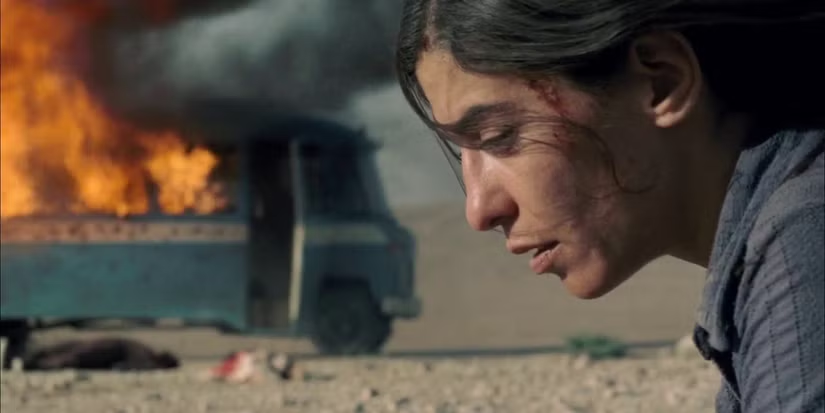
‘Incendies’ (2010)

Nowadays, Denis Villeneuve has firmly established himself as one of the greatest filmmakers currently working in Hollywood; but before he made the jump over the border, he was making some of the best Canadian movies of all time. Case in point, and what some still consider to be his best film to date: Incendies, a mystery drama based on Wajdi Mouawad‘s play of the same name, itself inspired by parts of the life of Lebanese communist militant Souha Bechara.
This film is a gut-wrenching tragedy through and through, and definitely not for those without a remarkably strong stomach, but that doesn’t make it any less of a must-see. But far from just hinging on the shock value of its big twist, it’s a genuinely marvelously-crafted masterpiece dealing with how the cyclical horrors of war only breed violence, trauma, and darkness. It’s a magnificent achievement anchored by Lubna Azabal‘s towering performance.
8
‘Saving Private Ryan’ (1998)

Steven Spielberg, father of blockbusters, is the mind behind several of the greatest and most entertaining popcorn movies in history. It just so happens, however, that one of his greatest films to date isn’t a popcorn flick at all, but the absolutely devastating Saving Private Ryan. Inspired by the books of Stephen E. Ambrose and accounts of multiple soldiers, it has been widely praised as one of the most horrifyingly realistic and authentic war movies ever made.
A common criticism of action-packed war movies is that they can sensationalize military conflict by making it seem exciting, but that’s definitely not the case with Saving Private Ryan, one of the best Oscar-winning period movies ever. Its combat sequences are absolutely brutal, its character writing is refreshingly nuanced and complex, and Spielberg’s direction is some of the best ’90s cinema ever saw.
7
‘Paths of Glory’ (1957)

Many still regard Stanley Kubrick as the single greatest filmmaker in the history of cinema, and purely considering that he has made several of history’s greatest war pictures (consider this Full Metal Jacket‘s honorable mention), it isn’t the least bit hard to see why. His best war movie came relatively early into his career: Paths of Glory, whose anti-military sentiments made it severely controversial upon release.
As the years have passed, however, not only have the controversies died down: Paths of Glory is now universally considered one of the most perfect and timeless war movies in film history. It’s one of Kubrick’s quietest, subtlest, and most refreshingly humanist movies, a surprisingly subdued war drama that dares to searingly critique military bureaucracy and institutional hypocrisy. For all those who prefer the human side of the war genre rather than the action-driven side, it’s a must-see.
6
‘The Human Condition III: A Soldier’s Prayer’ (1961)

Masaki Kobayashi was one of the greatest Japanese filmmakers of all time, and though it’s hard to point to a single one of his films as his best, any installment of his Human Condition trilogy (based on Junpei Gomikawa‘s six-part novel) could have a strong claim to the title. The best of the three is arguably the conclusion, A Soldier’s Prayer, the best way to cap off one of the most universally acclaimed movie trilogies ever.
Bolstered by Tatsuya Nakadai‘s tour-de-force performance, one of the best in the history of war cinema, A Soldier’s Prayer offers a beautifully humane yet undeniably devastating climax to this nine-hour anti-war epic. It’s a film all about the wonders of the endurance of the human spirit, but far from being saccharine or overly optimistic, it never shies away from the horrors of war or the brutality of fighting for survival.
5
‘Schindler’s List’ (1993)

As if any more proof were needed that Steven Spielberg is far more than just the biggest name in the history of blockbuster filmmaking, Schindler’s List—an entirely serious dramatic biopic that earned seven Academy Awards—is almost universally regarded as his magnum opus. It is, indeed, an achievement unlike anything else that the war biopic genre had ever seen before or has ever seen since.
Schindler’s List is nothing short of one of the best drama movies in film history, an emotionally devastating yet powerfully hopeful celebration of the humanity and compassion that managed to seep itself out of cracks in the darkest corners of the Holocaust. Full of unforgettable moments, performances, and music by John Williams, it really is one of the most hard-hitting war dramas ever made for the big screen.
4
‘Apocalypse Now’ (1979)

The making of Francis Ford Coppola‘s Apocalypse Now was one of the most infamously hellish production processes in the history of film, but considering that what came out of it is one of the greatest feature films of all time, it’s hard to say that it wasn’t worth it. Hollywood has made plenty of Vietnam War movies over the years, but none have ever been—or will likely ever be—better than this.
A loose adaptation of Joseph Conrad‘s 1899 novella Heart of Darkness, a book written as a scathing critique of Europe’s colonization of Africa, Apocalypse Now transposes those themes to the Vietnam War to speak about the hypocrisy of imperialism, war’s breakdown of humanity, and the psychology of madness. All in all, it’s one of the best American movies of the ’70s, as there’s virtually nothing to point out as a negative when watching this absolute masterclass in war filmmaking.
3
‘Come And See’ (1985)

The Soviet Union made several of the greatest films of all time throughout its brief existence, many of them war movies, and few of them better than Elem Klimov‘s Come And See. It’s easily one of the heaviest movies of the 20th century, a film so dark that Klimov had to fight through years of censorship and bureaucratic pushback in order to finally get it out there. The result feels entirely like the uncompromised vision of an artist in full control of his craft.
Indeed, Come And See is no traditional war movie. Powerfully surreal, intensely philosophical, and so unapologetically brutal that it almost feels like a horror drama at times, it’s certainly not a masterpiece for the faint of heart. But even still, Klimov’s direction is so perfect and young Aleksei Kravchenko‘s transformational performance as the boy through whose eyes we see the story is so powerful that Come And See is essential viewing for any cinephile.
2
‘Casablanca’ (1942)

There are countless superlatives that could reasonably apply to Michael Curtiz‘s Casablanca. It’s one of the most romantic movies ever made, one of the most enrapturing Hollywood war pictures ever made, and certainly the best film made in the United States during World War II. There are remarkably few—if any—Golden-Age Hollywood movies more iconic than this, and few war films more deserving of being considered among the greatest ever made.
Indeed, all in all, Casablanca is one of the most perfect feature films in history, even if virtually no one involved in its production actually believed the project would become anything transcendental. Commercially, its performance was nothing extraordinary. But on top of winning three Academy Awards, it has aged as one of the most essential classics in film history, with some of the best acting, some of the most memorable characters, some of the most quotable dialogue, and one of the best endings in movie history.
1
‘Lawrence of Arabia’ (1962)

There is no film quite like Lawrence of Arabia, a biopic epic made by David Lean, the greatest master of the cinematic epic genre. Winner of seven Academy Awards, this paragon of British-American cinema is not only one of the best historical epics of all time, but also one of the best biopics of all time, and arguably the single greatest war movie in film history.
Staggeringly vast and sweeping in scale yet surprisingly intimate and character-driven in scope and execution, Lawrence of Arabia is a cinematic achievement unlike anything else the Seventh Art has ever seen. It’s visually striking, Maurice Jarre‘s score is legendary, the performances (Peter O’Toole‘s first-ever lead performance most of all) are incredible, the writing is some of the best of the ’60s, and Lean’s direction is some of the best in film history.

Lawrence of Arabia
- Release Date
-
December 11, 1962
- Runtime
-
228 minutes
- Director
-
David Lean
- Writers
-
Robert Bolt, Michael Wilson
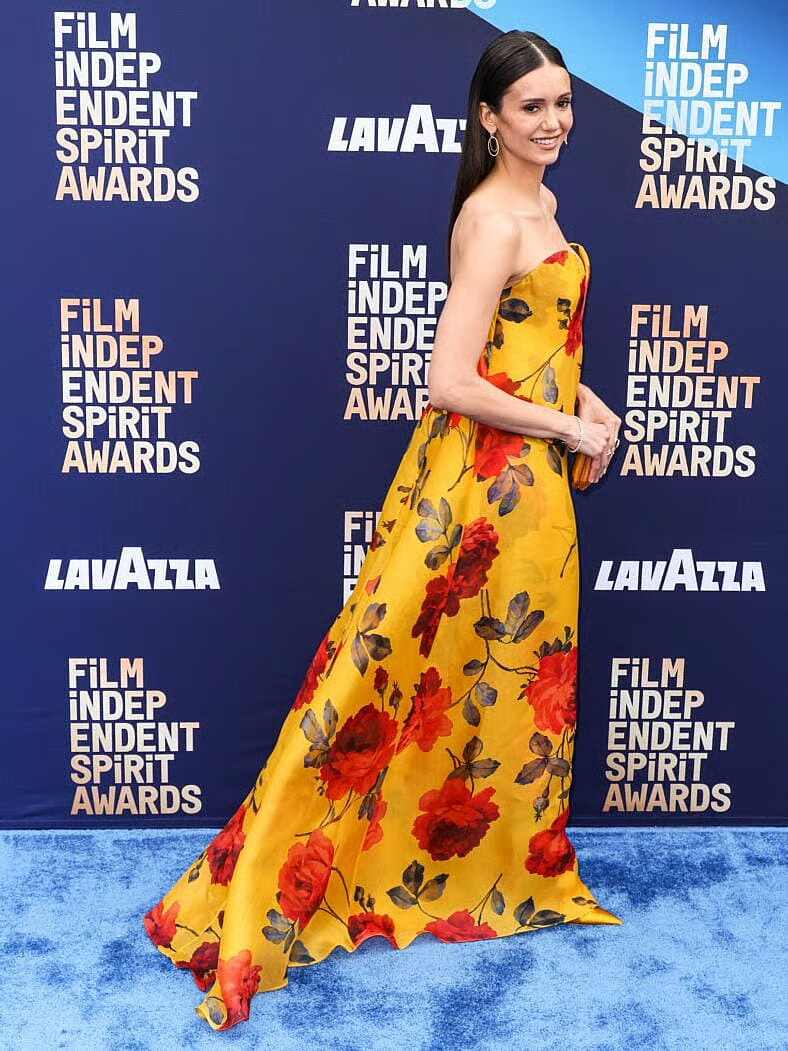
A glamorous Venice Film Festival appearance took an unexpectedly awkward turn for Nina Dobrev after a brief interaction on the red carpet left fans talking.
The actress arrived looking every bit the movie star in a stunning outfit, ready to pose for photographers at one of cinema’s most prestigious events.
However, just as cameras turned toward her, a moment involving festival staff seemed to cut short her photo opportunity, creating an uncomfortable scene that quickly drew attention online.
Nina Dobrev stepped onto the red carpet in a strapless Armani Privé design featuring shimmering embellishments and dramatic tulle detailing around the waist.
As photographers gathered to capture the moment, the “Vampire Diaries” actress positioned herself for photos before an unidentified man in an all-black suit suddenly entered the frame.
Video from the event shared on X appeared to show the man gesturing with his arm while speaking to Dobrev.
Although it was unclear exactly what was said, he seemed to be directing her to move from her spot.
A woman standing nearby briefly appeared to intervene as the exchange unfolded, while Dobrev maintained her composure despite the interruption.
Dobrev Reacts With Humor After Awkward Exchange
Rather than immediately leaving the area, Nina Dobrev managed to squeeze in a few more seconds in front of the cameras.
The 37-year-old playfully twirled the flowing tulle drapes of her gown while striking a noticeably stern expression, seemingly acknowledging the unusual situation unfolding around her.
The moment didn’t last long. Security personnel soon returned and appeared to usher her away from the photo area.
Dobrev responded with an awkward frown before breaking into a laugh, looking amused by the unexpected turn of events.
As she exited, she briefly waved toward photographers positioned farther down the carpet but did not stop for additional photos.
More From The Blast
Nina Dobrev Sparks Debate As Fans Weigh In On Venice Incident
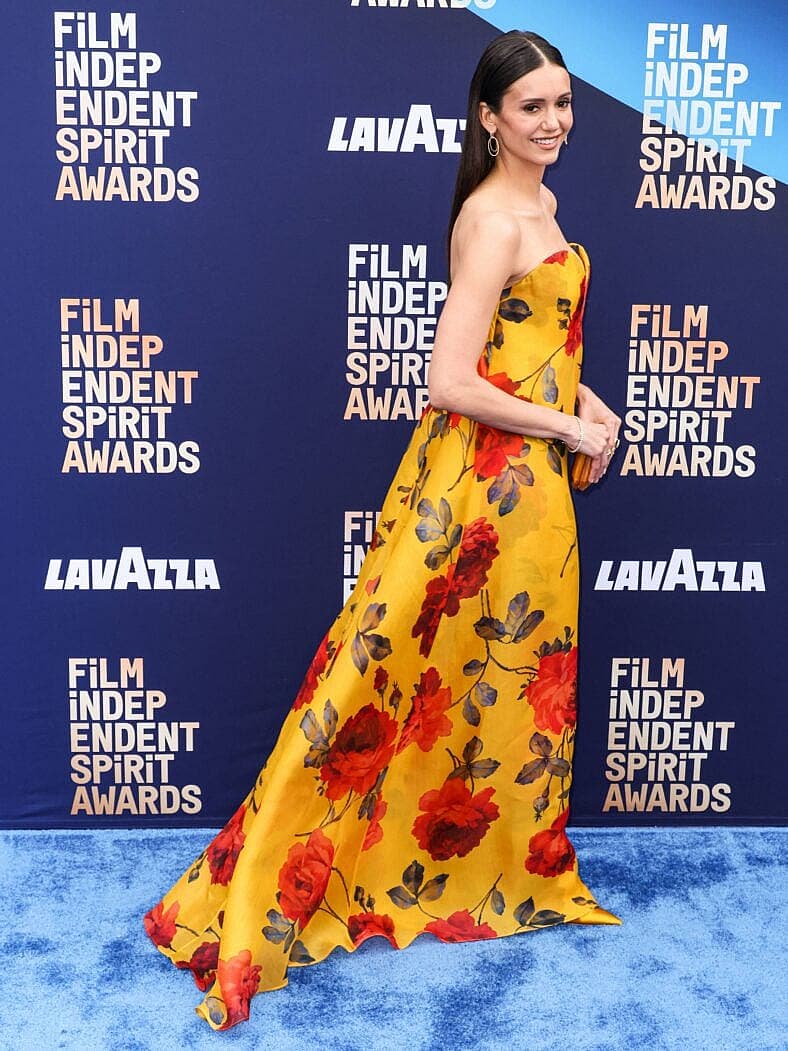
The awkward red carpet moment quickly went viral, leaving fans divided over whether Dobrev had been treated unfairly or festival staff were simply enforcing event rules.
Some fans felt the actress had been unnecessarily embarrassed in front of photographers. One commenter argued, “Celebrities should start boycotting this event; every year there are videos of security guards embarrassing some artist.”
Another took issue with the criticism Dobrev received online, writing, “It’s lamentable. During her youth, they use her image as an example of beauty and now that she has aged, the same woman begins to be scorned by the press and ridiculed by some ‘fans,’ simply for aging. HOW HARD IT IS TO BE A WOMAN.”
Not everyone saw the incident the same way, however. Several social media users suggested that the movie star may have simply been in the wrong place at the wrong time.
One fan speculated that Venice operates differently from many American red carpets and suggested Dobrev may not have realized where guests were expected to pose.
That sentiment was echoed by another commenter who defended the security team’s actions, writing, “She wanted to show up. There’s a place to take photos. That isn’t the Oscars. You’ve got to pass by quickly. The security guard did well.”
Dobrev Rebounds At Star-Studded Armani Beauty Dinner
After the awkward red carpet moment that sparked debate across social media, Nina Dobrev quickly found herself back in the spotlight for a very different reason.
Just a day later, the “Love Hard” star joined a glamorous guest list at Armani Beauty’s exclusive dinner during the 83rd Venice International Film Festival.
Dobrev attended the September 3 gathering at Venice’s Royal Gardens, where she posed alongside a host of high-profile names connected to Armani Beauty.
As Page Six reported, the event attracted celebrities including Sydney Sweeney, Vittoria Ceretti, Jonathan Bailey, Nicholas Galitzine, J Balvin, and Kendall Jenner, all of whom were in Venice for the festival and related brand events.
For the dinner, Dobrev traded her sequined Armani Privé festival gown for a sophisticated Giorgio Armani tuxedo-inspired jumpsuit.
The look featured a strapless bodice with an asymmetric satin lapel that flowed into tailored black trousers, giving the actress a dramatically different silhouette from her earlier red-carpet appearance.
Photos from the evening showed Dobrev comfortably posing during the photocall and mingling with fellow guests as Armani Beauty hosted one of the festival’s premier social gatherings.
Nina Dobrev Unveils Dramatic Blonde Transformation For New Film
Away from Venice, Dobrev also generated significant buzz in recent weeks after unveiling one of the most dramatic makeovers of her career.
She surprised fans by trading her signature brunette hair for a striking blonde look while filming the upcoming adaptation of Tessa Bailey’s bestselling novel “It Happened One Summer.”
Dobrev introduced the transformation on Instagram while revealing her role as Piper Bellinger, the glamorous Los Angeles socialite at the center of the story.
Sharing behind-the-scenes images from the production, she jokingly embraced her new look, writing, “Turns Out Blondes Do Have More Fun.”
The photos also featured cast members Gavin Leatherwood, Virginia Gardner, and Tyler Hoechlin, who plays Brendan Taggart, Piper’s eventual love interest.
The film adaptation has attracted considerable attention because the novel became a massive BookTok sensation and sold millions of copies.
The story follows Piper after a viral scandal upends her privileged lifestyle and sends her to a small Pacific Northwest fishing town, where she is forced to rebuild her life while clashing with a rugged sea captain.
For anyone who already treats a slow Saturday bake as the best hour of the week, the cultural moment finally caught up. Grandmacore, the nostalgic aesthetic behind the recent knitting and crochet revival, has landed in the kitchen, and younger cooks are framing it as a form of self-care that asks for little more than attention.
The appeal is not just how it looks. Instead, it is what it does to your afternoon, and often to the people sharing it with you.
What Grandmacore Cooking Actually Looks Like
Baking now sits alongside knitting, crochet, gardening and sewing as a “grandma hobby” being rediscovered by younger generations. Gulf News describes young people embracing sourdough baking alongside embroidery, gardening and sewing as part of grandmacore. SheThePeople similarly identifies homemade bread baking as one of the slow, hands-on hobbies gaining traction with Gen Z.
If you have already bought the crocheted throw and lit the beeswax candles, the kitchen is the next natural entry point into the aesthetic, and the easiest one to share with kids.
Why Nonna’s Kitchen Energy Feels Like Self-Care
Cooking demands attention to a physical task rather than passive scrolling. The Irish Examiner spoke with a young crafter who called cooking, knitting and crochet some of her most mindful time because each activity requires her full focus. The same publication describes baking as a relaxing alternative to scrolling through social media.
Working from scratch, the kind of slow, hands-in-the-dough process associated with a nonna’s kitchen, ends with something you can actually eat. Gulf News ties grandmacore to the satisfaction of making something from scratch, a tangible payoff that a two-hour scroll session simply cannot match. For parents juggling work and family, it doubles as a natural teaching moment, the kind of skill a kid remembers watching a grown-up do.
There is real irony here. Grandmacore’s offline activities are being rediscovered through very online spaces. The Irish Examiner connects Gen Z’s embrace of baking and other grandma hobbies with their visibility on TikTok and Instagram. SheThePeople also notes how nostalgic, hands-on pursuits, often filed alongside granny chic style, are trending across social feeds.
The path from feed to flour follows a simple loop.
- Discover the activity online.
- Feel inspired to try it.
- Put the phone down.
- Physically make something.
Social media gives familiar activities a modern identity without changing the analog experience behind them, which helps familiar activities feel newly relevant to younger generations.
Why Grandmacore Matters Right Now
Baking and cooking share the qualities driving interest in every other corner of the trend. Hands-on participation. A slower process. Focus. Tangible results. Real time away from a screen.
The Irish Examiner describes baking, sewing, knitting and crochet as useful skills younger people associate with their grandmothers’ generation. Grandmacore reframes those familiar kitchen skills as intentional leisure rather than something simply old-fashioned, validating the hours millennial cooks already pour into scratch dinners and weekend loaves.
TikTok and Instagram may help younger cooks discover the trend, but the reward happens away from the feed. Working with your hands. Focusing on a process. Sharing something you physically made, sometimes with a small helper at the counter. That is what grandmacore is really selling, and the kitchen may be its most rewarding room yet.
Crypto World1 second ago
Bitcoin and Gold Crash As US Payrolls Crush Forecasts
Entertainment1 minute ago
Jason Statham’s 2-Part Action Series is Quietly One of the Best Thrillers Streaming on HBO Max

NewsBeat4 minutes ago
Walkden incident LIVE: Armed police storm street with cordon in place after ‘stabbing’ – updates





-

 Fashion7 days ago
Weekend Open Thread: Maeve – Corporette.com
-

 Crypto World2 days ago
CLARITY Act could advance within weeks, Atkins says
-

 Business6 days ago
Onto Innovation Stock: AI’s Next Bottleneck Is Yield (NYSE:ONTO)
-

 Crypto World2 days ago
Elon Musk Says Grok 4.7 Lands in 10 Days and Will Beat Every Model
-

 Crypto World7 days ago
Bitcoin price tests $82K resistance as Brandt stays long
-
 Tech6 days ago
Hugging Face built a $4.5 billion empire on free AI models. Now Nvidia is buying it for $12.9 billion
-

 Business7 days ago
iPhone 18 Pro Pre-Orders Could Shift to Saturday as Apple Reportedly Avoids September 11 Anniversary
-
 Sports8 hours ago
Devon Dampier throws for 3 TDs as No. 21 Utah demolishes Idaho
-
Crypto World7 hours ago
XRP Trading Activity Hits Highest Level Since February as Price Jumps 8%
-

 Tech6 days ago
PaperCut releases second emergency patch for exploited flaws
-

 News Videos5 days ago
Charlie Munger on Robinhood: No one should believe that Robinhood’s trades are free
-

 Crypto World1 day ago
Kalshi seeks CFTC approval for WTI perpetual
-

 Tech6 days ago
As the influencer economy drives retail sales, Seattle startup raises $22M to play matchmaker
-
 Crypto World3 days ago
Bitcoin slips below $77.5K as macro pressure offsets ETF inflows
-

 Tech6 days ago
Tamagotchi Ring Takes the 30-Year Digital Pet and Places it on Your Finger
-
 Business2 days ago
Oil Price Today (September 2): Crude oil nears $97 as war tensions escalate. Will it hit $100 again?
-
 Entertainment5 days ago
Taylor Swift Reportedly ‘Frustrated’ With Travis Kelce After ‘Short’ Honeymoon
-
 Business7 days ago
Apple Confirms September 9 iPhone Launch Event as Tim Cook Prepares to Hand CEO Reins to John Ternus
-

 News Videos5 days ago
News kii Crypto ugu danbeeyey & Suuqa oo dhaqaaqey
-
 NewsBeat5 days ago
Trump posts AI video of ‘Lake America’ being protected by an army of bequiffed ‘Donald Ducks’
You must be logged in to post a comment Login