

Entertainment
NFL coach Mike Vrabel says he had 'difficult conversations' with family and team about Dianna Russini scandal

:max_bytes(150000):strip_icc():format(jpeg)/Mike-Vrabel-Dianna-Russini-042126-84a2ab3ebe3942f991885d1b62049bc9.jpg)
Vrabel initially said the photos showed a “completely innocent interaction and any suggestion otherwise is laughable.”

By Jonathan Klotz | Published

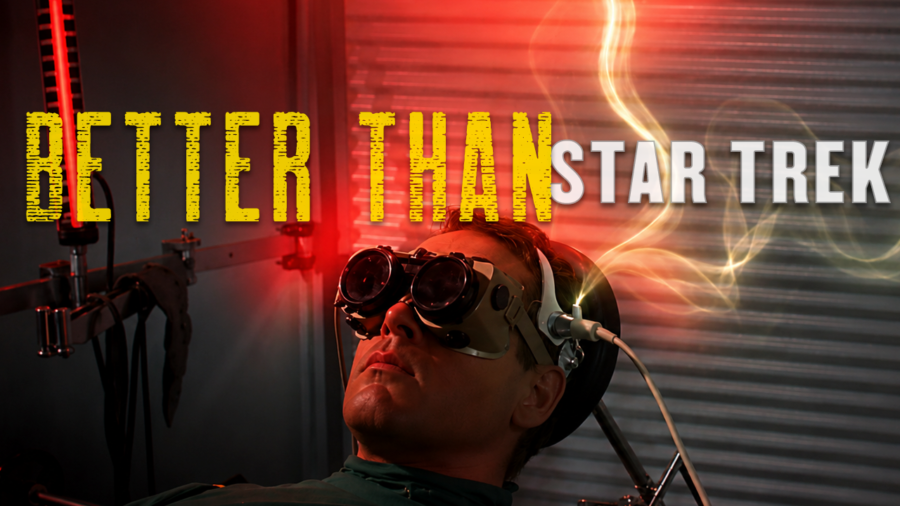
Science fiction is a risky business, and more often than not, that risk does not pay off. The result is a media landscape littered with great science fiction programming that was so far ahead of its time, it was canceled before people would really sit down and watch it.
That means there’s a treasure trove of amazing viewing that was cut off too soon, out there waiting for you to enjoy. These are the 15 best one-season sci-fi shows.
15. Surface

The success of Lost kicked off a Hollywood land rush to create the next big sci-fi mystery series. Most of them were canceled within weeks of their premiere. The lucky few completed their first season. Surface was one of the lucky ones.
The mystery of Surface focuses on what lurks under the sea. Instead of a hot crustacean band, it’s rising temperatures, gigantic sea monsters, a government conspiracy, and more questions than there are episodes. Surface took so long to answer any of its questions that the audience grew bored and wandered off, but if they had stayed, they would have seen one of the most insane season 1 finales of all time.
In its final episode, Surface flooded the planet. It’s the type of bold, daring move a show makes only when it knows the end is near. It teased a second season of humanity after the apocalypse, dealing with emerging sea monsters and a world that’s suddenly unrecognizable.
Unfortunately, the early episodes of Surface are so slow that you might never get to the ending. It remains a perennial sci-fi “What If?”
14. Street Hawk

You’ll notice that a lot of sci-fi one-season wonders can be considered loving homages to other, more successful shows or blatant knock-offs. Street Hawk is no different. It answered the question, what if Knight Rider were about a motorcycle?
Street Hawk was both the name of the prototype motorcycle used by Los Angeles Police Officer and dirtbike racer Jesse Mach, and the name of his vigilante crime-fighting alter-ego. Using the bike’s advanced technology, including a laser, rockets, submachine guns, and a ludicrous speed mode that reached 300 miles per hour, Jesse solved a new crime each week. This was back in 1985, before studios knew what a “mythology arc” was.
Lacking the charisma of David Hasselhoff, Rex Smith’s Jesse could never get out of the shadow of its more popular competition. Today, Street Hawk is often a punchline among forgotten 80s television. And yet, if you manage to find episodes streaming, give them a chance, because this show’s goofy, ridiculous premise is so over the top and cheesy, you can’t help but enjoy yourself. We were robbed of six seasons and a Street Hawk legacy movie.
13. 1899

The German series Dark is, to this day, one of the greatest sci-fi shows of all time. When the creative team announced their follow-up, 1899, everyone took notice. What would the twisted minds behind a time-traveling cave tunnel come up with next?
1899, named for the year it takes place, follows passengers aboard two ships as they cross the Atlantic to New York. A strange symbol, an upside-down triangle with a line through it, provides a throughline as weird occurrences start up. Hidden passageways, cryptic messages, and teleportation hint at something larger and far more sinister lurking just under the surface of mutineers and class-based conflict.
You need to watch 1899’s first and only season as blind as possible, because, like Dark, where it goes is not where you’d expect from the first episode. You’re left with many, many unanswered questions at the end, and it’s frustrating that we’ll never get to see more. But in one season, 1899 managed to be both gorgeous and thought-provoking, giving fans a puzzlebox mystery that, for once, is worth experiencing.
12. Defying Gravity

Defying Gravity is what happens when a network refuses to give a sci-fi series time to find its audience. Sci-fi fans were put off when the show was first announced. A sci-fi show by Shonda Rhimes? The woman who created Grey’s Anatomy? How will that be any good? It is.
First, Defying Gravity stars Ron Livingston and Malik Yoba; second, the concept of a spaceship making a tour of the solar system for an unknown mission is the type of mystery that can go anywhere.
For the first half of the season, Defying Gravity focuses on the relationships and interpersonal conflict among the crew and the team back on Earth at Mission Control, both in the present and in flashbacks set five years earlier. That’s what kept the sci-fi audience from embracing the series and led to an early cancellation.
For fans who grabbed the DVD, they were able to watch the rest of the season. The unaired episodes revealed the motive behind the space mission: Recover an alien artifact on each planet.
Aliens were real, and they left something behind for humanity to find. Defying Gravity’s finale episodes managed to thread the needle between relationship drama and science fiction in a way nothing has ever since. Sadly, it’s now one of many examples of sci-fi shows canceled too early, just as they were about to pay off.
11. Swamp Thing

Swamp Thing received one of the fastest cancellations on this list. In fact, it hadn’t even started airing yet when word leaked that Warner Bros was going to end it.
The official announcement came one week after the first episode debuted on the DC Universe app. It was perfectly timed for the first wave of critical and fan adoration that praised Swamp Thing as the best thing DC had done in years.
The tale of scientist Alec Holland and his transformation into Swamp Thing had been told many times before, but in 2019, it never looked better. Embracing the character’s horror roots with an equally dark storyline was a recipe for success. The Avatar of the Green isn’t a classic superhero, and this isn’t your usual superhero show.
Bringing to life the dark side of the DC Universe may have led to critical success, but it was also expensive. Money was one of the largest reasons why Warner Bros decided a creative, unique take on superheroes had to go, but the other was the show’s plot.
The dreaded “creative differences” was the second reason Swamp Thing was sent to an early grave. Everything fans loved about it, the incredible visuals, the dark and violent story, was why Warner Bros made another in a long, long line of bad decisions.
Swamp Thing went one episode before cancellation, and yet, Titans aired for four seasons.
10. Terra Nova

In the future of Terra Nova, Earth is overpopulated to the point that humanity will go extinct, so the solution is obviously to send colonists back through time to the Cretaceous period, in strict violation of everything we ever learned about time travel, to harvest natural resources and send them to the future.
Don’t think about it too hard. It’s not that kind of show.
Instead of focusing on the damage being done to the time stream, Terra Nova is about the Shannon family adjusting to life in the past under the authoritarian rule of Commander Taylor, brought to life by Avatar’s Stephen Lang, a man born to play a militant ruler of an exotic outpost. There’s no getting around it; most of the plot of each episode is annoying, the kid and teen characters will get on your nerves almost instantly, but there’s also no denying that, with a slight tweak here and there, this show could have been great.
The colonists end up rebelling against the government of the future, including shipping a T. rex through the time portal in the moment that proves why the show exists in the first place. Dinosaurs are awesome. Unfortunately, Dinosaurs are also expensive, and Fox pulled the plug due to the high cost of every episode, denying us the chance to see a live-action Dino-Riders on network television.
9. Crusade

Crusade is especially frustrating to talk about because the series that aired is not what the creator of Babylon 5, J. Michael Straczynski, wanted out of the spin-off series.
Just as he had with the original series, Straczynski had developed an elaborate five-year plan for Crusade. Originally about recovering lost Shadow artifacts around the galaxy, the series that ended up airing was laser-focused on curing the Drakh-induced nanoplague that had infected Earth.
The writing was there, the cast was there, including Gary Cole, Daniel Dae Kim, and returning from the original series, Tracy Scoggins as Captain Lochley, but what they couldn’t overcome was an enemy worse than the Drakh or the Shadows: studio interference.
Episodes aired totally out of order. Just watch how the crew’s outfits change during the season, entire plots are dropped, and then picked up again with conversations referencing events that haven’t happened yet. All of the pieces were there for Crusade to be another huge sci-fi hit, but once again, the network, TNT, set it up for failure.
8. Dark Skies

Take The X-Files, but set it in the 1960s in the shadow of the Cold War, be upfront about the invading aliens, and add in real-life historical figures, from Jim Morrison to Dr. Carl Sagan, and you have Dark Skies. It was the most blatant of all the X-Files knock-offs, but at the same time, it’s one of the best.
The 60s setting, complete with fashion and technology of the era, made it look and sound different from anything else airing in the 90s, and the alien Hive, parasitic mind-controlling aliens dubbed “Ganglions”, made for great villains. Opposing the Hive is Majestic 12, a shadowy organization that claims they want to save humanity, and end up recruiting John Leongrard, a Congressional aide, and eventually, a pre-Seven of Nine Jeri Ryan. It’s hard to be a Mulder and Scully when both of them believe aliens are out to get them, because they are, in every episode, but the pair has just enough of a spark to keep the back half of the season interesting.
The early cancellation, after only one season, denied fans the opportunity to see Dark Skies planned gimmick: Every season was going to be a different decade. Starting from the 60s into the 90s, fans would see John and Juliet battle the Hive behind the scenes of American History. Frankly, that sounds amazing, and 30 years later, fans are still upset they never got to see it.
7. Almost Human

Take Blade Runner. Make it a Fox network series starring Karl Urban and Michael Ealy as mismatched detectives. One hates androids, one is an android, That’s 2011’s Almost Human.
It’s a neo-noir cyberpunk sci-fi procedural. The only series remotely like it is Altered Carbon. There’s something about cyberpunk that scares Hollywood away, making it a miracle we ever received even 13 episodes of Almost Human.
Urban’s John Kennex and Ealy’s DRN-0167, or Dorian, slowly reveal the world of New Pittsburgh to viewers as they solve the case of the week. We learn about augmented humans, a gigantic wall that circles the city and separates it from the badlands, and that even in the future, network procedurals love serial killers. The mystery of New Pittsburgh and the stunning revelation in the very last shot of the final episode will remain unsolved.
Almost Human was everyone’s preview of Karl Urban in The Boys, and while Kennex isn’t as homicidal as Butcher, you can see how someone watched the Fox series and thought he’d be perfect to take down Supes. At only 13 episodes, none of the side plots or strange mysteries about the setting are given time to truly breathe, but the chemistry between Urban and Ealy overcomes those shortcomings to turn the series into an underrated, underappreciated series.
6. The Prisoner
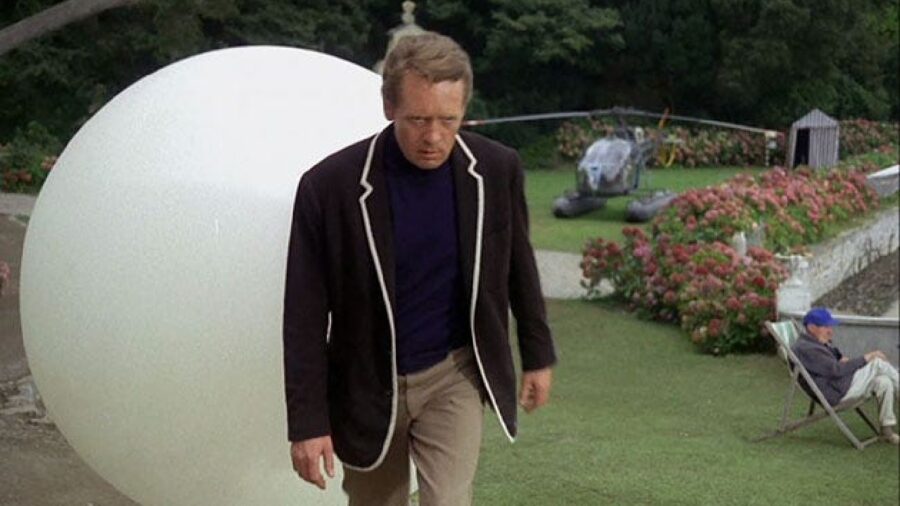
Airing in 1967, The Prisoner is a strange combination of science fiction and psychological horror that’s often been imitated, but never matched. Created, directed, and starring Patrick McGoohan, The Prisoner defies description. This is the series that invented the puzzle-box format used by Lost, Surface, and countless others.
In The Prisoner, McGoohan plays Number Six, a man who wakes up in a strange seaside town called the Village. Some of the residents are prisoners, some are guards, and all are shown as lacking individuality and personal freedom.
It’s a bit heavy-handed in its metaphor, but The Prisoner succeeds by using surreal visuals, including the balloon-like monster guarding the perimeter, and by refusing to give any answers to the audience. Viewers become as desperate as Number Six to learn what the Village is, why Number Two is always someone new each episode, where the Village is located, and why everyone is being held prisoner there.
You never get a good answer in The Prisoner’s only season, but what you realize by the end is that the answers don’t matter.
5. Flashforward

While Lost was gearing up for its final season, ABC was already preparing its replacement, another sci-fi puzzlebox called Flashforward. Created by Star Trek’s Brannon Braga and the writer of The Dark Knight trilogy, David S. Goyer, the series had a simple concept: What if everyone on Earth fell unconscious and experienced a vision of themselves, six months in the future?
Turns out, FBI Agent Mark Benford saw the results of his investigation into the Flashforward event during his own flashforward. Others had visions that were less useful, including his boss seeing himself on the toilet, a doctor who saw himself meeting the love of his life, and, in the case of Mark’s partner, Demetri, nothing.
Flashforward doesn’t shy away from the lasting emotional damage that comes from knowing where you’ll be, what you’ll be doing, and who you’ll be with six months from today. Or in the case of those similar to Demetri, knowing all you saw is the void, embracing self-destructive hedonism during the time you have left.
Unlike other Lost clones, Flashforward answered questions. For every answer there were two more questions, but the first, and only, season tells a complete story. By the time the final credits roll, you’ll know the who, what, where, how, and why of the Flashforward. That’s more than can be said for Lost.
4. Caprica

The prequel to Battlestar Galactica, 2010’s Caprica takes place 58 years before the Cylons enacted their plan. Before it debuted, fans of the Galactica revival were going mad online trying to guess at the plot and what it would reveal about the origin of the Cylons. It was an early case of online speculation resulting in a show that was incapable of reaching the lofty expectations of fans; no matter how good it really was, the imaginary one they dreamed up would always be better.
Caprica did reveal the origin of the Cylons; the first of them was inhabited by the digital consciousness of a teenage girl killed in a terrorist attack, and I swear it’s more compelling than that sounds. Allowed to show the technology that existed on Caprica prior to humanity fleeing for the stars, fans got to see an entire virtual world, elaborate factory setups, and monorails. It’s bright, colorful, and the opposite of Battlestar Galactica’s palette of greys and browns. That’s why at the time, Caprica received mixed reactions; it was very different from the original series.
The marketing campaign, featuring a naked Alessandra Torresani holding an apple, because she’s the first Cylon….Eve….get it?…..didn’t show the type of sci-fi that the series would embrace, and was instead dismissed as irrelevant pandering to lonely nerds. Today, the performance of Esai Morales as Admiral Adama’s father and Eric Stoltz as Daniel Greystone, creator of the Cylons, alongside Torresani as Zoe, are praised by fans who now wish, 16 years later, that Caprica had been allowed to keep going.
At least it ended with a flashforward that sets up the conflict seen in Battlestar Galactica. Not every one-season series is able to tie up loose ends as well as Caprica, which may have failed, but succeeded in its mission as one of the best prequel series.
3. Space: Above and Beyond

When you think of space shows from the 90s, you think of Deep Space Nine, Babylon 5, Stargate SG-1, Farscape, or if you’re a true sicko like me, Lexx. But for a specific type of sci-fi fan, nothing comes close to Space: Above and Beyond. One of the greatest military sci-fi shows ever produced, the one-season fans got to spend with the Wildcards squadron as they went up against the insectoid Chigs, was a tease of the planned five-season storyline.
Space: Above and Beyond complicates the aliens vs. humans setting by introducing Silicates, artificial robotic humans incapable of experiencing fear, and the In Vitroes, genetically enhanced humans treated as expendable fodder by “normal” people. It’s a masterclass in layered storytelling that pivots between political conspiracies, deep-space dogfights, and survivor’s guilt, all within the same episode.
The 13th episode, “Who Monitors the Birds?” isn’t only the best episode of the series, it’s one of the best sci-fi episodes of the last 30 years. The mostly silent episode follows the In Vitroe U.S. Marine Hawkes struggling to survive after a mission behind enemy lines goes horribly wrong. It’s inventive, wonderfully shot, and respects the intelligence of the audience by not spelling everything out. It’s a nearly perfect example of science fiction done right.
There’s never been another series like it, and there never will be. Space: Above and Beyond is the best sci-fi show of the 90s you’ve never watched.
2. Kolchak: The Night Stalker

If you like The X-Files, Fringe, or Supernatural, you should thank 1974’s Kolchak: The Night Stalker. A mix between the supernatural and science fiction, Kolchak was a monster of the week procedural long before the term was ever uttered by a fan.
Every week, Investigative reporter Carl Kolchak stumbled into a new mystery involving a vampire, or a mummy, or a succubus, or a monster lizard, or Helen of Troy. Kolchak the series worked so well because Kolchak the character was a regular guy. He’s smart and very lucky, but he’s not a trained federal agent or a former soldier going up against the beasts of the night. He’s a journalist with a deadline and a very frustrated boss.
Kolchak: The Night Stalker is over 50 years old, but it holds up better today than shows from 5 years ago. The special effects are horrible, the presentation was low-budget even by the standards of 1974, but the writing and especially Darren McGavin’s performance as Kolchak, prove why it’s a revered cult classic.
Kolchak was often terrified of what he was up against. McGavin’s wild-eyed stare doesn’t make Kolchak look like a cool action hero; it makes him look like a regular guy in far over his head with no idea what’s going on.
That’s the key ingredient that was missing from the 2005 revival attempt starring Stuart Townsend. Townsend was 3 years removed from playing Lestat in Queen of the Damned. He didn’t look like a regular guy over his head, he looks like an American Eagle model briefly inconvenienced by multiple run-ins with serial killers.
Even though Kolchak: The Night Stalker lasted only one season before star Darren McGavin decided to call it quits, its legacy lives on through X-Files, Supernatural, Sleepy Hollow, The 11th Hour, and countless other series. Next to Star Trek, it may be the most important sci-fi series of all time.
1. Firefly

Death, Taxes, a new season of NCIS, and Firefly appearing on a list of greatest one-season sci-fi shows. These things are inevitable.
Firefly wasn’t the first sci-fi western, but it is the best, and for good reason. Everything, from the cast to the writing, the worldbuilding to the action, is, as the kids say, peak.
Set at the edge of civilization years, after a failed rebellion, Firefly is all about the ragtag crew going from one job to another, scrapping together enough to get by, and keep flying. It’s a simple concept, but what makes it work is how not a single person in the cast feels like they’re acting. You will believe Nathan Fillion is the charming Captain Malcolm Reynolds, Alan Tudyk really is Wash, the crew’s pilot, and the late Ron Glass, as Shepard Book, is a former government killer attempting to lead a quiet life of contemplation and atonement.
When it aired back in 2002, Firefly suffered from a poor timeslot on Fox, and a general public that wasn’t ready for science fiction this different. Going from a spaceship to horseback riding, battling space cannibals to a duel with an arrogant aristocratic noble was too jarring for the average viewer to handle. Then again, the ratings Firefly was pulling in 2002 would, in 2026, make it one of the hottest shows on television now.
As viewer habits have changed, Firefly has risen in popularity, going beyond being a cult classic. It’s too beloved and too popular. Firefly’s gone mainstream.
There’s not a lot that can be said about Firefly that hasn’t already been said over the last 25 years. It’s a classic for a reason, and it’s required viewing for sci-fi fans. Firefly was taken off the air far too early, but for millions of fans worldwide, you can’t stop the signal.

By Douglas Helm
| Published

Looking for an underrated psychological horror movie with a twist? Netflix has you covered. You can stream the 2018 flick The Perfection on the platform today.
The Perfection is a film about a music prodigy who returns to her former mentors at her former school, only to find them enamored with a new student. It follows the two musicians down a dark and shocking path. The movie creates a taut atmosphere and will keep you guessing about the twist throughout.
A Must-See For Fans Of Psychological Horror

The Perfection is directed by Richard Shepard from a screenplay by Shepard, Nicole Snyder, and Eric C. Charmelo. The film stars Allison Williams, Logan Browning, Steven Weber, Alaina Huffman, Mark Kandborg, Graeme Duffy, and Eileen Tian. The film premiered at the Fantastic Fest back in 2018 before hitting Netflix in 2019, but it’s well worth checking out if you’ve missed it since Netflix made it available on its platform.
With a 71 percent fresh rating from critics on Rotten Tomatoes The Perfection clearly made itself known as a solid psychological horror entry. The consensus is that the twist is intriguing and that the film brings some top-notch performances to the table from stars Allison Williams and Logan Browning. Audiences were a little less warm toward the film, with an approval rating of 56 percent on Rotten Tomatoes, and most critiques focusing on the messy third act and overall pacing of the movie.

So, just keep in mind that your results may vary with The Perfection. Obviously, it’s not a film that became a massive hit or anything and has gone fairly underseen since its 2018 release, so it’s not surprising that the reviews of the film are mixed. However, it might just be the right film for you if you like psychological horrors mixed with classical music.
Speaking of classical music, the soundtrack of The Perfection certainly delivers in that category, with the likes of Bach, Mozart, and Handel being featured. Classical music and psychological thrillers always go hand-in-hand, and this film proves that it’s a combination that almost always pays off. It also continues to prove that Allison William’s talents are well suited to the horror genre.
Allison Williams And Horror

While Allison Williams was best known for her role in Girls before 2017, she proved her horror bonafides when she co-starred in Jordan Peele’s universally acclaimed 2017 film Get Out. The Perfection followed shortly after and kept Williams’ horror hot streak going. She would follow up that film with her role as Kit Snicket in Netflix’s A Series of Unfortunate Events TV series adaptation.
Allison Williams once again took on the horror genre in 2023 with the creepy animatronic doll film, M3gan. That film ended up being a surprise horror hit of 2023, which quickly led to the film getting the green light for its sequel, M3gan 2.0, in 2025.

The Perfection may not be quite as well-received as her other horror outings, both from a critical and commercial perspective, but that doesn’t mean it isn’t worth checking out on Netflix if you’re looking for something new to watch.
By Joshua Tyler
| Published

Not every movie that attempts to screenwash its audience succeeds right away. Sometimes, the agenda being pushed is so outlandish and ridiculous that it needs more time to take hold. That was the case in the late 1990s, as the powers that be began ramping up their crusade against prosperity by attacking Americans’ rosy view of the past with a clumsy, Pavlovian sledgehammer.
So in 1998, when most studios were busy greenlighting asteroid destruction porn and CGI bug invasions, an attack on order and virtue slipped into theaters disguised as a high-concept sci-fi movie. It flopped at the box office and failed to influence the audience it targeted, but in the years since has gained acceptance among a new audience too young to see it at the time, as a cult classic.
This is the story of how Pleasantville was rejected by Generation X, only to screenwash Millennials into destroying everything they love.
No Color, No Problem

Pleasantville begins with a teenage boy who disconnects from abuse and neglect at the hands of his parents and his peers by escaping into the idyllic world of classic television. The movie ends with him accepting his crappy situation as fine, because he has no right to expect anything good, and everything just is what it is. In between those two bookends, he destroys an entire town, and the movie works hard to convince the audience it was worth it, because now they have brighter colors of red.
Tobey Maguire stars in the film as David, a teenage boy with a chaotic living situation and no social life. He’s obsessed with a classic, black-and-white 1950s television show called Pleasantville, which depicts an idyllic town where people are nice to each other, and things are going well. Basically, the opposite of his own life.

For reasons that aren’t ever really explained, geeky David and his self-described “slut” sister Jennifer (played by Reese Witherspoon) are transported into the TV by a TV repairman (Don Knotts) and find themselves living in the black and white world of Pleasantville.
For David, who is now called Bud by the townspeople, it’s a dream come true, and Pleasantville is every bit as pleasant as its name suggests. The basketball team never loses, and Main Street is perfect. Dad earns a living; Mom makes pot roast and takes care of her kids. The local diner only serves cheeseburgers, and dating mostly revolves around whether or not to hold hands.

No one is ever hurt, no one suffers, it doesn’t even rain. The fire department’s job is to get cats out of trees because no one has ever seen a house fire. People are happy, and everything runs perfectly. Always. Their only problem is that the entire world is black and white, except it’s not a problem because none of the residents notice.
The Lusty Battle Against Boredom
So Pleasantville is paradise, but for Jennifer, who everyone now thinks is a girl named Mary Sue, it’s a hellhole. It’s a hellhole because she’s a slut and the town’s virtuous residents don’t want to have sex with her, because they’re committed to saving themselves for marriage.
So Jennifer sets out to destroy it all, because she’s really horny. Seriously, that’s Jennifer’s actual motivation in this movie.

As a movie, Pleasantville wants to be a story about repression, about how nostalgia is a lie. It wants to be about how the “good old days” weren’t that good. Safe enough, predictable enough, but BORING and BORING, as everyone was previously screenwashed to believe by movies like The Graduate, is the worst.
So Pleasantville frames Jennifer’s dedication to her libido as the result of boredom. Jennifer hates BORING because BORING doesn’t get her laid.

Pleasantville wants you to believe the black-and-white town is dystopian, but not because it’s cruel. It’s dystopian because it’s orderly. Because roles exist. Because people behave. And no one should have to behave because that’s BORING.
As Jennifer begins seducing virgins, colors start to appear in the black and white landscape of the town. Before long, it’s clear that intense pleasure and emotion cause the black and white to give way to vibrant technicolor.

As color spreads, so does chaos. You’d think David would try to stop it, because he loves this place and loves what it represents. But he soon joins in destroying Pleasantville, seemingly unaware that he’s just recreating the world he left and didn’t like.
Every Bad Californian Stereotype All At Once
It wasn’t part of the cultural lexicon back then, but David is a prototype of every real-life bad-transplant stereotype. You know the one: it frames out-of-towners as locusts who flee their state to avoid crime and overregulation, only to set about turning their new state into a copycat of the place they just left.

In Pleasantville, David does it because he likes the attention, and (just like modern-day Californians) he knows he can always go back where he came from when he messes things up. So when colorizing things turns him into Technicolor Jesus in the eyes of attractive teenage townsfolk, David embraces it and basks in the reverie of a full-blown savior complex. The movie, of course, frames this as enlightenment, and when he gets violent in service of the town’s newfound hedonism, he’s rewarded with colorization.
Pleasure Framed As Man’s Only Reason For Living
It’s Bill Johnson, the owner of the local diner, who really accelerates the process. He’s played by Jeff Daniels as an empty shell, who only comes to life when confronted with color.
As Bill contemplates his place in the universe, he asks Bud/David to explain why he should bother making cheeseburgers. Bud is somehow unable to come up with an answer, either, and the viewer, along with Bill, is left to conclude that there is no value in what he does. This is obviously preposterous, and it’s the spot where the movie most clearly tips its hand.

Bill and Bud have somehow forgotten that Bill feeds the town, provides a local hangout for teens, and earns a living, which allows him to keep a roof over his head. The diner and his cheeseburgers are a focal point for the entire community, but Pleasantville hand-waves that away as valueless because it isn’t hedonistic.
This is a blatant example of Agenda Setting.
Agenda Setting To Shape Perception
Agenda Setting is a propaganda technique in which a communicator shapes public perception by controlling which issues, values, or considerations are treated as important, while ignoring or excluding others. By determining what topics are discussed and what reasons are considered legitimate, agenda-setting influences the conclusions audiences reach without directly arguing for them.

Using this technique, Pleasantville presents a world where only immediate self-gratification has meaning, and hard work serves no purpose. So Bill closes the diner and starts giggling over colors and banging Bud’s Mom, who has decided to start cheating on his loyal, hard-working father for no reason other than pure hedonistic pleasure.
Eventually, it all comes to a head when Bill Johnson turns the town’s wholesome teen hangout into a pornographic display. The townspeople, who’ve politely minded their own business up til now, reasonably object to lewd images of naked residents publicly displayed on a building that used to be a safe place for kids, and then the film frames them all as monsters who hate beauty.
Selling Hedonism With The Aesthetic Halo Effect
Pleasantville positions Bill’s lewd grooming of minors as morally righteous, and sells literally everything that happens in the movie using something called The Aesthetic Halo Effect.
The Aesthetic Halo Effect is a cognitive bias in which the perceived beauty, style, or artistic presentation of a person, idea, or action causes observers to assume it is virtuous, truthful, or justified. Attractive visuals or pleasing design act as a moral shortcut, transferring positive judgment from appearance to substance.

In the case of Bill’s pornographic mural, it’s painted in stunning, bright technicolor in a town where everything is gray and dreary. It’s totally inappropriate, but also a beautiful display, and as a viewer, your brain automatically associates beauty with good, skipping over the fact that it’s literally adult material being thrust in the face of small children.
This works for the same reason data shows that attractive people are more likely to get good jobs and earn more money than unattractive people. It’s why you bought that pretty girl at the bar a drink last week, and didn’t buy one for her ugly friend.

So over the course of the movie, Pleasantville becomes a place of pleasure-seeking dopamine addicts, and when a few black and white residents try to slow things down through reasonable regulation, the film shames them with a courtroom scene deliberately ripped straight out of To Kill A Mockingbird, meant to frame the objectors as no better than evil racists arguing against Gregory Peck.
Pleasantville Triggers A Pavlovian Response
So, of course, the audience sides with the hedonists, because every betrayal, moral lapse, and sin committed by them results in more color on the screen. And in a theater, staring at a black-and-white world, color becomes the ultimate reward.
This is Affective Conditioning.
Affective conditioning is a psychological process in which a neutral behavior, idea, or object is repeatedly paired with positive or negative emotional cues, causing people to develop the same emotional attitude toward it.
The most well-known example of this is Pavlov’s dog. Ivan Pavlov was a Russian Psychologist who trained dogs by ringing a bell before feeding them. After repeated pairings, the dogs began salivating at the bell alone, proving that a neutral signal can be conditioned to trigger a reflex. In the process, he discovered that it was possible to condition nearly anyone to do anything, using variations of this technique.

That’s classical conditioning. Affective Conditioning is a variation on Pavlov’s technique in which someone is conditioned to specific emotional attitudes rather than autonomic responses. By rewarding you with exceptionally beautiful imagery whenever someone commits a morally questionable act, Pleasantville conditions its audience to share in its hedonism.

That’s why you never feel bad for Bud’s father when he’s cheated on and abandoned, because it’s the cheating betrayal of his wife that results in some of the movie’s most stunning and beautiful colors. You can’t hear the reasonable arguments of the black and white men in the bowling alley, because you crave more color, and the only way to get it is by having Bill plaster the town in nude photos.
How Reese Witherspoon’s Jennifer Affirms Hedonism As Optimal
You might think Jennifer’s character arc contradicts all of this, but it’s actually a key part of completing and affirming it. Unlike everyone else, Jennifer begins the movie as a hedonist. She then introduces sex, temptation, and emotional intensity into Pleasantville. That’s the spark that breaks the town’s rigid system and starts the color spreading.
In propaganda terms, Jennifer is the catalyst, the outsider who destabilizes the old order. Once that system collapses, the movie no longer needs her to keep pushing chaos.

So the story reframes her. She becomes intellectual, thoughtful, and studious. The message shifts from hedonism to self-actualization. The idea is that once people are “freed” from repression by pleasure seeking, they can pursue higher things: art, literature, education, and personal identity.
This solves a messaging problem. If the movie only showed sex and rebellion, the change might look shallow or destructive. By turning Jennifer into a reader who wants to go to college, the film reframes upheaval as progress toward enlightenment.
In persuasion terms, it’s a two-step structure:
- Destabilize the old culture through Jennifer’s early influence.
- Legitimize the new one as intellectually superior through Jennifer the scholar.
Jennifer isn’t rejecting the transformation of Pleasantville. She’s proof that the transformation somehow produced a better kind of person, even though that makes no sense at all in the context of what happens in the film.
By the final act, the town is half monochrome, half Technicolor, a visual civil war. They’re all on a path toward eventual chaos and ruin, but you’re fully on the side of the colors.
How Pleasantville Influenced Millennials

Pleasantville is a beautifully made film. Its effects were groundbreaking for the time. Its performances are earnest. But it’s not neutral. It’s not just “about feelings.” It’s a manifesto about how to view the past and how to behave in the future.
Except it didn’t work, not at first. Gen X, coming into its own and swimming in the high-energy, high-ambition early days of the dot-com boom in the late 1990s, had no patience for a movie selling hedonism and chaos. Despite a slick marketing campaign and a lot of slobbering praise from critics, the movie flopped at the box office. Gen X wanted nothing to do with it.

It was Millennials, too young to see it in theaters in the 90s, who eventually embraced it. Through heavy rotation on cable and strong DVD sales in the early 2000s, they encountered Pleasantville as teenagers with underdeveloped brains. Its central visual idea, a black-and-white 1950s television town gradually turning to color as characters break social rules and express themselves, made it an easy metaphor for the individuality and rebellion against conformity that had already been planted by other forms of screenwashing.
The movie ends with David returning home to the real world, where he finds his mother at the kitchen table, sobbing and lamenting her terrible life choices. She wants to make things better. Don’t bother David tells her, life isn’t supposed to be anything. Just accept whatever it is.

That’s the real message of Pleasantville. Stop trying, stop striving, seek pleasure. Whatever happens happens. Roll over and take it. Expect nothing and seek only pleasure.
Congratulations, hedonist millennials, you’ve been Screenwashed.
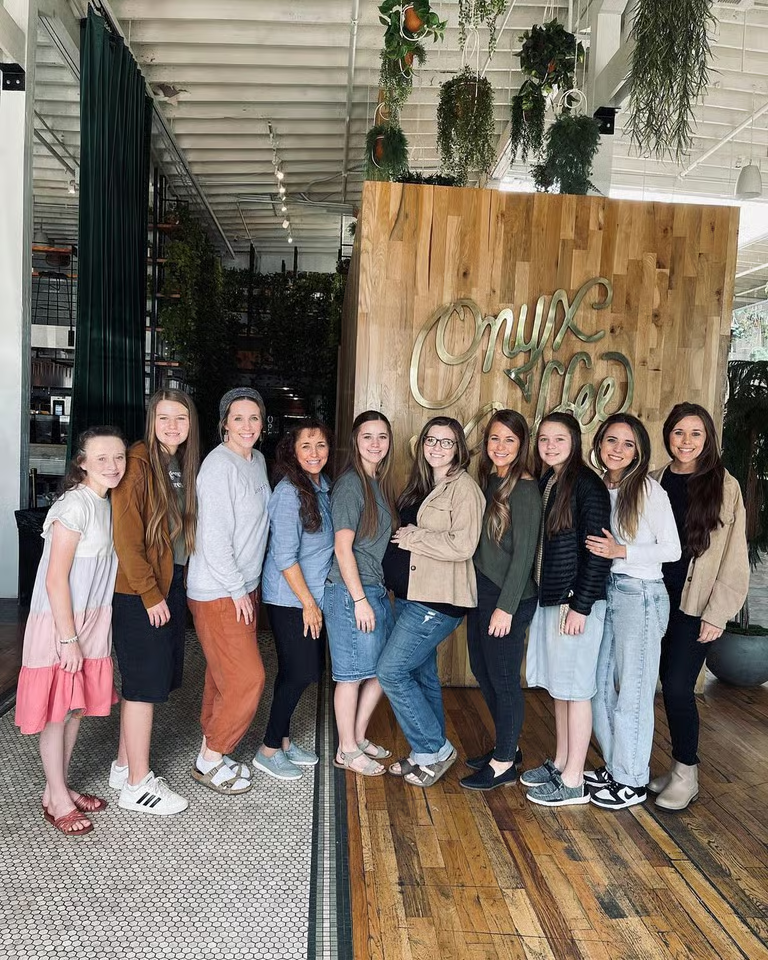
Josh Duggar has expressed deep resentment toward his family while serving time for federal crimes, claiming he felt abandoned by almost all of his siblings.
Despite his frustration, correspondence has revealed that one of his sisters, Jessa Duggar Seewald, did make an effort to reach out during his time in a local detention center.
Meanwhile, Josh also lashed out at his parents in explosive messages, accusing them of prioritizing their public image amid the fallout that occurred as a result of his legal issues.
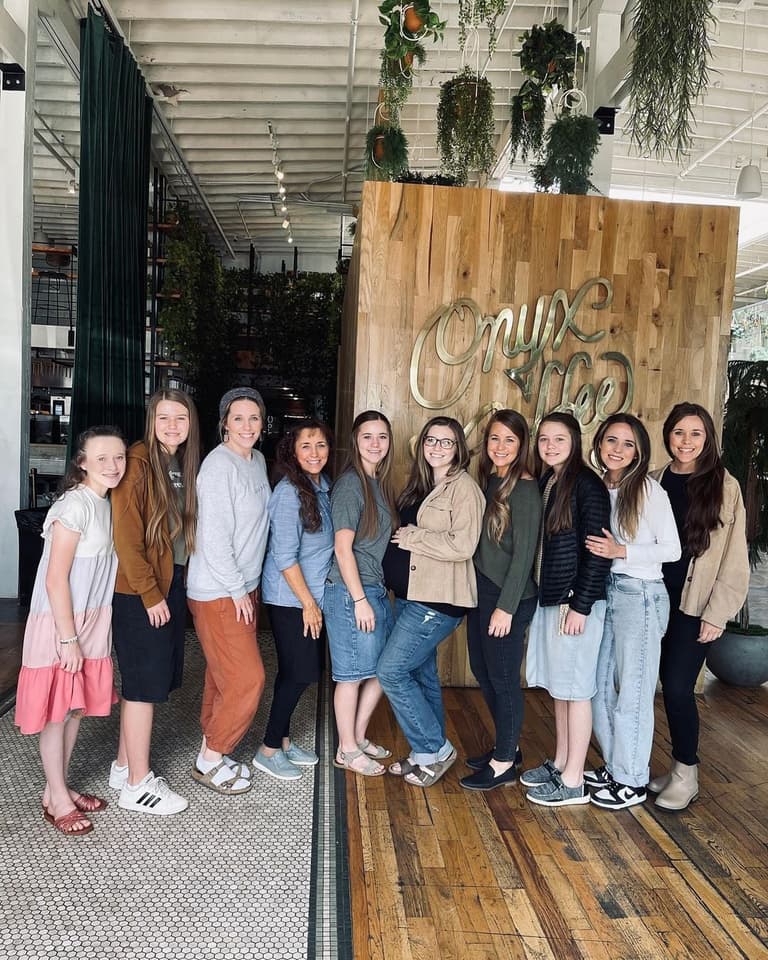
Jessa became the only one of Josh’s nine sisters to contact him while he was held at the Washington County Detention Center in Arkansas. Following his conviction on federal charges for possessing child sexual abuse material, Jessa sent her brother a short message on his 34th birthday.
Writing on behalf of her family, she wrote, “Happy birthday, Josh! We love you and are praying for you! Love, The Seewalds.”
Josh responded within hours, expressing his excitement at hearing from her but also complaining that she was the only sibling to send him a note that day. He thanked her for being an encouragement to his wife, Anna, and their children, while also asking if her ministry could donate specific Bibles to the facility.
People Magazine reported that Jessa replied kindly, assuring him that God was looking after his family and promising to look into his request for the books.
However, the tone of the family communication shifted dramatically following Josh’s 151-month prison sentence. Two days after his sentencing, Josh sent a message to his father, Jim Bob Duggar, intended for the family group chat, in which he blasted his 18 siblings for their lack of support.
He wrote, “It is shameful that I have received only 1 message from one of my siblings,” and directly told them, “With all due respect, shame on you that you didn’t reach out.”
Josh Duggar Accused His Parents Of Trying To Protect Their Image Amid His Legal Battles

This ongoing frustration with his siblings was also part of a larger, more explosive conflict Josh has had with his parents, Michelle and Jim Bob. Shortly after being sentenced to over 12 years in federal prison, Josh sent a series of heated messages accusing his parents of contributing to his legal downfall.
In these texts, the former reality star claimed that his mother and father consistently prioritized their public image and the survival of their television career over genuine family support. According to The Blast, he expressed deep disappointment, writing that he felt they refused to acknowledge actions that have directly affected his life.
Throughout the exchange, he remained defiant about his conviction, insisting to his mother that she did not know the “truth” and blaming an unnamed individual at his car dealership for the crimes.
Josh Duggar Revealed That Mom Michelle Privately Supported Him

Along with blaming his parents for his legal troubles, Josh expressed deep hurt over how the family seemingly continued their lives while he remained incarcerated.
In a message sent to his mother from jail, he admitted that Michelle had supported him “privately,” for which he felt “grateful,” as noted by The Blast.
However, he lamented that this quiet support did not make up for the feeling that “there were 18 kids and life went on” without him. Josh shared that it was incredibly difficult to be an inmate while his family seemingly moved past his absence without concern for his well-being.
He specifically noted that things had been “especially hard in light of how things have been since May 2015,” referring to the public exposure of his past teenage misconduct.
The Former TV Star Will Be In Prison Longer Than Originally Planned

While Josh feels the family has moved on without him, his own actions behind bars have ensured he will remain away from them for even longer than originally planned. The disgraced reality star had his federal prison sentence extended for a third time following a rules violation at FCI Seagoville in Texas.
As reported by The Blast, two months were added to his time, officially pushing his release date to February 2, 2033.
This setback followed a previous extension that occurred after he was caught with a contraband cell phone earlier in his sentence.
Anna Duggar Faces Pressure To Leave Josh
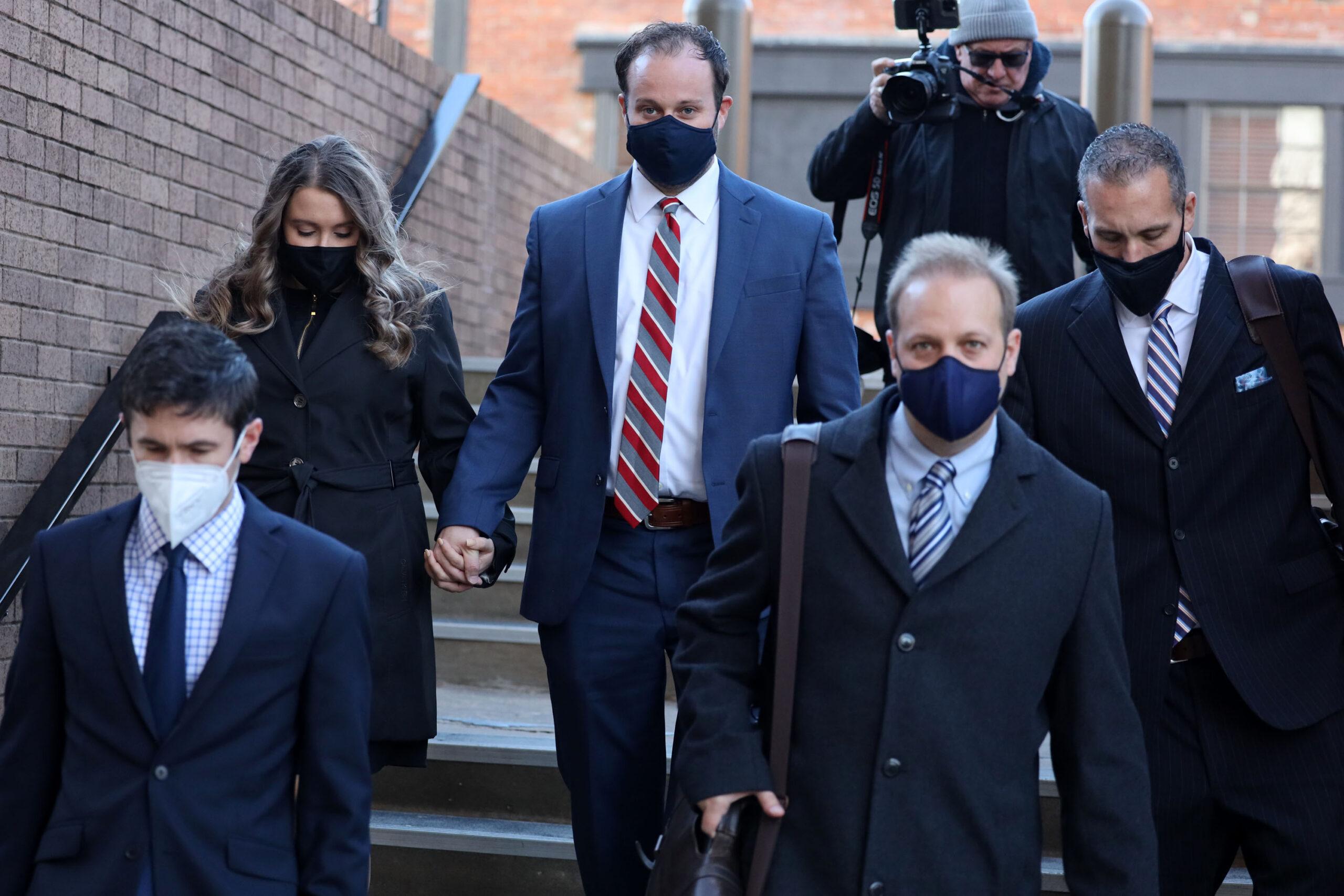
The ongoing extensions to Josh’s sentence have only increased the pressure on those he left behind, particularly his wife, Anna, who is now being encouraged to start over.
As her husband remains at FCI Seagoville, Anna has faced intense scrutiny and growing pleas from her own inner circle to end her marriage.
A source shared that several relatives have had difficult conversations with Anna, strongly encouraging her to reconsider her future and leave Josh behind, per The Blast.
Despite the heavy influence of her family to move on and rebuild her life, Anna continues to focus on her children while navigating the reality of her husband’s prolonged absence.
:max_bytes(150000):strip_icc():format(jpeg)/jennifer-harmon-1-4edd7c453612432497dc4ec1fe01b3fd.jpg)
The Daytime Emmy Award–nominated soap opera star also appeared on Broadway in more than 20 different productions.
Entertainment
Apple TV’s New Horror Series Gives the Perfect, Bone-Chilling Toast in New Sneak Peek [Exclusive]
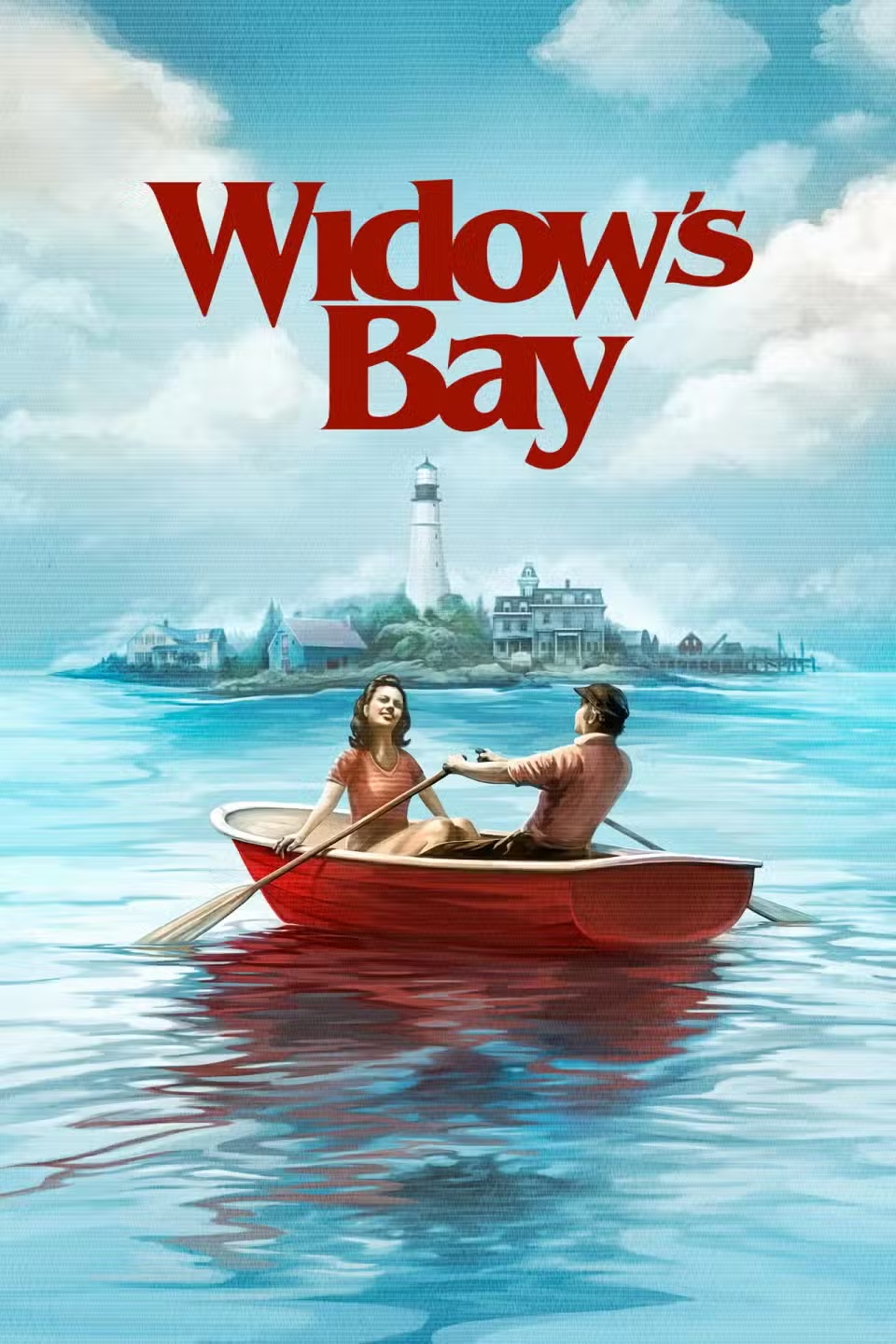
Apple TV’s acclaimed new series Widow’s Bay has brought both the chills and the laughs so far with its exploration of the titular weird little seaside town. Despite the insistence of put-upon mayor Tom Loftis (Matthew Rhys) and his attempts to boost tourism, there are horrors that lie underneath the New England locale’s surface that prove the residents aren’t just superstitious and that the place is, in fact, cursed. Now, in Episode 4, the haunts are about to intensify even more, and they’re going to crash a party. Ahead of tomorrow’s new installment, Collider can exclusively share a sneak peek featuring a toast delivered by Kate O’Flynn‘s oddball assistant, Patricia, that is much less perfect than it initially seems.
Patricia looks to set the party off on the right note by opening up a book and flipping to “The Perfect Toast.” The speech is a light-hearted, thankful speech celebrating the present company and expressing hope for new beginnings. As the camera pans around the room at all the smiling faces enjoying the moment, it seems like a joyful, peaceful occasion in the otherwise deeply abnormal town. However, those warm fuzzies fade into pure dread when looking into the mirror behind the guests and seeing their visages twisted into horrifying stares with mouths unnaturally agape. It’s a sign that something is about to go terribly wrong on this night, but for now, nobody even notices that anything’s amiss.
The synopsis for the new episode, “Beach Reads,” teases, “Make sure you pack a good read for the beach! (We do not recommend self-help books on the island).” There’s not a ton to glean from that, but each little episode preview has featured a hint at the kind of eerie happenings about to plague Widow’s Bay. Patricia’s book, for instance, contains a few curiosities, as opposite her perfect toast is a disconcerting passage about making conversation in a blink-and-you’ll-miss-it moment. Those smaller spooks that exist within the periphery and other everyday horrors are what the series thrives on, in addition to its more direct haunts. Creator Katie Dippold told Collider during our Exclusive Spring Preview earlier this year that the goal was to capture an air of “fun dread” by marrying big and small scares alike.
“There are some moments when there’s a lot of dread. But I know this is a weird thing to say, and my definition of fun is different than other people’s definition, but I would call it fun dread. Like, the anticipation. It’s not a lot of gross-out horror because that’s never really been my cup of tea. I respect it when done well, and I like watching it when done well, like I love The Texas Chain Saw Massacre. But it’s more like I would say I always loved American Werewolf in London, where it’s really grounded by everything that’s happening, but there are still very fun, surprising moments. Also, when I think about the tone, a lot of it is about horrors, both big and small. Like, for example, I’m just making this up, this example, but there could be something horrifying lurking outside the building, but then there’s also the small horrors of life, of you’re in an elevator, and you say goodbye to someone, but then it takes 30 seconds for the elevator door to open, and that awful silence for 30 seconds. So, this show explores both of those kinds of horrors.“
‘Widow’s Bay’ Has Been a Terrifying Hit With Critics
2026 isn’t even halfway through yet, but Widow’s Bay has already earned a reputation as one of the best and most unique television series of the year, beginning as a spec script that helped land Dippold a job on Parks and Recreation before being fleshed out into a compelling horror mystery. It owns a stellar Certified Fresh 97% score from critics on Rotten Tomatoes, along with an also strong 94% score from audiences. Collider’s Emily Bernard gave it a 7/10 in her review, writing, “At first, you might not be so sure that you’ve chosen the right travel destination, but Widow’s Bay becomes a haunting, deeply rewarding, and oddly charming series if you stick with it.” Rhys and O’Flynn are joined in the titular town by Stephen Root, Kingston Rumi Southwick, Kevin Carroll, and Dale Dickey, with Hiro Murai directing.
Widow’s Bay Episode 4 premieres on Apple TV on Wednesday, May 13. Check out our exclusive sneak peek in the player above.

- Release Date
-
April 29, 2026
- Network
-
Apple TV
- Showrunner
-
Katie Dippold
- Directors
-
Hiro Murai
- Writers
-
Katie Dippold, Kelly Galuska
Entertainment
“The View” star, ex-White House staffer Alyssa Farah Griffin admits she 'set up one of these Trump accounts' for new baby
:max_bytes(150000):strip_icc():format(jpeg)/donald-trump-alyssa-farah-griffin-the-view-051226-d1eab2216567484aae2ba4ee887fc0ef.jpg)
Griffin previously worked for President Trump and Vice President Mike Pence.
Entertainment
Infamous Director’s Extremely R-Rated Action Comedy Succeeds In Offending Absolutely Everybody

By Robert Scucci
| Published

Growing up, we all had that one edgelord friend who would say the most offensive things possible whenever the opportunity presented itself. Their entire goal is to clear the room with the things they say and do, and when you grow up, you start distancing yourself from this kind of person for reasons that don’t really require much justification. You don’t want somebody like this showing up to your job and getting you fired, or saying the wrong thing in front of your significant other because the tradeoff for their perpetually tasteless humor is sleeping on the front lawn.
If you’re looking for that guy in movie form so you can get your fill without having your life ruined, you can find it in Uwe Boll’s action comedy disasterpiece, Postal (2007), which, in my opinion, is grossly misunderstood and severely underappreciated.

Don’t get this twisted, Postal is problematic, reprehensible even, and that’s the entire point. But for some reason, this doesn’t come off like an edgelord being offensive just to get a rise out of people, like 2013’s InAPPropriate Comedy. This is Boll adapting yet another video game series to film, but instead of taking himself seriously and failing miserably like he did with films like Alone in the Dark (2005) or BloodRayne (2005), he leaned into camp, egregiously offensive humor, and total chaos instead.
I’m here to argue, however, that he didn’t fail miserably, despite what the nine-percent critical score on Rotten Tomatoes would lead you to believe.
Postal Is Built Differently

Postal kicks off with a recreation of the September 11 attacks and somehow manages to get exponentially worse across its 100-minute runtime (114 minutes if you can secure a copy of the director’s cut). From there, we’re introduced to our protagonist, simply billed as The Postal Dude (Zack Ward), five years later. The Postal Dude lives in a dilapidated trailer home in Paradise, Arizona with his morbidly obese, emotionally abusive, cheating and thieving girlfriend, simply billed as B**** (Jodie Stewart). He’s looking to leave Paradise, and start his life over, because his present situation is hardly doing him any favors.
Now, you may be wondering what the opening sequence has to do with The Postal Dude’s character arc, but it all starts to make sense when he’s contacted by his Uncle Dave (Dave Foley), the leader of a religious death cult that owes the IRS over a million dollars in back taxes. Dave recruits The Postal Dude to run a scam involving a missing shipment of plush toys known as Krotchy Dolls, whose likeness resembles the exact pieces of male anatomy that they sound like. Basically, Dave wants Postal Dude to use a mail truck to locate and secure the missing dolls so they can sell them online for money. That’s the entire plan. That’s as far as they think it through before acting on it.

Meanwhile, Osama Bin Laden (Larry Thomas) and his network of terrorists, who all just so happen to operate out of Paradise, Arizona, are also trying to secure the Krotchy dolls, but for a far more nefarious reason. Instead of flipping them for a quick profit, they want to infect them with a rare strain of bird flu, resulting in a nationwide pandemic when unsuspecting children play with the dolls after they’re distributed all over the country. Unbeknownst to Dave, his right-hand man Richie (Chris Coppola) is on the terrorists’ side because the fictional bible Dave wrote includes a prophecy about the end of days, which Richie takes literally and wants to help facilitate.
Along the way, The Postal Dude befriends a barista named Faith (Jackie Tohn) and a bunch of other smokin’ hot babes in miniskirts and bikinis who all conveniently know how to use machine guns. They join forces and rack up an absurd body count, sparing nobody in their pursuit of shutting down Al-Qaeda and restoring peace, resulting in an unthinkable amount of collateral damage, bloodshed, and dead bodies.
The Most Tasteless Movie Of The 2000s

Listen, you need to be a very special kind of person to enjoy movies like Postal. I’m not saying it’s not in poor taste or bad faith because it absolutely is. What sets it apart from other “offensive” comedies, though, is its fearless commitment to the bit. So much so that every joke lands when you consider the source material, who’s directing it, and what it’s trying to accomplish.
Every single character in Postal is reprehensible, and that’s the point. Personally, I’m willing to forgive everything everybody says and does in this movie because it’s a movie, but also because everybody rightfully gets what’s coming to them, and they all deserve it. Postal has to go all in because if it didn’t, none of it would feel earned.

Uwe Boll, who’s notorious for his love of filmmaking despite his complete ineptitude as a filmmaker, was originally asked by Vince Desiderio, the CEO of Running With Scissors, the studio responsible for the Postal video game series, to come up with a much darker, grittier adaptation. He rejected the pitch and instead decided to lean fully into camp, satire, extreme violence, and offensive humor to get his point across.
I think this was the right move because the video game series, which also aims to be as politically incorrect as possible, benefits from being turned into a slapstick endeavor thanks to Boll’s writing and direction. If you still have that edgelord friend who you just can’t seem to quit, this movie is tailored to their sense of humor while simultaneously undermining it every step of the way, almost as if to say, “Yeah, this is funny, and you can laugh at it, but we’re also laughing at you.”

Postal succeeds in offending every single sensibility you could imagine, and it does so unapologetically. Like most Uwe Boll efforts, it’s built differently and truly a sample size of one. Objectively speaking, it’s not a great film. But since I assess most things I watch based on whether execution meets intention, I’ve got to say “job well done” here. Boll accomplished exactly what he set out to do here, whether you like it or not.

Postal is “one of the movies of all time,” and can currently be streamed on Tubi for free in all of its disgusting, offensive, and stupid glory.
Entertainment
After 32 Years, ‘The Crow’ Remains the Iconic Gothic Revenge Thriller Against Which All Others Are Judged
The Crow, director Alex Proyas‘ towering baroque spectacle, immortalized itself into a pop-culture touchstone almost instantaneously. A true artifact of its generation, teens donned black eyeliner and pretended to race across rooftops, while wearied adults recognized the somber life pulsing underneath the cult classic’s hyper-stylized sensibilities — the moody noir iconography, the straightforward mythology, and the trauma layering every frame. Creator James O’Barr‘s comic of the same name was born out of his fiancée’s tragic death, while Proyas’ 1994 movie is eternally haunted by Brandon Lee‘s accidental on-set passing.
No matter how low or high your tolerance for melodramatic aesthetics, these motifs lend The Crow‘s agonized rage a sense of true gravity and substance. It’s a superhero revenge epic built not upon the cynical scaffolding its cultural reputation occasionally suggests, but a vigilante fantasy about exacting what bare-minimum justice remains when the world’s on perpetual fire and our loved ones have been swallowed up by the flames. The Crow‘s familiarity with visceral grief resonates with even more emotional truth than perhaps ever before.
‘The Crow’ Is a Stylistic Triumph
A familiar descriptor it may be, but The Crow‘s rendering of Detroit, Michigan turns said setting into a living character overrun by police corruption and greed-driven criminals. Random violence and senseless depravity provoke Eric Draven’s (Lee) revenge spree against the four men who murder him and his fiancée, Shelly Webster (Sofia Shinas). Except for a handful of daytime scenes, impenetrable shadows and artistically timed rainstorms drench every moment. Whether it’s production designer Alex McDowell and art directors John Marshall and Simon Murton‘s miniature buildings, grimy apartment interiors, or cramped, smoke-filled bars, the design’s distinct details craft a story. As much as the manufactured cityscape evokes a menacing quality, like some upside-down nightmare reality, Detroit also feels prone to shrieking in despair.
The Crow‘s heightened suspension of disbelief never rings hollow or satirically self-conscious. Proyas has a rock-star music video vision, and cinematographer Dariusz Wolski‘s dreary yet lyrically beautiful edge embraces unrepentant theatricality — black leather, composer Graeme Revel‘s grunge guitar riffs, lightning crackling above romantic Gothic architecture — without descending into outright farce. No, Eric doesn’t need to flip his rain-soaked hair in slow motion any more than a car should veer into the river before exploding into a gaseous fireball. It still makes for a spectacular tableau. Each avant-garde characteristic supports Proyas’ structure, which, in turn, infuses Eric’s righteous quest with high-octane energy.

Brandon Lee’s Astonishing Performance Anchors ‘The Crow’
Beyond the hypnotic aesthetics, The Crow‘s skeleton key will forever be Lee’s spellbinding, utterly soulful commitment. Eric claws out of his grave into the soaking mud and screams raw anguish. When he revisits his apartment and recalls the fatal attack, the frenzied montage slices like a dozen metaphorical glass shards. Yet for all Eric’s searing fury and avenging-demon makeup, he hops onto tables and cackles, vindictively toying with his prey as often as he prowls with murderous intent. Balanced against his earlier maelstrom of mourning, his gleeful satisfaction reflects the duality of a tormented heart better than an entirely brooding man. No character with a moral compass holds any qualms about Eric dispatching his assailants, either — nor, despite The Crow‘s action-heavy reputation, does he devote more effort to their deaths than minimal martial arts. They deserve their fates, but rather than flashy gore, Eric achieving satisfactory closure is the focus.
The moments when The Crow‘s stumbles aren’t deal-breakers: occasional threadbare dialogue, a lack of character depth, and Shelly’s fate, the latter playing straight into the tired cliché of a man motivated by a brutalized woman. The film’s transformative pathos onscreen and offscreen has ensured The Crow‘s continual resurrection for over three decades. Sarah (Rochelle Davis), Eric and Shelly’s surrogate daughter, temporarily believes that the world reduces anything joyful or lovely to ashes. Eric, of all people, counters her nihilism with bittersweet hope. His posthumous resolution emphasizes the ways love endures despite heartbreak. Some may find that too sentimental, but the main points stand: an ode to surviving grief not by overcoming it, but living alongside its existence, and how a community of abandoned outcasts can become one another’s salvation. After 30 years, The Crow‘s earnest, wounded heart remains vividly ambitious, imaginative, and cathartic.

The Crow
- Release Date
-
May 11, 1994
- Runtime
-
102 Minutes
- Writers
-
David J. Schow, John Shirley
-

Brandon Lee
Eric Draven / The Crow
-
Entertainment
Sebastian Stan confirms he’s expecting first baby with Annabelle Wallis: ‘I want to be a good dad’
:max_bytes(150000):strip_icc():format(jpeg)/Sebastian-Stan-Annabelle-Wallis-02-051226-678895820c0b41768831c0f6959c9c27.jpg)
Stan and Wallis sparked romance rumors in 2022 but became more public with their relationship in 2024.

EWY: South Korea ETF Plunges – Why More Downside Is Likely (Rating Downgrade) (EWY)
Roaring Kitty’s Deleted X Post Triggers 90% Crash in RKC Meme Coin

Ranking The 15 Best One-Season Sci-Fi Shows

Manchester United reach agreement with Casemiro over contract clause amid transfer speculation

US brings back mandatory military draft registration

Steven Gerrard disagrees with Gary Neville over ‘shock’ Chelsea and Arsenal claim | Football


-
 Crypto World4 days ago
HarrisX Poll Found 52% of Registered Voters Support the CLARITY Act
-

 Fashion4 days ago
Weekend Open Thread: Marianne Dress
-

 Crypto World5 days ago
Upbit adds B3 Korean won pair as Base token gains Korea access
-
 NewsBeat5 days ago
NCP car park operator enters administration putting 340 UK sites at risk of closure
-

 Fashion1 day ago
Coffee Break: Travel Steam Iron
-

 Fashion2 days ago
What to Know Before Buying a Curling Wand or Curling Iron
-

 Tech3 days ago
Auto Enthusiast Carves Functional Two-Stroke Engine from Solid Metal
-

 Politics20 hours ago
What to expect when you’re expecting a budget
-

 Politics3 days ago
Politics Home Article | Starmer Enters The Danger Zone
-
 Business3 days ago
Ignore market noise, India’s long-term story intact, say D-Street bulls Ramesh Damani and Sunil Singhania
-

 Tech1 day ago
GM Agrees To Pay $12.75 Million To Settle California Lawsuit Over Misuse Of Customers’ Driving Data
-

 Crypto World6 days ago
BlackRock CEO Larry Fink Discusses a New Asset Class
-

 Entertainment6 days ago
Sarah Paulson Called Out For Met Gala ‘Hypocrisy’
-

 Entertainment5 days ago
General Hospital: Ric & Ava Bombshell – Ric’s Massive Secret Exposed!
-
 Sports6 days ago
NBA playoff winners and losers: Austin Reaves is not loving Lakers vs. Thunder matchup, but Chet Holmgren is
-

 Entertainment6 days ago
Bold and Beautiful Early Spoilers May 11-15: Steffy Revolted & Liam Overjoyed!
-

 Politics5 days ago
Simon Cowell Says He Was ‘Horrible’ To Susan Boyle During BGT Audition
-

 Sports5 days ago
UEFA Champions League final schedule, teams, venue, live time and streaming | Football News
-

 Crypto World6 days ago
Robinhood says Wall Street is building onchain
-

 Tech7 days ago
Apple and Samsung are dominating smartphone sales so thoroughly that only one other company makes the top 10
You must be logged in to post a comment Login