Entertainment
Only 3 Sci-Fi Horror Movies Are Better Than ‘Alien’

When you hear the words “sci-fi horror” spoken in succession, it’s very likely you immediately think of Ridley Scott’s 1979 masterpiece, Alien. Maybe you specifically even think of the film’s iconic poster, an ominous hatching space egg and the brilliant tagline, “In space, no one can hear you scream.” Scott and 20th Century Fox’s space-set thriller was an instant box-office sensation, won an Oscar for its visual effects, and these days appears in virtually every conversation around the best movies ever made in the horror and science fiction genres, respectively.
What made the film so special? It’s hard to overstate what Scott brought to the original film as a master stylist. Alien is simultaneously visually stunning and intentionally unremarkable, taking a cue from the lived-in futurism that made George Lucas‘ Star Wars so fresh two years prior. Dan O’Bannon‘s script is excellent, naturalistically immersing us in the day-to-day of space truckers without a clear protagonist until the third act, when Sigourney Weaver’s cool-headed Ellen Ripley emerges as the sole survivor, blowing H.R. Giger‘s disturbingly sexualized Xenomorph into space in a breathless stinger ending.
Alien is a restrained, yet timelessly disturbing and terrifying landmark film that indeed lives up to its reputation, and as a defining work of sci-fi horror, it’s nearly impossible to beat. The following three movies are masterpieces, too, and they’re the only sci-fi horror movies that are even greater than Alien.
3
‘The Thing’ (1982)

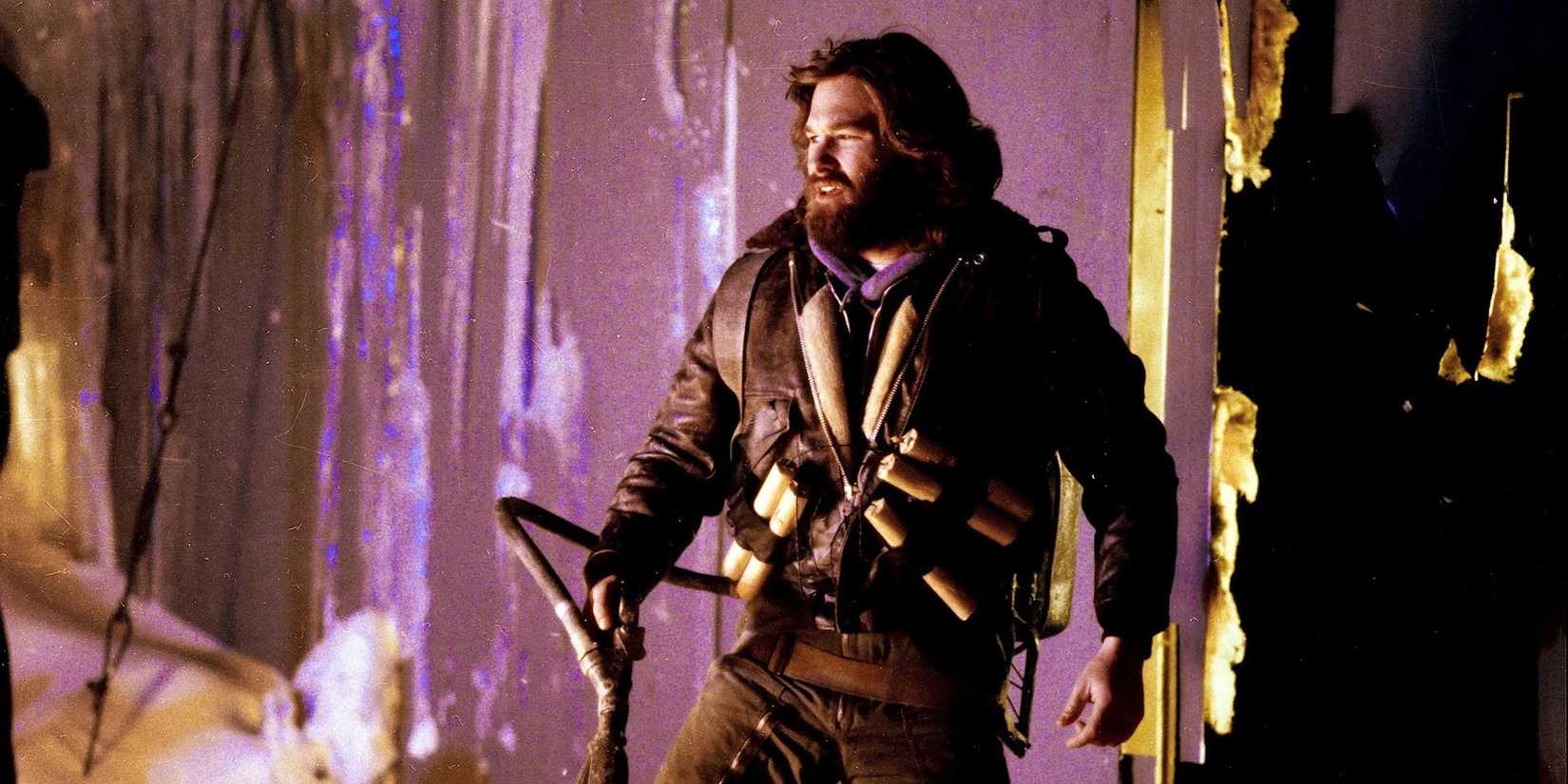
The financial and critical failure of The Thing upon release in 1982 is a complicated and shameful situation. The grisly R-rated remake of Howard Hawks‘ 1951 The Thing from Another World opened in the wake of Steven Spielberg‘s E.T. the Extra-Terrestrial, a hopeful and family-friendly sci-fi that captured hearts and became the highest-grossing movie ever made. Now, contrast that with John Carpenter‘s bleak and terrifying cosmic body horror, and it’s a little easier to understand the reception. Still, there’s really no forgiving the misguided vitriol at the time. The Thing was reviled, and Carpenter’s career was never the same. None other than Roger Ebert, who’d previously championed Carpenter’s work, especially Halloween, said the following in an infamous negative review:
“The Thing” is basically, then, just a geek show, a gross-out movie in which teenagers can dare one another to watch the screen. There’s nothing wrong with that; I like being scared and I was scared by many scenes in “The Thing.” But it seems clear that Carpenter made his choice early on to concentrate on the special effects and the technology and to allow the story and people to become secondary.
Take it from someone who adores Ebert and has read a remarkable percentage of his decades of output: this is the worst thing he ever wrote. Over the years, and thanks to home media and television, The Thing has come to be recognized as arguably Carpenter’s finest film, an extraordinary study in paranoia and isolation. The characters in the film are exactly as they were intended to be, engagingly and recognizably ordinary, as was the case with Alien. It makes the film all the more effective. It’s one of those rare, great horror movies where there’s an external threat, but the question is ultimately whether that’s even the greatest threat at all.
2
‘The Fly’ (1986)
The thing that’s most top of mind with The Fly is perhaps the most surprising for the uninitiated: David Cronenberg‘s landmark work of body horror is one of the best romantic movies of the 1980s. This is one of the most affecting and well-acted cinematic love stories, full stop. Jeff Goldblum gives the performance of his career (a woeful Oscars snub) as Seth Brundle, a scientist whose obsession drives him to fuse with the DNA of a housefly. Brundle’s gradual tragic mutation goes down just as he’s started to fall in love with science journalist Veronica Quaife (Geena Davis). There’s a surprisingly sympathetic love triangle with Veronica’s editor (John Getz), and The Fly packs a staggering amount of story into 96 minutes.
The Fly is body horror that works on many levels. Thanks to the excellent lead performances, it’s most potent as an allegory for the helplessness of watching someone you love succumb to terminal illness. This is a profoundly sad movie that, ironically, is made a little easier to stomach because of the science fiction and horror elements. The makeup effects here won the Oscar, because how the hell could they not? The Fly received substantial critical acclaim upon release, and if anything, it’s only become more beloved over time.
1
‘Aliens’ (1986)
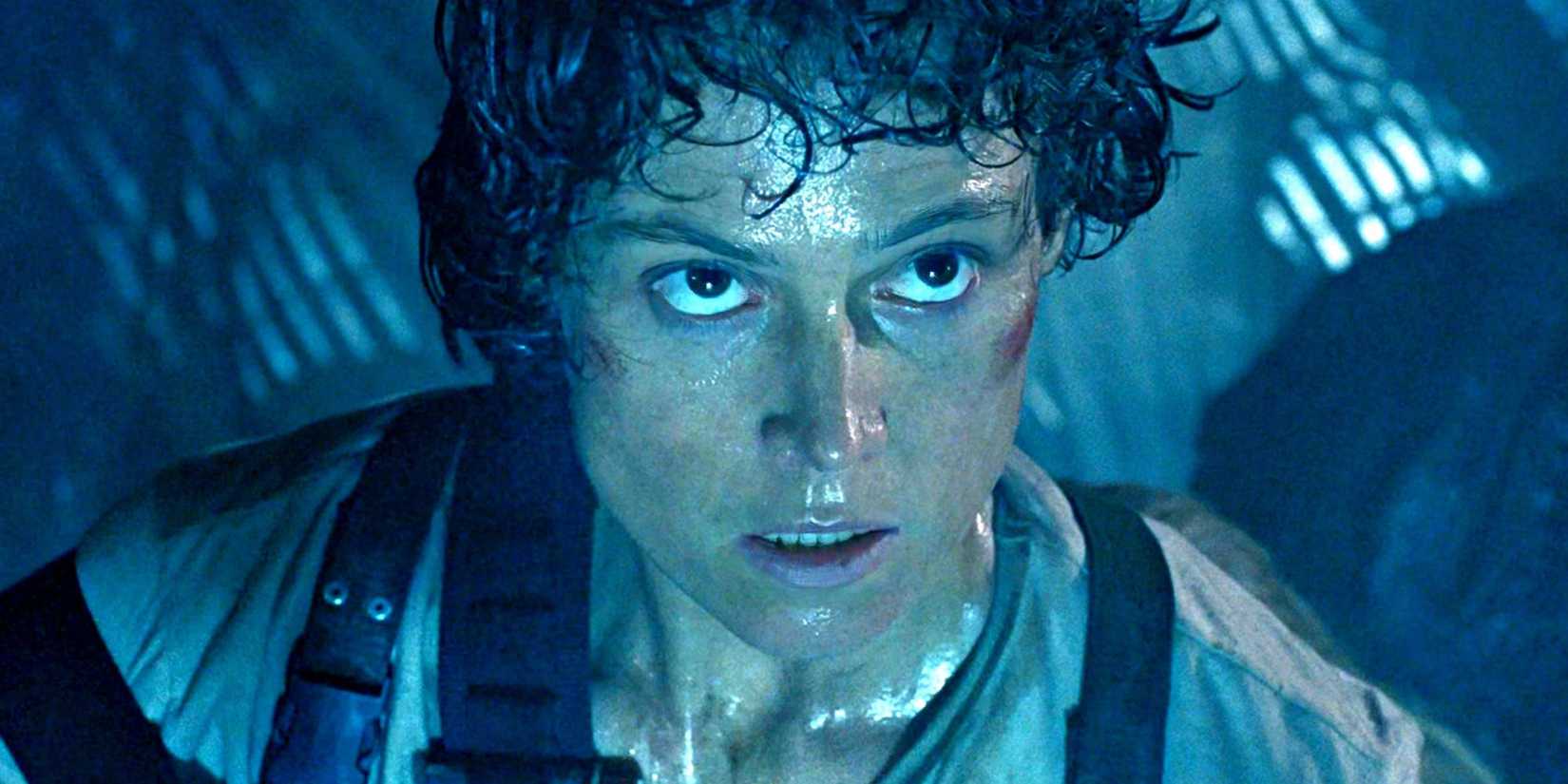
This may seem like a cheap shot, but so be it. Seven years after the runaway success of Alien, up-and-coming director James Cameron took the helm, in a move that would make or break his career following the breakthrough success of The Terminator. Weaver returned as Ripley, reportedly serving as peacemaker on occasion between the British film crew and tyrannically perfectionist Cameron. It was a troubled shoot, but absolutely no one could deny the juice was worth the squeeze. Aliens takes everything that made the original work and expands upon it, with the added element of it being an action film this time around. Alien is a textbook example of a slow-burn masterpiece; Aliens is one of the most unremittingly intense movies ever made, even when watching it a full four decades later.
Weaver received an Academy Award nomination for her work here, all but entirely unprecedented for genre filmmaking at the time. The actress herself once said that “Aliens made Alien look like a cucumber sandwich,” and while that may seem a bit exaggerated, so much of what gives the sequel the slight edge over the original comes down to this great performance, which is one of the best-loved in film history. James Cameron writes believable action heroines better than anyone, and Ripley’s evolution into matriarch savior is so compelling, especially in a wildly imaginative, frankly nuts finale with Stan Winston‘s Alien Queen.
Aliens enjoyed even more critical and financial success than the first, and Cameron had proven he was no fluke. Alien and Aliens are, deservedly, untouchable landmarks of cinema, and not just genre filmmaking. Both are considered among the finest films ever made, and your personal preference over which is the better of the two will vary.


aliens
- Release Date
-
July 18, 1986
- Runtime
-
137 minutes
- Director
-
James Cameron
- Writers
-
James Cameron
You must be logged in to post a comment Login