
Entertainment
The 20 Best ‘My Hero Academia’ Fights, Ranked


Note: This article contains spoilers for the final season of My Hero Academia.Since the release of My Hero Academia, it’s become one of the most popular anime out there. It’s taken over Western culture, and a huge reason for that is because of how absolutely awesome the fight sequences can get. The animation from Studio Bones is typically really well done and has resulted in some of the best-looking anime action scenes in the last few years.
Not only do the visuals of My Hero Academia aid the fight scenes’ quality, but the emotional and story stakes within them as well. Because if there’s anything about the series that people truly fall in love with, it’s the characters and how well they’re written. Everyone has their favorite member from Class 1-A, and each member of Class 1-A has an incredible fight under their belt.
20
Deku vs. Muscular: Round 2

The first Deku (Daiki Yamashita and Justin Briner) vs. Muscular (Kosuke Takaguchi and Jim Foronda) fight is one for the books (more on that later), so when the two of them get to have a bit of a rematch in the latter half of the series—My Hero Academia Season 6, Episode 19, “Full Power!” in particular—fans were quite excited. With how much of a struggle Deku faced last time they battled, the contrast between the past and present was absurd.
What better way to power scale this more experienced Deku than to put him up against one of his toughest foes of all time… and have him absolutely wipe the floor with him? No joke, the young hero takes down Muscular in borderline one hit. It’s a short fight, but an incredible one. It truly shows how far he’s come since the beginning of the show and sets the stage for how strong Deku is going to be moving forward—and power-scales how tough his upcoming villains are, too.
19
Deku and All Might vs. Wolfram

Something so special about the My Hero Academia movies is how much effort is placed into making them true spectacles that live up to, and sometimes even surpass, that of the main series. One of the hallmark examples of this is the fight of Deku and All Might (Kenta Miyake and Christopher Sabat) vs. Wolfram (Rikiya Koyama and Keith Silverstein) at the end of My Hero Academia: Two Heroes.
Up until this point in the series, no one really got to see the previous wielder of One For All and the current one actually team up. The final fight of My Hero Academia: Two Heroes rectifies that. Seeing the two heroes (pun intended) go up against such a gargantuan villain is a visual marvel, especially because of how well it is animated.
18
Armored All Might vs. All For One

After All Might lost his powers in his previous fight with All For One (Akio Otsuka and John Swasey), everyone thought that he was out of the game when it came to action. So, audiences were surprised in the best way when he decided to take on All For One for one last battle, using Hercules to armor up and become Armored All Might. Of course, All For One could not pass up this opportunity.
For a good portion of the battle, All Might actually serves All For One quite a beating, lowering his age (which was depleting from energy spent). However, even with the eventual help of Stain (Go Inoue and Robert McCollum), he eventually gets his butt handed to him and almost dies at the hands of his former nemesis. Regardless, though, seeing these two arch-nemeses face off one last time is a special treat.
17
Deku vs. Lady Nagant

It’s safe to say that fans and critics loved My Hero Academia‘s Dark Hero Arc. To get to see Deku go off on his own and down a pretty dark path was unique and thrilling. Especially with how great that costume looked. But the standout moment of the Dark Hero Arc was his breathtaking fight against Lady Nagant (Atsumi Tanezaki and Erica Lindbeck).
Not only was this the debut of another great character with a unique quirk, but it was another moment in which Deku got to show off just how absurdly powerful he was becoming at the time. Combining one of his new quirks, Fa Jin, with One For All at 45%, Deku traveled at speeds he’d never gone at before to save Kai Chisaki (Kenjiro Tsuda and Kellen Goff). Aside from this, it was the first time Deku had actually been truly challenged during this arc.
16
Overlay Deku vs. Shigaraki

Overlay Deku—unofficially known by fans as “Carnage Deku”—is one of Deku’s cooler and scarier forms in the series. Calling back to his vigilante era not too long ago, the young man has to take on this scarier form not to instill fear in Shigaraki, because he knows he can’t, but to force his body to move via Blackwhip. Due to how broken his body is at the time of the fight, he literally had to puppet his own body by wrapping himself in Blackwhip, which creates this terrifying new look.
What makes this fight interesting is not only the fact that Izuku has to do this, but also that, at this point, he’s lost his Danger Sense quirk, meaning he doesn’t have his little “Spidey Sense”-like power to warn him of danger, with Shigaraki now having it. This forces Izuku to use his smarts (something he’s always been best at) to work around the warning-based power that his enemy now holds. He’s also got a very unique goal in this battle, which is to transfer One For All to him to take his enemy out from the inside.
15
Deku vs. Overhaul

The conclusion to the Shie Hassaikai Arc in My Hero Academia Season 4 was the first time fans truly got to see Deku use One For All at a controlled 100%. That is, of course, thanks to the help of Eri (Seiran Kobayashi) and her Rewind quirk. After Lemillion (Tarusuke Shingaki) gave his everything to keep Eri out of Overhaul’s hands, it was up to Deku to reach out to her and give her one last chance to escape the evildoer’s clutches.
But it’s after this emotional moment that things get serious. Deku finally gets to go all-out to face a newly upgraded Overhaul and puts on a display of power unlike anything viewers had seen before this moment in the show. With the young hero’s potential fully unlocked, Overhaul comes to regret all he did to young Eri.
14
Deku, Shoto Todoroki, and Tenya Iida vs. Stain

There is no villain in the anime series like Stain, the Hero Killer. When the young and vengeful hero, Tenya Iida (Kaito Ishikawa and J. Michael Tatum), seeks to take down the serial killer who put his brother in the hospital, he needs saving from classmates Deku and Shoto Todoroki (Yuki Kaji and David Matranga). This incites a three-on-one fight between the young heroes and this blood-licking villain, which ended up being one of the best team-up fights in the series.
The fight served as a big moment for most of the characters here, too. Deku had just learned to truly control his powers (thanks to Gran Torino (Kenichi Ogata and Charles Campbell), Iida learns a lesson on heroism that changes how he makes decisions for the rest of the show, Todoroki begins to finally use his flames out in the field, and Stain shows that he approves of Deku by saving him from a Nomu.
13
Shoto Todoroki vs. Dabi

The Final War Arc easily has the greatest fight match-ups in the entire show. Everyone gets paired with characters that perfectly suit them or the character arc they’re in the midst of. Todoroki gets one of the best of the arc when he’s set up to face his long-lost brother, Toya Todoroki (Hiro Shimono and Ernesto Jason Liebrecht), aka Dabi. It’s the debut of Todoroki’s new ultimate move, Flashfire Fist: Phosphor. An ability that allows the cold and hot factors of his Half-Cold Half-Hot quirk into one ability.
This new way to regulate his body temperature sets off what is considered a “cold fire”, which both burns and freezes his enemies at once. The fight seems to end with Todoroki besting his brother after an intense battle of cold and hot. What proceeds, though, is Dabi making an escape after copying the Phosphor ability for himself, giving him a chilling new look.
12
Bakugo vs. Shigaraki

Before Katsuki Bakugo’s (Nobuhiko Okamoto and Clifford Chapin) heartbreaking death in Season 7, he actually had one of the coolest moments in the series as he had what the canon considers a “Quirk Awakening,” in which a hero upgrades their quirk via intense and near-death means. When this brash and hard-headed hero does so, he shows off his excellent battle sense by analyzing Shigaraki’s (Koki Uchiyama and Eric Vale) patterns in battle and using that knowledge to outpace him and predict his movements.
Bakugo gives one of the most surprising beat-downs in the entire season, dodging the villain at every move, and reaching a speed unlike anything people had seen him accomplish prior. He whoops Shiggy’s butt all across The Coffin in the Sky (a soon-to-be ironic name), and gives one of the most moving quotes in the series, “Hey Izuku, can I still catch up to you?” before his own heart explodes from the exertion.
11
Deku vs. Shoto Todoroki

One of the most popular fights in the entire series takes place while the students of U.A. High go head-to-head tournament-style. Deku and Todoroki face each other, and the moment that is born within the fight is one of, if not the most, popular scenes of the entire series. The standoff between the two young aspiring heroes features the green-haired student pushing his peer to move past his mental limits and dissociate the fire side of his quirk from his father, Endeavor (Tetsu Inada and Patrick Seitz).
He continues to pester Todoroki, saying he’s not giving the fight his all and not trying harder. This culminates in one of the best and most famous quotes from the show, where Deku screams (one of the best My Hero Academia quotes), “It’s yours! Your quirk! Not his!” The moment that follows, of the flames finally emerging from Todoroki, is chill-inducing and forces a smile onto anyone watching.
WordUp Morning
Ten stories, both sides of each, in five minutes. Free, every weekday at 7am, plus a Saturday weekend edition.
We'll email you a link to confirm. Unsubscribe any time.

Entertainment
Kennedy Center Honors 2026: Five Icons Named for Dec. 7 Gala Held Off-Site for the First Time


The Kennedy Center Honors named its 49th class on Monday: singer-songwriter Paul Anka, composer David Foster, actor Andy Garcia, playwright David Mamet and country singer Barbara Mandrell. The December 7 gala will be the first held away from the Kennedy Center itself, at Washington’s Capital One Arena.
The lineup spans pop, Broadway, film, theater and country. The announcement also lands in the middle of one of the most turbulent periods in the institution’s history.
Who Is Being Honored
Anka has been a hitmaker for nearly seven decades. He broke through at 15 with “Diana” in 1957, wrote “My Way” for Frank Sinatra, and composed the theme for “The Tonight Show Starring Johnny Carson.” He also released a new album, “Inspirations of Life and Love,” this year.
Foster arrives with 16 Grammy Awards, an Emmy, a Golden Globe and three Oscar nominations. Variety notes he helped launch the careers of Celine Dion and Michael Bublé. His songwriting credits include “The Prayer,” “After the Love Has Gone” and “I Have Nothing.” More recently he composed the Broadway musical “Boop!”, which is headed for a national tour.
Garcia earned an Oscar nomination for “The Godfather: Part III” and had a breakout role in “The Untouchables.” This year he wrote, directed and starred in “Diamond,” which premiered at Cannes.
Mamet won the 1984 Pulitzer Prize for “Glengarry Glen Ross” and received Oscar nominations for the screenplays of “The Verdict” and “Wag the Dog.” The Independent describes him as a known supporter of President Donald Trump.
Mandrell, a multi-instrumentalist, won the Country Music Association’s Entertainer of the Year award twice. Her hits include “Sleeping Single in a Double Bed” and “I Was Country When Country Wasn’t Cool.” She retired in 1997 and was inducted into the Country Music Hall of Fame in 2009. She is also the only woman in the Steel Guitar Hall of Fame.
A Ceremony Without Its Home
The move to Capital One Arena follows a fight over the building’s future. The board, which Trump chairs, voted in December 2025 to add his name to the center. In May a federal judge ruled that only Congress can rename it, and the name came down in June. After a judge blocked a second attempt in September, the board voted to close the center, citing structural deterioration.
Trump has said renovations will not proceed unless his name returns. He has also warned the complex could be “ripped down.” A federal judge ruled September 17 that the administration must give the court 30 days’ notice before any demolition or physical changes. The Independent reports the proposed project is a two-year, $257 million renovation. It also reports that Ohio Democratic Rep. Joyce Beatty has sued to challenge the closure. Members of the National Symphony Orchestra have reportedly kept rehearsing inside the shuttered building.
Open Questions for the Broadcast
Several basics are still unsettled. No host has been announced. Trump hosted last year’s show, which honored Sylvester Stallone, George Strait, Michael Crawford, Gloria Gaynor and KISS. No network has been named either. CBS aired the event from 1978, but its rights deal expired last year.
That matters because the 2025 telecast drew its smallest audience ever. The Independent puts the drop at 35 percent from the year before. Variety also points out that this year’s announcement came unusually late. Honorees are typically revealed between July and September, and this one arrived in November.
In a statement, Trump said the honorees are “amazing artists whose lifelong work has shaped American culture and inspired generations of audiences.” He added that the class continues “a tradition that has defined the Center for nearly 50 years.”
The artists themselves are widely admired and span genres. Whether the Kennedy Center Honors can keep its traditional prestige, without its usual venue, a confirmed broadcaster or a settled legal fight, is the larger question as December 7 approaches.
- Kennedy Center Honorees Class Of 2026: Paul Anka, David Foster, Andy Garcia, David Mamet & Barbara Mandrell (Deadline)
- Andy Garcia, David Foster, Paul Anka Lead Kennedy Center Honors (rollingstone.com)
- Kennedy Center names the 2026 honorees as Trump renovation battle moves the show offsite (The Independent)
- Kennedy Center Sets 2026 Honorees: David Mamet, Paul Anka, Andy Garcia and More (Variety)
File photo: John F. Kennedy Center and Watergate Complex – DC Aerial.jpg by OhanaSurf, CC BY-SA 4.0, via Wikimedia Commons.
WordUp Morning
Ten stories, both sides of each, in five minutes. Free, every weekday at 7am, plus a Saturday weekend edition.
We'll email you a link to confirm. Unsubscribe any time.
Entertainment
Martha Stewart apology: Why her first statement on the homeless Halloween costume fell short
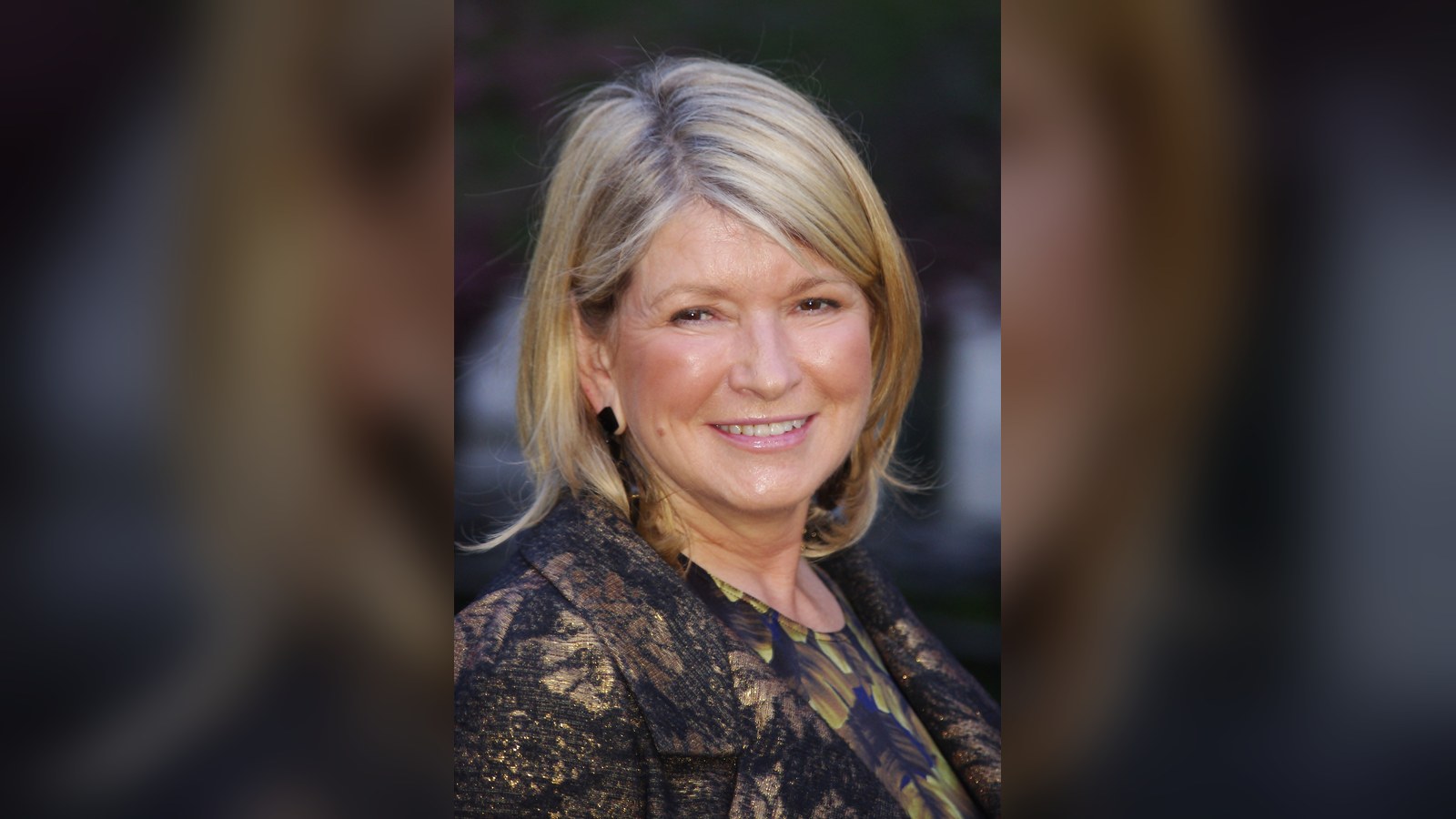
The Martha Stewart apology that finally arrived on Sunday came only after a first attempt at damage control made matters worse. The 85-year-old lifestyle mogul admitted she had “really screwed up” by dressing as a homeless person for Halloween, a costume that drew swift condemnation online.
What happened with the costume
On Saturday, 31 October, a photo appeared on Stewart’s Instagram showing her in torn clothes with dirt smudged on her face, holding a sign that read “I AM HUNGRY HELP ME!!” The caption read: “My QVC candles are perfect for Halloween!!!” According to the Evening Standard, the image appeared to have been included by accident in a carousel of posts promoting her candle collection on the shopping channel. That detail is the outlet’s reading of events, not something Stewart has confirmed. The post has since been deleted.
Whatever the cause, the pairing of a poverty costume with a product plug was hard to ignore. Users pushed back almost immediately. “Poverty isn’t a costume,” wrote one. Another asked who Stewart expected to find the joke funny, and answered their own question with: “Billionaires?” PR specialist Molly McPherson summed up the confusion in a post of her own, asking whether the look was “insulting? Demeaning? Confusing? All of the above.”
A first statement that missed the mark
Stewart’s initial response on Sunday said she was “distressed” that the costume had offended people. She said it had been meant to raise awareness of homelessness and that offense was “never my intention.” She also described homelessness as one of America’s greatest ongoing crises and said she had spent significant time and effort supporting charities that tackle it.
Many readers were not persuaded. The statement defended her motives without apologising, and some critics argued that someone with her wealth has better ways to raise awareness. “You have enough money to raise awareness without turning homelessness into a Halloween costume,” one person wrote. Another suggested she could have funded a soup kitchen or donated to a women’s shelter instead.
The fuller apology
A second statement followed. “It’s hard to admit when you’ve really screwed up,” Stewart wrote. “My earlier statement didn’t go far enough. I know many people are suffering economically. Wearing a costume like I did was insensitive and not funny. I am very sorry.”
The Martha Stewart apology is notable for what it drops. The talk of awareness is gone, and so is any suggestion that the offense lay in how people reacted rather than in the costume itself. Crisis communications often turn on that distinction: an apology tends to land better when it names the harm directly than when it explains the intent behind it.
Why the backlash cut deep
The reaction was sharpened by the scale of the problem Stewart was seen to be mocking. The Evening Standard noted that official figures put the number of homeless people in the United States at no fewer than 770,000. Against that, a billionaire-turned-brand-mogul posing with a “hungry” sign to sell candles struck many as tone deaf.
Stewart is also a public figure with a long history of reinvention. She built a catering business in the 1970s and became a household name in the 1990s with Martha Stewart Living. She was sentenced to five months in prison in 2004 after being found guilty on charges linked to an insider trading scandal. She then rebuilt her brand through television, food products and a series with her friend Snoop Dogg. In 2015 she sold her media company for more than $350m. A reputation that survived a prison term is unlikely to be ended by a deleted Instagram post, but the episode shows how quickly a promotional misstep can turn into a public reckoning.
For now, Stewart’s message is clear, even if it took two attempts: she says the costume was a mistake, and she has said sorry.
- Martha Stewart says she 'really screwed up' with homeless Halloween costume (BBC)
- Martha Stewart addresses backlash to homeless Halloween costume: 'I really screwed up' (standard.co.uk)
- Martha Stewart apologises for Halloween costume mocking the homeless (The Independent)
- Martha Stewart addresses backlash after dressing as homeless person for Halloween (foxnews.com)
Explore more on this topic with Vexel Search.
File photo: Martha Stewart 2011 Shankbone.JPG by David Shankbone, CC BY 3.0, via Wikimedia Commons.
WordUp Morning
Ten stories, both sides of each, in five minutes. Free, every weekday at 7am, plus a Saturday weekend edition.
We'll email you a link to confirm. Unsubscribe any time.
Entertainment
Strictly triple dance-off ends Lawrence Robb’s run as fifth couple exits and 10 remain

Header image: AI-generated illustration by WordUp News.
The first Strictly triple dance-off in the show’s history ended with Emmerdale actor Lawrence Robb and his professional partner Jowita Przystal leaving the competition on Sunday, after the judges voted them out.
Robb and Przystal landed in the bottom three alongside House of the Dragon actress Bethany Antonia and partner Nancy Xu, and actress Jaime Winstone and partner Carlos Gu. All three couples had ended up there through the combination of judges’ scores and public votes. Each danced their Halloween-week routine again: Antonia and Xu their jive, Winstone and Gu their salsa, and Robb and Przystal their tango to Ghostbusters.
How the judges decided
The format added a twist for the panel. Rather than choosing which couple to save, the judges had to name the one they wanted to eliminate. Shirley Ballas, Anton Du Beke and Craig Revel Horwood all picked Robb and Przystal, which settled the result. Motsi Mabuse’s casting vote was not needed, though she said she would have made the same choice.
The result is slightly surprising on paper. Robb and Przystal scored 26 on the Halloween leaderboard, above Tabby Stoecker and Mark Karmalita and Graeme Hall and Lauren Oakley, who were tied on 25. The sources do not give the public vote breakdown, but the pair’s position suggests viewer support was a factor in their landing in the bottom three.
Who topped the leaderboard
At the other end of the table, Lacey Turner and Vito Coppola led the week with a Charleston to Crazy Stupid Love, with each judge giving them a nine. The reports differ slightly on their total: one lists 36, the other 37. Four nines make 36, which is the figure that fits. John Nellis and Katya Jones followed on 35, with Cach Mercer and Maddie Ingoldsby and Delta Goodrem and Kai Widdrington both on 33.
One notable fall was Stoecker and Karmalita. They had topped the previous week’s scoreboard but dropped to the bottom of this one with their Quickstep to Black Magic.
A one-off twist, and a Halloween cameo
The Strictly triple dance-off appears to be a one-off. The show goes back to the usual two-couple dance-off for the rest of the series, so this week’s three-way contest was a Halloween-week special rather than a permanent change.
The results show stayed on theme. The professional dancers performed a vampire-themed group routine to Dracula by Tame Impala, which was recorded earlier in the year. It was narrated by Sir Ian McKellen, who read from Bram Stoker’s novel at the climax. Becky Hill also performed.
The remaining 10 couples return to BBC One on Saturday 7 November at 6.30pm, with the results show at 7.10pm the following night. After the first Strictly triple dance-off, the competition now enters a stage where every elimination is a straight two-way contest.
Explore more on this topic with Vexel Search.
WordUp Morning
Ten stories, both sides of each, in five minutes. Free, every weekday at 7am, plus a Saturday weekend edition.
We'll email you a link to confirm. Unsubscribe any time.
Entertainment
Halloween Box Office Sinks to Roughly $60 Million as Holmes Documentary Edges Out ‘Clayface’

Header image: AI-generated illustration by WordUp News.
The Halloween box office was a quiet affair in North America, and the film that came out on top was a near-three-hour documentary in its third weekend. A24’s “You Can See Everything,” about Elizabeth Holmes, took the top spot with an estimated $10.6 million. It beat Warner Bros.’ “Clayface” by about $200,000, according to studio estimates released Sunday.
Final numbers arrive Monday, and a photo finish can flip. Still, the estimates point to a modest victory for a film that cost only $7 million to make.
Why the Halloween box office stalled
Total ticket sales for the weekend came to roughly $60 million, according to Rentrak. That ranks among the slowest weekends of 2026, and one estimate suggested it would not climb past $63 million. There were no major new wide releases, and the holiday fell on a Saturday, usually the biggest moviegoing night.
“With costume parties, trick-or-treating and countless other Halloween activities, theaters were facing some pretty stiff competition for people’s time and attention,” said Rentrak’s Paul Dergarabedian. Families tend to choose trick-or-treating over the multiplex when the holiday lands on a weekend.
The weekend was still an improvement on last year’s. The 2025 Halloween frame totaled about $49 million, led by “Regretting You” and “Black Phone 2.” The year as a whole is also running well ahead, with domestic box office up more than 17% from 2025 at nearly $8.5 billion.
A documentary’s unlikely run
“You Can See Everything” has now earned about $63.9 million in North America, and it hasn’t opened internationally yet. This was its first weekend at No. 1. Dergarabedian called that “a rare achievement for any film, let alone a documentary running more than three hours.”
Variety reports that enthusiastic word of mouth and repeat viewings are driving the run, as audiences return to process what the film shows. It is expected to finish as one of the biggest documentaries in decades.
‘Clayface’ and the economics of a smaller superhero film
“Clayface,” an R-rated origin story for the Batman villain, fell 57% in its second weekend. It has made $44.1 million domestically and $83 million worldwide, against a reported $44 million budget. That is lean for DC. Last year’s “Superman” cost $225 million, and July’s “Supergirl” cost $175 million. Variety attributes the lower spending to the film’s darker tone and a title character less famous than DC’s headliners. Bigger bets follow with “Superman: Man of Tomorrow” next summer and “The Batman: Part II” in 2028.
The rest of the top five
Laika’s stop-motion fantasy “Wildwood” held third with $7.5 million, down 39%, for a $25.9 million domestic total. Its $100 million budget makes a theatrical profit unlikely, Variety notes.
“Wicker,” a comedy with Olivia Colman and Alexander Skarsgård, took fourth with $4.1 million, a 28% drop. Its $13.2 million total looks healthy for a Sundance pickup that cost $2.5 million to acquire. “Street Fighter” was fifth with $3.2 million after a 63% decline. It has made $53 million in North America and $91.9 million worldwide, but its $82 million budget and the share of ticket sales theaters keep leave it far from breaking even.
Further down, the Sundance title “The Only Living Pickpocket in New York” added more than 1,000 locations and earned $1.9 million for eighth place. Netflix’s World War II film “The Mosquito Bowl” made $455,000 from 349 theaters. Variety also noted that Zach Cregger’s “Resident Evil” reboot has reached $400 million globally.
Taken together, the results show a market that is healthy over the year but sensitive to the calendar. The Halloween box office was held back by the date, and the weekend’s winner was a small documentary rather than a studio tentpole.
Explore more on this topic with Vexel Search.
WordUp Morning
Ten stories, both sides of each, in five minutes. Free, every weekday at 7am, plus a Saturday weekend edition.
We'll email you a link to confirm. Unsubscribe any time.
Entertainment
Tovah Feldshuh Says ‘Tensions Are Not Rising’ on ‘Nobody Wants This’ as Season 4 Remains Unrenewed
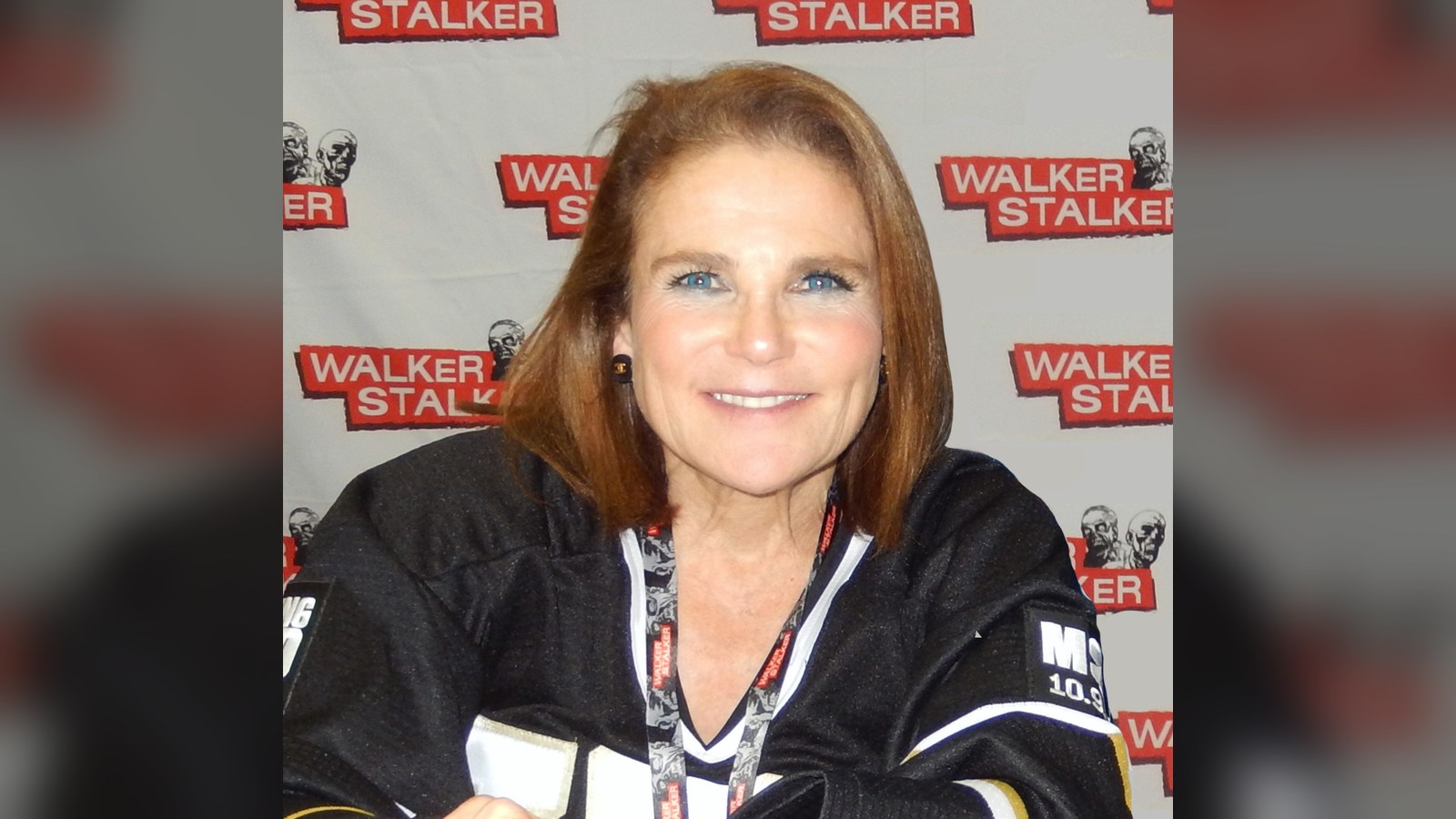
Tovah Feldshuh is drawing a line between disagreement and discord on the set of Netflix’s “Nobody Wants This.” The actress, who plays Bina, the mother of Adam Brody’s Rabbi Noah, says the cast’s split over the Israel-Palestine conflict is real but is not turning into friction at work.
Tovah Feldshuh Separates ‘Tensions’ From ‘Profound Differences’
Feldshuh responded on Threads to a user who claimed “tensions are emerging” on the show. Her reply was pointed: “Tensions are NOT RISING. Profound differences of opinion are.” She asked people not to “conflate the two” and said none of it “will be brought to the set.” She added that she deeply enjoys filming the series and hopes it is “chosen” to continue for a fourth season.
That last line matters because the show has not been renewed. Creator Erin Foster has said she has “more story to tell,” but Netflix has not committed to a Season 4.
How the Disagreement Began
The debate traces back to a September GQ interview in which Brody spoke plainly about the war in Gaza. “Put me down as thinking it’s a genocide,” he said. “Put me down as wanting a free Palestine.” He called the death and misery “awful” and said the situation seemed to be reaching a breaking point. Deadline’s account of the interview adds that he voiced hope that “another administration” could correct policies he believes worsen the crisis.
Foster, who is Jewish and drew on her own relationship with her husband for the show, responded more cautiously. She called the issue “complicated” and said she loves Brody but disagrees with him. She likened the set to “dinner tables around the world where people are having debate and discussion and disagreeing,” and added, “that’s OK.”
Feldshuh’s reaction was much sharper. She told The New York Post that accusing the Jewish people of genocide is “wild” and “right out of Hitler’s playbook,” arguing that it takes the victim and makes the victim the perpetrator. Her Threads post suggests she wants the dispute understood as a clash of convictions, not a breakdown in working relationships.
A Show That Has Steered Clear of Politics
The public argument is striking partly because the series itself has avoided the conflict. “Nobody Wants This” follows Joanne (Kristen Bell), an agnostic podcaster who falls for the progressive Rabbi Noah and starts exploring conversion to Judaism, a choice that unsettles both of their families. Its themes are faith, identity and family expectations, not geopolitics.
Still, a series built on Jewish identity can hardly keep real-world debates at bay once its stars start speaking publicly. The cast’s comments suggest Foster’s “dinner table” comparison is what the production is aiming for: open disagreement without turning the set into a battleground.
Whether that holds will be tested only if Netflix orders more episodes. For now, Tovah Feldshuh is making clear that she wants to return, and that, in her telling, the disagreement stays off the soundstage.
Explore more on this topic with Vexel Search.
File photo: Tovah Feldshuh 2016 (cropped).png by Neshamasheli, CC BY-SA 4.0, via Wikimedia Commons.
WordUp Morning
Ten stories, both sides of each, in five minutes. Free, every weekday at 7am, plus a Saturday weekend edition.
We'll email you a link to confirm. Unsubscribe any time.
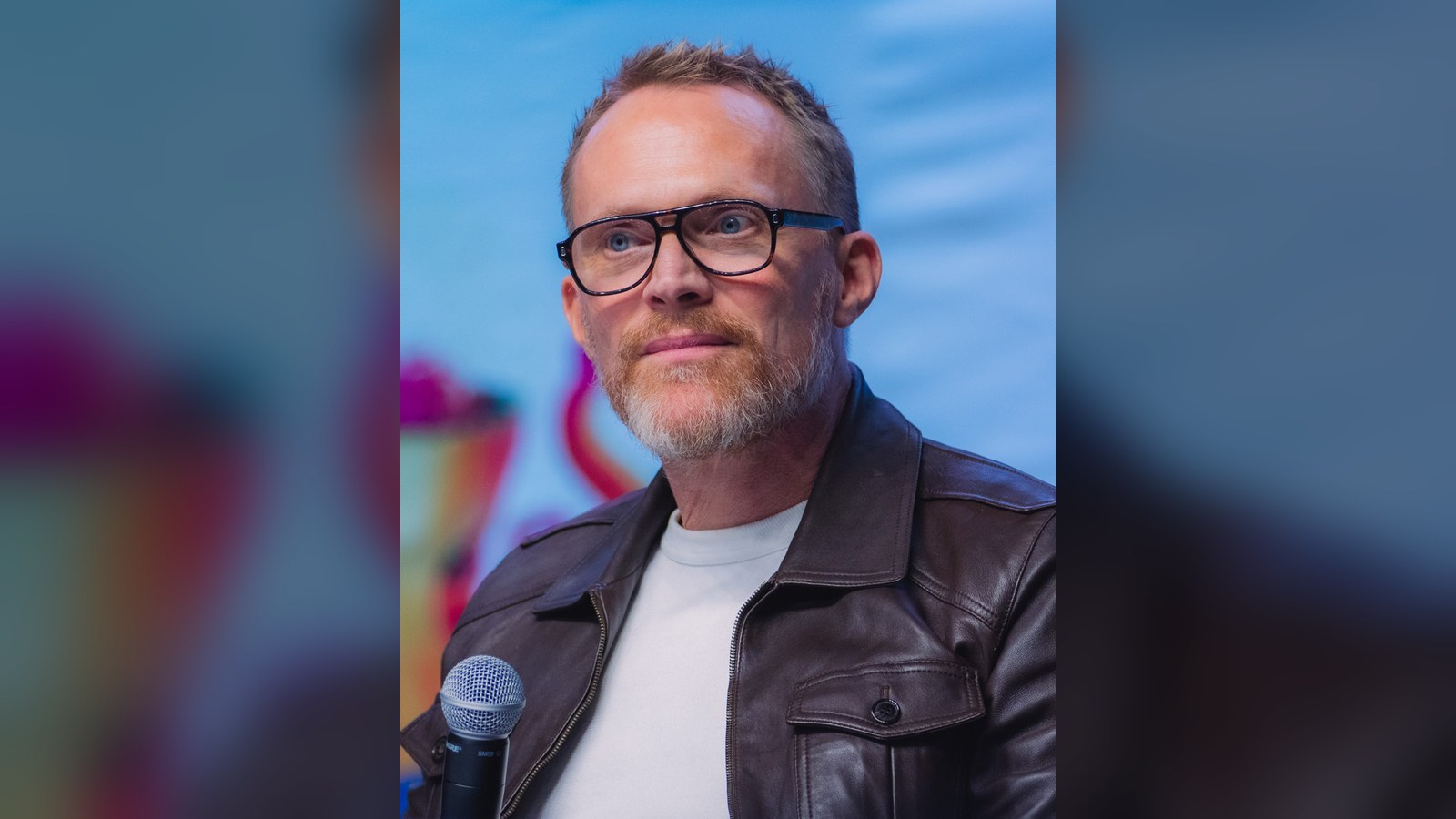
Playing a near-indestructible android didn’t spare him from a very human injury. Paul Bettany says he burst about 10 blood vessels in one eye while filming Marvel’s VisionQuest, the result of what he calls some seriously overcooked acting.
What Paul Bettany said about the blood vessels
Bettany shared the story on Jimmy Kimmel Live, as reported by Deadline and Variety. The scene called for him to pretend a device on his head was messing with his brain. “I was just wildly overacting,” he said, “and I blew out about 10 blood vessels in my eye.” His verdict: “It was a lesson in less is more.”
According to Variety, Kimmel then showed the audience a photo of the blood-filled eyeball. Bettany said the redness lasted “like two weeks.” He assumes it “must’ve cost production so much” to remove it with CGI. That is his own guess about how the show handled it, not a confirmed account of the visual effects work.
A joke about the actor’s own eyesight
Bettany also found some irony in the mishap. “The actor playing Vision is kind of myopic,” he joked, adding that he “can’t see a thing” without his glasses. He said that is “great depending on the actor you’re working with.”
The anecdote fits the show’s premise, which asks Vision to look inward. VisionQuest is set after WandaVision (2021). It follows the character as he communicates with several AI personas embedded in his programming while trying to work out who he is. With a bounty on his head, he goes on the run with a mysterious teen played by Ruaridh Mollica, who may be his reincarnated son.
Where VisionQuest stands now
Variety reports that the eight-episode series debuted on Disney+ on October 14. Deadline says the Season 1 finale airs November 10. Bettany first appeared in the Marvel Cinematic Universe as the voice of J.A.R.V.I.S. in the first Iron Man. He then played Vision in Avengers: Age of Ultron, Captain America: Civil War, Avengers: Infinity War and WandaVision.
James Spader returns as Ultron, and the cast also includes Henry Lewis, Jonathan Sayer, James D’Arcy, Orla Brady and Emily Hampshire. The coverage doesn’t say which episode or scene the injury happened in, so viewers will have to guess whether the brain-device sequence is the one.
The sources don’t say whether Bettany needed any medical treatment beyond waiting for the redness to fade. What they do show is an actor laughing at himself. Paul Bettany’s blood vessels paid the price for a scene he now says would have worked better with a lighter touch.
- ‘Vision Quest’s Paul Bettany On How He Blew 10 Blood Vessels In His Eye While “Wildly Overacting”: “A Lesson In Less Is More” (Deadline)
- Paul Bettany Says He ‘Blew Out’ 10 Blood Vessels in His Eye While Filming ‘VisionQuest’: ‘I Was Just Wildly Overacting’ (Variety)
- Marvel star Paul Bettany blew out 10 blood vessels in his eye during wild ‘VisionQuest’ scene (foxnews.com)
File photo: Paul Bettany – Los Angeles Comic Con 2025.jpg by Kevin Paul, CC BY 4.0, via Wikimedia Commons.
WordUp Morning
Ten stories, both sides of each, in five minutes. Free, every weekday at 7am, plus a Saturday weekend edition.
We'll email you a link to confirm. Unsubscribe any time.
Entertainment
Taika Waititi Calls Critics “Obsolete” as Klara and the Sun Earns Just $1.7M Worldwide
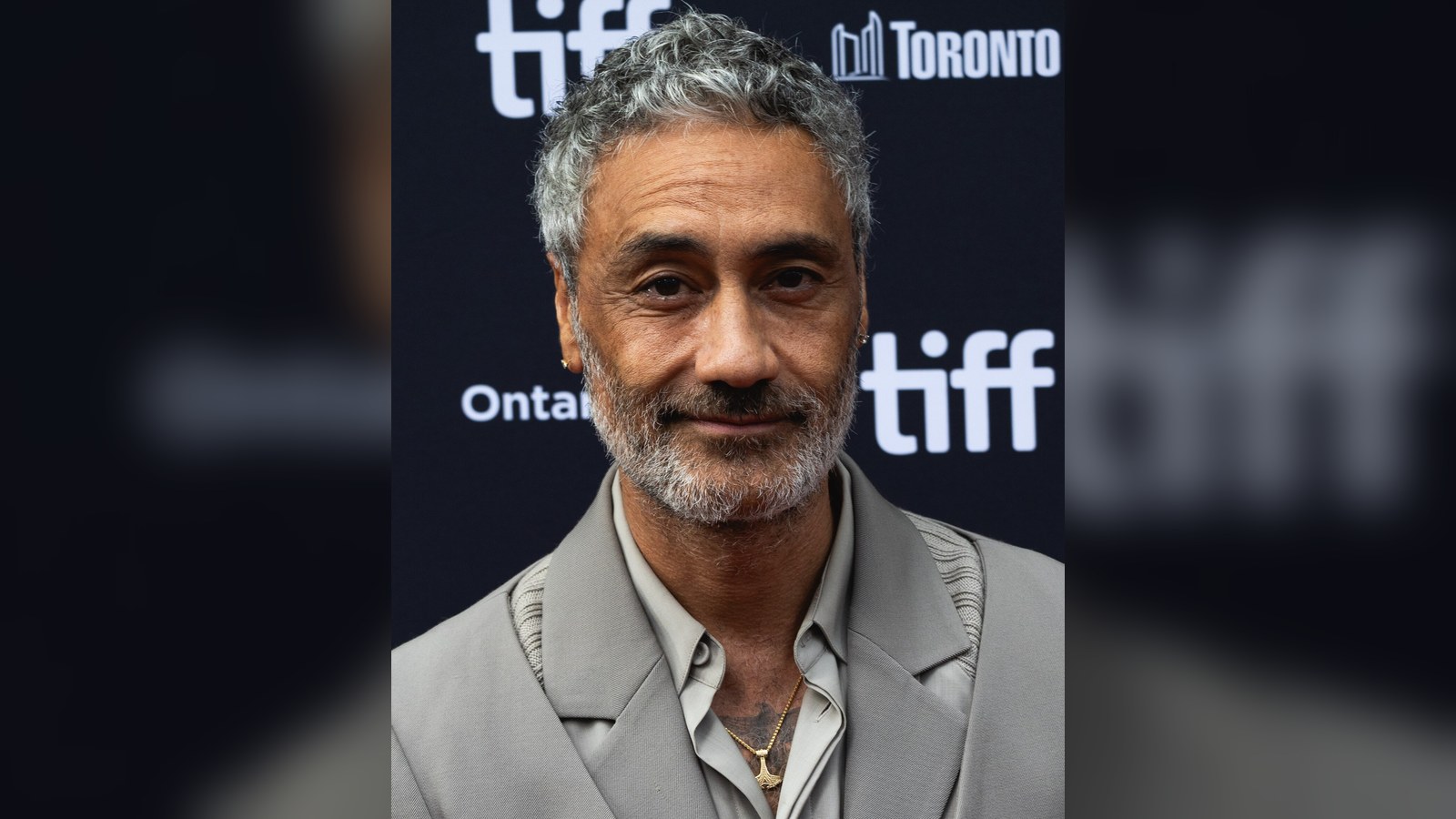
Taika Waititi has told critics they are “irrelevant, out of touch, obsolete” and “in the bin” after Klara and the Sun opened to a rotten Rotten Tomatoes score and a box office launch that barely registered. The film had grossed about $1.7 million worldwide at the time of reporting.
The Oscar-winning director posted the broadside on Instagram on Halloween, sharing the film’s poster along with its Rotten Tomatoes audience and critics scores. “I haven’t read a review of anything aimed at me or my peers in almost 15 years. But I do listen to the people,” he wrote. He then urged followers to “spare a thought for those sad lost souls who couldn’t achieve their dreams of becoming artists, and thus became critics,” adding that they were “the same people who also hated Jojo Rabbit.”
What the Klara and the Sun scores show
The gap Waititi highlighted is real, though the exact figures shift depending on the outlet and the hour. Reports put the critics’ score between 26 and 28 percent. The audience score was cited at 78 percent in his post, and Deadline noted it had slipped to 73 percent by its report. IGN put it at 74 percent. Either way, viewers have been far kinder than reviewers.
Deadline’s own review said the director seemed a natural fit for Kazuo Ishiguro’s 2021 novel, given his taste for peculiar, cringe-tinged comedy. It concluded that the film “just doesn’t deliver on any of the fronts it promises.” Deadline also reported that the negative notes began with the film’s screening at the BFI London Film Festival this month.
His Jojo Rabbit jab is less clear-cut. IGN pointed out that the 2019 film holds an 81 percent critics’ score on Rotten Tomatoes and drew strong notices, including an 8.5/10 from IGN itself. It is not obvious which negative reaction he means.
A box office launch that barely registered
The commercial picture is harder to spin. Sony reportedly cut the release of Klara and the Sun to roughly 880 North American theaters, down from an anticipated 2,000, according to the sources. The film opened to an estimated $701,000 to $725,000 domestically, depending on the report, and landed outside the top 10. IGN, citing Deadline, said Sony stopped reporting the film’s earnings over the following weekend. Reported budgets range from about $20 million to $40 million.
Some commenters on Deadline’s story blamed thin marketing rather than the reviews, saying they had seen almost no trailers. Others said a film tracking that low would never get a big promotional push. The sources don’t settle that argument, and it’s impossible to say from the numbers alone how much the reviews, the marketing or the material itself drove the result.
The film, and Waititi’s view of AI
The adaptation stars Jenna Ortega as Klara, an “Artificial Friend” bought for a gravely ill teenager, with Amy Adams as the girl’s mother. Waititi’s AI comments at the New York premiere, reported by The Hollywood Reporter, now sit awkwardly beside the public spat. He said AI use in the industry is probably inevitable, but that he wants it used “as a tool, as opposed to a replacement.” He added, “I don’t want to replace humans. I want to work with them.”
Directors pushing back on critics is hardly new, and the audience scores give Waititi some ground to stand on. But with Klara and the Sun struggling to find moviegoers at all, a public attack on reviewers is unlikely to change the box office story. The film is a small-scale test of how far a director’s name and a famous novel can carry a project when both reviews and release plans go wrong.
- Taika Waititi Blasts Critics as 'Irrelevant, Out of Touch, Obsolete' Following Klara and the Sun's Negative Reviews (IGN)
- Taika Waititi Calls ‘Klara and the Sun’ Critics “Irrelevant, Out Of Touch, Obsolete” (Deadline)
- ‘Klara and the Sun’ Director Taika Waititi Calls Critics “Sad Lost Souls” Over Negative Reviews (The Hollywood Reporter)
Explore more on this topic with Vexel Search.
File photo: Taika Waititi photo by pouria afkhami (cropped).jpg by Pixoos, CC BY-SA 4.0, via Wikimedia Commons.
WordUp Morning
Ten stories, both sides of each, in five minutes. Free, every weekday at 7am, plus a Saturday weekend edition.
We'll email you a link to confirm. Unsubscribe any time.
Entertainment
Michael Mann gun range accident: Heat director, 83, treated for “superficial” leg wound
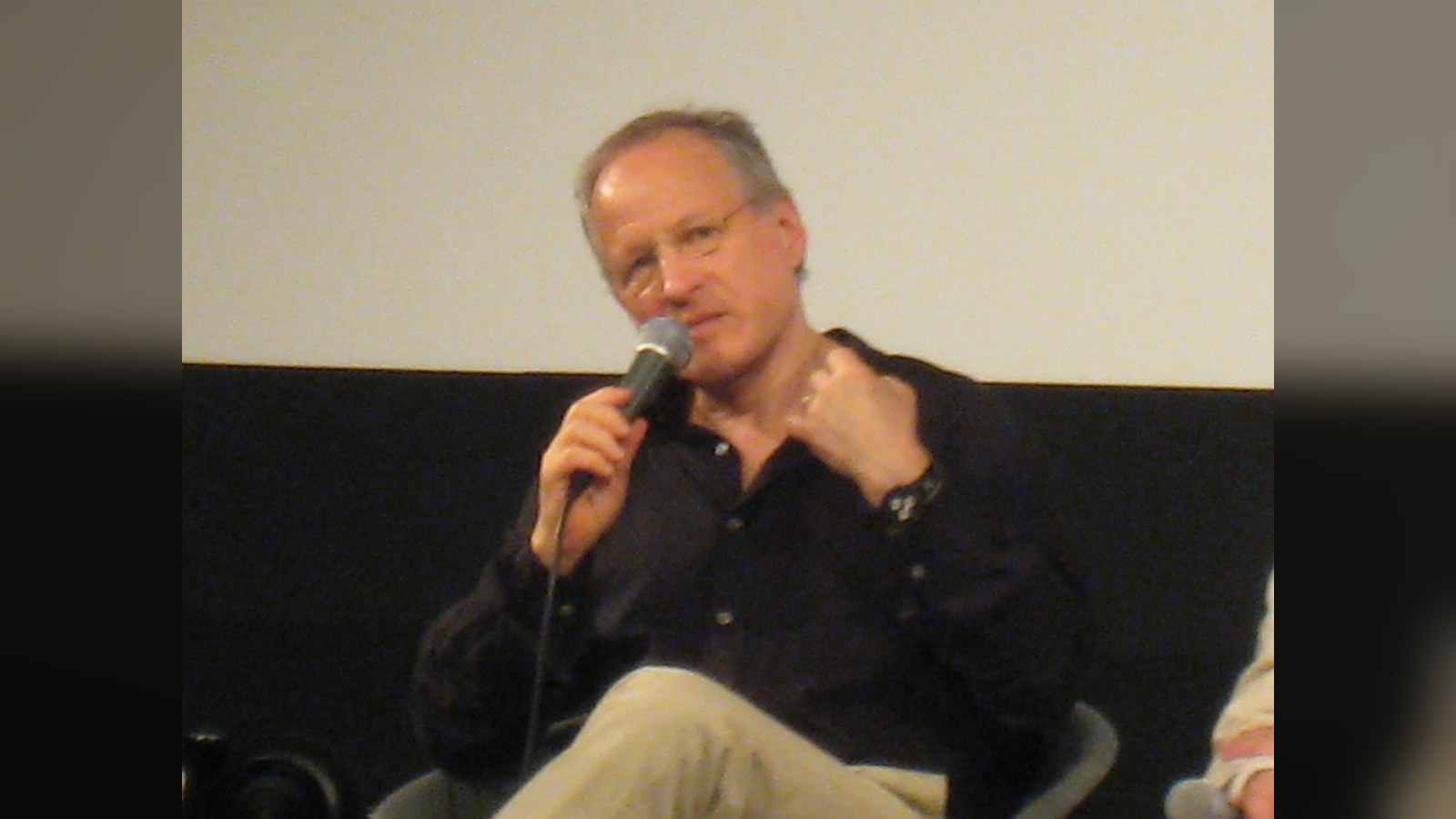
Michael Mann, the 83-year-old director of Heat, was treated at a hospital and released after a Michael Mann gun range accident in Los Angeles on Saturday, according to his representative. The injury was described as superficial, and the filmmaker is now said to be on his way home.
The Associated Press reported the news after speaking with Mann’s representative on Sunday. The story first surfaced on the celebrity site TMZ. In a statement quoted by several outlets, the representative said: “On Saturday, at a gun range, a weapon accidentally discharged while holstered resulting in a superficial injury to film director Michael Mann. He was treated and is being released.”
What we know about the incident
The core facts are consistent across the coverage. The accident happened Saturday, which was Halloween, at a Los Angeles gun range. The Guardian names the venue as The Range LA. A gun went off while still in its holster, and the bullet struck Mann in the leg. Emergency services were called and he was taken to a hospital.
The finer details differ slightly between outlets, and some remain unclear. TMZ, as relayed by the Guardian, said Mann had been trying to holster the weapon when it discharged. IGN, also citing TMZ, said the incident happened during a training exercise of some kind and that Mann had no intention of harming himself. The representative’s statement says only that the gun discharged while holstered. IGN itself noted that additional details are unclear.
Several reports stressed Mann’s familiarity with firearms. The Independent said he has apparently been an experienced target shooter for decades and that the accident happened at a sanctioned range. That detail fits a long-standing reputation for rigorous, hands-on preparation in his crime films, though none of the sources suggest the film work was connected to Saturday’s events.
What it means for Heat 2
The timing will draw attention because Mann is in the middle of preparing his long-awaited follow-up to Heat. According to IGN, Christian Bale confirmed in February that he would soon begin filming in Chicago, and Leonardo DiCaprio joined the project in July. Both are reportedly set to play Vincent Hanna and Chris Shiherlis, though IGN framed the casting details as reported rather than confirmed. Stephen Graham and Ebon Moss-Bachrach are also expected to appear, and the film will draw on Mann’s novel of the same name.
The sources disagree on the schedule. IGN said filming had been expected to begin this month, while the Independent, citing the AP, said the sequel is supposed to begin filming early next year. Nothing in the reporting says the injury will delay production, and the description of the wound as superficial suggests no major disruption. Still, no one involved has commented on the production calendar since the incident.
A busy stretch for a veteran filmmaker
The Michael Mann gun range accident comes during an active period for the director, whose credits include Manhunter, The Last of the Mohicans, Collateral, Thief, Public Enemies and the 2023 drama Ferrari with Adam Driver and Penélope Cruz. He also helped create the 1980s TV series Miami Vice. IGN reports that last month he premiered a director’s cut of his 2006 Miami Vice film and discussed his latest changes at a Q&A at Beyond Fest.
For now, the picture is reassuring. A holstered weapon discharged, an experienced shooter was hurt, and the injury was minor enough that he was released the same weekend. Further details, including how the discharge happened, have not been made public, and Mann’s representative has so far offered only the brief statement above.
- Director Michael Mann accidentally shoots himself in the leg at gun range (The Guardian)
- Heat Director Michael Mann Hospitalized After Accidentally Shooting Himself in the Leg (IGN)
- Hollywood director Michael Mann hospitalized after accidentally shooting himself at Los Angeles gun range (foxnews.com)
- ‘Heat’ director Michael Mann sustains ‘superficial injury’ at gun range (The Independent)
Explore more on this topic with Vexel Search.
File photo: Michael Mann – French Cinematheque – 4th July 2009.jpg by Thbz, CC BY-SA 3.0, via Wikimedia Commons.
WordUp Morning
Ten stories, both sides of each, in five minutes. Free, every weekday at 7am, plus a Saturday weekend edition.
We'll email you a link to confirm. Unsubscribe any time.
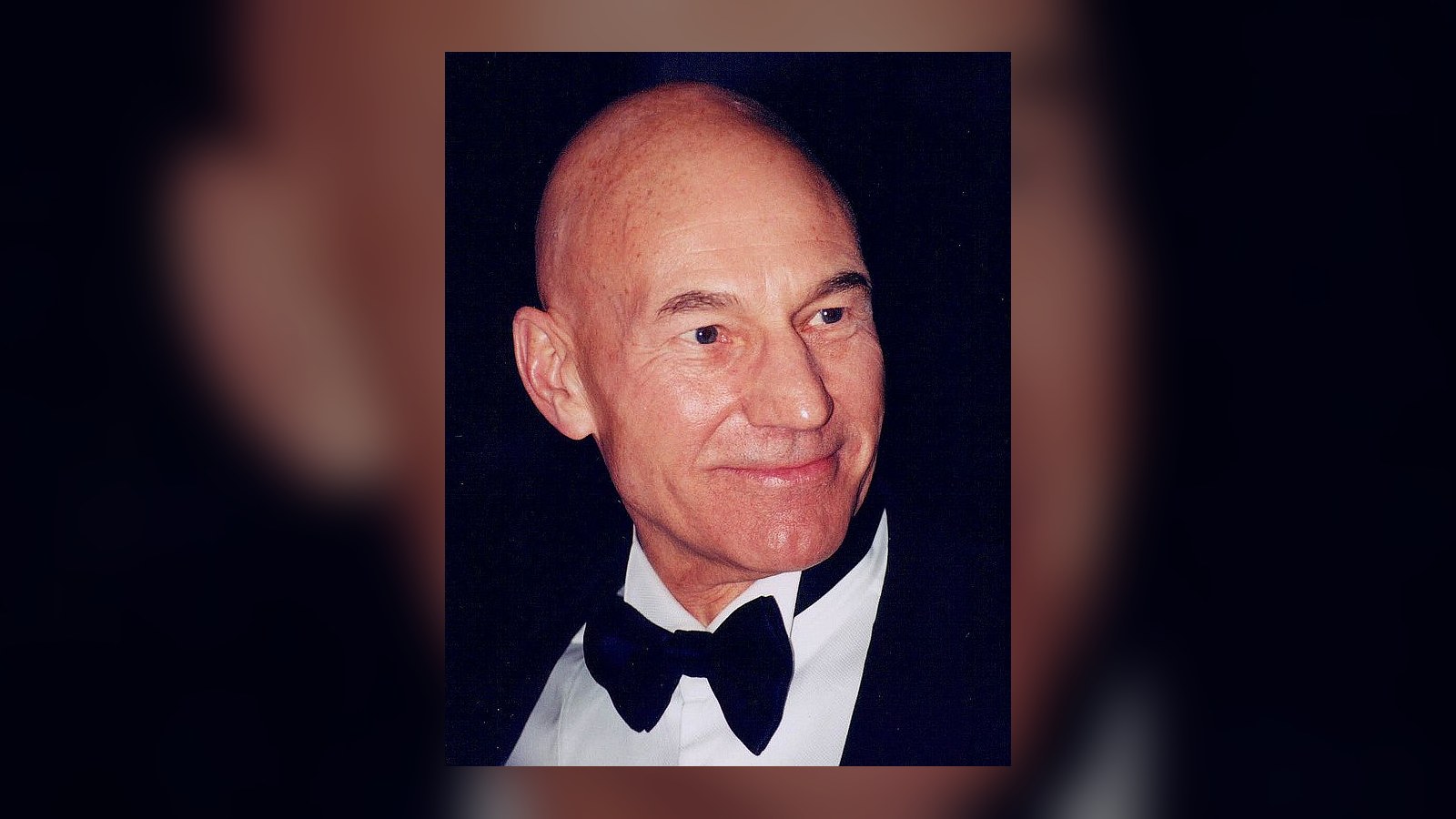
The Patrick Stewart death, announced after the actor died at 86 at his Los Angeles home on Wednesday evening, has drawn tributes from across theatre, film and politics, with Dame Judi Dench among the first of his contemporaries to speak publicly about the loss.
Speaking to the Press Association at an event marking 50 years of the National Theatre building, Dame Judi, 91, said she was “very, very shocked” and “very surprised” by the news. She described a colleague who never coasted. “He’s never been one of those actors who never felt like it that night, he was always very, very committed,” she said. “He’ll be much missed and he was much admired.”
A shared stage and a shared classroom
Dench and Stewart both belonged to the Royal Shakespeare Company. Stewart joined in 1966 and went on to appear in dozens of its productions, building a stage reputation long before television made him a household name. The two also appeared together in Playing Shakespeare, a 1982 television masterclass series.
That grounding in classical theatre was the thread running through many of the tributes. Sir David Suchet, Dame Harriet Walter, James McAvoy and Sir Ian McKellen were among those who paid their respects. Downing Street said Stewart “never forgot his working-class Yorkshire roots” and brought “joy to millions”. On Friday’s edition of BBC’s The One Show, presenters Roman Kemp and Clara Amfo closed the programme with a 2023 clip in which Stewart recalled his first time on a stage. “I felt safer than I’d ever felt in my life,” he said.
What the family statement said
A statement on Stewart’s Instagram page said he died after a “brief and poignant journey with Alzheimer’s disease and Lewy body dementia”. The Mirror reported that his wife, Sunny, confirmed the news. The statement said he was surrounded by family and friends, live music, prayers and laughter, and it remembered him for “the dignity, compassion and humanity he brought to every role – in his art and life.”
It also highlighted his philanthropy and activism, including work for survivors of domestic violence, refugees, veterans’ mental health services and animal welfare. It described him as a Knight, Chancellor, motor sport enthusiast and lifelong Huddersfield fan. Rather than flowers, the family asked for contributions to the Johns Hopkins Alzheimer’s Disease Research Centre Fund and the Alzheimer’s Foundation of America’s caregiver resources.
A career from Shakespeare to the Starship Enterprise
Born in Mirfield, West Yorkshire, in 1940, Stewart had a career of six decades. He won two Olivier Awards for supporting roles in Shakespeare, for Antony and Cleopatra in 1979 and Hamlet in 2009. He also earned four Emmy nominations and a Grammy for a children’s recording of Peter and the Wolf. Global fame came as Captain Jean-Luc Picard in Star Trek: The Next Generation from 1987, and later as Professor Charles Xavier in the X-Men films, beginning in 2000. Fans will see him once more as Xavier in Avengers: Doomsday, due in mid-December.
Understanding the conditions behind his death
Coverage of the Patrick Stewart death has also prompted questions about the two conditions named. Lewy body dementia, also called dementia with Lewy bodies, is caused by clumps of protein in the brain’s nerve cells. The Independent reports that it is thought to affect around 100,000 people in the UK. Around 5 per cent of diagnosed dementia cases are recorded as this type, but specialists argue it is under-diagnosed and the true share could be as high as 20 per cent.
Symptoms can include hallucinations, confusion, slow movement, tremors, disturbed sleep and fainting spells. Many of these overlap with Alzheimer’s, which makes diagnosis difficult. A US physician told HuffPost there is no single definitive test. There is no cure, though medication and therapies can ease symptoms. Survival after diagnosis is estimated at five to seven years on average, though it can be far longer.
Public awareness of the condition rose after Robin Williams was diagnosed with it posthumously following his 2014 death. For Stewart’s admirers, the Patrick Stewart death is a reminder of how little warning these illnesses can give, and of the dedication Dench says he brought to every performance.
- Judi Dench ‘shocked’ and ‘very sad’ to hear of death of Sir Patrick Stewart (standard.co.uk)
- Lewy Body Dementia and Alzheimer’s: Symptoms and what you need to know after Patrick Stewart’s death (The Independent)
- BBC presenters pay touching tribute to Sir Patrick Stewart after tragic death (mirror.co.uk)
- Patrick Stewart Had Lewy Body Dementia. Here's What To Know About The Condition (huffingtonpost.co.uk)
Explore more on this topic with Vexel Search.
File photo: Patrick Stewart 1999.jpg by Kingkongphoto & www.celebrity-photos.com from Laurel Maryland, USA, CC BY-SA 2.0, via Wikimedia Commons.
WordUp Morning
Ten stories, both sides of each, in five minutes. Free, every weekday at 7am, plus a Saturday weekend edition.
We'll email you a link to confirm. Unsubscribe any time.
Entertainment
Selma Blair apology: “So sorry” to those she frightened as two assault counts head to a January hearing
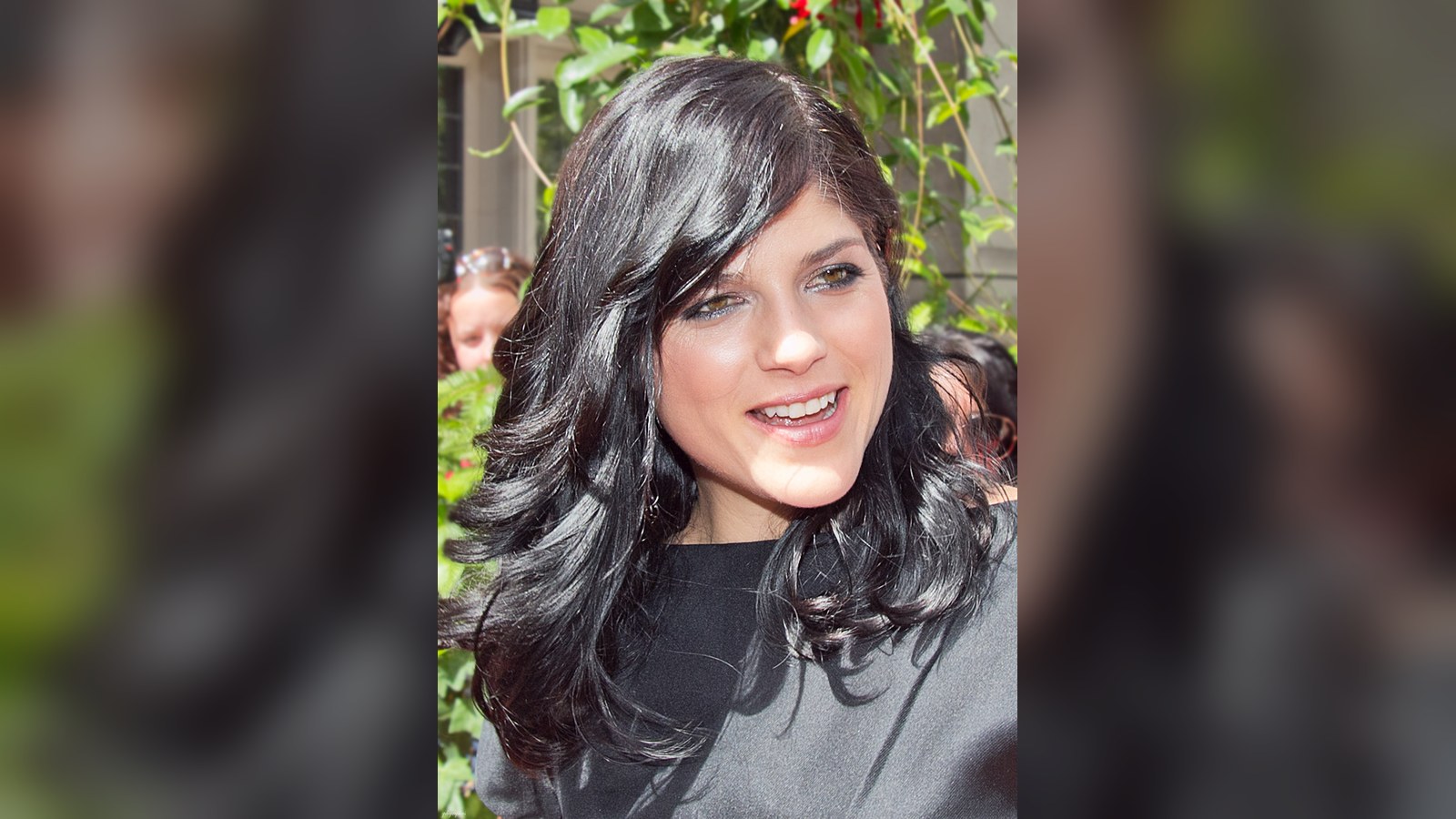
The Selma Blair apology arrived about three weeks after the October 11 flight that led to criminal charges. In an Instagram video, the actor said she was “so sorry” to anyone she hurt, frightened or alarmed. She has pleaded not guilty to two counts of second-degree assault, and her next court date is in January.
What the Selma Blair apology did and did not say
Blair, 54, kept the video tightly scoped. She acknowledged she had been quiet since the incident and said her fans deserved to hear from her directly. She also said her lawyers had asked her not to discuss that day, and that she was following their advice. She did not address the allegations, the medical explanation offered on her behalf, or the people named in the charging documents.
What she offered was a statement of character. “Not one day ever have I intended to hurt or frighten anyone,” she said, adding that she took the matter “very seriously.” She thanked people who had sent support and said her service dog, Scout, who travelled with her, was doing well. She has lived with multiple sclerosis since her 2018 diagnosis. She closed by saying she would now focus on her health and her son.
The allegations behind the case
According to charging documents, Blair was detained when the Delta flight from Los Angeles landed in New York and was taken to hospital for evaluation. A police officer accompanying her to Jamaica Hospital Medical Center alleged that, while being secured to a stretcher, Blair freed one leg from the straps and repeatedly kicked the officer in the face, neck and chest. The officer reported serious pain and substantial swelling. A nurse later said Blair kicked her in the chest while moving her.
Blair was arraigned in Queens on the two second-degree assault counts. A judge set bail at $20,000 cash or a $60,000 bond. These are allegations only, and Blair has entered a not guilty plea.
The defence: a medical emergency
The explanation from Blair’s side has stayed consistent. Her representatives said from the start that her alleged behaviour stemmed from a severe medical emergency. In court, her lawyer, Shawn Barnes, said her actions were not intentional. He told the judge she had missed several doses of a powerful medication that controls severe neurological symptoms, according to reports in the New York Daily News and New York Post. He added that she boarded the flight amid a heavy workload and hit her head in the air. Together with the effects of altitude, he said, this produced “a state of severe confusion and disorientation.”
A later statement from her representatives went further, criticising coverage as “built almost entirely on a police statement and a decade-old headline.” It said Blair still has bad days and lives with daily pain. It also said she has pseudobulbar affect, a neurological condition secondary to her MS, which the statement said bears on how a medical episode looks to people who do not know her.
What happens next
The Selma Blair apology does not change the legal picture. The charges stand, the medical defence has so far been presented only through her lawyer and representatives, and the court has yet to test any of it. The January hearing will be the next point at which the case moves forward. For now, the video reads as a personal gesture, an attempt to acknowledge those affected without saying anything that could complicate her defence.
Explore more on this topic with Vexel Search.
File photo: Selma Blair (6541171199).jpg by Gordon Correll, CC BY-SA 2.0, via Wikimedia Commons.
WordUp Morning
Ten stories, both sides of each, in five minutes. Free, every weekday at 7am, plus a Saturday weekend edition.
We'll email you a link to confirm. Unsubscribe any time.

Tokenized Stock Objections Hit 50 as Nvidia, Nike and Costco Join OKX-ICE Pushback

ChatGPT’s Chat and Work tabs merge in December – and your usage allowance will be shared with Codex

Wizz Air bomb threat: Fighter jet escorts Luton-Sofia flight to Budapest within minutes


-

 Tech & AI4 days ago
Meta’s Style Sketch AI Fashion App Debuts in 3 Countries, Joining a Crowded Virtual Try-On Race
-

 Tech & AI6 days ago
University of Copenhagen Data Breach Exposes 525,000 People, and 20,000 Campus PINs
-

 Tech & AI4 days ago
CMA Meta Investigation Targets Terms Affecting “Thousands of UK Businesses”
-
 Fashion6 days ago
From Zurbarán to Rothko: How Art Shaped the Spring 2027 Runways
-

 Business & Hustles6 days ago
NBC News Creates New Head of Digital Content Job, Hires Quartz Co-Founder Kevin Delaney
-

 Crime6 days ago
RAF Fairford plot: two men charged, court told of alleged £70,000 from handler police link to Iran
-
 Entertainment6 days ago
Meghan to Co-Host Junior MasterChef Australia in 2027, Ending a Six-Year Hiatus for the Show
-

 Crypto6 days ago
Zcash Grants Funding Could End: Co-Founder Says $125 Million Treasury Is Enough
-

 Crypto6 days ago
VanEck Wealth Builder ETF Puts Indirect Bitcoin in One 0.26% Fund
-

 Crypto4 days ago
Binance Hack Losses: $6.34B Set Aside, $5B Already Held in Matching Tokens
-

 Crypto6 days ago
Tokenized Nasdaq-100 Fund Launches on Stellar as Janus Henderson’s Onchain Assets Top $1 Billion
-
 Tech & AI7 days ago
300+ Employees Fight $1.3 Million Boston Dynamics ICE Deal Over Robot Dogs
-

 Crime6 days ago
Road rage van driver jailed for 3.5 years after deliberately running over cyclist while delivering blood
-

 Fashion3 days ago
7 Honorees, 1 Night at MoMA: Dua Lipa and A$AP Rocky Toast Blazy at the 2026 WSJ Innovator Awards
-

 Crypto7 days ago
91% Know Crypto, Only 8% Own It: Why UK Crypto Regulation Could Be the Next Growth Lever
-

 Fashion7 days ago
Tabi Demand Up Fourfold Since 2022 as Freaky Footwear Goes Mainstream
-

 Business & Hustles6 days ago
Reckitt sales outlook cut to 3.5%-4.5% growth as shares drop 6% and European prices rise 4%
-
 Sports6 days ago
England’s Tri-Series Exit Sealed as Sri Lanka Bowl Pakistan Out for 110
-

 Business & Hustles6 days ago
Dollar General Lawsuit: FTC and 20 States Cite 29,265 Overcharge Complaints
-

 Business & Hustles7 days ago
Anthropic IPO Filing Shows $16.3bn in Six-Month Revenue and an $80.7bn Loss
You must be logged in to post a comment Login