Entertainment
The Best Horror Movie of Each of the Last 6 Years

There has been a unique phenomenon in the horror genre in the 2020s that the industry has not seen since the ‘70s. Although horror films have always been reliable investments for studios because of their low cost and passionate fanbases, the genre has become even more popular in recent years with a series of massive financial hits and critically acclaimed works. Many of the top directors working today that can sell a film based purely on their name being involved seem to work exclusively in the horror genre, such as Jordan Peele, Ari Aster, Robert Eggers, and Zach Creggar. There’s also been franchises that have retained their popularity, as Scream and The Conjuring have proven to be generational hits that have developed multiple generations of fans.
Horror has always been “respectable,” but the empty criticism that some pundits had for the genre has begun to erode due to the undeniable artistic value. It’s not only a route for independent filmmakers to make a name for themselves and actually get a platform, but an option that can take multiple forms and see the production of completely original ideas that do not require a connection to an existing property or story. The Academy Awards have even turned around when it comes to the genre, with recent major wins going to films like The Substance and Get Out. Based on the exciting route that horror seems to be going, fans of the genre can expect to find a lot more gems within the coming years.
6
‘Titane’ (2021)

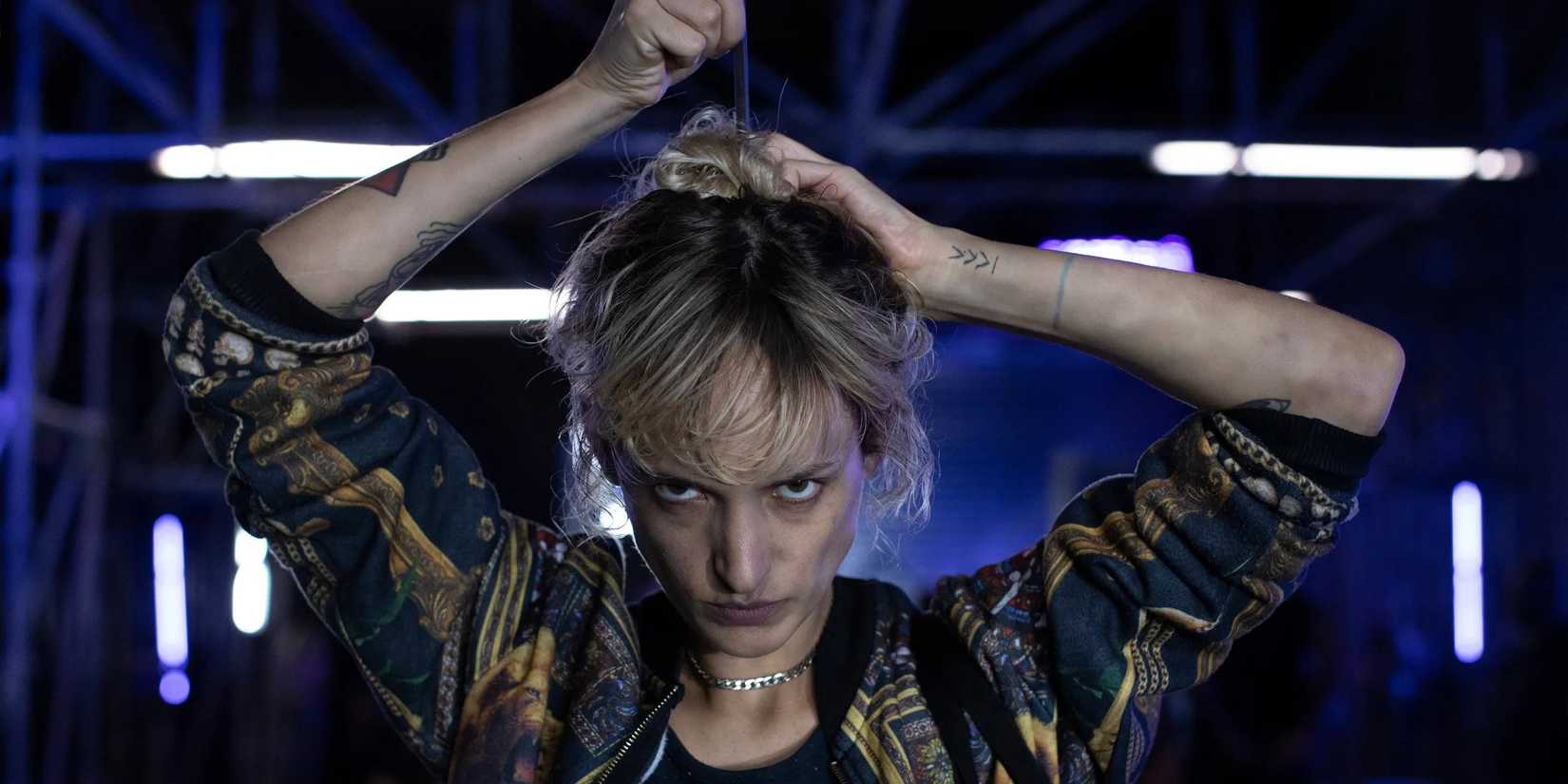
Titane is a bizarre and totally original work of body horror that could only have come from a singular mind like Julia Ducournau, whose startling vision for a serial killer story needs to be seen to be believed. Titane made history by winning the Palme d’Or at the Cannes Film Festival, a monumental prize that had never previously been given to a film made by a female filmmaker. Past Palme d’Or winners tend to be films that it is impossible to imagine anyone else making, and there’s certainly no one but Ducournau who could have conceived of such a creative blend of sexuality and violence.
Titane features a breakthrough performance from Agathe Rousselle and impeccable technical crafts, creating a unique commentary on fluctuating sexuality and the unspoken laws of attraction. Although there is a line of inspiration that can be traced back to the cinema of David Cronenberg, Titane is so sincerely audacious and uncompromising that it never feels as if Ducournau is fishing for ideas that she has not conceptualized.
5
‘Nope’ (2022)

Nope is an ambitious and thought-provoking work of science fiction spectacle that strikes a very different tone compared to Peele’s previous films, even if there are some thematic parallels that can be drawn. Although Nope serves as an homage to classic sci-fi cinema, it’s also a film about the audience’s relationship with spectacle itself; Peele questions how a search for answers and seeing patterns within randomized events can spark the seeds of ambition, both for ill and poor. Nope deals with the history of television with several self-aware moments that acknowledge Peele’s own background in short-form comedy, but it’s also a sincere and loving tribute to artistry that reasserts the importance of cinemagoing as a communal experience.
It’s not hard to see why Peele is frequently compared to Steven Spielberg because of his ability to craft instantly iconic images, with the main spacecraft in Nope being one of his most memorable. Although it is easy to go down the rabbit hole analyzing the subtext of the film’s recurring motifs, Nope is also a highly entertaining summer blockbuster with a trio of charismatic performances from Keke Palmer, Daniel Kaluuya, and Steven Yeun.
4
‘Talk to Me’ (2023)


Talk to Me is a remarkably confident directorial debut for YouTube creators Danny and Michael Philippou, who wound up sincere emotional distress within a brilliant concept reminiscent of a classic episode of The Twilight Zone. Talk to Me is as much about society’s obsession with death as it is the unhealthy fixation on grief that can transform rational people into addicts who crave danger in order to escape feelings of unattachment, and it has the type of premise that makes for ample discussion in regards to how viewers would react if placed within the same scenario as the characters. The Philippou brothers were smart in making a first feature that looks and feels much bigger than it actually is; just enough is left to the imagination for true nightmares to emerge.
Talk to Me certainly benefits from having younger filmmakers who understand the conversational way that teenagers and young people talk to one another, but the film’s unassailable story is unlikely to age because it centers on ideas that would be relevant within any period of time. It’s a film that allows the audience to see themselves in the characters without using transparent protagonists, as Sophie Wilde’s unforgettable performance is expressive and emotional in a way that makes the script even more profound than it may have been on the page.
3
‘Heretic’ (2024)

Heretic marks another great villainous role for Hugh Grant, who has gone through a radical and exciting career transformation from being a charismatic heartthrob to a sinister character actor capable of playing all different types of antagonists. Grant had kicked off his career as a rom-com star who could make films that were equally silly and sincere, and Heretic is an extension of that duality because it is both genuinely terrifying and frequently hilarious. Grant plays an extreme academic obsessed with debating religious advocates, leading him to deceive two young Mormon missionaries (Sophie Thatcher and Chloe East) into his home as part of an elaborate trap. Although he puts them through a rigorous test that raises compelling points about the fundamentals of belief, it also includes a good deal of blueberry pie and some very unusual Star Wars references.
Heretic cuts through its discussion about religion to become an even more foundational exploration of the desire to be “right,” and how arguments can turn even the most good-natured debates into a matter of will. Although Grant’s star power adds a quirky atmosphere to Heretic, the brilliance of the film lies in its script.
2
‘Weapons’ (2025)

Weapons is an instant classic that weaves a complex web of competing, frustrated characters into a societal study about the responses to grief. Inspired by Creggar’s own feelings of loss, Weapons questions what people will do while under strain by compartmentalizing and contextualizing fueled interactions that are much more complicated than they first appear. Although this emphatic empathy can provide more sympathy to a scapegoated schoolteacher (Julia Garner) and a conspiracy-ridden single father (Josh Brolin), it also unveils a crisis in plain sight that has turned victims into shadows of their former selves.
Weapons is strung together by an incredible performance by Amy Madigan, which earned one of Hollywood’s most consistently underrated actresses a well-deserved Academy Award for Best Supporting Actress. There aren’t many horror villains who have immediately launched themselves into the pop culture lexicon in the same way that Aunt Gladys has, especially since Weapons is aware of its own absurdity and willing to include deliberate moments of humor in order to cut the tension with a knife. What’s most refreshing about Weapons isn’t just that it is a modern film that proves itself capable of examining modern issues, but one that makes no apologies for being an unabashed work of horror that doesn’t feel the need to “elevate” itself. There’s subtext and interpretation that can be found within the knotty sociopolitical commentary that is woven throughout, but Weapons is also a joyous experience to watch because of the snappy manner in which it unfolds.
1
‘Obsession’ (2026)

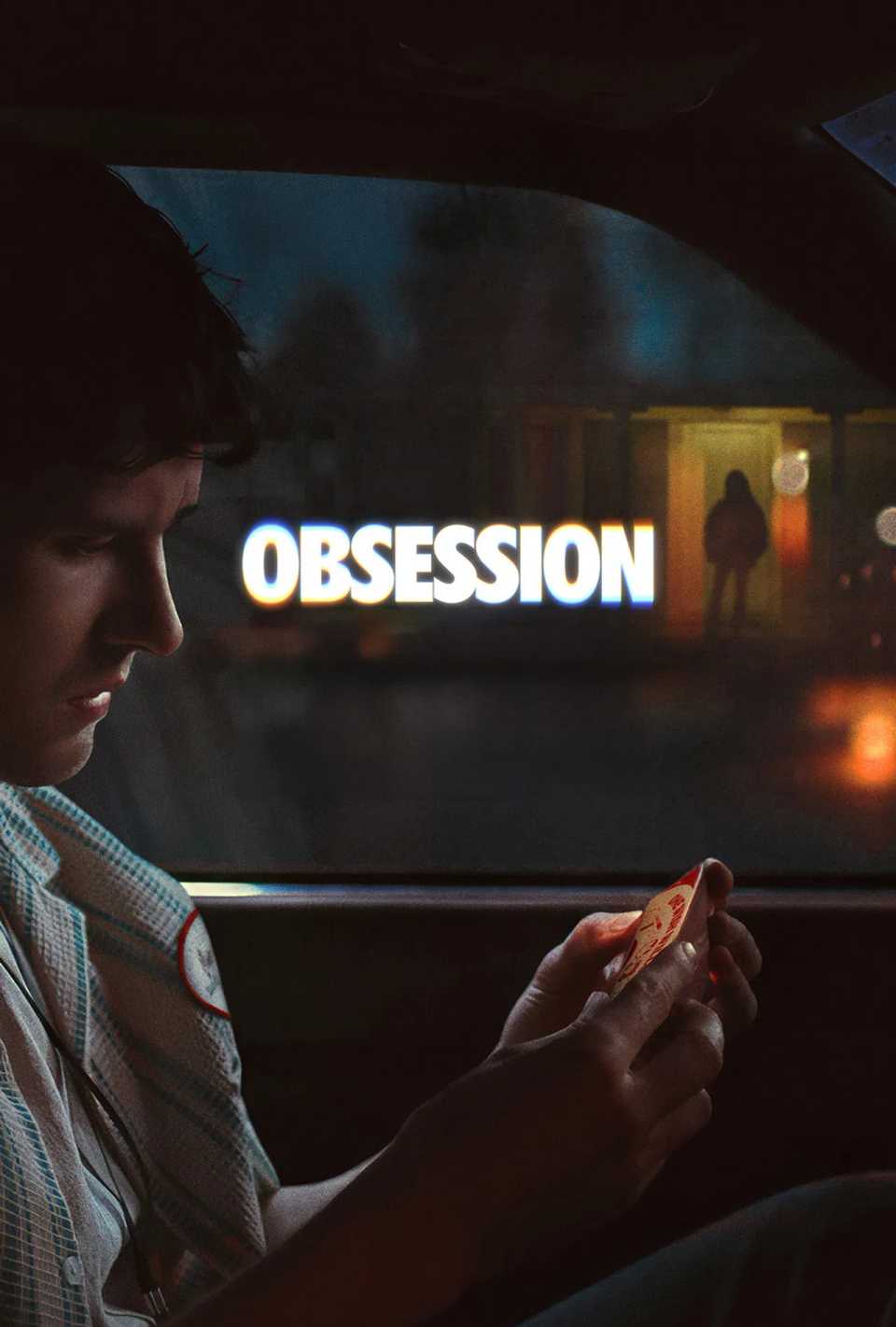
Obsession is a phenomenon unlike anything that horror has ever seen before, as a micro-budget indie film that debuted at the “Midnight Madness” section of the Toronto International Film Festival somehow became a word-of-mouth sensation that grossed over $500 million and became an instant award season contender. The fact that Obsession has immediately inspired so many parodies and references is indication that Curry Barker tapped into something special with his twisted story of a wish-gone-awry and a toxic one-sided relationship. There’s just enough explanation given to take the concept to its most frightening extremes, and Barker is so comfortable in creating authentic moments of characterization that Obsession feels like a film made by a much more seasoned filmmaker.
The key to the success of Obsession is a generational performance by Inde Navarette that is expressive, tragic, and darkly funny in a way that makes the entire debate about the film’s depiction of gender roles even more loaded. There are some gnarly and depraved moments of graphic horror that turn Obsession much more upsetting when it reaches its final act, but the appeal of Nikki as a character is due the magic trick that Navarette pulls of with a performance that will be remembered for years to come.

You must be logged in to post a comment Login