
Entertainment
Top Gear Revival Puts Gordon Ramsay in the Driving Seat, With Screens Return Set for 2028

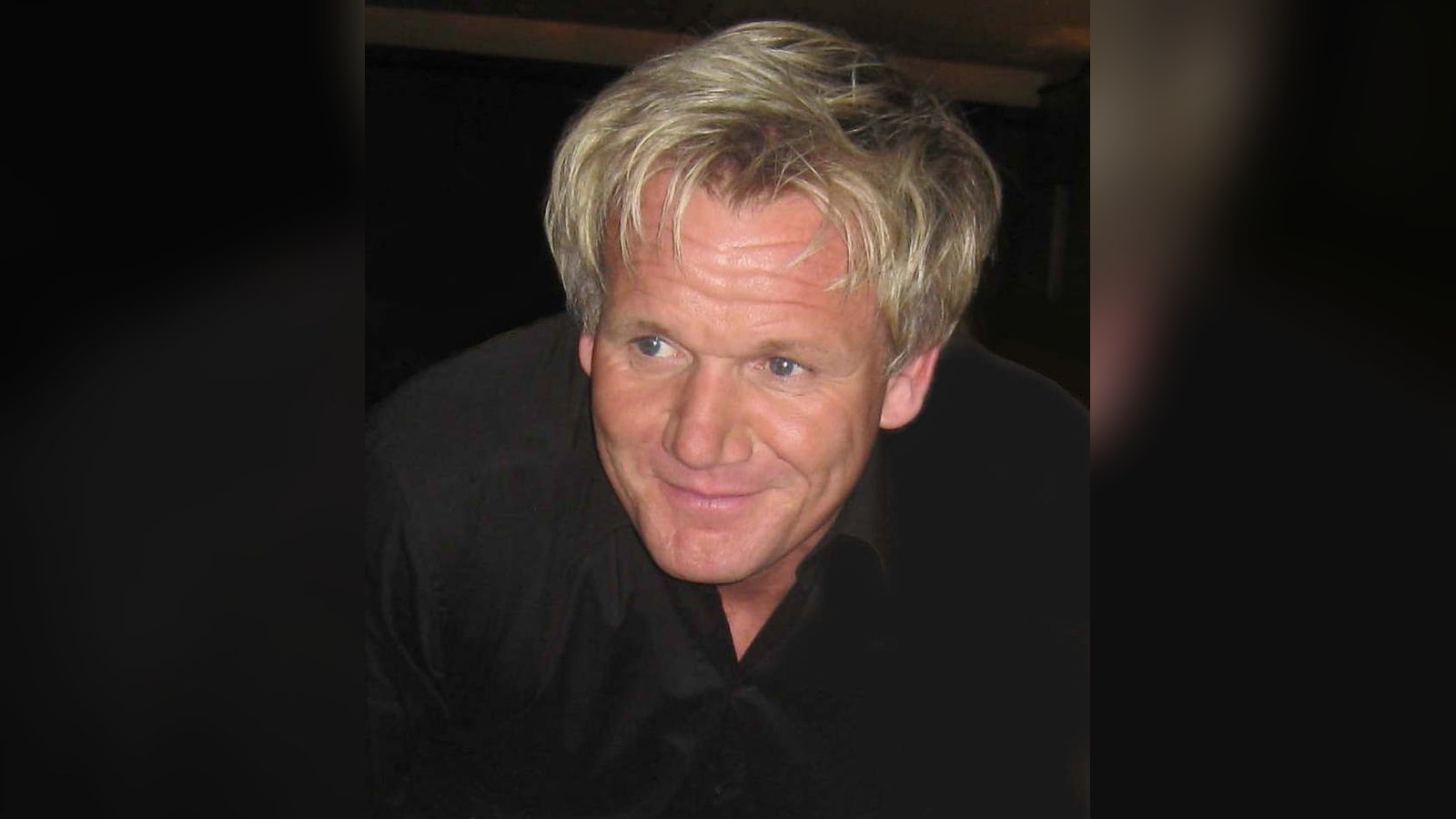
The Top Gear revival has its frontman: Gordon Ramsay will lead the BBC motoring show when it returns to screens in 2028, four years after it went off air following Andrew Flintoff’s serious crash on the test track. The announcement was made on 25 November.
Ramsay, 60, will head a new presenting line-up, but his co-hosts have not yet been named. Filming is due to start in 2027, with shoots planned across the UK and around the world. The show’s Dunsfold Aerodrome base in Surrey, where Flintoff’s accident happened, will again be its home.
Why the Top Gear revival matters for the BBC
The programme has been “rested” since December 2022, when Flintoff’s open-topped three-wheeled Morgan Super 3 overturned. The BBC says he was dragged face-down beneath the car for about 50 metres and suffered serious facial and rib injuries. He has said he thought he was dead. The BBC apologised and paid compensation, which the Independent reported at £9m.
That history hangs over the relaunch. Producers are promising “epic adventures, daring tests and spectacular stunts”, and BBC Studios managing director Suzy Lamb insists it “won’t be a nostalgic reboot”. Ramsay’s own pitch is more playful: a show that is “surprising, entertaining and just the right amount of chaos”.
Why Ramsay?
The BBC is leaning on his car credentials as much as his fame. Ramsay says his obsession began as a child growing up near Silverstone, where he would sneak over the fences to watch the racing. He owns multiple Aston Martins and Ferraris, plus a Porsche, a Land Rover and a McLaren Senna. He has also appeared on the show three times as a guest, in 2002, 2006 and 2017. According to the Hollywood Reporter, his best lap in a Chevrolet Lacetti was 1:46.3, good for seventh place on the “Star in a Reasonably Priced Car” leaderboard.
BBC director of entertainment Ed Havard called his “fierce and fearless approach” a natural fit. Lamb said he brings “passion, mischief, genuine motoring credibility” and a competitive streak.
Who is in, and who is out
Paddy McGuinness and Chris Harris, who co-hosted with Flintoff, are not expected to carry over, according to the Independent. The Stig is confirmed to return. Comedian Jimmy Carr had been linked to the job, but was reported this week to have pulled out of talks over the time commitment.
Another former host was also approached. Richard Hammond, who was badly injured in a crash while filming in 2006, told BBC Radio 4’s PM programme that the BBC asked him about leading the new show. He turned it down because he did not want to “drag it back to what it was”. He said the programme “doesn’t have to be” dangerous and does not doubt Ramsay’s enthusiasm for cars.
A show with a lot of baggage
Top Gear began in 1977 and became a global hit in the 2000s under Jeremy Clarkson, Hammond and James May. Clarkson left in 2015 after an alleged physical attack on a producer, and May and Hammond left with him. The trio went on to make The Grand Tour for Prime Video. Later hosts included Chris Evans, Matt LeBlanc and then Flintoff, so a celebrity chef taking the wheel fits a pattern of left-field casting.
Ramsay has a busy schedule. He has also been confirmed for an ITV revival of Hell’s Kitchen, hosted by Claudia Winkleman. For the BBC, the Top Gear revival is a bet that a famously combustible personality can bring back a franchise defined by spectacle, while leaving behind the risks that stopped production in the first place. Viewers will have to wait until 2028 to see whether it works.
- Gordon Ramsay to host Top Gear as show revived after Flintoff crash (BBC)
- Top Gear to return with Gordon Ramsay as host four years after Flintoff crash (standard.co.uk)
- Gordon Ramsay announced as new host of Top Gear (The Independent)
- ‘Top Gear’ Sets 2028 Return — With Gordon Ramsay as Host (The Hollywood Reporter)
Explore more on this topic with Vexel Search.
File photo: Gordon Ramsay colour Allan Warren.jpg by Allan warren, CC BY-SA 3.0, via Wikimedia Commons.
WordUp Morning
Ten stories, both sides of each, in five minutes. Free, every weekday at 7am, plus a Saturday weekend edition.
We'll email you a link to confirm. Unsubscribe any time.

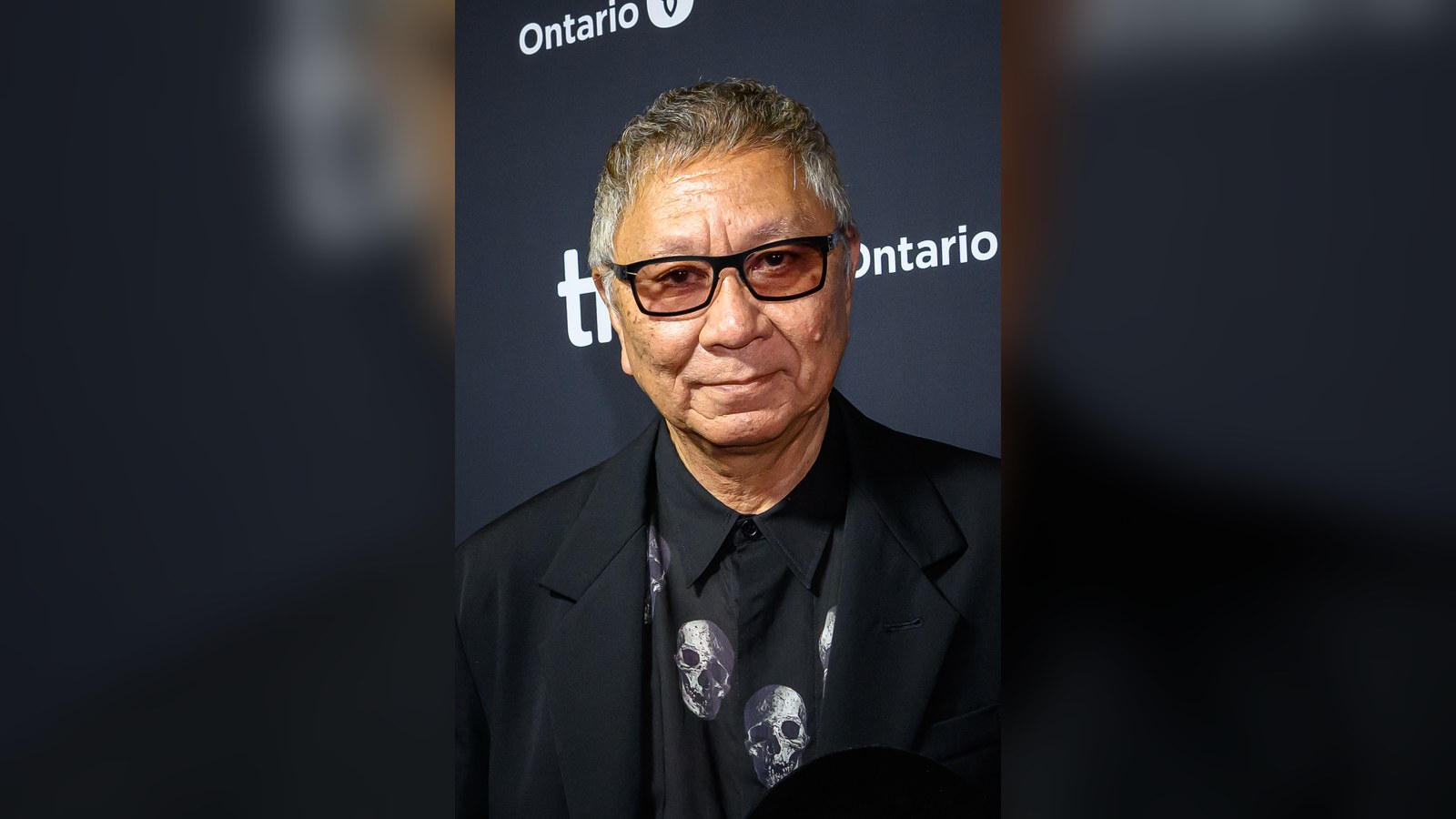
Neon has given Bad Lieutenant: Tokyo a U.S. theatrical date of March 5, 2027, putting Takashi Miike’s take on the corrupt-cop franchise in cinemas about six months after its world premiere at the Toronto International Film Festival. The announcement came on November 25, and the trade outlets covering it largely agreed on the facts.
What Bad Lieutenant: Tokyo Is About
Shun Oguri plays Yabuki, a veteran Tokyo detective who is hiding a drug addiction, gambling debts and guilt over his past misdeeds. He is chasing a shadowy killer with ties to organized crime. Lily James plays Gwen Birgssen, an American FBI agent searching for a missing American tourist, played by WWE star Liv Morgan. The two are paired up, and their cases turn out to be linked in a way the official logline calls “disturbing.”
The sources differ on one detail. Most describe the missing person as a tourist, while The Hollywood Reporter calls her a missing politician’s daughter. That outlet also says the two leads are being watched by a crazed killer who follows their every move.
A Franchise Built on Reinvention
This is the third film in a series that has never been a conventional franchise. Abel Ferrara’s 1992 original starred Harvey Keitel and was notorious enough to earn an NC-17 rating. Werner Herzog’s 2009 follow-up, Port of Call New Orleans, moved the story to a new city with Nicolas Cage. Each film changed the director, the setting and the lead. Bad Lieutenant: Tokyo continues that pattern, with a screenplay by Daisuke Tengan based on the property first produced by Edward R. Pressman. It is the fourth collaboration between Tengan and Miike, following Audition and 13 Assassins.
The film is a U.S.-Japan co-production. Its producers include the late Jeremy Thomas for Recorded Picture Company, Sam Pressman for Pressman Film, Naoaki Kitajima for Nippon TV and Misako Saka for OLM.
Why a Spring Release?
IndieWire notes that the Toronto premiere drew mixed notices, with some critics calling the film overstuffed. Deadline’s review took a friendlier view, calling it a funny riff on Ferrara’s corrupt-cop drama. IndieWire also points to Neon’s crowded fall schedule of awards contenders, including All of a Sudden, Fjord, Paper Tiger and Artificial. A March date gives a genre film like this room away from awards season.
The film will open the same weekend as Pixar’s Gatto and a new take on The Thomas Crown Affair, according to The Hollywood Reporter.
Miike Stays Busy
Miike has directed more than 100 features, a tally that includes Blade of the Immortal as his 100th. Variety reports his latest work is the documentary Shumei: The Living Legacy of Kabuki, which screened out of competition at Venice this year. He also has an untitled slasher-horror film with Charli xcx, Milly Alcock, Norman Reedus, Kiko Mizuhara and Show Kasamatsu, plus the crime thriller Bullfrog with Jon Hamm and Andrew Koji.
For Neon, the studio behind Parasite and Anora, the release is a bet on Miike’s name and on a title with cult recognition. Whether Bad Lieutenant: Tokyo can turn that into a spring box-office showing will become clear on March 5.
- Takashi Miike’s ‘Bad Lieutenant: Tokyo’ From Neon Sets Spring Release (Deadline)
- Takashi Miike’s ‘Bad Lieutenant: Tokyo’ Sets March 2027 Release Date (Variety)
- Takashi Miike’s ‘Bad Lieutenant: Tokyo’ From Neon Gets Early 2027 Release (The Hollywood Reporter)
- ‘Bad Lieutenant: Tokyo’ Will Come to the U.S. Next March (indiewire.com)
Explore more on this topic with Vexel Search.
File photo: Takashi Miike portrait from TIFF 2026 (tighter crop).jpg by K6ka, CC BY-SA 4.0, via Wikimedia Commons.
WordUp Morning
Ten stories, both sides of each, in five minutes. Free, every weekday at 7am, plus a Saturday weekend edition.
We'll email you a link to confirm. Unsubscribe any time.
Fontaines DC have spent seven years turning fury into craft, and a new countdown of the Irish band’s 20 greatest songs arrives at exactly the right moment to prove it. Published by the Guardian ahead of the group’s highly anticipated fifth album, Dopamine Chamber, the list doubles as a tidy history lesson: a band that began as snarling Dublin upstarts has, album by album, mutated into one of the most unpredictable guitar acts of its generation.
The ranking stretches from the gothic menace of early singles to the glossy, synth-tinged mood of their most recent work, and in doing so it captures something critics have been circling for years: Fontaines DC refuse to repeat themselves. Where many post-punk-adjacent bands settle into a signature sound and mine it for a decade, Fontaines DC have treated each record as a chance to tear up the blueprint.
From Dublin Snarl to Widescreen Ambition
The countdown’s lower rungs revisit the band’s breakout era, when 2019’s Dogrel introduced a group obsessed with the texture and rhythm of Dublin life. Tracks like the album’s opener are remembered as statements of raw intent, all swagger and scuzzy guitar, the sound of a band announcing itself without apology. That same restless energy powered the frantic, Krautrock-inflected cuts that defined their earliest live shows, songs built on relentless riffs and a vocal delivery that managed to sound simultaneously bored and furious.
But the list also charts a deliberate turn inward. On 2020’s A Hero’s Death, Fontaines DC traded swagger for unease, producing songs that brood rather than explode, often refusing the climactic release listeners expect. That tension between confidence and discomfort recurs throughout the ranking, suggesting a band more interested in psychological complexity than crowd-pleasing hooks.
By the time of 2022’s Skinty Fia, the band’s sound had thickened into something muscular and strange, pairing funk-adjacent rhythm sections with industrial textures to explore questions of Irish identity and displacement. Two years later, Romance pushed even further outward, embracing widescreen production and cinematic songwriting that nodded, at various points, to Pixies-style guitar theatrics and even the noir melancholy of Lana Del Rey.
Why Fontaines DC Matter Now
What makes the timing of this retrospective notable is what comes next. Dopamine Chamber, due this year, is being framed as a darker counterpart to Romance’s expansive sound, and the lead single previewed in the ranking’s upper tier already hints at a band leaning into synth-driven, slow-building melodies without losing their lyrical unease. Critics have called it one of the most eagerly awaited alternative rock releases of the year, a sign that Fontaines DC have graduated from cult favourites to a band whose every move is scrutinised.
That scrutiny is part of what makes a career-spanning ranking worth publishing now. It is not simply nostalgia; it is an attempt to make sense of a catalogue that keeps shifting shape. Few bands to emerge from the 2019 post-punk revival alongside Fontaines DC have managed to avoid stagnation, yet each new Fontaines DC record has found fresh ways to unsettle, whether through sparse, piano-led reworkings of earlier songs or through entirely new sonic directions.
The band’s willingness to reinterpret their own material, including stripped-back “live version” reworkings that slow tempos and foreground piano and strings, suggests a group still actively wrestling with its songs rather than simply performing a greatest-hits set. That restlessness is likely to define Dopamine Chamber as much as anything that has come before it.
For longtime followers, the ranking offers a chance to revisit how far Fontaines DC have travelled from the pub-rock energy of Dogrel to the brooding, synth-laced textures previewed ahead of their new record. For newcomers, it is a reminder that few bands currently making guitar music are as determined to keep moving the goalposts. Whatever shape Dopamine Chamber ultimately takes, the Fontaines DC story so far suggests it will sound like nothing the band has done before.
Explore more on this topic with Vexel Search.
WordUp Morning
Ten stories, both sides of each, in five minutes. Free, every weekday at 7am, plus a Saturday weekend edition.
We'll email you a link to confirm. Unsubscribe any time.
Entertainment
Jessica Lange’s One Condition: Inside the American Horror Story Reunion That Brought Back All Four of Her Icons
American Horror Story has built its legacy on reinvention, but its 13th season managed something the long-running FX anthology had never pulled off before: bringing Jessica Lange back to inhabit not one but all four of her signature characters in a single, sprawling crossover event. That revelation, along with a handful of other candid admissions, emerged Thursday night in New York, where the stars of the show’s “Coven” era gathered for a PaleyFest panel that doubled as a victory lap and a group therapy session.
The event, held at the Paley Center, saw co-executive producer Lou Eyrich accept the inaugural PaleyFest Award on behalf of creators Ryan Murphy and Brad Falchuk before being joined onstage by Lange, Sarah Paulson, Billie Lourd, Gabourey Sidibe and Leslie Grossman. Dressed uniformly in black, the group spent an hour trading stories about the franchise’s decade-plus run and its current all-star season, offering fans a rare, unfiltered look at how American Horror Story actually gets made.
Jessica Lange’s Price for Returning to American Horror Story
Lange had not been a full-time cast member of American Horror Story since season four’s “Freak Show,” making only a brief guest appearance in season eight’s “Apocalypse.” So when Murphy rang her up about joining the 13th season, she didn’t say yes right away. Instead, she issued a demand: she would only come back if she could reprise all four of the characters she had originated across the show’s history — Constance Langdon from “Murder House,” Sister Jude from “Asylum,” Fiona Goode from “Coven” and Elsa Mars from “Freak Show.”
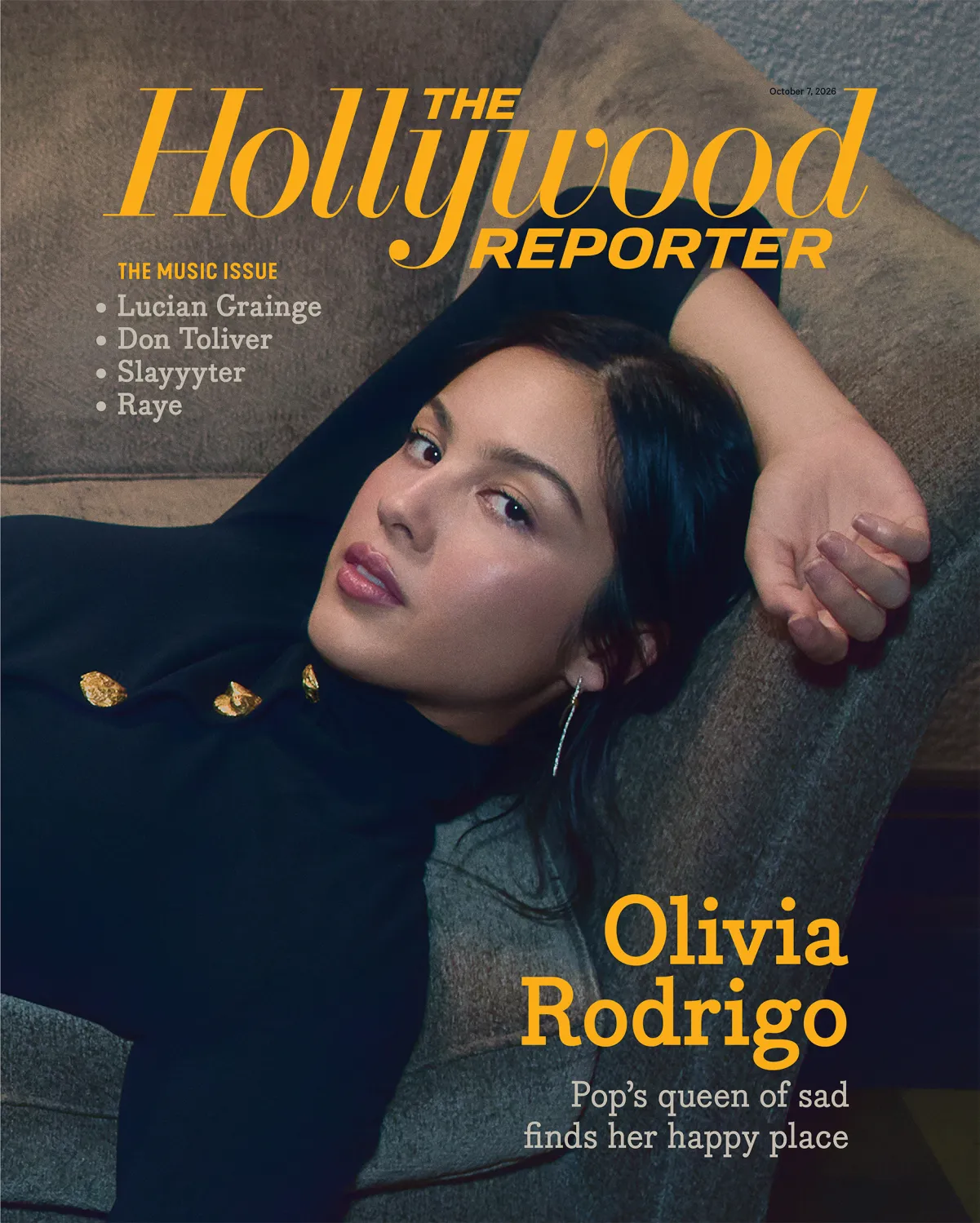
“One of his favorite characters was Constance, and he mentioned bringing her back. And I said, ‘Well, I might consider if I can do all four characters that I had originated, and also work with all the rest of the actors,’” Lange recalled. “Because we were a repertory company, and I loved that part of it, really, really loved that part. So it was those promises, and then I changed my mind about never doing it again.”
It’s a telling detail about what has kept American Horror Story’s rotating ensemble loyal across eight presidential terms’ worth of television: not the gore or the shock twists, but the sense of a traveling troupe reassembling under a new tent each season.
A Circus Idea That Became a Season
Lange also used the panel to settle, once and for all, where “Freak Show” actually came from — and the answer surprised even longtime viewers. The actress said she pitched the concept to Murphy herself, even mailing him a Taschen photography book about circuses to make her case.
“I had always been fascinated by circuses,” she said. “I know from experience things that happen when a circus comes to town, and I just thought it was a ripe subject matter for all sorts of bizarre things happening.” Murphy, she said, ran with the premise and sharpened it into something more elegiac: the final days of a dying freak show, a once-thriving form of entertainment fading into obsolescence.
It was also Lange’s suggestion to film in New Orleans, a decision with ripple effects for the entire American Horror Story franchise. Paulson noted that “Coven,” the season that gave the current crossover its name, was essentially born from that same location choice. “New Orleans is a good place to shoot… let’s just say, we had a good time,” Lange added dryly.
Asked to pick a favorite among her four characters, Lange didn’t hesitate: Elsa Mars, and “Freak Show” remains her favorite season to film. “The set that was built outside of town really was like a poem,” she said. “And the fact that they actually let me sing? To be able to sing when you can’t sing is great!”
Paulson’s Regret — and Who’s to Blame
Paulson, who has become something of the franchise’s de facto leading lady over the years, admitted she was already considering a return before Murphy’s call came. Learning that Lange — affectionately referred to onstage as “Lady Lange” — had signed on, and that the season would reunite the show’s larger family of actors, sealed the deal.
But not every wish came true. Paulson revealed she had lobbied to reprise Lana Winters, her breakout role from “Asylum,” only to have the idea shot down by a somewhat unexpected source: co-star Evan Peters. “I wish I would have played Lana Winters, but I really blame Evan Peters for that,” she said, recounting how a writer had asked the cast which past characters they wanted to revisit. Peters, she said, balked at having to resurrect his own “Asylum” accent, and the idea was scrapped. “Asylum” remains Paulson’s favorite season despite the near-miss.
Why the Reunion Resonates
What emerged from the PaleyFest conversation wasn’t just trivia for devoted fans — it was a window into how American Horror Story has sustained itself for more than a decade by treating its cast like a genuine repertory company rather than a revolving door. Lange’s insistence on playing all four of her characters, Paulson’s loyalty to the ensemble, and the casual admission that an entire season traces back to a photography book and a location scout’s recommendation all point to a show built on long-standing creative relationships as much as shock value.
With the current season still airing, the cast was coy about whether this crossover marks a true send-off for the franchise’s founding witches. But if Thursday’s panel was any indication, the bonds between Murphy’s original American Horror Story players remain strong enough to pull them back for at least one more round, promises and all.
- ‘American Horror Story’ and Six Things We Learned From a Night With the Coven (The Hollywood Reporter)
Explore more on this topic with Vexel Search.
WordUp Morning
Ten stories, both sides of each, in five minutes. Free, every weekday at 7am, plus a Saturday weekend edition.
We'll email you a link to confirm. Unsubscribe any time.
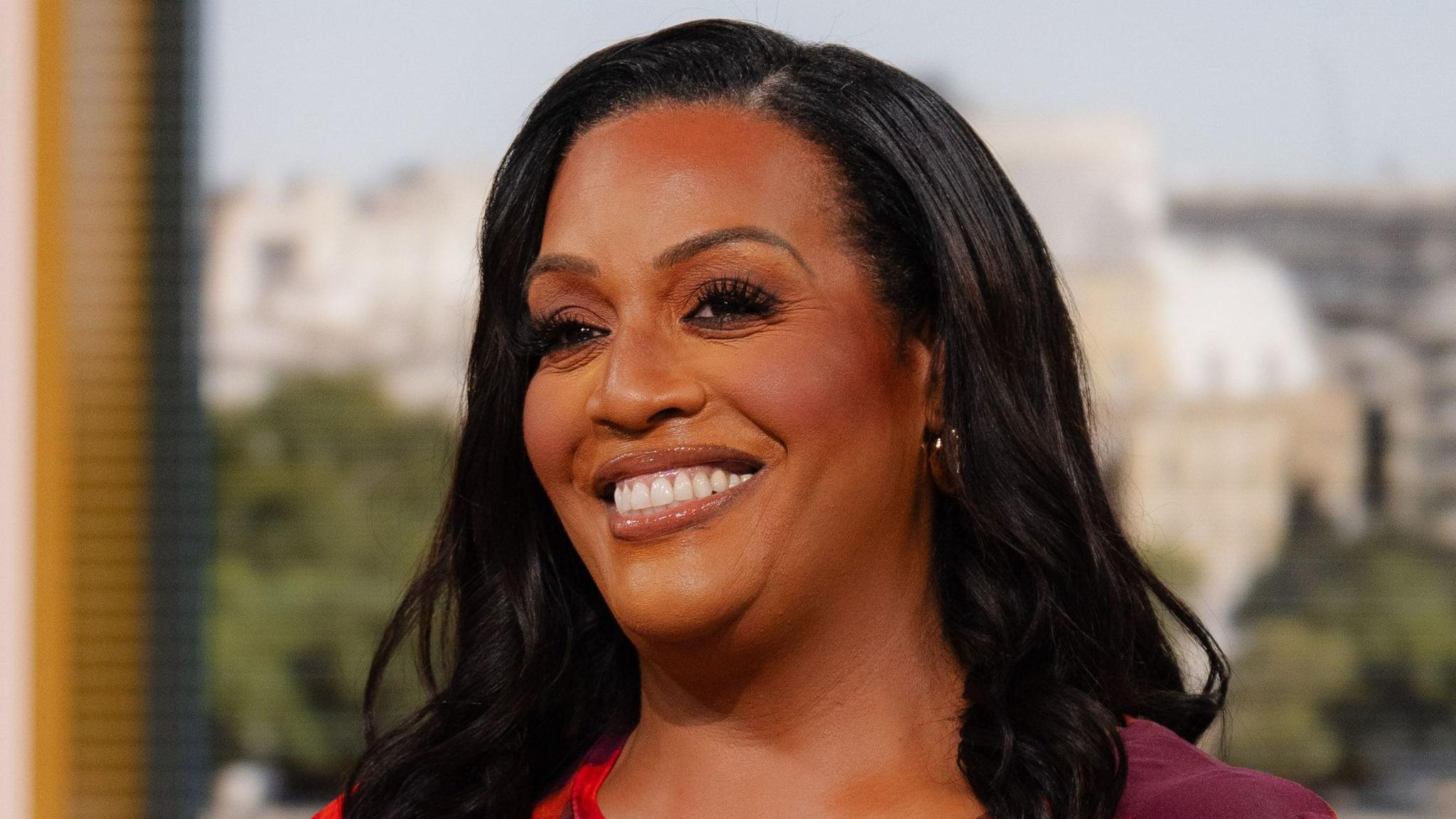
Alison Hammond has described the terrifying moment she believed she was having a heart attack live on air, only to later discover she had suffered a severe panic attack that briefly halted her career on ITV’s This Morning.
The 51-year-old presenter was seen clutching her chest before rushing off set during Friday’s broadcast last week, prompting an immediate trip to hospital for a heart check-up. Doctors found no cardiac issue, instead confirming that Hammond had experienced a panic attack brought on by a sudden rush of adrenaline.
Returning to her regular Friday slot alongside co-host Dermot O’Leary, an emotional Hammond thanked viewers for their support and admitted the episode had shaken her deeply. “I couldn’t catch my breath and I genuinely thought I was having a heart attack,” she told the audience. “I’m so glad I’m here. I feel so grateful. I feel so thankful to God, to everything in life.”
A Panic Attack That Felt “Very Real”
Hammond said the sensation came on with startling speed. “It just was like a wave, something which I’ve now found out is adrenaline. That came into my body. I couldn’t catch my breath and I genuinely thought I was having a heart attack. It felt like a heart attack. It was very real,” she explained.
In a vivid description of the experience, Hammond likened it to stepping into the supernatural alternate dimension from the hit Netflix series Stranger Things. “I felt like I went into the other world… you know when you go into the Upside Down world? I felt like I went into the Upside Down world. I couldn’t grasp my breath, and it was a panic attack.”
She also revealed a flash of concern for her son crossed her mind as the panic attack unfolded on live television. “It was live on TV so I thought, oh my gosh, my son might be watching. So I just ran. I ran off TV. I would never do that normally but I just couldn’t catch my breath.”
Weighing Whether to Return
Hammond admitted she had serious doubts about coming back to the show so soon after the frightening incident. “I’ll be honest with you, I was anxious about coming back. But I thought, if I don’t come back today, I probably wouldn’t come back… because then I would have made a thing that it’s This Morning that’s causing the panic. But it can happen anywhere. It comes in ebbs and flows,” she said.
She and O’Leary were joined by former BBC Breakfast presenter and psychologist Dr Sian Williams, who has written extensively on anxiety, to discuss the pressures that may contribute to such episodes. Hammond reflected on the demands of live broadcasting itself. “I do live TV all the time, I didn’t realise it was having – I don’t know if it was having an impact – the fact that you have to be ‘on’ in order to do it. I don’t know,” she said.
Dr Williams explained that a panic attack is essentially “anxiety on overdrive, when you can’t find the reason,” noting that the phenomenon affects more women than men and typically lasts between five and 20 minutes. She also outlined the key differences between a panic attack and a genuine heart attack. “A heart attack and a panic attack are different, but they can feel the same because there are similar symptoms – choking or tingling or pain in the chest. If it’s a heart attack it tends to radiate, so it might go down your arm or into your jaw. A heart attack doesn’t subside with breathing or grounding in the same way.”
Looking Ahead With Gratitude
Before her emotional return to This Morning, Hammond appeared on ITV’s Lorraine, where she playfully referenced Holly Willoughby’s famous “are you OK?” monologue from 2023, joking, “I’m going to tell you everything, guys. Are you OK? I hope you are” – a line host Lorraine Kelly called “genius.”
Hammond’s hospital visit also meant she missed the Attitude Awards, where she was named winner of the Honorary Gay Award. Alongside her This Morning duties, she continues to front Channel 4’s The Great British Bake Off and For the Love of Dogs.
Closing out her emotional segment, Hammond embraced O’Leary and told viewers the frightening episode had reshaped her outlook on life. “I’m so happy that I’m here, and I’m so happy to see you,” she said. “And I’m so glad we’re alive, and if anything it’s made me look at life so much differently. Taking stock, look after my health. I’m drinking a lot of water.” She signed off with a simple, defiant message: “I’m back, babes. Keep rolling.”
Explore more on this topic with Vexel Search.
WordUp Morning
Ten stories, both sides of each, in five minutes. Free, every weekday at 7am, plus a Saturday weekend edition.
We'll email you a link to confirm. Unsubscribe any time.
Entertainment
Celebrity Traitors: 10 Million Viewers Watch as Bella Ramsey Becomes Latest Murder Victim
TITLE: Celebrity Traitors: 10 Million Viewers Watch as Bella Ramsey Becomes Latest Murder Victim
KEYWORD: celebrity traitors
DESCRIPTION: Celebrity Traitors shocks 10 million viewers as Bella Ramsey is murdered and Julie Hesmondhalgh banished in a haunting, scream-filled episode.
Celebrity Traitors has proven once again that there is no rest for the wicked, as the fourth episode of the BBC hit’s second series delivered another murder, another banishment, and a graveyard mission so unsettling that even its toughest contestants were left gagging and screaming.
Friday’s instalment saw traitors Maya Jama, James Acaster and newest recruit Prof Hannah Fry murder Last of Us star Bella Ramsey in the night, before the remaining faithfuls did the dirty work themselves by voting out former Coronation Street actress Julie Hesmondhalgh at the round table. It capped a brutal week for the show, which on Thursday pulled in 10 million viewers as they watched Industry star Myha’la follow self-sabotaging traitor Richard E Grant out of the castle gates.
Why Celebrity Traitors Targeted Bella Ramsey
Going into Friday’s episode, viewers already knew the traitors had been weighing up murdering one of three Bs: Bella Ramsey, James Blunt or Sebastian “Bash” Croft. Flashback footage showed Jama laying out the logic in the traitors’ turret. “That’s our biggest threat,” she said. “Get them out the way, that group disperses.” Acaster agreed, warning that paranoia from the previous roundtable meant the faithfuls would spiral further if Ramsey turned out to have been one of their own all along.
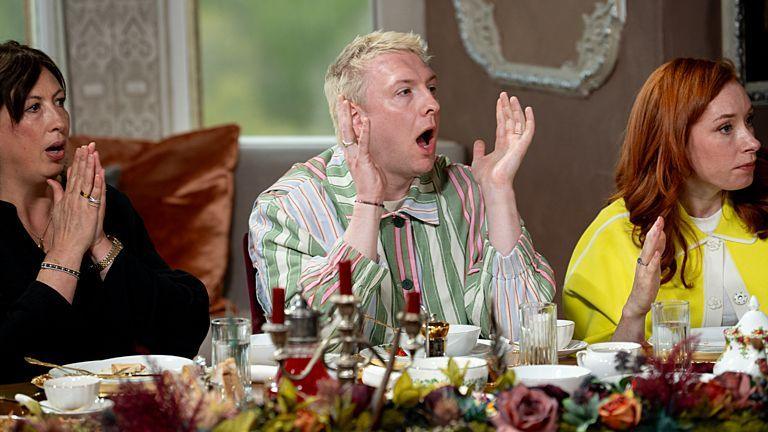
Ramsey took the news with surprising grace in the diary room, admitting they had already planned to “re-set and start from the beginning” after misjudging Myha’la’s exit. “I think they were right to murder me because I think I would have maybe figured it out,” Ramsey said, acknowledging the traitors’ instincts had got the better of them.
Back at the castle, suspicion quickly turned toward Hesmondhalgh, who had been named the group’s most trustworthy player in episode one and handed a protective shield for it. That reputation did little to save her this time, as her reaction to Ramsey’s murder struck fellow players as overplayed. Singer James Blunt, in particular, ramped up his campaign against her, convinced she was “a little too trustworthy to be true” — a pursuit that may now have painted a target on his own back.
Prof Hannah Fry, the newest traitor recruit, also found herself under fire as the day wore on. “I did not choose the traitor life, the traitor life chose me,” she said, brushing off mounting suspicion. Comedian Miranda Hart wasn’t convinced, pointing to Fry’s murky shield story from the previous episode: “Hannah lied to us.” YouTuber King Kenny later voiced similar doubts, suggesting Fry had deliberately let him take a shield “to make herself look a bit innocent.”
A Haunted Mission Raises Screams and Money
Beyond the roundtable drama, Friday’s episode featured one of the series’ most gruelling missions yet. The celebrities were sent to a graveside haunted cabin to “converse with the dead” about unresolved business, a task that raised both charity funds and the group’s collective blood pressure.
Barbie actress Sharon Rooney summed up the mood on arrival: “It’s creepy, it’s giving murder.” Comedian Romesh Ranganathan, who joked his mother would “absolutely hate this,” ended up letting out a genuine scream while salvaging a dead woman’s wedding dress, and Miranda Hart came face to face with a masked, hooded figure during a graveside chant led by actor Michael Sheen.
Not to be outdone, Sebastian Croft volunteered to plunge head-first into a foul toilet in search of clues, in scenes reminiscent of I’m a Celebrity… Get Me Out of Here. Ross Kemp offered dry encouragement from the sidelines — “it’s a little bit of poo… it’s not gonna kill you” — while Croft earned a protective shield for his trouble. “If I’d have put my hands and head down a toilet for nothing, I would’ve been fuming,” he said afterward.
The mission also prompted a surprisingly tender detour, as model Jerry Hall recalled wearing a wedding dress every day for years before finally convincing Mick Jagger to marry her. Less romantic was the mystery wine the group was made to drink, described by comedian Joanne McNally as tasting like “salty bin juice.”
Suspicion Builds Ahead of Next Episode
With Ramsey murdered and Hesmondhalgh banished, the remaining faithfuls are left with fewer allies and growing paranoia, while Blunt’s aggressive pursuit of a wrongly suspected player may now make him the traitors’ next convenient target. Fry, meanwhile, continues to walk a tightrope between hidden power and exposure, as more players begin piecing together her shield manoeuvre.
As Celebrity Traitors barrels toward its climax, the show continues to blend genuine psychological gamesmanship with theatrical scares, proving that its celebrity cast is just as rattled by graveyard chants and toilet dives as by the threat of being murdered in their sleep. New episodes air Thursdays and Fridays, with the latest banished and murdered contestants dissecting the fallout on companion show Uncloaked.
Explore more on this topic with Vexel Search.
WordUp Morning
Ten stories, both sides of each, in five minutes. Free, every weekday at 7am, plus a Saturday weekend edition.
We'll email you a link to confirm. Unsubscribe any time.
Saturday, Oct. 10, is shaping up to be one of those rare days when sports entertainment and college football collide head-on, and the answer to how to watch either event is no longer as simple as flipping on cable. WWE’s Money in the Bank premium live event rolls into New Orleans the same evening that Alabama and Georgia square off in a marquee SEC showdown, and both are arriving in a streaming landscape that increasingly asks fans to juggle apps, trials and bundles just to see the action live.
For wrestling fans, the destination is the Smoothie King Center, where WWE is staging Money in the Bank following a blockbuster two-night SummerSlam that saw Roman Reigns dethrone Seth Rollins for the World Heavyweight Championship and Liv Morgan hold off Iyo Sky to keep the Women’s World Title. The New Orleans card kicks off at 6 p.m. ET/3 p.m. PT with five matches, headlined by two ladder matches for championship-match contracts and a triple-threat Women’s World Championship bout between Stephanie Vaquer, Becky Lynch and Liv Morgan. Roman Reigns defends the World Heavyweight Championship against LA Knight, while Oba Femi takes on Bronson Reed in a separate singles contest.
How to Watch WWE Money in the Bank Without Pay-Per-View Pricing
Unlike the pay-per-view era WWE built its reputation on, Money in the Bank carries no separate PPV charge this year. Instead, the entire card streams exclusively through ESPN Unlimited, which starts at $31.99 a month and folds in the full suite of ESPN networks alongside WWE’s premium live events. Fans who’d rather not commit outright can route through DirecTV, which bundles ESPN Unlimited into its streaming packages and offers a five-day free trial — long enough to catch the New Orleans show without paying upfront. DirecTV’s entry-level plan runs $59.99 a month for the first three months before jumping to $89.99, and it throws in Disney+ and Hulu access along with more than 90 additional channels. Those wanting all three Disney-adjacent services at once can instead opt for the Disney Streaming Bundle, which pairs ESPN Unlimited with Hulu and Disney+ starting at $35.99 a month, pitched as a roughly 40% discount versus buying each separately. WWE drew top-10 viewership in nearly 40 countries for last year’s Money in the Bank, and the company is clearly betting that easier streaming access helps it top that number this time around.
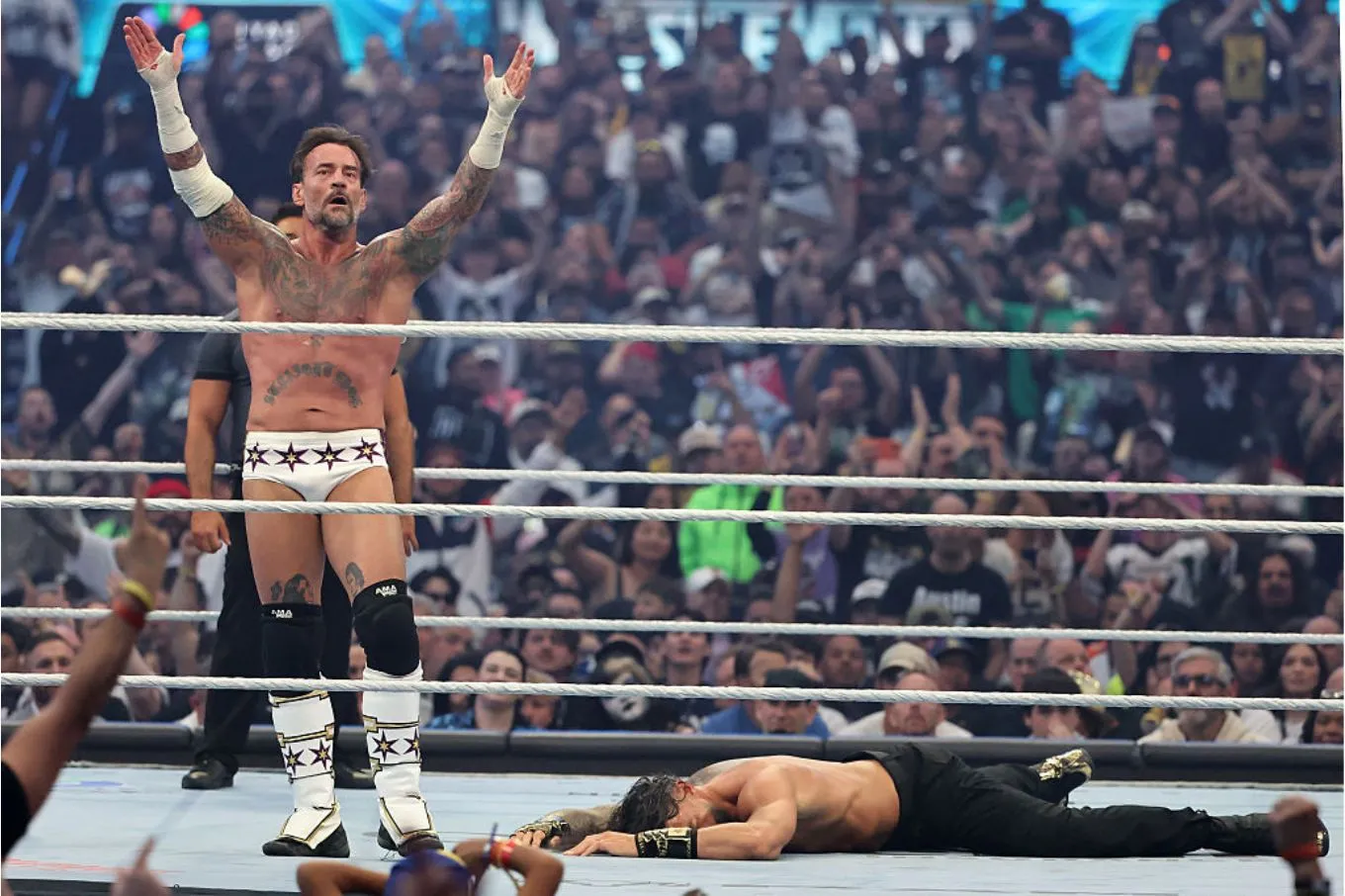
Notably, the event won’t appear on traditional cable at all — there’s no ESPN broadcast feed for it — so even longtime cable subscribers will need a smart TV, the DirecTV app or the ESPN app to tune in. It’s a reminder of how far “how to watch” a live sports entertainment spectacle has drifted from simply turning on a television.
Alabama-Georgia Adds a Second Must-See Event the Same Night
A few hours before Money in the Bank goes live, college football fans have their own appointment viewing: Alabama visits Georgia in an SEC clash kicking off at 4:30 p.m. PT/7:30 p.m. ET on ABC. The game is proceeding as scheduled despite Hurricane Isaias churning through the region, underscoring how much is riding on the matchup for both programs. Because it airs on ABC, the broadcast is accessible through virtually any live-TV streaming service that carries the network, including DirecTV, Fubo, Sling and Hulu + Live TV, all of which offer some form of free trial for new subscribers.
Fubo’s trial also spans five days, with plans starting at $54.99 for the first month before settling at $64.99 monthly. Sling remains the budget option, with its Select plan starting at $19.99 a month in markets where ABC is available, scaling up through its Blue and Orange & Blue tiers. Hulu + Live TV offers a shorter three-day trial but bundles in Disney+ and ESPN+ for $89.99 a month. The game will also stream on ESPN Unlimited itself, meaning anyone who’s already signed up to catch Money in the Bank later that evening gets the football game included at no extra cost.
Taken together, the two events highlight just how layered the modern answer to how to watch live entertainment has become. A single Saturday night now demands fans think in terms of overlapping subscriptions, trial windows and bundle math rather than a single channel number — whether they’re chasing a wrestling title match in New Orleans or a top-tier college football rivalry unfolding under hurricane skies.
- Here’s How to Watch WWE Money in the Bank 2026 Live Online (Variety)
- Alabama vs. Georgia: Where to Watch the SEC Game Online (The Hollywood Reporter)
Explore more on this topic with Vexel Search.
WordUp Morning
Ten stories, both sides of each, in five minutes. Free, every weekday at 7am, plus a Saturday weekend edition.
We'll email you a link to confirm. Unsubscribe any time.
Entertainment
Lisa Documentary Captures Blackpink Star’s Raw Response to Racial Slur Scandal Live, On Camera
TITLE: Lisa Documentary Captures Blackpink Star’s Raw Response to Racial Slur Scandal Live, On Camera
KEYWORD: Lisa documentary
DESCRIPTION: A new Lisa documentary shows the Blackpink star’s unscripted reaction to a racial slur scandal that erupted during her 2025 Coachella run.
A new Lisa documentary is offering an unusually unfiltered look at one of K-pop’s biggest stars in crisis, capturing Blackpink member Lisa Manobal’s raw, unscripted reaction in real time as a racial slur scandal threatened to derail her solo career launch and a landmark Coachella performance.
The film, titled Always Lalisa and directed by Sue Kim, hits cinemas on Monday after following Lisa for a year during a pivotal stretch of her career: the moment she stepped outside Blackpink to pursue a solo path in the Western pop market. What was supposed to be a triumphant chapter instead became a crisis-management nightmare when leaked footage surfaced showing Blackpink members using racial slurs, including an uncensored use of the n-word, while covering American rap songs as teenage trainees years earlier.
The clips resurfaced publicly last year, just as Lisa was deep in rehearsals for her headline-grabbing Coachella set in 2025. Fans were offended and demanded accountability, but according to the documentary, Lisa’s record label initially instructed the group not to comment publicly, leaving the singer caught between mounting public anger and corporate silence.

Inside the room when the Lisa documentary captured the scandal unfold
It’s that tension director Sue Kim says she wanted to document honestly rather than smooth over. With Lisa’s team scrambling behind the scenes, Kim followed the star into her dressing room and asked her to simply talk through what she was feeling, with no script and no media training involved.
“I said, ‘Look, I know this is new. I know you guys are wildly confused and hurt, but this is your time to say whatever you want to say,’” Kim recalled. She admitted she had expected Lisa to decline. Instead, the singer lay down and spoke candidly for close to an hour.
“It’s bad,” Lisa says in the film, visibly ashamed and nervous. She explained she was only 15 or 16 when the videos were recorded, and that as a Thai teenager whose first language wasn’t English, she hadn’t understood the slur’s weight or history, having encountered it mainly through the rap music she and her bandmates were rehearsing to. “Now I would never ever do that because, now, I’ve got education,” she says in the documentary. “Now I know better. But I did wrong.”
Kim calls the scene one of the most important moments in the Lisa documentary, precisely because it wasn’t engineered for cameras. “There was no premeditation on Lisa’s part, there was no media training,” the director said. “I asked her one question and she just talked for an hour, and everything came out, and it’s all stream of consciousness.” Lisa has since issued a public apology in an interview with Variety, though reaction to it remains mixed among fans.
A star under pressure, on and off stage
The scandal unfolded against the backdrop of Lisa preparing to release her debut solo album, Alter Ego, and deliver what became one of the standout sets of the 2025 festival season at Coachella. The documentary shows her receiving death threats during this period yet pressing forward with public appearances, describing safety fears “spinning in my head” even as she walked on stage.
“To a certain extent I have to take [criticism] and compromise,” she says in the film, visibly worn down, “but sometimes, it’s too much.”
Kim doesn’t shy away from showing Lisa at her most vulnerable elsewhere in the film either, including moments of harsh reviews and a vocal coach scolding her for lacking effort during rehearsals. That willingness to include unflattering footage is notable given the documentary was commissioned by the film division of Lisa’s own record label, the same outfit behind a recent, far more guarded Oasis documentary. Kim insists the access she was given, and Lisa’s refusal to cut any scenes after watching the final product, set this project apart from typical celebrity-sanctioned profiles.
Breaking from the K-pop system
Beyond the scandal, the Lisa documentary traces a quieter but equally dramatic storyline: her decision to step away from the rigid structures of the K-pop industry that shaped her from adolescence. Despite global fame, record-breaking sales, and major fashion partnerships with brands like Louis Vuitton and Bvlgari, Lisa describes feeling trapped by rules that forbade her from drinking alcohol or having adult relationships.
“I don’t want my dating to be the thing to hurt Blackpink’s popularity,” she says in the film. “But when I turned 25, I realised that this is not how you’re supposed to live your life.” That realization led her to part ways with YG Entertainment, the Korean label that discovered and trained her as a teenager, and sign instead with RCA Records in the United States.
Kim describes the move as an act of considerable courage for someone trained since childhood to prioritize obedience within the K-pop system. “Having been trained in the K-pop system from an early age, she grew acclimatised to obedience,” the director said. “Declaring that she wants a break is such a disruption to that way of life that I can only imagine it must have been difficult.”
Ultimately, the Lisa documentary positions its subject at a crossroads between two identities: the disciplined K-pop idol shaped by years of industry conditioning, and an emerging solo artist trying to navigate fame, controversy, and personal autonomy on her own terms. Whether audiences come away more sympathetic or more critical, Kim’s film makes clear that Lisa’s reckoning with the scandal was neither scripted nor easy.
Explore more on this topic with Vexel Search.
WordUp Morning
Ten stories, both sides of each, in five minutes. Free, every weekday at 7am, plus a Saturday weekend edition.
We'll email you a link to confirm. Unsubscribe any time.
Entertainment
New ‘Carrie’ TV Series Reimagines Stephen King’s Monster Mom as a Woman Fighting for Love, Not Hate
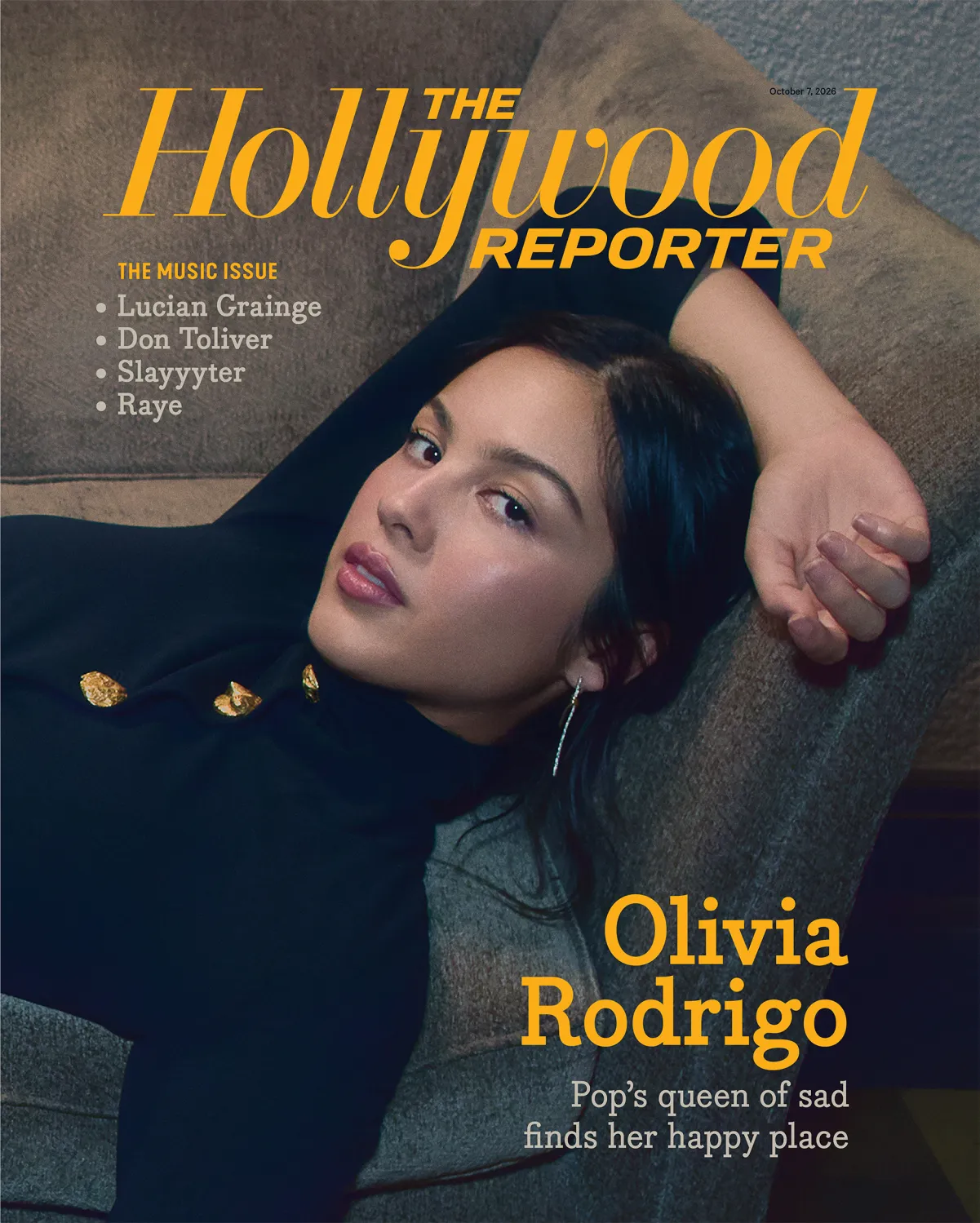
Stephen King fans have spent five decades fearing Margaret White, the Bible-thumping mother whose religious fanaticism helped turn her telekinetic daughter into a prom-night killer. But the new Carrie TV series, which premiered Wednesday on Prime Video, is asking audiences to see her differently — not as a monster, but as a mother terrified of losing the only person she loves.
That reinterpretation falls to actress Samantha Sloyan, who stars as Margaret in showrunner Mike Flanagan’s reimagining of King’s 1974 novel. Speaking with The Hollywood Reporter, Sloyan described a version of the character far removed from the screeching zealot played by Piper Laurie in the 1976 film, or the more recent takes from Julianne Moore and Patricia Clarkson. “It loves her daughter,” Sloyan said of Flanagan’s Margaret, pointedly using present tense to describe a bond she insists is real rather than performative.
In this telling, opposite Summer H. Howell as Carrie, Margaret’s religious extremism doesn’t come from cruelty but from a desperate, misguided instinct to shield her daughter from a world that has already decided to destroy her. Sloyan pointed to a pivotal moment in the Carrie TV series when Margaret goes public about the bullying her daughter faces, turning herself into a community advocate and social-media presence. “It’s a declaration of war, really, for her,” Sloyan said. “I think the only thing that would bring Margaret to that point is protecting her daughter. And then, of course, she gets charmed by the insidious nature of it all.”
A Villain Who Doesn’t Know She’s the Villain
Sloyan is no stranger to playing characters audiences love to despise. Her role as Beverly “Bev” Keane in Netflix’s Midnight Mass, another Flanagan project, drew intense viewer vitriol — something she says she treasures rather than resents. “There’s an intimacy to that hate that I’ve found really meaningful,” she told THR, explaining that strong reactions mean a character landed as a real person rather than a caricature.
Flanagan says that instinct — finding humanity inside apparent monstrousness — is exactly why he wanted Sloyan for Margaret White in his Carrie TV series. “Sam has this incredible gift for committing fully to the perspective of the character that she’s playing,” he said. “Even if Sam’s playing what we would look at as a villain, Sam is never playing a villain. She’s so committed to their point of view that she finds an enormous amount of sympathy, even for characters who I thought were irredeemable, like Bev Keane in Midnight Mass.”
That philosophy extends directly into how the new series approaches Margaret. Rather than framing her as pure antagonist, Flanagan said he wanted to explore a woman “utterly formidable” on the surface but harboring “an aching vulnerability” underneath — someone whose methods are broken but whose motivations are recognizably maternal. “If we’re doing Margaret White not as a monster, but as a fiercely protective, fiercely loving mother, whose tools are incorrect and whose perspective is limited,” he explained, the character becomes something closer to tragic than villainous.
Familiar Territory for Flanagan and Sloyan
The Carrie TV series marks the latest chapter in a long creative partnership between Sloyan and Flanagan, who have worked together on The Haunting of Hill House, The Midnight Club, and The Fall of the House of Usher. Sloyan also has a small role in Flanagan’s forthcoming Exorcist film, cementing her status as one of his most trusted collaborators.
For Sloyan, that recurring collaboration offers rare stability in an industry defined by constant upheaval. “In a particular industry where things can feel very nomadic, you’re meeting new people all the time and there’s no real security,” she said, “to have somewhere that feels familiar, I count myself among the luckiest.”
Whether audiences embrace this gentler, more sympathetic Margaret White remains to be seen, but Sloyan seems unfazed by the prospect of backlash. If history with Bev Keane is any indication, strong reactions — even hostile ones — are proof the performance worked. As the Carrie TV series continues unfolding on Prime Video, Sloyan’s Margaret offers a notable departure from decades of horror tradition: a mother whose love, however warped, might be the most frightening thing about her.
- ‘Carrie’ Star Samantha Sloyan Finds the Love Inside Horror’s Most Nefarious Mother (The Hollywood Reporter)
Explore more on this topic with Vexel Search.
WordUp Morning
Ten stories, both sides of each, in five minutes. Free, every weekday at 7am, plus a Saturday weekend edition.
We'll email you a link to confirm. Unsubscribe any time.
Entertainment
‘VisionQuest’ Review: Marvel’s WandaVision Sequel Nails Father-Son Feels, Fumbles the Lore in Its 8 Episodes
Five years after “WandaVision” rewired the Marvel Cinematic Universe’s relationship to grief and genre-bending television, its long-promised sequel has finally arrived — and according to early reviews, it’s a mixed bag wrapped in some genuinely striking imagery. This VisionQuest review roundup finds critics split between admiration for its lead performances and frustration with a story so tangled in backstory that it risks losing the audience entirely.
The eight-episode Disney+ series, created by Terry Matalas (“12 Monkeys”), picks up more than a decade of continuity: Paul Bettany returns as Vision, though not quite the Vision who died in “Avengers: Infinity War,” nor the one who lived a suburban sitcom fantasy in “WandaVision.” Rather, he’s a blank-slate synthezoid rebuilt by Wanda Maximoff (Elizabeth Olsen) and later implanted with his predecessor’s memories — memories he can access but can’t fully feel. That dissonance, critics agree, is the emotional engine of the show, even when the plot mechanics around it grow unwieldy.
A VisionQuest Review Finds Heart Amid the Chaos
Variety’s Alison Herman writes that “VisionQuest” mirrors its own protagonist: a technically impressive construction that struggles to connect emotionally. Vision, now posing as an ordinary bartender in Edinburgh, spends much of the series trying to explain his convoluted existence to Tommy (Ruaridh Mollica), a British teenager who turns out to be the reincarnation of Vision and Wanda’s magic-born speedster son. The result, Herman notes, is a show that keeps restaging its own confusion rather than resolving it — Tommy storms out of simulated conversations again and again, a fitting metaphor for viewers trying to keep up with the lore.
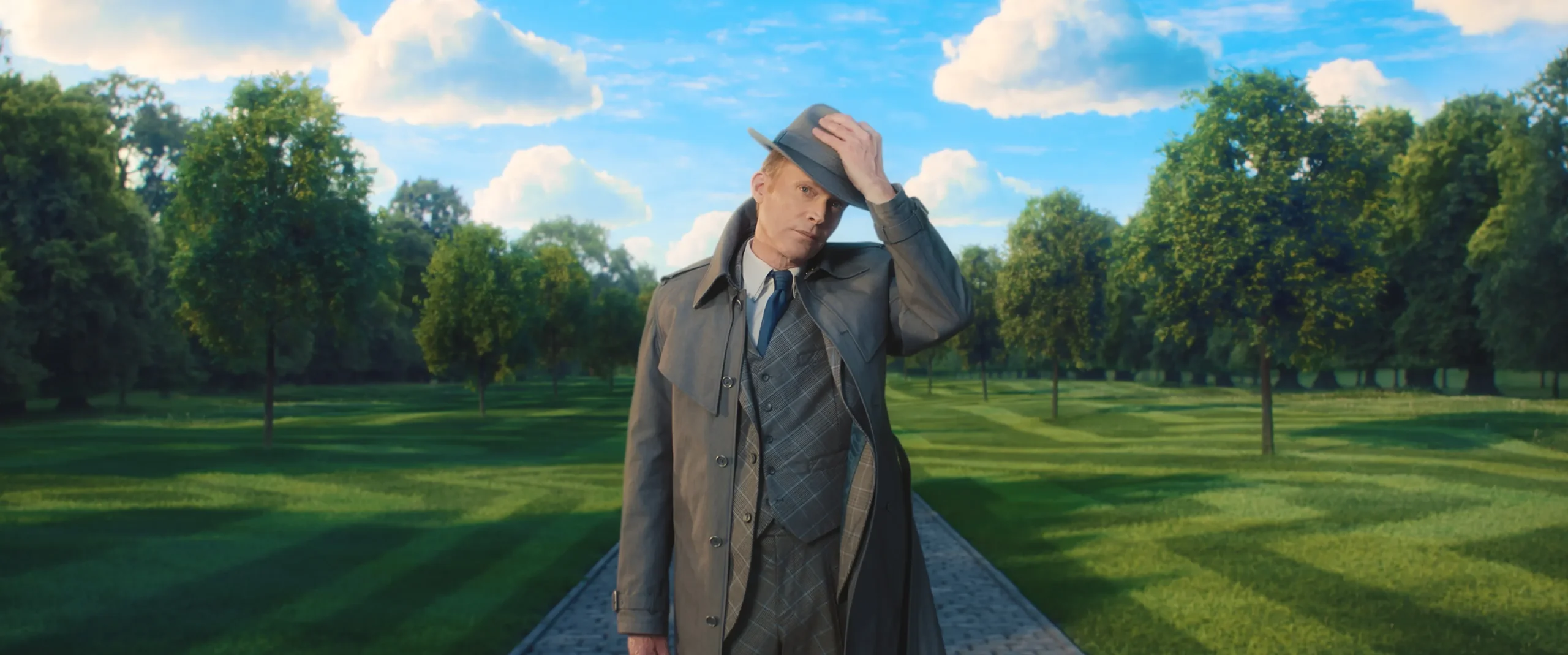
The Hollywood Reporter’s Angie Han is similarly torn. She calls the series “a spinoff to a spinoff,” burdened by more than a decade of continuity that even devoted fans might need a refresher to follow. But when the show stops over-explaining itself, Han argues, it becomes something touching: a story about a father and son finding their way back to each other under impossible circumstances. Bettany, she writes, is “by turns hilariously perplexed… and achingly tender,” while Mollica brings a disarming vulnerability to Tommy that makes their bond the show’s clearest success.
James Spader’s Ultron Steals the Mindspace
Both reviews single out James Spader’s return as Ultron — not as the towering CGI villain from “Avengers: Age of Ultron,” but as a schlubby, bearded figure confined to Vision’s “Mindspace,” a digital mansion where Vision has gathered an ensemble of AI companions. Alongside Ultron are familiar MCU voices like J.A.R.V.I.S. (James D’Arcy) and newer creations such as F.R.I.D.A.Y. (Orla Brady) and E.D.I.T.H. (Emily Hampshire), each serving as a kind of fractured support system for a hero who can’t quite access his own feelings.
Herman calls this Ultron “a highly entertaining creation,” with Spader layering his trademark sardonic charm onto a character now humbled from his supervillain days. Han agrees, saying this version is a far better showcase for Spader’s smarmy appeal than his original 2015 debut. Still, both critics note that confining Ultron to an imaginary plane limits his menace — he becomes more of a devil-on-the-shoulder figure than a true antagonist.
Where the show runs into trouble, according to both reviews, is in mapping how the Mindspace interacts with the real world. Herman points out that despite some visually inventive sequences — a possession-style episode, a storm-tossed “take the wheel” metaphor — “VisionQuest” never settles on a consistent internal logic for how events in Vision’s virtual psyche affect physical reality. That murkiness, compounded by a subplot involving an assassin named Paladin (Todd Stashwick) and a serial killer dubbed “Butcherbird,” stretches the narrative thin across its eight-episode run.
Timely AI Themes, Uneven Execution
Both critics note that the show’s premise — a synthetic being assembling a team of autonomous AI “agents” to process his own humanity — lands with unexpected topicality given real-world conversations about artificial intelligence and sentience. It’s a clever hook, but one that competes for space with assassins, serial killers, and years of accumulated Marvel continuity.
Taken together, this VisionQuest review consensus suggests a series caught between two instincts: the intimate, aching story of a father reconnecting with a reincarnated son, and the sprawling, lore-heavy machinery of the broader MCU. When the show leans into the former, through Bettany’s wounded sincerity and Spader’s dryly comic villainy, it finds real emotional traction. When it leans into the latter, even patient fans may find themselves as overwhelmed as Tommy storming out of the room.
“VisionQuest” premieres on Disney+ on October 14.
Explore more on this topic with Vexel Search.
WordUp Morning
Ten stories, both sides of each, in five minutes. Free, every weekday at 7am, plus a Saturday weekend edition.
We'll email you a link to confirm. Unsubscribe any time.
Tom Cruise has weathered career slumps before, but few as costly as this one. His new film Digger, a satirical black comedy in which he plays oil magnate Digger Rockwell, is being forecast by Hollywood analysts to lose around $245m (£185m), a staggering figure that could rank it among the biggest box office flops in cinema history.
Ticket sales for the Warner Bros release collapsed by roughly 60% in its second weekend, leaving its global total at just $35m (£26m) so far. That is a brutal return on a film estimated to have cost around $280m (£211m) to produce and market, before even factoring in the cost of an awards season push.
Trade publication Variety projects Digger will finish its theatrical run with around $50m (£38m) worldwide, far short of the roughly $350m (£264m) the studio would need to break even once marketing, theatre revenue splits and awards campaigning are accounted for. A Warner Bros spokesperson disputed that figure slightly, telling Variety the real break-even point sits closer to $300m (£227m). Either way, the math points firmly toward one of the industry’s costliest box office flops in recent memory.
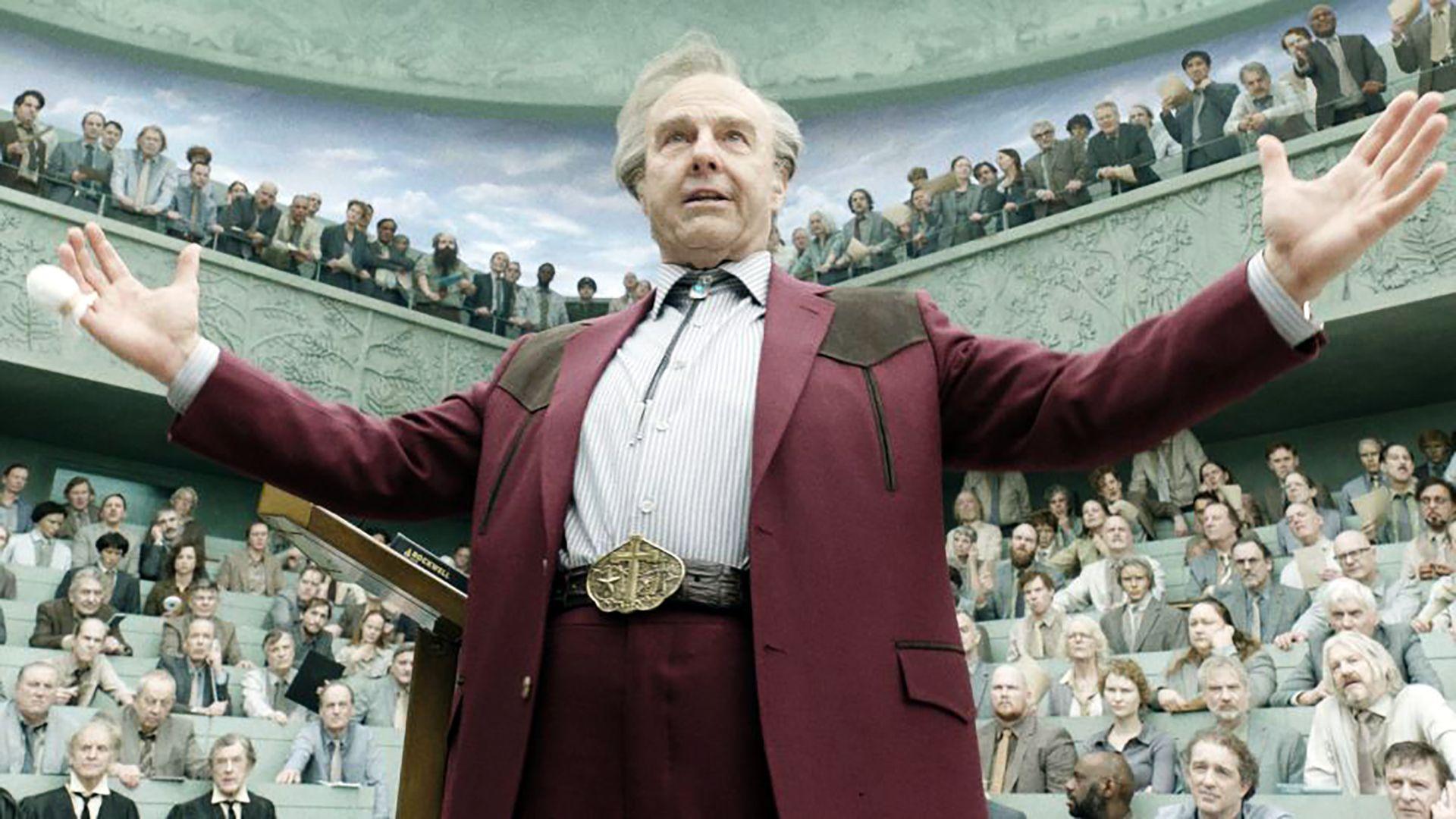
A box office flop decades in the making
Should the final numbers hold, Digger would join a notorious club of films that lost upwards of $100m, including Cutthroat Island (1995), The Adventures of Pluto Nash (2002), Sahara (2005) and John Carter (2012). Other nine-figure disasters include Mars Needs Moms, Amsterdam, The 13th Warrior, The Marvels and Speed Racer. Digger’s trajectory suggests it may not just join that list, but sit near the very top of it.
The film, directed by Oscar winner Alejandro G. Iñárritu, received largely poor reviews, prompting Warner Bros to pivot its marketing with a “decide for yourself” campaign aimed at drawing in curious audiences. It hasn’t worked. The underwhelming reception marks a sharp departure from Cruise’s recent box office dominance through the Top Gun and Mission: Impossible franchises, both of which performed strongly worldwide.
Cruise himself appeared unfazed by the numbers last week, saying he “never thought of movies when I’m making them in terms of opening weekend,” and that he focuses instead on films that will “translate, last and evolve” over time. Whether that philosophy offers much comfort to Warner Bros, now newly absorbed into Paramount following a $110bn merger, is another matter. Digger was the studio’s last standalone release before the takeover.
Not the only disappointment at the multiplex
Digger wasn’t alone in struggling this past weekend. The Social Reckoning, Aaron Sorkin’s long-awaited sequel to the Oscar-winning The Social Network, also opened softly. Starring Mikey Madison, Jeremy Strong and Jeremy Allen White, the film took in just $5.5m (£4.1m) domestically, a fraction of the $22m its predecessor earned on opening weekend back in 2010, even before adjusting for inflation. Globally, it managed around $9m (£6.8m).
The film, which dramatizes the true story of Facebook whistleblower Frances Haugen, was outperformed in the US box office chart by horror title Other Mommy, psychological thriller Verity, video game adaptation Resident Evil, and Brad Pitt’s survival thriller Heart of the Beast.
Taken together, the two films’ struggles highlight a turbulent stretch for star-driven, awards-aspiring dramas, even as genre fare and franchise titles continue to find audiences. For Warner Bros and Paramount, newly merged and watching one of their marquee releases risk becoming a historic box office flop, the coming weeks will test just how much damage control a rebranded marketing push can really achieve.
Explore more on this topic with Vexel Search.
WordUp Morning
Ten stories, both sides of each, in five minutes. Free, every weekday at 7am, plus a Saturday weekend edition.
We'll email you a link to confirm. Unsubscribe any time.

PlayStation Plus December Games: 3 Free Downloads From Dec. 1, Claim Them by Jan. 4

Rinderknech Doping Test Charge Carries Up to a Four-Year Ban as He Vows to Clear His Name

Bad Lieutenant: Tokyo Hits Theaters March 5, 2027 as Neon Bets on Miike’s Cop Saga


-

 Sports6 days ago
Premier League Legal Costs: 18 of 20 Clubs Back Cover for Board if Man City Sponsors Sue
-

 Business & Hustles5 days ago
Pensions dashboard to launch summer 2027, with 75 million records already connected
-

 Tech & AI2 days ago
Jensen Huang reinstated as Nvidia CEO: Trump says he ‘convinced’ the board, and the stock jumps 34%
-

 Tech & AI2 days ago
Trump Again Urges Nvidia to Rehire Jensen Huang as Board Says No and Shares Sit Roughly 50% Off Their High
-
 Sports7 days ago
Alonso Dakar Rally return: Aston Martin sends 3 cars into a 12-stage, 6,805km test
-
 Gaming7 days ago
New Zealand trick lets GTA 6 players start up to 18 hours early, but PS5 owners may have to buy it twice
-
 Fashion6 days ago
Jerry Lorenzo’s TEN Brings Fear of God a First In-House Sneaker and an L.A. Flagship
-
 Crime7 days ago
Alleged Russia Spy Suspect Moved to US Military Custody: What Happens Next
-

 Tech & AI7 days ago
Ofqual Warns Exam Cheating With AI or Smart Glasses Could Cost Students Whole Qualifications
-

 Sports7 days ago
Prendergast hip-drop tackle citing dismissed, clearing Ireland’s fly-half to face South Africa on Saturday
-
 Crime6 days ago
Florida pastor convicted on all 8 counts in Haitian president assassination case, faces up to life
-

 Tech & AI5 days ago
OpenAI Tests Always-On Dots Agents on Some $20-a-Month ChatGPT Plus Users
-

 Entertainment7 days ago
Warner Bros. Television Studios Will Merge Two Studios and 100+ Productions Under Two Presidents in Early 2027
-

 Business & Hustles7 days ago
Six firms now in the CMA’s drip pricing sights as a gym chain and two holiday brands join the probe
-
 Entertainment6 days ago
Government Has No Power to Force YouTube to Pull Russell Brand Video, Minister Admits
-

 Crypto7 days ago
Solana Foundation’s CoinGecko Majority Stake Could Bring Trading to a Platform With 18M Users
-

 Business & Hustles7 days ago
Workplace Savings Scheme Signs Up Employers Covering Over 500,000 Workers
-
 Business & Hustles7 days ago
Interest rates not ‘pre-set’, Bailey warns, as inflation hits 3.6% and a rise looms
-
 Sports6 days ago
Tiger Woods to design £30m Bellarena links, Northern Ireland’s first new championship course in over a century
-

 Gaming5 days ago
GTA 6 Infinite Money Glitch Is Already Everywhere, But Many Players Are Choosing Not to Use It
You must be logged in to post a comment Login