
Gaming
All 7 Kakariko Cucco Locations in Ocarina of Time, and the Empty Bottle Reward

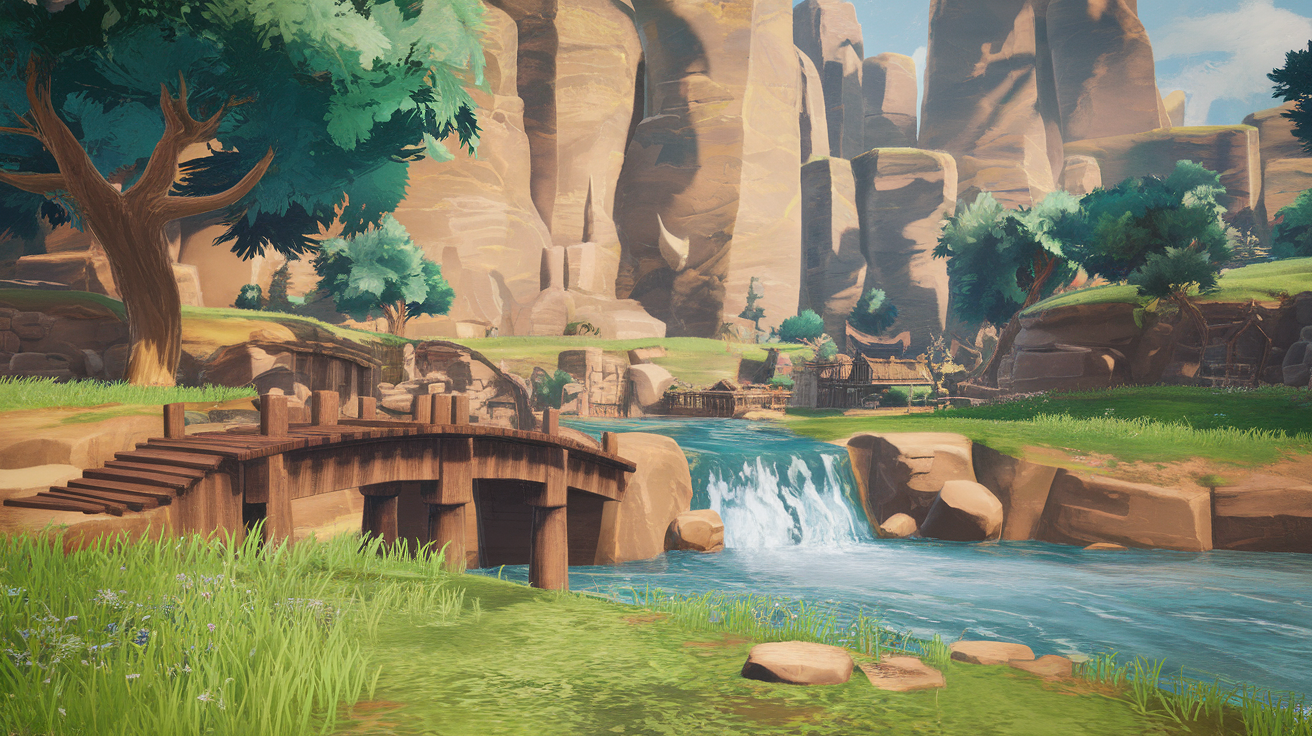
Header image: AI-generated illustration by WordUp News.
Tracking down all seven Kakariko Cucco locations in the Ocarina of Time remake is a side errand that sounds like a distraction from saving Hyrule. It pays off with one of the game’s most useful items, an empty bottle. According to a Polygon guide published Nov. 5, 2026, the whole job can be finished on your first visit to the village, before you head into Dodongo Cavern.
The Job: Seven Escaped Chickens and a Worried Farmer
The quest starts with a farmer who has lost her seven chickens. She wants them back in their small fenced-off pen. Only a few are easy to spot, and a couple of the others sit in places that look unreachable at first glance. The guide says all seven can be collected in any order, and its numbering simply follows the sequence in which the writer happened to find them. It also notes that some of the birds wander, so a Cucco may not be exactly where the screenshots show it, though it stays in the same general area.
The guide stresses the reward. An empty bottle is described as among the most important items in the game, which is why it recommends doing the chore early instead of skipping it.
Where to Find Each Cucco
The first four are the simplest of the Kakariko Cucco locations:
- Cucco #1: On a ledge near a house in the northern part of the village. It wanders, so check both the front and back of the home.
- Cucco #2: Trapped in a wooden box just south of the first bird, against the side of a house. Break the box with your sword or by rolling into it.
- Cucco #3: Roaming the path in the western part of the village that leads back toward Hyrule Field.
- Cucco #4: Resting under the wooden scaffolding at the construction site. A Gold Skulltula sits on the platform above it, so grab that after you take the bird home.
The Tricky Ones: Slingshots and Chicken Gliding
The last three need a little more thought. Cucco #5 is perched on a pile of bricks in the south-central part of the village. Hit it with a single slingshot seed and it flutters down, and then you can chase it and carry it back. The guide says one shot won’t set off the usual angry Cucco swarm. Repeated hits would.
Cucco #6 is behind a tall wooden fence. To reach it, climb the steps in front of the windmill while carrying another Cucco, then jump. The flapping bird slows your fall and carries you over the fence. Once you’re across, toss the helper Cucco back over, pick up the sixth bird, and send it the same way.
Before you leave that fenced area, climb the ladder up the stone wall. Cucco #7 is wandering around the windmill up there. With all seven in the pen, talk to the farmer again and she hands over the bottle.
Why It’s Worth Doing Early
The quest is short, and the route is simple once you know the fence trick. The guide’s advice amounts to doing it now: the reward is valuable, and the Kakariko Cucco locations are all open to you on the first visit to the village. Keep an eye out for that Gold Skulltula at the construction site while you’re there.
Explore more on this topic with Vexel Search.
WordUp Morning
Ten stories, both sides of each, in five minutes. Free, every weekday at 7am, plus a Saturday weekend edition.
We'll email you a link to confirm. Unsubscribe any time.

Nintendo says it is not planning another Switch 2 price hike, a rare piece of reassuring news in a console market that has been getting more expensive. The company’s president, Shuntaro Furukawa, made the comments during Nintendo’s latest earnings call, according to Reuters reporting relayed by both Polygon and The Verge.
What Nintendo actually said about the Switch 2 price hike
Furukawa said Nintendo is “not considering additional changes” to the Switch 2’s price. On the memory shortage behind the industry’s price increases, he said there has been “no major change to the memory situation and Nintendo is in a position to secure sufficient quantities.” The statement is a commitment about current intentions, not a permanent price guarantee. It does suggest Nintendo believes it can get enough RAM to avoid passing new costs on to buyers.
The reassurance follows a $50 increase on Sept. 1, 2026. The two sources disagree on the resulting price. The Verge puts the Switch 2’s starting price at $499, while Polygon refers to a $449.99 price point. The sources don’t explain the gap, so shoppers should check current retail listings.
Sales and profit are under pressure
The earnings figures explain why investors are nervous. The Verge reports that Switch 2 sales are down 37.4 percent year over year. Reuters, via Polygon, says operating profit fell 16% to 73.9 billion yen (roughly $468 million) last quarter, below analyst estimates. Investors are reportedly worried about both the memory crunch and a thin lineup of big Switch 2 releases.
Nintendo did not change its full-year profit forecast or its target of selling 16.5 million Switch 2 units. The company is betting that its holiday lineup will carry it. That includes the newly launched Legend of Zelda: Ocarina of Time remake, which Polygon says arrived to strong reviews. Analyst Serkan Toto expects Zelda to give Nintendo a solid quarter. He also noted that the company won’t release blockbuster titles until the next fiscal year.
Polygon also reports that Nintendo could try to make up revenue by raising Switch Online subscription prices. That is speculation, not an announcement.
A supply scare and a broader market squeeze
The memory picture is not entirely calm. The Verge notes that one of Nintendo’s Switch 2 cartridge suppliers said this week it will stop making ROM memory and focus on memory for data centers. Demand from AI data centers is the main driver of the ongoing RAM shortage and the wave of tech price increases. Furukawa’s comments suggest Nintendo isn’t worried about its own supply, but the supplier’s exit shows how far the shortage is reaching.
Rivals have been hit harder. Per The Verge, Microsoft has raised Xbox Series X and S prices several times, taking the Series S from $299 to $499. Polygon says the Series X now costs $799.99, which is $300 more than before. The PlayStation 5 starts at $649 according to The Verge, and Polygon puts it $150 above its 2020 launch price. Industry-wide console sales fell 29% in July from a year earlier, a decline Polygon partly attributes to higher prices.
What comes next for Switch 2 owners
Nintendo’s next major first-party release is Metroid Ravenous on Jan. 28, 2027. Other Switch 2 exclusives planned for 2027 include Xenoblade Genesis, The Duskbloods, Pokémon Waves and Winds, Onyx: The Dark Grip and Kirby and the World Beyond. DLC is also planned for Pokémon Pokopia and Fire Emblem: Fortune’s Weave.
For now, the message is that the Switch 2 price hike that took effect in September should be the last, at least while memory supply holds. The harder question is whether a more expensive console and a quiet release calendar can keep Nintendo on track for its 16.5 million unit target.
Explore more on this topic with Vexel Search.
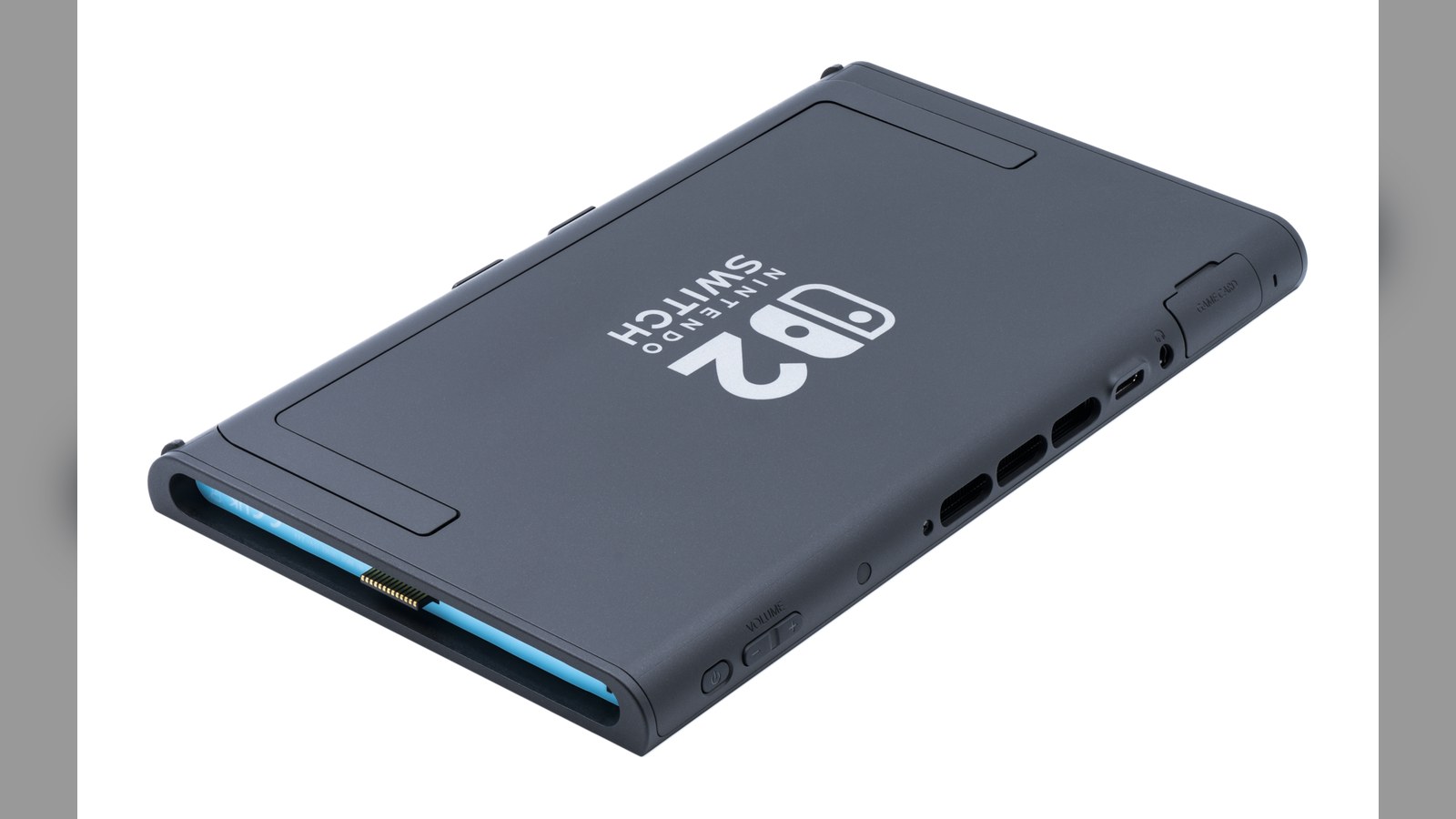
File photo: Nintendo Switch 2-Konsole IL 20250606.png by PantheraLeo1359531, CC BY 4.0, via Wikimedia Commons.
WordUp Morning
Ten stories, both sides of each, in five minutes. Free, every weekday at 7am, plus a Saturday weekend edition.
We'll email you a link to confirm. Unsubscribe any time.

Header image: AI-generated illustration by WordUp News.
Razer is betting that some players will pay far more than the price of a console game for a gamepad, and that scarcity will help. The Raiju V3 Pro Signature Edition, an officially licensed PlayStation 5 controller, goes on sale November 10 for $349.99 (€368.99), with production capped at 1,337 serialized units.
What the Raiju V3 Pro Signature Edition looks like
The design is the main draw. Razer has used an open-shell look that lets you see into the controller. The top and back plates are polygonal with chamfered edges, and a nano coating protects the exposed internals from debris. The touchpad is covered by a semi-transparent, tinted glass panel with a laser-etched Razer logo, giving a hint of the structure underneath. Engadget called it “absolutely gorgeous” and noted that see-through hardware is currently fashionable.
The materials are meant to back up the styling. The jet-black exoskeleton is magnesium alloy, and the handles are wrapped in matte black textured TPU grip that Razer says resists oils and abrasion. Engadget reports a weight of 260 grams, which it says is lighter than a standard DualSense.
Pro-level features inside the shell
Beneath the styling, the Raiju V3 Pro follows the usual playbook for premium controllers. It has contactless TMR thumbsticks, which should help with aiming precision. There are six mappable inputs: two claw-grip bumpers and four mouse-click-style back buttons. The face buttons are made from PBT, a rigid, durable plastic.
Razer is also pitching the controller at PC players. It supports up to 2,000Hz HyperPolling over wireless, meaning data passes between controller and PC 2,000 times a second. Razer describes the pad as optimized for PC as well as PS5, promising “reliable precision, exceptional control, and blazing-fast speed.”
What comes in the box
The collector’s package adds a leatherette carrying case, alternate thumbstick caps, back button covers, a wireless dongle and tools for replacing parts. The repair tools suggest the pad is meant to be maintained, not just displayed.
Price, availability and the leetspeak limit
The 1,337 cap is a nod to “leetspeak,” the old internet spelling for “elite.” Each controller is serialized, which adds a collectible angle. TechRadar reports the Raiju V3 Pro will be sold exclusively through Razer, so buyers can’t wait for it to turn up at other retailers. With so few units, a fast sell-out is plausible, though none of the sources say how quickly stock might go.
On pricing, the reports differ slightly. Engadget, writing at the announcement, said Razer had not yet released a price and guessed it would be expensive. TechRadar lists the $349.99 / €368.99 figure, which GamesRadar also uses in its headline. At that price, the controller costs several times as much as a standard DualSense.
Whether it justifies the money depends on what buyers value. The specifications are strong, but much of the cost appears to be for exclusivity, the glass-and-metal finish and the numbered edition. For players who want the hardware features without the premium, the sources don’t mention a cheaper variant, though TechRadar describes this as a new version of Razer’s licensed PS5 controller line, built on what the company calls a decade of experience.
- Razer drops an eye-catching edition of its PS5 Pro controller with an eye-watering price (GamesRadar)
- Razer unveils the Raiju V3 Pro Signature Edition PS5 controller (engadget.com)
- The Raiju V3 Pro Signature Edition is Razer's 'most ambitious' PS5 controller to date, featuring materials 'chosen for strength, durability, and finish' — here's where you can get the limited release gamepad (techradar.com)
Explore more on this topic with Vexel Search.
WordUp Morning
Ten stories, both sides of each, in five minutes. Free, every weekday at 7am, plus a Saturday weekend edition.
We'll email you a link to confirm. Unsubscribe any time.
Gaming
Ocarina of Time Remake Reviews Are In: Critics Hail a Switch 2 Return to Hyrule, With Caveats
The Ocarina of Time remake has landed on Switch 2, and the first wave of reviews from Polygon, Engadget and IGN suggests Nintendo has handled one of gaming’s most protected legacies with care. All three outlets published on November 4, 2026, and all three come away admiring the game. They differ on how much the new voice acting and modern polish help or hurt.
A remake that keeps the story and changes the feel
The reviewers agree that Nintendo has not rewritten the adventure itself. Polygon’s Giovanni Colantonio notes that the sequence of events is the same as in the 1998 original: a young Link, a fairy companion named Navi, and a quest to stop Ganondorf. Engadget’s Sam Rutherford contrasts this with the Final Fantasy VII remakes, saying Nintendo left the story and core gameplay largely alone. IGN’s Logan Plant puts it between the two extremes. He calls it neither a one-to-one remake nor a complete reimagining, but “a modern interpretation” that adds depth through its art style and expanded dialogue.
The biggest change is presentation, and that is where opinions start to split.
The visuals win over the skeptics
When the game was first teased, some fans worried Nintendo was swapping its storybook charm for flat, realistic graphics. The reviews suggest those fears were overblown. Colantonio says the early backlash is “destined to age like Lon Lon Milk” and calls the remake highly stylized and stunning in motion. He singles out Kokiri Forest, with light streaking through its leafy canopy, as a sign of the tone to come.
Rutherford says the remake replaces the original’s blocky polygons with high-resolution models and gives the game a nostalgic look that recalls films like The Dark Crystal. He points to art director Aya Shida’s stated goal of rebuilding Hyrule while keeping the feel of the original, with touches borrowed from puppet shows and practical film effects. His complaints are small. Young Link’s huge eyes and the characters’ oversized noses look odd in isolation, and he dislikes how the water leaves a slimy cast on characters and creatures.
Plant goes furthest, saying that from the moment he entered Kokiri Forest he was sure this is the best Zelda has ever looked and sounded. He cites details such as Link’s finger movements while playing the ocarina, Bombchus drawn as wind-up toys, and reactions borrowed from Breath of the Wild, like Link overheating in Death Mountain Crater. He also reports a solid 60 fps almost throughout, docked or handheld. He praises the audio too, including Koji Kondo’s score performed by a small group of musicians.
Where the Ocarina of Time remake draws criticism
The most pointed reservations come from Polygon. The remake adds fully voiced dialogue in place of the original’s sparse text boxes, and Colantonio finds it a weaker fit at first. He says an early exchange between Navi and the Deku Tree loses its moody texture in a bright cutscene where a squeaky-voiced Navi delivers the exposition. He compares the effect to the way Nintendo’s cinematic treatments can resemble an animated kids’ film. He also says the opening hours are more tutorial-heavy, with players repeating actions in practice sessions before reaching the first dungeon. Those changes, he writes, make for a shaky first impression.
He does praise the new storybook-style narration, which frames the game as a legend passed down like a fable. In the end he argues that the remake’s soul survives the changes.
Rutherford raises a different concern. Some players may feel developers should have done more, and the game can feel simplistic at times. He turns that into a strength, calling the straightforward combat and puzzles a welcome on-ramp for younger players, as the original was for 1990s kids.
Quality-of-life upgrades and staying power
Rutherford highlights several practical changes. These include a fully adjustable camera, a revamped quick item menu, a sprint triggered by holding A after a roll, and a new Threads of Time system that helps newcomers and returning players track quests and objectives. He also says new battle animations, particle effects and low-lying dungeon fog give places like the Forest Temple and Death Mountain a stronger atmosphere.
Plant stresses that the traditional Zelda structure still works. Players find a dungeon, unlock a key item, beat the boss and use the new tool to open up more of the world. Alongside that are secrets, side quests and gold spiders, and the game’s switching between child and adult Link remains compelling. He spent about 30 hours on his first playthrough and started over immediately after the credits to hunt for more secrets. In his personal top 10 Zelda list, the remake lands fifth. The 1998 original sits second, behind only Tears of the Kingdom.
The verdict so far
Across the three reviews, the Ocarina of Time remake comes out as a respectful modernization rather than a radical rethink. Its strengths are art direction, audio, performance and thoughtful quality-of-life changes. Its weak points are a slow, over-explained opening and a new voiced tone that may not suit everyone. The excerpts available here do not include all of the reviews’ conclusions or any final scores, so readers who want the full verdicts should check the complete write-ups. The broad message is that the remake keeps the spirit that made the original a landmark. Whether that is enough for longtime fans may depend on how they feel about hearing Navi speak.
Explore more on this topic with Vexel Search.
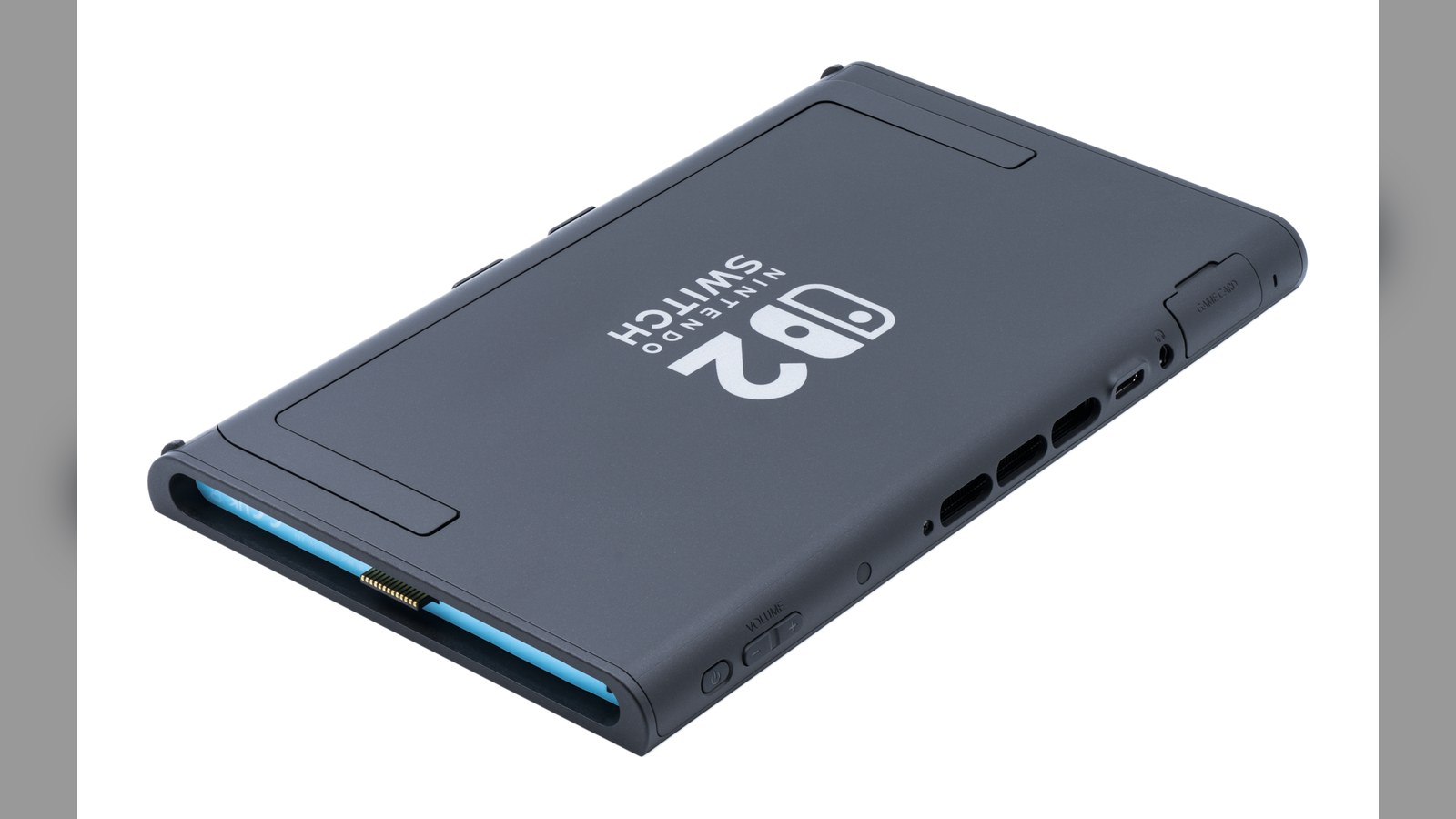
File photo: Nintendo Switch 2-Konsole IL 20250606.png by PantheraLeo1359531, CC BY 4.0, via Wikimedia Commons.
WordUp Morning
Ten stories, both sides of each, in five minutes. Free, every weekday at 7am, plus a Saturday weekend edition.
We'll email you a link to confirm. Unsubscribe any time.
Gaming
‘Elder Scrolls VI’ Is Officially ‘Sentinel,’ but Eight Years On There’s Still No Release Date
Header image: AI-generated illustration by WordUp News.
After roughly eight years of near silence, Bethesda has given The Elder Scrolls VI a subtitle: Sentinel. The reveal arrived Tuesday as part of the studio’s 40th anniversary celebration. It is the clearest sign yet that the long-delayed follow-up to Skyrim is moving forward, though it comes with no release date and no real gameplay.
What Bethesda actually revealed
The announcement came through a video message from Todd Howard, the franchise’s longtime director, alongside a new logo. Engadget describes the clip as short, with the title rising out of desert sand. Bethesda’s message was brief, and the studio says it will “be some time” before more information arrives.
The game is the next entry after Skyrim, which launched in 2011 and, according to Variety, is still the studio’s most-played game. Fifteen years on, the wait for The Elder Scrolls VI has become one of the longest in big-budget role-playing games.
Why the name ‘Sentinel’ matters
In series lore, Sentinel is a major city in Hammerfell, a province of Tamriel, the continent where the games take place. Hammerfell sits west of Cyrodiil, the setting of 2006’s Oblivion, and southwest of Skyrim‘s northern territory. Engadget notes that it’s widely believed Hammerfell will be the main setting, though Bethesda hasn’t spelled that out in the material described by the sources.
Engadget also says the video seems to hint that the game could explore the ancient origins of the Elder Scrolls themselves, the artifacts that give the series its name. That is interpretation of a short teaser, not a confirmed story detail.
The name itself was hardly a surprise. Fans had speculated for months that the game would be called Sentinel. In August, Xbox CEO Asha Sharma referred to the project on social media as “The Elder Scrolls VI: ********,” and the number of asterisks matched the length of the word. In the same post she praised a live playthrough, saying “the scale and grandeur are incredible.” Bethesda has now confirmed what the redaction implied.
A long road from 2018 to now
Bethesda first announced The Elder Scrolls VI at its E3 2018 conference. According to Variety, the game entered active production in 2023, after the launch of Starfield. In 2021, Howard said he expected the game could arrive 15 to 17 years after Skyrim. That window would put the release somewhere between 2026 and 2028, and Variety notes it could leave fans a few years from playing.
The timeline looks even less rushed given what other reporting says. Engadget cites Bloomberg’s Jason Schreier as saying the game is more than two years away. Engadget also points to earlier status updates from the studio that it called disappointing. A title and a logo are a modest payoff for fans who have waited this long.
What to expect next
For now, the facts are limited. We have a name, a probable setting and a studio that says more news will come eventually. We don’t have a release window, platforms or in-game footage. Even so, the reveal gives the project a public identity after years of being referred to only by its number. Fans who want something to play in the meantime can, as Engadget suggests, go back to Skyrim once more.
Explore more on this topic with Vexel Search.
WordUp Morning
Ten stories, both sides of each, in five minutes. Free, every weekday at 7am, plus a Saturday weekend edition.
We'll email you a link to confirm. Unsubscribe any time.

Header image: AI-generated illustration by WordUp News.
The God of War Laufey delay is official: Sony Santa Monica has moved its PS5 exclusive from February 16 to May 20, 2027, a slip of three months. The studio announced the change on November 4 in a short social media post.
What the studio said about the delay
The statement thanks fans for their enthusiasm since the game’s June reveal and says the team will use the extra time on “the finishing touches” and on “pushing the game to its fullest potential.” It does not give a specific reason, a point Eurogamer noted, and the studio closed by promising more updates soon. Nothing in the announcement points to a particular problem. The wording reads as a request for polish time.
A calendar problem as much as a polish problem
Whatever the internal reasoning, the new date sidesteps a crowded stretch of the release calendar. Eurogamer lists the Fable reboot, Persona 4 Revival and Metro 2039 among the games landing in February 2027. Engadget adds that Sony’s own Until Dawn 2 arrives on January 28, and that the company usually puts out its annual MLB The Show in March.
The move also gives Sony a first-party headliner in the spring quarter of 2027, which Engadget points out would otherwise have been bare. Moving out of February therefore helps both Laufey’s visibility and Sony’s release spacing.
What Laufey is
For anyone catching up, Laufey is the first game in the series not to star Kratos. Players control Faye, the character whose death opens 2018’s God of War. She wakes in the Everywhen, an afterlife populated by gods and deities, and her story runs in parallel with the events of God of War and God of War Ragnarök. Polygon says she tries to help Kratos and their son Atreus from beyond the grave.
Deborah Ann Woll plays Faye. Jack Quaid voices a talking cube named Phranque, Perlina Lau plays Rue, and Christopher Judge returns as Kratos, though Polygon expects his role to be small. Polygon describes the combat as acrobatic and reminiscent of Devil May Cry, while Eurogamer notes a return to the faster pace of the original series.
Why the wait matters for the wider series
Laufey is not the end of Kratos’ story. Sony Santa Monica has confirmed a new mainline Kratos game is in development, and Eurogamer reports that, according to the developer, it will connect to the events of Laufey. That raises the stakes for this spinoff, since it is evidently meant to matter to the series’ future and not just fill a gap. Amazon is also developing a live-action adaptation of the 2018 game, with Dave Bautista set to play Kratos, per Polygon.
For players, the practical upshot is simple. The God of War Laufey delay means a longer wait, but it also frees up a packed February. Engadget’s writer, for one, says he is already eager for the talking jelly cube. Fans will have until May 20 to decide whether the extra months were worth it.
- God of War Laufey is delayed until May 20 (engadget.com)
- God of War Laufey delayed three months to May 2027, as Sony Santa Monica escapes a packed February (Eurogamer)
- God of War Laufey delayed as Sony Santa Monica promises to "make the most of each moment until then" (GamesRadar)
- God of War Laufey Hit With Big Delay (Polygon)
Explore more on this topic with Vexel Search.
WordUp Morning
Ten stories, both sides of each, in five minutes. Free, every weekday at 7am, plus a Saturday weekend edition.
We'll email you a link to confirm. Unsubscribe any time.
Gaming
Free N64 Box Replica for Ocarina of Time Launch Event at London Argos Ahead of 5 November Release
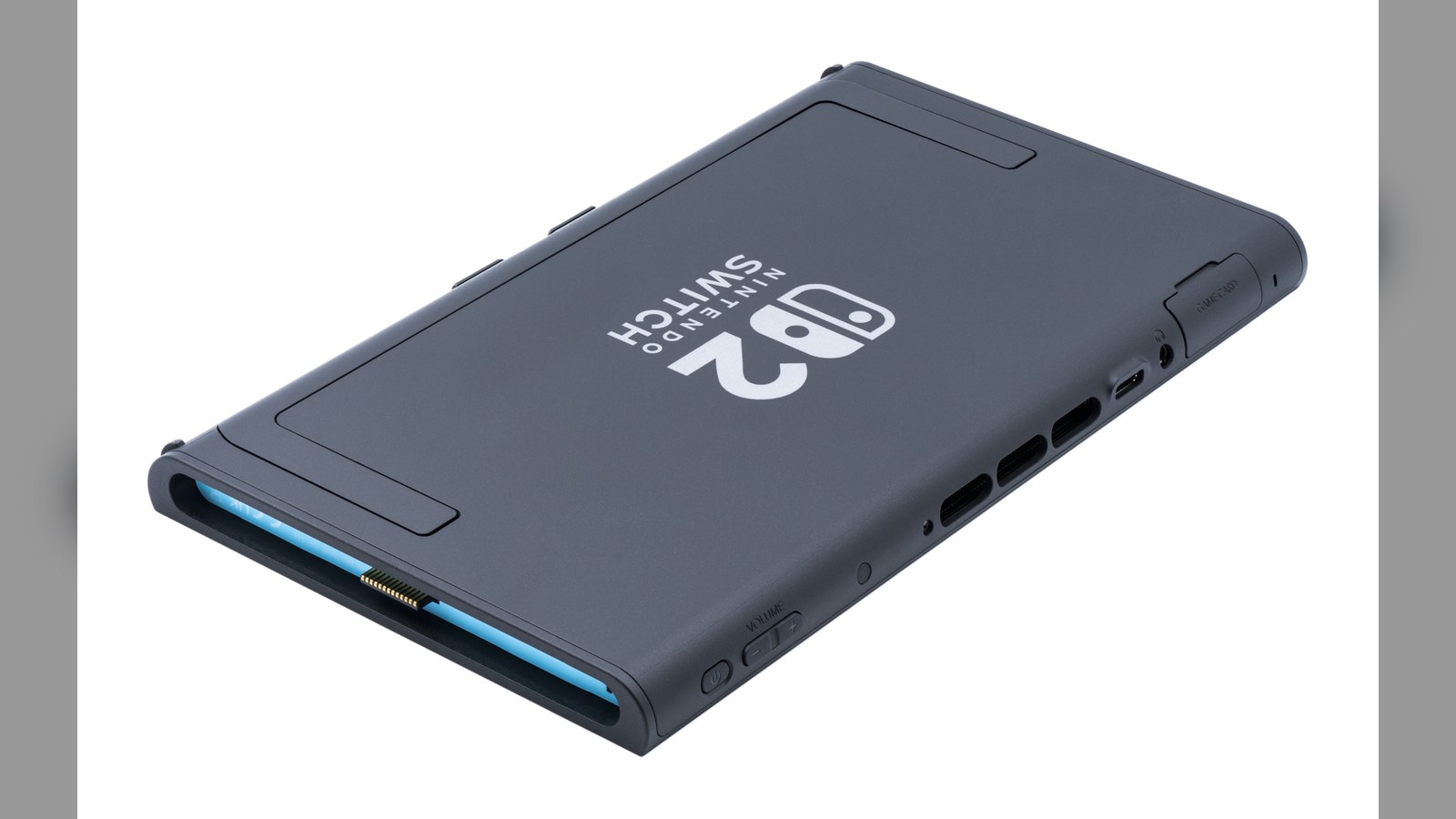
Fans of The Legend of Zelda: Ocarina of Time in the UK are getting an official launch event for the Switch 2 remake, complete with a nostalgic freebie: a replica Nintendo 64 box for those who buy the game on the night.
What the Ocarina of Time launch event offers
According to The Independent, Nintendo is staging the event on Wednesday evening at the Nintendo Experience Zone inside Argos on Tottenham Court Road in London. It comes the night before the game’s release on Thursday, 5 November.
Anyone who buys the game at the event will receive a free replica N64 box. It is designed to fit the Switch 2 game case, so owners can dress up their copy of Ocarina of Time in the look of the 1998 original’s packaging. Buyers will also get an Ocarina key ring. The report notes the extras are available while supplies last, so turning up early may matter.
A busy stretch for Nintendo fans
The launch follows the recent release of a limited-edition 40th Anniversary Switch 2 console and Pro Controller. Together, the hardware and the remake show Nintendo leaning on the series’ history. The replica box is a small but pointed example, tying a modern release to the packaging nostalgia that many longtime players associate with the N64 era.
Early reaction to the remake
Early previews of the Ocarina of Time remake have been positive, according to the same report. Writers have praised its extensive visual overhaul, updated arrangements of the music and a set of quality-of-life improvements. The source gives no further detail on those changes, and full reviews will show how well they hold up.
What we don’t yet know
The available reporting is brief. It does not say whether tickets or registration are needed, what time doors open, or how many replica boxes and key rings will be handed out. Anyone planning to go should check Nintendo’s and Argos’s official channels for the latest details. For those who would rather skip the queue, the game arrives on Switch 2 on 5 November, though the free Ocarina of Time extras were only mentioned in connection with the London event.
Explore more on this topic with Vexel Search.
File photo: Nintendo Switch 2-Konsole IL 20250606.png by PantheraLeo1359531, CC BY 4.0, via Wikimedia Commons.
WordUp Morning
Ten stories, both sides of each, in five minutes. Free, every weekday at 7am, plus a Saturday weekend edition.
We'll email you a link to confirm. Unsubscribe any time.
Header image: AI-generated illustration by WordUp News.
After 28 years of player complaints, the Ocarina of Time Water Temple is finally getting the fix its own creator says it needed. Ahead of the remake’s Nov. 5 launch on Nintendo Switch 2, series veteran Eiji Aonuma has confirmed that the dungeon has been reworked to cut down on the frustration that made it a byword for bad video game levels.
“Overdue homework” from the dungeon’s designer
The comments come from an “Ask the Developer” interview published on Nintendo’s website, and were picked up by Polygon and IGN. Asked whether the remake’s dungeons would change, Aonuma, who designed the originals, said with a laugh that he had “some overdue homework” and wanted to do something about the Water Temple he created decades ago. Because the area became so well known for its difficulty, he said, he had the team make adjustments.
Aonuma did not disown the original idea. He said he wanted to make simply being underwater feel enjoyable at a time when few 3D games let players dive at all. A freediving enthusiast, he said he is fascinated by how sound and space feel different beneath the surface, and he hoped players could sense that too. The execution, he conceded, got in the way: the dungeon’s complex structure and constant item toggling forced players to open the menu again and again, making it hard to keep track of where they were and which way they faced.
What changed in the Water Temple
According to the developers, the fixes target those specific pain points rather than gutting the dungeon.
- Easier item toggling. Game director HokWai Ng said swapping gear is now “much easier,” with quick item swaps on the d-pad instead of trips through the pause menu. IGN adds that Link can take off his Iron Boots instantly, without stopping to open the equipment screen.
- See-through walls. Some walls that made it easy to lose your bearings have become lattice-style structures. Players can see the rooms beyond them and get a better feel for the temple’s overall shape.
- Guidance built into the layout. Ng said objects are now placed so players intuitively work out which way to go, and some areas differ slightly from the original. IGN also noted from gameplay footage that the wall lights from the 3DS version, which point toward water-level-shifting spots, are back.
Importantly, Ng said the team kept the original dungeon mechanisms and aimed to improve “playability.” The approach, as IGN framed it, is less about making the puzzles easier than about giving players enough information so they aren’t simply lost.
Why the Ocarina of Time Water Temple matters so much
Few game levels carry as much baggage. The 1998 Nintendo 64 original is widely considered one of the best games ever made, yet the Ocarina of Time Water Temple is the part many fans remember with a groan. Its combination of slow underwater movement, confusing layouts and repeated boot swapping turned navigation into a chore. IGN’s writer recalled taking longer to figure it out than almost any other part of the game, while Polygon’s bluntly called it the one caveat to the game’s reputation.
That makes Nintendo’s public acknowledgment notable. Rather than ignoring a long-running joke, the team is treating it as a design problem worth solving, and the person responsible for the original is the one saying so.
A conversation starter across generations
The interview ends on a lighter note. The developers said they hope the remake gets players of different ages talking about their memories of the game. Ng joked that a parent might say, “Your Dad got stuck in the Water Temple plenty of times.” Aonuma replied that kids playing the new version might respond, “Come on, it’s not that hard,” leaving poor old Dad deflated.
Early hands-on previews, according to Polygon, have been quite positive. Whether the reworked Ocarina of Time Water Temple fully redeems its reputation will be clear soon enough, when the remake arrives on Nov. 5, exclusively on Switch 2.
Explore more on this topic with Vexel Search.
WordUp Morning
Ten stories, both sides of each, in five minutes. Free, every weekday at 7am, plus a Saturday weekend edition.
We'll email you a link to confirm. Unsubscribe any time.
Header image: AI-generated illustration by WordUp News.
After eight years of near silence, Bethesda has finally put a name to its most anticipated role-playing game: The Elder Scrolls 6 Sentinel is now official. Franchise director Todd Howard revealed the subtitle and logo in a video message for Bethesda’s 40th anniversary. It is a milestone for fans, but the news comes without a release date, a trailer or any in-game footage.
What Bethesda Actually Showed
The reveal was brief. According to coverage from Engadget and Polygon, the teaser opens on a scroll buried beneath a sand dune, and the title rises out of the sand. A line of in-universe text follows the logo: “The scroll offered only a shimmer, a veil thinly lifted to my eyes. A future lost. A victory undone. Sands of time scattered by fate.” It is attributed to Yazar, a Moth Priest serving High Queen Iradne of Hammerfell, in the year 4E 206.
That date matters. As Polygon notes, 206 of the Fourth Era would place the game about five years after the events of Skyrim. The imagery also fits the setting. In series lore, Sentinel is a major city in Hammerfell, a province on the continent of Tamriel. Variety places it west of Cyrodiil, the setting of Oblivion, and southwest of Skyrim’s snowy north.
Why the Name Was Hardly a Surprise
Fans had been guessing “Sentinel” for months, and the video confirmed them. Engadget points to an August post by Xbox CEO Asha Sharma, who described a live playthrough of “The Elder Scrolls VI” with the subtitle hidden behind asterisks. The number of asterisks matched the letter count of “Sentinel.” Her post praised the game’s “scale and grandeur” and said the story was “even greater.”
Polygon adds some context about that visit. It happened while Bethesda workers and union members were protesting layoffs and studio closures at Xbox. The sources do not connect the reveal itself to that dispute, but it is part of the backdrop to the studio’s biggest project.
What the Setting and Rumors Suggest
Taken together, the sources point to a desert-heavy game set in Hammerfell. Engadget and Polygon both say the teaser seems to hint that the story could explore the origins of the Elder Scrolls themselves. These are the mysterious artifacts that hold records of the past or prophecies of the future, and they have mostly worked as plot devices across the series. Polygon stresses that this story angle is still a rumor, not something Bethesda has confirmed.
How Long Is the Wait?
The timeline is the sobering part. The game was first announced at E3 2018 and entered active production in 2023, after Starfield launched, according to Variety. Howard said in 2021 that he expected the game to arrive 15 to 17 years after Skyrim. Skyrim turns 15 this month, so that window is already open and could run to 2028.
Engadget reports that Bethesda says it will “be some time” before more information arrives. It also cites Bloomberg’s Jason Schreier, who says the game is more than two years away. Polygon’s line about hoping not to celebrate Skyrim‘s 20th anniversary first captures the mood among fans.
For now, The Elder Scrolls 6 Sentinel is a title, a logo and a sand-covered scroll. That is more than fans had a week ago. Skyrim, still Bethesda’s most played game according to Variety, will have to keep players occupied in the meantime.
Explore more on this topic with Vexel Search.
WordUp Morning
Ten stories, both sides of each, in five minutes. Free, every weekday at 7am, plus a Saturday weekend edition.
We'll email you a link to confirm. Unsubscribe any time.
Header image: AI-generated illustration by WordUp News.
The Ocarina of Time remake was supposed to get a new way to cross Hyrule quickly, and the person who asked for it was the one who later pulled it. In Nintendo’s latest Ask the Developer interview, longtime Zelda producer Eiji Aonuma said warp points were built, tested and then deleted ahead of the Switch 2 game’s November 5 release.
Why Aonuma wanted warp points in the first place
Aonuma’s reasoning was practical. He pointed to Breath of the Wild, which has many warp points across its huge map, and contrasted it with the 1998 original. There, he said, many players simply spammed the forward roll across Hyrule Field whenever they were in a hurry. He wanted the remake to address that, so he asked the team to add shortcuts that never existed in the first game.
What went wrong when the team playtested them
According to Aonuma, the problem showed up once people actually played with the warp points. The team realised they were “missing out on the moments of discovery” that come from stopping along the way and wondering what something is. He said the experience reminded him how central those moments are to the structure of Ocarina of Time. Even though the idea was his, it “just wasn’t working” for him, so he had the team take every warp point back out.
The decision makes more sense given how the original is built. As Kotaku points out, the 1998 game already has a limited form of fast travel: songs that warp Link to five major dungeons and the Temple of Time. Those are tied into progression, and one is needed to reach its dungeon at all. Adding warps to hubs such as Kokiri Forest, Lon Lon Ranch or Zora’s Domain would have made Hyrule Field largely optional, and it is the space that links those places together.
A remake shaped by developers new to the game
The anecdote fits a wider philosophy Aonuma described for the project. He said some younger team members may never have played the original 28 years ago, and that remaking it could “trigger new insights that they can carry forward into future development.” Rather than dictating how the game should look and play, he said he let the developers make the changes they felt were necessary, though he admitted to delivering “my fair share of lectures” along the way.
That freedom extends to presentation. Art director Aya Shida said the team talked early on about a “puppet-show feel” and the “analog feel of practical effects films.” Neither reproduces reality exactly, she said, yet both convince you the characters exist in their fantasy worlds. The look has proved divisive, but it was a deliberate choice.
Not every old friction point survived. Eurogamer notes that the infamous tutorial owl seems to be less chatty this time. The Ocarina of Time remake appears to be smoothing out annoyances while keeping the exploration that Aonuma sees as the game’s backbone.
The takeaway is a rare bit of restraint. Modern open-world design often treats fast travel as expected, but Nintendo tested it, disliked the result and cut it. A second part of the interview is due the day after the first, and the game arrives on Switch 2 on November 5.
WordUp Morning
Ten stories, both sides of each, in five minutes. Free, every weekday at 7am, plus a Saturday weekend edition.
We'll email you a link to confirm. Unsubscribe any time.
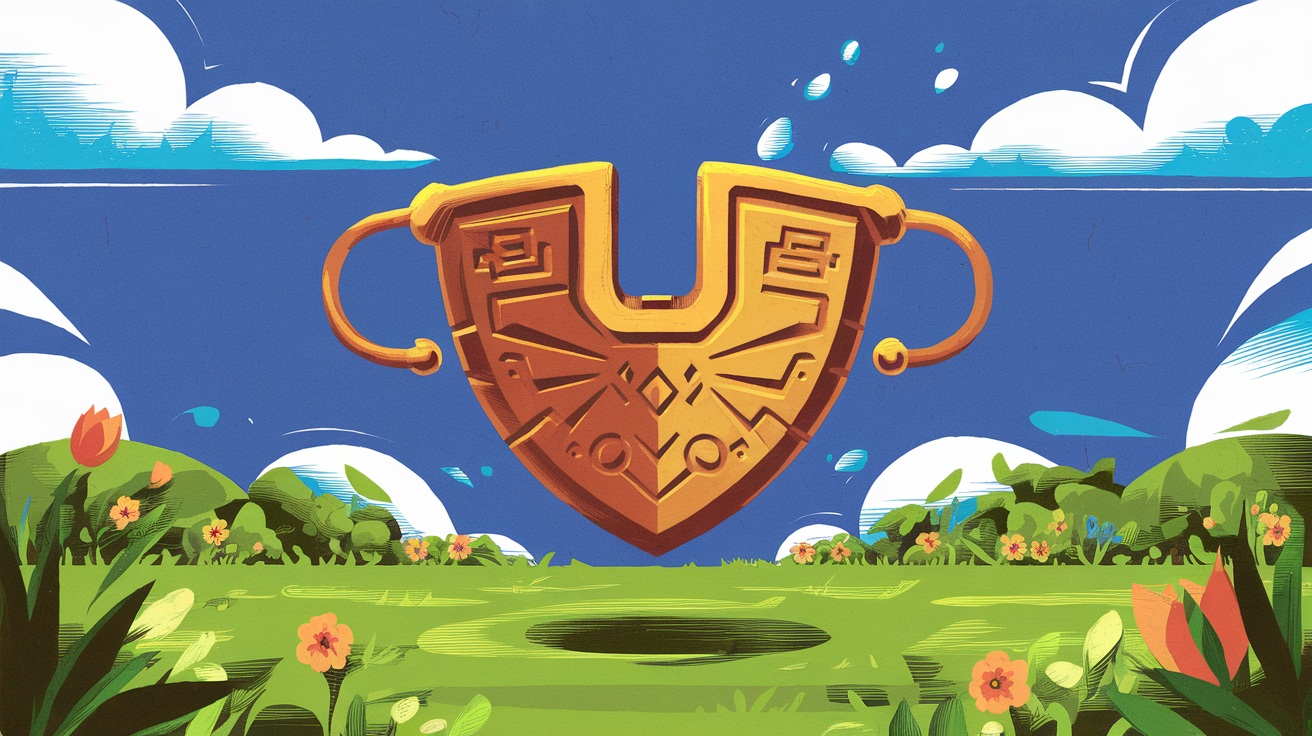
Header image: AI-generated illustration by WordUp News.
Nintendo’s second Ocarina of Time remake lands on Switch 2 on November 5, and the company has now explained why it wanted to revisit the 1998 classic a second time. In the first of a series of Ask the Developer interviews, Zelda producer Eiji Aonuma framed the project as part anniversary celebration and part training exercise for the next generation of Zelda developers.
A 40th anniversary and a teaching moment
Aonuma pointed first to the calendar. This year marks 40 years since the original The Legend of Zelda, and he said he began thinking about what he should create as the series’ producer to mark the occasion. His answer was shaped by a concern about his own team. Many of the people now working on Zelda games, he said, have only developed the more recent titles, which left him wondering whether they truly grasp how significant Ocarina of Time was to the series.
That is a notable admission from a producer who worked on the original Nintendo 64 game and has carried its lessons through the decades since. His theory is that rebuilding the game as a full remake, and learning its structure and development style along the way, could spark insights the team will carry into future Zelda projects. If that happens, he said, it would be “incredibly valuable,” and it convinced him that now was the right time to return to the game.
Why a carefully paced adventure now
The second reason is about players. After Breath of the Wild and Tears of the Kingdom, many fans have grown used to wide-open exploration. Aonuma said the team wanted them to enjoy the opposite experience: a carefully paced adventure that gradually builds the player’s growth and their understanding of the story. In other words, the Ocarina of Time remake is partly pitched as a counterpoint to the open-world model that defines the series’ recent era.
It is also the second time Nintendo has taken this route. The first remake arrived on the Nintendo 3DS in 2011. Despite the years of experience behind the decision, Aonuma has said he remains “nervous” about how players will respond.
The team behind the Ocarina of Time remake
The same interview series settled a question that fans had been debating. Polygon reports that the Ask the Developer post confirms the project is led by Nintendo’s Entertainment Planning & Development (EPD) Production Group No. 3, the longtime Zelda team. Of the six developers interviewed, four come from that group. The other two are Aonuma, a former group manager of the team, and Hidemaro Fujibayashi, who has directed several Zelda games there.
That was not a foregone conclusion. The 3DS remake was handled by Grezzo, which also made the 3DS version of Majora’s Mask and led 2024’s Echoes of Wisdom. Monolith Soft, the Nintendo-owned Xenoblade studio that supported Breath of the Wild and Tears of the Kingdom, was another popular guess. Monolith is reportedly busy with Xenoblade Genesis, slated for 2027 on Switch 2.
Polygon notes that some fans may be disappointed to see the main Zelda team on a remake rather than the next big original entry. It also points out that support studios may be sharing the workload, and that Grezzo and Monolith may now be free for other projects. The full list of contributing studios should become clear when the game releases.
What to watch at launch
Several details are still unsettled. Polygon has also published a related report, headlined as the team confirming that fast travel was added and then removed, though the details were not part of the material reviewed here. A separate GamesRadar piece noted that retailer Woot has cut the price of the Switch 2 just days ahead of launch, though that report offered no further detail in the material available.
What is clear is the stated intent. Nintendo says this Ocarina of Time remake is as much about the people building future Zelda games as the people playing this one. Whether that bet pays off will only be visible in the games that follow, but players will get their first verdict on the remake itself on November 5.
WordUp Morning
Ten stories, both sides of each, in five minutes. Free, every weekday at 7am, plus a Saturday weekend edition.
We'll email you a link to confirm. Unsubscribe any time.

Henry Nowak sentence raised: Court of Appeal sets 25-year minimum term, 24 years 190 days left to serve

All 7 Kakariko Cucco Locations in Ocarina of Time, and the Empty Bottle Reward

Alan Jones, Australia’s Last F1 World Champion, Dies at 80, Three Days After His Birthday


-

 Tech & AI7 days ago
Meta’s Style Sketch AI Fashion App Debuts in 3 Countries, Joining a Crowded Virtual Try-On Race
-

 Tech & AI7 days ago
CMA Meta Investigation Targets Terms Affecting “Thousands of UK Businesses”
-

 Sports1 day ago
Nadal Real Madrid board seat: 22-time Grand Slam champion awaits member vote this month
-

 Tech & AI5 days ago
Sam Altman RAM Remark: ‘Quite Terrible’ for PCs, and What We Can Confirm
-

 Fashion6 days ago
7 Honorees, 1 Night at MoMA: Dua Lipa and A$AP Rocky Toast Blazy at the 2026 WSJ Innovator Awards
-
 Crypto7 days ago
Binance Hack Losses: $6.34B Set Aside, $5B Already Held in Matching Tokens
-

 Business & Hustles6 days ago
FTSE 100 edges up 0.1% to 10,729.78 as Nasdaq plunges 2.7% on AI spending fears
-

 Entertainment5 days ago
Jack Nicholson Update: Michael Douglas Says Star, 89, Is ‘Well’ but Has ‘Disappeared’
-
 Sports5 days ago
Beat Luke Littler: Fallon Sherrock Wins £501,000 With One Leg of Darts
-
 Gaming5 days ago
After id Software Layoffs Cut About Half the Studio, Co-Director Says “We’re Doing Great”
-

 Business & Hustles5 days ago
Virgin Media O2 Job Cuts Could Hit 4,000 Staff, a Quarter of Its Workforce
-

 Gaming5 days ago
Activision to Pull Itaewon Crowd Crush Footage From Modern Warfare 4 on Nov. 12
-

 Entertainment5 days ago
Selma Blair apology: “So sorry” to those she frightened as two assault counts head to a January hearing
-
 Tech & AI7 days ago
Kentucky Humanist Wins First-of-Its-Kind Religious Exemption From AI at Work
-

 Tech & AI3 days ago
Grok Bot usage limits cut as costs outrun revenue, despite 800,000 paid weekly users
-

 Fashion3 days ago
Rebecca Minkoff x Grace Ann Nader Capsule: 3 Pieces, From $239 to $398, Born at the CFDA Awards
-

 Tech & AI7 days ago
Meta, TikTok and X Lose High Court Fight Over Ofcom Data Demands
-
 Crypto5 days ago
Binance Says 90% of Stolen Assets Replenished After $6.3B Hack, Withdrawals Due Sunday
-

 Crypto7 days ago
$6.3 Billion Binance Hack Is the Biggest Crypto Theft on Record, Analysts Say, and They Point to North Korea
-

 Crypto7 days ago
Trezor Safe 5 implant suspected: CryptoBilis buyers since March told to move funds
You must be logged in to post a comment Login