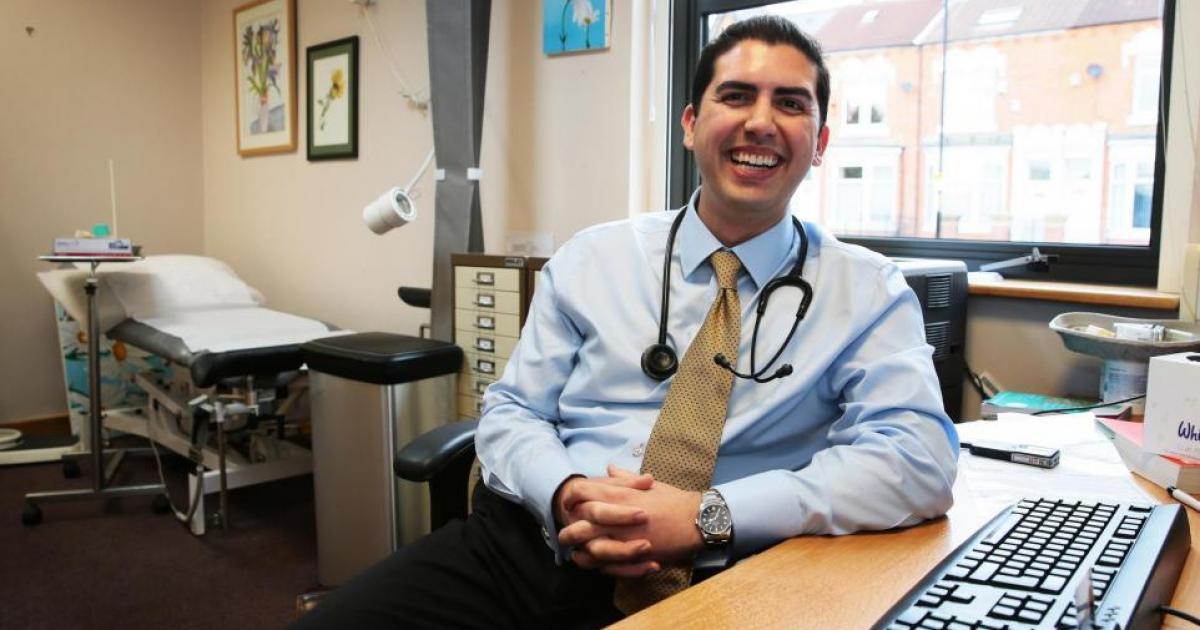


Up to a million people in the UK are already diagnosed with heart disease with a futher 200,000 being added every year
Experts have outlined several warning signs that mean you should seek medical attention, as they could point to a potentially severe health issue. They warn that one particular symptom – feeling lightheaded or faint – suggests a vital organ isn’t functioning properly.
The British Heart Foundation states this sensation can indicate heart failure – a condition currently affecting up to a million people across the UK. NHS data reveals a further 200,000 people receive this diagnosis annually, with many cases only identified following an emergency hospital admission.
Whilst heart failure cannot be cured, various treatments exist to help control symptoms and enhance quality of life. Since certain lifestyle alterations can significantly improve your well-being, it means it is important to be diagnosed as quickly as possible, reports the Mirror.
The British Heart Foundation has outlined several key warning signs to monitor – and explained when to consult your GP. Its website states: “When your heart is not pumping blood as well as it should, it means you’re not getting enough oxygen.
“This affects how your body works, including your breathing and muscles. This causes some of the main symptoms of heart failure.”
It said signs included:
- fainting or feeling lightheaded
- feeling very tired (fatigued) or weak at rest which gets worse with movement
- shortness of breath when you’re active or resting
- swelling in your feet and ankles which can spread to your lower body
It continued: “You should see your GP as soon as you can if you experience any of these symptoms. If you are struggling to breathe or have chest pain, call 999 for immediate medical assistance.”
Causes of heart failure
Heart failure develops due to various factors, most frequently following a heart attack, cardiomyopathy – a condition affecting the heart muscle – or high blood pressure, which places excessive strain on the heart. The condition may emerge suddenly or progress gradually over months or years.
Less frequent triggers include irregular heart rhythms, anaemia, congenital cardiac conditions and heart valve disease. Consuming alcohol beyond the recommended limit – currently 14 units or fewer weekly – can also contribute to the condition.
Stages of heart failure
According to the British Heart Foundation there are 4 stages or classes of heart failure. It said: “These stages describe how serious your heart failure is.” The stages are:
- Stage 1 – you do not have symptoms during everyday activity
- Stage 2 – you feel normal when resting but physical activity causes symptoms
- Stage 3 – you feel normal when resting but a little physical activity causes symptoms
- Stage 4 – you cannot do any physical activity without symptoms and may feel uncomfortable while resting
What treatments are available
The charity said: “There is not a cure for heart failure but available treatments can help manage symptoms and improve your quality of life. Your doctor will discuss treatments with you depending on what stage they’ve diagnosed you with.”
Treatments for heart failure include:
- A medical device such as a pacemaker or ICD – a pacemaker helps control your heart rate to reduce the demand on your heart. An ICD detects and treats dangerous, irregular heartbeats
- Heart surgery – done to improve blood flow to your heart or to repair/replace a faulty valve that is putting strain on your heart
- Medicine – to protect and improve your heart function, improve your symptoms and reduce fluid build-up
Managing heart failure
The British Heart Foundation said: “Making changes to your lifestyle is another way to improve your health.” It says changes to try include:
- Keeping active
- Keeping to a healthy weight and diet
- Limiting how much alcohol you drink (less than the recommended 14 units per week)
- Stopping smoking and using other tobacco products
It adds: “Living a healthier lifestyle can be hard at first, but it’s important for your overall quality of life.” It advises reading its Eat Better booklet for tips on eating healthier.
The charity added: “There is no cure for heart failure. This can be upsetting and raise concerns about your life expectancy. If this is something you’re worried about, talk to your GP or a specialist heart failure team. They will explain what to expect during your treatment and give you the information and support you need.
“Conversations about life expectancy and death are difficult. You may need to discuss things like care, finances and Wills. Sorting these things out when you feel well enough to do so can help give you and your loved ones peace of mind.”