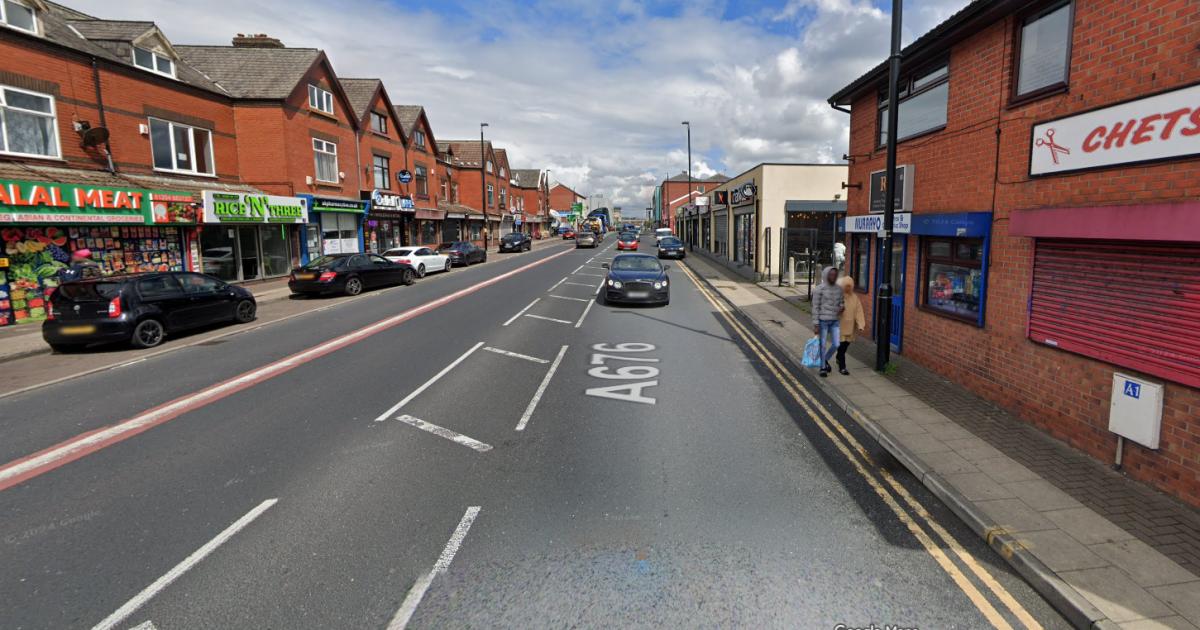
The alleged assault took place outside of the Zabka grocery store on Deane Road, Rumworth, at 7.45pm.
A GMP Bolton spokesperson said: “We are appealing for information for an assault which took place outside of Zabka on Deane Road, Bolton on the 14th March 2026 at approximately 19:45.
“If you have any information, please contact 101 or utilise LiveChat at ‘Contact us’, Greater Manchester Police, quoting log 2782 of the 14th March 2026.”
Advertisement
According to Greater Manchester Police, officers were called to the scene after men were seen fighting in the area.
Around 10 other people were seen to be watching the fight.
One of the men is reported to have punched another man in the face.
Officers are currently investigating the incident, and are appealing for members of the public to come forward with information.
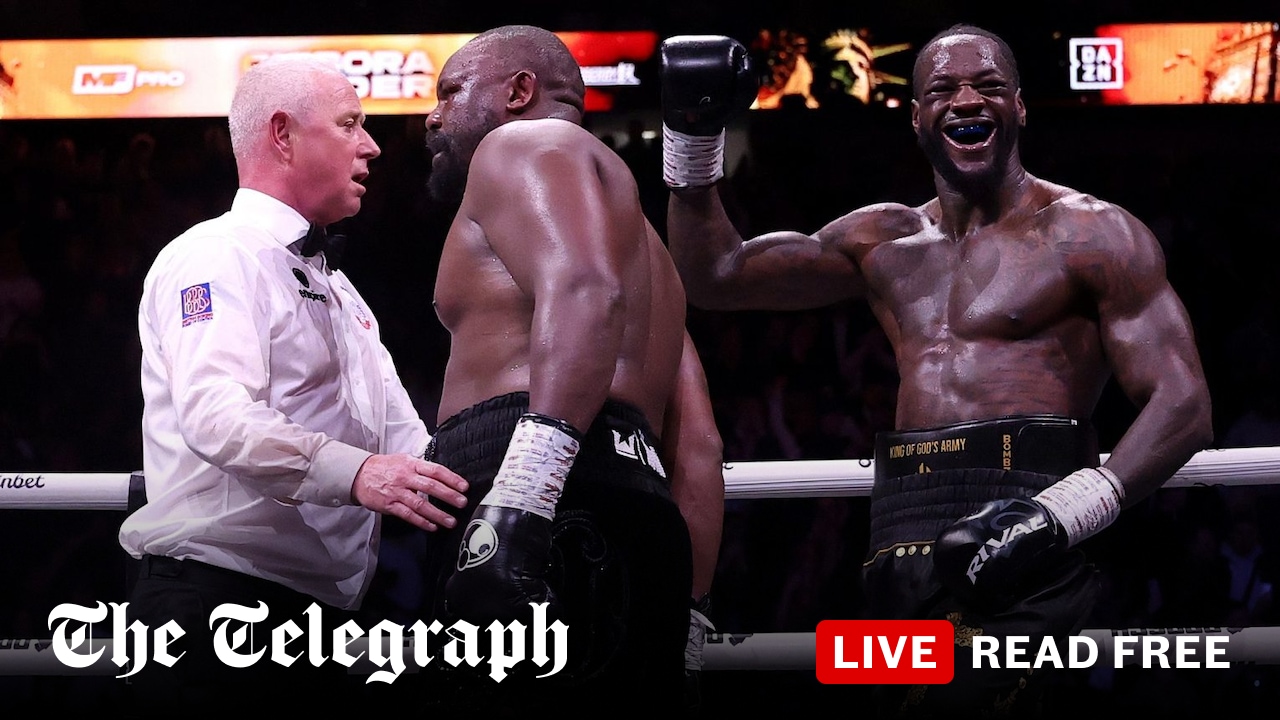
John Fury made headlines by claiming son Tyson has not been the same since his trilogy of fights against Deontay Wilder, but the same can be said of the American.
Wilder, a former WBC heavyweight world champion, has not beaten a ranked opponent since Luis Ortiz in 2019, losing four of his last six fights. Three of those were knockout defeats, and though The Bronze Bomber knocked out Tyrrell Herndon last June that contest was a glorified warm-up.
By contrast, Wilder’s opponent Derek Chisora has defied the odds, his age, and his slugging style of boxing to topple Gerald Washington, Joe Joyce and Otto Wallin in his last three fights.
Advertisement
Chisora claims that tonight’s bout at London’s O2 Arena will be his last as a professional boxer, but the 42-year-old has said that previously before returning to the ring.
Wilder and Chisora have been in the top 10 of the heavyweight division for years but this is the first time they will touch gloves.
By coincidence, it is both men’s 50th professional fight. Chisora’s record reads 36-13, 23KOs, while Wilder’s reputation for destruction is reflected in a record of 44-4-1, 43KOs.
Chisora weighed in at a career-heaviest 19st, some 40lb more than Wilder who tipped the scales at 16st 17lb.
Advertisement
Ordinarily, you would say the heavier man would be disadvantaged by a fight becoming a test of stamina in the late rounds, but Wilder has won just one fight by decision in his career.
It is said the American has focused on becoming a more technical fighter behind his jab, though some observers have concluded that is a sign of hesitancy. Chisora is lion-hearted and not afraid to take a blow.
This is how the card for the night looks:
Derek Chisora vs Deontay Wilder (heavyweight) Viddal Riley vs Mateusz Masternak (cruiserweight) Denzel Bentley vs Endry Saavedra (vacant WBO interim middleweight title) Ashton Sylve vs Raul Antonio (super-lightweight) Matty Harris vs Franklin Ignatius (heavyweight) Amir Anderson vs Jordan Dujon (middleweight) Dan Toward vs Misael Da Veiga (super-welterweight) Jermaine Dhliwayo vs Jake Morgan (super-featherweight) Abner Teixeira vs TBA (heavyweight)
Tyneside heritage bodies have hit out at the plans for a major overhaul of a disused railway yard next to Central Station.
The Forth Goods Yard, owned by Network Rail, is earmarked for 514 build-to-rent apartments and a 655-space multi-storey car park, under proposals currently under consideration by Newcastle City Council.
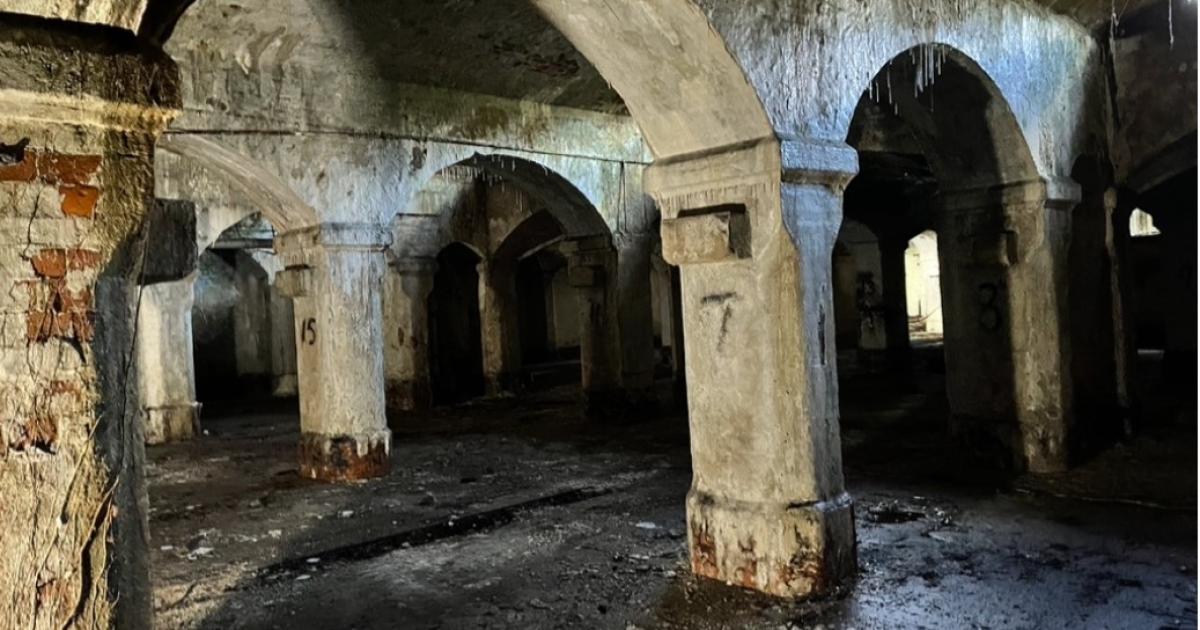
But there are concerns that a historic undercroft below the yard will be mostly demolished as part of the regeneration bid.
A Victorian undercroft beneath the Forth Goods Yard in Newcastle. Photo: Railway Heritage Trust. Free to reuse for all LDR partners.
The vaulted undercroft is the only surviving feature of the former Forth Banks Goods Station, which was built between 1866 and 1871 and closed in 1963, and is described as having effectively been inaccessible for decades.
Advertisement
But Tim Wickens, of the Newcastle Conservation Advisory Panel (NCAP), said it was “deeply disturbing that such valuable and irreplaceable historic fabric could be lost forever”.
NCAP, as well fellow heritage group The Northumberland & Newcastle Society, have called for the undercroft to be protected – as has been the case at other stations such as Manchester Piccadilly.
In its objection to the plans, NCAP states: “Forth Goods Yard is located within an area of the city that collectively gives context to the group richness of railway heritage, and the historic undercroft is an asset that we can ill afford to lose.
“This heritage has been instrumental as the basis of regenerating the adjacent Stephenson Quarter and Founders Place, recognising their status as the birthplace of globally significant railway engineering.
Advertisement
“In summary NCAP is opposed to the principle of this proposed development on grounds of impact on the historic environment, generic lack of respect for heritage, specifically harm to the undercroft and to the setting of other heritage assets.”
A Victorian undercroft beneath the Forth Goods Yard in Newcastle. Photo: Railway Heritage Trust. Free to reuse for all LDR partners.
It has been suggested that the proposed multi-storey car park could be relocated to the site of the Safestore building on Forth Street in order to protect the undercroft from demolition.
Historic England granted a Certificate of Immunity from Listing for the underground structure in May 2024 – guaranteeing that it cannot not be listed or subject to a Building Preservation Notice until 2029.
NCAP said it was not consulted on that matter, which it said was “profoundly disturbing” and prevented them from reviewing or challenging the decision.
Advertisement
A heritage impact assessment submitted with the application, made by bloc and Government property company Platform 4, confirms that the proposed development will require the demolition of the majority of the undercroft – though it says sections of the arches on Pottery Lane will be preserved “where possible”.
It describes the undercroft as having “very limited architectural significance as it represents only a fragment of the former Forth Banks Goods Station which it formed part of” and that it is “no longer possible to appreciate the architectural significance of the overall building”.
Nick Legget, development director at bloc Ltd, said: “Our plans for Forth Goods Yard will transform the heart of Newcastle through vital regeneration while paying close attention to the area’s industrial heritage.
“Delivering 500 homes, enhanced station parking and new public spaces in this long-neglected area is challenging and requires careful, considered design work. The undercroft poses a particular challenge, with the structures having been heavily altered and requiring significant ongoing maintenance and investment.
Advertisement
“With these issues in mind, and expert heritage assessments concluding the undercroft does not have a level of significance that would justify full preservation, partial demolition is being proposed to enable a viable redevelopment of the site.
“A portion of the undercroft will be retained, structurally protected and refurbished for future reuse.
“This will allow the retained arches to contribute to new public spaces and improved connections, while delivering safe, step-free access for people with disabilities that would otherwise not be possible.
“This balanced approach reflects a clear commitment to respecting the site’s heritage, while also delivering wider public benefits as we unlock this transformative regeneration of the Forth Yards area.”
Advertisement
Historic England confirmed that NCAP is not on its list of consultees and were not contracted as part of the assessment of the Forth Goods Yard.
The series, which is pre-recorded, nearly saw Collins quit the series early after falling for a practical joke and declaring the infamous phrase, “I’m a celebrity get me out of here”.
Recalling the prank at a press roundtable, Sinitta said: “I think we’d done really hard trials all day, or some sort of game, so we were physically exhausted.
“We got back and we’re all relieved (that) nothing else can happen now, because they’ve exhausted us, it’s getting dark now it’s getting late, so that must be it, we can relax.
Advertisement
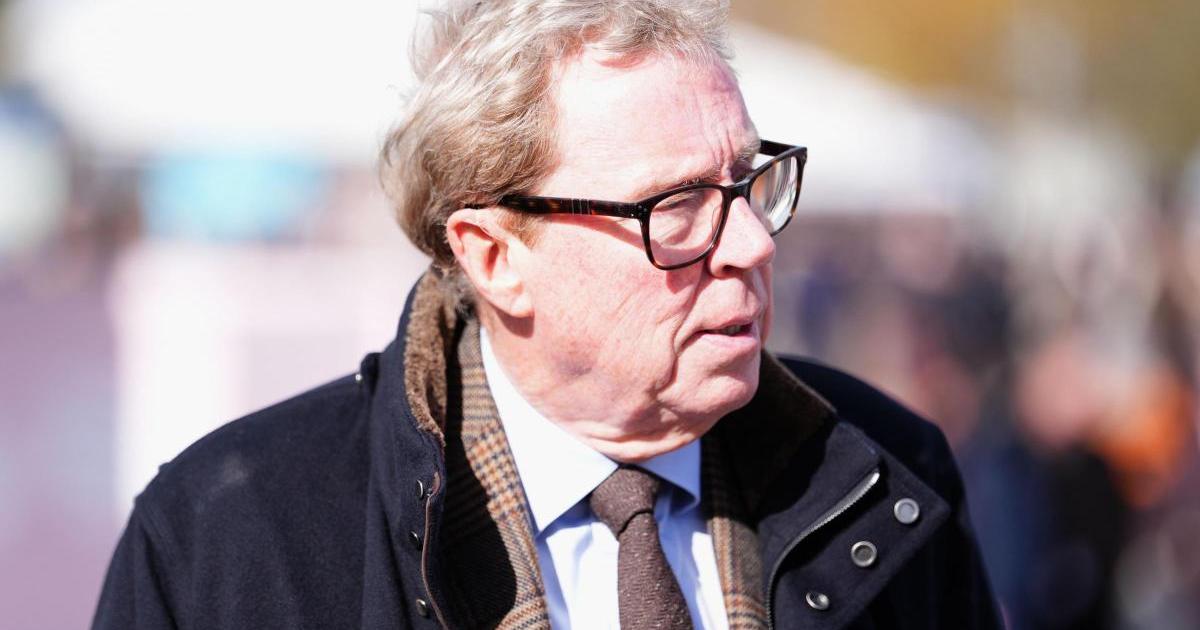
“And Harry (Redknapp) comes in and says, ‘guys, you’re not going to believe this’, and he’s got the board, and he starts reading this awful trial, I think it’s called something like the House Of Hell, Prison Of Hell, or something.”
She said Redknapp told his fellow campmates that the challenge would involve rats and being tied up among other things.
Sinitta continued: “We’re already broken (and) literally before he could finish reading it out, Gemma was like, ‘I’m a celebrity get me out of here’.
“I have to admit, my hand went up that I was like, ‘you know what? me too, I’m too exhausted, gotta go’ – and he was pranking us.”
Advertisement
The Only Way Is Essex star Collins famously appeared on the series in 2014, however, lasted only three days in the Australian jungle.
As a result, former boxer David Haye, who also appears in the upcoming series, did not have high hopes for Collins – however, he praised her for being part of some “real heavy challenges” in the upcoming series.
He said: “She was the one that I was told going into it, that she kind of flaked out the first time around, and I didn’t have high hopes.
Advertisement
“But of all the people watching her go through what she went through, she doesn’t have an ounce of quit in her at all.
“Whatever she did the first time round, she obviously looked back, a few years have gone by, and she’s like, ‘I’m going to give it everything’.
“Fortunately for the show, she did, because she was part of some real heavy challenges that she should be proud of herself.”
Advertisement
The series also stars comedian Seann Walsh, Red Dwarf’s Craig Charles, ex-footballer Jimmy Bullard, Coronation Street star Beverley Callard and actor Adam Thomas.
Hosted by Ant and Dec, the second series will give the public the power to cast their vote for the winner in a live grand final broadcast direct from London, crowning the “ultimate legend 2026”.
I’m A Celebrity… South Africa starts on April 6 at 9pm on ITV1 and airs every weeknight Monday to Friday.
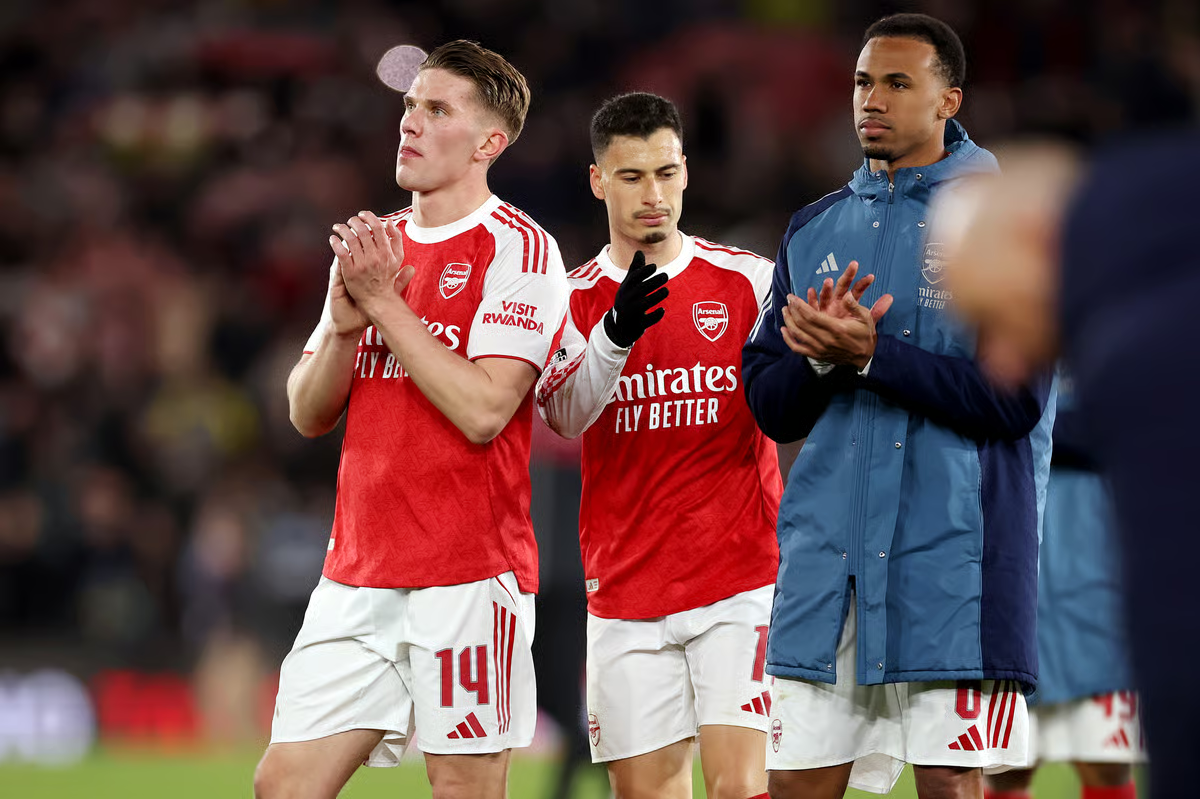
It would be unfair to solely blame Christian Norgaard for how alarmingly open Arsenal were. Havertz and Martin Odegaard offered him no support and there was no defensive shape at all whenever Southampton counter, even if Norgaard’s lack of athleticism compared to Rice, for example, was glaringly obvious.
ITV’s popular talent competition has returned for its 19th series this year, and has already seen some incredible auditions.
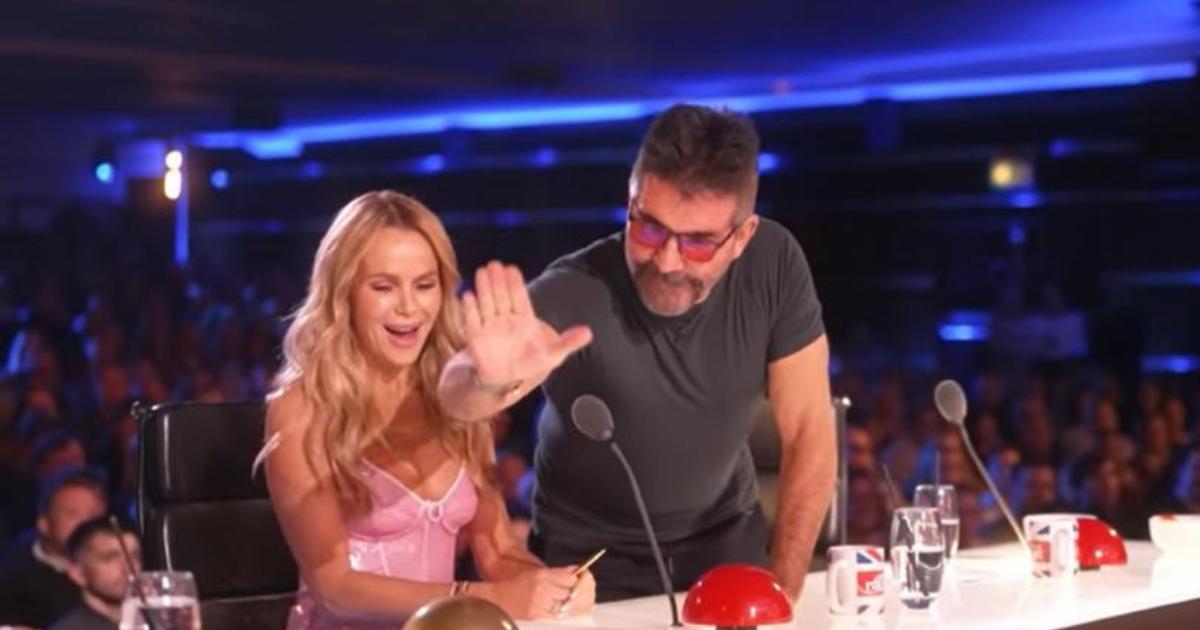
Presented by Ant and Dec, Simon Cowell, Amanda Holden, Alesha Dixon and KSI are back as the judges, with each getting one golden buzzer.
Here are all the judges who have pressed it so far this series, and what acts they pressed it for.
All the golden buzzer acts so far in BGT 2026
The golden buzzers were added to the show in 2014 and have been given to some well-known acts since then.
Advertisement
Each of the four judges, plus hosts Ant and Dec, has one opportunity per series to press it, but this rule has occasionally been broken.
If pressed, the act is sent straight through to the live shows.
Warning: If you haven’t seen the most recent episodes of Britain’s Got Talent, spoilers are ahead.
Golden buzzer 1 – pressed by Simon Cowell (February 21)
Advertisement
Simon Cowell was the first judge to press the gold this series, in the opening episode on February 21.
It was given to Australian para athlete Paul Nunnari, who blew away the judging panel with his incredible wheelchair stunts.
His act involved him climbing up the silk in his wheelchair before swinging from it by his neck.
Before hitting the golden buzzer, head judge Simon said: “One of the most incredible things, I really do believe, that I’ve ever seen, and you’re so humble and so nice and so talented.”
Advertisement
Golden buzzer 2 – pressed by KSI (February 28)
KSI awarded the second golden buzzer of the series to 16-year-old magician Rafferty Coope.
The young star wowed the judges with his act that combined his “two passions in life” to the judges, music and magic.
His trick involved him making a coin pass through solid glass, making a phone levitate, and a card trick that led to him playing the song Don’t Stop Believing on the piano.
Advertisement
The performance from the 16-year-old got a standing ovation from the audience and the judges.
KSI joined him on stage and said: “That blew my mind.
“Oh my god, I’m proud of you.
“Cherish this moment, this is all you.”
Advertisement
Golden buzzer 3 – pressed by Alesha Dixon (March 7)
The third golden buzzer was awarded to Antigravity on March 7 for their “real-life video game” audition.
The audition followed one of the actors as they floated around on a screen, following routes and paths as if they were in a video game.
The judges said it was one of the best performances in the show’s 19-year history, and the first of its kind.
Advertisement
Both Simon Cowell and Alesha Dixon fought to press the golden buzzer first, but it was the latter who did so.
She said: “I think my daughter is going to love this act, she was probably the main reason I pressed it (the golden buzzer).
“Cause they did something we’ve never seen before on our show, which we always love. Very different, very unique.”
Golden buzzer 4 – pressed by Amanda Holden (March 21)
The fourth golden buzzer was given to a choir put together by Jeremy Clarkson.
Advertisement
The Hawkstone Farmers Choir performed Elbow’s One Day Like This, which brought judge Amanda and some of the audience to tears.
She said: “As soon as you started, I completely welled up.
“I felt so much power.
Jeremy Clarkson’s Hawkstone Farmers Choir got the golden buzzer on March 21 (Image: Thames/ITV)
“I love the whole community, I love how you’ve all got together.
Advertisement
“You work so hard every single day, you absolutely smashed it and I can’t wait to see what you’re going to do in the semi-finals.”
Golden buzzer 5 – pressed by Ant and Dec (March 28)
Ant and Dec were next to press the golden buzzer to send comedian Ted Hill through to the live shows.
He incorporated a presentation into his stand-up set, winning over the crowd and the judges.
Advertisement
Hill combined his day job of presenting science shows to children with his love of comedy to create the show.
His website shares: “Hill has performed three different hours at the Edinburgh Fringe festival, and had a successful 3-date run at the prestigious Soho Theatre.”
It adds: “His fast-paced comedy is often an expose on his real experiences with autism and ADHD, and an ode to his many special interests, from US presidents to graphs and maps.”
Golden buzzer 6 – pressed by Simon Cowell (March 28)
Advertisement
A second golden buzzer was pressed in the same episode as Ant and Dec’s, as Simon sent singer Matty Juniosa through to the live shows.
The Filipino singer shared that he was working as a part-time waiter, having lived in Glasgow for a few years.
He stunned the crowd with a rendition of ‘Purple Rain’ and after they chanted for him to be sent through, Cowell duly obliged.
Golden buzzer 7 – pressed by guest judge Stacey Solomon (April 4)
In the episode on April 4, Simon Cowell began the show in his chair but was later replaced by TV personality Stacey Solomon.
Advertisement
Stacey was so impressed by Braunstone Community Primary School’s performance, which combined comedy with dancing and singing from pupils and their headmaster, that she decided to hit the golden buzzer.
The children meet each week at 2pm on Fridays with their headmaster, who gets them dancing and singing together as they celebrate the end of another week.
Alesha Dixon was also amazed by their performance and said the group is something “all schools should roll out because kids need this life force of music”.
Advertisement
Recommended reading:
What does the winner of BGT 2026 get?
There have been 18 winners of BGT since its first series in 2007, with magician Harry Moulding winning last year.
The winner of BGT will take home a prize of £250,000 and will also be given the chance to perform at the Royal Variety Performance in front of the royal family.
In the ITV show’s first three years, winners won a prize of £100,000, while the biggest winners were Ashleigh and Pudsey with a prize pot of £500,000 in 2012.
Advertisement
Who is your favourite winner of Britain’s Got Talent from previous years? Let us know in the comments.
A 51-year-old man was arrested after 11kg of bushmeat was seized by police in London.
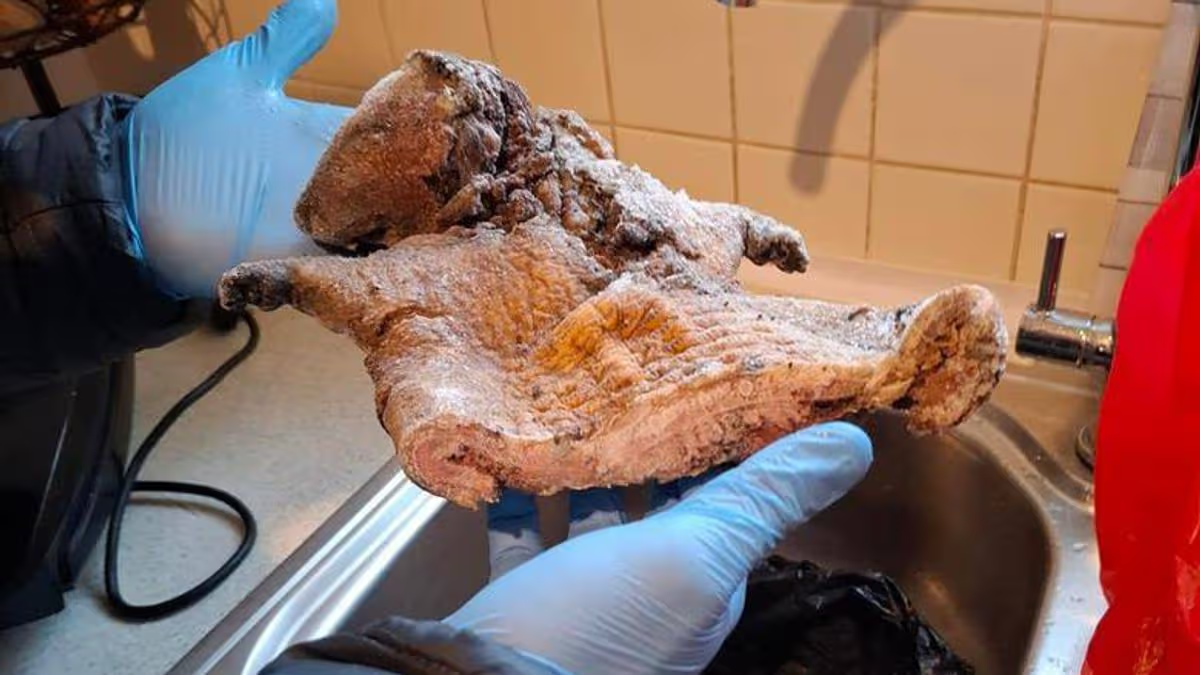
Illegal bushmeat which could “pose serious health risks” has been seized following a joint raid by Metropolitan Police and the Food Standards Agency (FSA). A 51-year-old man has been arrested following the raid at a property in southeast London which recovered 11kg of meat from cane rats and antelope.
Advertisement
Officers from the Metropolitan Police have been working closely with the National Food Crime Unit (NFCU) and the Food Standards Agency (FSA) as they investigate the illegal trade, reports Wales Online. In a statement, the FSA, whose officers were present at the scene, said: “Bushmeat is wild animal meat that has been hunted, often from species found in tropical regions.”
David Toms-Sheridan, NFCU’s head of investigations for the south of England and Wales, said: “The NFCU has been working closely with the Metropolitan Police Service and other Subject Matter Experts to identify those suspected of being involved in this criminality. This operation forms part of the NFCU’s ongoing work to disrupt the illegal meat trade and prevent unsafe products from reaching the public.
“The FSA advises consumers not to buy or eat illegally imported meat, including bushmeat, as it may pose serious health risks. If you have concerns about products being sold, contact your local authority. We remain vigilant to the threat of illegal meat entering the food chain and will continue to take action to protect the public.”
In its statement, the FSA added: “Illegally imported meat bypasses the rigorous safety and hygiene checks required for food sold in the UK, and can carry diseases and contaminants that put consumers at risk. The FSA advises consumers not to buy or eat illegally imported meat, including bushmeat, as it may pose serious health risks.
Advertisement
“If you have concerns about products being sold, contact your local authority. We remain vigilant to the threat of illegal meat entering the food chain and will continue to take action to protect the public.”
Investigations into the find are ongoing. Cane rats are indigenous to sub-Saharan Africa where it is regarded as a crop-destroying pest in areas where sugarcane, maize and other produce is cultivated.
Get more Daily Record exclusives by signing up for free to Google’s preferred sources. Click HERE.
The speed with which Liverpool folded, even by the standards of a season in which they have had some real lows, was still shocking and left Slot questioning the effort, concentration and fighting spirit of his players.
“If you simply look at the goals, there I see runs that are not being followed, I see crosses that are not being blocked, I see duels in front of goal that are not won,” he said. “Every single time we forget to block a cross, we forget to defend in front of goal, we forget to follow a runner, every single time it’s a goal.”
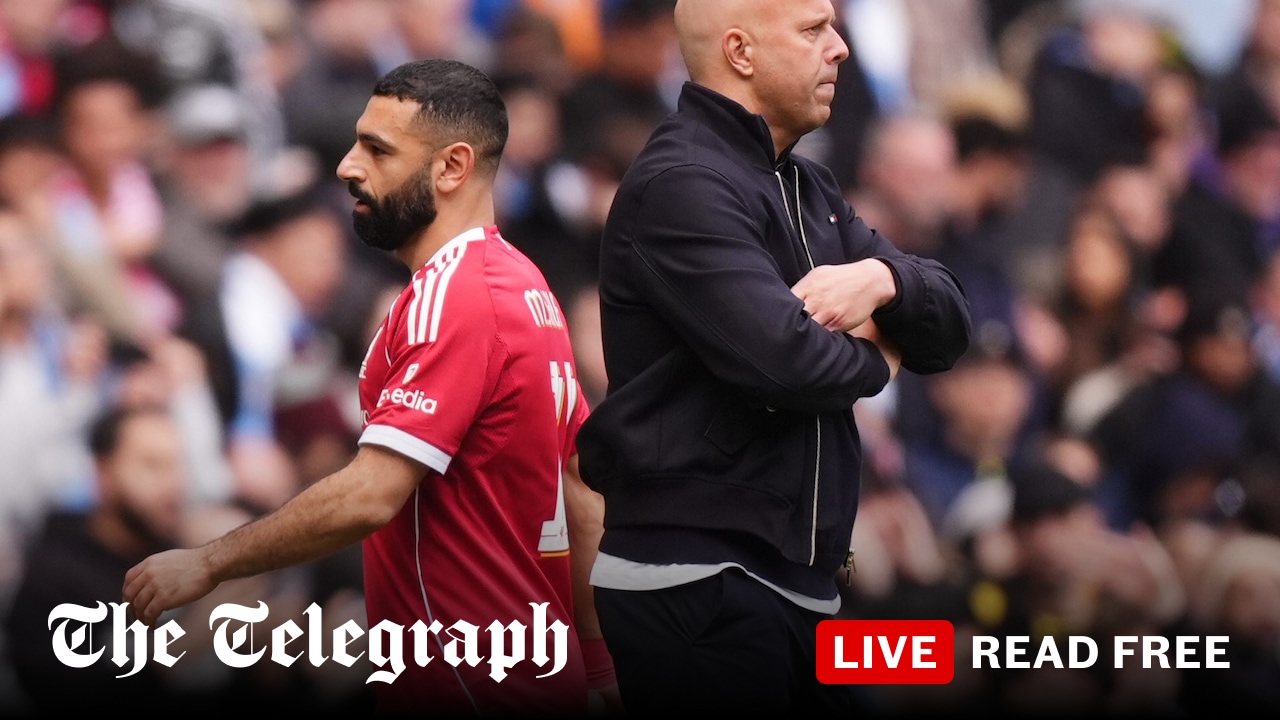
Luis Enrique, the PSG coach, will pick over this and present a long list of vulnerabilities for his players to exploit and it is not helping Slot that two players who have provided the foundations for so much of Liverpool’s success over the past eight years are struggling so badly. Salah and Virgil van Dijk, to say the least, had nightmare afternoons.
Advertisement
Would this game have turned out differently had Salah not missed the kind of chance in the 15th minute that he would have buried for fun last season? Having got the better of Abdukodir Khusanov from Giorgi Mamardashvili’s long ball upfield, the Egypt striker had just James Trafford to beat but delayed his shot too long and allowed the rapid City defender to make a crucial, last-ditch interception.
The contrast with Haaland was marked. The Norway striker has not had the easiest few months, scoring just five goals in 20 matches coming into this, but his 12th hat-trick for City felt like a marked return to form and will do his confidence the world of good. Stale Solbakken, the Norway coach, took the decision to rest Haaland for the first of his country’s two friendly matches and already the player looks to be benefiting.
Haaland’s emphatic finishing stood in stark comparison to Salah’s total lack of conviction in front of goal, embodied by his penalty miss with Liverpool 4-0 down shortly after ballooning a horrible shot high and wide from another inviting position.
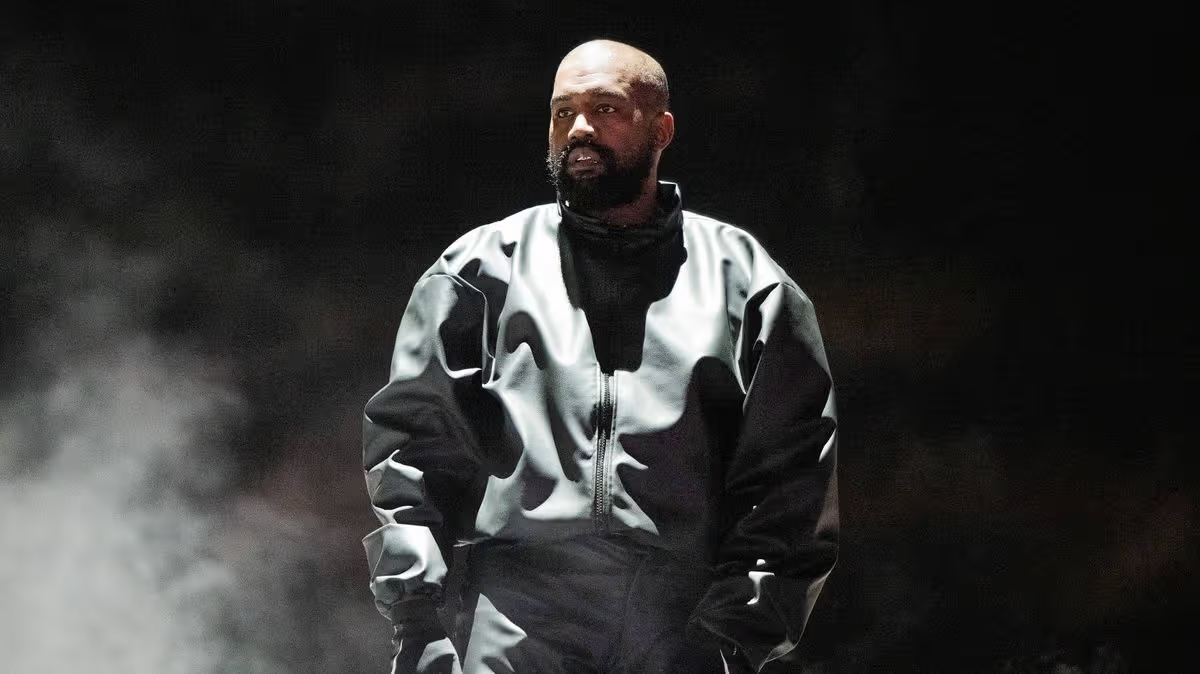
Prime Minister Sir Keir Starmer has criticised Wireless Festival for booking Kanye West to headline at Finsbury Park, after the rapper’s antisemitic remarks and Nazi messaging
Paige Ingram and David Lynch Press Association Political Correspondent
00:05, 05 Apr 2026
Sir Keir Starmer has spoken out against a music festival for booking Kanye West as a headliner, following the American rapper’s Nazi messaging.
The Prime Minister described it as “deeply concerning” that the musician, also known as Ye, has been lined up to headline Wireless Festival at Finsbury Park, north London. The rapper has faced widespread condemnation in recent years after he began expressing admiration for Adolf Hitler, and has made a string of antisemitic comments.
Last year, he released a track called “Heil Hitler”, just months after promoting a Swastika T-shirt for sale on his website. As first reported by The Sun on Sunday, Sir Keir said: “It is deeply concerning that Kanye West has been booked to perform at Wireless despite his previous antisemitic remarks and celebration of Nazism.
Ensure our latest headlines always appear at the top of your Google Search by making us a Preferred Source. Click here to activate or add us as your Preferred Source in your Google search settings.
“Antisemitism in any form is abhorrent and must be confronted clearly and firmly wherever it appears. Everyone has a responsibility to ensure Britain is a place where Jewish people feel safe and secure.”
Advertisement
The 48 year old rapper’s scheduled appearance at Wireless Festival comes amid growing concerns over rising antisemitism across the UK.
In March, four ambulances belonging to a Jewish community-run service were set ablaze in north-west London. Two men and a 17 year old boy were remanded in custody on Saturday after appearing in court charged with torching the vehicles.
Last October, two men lost their lives in an attack on a Manchester synagogue. The Sun on Sunday also published criticism from a number of Jewish community organisations calling on Wireless Festival to reconsider their decision to allow West to headline.
Karen Pollock, chief executive of the Holocaust Educational Trust, told the newspaper the booking was “causing distress to Britain’s Jewish community due to his previous antisemitism and support for Hitler”. She went on to say: “Wireless should think again about whether they want to provide a platform for this hateful antisemitism.”
Phil Rosenberg, president of the Board of Deputies of British Jews, described it as “absolutely the wrong decision” to permit West to perform.
The musician issued an apology in January for his antisemitic remarks in a letter printed as a full-page advertisement in the Wall Street Journal newspaper. In the letter, he expressed remorse to Jewish and black people, stating that his bipolar disorder had caused him to fall into “a four-month long, manic episode of psychotic, paranoid and impulsive behaviour that destroyed my life”.
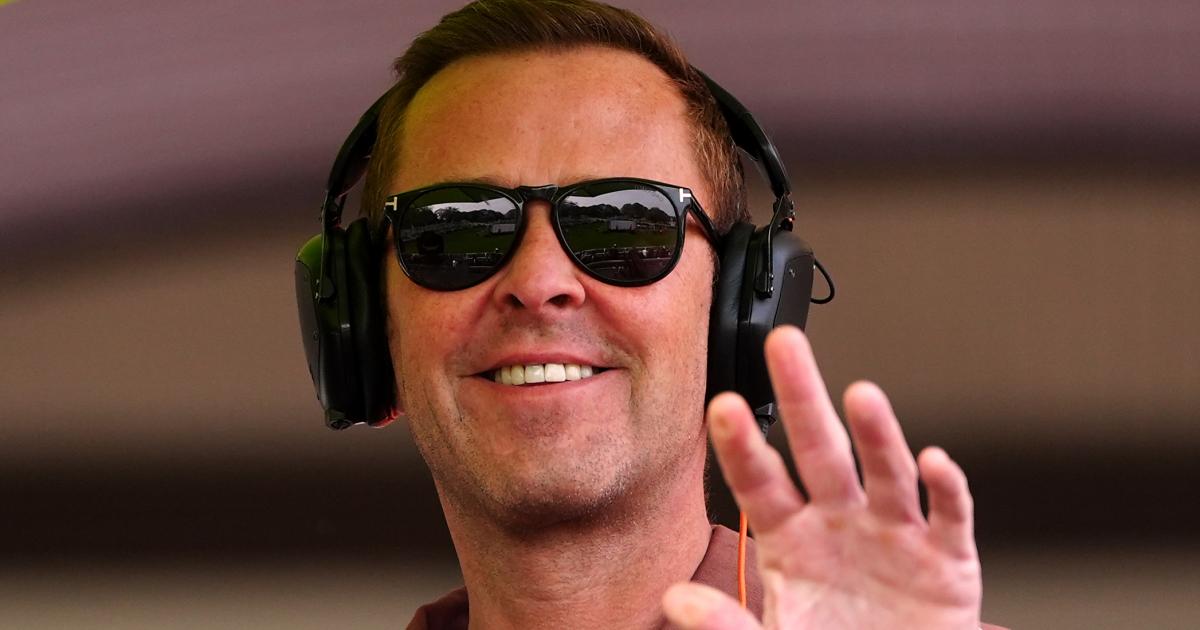
Mills was abruptly taken off air and last hosted his show on Tuesday March 24, signing off with: “See you tomorrow.”
The BBC confirmed on Monday that the 53-year-old is no longer contracted to work with the company.
The sacking has left a vacancy at BBC Radio 2’s Breakfast Show just over a year after Mills took over from Zoe Ball as host.
Advertisement
Kay, who hosts a mid-morning show on Radio 2, is currently the favourite with bookmaker William Hill to replace Mills.
Last month, the station’s head Helen Thomas said Vernon Kay continues to be “the most listened to show on UK radio”, attracting 6.7 million listeners each week.
Veteran DJ Gary Davies, who unexpectedly started hosting Mills’ breakfast show last Wednesday, was also tipped as a possible replacement.
Davies did not address the reason for Mills’ absence and just told listeners: “Morning, Gary in for Scott.”
Advertisement
OJ Borg, who hosts Radio 2’s weekday overnight show, was another of the station’s presenters who feature in the bookmaker’s list.
William Hill also named broadcasters Rylan Clark and Clara Amfo as potential replacements.
Spokesman Lee Phelps said: “With Scott Mills’ departure from BBC Radio 2 confirmed, attention has quickly turned to who takes on one of the biggest roles in UK radio.
“Our early betting has Vernon Kay out in front at 6/4, but right behind him is Gary Davies at 5/2 and OJ Borg at 11/4, having previously hosted the show.
Advertisement
“Other potential candidates include Rylan Clark (7/2), Clara Amfo (4/1) and Tony Blackburn (6/1), followed by Strictly Come Dancing and Traitors presenter Claudia Winkleman (8/1).
“Joe Wilkinson and Alex Horne are 10/1 and 20/1 respectively to replace Mills on one of the flagship BBC Radio shows.”
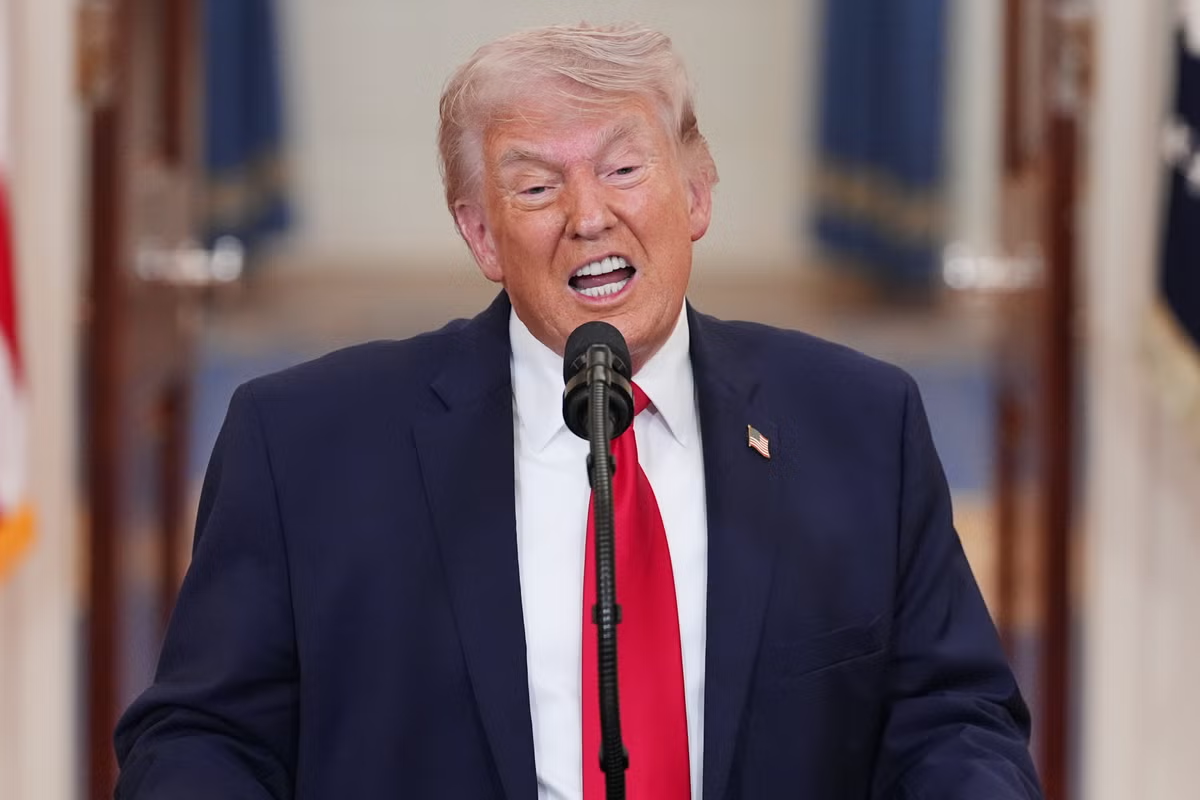
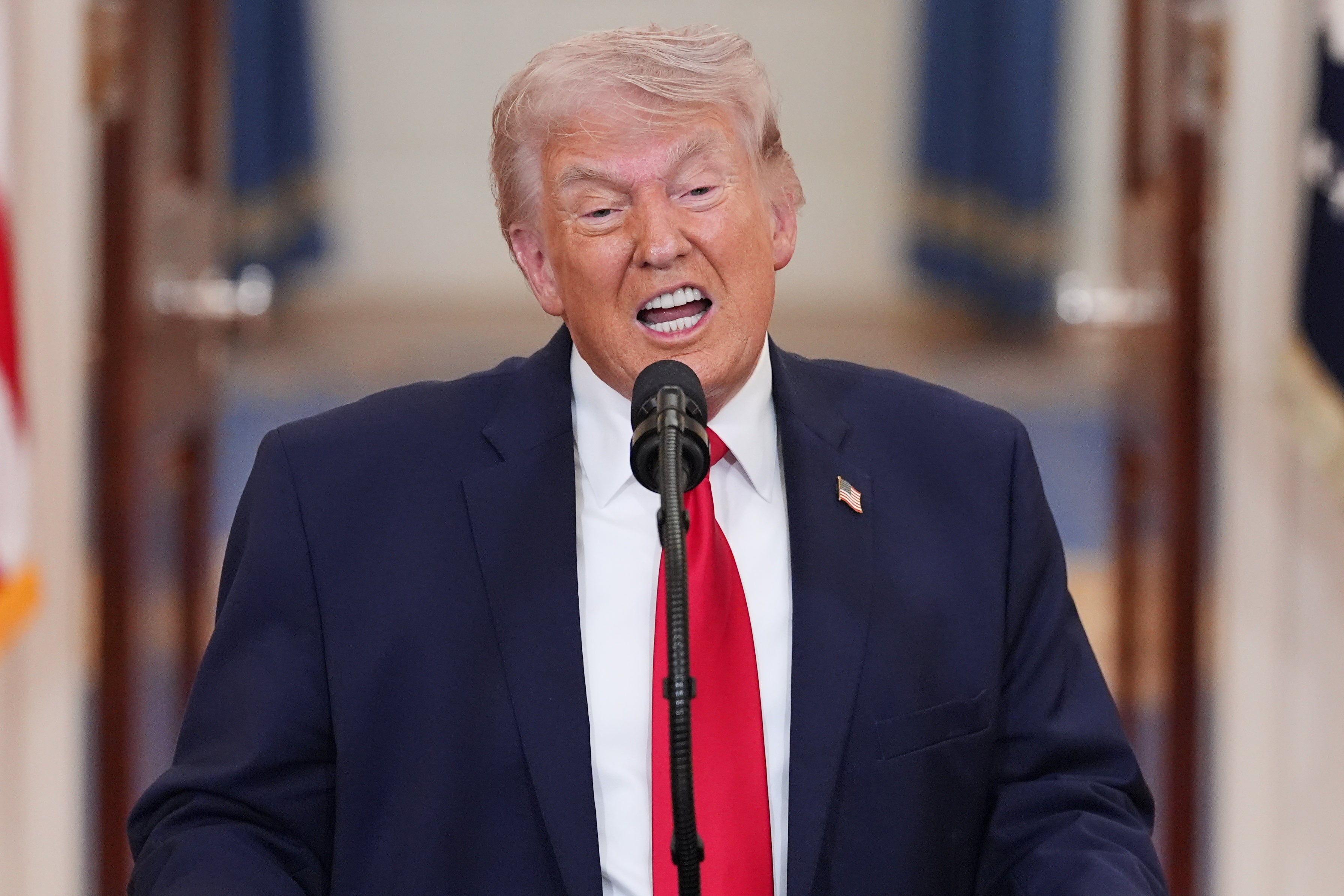
President Donald Trump warned that “hell will reign down” on Iran within 48 hours unless the country opens the Strait of Hormuz hours before he claimed “many” of its military leaders were “terminated.”
“Remember when I gave Iran ten days to MAKE A DEAL or OPEN UP THE HORMUZ STRAIT. Time is running out – 48 hours before all Hell will reign down on them. Glory be to GOD!” Trump said in a Truth Social post Saturday morning.
Shortly after 4:30 p.m. ET, the president shared a video purporting to show a “massive strike” in Tehran, though it was not immediately clear when the attack was carried out. “Many of Iran’s Military Leaders, who have led them poorly and unwisely, are terminated, along with much else, with this massive strike in Tehran!” he wrote.
Around a fifth of the world’s oil and gas passes through the Strait of Hormuz, which is at the center of the conflict, and Iran’s tight grip over its navigation has caused chaos for import-dependent countries.
President Donald Trump threatened to ‘reign down hell’ on Iran within 48 hours unless the country opens the Strait of Hormuz (Getty Images)
The president later shared a video purporting to show a ‘massive strike’ in Tehran. It was not immediately clear when the strike was carried out (@realDonaldTrump)
In a video he posted on Saturday afternoon, a loud boom could be heard as images show an enormous fireball igniting over a hillside at nightfall.
The Independent has contacted the Pentagon, U.S. Central Command and the White House for further information.
White House director of communications, Steven Cheung, said Trump has “been working nonstop” over the Easter weekend. The president is expected to remain in Washington, D.C. all weekend, according to his schedule.
There was no official update from the Trump administration about the missing pilot as of Saturday afternoon.
Advertisement
In a slew of Truth Social posts Saturday morning, Trump hit out at the media and touted job figures, but he did not reference the pilot.
The president appeared to confuse the use of ‘rain’ with ‘reign’ in his previous Truth Social post issuing the threat against Iran (@realDonaldTrump)
Two American warplanes were shot down in separate incidents Friday as a search and rescue mission was launched to find the F-15 crew member who was forced to eject. An A-10 attack plane was reportedly hit in the Persian Gulf region, and the pilot was rescued after making it to Kuwaiti airspace, officials said.
Trump told The Independent on Friday that he is not yet ready to say what the U.S. will do if Iranian forces get to the downed airman first. “We hope that’s not going to happen,” the president said in a brief phone call Friday.
Iran was also issuing threats Saturday as the regime claimed it had used a new air defense system to target the U.S. fighter jet.
A spokesperson for the joint military command said that the country would “definitely achieve full control” over its airspace, according to Iranian state media.
Advertisement
Iran is reportedly offering locals around $65,000 to anyone who hands over the missing pilot alive.
An anchor on the Iranian state media channel said: “If you capture the enemy pilot or pilots alive and hand them over to the police, you will receive a precious prize.”
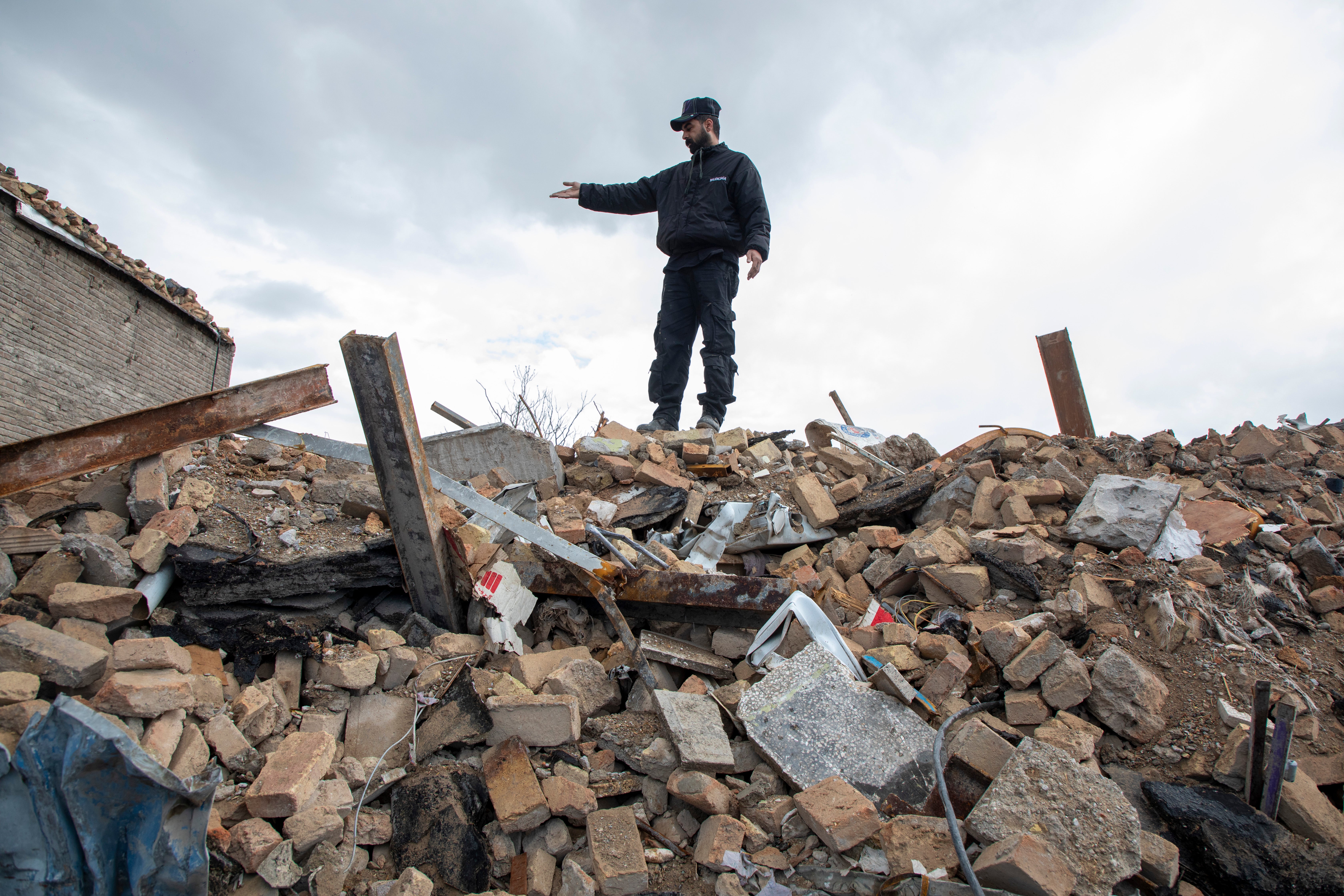
Debris from a military strike in Tehran April 4, as the violence showed little sign of slowing (Getty Images)
The downed F-15 is the fourth American fighter aircraft — and the sixth military plane — lost since Trump started the massive air campaign against Tehran on February 28. Three U.S. F-15E Strike Eagle jets were downed by friendly fire over Kuwait in March.
The downing of the military jet occurred just two days after Trump had declared in a national address that the U.S. had “beaten and completely decimated Iran.”
Both the U.S. and Israel had recently boasted about the supposed decimation of Iran’s air defenses.
Advertisement
The violence showed no sign of slowing Saturday. Iran’s atomic agency said an airstrike hit near its Bushehr nuclear facility, killing a security guard and damaging a support building.
An Iranian drone also damaged the Dubai headquarters of the American tech giant Oracle on Saturday after Iran’s paramilitary Revolutionary Guard threatened the firm, according to the Associated Press.
The sheikhdom’s Dubai Media Office, which speaks for its government, said a “minor incident caused by debris from an aerial interception that fell on the facade of the Oracle building in Dubai Internet City,” adding there were no injuries.
More than 1,900 people have been killed in Iran since the war began six weeks ago, including 13 U.S. service members.













































You must be logged in to post a comment Login