A start-up founder is organizing a Saturday “March for Billionaires” in San Francisco in protest of a proposed one-time wealth tax on the state’s ultra-wealthy.
The march, set to kick off this afternoon at the San Francisco Civic Center, has attracted a small crowd already, though it has run into one problem: its organizer has to keep insisting the event is not a joke.
“Yes, it’s real,” organizer Derik Kauffman told KRON on Friday.
When news of the planned march first began to circulate, some on social media speculated the event might be satirical or funded in the background by a California billionaire.
Advertisement
Kauffman, whom the San Francisco Examiner identified as the march’s organizer, told the paper he is not in contact with billionaires or getting funding from them. The entrepreneur, who founded an AI company that took part in the Y Combinator start-up accelerator, added that he’s not a billionaire himself, but sees the wealth-tax proposal as a threat to the state’s tech economy and larger prosperity because it could force founders to sell shares in their companies.
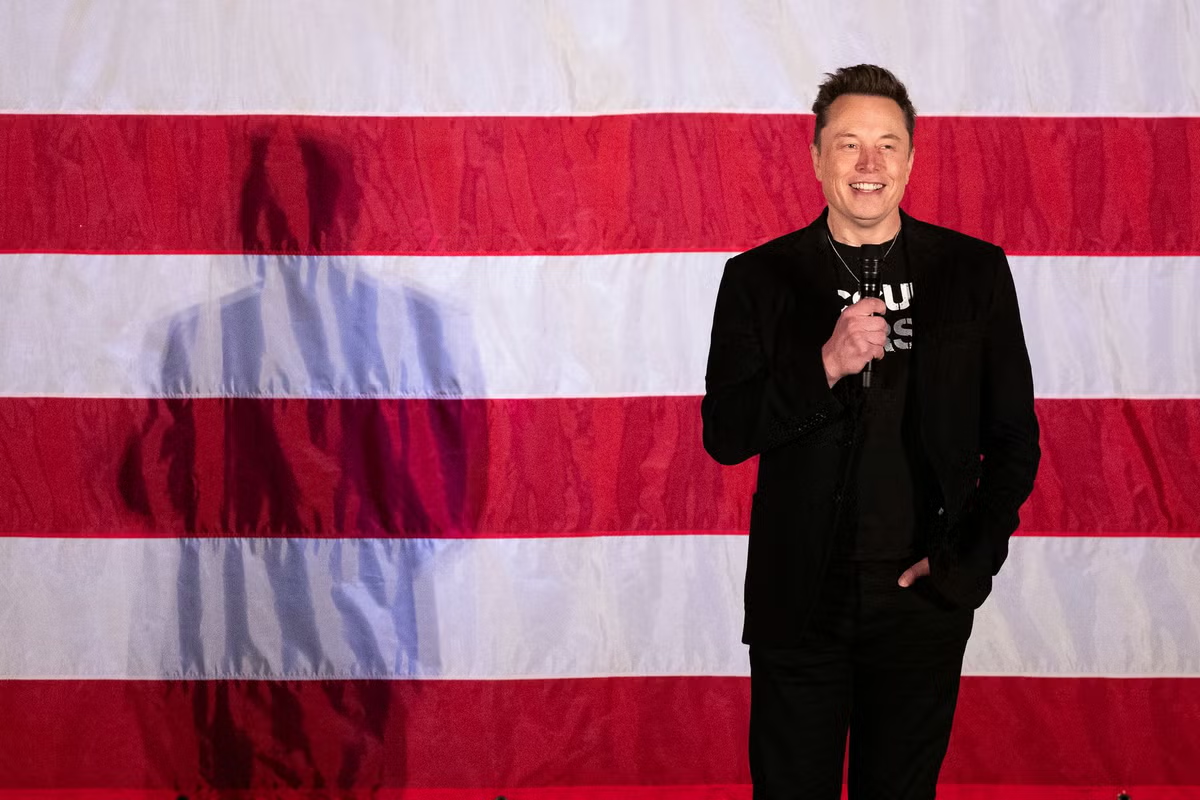
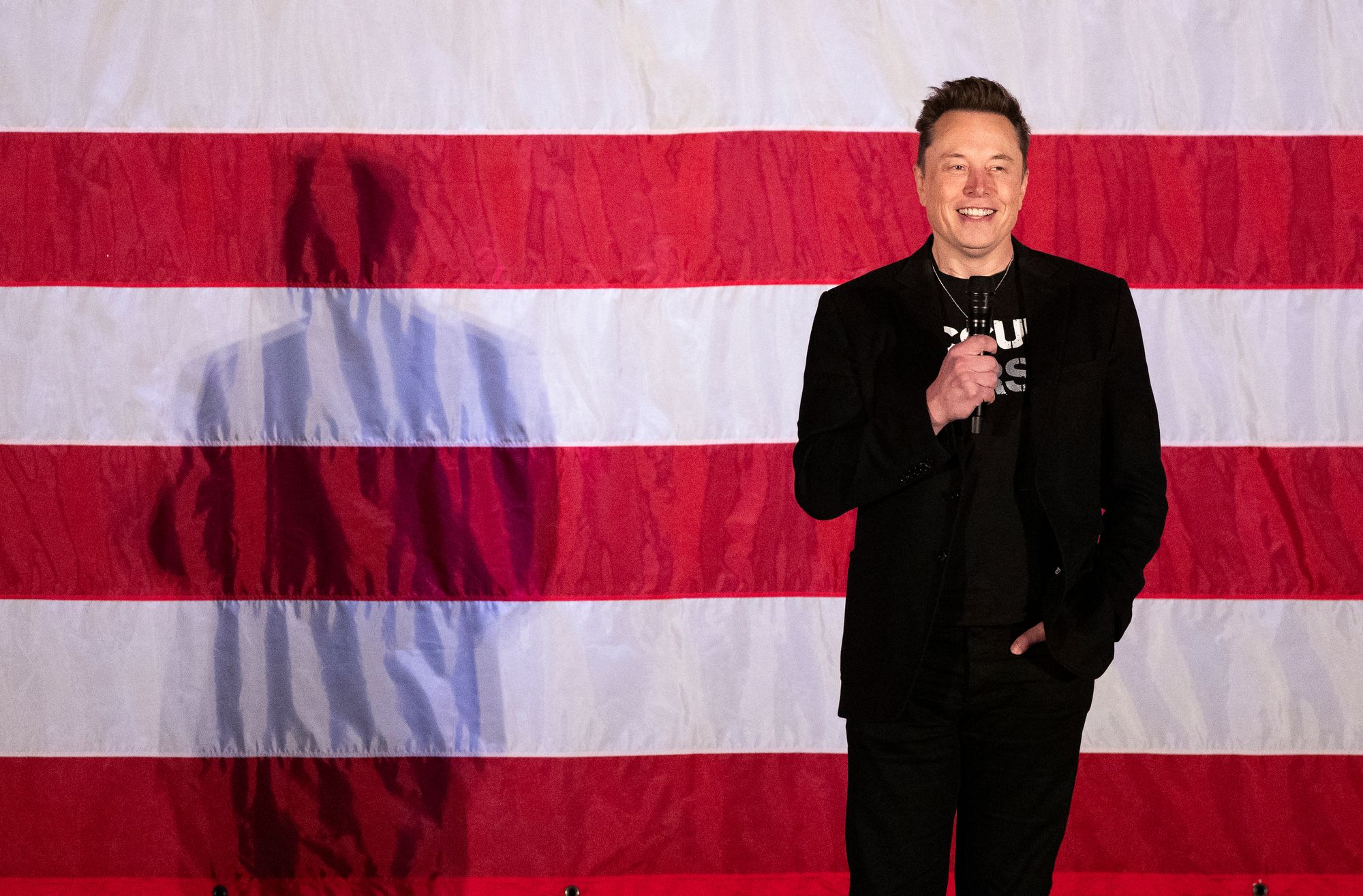
Organizers are planning a ‘March for Billionaires’ in San Francisco today in protest of a proposed wealth tax on the ultra-wealthy (AFP via Getty Images)
The march is meant to “change the sentiment on this to recognize that billionaires have done a lot for us and communicate that we’re glad they’re here,” he told the Examiner.
The march, whose main program began on Saturday lunchtime, attracted a small crowd, though a social media user who said he was nearby suggested they were outnumbered by media members and counter-protesters.
Advertisement
The tax proposal, a state ballot initiative backed by the state’s influential SEIU–United Healthcare Workers West, would levy a one-time tax on billionaires who were living in California as of January 1, equal to five percent of their net worth.
The state legislative analyst’s office has calculated that the tax could raise tens of billions of dollars, though it warned of uncertainty about the proposal’s impact, given fluctuations in the stock market and the possibility that billionaires could leave the state and take their tax dollars with them.
Advertisement
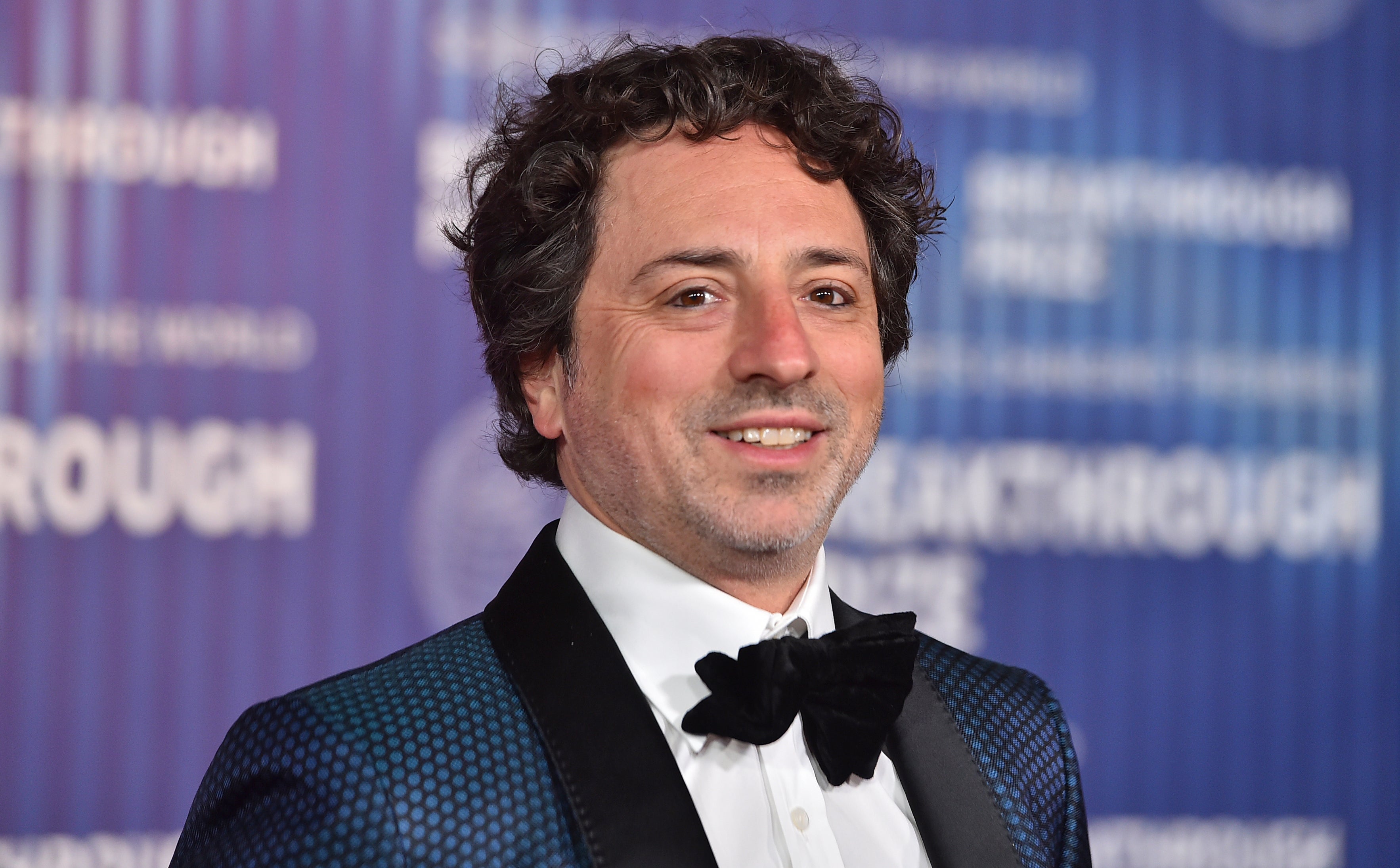
Google co-founder Sergey Brin has reportedly begun cutting ties in the state ahead of the proposed tax (Jordan Strauss/Invision/AP)
“This would mean less money for the state’s general budget that supports education, health care, prisons, and other services,” the office wrote. “While there would be money from the wealth tax to pay for some of these things, like health care, that money would be temporary.”
California Gov. Gavin Newsom opposes the proposal, as does a large swathe of the state’s tech community.
“This will be defeated — there’s no question in my mind,” Newsom told The New York Times.
“I’ll do what I have to do to protect the state.”
Advertisement
The tax still needs to make it to the ballot and get voter approval, but billionaires, including Google founders Larry Page and Sergey Bri,n have already begun cutting financial ties with the state.
Research suggests the ultra-wealthy aren’t actually prone to move en masse in the face of new taxes.
“These people are just very embedded in the places where they’ve built their careers, and have a lot of ties to where they live and work. It’s costly to give those up,” Cornell University sociologist Cristobal Young, the author of The Myth of Millionaire Tax Flight: How Place Still Matters for the Rich, told CalMatters. “So it’s one thing to say, ‘I’m moving to Texas.’ But a lot of people, when it comes down to making that move, they don’t want to do it.”
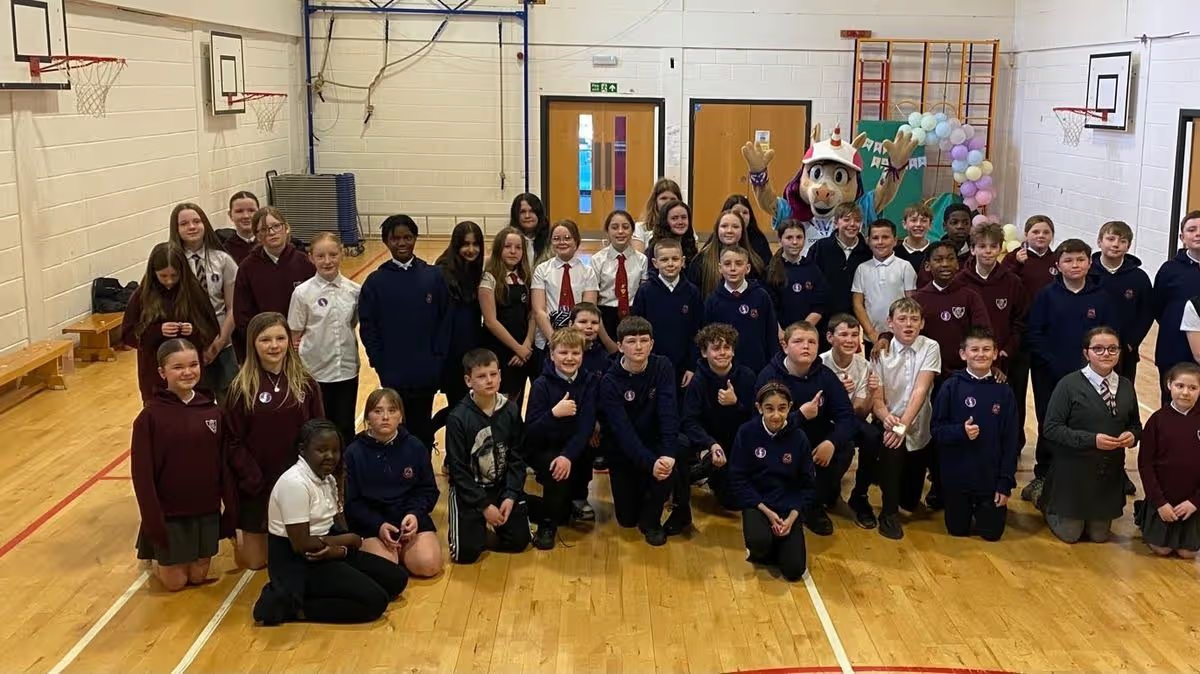
Pupils from Cairns and St Cadoc’s Primary Schools have been working with Nil b Mouth to see how sport can bring people from different walks of life together.
The Commonwealth Games visited Cambuslang as part of a project highlighting how sport can bring people from different walks of life together.
Advertisement
Pupils from Cairns and St Cadoc’s Primary Schools have been working with equality campaigners Nil by Mouth on a six-week programme that sees P7 youngsters participate in a range of sporting activities and workshops highlighting the importance of community and teamwork.
The schools have been working with the charity, set up by Glasgow teenager Cara Henderson in response to the brutal sectarian murder of her school friend Mark Scott, for more than a decade winning a number of awards for their efforts to bring children together to better understand difference.
The final session of the programme saw a special visit by the Glasgow 2026 mascot Finnie who took part in a basketball challenge with the pupils and staff.
The Commonwealth Games takes place in Glasgow from July 23 to August 2, featuring a 10-sport programme and six fully integrated para sports hosted within four venues across the city.
Advertisement
Last week it was announced that £2.2 million pounds of National Lottery funding would be made available to support community, art and sports activity inspired by the Games to communities across Scotland and it is hoped groups in Rutherglen and Cambuslang will benefit.
Nil By Mouth partnership manager Emma Alexander said: “Every athlete competing at Glasgow 2026 will once have been a young person who found the inspiration to compete and excel at sport and we hope that this is a real way of linking these schools with an international sporting competition happening right on their doorstep.
“One of the themes of the Games is bringing people together and in a part of the world where sport can often be seen as a dividing line these schools have a long and proud record of using sport to work together and help children understand and celebrate difference rather than viewing it as something to be feared.”
Advertisement
Martin Hughes, deputy head of Cairns Primary School said: “We really value our friendships with our neighbours at St Cadoc’s and our joint project is a real highlight of the school year. The kids have really enjoyed Finnie’s visit and you can see their excitement building about the Commonwealth Games and the chance to enjoy international level sport right here.”
*Don’t miss the latest headlines from around Lanarkshire. Sign up to our newsletters here.
And did you know Lanarkshire Live had its own app? Download yours for free here.
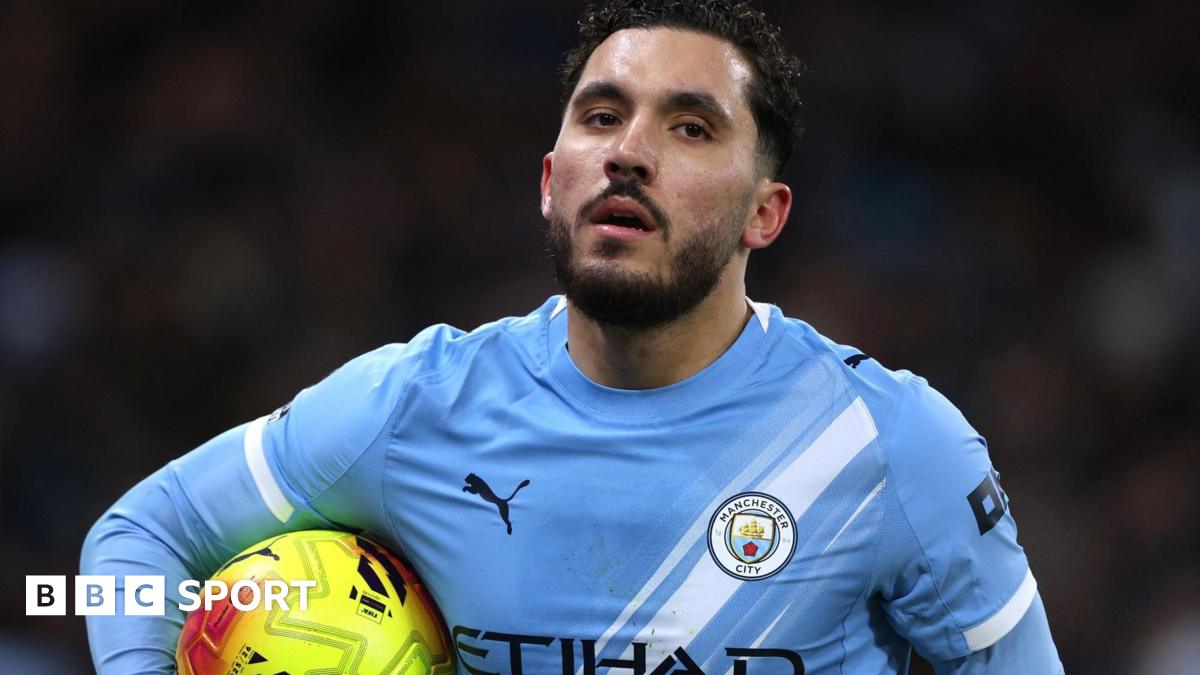
“I learned to play football in the streets, in the estates, on concrete. So, naturally it’s my DNA and I’ll never change that,” Cherki said in July, external after joining City from Ligue 1 side Lyon.
Cherki has stuck to his word since moving to England and remains a crowd pleaser. There is an intake of breath from the crowd every time he gets the ball at Etihad Stadium.
His catalogue of tricks and flicks in a City shirt this season would make for an impressive compilation on YouTube or TikTok.
Team-mates have spoken glowingly about Cherki, with France captain Kylian Mbappe saying he has a “gift” of playing football, City skipper Bernardo Silva calling him a “special talent” while Phil Foden said he is a “unique” player.
Advertisement
Though Guardiola has said Cherki is one of the most talented players he has worked with, some of the silky skills from the 22-year-old have not always gone down well.
In December, Guardiola rebuked his player for a ‘rabona’ assist against Sunderland saying “I never saw Lionel Messi play a cross like he has done” and although it worked on this occasion, he would be in “trouble” if it didn’t.
Cherki seems to delight and infuriate in equal measure.
Brought in to replace club legend Kevin de Bruyne, Cherki had big boots to fill but the early signs suggest he can plug the hole left by the brilliant Belgian and his creativity.
Advertisement
The midfielder has provided eight Premier League assists this season, all from open play, while he has created 15 big chances and managed 21 through balls – he trails only Manchester United’s Bruno Fernandes in all these metrics.
Cherki featured in France’s friendly win over Colombia during the recent international break, but 1998 World Cup winner Christophe Dugarry provided a scathing assessment of the player and his work-rate.
“What is this player who can afford to stop when he loses the ball?” said, external the former Birmingham City striker. “What is this player who, every time he touches the ball, is in a performance? Stop talking about Cherki like that.
“He is a player who still needs consistency and to be much better over time. He needs to show, to prove, to demonstrate.
Advertisement
“Oh, Cherki, he’s not [Zinedine] Zidane.”
Pye adds: “There is an expectation on him to make things happen when things are not going your way.
“There is a real bravery of taking the game by the scruff of the neck and showcase his raw ability no matter what the occasion is. He is definitely a breed of footballer that the Premier League has needed.
“Guardiola is aware that this is a player that can go all the way. It is up to Cherki himself though. How much does he want it? How far does he want to go?”
Advertisement
On Saturday, Cherki comes up against a Liverpool side he might have joined in the summer, having reportedly, external met manager Arne Slot for talks.
But the Reds went all in to splash £116m on Germany international Florian Wirtz, opening the path for City to bring in Cherki for a mere £30m.
There has been one clear winner in those two transfers so far – Cherki will be aiming to serve another reminder on what Slot could have had.
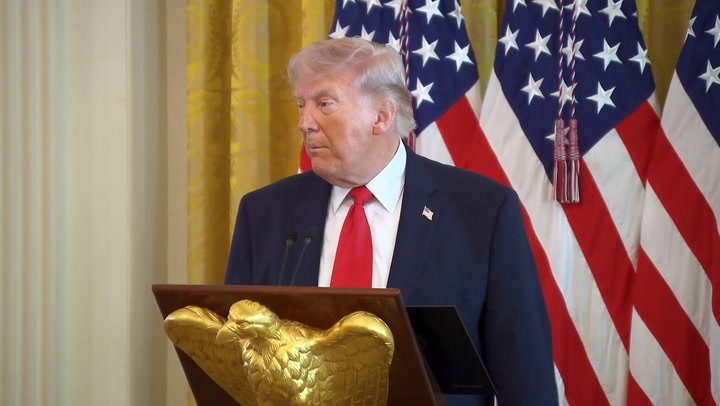
Donald Trump has said the federal government should not pay for services like Medicaid, Medicare or day care as it need to prioritise “fighting wars”.
Speaking during a private Easter luncheon at the White House on Wednesday (1 April), the US president said it should be up to the states to “take care” of the provisions whilst the government focuses on Iran.
“We can’t take care of day care. You got to let a state take care of day care. And they should pay for it, too. They should pay. They’ll have to raise their taxes, but they should pay for it,” he said.
Advertisement
He added that the federal government should also not pay for Medicaid or Medicare. “We have to take care of one thing: military protection. We have to guard the country.”
Chloe Watson Dransfield, 16, was attacked after a party in Leeds and died in hospital shortly after – another teenager has now been arrested in connection with her death
Zahra Khaliq News Reporter and Annette Belcher
09:15, 03 Apr 2026Updated 10:04, 03 Apr 2026
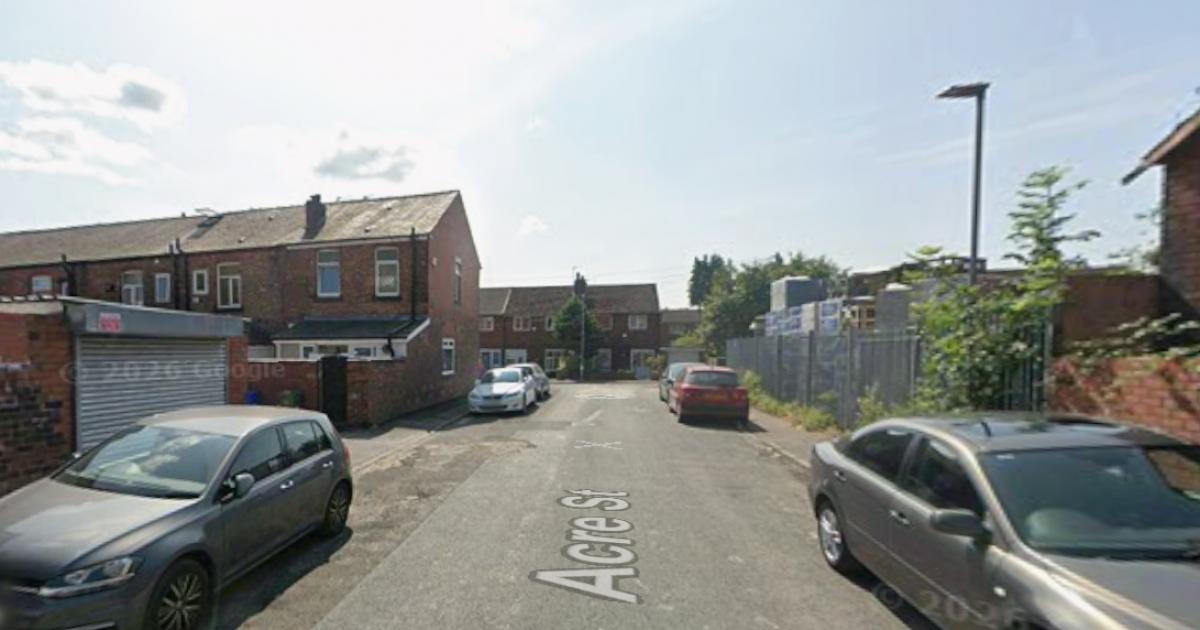
A further arrest has been made following the death of a schoolgirl in the middle of a quiet street. A 14-year-old boy has been arrested on suspicion of murder and another three teenagers have been charged after a 16-year-old was stabbed to death in Leeds.
Chloe Watson Dransfield, from Gomersal, was attacked after a party in Austhorpe, Leeds, at 5.55am on Saturday and died in hospital shortly after.
Advertisement
The 14-year-old boy was arrested today and remained in custody, police said. Confirming the arrest of the 14-year-old boy, a spokesperson for West Yorkshire Police said: “Members of the public are reminded that this is a live investigation and are asked to refrain from making comments or suggestions which may jeopardise court proceedings.”
Kayla Smith, 18, has been charged with Chloe’s murder, along with Archie Rycroft, 19, and a 17-year-old boy who cannot legally be named. The trio appeared at Leeds Magistrates’ Court on Tuesday charged with murder, The Mirror reports.
They did not enter pleas and were remanded in custody ahead of an upcoming hearing on May 1. All three teenagers spoke only to confirm their names and dates of birth, and no applications for bail were made.
A further man, who is 18 and from Leeds, has been arrested on suspicion of murder and remains in custody. An 18-year-old woman and a 17-year-old boy who were arrested on suspicion of murder have been released on bail pending further enquiries.
Advertisement
Chloe was described by her family as “stunning, confident, loyal and honest” in a tribute released after her death. The message read: “My beautiful princess Chloe. I cannot put into words how I feel that you are not here with me. You are my life, my world, my best friend and I know that I am yours. I cannot live without you – I need you.
“You are stunning, confident, loyal, honest and my family-oriented princess. When you walk into any room it lights up with your bubbly personality. There is so much I could say. There’s a big hole in my heart that can never be filled.”
The family added: “Your two sisters and big brother will always love and miss you to infinity. You will always and forever be in our hearts. Love Mum, Connor, Courtney and Cienna.”
Chloe’s father and other family members said they were “utterly devastated” and that she would “never be forgotten”.
Advertisement
“We miss every single thing about her. She was beautiful, full of joy, and had a wonderfully cheeky personality,” they said. “She embraced life with such happiness, and she had her whole future ahead of her. Chloe was loved by everyone who knew her, and the absence she leaves behind is immeasurable.”
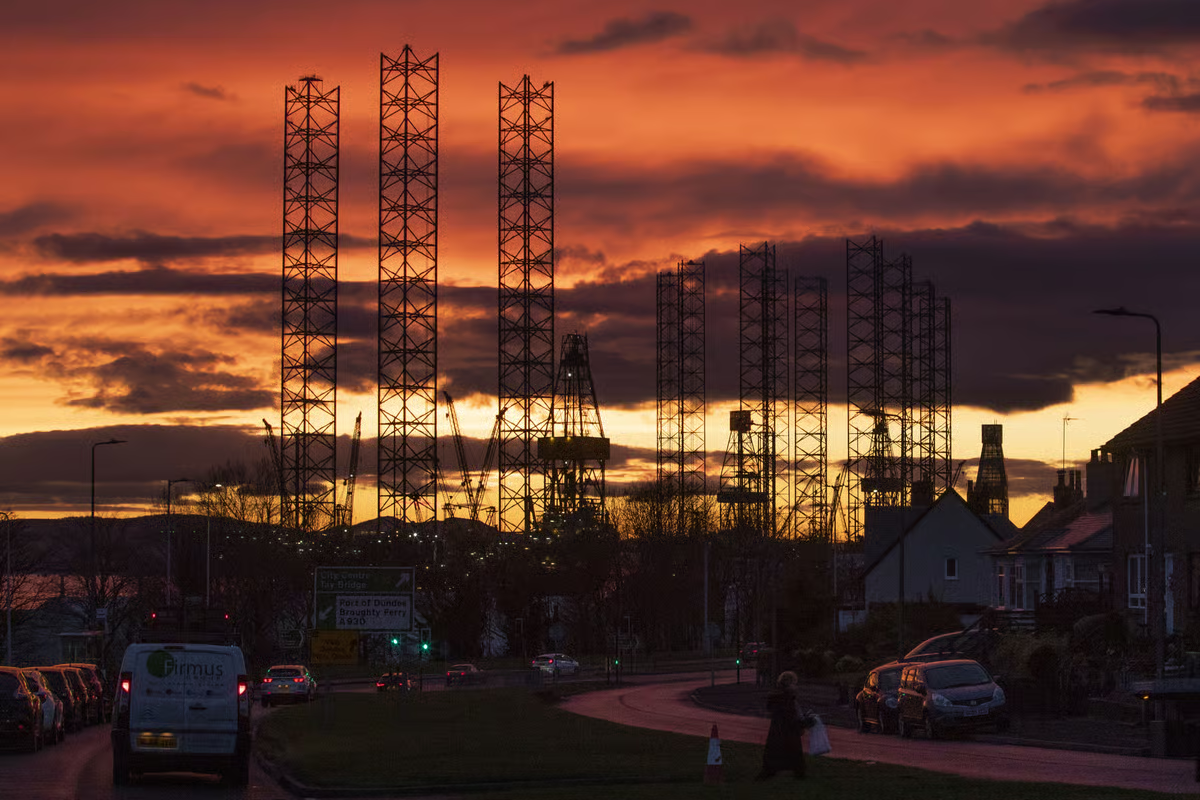
OEUK energy policy director Enrique Cornejo said: ““As the second largest oil and gas producer in Europe, this should include the UK which must play its part in boosting the supply of energy – bringing forward the Oil and Gas Price Mechanism to increase investment, approving key projects such as Jackdaw and Rosebank, and continuing to expand offshore wind production.”
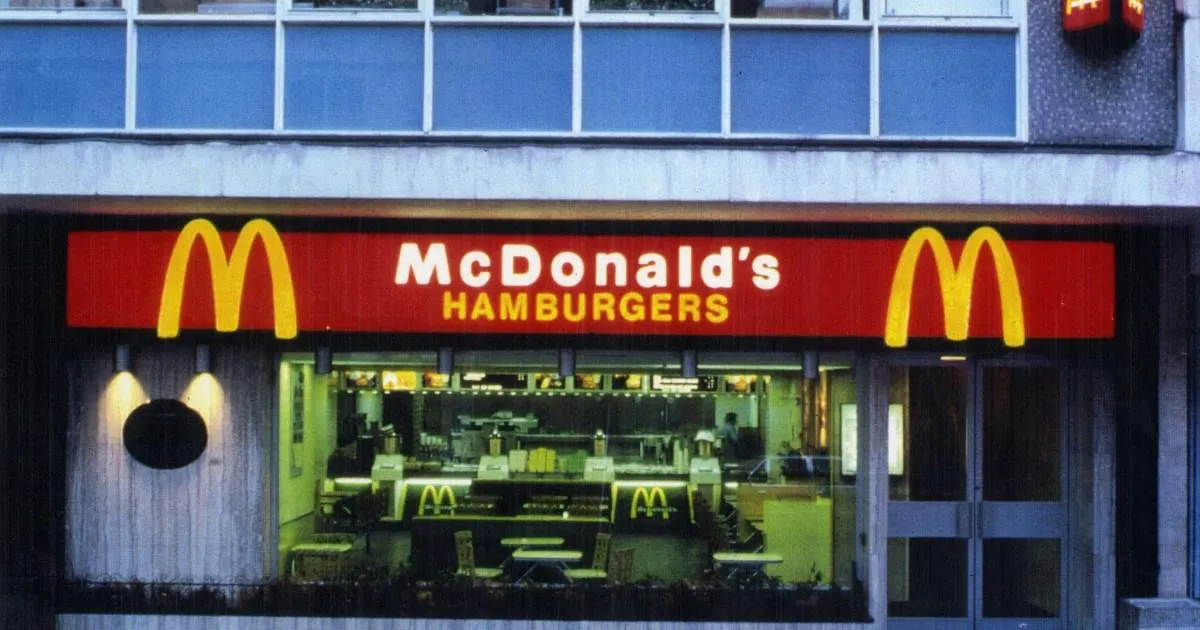
McDonald’s menu has changed a lot over the years (Picture: McDonald’s)
McDonald’s has been serving customers in the UK for 52 years, and during that time, the chain has changed substantially.
From its look, to its menu items, and even the way you order food – it’s come a long way.
The very first McDonald’s in the UK launched on November 13, 1974, in Woolwich, and back then, a Big Mac cost just 45p, and a cheeseburger was 21p.
Now the food is more expensive, but there are also so many more options available. The Egg McMuffin arrived on the menu in 1982, while Chicken McNuggets weren’t launched until 1984. Believe it or not, these replaced Onion Nuggets as customer tastes evolved.
Advertisement
The Happy Meal followed in 1986, along with the UK’s very first drive-thru restaurant, but it was the 90s that saw something really interesting go on sale.
It’s a somewhat controversial product that many often think is fake or don’t believe really existed, as it wasn’t around for very long: McPizza.
What was the McPizza?
Yep, in the mid-1990s, McDonald’s trialled personal pizzas in the UK, which were an 8-inch pizza split into four slices. These came in three different flavours: Cheese, Cheese & Pepperoni, and the Deluxe (cheese, green pepper, onion, pepperoni, and more).
These were launched ahead of 1994, when the chain introduced the power/breakfast/working lunch, which allowed city workers to order food to their desks. Orders were placed by fax or telephone, and menu options included the personal pizzas.
Advertisement
According to McDonald’s website, the pizzas were sold for a ‘limited period in some restaurants’ in the mid-1990s as part of a ‘sales and product test’.
But they might want to consider it, as the pizzas still have a big fan base. On Reddit, people hailed the McPizza, or Pimma as some also call it, ‘amazing’, ‘delicious’, and ‘one of the best tasting pizzas’ they’ve ever had.
Fries are the most popular item on the McDonald’s UK menu (Picture: McDonald’s)
Others shared fond childhood memories of going to order a pizza at their local Maccies, with u/LochNessMansterLives saying: ‘I used to beg my mum to take me to get McDonald’s pizza. The last McD that had it was 25 min away, and I would crave it!!!’
While u/PassengerTop2805 said: ‘Haven’t had in 30 years, but I can still taste it. It was soooooo good.’
Hey, foodies! Add us as a Preferred Source
At Metro Food, we’re here to bring you all the latest foodie news, delicious recipes, restaurant reviews, and cooking tips. As a loyal reader and a part of our vibrant community, we want to make sure you never miss our articles when searching for stories
Advertisement
Click the button below and tick Metro.co.uk to ensure you see stories from us first in Google Search.
From the latest Walkers flavours to the secret McDonald’s menu, Metro Food has it all
u/DevoALMIGHTY shared: ‘This is one of my fondest food memories. My granddad took me to try it, and we went back every week til it was discontinued.’
Advertisement
And u/brown_boognish_pants wrote: ‘Honestly, the pizza was pretty great for what it was. The crust was totally delicious and kind of special, honestly. That’s what I remember the most. The crust was actually great. It’s still fast food, but it was something everyone liked where I lived. I’d have to say it was dramatically underrated if people think it was a flop. Better than lots of pizza chains. It was surprisingly great.’
The pizza was also sold in the US, launching there slightly earlier in the 80s. It was discontinued in almost all of the chain’s American restaurants, with two locations continuing to sell pizza for years afterwards. It’s thought you can still order pizza today at the world’s second-largest McDonald’s in Orlando, Florida – but it’s not the same as the one from the 90s.
Since pizzas were discontinued, we’ve been inundated with various other new menu items in the UK, including the McFlurry, which launched in 2000. More than 1.7 billion of them have been sold here over the last 24 years.
But it’s actually the fries that are the most popular item on the menu, taking the top spot with £12.5 billion in sales over the last 50 years. The Big Mac comes in second, with £1.9 billion in sales, and the Cheeseburger is third with £1.8 billion.
Advertisement
Mcdonald’s UK 50 year timeline:
1974. McDonald’s first UK restaurant opens on Woolwich High Street. It was the 3,000th McDonald’s to open in the world, and over 1,000 American guests flew in for the official opening.
1974. The price of a Big Mac was 45p, and a cheeseburger was 21p.
1976. The first TV advert is broadcast in the UK.
1978. First exclusively takeaway restaurant opens in Shepherd’s Bush, London.
Advertisement
1982. The iconic Egg McMuffin arrives on the menu.
1984. McDonald’s launches Chicken Nuggets to replace its Onion Nuggets, as customer tastes evolve.
1984. McDonald’s becomes the first restaurant group in the UK to introduce nutritional information onto its menu throughout the country to help customers make an informed choice about what to eat and drink in its restaurants.
1986. First Drive-Thru opened in Fallowfield, Manchester, providing a new way to order.
Advertisement
1986. Happy Meal launched: early toys included Penfriends, Play-Doh and Christmas baubles.
1986. First UK franchisee – John King – opens a restaurant in Hayes, Middlesex.
1989. Ronald McDonald House Charities (RMHC) becomes registered in the UK. Since its launch, it has raised over £100m and supported over 95,000 families across the UK.
Mid-90s. McDonald’s trials personal pizzas; an 8-inch pizza split into four and available in three flavours: Cheese, Cheese & Pepperoni and the Deluxe.
Advertisement
1994. McDonald’s launched the power breakfast/working lunch, which allowed city workers to order food to their desks. Orders were placed by fax or telephone, and menu options included the personal-sized pizza.
1998. McDonald’s starts cracking free-range eggs into its Breakfast Menu, sourcing from British and Irish farms, many of which are family-owned.
2000. McDonald’s opens its 1000th restaurant in the Millennium Dome, designed to maximise the use of recyclable and environmentally sound materials.
2000. The McFlurry launched.
Advertisement
2003. The fruit bag was introduced to the menu.
2004. McDonald’s launches Wifi in restaurants.
2017. McDelivery launches – increasing ways for customers to order and enjoy their McDonald’s favourites.
2021. McDonald’s opens its first net-zero restaurant in Market Drayton, Shropshire.
Advertisement
2021. Convenience of the Future rolls out – an investment of over £250 million over four years to support in redesigning McDonald’s restaurants to keep pace with customer expectations today and into the future.
2022. After three years of research and development, McDonald’s launches its first vegan plant-based burger option: the McPlant.
2022. McDonald’s launches the MyMcDonald’s App.
Today. McDonald’s now has 1,493 restaurants, serving almost 4 million customers a day, across the UK, with the support of 200 franchisees and 171,415 crew members.
Advertisement
Today. Through its supply chain, it has added £2.13 billion indirect gross value added to the economy in the UK, helping support around 15,775 jobs in farming communities and further afield.
Today. McDonald’s now offers 20 different apprenticeships across 9 providers, including 4 universities and has supported 21,000 people in gaining an apprenticeship.
Advertisement
Will pizza ever come back to McDonald’s UK?
The McDonald’s website says the chain doesn’t have plans to bring it back. But perhaps that’s for the best…
We previously discovered that bringing back an old classic doesn’t always go to plan, as fans spent almost a decade begging McDonald’s for the McRib, only to be disappointed when it made its comeback in October 2024.
Customers realised there had been a small change to the way the sandwich was made, with the barbecue sauce being squeezed onto the bun, instead of the pork patty being submerged in the smoky, sweet stuff. As such, people were quick to say Maccies had ‘ruined it’, and the new version was too ‘dry’ as a result.
And this isn’t the only change the chain has made that’s caused a stir with customers. Some noticed the ingredients in the popular sweet and sour sauce had been tweaked, with Apricot Puree being swapped for Apple Pulp, and soy sauce being removed.
Advertisement
A McDonald’s spokesperson told Metro at the time that the recipe had a ‘very minor variation’, because they used a ‘contingency supplier’, who created dips for McDonald’s in Germany.
This article was first published on November 13, 2024.
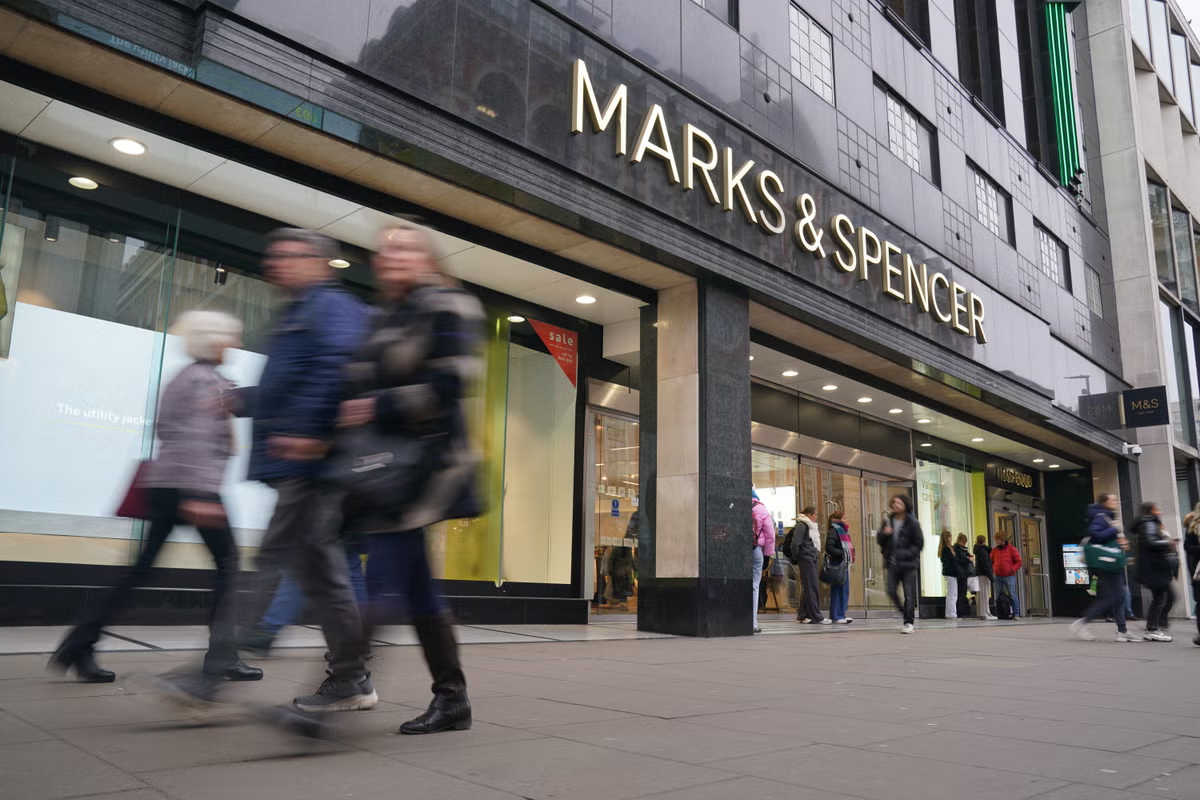
Staff at Marks & Spencer staff are “worried about coming into work”, a senior boss at the high street giant said as the company urged the Government to do more to tackle retail crime.
The retailer claimed its customer-facing staff were being subjected to violence and abuse every day, and in the past week one had been taken to hospital after having ammonia thrown in their face.
M&S bosses have spoken out after unrest earlier this week involving one of its stores in Clapham, south London, which saw hundreds of youths swarm high street shops as part of an online trend.
In a message on its website, M&S retail director Thinus Keeve criticised the Government and Mayor of London Sadiq Khan, writing: “Without a government seriously cracking down on crime and a Mayor that prioritises effective policing we are powerless.”
Advertisement
He has written to Sir Sadiq and M&S chief executive Stuart Machin has written to Home Secretary Shabana Mahmood calling for more to be done.
Adam Hawksbee, head of external affairs at M&S, told BBC Radio 4’s Today programme on Friday: “Retail crime has always been a challenge, but it does feel in the past weeks and months that the problem is getting worse.”
Asked about the impact of shoplifting on staff, Mr Hawksbee added: “Our colleagues are really resilient and they will always manage these incidents in the best way they can, but it clearly has an impact.
“Sometimes when they’ve seen reports in the media that, you know, retail crime numbers are going down, and they say ‘it really doesn’t feel like that to us.’
Advertisement
“And for them it means, you know, they’re worried about coming into work, they might be nervous about the journey home, and that’s not the position that we want our colleagues to be in.”
In a statement on the company’s website, Mr Keeve said retail crime was “becoming more brazen, more organised and more aggressive”.
He added: “In the past week alone we have had gangs forcing open locked cabinets and stripping shelves, two men brazenly emptying the shelves of steak and walking out, a large group of young people ransacking a store before assaulting a security guard, a colleague headbutted trying to defuse a situation and another hospitalised after having ammonia thrown in their face.
“It is worse in London, but it is happening across the country, and it is becoming routine, because it seems there are no consequences.
Advertisement
“Our colleagues come to work to serve customers, build relationships and take pride in what they do. Instead, too many are dealing with theft, intimidation and verbal and physical abuse as part of their daily reality. That erodes confidence. It impacts wellbeing and it drives people out of the industry.”
Shoplifting offences increased in England and Wales in the year to September, but remained slightly below record levels seen in the 12 months to March 2025, the latest Office for National Statistics (ONS) figures available show.
There were 519,381 shoplifting offences in the year to September 2025, up 5% from 492,660 the previous year.
A total of 530,439 offences were recorded in the year to March 2025.
Advertisement
Responding to the ONS data in January, the British Retail Consortium had said the rise in organised retail crime was “particularly concerning”, adding theft is “one of the main triggers for violence and abuse against retail workers”.
The Crime and Policing Bill, once passed, will make assault of a retail worker an offence.
It is also set to bring low-value shoplifting of goods up to a value of £200 into general theft, with a maximum sentence of seven years in prison.
The Bill has cleared both the Commons and Lords, but is going through a “tidying up process” between the two Houses of Parliament, which must agree on a final draft for the statute books.
Click on the links below or scroll down for full scores from the matches in division two. We offer a similar scoreboards round-up for Division One. For the latest County Championship tables, click here. NB: If no details are shown in the scoreboards below it means play has been abandoned for the day without a ball being bowled in the match.
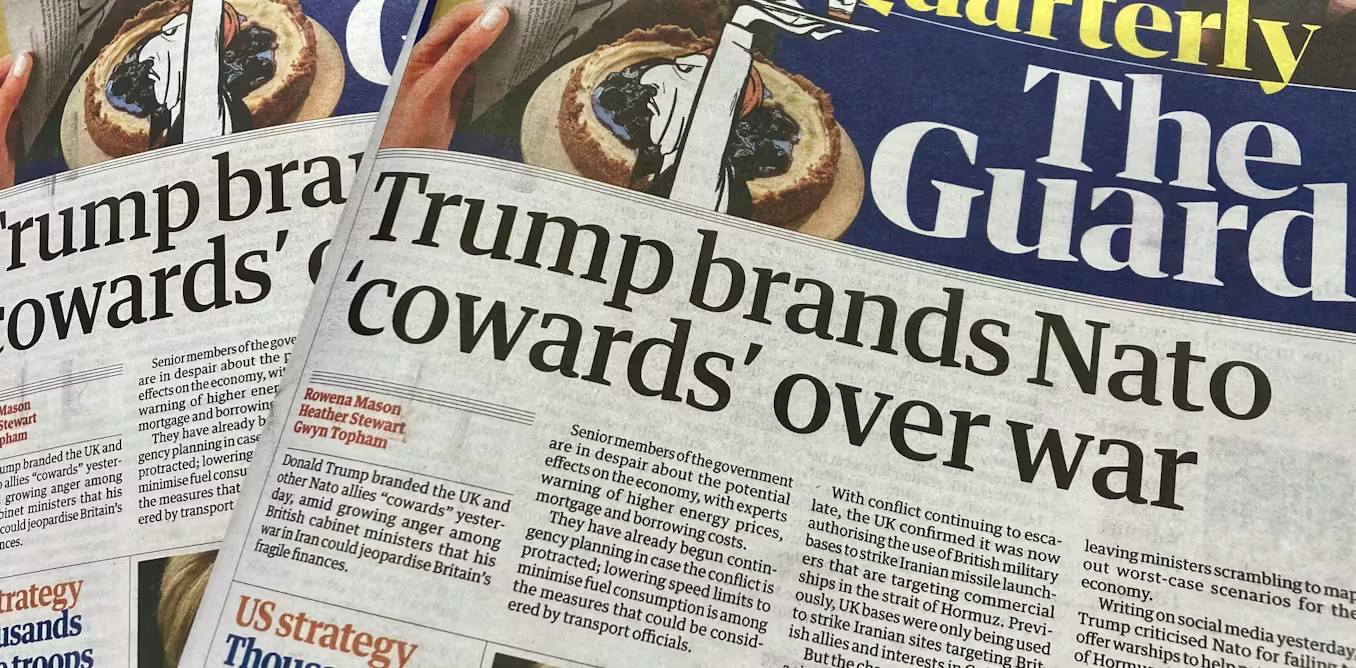
The US president took the opportunity of a prime-time speech to the US public on April 1 to repeat his by now-familiar criticism of America’s Nato allies for not joining the war in Iran. He told them to “build up some delayed courage. Should have done it before. Should have done it with us as we asked.”
Trump’s anger at Nato in the past fortnight has been focused on the reluctance of the likes of the UK, Germany and France to land a hand in forcing Iran to open the Strait of Hormuz. This vital waterway, through which ordinarily one-fifth of the world’s oil and gas transits, has been effectively closed by the threat from Iranian missile strikes to all but a few tankers approved by Tehran. The result has been dramatic, as energy prices have rocketed and supplies to countries dependent on Gulf oil have rapidly diminished.
The US-Israeli assault on Iran has failed to topple the regime or curtail its ability to pose a security threat in the region, leaving Tehran to wreak economic havoc. This flies in the face of the Trump administration’s claims of the overwhelming success of Operation Epic Fury. So the US president and his national security team are, at least in part, blaming Nato’s reluctance to get involved.
It’s important to stress that Article 5 of the Nato treaty mandates that Nato members must come to the aid of any fellow member which comes under attack. In the case of the US-Israeli military operation against Iran, Article 5 has not been invoked – nor does it apply. Further, many Nato members are mindful of the legacy of the disastrous war in Iraq. This sowed deep divisions within Nato after some members (notably the UK and Poland) lined up beside the US and others (France and Germany most vociferously) opposed the invasion. It also became a byword for an ill thought-out military campaign with dubious legitimacy and no exit plan.
Advertisement
As a result, most Nato member states are reluctant to get involved in the US-Israeli campaign against Iran. In any case, many of Nato’s European members are far more concerned about the war going on at their borders between Russia and Ukraine.
Nato reluctance has clearly stung Trump and his senior advisers. On March 31, the US secretary of state, Marco Rubio, told Fox News’s Sean Hannity that: “We’re going to have to reexamine the value of NATO and that alliance for our country. If Nato is just about us defending Europe if they’re attacked, but them denying us basing rights when we need them, that’s not a very good arrangement. That’s a hard one to stay engaged in.”
Asked by The Telegraph the following day whether the US was reconsidering its membership of the alliance, Trump said “Oh yes… I would say [it’s] beyond reconsideration”. He went on to question the Nato’s effectiveness, saying: I always knew they were a paper tiger, and Putin knows that too, by the way.“
Scepticism about Nato has been growing within senior US national security ranks for some time. At various times, Rubio, vice-president, J.D. Vance, and defense secretary Pete Hegseth have all questioned how an alliance based around the principle of US-led defence of Europe against Soviet aggression now fits America’s interests.
Advertisement
This is not a view shared by the alliance’s European members, who remain deeply integrated into Nato’s command and control systems and, until now at least, have placed a great deal of trust in its role as a key security and defence partnership with Washington. And not just Nato – the fact that Ukraine was being considered for membership was cited by Vladimir Putin as a reason for the Russian invasion in 2022.
Nato has changed – but it has endured
The alliance’s focus has shifted over the years, at times moving from being an organisation focused on collective defence to one aiming at collective security. This distinction can be summed up thus: collective defence is just what it says, pledging to come to the assistance of a fellow member whose territory is threatened by a third party. Collective security is more about mobilising to address sources of regional insecurity such as ethnic conflict in the former Yugoslavia.
Nato secretary-general Mark Rutte is nicknamed ‘the Trump whisperer’ because his is said to enjoy a warm relationship with the US president. AP Photo/Virginia Mayo
But the 2014 annexation of Crimea (which raised the possibility of Russia’s “little green men” crossing the border into Narva in Estonia, a member state) and the full invasion of Ukraine in 2022 further underlined the need for Nato to have a strong focus on defence against a newly aggressive Russia.
The question is whether, as Rubio, Vance and Hegseth have all suggested – and as the national security strategy released by the Trump administration last November spells out – the US no longer sees European security as either its responsibility or its focus. Or, as Trump appears to believe, whether an alliance that won’t do his bidding is worth America’s while.
But even in the cold war, Nato was not involved in its members’ military adventures. The US actively worked against the UK, France and Israel during the Suez Canal episode in the mid-1950s. Britain refused to join the US in Vietnam. Precedents such as these would suggest that the Iran war would ordinarily not be a place for Nato involvement, even if individual member-states could contribute.
Nato has been through crises before, but the fact that its European members have heeded the US president’s demands for them to increase their defence budgets shows that for them, at least, the alliance has enduring importance. For it to fall apart after nearly 80 years over Iran would be an unbecoming end to one of the most important collective defence arrangements the world has ever seen.











































You must be logged in to post a comment Login