



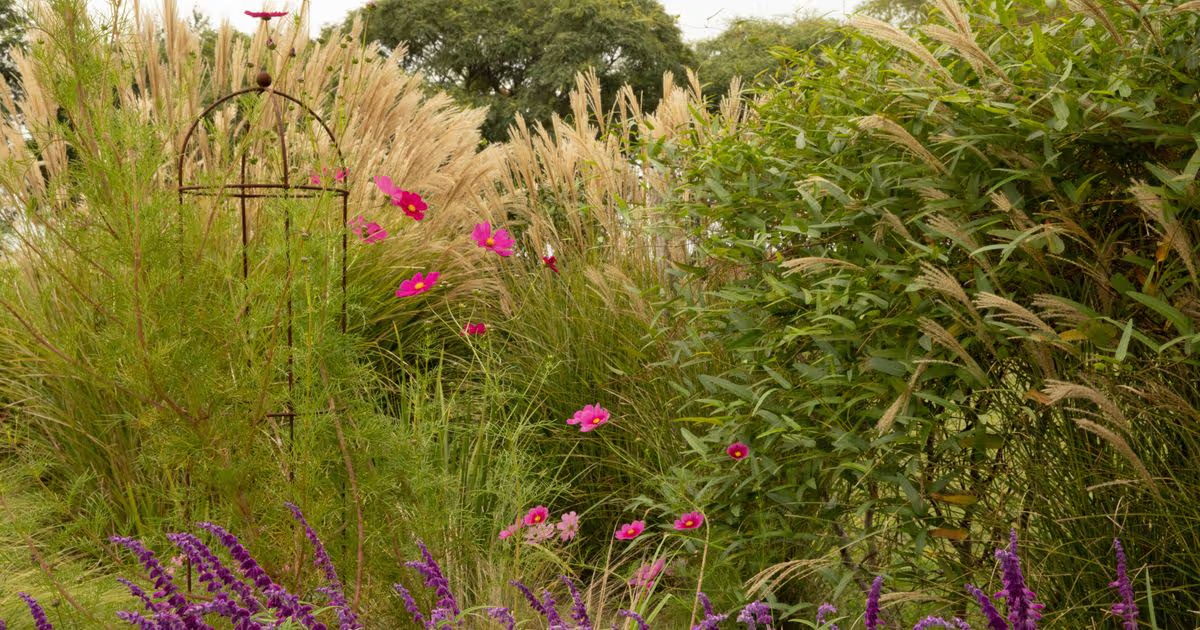
Ornamental grass can add a range of textures and colours to the garden, but they need proper care. However, one common mistake can set you back a full year.
A gardening guru has warned fellow green-fingered enthusiasts that they could be trimming one particular type of plant incorrectly – potentially setting their garden back by an entire year. TikTok gardening whizz Michael Griffiths recently imparted his wisdom on maximising your ornamental grasses as spring approaches.
With an eye on the upcoming season, Michael urged fellow gardeners to inspect their ornamental grasses, as they may well require some attention. To extract the best performance from these plants, it’s essential to ensure you’re trimming them properly and during the appropriate period.
In a recent clip, Michael cautioned: “Prune your grasses the wrong way and it’ll set them back for the full year, so this is how you do it right.”
How to prune ornamental grass correctly
For those unfamiliar with ornamental grass, it differs from regular lawn grass as it’s predominantly cultivated to introduce visual texture, height, and a spectrum of hues to outdoor spaces. Ornamental grasses are adaptable and resilient, injecting movement, texture and visual impact into gardens of every description, practically throughout the year, reports the Express.
They’re straightforward to cultivate and demand minimal upkeep, though they do require occasional tender loving care. That said, Michael cautioned that they don’t all require pruning simultaneously.
To determine which ornamental grasses require trimming, you’ll need to establish whether they’re deciduous or evergreen varieties. The Royal Horticultural Society clarified that whilst deciduous grasses demand annual cutting back, evergreens merely need a light tidy-up.
Ensure our latest headlines always appear at the top of your Google Search by making us a Preferred Source. Click here to activate or add us as your Preferred Source in your Google search settings.
In his video, Michael pointed out that deciduous grasses die back and turn brown and brittle come late winter. He recommended that the optimal window for pruning these grasses falls between late winter and early spring.
The particular species dictates the precise timing for cutting back, though typically this falls anywhere from early to mid-spring. The RHS noted that ornamental grasses offer appealing structure throughout winter, so hold off on cutting back deciduous varieties until spring – but make certain this is done before fresh shoots appear.
Most deciduous varieties begin sprouting in early spring, though certain types like Pennisetum orientale are rather slower off the mark. The RHS highlighted that these aged stems serve to shield the crown from harsh weather, so postpone cutting back until late April.
Michael recommended trimming stems down to the base, roughly five to 10cm above ground level. The objective is to strip away all old stems and foliage entirely, thereby enabling fresh stems to flourish unimpeded.
It’s also worthwhile clearing away any stray stems and accumulated debris that’s built up around the area. To promote fresh growth, spread a general fertiliser before adding a generous layer of organic mulch around the grass clump.
Whilst deciduous grasses require a certain amount of trimming, the gardening expert highlighted that evergreen varieties are where many people slip up.
He explained: “But evergreen grasses which stay green all year are where people often go wrong, don’t cut these to the ground. Instead, gently comb through with your fingers or a hair comb to remove dry, tired leaves.”
Should any dead foliage or stems remain stubbornly attached, these will require individual removal with secateurs. Once you’ve tidied your evergreen grasses, spread organic mulch around the base and apply a general fertiliser to stimulate growth.