One fire engine from Bolton Central Fire Station attended the incident on Smethurst Lane.
A spokesperson for Greater Manchester Fire and Rescue Service (GMFRS) said: “Just after 11.30am this morning, one fire engine from Bolton Central fire station was called to reports of a vehicle fire involving a car battery.
“The crew arrived quickly at the scene.
Advertisement
“Firefighters carried out safety checks and are continuing to cool the battery and monitor the temperature with a thermal imaging camera.
“Firefighters have been in attendance throughout the day carrying out safety checks on the vehicle.”
Footage shared with The Bolton News showed traffic moving freely past the incident.
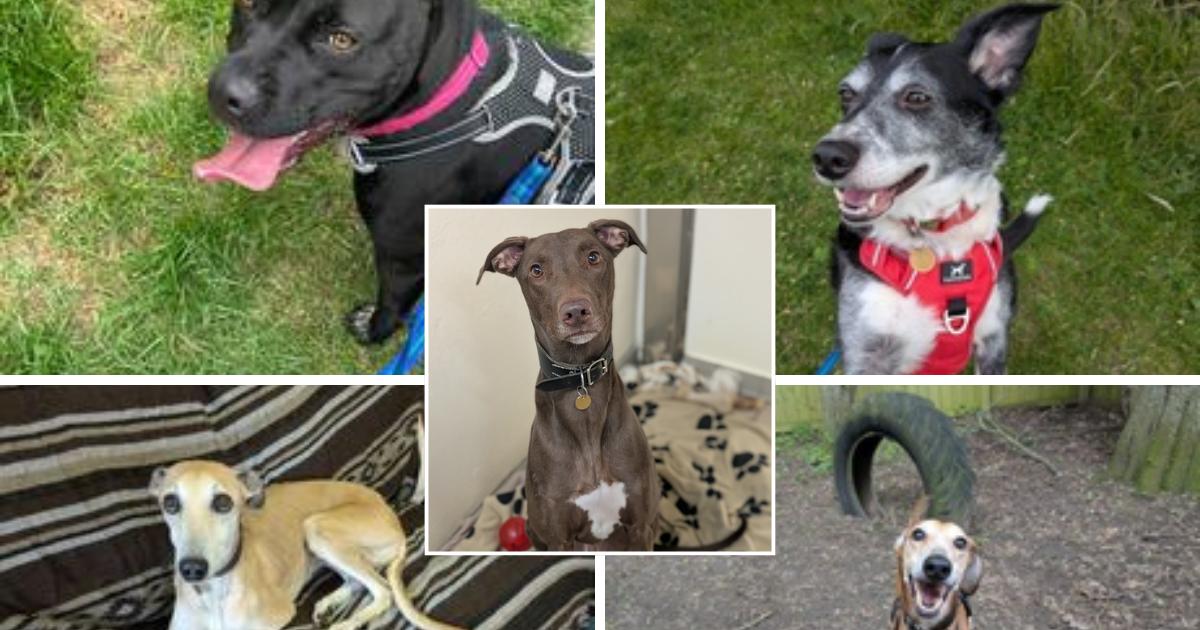
From energetic companions looking for outdoor adventures to affectionate pets eager for a cosy place to settle down, the dogs currently in the charity’s care are all waiting for their forever homes.
Here’s a look at five of the dogs at the RSPCA’s Great Ayton branch hoping to find their perfect match.
Kassie
Kassie, a five-year-old Border Collie. (Image: RSPCA Great Ayton)
Kassie is a five-year-old Border Collie looking for a loving forever home after being rescued from unsuitable conditions. The friendly and affectionate dog could live with children aged 12 and over and may also be able to share her home with another dog.
Like most Border Collies, Kassie enjoys exercise and mental stimulation and would benefit from owners who can spend plenty of time with her.
Advertisement
Mitsy
Mitsy, an 11-year-old Lurcher. (Image: RSPCA Great Ayton)
Mitsy is a sweet senior lurcher, around 11-years-old, searching for a loving new home after arriving at the centre with her companion, Sox.
Described as gentle and sensitive, she enjoys plenty of affection and can usually be found curled up on a comfy bed or sofa. Mitsy could live with children of primary school age and may be able to share her new home with another dog, or even be rehomed alongside Sox.
She would suit a home where someone is around for much of the day and where she can enjoy the comfort and companionship she loves.
Sox
Sox, a nine-year-old Lurcher. (Image: RSPCA Great Ayton)
Sox is a nine-year-old Lurcher who may be a senior dog, but is still full of life. Staff say the he is “young at heart” and has become increasingly playful since arriving at the centre, enjoying toys, interaction with handlers and zooming around enclosed paddocks.
Advertisement
Sox could live with children of primary school age and may also be able to share a home with another dog, or be rehomed with Mitsy. He is looking for a home with plenty of space where he can continue to enjoy life and show off his playful side.
Stella
Stella, a two-year-old American Bulldog. (Image: RSPCA Great Ayton)
Stella is a two-year-old American Bulldog cross searching for a second chance after an abusive start in life.
Despite her difficult past, staff describe her as a sweet, affectionate dog who loves people and enjoys nothing more than cuddling up on the sofa. Stella is full of energy, loves toys and treats, and would benefit from gentle, reward-based training.
She could live with secondary school-aged children but would prefer to be the only pet in the home. Stella also requires a specialist urinary diet to help manage an ongoing health condition.
Advertisement
Marley
Marley, a three-year-old Greyhound. (Image: RSPCA Great Ayton)
Marley is a three-year-old Greyhound looking for a patient home where he can continue to build his confidence.
The handsome youngster arrived at the centre significantly underweight but has since made a full recovery and is now ready to find his forever family. Staff say Marley walks well on the lead, settles nicely indoors and should eventually be comfortable being left for short periods.
He would be best suited as the only pet in a household and is looking for owners willing to continue his training around other dogs. Described as a sweet-natured dog who has been through a lot, Marley is hoping for a calm home where he can finally relax and enjoy life.
To enquire about adopting one of these dogs, or to find out more about animals currently available for rehoming in your area, visit theRSPCA website.
Stand Up To Racism have bashed alleged “Nazi salutes” made during a far-right protest in Glasgow Green.
“Nazi salutes” pictured at a far-right protest in Glasgow Green, which clashes between opposing groups, have been slammed by anti-racist activists.
Advertisement
Ugly scenes broke out at the demonstration attended by around 1700 people organised by the Unite the Clans group at 11am on Saturday after protestors clashed with a counter-demo arranged by Stand Up To Racism (SUTR) and Women Against The Far Right. Police Scotland have so far arrested 15 people with incidents of disorder.
The offences include acts of violence, possession of weapons, breach of the peace, obstruction, resisting arrest disorder, intimidation and hate motivated offences. Photographs from the rally show attendees, some of which wearing balaclavas, performing what appear to be Nazi salutes.
The gestures have been pictured being made amid Scotland and Union Jack flags.
Advertisement
One of the organisers of the counter-protest, SUTR, have bashed the scenes online. In a statement released on their social media platforms they said: “Multiple Nazi salutes openly on display” before going on to slam those involved in the far-right protest.
Extensive enquiries are underway into the disorder and officers will be reviewing CCTV, mobile phone and dashcam footage, and capturing statements to identify those responsible.
Chief Superintendent Emma Croft earlier hit out at those attendees and promised those involved in the disorder to expect a police presence at their homes.
Advertisement
She said: “The level of disorder, violence and intimidation we saw in Glasgow on Saturday was nothing short of disgraceful.
“People have the right to express their views lawfully and to protest peacefully, however the behaviour we saw from those involved in the disorder was not legitimate protest but rather acts of aggression to cause fear in our communities.
“A significant investigation is already underway and my message is clear – if you were involved in these deplorable acts, you should expect our officers to be knocking on your door.
“We understand how concerning witnessing the disorder must have been and we would urge any members of the public with information, including mobile phone and dashcam footage, to please pass this on to us.
Advertisement
“We will continue to have a visible policing presence in the city centre and surrounding areas. Anyone with any concerns can approach our officers out on patrol who will be happy to assist.”
A Major Incident Public Portal (MIPP) has now been set up to encourage members of the public to submit information directly to officers. Those with footage or photos of criminality related to the disorder in Glasgow on Saturday are encouraged to upload it using the online form here: https://mipp.police.uk/operation/SCOT26S14-PO1
Information can also be passed to Police Scotland via 101 quoting Operation Cornstarch. Alternatively, Crimestoppers can be contacted on 0800 555 111, where anonymity can be maintained.
Get more Daily Record exclusives by signing up for free to Google’s preferred sources. Click HERE.
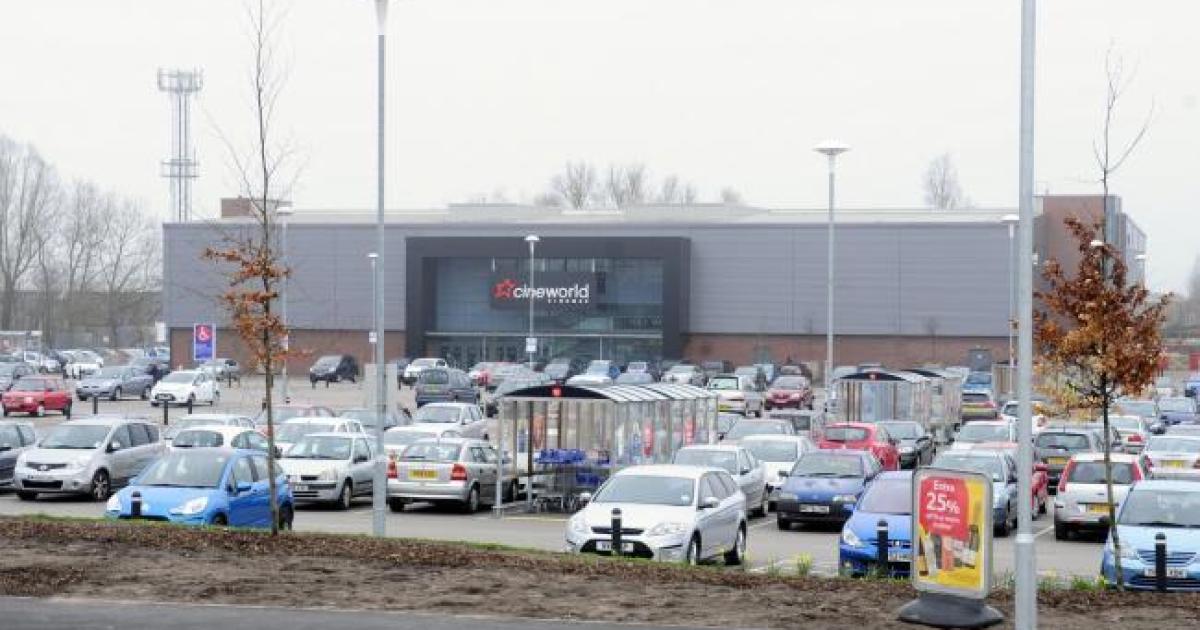
Plans have been submitted by Wickes for a new store at the Loom Retail Park in Spinning Jenny Way, Leigh.
The move comes after plans were approved earlier this month to transform the vacant former Cineworld into a unit for “bulky goods” retail.
Realty Income Limited submitted the initial plans to Wigan Council earlier this year to convert the site into a shop supplying DIY, trade, and home improvement products.
Advertisement
Mark Craft from Wickes and Alex Yates from Sovereign Signs are now steering the proposal for new signs for the upcoming store.
The plans include a series of new signs, including internally lit fascia signs, and a free-standing directional sign measuring 2 metres by 1.8 metres, made from galvanised steel and aluminium.
The new signs are expected to remain in place until June 2030 if the proposal is green-lighted.
The illuminated signs will emit a steady light at 250 cd/m.
Advertisement
Prepared by Sovereign Signs, the proposal acknowledges that they would be noticeable from public roads and pathways.
According to the document, no external consultations were undertaken regarding the notice, and no advice was sought beforehand from the local authority.
The application was registered on June 25 and received validation on July 15.
For those interested in seeing the plans, they’re available on the Wigan Council planning portal quoted under reference number A/26/101121/ADV.
Advertisement
The plans for the former Cineworld to become a retail unit for bulky goods were approved by Wigan Council recently.
The former Cineworld, which has been empty since January 2025, is to be transformed to accommodate a shop supplying DIY, trade, and home improvement products.
Alterations include the addition of new roller shutters, revised windows, and the establishment of a service yard next to the building to handle deliveries from large vehicles.
The name of the shop wasn’t confirmed in those plans, but the new signage plans confirm that Leigh is getting a Wickes store.
The plans were scaled back earlier this year due to costs ‘soaring’
Plans to build a new activity centre at one of the best parks in the UK have taken a major step forward. In 2021, the Nene Park Trust had plans approved to build a new indoor activity centre in the former Lakeside car park in Ferry Meadows, Peterborough.
The original plans included an Olympic-standard climbing facility and all-weather indoor activity centre. In May of this year, these plans were scaled back due to rising costs.
The trust proposed a “smaller, less expensive building”. The plans have now taken a major step forward, as the Nene Park Trust has officially submitted its plans to Peterborough City Council.
Matthew Bradbury, chief executive of Nene Park Trust said: “We’re confident that these revised plans for the activity centre at Ferry Meadows offer an exciting development for the park and the city of Peterborough.
Advertisement
“As a charity, our objective is to provide recreation for the public through the park and its facilities, both for Peterborough’s residents and all our visitors and through the activity centre we would be able to offer indoor recreation, in all weathers, all year round.
“Climbing – especially bouldering – is a growing sport across the UK – and as it now features in the Olympics it’s great that we can support aspiring climbers of all ages to fulfil their dreams.”
The trust held a public information event in April, which resulted in a “mixed response” to the new plans. However, the response was largely positive.
Following the consultation, the trust has made some changes to the internal plans. The trust has been working with Butcher Bayley Architects (BBA) on the proposals.
Advertisement
Luke Butcher, co-founder and director of BBA said: “We’re pleased to have supported Nene Park Trust in developing the revised plans for the Lakeside Activity Centre.
“Responding to a changing funding and construction landscape has meant designing a simpler, more efficient building, but the ambition is undimmed: a welcoming, year-round home for climbing, activity and play, sitting comfortably in its lakeside setting.
“As a practice with deep Peterborough roots, we’re proud to be shaping a building that will open up new leisure opportunities for Ferry Meadows and the wider city.”
The first phase of the build will offer an indoor roped climbing wall, as well as bouldering. The plans also propose a small cafe, children’s play area, small gym and accessible changing rooms.
Advertisement
Jeremy Wilson, founder of Lakeland Climbing Community, partners on the internal design and management of the activity centre said: “We are thrilled to be working with Nene Park Trust on this Peterborough project. The location, park setting and architect-designed building are an amazing backdrop for what we hope to create at the heart of the scheme. We have been really impressed by the team and look forward to working closely with them to bring this project to fruition.”
Subject to approval and remaining funding being secured, construction is set to begin in early 2027. The opening date for the first phase of the centre is proposed to be in early 2028.
Four people including a baby died in a fatal crash on the A38 near Derby, with the driver arrested on suspicion of causing death by dangerous driving
Four individuals have lost their lives and another has sustained injuries after a late-night collision on the A38 near Derby.
Advertisement
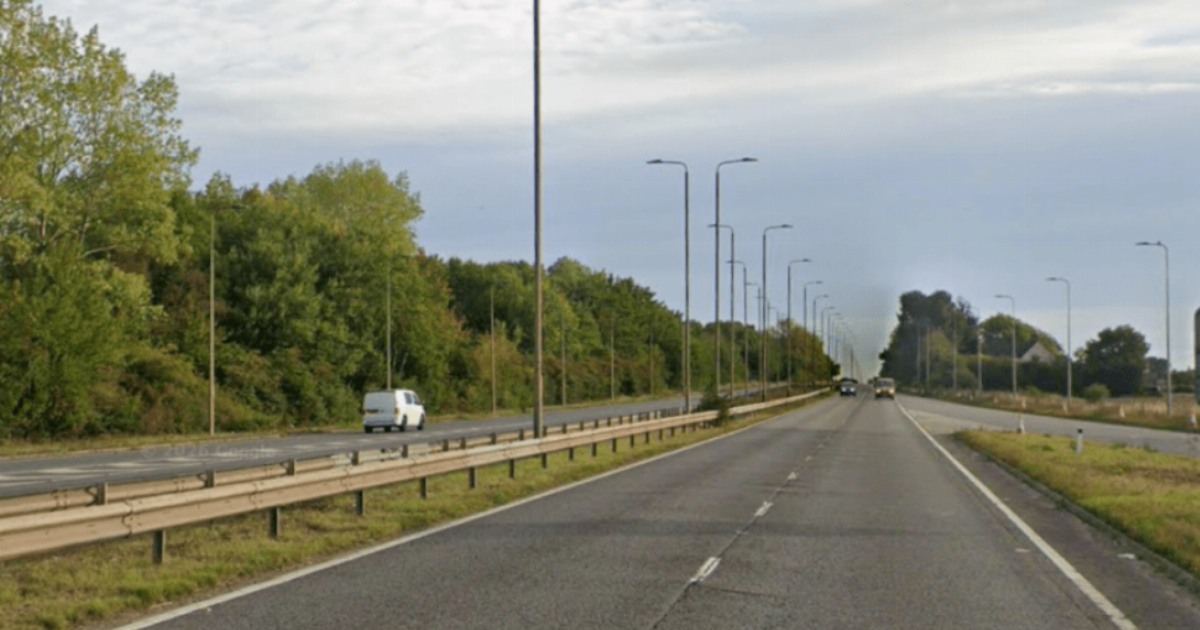
Emergency crews were summoned to the location on a section of the road between the A50 Toyota Island and the A516 at approximately 11pm on Saturday (July 25). Officers attended following reports that a red Hyundai vehicle, carrying five occupants, had veered off the carriageway and collided with trees, Derbyshire Live reports.
In a statement released on Sunday evening, police confirmed that two women, aged 18 and 30, alongside a 36 year old man, were declared dead at the scene.
A force spokesperson continued: “A baby girl was taken to hospital where she was sadly pronounced dead a short while later. All four were passengers in the vehicle. The driver – a 33-year-old man – was taken to hospital to be treated for serious injuries where he remains today.
Advertisement
“He has been arrested on suspicion of causing death by dangerous driving. All those involved are from Leeds in West Yorkshire. Our thoughts are with them at this most distressing time.”
The carriageway remained shut for several hours while emergency services managed the incident, though it has now reopened. The families of those affected have been informed and are receiving support from specialist officers.
Ensure our latest stories always appear at the top of your Google Search by making us a Preferred Source. Click here to activate or add us as your Preferred Source in your Google search settings.
Anyone who witnessed the collision is being urged to come forward. Derbyshire police are also appealing for anyone with dash cam footage that may have recorded the incident.
Advertisement
Information can be provided to the police on 101, quoting incident number 26*442464. You can also get in touch anonymously with the independent charity CrimeStoppers by calling 0800 555 111, or by visiting the CrimeStoppers website by clicking here.
Angie Best took to social media on her 74th birthday to share a health update after recently declaring that she was cancer-free and admitted she needs further operations
Angie Best needs to undergo two more operations following her cancer battle. The model, 74, recently underwent treatment for Stage 3 colon cancer and recently announced she had beaten the disease.
Speaking in a video posted to Instagram, she said: “I just want to say a very big heartfelt thankyou to all of you who wished me a happy 74th birthday. So, I just have to clear a little something up.
“So, you know I told you I was cancer-free? Well I am – except I’ve got the bits in my liver that are cells that metastasised from the colon to the liver.
“I’ve got some little ones on the left hand side and some big ones on the right hand side.. They have to be got rid of, so I’ve got two liver operations to do and then I’m done, so, wish me luck – again!”
She captioned the post: “I played down the liver ops but will update what they are later.” The former wife of late footballer George Best was instantly supported by fans in the comments section of her post, with one writing: “happy birthday wishes angie [red heart emoji] keep your eye on the prize, what would you like to do post op…”
Another said: “Sending love and hugs your way and hope it all goes smoothly for you,” whilst a third reminded the former Celebrity Big Brother star: “You are so strong.”
Advertisement
Before revealing that she was cancer-free, Angie announced that the cancer had spready to her liver. She underwent an intensive plan of treatment in order to remove the tumours.
Angie, whose son is TV personality Calum Best, posted a video explaining how her cancer journey has gone, the final step in her treatment plan and revealing how she wants to “reinvent” herself now she’s been given the rest of her life back.
Advertisement
Speaking in an Instagram video, she explained the full process, captioning the clip: “Bit different from all the miserable videos of the last 7 months. I’m a truly happy grateful girl, it’s over.”
The star revealed that she was discharged from hospital after having keyhole surgery (laparoscopy) to remove the last part of the cancer.
She said: “The chemo and the immunotherapy prior had shrunk my 30cm lump down to a little tiny bit that was attached to the colon. They shrunk it, now we go in and cut it out…
“A bit like an interior designer coming in and moving the furniture around, but it still works. So then it’s done, they sew you up, then they wait three days, and in those three days, they give you fluids only.
Advertisement
“So of course I lost so much weight, this is why I look so drawn, but I’m not worried about that because I’ve just been eating some shrimp tempura and I’m gonna gain that weight back again without no worries about that. On the fourth day, they give you your first meal, a very sensible meal, all white.
“And then they wait for the next morning to see if you go to the bathroom. I did. And again the next day and again the next day, so everything was working as it should perfectly in my little colon.”
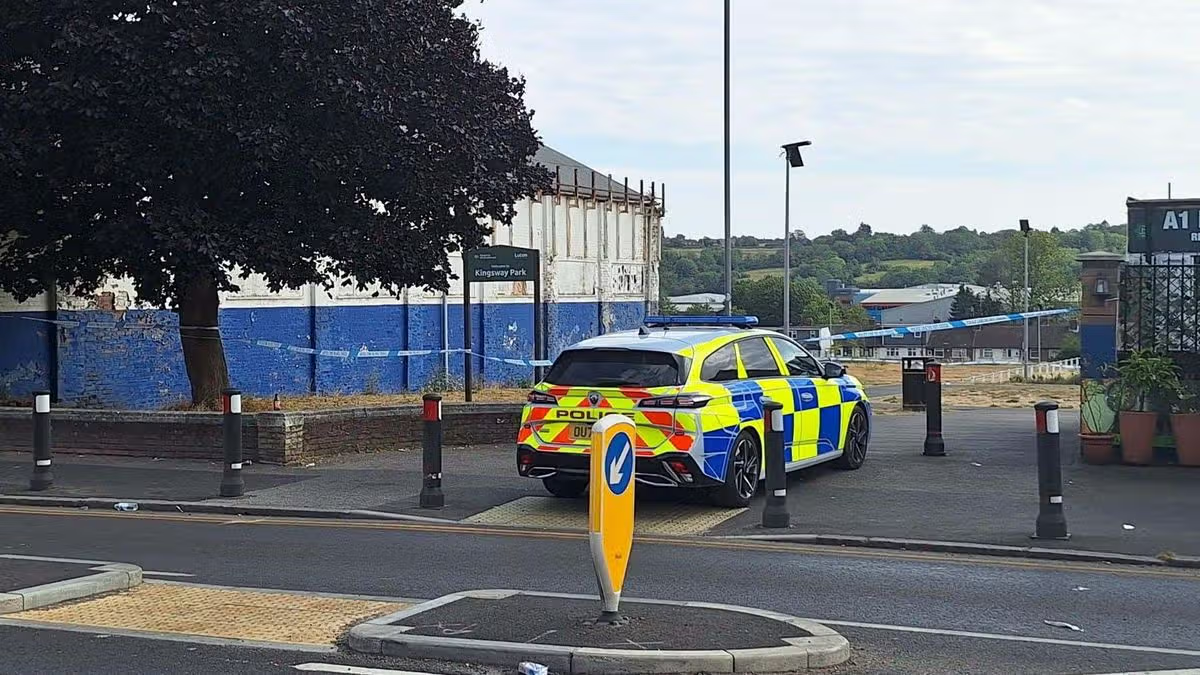
Bedfordshire Police said a 17-year-old boy was rushed to hospital following the incident in Kingsway Recreation Ground, Luton, shortly after 6.30pm on Friday
Rachel Vickers-Price UK and World News Reporter and Joe Smith News Reporter
23:24, 26 Jul 2026
Police have charged a 16-year-old boy with murder after a 17-year-old was fatally stabbed at a UK skate park.
Three teenagers have also been arrested as part of an ongoing investigation into the fatal stabbing of a 17-year-old boy in Luton on Friday (July 24).
The victim was taken to hospital with multiple stab wounds but sadly died shortly afterwards, police said.
Advertisement
The further three 17-year-old boys were arrested on Saturday (July 25) and Sunday (July 26) all on suspicion of murder, violent disorder and carrying a weapon.
A 16-year-old boy who was arrested on Friday has since been charged with murder and remanded in custody.
Another 17-year-old boy, also arrested on Friday who was being treated in hospital for serious injuries, is now in police custody.
Detective Chief Inspector Nick Gardener said: “We are progressing our investigation, and we are continuing to appeal to anyone who was in the area, or witnessed the events leading up to the disorder to please get in touch.
Advertisement
“Our officers are continuing to carry our additional high-visibility patrols, and we are continuing to engage with local members of the public.
“We would also like to remind the public not to share any distressing videos or images as this can be concerning for families involved, but also form a vital part of the police investigation.”
Gardener has expressed wishes of condolences to the victim family on Friday. He said on the day: “Horrific violence in Luton has sadly cost a teenage boy his life today.
Advertisement
“Our thoughts are first and foremost with the loved ones of the boy who lost his life in such tragic circumstances.”
Anyone with information is urged to visit the Bedfordshire Police website or call 101 and quote reference Operation Crownbeacon.
Oil prices eased in early trading Sunday, falling further from a two-month high set last week, after the United States and Iran refrained from launching military strikes in the Persian Gulf for a second straight day.
The price for a barrel of Brent crude oil to be delivered in September dropped 4.9% to $92.02 shortly after trading resumed. The decline followed a 3.9% drop on Friday.
Brent crude, the international standard, briefly hit $102 a barrel last week. That was $30 more than the most actively traded contract in the Brent market was going for early in the month, and the highest it had been since May.
Oil prices surged this month because of increased fighting in the Middle East and worries a return to all-out war would further slow the global flow of crude.
Advertisement
The ability of tankers to pass safely through the Strait of Hormuz has been the central concern for the oil market since the U.S. and Israel attacked Iran in late February. The narrow strip of water off Iran’s coast is the route through which a fifth of the world’s oil typically leaves the Persian Gulf and heads to customers worldwide, and the conflict has largely halted shipping traffic.
Oil producers have since searched for alternative routes, but those are under pressure too. Last week, attacks hit Saudi oil tankers that were using the Red Sea to leave the region. When less oil is available for customers to buy, the price goes up and fuel prices do as well.
In the United States, the average price for a gallon of regular gasoline on Sunday was $4.11, up from $3.90 a month ago and just $3.15 a year ago, according to motor club AAA.
If oil prices stay elevated, it could lead to higher prices for every product that gets shipped, trucked or flown around the world, including groceries. Although the U.S. economy continues to grow, the ongoing conflict with Iran has dragged consumer confidence in it lower.
Advertisement
The reacceleration of oil prices this month took place just as inflation had begun to slow more than economists expected. Now, traders believe inflation pressures have grown enough that they’re betting on a 36% chance the Federal Reserve will hike its main interest rate at an upcoming meeting, according to data from CME Group.
Higher interest rates would help keep a lid on inflation, but they could also slow the economy by making it more expensive for all kinds of Americans and businesses to borrow.
Long-term U.S. mortgage rates have already hit their highest levels in nearly a year, for example, chilling the housing industry. And more expensive borrowing could slow the boom in building artificial-intelligence data centers, which have become a big engine for the U.S. economy’s growth.
While oil prices have given back some of their big July gains, much uncertainty still remains.
Advertisement
The price for a barrel of benchmark U.S. oil to be delivered in September fell 5.6% to $84.34 on Sunday. It dropped 3.1% on Friday.
In the oil market, traders are buying and selling contracts for barrels of oil to be delivered many months in the future. The price for a barrel of Brent crude to be delivered in October, which is now the most actively traded part of the market, fell 4.6% to $87.48.
Here’s what the stars have in store for your day (Picture: Metro.co.uk)
Despite it being a Monday, the Moon in Capricorn gives an easy and relaxed feel to the day ahead. Don’t be tempted to remain rigid in a routine.
Gemini, Taurus and Aries, you’re rejuvinated with a new sense of play and energy today. Your social circle sparkles brightly.
Don’t take the day before you too seriously. Stay malleable and great things will happen.
Ahead, you’ll find all star signs’ horoscopes for today: Monday July 27, 2026.
Advertisement
Like checking your horoscope every morning? You can now sign up to our free daily newsletter to get a personalised reading for your star sign delivered straight to your inbox.
Ask Metro
Use AI to go deeper into the stories you care about – powered by Metro and trusted publications.
Advertisement
To order your unique personal horoscope based on your time, date and place of birth, visit patrickarundell.com.
Aries
March 21 to April 20
You could find yourself with lots of social options this week. Very often, Mondays see us lock back into routines, but such is the flexible nature of life these days, if your schedule can be more elastic, do make time to have fun, and yes, even be jolly. The Sun’s sparkling link to Uranus encourages switching things up and looking to bring a spark to all you do, Aries.
The Moon in Capricorn gives you a desire to feel freer. One of the ways you can do this is to gain fresh perspectives on home, family, or finances, and this can help you to feel more secure. Small changes now can have lasting benefits. The part of you that can be wary of change is challenged, but the chances are you’re ready for some different approaches, Taurus.
Late April saw the electric vibe of Uranus enter your sign for the next seven years. The chances are life has not been dull. Whether you have been flexing quickly out of stale or stagnant situations or embracing new beginnings, it has fed your natural need to be mentally stimulated. You get an extra shot of vibrant energy into the mix today. Look to use it quickly!
Many of us have interests over time that make way when other demands beckon. Think back over yours. Is there is an old hobby or talent that can be brought back into the open, dusted down, and reapplied in a fresh and imaginative way? You don’t have to trumpet this to others, so gently test out how you could reapply it in a way which suits your current circumstances.
Being ruled by the Sun, his yearly passage through your sign revives your vitality, strengthens your will, and adds to your drive. Today, as he links to maverick planet Uranus, someone could quickly and unexpectedly be drawn to you. This could be the start of a really upbeat friendship or an idea that sparks a new venture or interest in a uniquely brilliant way.
The Moon in Capricorn may be the most cautious part of her journey, but for you it’s a good chance to express your enjoyment of life or connect well with loved ones. It can also arouse your creative qualities, and with the Sun and Uranus linking boldly today, a germ of an idea that has been in the back of your mind can jump to the forefront and really enthuse you.
Cosmic messages for Cosmic messages for Virgo today
Libra
September 24 to October 23
With the Moon in a more cautious area, you might be happiest at home and connecting with familiar places and faces. And yet, the gregarious link between the Sun and Uranus is a whole lot more outgoing. Perhaps you can find a way to link the two areas. Spending time with someone you know well, perhaps trying out a local activity, could be just the way to do so.
There is a paradox about you. On one hand, you can have a strong appreciation of what you know well and are familiar with, but you have another side which can see you switched on to gizmos and tech. Today, your openness to embracing novel approaches, and having the confidence to front them up, can shine through like a beacon and also bolster your reputation.
You have an appreciation of spontaneity that few can match. With your ruler Jupiter, which loves new experiences, your fiery passion, and your mutable, flexible nature, you have all the attributes to swiftly flex and flow. Sometimes life’s demands can constrain all this, but an electric link between the Sun and Uranus today is the perfect planetary union to set you free.
The Moon is in your sign for the first time since the Capricorn Full Moon at the end of June and can give you an edge, pushing you to go with what feels right for you personally. From this, positive changes around shared resources, investments, or emotional bonds are possible. Most of all, trust can deepen through honest, direct, and authentic communication.
Although the Moon is in a more reflective area, which can see you quieter to begin with, a stunning alliance between your modern planetary guide, Uranus, and the mighty Sun can see some exciting connections shape up. This could be with someone new who has entered your orbit of late, or it could be by bringing a lighter and brighter vibe to an existing relationship.
Uranus has been pushing you to freshen things up on the home front. Be it decluttering, simplifying, or using your abode as your workspace, this is a strong vibe. With the Sun linking back to him, the chances are you can find some more refinements which help to improve things further. These don’t have to be a big leap; small adjustments can soon add up.
Your daily Metro.co.uk horoscope is here every morning, seven days a week (yes, including weekends!). To check your forecast, head to our dedicated horoscopes page.
As a loyal Metro reader, we want to make sure you never miss our stories when searching for your news. Whether it is the latest politics news explained, live football coverage or a showbiz scoop.
Advertisement
Click the button below and tick Metro.co.uk to ensure you see stories from us first in Google Search.


















































You must be logged in to post a comment Login