Connect with us
DAPA Banner

NewsBeat

China’s panda diplomacy is becoming a liability for Beijing

Published

on

China’s panda diplomacy is becoming a liability for Beijing

Japan said goodbye to its last two giant pandas on January 27, as twins Xiao Xiao and Lei Lei were returned from their host country to China. Their departure has left Japan without any pandas for the first time since 1972, when Tokyo and Beijing normalised diplomatic ties.

The Chinese government has long pursued a strategy of giving or loaning giant pandas, which are found exclusively in China, to other countries to strengthen international ties and boost its global image. Widely known as “panda diplomacy”, this practice has seen more than 30 pandas sent to – or born in – Japan over the past 50 or so years.

However, relations between Tokyo and Beijing are currently tense. Comments made in November by Japan’s prime minister, Sanae Takaichi, that her country could respond militarily to a Chinese attack on Taiwan prompted an angry response from officials in Beijing.

And soon after, China announced it would be recalling Japan’s last two pandas from the Ueno Zoo in Tokyo a month ahead of schedule. The Tokyo metropolitan government had been negotiating with China to extend the pandas’ stay or loan new bears in their place. But these talks were put on hold and the pandas have subsequently been returned.

Advertisement
Visitors gather to watch Xiao Xiao in November 2025.
Franck Robichon / EPA

Panda diplomacy

China’s practice of sending pandas to foreign countries can be traced to the 7th century, when Empress Wu Zetian gifted two bears to Japan as a gesture of goodwill. However, modern panda diplomacy is often associated with the 1970s. That decade saw China open up and gift pandas to a number of major economies in an attempt to build ties, including the US and Japan in 1972, France in 1973 and the UK in 1974.

Due to declining wild panda populations, China stopped gifting pandas to other countries by 1984. Pandas were instead sent to foreign zoos on long-term loans, often lasting up to 15 years, with countries paying as much as US$1 million (£738,000) in “conservation fees” per year to keep them.

By the peak of panda diplomacy in 2019, a total of 21 countries or territories outside of China, Macau and Hong Kong had pandas. These were South Korea, Indonesia, Malaysia, Singapore, Qatar, Russia, Taiwan, Germany, Spain, Austria, Denmark, Belgium, Mexico, Australia, Thailand, Finland, Canada, Japan, the Netherlands, US and UK. That number has now dropped to 16.

One reason for this decline is that China has to be careful about which countries it chooses to engage in panda diplomacy with. Many Chinese people regard the giant panda as a national treasure, with the animal carrying deep emotional significance. Because of their status, the perceived mistreatment of pandas abroad can cause Beijing to receive intense backlash from nationalist circles at home.

Advertisement

For instance, when panda Le Le died of natural causes at Memphis Zoo in the US in 2023 and photos of his female companion Ya Ya looking thin and sickly surfaced online, speculation arose on Chinese social media that the US had mishandled the pandas. Some went as far as to accuse Chinese authorities of colluding with the zoo to cover up the incident.

For many of these people, the alleged mistreatment of the pandas was symbolic of what they saw as the US’s bullying of China. As one comment on the Weibo Chinese social media platform put it: “Treating our national treasure with such an attitude is an outright provocation of China”. Despite insistence by the Chinese foreign ministry that both pandas had been “well taken care of” in the US, Ya Ya’s stay was not extended.

The desire to avoid more public backlash may help explain why China recalled Japan’s last two pandas early and did not extend their stay. With tensions between China and Japan running high, it would have been difficult for officials in Beijing to justify why these cherished national symbols should stay in the hands of what many Chinese people see as a belligerent rival.

People gathered at the fence of the Ueno Zoo.
People gather at the Ueno Zoo to bid farewell to giant pandas Xiao Xiao and Lei Lei on January 27.
Soichiro Koriyama / EPA

Panda diplomacy remains an effective tool of soft power for China. This was demonstrated by the 178,000 visitors that flocked to Ueno Zoo to catch a glimpse of Xiao Xiao and Lei Lei in the month after it was announced they would be returned. The public response was so strong that the zoo had to restrict visitor numbers to the panda viewing area to 4,800 people per day, with each visit limited to one minute.

Yet there are limits to using pandas as diplomatic tools, and not just due to the strength of nationalist feeling within China towards them. China’s practice of sending pandas to foreign nations has been heavily criticised by conservationists and animal advocates, who argue the bears are used as pawns in a game of geopolitical chess.

Advertisement

There are also question marks over whether the practice enhances conservation. While foreign zoos that host pandas send China millions of US dollars a year in conservation fees, the species is currently listed as “vulnerable” by the International Union for Conservation of Nature.

Panda diplomacy is a delicate balancing act. While it can help strengthen China’s international relationships, it also exposes Beijing to public backlash whenever its furry ambassadors become entangled in political disputes or welfare controversies.


Source link

Advertisement
Continue Reading
Click to comment

You must be logged in to post a comment Login

Leave a Reply

NewsBeat

Russia expels British diplomat from Moscow over spying claims

Published

on

Russia expels British diplomat from Moscow over spying claims

A British diplomat ⁠has been ordered to leave Russia after being accused of spying by Moscow.

The ⁠FSB, the main successor to the ⁠Soviet-era KGB, said that the ​second ⁠secretary at ‌the UK’s Moscow embassy had been ordered to leave within ‌two weeks after ‌counter-intelligence officers revealed the “undeclared intelligence presence”.

Claims made against the unnamed diplomat are “malicious” and “baseless”, the Foreign, Commonwealth and Development Office (FCDO) said.

The FSB said that ⁠it had found signs that the diplomat was “carrying out intelligence and subversive activities that threaten the security of the Russian ‌Federation,” Russian media reported.

Advertisement

In particular, ​the FSB said, ‌the diplomat ⁠had tried to obtain ⁠sensitive information about the Russian ‌economy ​during informal meetings.

They also claimed that he had “provided false information about himself”.

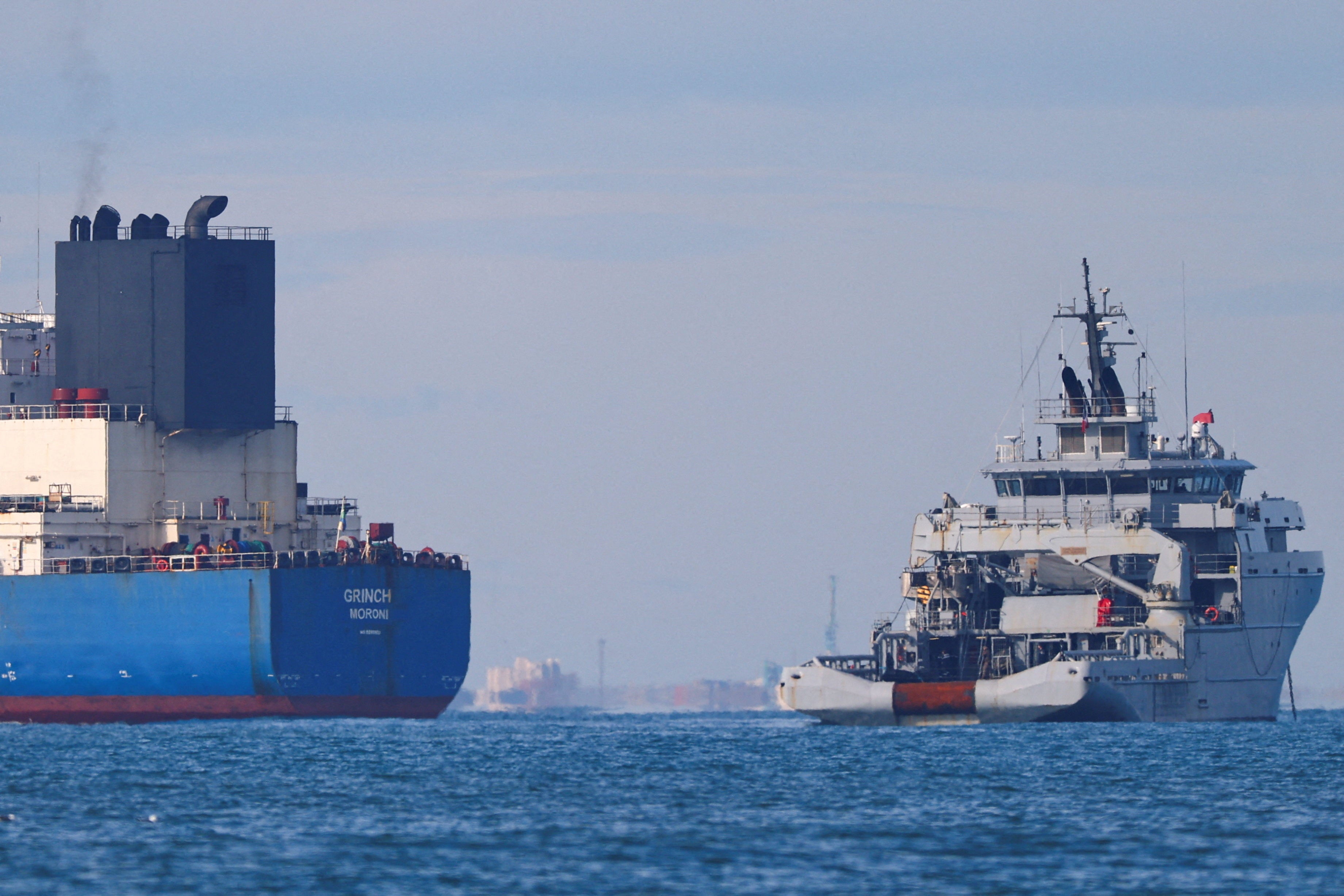
A French navy boat surrounds the GRINCH oil tanker, intercepted by France in the Alboran Sea on suspicion of operating under a false flag and belonging to Russia's shadow fleet
A French navy boat surrounds the GRINCH oil tanker, intercepted by France in the Alboran Sea on suspicion of operating under a false flag and belonging to Russia’s shadow fleet (REUTERS)

In January this year, President Vladimir Putin’s foreign ministry said it would not “tolerate the activities of undeclared British intelligence officers in Russia” after a different UK diplomat was expelled.

It comes days after Sir Keir Starmer announced British commandos will be able to board and halt Russia’s shadow fleet vessels as they pass through UK waters.

The prime minister said the UK would join northern European allies in intercepting the tankers, in an attempt to “go after” the sanction-breaking ships “even harder”.

Advertisement

Moscow’s shadow fleet is reported to be made up of more than a thousand ageing tankers.

They illicitly ship oil and other goods out of Russia by flying the flags of other countries, with the aim of evading sanctions imposed by the West since the invasion of Ukraine began.

On Thursday afternoon, a crude oil tanker flying under the Russian flag was located on the Marine Traffic monitoring website off the Sussex coast. The vessel, named Liteyny Prospect, is on the UK sanctions list.

Russia has expelled a British diplomat (Steve Parsons/PA)
Russia has expelled a British diplomat (Steve Parsons/PA) (PA Archive)

A Government spokesman said: “We will not comment on specific operational planning or give a running commentary as this could compromise our ability to successfully take action against these ships, only benefitting our adversaries.

“In general terms, any target ship will be individually considered by law enforcement, military and energy market specialists before an operation is executed.”

Advertisement

British forces have already been involved in tracking shadow fleet vessels for several years, and have supported operations by other countries to seize the ships.

In January, the UK assisted in the seizure of the oil tanker Marinera by the US.

Previously known as the Bella-1, the Russian-flagged vessel was captured by American forces aided by RAF aircraft and the British supply ship RFA Tideforce in the Atlantic.

Later that same month, Royal Navy patrol boat HMS Dagger helped the French seize another sanctioned ship, the Grinch, in the western Mediterranean, shadowing the vessel through the Strait of Gibraltar.

Advertisement

More follows…

Source link

Continue Reading

NewsBeat

Two hurt in Derby car incident released from hospital

Published

on

Two hurt in Derby car incident released from hospital

“There will be real upset and trauma for many people who witnessed what happened on the night as well, of course, as those victims who were directly impacted, but we understand that there were no fatalities and that two people have already been discharged from hospital and more we hope, soon.”

Source link

Continue Reading

NewsBeat

Paintings ‘worth millions’ stolen from museum in Italy | World News

Published

on

Still Life With Cherries by Paul Cezanne

Three famous paintings worth millions have been stolen from a museum in northern Italy.

The works by French artists Pierre-Auguste Renoir, Henri Matisse and Paul Cezanne were taken in an operation lasting less than three minutes, police said.

The thieves targeted the Magnani-Rocca Foundation villa, south of the city of Parma, on the night of 22 March.

According to sources close to the investigation, the stolen masterpieces were Renoir’s Les Poissons, Cezanne’s Still Life With Cherries and Matisse’s Odalisque On The Terrace.

Advertisement

The value of the three is worth “tens of millions euros”, an investigator said.

However, Italian public broadcaster Rai reported the stolen works were worth €9m (£7.8m).

There has been no official confirmation on the combined value of the paintings.

The paintings were on the first floor of what is called the Villa of Masterpieces in the Sala dei Francesi – the Room of the French.

Advertisement

The thieves, wearing balaclavas, gained entry by forcing open a door and were described as an “organised group”.

Image:
The work by Pierre-Auguste Renoir stolen in the heist

They were disturbed by the museum’s alarm system and escaped before they could take more paintings, “which was their intention”.

Investigators are assessing museum security footage.

Read more from Sky News:
Why Iran war is set to push up UK food prices
Free public transport introduced in Australian states

Advertisement

The Magnani-Rocca Foundation is a private museum which lies in the heart of the countryside 12 miles from Parma.

Established in 1977, the foundation hosts the collection of the art historian Luigi Magnani and also includes works by Durer, Rubens, Van Dyck, Goya and Monet.

It comes after a series of high-profile heists at major European museums, including last October when thieves stole jewels and other items worth £76m from the Louvre in Paris.

Advertisement

Source link

Continue Reading

NewsBeat

Fabulous Easter gifts that aren’t chocolate eggs

Published

on

Fabulous Easter gifts that aren't chocolate eggs

Chocolate eggs are practically obligatory at Easter but there are other presents to give during the season to your friends, family or host, you know — traditional essentials to eat and spring-like treats to give .

Apostle Simnel Cake, by Fortnum & Mason

Fortnum and Mason

Now this is the essential English Easter cake: a light fruit cake with a layer of marzipan in the middle and on top, with 11 marzipan balls for the apostles minus the traitor Judas. This one has a nice moist crumb, with cherries as well as fruit and well-flavoured marzipan and looks lovely. £27.95. fortnumandmason.com

Italian Easter cake

Supplied

Advertisement

The Columba (Lina Stores, £15.95) is similar to panettone but in the shape of a dove for peace (actually, if you didn’t know, you’d be hard pressed to identify a bird) with candied peel and a crunchy sugar and almond glaze. This excellent version from the Fiasconaro family in Sicily is light and flavoursome with vanilla and honey. linastores.co.uk

Spiced Easter Biscuits

Supplied

Betty’s of Harrogate do very good, very traditional Easter biscuits, buttery, crumbly, with spices and currants (£7.75). The box, with its jolly pictures, is lovely. This is what you want with your Easter Sunday tea. bettys.co.uk

The perfect centrepiece

Edenmoor

Advertisement

Lamb Wellington, Fortnum & Mason

Lamb Wellington

Lamb Wellington – easy and delicious

Supplied

A toothsome dessert: Raspberry Tropezienne

There’s always room for this

Birley

Easter Cheese Board, Paxton and Whitfield

A cheese feast for your Easter Sunday tea

Paxton and Whitfield

Advertisement

Affordable champagne: Aldi’s Veuve Monsigny Champagne Brut

One for the Cost of Living crisis

Aldi

The perfect breakfast…just put on the pan

Tommy Banks

Source link

Advertisement
Continue Reading

NewsBeat

17 weird and wonderful Easter eggs to delight this year, from Lovehoney to Hotel Chocolat

Published

on

17 weird and wonderful Easter eggs to delight this year, from Lovehoney to Hotel Chocolat

You might have to call in for some reinforcements to tackle Hotel Chocolat’s 1kg monster, but what you give away in decadent sweetness, you’ll reap back in brownie points from friends and family.

This egg is the same size as an ostrich egg, which is the largest egg laid in the world. The extra-thick shell is split in two, with one half made with 40 per cent milk chocolate and studded with cookie bits before being draped in white chocolate. The other half is crafted with 50 per cent milk chocolate, packed with pieces of pecan, praline and cookies.

If that sounds like a meal in itself, loosen your belt buckle, because Hotel Chocolat is far from finished. Inside, you’ll find a selection of the company’s patisserie-inspired chocolates.

Advertisement

In short, utterly, unapologetically outrageous.

Source link

Continue Reading

NewsBeat

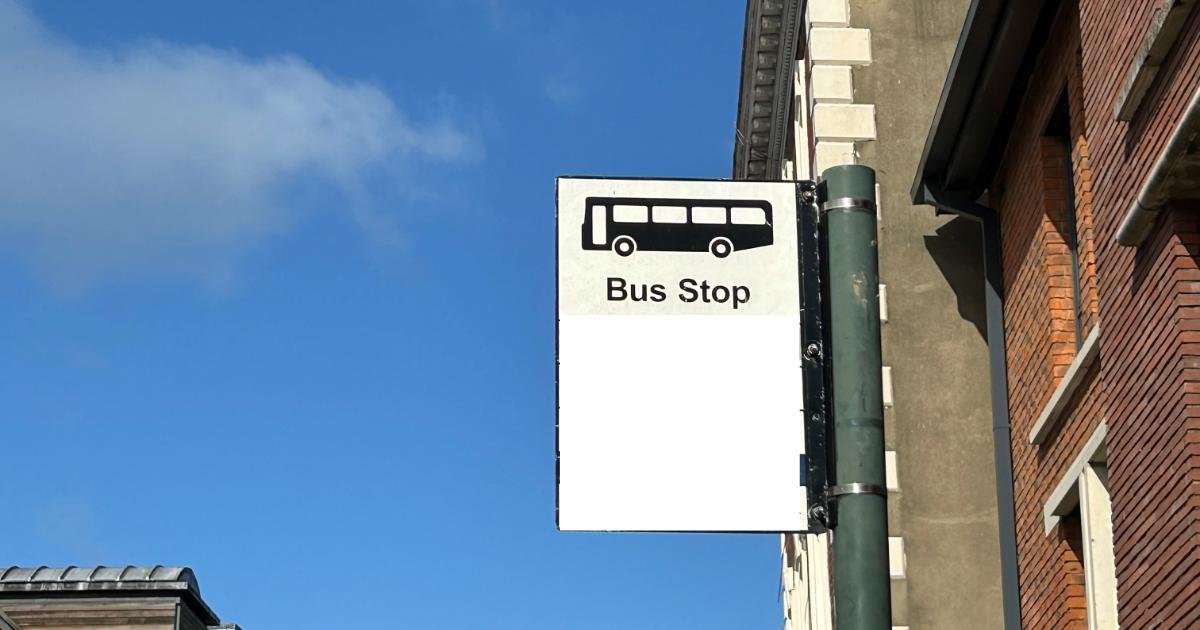
Man wanted for indecent exposure at bus stop on A64

Published

on

Man wanted for indecent exposure at bus stop on A64

The incident happened at a bus stop on the A64, at Tout Hill, near Whitwell-on-the-Hill, at around 12pm on Thursday (March 12).

The suspect is described as a white man in his 40s, approximately 5ft 10 inches tall, of stocky build, with a bald head and grey stubble.

He was wearing a short-sleeved, white T-shirt with a grey print design and blue jeans at the time.

Advertisement

Recommended reading:


A spokesperson for North Yorkshire Police said: “We’re particularly appealing for any witnesses to the incident.

“Please email olivia.harrison@northyorkshire.police.uk if you have any information that could help our investigation.

“Alternatively, you can call North Yorkshire Police on 101 and ask for PC 444, or contact Crimestoppers anonymously on 0800 555 111 or via their website.

Advertisement

“Please quote reference 12260044587 when passing on information.”

Source link

Advertisement
Continue Reading

NewsBeat

Stanley homeowner fined over lack of work on arson-hit home

Published

on

Stanley homeowner fined over lack of work on arson-hit home

The property on Beech Grove, in Dipton, had become a long-standing concern within the community after a spate of incidents. 

The condition of the property was brought to the attention of the Neighbourhood Wardens, who issued a Community Protection Warning, requesting the homeowner complete essential works within a set timeframe or contact them so we could work with him.

However, Stephen Breadin ignored the warning, and as a result, a Community Protection Notice (CPN) was issued. 

Advertisement

The 38-year-old did not engage with either Durham County Council or do the required works, and the matter was sent to the magistrates’ court.

Breadin, of Rose Street in Gateshead, was found guilty last week of failing to comply with a CPN.

He was ordered to pay a £440 fine plus £330 in court costs and a £176 victim surcharge.

The court also granted a order requiring Breadin to complete the necessary works within 28 days, or face being brought before the court again.

Advertisement

Source link

Continue Reading

NewsBeat

Fare dodging: the inside story on the rules on rail tickets and how they are enforced

Published

on

Fare dodging: the inside story on the rules on rail tickets and how they are enforced

The chief magistrate has insisted 74,000 fines for alleged fare dodging on the railway should be quashed. The decision has focused attention on the extent of fare dodging.

Often rail passengers are guilty only of a misunderstanding. Thousands of people have inadvertently made journeys they assumed could be paid for by contactless card – only to discover they could tap in but had strayed across an invisible “tariff border” and could not a tap out. Others get impatient after queuing for ages for a ticket and jump on a train without one, intending to pay on board or at the other end.

At the other extreme, some commuters deliberately set out day after day to travel without paying, robbing the railway of revenue and increasing the financial burden on the majority of law-abiding passengers.

The cost to the rail industry of people travelling without a ticket is an estimated £330 million per year – about 3.2 per cent of rail revenue. This figure correlates to the estimate from one train firm, TransPennine Express, that 3.5 per cent of passengers travel without a ticket.

Advertisement

A spokesperson for the Rail Delivery Group (RDG), representing train operators, said: “Fare dodging is unfair because it means less money to invest in improving services and increases the burden on fare-paying passengers and taxpayers.”

In 2023, the standard Penalty Fare increased from £20 to £50 (or £100 if the errant passenger has not paid within 21 days). This applies in England and Wales.

In Scotland, a “minimum fare” of £10 is being rolled out from July 2026, designed to crack down on faredodging.

These are the key questions and answers.

Advertisement

What does the law say?

The Regulation of Railways Act 1889 requires the rail passenger to produce “a ticket showing that his fare is paid” on request by a staff member.

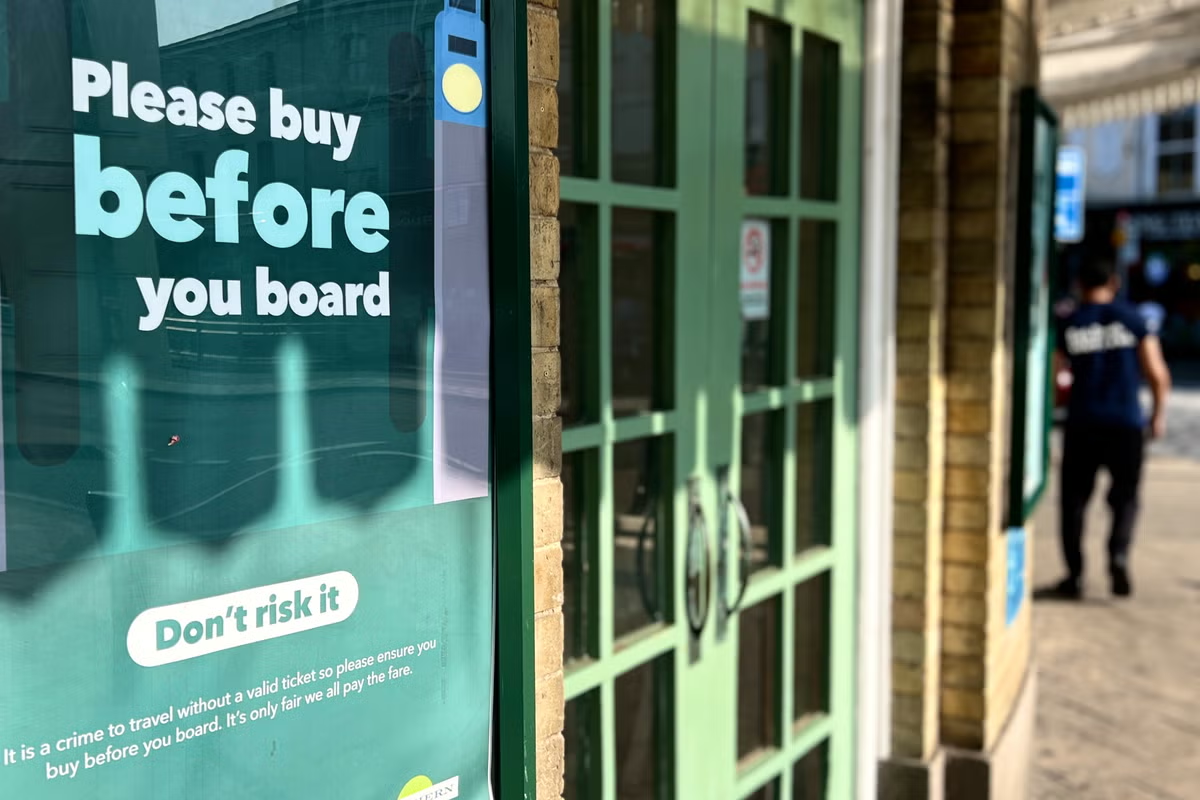
The rather more modern National Rail Conditions of Travel from April 2024 specify “you must purchase, where possible, a valid ticket before you board a train” and use it “in accordance with the specific terms and conditions associated with it” – for example, if it is a ticket with time restrictions or has been bought with a railcard discount.

A 21st-century ticket takes rather more forms than in the Victorian era, and can include:

Advertisement
  • One on “a mobile telephone or tablet device”
  • A smartcard as used in Greater London (with the Oyster card) and elsewhere
  • A bank card on which you have tapped in at station entry gates or on a reader on the platform

Why wouldn’t everyone simply buy a ticket?

About 29 out of 30 passengers do so, according to data from TransPennine Express. ScotRail says one in 27 passengers on its network is ticketless. But if you plan to buy a ticket at the station and can’t do so, you may board a train if the ticket office is closed (or there isn’t one) and the ticket machine is either broken or won’t accept your preferred method of payment (card or cash).

You should buy a ticket from the guard on board if there is one, or at an interchange station if time allows. If you can’t do either, you can pay at your destination.

Some stations still have “Permit to Travel” machines. You can pay a small sum in return for a receipt that shows the issuing station and the amount paid, which will be deducted from the ticket you eventually buy. Alternatively, a standard ticket machine may dispense a “Promise to Pay” for free. This indicates to staff on the train or at the gateline at the end of your journey where exactly you started.

Or, of course, you could book a ticket on your smartphone – as, on TransPennine Express at least, three-quarters of passengers do.

Advertisement

What if the queue is just too long?

You are expected to wait as long as it takes. As one insider posted on a rail forum: “Even if it was the second coming of Christ, as long as the ticket office is open a passenger must buy a ticket or be given authority to travel by an officer of the railway without one.”

If you have allowed reasonable time to buy a ticket but can wait no longer, you could ask station staff – or, in an “open station” the train guard (if there is one) – if you can buy a ticket on board.

Such authorisation may be granted if, for example, ticket machines are not working. Otherwise, if you decide to board a train without a ticket you will be breaking the law.

Advertisement

Train operators take fare dodging very seriously and employ revenue protection officers to catch passengers who fail to pay. These staff work on trains and at stations.

What about travelling with “the wrong sort of ticket”?

Revenue protection staff will also take interest in passengers who do the following:

  • Use an Advance ticket on the wrong train, unless they have been told specifically that they can do so because of disruption
  • Claim a railcard discount when they don’t have one (though if they have simply left it at home, they can claim back any penalty applied)
  • Sit in first class with a standard ticket (unless the train has been declared as “declassified”)
  • Try to use an operator-specific ticket on a service run by a different firm – eg a cheap London Northwestern ticket from Birmingham to London on Avanti West Coast
  • Attempt a “split-ticket” trip without following the rules – for example, buying separate Bristol-Didcot and Didcot-London tickets to cover a Bristol-London trip, but boarding a train that does not stop at Didcot

What is the penalty for travelling without a ticket – or the wrong sort of ticket?

Railway staff can choose from one of three options, which are progressively more serious and expensive.

Advertisement
  • To charge you the full single fare
  • To charge you a Penalty Fare, which is £50 (or £100 if you fail to pay within three weeks) plus the full single fare
  • To report you for prosecution

How do they decide which penalty to apply?

All passengers will come up with an excuse when challenged about why they do not have a ticket. From experience, rail staff can usually tell if a tale about running late and foolishly hopping on a train just before it left is true. If so, they may simply apply the full single fare.

The Penalty Fare is the standard response to an offence. But if the revenue protection officer believes that the individual is a repeat offender – perhaps a passenger who simply “pays when challenged” – they may report the traveller for prosecution.

Can I appeal a Penalty Fare?

Yes, but if you were travelling without a ticket it is unlikely to succeed. For example, the many people who fondly imagine that they can pay with a contactless card or smartphone to travel between London and Stansted airport are routinely issued Penalty Fares.

Advertisement

They “tap in” with a contactless card for the Stansted Express at London Liverpool Street or Tottenham Hale, only to discover on reaching the airport that their card is not valid.

Warning signs have now been posted, meaning that anyone who is issued with a Penalty Fare is unlikely to succeed in an appeal.

What happens if a case goes to court?

If convicted, the passenger can be fined up to £1,000 or jailed. This will no longer be under the Single Justice Procedure, with a single magistrate working behind closed doors. Instead, there will be a proper court hearing.

Advertisement

What’s the story with those 74,000 quashed convictions?

Six rail firms – Northern, Transpennine, Avanti West Coast, Greater Anglia, Great Western Railway and Merseyrail – used the procedure.

All the convictions will be quashed after the chief magistrate for England and Wales, Judge Paul Goldspring, declared them all to be invalid. The people involved will see their convictions overturned and be handed their money back.

The government says: “If you think you may be affected, you should wait to be contacted directly and told what will happen next including if you have paid some or all of a financial penalty.

Advertisement

“For those who haven’t yet paid anything relating to their offence we will be writing to them is the conviction is declared invalid to confirm the court record has been corrected.”

The cases will be regarded as nullified – as though they have never taken place.

For more travel news and advice, listen to Simon Calder’s podcast

Source link

Advertisement
Continue Reading

NewsBeat

Cult chicken chain Dave’s Hot Chicken opening date for Cardiff confirmed with one huge difference

Published

on

Wales Online

Dave’s Hot Chicken is a worldwide hit for its seven-level spice scale from Not Hot to Reaper – the latter for which you have to sign a waiver

The globally popular hot chicken chain that started as a car park stall in LA is finally opening its first Welsh location. Dave’s Hot Chicken will open on St Mary Street in Cardiff at 11am on Good Friday – Friday, April 3.

Advertisement

And to mark its first spot in Wales it’s being renamed – the new store will be called “David’s Hot Chicken” in a nod to the Welsh patron saint. Cardiff’s store will be the first Dave’s worldwide to be named in honour of a new location.

Cardiff’s diverse and well-established food scene makes it a natural home for Dave’s Hot Chicken, whose menu is built around juicy chicken with a hot, Nashville-style seasoning and quintessential side dishes like mac and cheese, cheese fries, and kale slaw. For the latest restaurant news and reviews, sign up to our food and drink newsletter here

The new restaurant will offer a fast-casual space designed for everything from quick lunches to late-night meals, paired with Dave’s signature oldies playlist and laid-back West Coast feel.

The Cardiff menu will feature Dave’s cult favourites, including chicken tenders and sliders cooked fresh to order, the brand’s seven-level spice scale from Not Hot to Reaper (waiver required), and classic sides such as mac & cheese and top-loaded fries.

The menu is completed by a range of creamy shakes and fruity slushers.

Keyana Mohammadi, head of marketing at Dave’s Hot Chicken UK, said: “We’re so excited to finally land in Cardiff. It’s a vibrant and buzzing city, full of culture with an epic foodie scene.

“Changing the name to David’s is a mark of respect for the Welsh patron saint and a bit of fun. We are considering other changes for other Welsh venues such as Dayfdd Hot Chicken or even Dai’s Hot Chicken.”

Advertisement

She goes on to add: “This isn’t just another opening, it’s a big moment for us. We’re here to become part of the community, and we’re beyond excited to welcome Welsh fried chicken fans and bring the heat with our bold take on Nashville-style hot chicken.”

Find Dave’s Hot Chicken at 52-54 St Marys Street, Cardiff, CF10 1FE. Opening Friday, April 3.

Source link

Advertisement
Continue Reading

NewsBeat

Trump says he has ‘no problem’ with Russian oil tanker bringing relief to Cuba

Published

on

Trump says he has 'no problem' with Russian oil tanker bringing relief to Cuba

ABOARD AIRFORCE ONE (AP) — President Donald Trump on Sunday night said he has “no problem” with a Russian oil tanker off the coast of Cuba delivering relief to the island, which has been brought to its knees by a U.S. oil blockade.

“We have a tanker out there. We don’t mind having somebody get a boatload because they need… they have to survive,” Trump told reporters as he flew back to Washington.

When asked if a New York Times report that the tanker would be allowed to reach Cuba was true, Trump said: “I told them, if a country wants to send some oil into Cuba right now, I have no problem whether it’s Russia or not.”

On Monday, Russia’s Transport Ministry said the oil tanker Anatoly Kolodkin arrived at the Cuban port of Matanzas carrying “humanitarian supplies” of about 730,000 barrels of oil.

Advertisement

The vessel is sanctioned by the United States, the European Union and the United Kingdom following the war in Ukraine.

Trump, whose government has come at its Caribbean adversary more aggressively than any U.S. government in recent history, has effectively cut Cuba off from key oil shipments in an effort to force regime change. The blockade has had devastating effects on the civilians Trump and Secretary of State Marco Rubio say they want to help, leaving many desperate.

Island-wide blackouts have roiled Cubans already grappling with years of crisis, and lack of gasoline and basic resources has crippled hospital and slashed public transport.

Experts say the anticipated shipment could produce about 180,000 barrels of diesel, enough to feed Cuba’s daily demand for nine or 10 days.

Advertisement

Island-wide blackouts have roiled Cubans already grappling with years of crisis, and lack of gasoline and basic resources has crippled hospital and slashed public transport.

Cuba has long been at the heart of geopolitical tug-of-war between the U.S. and Russia, dating back decades. Trump on Sunday dismissed the idea that allowing the boat to reach Cuba would help Russian President Vladimir Putin.

“It doesn’t help him. He loses one boatload of oil, that’s all it is. If he wants to do that, and if other countries want to do it, it doesn’t bother me much,” Trump said. “It’s not going to have an impact. Cuba’s finished. They have a bad regime. They have very bad and corrupt leadership and whether or not they get a boat of oil, it’s not going to matter.”

He added: “I’d prefer letting it in, whether it’s Russia or anybody else because the people need heat and cooling and all of the other things.”

___

Advertisement

Associated Press reporters Megan Janetsky contributed to this report from Mexico City and Andrea Rodríguez contributed from Havana.

Source link

Advertisement
Continue Reading

Trending

Copyright © 2025