Danniella Westbrook’s surgery – everything she’s had done to her face – The Mirror
Need to know
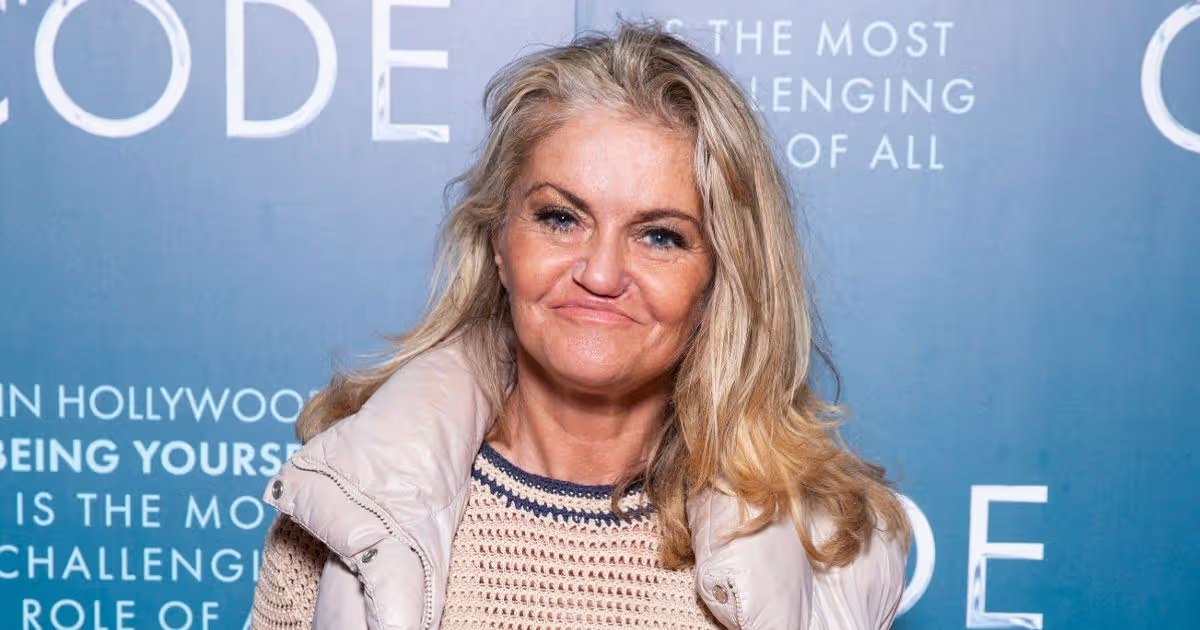
Former EastEnders star Danniella Westbrook has shared a picture of her ‘new face’ after undergoing facelift surgery in Dubai, but says she still needs to go under the knife for three more nose operations
Danniella Westbrook shows off ‘new face’ after Dubai surgery but needs three more operations
Former EastEnders star Danniella Westbrook has shown off her ‘new face’ after recent cosmetic surgery in Dubai, but still needs three more operations.
The 52-year-old actress looked confident and happy in filtered snaps, telling followers: “Three more nose operations to go. Facelift has really changed me and given me my confidence back.”
The surgery is helping to rebuild her face after years of historic drug abuse damaged her nose and cheekbones.
She was seen leaving the Dubai clinic in a wheelchair with facial compression garments, but praised surgeon Dr Parviz Sadigh for ‘working miracles’.
Danniella became addicted to cocaine at 14 after finding fame as Sam Mitchell in EastEnders. She estimates spending £250,000 on drugs and consumed five grams daily while pregnant with her son Kai.
The years of abuse led to the collapse of her septum and facial structure. Despite online trolling about her appearance, she remains determined to rebuild her life.
“I may not be that pretty little thing that was once Sam Mitchell back in 1989… but I am happy and for that I count my blessings,” she said.
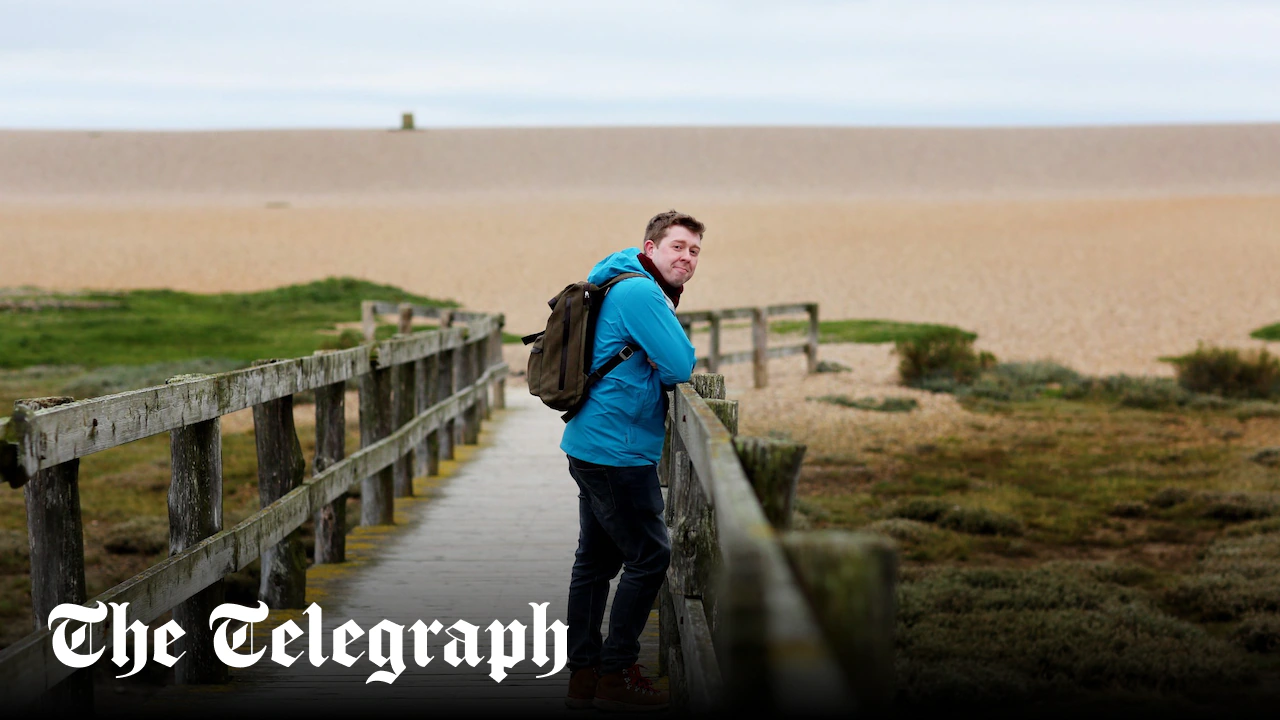
Whether you’re hiking up a mountain, heading to the shops or commuting on the train to work, having the best backpack is essential. Formerly only used by schoolchildren, backpacks have become a must-have for everyone, replacing the briefcase as an essential part of every office worker’s arsenal, but they’re also a serious fashion accessory nowadays.
“Backpacks have undergone a seismic reinvention over the last decade, from functional Karrimors for Duke of Edinburgh Award outings to luxurious pieces of kit,” explains Telegraph men’s style editor, Stephen Doig. “They’re now a key part of any sophisticated wardrobe.”
The very best backpacks can save you having to trundle around the airport with a suitcase (and packing cubes can help to cram more in). If you’re heading up into the hills, a good hiking backpack is a lifesaver. Here are my favourite backpacks for commuting to work and meandering in the countryside.
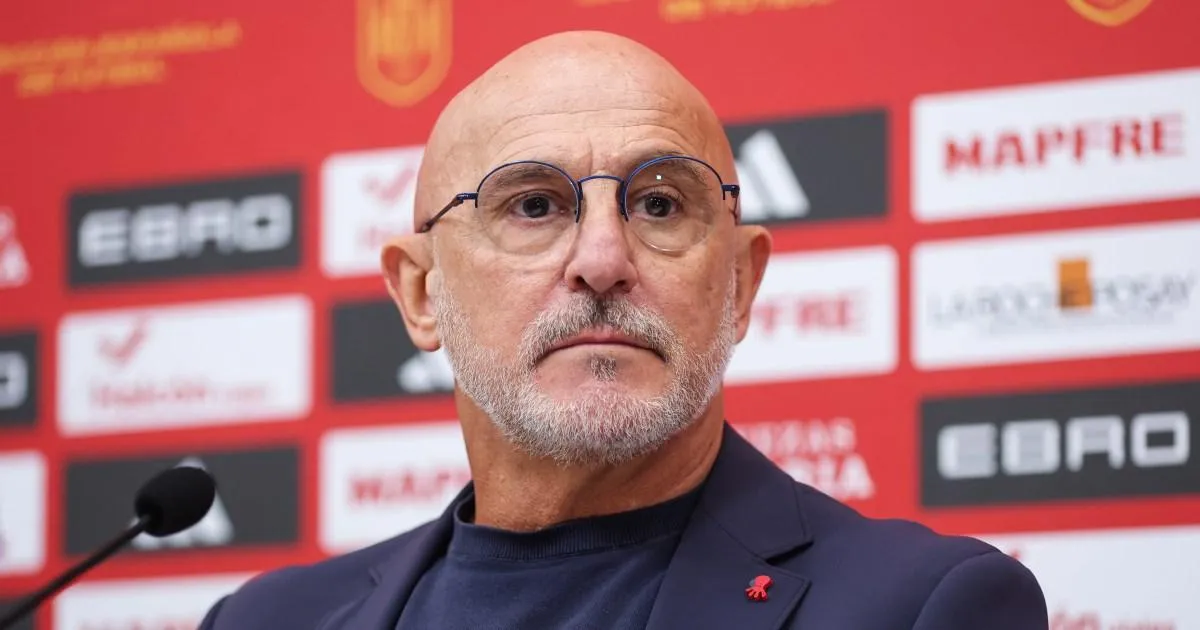
Spain head coach Luis de la Fuente (Picture: Getty)
Spain manager Luis de la Fuente believes Arsenal have the second-best midfielder in the world behind Manchester City star Rodri.
Rodri has been one of the most influential players in world football over the past decade, helping Man City win four Premier League titles, four domestic cups and the Champions League.
The 29-year-old won the Ballon d’Or in 2024, becoming the first Manchester City player to win the award and just the second male Spanish player.
De la Fuente believes Rodri is the ‘best in the world’ in his position but insists his Spain teammate Martin Zubimendi is not far behind.
Advertisement
Zubimendi has enjoyed an impressive first season at Arsenal following his move from Real Sociedad, helping the Gunners move nine points clear at the top of the Premier League and challenge in two other competitions.
‘After all the setbacks he went through, Rodri is back at a high level,’ De la Fuente told TVE ahead of Spain’s friendly against Serbia on Friday night.
Your football fix
Metro‘s Head of Sport James Goldman delivers punchy analysis, transfer talk and his take on the week’s biggest stories direct to your inbox every week.
Rodri celebrating Man City’s Carabao Cup final win (Picture: Getty)
‘I’ve said before that he is the best in the world, but also on those same occasions [when he was injured] that we are very fortunate.
‘After all, in that position, the number 6 role, we have the two best players in the world: Rodri and Martin [Zubimendi].
Advertisement
‘So I will get ahead of a question you are probably going to ask: can they play together? Of course they can play together.
Martin Zubimendi during Arsenal’s defeat at Wembley (Picture: Getty)
‘We can play that way [with a double pivot] perfectly well. In my idea of football, they [Rodri and Zubimendi] may occupy a similar role, but they are different players with different characteristics.
‘In fact, Martin is getting into the box more now and scoring goals, but he also has the qualities of a positional player, with balance and outstanding tactical awareness.
‘Rodri has those same qualities too, so having them there gives us security, that kind of structure.
‘But at the same time, you have to remember that only 11 can start. Then you would ask me: what about Pedri? And Fermin [Lopez]? And Fabian [Ruiz]?’
‘We knew today was a very important match, not only because of what the title means but also because of what it means to beat the team in best form,’ he said.
Advertisement
‘It’s a game not only for this title but to show that we can beat them. There’s still a long way to go and it’s clear we didn’t want to get off the Champions League train.
‘We’ve been eliminated but we have to look at the positive side that we have more time to prepare for the matches.
‘That’s an incentive to take into account and we’ll fight until the end.’
Arsenal’s next Premier League game is a home match against Bournemouth on April 11. Manchester City visit Chelsea the following day.
Marie O’Gorman and Mary McGuire targeted seven victims who were under their care at Nazareth House between 1975 and 1981
Gemma Ryder and Kirstie McCrum Deputy Head of News, Live News Network
14:49, 25 Mar 2026Updated 14:50, 25 Mar 2026
Two former nuns who subjected children as young as three to physical abuse using belts and slippers at a Scottish children’s home have avoided prison sentences.
Marie O’Gorman, 79, and Mary McGuire, 68, assaulted seven youngsters in their care at Nazareth House in Glasgow’s Cardonald district between 1975 and 1981. The pair appeared before Glasgow Sheriff Court on Wednesday for sentencing, having admitted guilt to multiple charges in February.
Advertisement
O’Gorman, known to the children as Sister Mary Aelred, joined the Sisters of Nazareth congregation in 1963 and was responsible for supervising groups of 10 to 12 children. Throughout her time there, she mistreated three youngsters aged between three and 11 years old, reports the Daily Record.
The court was told she repeatedly hit the children with objects including a harness, slipper and belt. One victim suffered particularly cruel treatment, being made to stand in a cold bath while O’Gorman poured water over her head as punishment for bedwetting.
The child’s ordeal continued as she was then forced to wear a nappy and parade in front of others. O’Gorman also attacked a second child while he was bathing. McGuire, who joined the congregation in 1975, was known to the children as Sister Maria Bernadette.
She confessed to assaulting five youngsters, aged between five and 12, hitting them with objects such as a slipper, a leather belt and a wooden hairbrush. During one particularly vicious incident, a child sustained an injury when the belt buckle struck her eye, leaving her bruised. Both nuns received probation orders on Wednesday, March 25.
Advertisement
McGuire, from Fife, was put under supervision for two years and instructed to complete 225 hours of unpaid work over the next 12 months. O’Gorman, from Dublin, was similarly put under supervision for the same duration.
Each woman was instructed to pay £1,000 compensation to every one of their victims. This represents the most recent case of historical abuse involving nuns from the Sisters of Nazareth.
Carol Buirds, 75, received her sentence in January along with Eileen McElhinney, 78, and Dorothy Kane, 68, for the appalling abuse of children that occurred at two homes in Lasswade and Kilmarnock, spanning 1972 to 1981. Buirds, from Wallsend, Tyne and Wear, was jailed for 15 months. McElhinney, from Bishopbriggs, East Dunbartonshire, received a 12-month Probation Order and was instructed to complete 240 hours of unpaid work.
Want to see more of the stories you love from Belfast Live? Making us your preferred source on Google means you’ll get more of our exclusives… To add Belfast Live as a preferred source, simply click here.
Advertisement
Procurator Fiscal Fraser Gibson, from the Crown Office and Procurator Fiscal Service, stated: “Marie O’Gorman and Mary McGuire were trusted to care for vulnerable children who had almost no support and relied entirely on the adults around them for safety and compassion. Instead of offering that care, they caused them profound and lasting harm.
“It is now a matter of public record that, while working at Nazareth House, both individuals gravely abused the authority and trust placed in them Their offending may have taken place several decades ago, but this type of abuse has never been acceptable and should not have happened.
“The Crown treats all allegations of non‐recent child abuse with the utmost seriousness, and no matter how much time has passed, we remain committed to ensuring survivors are heard and perpetrators held accountable.”
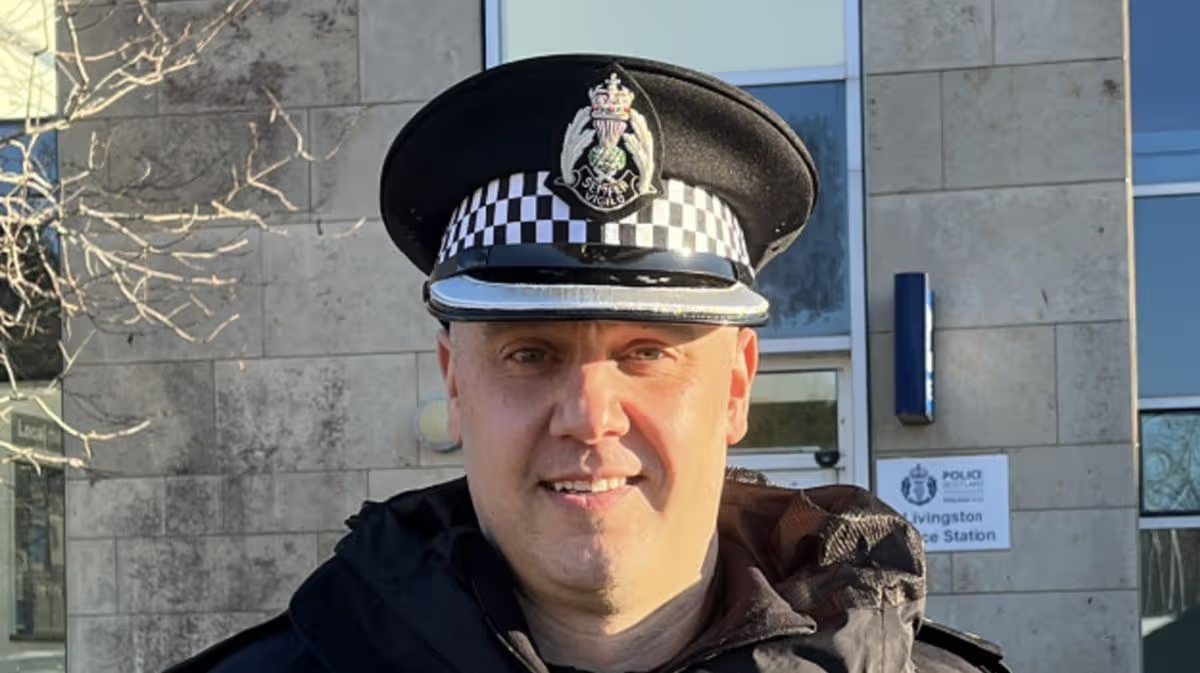
Chief Inspector Grieve insisted the public should remain vigilant and cautious around roadways and main thoroughfares.
As we welcome longer days and dare, I say it, some more favourable weather, I wish to inform you of some activity and focus we are undertaking and have planned around the area of Road Safety.
Advertisement
Naturally, streets and towns become busier with pedestrian footfall and cyclists as the days extend, and daylight affords more opportunities for outdoor activities.
It is, important, however, we all remain vigilant and cautious around roadways and main thoroughfares.
In consultation with our local Roads Policing Inspector Tom Mallinson, we are looking at strong and focussed collaboration to ensure the national approach is consistently delivered on a local level.
The National Motorcycle campaign commenced on March 20. This focusses on rider safety, improving driver and rider behaviour, reducing collisions and raising awareness.
Of particular interest within the local area is Illegal, off-road motorcycle activity. This is an issue that is brought to my attention on a regular basis.
Understandably, residents are concerned about the dangers and anti-social nature of this activity, that often comes with damage to property to facilitate it.
My community team are working hard to gather information to bring offenders to task. This will also involve utilising opportunities to seize motorcycles and report the drivers responsible.
The consequences of this can be severe and lead to losing your driving licence or ability to carry one. This affects your professional and personal aspirations, so I would encourage anyone involved to think carefully about potential repercussions.
In consultation with partners, priority concerns and solutions are discussed. This allows us to co-ordinate our approach to sites of concern with road safety planners and key stakeholders, also utilising national resources from the National Motorcycle Unit and Safety Camera Partnership.
Much like West Lothian itself, the road network throughout the region is extremely varied. While we have routes primarily transecting and connection our urban towns, including linking to both the M8 and M9 motorways; we also have a number of rural roads.
Advertisement
Regardless of the type of road, our approach remains consistent – we must educate the public about risks and consequences associated with the Fatal Five categories, including drink/drug driving, driving while distracted and driving without using a seatbelt. Where appropriate we will take enforcement action against those who chose to flout legislation and place themselves and others at risk on the road network.
Our approach is not limited to those utilising automated vehicles, and we know that maximising the safety of more vulnerable road users, such as pedestrians, cyclists, motorcyclists, and horse riders.
As such we continue to provide these groups with vital information about staying visible and safe and urging motorists to keep these road users in mind when behind the wheel.
Advertisement
More information can be found by visiting https://roadsafety.scot and on our social media publications.
This is the first report I have made to you around bespoke approaches into a single area of business. I wish to continue this through the year as we continue to work alongside the communities and relevant partners to address the varied issues affecting West Lothian with a view to achieving long term sustainable solutions.
Bosses at the NHS Trust that runs Scarborough Hospital have said they are “really pleased” with an improved CQC rating from requires improvement to good for medical care and the re-rating of urgent and emergency care as requires improvement.
The overall rating for Scarborough Hospital remains requires improvement.
Clare Smith, chief executive of the York and Scarborough Teaching Hospital NHS Foundation Trust, welcomed the news while noting that “there is still work to do”.
Advertisement
Speaking at a board meeting on Wednesday, March 25, she said: “We’ve seen improvements and the change of classification to good in the medicine domain, so I’m really pleased for them.
“Of course, there is still work to do. I really want to thank all my colleagues, as it’s always a nerve-racking time during inspections – this one lasted three days, so thank you to them for all their efforts and ongoing commitment.”
An inspection was carried out in October at Scarborough Hospital – the trust’s second largest hospital with 277 beds – as part of the CQC’s continual checks on the safety and quality of services.
The report also identified areas for further improvement, including governance, ongoing challenges relating to training for medical staff, and the handling of complaints.
Advertisement
However, across all areas visited, inspectors observed that staff interactions with patients and their loved ones were consistently warm, respectful and compassionate.
Chair of the trust, Martin Barkley, said: “I’m really pleased for the medical care group in Scarborough for the improvement.”
Karen Knapton, CQC deputy director of operations in the north, said: “At this inspection, we were pleased to find a number of improvements had been made in medical care since our last visit.
“However, further improvements were needed in both medical care as well as urgent and emergency care. It was also disappointing that issues we highlighted at the previous inspection, still hadn’t been addressed and new breaches were found.
Advertisement
“In medical care, more work was needed to improve the delays for people waiting for some specialist treatment, particularly for cardiology and respiratory conditions. These are high-risk conditions where people’s health can deteriorate rapidly without specialist support. Leaders were aware of the issues and were taking action to address them.
“However, it was positive to find there’d been sustained improvements in how staff were completing risk assessments and escalating risks appropriately to keep people safe. They were also discussing people’s care needs with them, to ensure they could be included in any decisions about their care.
“In urgent and emergency care, it was concerning that people couldn’t always access care, support and treatment when they needed it. At the time of the inspection, the number of people admitted, transferred or discharged within four hours of arrival was 62 per cent, which was worse than the England average.”
Dr Karen Stone, medical director at the York and Scarborough NHS Trust, said: “We welcome the CQC’s report and are pleased it recognises the improvements we’ve made, particularly in our medical care services. It’s reassuring that inspectors saw the compassionate, person-centred care our colleagues provide every day.
Advertisement
“The report also clearly sets out where we must continue to improve. We acknowledge the pressures our teams are working under, particularly within urgent and emergency care, where access, patient flow and ambulance handover performance must improve, and in medical care where some patients have experienced delays in accessing specialist support.”
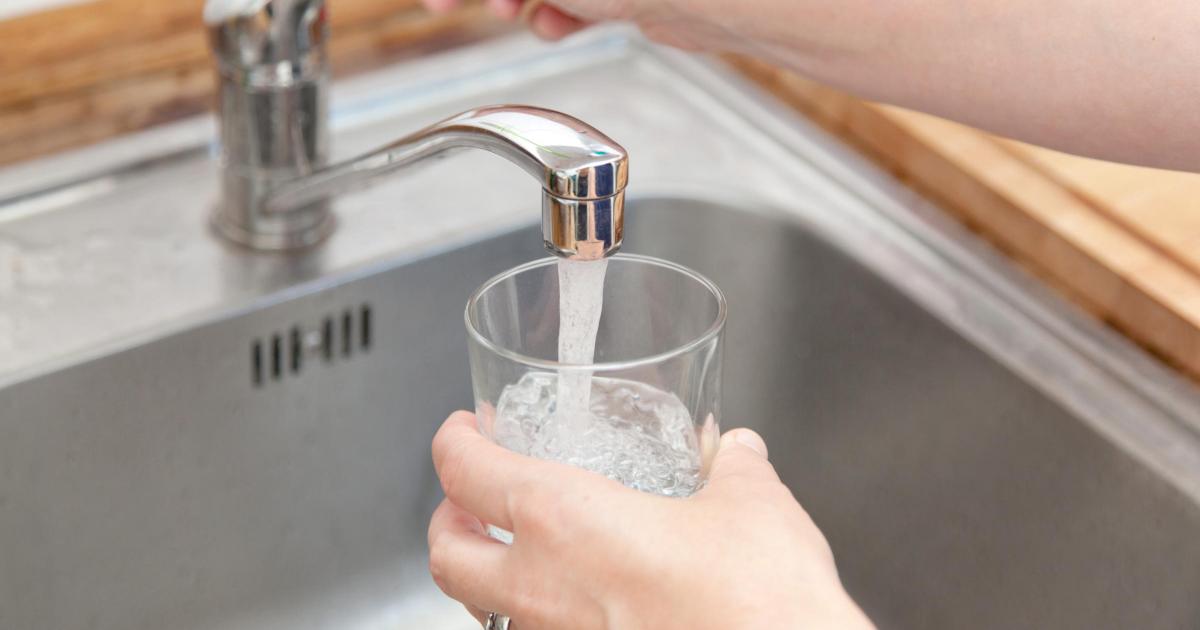
Water poverty in the region could “worsen significantly” under current forecasts, with an estimated 17,800 pensioner households already spending more than 3 per cent of their income on water, according to Independent Age.
That figure is expected to rise to 8 per cent by 2029/30 if no action is taken.
Joanna Elson CBE, chief executive of Independent Age, said: “Water bills are continuing to soar, and behind the statistics, there are real people making drastic cutbacks to reduce their costs.
Advertisement
“We have heard from older people washing in sinks, letting dishes pile up over days, and avoiding flushing the toilet.
“This should not be happening.”
In response, Independent Age has launched a petition calling on the UK Government to introduce a national social tariff for water to support low-income households.
Ms Elson said: “Please add your voice to our campaign calling on the UK Government to implement a national social tariff for water in England and Wales.
Advertisement
“This will protect low-income households from rising water bills and put an end to the unfair postcode lottery that blights the lives of those living in areas with less generous schemes.
“It’s clear that the current system of each water company providing their own social tariff is no longer fit for purpose.
“Where you live shouldn’t determine how much financial support you receive.”
She emphasised the urgency of the situation as part of the wider cost-of-living crisis.
Advertisement
Ms Elson said: “The UK Government says that tackling the cost of living is its top priority.
“If that’s true, it must take meaningful action to address the growing crisis of water affordability.
“Water is not a luxury – it is a necessity.
“No one should be forced to ration it.”
Advertisement
A national social tariff, the charity argues, would offer standardised financial relief for people of all ages on low incomes across England and Wales.
The scheme could lift between 292,000 and 578,000 older people out of water poverty.
The call comes after the UK Government’s January 2026 white paper did not adopt the Independent Water Commission’s recommendation for a national social tariff.
Instead, individual water companies continue to manage their own support schemes, which Independent Age argues creates an inconsistent and unfair ‘postcode lottery.’
Advertisement
Recent YouGov polling commissioned by the charity found that around one in five people in England and Wales are reducing water usage because of costs.
Of those, a third said it was harming their health, and nearly the same proportion reported it negatively affecting their personal hygiene.
One Northumberland pensioner, 80-year-old Margaret, described the daily impact.
She said: “To keep our water bills down, we only take quick showers – never baths – and we try not to let the water run for more than three minutes.
Advertisement
“Things never used to be so difficult, but our savings and private pensions have run out.
“Now we rely solely on our State Pension, and we’re living on the breadline.”
The full petition and further information are available on the Independent Age website.
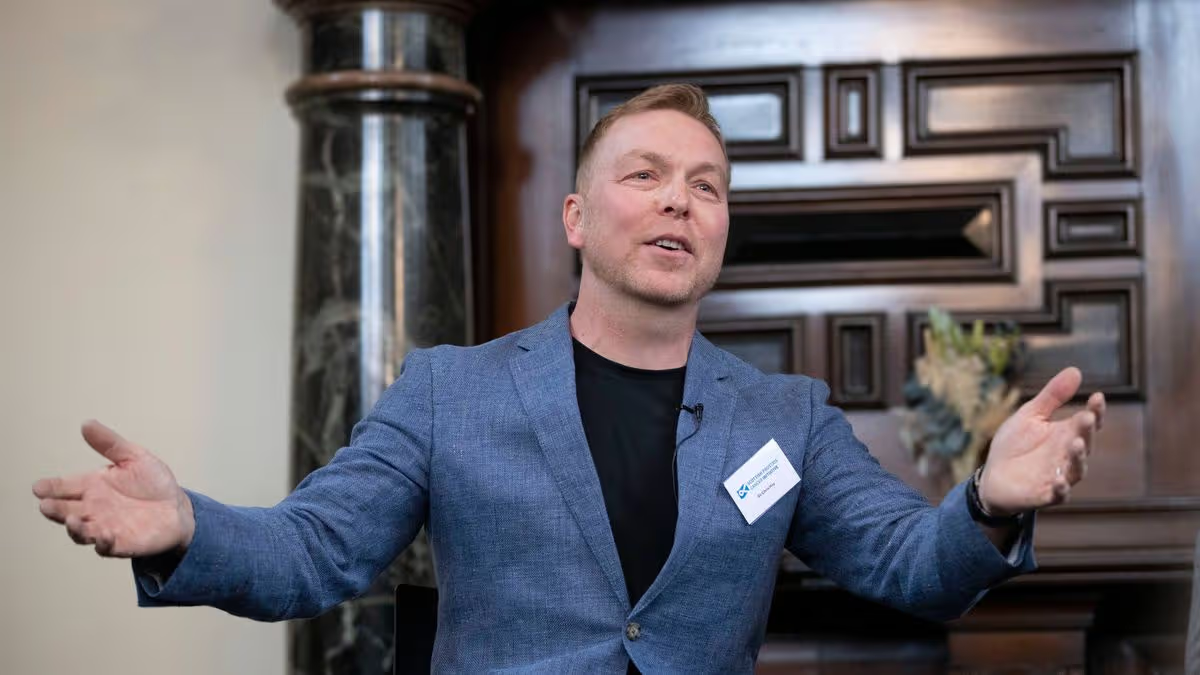
Gary Ralston credits Sir Chris Hoy’s prostate cancer awareness campaign with prompting him to get tested after being diagnosed with advanced prostate cancer
Mark McGivern
15:06, 25 Mar 2026
Cycling journalist Gary Ralston says sporting legend Sir Chris Hoy saved his life through his campaign encouraging people to get checked for prostate cancer. Sports journalist Gary opted for a PSA test to screen for prostate cancer after his son Lewis observed that he was urinating frequently.
Gary revealed that Chris was a significant influence when he decided to take the test – and has remained an inspiration following his own diagnosis, which he is now courageously fighting.
The writer, who currently works in public relations, expresses astonishment at the resilience the Scottish Olympian continues to demonstrate in advocating for cancer screening for others, while grappling with his own prostate cancer diagnosis.
Advertisement
Gary voiced his thoughts after attending an event where Sir Chris championed an initiative aimed at encouraging 25,000 Scottish men to get tested for the deadly disease, reports the Daily Record.
He teamed up with fundraising titan Sir Tom Hunter, cancer research trailblazer Sir Chris Evans and rugby icon Kenny Logan, who also received a diagnosis of the condition.
Sir Chris Hoy is leading a substantial campaign to combat the prostate cancer crisis that results in outcomes for Scottish men being three times worse than those in the south of England.
The inspirational Olympian, who himself is dealing with an incurable cancer diagnosis, has called on Scots aged between 40 and 80 to participate in a major campaign to get 25,000 Scots screened for the lethal disease.
Advertisement
Gary, 55, remarked: “What Sir Chris is doing beggars belief. He was a national treasure for his sporting achievements and the sheer class in the way he presents himself.
“But what he has done since his cancer diagnosis has helped create a growing generation of people who got an earlier diagnosis and better treatment than they would have got otherwise.
“I count myself among that group because when my son Lewis suggested that I get checked out I remember thinking that I had no excuse for swerving it, as I was acutely aware of the message Chris was spreading.”
Gary had been part of the Daily Record team covering the Beijing Olympics in 2008 and subsequently the London games in 2012, where Chris became Britain’s greatest ever Olympian, securing his sixth gold medal in track cycling.
The sporting icon has now motivated him to undertake his own prostate cancer fundraising initiatives.
Gary has been conducting his own fundraising activities and courageously completed a demanding Hyrox event in Stirling, generating funds for the Eilidh Brown Memorial Fund.
Sir Chris also inspired him to transform his own diagnosis into positive outcomes for others.
Advertisement
Gary, who has recently commenced a seven-week course of radiotherapy, stated: “I’ve learned that there is nothing to be gained from self pity and I’m inspired by all the great people who have stepped forward to support me.
“I’d like to echo the message sent out by Sir Chris and this amazing team that gathered today – all guys should seek out a PSA test as soon as they can because it could save their life.”
Gary was diagnosed in January 2025 and was recently informed his condition was “advanced”.
However, he has been given a 50-60% chance of success with his current treatment.
Advertisement
Yesterday, Sir Chris joined forces with a team including Sir Tom Hunter and pioneering cancer expert Sir Chris Evans to launch an unprecedented testing drive in workplaces across more than 20 Scottish towns and cities.
It’s already been disclosed that a recent pilot involving 1,400 men has yielded promising data that could aid the battle to save Scottish lives.
Sir Chris stated: “This is a fantastic initiative for me, a no-brainer to be involved. It’s obviously an issue very close to my heart.
Advertisement
“Two and a half years ago, again, without any symptoms, I was diagnosed with stage four cancer.
“It came out of blue, and I was given the worst possible news at the time.”
Sir Chris expressed his excitement about the vast scale and ambition of the Scottish Prostate Cancer Initiative, which was launched in Glasgow and will soon be extended from Hawick to the Western Isles.
He expressed: “I’m so excited to see what it can lead to and to the impact it can have, and to get men who wouldn’t have considered a PSA test to go to them to see like just first of all, discuss it with your friends, your colleagues, your family members, anyone you know occupy has to be aware of their own individual risk, and then they can take it from there.
Advertisement
“And it’s a very treatable form of cancer if you get it early.”
He said the investigation “continues to move at pace” and added: “To the Jewish community, we take their safety incredibly seriously which is why we have stepped up our plans this week and will continue over the coming weeks through the Passover period and beyond and make sure we are doing everything we can to be there.”
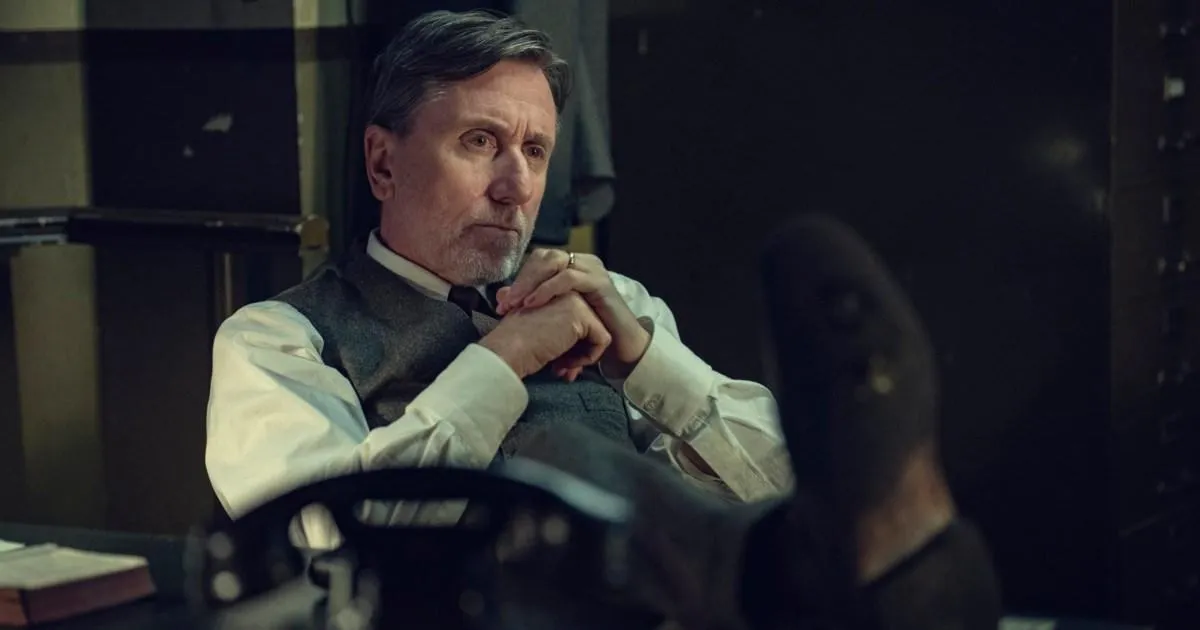
Tim Roth contemplates unleashing his wrath in the new Peaky Blinders film (Picture: Netflix)
Another week, another reshuffle on Netflix’s worldwide most-viewed film chart — and this one’s another eclectic selection of genres, styles and set-ups.
Animated throwbacks are rubbing shoulders with slick thrillers, true-crime dramas and a couple of heavyweight action entries, with the likes of aqua-gangster flick Shark Tale popping up alongside much newer releases.
There’s even room for Louis Theroux to wander in and quietly unsettle everyone.
The question is whether the big hitters at the top last week can hold their ground, or if something new or further down the list has made a late charge.
Advertisement
Here are the 10 most-watched Netflix movies in the world this week…
Get personalised updates on all things Netflix
Wake up to find news on your TV shows in your inbox every morning with Metro’s TV Newsletter.
Sign up to our newsletter and then select your show in the link we’ll send you so we can get TV news tailored to you.
Advertisement
10. Shark Tale – 3,300,000 views last week
Can you drink through a straw underwater…? (Picture: REUTERS)
DreamWorks’ fun underwater crime romp follows fast-talking fish Oscar (Will Smith), who accidentally becomes famous after taking credit for a shark’s death he had nothing to do with.
The shark in question, Lenny (Jack Black), however, is actually a gentle vegetarian trying to escape his nasty mob boss father Don Lino (Robert De Niro).
Renée Zellweger, Angelina Jolie and – weirdly – iconic director Martin Scorsese round out the voice cast in a film that won’t go down as a 21st century animation classic, but it’s a fun way to pass 90 minutes nonetheless.
9. Double Jeopardy – 3,300,000 views
Double the jeopardy means twice the worry for the ever-hangdog Tommy Lee Jones (Picture: Moviestore/Shutterstock)
A career-peak Ashley Judd anchors this late-90s thriller as Libby Parsons, a woman wrongly convicted of murdering her husband, who finds out that he staged the whole thing and is still very much alive and unmurdered.
After serving time, she sets out to find him, convinced she can’t be prosecuted twice for the same crime.
Advertisement
Tommy Lee Jones plays the parole officer tracking her, bringing his usual dry authority to proceedings.
It’s part legal loophole fantasy, part revenge chase, and very much of its era, in a way that’s rather enjoyable to anyone who misses these kinds of fun thrillers.
8. 27 Dresses – 3,900,000 views
Katherine Heigl models just one of the however many dresses it is that her character owns (Picture: Netflix)
Fresh from her success in Knocked Up, the likeable Katherine Heigl plays Jane here, a perennial bridesmaid who has built a life around helping others get married, while quietly shelving her own happiness.
Things unravel when her younger sister Tess (Malin Åkerman) gets engaged to Jane’s boss, who she just so happens to be in love with. James Marsden’s cynical journalist spots a story in Jane’s collection of dresses and it goes from there.
It’s a straightforward romcom that knows exactly what it is, with enough charm and self-awareness to carry the more predictable turns.
Advertisement
As with Ashley Judd, it’s a bit of a shame we don’t see much of the charming lead Heigl in many roles nowadays.
7. Nobody 2 – 4,900,000 views
Saul Goodman (aka Bob Odenkirk) as the world’s most unlikely tough guy (Picture: AP)
Who would’ve seen Bob Odenkirk as a Hollywood action hero a few years ago? The Breaking Bad and Mr. Show star returns as Hutch Mansell, the suburban dad whose past life as a highly efficient killer keeps dragging him back in.
The sequel raises the stakes a little, throwing Hutch and the Mansells into another brutal spiral of violence as new enemies surface, this time on holiday. Connie Nielsen is also back as Hutch’s wife Becca.
It doesn’t quite have the stand-out scene that its predecessor had (the bus carnage), but there’s a well-shot smashathon in an amusement arcade that gets the pulse up.
6. Gaslit By My Husband: The Morgan Metzer Story – 5,200,000 views
Jana Kramer as Morgan Metzer (Picture: Netflix)
This disturbing true-crime drama tells the story of Morgan Metzer (Jana Kramer), who endured a terrifying campaign of anonymous stalking and harassment, only to discover that the person behind it was her own husband.
The film focuses on the concepts of coercive control and the slow, disorientating effects of gaslighting, as Morgan struggles to make sense of what is happening.
Advertisement
It’s a heavy watch, grounded in real events and one that leans on a convincing and strong central performance to show just how easily reality can be manipulated when trust in a relationship is weaponised.
5. KPop Demon Hunters – 5,400,000 views
Kpop Demon Hunters – officially now the most popular thing out of all things ever created (Picture: Netflix/AP)
C’mon.You know what this is, we don’t have to explain it to you. It’s lurked around Netflix’s most-watched list for an incredible 40 weeks now.
Sure, catchy pop songs, anime and South Korean pop culture are all globally popular, but who could’ve seen this coming? KPop Demon Hunters has gone more than stratospheric (mesospheric? exospheric…?).
Your great-great-great-great-great grandchildren will still be streaming this on Netflix when they’re living in care homes.
4. Louis Theroux: Inside the Manosphere – 6,300,000 views
Louis pulls the face that anyone who’s had to spend time with HSTikkyTokky might pull (Picture: Netflix)
The world’s most disarming investigative journalist steps into the murky world of online masculinity here. He speaks to a number of influencers and followers within ‘The Manosphere’, attempting to unpack their controversial and potentially damaging views on dating, status and gender roles.
As ever, Theroux’s approach is calm and quietly probing, letting conversations unfold rather than forcing them. It’s an uncomfortable watch in places, but presents a hidden world to a mass audience.
Advertisement
Arguably, there are more questions raised than answers provided, but that’s often the way with the kind of topics that Theroux likes to shine a light on.
3. Made in Korea – 6,700,000 views
Priyanka Arulmohan takes a stroll in Made in Korea (Picture: Netflix/Everett/Shutterstock)
Priyanka Arulmohan leads this Indo-Korean drama as Shenba, a small-town woman from Tamil Nadu who finally makes it over to Seoul, only to find out that reality doesn’t quite match the dream.
What starts as a long-held ambition quickly turns into a test of resilience as she has to navigate language barriers, culture shock and being left to fend for herself.
The cast includes the likes of Park Hye-jin, Rishikanth, Jang Jae-hyeon and Kim Sori. It’s a gentle, character-led film that’s the most-watched non-English language movie on Netflix right now.
2. War Machine – 18,000,000 views
It’s macho men vs. Martian machines in this week’s second-placed movie (Picture: Netflix)
The hulking Alan Ritchson leads this sci-fi action film set during a brutal military training programme, one that quickly turns into something far more dangerous and weird.
A group of recruits find themselves pushed beyond standard drills and into a fight for survival as the situation escalates into a fight to the death against seemingly unstoppable space robots.
1. Peaky Blinders: The Immortal Man – 25,300,000 views
Cillian Murphy looking a little peaky in The Immortal Man (Picture: Netflix)
Oppenheimer himself, Mr. Cillian Murphy, returns as Tommy Shelby in this continuation of the popular Peaky Blinders story, set against a shifting political landscape and new threats emerging from Europe.
Tiger Woods has discussed the possibility of returning at the Masters as Scottie Scheffler withdraws from an event
14:41, 25 Mar 2026Updated 14:42, 25 Mar 2026
The first major of the year is fast approaching, with the Masters just over two weeks away. It has been almost a year since Rory McIlroy completed his career Grand Slam at Augusta and attention has already begun turning to the battle for the Green Jacket.
The upcoming Houston Open will offer golfers an opportunity to qualify for the major. However, some of the sport’s top names, including Scottie Scheffler, will not be part of the field as they prioritise their preparation for the Masters.
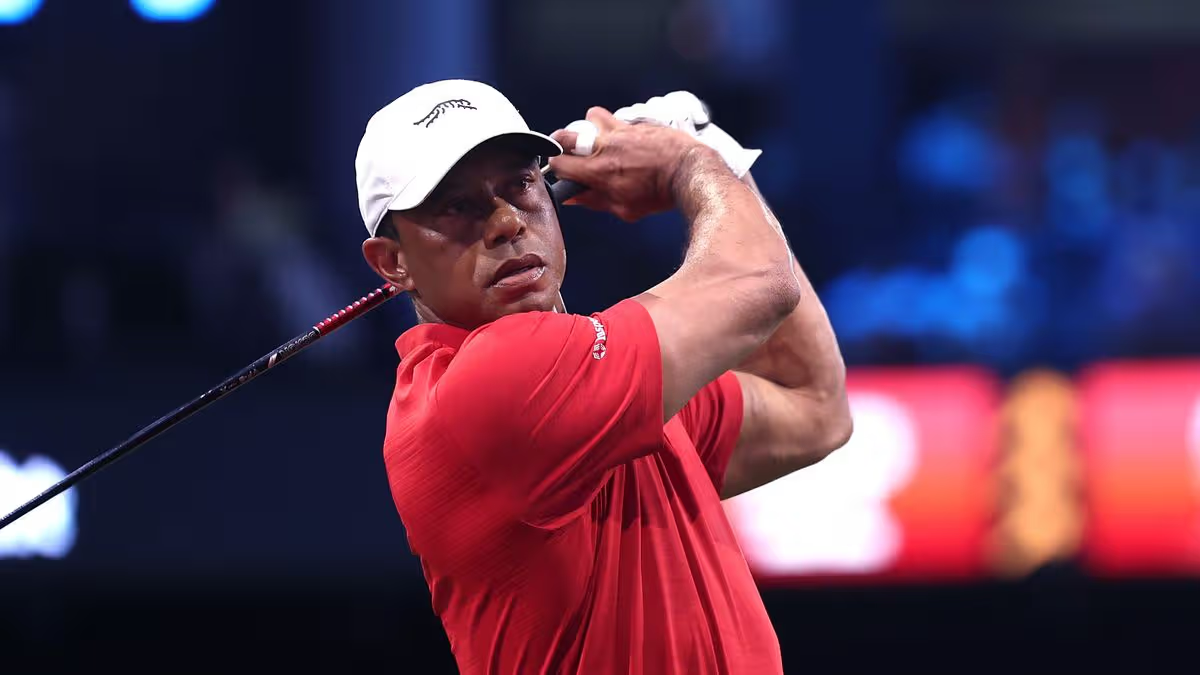
Tiger Woods has not given up hope of teeing off at the Masters, despite his last PGA Tour event being The Open in July 2024. The 50-year-old has since suffered several injury setbacks but has given an update on his condition as he targets a return at Augusta.
Advertisement
Meanwhile, Justin Rose has shared his thoughts on Jon Rahm potentially missing out on a place in Europe’s Ryder Cup team next year. Here is a round-up of some of the biggest golfing headlines.
Woods has shared his aim to be part of the Masters field as he continues his journey to full fitness. Since missing the cut at The Open in 2024, the 15-time major winner has ruptured his Achilles and undergone disc replacement surgery.
Woods was in action for Jupiter Links GC on Tuesday at the end of the TGL season. He provided a fitness update and explained his chances of featuring at Augusta.
“It (the body) doesn’t recover like it did when it was 24, 25,” Woods said. “It doesn’t mean I’m not trying. I’ve been trying for a while. I’ve had a couple bad injuries here over the past years that I’ve had to fight through and it’s taken some time.
“I keep trying. I want to play. I love the tournament. I’ve loved being there since I was 19 years old. It’s meant a lot to me and my family over the years. I’m going to be there either way with The Loop that’s going up there, as well as the Champions Dinner.”
Asked when he would make a decision about the Masters, he added: “I don’t know, we’ll see how it goes. I’ll be practicing, playing at home this week and keep trying to make progress.”
Advertisement
Scottie Scheffler pulls out of event
Scheffler has withdrawn from the upcoming Houston Open. The event is scheduled to get underway at Memorial Park on Thursday.
The 29-year-old will not be taking part as his wife Meredith is due to give birth to their second child. The announcement was made on Tuesday, with Scheffler being replaced in the Houston Open field by Matt Kuchar.
However, the world No.1 is expected to be back in action at the Masters. McIlroy will also not be involved in the event this week as he focuses on retaining the Green Jacket.
Advertisement
Justin Rose warns Jon Rahm
Rose has admitted that Rahm risks losing his place on the Ryder Cup team next year if he does not pay his DP World Tour fines. He was involved in Team Europe’s triumph on US soil last year but all players must be part of the DP World Tour in order to compete at Adare Manor in 2027.
While eight LIV golfers have reached agreements with the European circuit, Rahm has refused the terms. Former US Open champion Rose believes Rahm could possibly miss the Ryder Cup if he cannot strike a deal.
“I think it is absolutely feasible,” Rose told the Golf Channel. “The line in the sand has been drawn. I think quite a few players have committed to the strategy that the DP World Tour has set forward in terms of paying fines and/or playing some extra tournaments to help bolster their schedule.”
Get £250 to switch to Virgin Media’s sport packages
Advertisement
This article contains affiliate links, we will receive a commission on any sales we generate from it. Learn more
Virgin Media is paying new customers up to £250 as a bill credit when they switch to one of its TV and broadband packages, several which are packed with hundreds of channels including Sky Sports, Netflix and fibre broadband.
















































You must be logged in to post a comment Login