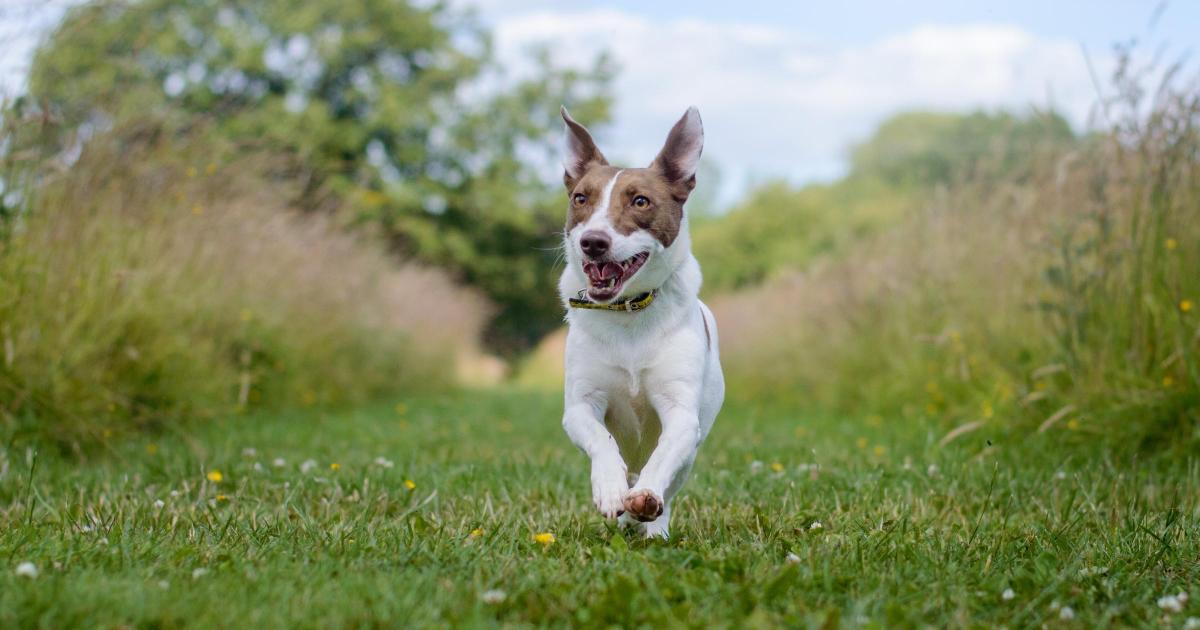
Dogs Trust Darlington has issued a warning that even mild temperatures pose a danger to dogs, with around 75 per cent of heatstroke cases linked to exercise and around two-thirds occurring after everyday walks.
Charlie Dobson, senior veterinary surgeon at Dogs Trust, said: “For many of us across the country, the arrival of warmer weather is a welcome change, but it is important to remember that this weather can bring real dangers for our dogs.
“Even the springtime sunshine expected over the next few weeks can cause serious issues, especially for flat-faced breeds or dogs with underlying health conditions.
Advertisement
“The best thing we can do for our pets is to avoid walking them during the hottest parts of the day, provide plenty of fresh water and shade, and always monitor them closely for early symptoms of heatstroke, even during indoor play when it’s warm outside.
“If you notice your dog is overheating, cooling first aid before transporting them to the vet can be lifesaving.
“Warmer weather can be wonderful for us and our four-legged friends, as long as we stay aware and take the right care to keep everyone safe.”
Dogs Trust warns that heatstroke can affect dogs at any time of year, not just during extreme summer heat.
Advertisement
Symptoms include heavy panting, lethargy, excessive drooling, uncoordinated movement, and vomiting or diarrhoea.
Certain breeds, especially flat-faced dogs like Pugs and French Bulldogs, are at greater risk, along with older dogs, overweight dogs, and those with thick coats or underlying health conditions.
If you suspect a dog is suffering from heatstroke, Dogs Trust advises stopping activity, moving the dog to a cool area, offering drinking water, and beginning urgent cooling with cold water before transporting to a vet.
Owners are also reminded never to leave dogs alone in cars, as temperatures can rise rapidly and become fatal.
Advertisement
On a 22°C day, the temperature inside a car could rise by 11°C in just 10 minutes.
If you see a dog in distress inside a vehicle, call 999 immediately.
Staff at Glasgow Airport are currently being balloted for industrial action amid an ongoing row over pay.
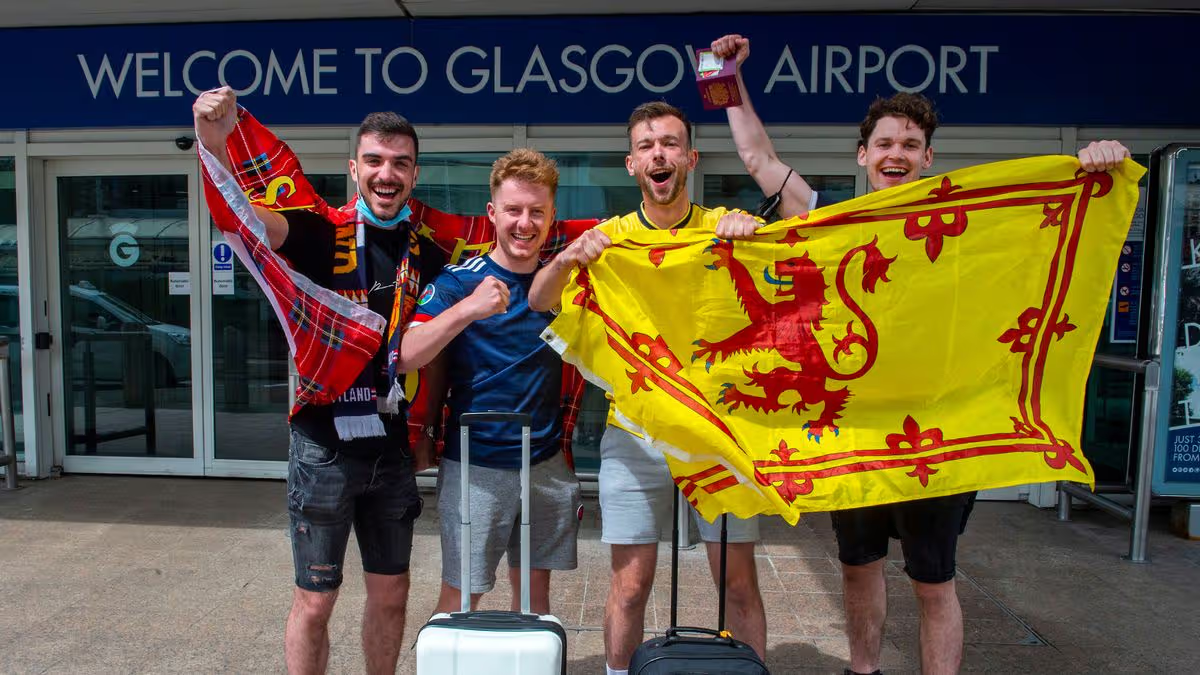
Tartan Army fans could face World Cup chaos this summer as airport workers in Glasgow are considering strikes.
Advertisement
Staff at Glasgow Airport are currently being balloted for industrial action amid an ongoing row over pay. The industrial action could see around 170 ICTS staff members walk out during the same period thousands of football fans prepare to travel to the US.
It comes after workers rejected an “unacceptable” pay offer from the company. Unite the Union, which represents the employees, said that if the ballot is successful, strikes commence during the busiest period of the summer holidays.
It could coincide with the World Cup also the Commonwealth Games which are being held in Glasgow from July 23 to August 2. The ballot opens on May 1 and will close on May 21.
Unite general secretary Sharon Graham said: “Unite has warned ICTS that our members at Glasgow Airport deserve a better pay offer than what is currently on the table. ICTS is a highly profitable company that can fully afford to make a decent pay offer. The company’s cavalier attitude and failure to make a fair pay offer has created this dispute.
“Unite will back our ICTS members every step of the way in their fight for better jobs, pay and conditions.”
The union explained that ICTS workers interact directly with passengers in security search areas, processing them for flights, while also controlling access posts, covering mobile patrols and screening all deliveries.
Carrie Donoghue, Unite industrial officer, said: “Unite has made it clear that there should be a far better pay offer which reflects the critical role our members perform at Glasgow Airport. The reality is that the airport simply can’t operate without them. It is ICTS that is putting the travelling public at risk during an expected very busy summer due to the World Cup and Commonwealth Games.”
Advertisement
Scotland fans will travel to America for games against Brazil, Morocco and Haiti for the group stage of the 2026 World Cup. The opening game will take place on June 13 but kick off 2am UK time on June 14.
The second group game against Morocco will be played on June 19 and will kick off 11pm UK time. Brazil vs Scotland will then take place on June 24 and will start at 11pm UK time.
Get more Daily Record exclusives by signing up for free to Google’s preferred sources. Click HERE
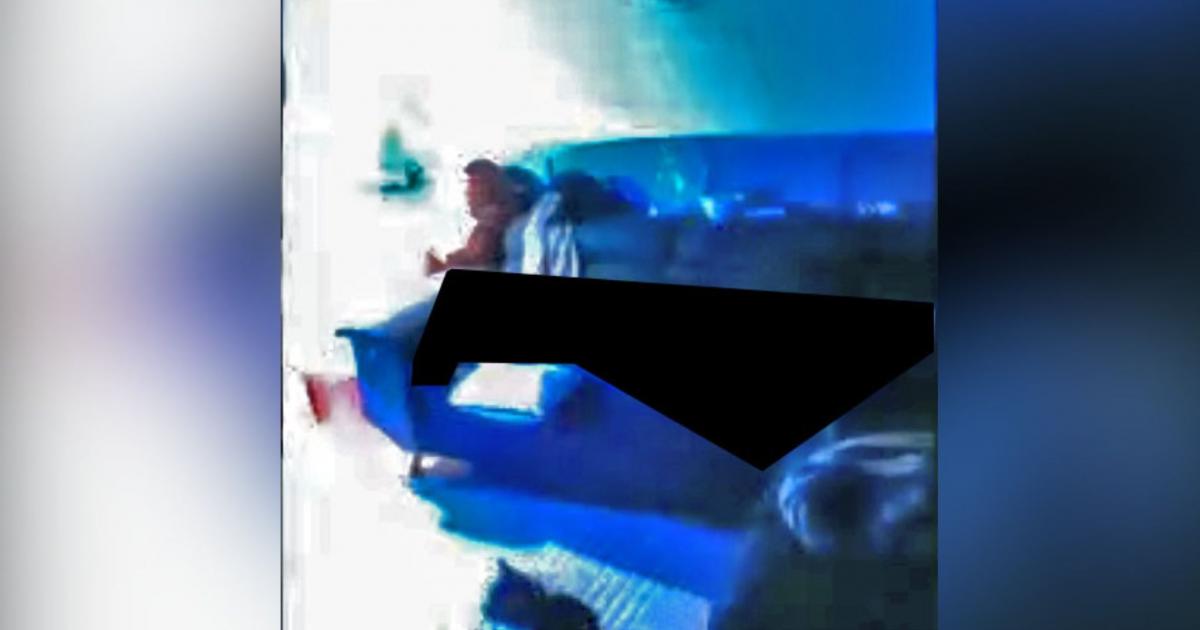
Officers who want to find the owner of the Darlington property have released a picture showing a living room with a large sofa, a clock in the background and a black-and-white cat.
A Durham Police spokesperson said: “Officers are appealing for help in identifying the owner of this property as part of an ongoing investigation.
“We’d like to reassure people that they are not suspected of any offences.
Advertisement
“We appreciate the image quality isn’t the best, but hope that someone may recognise the furniture or the black-and-white cat.”
If it is your house, or you know who it belongs to, please contact Detective Constable Matt Stasiak at Darlington CID on 101, extension 202467, or by email at Matthew.Stasiak@durham.police.uk.
Sabastian Sawe, the first athlete to officially break the two-hour barrier in a marathon, has been welcomed home to Kenya with a hero’s reception, including a water cannon salute for his arriving aircraft.
The record-breaker was subsequently awarded $61,000 (£45,000) and a new car by the president.
Mr Sawe’s return on Wednesday saw him greeted by his parents and Sports Minister Salim Mvurya, who lauded the runner’s achievement at the London Marathon as “a win for Kenya.”
On Thursday, President William Ruto hosted a formal ceremony, describing Mr Sawe’s victory as “a defining moment in the history of human endurance.”
Advertisement
During the event, Mr Sawe presented President Ruto with an autographed Adidas Adizero shoe, worn during Sunday’s race, along with a signed photograph commemorating his world record moment.
Sawe was given a hero’s welcome (Getty)
Mr Sawe made history on Sunday by completing the marathon in an astonishing 1 hour, 59 minutes, and 30 seconds, shaving 65 seconds off the previous men’s world record.
Upon his arrival at Nairobi’s Jomo Kenyatta International Airport, he expressed his pride at having “made a great achievement in life” and vowed to “try and lower the record further.”
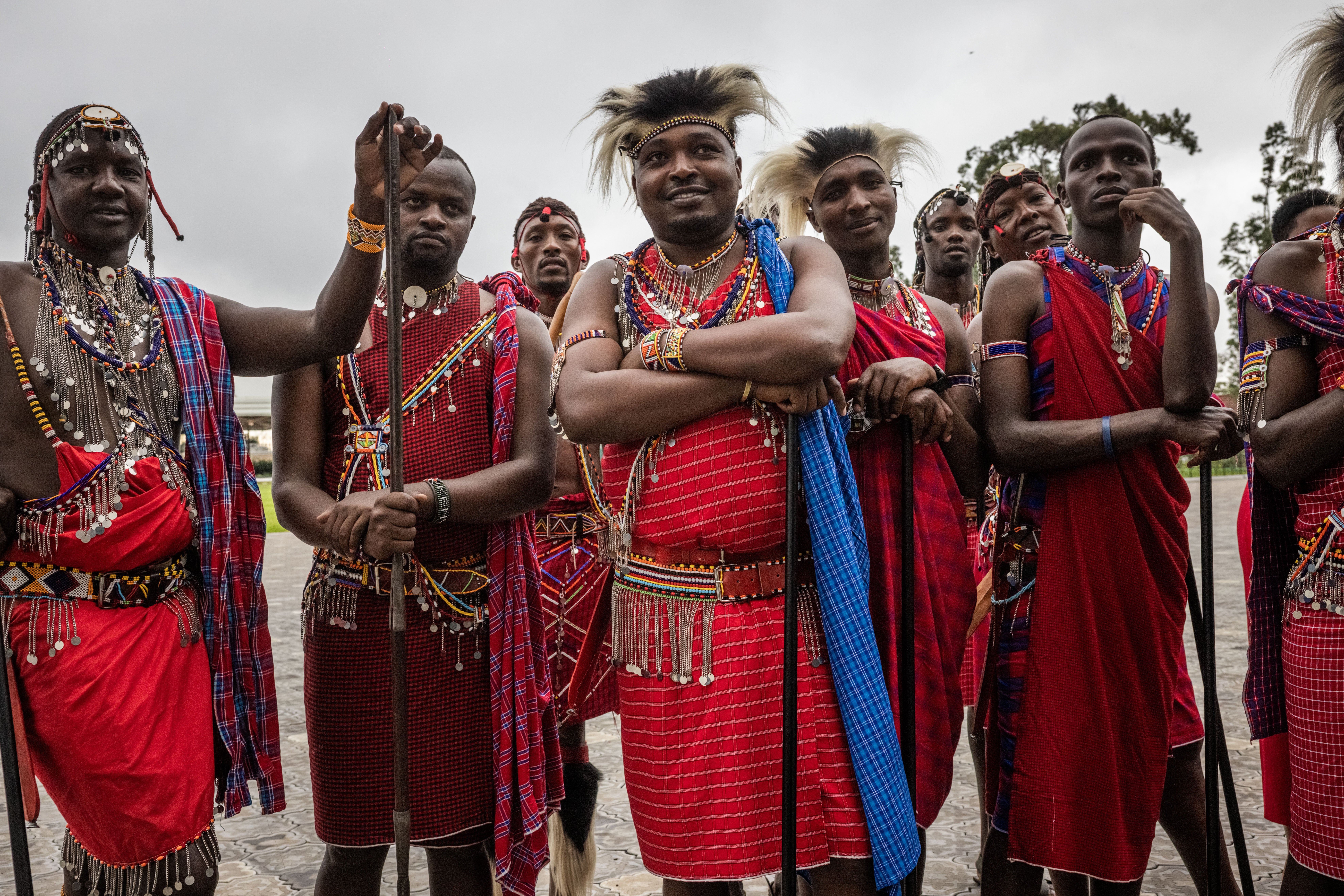
The athlete was adorned with a traditional wreath of twigs, symbolising victory, as traditional dancers celebrated his return. He was then escorted into a luxury government vehicle, part of the “heroic welcome” orchestrated by the sports minister.
His parents shared their long-held belief in their son’s destiny for greatness. His mother, Emily Sawe, recalled his childhood speed: “He would run too fast. So, I would say to myself, this boy will shine for me one day.”
Advertisement
His father, Simion Kiplagat Sawe, recounted the tension of watching Sunday’s race due to a poor television signal.
“The moment my son pulled in front, I walked out and didn’t see him finish the race. I watched the replay afterwards. I was so happy, extremely happy. We screamed so much that now it is hard to swallow anything,” he said.
Sawe’s introduction to professional running came through his uncle, Abraham Chepkirwok, an 800-metre Olympian for Uganda at the 2008 Beijing Games.
Having won the Valencia Marathon in 2024 with a time of 2:02:05, Sawe entered Sunday’s London race as the defending champion.
Advertisement
His father affirmed his son’s unwavering determination, stating: “Even now, he still says that record was not enough; he wants to lower it further.”
Emergency services were called on Tuesday evening (April 28) after the woman was reported missing from her home in Tow Law.
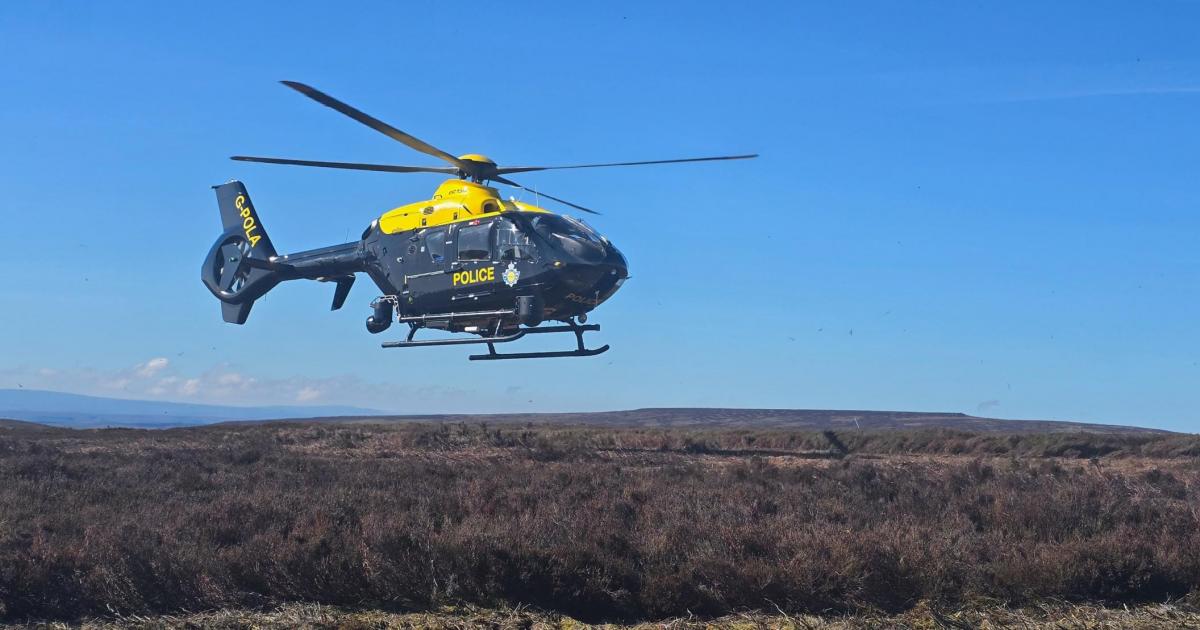
A search was launched with officers and dogs on the ground and the police helicopter scouring the area from the sky.
Dog handler PC Laura Armstrong and PD Dutch traced the woman’s car to a remote area near Stanhope.
Officers then concentrated their search on foot in the surrounding fells, where NPAS colleagues spotted the woman lying in a remote area.
Advertisement
NPAS (Image: DURHAM POLICE)
Responders reached the woman and have her oxygen and urgent first aid as she was suffering from suspected hypothermia, before she was flown to hospital for treatment.
A Durham Police spokesperson said: “On Tuesday night, a call came into our force control room following concerns for a vulnerable woman who had gone missing from her home in Tow Law.
“Officers were able to give her very worried family the good news – we wish her a speedy recovery.
“We can’t always share what we get up to, but this is just one of the jobs that we responded to this week to keep the public safe.”
The UK now protects 38% of its seas by law. Yet the government’s own assessment shows that our oceans are not thriving.
In April, the Department for Environment, Food, and Rural Affairs (Defra) published its latest assessment of the health of our seas: the UK marine strategy report.
Of the 15 components of ocean health assessed, only two clearly meet the standard of good environmental status (GES) – the benchmark for healthy seas that the UK committed to achieving by 2020. The other 13 are failing, uncertain or getting worse.
This is despite the UK now having 377 marine protected areas (MPAs), sections of sea designated by law to protect wildlife and habitats. Protected areas are important, but the detail behind that impressive-looking map is sobering.
Advertisement
Marine mammals, such as Whales, dolphins, and porpoises are not judged to have achieved good status. A key reason for this is bycatch: they are being accidentally caught and killed in fishing nets meant for other species.
Seabird populations are declining, with fewer chicks surviving each breeding season as the fish they depend on become harder to find.
Seabird populations, including puffins, are struggling. Victor Maschek/Shutterstock, CC BY-NC-ND
The types of fish living in our seas are changing for the worse, with the biggest cod disappearing while smaller species take their place.
Advertisement
The entire food web is under strain. The microscopic organisms that underpin ocean life, called plankton, are becoming less productive as seas warm, and that loss ripples upward through every species that depends on them.
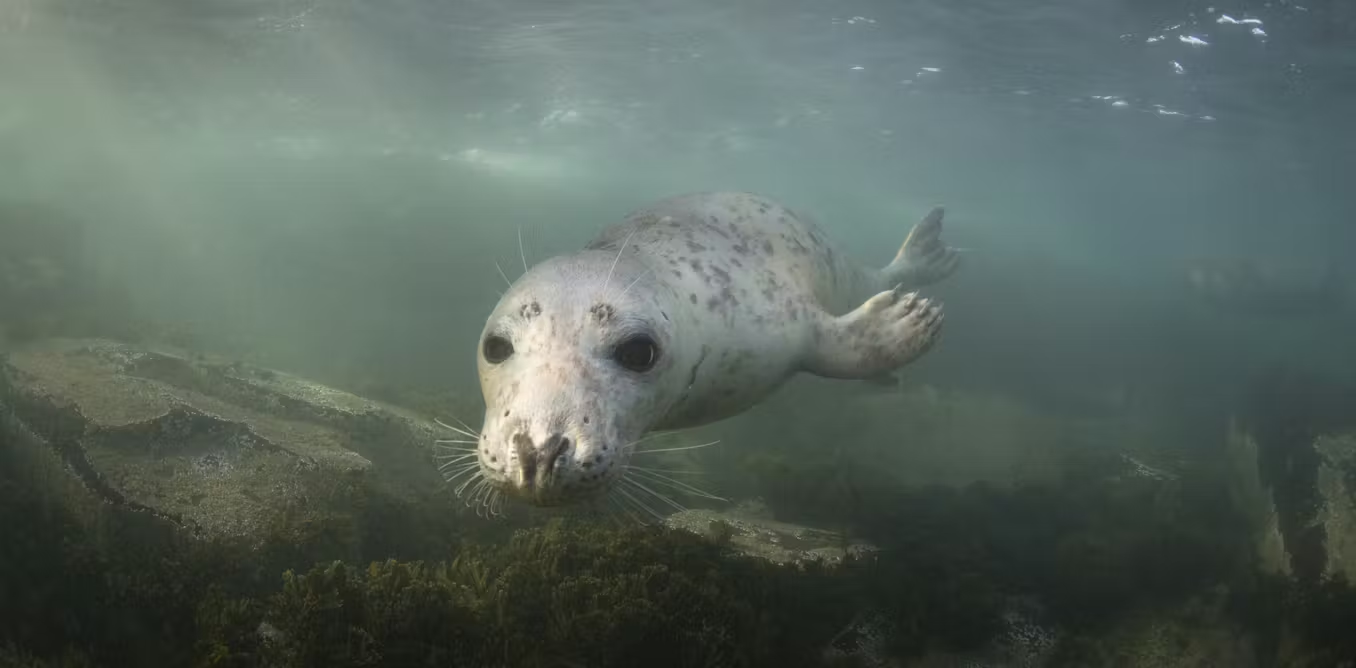
There are some bright spots. The numbers of grey seals are stable or increasing. Beach litter is declining. Commercial fisheries have shown modest improvement, with the share of fish stocks being fished at sustainable levels rising, though it is still fewer than half.
Advertisement
But these gains are outweighed by the broader trajectory.
Why MPAs are not enough
Protected areas play an important role, but they cannot address the full range of pressures our seas face. Drawing a boundary on a nautical chart does not stop warm water crossing it. It does not filter out the nutrient runoff flowing in from agricultural land and overwhelmed sewage systems. It does not silence the increasing underwater noise from shipping and industrial activity. It does not prevent whales, dolphins and porpoises from being caught in fishing gear that operates both inside and outside these boundaries.
Climate change is perhaps the telling example. Sea temperatures around the UK have risen by roughly 0.3°C per decade over the past 40 years, with extreme underwater heatwaves becoming more common. The report acknowledges that this is already altering marine ecosystems, affecting everything from plankton at the base of the food chain to the distribution of fish species. No MPA can insulate its inhabitants from a warming ocean.
Land-based pollution is another pressure that flows straight through protected area boundaries. The report identifies food production and sewage treatment as major causes of nutrient enrichment, with increasing nitrogen inputs entering coastal waters. Heavy metals from legacy mine contamination, particularly in Wales, continue to pollute the marine environment. Contaminants have not met good status because lead, mercury, copper and zinc remain above environmental thresholds.
Advertisement
What ocean recovery actually requires
None of this is an argument against marine protected areas. Well-managed MPAs are an essential tool, and recent proposals to ban bottom trawling in some protected sites are welcome.
But if we are serious about ocean recovery, we need to tackle root causes. That includes reducing agricultural and urban runoff and sewage discharges into rivers and coastal waters. The climate crisis is reshaping our marine ecosystems from the bottom of the food chain upwards so tackling greenhouse emissions is a key step. Managing underwater noise from an increasingly industrialised seascape is essential. And enforcing meaningful fisheries management will reduce bycatch and protect whole ecosystems, not just commercial stocks.
The government’s own environmental watchdog, the Office for Environmental Protection, has reached a similar conclusion. In September 2025, it identified possible serious failures by Defra to comply with environmental law in relation to the missed GES target, and launched a formal investigation. It is now asking the government to produce an evidenced, resourced and time-bound delivery plan.
When even the body set up to hold government to account on the environment is questioning whether the law has been broken, it is hard to argue that the current approach is working.
Advertisement
The UK was supposed to have achieved good environmental status in our seas by 2020. Six years past that deadline, this report shows we are still far from it. We cannot afford to let the percentage of protected areas on a map be a substitute for the hard and messy work of actually making our oceans healthy.
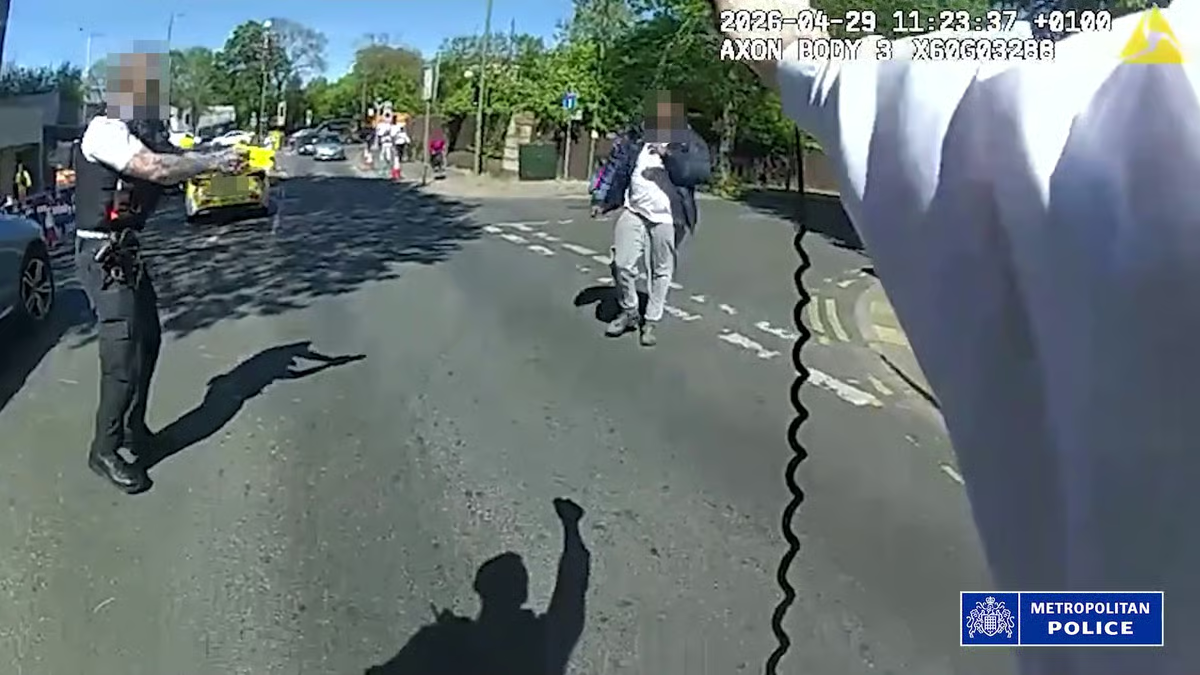
Captioning the video, a Metropolitan Police spokesperson said: “The suspect refused to show his hands, was violent and continued to pose a clear threat. Using only their training, courage and tasers, they detained him while he continued to try to attack and stab them. This took true courage.”
Phil had not visited Nige since he went into the care home. But after some persuasion from his loved ones – particularly brother Grant (Ross Kemp) – he arrived just in the nick of time to say his goodbyes.
Advertisement
In Nigel’s head, he was on a beach with Phil, and the reason he didn’t ‘let go’ was because he wanted to know that his best friend would be okay when he’d gone.
Phil, as viewers will recall, previously struggled with his mental health. Nigel, who returned to the Square in 2024, proved instrumental in helping him get the help and support he needed, promising to be there for Phil, who vowed to return the favour by supporting him through his dementia journey.
Phil was left in tears after Nigel’s passing (Picture: BBC / Jack Barnes / Kieron McCarron)
He and Julie left the care home together (Picture: BBC / Jack Barnes / Kieron McCarron)
In emotional scenes at the end, Phil promised Nigel that he’d be okay without him, telling him it was okay to let go now.
Nigel subsequently died. At peace, knowing his mate would be fine.
Thursday’s offering of the BBC One soap picked up just seconds after his death, with devastated Julie giving her sweetheart one last kiss goodbye before leaving the care home hand-in-hand with Phil, who has been her rock over the past year.
Advertisement
As word of Nigel’s death reached the Square, the Slaters planned to honour his memory with a special get-together, where they would screen the film he made at Christmas.
Julie was overwhelmed by the effort everyone had gone to and, in emotional scenes, she reflected on Nige’s decision to return to Walford after all those years, commenting that she gets it now because the Square was ‘in his bones’.
She thanked a heartbroken Phil, whose wellbeing was the subject of much concern for his loved ones, with Linda Carter (Kellie Bright) worried about how he’s going to cope without his best mate.
Don’t miss a Soaps scoop! Add us as a Preferred Source
As a loyal Metro Soaps reader, we want to make sure you never miss our articles when searching for stories. We have all the latest soaps news, spoilers, videos, and interviews, with a vibrant community of highly engaged readers.
Advertisement
Click the button below and tick Metro.co.uk to ensure you see stories from us first in Google Search.
Now you can ensure you never miss a story from the Soaps team
Phil made a big decision, coming up with a unique way to honour Nige (Picture: BBC / Jack Barnes / Kieron McCarron)
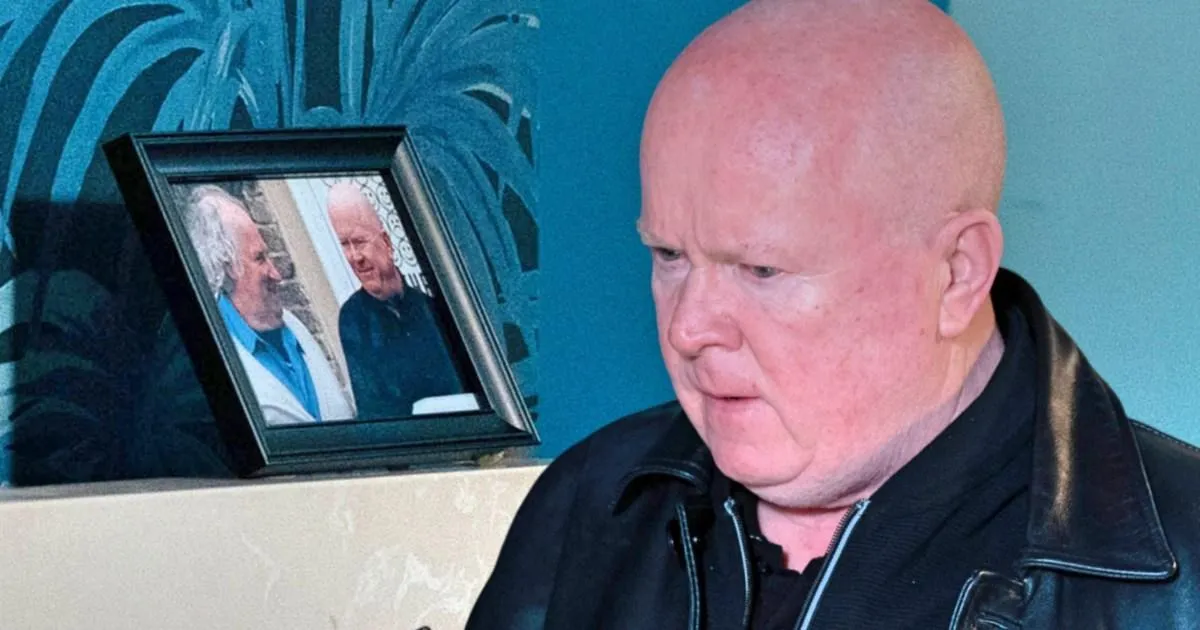
Phil took himself back to No. 55, where he sat in silence in the living room’s signature armchair, fighting tears. But after looking at a picture of himself and Nigel, the former mechanic grabbed a lighter from the shelf and smiled to himself.
In a bid to honour his friend’s wishes of not sitting in the dark all day and letting life pass him by, Phil dragged the armchair in question out onto the Square and set fire to it, much to the concern of his loved ones.
Advertisement
But Phil was smiling as he told everyone that this is what Nigel would have wanted. Inviting them all inside, he and Grant regaled them with stories and memories of their beloved Nige, putting on some music and encouraging everyone to ‘dance like Nigel’.
Nigel gave Phil the greatest gift of all in his friendship – and Phil was determined to live life like Nige (Picture: BBC / Jack Barnes / Kieron McCarron)
As the Walford residents got to their feet and emulated Nigel’s signature dance style, Phil took the the photo of himself and Nige in hand and, placing the skimming stone he’d given to his best pal on top of it, he smiled fondly.
‘Thanks mate’, he said. ‘Thanks’.
No, you’re crying.
Phil joined his friends and family, who were all enjoying a boogie, as the credits rolled atop the photograph of the legendary show icon and his best friend Nigel, their unique friendship captured perfectly in the picture.
Advertisement
EastEnders airs Mondays to Thursdays at 7:30pm on BBC One or stream from 6am on BBC iPlayer.
If you’ve got a soap or TV story, video or pictures get in touch by emailing us soaps@metro.co.uk – we’d love to hear from you.
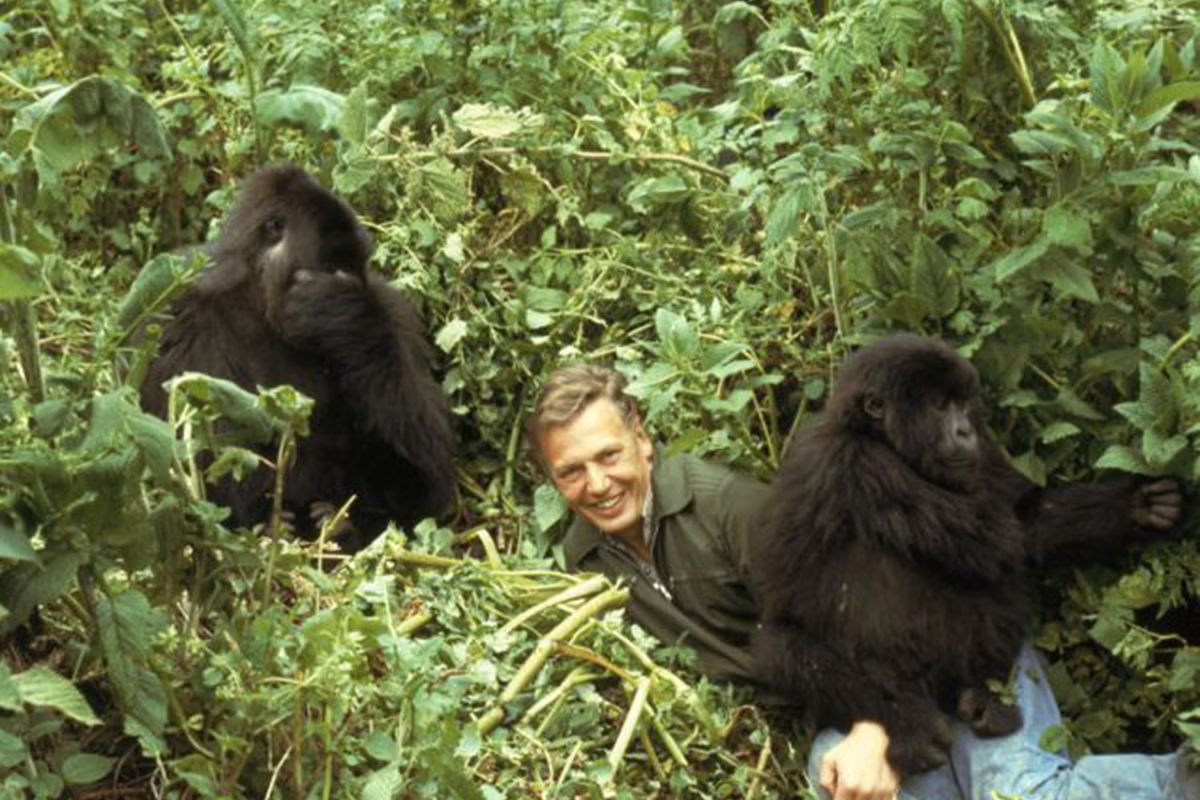
Sir David Attenborough captured an extraordinary moment in nature television back in 1978 when a young gorilla climbed on top of him in the Rwandan jungle. However, the TV presenter has revealed that the footage almost never made it out of Africa – with his crew being stopped and interrogated by local police.
Attenborough looks back on his stellar career in a new BBC documentary ahead of his 100th birthday on 8 May, with Making Life of Earth: Attenborough’s Greatest Adventure revisiting the award-winning 1979 docuseries.
Reading from his diaries in the special, Attenborough reveals that the production crew had “no idea” that they were going to capture the now-iconic gorilla moment in Rwanda – “or how close we would come to losing everything”.
David Attenborough opens up about making ‘Life on Earth’ in a new BBC documentary (PA)
While heading back to the airport, the crew was stopped by a group of army soldiers, who began firing guns over their heads.
“I thought: ‘What’s happening?’” Attenborough told the documentary. “And we turned round the corner and there was an armed guard.
Advertisement
“We were taken to police headquarters and interrogated as to what we’d been doing,” he tells the documentary. “We’d got all the permissions that were needed so it was absolutely ok.
“Martin Saunders, the cameraman, was realising what was happening and realising too that there was a danger that the film we had shot, with which we were obviously thrilled to death about, was going to be confiscated.”
Acting quickly, Saunders swapped the labels on the film cans to make it appear as if those containing the gorilla footage hadn’t been used.
They were held in a hotel overnight, with Attenborough and Saunders being taken to an army compound the next morning. “David and I told to stand in the middle of this compound in the sun. We weren’t even allowed to go into the shade,” Saunders told the documentary. “I thought, ‘I don’t know. They’re going to put us against the wall and shoot us or something.’ At this stage, we just couldn’t understand what the problem was.”
Advertisement
Watch Apple TV+ free for 7 day
New subscribers only. £9.99/mo. after free trial. Plan auto-renews until cancelled.
ADVERTISEMENT. If you sign up to this service we will earn commission. This revenue helps to fund journalism across The Independent.
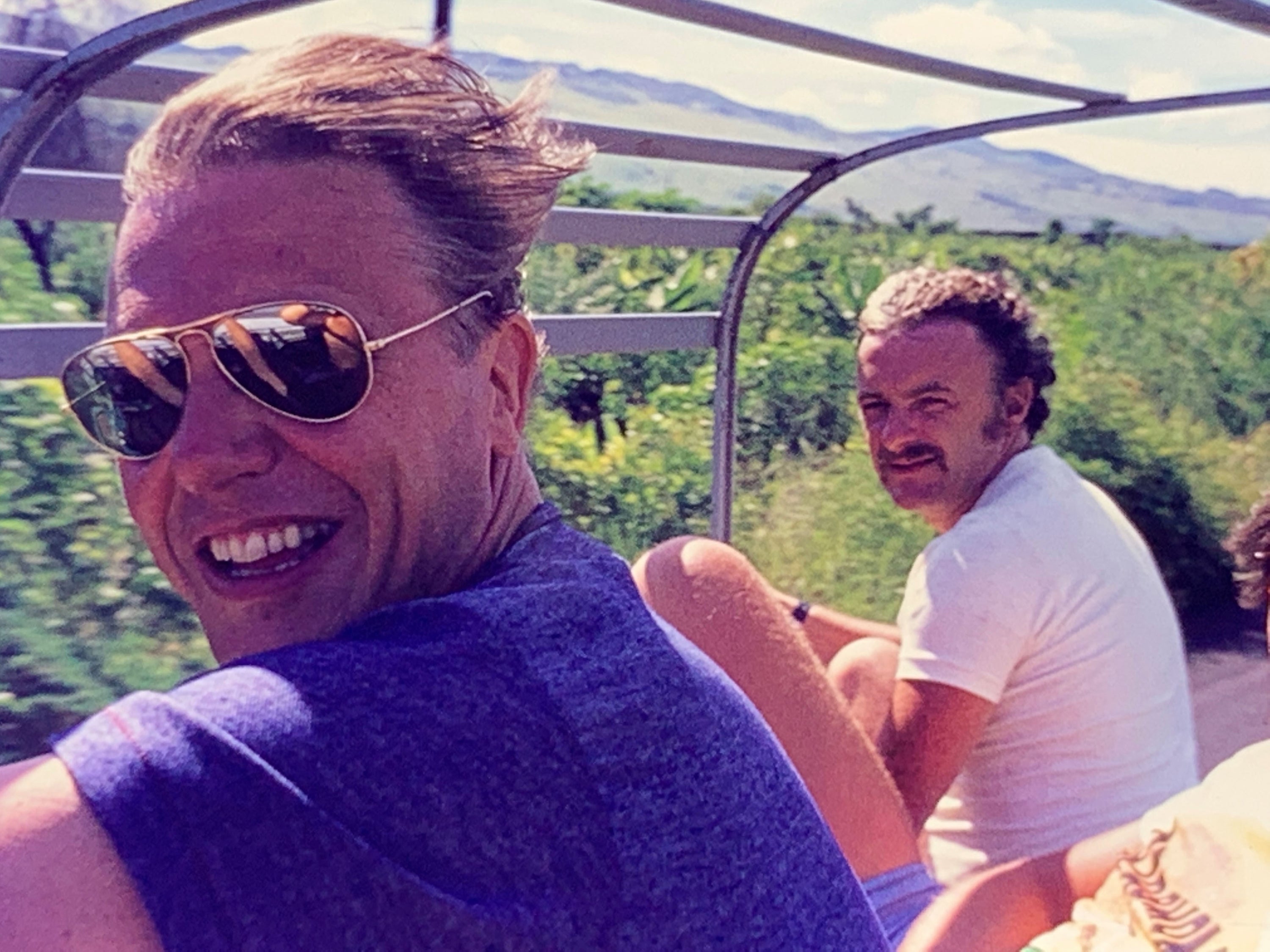
David Attenborough and Martin Saunders on location for Life on Earth, Comoros (PA)
They were finally let go and allowed to fly back to the UK.
In Life on Earth, Attenborough and his crew join Dian Fossey, a primatologist who spent years living alongside and studying gorillas, in the Virunga mountains.
While he originally filmed the sequence to talk about the importance of the thumb and forefinger, Attenborough ended up among the silverbacks.
Advertisement
“I turned to look back at the camera, I felt a weight on my feet and I looked down, and there was little Pablo,” Attenborough told Netflix’s David Attenborough: A Gorilla Story earlier in April.
“I couldn’t talk about the evolution of the thumb and forefinger, I just sit back and let it happen. Look at this lovely little creature. Absolutely engaging, you want to hug him. Just sheer bliss, really. Many people would think it was the most important sequence in that series, if not in my filmed life.”
Making Life on Earth: Attenborough ‘s Greatest Adventure airs on Sunday 3 May at 8pm on BBC One
Drive comes from a single front-mounted electric motor with 161bhp, but there’s a choice of three battery packs. Things kick off with a standard-range 51.5kWh unit offering up to 184 miles, for those needing only urban delivery mileage. And at the top of the line-up, there’s a larger long-range 71.2kWh pack capable of taking the PV5 Cargo up to 258 miles. Those mileage figures will be hard to replicate in colder winter months unless you pay more for the optional heat pump.
This vehicle comes with Kia’s Plug & Charge app, which is designed to make finding charging points when you’re out and about that much easier. It includes a route planner showing public chargers around the owner’s depot. Performance is adequate, the standard range 51.5kWh version making 62mph in 16.2s, a figure the long range 71.2kWh model improves to 12.4s. Maximum speed for both versions though, is limited to just 84mph.
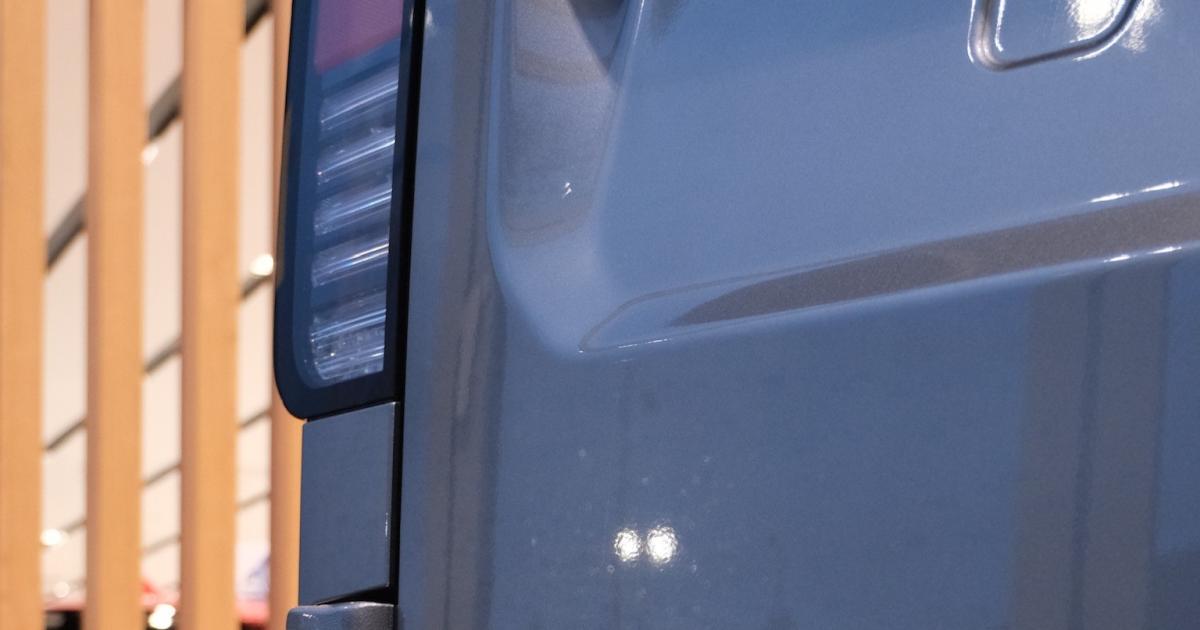
(Image: Bolton Kia)
The L2/H1 body shape most customers will choose is 4.7-metres long – similar to a Volkswagen ID.Buzz Cargo or the lengthiest versions of more compact EV vans like Citroen’s e-Berlingo. But at 1.92-metres tall, the PV5 looks larger than both such rivals. A digital key makes it easier for multiple drivers to share the van. And there’s vehicle-to-load capability that allows external appliances to be powered by the vans drive battery.
Inside, as expected, are two screens – for an Android Automotive operating system never previously used in a Kia. This uses a 7.5-inch instrument display and a 12.9-inch central touchscreen. The central monitor comes with an app store, from which business-orientated applications can be installed.
Advertisement
The PV5 Cargo van, offered with standard range or long-range batteries, is also offered with either base ‘Essential’ or plusher ‘Plus’ trim levels. The PV5 Cargo will shortly be additionally available in Crew and Chassis cab forms. There’s also a PV5 Passenger MPV version, offered with five seats. Plus, a dedicated WAV (Wheelchair Accessible Vehicle) variant offering step-free access via a side door is also in the pipeline. All of these variants will come primarily in L2/H1 long wheelbase/standard roof form, but with this PV5 Cargo, you can also consider a smaller L1/H1 version or a larger high-roof L2/H2 variant.
(Image: Bolton Kia)
Across the current PV5 Cargo line-up, payloads are from 665-790kg.
The EV van market needed a shake-up. This Kia PV5 Cargo model provides just that. Competitors will be dismayed by its value proposition – and the load stats look competitive too. Plus the futuristic looks will give your deliveries a trendier vibe.
For more details or to book a test drive visitkia.com.
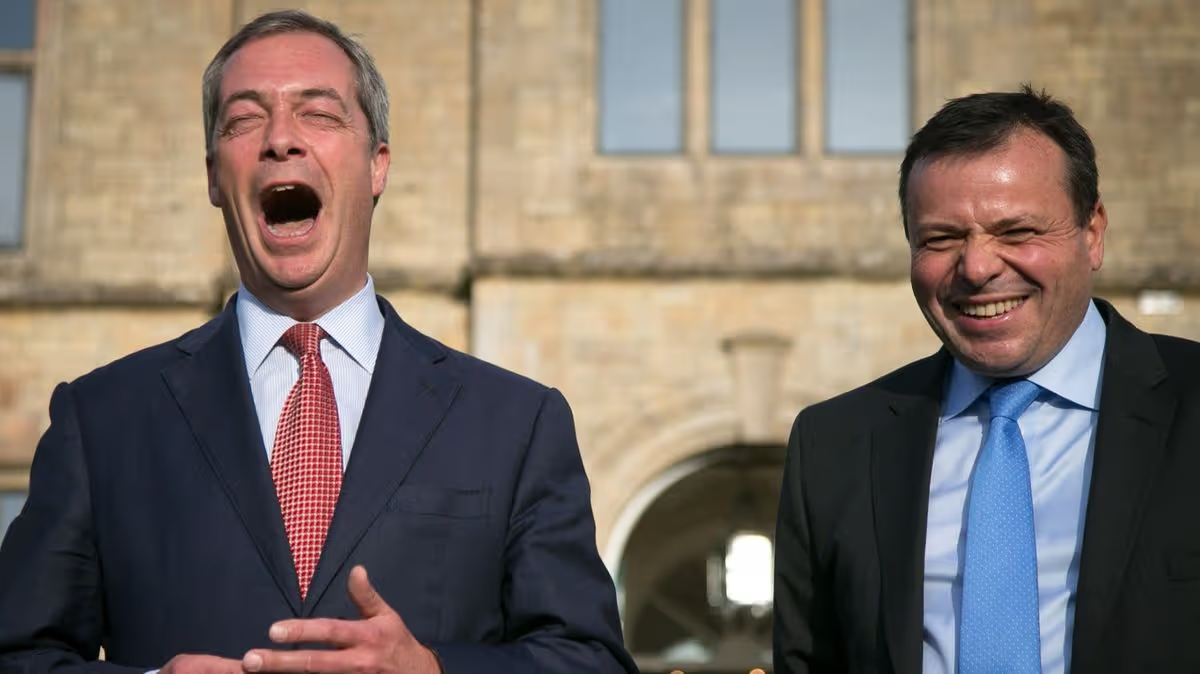
Farage went on to say that, ‘People who keep on tweeting after a glass of wine make some blooming silly mistakes’. The post was still up as of publication of this article
Nigel Farage has called on a prominent Reform member to apologise after a social media post which caused a huge backlash.
Advertisement
On Monday, April 27, Plaid Cymru shared a campaign on X which included a video featuring Bashy, a black man who describes himself as a community organiser from Butetown in Cardiff. Read the biggest stories in Wales first by signing up to our daily newsletter here.
In the footage posted by Plaid Cymru, Bashy is standing outside Cardiff Castle telling voters that the Senedd election is a “straight up fight” between Plaid and Reform.
“This is a choice between hope or division, substance or noise, ambition or chaos”, he states in the party video.
The footage was shared by businessman and Reform UK member Arron Banks on Monday afternoon with the caption: “Welsh lad?”
Advertisement
Mr Banks, who was also the co-founder of the Leave.EU campaign and has previously stood for election for Reform, hadn’t removed the post as of Thursday morning April 30.
On Wednesday, April 29, Reform leader Nigel Farage told BBC Wales that the post was in “poor taste”. He said of Banks: “People who keep on tweeting after a glass of wine make some blooming silly mistakes”.
Banks previously said his comments in the post were a “joke”. Asked whether Banks should apologise, Farage said: “Yeah, he won’t – he’s Arron Banks.”
Meanwhile, Reform’s leader in Wales Dan Thomas declined to condemn Banks’ comment when given the opportunity to do so this week.
Advertisement
The remark was raised during the BBC Wales’ Your Voice debate which featured the leaders of the six biggest parties in a 90-minute discussion ahead of the Senedd election on May 7.
During the debate, host Bethan Rhys Roberts asked Mr Thomas: “Do you distance yourself from those contacts?”
Mr Thomas answered: “I’ve had my Welshness questioned by supporters of Plaid Cymru today. They’ve called me a plastic Taffy because I happened to live in England.
“I’ve been called an English nationalist because I happen to be a member of Reform. I’m Welsh through and through. I have also had my Welsh identity questioned. I’ll take no lessons from Plaid Cymru and their Welsh nationalist extremist.”
Advertisement
Get daily breaking news updates on your phone by joining our WhatsApp community here. We occasionally treat members to special offers, promotions and ads from us and our partners. See our Privacy Notice.














































You must be logged in to post a comment Login