
Weight-loss injections have rapidly moved from specialist clinics to social media feeds and high-street pharmacies. Known as GLP-1 medications, they were originally developed to support those with type 2 diabetes but are now widely used to support weight loss.
These medicines mimic a hormone called glucagon-like peptide-1, which helps regulate appetite and blood sugar. By slowing digestion and increasing feelings of fullness, they often lead people to eat less and lose weight.
Evidence suggests they can support weight loss, at least in the short term. But as use has grown, so have questions about possible unintended effects on nutrition and overall health.
A recent review of evidence suggests that some people taking GLP-1 medications may not be getting enough key nutrients. These include vitamins A, C, D, E and K, dietary fibre and minerals such as iron, calcium, magnesium, zinc and copper.
Nutritional deficiencies occur when the body does not receive enough of a nutrient to function properly. Estimates of how common these deficiencies are in those using GLP-1 medications vary widely. Some research suggests that more than 20% of people may be at risk within the first year of starting GLP-1 medications, while other studies indicate the impact may be much smaller, affecting less than 1% of users.
À lire aussi :
Five things I wish people knew about supplements – by a nutritionist
As concern about potential deficiencies has grown, so has a new market. Supplement companies are launching “GLP-1 support” products that claim to offset side-effects such as muscle loss and vitamin deficiencies by providing the “right” nutrients for people using these medications.
But do people taking GLP-1 medications actually need these supplements?
The use of vitamin and mineral supplements has long been debated in nutrition science. Evidence supporting their benefits in generally healthy people who already eat a balanced diet is limited. Supplements can be helpful for people who are deficient in a specific nutrient.
For example, many people in the UK are at risk of vitamin D deficiency during the winter months because there is less sunlight, which the body needs to produce vitamin D. However, if someone already gets enough of a nutrient from their diet, taking extra supplements usually has little or no additional benefit.
Fida Olga/Shutterstock
À lire aussi :
Vitamin D: everything you need to know about this supplement – from when to take it, to how much you really need
Much of the research linking GLP-1 medications to nutrient deficiencies is observational. These studies studies look for patterns and associations in data but cannot prove cause and effect. In other words, they can show that two things occur together but cannot confirm that one causes the other. This means we cannot yet say for certain that GLP-1 medications directly cause nutrient deficiencies.
Even so, the concern is reasonable. GLP-1 medications often lead to reduced food intake. Eating less food can also mean consuming fewer essential nutrients, which increases the risk of deficiencies over time.
So can these potential deficiencies be addressed without expensive specialist supplements? Often, yes. Small dietary changes may be enough. Eating a range of nutrient-dense whole foods, including fruit and vegetables, whole grains, nuts and seeds, dairy or fortified alternatives, and lean or plant-based proteins, can help maintain adequate nutrient intake.
If supplements are needed, standard vitamin and mineral products available on the high street are often sufficient. There is rarely any need to pay premium prices for products marketed specifically for GLP-1 users. The evidence used in marketing for these products is often weak.
Selective science
While there is some evidence to support the use of certain supplements in specific situations or for certain groups, many GLP-1 support supplements contain ingredients that are not clearly linked to the needs of people taking these medications. These products are often described as “science-backed” or “evidence-based,” but the research behind these claims is frequently selective. Much of it has not been carried out in people using GLP-1 medications at all.
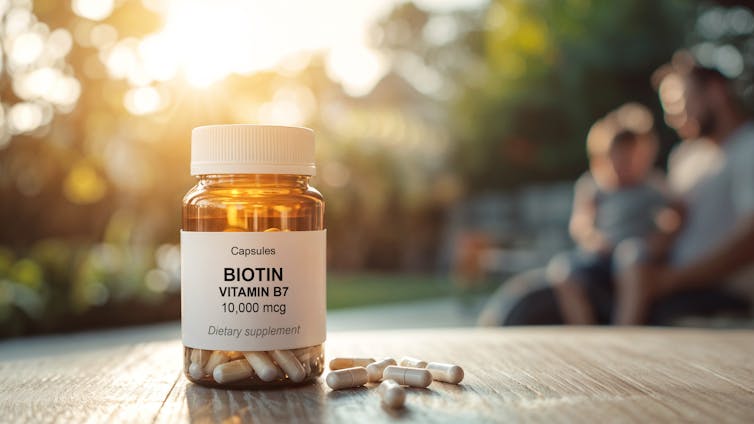
For instance, many GLP-1 support supplements include biotin, a vitamin often promoted for improving hair and skin health. However, the evidence supporting this claim is weak. There is also no strong research showing that biotin offers specific benefits for people taking GLP-1 medications. Most people already get enough biotin from their everyday diet. This means there is no clear evidence that adding more through supplements will help.
Gabriele Paoletti/Shutterstock

Nutritional and lifestyle support for people using GLP-1 medications should be tailored to personal needs and goals. This approach is often described as personalised care. It recognises that people differ in their diets, health status and risk of deficiency. Guidance suggests that support should be personalised to meet individual needs to meet specific needs, ideally with advice from a qualified healthcare professional such as a registered dietitian or nutritionist. This is particularly important for anyone at higher risk of nutrient deficiency.
Where deficiencies are identified or likely, support may include small dietary changes or the use of standard supplements. However, this does not justify the routine use of expensive GLP-1 support supplements. These products are unlikely to offer benefits beyond those provided by basic, affordable supplements. A higher price does not guarantee higher quality or effectiveness.
The key message is simple. Supplements are most useful when someone has a confirmed deficiency or cannot meet their nutritional needs through diet alone. Taking supplements without a clear need is unlikely to provide any benefit and may simply be a waste of money.
You must be logged in to post a comment Login