Connect with us
DAPA Banner
DAPA Coin
DAPA
COIN PAYMENT ASSET
PRIVACY · BLOCKDAG · HOMOMORPHIC ENCRYPTION · RUST
ElGamal Encrypted MINE DAPA
🚫 GENESIS SOLD OUT
DAPAPAY COMING

NewsBeat

does refusing to believe in it make you a ‘bad’ person? Research is challenging this old idea

Published

on

does refusing to believe in it make you a ‘bad’ person? Research is challenging this old idea

Did you click on this article out of your own free will? Or was it predetermined by the cosmic evolution of particles, unfolding in an unbroken chain reaction set in motion by the big bang? Perhaps you think random quantum processes or unconscious brain activity were responsible? Whether you are philosophically inclined or not, the topic of free will is something most of us have pondered at some stage.

Research has shown that people tend to believe in free will, at least in some form. A more important question, perhaps, is whether it matters. This is the exact conundrum that researchers in psychology and experimental philosophy have been trying to answer recently. What would ultimately happen if people gave up on the idea of free will?

It may seem like a dangerous idea; something that could result in chaos and depression. And indeed, research has largely found that when you manipulate people to doubt free will, bad things happen – including an increase in behaviour such as cheating and aggression. This suggests that even if free will doesn’t exist, as many scientists and philosophers assume, it might be better for us to pretend that it does. But newer research by me and others suggests that doubting the existence of free will may not have such bad consequences, after all.

Philosophers have argued for centuries about what free will is and whether we have it. Positions vary widely, and it is impossible to give the subject full coverage here. At one end of the debate are libertarians, who contend that at least some of our choices and actions are not causally determined. At the other end are hard determinists who argue that every thought, action or event is a result of past events and the laws of nature.

Advertisement

When people talk about a disbelief in free will, determinism is usually the position that springs to mind. Yet, determinism is one of many positions within a family of views that dismiss the notion of free will. A position that has emerged more recently is called free will scepticism. While this position rejects the idea that humans possess genuine free will (but not necessarily agency), only some sceptics reject it because of determinism, while others argue that free will is impossible in an indeterministic or random universe.

But whichever tribe you identify with, what are the actual consequences of your beliefs? Before looking at some of the issues with recent experiments, let’s first explore how researchers began manipulating beliefs in the first place.


The Insights section is committed to high-quality longform journalism. Our editors work with academics from many different backgrounds who are tackling a wide range of societal and scientific challenges.

Advertisement

The benefits of believing in free will

The first piece of research to experimentally manipulate free will beliefs was conducted by Kathleen Vohs and Jonathan Schooler in 2008. This work, which is now a seminal paper in the area, comprised two experiments. In the first experiment, the researchers asked participants to read text taken from Francis Crick’s classical book The Astonishing Hypothesis. Participants were allocated to read either an anti-free will version or a neutral one.

In the group that was manipulated to not believe in free will, the text stated that free will was illusionary and behaviour was driven by unconscious brain activity. For example, the text included sentences such as “everything people are and do is the product of simple, physical processes in their brains” and “although we appear to have free will, in fact, our choices have already been predetermined for us and we cannot change that.” In the control condition, the text did not mention free will and instead discussed research on consciousness.

After reading the text, all participants completed a mental-arithmetic task on a computer. They were told that a “programming glitch” meant that the solutions/answers to the task that they were meant to solve themselves would be visible. Participants were therefore encouraged to press the spacebar, which would ensure the solutions remained hidden. Therefore, whether or not participants decided to keep the answers hidden was used to indicate cheating.

The researchers speculated that those reading the anti-free will text would press the spacebar less so than the control condition. And this is what they found. To confirm these findings, they ran a second experiment with some slight methodological changes. This second experiment essentially found the same thing: participants made to disbelieve in free will cheat more.

Advertisement

This paper led to a proliferation of studies seeking to examine other outcomes associated with free will beliefs. Roy Baumeister and colleagues investigated the link between the belief in free will and aggressive behaviour. After a free will belief manipulation, participants completed a cooking task and were told that the individual they were preparing food for disliked spicy food. Therefore, the amount of hot sauce administered by the participant served as the measure of aggression. Consistent with the researchers’ prediction, participants whose belief in free will had been weakened slathered on more hot sauce. The researchers therefore concluded that belief in free will is related to aggression. That said, they only looked at the direct consequences of manipulating people doubt free will rather than capturing the exact thought process of why they used more hot sauce.

Young man eating tasty taco with hot sauce at home.
Who knew hot sauce could be at the heart of the free will debate?
Pixel-Shot/Shutterstock

Other studies showed that participants manipulated to doubt free will were prejudiced, less grateful, less helpful, alienated and experienced less meaning in life. In fact, autonomy, self-efficacy, job satisfaction, perseverance, achievement and life satisfaction were all linked to a stronger belief in free will.

The consequences of this programme of work were clear: if we make people disbelieve in free will, negative outcomes will follow. Consequently, even if we believe free will is an illusion, people should be shielded from this information as a society. However, there are some issues with these manipulation studies and the catastrophic conclusions derived from this line of research.

Are these conclusions premature?

An important issue concerns the beliefs that these manipulations are targeting. As mentioned earlier, many arguments against free will exist, and each argument aligns itself to a different philosophical position. The texts given to participants typically make claims related to the inevitability of events, the nature of science and the role of consciousness.

They are an amalgamation of philosophical positions that have their own ramifications. One idea that is commonly used in manipulations is the suggestion that people’s thoughts, desires, and wills are ineffectual – that the brain prepares for action before we consciously decide to do something. So when you reach for that chocolate bar at the end of a hard day, it’s not a result of conscious choice – unconscious brain processes are entirely to blame.

Advertisement

But this is not the only way think about a lack of free will; and it’s not something a sceptic would endorse. Many sceptics believe that thoughts and desires do influence how people behave but, importantly, the cognitive processes that underlie them (including genetics and past experiences) are either determined or due to chance. This suggests your desire was at play when you ate that chocolate bar – you can have agency without having full, God-like control deserving of ultimate moral responsibility. In this view, free will is more of a metaphysical concept whereas agency is involved in day-to-day events.

This is an important but subtle difference. Telling people that their thoughts have no say in what they do might lead to feelings of demotivation, disillusionment and alienation. It may even lead them to immoral behaviour. But these consequences are likely a result of far-fetching, dramatised arguments that pose direct threats to agency, and not a general, sceptic approach.

Suppose the manipulations do weaken belief in free will, but only according to a sceptical position that maintains some belief in agency. Will it still lead to dramatic, abhorrent outcomes? Recall that the experiments with the mathematical task, with cheating behaviour represented by the number of keypresses that did or did not occur.

The most that can be concluded from this experiment is that weakening belief in free will can influence cheating in a fictitious mental arithmetic task. The study did not find a relationship between belief in free will and other, more socially relevant, ways of deceptiveness, such as fraud, infidelity, academic dishonesty and so forth. To assume people cheating in a controlled laboratory experiment, which has no real-life consequences, would also commit these other forms of cheating appears far-fetched.

Advertisement

Similarly, the cooking study showed that beliefs about free will can affect how much hot sauce participants allocate in a laboratory setting. It is possible that the same manipulation could also increase verbal hostility or confrontation, and perhaps even aggression or threatening conduct. However, these conclusions remain completely speculative – we just don’t know.

For argument’s sake, let’s assume that they do lead to bad things in real life. We may still question just how meaningful the findings are. Researchers talk a lot about the “effect size” of a finding, which basically tells us the magnitude or size of the effect. A large effect size indicates a finding has practical significance, whereas a small effect indicates limited practical application. Researchers obviously strive for the former.

To get a sense of the effect size in free will belief research, a 2022 paper reviewed studies administering manipulations to free will beliefs. It found that these manipulations only had a small effect size. What’s more, it showed that the strongest effects happened directly after the manipulation instead of at the end of the experiment. This indicates that manipulation effects may not only fade after the experiment, but wane over the course of the experimental session – we don’t think about whether we have free will constantly. Not only that, but the review found that changes in free will beliefs did not have any meaningful, lasting change in behaviours.

A final issue has to do with replication, the confirmation of scientific findings in other studies. Whether a finding is replicated is one of the major principles in science. Repeating an experiment and consistently finding the same thing can increase confidence about an initial finding. And a replication crisis has recently engulfed psychology.

Advertisement

This is also the case for free will research. For example, some researchers have failed to change participants’ belief in free will. Others, despite successfully changing free will beliefs, have found difficulty replicating the consequences. For example, one study could not replicate the findings regarding cheating on the mathematical task. These difficulties question the credibility of the original findings and pose serious challenges to the assumption that negative consequences come about from a disbelief in free will.

Can a disbelief be good?

We have seen different reasons why it may be premature for researchers to conclude that disbelieving in free will has negative consequences. But we may also question whether these negative outcomes are to be expected anyway, and whether adopting a sceptical position can actually have societal benefits.

One view is that beliefs about free will make no difference to how people think and behave. Think about meaning in life, something which research has supposedly showed to be weakened by a disbelief free will. Imagine that a person’s meaning is strongly attached to their career. This person harbours the ambition to become a lawyer and after years of dedication, finally achieves her dream. Would the belief that she lacked free will affect her meaning and how she perceived this success?

Not necessarily so. She was still the one that got up early, arrived home late and dedicated hours to studying. The pride in her accomplishment does not evaporate in the knowledge that she was not the ultimate controller. She may be thankful for her upbringing, the education she received and her family support. There can still be meaning and gratitude. People ascribe meaning to all sort so things – intelligence, athleticism and beauty – none of which have got anything to do with free will.

Advertisement

What’s more, I conducted a study that specifically looked at meaning in life across people holding a range of views about free will. One group read a text passage denouncing free will (a traditional free will disbelief manipulation); and a second read neutral text (a control condition). I also had a third group which did not receive a manipulation but was selected by identifying as free-will sceptics.

All participants reported on how meaningful their life was. As would be expected, those manipulated to disbelieve in free will showed lower meaning than the control, supporting previous studies. But crucially, the sceptic group had the same sense of meaning and purpose as the control.

This indicates that, as suggested earlier, the manipulations claiming to make people doubt free will are not doing so in accordance with a sceptical perspective. More importantly, this suggests that the meaning in life of people taking sceptic views is unaffected by their philosophical position.

Further supporting this, a 2024 paper examined the views of free will sceptics exclusively and found that 41% (out of 164) claimed that their disbelief had no effect on their life at all. And the most reported consequences were indeed positive, including having compassion for others, being less controlling and more relaxed.

Advertisement

Does this mean a sceptical position could in fact provide societal benefits? One of the most debated consequences of free will beliefs concerns morality and responsibility. In the current legal system, retributive punishment is predicated on the assumption that the criminal was morally responsible for their action and acted out of their own free will. Supporting this view, research has found that participants with a stronger belief in free will are actually less empathic towards wrongdoers, and hand out harsher sentences. Yet, if free will does not exist, it would seem unduly harsh to punish an individual based on an act they were not responsible for.

Stylish office worker and beggar male sit eating on street and speaking.
Those who don’t believe in free will may have their own reasons for being altruistic.
Shakirov Albert/Shutterstock

Gregg Caruso and Derk Pereboom are prominent free will sceptics who question the morality of punitive decisions. They suggest that instead of punishing people because they are morally responsible for their actions, more empathetic, non-punitive approaches can be adopted in line with sceptical beliefs. For example, their quarantine model seeks to isolate offenders and provide rehabilitation until they no longer pose a risk to society – regardless of their level of responsibility. Seen in this way, a disbelief in free will could potentially overhaul a legal system that’s at odds with the view that free will does not exist.

Holding the belief that people can freely determine their circumstances may also lead to other harmful outcomes, such as social inequalities, injustice, a lack of empathy, hatred and victim blaming. For example, a belief in free will can promote the idea that poor people are somehow deserving of their abhorrent conditions and are living in situations of their own making. These perceptions can change if the notion of free will is relinquished. Because people are not morally responsible for their own situations, a greater deal of compassion and empathy could be shown towards those underprivileged. So there could indeed be positive outcomes of declining to believe in free will.

Researchers have claimed that making people disbelieve in free will can have dramatic negative consequences. A disbelief in free will may indeed lead to bad things; however, due to various methodological issues, it is premature to make this conclusion. In fact, it could turn out that disbelieving in free will is actually a good thing.


For you: more from our Insights series:

Advertisement

To hear about new Insights articles, join the hundreds of thousands of people who value The Conversation’s evidence-based news. Subscribe to our newsletter.

Source link

Advertisement
Continue Reading
Click to comment

You must be logged in to post a comment Login

Leave a Reply

NewsBeat

Trump to meet with GOP senators increasingly frustrated with him

Published

on

Trump to meet with GOP senators increasingly frustrated with him

WASHINGTON (AP) — President Donald Trump is headed to Capitol Hill on Wednesday to meet with Republican senators who have grown increasingly frustrated with his efforts to divert their agenda.

Trump, who will attend a closed-door Senate GOP luncheon for the first time in more than a year, has pressured senators for months to focus on his proof-of-citizenship voting bill even though it doesn’t have the votes to pass. At the same time, he has blocked them from confirming one of his own nominees, asked them to fund parts of his White House ballroom project despite opposition and forced them to defend his Iran war even as they question the strategy and endgame.

Trump has also helped whittle down his own support in the Senate after endorsing primary challengers to two GOP incumbents who were previously reliable votes for his agenda — Texas Sen. John Cornyn and Louisiana Sen. Bill Cassidy. Both men lost their primaries and have since become more critical of the president.

Still, senators said ahead of the meeting that they hope to focus on unity, not disagreements.

Advertisement

“If we’re going to win the midterm elections, we need to get on the same page,” Texas Sen. John Cornyn said Tuesday ahead of the meeting. “We’re not on the same page now, and that I think is dangerous.”

It was uncertain, though, if Trump’s visit could smooth differences with the Republican majority — or if GOP senators who have been increasingly vocal about their frustration will voice their concerns directly.

Republican Sen. Thom Tillis of North Carolina said a lot of his complaints with the administration have already been communicated. He said he hopes this meeting will be “conciliatory.”

“That would be a big win for us tomorrow,” Tillis said on Tuesday.

Advertisement

Trump pushes Thune on SAVE America Act

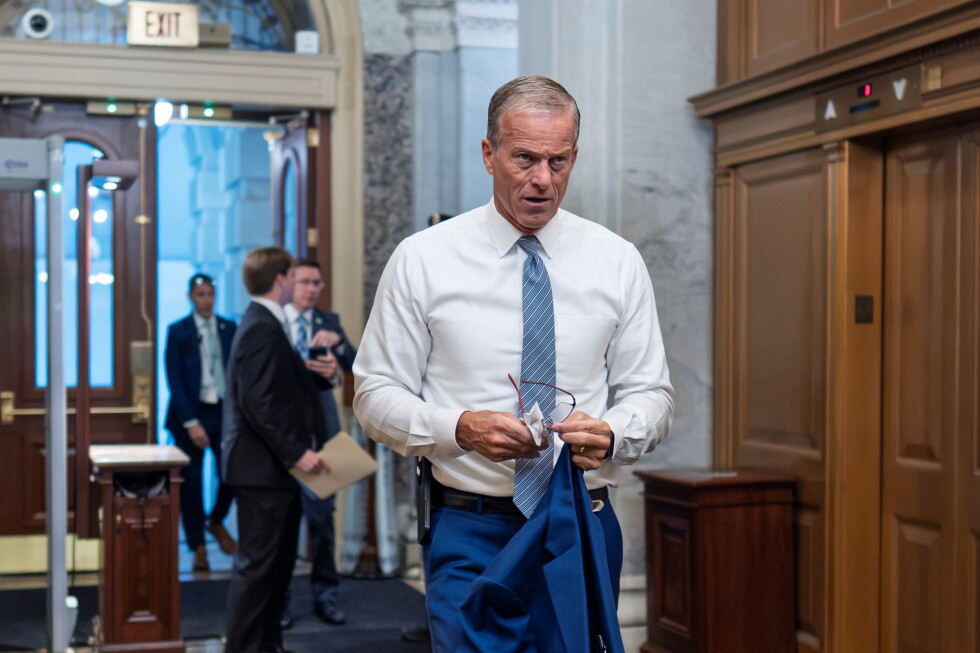
Adding to the tension is Trump’s increasingly distant relationship with Senate Majority Leader John Thune, R-S.D. While Thune remains popular in his conference and cordial with the president, he has spent much of his time lately telling Trump what he doesn’t want to hear.

Thune said Tuesday that while Trump and some in their conference want to see the voting bill pass, “it’s just not realistic.”

Trump has been pushing the Senate to eliminate the filibuster and pass the legislation, known as the SAVE America Act, which would create strict new requirements for voters to prove citizenship and show voter ID at the polls. He has also demanded that they add a ban on mail-in ballots to the bill as well as unrelated provisions to block sex reassignment surgeries on some minors and prevent people born as men from playing in women’s sports.

“John is a leader and hopefully he can get the votes,” Trump said Tuesday on a trip to Pennsylvania, putting new pressure on Thune.

Advertisement

Thune devoted weeks of floor time to the voting bill earlier this year and has said he supports it. But he has repeatedly said there aren’t enough votes to scrap the filibuster that triggers a 60-vote threshold to pass most bills in the 53-47 Senate. And Democrats are uniformly opposed to the bill.

“Those are just hard realities,” Thune said. “And I think people at some point have to come to grips with that.“

Thune said he hopes the meeting is about “sitting down as a family” and figuring out their agenda in the remaining time before the election.

Some GOP senators back Trump on SAVE Act

Thune said he found out Trump was coming to the luncheon from Florida Sen. Rick Scott, who had extended the invitation without telling him — an unusual move that could signal some frustration within the ranks. Scott, a close Trump ally, leads the Senate Republican lunch every Wednesday.

Advertisement

Scott, who ran against Thune for leader two years ago, said Trump responded “on the spot” to his invitation and said he would come.

“He’s going to be very positive,” Scott said. “There’s a lot that we can brag about that we’ve accomplished, and he wants to figure out how we can win November and continue to fulfill his agenda.”

On Monday, Scott sent a letter to his Republican colleagues arguing that the Senate should be taking votes every week on some version of the SAVE America Act and other GOP priorities that Democrats oppose.

“We need to show voters that we are listening to them and will fight for their priorities whether any Democrats vote with us or not,” Scott wrote.

Advertisement

Also needling Thune on the bill is Utah Sen. Mike Lee, a Republican who has amassed a large following on X with daily posts about how they should kill the filibuster and pass the bill. Several Republican senators, including Cornyn, confronted Lee at a closed-door lunch last week about his advocacy, which they said is dividing the party and creating unrealistic expectations.

Lee has also echoed Trump’s claims that Republicans can’t win elections unless the bill passes, despite the party’s sweeping victories in 2024. Trump has continued to falsely claim that the 2020 election he lost was stolen.

“The push to pass the SAVE America Act is not a ‘fantasy,’” Lee posted over the weekend. “It’s a plan to avoid a nightmare — one that’s coming soon unless we act.”

Thune said Tuesday that it’s Lee’s prerogative to post on social media, but “at the end of the day, I have a different reality. And sometimes the alternative universe that is X doesn’t reflect the facts on the ground.”

Advertisement

Frustration over Iran, intelligence job could also be topics

Trump could be faced with questions about his announcement on social media last week that he was delaying Jay Clayton’s nomination to become national intelligence director. Republican leaders had hoped to quickly confirm Clayton and circumvent Trump’s unpopular interim pick Bill Pulte, who has no known experience in the field.

In the same social media post, Trump said he wouldn’t sign a renewal of a key surveillance law unless Senate Republicans attach the SAVE America Act. That hardline approach has some support in the House, where a group of 25 Republicans has vowed to oppose all legislation until the voting bill moves forward.

Republicans could also use the luncheon to push Trump on the war in Iran and the agreement with Iran to end it. Most lawmakers still have not been briefed about the deal.

Sen. Mike Rounds, R-S.D., said there are a lot of questions about the Iran agreement, but added that Trump may not be able to talk publicly about the ongoing negotiations.

Advertisement

“We’re there to listen” and to try and ensure that the rest of Trump’s term is successful, Rounds said. But that means “we’ve got to come out with a united team.”

___

Associated Press writer Joey Cappelletti contributed to this report.

Advertisement

Source link

Continue Reading

NewsBeat

Can wiggling your pinky really stop cognitive decline?

Published

on

Can wiggling your pinky really stop cognitive decline?

What if protecting your brain from dementia was as simple as wiggling your little fingers a few seconds each day? That’s the promise behind “pinky time”, a viral TikTok trend that claims a simple finger exercise can lower your risk of developing Alzheimer’s.

Videos promoting this supposed brain-health hack have attracted millions of views, with some suggesting that difficulty performing the movement could be a warning sign of cognitive decline. By arranging the fingers into a specific pattern and moving the pinkies up and down, proponents argue you are giving your brain a quick workout that keeps it sharp.

It’s easy to see why the idea has gained attention. A free, effortless daily habit that protects against one of the most feared conditions of ageing is an appealing prospect. But while the trend draws loosely on real neuroscience, the conclusions being made are far more ambitious than the evidence allows.

Doing something fiddly and new with your fingers, such as learning new chords on a guitar, takes real concentration. Your brain has to plan each movement, hold back the wrong ones, and constantly adjust based on what you are seeing and what your fingers are feeling.

Advertisement
Takes real concentration.
Virojt Changyencham/Shutterstock.com

That’s a surprising amount of mental work for such a small physical task, and it may help explain why hands-on hobbies such as learning a musical instrument or knitting are associated with sharper memory and better brain function.

For years, scientists have used finger-tapping tasks, where people repeatedly tap a finger or follow a simple rhythm, to study how movement, attention and the ageing brain are connected. However, these tasks are used as research tools and should not be confused with scientific tests for dementia or memory loss.

There’s another idea behind this: the brain can rewire itself in response to what we ask it to do, building new connections as we learn. So when you learn a new finger movement, you’re encouraging your brain to strengthen and reorganise neural connections involved in that task.

In this sense, pinky time fits into a broader category of activities that challenge the brain through novelty and coordination. From juggling to dancing or learning a new language, these sorts of tasks may help keep the brain resilient as we age.

Advertisement

Performing unfamiliar movements can feel mentally demanding, but it does not mean it can diagnose cognitive decline or protect against it. Many factors influence how well someone performs a finger coordination task, including mobility, flexibility, previous injuries and practice. A healthy person may struggle with this movement task, while someone with cognitive impairment may perform it with ease.

Looking for easy fixes

The popularity of pinky time highlights that people are increasingly looking for simple ways to monitor and protect their brain health. Unfortunately, detecting the earliest stages of cognitive decline is considerably more complex.

Doctors and researchers use carefully developed tests that measure many aspects of cognition, including memory, attention, language and “executive functioning” (the planning, organising and self-control skills we use to perform daily tasks).

There is currently no evidence that struggling with this particular finger movement predicts early memory or thinking problems, and no strong evidence that practising it can prevent cognitive decline.

Advertisement

Research on various hand and finger exercises has reported modest benefits in people who already have some cognitive difficulties. But there isn’t much evidence yet, and it’s not clear whether the benefits are big enough to help protect against dementia.

Another limitation is that the brain benefits most from activities that remain difficult. As a task becomes familiar, it requires less attention and cognitive effort. A movement that feels difficult today may become largely automatic after repeated practice, reducing its value as a brain workout.

What is known to work

Unfortunately, there’s no single trick to keeping your brain sharp as you age. What does seem to matter is much broader – staying active, looking after your heart, getting enough sleep and keeping up your social life. There’s also growing evidence that something as simple as sorting out your hearing or eyesight can help too, because it makes it easier to stay socially and mentally switched on.

A healthy diet, particularly one resembling the Mediterranean diet, has also been linked to better brain health. Lifelong learning, whether through education, hobbies, languages, music or other mentally stimulating activities, also seems to help.

Advertisement

Pinky time as a coordination challenge may be fun and harmless. But its viral promise oversimplifies a much more complex picture. When it comes to protecting our brains, the evidence still favours the less glamorous fundamentals: exercise, sleep, healthy diet, social connection, good sensory health and lifelong learning.

Source link

Advertisement
Continue Reading

NewsBeat

Climate warnings need to be told in tangible ways to prevent disaster

Published

on

Climate warnings need to be told in tangible ways to prevent disaster

England is sweltering under an red heat health alert and could see its hottest June day on record. In North America, football fans and players are suffering, with a quarter of this summer’s World Cup matches forecast to be played in dangerous heat.

The public know to expect this in advance because the science of forecasting has become remarkably powerful. Scientists can run a million versions of the future before it arrives. But seeing the future in data is not the same as being ready for it. The gap between knowing and doing is not a gap in our technical capability. It is a gap in human imagination.

In September 2024, Storm Boris brought severe flooding across central Europe. Forecasts gave authorities time to act. Thousands of people were evacuated. The science helped people see into the future.

Three years earlier, in July 2021, forecasts for rivers in western Germany were predicting serious flooding several days ahead. Yet some people did not receive warnings. Others did not understand what the warnings meant. And some simply could not imagine that the flood would be worse than anything they had ever seen before. Villages were torn apart and 190 people died.

Advertisement

What happened differently? I was part of a team of researchers who spoke to people who had lived through the floods in the Ahr valley in Germany. One person said: “It was clear that a lot of rain was coming. I lacked the imagination of what that means.” People may possess information and still be unable to see the danger they are in. Previous experience can help people picture a flood, but often only up to the scale of their prior experience. As the climate changes further, the future has no template.

Making possibilities visible

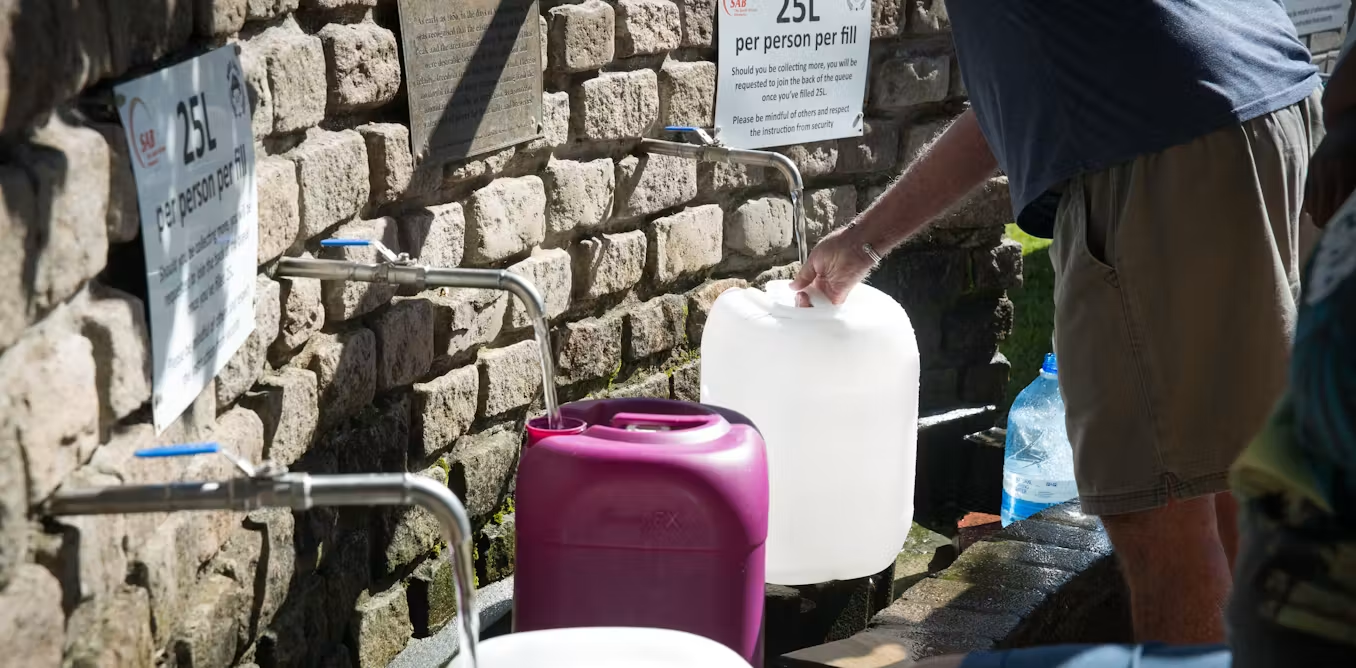
Between 2015 and 2018, Cape Town in South Africa experienced a severe drought. Reservoir levels fell sharply. The city began to approach what became known as day zero: the point at which household taps would be turned on, and no water would come.

A very dry Theewaterskloof dam during the worst drought in decades in the Western Cape of South Africa, 2018.
Dewald Kirsten/Shutterstock

Research showed that this situation was made worse by inequality as much as climate change. Rich residents filled swimming pools while their poorer neighbours were left without running water to drink. But the crisis rose in prominence because of the way it was discussed. The idea of day zero turned an abstract risk into a timed countdown, making visible the possibility of an otherwise invisible but devastating future. Cape Town needed better water infrastructure, but the crisis did not become real until its residents created better imagination infrastructure.

Advertisement

Imagination infrastructure provides the building blocks of society’s shared understanding. To understand how the natural world will affect us, we need stories, forecasts, maps, conversations and shared spaces that allow us to rehearse a future in our minds before it arrives. A flood warning is a piece of imagination infrastructure. So is a photograph of water rushing through a familiar street, which can make an approaching danger suddenly real in a way that an abstract warning cannot.

The science will tell us what is likely to happen. The harder question is whether that knowledge reaches people in a form they can feel and act on.

Not only that, but imagination infrastructure can improve physical infrastructure. This is not an either/or trade-off. We cannot replace flood barriers and pumping stations with storytelling. We also need strong public institutions and political decisions that take future risk seriously. But physical infrastructure begins with a collective act of imagination. Before we build a flood barrier or redesign a street, we have to picture why that change matters.

Futures we can already see

The science of climate forecasting has already given us a range of possible futures: worlds with 1.5°C of warming above pre-industrial temperatures, 2°C, 3°C and beyond over the coming decades. Those numbers can often seem too abstract to grasp, or the timescales feel too far off to care about.

Advertisement

The challenge for science is not just to forecast the conditions that are ahead. It is to imagine the kind of society we want to be in the future, as conditions like this week’s heatwave in the UK grow more common.

The good news is that we don’t have to look very far to see ideas being put into action. Just a few steps from where I live and work in Reading, we have modern hydroelectric turbines on the River Thames generating renewable electricity. Electric buses carry passengers swiftly around the town. And the Reading School Streets programme (an initiative that ensures roads outside ten schools are closed to most vehicles during school arrival and departure times) brings cleaner air and safer surroundings to children and families on the daily trip to the school gates. These ideas all stem from someone deciding to imagine a different future and making that a reality.

When science predicts heatwaves or floods next week, or extreme conditions decades in the future, those futures are real. To avoid walking headlong into disasters we can already see, and to build different futures for ourselves, we need to learn to imagine and feel them too.

Advertisement

Source link

Continue Reading

NewsBeat

NATO’s Trump whisperer visits him at the White House

Published

on

NATO's Trump whisperer visits him at the White House

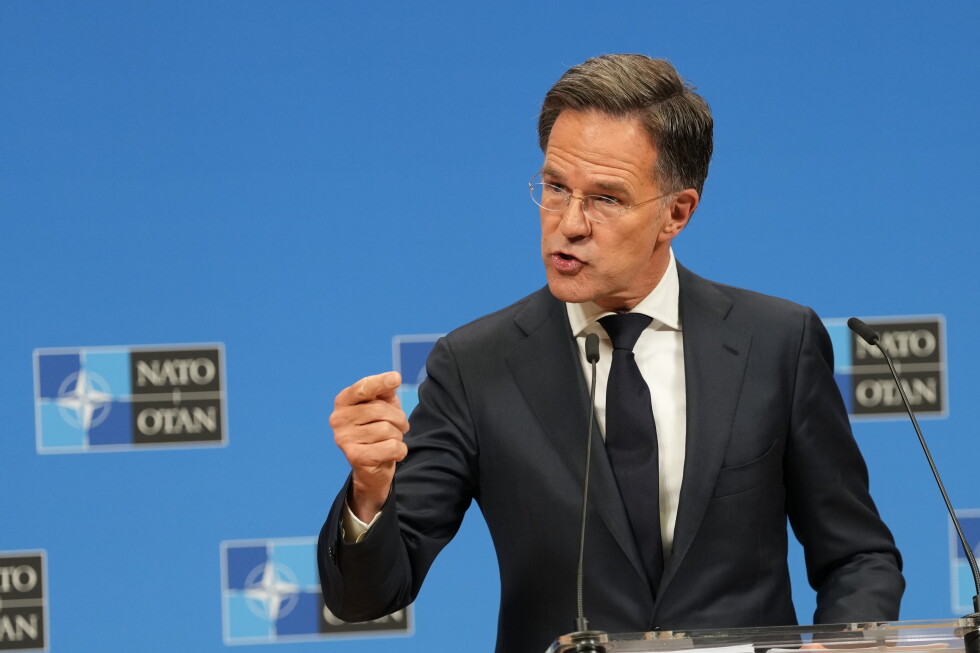
WASHINGTON (AP) — NATO Secretary-General Mark Rutte will check in face-to-face with President Donald Trump on Wednesday, visiting the volatile U.S. leader two weeks before the annual summit of the military alliance at a time when the Pentagon is reviewing the size of the U.S. military footprint in Europe.

Trump has long been critical of NATO, arguing the U.S. carries more than its fair share of military spending. But his grievances have been louder since the Iran war as he fumed over some member countries ignoring his call to help him restart oil trade through the shuttered Strait of Hormuz.

Trump has renewed his threats to leave the 77-year-old military alliance, raising the stakes ahead of the NATO leaders’ summit in Turkey next month. But Rutte, who has become known as a Trump whisperer for his ability to charm the president, is expected to use Wednesday’s White House meeting to try to appease him.

The visit comes after U.S. Defense Secretary Pete Hegseth last week lashed out at allies during a meeting at NATO headquarters in Brussels. He announced a six-month Pentagon review of American forces in Europe.

Advertisement

Hegseth echoed some of Trump’s critiques, faulting European allies for not letting the U.S. use bases in Europe to attack Iran. NATO allies were not consulted about the war before the U.S. launched it with Israel on Feb. 28, and some have been openly critical of Trump’s strategy.

Trump has claimed NATO allies were not there for the U.S. and suggested leaving the alliance, which was founded in 1949 to counter the Cold War threat posed to European security by the Soviet Union. At the heart of their treaty is a mutual defense agreement in which an attack on one is considered an attack on all. The only time it has been invoked was in 2001, to support the United States in the wake of the Sept. 11 attacks on New York and Washington.

The Pentagon’s warning that it will reduce its military presence in Europe to focus on threats elsewhere was the latest upheaval for the 32-member alliance since Trump returned to office.

The Republican leader stunned European allies last year when he threatened to annex Greenland, a semiautonomous island that is part of ally Denmark.

Advertisement

A chief part of Rutte’s mission these days is keeping the U.S. in NATO, and he’s proven himself deft in the past at subduing Trump’s frustrations.

Rutte frequently flatters the president, crediting him with getting NATO members to increase their defense spending. Trump last year pressured leaders to agree to invest 5% of their GDP annually on defense by 2035.

On Tuesday evening, Rutte appeared for an interview on Fox News Channel, of which Trump is known to be a dedicated viewer.

Rutte repeatedly praised Trump, emphasizing he is the leader of the NATO alliance and said of his efforts in Iran: “I’m completely behind him on this.”

Advertisement

He said that Trump’s frustrations over the use of bases in Europe involved a few “isolated cases.”

The lengths to which Rutte is willing to praise Trump have at times raised eyebrows, such as when he referred to the president as “daddy” during the alliance’s summit last year.

He then sent him a fawning text message that employed one of Trump’s favorite flourishes, capitalizing random words. “Europe is going to pay in a BIG way, as they should, and it will be your win,” Rutte said.

Trump shared the private message on social media for the world to see.

Advertisement

He did it again in January, blasting out another Rutte message that closed with: “Can’t wait to see you. Yours, Mark.”

___

Associated Press writer Lorne Cook in Brussels contributed to this report.

Advertisement

Source link

Continue Reading

NewsBeat

Environment Agency monitoring River Ouse for ammonia

Published

on

Environment Agency monitoring River Ouse for ammonia

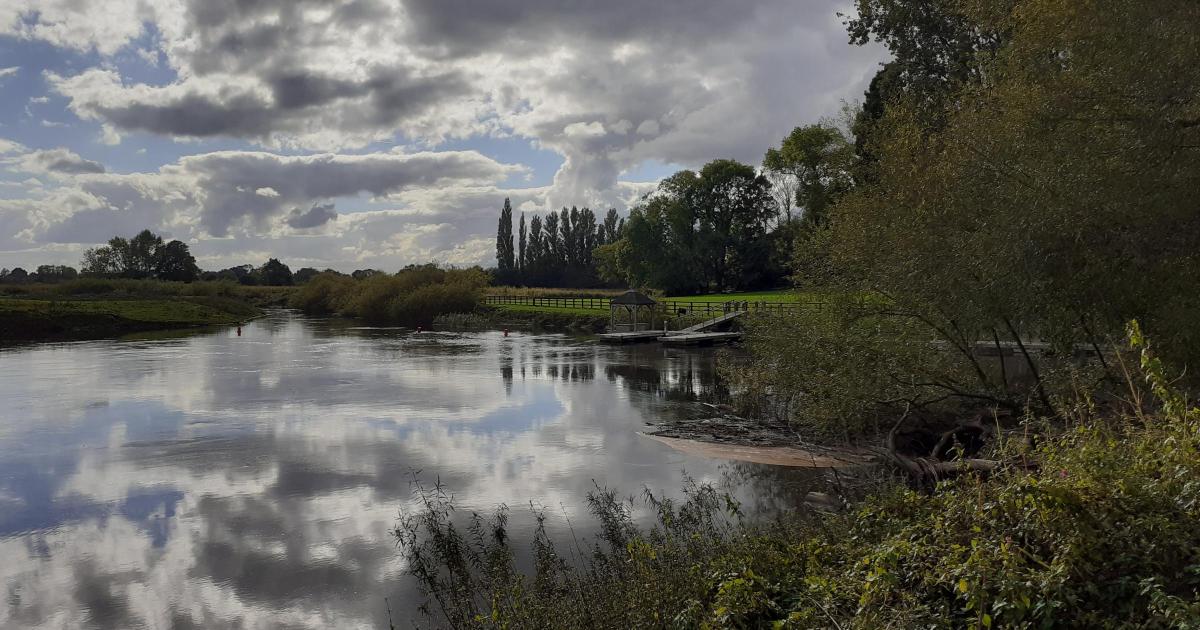
The Environment Agency has been on the River Ouse monitoring elevated ammonia levels.

It comes as Yorkshire Water said it identified the pollution in its raw water supply and shut down its water treatment works to protect water quality.


Recommended reading:

Advertisement

As reported by The Press, some residents of Easingwold, Tollerton and surrounding areas with no or low water pressure overnight on Tuesday, June 22 and yesterday.

In an update at 11.03pm last night the company said some customers in Easingwold, Tollerton and surrounding areas “may still be experiencing low water pressure while we continue to respond” to the incident.

Ammonia is a sharp‑smelling chemical found in sewage and fertilisers which, at high levels in the river, can damage fish and other wildlife.

A spokesperson for the Environment Agency said: “Our officers have been on site monitoring elevated ammonia levels in the River Ouse and working hard to identify the source of the pollution.

Advertisement

“We are investigating the incident and will not hesitate to take enforcement action if appropriate.”

The spokesperson added that its officers have been monitoring various locations on the River Ouse, including upstream of Beningbrough.

Environmental incidents can be reported to the Environment Agency via its hotline 0800 807060.

Advertisement

Source link

Continue Reading

NewsBeat

Call The Midwife star added to the cast of ITV’s new drama

Published

on

Call The Midwife star added to the cast of ITV's new drama

ITV has announced additional cast members who will be starring in the recently commissioned drama, Marvis Eccleston.

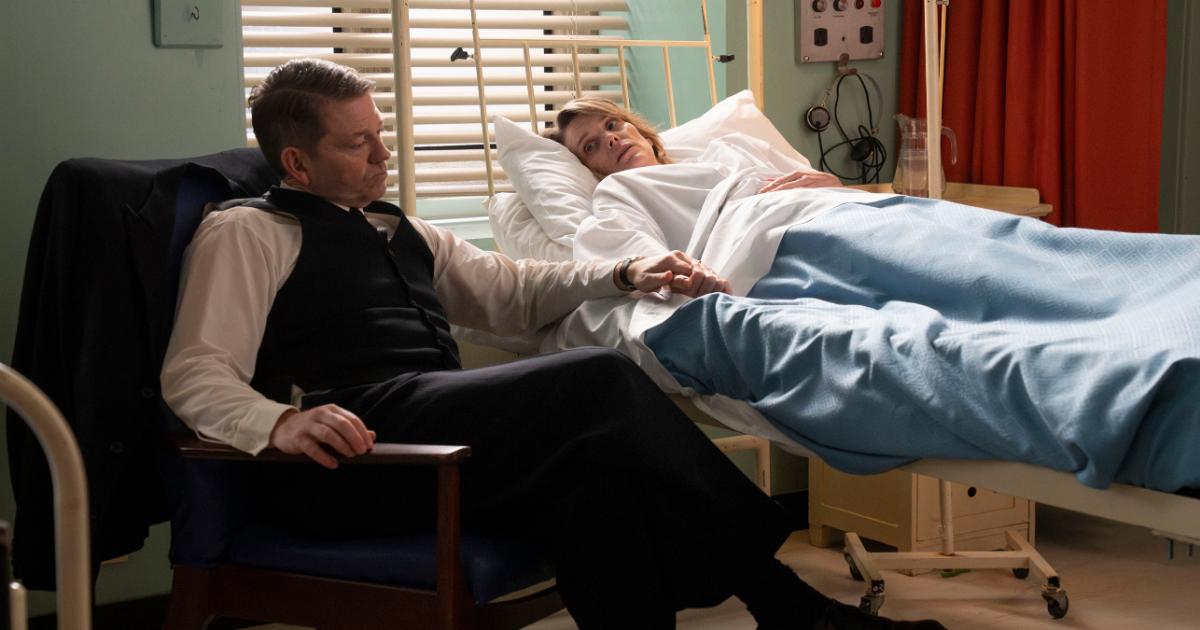
Penelope Wilton, who starred in Downton Abbey as Isobel Merton, will be taking on the titular role alongside Jonathan Pryce, who can be seen in Slow Horses and The Crown and will be playing Marvis’ husband, Dennis Eccleston.

The four-part drama follows the “tragic and extraordinary” real-life story of a woman who survived a joint suicide pact with her husband and was subsequently arrested and charged with his murder.

Penelope Wilton from Dowton Abbey will be playing the titular role (Image: Ian West/PA Wire)

Who else will be starring in Marvis Eccleston?

Call The Midwife star Chris Reilly and Sian Brooke from Blue Lights will play the couple’s children, Kevin and Joy.

Advertisement

Darrell D’Silva and Jill Halfpenny will play Kenton and Tracey, the partners of Joy and Kevin.

The show has been written by Chris Lang, known for Unforgotten and The Thief, with all four episodes being directed by the BAFTA award-winning Bruce Goodison.

ITV has described the drama as a “complicated mix of raw and intense emotions”.

After being diagnosed with terminal cancer, Dennis decides to decline treatment and end his life with his wife, Marvis, “much to the anguish and upset of their adult children”.

Advertisement

Dennis had cancer twice before and understood the “gruelling toll” the treatment would take on him and his family.

After being rushed to the hospital following an overdose, Dennis passes away, but Marvis survives and, after being interviewed by hospital staff, is arrested for his death.

The family now has to navigate their grief while dealing with the possibility of their mother going to prison.

The show is currently being filmed in Bristol.

Advertisement

Will you be watching Marvis Eccleston when it is released? Let us know in the comments below.

Source link

Advertisement
Continue Reading

NewsBeat

Yorkshire Water urged customers about heatwave water usage

Published

on

Yorkshire Water urged customers about heatwave water usage

Yorkshire Water has urged customers to use water wisely as the region saw a spike in demand, reaching 1.485 billion litres on Tuesday, June 23 – 150 million litres above average for this time of year.

The company expects demand to climb further, potentially reaching 1.49 billion litres on the hottest day of the heatwave.


RECOMMENDED READING:

Advertisement

Andy Shaw, head of water production at Yorkshire Water, said: “With temperatures climbing people will understandably be making the most of the sunshine, and with an increase in temperature we see increased water demand.

“Small changes by everyone can make a big difference and help save thousands of litres of water.”

Yorkshire Water suggests using a watering can instead of a hosepipe, running full loads in washing machines and dishwashers, and turning off taps while brushing teeth.

He added: “Simple actions such as using a watering can instead of a hosepipe, watering plants in the morning or evening rather than in the heat of the day, waiting until washing machines and dishwashers are full before putting them on, and turning off the tap while brushing teeth can all play a vital role in helping to protect resources.” 

Advertisement

The company reminds customers that every drop counts and asks the public to support efforts to manage demand.

Water-saving tips are available at www.yorkshirewater.com/your-water/save-water/

Source link

Advertisement
Continue Reading

NewsBeat

Tesco just launched its first-ever Clubcard for teenagers

Published

on

Tesco just launched its first-ever Clubcard for teenagers
Teens can now get a Clubcard – but there’s a catch (Picture: Shutterstock / JuliusKielaitis)

For the last 31 years, Tesco’s Clubcard scheme has had one very strict rule: no one under the age of 18 has been allowed to sign up.

However, that’s all about to change, as the retailer is launching its first-ever card for teens. 

The new version of Clubcard will allow younger people to access the cheaper prices and deals offered to adults for the very first time.

Though it’s worth noting that there is a big catch when it comes to who can sign up and how they join. 

Advertisement

Here’s everything you need to know…

Who can sign up for Tesco’s new Clubcard?

Chester, UK / March, 2020 / A Tesco Clubcard supermarket letter, that has come through the post. It has a lovely image of some fruit on the front. Clear branding on the envelope of the store.; Shutterstock ID 1692275161; purchase_order: -; job: -; client: -; other: -
Only 16 and 17-year-olds can sign up (Picture: Shutterstock / Dan Jardine)

The new version of the scheme isn’t available to all teenagers, only those aged 16 and 17.

And 16 and 17-year-olds can only join if their parent or guardian already has a Clubcard account. This is because the teens have to be invited to join through the parents’ account. 

The ‘invite to Clubcard’ option can be found in the settings section of the app, but only those with the latest version will be able to access it.

If you can’t see it, then it’s worth updating your Clubcard app.

Advertisement

Once your child has joined the scheme, they won’t be given a physical card, as it’s only available through the Tesco app or website. And when it comes to using the card, this can only be done in-store or at a petrol station, not online. 

Tesco clubcard app seen in Google Play Store on the smartphone screen placed on red background.
The 16-17s Clubcard is only available on the app (Picture: Shutterstock / mundissima)

What perks come with Clubcard for 16-17s?

Like the regular Clubcard scheme, members will be able to access Clubcard Prices in Tesco stores (excluding some age-restricted items) and collect points that can be converted into vouchers for money off at the checkout.

Speaking about the launch, Tesco Group membership & loyalty director, Shama Wilson, said: ‘We are delighted to be giving younger customers access to Tesco Clubcard for the first time, and we have no doubt that it will prove popular with 16 and 17-year-olds, whether they are shopping in one of our big Tesco or little Tesco stores.

‘From today, our new Clubcard for 16-17s members will not only be able to get Clubcard Prices in-store, including our iconic Tesco lunchtime meal deal for just £3.85, but also collect points that they can turn into vouchers for money off their in-store shopping.’

Don’t miss our Money tips! Add us as a Preferred Source

At Metro Money, we’re here to bring you all the latest news and advice on personal finance, cost of living, saving and investing. As part of our vibrant community of highly engaged readers, we want to make sure you never miss our articles when searching for stories.

Advertisement

Click the button below and tick Metro.co.uk to ensure you see stories from us first in Google Search.

Add us as a Preferred Source

Our Money experts are here to give you the latest tips and insider guides

Will you be letting your teen sign up for the new Clubcard?

In other supermarket news, M&S has just brought back its viral, sold-out strawberry sandwich and launched a brand new version.

The new one is made with a cocoa-enriched sweetened bread, a layer of smooth pistachio creme, a Fairtrade Belgian dark chocolate sauce, and sliced British strawberries.

If this weren’t enough, there are also two new sweet dips hitting the shelves in the Foodhall – a Strawberry and Cream one, plus Chocolate and Pistachio.

Advertisement

Aldi has also caused a stir with its new £3.99 Spritzes, which shoppers have hailed ‘gorgeous’ and ideal for sipping in the summer.

And Asda has made a major change to its delivery service, introducing a new two-hour rule.

Advertisement

Source link

Continue Reading

NewsBeat

Born after April 6 1977? DWP Stage Pension Age is going up

Published

on

Born after April 6 1977? DWP Stage Pension Age is going up

The warning comes as the State Pension age is already beginning to rise for older workers, with the increase from 66 to 67 having already started. But for younger generations, a further increase is already written in place, but the review may change things again.

According to the Government Actuary’s latest report, the State Pension age will rise from 67 to 68 between April 2044 and April 2046, affecting people born on or after 6 April 1977.

The review states: “Increase in (State Pension Age) from 67 to 68 – between April 2044 and April 2046; it begins to rise above 67 for those born on or after 6 April 1977.”

Advertisement

State Pension age is already rising

The Government Actuary’s report confirms that the State Pension age is rising from 66 to 67 between April 2026 and April 2028.

The increase began affecting people born on or after April 6 1960.

For millions approaching retirement, that means waiting longer before receiving one of the UK’s most important retirement benefits.

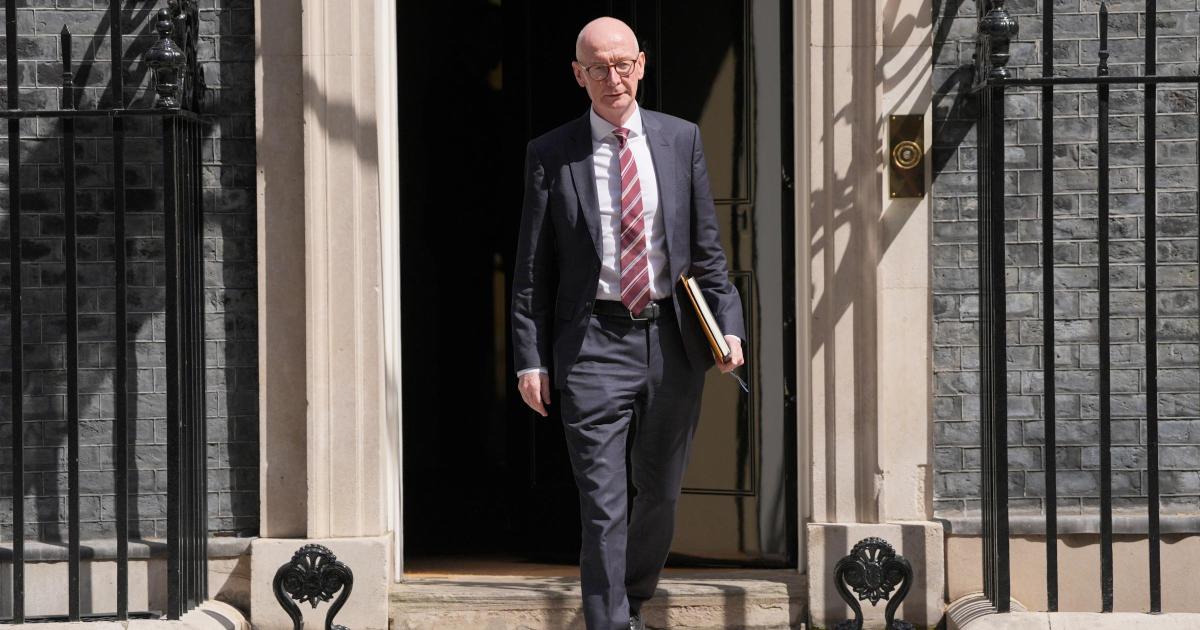
As DWP secretary Pat McFadden admits, age is experienced very differently across Britain.

Advertisement

“Being 67 or 68 years old can feel very different in different parts of the country,” he said.

The Cabinet minister pointed to his own constituency in the Black Country, where generations of workers have spent decades in physically demanding jobs.

“I know that it can feel quite different to be 67 or 68 years old in my constituency compared with leafier parts of the country.”

Government carrying out fresh State Pension review

The latest findings come as the Government conducts its third statutory review of the State Pension age.

Advertisement

Under the Pensions Act 2014, ministers are legally required to regularly examine whether the State Pension age remains appropriate, taking account of life expectancy and wider economic factors.

The review explains that ministers must consider whether pension age rules mean that people can expect to spend a reasonable proportion of their adult lives receiving the State Pension.

The report notes that the Secretary of State must review the rules while “having regard to life expectancy and other factors” considered relevant.

Des Cooney, financial consultant and retirement planning specialist at Axis Financial Consultants, highlights the issues that uncertainty hanging over the state pension age review can cause: “People have built savings strategies, ISA contributions, and drawdown timelines around a number they were told to rely on – and even the suggestion of change can leave those plans exposed.”

Advertisement

He adds: “My strong advice to anyone following this story is not to wait for the review’s conclusions before reviewing their own retirement income picture. The
earlier you stress-test your position against a later state pension age, the more options you’ll have to adjust without having to make drastic changes.”

Could my pension age rise even sooner?

One of the most significant revelations in the report is that previous governments considered bringing forward the increase to age 68.

The Government Actuary notes that following the 2017 review, ministers announced plans to increase the State Pension age from 67 to 68 between 2037 and 2039, seven years earlier than currently legislated.

The report states the Government intended to increase the pension age from 67 to 68 “between 2037 and 2039, bringing it forward by seven years from its legislated date of 2044 to 2046”, although that proposal was later delayed pending further evidence.

Advertisement

While no decision has yet been taken to accelerate the increase, it highlights how future reviews could still alter retirement timetables.

Industry body Pensions UK has urged ministers to take a measured approach when deciding future State Pension ages.

In its response to the review, the organisation said: “The State Pension Age is a crucial lever for maintaining the long-term sustainability of the State Pension system, while the State Pension itself remains central to ensuring adequate retirement income.”

Pensions UK said policymakers must balance the affordability of the system with fairness for future retirees, particularly as many workers remain heavily reliant on the State Pension as a foundation of retirement income.

Advertisement

The organisation has also stressed the importance of providing certainty so people can plan effectively for retirement.

Why does the State Pension age keep increasing?

Successive governments have argued that rising life expectancy means people are spending longer in retirement than previous generations.

The review reveals that policymakers continue to examine how much of adult life people should spend receiving the State Pension.

It notes that a previous review suggested the Government was minded to commit to “up to 32%” as the appropriate proportion of adult life spent receiving State Pension payments.

Advertisement

That figure is likely to remain a key consideration as ministers weigh up future increases.


Recommended reading:


What does it mean for your pension?

If you were born after April 6 1977, current legislation means you are likely to have a State Pension age of at least 68. However, the ongoing Government review means future changes cannot be ruled out.

The full new State Pension is currently worth more than £11,900 a year, making it a crucial source of income for millions of people.

Advertisement

Experts recommend checking your State Pension forecast regularly and ensuring your National Insurance record is complete, particularly as retirement ages continue to move higher.

Source link

Advertisement
Continue Reading

NewsBeat

Portsmouth residents warned about one common habit that puts you at risk of online theft

Published

on

Portsmouth residents warned about one common habit that puts you at risk of online theft

A cybersecurity expert has revealed a common mistake millions of online shoppers make that leaves them vulnerable to hackers and fraud. According to a YouGov study, one in five Brits have been a victim of bank fraud online, and with scammers becoming more and more advanced, shoppers need to be more vigilant than ever. 

Source link

Continue Reading

Trending

Copyright © 2025