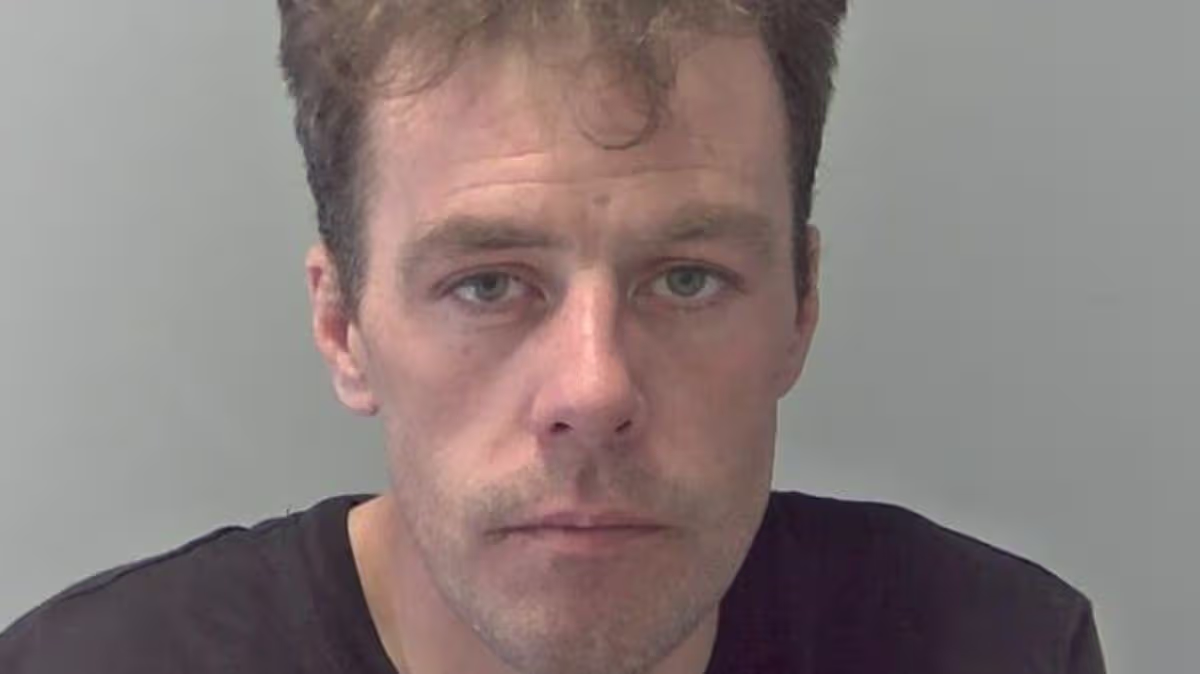
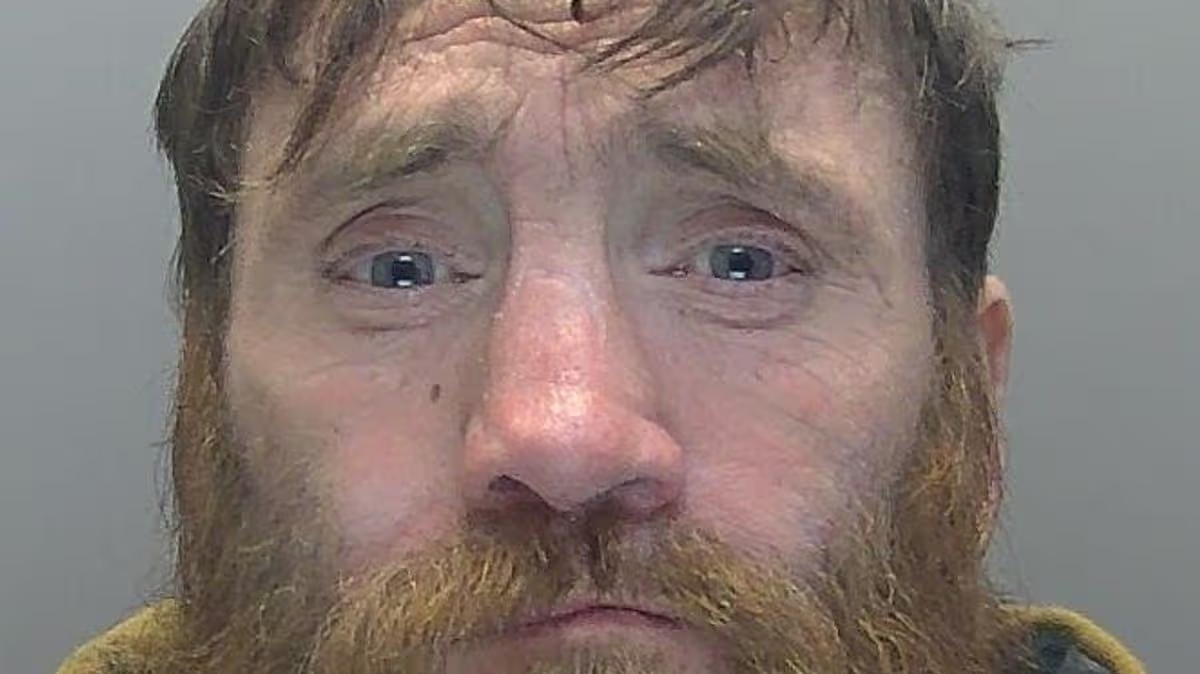
A serial burglar who smashed his way into homes in Cambridgeshire and other counties has been jailed. Billy Swaley Smith broke into people’s homes and stole several items including jewellery.
He burgled 20 properties across Cambridgeshire, as well as Essex, Norfolk, Suffolk and Essex between January 9 and April 7, 2026. Swaley Smith, 37, of Smockhill Close, Norwich, appeared at Ipswich Crown Court on Friday (May 8).
He admitted to two burglaries in Mulbarton, Norwich on February 12 and in Thetford on April 7. He was sentenced to 876 days in prison.
Advertisement
In the Mulbarton burglary, he smashed his way into a house by using a plant pot and made off with a coin collection, jewellery and handbags.
Blood found on a storage cube was matched to Swaley Smith. In the second incident, he ransacked the house and stole jewellery. He was captured at the scene on CCTV and recognised by officers. He was arrested the following day.
Duncan Etchells, police staff supervisor for Op Converter said: “There was nothing sophisticated about these offences – he simply smashed his way into properties and stole anything he thought he could sell quickly for drugs.
“Burglary is by nature a very invasive crime which has a very real impact on victims who were left dealing with the damage and intrusion caused.
Advertisement
This sentence sends a clear message that we will relentlessly pursue prolific offenders and bring them to justice. Hopefully this process brings some reassurance and closure to those who were targeted by this opportunistic offender.”
John Swinney’s party took 58 seats, falling short of the 65 needed to win an overall majority, but are by far the largest party in Scottish parliament after Labour and Reform UK both emerged with just 17 seats.
Hours after the result was announced, Mr Trump wrote on his Truth Social platform: “Congratulations to John Swinney on winning his Re-Election for First Minister of Scotland. He is a good man, who worked very hard, along with the King and Queen of the United Kingdom, with respect to Tariff relief for Great Scottish Whiskey – and deserves this Big Electoral Victory!”
Advertisement
The post backs up Mr Swinney’s claim that he worked to deliver the removal of US tariffs on Scottish whiskey, which was announced shortly after the King’s state visit.
The SNP leader was forced to release a thank you text he received from Mr Trump after he was initially mocked on social media for the claim.
The US president praised the SNP leader as a ‘good man’ who ‘deserves this big electoral victory’ (AP)
The US president’s social media post could perhaps be seen as a swipe at the prime minister, who has suffered from worsening relations with Mr Trump in recent months.
The pair continue to be at odds with each other over the president’s approach to war in the Middle East, with Mr Trump calling Sir Keir “no Winston Churchill” earlier this year.
Sir Keir has faced calls to resign after the disastrous set of elections in Scotland, Wales and local councils across England.
Advertisement
But the prime minister has insisted he “will not walk away” and has vowed to fight on as Labour leader, despite being blamed for losing hundreds of councillors in England and a major humiliation in Wales.
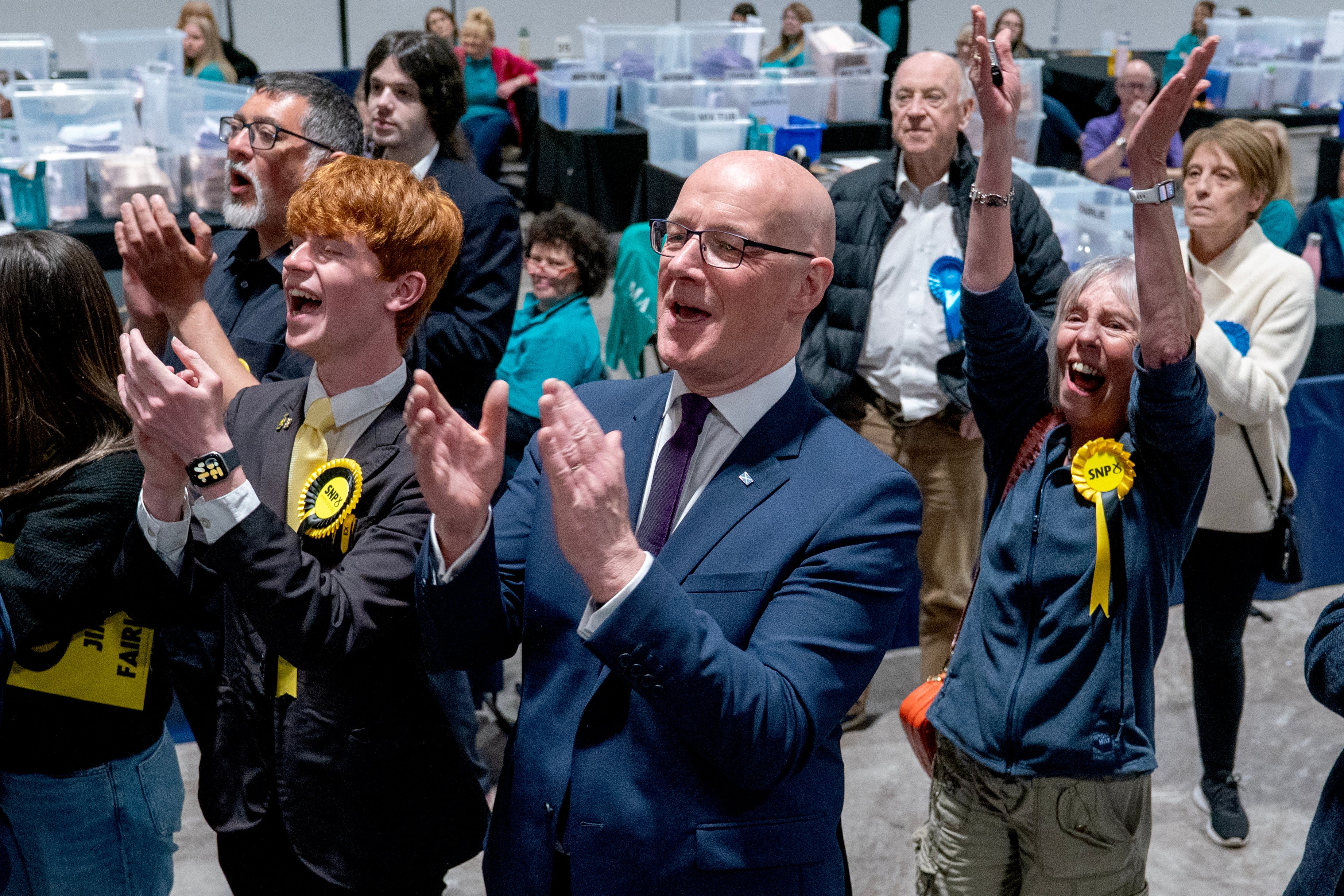
First Minister and SNP leader John Swinney with party supporters, at the election count for the 2026 Holyrood elections (PA)
Scottish Labour leader Anas Sarwar admitted his party was “hurting” after the result in Scotland.
Asked if he blamed Sir Keir Starmer for the results on Friday, Mr Sarwar said: “Throughout this election campaign, I have tried to make this election about Scotland, I’m not going to change that today.
“Is there a national wave, though, that we tried to overcome and failed to do so? Yes.”
Labour haemorrhaged support in former strongholds while Reform UK made stunning gains and Plaid Cymru became the largest party in a Senedd election that left outgoing First Minister Eluned Morgan without a seat.
Advertisement
The results have reignited rumblings of a leadership contest, with some backbench MPs openly calling on Sir Keir to set out a timetable for his departure and others urging an immediate change in direction.
Richard Burgon, leader of the Socialist Campaign Group of left-wing Labour MPs, demanded Sir Keir set out a timetable for his departure.
Sir Keir Starmer has said he will not walk away (Getty)
“It is clear that Keir has fought his last election as Labour leader and, deep down, he will know it,” he said.
But Sir Keir has defiantly vowed to stand firm as prime minister, with some ministers also insisting there will be no attempt to push him out.
Speaking as the results came in on Friday, Sir Keir vowed: “I’m not going to walk away and plunge the country into chaos.”
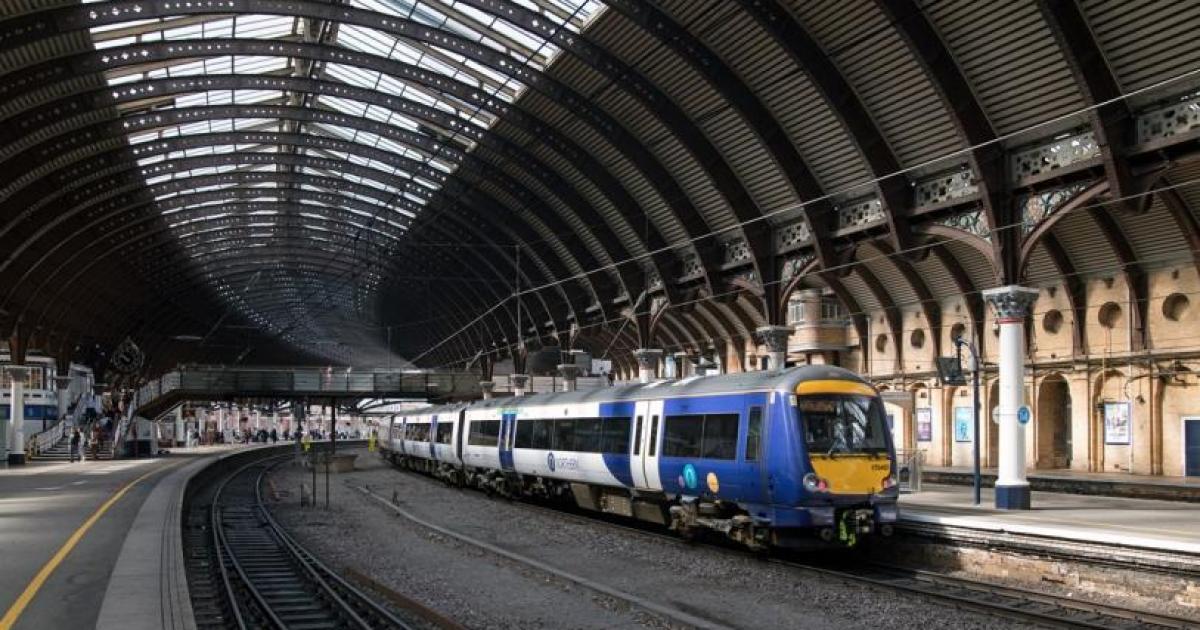
Buses will replace all Northern services from Sheffield to York across the weekend, due to planned engineering work between Sheffield, Bolton-Upon-Dearne and Wakefield Westgate.
It comes as Network Rail carries out essential work to renew switches and crossings in the area.
Recommended reading:
Advertisement
A spokesperson for National Rail said that the work would ensure it could deliver “more reliable” journeys for passenger and freight trains in the years ahead.
CrossCountry trains will continue to operate between the two cities as normal.
Speaking about this, a representative from National Rail said: “This planned engineering work will close some lines on Saturday (May 9) and Sunday (May 10).
“If you are planning to travel between Sheffield and York on Northern services, you can complete your journey on rail replacement buses.
Advertisement
“CrossCountry and Northern services between Sheffield and Leeds will have their timetables re-timed.
“If you’re travelling on a rail replacement bus, you can use the rail replacement services page on the National Rail website for advice with your journey.”
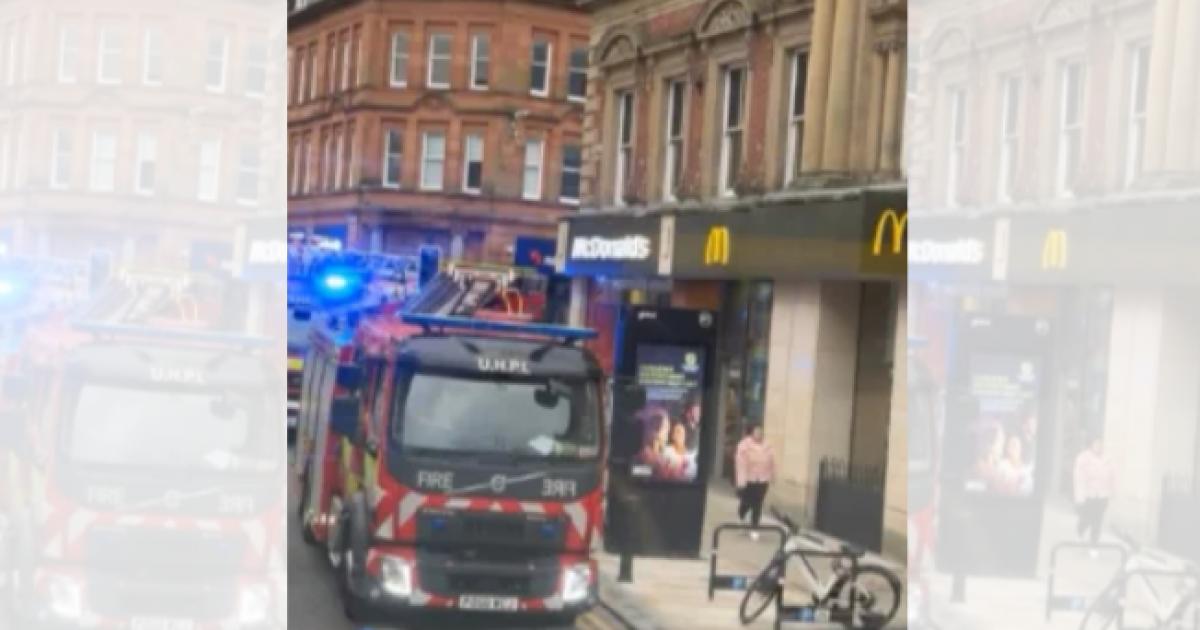
A GMFRS spokesperson said: “Two fire engines and a turntable ladder from Bolton Central Community Fire Station attended, along with the Enhanced Rescue Unit from Ashton-under-Lyne.
“Crews used the turntable ladder to safely rescue the person from the roof and bring them back down to ground level.”
Advertisement
Firefighters were seen outside McDonald’s on Knowsley Street as they worked to bring the situation under control.
They remained at the scene for around 45 minutes before rescuing the person and bringing them back down.
The man got out a lighter, lifted a petrol nozzle from a pump and ignited the flame after staff refused to serve him
A man threatened to burn down a Cambridge filling station after staff refused to serve him. Mark Guy, 47, walked up to the Shell filling station in Cambridge on the evening of January 10, 2024, despite previously being banned.
Advertisement
When staff refused to serve him, he immediately became agitated. According to Cambridgeshire Police, Guy walked out to the forecourt where he got out a lighter, lifted a petrol nozzle from the pump and ignited the flame, threatening to “burn the place up”.
The 47-year-old left after a member of staff called police, but he was later identified and arrested when he returned to the filling station in April of that year.
On Thursday, April 30, Guy, of Monkswell, Trumpington, Cambridge, was jailed for one year and three months after pleading guilty to attempted arson at Peterborough Crown Court.
DC Lara Wycherley, who investigated, said: “Guy could not accept he had been banned from the filling station, and quickly became aggressive and threatening towards staff who were just trying to do their job.
Advertisement
“Thankfully no-one was harmed, but Guy is very lucky that his reckless actions didn’t end differently.”
Seren Lowri Smith was found unresponsive on the floor of her home
10:16, 09 May 2026
Advertisement
A 23-year-old woman died of a cocaine overdose. Seren Lowri Smith was found unresponsive late on the night of August 29 last year on the floor at her home, Gwent coroner’s court heard.
Ms Smith, of Blackwood in Caerphilly county, had been taking the Class A drug recreationally and died as a result of its toxic effects, said coroner Rose Farmer.
Paramedics provided advanced life support and took Ms Smith to Prince Charles Hospital, Merthyr Tydfil, where resuscitation attempts continued, but those efforts failed and death was confirmed at 2.10am on August 30.
Ms Farmer said: “Seren had started using drugs recreationally. There is no evidence to suggest that Seren took cocaine with the intention of ending her life.”
Advertisement
The coroner recorded a conclusion of drug-related death and expressed her condolences to Ms Smith’s family.
Get daily breaking news updates on your phone by joining our WhatsApp community here. We occasionally treat members to special offers, promotions and ads from us and our partners. See our Privacy Notice.
Now, the UK Health Security Agency (UKHSA) has issued some advice as the season for ticks begins to boom.
A spokesperson said: “There is ongoing advice to people on our social channels about being tick aware.
“The tick season in the UK generally peaks from March to October, with peak activity often occurring between April and July.”
Advertisement
How to prevent ticks
Ticks can be prevented by:
Wearing long trousers, long sleeved shirt and shoes
Wearing a hat and tuck in hair
Using an insect repellent (preferably containing the active ingredient DEET)
Checking skin, hair and warm skin folds (especially the neck and scalp of children) for ticks, after a day out
Checking for ticks and removing any from your pets/ clothing/ outdoor gear
Removing any ticks and consulting with a GP if symptoms develop.
Professor Mary Horgan, Chief Medical Officer, said: “Ticks are found right across Ireland and most people who are bitten do not become ill.
“Lyme disease can occasionally cause serious health problems if not diagnosed and treated early so awareness is key.
“People should know where ticks are commonly found, check their skin after spending time outdoors, and seek medical advice promptly if they develop symptoms such as a rash spreading outward from a bite site or flu-like symptoms following a tick bite.”
How to remove an attached tick
If you find an attached tick, remove it by gently gripping it as close to the skin as possible using a pair of fine tipped tweezers or tick removal tool
Pull steadily away from the skin without twisting or crushing the tick
Wash your skin with warm water and soap afterwards, and apply an antiseptic cream to the skin around the bite
Do not use a lit cigarette end, a match head, or substances such as alcohol or petroleum jelly to force the tick out.
Symptoms of tick bites
In some cases, tick bites may cause:
swelling
itchiness
blistering
bruising
Tick bites aren’t usually painful but they may cause a red lump to develop where you were bitten.
Many pharmacies and outdoor stores sell tick removal devices. These are useful if you often spend time in areas where there are ticks.
Advertisement
If the tick’s mouthparts break off in the skin and can’t be removed, this may cause irritation but they they should fall out naturally in time.
Do not use a cigarette end, match head, alcohol or petroleum jelly on a tick.
Liverpool will be looking over their shoulders at Aston Villa and, further down, Brighton, Bournemouth and Brentford. A win today should see off the latter trio, and the return to fitness of Alexander Isak, who has shaken off a minor injury, will be key. Arne Slot will also hope to pick Giorgi Mamardashvili back between the sticks a week earlier than planned.
PEp Guardiola has given the latest on the fitness of his squad ahead of the crucial Premier League title run-in.
Manchester City have been handed a potential triple injury boost ahead of the crucial final weeks of the Premier League season. Pep Guardiola’s side are looking to close the gap on Arsenal in the title race.
Advertisement
City are currently in second place in the table, five points behind their rivals. They do, however, have a game in hand over the Gunners.
They have the chance to put further pressure on Arsenal on Saturday when City take on Brentford in the Premier League. Should they pick up all three points, then they will close the gap to just two points ahead of Arsenal’s match away at West Ham just over 24 hours later.
Get MEN Premium now for just £1 HERE – or get involved in our City WhatsApp group by clicking HERE. You can also join our City Facebook page by clicking HERE and don’t miss out on our brilliant selection of newsletters HERE.
City also have the FA Cup final on the horizon as they look to pick up their second piece of silverware of the season. They will therefore be hoping to welcome some key players back from injury.
Advertisement
With that in mind, here is the latest injury news from the City dressing room.
Rodri
Injury: Groin
The influential midfielder has been on the sidelines since suffering a groin injury during the 2-1 win over Arsenal last month.
What Guardiola has said: “He made a little problem and still he doesn’t feel completely comfortable, he said in his pre-match press conference. “When he will be ready and fit and come back, – this afternoon, hopefully – he will come back. We will see this afternoon.”
Advertisement
He added: “We have survived without him for many months.We do not depend on Rodri not being there.”
Potential return date: Vs Brentford, Sat 9 May
Josko Gvardiol
Injury: Shin
The defender has been out since January after suffering a broken leg, but he is closing in on a return to action.
Advertisement
What Guardiola has said: “He is training. It has been many months. He has been an important player for us. Glad he is back and make a good World Cup. Next season we can have him at his best. He plays so fast, so quick, like Ruben as well.”
Potential return date: Vs Brentford, Sat 9 May
FA Cup final VIP tickets for Man City vs Chelsea
This article contains affiliate links, we will receive a commission on any sales we generate from it. Learn more
Seat Unique offers hospitality packages for Manchester City’s FA Cup final clash with Chelsea, including ‘premium’ seats at Wembley and complimentary food and drink.
Ruben Dias
Injury: Hamstring
He has missed the last four games due to a hamstring injury, but in his update on Gvardiol, Guardiola suggested that Dias could be making a comeback too.
The 2026 elections are shaping up to be a seismic moment for politics in the UK. Across England’s local elections, Labour is facing up to a devastating result while Reform UK has picked up hundreds of seats. Our panel covered it all, with context, analysis and expert insights.
Big wins for Reform, but can it deliver?
Alia Middleton, Senior Lecturer in Politics, University of Surrey
Reform UK’s surge in areas such as Newcastle-under-Lyme indicates that the party has sustained the support it started to gather in the Midlands and the north of England at the 2024 general election.
The party has rather uniquely demonstrated an ability to steer voters away from both Conservatives and Labour. Gaining councillors and nibbling away at Labour support in the party’s heartlands in Hartlepool and Burnley shows that Labour’s reclaiming of its red wall at the 2024 general election may only be a temporary reinstatement.
Advertisement
Alongside the collapse and prolonged recovery of the Conservatives, Reform seems to be harvesting the party’s votes – take Essex County Council, which Reform now controls, for example. This has been either under Conservative control or no overall control since 1974. In 2021, Reform UK barely registered, but today it has 42 councillors. Several members of the shadow cabinet – including Conservative leader Kemi Badenoch – have seats in Essex. But now Reform seems to be consolidating its support in the county.
One upcoming issue for Reform, however, is that voters will soon expect delivery. Reform has shown it can win votes in local elections but the more councillors it has, the more it needs to show that it can function not just as a campaign machine, but as a professional party that can keep its promises and deliver real results.
Plaid seized an opportunity to demolish Labour in Wales
Marc Collinson, Lecturer in Political History, Bangor University
Wales’ long-dominant Labour Party has been drastically diminished, while Plaid Cymru – a party that has spent a century as a secondary force – has replaced Labour as that party did to the Lloyd George’s Liberals. However, political realignment in 2026 has also seen a transformation on the political right.
Advertisement
While Reform’s increase in support has not led to it becoming the largest party, the usurping of the Conservatives has ensured that Wales’ political landscape now looks radically different. But again, we should take the long view in light of major changes in the electoral system, where long-standing advantages and alliances disappeared overnight.
A parallel was the aftermath of major local government reforms in 1973. Liberals capitalised on the dual unpopularity of Harold Wilson’’s Labour and Ted Heath’s Conservatives to seize control of the city council in Liverpool. Voters had the opportunity to cast a meaningful protest vote and took their chance. As we approach the middle of this UK parliament, perhaps these are a similar protest. Time well tell.
Rhun ap Iorwerth, leader of Plaid Cymru, arriving at the Senedd election counting centre, Llandudno. Peter Byrne/Alamy
A new system – and a new order – in Wales
Stephen Clear, Lecturer in Constitutional and Administrative Law, Bangor University
It is hard to overstate the significance of the new electoral system for the Senedd. This election was not just about choosing politicians, but rather operating under a fundamentally different political structure. That difference was exemplified by Labour conceding, very early in the day, that after decades of dominance in Wales, it will not secure a victory this time.
Advertisement
And for the first time in the history of Welsh devolution, a first minister has been unseated in another devastating blow for Eluned Morgan and Labour.
The old mixed system, of 40 constituency seats elected by first-past-the-post plus 20 regional “top-up” seats (60 MSs in total), could produce something close to one-party dominance. Labour often emerged as the governing party even without a majority because its geographic concentration in South Wales translated efficiently into seats in the Senedd.
The new 96-seat structure, with all seats elected proportionally using multi-member constituencies, makes one-party dominance harder. Now parties get seat totals much closer to their actual vote share. It’s rarer to secure a seat for narrowly finishing ahead.
Advertisement
Practically, this means Wales is likely to be entering a multi-party bargaining era, or prominent coalitions, like other devolved nations and local European parliaments. Consequently, rather than headlines about who won, a more appropriate take in Wales may be “who can govern?”
Green wins can’t compete with Reform breakthroughs
Louise Thompson, Senior Lecturer in Politics, University of Manchester
This would be considered an exceptional electoral moment for the Greens in almost any other circumstances, but their wins pale in comparison to the huge gains made by Reform UK. It was still a good day for the party and shows how much the electorate is looking for alternatives to the two main parties. The Greens have continued the momentum they gained following Hannah Spencer’s success in the Gorton and Denton byelection.
The party’s first mayoral seats with Zoë Garbett in Hackney and Liam Shrivastava in Lewisham, plus its first ever constituency seat at Holyrood are a big step forward. The wins present a real opportunity for the Greens to show that they have moved on from being a small challenger party. They no longer need to focus on building credibility as an electoral option – they’ve shown that they can break through that barrier. The question now is whether they can gain people’s longer-term trust and deliver on their electoral promises.
Advertisement
Experience from their other councils like Brighton suggest that they may need to tighten their rein on their councillors to do this. Perhaps more importantly, results like those we’ve seen in Reading and Plymouth, where they have pushed Labour into second place in the popular vote, demonstrate that they are being seen as a credible alternative nationally to Labour on the left. Labour MPs in these areas are now sitting on very shaky foundations for the second half of this parliament.
Few big surprises emerge from Scotland’s ‘scunnered’ vote
Murray Leith, Professor of Political Science, University of the West of Scotland
In Scotland the polls seemed to be right. The SNP will be be the largest party but will not have a majority. We saw low turnout in many areas, although with some limited, high-turnout, hard-fought constituency battles. Holyrood continues to be a multi-party system with a dominant SNP, but there have been some areas of change.
Nothing shows this better than the Greens winning their first constituency seats (and beating former cabinet minister Angus Robertson into third place), the SNP taking the long-held Liberal Democrat stronghold of the Shetland Islands, and Labour taking Na h-Eileanan an Iar from the SNP. And then you have Reform UK, which has gained regional seats across Scotland. The rise of the Greens and Reform are not at the expense of the SNP, but of Labour and the Conservatives. But the SNP vote share is down too.
Advertisement
What does the result mean? Pundits are calling it the “scunnered” election, a Scottish word that can mean frustrated, irritated or exhausted. It seems suitable. So, what next, Scotland – more of the same? It is certainly a very mixed picture, with some change. Just no change in government.
From patchwork to pointillist painting
Tim Bale, Professor of Politics, Queen Mary, University of London
English local elections involve county, borough and district councils, as well as mayoralties. They take place in some parts of the country but not in others, and in some places all of the seats on a council are up for grabs, while in others it’s only a third.
No wonder, then, that one of the go-to clichés that politicians and pundits routinely reach for on a day like today is “patchwork”. Yet even that may not do justice to the complex reality now that we have entered the era of five- rather than two-party politics.
Advertisement
A better analogy now might be a pointillist painting – lots of coloured dots that resolve themselves into a complete scene as the picture gradually takes shape. Much of what we’ll see in the initial analysis – especially when it comes to those spinning party lines – will be a tale, to quote Shakespeare’s Macbeth, “told by an idiot, full of sound and fury. Signifying nothing.”
Once we know what the myriad contests fought on Thursday mean for the parties’ national vote shares, we’ll be better able to tell whether what we’ve seen in opinion polls was borne out at the ballot box. What I’ll be looking for in particular is whether Reform UK, for all that it has won a huge number of seats, has actually stalled slightly compared to last year, and whether Tory leader Kemi Badenoch’s much-hyped recent progress has made much difference to her party’s performance.
What next for Starmer and Labour?
Karl Pike, Senior Lecturer in Public Policy, Queen Mary, University of London
Keir Starmer is in a kind of lame duck political position – very few people think the prime minister will lead Labour into the next general election. His authority is gradually reducing, and losing these elections around the UK will reduce it further. On that, most people within the Labour party can agree. But they cannot agree on how to respond, and the options Labour MPs have for changing their leader are complicated.
Mayor of Greater Manchester Andy Burnham could win enough support within the parliamentary Labour party (PLP) to challenge Starmer. Or he could succeed Starmer if he stepped aside, and win a majority of Labour members and affiliated supporters in the event of a contest. But the Burnham option requires some choreography that could be disrupted. Burnham is not an MP, and could still be blocked from standing by Labour’s national executive committee. Any Labour leadership contest would have to follow a successful byelection victory for Labour and for Burnham.
Angela Rayner continues to be popular in the party, but there are lingering doubts after her exit from government over her tax affairs. Wes Streeting could probably only become leader if the PLP opted to nominate just one politician, removing the need for a contest. If any candidate from the PLP’s “soft-left” stood against Streeting, I think Streeting would struggle to win.
So the who, when and how all remain up in the air. Meanwhile, the UK government has important jobs to do, all of which require people to focus on governing, rather than party management. It is not clear that the PLP has a majority view on what a different government direction should look like.
I cannot predict what will happen next. It seems unlikely that Starmer can continue to lead Labour into next year and beyond. But much of the discussion around a change of leadership seems to involve a political high-wire act. This is why, for some time now, Labour MPs have been unhappy – but unsure of what to do about it.
The death of two-party politics? Tactical voting means we can’t say that for certain
Thomas Lockwood, PhD Candidate in Politics, York St John University
Advertisement
Early results from England’s local elections might suggest increasing fragmentation in the party system, but “five-party politics” is better understood as an emerging pattern than a settled reality. What stands out most is not a clean realignment, but continued tactical voting and localised switching. Voters are choosing between multiple viable parties depending on context. This might be, for example, prioritising immigration and national discontent in red wall towns, or focusing on environmental concerns and housing in urban and university areas, rather than shifting permanently between fixed blocs.
For the first time in nearly 50 years, Labour has lost Tameside Council in Greater Manchester, which has fallen to no overall control. This is significant as it’s the council area for the constituency of Labour’s former deputy leader Angela Rayner.
On its own, it’s not a seat-threatening result for the next general election, but it is a serious long-term warning sign for Labour’s heartlands. Combined with the wider picture of Reform gaining hundreds of councillors, it shows that the “disrupter” dynamic is structural, not fleeting. But whether these localised surges harden into a durable five-party system, or remain heavily shaped by tactical voting and specific local contexts, will only become clearer in time.
So far, however, Reform will be feeling very encouraged by the state of play.
Advertisement
The turnout story – a win for democracy
Hannah Bunting, Senior Lecturer in Quantitative British Politics, University of Exeter
A really interesting trend in the English local elections is one that is positive for democracy. Turnout appears to have been noticeably higher, possibly by up to eight points on average overall and doubling in some areas. Although Reform is winning in the lowest-turnout areas, reflective of the geography and demographics they are targeting, wards where Reform are winning saw the biggest increases in turnout.
This indicates that Reform is motivating supporters who don’t usually cast a ballot in local elections – however the increase might also be due to an anti-Reform vote. Either way, it appears voters’ lack of participation in recent years was partly because they did not feel that had something to vote for (or against). For some, that has now changed.
It looks to be the opposite story for turnout in Scotland. Coming from a high in 2021, average turnout fell. This may be a further sign of the SNP’s unpopularity, or a sophisticated electorate who understand how their voting system works. It was clear that the incumbent party was going to win, but with reduced enthusiasm from voters. Both are reasons to stay home – with neither jeopardy nor positivity as motivation.
Advertisement
The challanges for Plaid governing in Wales
Bettina Petersohn, Senior Lecturer in Politics, Swansea University
The question now is: can Plaid Cymru govern alone or does it need support from other parties in the Senedd? Depending on where the support is coming from, Plaid might struggle to please everyone.
Data from the Welsh Election Study indicates that while Plaid and the Greens are viewed positively, sentiments towards Labour are mainly negative. So a support agreement between Plaid and Labour may be met with scepticism from both their voters.
Bad news for female representation?
Ceri Fowler, Career Development Fellow in Comparative Politics, University of Oxford
Advertisement
These results suggest that women’s representation in local government will decline. Research undertaken before the election showed that the proportion of women and non-binary candidates varied substantially by party. Overall, around 31% of candidates at this election were women or non-binary, but for the Greens and Labour this is more than 40%. For Reform UK, only 23% of its candidates are women or non-binary.
The success of Reform at this set of local elections, and the decline of Labour, therefore means that even fewer women are likely to be in local government than there were before. If Reform also sees similar success in Wales and Scotland, there may be fewer women in the devolved parliaments too. This is the opposite of the 2024 general election, where the success of Labour led to historic highs in women’s representation. These results show, yet again, how women’s representation is conditional on the success of left-leaning parties.
THIS is a photo of taken in Haxby last year of an otter trying to get into a garden pond.
Aren’t they lovely you might say – but they’re horrible things as far as I’m concerned.
S Robinson,
York
Advertisement
…I WAS saddened to read Stuart’s article concerning the otter in Wigginton.
Is this not proof that we are doing immense damage to our wildlife by building on their natural habitat?
Where will it end?
Yes housing is needed but not at the expense of our wonderful surroundings.
Advertisement
Mrs Eunice Birch,
Sutton on Forest,
York
Otter trying to get into a garden pond in Haxby – photo supplied
Read more:
Advertisement
Government plans are backfiring – here’s why
ABRAHAM Lincoln knew the folly of action against entrepreneurs when he stated: “You cannot help the weak by weakening the strong. You cannot help the wage-earner by pulling down the wage-payer. You cannot help the poor by destroying the rich”.
If you are a renter looking to lease a home don’t expect the new Renters Act to help you find a place. It won’t. Quite the opposite. Existing landlords are getting out of the market. Excessively onerous legislation, coupled with yet more punitive taxation against landlords convinces many ‘would-be’ housing providers that renting out homes is not the business to be in.
The result of all this is a reduction in the supply of an essential commodity at a time of enormous demand.
Advertisement
The Renters Act is a massive disincentive to anyone with an enterprising spirit to provide homes for rent.
It follows on from similar legislation that has largely destroyed the incentive to build new homes. Small and medium housebuilders have largely disappeared and the remaining big companies face choking demands that make developing slow and costly.
These are examples of ill-considered government interference that is backfiring on the very people it was intended to help.
Matthew Laverack,
Advertisement
Lord Mayor’s Walk,
York
What do you think?
Feel strongly about an issue? Write us a letter. Please write no more than 250 words and you must provide your full name, address and mobile number. Send your views by email to: letters@thepress.co.uk
Advertisement
Write a comment
Join the debate and leave a comment in our comments section below this article – we may use your comments for a follow up article.
Thanks for the memories
ST WILLIAM’S College on College Street, York, was originally built 1465.
Advertisement
It was unusual because it was originally built with just the one main entrance and with no ground floor, street-facing windows.
This was apparently for privacy, with only the central archway giving access to the building (the bay windows were added in the 18th century).
I was told many years ago that the idea of the one door was to control drunken and rowdy priests from the debauchery and rowdiness in the surrounding areas.
The area around the Minster including the Treasurer’s House and St William’s College was surrounded by a 12ft high wall and was in fact a self contained area under Church law with it’s own prison and garrison (it still has its own police force) and was completely independent of the City Mayor and laws.
Advertisement
Established in 1106 rescinded in 1834 , the area fell under the symbol of St Peter “cross keys” ( hence the name of the Cross Keys pub) and had four main fortified gates: Bootham and Monkgate plus two others. The early church was all powerful in the medieval period
My father Leonard was brought up in Grape Lane, with his brothers Trevor, Reg and Philip in the small house at the side of Coffee Yard, now the Polymath Bar at 21 Grape Lane.
At one time my grandmother Gertrude I believe ran the Bloomsbury public house. Between the pub and 21 Grape lane (now the site of the Slug & Lettuce ) and on the bend opposite was a large laundry.
More nostalgia pages please, I find them absolutely fascinating.













































You must be logged in to post a comment Login