Connect with us

NewsBeat

Fresh UK heat health alerts in place for 61 hours amid ‘rise in deaths’ warning

Published

on

Daily Mirror

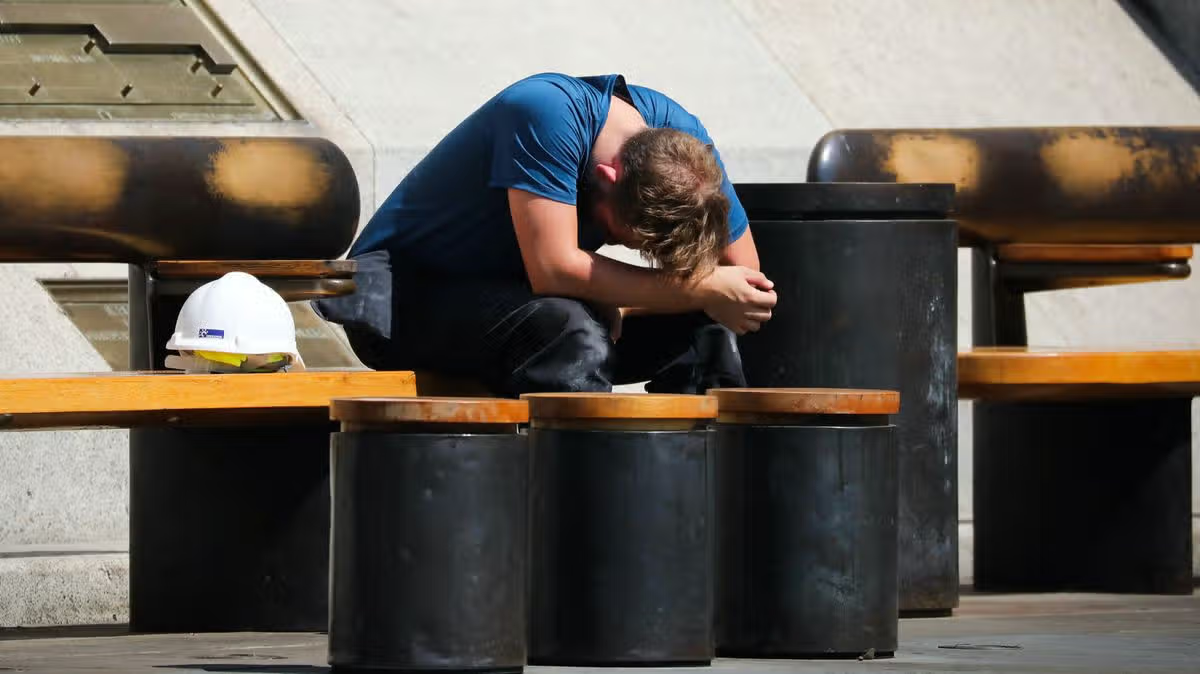
A yellow heat health alert has been issued for the UK by the government and will now run until Tuesday for parts of the country as extreme temperatures continue

Fresh yellow heat health alerts have been issued for parts of the country as scorching temperatures continue.

Advertisement

The UK has been sweltering under its fifth heatwave of the year with the country seeing its hottest day of the year of 38.1C at Kew Gardens in London on Thursday, while tinder dry vegetation has led to major wildfires.

Now the government has issued a fresh yellow heat alert which running until 9am on Tuesday for the south east and south west of England and London.

Temperatures are becoming more bearable this weekend and it has led to the end of the UKHSA’s amber alerts for healthcare workers today which covered London, South East, South West, East Midlands, West Midlands and East of England.

The amber alerts meant that significant impacts were likely across health and social care services due to high temperatures. But new yellow alerts mean impacts are still likely across health and social care services, states the UKHSA.

Advertisement

These include increased use of healthcare services by vulnerable people, greater risk to life of vulnerable people, increased potential for indoor environments to become very warm and water-related incidents may increase, including risks from cold-water shock and drowning.

With record dry conditions in July and a dry start to August, nearly three-quarters of England and the whole of Wales are in drought, heaping pressure on water resources for households, agriculture and the environment.

Millions of people have been warned not to light anything that could spark a wildfire, including barbecues and garden incinerators, in “the most extensive use” of the UK’s mobile phone alert system.

The Government sent the emergency alert on Friday evening, which began appearing on mobile devices from 7pm.

Advertisement

Prime Minister Andy Burnham has told members of the public to take the warning “seriously”, and said it was triggered at the request of firefighters.

Mr Burnham had earlier visited Stourbridge in the West Midlands, where a wildfire destroyed 19 homes on Thursday, the hottest day of the year so far.

The Stourbridge blaze spread across more than 500 acres, with the West Midlands Fire Service summoned to “hundreds and hundreds of incidents” throughout its patch, according to the area’s chief fire officer Simon Tuhill.

Friday is provisionally a record-breaking 10th day in 2026 where temperatures have exceeded 35C or more, according to the Met Office.

Advertisement

Frittenden, near Ashford in Kent, was among the hottest places, where temperatures reached 35.3C. In the West Midlands, Mr Burnham described Britain as “a tinderbox right now” with “37 fires smouldering around the country”.

Source link

Continue Reading
Click to comment

You must be logged in to post a comment Login

Leave a Reply

NewsBeat

Trump says he will declare the Strait of Hormuz a US territory

Published

on

Trump says he will declare the Strait of Hormuz a US territory

Donald Trump has threatened to declare the Strait of Hormuz a US territory, escalating his rhetoric over control of the waterway amid the war with Iran.

The US president said he would make the designation “pretty soon”, as Tehran and Washington remain at an impasse over the future of the strait nearly six months after it was closed when the US and Israel launched their war on 28 February.

“After we finish defeating Iran, which is being very badly defeated, pretty soon I’ll be declaring the Hormuz strait a territory of the United States,” Mr Trump told a crowd of law enforcement officers.

“Essentially, that’s what it is. We have the blockade. No ships get through unless we want them to.”

Advertisement
Donald Trump claims Iran is being ‘badly defeated’
Donald Trump claims Iran is being ‘badly defeated’ (AFP via Getty)

Iran has remained defiant in its stance, calling on the US to accept defeat and declaring that Tehran had decided not to resume talks.

“This strait will be opened and closed only under Iran’s command, and so long as you do not accept the reality of defeat and stop indulging in fantasies, Iran will continue to enforce the blockade,” Iran’s deputy foreign minister, Kazem Gharibabadi, posted on X early on Saturday.

On Friday, just two vessels passed through the Strait of Hormuz with no crude oil shipments visible, according to analysis from ship-tracking firm Kpler. Before the war, more than 130 ships would transit the strait daily.

Foreign minister Abbas Araghchi told Iranian news outlet Shahrara News in an interview published on Saturday that Washington must meet Iran’s conditions on the strait in order for shipping to resume.

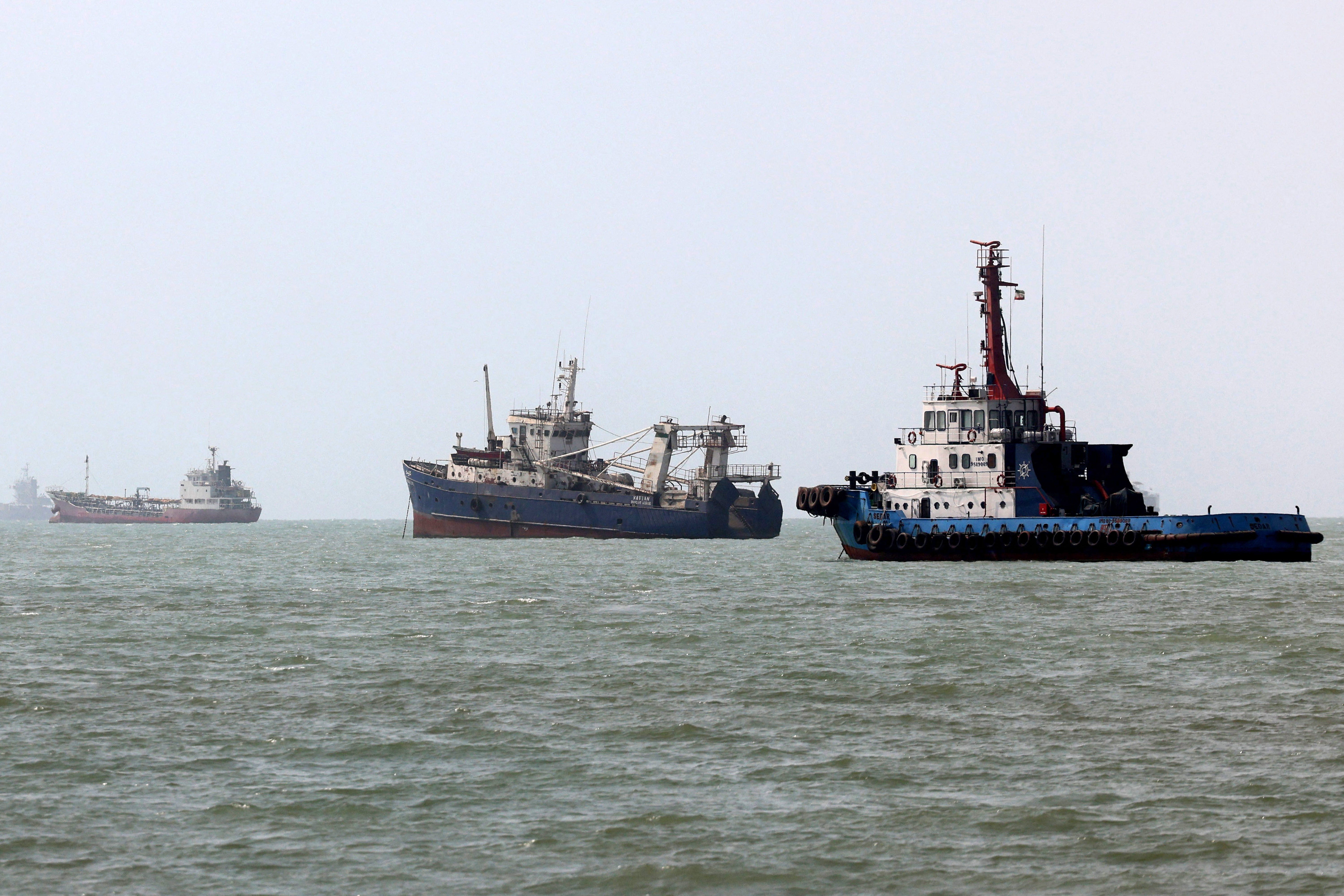
Vessels transit the Strait of Hormuz off Bandar Abbas in southern Iran on 10 August
Vessels transit the Strait of Hormuz off Bandar Abbas in southern Iran on 10 August (AFP/Getty)

Addressing the June ceasefire which has been left in tatters, Mr Araghchi added: “We did not have a ceasefire in the first place that we would now want to extend. We had ‘the end of the war’, and now there is a new situation.”

But Mr Trump, speaking to a political rally in New York’s Garden City, warned Americans they will have to accept higher gas prices as the war continues.

Advertisement

That paying “a tiny little bit more for your gasoline” is worth it to ensure “a very evil country” cannot have a nuclear weapon, is one of the president’s stated rationales for the war.

The average US price of a gallon of gasoline was about $4.08 (£3.02) on Friday, up 29 per cent from a year earlier, according to the American Automobile Association.

Source link

Advertisement
Continue Reading

NewsBeat

Manchester United vs AC Milan LIVE confirmed squad, early team news and how to watch fixture vs Ruben Amorim

Published

on

Manchester Evening News

Tyrone Marshall

It makes sense to play as close as possible a team to the one that will start against Hull here, which is what I would do. That means Lammens in goal, obviously. Dalot and Shaw are clearly the first-choice full-backs and I’d play Maguire and Yoro together at centre-back.

Midfield is a tricky one, because it was Mount, but his injury is now something of a mystery. Tielemans is ahead of Mainoo from a fitness point of view so has to start alongside Santos, who is a lock in midfield. Fernandes should also be ready to start his first game of pre-season.

Sesko’s absence also remains a concern and even if he is fit next week, there is no way he can start. Mbeumo has been very good at centre-forward, Amad can continue on the right and I’d start Cunha on the left.

Advertisement

Steven Railston

It’s the final game of pre-season, so it’s advantageous for the line-up to mirror the XI who will start on the opening day of the campaign against Hull. Maguire should start alongside Yoro if he’s fit.

Mount missed the game against Leeds in Dublin as a precaution and I would have brought him back into the team if he had been included, but he’s absent again, so Tielemans should start instead.

Mbeumo is nailed on to start down the middle again. Dorgu hasn’t really done much wrong on the left wing, but his final ball lacked a bit against Leeds, so I would like to see Cunha given a chance from the first whistle.

Advertisement

Source link

Continue Reading

NewsBeat

Manchester United vs AC Milan LIVE: Match stream, latest team news, lineups, TV, prediction

Published

on

Manchester United vs AC Milan LIVE: Match stream, latest team news, lineups, TV, prediction

Kobbie Mainoo and Lisandro Martinez also return following their post-World Cup breaks, though United remain without Benjamin Sesko as they build up to next weekend’s Premier League opener against Hull. The Red Devils held their nerve to defeat rivals Leeds on penalties following a 1-1 draw in Dublin in midweek, having also impressed against Paris Saint-Germain, Atletico Madrid and Rosenborg after beginning the summer with a narrow defeat by Wrexham.

Source link

Continue Reading

NewsBeat

Can a vaccine built for one Ebola virus stop another? The World Health Organization is about to find out

Published

on

Can a vaccine built for one Ebola virus stop another? The World Health Organization is about to find out

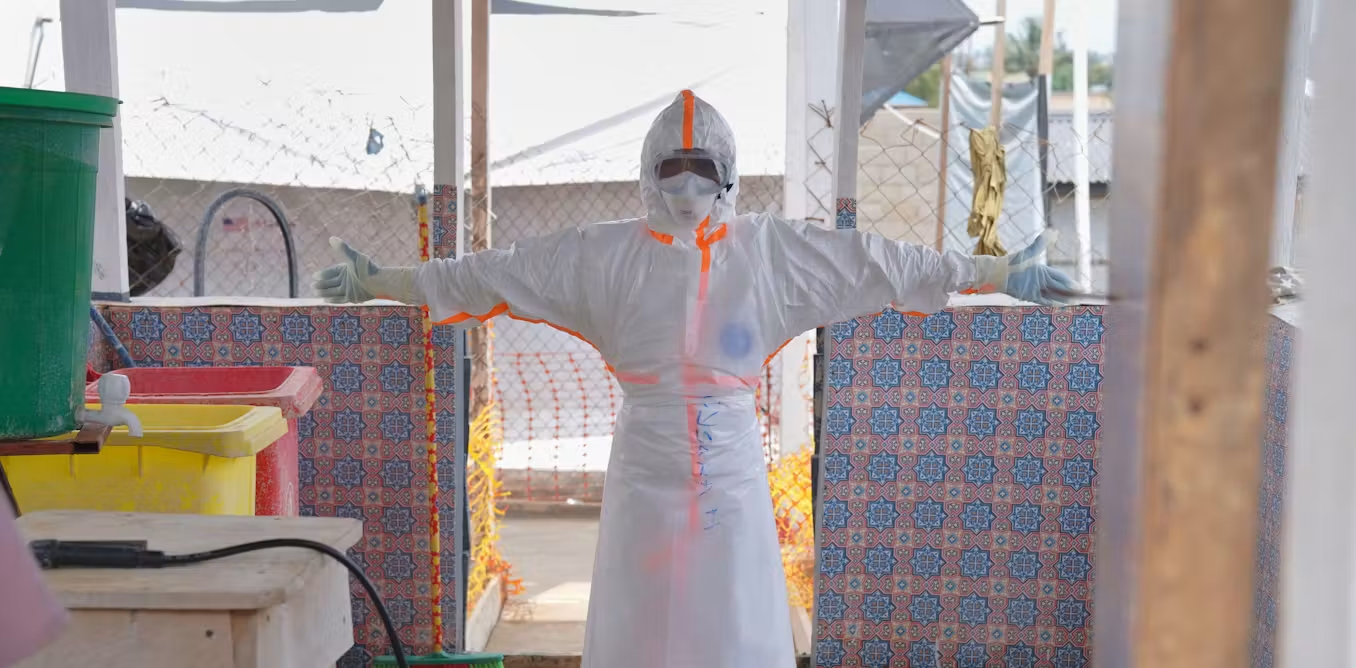
The World Health Organization (WHO) has recommended prioritising the Ervebo vaccine for testing in a clinical trial in the Democratic Republic of the Congo. The vaccine was originally developed to protect against Zaire ebolavirus, the species responsible for the devastating west African epidemic just over a decade ago. It was not designed for the Bundibugyo species responsible for the current outbreak – which raises the question of why scientists are considering it at all.

The current Ebola outbreak was declared a public health emergency of international concern in May 2026. By August 9, there had been 4,402 confirmed cases and 2,013 deaths. All but 21 of these cases were reported in the Democratic Republic of the Congo (DRC), with 20 cases in Uganda and one in France.

These figures make the current outbreak the second-largest Ebola epidemic on record, surpassed only by the west African epidemic of 2014–16, where 11,000 people died.

At present, there are around 75–100 new cases being reported each day. The UN has described it as the fastest-growing Ebola outbreak ever recorded. Tedros Adhanom Ghebreyesus, the director general of the WHO, said the current outbreak is on track to become the world’s largest.

Advertisement

Unfortunately, there is still no clear evidence that the outbreak is coming under control, and the number of infections may still be rising rapidly.

Ebola outbreaks are usually brought under control through a combination of vaccination and public health measures. During an outbreak, vaccines can be particularly effective, especially when used quickly.

Health authorities may carry out large-scale vaccination campaigns. They can also use a strategy known as “ring vaccination”. This involves offering the vaccine to people who have been in close contact with someone who has been infected. The aim is to create a protective ring around each case and stop the virus from spreading further.

Advertisement
Ring vaccination explained.

Public health measures are also crucial. These include finding cases early, tracing contacts and moving infected people to specialist treatment centres where they can be cared for safely and isolated from others until they recover. Caring for someone who is seriously ill with Ebola carries a particularly high risk of infection.

Public education is also important, including advice on caring for patients safely and reducing the risk of transmission during funerals.

No licensed vaccine

The challenge is that, unlike the Zaire species of Ebola, there is currently no licensed vaccine for Bundibugyo virus disease. There are also no licensed vaccines for some other Ebola species, including Sudan virus disease and Taï Forest virus disease. As a result, vaccination has not yet played a role in controlling the outbreak.

Several Bundibugyo vaccines are under development. Two have already entered phase 1 clinical trials. One has been developed by Oxford University and the Serum Institute of India, while another is being developed by Moderna.

Advertisement


À lire aussi :
Two scientists on their race to make a new Ebola vaccine


A phase 1 clinical trial is the first stage of testing a new vaccine in people. These studies are mainly designed to assess safety and identify any side-effects. It is not yet clear how long it will take before these vaccines could become widely available if they prove successful. Neither are being tested in Africa.

Without a vaccine, efforts to control the outbreak depend entirely on public health measures. But putting these measures into practice can be difficult, especially during a fast-moving outbreak.

Fear and uncertainty are common during outbreaks of dangerous diseases. Misinformation and rumours can spread quickly. During the west African Ebola epidemic, reports suggested that some families hid sick relatives because they feared they would be taken away by health authorities. In some settings, there have also been reports of mistrust towards official responses to outbreaks and concerns about the motives of outside organisations involved in disease control efforts.

Advertisement

The current situation in the DRC is made even more difficult by the ongoing armed conflict in some of the affected areas. Conflict can make it much harder for health workers to reach communities, track cases and implement control measures.

There have already been several attacks on Ebola treatment centres in the country this year. In one incident, a treatment centre was set on fire after a dispute over the handling of the body of an infected person.

Another worrying sign is that many newly diagnosed patients had not previously been identified as contacts of earlier cases. This suggests that the virus may be spreading unnoticed in some communities.

Against this backdrop, the WHO advisory group has recommended testing the Ervebo vaccine.

Advertisement

Ervebo was developed to protect against the Zaire species of Ebola and is estimated to be around 84% effective against that species from ten days after a single dose.

Why scientists are considering using it in the current outbreak

The idea that it might also help against Bundibugyo has been raised before. In 2011, researchers found that a single dose protected monkeys from dying after they were later exposed to the Bundibugyo virus. Animals that survived also developed less severe illness and had lower levels of virus in their bodies.

Researchers have also found signs that the vaccine stimulates an immune response against Bundibugyo in people. In 2019, scientists reported that people who received Ervebo produced antibodies that recognised the Bundibugyo virus, although the response was weaker than the one seen against the Zaire species. A more recent study has confirmed these findings.

That leaves an open question: how well Ervebo actually works against Bundibugyo in the real world.

Advertisement

The available evidence suggests that Ervebo can trigger an immune response against the Bundibugyo virus. However, scientists still do not know how well it works against this species in real-world conditions.

The animal studies provide reasons for optimism. If the vaccine offers even partial protection, it could reduce the number of deaths. By lowering the amount of virus in infected people, it might also help reduce transmission.

Researchers also need to investigate whether additional doses could strengthen protection.

For now, the important question is whether Ervebo can provide meaningful protection while purpose-built Bundibugyo vaccines are still being developed. With the outbreak continuing to grow and control efforts facing significant difficulties, clinical trials could provide urgently needed answers.

Advertisement

Source link

Continue Reading

NewsBeat

Strictly Come Dancing: It Takes Two host revealed! Ellie Taylor takes over from axed presenters four years after appearing as a contestant

Published

on

Strictly Come Dancing host Emma Willis has revealed that Ellie Taylor has been named as the new presenter for the spin-off show

Strictly Come Dancing: It Takes Two will be hosted by former contestant Ellie Taylor, it has been announced today ahead of the new series of the show.

Emma Willis, 50, who hosts a Saturday lunchtime show on BBC Radio 2, was the first to share the news publicly after months of speculation.

Ellie joined Emma on her programme for a ‘Strictly special’ where her new role was announced, as Emma gushed she is ‘so glad they are in it together’. 

Emma told listeners: ‘With me right now is the brand new host of It Takes Two! Mystery host of It Takes Two…,’ before revealing it was Ellie.

Advertisement

Ellie said: ‘I am over the moon! I feel giddy. So nice to get the secret out. I’ve had the theme tune in my head since I found out… I was like stop it woman!

‘It was the same when I found out I was a contestant. I am so thrilled to be back in the Strictly world. I found out a month ago, but I’ve been a good girl.

Strictly Come Dancing host Emma Willis has revealed that Ellie Taylor has been named as the new presenter for the spin-off show

Advertisement
Ellie pictured arriving to Emma's BBC Radio 2 show on Saturday

Ellie pictured arriving to Emma’s BBC Radio 2 show on Saturday

‘I told mummy and my partner. I didn’t tell the kids.’ 

Sharing a statement about the news, Ellie said: ‘What a total joy to return to Strictly in this new role. I feel incredibly honoured to follow in the footsteps of the phenomenal line-up of hosts who’ve made Strictly – It Takes Two so loved over the years. 

‘I can’t wait to immerse myself in all the gossip and sequins flying out of the ballroom in order to bring my fellow Strictly fans everything they need to know. I’m so excited, I could cha cha! (But I won’t – don’t worry… no one needs to see that again.)’

Advertisement

Ellie was hotly tipped to be announced as the new host of the show earlier this month after the former hosts were axed in this year’s huge show revamp.

The show has had a huge overhaul ahead of the 2026 series as main presenters Tess Daly and Claudia Winkleman have been replaced by Emma, Josh and Johannes while several pros have been given the boot. 

A source has told The Sun: ‘Ellie was hugely popular with viewers when she appeared as a contestant on Strictly in 2022, and her infectious personality was also a hit with the senior production team.

‘She very much featured in the discussions when they were looking to replace Tess Daly and Claudia Winkleman on the main show, and although she didn’t get that job, she remained in the executive team’s thoughts.

Advertisement

‘They were very keen to get her on It Takes Two which they felt was too boring and needed a major revamp. So she’s been hired for the It Takes Two hosting job.’

Most recently, Fleur East and Janette Manrara hosted It Takes Two during the 2025 series but it was announced that they were being replaced.

Ellie appeared as a contestant on the show in 2022 with professional partner Johannes Radebe, who was announced as one of the main show's new hosts

Ellie appeared as a contestant on the show in 2022 with professional partner Johannes Radebe, who was announced as one of the main show’s new hosts

Emma pictured arriving to BBC studios ahead of announcing the news on her show

Emma pictured arriving to BBC studios ahead of announcing the news on her show

Advertisement

Emma has returned to her regular slot after ‘a few weeks off’ on holiday, but revealed she was now back into the swing of work and ready to kickstart Strictly season.

She said that Friday was her ‘first full work day’ with her co-hosts with Josh Widdicombe and Johannes Radebe as they filled the day doing press for the show.

Emma told listeners: ‘It’s a Strictly special. Because I’m going to introduce you to the brand new host of It Takes Two, they’re in the building and coming into the studio!

Yesterday Strictly Come Dancing’s new hosts Emma and Johannes were seen arriving for a photoshoot alongside the stars of this year’s series.

Advertisement

In October, Tess Daly caused shockwaves when she announced she was stepping down from hosting after 21 years alongside her co-host Claudia Winkleman, who had fronted the show alongside Tess for 15 years.

After months of speculation, in May it was announced Emma and Johannes, 39, would be joining Josh Widdicombe in hosting the show, following a bloodbath among the line-up of pros – of which Johannes was previously included.

While the duo looked delighted to be arriving, there has been much discussion over the line-up – with some branding the cast ‘the worst to date’.

Some of the best known of the line-up are Dani Dyer, Delta Goodrem, Jaime Winstone, Will Best and Gavin & Stacey actress Melanie Walters, however many of the stars have been deemed unrecognisable to viewers. 

Advertisement
After months of speculation, in May it was announced Emma and Johannes, 39, would be joining Josh Widdicombe in hosting the show, following a bloodbath among the line-up of pros – of which Johannes was previously included

After months of speculation, in May it was announced Emma and Johannes, 39, would be joining Josh Widdicombe in hosting the show, following a bloodbath among the line-up of pros – of which Johannes was previously included

Emma looked sensational in an androgynous ensemble comprising a cropped, unbuttoned waistcoat layered over a sleeveless shirt and trousers. 

She wore her trademark cropped locks slicked back while wearing minimal make-up and thin wired glasses for her big first day.

While he may be used to the dancefloor, Johannes was taking on a whole different job as he too headed in sporting a slick white jumper. 

Advertisement

Strictly is one of the BBC‘s most popular shows, with millions tuning in every weekend and the professional dancers quickly becoming household names. 

This year, however, there’s been one big problem – that the dancers are better known than the ‘stars’ they’re set to partner up with. 

YouTuber John, for example, doesn’t even have a Wikipedia page. 

But that doesn’t seem to matter to producers, who are said to have specifically selected stars who have large social media followings.

Advertisement

Stars such as Kim Kardashian’s hair stylist Chris might not be a household name, but he does boast a huge social media following with 4million fans on Instagram. 

John has an even bigger fanbase, with 15.7million YouTube subscribers.

However, loyal fans have been left scratching their heads over the lineup, with many of the comments on the Strictly social posts asking who the celebrity is, rather than expressing any excitement. 

Indeed, while bosses may be keen to attract Gen Z (14 to 29 years old), the majority of Strictly viewers are currently Gen X (46 to 61 years old) and Baby Boomers (62 to 80 years old).  

Advertisement

Source link

Continue Reading

NewsBeat

New flats could be built on site of historic buildings

Published

on

Cambridgeshire Live

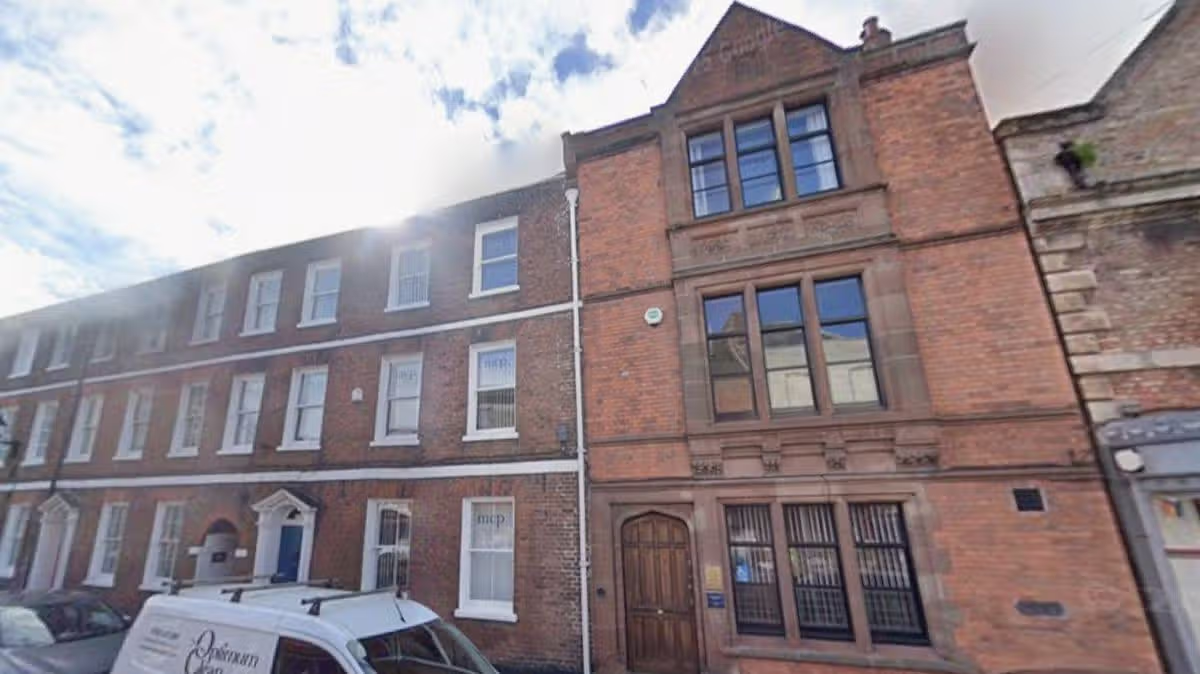
Plans to convert the pair of Grade-II listed buildings have been approved

Plans to convert a pair of listed buildings in Wisbech which formerly hosted a solicitors’ office into flats have been approved. A design and access statement from Swann Edwards Architecture said the former Metcalfe, Copeman and Pettefar offices were no longer viable as commercial space and the proposal would bring the empty building back into use.

Advertisement

They said the three-storey mid-terraced buildings at 5-6 York Row had been unused for a “significant period” after the company moved to The Boathouse Business Centre. Mr A Koseoglu submitted the application to Fenland District Council seeking permission to change the empty offices into nine one-bedroom flats.

Along with this, a separate application was also put to the council for internal and external works to the Grade-II listed buildings. An extension would also be built on the back to allow for a kitchen and bathroom in one of the ground floor flats.

The Wisbech Society objected to the plans as, even though they felt putting the buildings back to residential use would be “an excellent choice”, it would be overdevelopment.

They felt that a building of this age wouldn’t be suitable for the plumbing and sewerage infrastructure to accommodate the number of residents and they would like to see a reduced number of flats.

Advertisement

But the council’s planning officer said the proposal would be an “effective re-use” of the building and “secure the long-term reuse and preservation of two vacant Grade-II listed buildings”.

They said any harm caused was outweighed by the benefits of restoring the buildings and approved the application on Thursday (August 13).

Source link

Advertisement
Continue Reading

NewsBeat

How to get sun cream stains out of clothes? Expert tips

Published

on

How to get sun cream stains out of clothes? Expert tips

Whether you’re enjoying a day at the beach or simply out for a walk, sun cream is a must for protecting your skin.

Unfortunately, it can also leave stubborn marks on clothing, a problem recently raised by a user in the Mrs Hinch Cleaning Tips group who struggled to remove stains from cotton tops.

Despite soaking the tops in Napisan, washing at 40C with Vanish White Oxi Action, and drying them in the sun, the user said the stains remained and asked: “Is there anything else I can do before I have to bin them?”

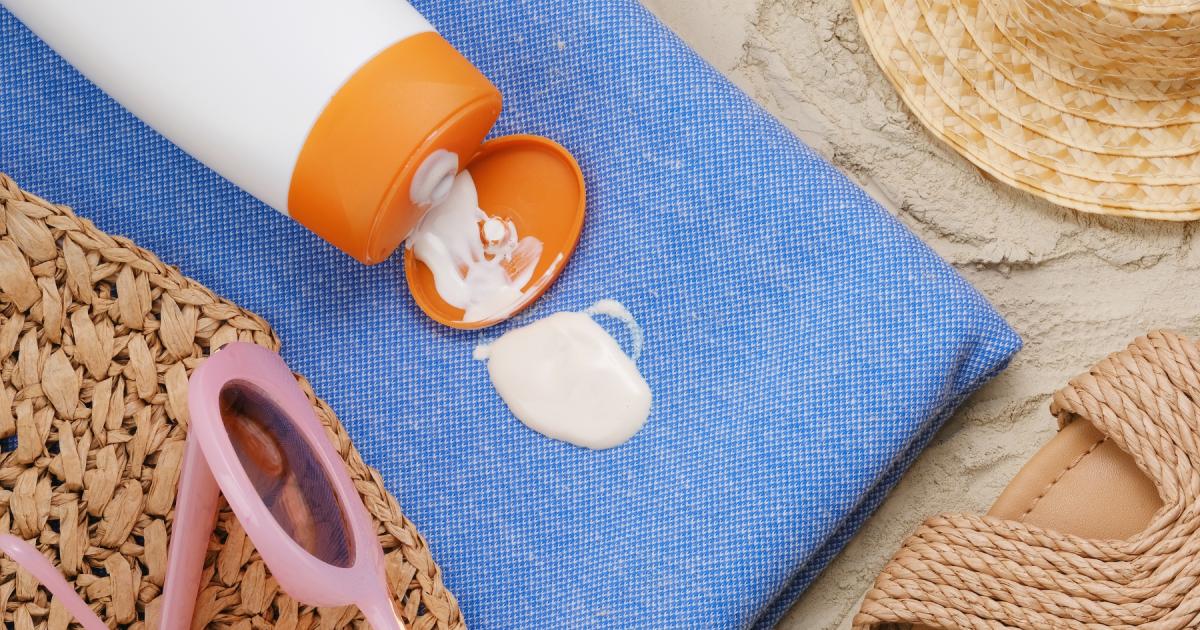
Pre-treating sun cream stains on clothes is important before washing them (Image: Getty Images)

A number of clothing and cleaning experts have shared their best tips for getting sun cream stains out of clothes.

Advertisement

How to get sun cream stains out of clothes

Catherine Green, a sustainable cleaning expert at smol, said: “While slapping on the SPF is absolutely essential, the oils and minerals can leave behind nightmare yellow stains on our clothes that are a real pain to shift.

“Annoyingly, they often don’t show up until they’ve been through the wash because chemical UV filters (especially avobenzone) react with minerals like iron or calcium in your tap water.

“But don’t panic, getting rid of this unwanted summer staple is actually pretty straightforward.”

Ms Green advised acting quickly by taking off the garment, rinsing the stain under cold water, and gently massaging a small amount of washing up liquid into the area.

Advertisement

She said: “Soak the stained area in a mixture of one cup of distilled white vinegar to two litres of cold water, for 20 minutes, before putting it in the wash.

“The vinegar will naturally help break down those stubborn minerals and oils.

“I definitely wouldn’t recommend the tumble dryer, as the high heat can permanently trap any residual stains right into the clothing fibres.”

Noor de Swart, founder and CEO of Super Label Store, suggested a different approach for white cotton items.

Advertisement

She said: “If it’s a white cotton top and the yellow mark is still there, you can try a paste of baking soda and water.

“Leave it sitting on the area for around half an hour and then rinse it out.

“It might take another try if the stain has already been there for a while.

“I’d be a bit more careful with coloured clothes, because some of the things people use at home for stains can also take colour out.

Advertisement

“Lemon juice and hydrogen peroxide are good examples of that, so test it somewhere hidden first rather than finding out on the front of the shirt.”

It is recommended to avoid tumble drying sun cream stained clothes (Image: Getty Images)

Chloe Blanchfield, product marketing manager at Hisense, recommended pre-treating the stain before washing and said to use a gentle cycle.

She said: “When putting suncream-stained items in the washing machine, you should ensure you wash on a gentle cycle, using a low temperature at around 30°C and add a mild detergent to prevent aggravating the stain.

“Make sure to avoid a hot water cycle as this can set the stain, and consider adding a stain remover to the cycle for even more targeted removal.”

Advertisement

Rosie Webbon, swimwear buyer at Pour Moi, offered advice for stains on swimming costumes.

She said: “Keep everything cool – rinse, soak and wash in cool or lukewarm water.

“Hot water breaks down elastane over time, so your swimwear will lose its shape and stretch much faster if washed warm.

“Be gentle when treating the stain – swap the toothbrush scrub for fingers or a soft cloth.”

Advertisement

Discussing an approach for white clothes, Nicola Barker, Head of Buying at Suit Direct, said: “If you have some yellow staining on your whites from suncream, avoid bleach or whitening powders which can worsen the stains and cause pink and red stains to develop.”


Recommended reading:


She continued: “After using these pre-treatments, pop your whites in a cool or warm cycle using your regular detergent, avoiding whitening powders.

“Instead of tumble drying, air dry your clothes in an area with good sunlight exposure – the UV rays will act as a natural bleaching agent and help fade any remaining yellow marks.”

Advertisement

Gail Downie, head of garment technology at M&S, advised air drying after washing and warned against using heat until you’re sure the stain is gone.

She said: “Whilst this technique can help lift suncream stains, I would be cautious with delicate fabrics.

“Be warned, some substances can lighten or damage some fabrics.”

“Make sure to test on a discreet small area first or alternatively, use more conventional laundry products which are tested on a breadth of materials.”

Advertisement

Have you faced issues getting sun cream stains out of clothes? Let us know in the comments.

Source link

Advertisement
Continue Reading

NewsBeat

6 questions you need to avoid paying TV licence fee

Published

on

6 questions you need to avoid paying TV licence fee

A standard TV licence costs £180 for colour televisions and £60.50 for black and white sets, but not everyone is required to pay the fee.

Those who do not meet these criteria can submit a “No Licence Needed” declaration through the TV Licensing website.

The form uses a series of yes or no questions to determine eligibility.

If you have not previously notified TV Licensing, additional questions will follow.

Advertisement

TV Licensing warns that, if you declare you do not need a licence, you may be subject to a home visit.

It says: “If you tell us you don’t need a licence, we may visit you to check.

“If we then find that you have been watching, recording or streaming programmes illegally, you risk prosecution and a fine of up to £1,000 (£2,000 in Guernsey) plus any legal costs and compensation you may be ordered to pay.”

What six questions do you need to answer to not need a TV licence?

Before completing the declaration, TV Licensing asks a series of questions to confirm eligibility:

Advertisement
  1. Do you or does anyone in your household ever watch TV on any channel? For example, on ITV, Channel 5, Channel 4, BBC or Dave?
  2. Do you or does anyone in your household ever watch TV on any TV service? For example, on Sky, BT, Virgin Media or Freeview?
  3. Do you or does anyone in your household ever watch TV live on any streaming service? For example, on ITVX, Sky Go, Prime Video, YouTube.
  4. Do you or does anyone in your household ever watch foreign channels on TV or live online, for example, on ZeeTV or Al Jazeera?
  5. Can you confirm that you and your household never watch BBC iPlayer? Watching S4C on demand doesn’t require a licence.
  6. Can you confirm that you and your household never record TV, for example, on Sky, BT, Virgin Media or Freeview?

Not paying for a TV licence could lead to a £1,000 fine if someone is found to be watching, recording or downloading live TV (Image: Getty Images)

If you answer “no” to the first four questions and “yes” to the last two, the website will display a message stating: “Based on your answers, it looks like you don’t need a TV Licence.”

However, it is important to note that live content on platforms like YouTube or Prime Video may still require a licence.

TV Licensing’s guidance reads: “If you are watching a TV programme live on YouTube, you need to be covered by a TV Licence.

“A licence is not required to view user generated content, clips and videos on YouTube.

Advertisement

“This includes live streamed content that is not part of a television broadcast. Or being broadcast at the same time by other means.”

A licence is required to watch live content on Amazon Prime or Netflix, but not for on-demand viewing.

For Disney Plus, the guidance states: “You don’t need a TV Licence to watch on-demand programmes on Disney Plus.”

Advertisement

Recommended reading:


What is the fine for not paying for a TV licence?

TV Licensing states that not paying for a TV licence could lead to a £1,000 fine.

This would be a possibility if someone has been watching, recording or downloading programmes illegally.

It adds: “We could visit your address to confirm if you need a TV Licence.

Advertisement

“If we find that you have been watching, recording or streaming programmes illegally, you risk prosecution and a fine for not having a TV Licence of up to £1,000 plus any legal costs and/or compensation you may be ordered to pay.”

Do you think it is worth paying for a TV licence, or has it become too expensive? Let us know in the comments.

Source link

Advertisement
Continue Reading

NewsBeat

Tottenham vs Hoffenheim LIVE: Friendly match stream, latest team news, lineups, TV, prediction

Published

on

Tottenham vs Hoffenheim LIVE: Friendly match stream, latest team news, lineups, TV, prediction

Spurs have added Jan Paul van Hecke, Andy Robertson, Sandro Tonali, Marcos Senesi, Martin Dubravka and Mateus Fernandes to their first-team crop, but De Zerbi wants more before the transfer deadline passes, eying further additions in his frontline. Savinho and Cody Gakpo of Manchester City and Liverpool respectively have been linked. Keep up to date with all the latest from the Tottenham Hotspur Stadium with our live blog below.

Source link

Continue Reading

NewsBeat

Hundreds of troops deployed to Ceuta’s border with Morocco over fears tens of thousands of migrants could attempt ‘invasion’ TODAY

Published

on

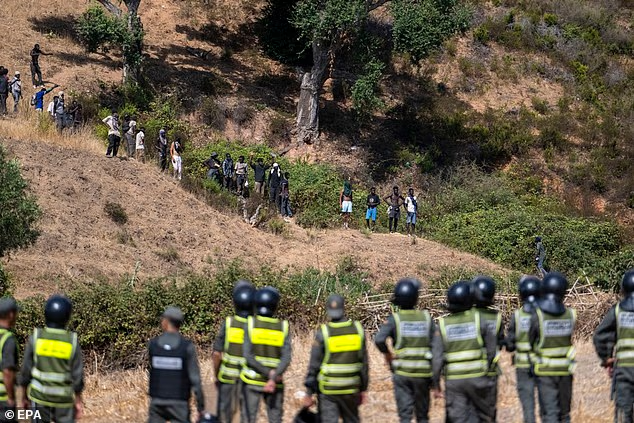
Moroccan security forces monitor as they thwart attempts by hundreds of sub-Saharan African and Sudanese migrants to enter Ceuta

Hundreds of troops have been deployed to Spanish enclave Ceuta’s border with Morocco, amid fears of another surge of people attempting to cross as early as today. 

Spain has beefed up police and military presence in the North African enclave while Morocco also deployed troops amid social media messages encouraging migrants to attempt another mass border breach on Saturday.

Groups of migrants have been pictured roaming the hills outside Ceuta as security forces stand watch. 

Law enforcement officers can be seen wearing protective gear, including helmets, and carrying riot gear in anticipation of disorder. 

Advertisement

Meanwhile soldiers have been pictured driving around in military vehicles at the border.

It comes just two weeks after more than 72,000 people made the dangerous crossing, with many swimming around a border fence that juts out into the sea.

At least 100 people are known to have died amid the crisis, which overwhelmed border officials and led to widespread panic across Europe.

Within days, however, around 70,000 of those who made the crossing had returned to Morocco amid reports of shuttered shops, food shortages and violence.

Advertisement

Moroccan security forces monitor as they thwart attempts by hundreds of sub-Saharan African and Sudanese migrants to enter Ceuta

The incident took place in a mountainous area on the outskirts of Castillejos, southwest of Ceuta, Moroccan security forces have said

The incident took place in a mountainous area on the outskirts of Castillejos, southwest of Ceuta, Moroccan security forces have said 

A Spanish military vehicle arrives at the border with Morocco, following the mass crossings

A Spanish military vehicle arrives at the border with Morocco, following the mass crossings

Advertisement
Migrants are pictured taking shade beneath a tree as temperatures are set to reach 32C on Saturday, as authorities stand watch

Migrants are pictured taking shade beneath a tree as temperatures are set to reach 32C on Saturday, as authorities stand watch

Moroccan security forces monitor dozens of sub-Saharan migrants who have gathered on the outskirts of the border town of Castillejos, Morocco

Moroccan security forces monitor dozens of sub-Saharan migrants who have gathered on the outskirts of the border town of Castillejos, Morocco

Moroccan security personnel secure the beach on the border with Spain in Ceuta, on Saturday

Moroccan security personnel secure the beach on the border with Spain in Ceuta, on Saturday

A heavy police and army deployment prepare at the border between Morocco and Spain today, after fresh social media calls for people to attempt the crossing

A heavy police and army deployment prepare at the border between Morocco and Spain today, after fresh social media calls for people to attempt the crossing

Advertisement
Police and military personnel from Spain and Morocco were both deployed early on Saturday

Police and military personnel from Spain and Morocco were both deployed early on Saturday

A boat passes by the sea barrier that the Spanish government installed on the border with Morocco in Ceuta following last month's mass crossing

A boat passes by the sea barrier that the Spanish government installed on the border with Morocco in Ceuta following last month’s mass crossing

Security has been beefed up in the area, including by installing barbed wire on border fences

Security has been beefed up in the area, including by installing barbed wire on border fences

Those who made the perilous trip to Ceuta then found they were also not eligible to freedom of movement that would allow them to enter the rest of Europe, due to the enclave lying outside of the Schengen area.

Advertisement

Soldiers in combat fatigues stood watch outside supermarkets and official buildings on Friday evening, while police cars heavily patrolled the enclave’s main avenues. 

Still, outdoor cafes were packed with diners and the downtown area was calm compared to the tense scenes from the days following the 48-hour deadly rush which began on July 30.

On the other side of the border, dozens of black-clad Moroccan security personnel surveilled the beach in Fnideq, from which many migrants who swam around Ceuta’s Tarajal breakwater departed. 

Ceuta President Juan Jesús Vivas declared a ‘humanitarian emergency’ as the enclave became overwhelmed with new arrivals. 

Advertisement

While the vast majority of them voluntarily returned to Morocco, the crisis sparked a rift within the European Union as Italy temporarily suspended the Schengen agreement with Spain and fuelled anti-immigration rhetoric among far-Right parties worldwide.

Spain has since installed a maritime barrier and sent over 500 additional police officers from the mainland. The Interior Ministry said they would remain as long as the situation required.

‘We’ll continue to deploy whatever personnel are necessary to restore normality as soon as possible and prevent events like those of July 30 from happening again,’ Interior Minister Fernando Grande-Marlaska told reporters in Ceuta on Thursday.

Currently up to 5,000 migrants remain in Ceuta, the minister said. Officials have started screening adults and ruled on more than 500 asylum cases, most of them rejected.

Advertisement

Mr Grande-Marlaska added that people who entered irregularly would not be allowed to stay in the enclave, travel to mainland Spain or obtain legal status, except in rare cases of extreme vulnerability. Spain would return to Morocco those without a right to remain, he said.

Earlier this week, Rabat said it was monitoring ‘the circulation of social media posts and messages of unknown origin’ calling for a mass crossing on August 15, warning it would prosecute organisers and participants.

According to El Pais, one message posted to online forums in which migrants discuss mobilising read: ‘The Ceuta border will be open on the 15th [of August], a public holiday in Spain.’ 

In response, Moroccan authorities are deploying hundreds of soldiers and police officers to the border.

Advertisement

Join the discussion

How should European countries balance security with compassion when handling mass migrant crossings?

Migrants attempting to cross into Spain's North African enclave of Ceuta gather on a hilltop during clashes with Moroccan security forces near the town of Fnideq, on the Morocco-Spain border, on July 31, 2026

Migrants attempting to cross into Spain’s North African enclave of Ceuta gather on a hilltop during clashes with Moroccan security forces near the town of Fnideq, on the Morocco-Spain border, on July 31, 2026

Migrants gather along the fence close to the site of clashes near Fnideq, on the Morocco-Spain border, on July 31, 2026

Migrants gather along the fence close to the site of clashes near Fnideq, on the Morocco-Spain border, on July 31, 2026

Advertisement
Relatives and friends wait by a fence topped with barbed-wire for the return of people who had previously crossed into Spain's North African enclave of Ceuta, at Morocca's Bab Sebta border crossing on the outskirts of Fnideq on August 2, 2026

Relatives and friends wait by a fence topped with barbed-wire for the return of people who had previously crossed into Spain’s North African enclave of Ceuta, at Morocca’s Bab Sebta border crossing on the outskirts of Fnideq on August 2, 2026

A woman is escorted by Moroccan security forces during clashes with migrants attempting to cross into Spain's North African enclave of Ceuta near the town of Fnideq, on the Morocco-Spain border, on July 31, 2026

A woman is escorted by Moroccan security forces during clashes with migrants attempting to cross into Spain’s North African enclave of Ceuta near the town of Fnideq, on the Morocco-Spain border, on July 31, 2026

Police vehicles are seen parked close to the Ceuta border ahead of a possible fresh incursion today

Police vehicles are seen parked close to the Ceuta border ahead of a possible fresh incursion today

Hundreds of soldiers and police peronnel have been deployed by both sides

Hundreds of soldiers and police peronnel have been deployed by both sides

Advertisement

Images online have also shown the installation of barbed wire on the Moroccan side of the fences.

Rachid el-Jalfi, a spokesperson for the Ministry of the Interior, said on Wednesday: ‘All necessary measures have been taken to prevent any attempt at illegal crossing and to intercept anyone attempting to participate.’

He urged those who planned to go to Ceuta or Melilla to ignore online messages that looked ‘suspicious and deceptive’, adding that crossings pose ‘serious risks to people’s safety’. 

Local media showed a reinforced security apparatus near the border with Ceuta and Spain’s other African enclave, Melilla.

Advertisement

Morocco says it spends around €500million a year on border control in the north and it steps up frontier checks when calls for collective crossings are detected on social media. 

Spain has also been bolstering its border, according to government data.

Since the crisis began in late July, the number of police officers and Civil Guard members deployed has increased from around 1,100 to nearly 1,600.

On top of this, 2,000 Spanish soldiers have been reassigned to support roles.

Advertisement

Authorities prevented several groups from boarding trains and buses to the north of Morocco in cities such as Casablanca, Fez and Kenitra. 

However, witnesses said that some groups from sub-Saharan Africa were sidestepping security checks on the road to Fnideq, taking mountainous routes instead.

Young men are arrested after attempting to storm the Bab Sebta border crossing near Fnideq, Morocco, July 31 2026

Young men are arrested after attempting to storm the Bab Sebta border crossing near Fnideq, Morocco, July 31 2026

Most of the migrants who entered Ceuta have now left, authorities say

Most of the migrants who entered Ceuta have now left, authorities say

Advertisement

One witness said the schools in Fnideq had been turned into dormitories for security forces deployed near the border.

Many of those who entered Ceuta on July 30 were fishing, swimming or showering at Ceuta’s Tarajal beach on Friday.

Fez native Driss Sadik, 22, swam for five hours to reach Ceuta. He warned against others emulating him.

‘The important thing I would advise people trying to cross: Don’t cross now, my brothers. You’re only going to suffer,’ he said.

Advertisement

The sentiment was echoed by 17-year-old Adil Jamil.

‘Those who enter aren’t going to benefit from anything. There will just be more and more of us, and they won’t find a solution for all,’ he said.

Mr Jamil added that the mass border rushes were ‘planned by the people’ after choosing a day, gathering in Fnideq and crossing together to find strength in numbers.

‘If I had stayed with my parents, I would’ve died slowly. But if I risk my life, arrive and build my future… it will be better,’ he said.

Advertisement

Early last month, the top judicial body ruled that a Spanish procedure for returning illegal migrants only applied if they breached a physical border, not if they arrived by sea.

Under the ruling migrants can still be returned after crossing an unmarked maritime border, but only under a separate formal return procedure.

The Ceuta migrant crisis began on July 30. A day later, Sanchez’s government announced it would establish a maritime containment barrier, and began building it off the coast of Ceuta and Morocco on August 1.

The crisis also frayed Spain’s relationship with the rest of the European Union.

Advertisement

Italy announced almost immediately that it was suspending its Schengen arrangements with Spain, claiming this was necessary to ‘to protect the security of our citizens and defend Europe’s borders’.

The suspension of Schengen arrangements, which allows the 450million people of the EU to travel freely to any state in the bloc, was established on July 31, initially for a one-month period.

It means that Italy will perform checks on people travelling from Spain by air or sea.

The country’s prime minister Giorgia Meloni said the ‘uncontrolled immigration’ from Morocco to Ceuta was a national security threat.

Advertisement

Spain furiously summoned the Italian ambassador for a meeting, and its foreign minister Jose Manuel Albares said his nation expected ‘European solidarity and not partisan demagoguery’.

It then suspended its Schengen arrangements with Italy.

Spain is now dealing with the migrants by holding any remaining people in warehouses in Ceuta as they await deportation.

Spain’s government will be using a warehouse in Tarajal, yards from the Moroccan border, and another in the enclave to temporarily house them.

Advertisement

Officials are hoping to return the migrants within 72 hours of finding them, during which time they will be sent to the warehouses to be formally identified and processed.

It comes after the revelation that several young migrant girls have allegedly been raped since arriving in Ceuta.

The victims, all under the age of 14, sought treatment at the University Hospital of Ceuta (HUCE) this past week, health services told the El Pueblo de Ceuta newspaper.

Judicial sources said many of the alleged rapes were prevented by the direct intervention of residents of Ceuta.

Advertisement

Some residents of the autonomous city were also among the accused, however.

The Ceuta Prosecutor’s Office previously said it was aware of two of the cases of alleged sexual assault and had opened preliminary proceedings.

It confirmed that no arrests had yet been made.

Source link

Advertisement
Continue Reading

Trending

Copyright © 2025