







The possible nominative determinism of the Makerfield constituency may prove as significant to political historians as it has been a blessing to newspaper sub-editors crafting puns on “Makerfield or Breakerfield”.
The immediate futures of Andy Burnham and Keir Starmer were decided in the historic happening of the first UK byelection to effectively elect a prime minister. It was a battle of our times.
Burnham’s success will make a new administration as it breaks the present one. Prime Minister Starmer’s government has been largely an ineffectual one – of which Burnham, crucially, was not a part.
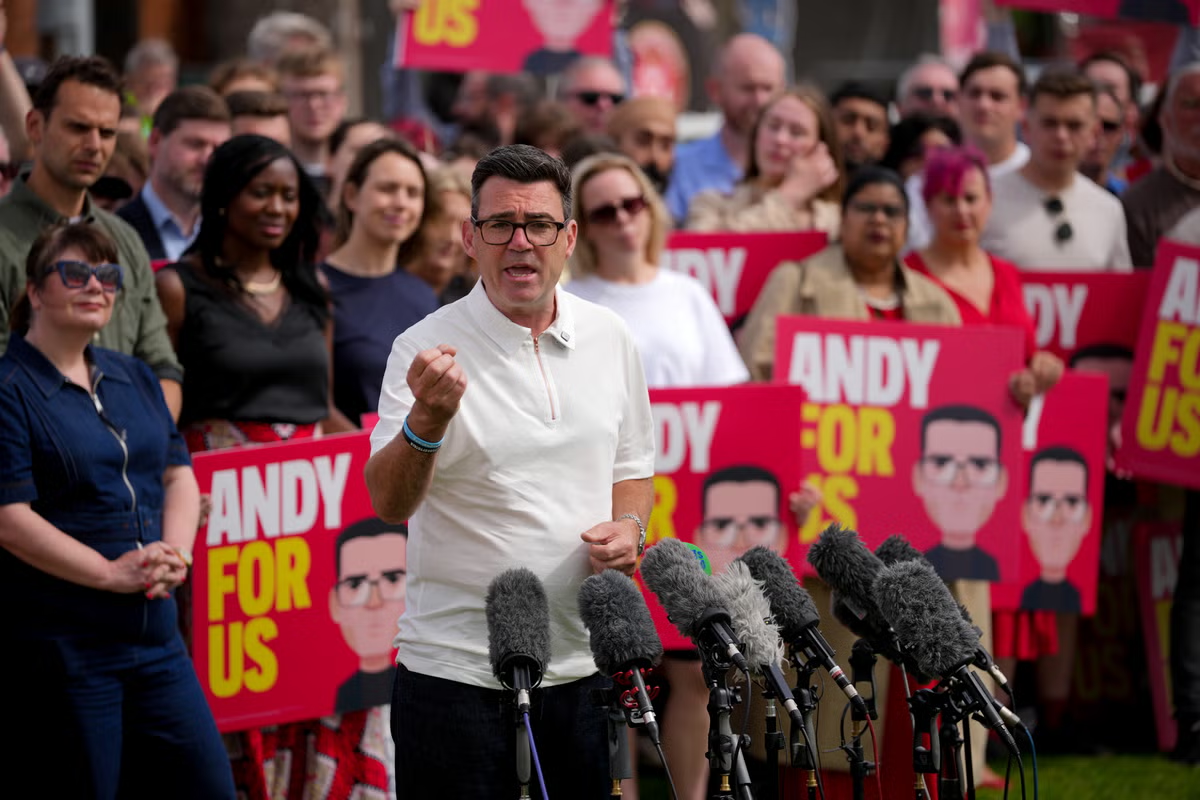
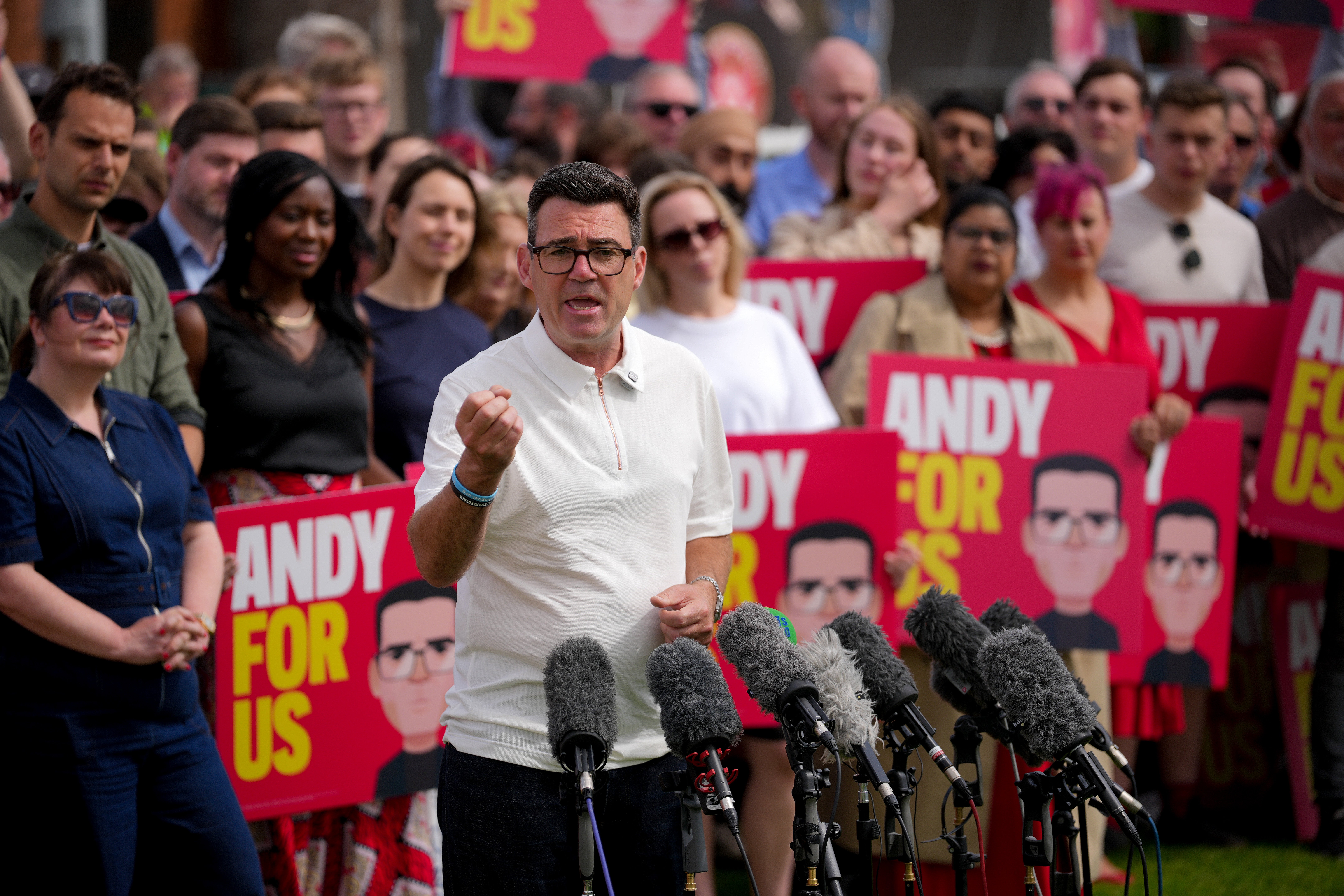
This may be the moment – “the final chance to change”, as the victorious candidate put it – that transforms the performance and perception of Labour. But it also demonstrates how profoundly, and rapidly, politics in Britain is changing.
À lire aussi :
Andy Burnham is back at Westminster: what this says about Britain’s changing political system
Governing parties don’t win byelections, and certainly not on 23-point swings. Burnham’s 54.8% vote share, more than 20 percentage points more than that of Reform UK, was unexpectedly emphatic – a personal triumph.
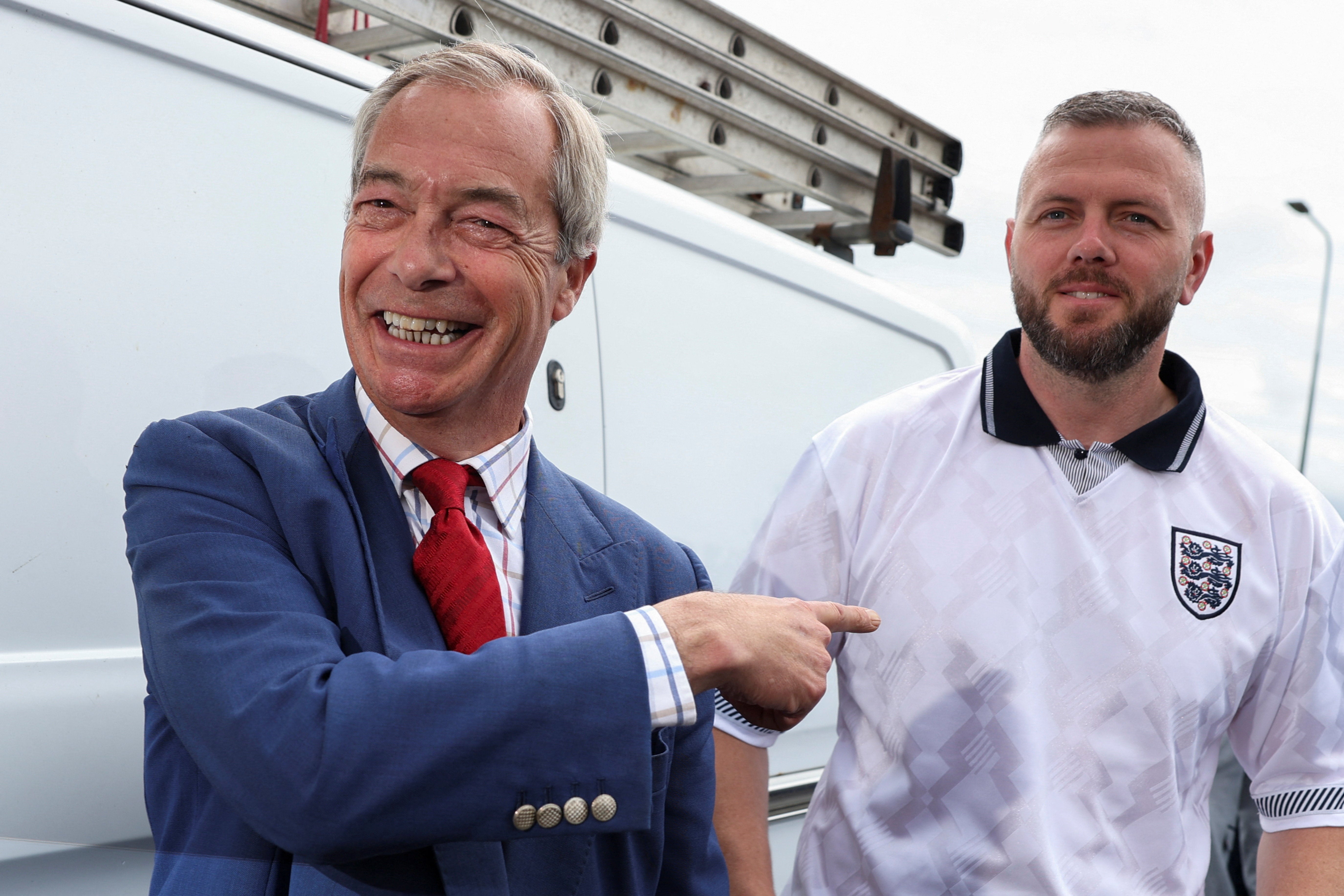
The momentum behind Reform UK’s leader, Nigel Farage, has if not stalled then noticeably decelerated. A second seat in the north-west that Reform ought to have won this year, it hasn’t – and this time resoundingly.
Much was down to Labour’s exceptional candidate – and Reform’s exceptionally inappropriate one. In the May local election, Reform was rampant, Labour won only 24% of the vote in Makerfield, and Restore Britain didn’t stand. Last night, Rupert Lowe’s party finished third.
Lowe has checked Farage with politics of such unabashed illiberalism as to make Reform resemble the Liberal Democrats. It is too simplistic to assume that had Restore not stood, its voters would have turned to Reform (and in any case, Burnham would still have won conclusively). But rather than deal in switchers, Restore’s menace is its appeal to non-voters.
This byelection was not merely a matter of getting someone into parliament to supplant a prime minister. It was intended, and needed to be, a statement.
More than any incumbent party in history, given the unique febrility of politics in 2026, Labour could not hope, much less expect, to win a byelection anywhere. Never competitive in rural constituencies, in cities Labour is prey to the Greens, in towns to Reform and Restore, and in Scotland and Wales to nationalists. (Labour did poorly in the other byelections on the same day, both in Scotland.)
Reform and tactical voting
Ironically, given the central importance of “place” in this byelection, Makerfield isn’t one. A swathe of small towns and bits of larger ones, its identity is regional and emblematic, if not typical, of seats which used in lore to weigh rather than count votes for Labour. However, new parties now appeal in a political marketplace for the disaffected.
Andy Burnham contesting a seat in Greater Manchester was almost the only likely Labour victory. There were more propitious seats, such as Gorton and Denton in February, but a weak Starmer blocked Burnham’s candidature. Weakened further by the May elections, the prime minister was unable to do so a second time for Makerfield.
As it turned out, that initial rebuff has burnished Burnham’s subsequent success. The greater marginality of Makerfield makes the statement much greater.
Reform’s rise has been tempered by two otherwise unrelated phenomena. Just as Farage inspires, he also repels: his is a unique talent for encouraging tactical voting (the Conservative, Liberal Democrat and Green party combined vote share of just 3.3% in Makerfield suggests as much).
Burnham’s clearest and most long-term policy – electoral reform – is intended to address the negativity surrounding politics today. The salience of proportional representation has never been greater than in Britain’s new multi-party politics. With Burnham as prime minister, it is likely to be a Labour manifesto commitment for the first time.
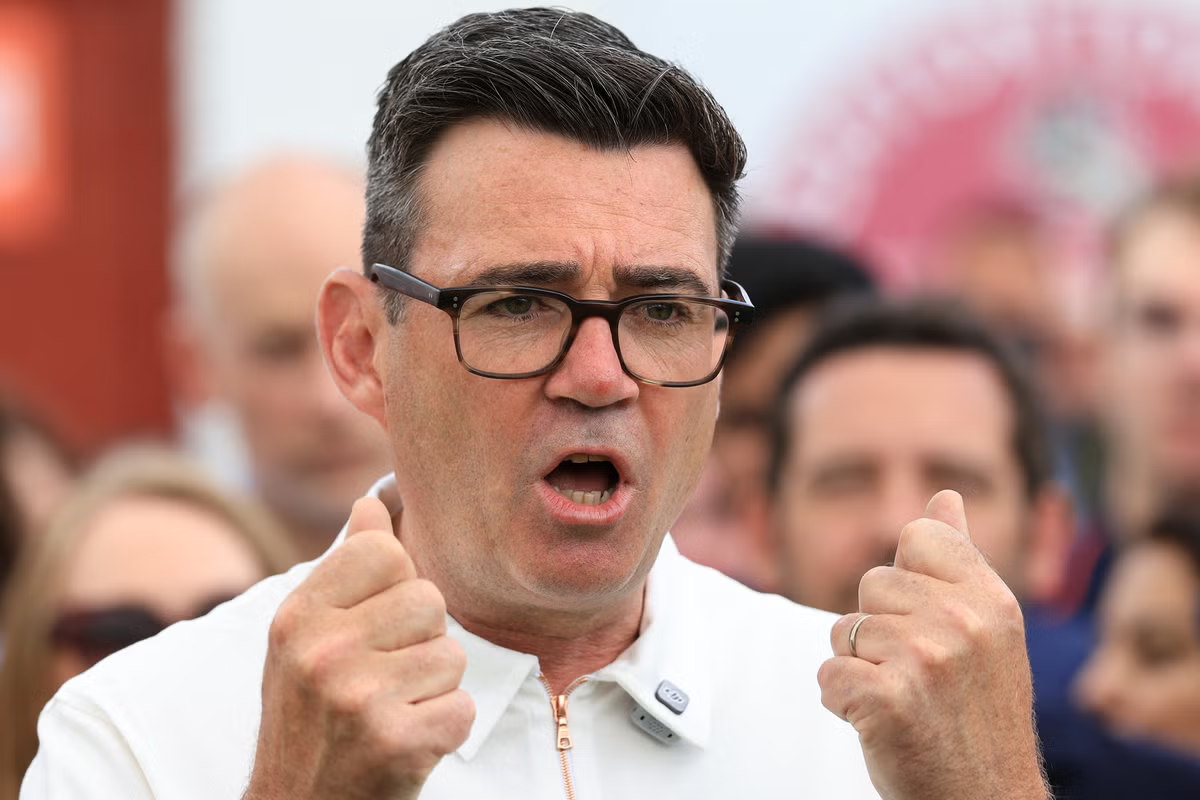
EPA/Adam Vaughan
But Burnham’s undoubted personal popularity provides more questions than answers – not least, whether a politician who has been highly successfully regionally can translate that record to the national, and international, level.
There is also the question of whether the affability and relatability so integral to his appeal can withstand the vicissitudes of the highest office – as well as the scepticism, cynicism and increasing impatience of voters. Burnham will soon discover that the quickest way for a popular politician to become an unpopular politician is to become prime minister.
This is not Burnham’s first attempt to lead Labour. To the political questions of the day in 2010 and 2015, he was not the answer. In the post-New Labour world, Burnham lost to a softer leftist in Ed Miliband. And in the electoral wild west begat by Miliband’s party reforms, he lost to a harder leftist in Jeremy Corbyn.
But third time around, Burnham might just be the answer. The fractured multi-party politics of 2026 may respond more favourably to Labour with a leader whom its members and voters actually want to vote for.
Getting Labour’s vote out next time will be its highest priority. As almost never happens, the turnout in yesterday’s byelection was higher than in the general election.
Burnham’s re-election to parliament would always – to use the word of the age – change things. The measure would be the scale of his victory. For him to be a serious alternative leader, much less a saviour, the victory needed to be big. It was, and it was also personal.
But whether his appeal is portable will soon be the question. Some in Labour may see in Makerfield, as Churchill did El-Alamein, “the bright gleam” of victory. It certainly denotes both the beginning of Starmer’s end, and the end of Burnham’s beginning.




































You must be logged in to post a comment Login