

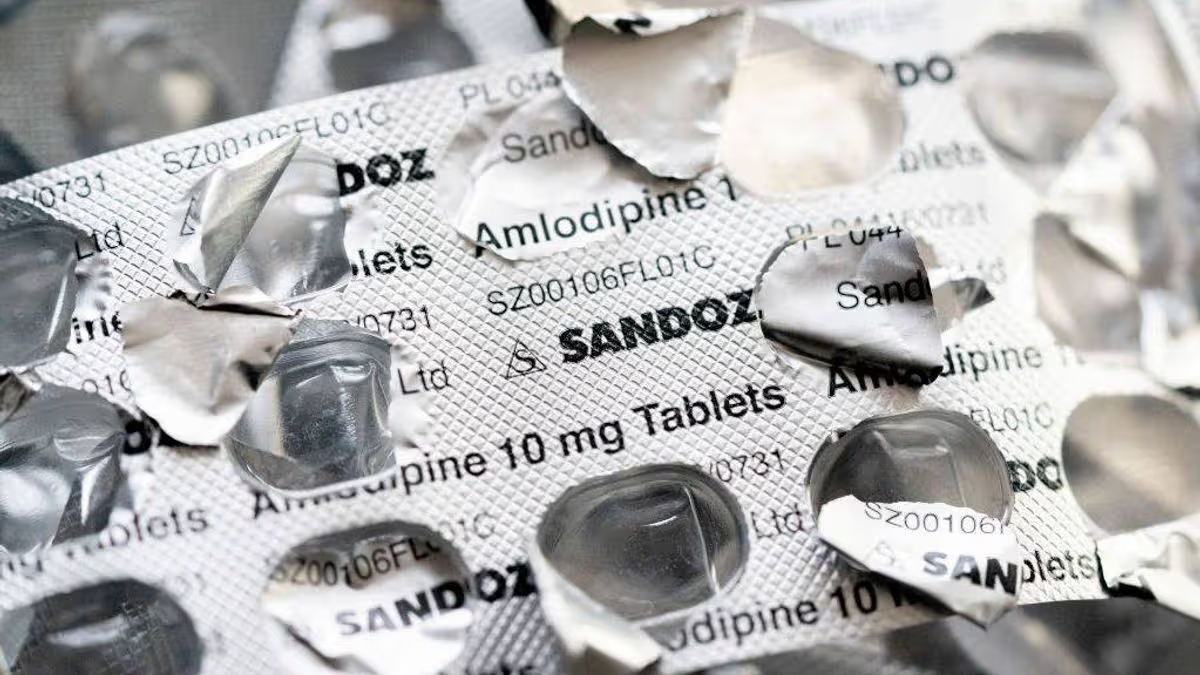
A pharmacist has shared crucial advice to patients who have high blood pressure. They’ve been urged to take action or they could risk “serious damage” which could hinder their health
Millions of people across the globe struggle with high blood pressure, with many constantly seeking straightforward methods to help manage it. However, if you are amongst those affected and need to keep it in check, there is vital expert guidance you ought to be aware of.
A pharmacist renowned for dispensing useful health advice has issued critical information to those who suffer with high blood pressure, warning that if something significant is overlooked, it could result in “serious damage”. Pharmacist Anum, as she is known on TikTok, recently outlined everything in a candid video, and it is essential information that deserves your full attention.
It is not the only guidance of this nature to have emerged recently either. Previously, people were also encouraged to carry out five exercises to try and reduce blood pressure.
In the clip, Pharmacist Anum said: “If you suffer with high blood pressure, protecting your kidneys is super important. You should be having regular monitoring to assess your kidney function. However, unfortunately, this one very simple test often gets missed.
“The test I’m referring to is a simple urine test. It involves you dropping off a urine sample to your GP, and they can test your ACR. Now this stands for albumin-creatinine ratio, and what it does is it looks to see if there are any proteins leaking into your urine.
“If proteins are present, it could be an early sign that there is damage to your kidneys. It’s a quick test that allows us to pick up early signs of kidney damage before you start to develop any symptoms.
“Picking up these things early is key. Now, generally speaking, we like to test your ACR, so get a urine sample from you when you’re first diagnosed with having high blood pressure, and then at least annually.
“Depending on your individual circumstances and your individual risk factors, this might me more frequent or less frequent. But, I guess what I’m really trying to hone in on, is if you have high blood pressure and you have never had your urine tested or you’ve never done a urine sample and handed it into your GP surgery, please get in contact with them to see if this test is necessary for you to assess the health of your kidneys.”
In the caption, she noted that monitoring kidney function is an “essential part” of managing blood pressure. The specialist added that blood tests may also occasionally be required.
Consequently, if you haven’t been tested at all or for a considerable period, she encouraged people to get in touch with their GP to confirm everything is up to date. She also clarified that her video was intended for educational purposes only.
Why is this important?
You may not realise it, but urine tests are vital for people with high blood pressure as they can detect early signs of kidney damage, identify underlying causes of hypertension and confirm whether medication is being taken correctly. They screen for protein (albumin) that indicates kidney disease, monitor salt levels and can also verify whether blood pressure medication is actually being consumed.
High blood pressure damages the blood vessels within the kidneys, which can ultimately lead to chronic kidney disease. A urine test detects albuminuria (protein in the urine), which is frequently the earliest indicator of such damage.
Patients can also undergo specialist urine tests to establish whether they are taking their prescribed blood pressure medications, assisting doctors in addressing non-compliance and improving blood pressure management. Certain urine tests, such as those examining sodium or particular hormones, can also identify rare secondary causes of high blood pressure, including conditions affecting the adrenal glands.
The tests can additionally check for evidence of diabetes (glucose), infections (bacteria/blood) and how effectively the kidneys are filtering waste products. If you have any concerns whatsoever, seek further advice from your doctor.














































You must be logged in to post a comment Login