Connect with us

NewsBeat

How AI could unlock deep-sea secrets of marine life

Published

on

How AI could unlock deep-sea secrets of marine life

Somewhere in the North Atlantic, more than a kilometre beneath its surface, a cold-water coral reef stretches across an unnamed seamount. Despite never appearing on a chart, this underwater forest has existed for centuries, growing a centimetre or two each year.

The reef is a home and feeding ground for dozens of species that depend on it the way a woodland creature depends on trees. It has survived ice ages – but whether it will survive increasing pressures from industrial fishing, deep-sea mining and climate change is, in part, a question about data. If we don’t know it exists, how can we protect it?

A new project called Deep Vision could fundamentally transform our understanding of the deep ocean by digging into pictures and videos sat largely unexamined in research archives around the world. By using AI, thousands of hours of seafloor footage can be analysed to produce the first comprehensive maps of vulnerable marine ecosystems across the entire Atlantic basin.

Over the past two decades, robotic and autonomous underwater vehicles have collected vast quantities of footage from the deep sea. This represents an extraordinary resource – a record of ecosystems that most humans will never see.

Advertisement

The difficulty is that less than half of this imagery has ever been analysed. A single dive can take a trained human analyst two months to process. Multiply that by thousands of dives and you begin to appreciate why this treasure trove of information has remained largely locked away.

The solution, I am convinced, is artificial intelligence.

AI could fundamentally change how quickly discoveries about the deep sea are made.
Yetugraphic/Shutterstock

In research published in 2022, my colleagues and I showed that AI could be trained to successfully analyse over 58,000 deep-sea images in under ten days. The AI model helped us map the distribution of a fragile xenophyophore – a giant single-celled organism that is a recognised indicator of vulnerable marine ecosystems – at a depth of 1,200 metres in the north-east Atlantic. What would have taken a human analyst many months was accomplished in days.

Advertisement

AI also provides consistency. Human analysts, however expert, do not always agree with one another. Indeed, they do not always agree with themselves: a researcher identifying marine species may classify specimens differently at different times. A machine makes errors but it makes them consistently, which means these errors can be identified, corrected and accounted for.

Forests of the deep

Deep Vision is focusing specifically on what we call vulnerable marine ecosystem indicator taxa, such as deep-sea corals and sponges.

These are the organisms I think of as the forests of the deep. In an environment where there are no plants to provide habitats, these animals fulfil this role. They are keystone organisms in the most literal sense: remove them and the ecosystem collapses.

Once AI has extracted biodiversity observations from the imagery, the next stage is to build habitat-suitability models – predictive maps that extend our understanding beyond the specific locations where cameras have surveyed.

Advertisement

Our research shows that high-resolution habitat suitability models are a useful tool in spatial management, capable of informing decisions about where marine-protected areas should be located. However, the quality of the underlying seafloor data remains critical to how well they perform.

As a marine biologist, I sometimes get asked why people should care about a sponge living two kilometres beneath the surface of the Atlantic. It is a fair question, and the answer is more immediate than most people expect. These animals recycle essential nutrients and play a key role in the carbon cycle, and that effects us all.

The ocean is the engine room of a planetary life-support system, and effective management of it relies on having the best possible understanding of the species and ecosystems within it.

If this project succeeds in the Atlantic, the methods could be replicated in other ocean basins. The Pacific, the Indian Ocean and the Southern Ocean all present the same challenges of insufficient data and vast unexplored territory.


Advertisement

Source link

Continue Reading
Click to comment

Leave a Reply

Your email address will not be published. Required fields are marked *

NewsBeat

F1 2026 Australia GP live: Qualifying result, lap times and schedule

Published

on

F1 2026 Australia GP live: Qualifying result, lap times and schedule

Can anyone beat Russell?

We shall see. They’re all out on track, preparing for the final laps of the session…

Kieran Jackson7 March 2026 06:17

Advertisement

George Russell on provisional pole

Russell clear of the rest so far, even with a slower time than Q2!

Norris is five-tenths off, with Hadjar in third for Red Bull.

4-6: Leclerc, Piastri, Hamilton

Antonelli made a mistake, while Lindblad and Lawson opted to stay in the garage and will set just one lap.

Advertisement

Kieran Jackson7 March 2026 06:15

Q3 back underway

So we’ll see what happens to Antonelli afterwards…

Meanwhile, Norris’s car is fine and we have nine cars back out on track.

Advertisement

Kieran Jackson7 March 2026 06:11

PHOTO: Norris driving over device

Lando Norris drives over a coolant device in qualifying (F1TV)

Kieran Jackson7 March 2026 06:09

Advertisement

Mercedes in trouble

Given another car drove over the cooling device – and McLaren are working hard on Norris’s car – Mercedes and Antonelli could get a grid penalty.

Session resuming in three minutes.

Kieran Jackson7 March 2026 06:07

Advertisement

RED FLAG

What a screw-up from Mercedes!

A cooling device was left on Kimi Antonelli’s car as he left the pits!

And Lando Norris drove right over it with his front-left tyre.

Debris on track. RED FLAG with 9:47 left – no times on the board.

Advertisement

Kieran Jackson7 March 2026 06:04

Q3 underway

So just nine drivers are involved in the first pole position shootout of the season:

Drivers involved: Russell, Leclerc, Antonelli, Piastri, Norris, Hamilton, Lindblad, Lawson, Hadjar

Advertisement

Kieran Jackson7 March 2026 06:01

Kieran Jackson7 March 2026 05:58

Advertisement

Bortoleto won’t make Q3

A transmission issue means his Audi car has sparked out. And given he didn’t quite make it into the pits, he’s been wheeled away from the pits and theere’l be just nine cars in the Q3 shootout!

Kieran Jackson7 March 2026 05:56

Bortoleto stops in pit-entry

Gosh, almost a huge crash after Q2!

Advertisement

Lindblad speeds into the pit-entry, avoids teammate Lawson but Bortoleto stops in the pit-lane, having qualified P10!

Kieran Jackson7 March 2026 05:55

Source link

Advertisement
Continue Reading

NewsBeat

West Auckland Market to launch at Manor House Hotel

Published

on

West Auckland Market to launch at Manor House Hotel

From May 10, the West Auckland Farmers & Indie Market will take place at The Manor House Hotel and Spa, running from 10am until 2pm on the second Sunday of every month.

The free, dog-friendly event will be organised by Naomi Katze of Gather North Events, who also runs the well-established Farmers and Indie Market at Middleton-in-Teesdale’s Middleton Mart.

That market, which launched in May 2024, regularly attracts about 80 traders and has built a loyal following of shoppers from across the region.

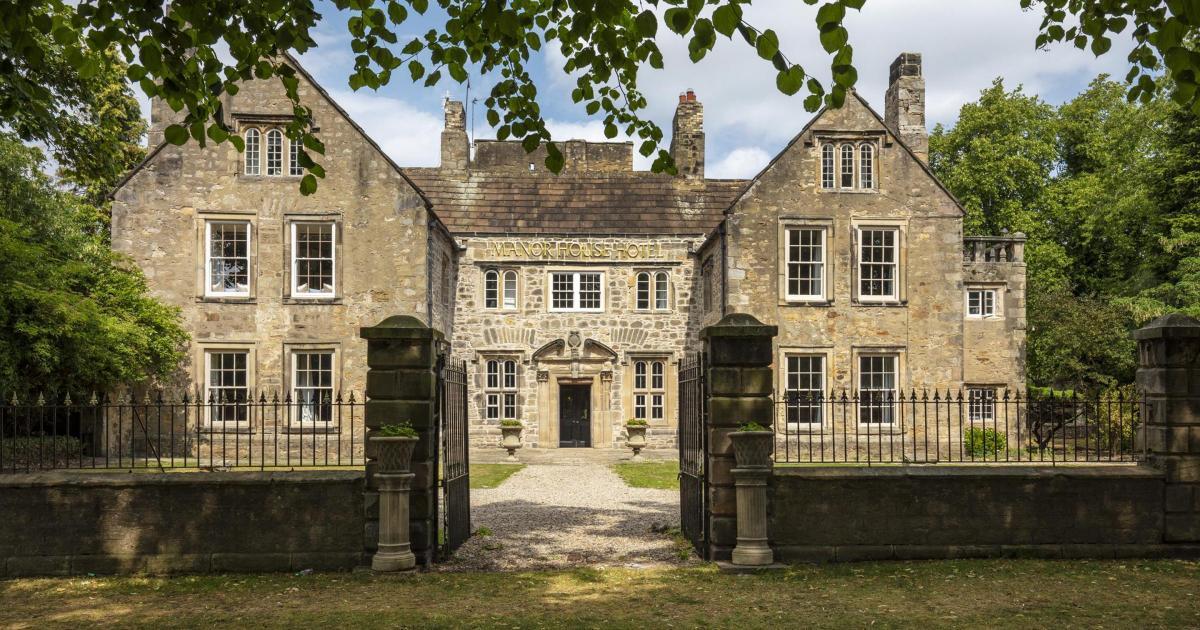
The Manor House Hotel in West Auckland (Image: file)

Now, Naomi is expanding the Gather North brand with a second monthly market – this time in West Auckland – promising the same carefully curated mix of high-quality food, drink, arts and crafts.

Advertisement

About 50 local independent businesses are expected to take part in each West Auckland event, with stalls both inside and outside the hotel grounds.

Visitors can expect everything from artisan bread, rare breed meats and fresh fish to local cheeses, seasonal fruit and vegetables, chutneys, jams and handmade pies and pastries.

There will also be sweet treats, including cakes, patisserie, chocolate and fudge, alongside vegan and gluten-free options.

Drinks producers are set to feature too, with local ales, spirits, cider and apple juice among the offerings.

Advertisement

Alongside the traditional farmers’ market produce, the ‘Indie’ collection will showcase artists, illustrators and designers, as well as handmade jewellery, ceramics, candles, textiles, woodwork and eclectic collectables.

The coffee van At Middleton-in-Teesdale Market (Image: naomi katze)

Street food and specialist barista coffee will be available, serving breakfast, brunch and lunch, while visitors are also encouraged to make use of The Manor House Hotel’s on-site café and restaurant.

Free entry and free parking will be available for all dates.

Announcing the expansion on social media, Naomi said she was “absolutely delighted” to be bringing the Gather North Farmers & Indie Market to a new location.

Advertisement

“You’ll see many of your familiar favourites, some fantastic new traders, and we’re so excited to welcome a whole new community through the doors too,” she said.


“Our same format. Our same high standards. The same, very special Gather North Events vibe, just a new location.”

The West Auckland Farmers & Indie Market will take place on:

  • May 10
  • June 14
  • July 12
  • August 9
  • September 13
  • October 11
  • November 8
  • December 6 (first Sunday of the month)

The Manor House Hotel and Spa is located in West Auckland, DL14 9HW.

Advertisement

Source link

Continue Reading

NewsBeat

the feminist book that Iran’s regime has failed to silence since the 80s

Published

on

the feminist book that Iran’s regime has failed to silence since the 80s

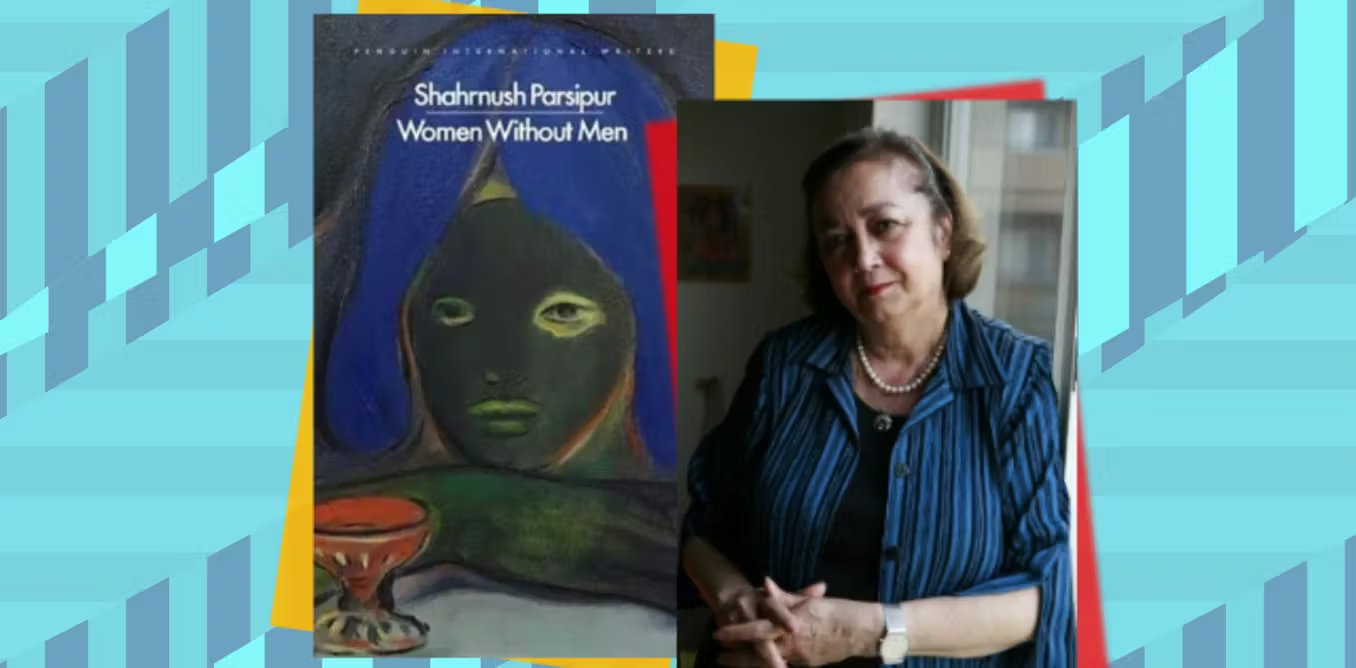
For more than three decades, Iran tried and failed to silence Women Without Men (Zanan bedun-e Mardan in Persian). Shahrnush Parsipur’s novella exposed the brutality of Iranian patriarchy with rare clarity. It did so long before global audiences recognised that violence.

Published in 1989, the book was banned almost immediately and Parsipur was imprisoned twice for writing openly about women’s sexuality and autonomy – an act of artistic courage the Islamic Republic deemed intolerable.

Despite the regime’s attempts to erase it, the novella endured. It moved through underground networks and crossed borders with quiet determination. Today, Parsipur lives in exile in northern California after years of harassment. At 80, she remains one of Iran’s most fearless literary dissidents.

Women Without Men follows five women who flee violent marriages, stifling social expectations, and political chaos. Together, they build a sanctuary in a garden outside Iran’s capital, Tehran.

Advertisement

The book is now available in translation by Faridoun Farrokh in the UK for the first time. It still reads as a fierce, mystical act of feminist refusal, echoing the Woman, Life, Freedom movement – a Kurdish slogan that became a rallying cry for women’s rights when it was adopted during the 2022 Iranian protests. The book also lays bare, yet again, how violently regimes react when women claim the right to live unbounded.

When history tried to silence women but failed

Set against the turmoil of 1953, the novella unfolds in a charged political landscape. That year, a US- and UK-backed coup toppled Iran’s democratically elected prime minister, Mohammad Mosaddegh, and reinstalled the shah, Mohammad Reza Pahlavi, to protect western oil interests. That event reshaped Iran’s future and remains one of its most consequential political ruptures.


Penguin International Writers.

In the years leading up to the coup, Iranian women had been inching towards greater legal and social equality. But the political chaos and regime change set the stage for decades of instability. The tensions paved the way for the revolution 25 years later, and the Islamic Republic’s tightening grip on women’s lives. While these seismic events stay outside the novella’s frame, their presence is palpable in the background.

It is in the shadow of the 1953 coup that Parsipur exposes the intimate humiliations that patriarchy inscribes onto women’s bodies. Virginity becomes a weaponised measure of worth. Menopause is recast as an insult. Sexuality is monitored, contained and punished. Women’s desires are treated as destabilising forces that must be disciplined. Each character carries a different wound from this system.

Advertisement

Munis resists a brother who would rather kill her than allow her freedom. Faizeh absorbs the misogyny that confines her, and turns it inward. Zarrinkolah escapes a life in which her body is endlessly bought, sold and consumed. Mahdokht, pushed beyond the limits of social expectation, seeks literal rebirth as a tree. Farrokhlaqa endures an affluent marriage that strips her of dignity.

These violences mirror the misogyny embedded in the political order itself. That order disciplines women through shame, silence and constant surveillance of their bodies.

The women’s retreat to the garden outside Tehran is not an escape, but a feminist rupture that marks a refusal to live within a world that insists on defining them. It is a choice to build, however precariously, a space where those rules collapse.

Through mysticism and magical realism, the women’s transformations gain political force. Each metamorphosis becomes an act of resistance: women reclaiming autonomy, dignity and possibility in a society intent on erasing them.

Advertisement
A demonstrator holds a sheet showing photos of victims at the anniversary of the death of Mahsa Jina Amini in 2023.
Clemens Bilan/EPA

From 1953 to Woman, Life, Freedom

The global cry of “zan, zendegi, azadi” (Woman, Life, Freedom) carries the same insurgent energy that animates Parsipur’s Women Without Men. The slogan rose during the 2022 uprising, after the death of Mahsa Jina Amini in police custody.

The beginning of this spirit of resistance can be seen in Parsipur’s narrative, decades earlier. Her novella advanced a vision of women actively confronting and exceeding patriarchal limits decades before the slogan gained global force.

Reading the book today, it is clear how accurately Parsipur mapped the machinery of state violence, gender policing and systemic oppression – the same forces now driving women into the streets in Iran.

What anchors the novel’s contemporary relevance is its central idea: women imagining and constructing a world outside patriarchal control.

The five women of Parsipur’s story carve out a space where they are no longer defined by violence or expectation. Their garden becomes a blueprint for refusal, one that aligns directly with the ethos of Woman, Life, Freedom: not to endure patriarchy but to reject it, rewrite it, and build a life entirely beyond its reach.

Advertisement

Iran is once again engulfed in turmoil. Women Without Men enters the UK at a moment when Iranian exiles, scholars and activists are issuing urgent warnings about escalating state violence. Public awareness of the daily repression faced by Iranian women is higher than ever, and global literary circles are increasingly spotlighting works that confront authoritarianism with resistance.

In this context, the novella’s English-language publication operates as a bridge between past and present. It makes visible how the structures that constrained women’s lives in the 1950s continue to shape Iran’s political realities today.

This is not simply a reissue. The UK publication marks a hard‑won return for a work that has outlasted bans, by a writer who has survived incarceration and forced displacement. Its re‑entry into global circulation arrives precisely when its analysis of gendered domination carries heightened relevance.

Advertisement

Source link

Continue Reading

NewsBeat

Horror ransom note on teenager’s bed before Black Panther killer’s grim discovery

Published

on

Horror ransom note on teenager's bed before Black Panther killer's grim discovery

A mum’s worst nightmare began when she found her daughter’s bed empty except for ransom notes – sparking days of trauma before a horrifying discovery in Shropshire

In a typical Shropshire family home, a mother’s worst fear was about to unfold.

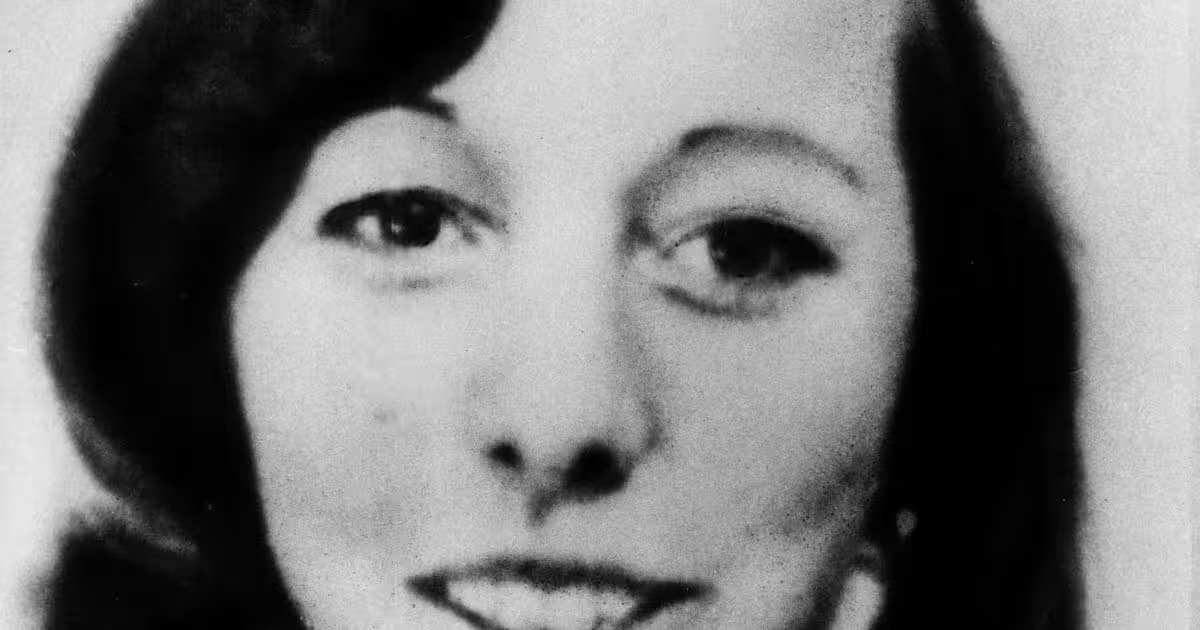
Dorothy Whittle discovered a terrifying ransom note on her daughter Lesley’s bed, marking the start of days filled with dread and distress.

Advertisement

Back in 1975, Staffordshire was held in the grip of fear by a man named Donald Nielson, who later earned the chilling label of the Black Panther. Originally a builder from Bradford, Neilson went on to commit four brutal murders.

Half a century on, the community remains haunted by these horrific killings. The abduction of Lesley Whittle has left an indelible mark on the residents of Highley, Shropshire.

On January 14, Lesley’s mother found her daughter’s bed empty. Three ransom notes were left on the bed, along with a warning not to involve the police, found in her sitting room, reports the Mirror.

The Whittles were a well-known local family, and Lesley was a cherished member of the community.

Tragically, her body was later discovered in a drainage shaft. Neilson was subsequently given four life sentences for his heinous crimes.

Andy Wright, a reporter for the Shropshire Star at the time, recalled: “People were absolutely astounded. They just couldn’t comprehend what had gone on.”

Researcher Dave Waterhouse told the BBC that it’s crucial to remember this case. He said: “Many people have actually said ‘let it lie, the past, move on’.

Advertisement

“Anybody born pre-1970 will have memories of what happened here in little old Kidsgrove. Tributes keep coming year in year out….it’s part of our local history and the impact it had is unquestionable.”

Waterhouse characterised Neilson as “very much a loner”. His mother passed away when he was 10.

He said: “He had very few friends. He went into the military, spent a couple of years there, which he loved. He was not successful in anything that he did except for burglaries – 400 burglaries and he never got caught.

Advertisement

“But he’d have every job from a taxi driver, from a joiner, from salesmen – and failed at every one.”

He noted that numerous people speculated Lesley’s mother was the intended target, rather than her daughter. He explained: “The Whittles had got a coach company – 70 coaches, based over in Shropshire at Highley and everybody in the area knew the family.

“When the father died, Lesley became known as the heiress and people knew her as that.”

Multiple mistakes occurred before Nielson’s capture. Waterhouse continued: “The first night they had to abort – there was error after error.

“The BBC released on the 20:00 GMT news on the radio that it was going to be dropped off at the Swan Centre in Kidderminster and it never happened.

“They decided to go again the next night and it was going to be a drop at Dudley Zoo but the security guard caught Neilson on the premises and that security guard was shot.

“Then that evening the rules changed. Tape recordings were sent to the Whittle family by Neilson saying the drop’s got to be tonight at Kidsgrove.”

Advertisement

Sylvia Dymond, who was attending school when Lesley died, was left devastated after police discovered the teenager’s body in the Kidsgrove woodland.

She told the BBC: “This is where as children we’d come down and play through the summer.

“We practically lived down here. It’s horrific when you think about it, because she must have been terrified.”

Advertisement

The ransom handover never happened after Neilson spotted a courting couple and fled in fear.

Waterhouse explained: “He thought he’d been betrayed. Evidence suggests he came from where he was waiting and he aborted.

“But before he aborted he came back to Lesley and threw her off the shaft.”

Neilson was ultimately apprehended after being spotted behaving suspiciously outside a post office near Mansfield, Nottinghamshire.

Advertisement

Imprisoned in July 1976 for her murder alongside three sub-postmasters, who were killed during armed robberies in Harrogate, North Yorkshire, Accrington, Lancashire and Langley in the West Midlands.

Throughout the police inquiry and subsequent trial, Neilson maintained his innocence. He died behind bars in 2011.

Source link

Advertisement
Continue Reading

NewsBeat

Martin O’Neill issues ‘wake-up call’ as Celtic face Rangers in Scottish Cup

Published

on

Martin O'Neill issues 'wake-up call' as Celtic face Rangers in Scottish Cup

The Hoops are embroiled in an epic title battle with Hearts and Rangers and have a Scottish Cup quarter-final against Rangers at Ibrox on Sunday

Martin O’Neill reckons the genuine silverware threats Celtic are encountering this campaign ought to serve as a “wake-up call” for the Parkhead outfit.

Advertisement

The Bhoys have secured 13 of the past 14 William Hill Premiership crowns alongside countless cup triumphs during an extraordinarily prosperous era, yet this term has proved turbulent.

The Northern Irishman is undertaking his second temporary managerial stint this season, having previously led Celtic from 2000 to 2005, and now finds himself caught up in a dramatic championship race.

Celtic trail pacesetters Hearts by five points whilst holding a slender one-point advantage over Rangers ahead of Sunday’s Scottish Gas Scottish Cup quarter-final clash with the Ibrox side.

“The overall picture is I think that it should be a wake-up call for the football club,” remarked the 74-year-old, who confirmed left-back Kieran Tierney requires assessment following a foot problem picked up during the 2-1 victory over Aberdeen in midweek, whilst experienced shot-stopper Kasper Schmeichel, who received a shoulder injection after illness, will also be evaluated.

Advertisement

“You could say that in recent years fans have maybe been spoiled, no real challenges in many aspects.

“Being able to coast home in the last six or seven games of a season, which is great because you’ve done that. But the challenge has not been strong.

“Here it is. Here Hearts have arrived on the spot maybe a few years before they thought they would do.

“Rangers have come strongly and spent some money getting good players in at the football club.

Advertisement

“So it’s been a challenge all season and certainly been the challenge in my couple of spells in here, where you’re winning some matches and you’re still trying to peg teams back.

“But we’re in with a chance anyway, that’s the point.

“I don’t think it (Sunday’s game) would have a serious bearing (on title), but in terms of confidence building, of course, those things always matter.

“But for the league, I’m not sure. It’s down now to what, nine games left.”

Advertisement

O’Neill wants Celtic to replicate the performance they produced in the closing stages of last week’s encounter with Rangers when they visit Ibrox.

The Hoops were completely overwhelmed during the opening 45 minutes of their league meeting and trailed 2-0 at half-time, leaving them with a mountain to climb.

However, the defending champions responded impressively to that setback, with strikes from Tierney and Reo Hatate securing a well-earned 2-2 draw for the away side.

The ex-Leicester, Aston Villa and Nottingham Forest manager said: “If we if we play like we did in the first half, we shouldn’t turn up then.

Advertisement

“But the second half gave us great confidence, and the ability to know that we can fight back. I think it was testament to the player’s character as much as anything else.”

On fitness matters, O’Neill said: “The injury Kieran’s had to his foot is clearing up. He’s just generally sore in every aspect, so we’ll see how he is tomorrow.

“Kasper trained today for the first time since the injection, so we will see how he is tomorrow.”

Want to see more of the stories you love from Belfast Live? Making us your preferred source on Google means you’ll get more of our exclusives, top stories and must-read content straight away. To add Belfast Live as a preferred source, simply click here.

Advertisement

Click here to sign up to our sport newsletter, bringing you the latest sports news, headlines and top stories

Source link

Continue Reading

NewsBeat

What Irish politician Thomas Gould’s accent going viral in Jamaica reveals about colonial history

Published

on

What Irish politician Thomas Gould’s accent going viral in Jamaica reveals about colonial history

Irish politician Thomas Gould has become a bit of star in the Caribbean after a video of him speaking in the Irish parliament drew comments for the surprising similarity of his Cork accent to the Jamaican one.

His viral speech is a powerful reminder of the shared histories of Ireland and Jamaica, which date back to the mid-17th century and lasted for the next 200 years. During this period Jamaica became an important destination for Irish people.

In the 1650s, Oliver Cromwell, Lord Protector of the Commonwealth of England, Scotland and Ireland, was on a mission to expand the British empire. Having completed the conquest of Ireland in 1653, he captured Jamaica from Spain in 1655.

During the later 1650s, the Cromwellians transplanted hundreds of Irish Catholics to Jamaica where they worked as indentured servants. This form of labour involved an investor who covered the cost of the indentured servant’s passage, food, clothing and shelter on the plantations in return for up to seven years of contracted labour (ten years in the case of convicts).

Advertisement

On termination of the indenture, masters were legally bound to offer “freedom dues”, roughly £10 to £12, in the form of a small parcel of land and a sum of money or its commodity equivalent. Unlike enslaved people, indentured servants had some legal rights, even if it proved difficult to exercise them. However, during the period of indenture the person was, like an enslaved person, at the mercy of their master.

During the 1660s, Irish men and women relocated from elsewhere in the Caribbean to Jamaica on the promise of up to 20 acres of land on the condition that they re-indentured themselves for two or three years.

The Irish poet, Seán Ó Conaill, memorialised these transplantees in The Dirge of Ireland when he wrote in a poem “Transport, Transplant go to Jamaica”.

Relegated to marginal areas in the interior of the island, these poor Irish were vilified and perceived to be unruly, rebellious and loyal to the French because of their Catholicism. They worked as domestic servants or as labourers cultivating sugar, indigo, cotton, cocoa and other commodities. Living in a tropical climate, where hurricanes and other natural disasters occurred regularly, and where deadly diseases were rife shortened life expectancies. Only one in three children reached the age of five.

Advertisement
William O Brien, the second Earl of Inchiquin was governor of Jamaica from 1690 till 1692.
Wikimedia

By 1690 Irish men and women, Catholic and Protestant alike, formed a significant part of the white population, which numbered between 10,000 and 12,000 with around 40,000 enslaved people. While Catholic indentured servants laboured, Protestants from Ireland owned plantations and governed.

When Governor William O’Brien, second earl of Inchiquin, died of “the flux” (dysentery) in 1692, Coleraine-born John Bourden, who owned a plantation in the parish of St. Catherine, filled his shoes. Others included Sir George Nugent (1801 to 1804), Eyre Coote (1806 to 1808); and the earl of Belmore (1828 to 1832).

Migration from Ireland to Jamaica continued well into the 18th century. In 1731, the governor of the island complained that “native Irish papists … [were] pouring in upon us in such sholes [shoals]”. Some Irish remained on the margins, but others prospered as modest planters or as artisans, coopers, carpenters and merchants in Port Royal, Jago de la Vega (Spanish town), Irish town and Kingston.



À lire aussi :
Entangled Islands exhibition explores the history of Irish people in the Caribbean – an expert review

Advertisement

Jane Fitzgerald, a garment trader, was listed in an inventory, as were Irish men like Michael Farrell, a millwright, John Casey, a tavern keeper, Michael Hanigan, a tailor, and Conn Connelly, a bricklayer and builder. The survival of a census dating from 1679 for St. John’s parish, Jamaica, shows that men with Irish names headed three (of 49) households: “Teag Macmarrow” with two white servants and eight enslaved Africans (including three children); Thomas Kelly with two enslaved Africans; and Gilbert Kennedy with a wife and two children, four white servants, and ten slaves (including four children).

Some left wills when they died. These paint pictures of close-knit Irish communities comprised of extended family members and reinforced by intermarriage. Many were upwardly mobile and well connected.

Elizabeth Kelly.

Elizabeth Kelly inherited her family’s grand estates and sugar mills.

Wikimedia

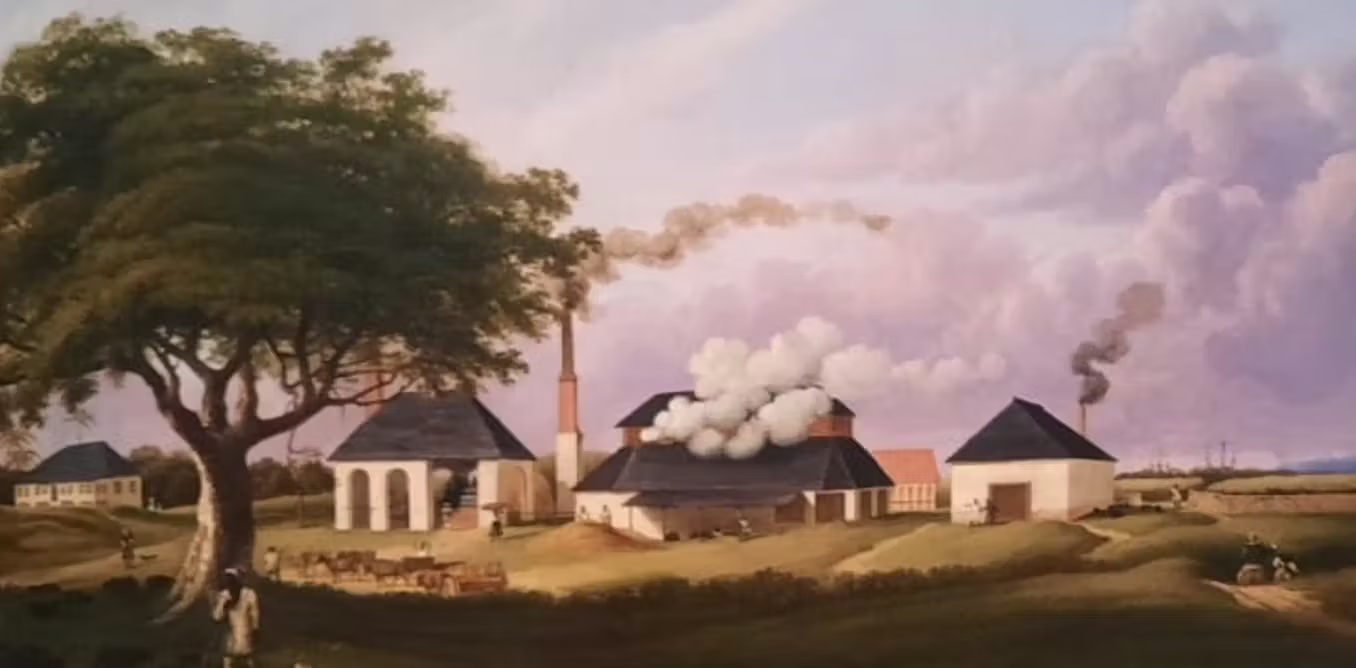
One of the best examples of an Irish family succeeding in Jamaica is the Kelly family, whose grand estates and sugar mills were painted by Isaac Mendes Belisario in 1740. Edmund Kelly became attorney general of Jamaica in 1714. Elizabeth Kelly, his granddaughter and heir, owned plantations of 20,000 acres and 360 enslaved Africans when in 1752 she married Peter Browne of Westport.

The Brownes became Ireland’s premier absentee (run from abroad) plantation owners in the Caribbean. When slavery was finally abolished in 1830s, around 400 people from Jamaica had Irish connections, including many who owned enslaved Africans.

Today Irish surnames – Kelly, Lynch, Murphy, McCarthy, O’Brien, O’Connor, O’Reilly, and O’Hara – are common on the island. Placenames also testify to the presence of early Irish settlers: Irish town, Irish Pen, Irish Road, Sligoville, Bangor Ridge Square, Leinster Road, Leitrim Avenue, Antrim Crescent, Longford Road, Kinsale Avenue, Waterford, and Portmore. Shared speech patterns, especially accents from Munster, are also common.

Advertisement

So with Jamaicans being surprised to hear aspects of their own accents in Thomas Gould’s it’s an opportunity to think about the culture’s complicated shared history and the lasting legacy of the Irish in Jamaica,

Source link

Advertisement
Continue Reading

NewsBeat

Mock the Week destroys ‘sex president’ Bill Clinton over Epstein links

Published

on

Mock the Week destroys 'sex president' Bill Clinton over Epstein links

To view this video please enable JavaScript, and consider upgrading to a web
browser that
supports HTML5
video

Mock the Week has come out swinging against former US President Bill Clinton after he was quizzed on his links to disgraced financier Jeffrey Epstein.

Advertisement

The prominent politician, 79, gave testimony over his ties to the late convicted sex offender in Congress last week in a closed-door deposition in which he told lawmakers he ‘saw nothing, and did nothing wrong’.

Both he and his wife, Hilary, who are mentioned in the files multiple times, have denied any wrongdoing in relation to Epstein. In particular, Clinton has ridden on Epstein’s private jet at least 26 times.

In Sunday’s episode of the recently-rebooted Mock the Week, host Dara O’Briain and the panel discuss the Clinton deposition, with comedian Ahir Shah offering a scathing takedown.

He told his fellow panellists – including Rhys James, Angela Barnes, Milton Jones, Sarah Keyworth and Glen Moore – that ‘Bill Clinton is sort of the one guy you’re like, it would be weirder if he hadn’t been [in the Epstein files].’

Advertisement

As the studio erupted into laughter, he continued: ‘You find out Stephen Hawking was there and you’re like: “Sorry, what?” and then someone finds out Clinton was there and you’re like: “Oh yeah, the sex president, that makes sense.’

Mock the Week tackled the Clinton hearing about Epstein with a takedown (Picture: TLC/Mark Johnson)
Jeffrey Epstein and Bill Clinton
Former President Bill Clinton attended a hearing over his links to Jeffrey Epstein (Picture: Department Of Justice/ZUMA Press Wire/Shutterstock)

Clinton, who notably had an affair with then-White House intern Monica Lewinsky during his Presidency, has had his personal life dissected in the public forum for decades.

O’Briain joined in on Shah’s jab, quipping: ‘Yeh the guy who had sex in The Oval Office, how would he not have been there, Epstein would be in Clinton’s files.’

During the hearing, Clinton also came to his wife Hilary’s defence.

He said: ‘Before we start, I have to get personal. You made Hillary come in. She had nothing to do with Jeffrey Epstein. Nothing.

Advertisement

‘She has no memory of even meeting him. She neither travelled with him nor visited any of his properties. Whether you subpoenaed 10 people or 10,000, including her was simply not right.’

Former U.S. President Bill Clinton testifies behind closed doors to a congressional panel about his ties to the late sex offender Jeffrey Epstein, in a still image from video taken in Chappaqua, New York, U.S. February 27, 2026. GOP Oversight/Handout via REUTERS THIS IMAGE HAS BEEN SUPPLIED BY A THIRD PARTY. WATERMARK FROM SOURCE
Former President Bill Clinton attended a hearing over his links to Jeffrey Epstein (Picture: REUTERS)

Ahead of the hearing, James Comer, the chair of the House Oversight Committee, called out the people ‘of great power and great wealth from all across the world [that] have been able to get away with a lot of heinous crimes’ and who ‘haven’t been held accountable’.

The hearing came shortly after both Andrew Mountbatten-Windsor and Peter Mandelson were arrested (and later released on bail) on suspicion of misconduct in a public office after their names appeared in the files.

As for the long-running comedy panel show that touches on the biggest headlines from the past week, it has not shied away from provocative discussions since its return.

In the very first episode earlier this year, O’Briain and the panel ruthlessly mocked the Beckham family feud.

Advertisement

This included a strange tale about Russell Howard’s ‘mum grinding up against Greg Davies for an hour’ and Ed Byrne poking fun at Posh Spice’s ‘weird’ pose.

Mock The Week continues Sundays at 9pm on TLC, or catch up for free on discovery+

Got a story?

If you’ve got a celebrity story, video or pictures get in touch with the Metro.co.uk entertainment team by emailing us celebtips@metro.co.uk, calling 020 3615 2145 or by visiting our Submit Stuff page – we’d love to hear from you.

Advertisement

Source link

Advertisement
Continue Reading

NewsBeat

‘Shock’ over plans for Elddis to cease production in Consett

Published

on

'Shock' over plans for Elddis to cease production in Consett

Elddis, part of the Erwin Hymer Group (EHG) and based in Consett, revealed on Tuesday (March 3) that it was carrying out a ‘strategic shift’ amid a drop in demand for caravans.

Despite manufacturing caravans for around 60 years, Elddis said that part of its plans was to cease production at the Consett site, due to “declining caravan registrations and increased demand for camper vans and motorhomes in the UK.”

Elddis, Erwin Hymer Group (Image: GOOGLE MAPS)

Consett MP Liz Twist has said she is “shocked” by the company’s update and would work with the firm to try and protect as many jobs as possible.

“I was shocked to hear the news that Elddis caravans may cease production in Consett with the possible loss of jobs,” she said.

Advertisement

“Elddis is an iconic brand among caravans, widely known and respected in the UK and beyond. I very much hope that, as it goes through this consultation exercise, there will be a real opportunity to look forward and save jobs and production at the Consett site.

“I stand ready to work with the company and the EHG group at this time to that end.”

Meanwhile, earlier this week, Cllr Darren Grimes, Deputy Leader of Durham County Council, called the decision from Elddis a “real blow for the town”.

He said: “We are disappointed to learn of the decision by Erwin Hymer to cease production at its Consett site.

Advertisement

“This is a real blow for the town and wider county, especially with potential job losses. We have reached out to the company to offer our support and to let them know how we can help any affected staff.

“This situation is a stark reflection of the wider economic pressures facing manufacturers across the UK, and the urgent need for stronger national support to protect jobs and industries in regions such as ours.

“Communities should not have to suffer the consequences of economic uncertainty or policy inaction.”

Advertisement

The company said that any changes would be subject to consultation.

Chris Short, managing director of EHG UK, said: “The new motorhome and campervan ranges will be specified and designed by Elddis, utilising specialised production sites of our parent company EHG.

“This relocation of production gives Elddis unlimited access to the EHG high-performance production network, increasing speed to market and strengthening our product portfolio with high-quality products tailored to the needs of UK customers.”

Liz Twist MP (Image: PARLIAMENT)

Elddis said that it was “assessing its manufacturing options” and confirmed that a decision would be made by the end of April.

Advertisement

Mr Short added: “We know the consultation process is deeply personal and unsettling for many; however, due to the market conditions, we need to explore strategic changes for the best future for Elddis.

“It is thanks to the work, dedication and professionalism of our employees at Consett that we have built our reputation and made the Elddis brand what it is known for today.


“This proposal is not being shared lightly, and it follows careful consideration of how we best secure the long-term future of Elddis.”

Mr Short clarified that “no employment decisions have been finalised and won’t be until the consultation is complete”, adding: “Our ultimate priority is our people, where we are committed to handling this situation with empathy, respect, and transparency.

Advertisement

“Where applicable, redeployment opportunities within EHG will be available to impacted employees.”

Source link

Advertisement
Continue Reading

NewsBeat

UK sees highest temperature of the year, snow and blood rain all in the last 48hrs

Published

on

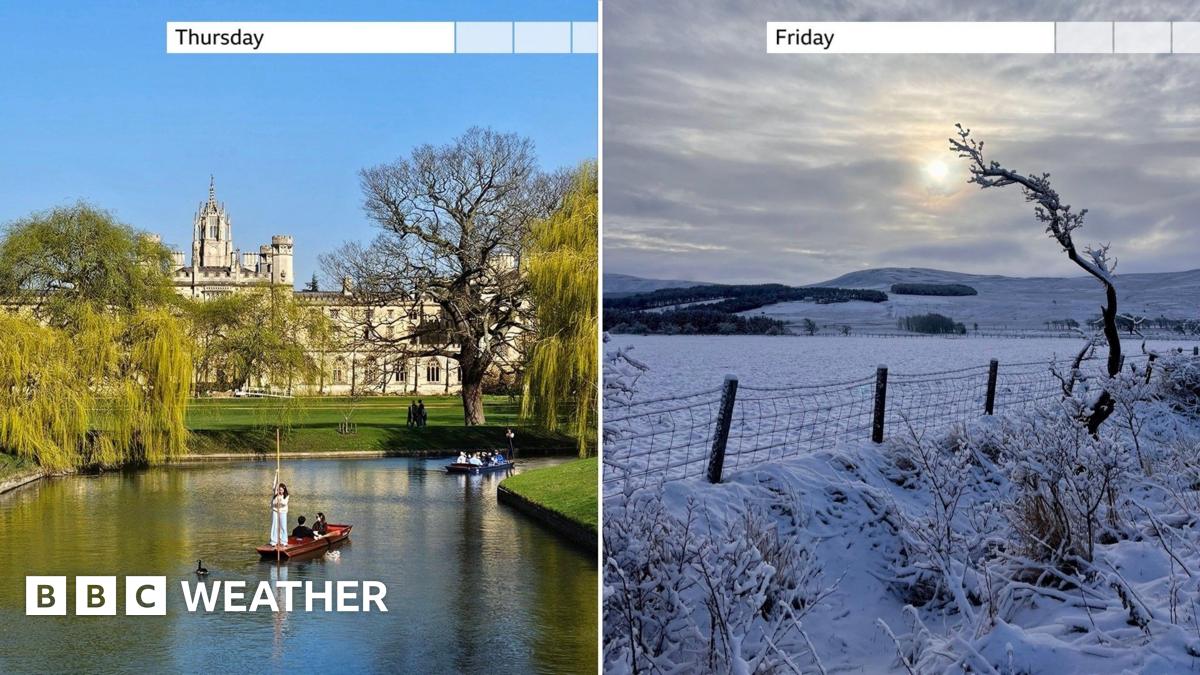
A photo showing Thursday's warm sunshine and Friday's hill snow

This weekend is looking quite mixed. Scotland and Northern Ireland will have a fine day with some sunshine on Saturday. After a cold and frosty start for some, it should feel quite pleasant in the afternoon sunshine. It will turn cloudier on Sunday with the best of any sunshine in northern areas.

England and Wales will have a mainly cloudy weekend with the prospect of some patches of rain on Saturday and probably some mist and fog into Sunday morning.

The cloud is likely to break up in south-east England by Sunday afternoon with some spells of sunshine developing.

Temperatures this weekend will range between 11-14C, but in any sunshine in the south-east on Sunday temperatures could reach up to 18C.

Advertisement

Next week is looking much more unsettled with spells of rain and at times it will become windy. The wettest and windiest weather will be across western areas.

It will turn colder through the week so we may even see some hill snow returning by the end of the week to Scotland, Northern Ireland, north England and perhaps Wales too.

Source link

Advertisement
Continue Reading

NewsBeat

Killer cop Wayne Couzens ‘fears he’s next’ after Ian Huntley ‘blinded in jail attack’

Published

on

Killer cop Wayne Couzens ‘fears he’s next’ after Ian Huntley 'blinded in jail attack'

An insider claimed “Couzens is really scared and is not a tough or imposing bloke either”

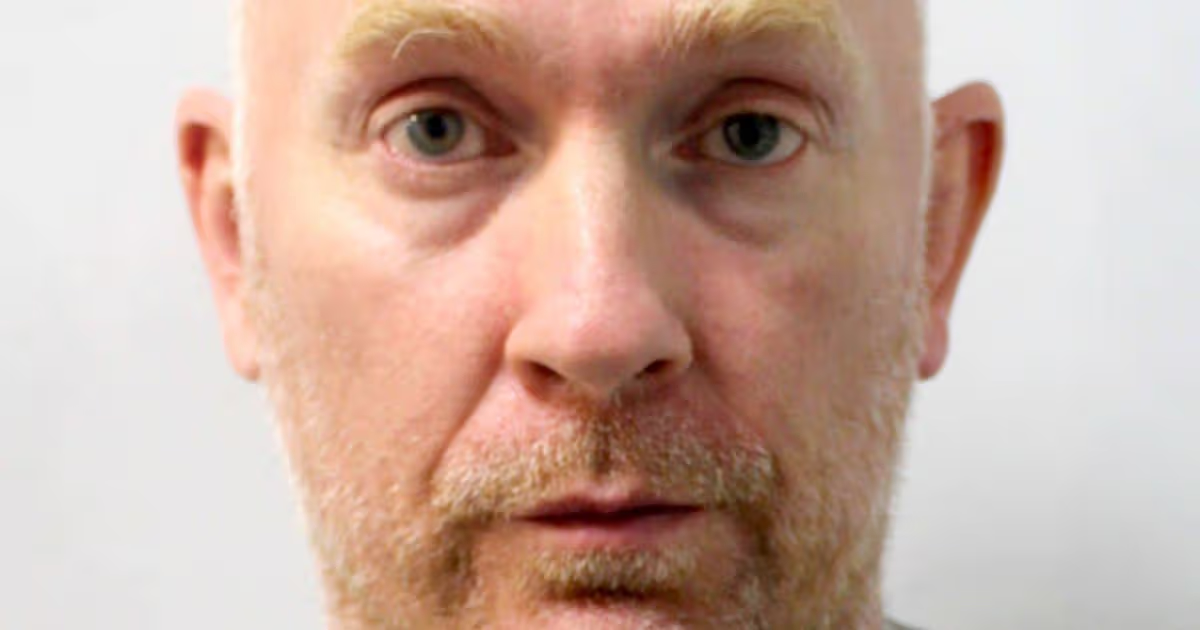
Killer cop Wayne Couzens is reportedly refusing to leave his cell at HMP Frankland, gripped by fear in the aftermath of the violent assault on Ian Huntley.

The Soham murderer remains in a critical condition after being repeatedly struck around the head, an attack that has echoed through the high‑security jail known as “Monster Mansion” for its population of some of Britain’s most dangerous offenders.

Advertisement

Couzens, the former Metropolitan Police officer who abducted, raped and murdered Sarah Everard in 2021, is said to be among the most unsettled by the incident. According to one prison source, the 53‑year‑old is deeply anxious that he could be targeted next, convinced he may face the same fate as Huntley.

“Couzens is absolutely petrified and is barely coming out of his cell,” a source told The Sun. “He has told people he fears he will be next and is the number one target now that someone has got to Huntley.

“They were on the same wing at the jail, and he is almost as hated as Huntley. The fact that the case has been in the news, with the fifth anniversary of the murder of Sarah, has put him even more in the spotlight.

“Couzens is really scared and is not a tough or imposing bloke either. He is obviously an ex-police officer, which puts him in greater danger, and his crime is so notorious.”

Advertisement

Want to see more of the stories you love from Belfast Live? Making us your preferred source on Google means you’ll get more of our exclusives… To add Belfast Live as a preferred source, simply click here.

Source link

Continue Reading

Trending

Copyright © 2025