

Rules around travel to Europe are changing – make sure you’re prepared by following a travel expert’s tips.
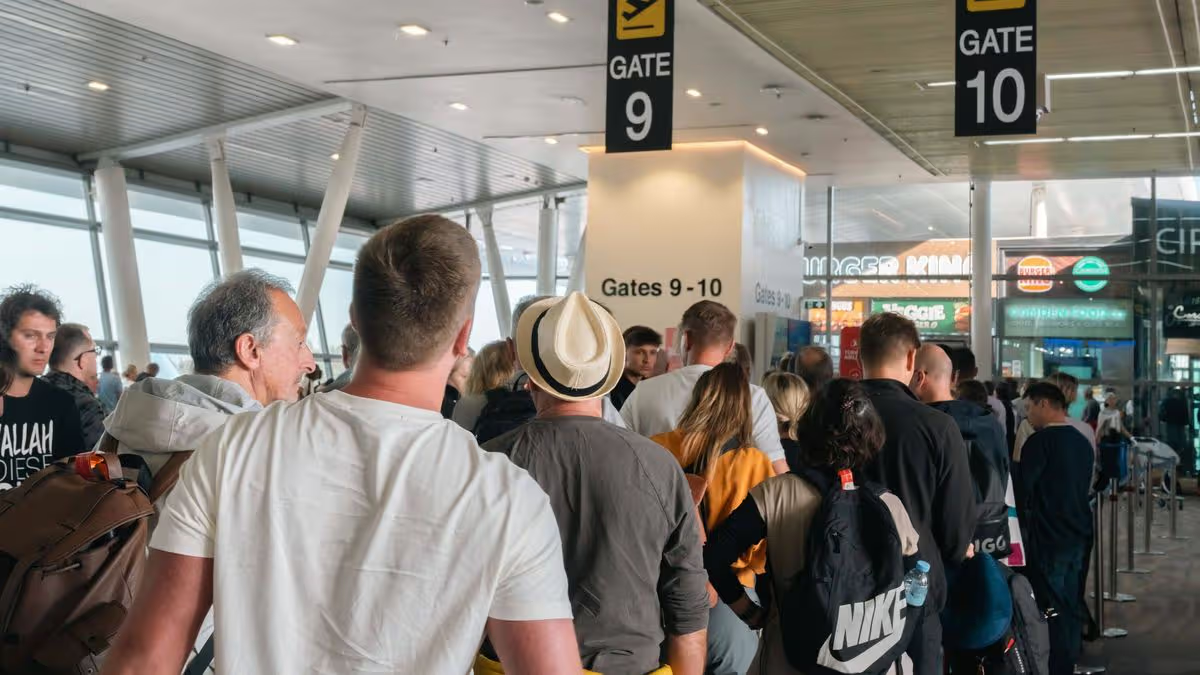
Nobody wants to face those dreaded airport queues; there’s nothing to ruin the start of a holiday than being stuck in a long queue, stressing about whether you’ll make your flight, surrounded by equally frustrated travellers.
From April 10, new biometric checks will become mandatory for all non-EU travellers entering the Schengen Area which will include Brits. Traditional passport stamping is now replaced by fingerprint scans and facial recognition. While it is meant to be a quick process, major international hubs are already reporting long queues of up to four hours for the service, especially at airports that host multiple airlines.
With that in mind, Jane Bolton, a travel expert at Erna Low, has shared four simple but essential tips to help passengers avoid unnecessary delays and start their trip without delays.
Arrive earlier than you think you need to
“Airport wait times can vary, but with the new EES checks, queues of up to four hours are expected at peak times,” Jane explains. “In the past, travellers were advised to arrive two hours before a domestic flight and three hours for an international flight. Now, it’s worth allowing more time than usual.”
To be extra prepared, Jane would recommend arriving three to four hours before the flight to account for additional biometric checks slowing down border processing – especially if you’re flying during busier holiday periods.
Consider fast-track options where possible
But spending so much time in airports isn’t exactly everyone’s idea of fun. In that case, fast-track security could be worth the investment. “As long queues are expected, passengers should opt for alternative time-saving methods where possible,” Jane says. “Purchasing fast-track tickets for security is a great method for reducing the time needed prior to a flight.” Typically costing between £3 and £12, these passes can help you bypass long security lines, a price she says is “a relatively small investment for peace of mind.”
Plan carefully if you’re travelling with family
Under the new system, families might even face additional challenges – children under 12 are exempt from fingerprinting and facial recognition, but they must be linked to a registered adult. “For families or large parties travelling, allowing extra time at the airport is essential,” Jane explains. “This process will take longer than average, so plan ahead and keep all documents ready.”
Double-check your passport before you go
Since Brexit, Jane says, one of the most common mistakes travellers make is assuming their passport is valid everywhere, at any point. “Your passport must have been issued less than 10 years before your travel date and be valid for at least three months after departure,” Jane says. She stresses that, while most would know their passport is expired, some wouldn’t think to check one thing that also matters: the issue date. She explains: “For example, a passport issued in March 2015 and expiring in December 2025 won’t be valid for EU travel after March 2025.” Failing to check this could mean being turned away at the airport before your trip even begins.























































You must be logged in to post a comment Login