RAINELLE, W.Va. (AP) — Every month, Rebecca Michalski takes a deep breath before opening her electric bill. She lives on a fixed income, and heating her small house this winter has been staggering: Her February charge was $940.08 — more than her check.
It makes no sense. She turns the lights off during the day and only burns one lamp with an energy-efficient bulb in the living room at night, but she keeps falling further behind on payments. In desperation, she took out a loan after getting a cut-off notice during an extended arctic blast that kept the state’s heaters cranking when temperatures regularly dipped below zero.
“Every time you see that power bill, you’re just sick,” Michalski said, rifling through a stack of statements totaling thousands of dollars. “I already know before I open it. I just dread seeing how much.”
She’s taken to social media, demanding answers alongside thousands of other West Virginians who have been posting screenshots of their monthly charges. They are angry and perplexed over soaring utility costs that are surpassing rents and mortgages in one of the most energy-rich, yet poorest, corners of America, where some families have been forced to choose between paying for food or heat.
“And if it doesn’t work out, you’ll say, ‘Oh well, I voted for him, I still got them down a lot,’” he said. “You will never have had energy so low as you will under a certain gentleman known as Donald J. Trump.”
It hasn’t worked out.
Instead, electricity increased 4.8% in February nationwide and piped natural gas prices rose 10.9%, both compared with a year earlier, according to the Labor Department’s Consumer Price Index. That surpassed inflation even before the attacks on Iran by the U.S. and Israel sent energy costs ballooning.
Advertisement
It’s becoming an increasingly aggravating issue for some voters. Rising electricity bills emerged as a campaign issue in recent elections, including during gubernatorial races won by Democrats in New Jersey and Virginia. Cost concerns are expected to surface during midterms this fall, and an analysis by the nonprofit PowerLines found residents are not likely to get a break any time soon because new gas and electricity rate hike requests could affect more than 80 million Americans. An AP-NORC poll conducted in March also found 35% of U.S. adults were “extremely” or “very” concerned about being able to afford electricity in the next few months.
Rebecca Michalski pauses as she talks about electric bills she cannot pay while sitting next to her Chihuahua, Enos, at her home in Rainelle, W.Va., Saturday, March 21, 2026. (AP Photo/Carolyn Kaster)
Advertisement
Rebecca Michalski pauses as she talks about electric bills she cannot pay while sitting next to her Chihuahua, Enos, at her home in Rainelle, W.Va., Saturday, March 21, 2026. (AP Photo/Carolyn Kaster)
Advertisement
Advertisement
Advertisement
“It’s breaking me. And there’s nothing that can be done for it, unless the president does something,” Michalski said about her skyrocketing power bills, adding she no longer supports Trump. “And I don’t see him doing it. He’s had plenty of time.”
Increased demand, extreme weather and events, upgrading and maintaining aging infrastructure and rising natural gas prices are pushing electricity bills higher. Rising energy costs — including gas pump sticker shock now topping an average $4 per gallon nationally — could further be exacerbated by the war in Iran along with the Trump administration’s push to export higher volumes of liquefied natural gas — which, in turn, depletes domestic supply. Ratepayers are also wary as more power-gobbling data centers for artificial intelligence and cloud computing are being built or warmly embraced by politicians in places like West Virginia — where residents deep in Trump country have gone from having the cheapest electricity rate nationwide in 2005, to experiencing one of the fastest increases in the country, far outpacing the national average, according to data from the U.S. Energy Information Administration.
All in a place where people are living atop vast deposits of coal, oil and gas.
Advertisement
King Coal
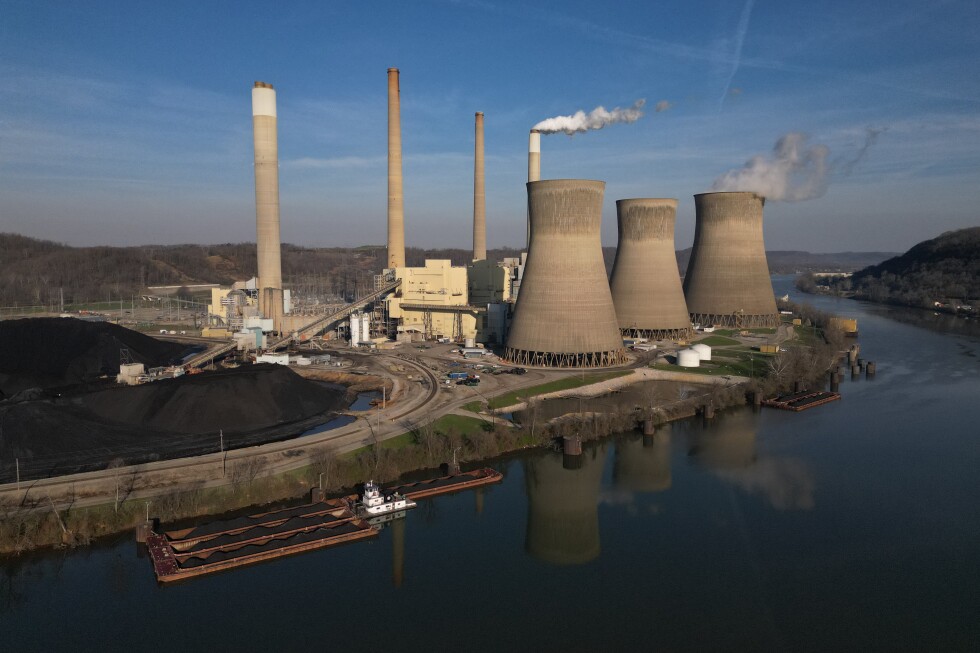
Coal remains king here, but it wears a pricey crown. The state is an outlier nationwide because of its stubborn resistance to adopting cleaner, cheaper sources of energy, such as nuclear power, natural gas — even though it’s one of the nation’s top producers — and renewables like wind and solar. Instead, West Virginia clings to aging coal-fired electric plants more than anywhere else in the country — about 87% of all production. Its supermajority Republican-led government — there are only 11 Democrats in the House and Senate — has doubled down on this reliance, blaming past Democratic administrations for a war on coal fueled by increased federal regulations and restrictions, while Trump poses for photo ops with coal miners at the White House and regularly touts “beautiful, clean coal.”
“Lowering electricity prices is a top priority for President Trump,” said White House spokeswoman Taylor Rogers, blaming former President Joe Biden for the problem. “He is aggressively unleashing reliable energy sources like coal and natural gas.”
Trump has forced unprofitable coal-powered plants to remain open, rolled back pollution standards for them and provided hundreds of millions of dollars in funding to improve them. He’s also streamlined permitting and regulations to push for mining expansion when coal mines have been shutting down in the state, including several operations this year that eliminated more than 700 jobs.
Advertisement
American Electric Power’s John Amos coal-fired power plant in Winfield, W.Va., stands across the Kanawha River, March 22, 2026. (AP Video/Carolyn Kaster)
Advertisement
“If you’re not 100% in on coal, then you’re a traitor. … It’s like a measure of patriotism,” said Jamie Van Nostrand, policy director at the nonprofit Future of Heat Initiative and a former West Virginia University professor who wrote a book about the state’s reliance on coal energy. “I think if you went to the average West Virginian and said, ‘Yeah, we understand you want to support the coal industry, but do you want to support it to the extent that you’re OK paying twice as much as you should be for electricity?’”
The state’s average household electricity rate per kilowatt-hour has surged 73%, natural gas has increased 51% per 1,000 cubic feet and water has risen 45% per 1,000 gallons from 2015 to 2025, according to West Virginia’s Public Service Commission, a three-member panel. It includes a former power company lobbyist and the former head of the state coal association — appointed by the governor and charged with approving rate hikes.
Even though monthly bills remain higher in other states, salaries in West Virginia have simply not kept pace — it’s the only place in the country where the median inflation-adjusted household income was lower in 2023 than it was in 1970, according to the Urban Institute. That means residents are seeing larger chunks of their paychecks going to utilities compared to people in other places.
Michalski, who’s disabled and uses a walker to get around, said she tries not to run anything in her house that can suck electricity, including her air conditioning in summer. But she simply can’t turn off the heater. During the past year, her statements totaled over $5,000. She asked family for help paying the bill this winter, but said she’s now out of options.
Advertisement
She knows what’s next.
“They come and cut off your power. Then you’re sitting in the dark. And I see that happening,” she said. “And I think for a lot of other people, it’s gonna happen too.”
“It only makes the rich richer”
Advertisement
Ed Tierney, left, and David Horne, struggle to load an overloaded pallet onto a truck at they close up one of two JCD Bargain and Trade stores, to consolidate with the other location, in Ravenswood, W.Va., Friday, March 13, 2026. (AP Photo/Carolyn Kaster)
Ed Tierney, left, and David Horne, struggle to load an overloaded pallet onto a truck at they close up one of two JCD Bargain and Trade stores, to consolidate with the other location, in Ravenswood, W.Va., Friday, March 13, 2026. (AP Photo/Carolyn Kaster)
Advertisement
Advertisement
Advertisement
Isolated by its beautiful, rugged mountains, West Virginia sits entirely within Appalachia and has long been listed at the bottom of a laundry list of failings, including poor health and a lack of education. Many residents from rural areas have lived on the same land for generations, watching a cycle of outside companies profit from extracting the state’s resources — from timber to coal and oil and gas — only to pollute and abandon communities afterward. Its people are known for being fiercely independent and proud despite their hardships, including a lack of clean drinking water that has persisted for decades in some areas, forcing residents in the southern coal fields to ferry jugs to and from roadside springs or abandoned mines while spending up to $250 a month for bottled water to cook with and drink. They also pay for public water piped into their homes that often runs black, yellow and brown.
Some, including those living in scenic areas where tourism is a major revenue driver, are protesting Big Tech companies rushing to build enormous data centers, fearing they could lead to the next cycle of outsiders taking advantage of the state’s resources. They have been loud over a lack of public input and transparency around plans to build the complexes, questioning noise pollution, huge water consumption and the effect on ratepayers’ electricity prices.
“We just roll back regulations and we keep being promised that deregulating and privatizing our systems is gonna fix everything, and it never does,” said Caitlin Ware, a pastor who advocates for clean water in southern West Virginia — her thoughts briefly interrupted as the electricity abruptly went off in her Sandyville United Methodist Church. “It only makes the rich richer, and it only puts us in a worse situation.”
Advertisement
In February, Gov. Patrick Morrisey proudly announced plans to build a data center on nearly 550 acres in Berkeley County.
“This $4 billion investment is a historic win that proves West Virginia can compete at the highest level for the global tech economy,” he said in a statement. It did not explain where the water or electricity would come from to run the 600 megawatt, 1.9 million square foot facility.
Morrisey’s office did not respond to a request for comment.
Skyrocketing electricity costs and the growth of data centers, which can use enough power to run 100,000 homes, faced voter backlash in Georgia last fall where Democrats ousted two Republicans on the state’s utility regulatory commission for the first time in nearly two decades. Trump recently tried to ease Americans’ concerns by announcing a “ratepayer protection” pledge at the White House with Big Tech companies promising to bear the cost and produce their own energy, though it’s not clear how that would be enforced.
Advertisement
The reasons behind nationwide utility price hikes are complex and vary among regions. They include adding new transmission, distribution lines and power poles; increased brutal high and low temperatures; extreme weather events such as hurricanes and wildfires; and volatility in fuel costs such as surging gas prices during the war in Ukraine.
These all play a huge role in rising bills that have left some 80 million Americans struggling to pay their monthly gas and electric bills, said Charles Hua, founder of consumer advocacy organization PowerLines that found investor-owned gas and electric utility companies asked for nearly $31 billion in increases last year nationwide, double the amount requested a year earlier. He said utility costs have become the new affordability issue akin to soaring egg prices that previously enraged consumers, making it a possible player in this fall’s elections to control Congress.
“Electric bills have gone up 40% over the last five years,” he said. “This is likely to continue to rise. This is definitely something that the Trump administration and President Trump are very concerned about.”
Advertisement
Ashley Nicole Dixon looks through her truck for electric bills outside one of her homes in Danese, W.Va., Saturday, March 21, 2026. (AP Photo/Carolyn Kaster)
Advertisement
Ashley Nicole Dixon looks through her truck for electric bills outside one of her homes in Danese, W.Va., Saturday, March 21, 2026. (AP Photo/Carolyn Kaster)
Advertisement
Advertisement
In West Virginia, all 55 counties voted for Trump in 2024. But it was a Democratic stronghold for decades prior to the switch when coal mines were the lifeblood, and unions were virtually unbreakable. The state has struggled immensely under both parties: It has experienced a major brain drain, a devastating opioid epidemic, a growing elderly population and its coveted coal industry jobs have dried up with nothing to replace them. That leaves people who work minimum wage jobs, those on fixed incomes and even college-educated middle-class families with two paychecks being pushed to the breaking point with affordability issues, including rising car insurance, grocery bills, health care and housing.
Ashley Nicole Dixon of Danese works as a manager at a Dollar General store and has a teenage daughter at home and another in college. She flipped through bills on her phone totaling more than $5,000 charged last year for electricity in her house that’s just over 1,000 square feet, even though her air conditioner didn’t work last summer. She voted for Trump, but said she’s done with him because he and other Republican politicians in West Virginia’s Capitol aren’t looking out for her interests.
Advertisement
“I love West Virginia because it’s beautiful. But anymore, it’s just a sham from the local government all the way up to Charleston,” she said, adding she believes the state’s Public Service Commission should be elected, and Trump should send her a check since he promised to cut electricity bills in half.
“I have no choice. It has to be paid,” she said. “And that’s what makes me sick because now I’m going to have to go … take more money out of my savings account just to keep the lights on.”
“Why is this so high?”
The coldest winter months were the hardest. Some people confined themselves to one room with small space heaters or used generators when they got behind on their electricity bills and were disconnected. Others were forced to choose between food, medicine and warmth, with some turning their thermostats down to 60 degrees and bundling up or coming out of retirement to take part-time jobs.
For some, the spiral began in November when their Supplemental Nutrition Assistance Program, or SNAP, benefits were put on hold due to the federal government shutdown. United Way’s Central West Virginia helpline saw more than a 1,300% increase during that time, and calls for help paying utilities were second only to housing last year.
Advertisement
Retired railroad worker and Army veteran Charles “Duke” Hodge watches old Westerns with Sophie, one of his two Yorkies, in his home at the Olde Oak RV Park and Campground where he lives and works in West Columbia, W.Va., Tuesday, March 17, 2026. (AP Photo/Carolyn Kaster)
Advertisement
Retired railroad worker and Army veteran Charles “Duke” Hodge watches old Westerns with Sophie, one of his two Yorkies, in his home at the Olde Oak RV Park and Campground where he lives and works in West Columbia, W.Va., Tuesday, March 17, 2026. (AP Photo/Carolyn Kaster)
Advertisement
Advertisement
Advertisement
More than one in three West Virginia households is considered energy burdened, spending more than 6% of their income on electricity and other fuel costs. Of those, about 20% are low-income residents who shoulder some of the highest energy costs in the state.
Advertisement
Last year, Trump fired the staff of a federal program that assists millions of low-income Americans with heating bills in the winter and proposed eliminating all of its funding in his budget — a move repeated this year. Congress allocated money for it, but billions of dollars were delayed due to the shutdown. However, many West Virginians falling behind on bills are not eligible to apply because they make just a little too much money.
Jennifer Brown of Kingwood lands in that category. She’s employed at West Virginia’s federally funded Head Start program for low-income children and her husband is a postal worker. They have four kids and during the winter months, their combined utilities can climb to $1,000 a month, eclipsing their $798 mortgage. They were on a payment plan for their gas this winter after receiving a shut-off notice, and she said they were still paying off a water bill from their previous home.
“Every month we get our utility bills, I’m so angry. I’m like, ‘Why is this so high?’” she said, adding it’s not unusual to pay $200 to $300 for electricity and the same for water, sewage and garbage combined every month. “And we can’t figure it out. Nothing seems to be wrong … and we’re not wasteful.”
Bills introduced that would have temporarily frozen electricity rates in West Virginia or helped those who are most vulnerable went nowhere this year in the state legislature even though increased energy costs are often passed on to ratepayers. The Public Service Commission has approved a flurry of rate hikes in recent years as private utilities grapple with maintaining profits while improving infrastructure in a mountainous, sparsely populated state.
Advertisement
The town of Ravenswood, W. Va. (AP Video/Jesse Wardarski)
Advertisement
It’s been a particularly tough burden for some small businesses to carry. In the western town of Ravenswood, just across the river from Ohio, some shop owners were forced to shut down this winter because they couldn’t pay their electric bills.
Heather Santee said the power at her bakery was abruptly terminated just ahead of Valentine’s Day. She was behind on her bill, but said she would have been able to pay the necessary chunk of the $4,000 she owed if she could have stayed open long enough to fulfill the holiday orders. Instead, the shut-off forced her out, leaving the tenants living in apartments upstairs without heat too.
“Once I started getting those high electric bills in the winter, I was like, ‘This will be what closes me down,’” she said, adding the bakery was her dream and the loss has her thinking maybe it would be better to just leave the state altogether. “West Virginia is holding back a lot of people because they are allowing these bills to be so high.”
Advertisement
She’s not alone. Just a couple blocks down the street, Anthony Crihfield Jones packed up his overstock retail shop, JCD Bargain and Trade, moving inventory to another warehouse because he can no longer afford to pay thousands of dollars in electricity charges for his home and businesses.
Anthony Crihfield Jones wipes tears outside his JCD Bargain and Trade store near Ripley, W.Va., Friday, March 13, 2026, as he closed his other nearby location to consolidate his businesses under one roof due to high electric bills. (AP Photo/Carolyn Kaster)
Advertisement
Anthony Crihfield Jones wipes tears outside his JCD Bargain and Trade store near Ripley, W.Va., Friday, March 13, 2026, as he closed his other nearby location to consolidate his businesses under one roof due to high electric bills. (AP Photo/Carolyn Kaster)
Advertisement
Advertisement
Advertisement
Advertisement
Even though he still supports Trump, after leaving the Democrats to vote Republican, he’s becoming increasingly concerned that neither party cares about struggling people in America.
“All I heard was … ‘Drill, baby, drill,’” he said, repeating Trump’s popular catch phrase to encourage domestic energy production. “OK. Well, they’re drillin’. Why’s my bill the same?”
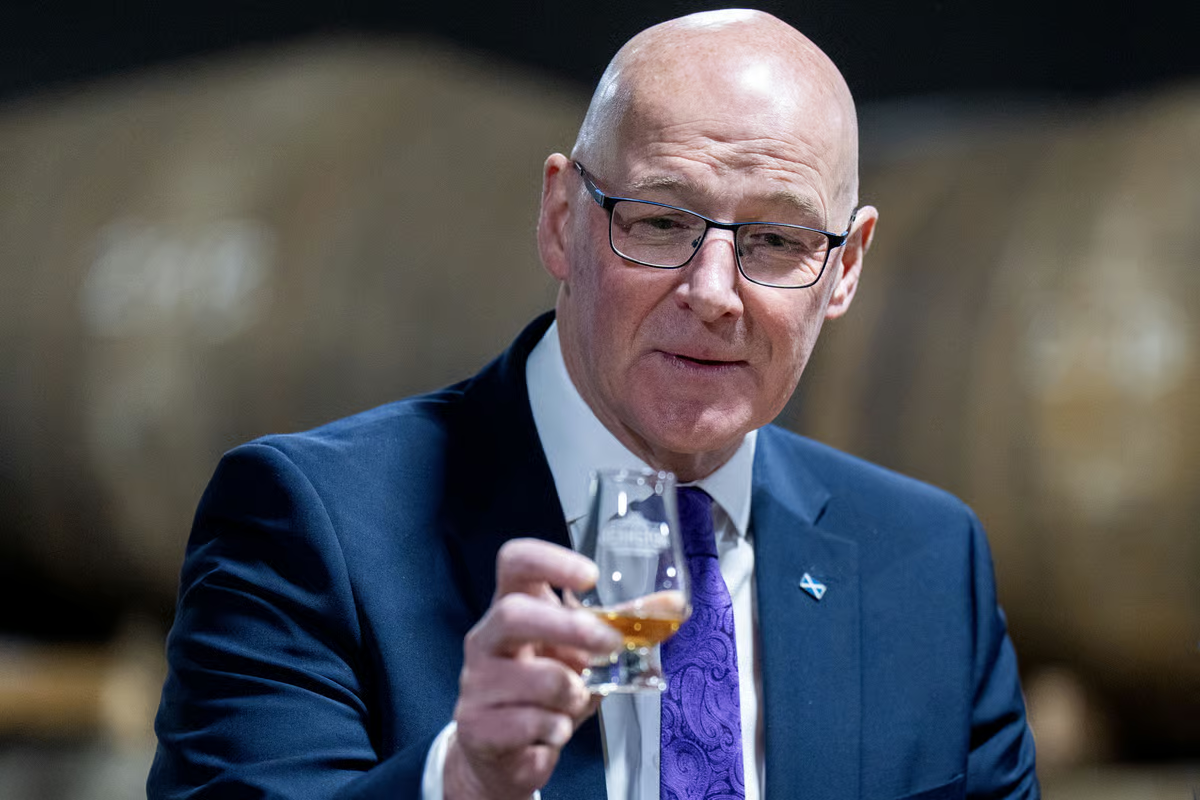
Earlier on Friday, Scotch Whisky Association head of strategy and communications Graeme Littlejohn said the tariffs announcement was the result of “months and months of work”, adding: “The King was the royal sparkle at the end of a lot of work to get a deal over the line here, this doesn’t happen overnight.”
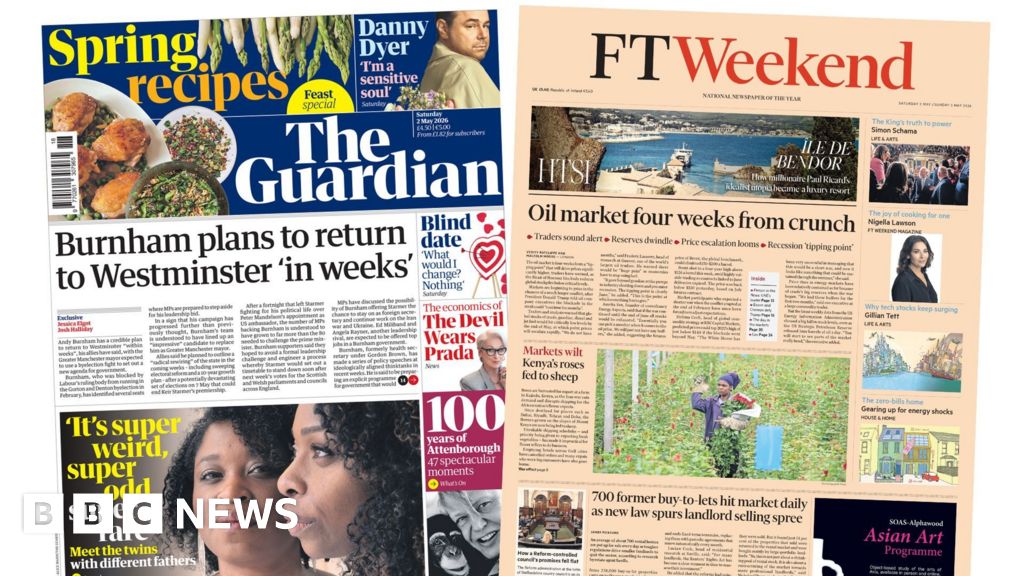
Former Labour MP and cabinet minister Andy Burnham could return to Westminster “in weeks”, the Guardian reports. The mayor of Greater Manchester is “expected to use a byelection fight to set out a new agenda for government”, the paper writes, after he “was blocked by Labour’s ruling body from running in the Gorton and Denton byelection in February”.
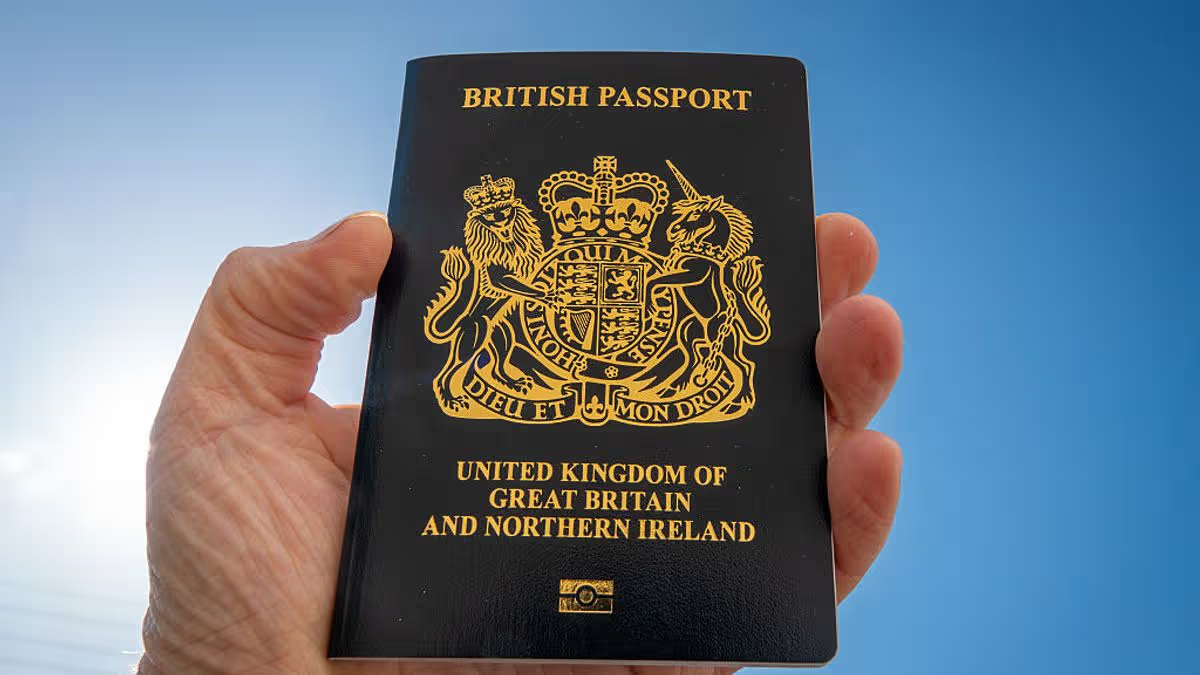
With summer just around the corner, countless Britons are eagerly counting down until their holidays. Yet, before stepping onto planes, ferries or the Eurostar, carrying out a thorough passport check is essential.
Advertisement
When planning my own summer getaway, I discovered my passport needed renewing ahead of the trip. Since Brexit, entry requirements for countries throughout Europe have undergone significant changes.
Many travellers are caught off guard by the regulations, and for those heading to Europe and Schengen countries, passports must have been issued less than 10 years before your departure date and remain valid for at least three months after your intended return date.
Due to these requirements, my passport was deemed expired, prompting me to apply for a new one. Previously, I had renewed my passport using a paper form at the Post Office.
By contrast, the paper route will set you back £115.50. Another part that has streamlined the process is that passport photo booths now offer digital copies of your photograph alongside the traditional printed version.
This means you receive a digital code linked to your image, which you simply enter to upload directly to the gov.uk website.
Once you have entered your details and uploaded your photograph on the UK Government website, you must return your old passport. Simply post it to the address provided and wait for your new one to arrive.
Advertisement
The Passport Office states that the process typically takes three weeks to receive your new passport.
They begin processing your new one as soon as your documents are received, so it is essential to send off your old passport as soon as possible.
Surprisingly, the new passport arrived in just one week after posting the old one. The entire process proved simpler and quicker than I expected.
The Passport Office does usually caution that during peak periods, it may take longer to receive your passport.
Advertisement
It added: “It may take longer than three weeks if we need more information, or we need to interview you. We’ll tell you this within 3 weeks.”
But, based on my personal experience, there were no complications whatsoever, and renewing a passport online would certainly be the preferred option in future, both as a time and money-saving measure.
Renewing my passport was so much easier by picking a different option
Summer is almost here, with many Brits counting down to their holidays. However, before boarding planes, hopping on ferries or getting on the Eurostar, it is vital to do a passport check.
Advertisement
I recently planned my summer holiday, but realised my passport needed renewing before the trip. Since the UK left the European Union, entry rules to countries across Europe have changed.
Due to these rules, my passport was classed as out of date, and so I set out to get a new one. In previous years, I chose to renew my passport through a paper form at the Post Office.
However, this time I decided to do it all online, which turned out to be cheaper and easier. It currently costs £102 to renew or replace your passport if you submit the forms online.
Otherwise, it costs £115.50 if you do it by paper. Another change that has made the process easier and faster is that passport photo booths now provide digital copies of your photo as well as a physical printout.
It means you get a digital code that links to your photo, so you simply enter it to upload it to the gov.uk website.
Once you have filled in your details and uploaded your photo on the UK Government website, you must return your old passport. I simply posted it to the address provided and waited for my new one to arrive.
Advertisement
The Passport Office says it typically takes three weeks to get your new passport.
They start working on your new one as soon as they receive your documents, so it is important to get your old passport sent off as soon as you can.
To my surprise, my new passport arrived in just one week after posting out my old one. The process was much easier and faster than I had expected.
Typically, the Passport Office warns that it could take longer to receive your passport in peak seasons.
Advertisement
It added: “It may take longer than three weeks if we need more information, or we need to interview you. We’ll tell you this within 3 weeks.”
However, from my own experience, I had no issues and would certainly choose to get my passport online in the future to save time and money.
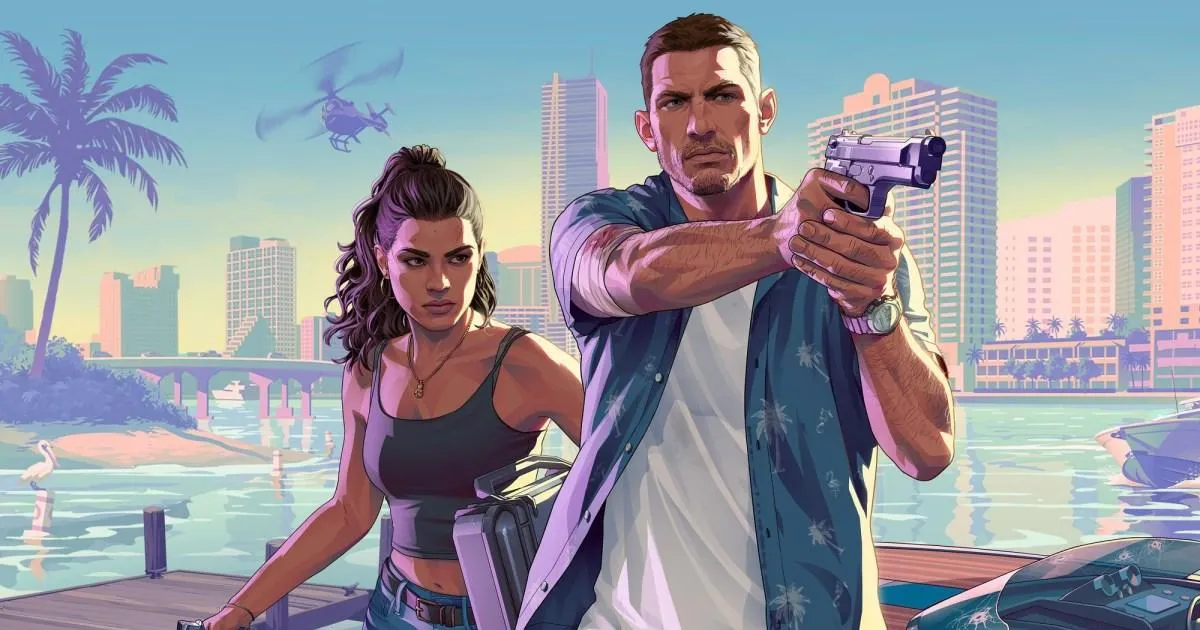
A reader explains why there’s at least 20 other games this year that he cares about more than Rockstar Games’ blockbuster-in-waiting GTA 6.
If it doesn’t get delayed again, GTA 6 is going to be out on November 19 and as lots of people are pointing out at the moment, it is going to be everywhere. It’s going to be all anyone talks about for months and I literally don’t know if the world is ever going to be the same again. Which is a real shame because I don’t care about it, and I feel I’m missing out.
I haven’t got anything against GTA. I’ve played most of them, and Red Dead Redemption, but I find them very overhyped and with poor gameplay. The open worlds are impressive, no doubt, but I find them a bit aimless and overdone.
I know that as far as the majority are concerned I’m wrong but since I’m not trying to spoil anyone else’s fun I hope you’ll let me be. I’m not here to attack GTA 6 and instead I will list all the games coming out this year that I’m more interested in. Obviously, I won’t be able to get them all, or at least not straight away, but I will before I ever get GTA 6.
Advertisement
1. Forza Horizon 6
OK, I’m probably going to get some details wrong with this lot, because obviously I’ve not played any of them, but you can’t go wrong with a new Forza Horizon. The Japanese setting sounds great, the only problem is I can’t play it till it comes out on PlayStation 5, which is after the Xbox.
Expert, exclusive gaming analysis
Sign up to the GameCentral newsletter for a unique take on the week in gaming, alongside the latest reviews and more. Delivered to your inbox every Saturday morning.
Advertisement
2. Lego Batman: Legacy Of The Dark Knight
I always find Lego games to be something fun I can play with my wife and this one has the benefit of apparently being quite a bit like the Arkham games, so that’s a definite bonus.
3. 007 First Light
Advertisement
Will still be waiting for the reviews for this one but all the positive previews have made very interested. I always like Bond and I also like the fact that this is obviously not a cash-in or a copy of GoldenEye 007.
4. Marvel Tōkon: Fighting Souls
I admit, I’d rather this was Marvel Vs. Capcom 4 but I’ll take it anyway. I like that they’ve used a Japanese developer and the designs actually show that, especially in the Gundam style Iron Man.
Advertisement
5. Phantom Blade 0
I’m not sure how much this is on other people’s radar, but I really like the look of this and the previews have all been very positive. Apparently it’s more like Devil May Cry than a Soulslike, despite what it looks like, but I’m still interested in it.
6. Star Wars: Galactic Racer
A new sequel to Star Wars Episode I: Racer is not something I expected to see this year, but I am absolutely here for it, especially as it’s by a bunch of UK developers that worked on Need For Speed and Burnout.
Advertisement
7. Marvel’s Wolverine
One of the big no-brainers of the year. The Spider-Man games have been pretty much perfect in my view and I have no doubt they’ll do just as good a job with Wolvie, who is a character I already like a lot more anyway.
8. Beast Of Reincarnation
Advertisement
Another not-so-obvious choice but this is the action role-player by Pokémon developer Game Freak and I really like the look of it. I’m a sucker for a good Soulslike, which I assume is what it basically is, and I like the Princess Mononoke vibe too.
9. Ace Combat 8: Wings Of Theve
Get the soundtrack of the year award ready because there’s a new Ace Combat out this year! I’m slightly surprised, because I never get the impression these sell all that well, but I love the games and their crazy plots.
Advertisement
10. Castlevania: Belmont’s Curse
So this isn’t the big budget Castlevania revamp that everyone wants, and I really don’t know why Konami doesn’t make one, but I’ll take it anyway because it’s a 2D game by the team that did Dead Cells.
11. Clive Barker’s Hellraiser: Revival
Perhaps I’m being a bit optimistic here, because it’s a Saber Interactive game and they’re a bit hit and miss. But I like how hardcore this seems to be in terms of both sex and violence, which will hopefully give Silent Hill a run for its money.
Advertisement
12. Silent Hill: Townfall
Speaking of which, Hellraiser may have its work cut out because the last two Silent Hill games have been fantastic, if you ask me, and this looks like it could continue the streak. Plus, it’s set in Scotland!
13. The Duskbloods
Advertisement
I’m cheating a bit with this one because I don’t have a Switch 2 (so there may be other Nintendo games on the way that I don’t know about) but if this is as good as From’s other stuff it could be the game that makes me buy one.
14. Fable
I don’t have an Xbox either but thanks to everything being multiformat nowadays I’ll be able to get this on the PlayStation 5. It depends on the reviews, but I still maintain I’m more interested in this than GTA 6.
15. Halo: Campaign Evolved
Advertisement
Although I’ve been a PlayStation owner most of my life, like most people I know I did have an Xbox 360 back in the day so I’m curious to see this and Gears Of War come back and be on Sony’s console. Even if I think it’s probably the wrong decision for Microsoft.
16. Gears Of War: E-Day
Personally, I always preferred Gears Of War to Halo but I understand this is a prequel, which suits me because I didn’t play the last two games. I hope it manages to have the same over-the-top feel as the old games, because the co-op in that was great.
Advertisement
17. Metro 2039
I was a big fan of Metro Exodus so it’s nice to see a new game. I have no idea if and when I’m going to have the time to play any of these games, because I’m sure this’ll be another massive one, but it’s definitely on my radar.
18. Mina The Hollower
This is the only indie game on my list, not because I don’t like them but because you never seem to hear about them until they’re out. This is the new one from the makers of Shovel Knight, so I’m very much looking forward to it.
Advertisement
19. Onimusha: Way Of The Sword
Capcom has been red hot all year and I don’t see any reason to expect this won’t be good too. Yes, we’d all prefer Dino Crisis but supernatural samurai horror is still very welcome in my book.
20. Star Wars Zero Company
Advertisement
As a big fan of XCOM I’m looking forward to this, even though I’ve never really liked the whole Clone Wars era. Anything that promotes big budget strategy games is fine by me though, especially turn-based.
Star Wars Zero Company – more exciting than GTA 6? (EA)
By reader Futterman
The reader’s features do not necessarily represent the views of GameCentral or Metro.
You can submit your own 500 to 600-word reader feature at any time, which if used will be published in the next appropriate weekend slot.
If Leeds are able to retain their top-flight status, the majority of supporters are likely point to wins against relegation rivals Wolves, Burnley and West Ham as the defining moments of the season.
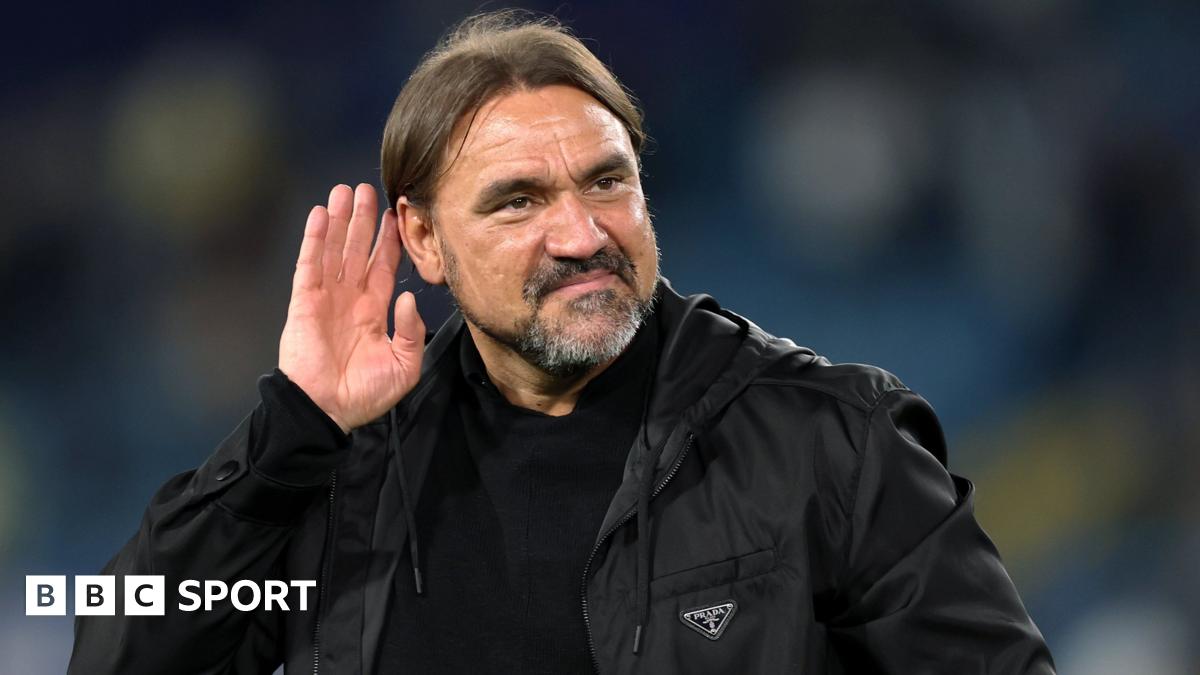
But Farke is almost certain to share a different view.
The 49-year-old is more likely to point to a 3-2 defeat by Manchester City in late November as the moment his side’s fortunes changed – and the numbers back it up.
After goals from Phil Foden and Josko Gvardiol put City 2-0 up inside 25 minutes, Leeds were left fearing the worst.
Advertisement
That was until Farke made an almighty roll of the dice, summoning Calvert-Lewin and defender Jaka Bijol from the bench to switch from a 4-3-3 to a 3-5-2.
It was a tactical switch that allowed Leeds an extra man in midfield and, crucially, offered extra support to summer signing Calvert-Lewin in attack.
Although Leeds saw a point snatched from their grasp when Foden scored a stoppage‑time winner, the performance – and a new tactical blueprint – offered both the club and Farke a road to redemption.
Leeds bounced back from the defeat against Pep Guardiola’s side by taking four points from a possible six against Chelsea and reigning champions Liverpool in the next two games.
Advertisement
“He was under real pressure, there was a lot of talk about his job – other managers were getting touted – and you felt if he lost against Manchester City he would lose his job,” said ex-Liverpool and Spurs midfielder Jamie Redknapp on Sky Sports.
“He didn’t win that game but they changed the system that day, played with a lot of promise and since then they’ve gone on a great run and gone from strength to strength.
“The points they’ve produced since the start of December has been fantastic.”
Since then, Leeds have lost only four out of a possible 19 league games – the ninth-best record in the division.
Advertisement
Consequently, Farke is on course to lead a team to Premier League survival for the first team in his career after failing to do so during his time in charge of Norwich.
She’s already being touted as the next big boxing superstar, has plans to fight for a world title within a year, and hasn’t lost any kind of fight since she was eight years old – but as Tiah Mai Ayton prepares for her next and biggest fight to date, she’s got other things on her mind.
The Kingswood teenager burst onto the scene last year, signed to Eddie Hearn’s famous Matchroom Boxing stable and was immediately touted as a future star.
She was just 18, still lived at home with her parents, and just as she had when she was a world champion kickboxer at the age of ten, still relied on them.
Advertisement
But the start of 2026 has seen big changes for the pocket rocket from east Bristol – she’s gained her independence. Not only has she turned 19, and passed her driving test, but she’s moved out of the family home, settling in a place of her own in Weston-super-Mare, close to the Weston Warriors gym she trains at.
She’s loving the independence, but not the location. “I live in Weston now, because my gym’s here, but my family all live in Bristol, so I’m always over in Bristol,” she said. “I wanna move back to Bristol though – I don’t like it here.”
Like thousands of her fellow Bristolians, who have moved from Bristol to Weston in recent years – it’s a bit of a demographic phenomenon – Tiah Mai Ayton faces a dilemma. Do you live near your work or face a commute? Tiah’s is in reverse though.
While most ex-pat Bristolians now in Weston face the commute back to the city every day, she’s moved to be closer to the gym – “It’s literally minutes away from me,” she said – but would rather be back around friends and family in Bristol.
Advertisement
Luckily, she passed her test a month or so ago, after several failed attempts. “It’s so much more free now, and all that,” she laughed.
Last time she stepped into a boxing ring was back in February at the Nottingham Arena. She beat up-and-coming Brazilian fighter Catherine Tacone Ramos on points in a narrow victory.
Advertisement
It was only her fifth professional fight, her fifth victory, but the first time she hadn’t ended the fight with a knock out.
Since then, she’s moved to a place of her own and passed her driving test – so will be going into the ring in front of thousands at the Civic Hall in Wolverhampton on Saturday having very much stepped into what young people these days call ‘adulting’.
She’s supremely confident about facing veteran Stevi Levy, disagreeing with the suggestion that fighting a 33-year-old seasoned pro who has won 15 fights and lost four will be her toughest challenge yet.
“No I don’t. I fought a Brazilian in my last fight, and I reckon she’ll be tougher than this fight. And I think I’ve had tough amateur fights. But Stevi’s a name and everything – she’s good. But I don’t reckon it’s going to be my hardest fight,” she said.
Advertisement
With all the talk of Tiah Mai Ayton’s prospects – boosted regularly by Eddie Hearn’s showmanship – it’s important to remember the 19-year-old has only fought five fights. And, because she generally knocks her opponent out or stops them within three or four rounds, she’s only boxed 22 rounds professionally in her entire career so far.
By contrast, Stevi Levy, a Norfolk-based fighter who has predominantly boxed in the north of England, has been boxing professionally for seven years, had 19 fights and gone through 123 rounds in the ring.
“I’ve been watching her, I’ve watched her fights,” explained Tiah Mai. “And she’s good, I give her credit and stuff, but I just think I’ve fought better people than her,” she added.
The fight will be televised live on boxing channel DAZN, and Tiah Mai said she’s often conscious of the crowds and the TV audience, until she gets in the ring.
Advertisement
“When I think about it before, I get all nervous, and I’m thinking ‘oh my God, there’s so many people there, there’s cameras and everything’,” she said.
“But as soon as you walk out and everything, you’re just so locked in and all you’re thinking about is the fight – you don’t really think about everyone else there,” she added.
Tiah Mai first graced the pages of the Bristol Post back in 2014, after she won the TFC Cadet British title as an eight-year-old kickboxer.
She’s one of four youngsters pictured on page 39 from the Cobra Kickboxing Club in Kingswood, holding a belt that’s almost as big as she is.
Advertisement
She started getting into martial arts and kickboxing at the age of six, and although she lost a couple of bouts when she started competing, the youngsters who beat her were soon seen off in return bouts.
Over the next few years, the Bristol Post reported her successes. In 2015, she won the WRSA European title at a tournament in France at the age of nine, alongside her sister Maddie and cousin Jamarie.
And by the age of 10, in early 2017, she was crowned world kickboxing champion for her weight, and got the full photocall experience.
Since the age of eight, and that first kickboxing success, she’s gone through her entire junior, amateur and now professional career without losing a single fight. Not one.
Advertisement
She transitioned from martial arts to traditional boxing in her mid-teens and never looked back, and can’t really remember what losing feels like.
Since turning pro at 18 and signing for Eddie Hearn’s Matchroom, life has changed and everything is a lot more serious now, but Tiah said she’s loving every minute, although her new fame is a bit baffling.
“It’s amazing to be honest,” she said. “I’m so grateful for all the opportunities that I’ve had. But it is so much better than amateurs, being pro. Everything I thought of, it is all just gone how I thought it would go, the knockouts and all that, and reels and everything. So, it is great,” she added.
“When I go out and stuff, I get recognised and people ask for photos. And it’s weird, because it’s just…I just still look at me and I’m just Tiah. I just do this cause I love it. I don’t do it for money or anything. I just do it because I love boxing and I’m just good at it.
Advertisement
“And then I feel like my life has changed because like now I’ve got my own place, I’ve moved away from my parents and all that. And so, I’ve had good opportunities come with it all,” she added.
The boxing world is sitting up and taking notice. At the end of 2025, she made history after becoming the first woman fighter ever to be named as the UK Prospect of the Year by boxing bible Boxing News
When she turned pro, Tiah Mai Ayton told the world she had three ambitions – to fight at Madison Square Garden, the iconic New York venue, to be world champion, and to fight at Ashton Gate – her family are all big Bristol City fans.
Ironically, she’s already done the latter, albeit as a child in a junior event in the concourse. The dream would be to fight for the world title on the pitch, cheered on by thousands.
Advertisement
Tiah said she laments not having fought in Bristol at all in her pro career so far – despite the city’s famous boxing pedigree, there is a distinct lack of venues.
Often the biggest boxing nights in Bristol for up and coming fighters are at the temporarily converted underground service yard underneath The Galleries shopping centre. It’s not somewhere Tiah Mai Ayton is desperately keen to appear.
“I wouldn’t mind doing something like fighting overseas, I think that’d be a good experience, but nothing beats English crowds.” she said.
“I would love to fight in Bristol. I’ve got loads of people that support me. so it would be great, because it is hard for people to travel nowadays, with the money and that,” she added.
Advertisement
She’s already a name for the bill for the TV companies, and is what they call in the sport ‘a draw’ – because she has the rare punching power among women fighters to deliver a knock-out blow. But what is it actually like to have that power? Boxing is pretty much the only sport where the aim is to hurt the opponent and render them unable to continue.
“Sometimes it’s different. One time I dropped someone and then I heard my coach shouting ‘don’t rush’, so I thought ‘ok’, I just took my time, I didn’t go running at her. Sometimes it’s like that, and I take my time more because I want to get the rounds.
“But then other times, if I know I’ve hurt them, and it’s getting closer to the end of the round, and I know I could stop them and get them out of there, I just think ‘oh I might as well just do it’.
“It’s just… when you fight, you just know when you could stop someone. And sometimes people smile at you when you hurt them and that’s how you know. You know that that landed… like that landed good,” she added.
Advertisement
Her trajectory might seem rapid, but that’s often the case for women fighters. “Females move (up) a lot quicker than males,” she explained.
“Because in men’s boxing you have journeymen, then you have the middle, then you have the top. But with women, it’s just journeywomen, and it’s just top women, there’s no middle. So women get pushed a lot quicker and there’s not a lot of female fighters. So I’ll probably be fighting for a title, hopefully this year and maybe a world title at the start of next year,” she added.
First, she’s got to beat Stevi Levy, and then see what happens.
Actor James Cartwright has spoken for the first time since he was seen bowing out of the ITV soap in dramatic fashion
21:37, 01 May 2026Updated 21:38, 01 May 2026
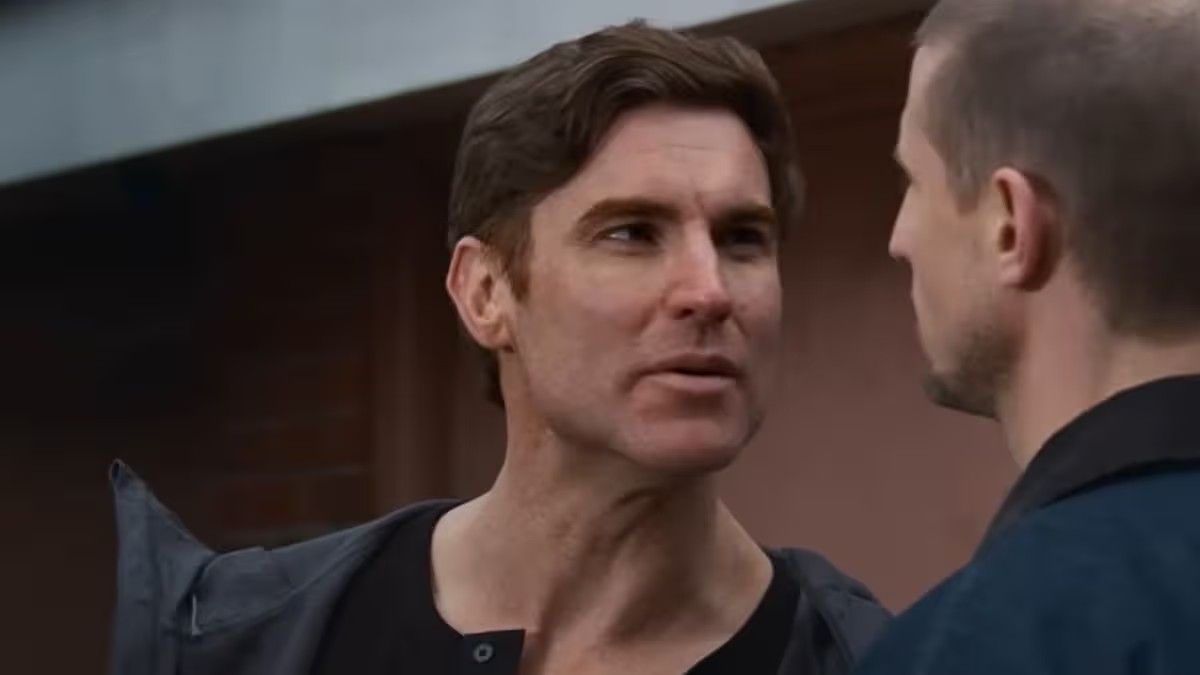
Coronation Street star James Cartwright has spoken for the first time since he was seen bowing out of the long-running show as Theo Silverton.
His time on the ITV soap has been nothing short of dramatic, but on Friday (May 1) night, the villain was seen meeting a deadly end as he was revealed as the victim of a shock murder on the famous cobbles.
Fans will recall that actor James joined Corrie in March last year in the role of builder Theo, and as those who watch know, he quickly found himself involved in a hard-hitting, coercively controlling, and abusive relationship storyline with Gareth Pierce, who plays Todd Grimshaw.
Advertisement
Click here to sign up for more Coronation Street updates in our newsletter
It has been in recent weeks and months that Theo’s behaviour has slowly been exposed to those in Weatherfield, eventually leading to Todd bravely going to the police about the horrific domestic violence he has suffered at the hands of his now-husband following a devastating attack which left him in the hospital.
But as Corrie fans already knew, Theo was one of the five possible victims of a murder set to take place on the cobbles, and during Monday’s (April 27) episode of the show, breaking the condition of an order to stay away from Todd, Theo wasn’t pleased to find his former partner at their flat, getting ready to leave for Thailand.
After another altercation with Todd, and George Shuttleworth who came to his rescue, Theo managed to escape the police, only to end up confronting Todd once more. The undertaker had jumped in a taxi to head to the airport for his trip, only to realise he had forgotten his phone. He stopped the taxi and asked the driver to wait while he went back to get it, only to find Theo facing him on the dimly lit street, holding his missing phone.
Advertisement
The next time we saw them was during Friday’s (May 1) episode, when Todd played a dangerous game of cat-and-mouse to outsmart a vengeful Theo, and Summer Spellman found herself caught in the crossfire when she came face-to-face with a sinister Theo. Soon, outside, a jovial Betsy was given the shock of her life as she stumbled across the villain’s lifeless body.
Speaking for the first time about Theo’s exit from the soap, James told Inside Soap: “He is no more. Celebrate. He’s gone. God, wasn’t he awful? What an awful, awful man.
“I join a long line of people who’ve met Corrie’s own brand of justice.”
Advertisement
Speaking on what happens next, he added: “It’s been a really exciting and thrilling thing. And a who-done-it is really fun, I think. And then it only just starts because you’ve realised who’s killed. But then the next stage of it is you’re going, who’s done it – because now all we don’t know is who’s dead, but now we’ve got to who’s done it.”
And sending a message to fans he said: “Thank you absolutely from the bottom of my heart to anyone who’s given any time to watch anything I’ve done over the past 18 months and been a part of it.”
“I’m not [being] positive, I want to be realistic, it’s different being positive, not positive because today is sunny, it’s Italian weather, and I’m positive, no, no. I want to be realistic, and for that I’m like, so I feel this pressure to change the perspective. The same perspective you can see in different ways,” De Zerbi continued.
“The ghastly fact is that Jews are on everybody’s list, all of those hateful groups, whether you’re extreme right, whether you’re extreme left, whether you’re Islamist terrorist, whether you’re right-wing terrorist, and some hostile states as well now with some sort of Iranian-related threats. There’s a ghastly Venn diagram that they’re at the middle of.”














































You must be logged in to post a comment Login